

The DOI matches its Crossref record; 47 of the 47 references it cites were found in a registry or an index.
Distinct Contributions of the Dorsolateral Prefrontal and Orbitofrontal Cortex during Emotion Regulation
Open accessAbstract
The lateral prefrontal and orbitofrontal cortices have both been implicated in emotion regulation, but their distinct roles in regulation of negative emotion remain poorly understood. To address this issue we enrolled 58 participants in an fMRI study in which participants were instructed to reappraise both negative and neutral stimuli. This design allowed us to separately study activations reflecting cognitive processes associated with reappraisal in general and activations specifically related to reappraisal of negative emotion. Our results confirmed that both the dorsolateral prefrontal cortex (DLPFC) and the lateral orbitofrontal cortex (OFC) contribute to emotion regulation through reappraisal. However, activity in the DLPFC was related to reappraisal independently of whether negative or neutral stimuli were reappraised, whereas the lateral OFC was uniquely related to reappraisal of negative stimuli. We suggest that relative to the lateral OFC, the DLPFC serves a more general role in emotion regulation, perhaps by reflecting the cognitive demand that is inherent to the regulation task.
Overview
The claims and statistics of this paper haven’t been checked yet.
Run the check — free, no account needed. It reads the open-access text and checks the sources it cites.
Integrity signals
Registry
Cites
Statistics
Figures
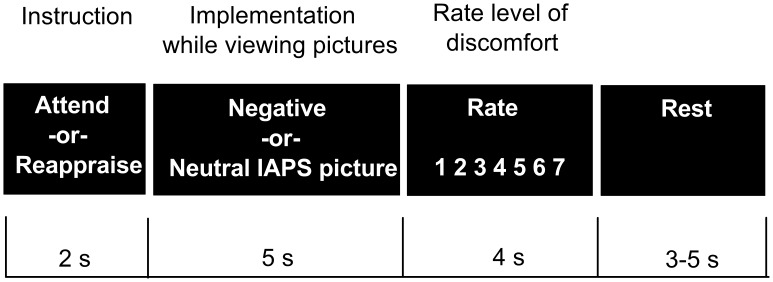
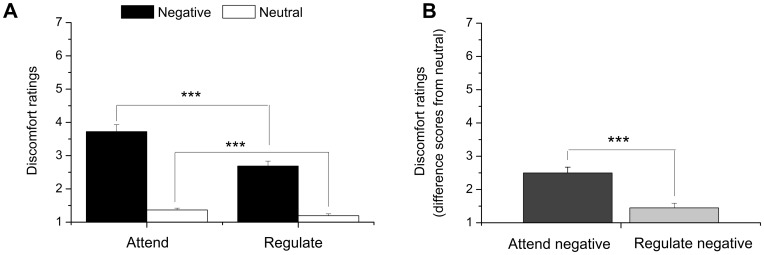
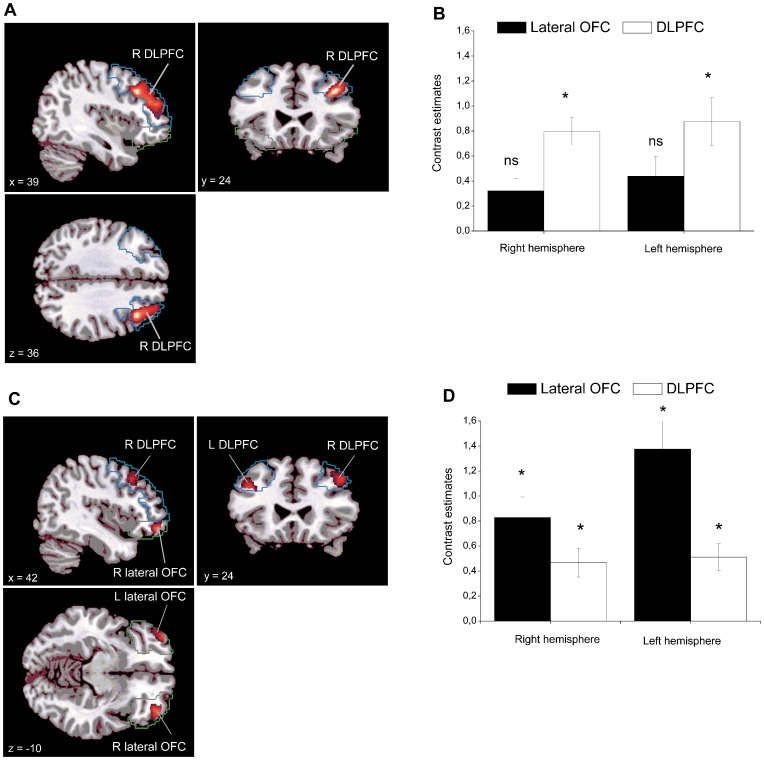
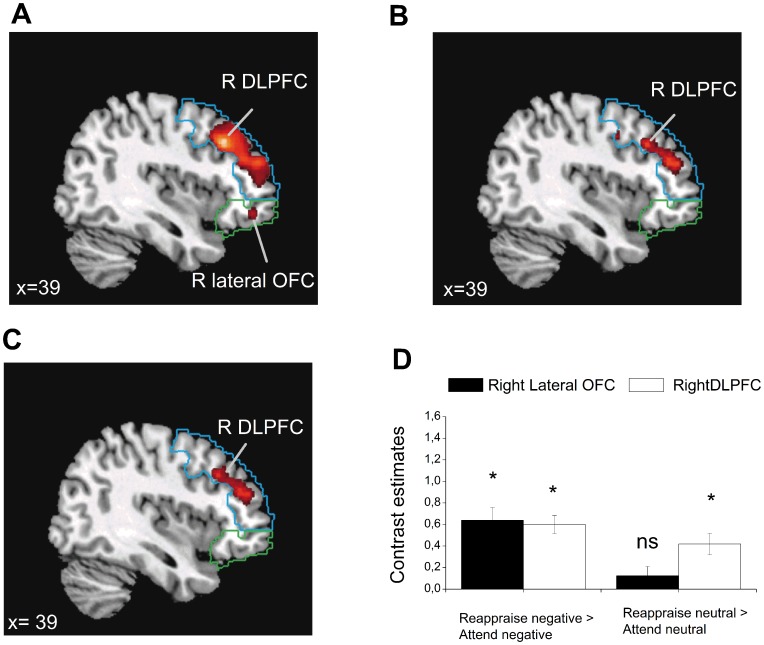
Verification
Claims the paper makes
The claims and statistics of this paper haven’t been checked yet.
Run the check — free, no account needed. It reads the open-access text and checks the sources it cites.
Claims other papers make about this one
Each is checked against this paper’s own text: does it say what the citing paper says it does?
The cited source says what the claim attributes to it.
In the citing paper
“In another study (Golkar et al., 2012), a neutral control state was introduced which contained non-emotional aspects of the task, and the interaction revealed more specific activation also in the lOFC/vlPFC.”
From Top-Down Dysregulation—From ADHD to Emotional Instability (2016) · cites this paper as Golkar et al., 2012
Self-check
Percentages, sums and reported differences re-computed from the paper’s own numbers.
The self-check needs the paper’s full text.
Citations
Cites
An Integrative Theory of Prefrontal Cortex Function
Miller, E. K., & Cohen, J. D. (2001) · Annual Review of Neuroscience · doi:10.1146/annurev.neuro.24.1.167 · Cited by 12,803
Lesch, K.-P., Bengel, D., Heils, A., Sabol, S. Z., Greenberg, B. D., Petri, S., Benjamin, J., Müller, C. R., Hamer, D. H., & Murphy, D. L. (1996) · Science · doi:10.1126/science.274.5292.1527 · Cited by 5,162
Maldjian, J. A., Laurienti, P. J., Kraft, R., & Burdette, J. H. (2003) · NeuroImage · doi:10.1016/s1053-8119(03)00169-1 · Cited by 5,066
Gross, J. J. (1998) · Journal of Personality and Social Psychology · doi:10.1037//0022-3514.74.1.224 · Cited by 4,671 · cited 2×
“The capacity to regulate the generation, experience and expression of emotion is a central aspect of mental health [1].”
BackgroundMethodThe cognitive control of emotion
OCHSNER, K., & GROSS, J. (2005) · Trends in Cognitive Sciences · doi:10.1016/j.tics.2005.03.010 · Cited by 4,495
MacDonald, A. W., Cohen, J. D., Stenger, V. A., & Carter, C. S. (2000) · Science · doi:10.1126/science.288.5472.1835 · Cited by 3,666
Imaging Cognition II: An Empirical Review of 275 PET and fMRI Studies
Cabeza, R., & Nyberg, L. (2000) · Journal of Cognitive Neuroscience · doi:10.1162/08989290051137585 · Cited by 3,598
Contributions of the Amygdala to Emotion Processing: From Animal Models to Human Behavior
Phelps, E. A., & LeDoux, J. E. (2005) · Neuron · doi:10.1016/j.neuron.2005.09.025 · Cited by 3,203 · cited 1×
“Given the role of the amygdala in emotional processing [35] and that this region has been shown to be modulated by reappraisal [3,36], we defined the amygdala as an a priori region of interest (ROI).”
BackgroundInhibition and the right inferior frontal cortex
Aron, A. R., Robbins, T. W., & Poldrack, R. A. (2004) · Trends in Cognitive Sciences · doi:10.1016/j.tics.2004.02.010 · Cited by 3,197
Rethinking feelings: an fMRI study of the cognitive regulation of emotion
Ochsner, K. N., Bunge, S. A., Gross, J. J., & Gabrieli, J. D. E. (2002) · Journal of Cognitive Neuroscience · doi:10.1162/089892902760807212 · Cited by 2,520
Cited by
Sorted by citations
Wise, T., Radua, J., Via, E., Cardoner, N., Abe, O., Adams, T. M., Amico, F., Cheng, Y., Cole, J. H., de Azevedo Marques Périco, C., et al. (2017) · Molecular Psychiatry · doi:10.1038/mp.2016.72 · Cited by 606
Putting feelings into words: Affect labeling as implicit emotion regulation
Torre, J. B., & Lieberman, M. D. (2018) · Emotion Review · doi:10.1177/1754073917742706 · Cited by 402
Widespread reductions in gray matter volume in depression
Grieve, S. M., Korgaonkar, M. S., Koslow, S. H., Gordon, E., & Williams, L. M. (2013) · NeuroImage: Clinical · doi:10.1016/j.nicl.2013.08.016 · Cited by 388
Nicholson, A. A., Rabellino, D., Densmore, M., Frewen, P. A., Paret, C., Kluetsch, R., Schmahl, C., Théberge, J., Neufeld, R. W. J., McKinnon, M. C., et al. (2017) · Human Brain Mapping · doi:10.1002/hbm.23402 · Cited by 273
Sanguinetti, J. L., Hameroff, S. R., Smith, E. E., Sato, T. F., Daft, C. M. W., Tyler, W. J., & Allen, J. J. B. (2020) · Frontiers in Human Neuroscience · doi:10.3389/fnhum.2020.00052 · Cited by 221
Grecucci, A., Giorgetta, C., Bonini, N., & Sanfey, A. G. (2013) · Frontiers in Human Neuroscience · doi:10.3389/fnhum.2013.00523 · Cited by 203
Golkar, A., Johansson, E., Kasahara, M., Osika, W., Perski, A., & Savic, I. (2014) · PLoS ONE · doi:10.1371/journal.pone.0104550 · Cited by 221
Self-citationRao, V. R., Sellers, K. K., Wallace, D. L., Lee, M. B., Bijanzadeh, M., Sani, O. G., Yang, Y., Shanechi, M. M., Dawes, H. E., & Chang, E. F. (2018) · Current Biology · doi:10.1016/j.cub.2018.10.026 · Cited by 181
Top-Down Dysregulation—From ADHD to Emotional Instability
Petrovic, P., & Castellanos, F. X. (2016) · Frontiers in Behavioral Neuroscience · doi:10.3389/fnbeh.2016.00070 · Cited by 179
“…prefrontal activations both in dlPFC and lateral orbitofrontal cortex (lOFC)/vlPFC (Eippert et al., 2007; Wager et al., 2008; Kanske et al., 2011; Golkar et al., 2012; Buhle et al., 2014), although other regions (including the dorsal ACC and the dorsomedial PFC) seem to support other components…”
BackgroundThe Neural Correlates of Emotion Regulation by Implementation Intentions
Hallam, G. P., Webb, T. L., Sheeran, P., Miles, E., Wilkinson, I. D., Hunter, M. D., Barker, A. T., Woodruff, P. W. R., Totterdell, P., Lindquist, K. A., et al. (2015) · PLOS ONE · doi:10.1371/journal.pone.0119500 · Cited by 117
Lasselin, J., Lekander, M., Benson, S., Schedlowski, M., & Engler, H. (2020) · Molecular Psychiatry · doi:10.1038/s41380-020-00869-2 · Cited by 121
Matsubara, T., Matsuo, K., Nakashima, M., Nakano, M., Harada, K., Watanuki, T., Egashira, K., & Watanabe, Y. (2013) · NeuroImage · doi:10.1016/j.neuroimage.2013.04.098 · Cited by 105
Picó‐Pérez, M., Alemany-Navarro, M., Dunsmoor, J. E., Raduà, J., Albajes‐Eizagirre, A., Vervliet, B., Cardoner, N., Benet, O., Harrison, B. J., Soriano‐Mas, C., et al. (2019) · Neuroscience & Biobehavioral Reviews · doi:10.1016/j.neubiorev.2019.06.029 · Cited by 105
Wang, S., Dai, J., Li, J., Wang, X., Chen, T., Yang, X., He, M., & Gong, Q. (2018) · Human Brain Mapping · doi:10.1002/hbm.23944 · Cited by 99
COMT Haplotypes Modulate Associations of Antenatal Maternal Anxiety and Neonatal Cortical Morphology
Qiu, A., Tuan, T. A., Ong, M. L., Li, Y., Chen, H., Rifkin-Graboi, A., Broekman, B. F. P., Kwek, K., Saw, S.-M., Chong, Y.-S., et al. (2015) · American Journal of Psychiatry · doi:10.1176/appi.ajp.2014.14030313 · Cited by 100
The role of dlPFC laterality in the expression and regulation of anxiety
White, L. K., Makhoul, W., Teferi, M., Sheline, Y. I., & Balderston, N. L. (2022) · Neuropharmacology · doi:10.1016/j.neuropharm.2022.109355 · Cited by 103
Kong, F., Ma, X., You, X., & Xiang, Y. (2018) · Social Cognitive and Affective Neuroscience · doi:10.1093/scan/nsy045 · Cited by 90
Raschle, N. M., Menks, W. M., Fehlbaum, L. V., Tshomba, E., & Stadler, C. (2015) · PLoS ONE · doi:10.1371/journal.pone.0136553 · Cited by 79
García-González, S., Lugo‐Marín, J., Setién-Ramos, I., Gisbert, L., Arteaga-Henríquez, G., Villoria, E. D., & Ramos‐Quiroga, J. A. (2021) · European Neuropsychopharmacology · doi:10.1016/j.euroneuro.2021.02.017 · Cited by 81
Detaching from the negative by reappraisal: the role of right superior frontal gyrus (BA9/32)
Falquez, R., Couto, B., Ibáñez, A. M., Freitag, M. T., Berger, M. C., Arens, E. A., Lang, S., & Barnow, S. (2014) · Frontiers in Behavioral Neuroscience · doi:10.3389/fnbeh.2014.00165 · Cited by 76
Feng, K., Shen, C., Ma, X., Chen, G., Zhang, M.-L., Xu, B., Liu, X., Sun, J., Zhang, X., Liu, P., et al. (2019) · Psychiatry Research · doi:10.1016/j.psychres.2019.03.015 · Cited by 70
Steward, T., Picó‐Pérez, M., Mata, F., Martínez‐Zalacaín, I., Cano, M., Contreras‐Rodríguez, O., Fernández‐Aranda, F., Yücel, M., Soriano‐Mas, C., & Verdejo‐García, A. (2016) · PLoS ONE · doi:10.1371/journal.pone.0152150 · Cited by 73
Keding, T. J., Heyn, S. A., Russell, J. D., Zhu, X., Cisler, J. M., McLaughlin, K. A., & Herringa, R. J. (2021) · American Journal of Psychiatry · doi:10.1176/appi.ajp.2021.20081192 · Cited by 66
Rolle, C. E., Pedersen, M. L., Johnson, N. D., Amemori, K., Ironside, M., Graybiel, A. M., Pizzagalli, D. A., & Etkin, A. (2021) · Cerebral Cortex · doi:10.1093/cercor/bhab292 · Cited by 68
Emotion regulation across the life span
Helion, C., Krueger, S. M., & Ochsner, K. N. (2019) · Handbook of clinical neurology · doi:10.1016/b978-0-12-804281-6.00014-8 · Cited by 78
Social network diversity and white matter microstructural integrity in humans
Molesworth, T., Sheu, L. K., Cohen, S., Gianaros, P. J., & Verstynen, T. (2015) · Social Cognitive and Affective Neuroscience · doi:10.1093/scan/nsv001 · Cited by 67
Disrupted prefrontal activity during emotion processing in complicated grief: An fMRI investigation
Arizmendi, B., Kaszniak, A. W., & O'Connor, M.-F. (2016) · NeuroImage · doi:10.1016/j.neuroimage.2015.09.054 · Cited by 57
Selective Control of Attention Supports the Positivity Effect in Aging
Sasse, L. K., Gamer, M., Büchel, C., & Brassen, S. (2014) · PLoS ONE · doi:10.1371/journal.pone.0104180 · Cited by 57
Lu, X., Zhong, Y., Ma, Z., Wu, Y., Fox, P. T., Zhang, N., & Wang, C. (2018) · Depression and Anxiety · doi:10.1002/da.22866 · Cited by 58
Rubin‐Falcone, H., Weber, J., Kishon, R., Ochsner, K. N., Delaparte, L., Doré, B., Raman, S., Denny, B. T., Oquendo, M. A., Mann, J. J., et al. (2019) · Psychological Medicine · doi:10.1017/s0033291718004154 · Cited by 54
Zhang, J., Dong, H., Zhao, Z., Chen, S., Jiang, Q. Y., Du, X., & Dong, G. (2020) · Journal of Affective Disorders · doi:10.1016/j.jad.2020.01.008 · Cited by 49
Labrenz, F., Icenhour, A., Schlamann, M. U., Forsting, M., Bingel, U., & Elsenbruch, S. (2016) · NeuroImage · doi:10.1016/j.neuroimage.2016.01.064 · Cited by 48
Icenhour, A., Kattoor, J., Benson, S., Boekstegers, A., Schlamann, M. U., Merz, C. J., Forsting, M., & Elsenbruch, S. (2015) · Human Brain Mapping · doi:10.1002/hbm.22837 · Cited by 47
BDNFval66met affects neural activation pattern during fear conditioning and 24 h delayed fear recall
Lonsdorf, T. B., Golkar, A., Lindström, K. M., Haaker, J., Öhman, A., Schalling, M., & Ingvar, M. (2014) · Social Cognitive and Affective Neuroscience · doi:10.1093/scan/nsu102 · Cited by 47
Self-citationEmotional intelligence is associated with connectivity within and between resting state networks
Killgore, W. D. S., Smith, R. S., Olson, E. A., Weber, M., Rauch, S. L., & Nickerson, L. D. H. (2017) · Social Cognitive and Affective Neuroscience · doi:10.1093/scan/nsx088 · Cited by 55
Xu, T., Sirois, F. M., Zhang, L., Yu, Z., & Feng, T. (2021) · Journal of Research in Personality · doi:10.1016/j.jrp.2021.104064 · Cited by 48
Ambrosi, E., Rossi‐Espagnet, M. C., Kotzalidis, G. D., Comparelli, A., CASALE, A. D., Carducci, F., Romano, A., Manfredi, G., Tatarelli, R., Bozzao, A., et al. (2013) · Journal of Affective Disorders · doi:10.1016/j.jad.2013.02.023 · Cited by 46
Calancie, O. G., Khalid‐Khan, S., Booij, L., & Munoz, D. P. (2018) · Annals of the New York Academy of Sciences · doi:10.1111/nyas.13882 · Cited by 52
Brain Activation Associated with Pride and Shame
Roth, L., Kaffenberger, T., Herwig, U., & Brühl, A. B. (2014) · Neuropsychobiology · doi:10.1159/000358090 · Cited by 47
Yih, J., Beam, D. E., Fox, K. C. R., & Parvizi, J. (2019) · Social Cognitive and Affective Neuroscience · doi:10.1093/scan/nsz015 · Cited by 43
Neurophysiological, neuropsychological, and cognitive effects of 30 days of isolation
Weber, J., Javelle, F., Klein, T., Foitschik, T., Crucian, B. E., Schneider, S., & Abeln, V. (2019) · Experimental Brain Research · doi:10.1007/s00221-019-05531-0 · Cited by 40
A multi-pathway hypothesis for human visual fear signaling
Silverstein, D. N., & Ingvar, M. (2015) · Frontiers in Systems Neuroscience · doi:10.3389/fnsys.2015.00101 · Cited by 45
Self-citationNikolic, M., Pezzoli, P., Jaworska, N., & Seto, M. C. (2022) · Progress in Neuro-Psychopharmacology and Biological Psychiatry · doi:10.1016/j.pnpbp.2022.110596 · Cited by 41
Midbrain-Driven Emotion and Reward Processing in Alcoholism
Müller-Oehring, E. M., Jung, Y.-C., Sullivan, E. V., Hawkes, W. C., Pfefferbaum, A., & Schulte, T. (2013) · Neuropsychopharmacology · doi:10.1038/npp.2013.102 · Cited by 38
Chen, F., Lv, X., Fang, J., Yu, S. P., Jing Sui (Beijing Normal University), my correct affiliation is beijing normal university, N. Q. U. O. S. A. T., Fan, L., Li, T., Yang, H., Wang, X., Wang, W., et al. (2015) · Journal of Affective Disorders · doi:10.1016/j.jad.2015.04.030 · Cited by 43
Neural correlates of high-risk behavior tendencies and impulsivity in an emotional Go/NoGo fMRI task
Brown, M. R. G., Benoit, J. R. A., Juhás, M., Lebel, R. M., MacKay, M., Dametto, E., Silverstone, P. H., Dolcos, F., Dursun, S. M., & Greenshaw, A. J. (2015) · Frontiers in Systems Neuroscience · doi:10.3389/fnsys.2015.00024 · Cited by 44
Too hard to control: compromised pain anticipation and modulation in mild traumatic brain injury
Strigo, I. A., Spadoni, A. D., Lohr, J. B., & Simmons, A. N. (2014) · Translational Psychiatry · doi:10.1038/tp.2013.116 · Cited by 40
Neurobiological Correlates in Forensic Assessment: A Systematic Review
van der Gronde, T., Kempes, M. M., van El, C. G., Rinne, T., & Pieters, T. (2014) · PLoS ONE · doi:10.1371/journal.pone.0110672 · Cited by 45
Kumar, U., Arya, A., & Agarwal, V. (2017) · Brain and Development · doi:10.1016/j.braindev.2016.12.002 · Cited by 38
Kong, F., Yang, K., Sajjad, S., Yan, W., Li, X., & Zhao, J. (2019) · Social Cognitive and Affective Neuroscience · doi:10.1093/scan/nsz008 · Cited by 36
Petrovic, P., Ekman, C. J., Klahr, J., Tigerström, L., Rydén, G., Johansson, A. G. M., Sellgren, C., Golkar, A., Olsson, A., Öhman, A., et al. (2016) · Social Cognitive and Affective Neuroscience · doi:10.1093/scan/nsv072 · Cited by 38
Self-citationWang, H., You, H.-L., Song, C., Zhou, L., Wang, S.-Y., Li, X., Liang, Z., & Zhang, B.-W. (2024) · Journal of Affective Disorders · doi:10.1016/j.jad.2024.03.032 · Cited by 35
Kandilarova, S., Stoyanov, D., Paunova, R., Todeva-Radneva, A., Aryutova, K., & Maes, M. H. J. (2021) · Journal of Personalized Medicine · doi:10.3390/jpm11111110 · Cited by 35
Hirshfield, L., Bobko, P., Barelka, A. J., Hirshfield, S. H., Farrington, M. T., Gulbronson, S., & Paverman, D. (2014) · Advances in Human-Computer Interaction · doi:10.1155/2014/101038 · Cited by 35
Depression in chronic ketamine users: Sex differences and neural bases
Li, C. R., Zhang, S., Hung, C., Chen, C., Duann, J., Lin, C., & Lee, T. S. (2017) · Psychiatry Research Neuroimaging · doi:10.1016/j.pscychresns.2017.09.001 · Cited by 33
Han, H. J., Jung, W. H., Yun, J.-Y., Park, J. W., Cho, K., Hur, J., Shin, N. Y., Lee, T. Y., & Kwon, J. S. (2015) · Psychological Medicine · doi:10.1017/s0033291715002391 · Cited by 35
Monachesi, B., Grecucci, A., Ghomroudi, P. A., & Messina, I. (2023) · Frontiers in Psychology · doi:10.3389/fpsyg.2023.1187092 · Cited by 38
Tamm, S., Nilsonne, G., Schwarz, J., Golkar, A., Kecklund, G., Petrović, P., Fischer, H., Åkerstedt, T., & Lekander, M. (2019) · Royal Society Open Science · doi:10.1098/rsos.181704 · Cited by 32
Self-citationGe, L., Hu, Z., Wang, W., Parco Ming-fai, S. I. U., & Wei, G. (2021) · Life · doi:10.3390/life11060577 · Cited by 37
Gao, W., Biswal, B. B., Chen, S., Wu, X., & Yuan, J. (2021) · NeuroImage · doi:10.1016/j.neuroimage.2021.117918 · Cited by 30
Koenig, J., Höper, S., van der Venne, P., Mürner-Lavanchy, I. M., Resch, F., & Kaess, M. (2021) · NeuroImage Clinical · doi:10.1016/j.nicl.2021.102704 · Cited by 31
Tai, A. P.-L., Leung, M.-K., Geng, X., & Lau, W. K. (2023) · Frontiers in Behavioral Neuroscience · doi:10.3389/fnbeh.2023.1175064 · Cited by 32
Taylor, M. J., Robertson, A., Keller, A. E., Sato, J., Urbain, C. M., & Pang, E. W. (2018) · Human Brain Mapping · doi:10.1002/hbm.24048 · Cited by 25
Brown, M., Benoit, J. R. A., Juhás, M., Dametto, E., Tse, T. T., MacKay, M., Sen, B., Carroll, A. M., Hodlevskyy, O., Silverstone, P. H., et al. (2015) · Frontiers in Systems Neuroscience · doi:10.3389/fnsys.2015.00124 · Cited by 27
Neurostructural correlates of dispositional self-compassion
Guan, F., Liu, G., Pedersen, W. S., Chen, O., Zhao, S., Sui, J., & Peng, K. (2021) · Neuropsychologia · doi:10.1016/j.neuropsychologia.2021.107978 · Cited by 26
Estradiol administration modulates neural emotion regulation
Rehbein, E., Kogler, L., Hornung, J., Morawetz, C., Bayer, J., Krylova, M., Poromaa, I. S., & Derntl, B. (2021) · Psychoneuroendocrinology · doi:10.1016/j.psyneuen.2021.105425 · Cited by 28
Wang, S., Zhou, M., Chen, T., Yang, X., Chen, G., Wang, M., & Gong, Q. (2017) · Scientific Reports · doi:10.1038/s41598-017-00677-9 · Cited by 29
Resilience and White Matter Integrity in Geriatric Depression
Vlasova, R. M., Siddarth, P., Krause, B., Leaver, A. M., Laird, K. T., St Cyr, N., Narr, K. L., & Lavretsky, H. (2018) · The American Journal of Geriatric Psychiatry · doi:10.1016/j.jagp.2018.04.004 · Cited by 25
Zhang, Z., Wang, S., Du, X., Qi, Y., Wang, L., & Dong, G. (2023) · Journal of Behavioral Addictions · doi:10.1556/2006.2023.00039 · Cited by 25
Distinct neural engagement during implicit and explicit regulation of negative stimuli
Fitzgerald, J. M., Kinney, K. L., Phan, K. L., & Klumpp, H. (2018) · Neuropsychologia · doi:10.1016/j.neuropsychologia.2018.02.002 · Cited by 27
Divergent influences of anterior cingulate cortex GABA concentrations on the emotion circuitry
Levar, N., van Leeuwen, J. M. C., Denys, D. A. J. P., & van Wingen, G. A. (2017) · NeuroImage · doi:10.1016/j.neuroimage.2017.06.055 · Cited by 25
Barnhofer, T., Reess, T. J., Fissler, M., Winnebeck, E., Grimm, S., Gärtner, M., Fan, Y., Huntenburg, J. M., Schroeter, T. A., Gummersbach, M., et al. (2021) · Psychosomatic Medicine · doi:10.1097/psy.0000000000000955 · Cited by 23
Alfini, A. J., Won, J., Weiss, L. R., Nyhuis, C. C., Shackman, A. J., Spira, A. P., & Smith, J. C. (2020) · Social Cognitive and Affective Neuroscience · doi:10.1093/scan/nsaa149 · Cited by 29
Regulating the blink: Cognitive reappraisal modulates attention
Adam, R., Schönfelder, S., Forneck, J., & Wessa, M. (2014) · Frontiers in Psychology · doi:10.3389/fpsyg.2014.00143 · Cited by 22
Mallorquí‐Bagué, N., Bulbena, A., Roé-Vellvé, N., Hoekzema, E. A., Carmona, S., Barba‐Müller, E., Fauquet, J., Pailhez, G., & Vilarroya, Ó. (2015) · European Psychiatry · doi:10.1016/j.eurpsy.2015.01.004 · Cited by 23
Ask, T. F., Lugo, R. G., & Sütterlin, S. (2018) · Frontiers in Neuroscience · doi:10.3389/fnins.2018.00726 · Cited by 23
Cwik, J. C., Vahle, N. M., Woud, M. L., Potthoff, D., Kessler, H., Sartory, G., & Seitz, R. J. (2019) · European Archives of Psychiatry and Clinical Neuroscience · doi:10.1007/s00406-019-01011-2 · Cited by 27
Human Sensory Cortex Contributes to the Long-Term Storage of Aversive Conditioning
You, Y., Brown, J. C., & Li, W. (2021) · Journal of Neuroscience · doi:10.1523/jneurosci.2325-20.2021 · Cited by 23
Cristaldi, F. D. P., Mento, G., Sarlo, M., & Buodo, G. (2021) · PLoS ONE · doi:10.1371/journal.pone.0254045 · Cited by 22
Mücke, M., Ludyga, S., Colledge, F., Pühse, U., & Gerber, M. (2020) · Brain Sciences · doi:10.3390/brainsci10070439 · Cited by 21
Dysfunction in primate dorsolateral prefrontal area 46 affects motivation and anxiety
Wood, C. M., Tizkar, R. B., Fort, M., Zhang, X., Mulvihill, K. G., Liao, N., Cockcroft, G. J., McIver, L. B., Sawiak, S. J., & Roberts, A. (2025) · Science · doi:10.1126/science.adx4142 · Cited by 19
Zahid, Z., McMahon, L., & Lynch, M. (2020) · Archives of Suicide Research · doi:10.1080/13811118.2020.1779154 · Cited by 19
Associating Flexible Regulation of Emotional Expression With Psychopathological Symptoms
González‐Escamilla, G., Dörfel, D., Becke, M., Trefz, J., Bonanno, G. A., & Groppa, S. (2022) · Frontiers in Behavioral Neuroscience · doi:10.3389/fnbeh.2022.924305 · Cited by 27
Learning mechanisms in pain chronification—teachings from placebo research
Ingvar, M. (2015) · Pain · doi:10.1097/j.pain.0000000000000093 · Cited by 19
Self-citationNeural Basis of Anticipatory Anxiety Reappraisals
Yoshimura, S., Okamoto, Y., Yoshino, A., Kobayakawa, M., Machino, A., & Yamawaki, S. (2014) · PLoS ONE · doi:10.1371/journal.pone.0102836 · Cited by 20
Intrusive Memories of Distressing Information: An fMRI Study
Battaglini, E., Liddell, B. J., Das, P., Malhi, G. S., Felmingham, K. L., & Bryant, R. A. (2016) · PLoS ONE · doi:10.1371/journal.pone.0140871 · Cited by 20
Schulz, C. C., von Klitzing, K., Deserno, L., Sheridan, M. A., Crowley, M. J., Schoett, M. J. S., Hoffmann, F., Villringer, A., Vrtička, P., & White, L. O. (2022) · Development and Psychopathology · doi:10.1017/s0954579421001681 · Cited by 19
Diminished fronto-limbic functional connectivity in child sexual offenders
Kneer, J., Borchardt, V., Kärgel, C., Sinke, C., Massau, C., Tenbergen, G., Ponseti, J., Walter, H., Beier, K. M., Schiffer, B., et al. (2018) · Journal of Psychiatric Research · doi:10.1016/j.jpsychires.2018.01.012 · Cited by 19
Lumma, A., Valk, S. L., Böckler, A., Vrtička, P., & Singer, T. (2018) · Brain and Behavior · doi:10.1002/brb3.940 · Cited by 19
Morningstar, M. A., Grannis, C., Mattson, W. I., & Nelson, E. E. (2019) · Frontiers in Behavioral Neuroscience · doi:10.3389/fnbeh.2019.00108 · Cited by 19
Schulz, E., Stankewitz, A., Winkler, A. M., Irving, S., Witkovský, V., & Tracey, I. (2020) · eLife · doi:10.7554/elife.55028 · Cited by 18
Intracranial directed connectivity links subregions of the prefrontal cortex to major depression
Myers, J. C., Xiao, J., Mathura, R. K., Shofty, B., Gates, V., Adkinson, J., Allawala, A. B., Anand, A., Gadot, R., Najera, R. A., et al. (2025) · Nature Communications · doi:10.1038/s41467-025-61487-6 · Cited by 18
Neural connectome features of procrastination: Current progress and future direction
Chen, Z., & Feng, T. (2022) · Brain and Cognition · doi:10.1016/j.bandc.2022.105882 · Cited by 22
Chen, J., Yang, J., Xiang, Z., Huang, X., Lu, C., Liu, S., Chen, Y., & Hu, J. (2020) · European Journal of Neuroscience · doi:10.1111/ejn.15048 · Cited by 17
Fynes‐Clinton, S., Sherwell, C. S., Ziaei, M., York, A., O’Connor, E. S., Forrest, K., Flynn, L. M., Bower, J., Reutens, D. C., & Carroll, A. (2022) · npj Science of Learning · doi:10.1038/s41539-022-00123-0 · Cited by 22
Top-down control of vestibular inputs by the dorsolateral prefrontal cortex
McCarthy, B., Datta, S., Sesa‐Ashton, G., Wong, R., Henderson, L. A., Dawood, T., & Macefield, V. G. (2023) · Experimental Brain Research · doi:10.1007/s00221-023-06722-6 · Cited by 16
Mao, Y., Li, L., Li, Y., Hou, X., & Duan, S. (2023) · Biological Psychology · doi:10.1016/j.biopsycho.2023.108716 · Cited by 15
Cortese, B. M., McConnell, P. A., Froeliger, B., Leslie, K., & Uhde, T. W. (2015) · Journal of Psychiatric Research · doi:10.1016/j.jpsychires.2015.08.015 · Cited by 15
Toward Interfaces that Help Users Identify Misinformation Online: Using fNIRS to Measure Suspicion
Hirshfield, L., Bobko, P., Barelka, A. J., Sommer, N. M., & Velipasalar, S. (2019) · Augmented Human Research · doi:10.1007/s41133-019-0011-8 · Cited by 15
No Words for Feelings? Not Only for My Own: Diminished Emotional Empathic Ability in Alexithymia
Härtwig, E. A., Aust, S., Heekeren, H. R., & Heuser, I. (2020) · Frontiers in Behavioral Neuroscience · doi:10.3389/fnbeh.2020.00112 · Cited by 19
Metadata
- Authors
- Golkar, A., Lonsdorf, T. B., Olsson, A., Lindstrom, K. M., Berrebi, J., Fransson, P., Schalling, M., Ingvar, M., & Öhman, A.
- Affiliations
- Karolinska Institutet (SE)
- Corresponding author
- Golkar, Armita
- ORCID
- Venue
- PLoS ONE
- Publisher
- Public Library of Science (PLoS)
- Published
- 2012-11-07
- Volume
- 7
- Issue
- 11
- Pages
- e48107
- ISSN
- 1932-6203 (ISSN-L)
- PMC
- PMC3492343
- OpenAlex
- W2076380444
- Cited by
- 235
- References
- 47
- Citations by year
- 2026: 17 · 2025: 23 · 2024: 19 · 2023: 18 · 2022: 20 · 2021: 26 · 2020: 14 · 2019: 20 · 2018: 16 · 2017: 15 · 2016: 7 · 2015: 16 · 2014: 14 · 2013: 9
- FWCI
- 6.39
- Type
- journal article
- Language
- en
- Open access
- gold
- doi.org
- Locations
- PLoS ONE (publishedVersion, cc-by)
- Europe PMC (PubMed Central) (publishedVersion, cc-by)
- PubMed Central (publishedVersion, cc-by)
- PubMed (publishedVersion)
- RePEc: Research Papers in Economics (submittedVersion)
- DOAJ (DOAJ: Directory of Open Access Journals) (submittedVersion, cc-by-sa)
- Figshare (submittedVersion, cc-by)
- PUB – Publications at Bielefeld University (Bielefeld University) (submittedVersion)
- Funders
- Stiftelsen för Strategisk Forskning
- VINNOVA
- Vetenskapsrådet
- National Institute of Mental Health
- Topics
- Life Sciences › Neuroscience › Cognitive Neuroscience › Neural and Behavioral Psychology Studies
- Life Sciences › Neuroscience › Cellular and Molecular Neuroscience › Neurotransmitter Receptor Influence on Behavior
- Social Sciences › Psychology › Experimental and Cognitive Psychology › Anxiety, Depression, Psychometrics, Treatment, Cognitive Processes
- Keywords
- emotion regulation, cognitive reappraisal, dorsolateral prefrontal cortex, orbitofrontal cortex, negative emotions, cognitive demand
- MeSH terms
- Adult, Amygdala, Brain Mapping, Emotions, Female, Humans, Magnetic Resonance Imaging, Male, Photic Stimulation, Prefrontal Cortex, Young Adult
About these checks
Registry, retraction, Cites and statistics results are computed, not judged, with one exception: a printed reference that no index lists is read once by a model before it counts as a citation error. Claims are extracted by a model and kept only when their quote appears verbatim in the text; each cited source is then checked, with a model’s help, for whether it says what the claim relies on. Those verdicts can be wrong — read the claim’s quote and the cited source before relying on one.
Statistics and arithmetic are recomputed, not judged.
Confidence bands are shown only for fields calibrated on our annotated test set. None is calibrated yet, so no band is shown.
What counts as a claim ›How we measure confidence ›How we check this ›
Are you an author, or do you see a problem with this page? Request a review
