

Commensal Bacteria and MAMPs Are Necessary for Stress-Induced Increases in IL-1β and IL-18 but Not IL-6, IL-10 or MCP-1
Open accessThe DOI matches its Crossref record; 93 of the 95 references it cites were found in a registry or an index.
Abstract
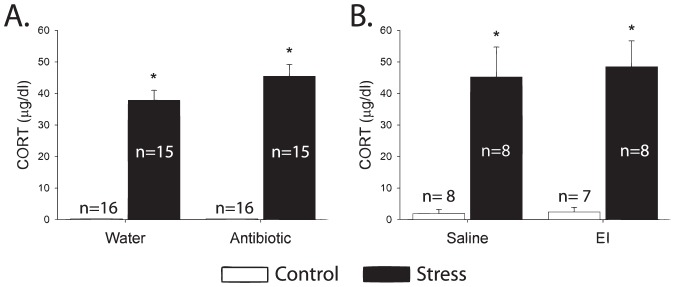
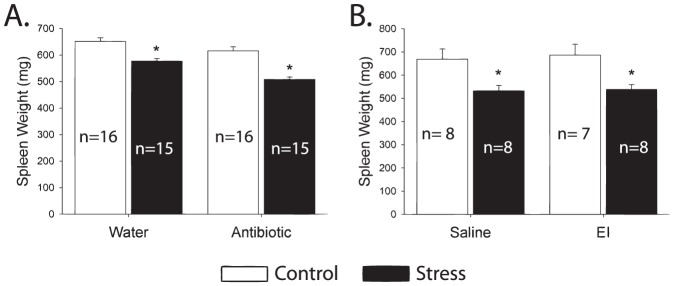
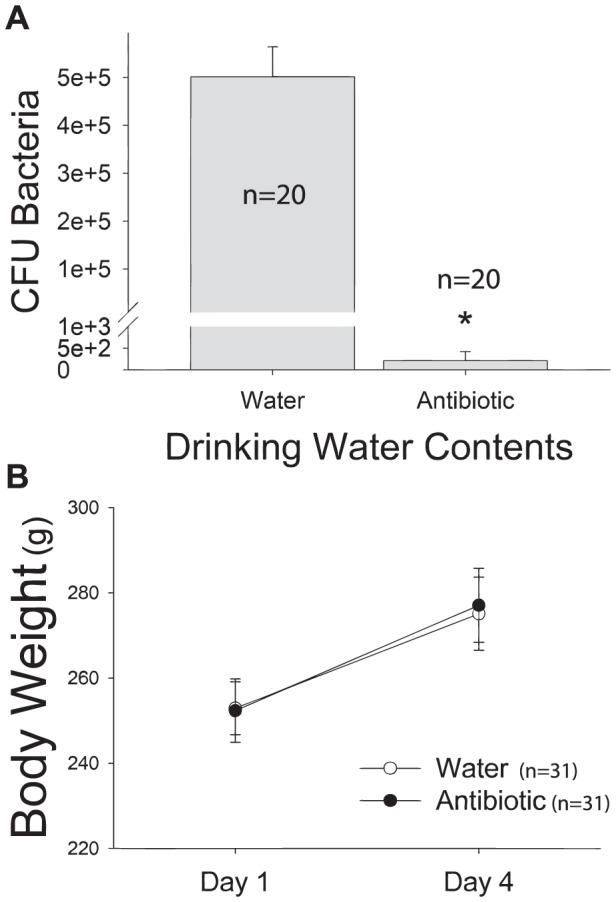
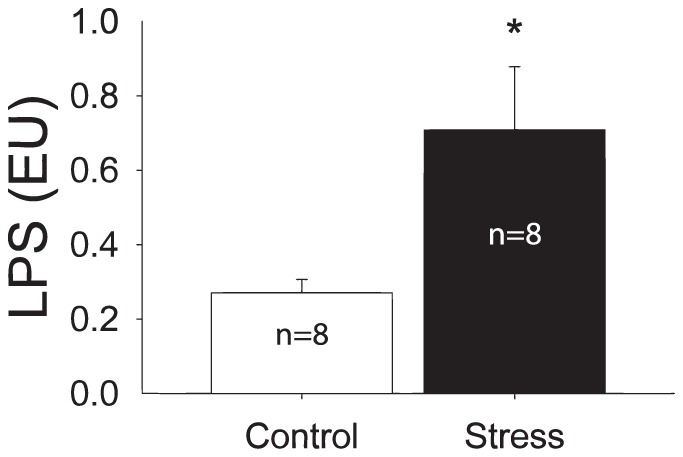
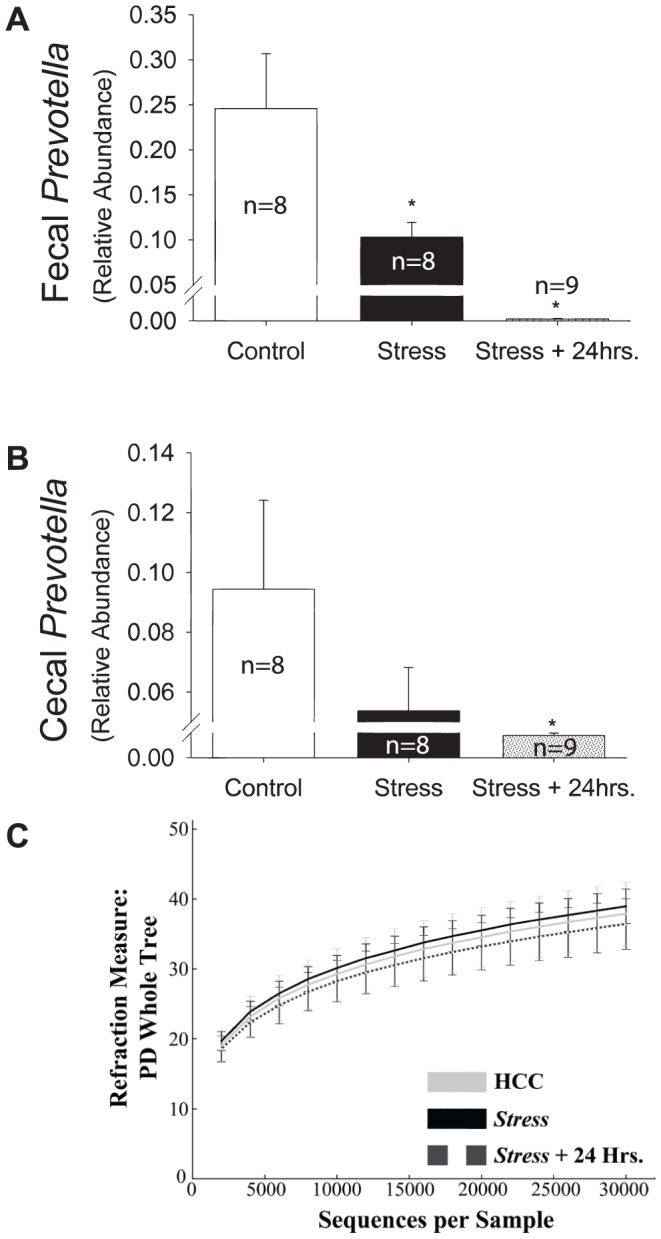
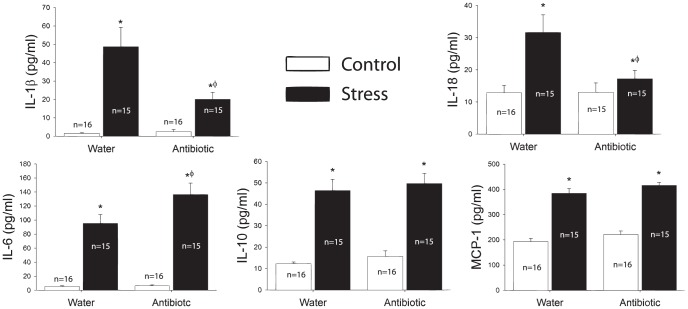
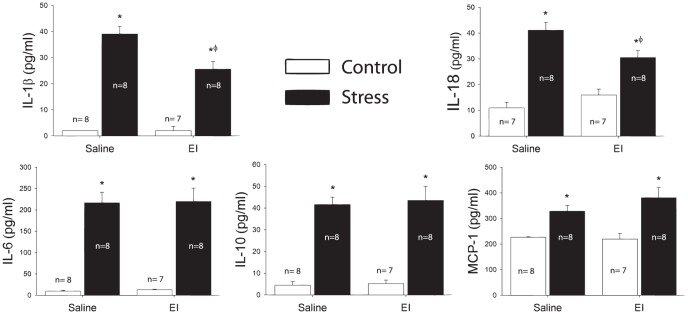
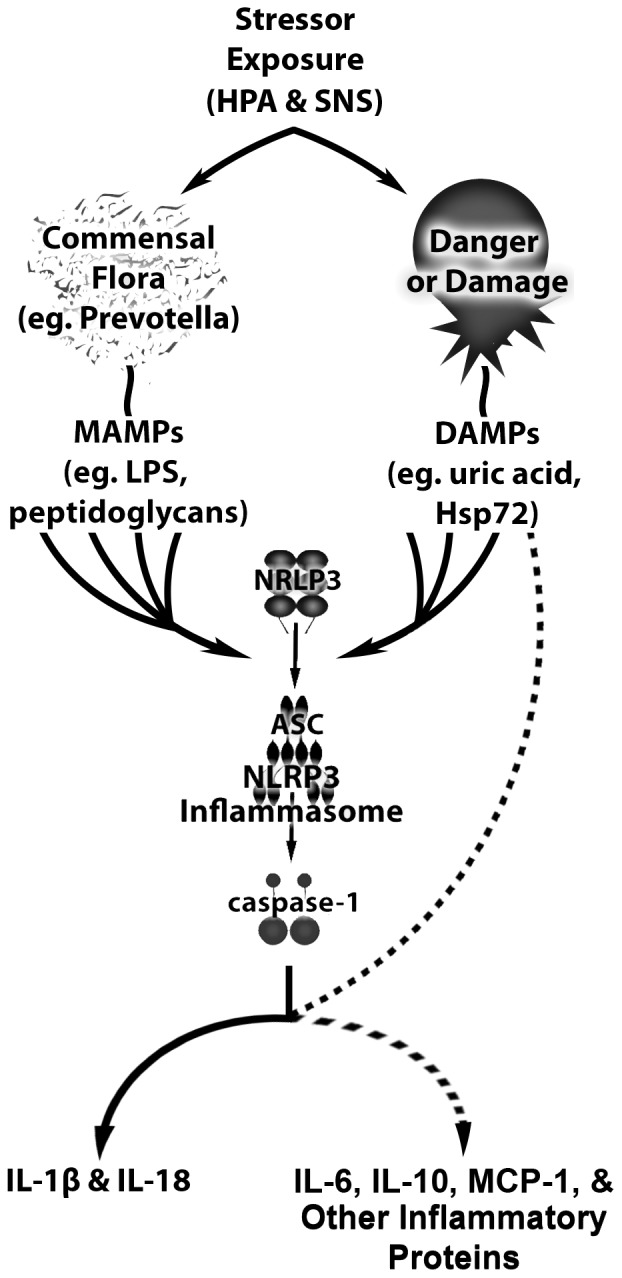
Regular interactions between commensal bacteria and the enteric mucosal immune environment are necessary for normal immunity. Alterations of the commensal bacterial communities or mucosal barrier can disrupt immune function. Chronic stress interferes with bacterial community structure (specifically, α-diversity) and the integrity of the intestinal barrier. These interferences can contribute to chronic stress-induced increases in systemic IL-6 and TNF-α. Chronic stress, however, produces many physiological changes that could indirectly influence immune activity. In addition to IL-6 and TNF-α, exposure to acute stressors upregulates a plethora of inflammatory proteins, each having unique synthesis and release mechanisms. We therefore tested the hypothesis that acute stress-induced inflammatory protein responses are dependent on the commensal bacteria, and more specifically, lipopolysaccharide (LPS) shed from Gram-negative intestinal commensal bacteria. We present evidence that both reducing commensal bacteria using antibiotics and neutralizing LPS using endotoxin inhibitor (EI) attenuates increases in some (inflammasome dependent, IL-1 and IL-18), but not all (inflammasome independent, IL-6, IL-10, and MCP-1) inflammatory proteins in the blood of male F344 rats exposed to an acute tail shock stressor. Acute stress did not impact α- or β- diversity measured using 16S rRNA diversity analyses, but selectively reduced the relative abundance of Prevotella. These findings indicate that commensal bacteria contribute to acute stress-induced inflammatory protein responses, and support the presence of LPS-mediated signaling in stress-evoked cytokine and chemokine production. The selectivity of the commensal bacteria in stress-evoked IL-1β and IL-18 responses may implicate the inflammasome in this response.
Overview
The claims and statistics of this paper haven’t been checked yet.
Free: it reads the open-access text and checks the first 5 claims that cite a source we can check. Create a free account to check every claim.
Integrity signals
Registry
Cites
Statistics
Figures
Verification
Claims the paper makes
The claims and statistics of this paper haven’t been checked yet.
Free: it reads the open-access text and checks the first 5 claims that cite a source we can check. Create a free account to check every claim.
Claims other papers make about this one
Each is checked against this paper’s own text: does it say what the citing paper says it does?
The source backs part of the claim, not all of it — or backs it for a different population, condition or comparison.
In the citing paper
“stress-induced increases in IL-1β and IL-18 were attenuated by treating animals with antibiotics or neutralizing lipopolysaccharide (LPS), demonstrating the importance of the composition of the gut microbiome and gut permeability in stress-induced inflammatory responses55.”
From The role of inflammation in depression: from evolutionary imperative to modern treatment target (2016) · cites this paper as [55]
Experimental — accuracy not yet measuredThe cited source says what the claim attributes to it.
In the citing paper
“non-pathogenic commensal bacteria and derived microbial-associated molecular patterns (MAMPs) in the gut can leak into the peripheral circulation during stress and activate the inflammasomes55, a process mediated by the SNS and catecholamines56”
From The role of inflammation in depression: from evolutionary imperative to modern treatment target (2016) · cites this paper as [55]
Self-check
Percentages, sums and reported differences re-computed from the paper’s own numbers.
The self-check needs the paper’s full text.
Citations
Cites
QIIME allows analysis of high-throughput community sequencing data
Caporaso, J. G., Kuczynski, J., Stombaugh, J., Bittinger, K., Bushman, F. D., Costello, E. K., Fierer, N., Peña, A. G., Goodrich, J. K., Gordon, J. I., et al. (2010) · Nature Methods · doi:10.1038/nmeth.f.303 · Cited by 34,887
Self-citationSearch and clustering orders of magnitude faster than BLAST
Edgar, R. C. (2010) · Bioinformatics · doi:10.1093/bioinformatics/btq461 · Cited by 20,826
Greengenes, a Chimera-Checked 16S rRNA Gene Database and Workbench Compatible with ARB
DeSantis, T. Z., Hugenholtz, P., Larsen, N., Rojas, M., Brodie, E. L., Keller, K., Huber, T., Dalevi, D., Hu, P., & Andersen, G. L. (2006) · Applied and Environmental Microbiology · doi:10.1128/aem.03006-05 · Cited by 10,891
Global patterns of 16S rRNA diversity at a depth of millions of sequences per sample
Caporaso, J. G., Lauber, C. L., Walters, W. A., Berg-Lyons, D., Lozupone, C. A., Turnbaugh, P. J., Fierer, N., & Knight, R. (2011) · Proceedings of the National Academy of Sciences · doi:10.1073/pnas.1000080107 · Cited by 9,711
Self-citationHuman gut microbiome viewed across age and geography
Yatsunenko, T., Rey, F. E., Manary, M. J., Trehan, I., Dominguez-Bello, M. G., Contreras, M., Magris, M., Hidalgo, G., Baldassano, R. N., Anokhin, A. P., et al. (2012) · Nature · doi:10.1038/nature11053 · Cited by 7,815 · cited 1×
“Prevotella is a highly prevalent genus of Gram-negative bacteria in the normal commensal bacterial community and has been reported to drive the overall composition of the flora [59].”
BackgroundSelf-citationThe Ribosomal Database Project: improved alignments and new tools for rRNA analysis
Cole, J. R., Wang, Q., Cardenas, E., Fish, J., Chai, B., Farris, R. J., Kulam-Syed-Mohideen, A. S., McGarrell, D. M., Marsh, T., Garrity, G. M., et al. (2009) · Nucleic Acids Research · doi:10.1093/nar/gkn879 · Cited by 4,762
Procedures for Detecting Outlying Observations in Samples
Grubbs, F. E. (1969) · Technometrics · doi:10.1080/00401706.1969.10490657 · Cited by 4,105
Bacterial Community Variation in Human Body Habitats Across Space and Time
Costello, E. K., Lauber, C. L., Hamady, M., Fierer, N., Gordon, J. I., & Knight, R. (2009) · Science · doi:10.1126/science.1177486 · Cited by 3,231 · cited 1×
“Fecal samples and cecal contents were collected and prepared for sequencing using previously established protocols [47,48].”
MethodSelf-citationThe Effect of Diet on the Human Gut Microbiome: A Metagenomic Analysis in Humanized Gnotobiotic Mice
Turnbaugh, P. J., Ridaura, V. K., Faith, J. J., Rey, F. E., Knight, R., & Gordon, J. I. (2009) · Science Translational Medicine · doi:10.1126/scitranslmed.3000322 · Cited by 3,058
Self-citationBauernfeind, F. G., Horvath, G., Stutz, A., Alnemri, E. S., MacDonald, K., Speert, D., Fernandes-Alnemri, T., Wu, J., Monks, B. G., Fitzgerald, K. A., et al. (2009) · The Journal of Immunology · doi:10.4049/jimmunol.0901363 · Cited by 2,959
Research works printed but not linked: 1
- Schroder JKT (2010) The inflammasomes. Cell 140: 821– 832 Available: http://www.ncbi.nlm.nih.gov/pubmed?term=the inflammasomes kate schroder. Accessed 2012 Nov 9.20303873
Cited by
The role of inflammation in depression: from evolutionary imperative to modern treatment target
Miller, A. H., & Raison, C. L. (2016) · Nature Reviews Immunology · doi:10.1038/nri.2015.5 · Cited by 3,942
Cuevas-Sierra, A., Ramos-Lopez, O., Riezu-Boj, J. I., Milagro, F. I., & Martinez, J. A. (2019) · Advances in Nutrition · doi:10.1093/advances/nmy078 · Cited by 523
The role of inflammation and the gut microbiome in depression and anxiety
Peirce, J. M., & Alviña, K. (2019) · Journal of Neuroscience Research · doi:10.1002/jnr.24476 · Cited by 466
Depression in cancer: The many biobehavioral pathways driving tumor progression
Bortolato, B., Hyphantis, T. N., Valpione, S., Perini, G., Maes, M., Morris, G., Kubera, M., Köhler, C. A., Fernandes, B. S., Stubbs, B., et al. (2017) · Cancer Treatment Reviews · doi:10.1016/j.ctrv.2016.11.004 · Cited by 375
Gubert, C., Kong, G., Renoir, T., & Hannan, A. J. (2020) · Neurobiology of Disease · doi:10.1016/j.nbd.2019.104621 · Cited by 363
Danger Signals and Inflammasomes: Stress-Evoked Sterile Inflammation in Mood Disorders
Fleshner, M., Frank, M., & Maier, S. F. (2017) · Neuropsychopharmacology · doi:10.1038/npp.2016.125 · Cited by 216
Self-citationExosomes, DAMPs and miRNA: Features of Stress Physiology and Immune Homeostasis
Fleshner, M., & Crane, C. R. (2017) · Trends in Immunology · doi:10.1016/j.it.2017.08.002 · Cited by 212
Self-citationMika, A., Van Treuren, W., González, A., Herrera, J. J., Knight, R., & Fleshner, M. (2015) · PLOS ONE · doi:10.1371/journal.pone.0125889 · Cited by 197
Self-citationInflammatory cytokine-associated depression
Lotrich, F. E. (2015) · Brain Research · doi:10.1016/j.brainres.2014.06.032 · Cited by 183
Maslanik, T., Mahaffey, L., Tannura, K., Beninson, L., Greenwood, B. N., & Fleshner, M. (2013) · Brain, Behavior, and Immunity · doi:10.1016/j.bbi.2012.10.014 · Cited by 156
Self-citationKiecolt-Glaser, J. K., Wilson, S. J., Bailey, M. L., Andridge, R., Peng, J., Jaremka, L. M., Fagundes, C. P., Malarkey, W. B., Laskowski, B., & Belury, M. A. (2018) · Psychoneuroendocrinology · doi:10.1016/j.psyneuen.2018.08.007 · Cited by 160
“In stressor-exposed animals, cytokine increases have been associated with bacterial translocation and influenced by the gut microbiota (Bailey et al., 2011; Maslanik et al., 2012; Lafuse et al., 2017), supporting the rationale for bacterial translocation from a leaky gut as a new mechanistic pathway among marital dist…”
Therapeutic Implications of Brain–Immune Interactions: Treatment in Translation
Miller, A. H., Haroon, E., & Felger, J. C. (2017) · Neuropsychopharmacology · doi:10.1038/npp.2016.167 · Cited by 152
Can’t or Won’t? Immunometabolic Constraints on Dopaminergic Drive
Treadway, M. T., Cooper, J. A., & Miller, A. H. (2019) · Trends in Cognitive Sciences · doi:10.1016/j.tics.2019.03.003 · Cited by 132
The Immune System and the Role of Inflammation in Perinatal Depression
Leff, P., Mancilla‐Herrera, I., Flores‐Ramos, M., Cruz-Fuentes, C. S., Reyes‐Grajeda, J. P., García-Cuétara, M. D. P., Bugnot-Pérez, M. D., & Pulido-Ascencio, D. E. (2016) · Neuroscience Bulletin · doi:10.1007/s12264-016-0048-3 · Cited by 139
Fleshner, M. (2013) · Brain, Behavior, and Immunity · doi:10.1016/j.bbi.2012.08.012 · Cited by 126
Self-citationImpact of stressor exposure on the interplay between commensal microbiota and host inflammation
Galley, J. D., & Bailey, M. T. (2014) · Gut Microbes · doi:10.4161/gmic.28683 · Cited by 125
Exosomes: An emerging factor in stress-induced immunomodulation
Beninson, L. A., & Fleshner, M. (2014) · Seminars in Immunology · doi:10.1016/j.smim.2013.12.001 · Cited by 129
Self-citationKrueger, J. M., & Opp, M. R. (2016) · International Review of Neurobiology · doi:10.1016/bs.irn.2016.07.003 · Cited by 120
Thompson, R. S., Roller, R., Mika, A., Greenwood, B. N., Knight, R., Chichlowski, M., Berg, B. M., & Fleshner, M. (2017) · Frontiers in Behavioral Neuroscience · doi:10.3389/fnbeh.2016.00240 · Cited by 116
Self-citationMedina-Rodriguez, E. M., Madorma, D., O’Connor, G., Mason, B. L., Han, D., Deo, S. K., Oppenheimer, M., Nemeroff, C. B., Trivedi, M. H., Daunert, S., et al. (2020) · American Journal of Psychiatry · doi:10.1176/appi.ajp.2020.19090960 · Cited by 110
“Maternal separation in rhesus monkeys, which increases HPA axis activity, resulted in a reduction of the Lactobacilli Gram-negative bacteria (12, 13), and early-life stress in rats or chronic restraint stress in adult rodents also changed the composition of the gut microbiota (14), in conjunction with increasing pro-i…”
Immune mechanisms of depression in rheumatoid arthritis
Brock, J., Basu, N., Schlachetzki, J. C. M., Schett, G. A., McInnes, I. B., & Cavanagh, J. (2023) · Nature Reviews Rheumatology · doi:10.1038/s41584-023-01037-w · Cited by 114
Mayerhofer, R., Fröhlich, E. E., Reichmann, F., Farzi, A., Kogelnik, N., Fröhlich, E., Sattler, W., & Holzer, P. (2017) · Brain, Behavior, and Immunity · doi:10.1016/j.bbi.2016.10.011 · Cited by 89
“Constituents of the vast intestinal microbiota will also cause immune activation if the intestinal mucosal barrier is disrupted and allows for translocation of microbial constituents (Garrett et al., 2010; Inman et al., 2012; Kelly et al., 2015; Maslanik et al., 2012).”
The microbiome as a novel paradigm in studying stress and mental health.
Liu, R. T. (2017) · American Psychologist · doi:10.1037/amp0000058 · Cited by 89
Bailey, M. T. (2014) · Advances in experimental medicine and biology · doi:10.1007/978-1-4939-0897-4_12 · Cited by 96
Bacterial Opportunistic Pathogens of Fish
Derôme, N., Gauthier, J., Boutin, S., & Llewellyn, M. S. (2016) · Advances in environmental microbiology · doi:10.1007/978-3-319-28170-4_4 · Cited by 112
Visceral Inflammation and Immune Activation Stress the Brain
Holzer, P., Farzi, A., Hassan, A. M., Zenz, G., Jačan, A., & Reichmann, F. (2017) · Frontiers in Immunology · doi:10.3389/fimmu.2017.01613 · Cited by 84
Arifa, R. D. D. N., Madeira, M. F. M., de Paula, T. P., Lima, R. L., Tavares, L. D., Garcia, Z. M., Fagundes, C. T., Rachid, M. A., Ryffel, B., Zamboni, D. S., et al. (2014) · American Journal Of Pathology · doi:10.1016/j.ajpath.2014.03.012 · Cited by 82
Old Friends, immunoregulation, and stress resilience
Langgartner, D., Lowry, C. A., & Reber, S. O. (2018) · Pflügers Archiv - European Journal of Physiology · doi:10.1007/s00424-018-2228-7 · Cited by 81
Stress and the Commensal Microbiota: Importance in Parturition and Infant Neurodevelopment
Gur, T. L., Worly, B. L., & Bailey, M. T. (2015) · Frontiers in Psychiatry · doi:10.3389/fpsyt.2015.00005 · Cited by 69
Gut permeability and depressive symptom severity in unmedicated adolescents
Calarge, C. A., Devaraj, S., & Shulman, R. J. (2018) · Journal of Affective Disorders · doi:10.1016/j.jad.2018.12.077 · Cited by 69
Dietary prebiotics alter novel microbial dependent fecal metabolites that improve sleep
Thompson, R. S., Vargas, F., Dorrestein, P. C., Chichlowski, M., Berg, B. M., & Fleshner, M. (2020) · Scientific Reports · doi:10.1038/s41598-020-60679-y · Cited by 65
Self-citationThe role of the commensal microbiota in adaptive and maladaptive stressor-induced immunomodulation
Mackos, A. R., Maltz, R., & Bailey, M. T. (2017) · Hormones and Behavior · doi:10.1016/j.yhbeh.2016.10.006 · Cited by 63
Gualtieri, P., Marchetti, M., Cioccoloni, G., LORENZO, A. D., Romano, L., Cammarano, A., Colica, C., Condò, R., & Renzo, L. D. (2020) · Mediators of Inflammation · doi:10.1155/2020/2346126 · Cited by 73
Speaker, K. J., Cox, S. S., Paton, M. M., Serebrakian, A., Maslanik, T., Greenwood, B. N., & Fleshner, M. (2013) · Brain Behavior and Immunity · doi:10.1016/j.bbi.2013.10.028 · Cited by 63
Self-citationSocial Influences on Prevotella and the Gut Microbiome of Young Monkeys
Amaral, W. Z., Lubach, G. R., Proctor, A., Lyte, M., Phillips, G. J., & Coe, C. L. (2017) · Psychosomatic Medicine · doi:10.1097/psy.0000000000000454 · Cited by 53
Lafuse, W. P., Gearinger, R., Fisher, S., Nealer, C., Mackos, A. R., & Bailey, M. T. (2017) · The Journal of Immunology · doi:10.4049/jimmunol.1601269 · Cited by 52
Effects of Stress on Commensal Microbes and Immune System Activity
Gur, T., & Bailey, M. T. (2016) · Advances in experimental medicine and biology · doi:10.1007/978-3-319-20215-0_14 · Cited by 55
Social-Stress-Responsive Microbiota Induces Stimulation of Self-Reactive Effector T Helper Cells
Werbner, M., Barsheshet, Y., Werbner, N., Zigdon, M., Averbuch, I., Oren, Z., Brant, B., Elliott, E., Gelberg, S., Titelbaum, M., et al. (2019) · mSystems · doi:10.1128/msystems.00292-18 · Cited by 51
Ho, C.-C., Luo, Y.-H., Chuang, T., Yang, C., Ling, Y., & Lin, P. (2013) · Toxicology · doi:10.1016/j.tox.2013.03.003 · Cited by 51
The level of IL-6 was associated with sleep disturbances in patients with major depressive disorder
Wang, M., Wei, J., Yang, X., Ni, P., Wang, Y., Zhao, L., Deng, W., Guo, W., Wang, Q., Li, T., et al. (2019) · Neuropsychiatric Disease and Treatment · doi:10.2147/ndt.s202329 · Cited by 46
Stress in the microbiome-immune crosstalk
Beurel, E. (2024) · Gut Microbes · doi:10.1080/19490976.2024.2327409 · Cited by 51
Adrenergic and glucocorticoid modulation of the sterile inflammatory response
Cox, S. S., Speaker, K. J., Beninson, L. A., Craig, W. C., Paton, M. M., & Fleshner, M. (2014) · Brain, Behavior, and Immunity · doi:10.1016/j.bbi.2013.11.018 · Cited by 35
Self-citationStress, inflammation, microbiome and depression
Medina-Rodriguez, E. M., Cruz, A. A., Abreu, J. C. D., & Beurel, E. (2023) · Pharmacology Biochemistry and Behavior · doi:10.1016/j.pbb.2023.173561 · Cited by 46
Antibiotic Treatment Prior to Injury Improves Post-Traumatic Osteoarthritis Outcomes in Mice
Mendez, M. E., Murugesh, D. K., Sebastian, A., Hum, N. R., McCloy, S. A., Kuhn, E. A., Christiansen, B., & Loots, G. G. (2020) · International Journal of Molecular Sciences · doi:10.3390/ijms21176424 · Cited by 38
Inflammation and the microbiome: implications for depressive disorders
Hayley, S. P., Audet, M., & Anisman, H. (2016) · Current Opinion in Pharmacology · doi:10.1016/j.coph.2016.06.001 · Cited by 34
Identifying a biological signature of prenatal maternal stress
Keane, J. M., Khashan, A. S., McCarthy, F. P., Kenny, L. C., Collins, J. M., O’Donovan, S. M., Brown, J. R.-M., Cryan, J. F., Dinan, T. G., Clarke, G. A., et al. (2021) · JCI Insight · doi:10.1172/jci.insight.143007 · Cited by 35
Patten, D. A., & Collett, A. (2013) · Microbiology · doi:10.1099/mic.0.064717-0 · Cited by 36
The role of physical trauma in social stress-induced immune activation
Foertsch, S., & Reber, S. O. (2020) · Neuroscience & Biobehavioral Reviews · doi:10.1016/j.neubiorev.2020.02.025 · Cited by 32
NLRs as Helpline in the Brain: Mechanisms and Therapeutic Implications
Singh, S., & Jha, S. (2018) · Molecular Neurobiology · doi:10.1007/s12035-018-0957-4 · Cited by 30
Loupy, K. M., Cler, K. E., Marquart, B. M., Yifru, T., D’Angelo, H. M., Arnold, M. R., Elsayed, A. I., Gebert, M. J., Fierer, N., Fonken, L. K., et al. (2020) · Brain Behavior and Immunity · doi:10.1016/j.bbi.2020.09.030 · Cited by 29
Role of the Intestinal Microbiota in Host Responses to Stressor Exposure
Mackos, A. R., Varaljay, V. A., Maltz, R. M., Gur, T., & Bailey, M. T. (2016) · International review of neurobiology · doi:10.1016/bs.irn.2016.08.002 · Cited by 30
Park, H.-J., Shim, H.-S., Chung, S.-Y., Lee, T. H., & Shim, I. (2014) · BMC Complementary and Alternative Medicine · doi:10.1186/1472-6882-14-34 · Cited by 26
Čížková, D., Ďureje, Ľ., Piálek, J., & Kreisinger, J. (2021) · Heredity · doi:10.1038/s41437-021-00445-6 · Cited by 21
Huang, T., Shang, Y., Dai, C., Zhang, Q., Hu, S., & Xie, J. M. (2023) · Annals of General Psychiatry · doi:10.1186/s12991-023-00453-2 · Cited by 20
Lipids, Gut Microbiota, and the Complex Relationship with Alzheimer’s Disease: A Narrative Review
Simão, D. O., Vieira, V. S., Tosatti, J. A. G., & Gomes, K. B. (2023) · Nutrients · doi:10.3390/nu15214661 · Cited by 22
cRGD mediated liposomes enhanced antidepressant-like effects of edaravone in rats
Qin, J., Zhang, R., Li, J., Wang, J., Hou, J., Yang, X., Zhu, W., Shi, J., & Lü, L. (2014) · European Journal of Pharmaceutical Sciences · doi:10.1016/j.ejps.2014.03.006 · Cited by 16
Exercise and Prebiotics Produce Stress Resistance
Mika, A., Rumian, N. L., Loughridge, A. B., & Fleshner, M. (2016) · International review of neurobiology · doi:10.1016/bs.irn.2016.08.004 · Cited by 22
Self-citationUp-regulation of AIM2 and TLR4 and down-regulation of NLRC4 are associated with septicemia
Nasiri, E., & Kariminik, A. (2021) · Indian Journal of Medical Microbiology · doi:10.1016/j.ijmmb.2021.05.002 · Cited by 11
Chen, M.-X., Liu, Q., Cheng, S. H., Lei, L., Lin, A., Wei, R., Hui, T. C. K., Li, Q., Ao, L., & Sham, P. C. (2020) · Neural Regeneration Research · doi:10.4103/1673-5374.276358 · Cited by 11
Beyond the neuro-immune interplay in depression: Could gut microbes be the missing link?
Audet, M. (2021) · Brain Behavior & Immunity - Health · doi:10.1016/j.bbih.2021.100308 · Cited by 12
Wang, Q., Liu, C., Sun, Y., Li, X., Gu, W., Wang, N., Sun, S., & Luo, Y. (2025) · The ISME Journal · doi:10.1093/ismejo/wraf045 · Cited by 16
Jaggers, R. M., DiSabato, D. J., Loman, B. R., Kontic, D., Spencer, K. D., Allen, J. M., Godbout, J. P., Quan, N., Gur, T. L., & Bailey, M. T. (2022) · Journal of Inflammation Research · doi:10.2147/jir.s332793 · Cited by 13
Hassell, J. E., Baratta, M. V., Fallon, I. P., Siebler, P. H., Karns, B. L., Nguyen, K. T., Gates, C. A., Fonken, L. K., Frank, M. G., Maier, S. F., et al. (2022) · Brain Behavior and Immunity · doi:10.1016/j.bbi.2022.09.003 · Cited by 11
Stress-induced VIPergic activation mediates microbiota/Th17cell-dependent depressive-like behaviors
Medina-Rodriguez, E. M., Han, D., Zeltzer, S. E., Moraskie, M., O’Connor, G., Daunert, S., & Beurel, E. (2024) · Brain Behavior and Immunity · doi:10.1016/j.bbi.2024.10.016 · Cited by 7
Metabolic Stress, Heat Shock Proteins, and Innate Immune Response
Lacetera, N. (2016) · Elsevier eBooks · doi:10.1016/b978-0-12-801968-9.00005-2 · Cited by 10
Guan, X., Leng, W., Hu, Q., Xiu, M., & Zhang, X. (2023) · Psychoneuroendocrinology · doi:10.1016/j.psyneuen.2023.106386 · Cited by 7
Colony but not social phenotype or status structures the gut bacteria of a eusocial mammal
Fitzpatrick, C. R., Toor, I., & Holmes, M. M. (2022) · Behavioral Ecology and Sociobiology · doi:10.1007/s00265-022-03230-5 · Cited by 5
Host Defense Antibacterial Effector Cells Influenced by Massive Burns
Kobayashi, M., Toliver-Kinsky, T. E., & Suzuki, F. (2018) · Elsevier eBooks · doi:10.1016/b978-0-323-47661-4.00020-4 · Cited by 5
An evaluation of the rat intestinal monoamine biogeography days following exposure to acute stress
Bauer, E. E., Reed, C. H., Lyte, M., & Clark, P. (2022) · Frontiers in Physiology · doi:10.3389/fphys.2022.1021985 · Cited by 3
Oral CBD-rich hemp extract modulates sterile inflammation in female and male rats
Hopkins, S., Kelley, T., Roller, R., Thompson, R. S., Colagiovanni, D. B., Chupka, K., & Fleshner, M. (2023) · Frontiers in Physiology · doi:10.3389/fphys.2023.1112906 · Cited by 3
Self-citationOn mechanisms of increased intestinal wall permeability under stress
Олегович, В. А., Бобынцев, И. И., & Медведева, О. А. (2022) · Человек и его здоровье · doi:10.21626/vestnik/2022-2/05 · Cited by 3
„Old Friends“, Immunregulation und Stressresilienz: Teil 1: Theoretische Grundlagen
Langgartner, D., Lowry, C. A., & Reber, S. O. (2020) · Nervenheilkunde · doi:10.1055/a-1037-0710 · Cited by 2
Richards, C. (2018) · Carleton University's Institutional Repository (MacOdrum Library, Carleton University) · doi:10.22215/etd/2018-13304 · Cited by 2
Defining stress-induced systemic sterile inflammatory responses: Network, signals, and pathways
Maslanik, T. (2012) · CU Scholar (University of Colorado Boulder)
Self-citationInfluence of the Gut Microbiota on Neuroendocrine-Immune Interactions
Bailey, M. T. (2023) · Masterclass in neuroendocrinology · doi:10.1007/978-3-031-21358-8_12 · Cited by 2
Immune, inflammatory, and neural systems in neuropsychiatric disease
Bertsch-Gout, M., Reder, A. T., & Lee, R. (2023) · Elsevier eBooks · doi:10.1016/b978-0-12-817558-3.00017-2
The role of IL-6 in dopamine dysregulation underlying anhedonia phenotype in ratsPreprint
Varela, R. B., Macpherson, H. K., Houghton, T., Daygon, V. D., & Tye, S. J. (2023) · bioRxiv (Cold Spring Harbor Laboratory) · doi:10.1101/2023.11.21.568169 · Cited by 1
Metadata
- Authors
- Maslanik, T., Tannura, K., Mahaffey, L., Loughridge, A. B., Benninson, L., Ursell, L., Greenwood, B. N., Knight, R., & Fleshner, M.
- Affiliations
- University of Colorado Boulder (US)
- Howard Hughes Medical Institute (US)
- Corresponding author
- Fleshner, Monika
- Venue
- PLoS ONE
- Publisher
- Public Library of Science (PLoS)
- Published
- 2012-12-07
- Volume
- 7
- Issue
- 12
- Pages
- e50636
- ISSN
- 1932-6203 (ISSN-L)
- PMC
- PMC3517493
- OpenAlex
- W1979055337
- Cited by
- 77
- References
- 95
- Citations by year
- 2025: 1 · 2024: 2 · 2023: 9 · 2022: 5 · 2021: 3 · 2020: 9 · 2019: 5 · 2018: 7 · 2017: 6 · 2016: 13 · 2015: 3 · 2014: 7 · 2013: 4 · 2012: 3
- FWCI
- 2.18
- Type
- journal article
- Language
- en
- Update notices
- correction (2013-08-21)
- Open access
- gold
- doi.org
- Locations
- PLoS ONE (publishedVersion, cc-by)
- Europe PMC (PubMed Central) (publishedVersion, cc-by)
- PubMed Central (publishedVersion, cc-by)
- PubMed (publishedVersion)
- DOAJ (DOAJ: Directory of Open Access Journals) (submittedVersion, cc-by-sa)
- Funders
- National Science Foundation (1022451)
- National Institute of General Medical Sciences (T32GM008759, T32GM142607)
- Topics
- Life Sciences › Biochemistry, Genetics and Molecular Biology › Molecular Biology › Gut microbiota and health
- Life Sciences › Immunology and Microbiology › Immunology › Immune Response and Inflammation
- Life Sciences › Neuroscience › Behavioral Neuroscience › Stress Responses and Cortisol
- Keywords
- commensal bacteria, acute stress, lipopolysaccharide, IL-1β, IL-18, interleukin-6, IL-10, MCP-1, inflammasome, gut microbiota, Prevotella, antibiotic therapy, intestinal barrier, cytokine and chemokine production, F344 rats
- MeSH terms
- Animals, Bacteria, Electroshock, Lipopolysaccharides, Male, Rats, Inbred F344, Stress, Physiological, Signal Transduction, Interleukin-6, Up-Regulation, Interleukin-10, Chemokine CCL2, Interleukin-18, Rats, Interleukin-1beta
About these checks
Registry, retraction, Cites and statistics results are computed, not judged, with one exception: a printed reference that no index lists is read once by a model before it counts as a citation error. Claims are extracted by a model and kept only when their quote appears verbatim in the text; each cited source is then checked, with a model’s help, for whether it says what the claim relies on. Those verdicts can be wrong — read the claim’s quote and the cited source before relying on one.
Statistics and arithmetic are recomputed, not judged.
Confidence bands are shown only for fields calibrated on our annotated test set. None is calibrated yet, so no band is shown.
What counts as a claim ›How we measure confidence ›How we check this ›
Are you an author, or do you see a problem with this page? Request a review
Data sources
Bibliographic data: Semantic Scholar, OpenAlex, Crossref.
Contains information from the Semantic Scholar Academic Graph Datasets, made available under the ODC Attribution License (ODC-BY 1.0).
Semantic Scholar’s data is described in: Kinney, R., et al. (2023). The Semantic Scholar Open Data Platform. arXiv:2301.10140.
