

The DOI matches its Crossref record; 42 of the 42 references it cites were found in a registry or an index.
FNDC5/Irisin Is Not Only a Myokine but Also an Adipokine
Open accessAbstract
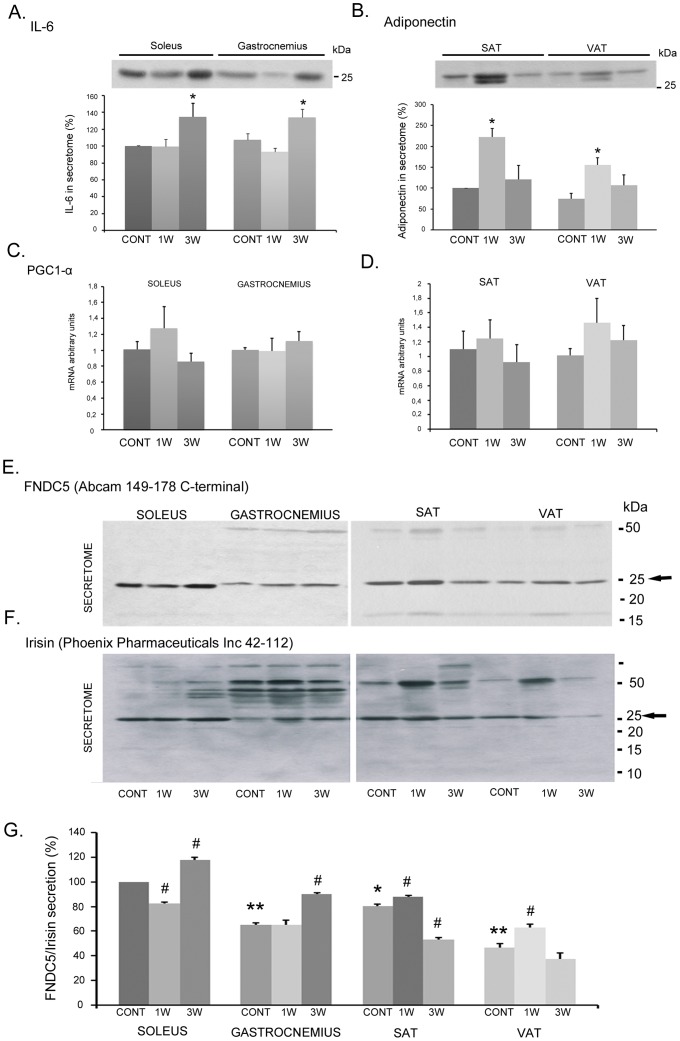
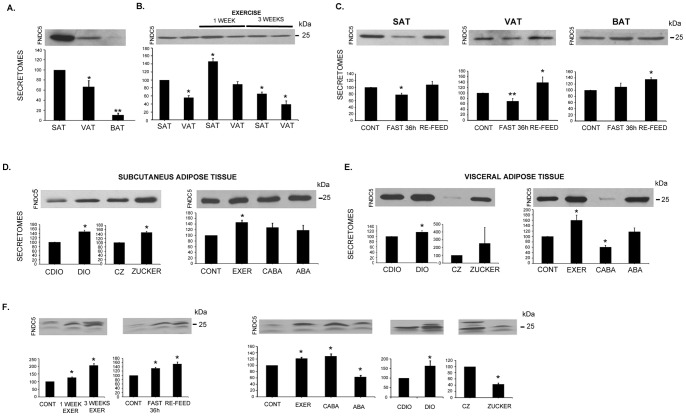
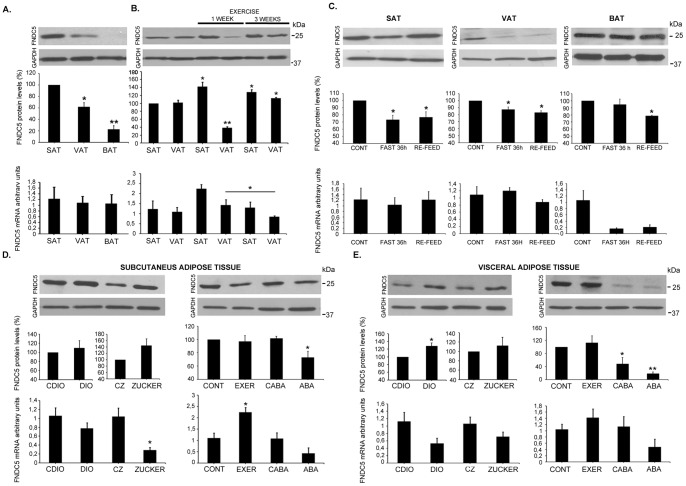
Exercise provides clear beneficial effects for the prevention of numerous diseases. However, many of the molecular events responsible for the curative and protective role of exercise remain elusive. The recent discovery of FNDC5/irisin protein that is liberated by muscle tissue in response to exercise might be an important finding with regard to this unsolved mechanism. The most striking aspect of this myokine is its alleged capacity to drive brown-fat development of white fat and thermogenesis. However, the nature and secretion form of this new protein is controversial. The present study reveals that rat skeletal muscle secretes a 25 kDa form of FNDC5, while the 12 kDa/irisin theoretical peptide was not detected. More importantly, this study is the first to reveal that white adipose tissue (WAT) also secretes FNDC5; hence, it may also behave as an adipokine. Our data using rat adipose tissue explants secretomes proves that visceral adipose tissue (VAT), and especially subcutaneous adipose tissue (SAT), express and secrete FNDC5. We also show that short-term periods of endurance exercise training induced FNDC5 secretion by SAT and VAT. Moreover, we observed that WAT significantly reduced FNDC5 secretion in fasting animals. Interestingly, WAT of obese animals over-secreted this hormone, which might suggest a type of resistance. Because 72% of circulating FNDC5/irisin was previously attributed to muscle secretion, our findings suggest a muscle-adipose tissue crosstalk through a regulatory feedback mechanism.
Overview
The claims and statistics of this paper haven’t been checked yet.
Run the check — free, no account needed. It reads the open-access text and checks the sources it cites.
Integrity signals
Registry
Cites
Statistics
Figures
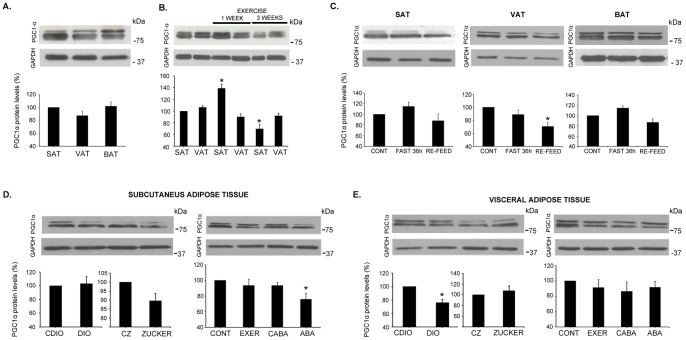
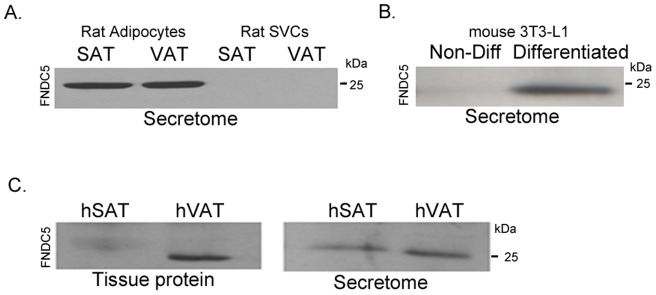
Verification
Claims the paper makes
The claims and statistics of this paper haven’t been checked yet.
Run the check — free, no account needed. It reads the open-access text and checks the sources it cites.
Claims other papers make about this one
Each is checked against this paper’s own text: does it say what the citing paper says it does?
The cited source says what the claim attributes to it.
In the citing paper
“However, it is important to note that irisin is not a protein exclusively secreted by muscle tissue.”
From Physical Exercise-Induced Myokines and Muscle-Adipose Tissue Crosstalk: A Review of Current Knowledge and the Implications for Health and Metabolic Diseases (2018) · cites this paper as Roca-Rivada et al., 2013
The cited source says what the claim attributes to it.
In the citing paper
“He also found that both tissues secreted FNDC5/irisin under the stimulus of endurance training.”
From Physical Exercise-Induced Myokines and Muscle-Adipose Tissue Crosstalk: A Review of Current Knowledge and the Implications for Health and Metabolic Diseases (2018) · cites this paper as Roca-Rivada et al., 2013
The cited source says what the claim attributes to it.
In the citing paper
“The study presented by Arturo Roca-Rivada et al. was a pioneer in showing that WAT also secretes FNDC5, the precursor of irisin, indicating that it is not only a myokine but also an adipokine (Roca-Rivada et al., 2013).”
From Physical Exercise-Induced Myokines and Muscle-Adipose Tissue Crosstalk: A Review of Current Knowledge and the Implications for Health and Metabolic Diseases (2018) · cites this paper as Roca-Rivada et al., 2013
The cited source says what the claim attributes to it.
In the citing paper
“Furthermore, the secretion of FNDC-5 is around 40% higher in slow-oxidative fibre-type muscle (i.e. soleus) than in fast-glycolytic fibre-type muscle (i.e. gastrocnemius) [47].”
In the citing paper
“Irisin is mainly secreted by skeletal muscle cells, although some secretion was also reported in WAT [204] and, to a lesser extent, in BAT [204,205].”
From Mitochondrial Uncoupling: A Key Controller of Biological Processes in Physiology and Diseases (2019) · cites this paper as [204]
Self-check
Percentages, sums and reported differences re-computed from the paper’s own numbers.
The self-check needs the paper’s full text.
Citations
Cites
1 retracted
Wenz, T., Rossi, S. G., Rotundo, R. L., Spiegelman, B. M., & Moraes, C. T. (2009) · Proceedings of the National Academy of Sciences · doi:10.1073/pnas.0911570106 · Cited by 600
RetractedA PGC1-α-dependent myokine that drives brown-fat-like development of white fat and thermogenesis
Boström, P., Wu, J., Jedrychowski, M. P., Korde, A., Ye, L., Lo, J. C., Rasbach, K. A., Boström, E. A., Choi, J. H., Long, J. Z., et al. (2012) · Nature · doi:10.1038/nature10777 · Cited by 4,810
Identification and Importance of Brown Adipose Tissue in Adult Humans
Cypess, A. M., Lehman, S., Williams, G., Tal, I., Rodman, D., Goldfine, A. B., Kuo, F. C., Palmer, E. L., Tseng, Y.-H., Doria, A., et al. (2009) · New England Journal of Medicine · doi:10.1056/nejmoa0810780 · Cited by 4,399
A Cold-Inducible Coactivator of Nuclear Receptors Linked to Adaptive Thermogenesis
Puigserver, P., Wu, Z., Park, C. W., Graves, R., Wright, M., & Spiegelman, B. M. (1998) · Cell · doi:10.1016/s0092-8674(00)81410-5 · Cited by 3,864
Functional Brown Adipose Tissue in Healthy Adults
Virtanen, K. A., Lidell, M. E., Orava, J., Heglind, M., Westergren, R., Niemi, T., Taittonen, M., Laine, J., Savisto, N.-J., Enerbäck, S., et al. (2009) · New England Journal of Medicine · doi:10.1056/nejmoa0808949 · Cited by 3,058
Muscles, exercise and obesity: skeletal muscle as a secretory organ
Pedersen, B. K., & Febbraio, M. A. (2012) · Nature Reviews Endocrinology · doi:10.1038/nrendo.2012.49 · Cited by 2,909
Muscle as an Endocrine Organ: Focus on Muscle-Derived Interleukin-6
Pedersen, B. K., & Febbraio, M. A. (2008) · Physiological Reviews · doi:10.1152/physrev.90100.2007 · Cited by 2,388
Subcutaneous and visceral adipose tissue: Structural and functional differences
Ibrahim, M. M. (2010) · Obesity Reviews · doi:10.1111/j.1467-789x.2009.00623.x · Cited by 2,238
High Incidence of Metabolically Active Brown Adipose Tissue in Healthy Adult Humans
Saito, M., Okamatsu-Ogura, Y., Matsushita, M., Watanabe, K., Yoneshiro, T., Nio-Kobayashi, J., Iwanaga, T., Miyagawa, M., Kameya, T., Nakada, K., et al. (2009) · Diabetes · doi:10.2337/db09-0530 · Cited by 1,848
Unexpected evidence for active brown adipose tissue in adult humans
Nedergaard, J., Bengtsson, T., & Cannon, B. (2007) · American Journal of Physiology-Endocrinology and Metabolism · doi:10.1152/ajpendo.00691.2006 · Cited by 1,824
Cited by
Sorted by citations
Items 301–400 of 611
Serum irisin levels in patients with psoriasis
Baran, A. M., Myśliwiec, H., Kiluk, P., Świderska, M., & Flisiak, I. (2016) · Journal of Dermatological Treatment · doi:10.1080/09546634.2016.1254327 · Cited by 22
“It has been proved that irisin is not only a myokine but adipokine with its auto- and paracrine actions (10,11).”
BackgroundEffects of Dietary Macronutrient Composition on FNDC5 and Irisin in Mice Skeletal Muscle
de Macêdo, S. M., Lelis, D. D. F., Mendes, K. L., Fraga, C. A. D. C., Brandi, I., Feltenberger, J. D., Farias, L., Guimarães, A. L., de Paula, A. D., & Santos, S. H. D. S. (2017) · Metabolic Syndrome and Related Disorders · doi:10.1089/met.2016.0109 · Cited by 22
Szumilewicz, A., Worska, A., Piernicka, M., Kuchta, A., Kortas, J. A., Jastrzębski, Z., Radzimiński, Ł., Jaworska, J., Micielska, K., & Ziemann, E. (2017) · BioMed Research International · doi:10.1155/2017/9414525 · Cited by 22
“Roca-Rivada and coworkers showed that both human subcutaneous and visceral fat tissue express and secret FNDC5/irisin, which indicates that irisin may be also adipokine [35].”
BackgroundFaienza, M. F., Brunetti, G., Grugni, G., Fintini, D., Convertino, A., Pignataro, P., Crinò, A., Colucci, S. C., & Grano, M. (2021) · Journal of Endocrinological Investigation · doi:10.1007/s40618-021-01533-4 · Cited by 23
Campos, R. M. D. S., Dâmaso, A. R., Masquio, D. C. L., Duarte, F. O., Sene‐Fiorese, M., de Aquino, A. E., Savioli, F. A., Quintiliano, P. C. L., Kravchychyn, A. C. P., Guimarães, L. I., et al. (2018) · Lasers in Medical Science · doi:10.1007/s10103-018-2465-1 · Cited by 22
Kukla, M., Skladaný, Ľ., Menżyk, T., Derra, A., Stygar, D. M., Skonieczna, M., Hudy, D., Nabrdalik, K., Gumprecht, J., Marlicz, W. M., et al. (2020) · Journal of Clinical Medicine · doi:10.3390/jcm9103158 · Cited by 21
“It was reported that adipose tissue also expresses and secretes irisin, suggesting that irisin may function not only as a myokine but also as an adipokine [34].”
BackgroundFlis, M., Kortas, J. A., Żychowska, M., Antosiewicz, J., Żuczek, K., Perego, S., Lombardi, G., & Ziemann, E. (2021) · Scientific Reports · doi:10.1038/s41598-021-86430-9 · Cited by 21
Circulating irisin level in chronic kidney disease patients: a systematic review and meta-analysis
Gan, W., Chen, W., Li, T., Shao, D., Xu, F. Z., Huo, S., Li, C., Yang, Z., & Zeng, X. (2021) · International Urology and Nephrology · doi:10.1007/s11255-021-03000-8 · Cited by 21
Qiu, R., Sun, W., Su, Y., Sun, Z., Fan, K., Liang, Y., Lin, X., & Zhang, Y. (2024) · Life Sciences · doi:10.1016/j.lfs.2024.123088 · Cited by 23
Viitasalo, A., Ågren, J., Venäläinen, T. M., Pihlajamäki, J., Jääskeläinen, J., Korkmaz, A., Atalay, M., & Lakka, T. A. (2015) · Pediatric Obesity · doi:10.1111/ijpo.12062 · Cited by 21
“Recent observations suggest that irisin is also an adipokine (9,10) that is secreted”
BackgroundIrisin levels are associated with urotensin II levels in diabetic patients
He, W., Bai, Q., Lata, A., Tang, C., & Zhang, A. (2015) · Journal of Diabetes Investigation · doi:10.1111/jdi.12331 · Cited by 21
Seoane, L. M., Barja-Fenández, S., Leis, R., & Casanueva, F. F. (2014) · Drug Design Development and Therapy · doi:10.2147/dddt.s53129 · Cited by 21
Graus‐Nunes, F., Rachid, T. L., Santos, F. D. O. D. S., Barbosa‐da‐Silva, S., & Souza‐Mello, V. (2016) · Endocrine · doi:10.1007/s12020-016-1213-1 · Cited by 21
Lee, E. J., Shaikh, S., Choi, D., Ahmad, K., Baig, M. H., Lim, J. H., Lee, Y., Park, S. J., Kim, Y., Park, S., et al. (2019) · Cells · doi:10.3390/cells8121565 · Cited by 20
“The most remarkable feature of the FNDC5 / irisin protein is that it generates brown fat from white fat [70,71].”
McCormick, J. J., King, K. E., Notley, S. R., Fujii, N., Boulay, P., Sigal, R. J., & Kenny, G. P. (2022) · Journal of Thermal Biology · doi:10.1016/j.jtherbio.2022.103189 · Cited by 21
Role and Functions of Irisin: A Perspective on Recent Developments and Neurodegenerative Diseases
Minuti, A., Raffaele, I., Scuruchi, M., Lui, M., Muscarà, C., & Calabrò, M. (2025) · Antioxidants · doi:10.3390/antiox14050554 · Cited by 27
“In this section, we will focus on the main molecular cascades involved in irisin signal transduction that are responsible for its biological effects.”
FNDC5 is produced in the stomach and associated to body composition
Barja-Fernández, S., Folgueira, C., Castelao, C., Al–Massadi, O., Bravo, S. B., García‐Caballero, T., Leis, R., Pardo, M., Casanueva, F. F., & Seoane, L. M. (2016) · Scientific Reports · doi:10.1038/srep23067 · Cited by 20
Tarakçı, B. G., GİRGİN, A., Timurkaan, S., Yalçın, M., Gür, F. M., & Karan, M. (2016) · Biotechnic & Histochemistry · doi:10.1080/10520295.2016.1183820 · Cited by 20
Lagzdiņa, R., Rumaka, M., Gersone, G., & Tretjakovs, P. (2020) · Medicina · doi:10.3390/medicina56060274 · Cited by 22
“primary source of circulating irisin is skeletal muscles, and to lesser extent, body fat tissue [38].”
BackgroundIrisin is Associated with Urotensin II and Protein Energy Wasting in Hemodialysis Patients
He, W., Wu, F., Pang, X., Chen, G.-J., Lata, A., Lian, H., Wang, S., Tang, C., & Zhang, A. (2016) · Kidney & Blood Pressure Research · doi:10.1159/000443412 · Cited by 20
Jamal, M. H., Abu‐Farha, M., Al‐Khaledi, G., Al‐Sabah, S., Ali, H., Cherian, P., Al‐Khairi, I., AlOtaibi, F., Al-Ali, W., Bosso, M., et al. (2020) · Surgery for Obesity and Related Diseases · doi:10.1016/j.soard.2020.07.022 · Cited by 19
Karras, S. Ν., Koufakis, T., Adamidou, L., Dimakopoulos, G., Karalazou, P., Thisiadou, K., Makedou, K., & Kotsa, K. (2021) · Nutrients · doi:10.3390/nu13041071 · Cited by 19
“More recent work identified the production of irisin from liver and adipose tissue as well [13], suggesting a potential role of this adipomyokine in mediating the complex interactions between exercise and metabolic health.”
BackgroundThe role of irisin in kidney diseases
Li, X., & Lindholm, B. (2024) · Clinica Chimica Acta · doi:10.1016/j.cca.2023.117756 · Cited by 19
Kim, S., Kim, S. E., Kim, S.-K., Ahn, M. B., Cho, W. K., Cho, K. S., & Jung, M. H. (2024) · Frontiers in Endocrinology · doi:10.3389/fendo.2023.1326851 · Cited by 19
“In rats, secretion of irisin was higher from white adipose tissues of diet-induced obese compared to lean controls (31).”
BackgroundThe influence of bariatric surgery on serum levels of irisin and nesfatin-1
Majorczyk, M., Staszkiewicz, M., Szklarczyk, J., Major, P., Pisarska, M., Wysocki, M., Stefura, T., Kacprzyk, A., Droś, J., Holda, M. K., et al. (2018) · Acta chirurgica Belgica · doi:10.1080/00015458.2018.1534393 · Cited by 19
“Irisin is a myokine secreted from fibronectin type III domain containing 5 (FNDC5) skeletal muscles and has been recently described as an adipokine secreted by white adipose tissue, especially in the subcutaneous adipose tissue [14].”
BackgroundA brief overview about the physiology of fibronectin type III domain-containing 5
Zhang, X., Hu, C., Yuan, Y., Ma, Z., & Tang, Q. (2020) · Cellular Signalling · doi:10.1016/j.cellsig.2020.109805 · Cited by 18
Transcriptional control and hormonal response of thermogenic fat
Emont, M. P., Yu, H. M., & Wu, J. (2015) · Journal of Endocrinology · doi:10.1530/joe-15-0026 · Cited by 19
“Recently, irisin has been demonstrated to be not only a myokine but also an adipokine that can be secreted from white fat tissue under certain physiological and pathological conditions (Roca-Rivada et al. 2013).”
BackgroundBrenmoehl, J., Ohde, D., Albrecht, E., Walz, C., Tuchscherer, A., & Hoeflich, A. (2016) · Journal of Comparative Physiology B · doi:10.1007/s00360-016-1036-7 · Cited by 20
“…white adipocytes, exhibit properties of brown adipocytes like expression of UCP1 and a proposed mechanism for the induction of browning in WAT may occur by irisin derived from muscle after contraction (Bostrom et al. 2012) or from the fat independent of physical exercise (Roca-Rivada et al. 2013).”
BackgroundLi, J., Yi, X., Li, T., Yao, T., Li, D., Hu, G., Ma, Y., Chang, B., & Cao, S. (2022) · Endocrine Connections · doi:10.1530/ec-21-0625 · Cited by 18
Molecular Basis of Irisin Regulating the Effects of Exercise on Insulin Resistance
Lin, J., Liu, X., Zhou, Y., Zhu, B., Wang, Y., Cui, W., Peng, Y., Wang, B., Chen, Z., & Zhao, R. (2022) · Applied Sciences · doi:10.3390/app12125837 · Cited by 22
“Although irisin is mainly secreted by skeletal muscle, white adipose tissue (WAT) is also a major producer, accounting for about 30% of the total circulating levels of irisin [12].”
BackgroundXu, X., Zhou, R., Ying, J., Li, X., Lu, R., Qu, Y., & Mu, D. (2023) · Peptides · doi:10.1016/j.peptides.2023.170945 · Cited by 18
Role of irisin in bone diseases
Zhao, R., Chen, Y., Wang, D.-X., Zhang, C., Song, H.-N., & Ni, G.-X. (2023) · Frontiers in Endocrinology · doi:10.3389/fendo.2023.1212892 · Cited by 26
Wang, J., Zhao, Y., Zhang, L. X., Dubielecka, P. M., Qin, G., Chin, Y. E., Gower, A. C., Zhuang, S., Liu, P. Y., & Zhao, T. C. (2023) · American Journal of Physiology-Cell Physiology · doi:10.1152/ajpcell.00232.2023 · Cited by 20
Quiñones, M., Folgueira, C., Sánchez-Rebordelo, E., & Al–Massadi, O. (2015) · Mediators of Inflammation · doi:10.1155/2015/620919 · Cited by 18
“In rodents, gene expression results showed that skeletal muscle FNDC5 mRNA levels were proportional to circulating leptin levels [25] and the regulation of FNDC5 expression in DIO animals was different depending on the fat depot [26].”
BackgroundMethodYang, Y., Pullisaar, H., Landin, M. A., Heyward, C. A., Schröder, M., Geng, T., Grano, M., & Reseland, J. E. (2021) · Archives of Oral Biology · doi:10.1016/j.archoralbio.2021.105061 · Cited by 18
Do patients with Prader–Willi syndrome have favorable glucose metabolism?
Qian, Y., Xia, F.-L., Zuo, Y.-M., Zhong, M.-L., Yang, L., Jiang, Y.-H., & Zou, C. (2022) · Orphanet Journal of Rare Diseases · doi:10.1186/s13023-022-02344-3 · Cited by 16
“This result is quite interesting because irisin is proved also to be an adipokine and is mainly secreted by SAT [120].”
BackgroundCirculating irisin levels and muscle FNDC5 mRNA expression are independent of IL-15 levels in mice
Quinn, L. S., Anderson, B. G., Conner, J. D., & Wolden‐Hanson, T. (2015) · Endocrine · doi:10.1007/s12020-015-0607-9 · Cited by 21
“Moreover, several groups have found that adipose tissue expresses FNDC5 mRNA and secretes immunoreactive irisin, albeit at considerably lower levels than skeletal muscle [13, 16, 33].”
BackgroundMethodInfluentialRocha-Rodrigues, S., Matos, A., Afonso, J., Mendes-Ferreira, M., Abade, E., Teixeira, E., Silva, B., Murawska-Ciałowicz, E., Oliveira, M. J., & Ribeiro, R. (2021) · International Journal of Molecular Sciences · doi:10.3390/ijms22094469 · Cited by 17
“ET-associated skeletal-muscle-derived myokines may influence the metabolic phenotype of WAT by inducing a brown-adipocyte-like phenotype and thus improving FA oxidation and insulin sensitivity [7,181].”
BackgroundWeighing in on the role of brown adipose tissue for treatment of obesity
Prapaharan, B., Lea, M. B. S., & Beaudry, J. L. (2024) · Journal of Pharmacy & Pharmaceutical Sciences · doi:10.3389/jpps.2024.13157 · Cited by 19
Irisin in degenerative musculoskeletal diseases: Functions in system and potential in therapy
Wang, Y.-T., Zheng, S., Jiang, S., Luo, Y., Wu, Y., Naranmandakh, S., Li, Y., Liu, S.-G., & Xiao, W. (2024) · Pharmacological Research · doi:10.1016/j.phrs.2024.107480 · Cited by 21
Schlögl, M., Piaggi, P., Votruba, S. B., Walter, M. F., Krakoff, J. A., & Thearle, M. S. (2015) · Appetite · doi:10.1016/j.appet.2015.03.003 · Cited by 17
“…the opposing metabolic effects of exercise and overeating, and also the current data proposing a regulatory feedback mechanism between skeletal muscle, adipose tissue and the central nervous system (Dun et al., 2013; Hashemi et al., 2013; Moon, Dincer, & Mantzoros, 2013; Roca-Rivada et al., 2013).”
BackgroundResultInfluentialAltered irisin/BDNF axis parallels excessive daytime sleepiness in obstructive sleep apnea patients
Móré, C. E., Papp, C., Harsányi, S., Gesztelyi, R., Mikáczó, A., Tajti, G., Kardos, L., Seres, I., Lőrincz, H., Csapó, K., et al. (2019) · Respiratory Research · doi:10.1186/s12931-019-1033-y · Cited by 17
Modification of Muscle-Related Hormones in Women with Obesity: Potential Impact on Bone Metabolism
Maı̈moun, L., Mura, T., Attalin, V., Dupuy, A., Cristol, J., Avignon, A., Mariano‐Goulart, D., & Sultan, A. (2020) · Journal of Clinical Medicine · doi:10.3390/jcm9041150 · Cited by 17
Werida, R. H., El-Gharbawy, N. M., & Mostafa, T. M. (2021) · Archives of Endocrinology and Metabolism · doi:10.20945/2359-3997000000336 · Cited by 18
“Irisin is not only a myokine but also an adipokine (12).”
BackgroundTemur, A. A., & Rashid, F. A. (2021) · Reports of Biochemistry and Molecular Biology · doi:10.52547/rbmb.10.3.488 · Cited by 17
Panagiotou, G., Pazaitou‐Panayiotou, K., Paschou, S. Α., Komninou, D., Kalogeris, N., Vryonidou, A., & Mantzoros, C. S. (2016) · Thyroid · doi:10.1089/thy.2016.0098 · Cited by 17
“In addition, although muscle-containing organs are the primary sites of irisin secretion (14), it was shown that irisin is expressed in other organs and mainly in adipose tissue, especially in states of increasing obesity (10,45).”
Ciałowicz, M., Woźniewski, M., Murawska‐Ciałowicz, E., & Dzięgiel, P. (2025) · Cells · doi:10.3390/cells14161228 · Cited by 17
“Subsequent studies have detected its expression in adipose tissue as well [18–20].”
Cheng, Z.-B., Huang, L., Xiao, X., Sun, J.-X., Zou, Z.-K., Jiang, J.-F., Lu, C., Zhang, H.-Y., & Zhang, C. (2021) · Clinica Chimica Acta · doi:10.1016/j.cca.2021.08.022 · Cited by 17
Wang, C., Zhang, X., Liu, M., Qin, S., He, C., Liu, Y., Huai, J., Zhang, Q., Wei, Y., & Yang, H. (2023) · Frontiers in Nutrition · doi:10.3389/fnut.2022.1034443 · Cited by 16
“Women in the control group had higher gestational weight gain than those in the exercise group, and thus, the non-significant difference in irisin levels between the two groups might partially be explained by the higher fat mass and presumably higher adipose tissue-derived irisin level in the control group in the thir…”
BackgroundFranco‐Obregón, A., Tai, Y. K., Wu, K. Y., Iversen, J. N., & Wong, C. J. K. (2023) · Bioengineering · doi:10.3390/bioengineering10080956 · Cited by 17
“Irisin, in turn, is produced and released by adipose in response to circulating irisin and exercise [39,51,52], acting to consolidate the exercise response via mutual secretome crosstalk.”
BackgroundZhang, S., Yang, L., Chen, P., Jin, H., Xie, X., Yang, M., Gao, T., Hu, C., & Yu, X. (2016) · PLoS ONE · doi:10.1371/journal.pone.0146605 · Cited by 16
“To explore further the function of irisin, many of the subsequent studies determined mRNA levels of FNDC5 [30,31].”
ResultDoes a Vegetarian Diet Affect the Levels of Myokine and Adipokine in Prepubertal Children?
Ambroszkiewicz, J., Gajewska, J., Mazur, J., Klemarczyk, W., Rowicka, G., Ołtarzewski, M., Strucińska, M., & Chełchowska, M. (2021) · Journal of Clinical Medicine · doi:10.3390/jcm10173995 · Cited by 16
“Recent experimental and observational studies have indicated that irisin is a myokine that induces white adipose tissue browning, energy expenditure, improved glucose tolerance, and enhanced thermogenesis [16,17].”
BackgroundNiveles séricos de la adipomioquina irisina en pacientes con enfermedad renal crónica
Rodríguez–Carmona, A., Fontán, M. P., Sangiao‐Alvarellos, S., Falcón, T. G., Bello, M. L. P., Muñíz, A. L., & Cordido, F. (2016) · Nefrología · doi:10.1016/j.nefro.2016.05.019 · Cited by 16
“N 30 35 30 Edad (años) 57,0 (12,4) 60,8 (12,3) 56,1 (13,3) 0,29 Sexo (% varones) 60,0 61,1 50,0 0,62 Diabetes (%) 10 (33,3) 16 (44,4) 12 (40) 0,87 Escala de Charlson 4,5 (1,8) 5,3 (2,0) 5,4 (1,9) 0,11 Peso corporal (kg) 78,1 (12,5) 75,5 (11,5) 64,7 (13,7) 0,0005a Índice de masa corporal (kg/m2) 28,6 (4,3) 28,2 (3,9) 2…”
Tanhaei, S., Nikpour, P., Ghaedi, K., Rabiee, F., Moghadam, F. H., & Nasr‐Esfahani, M. H. (2018) · DNA and Cell Biology · doi:10.1089/dna.2017.4067 · Cited by 16
“Irisin, a cleaved form of Fndc5, is considered myokine and adipokine, regulating metabolism homeostasis through different biological functions, including fat browning and sensitivity to insulin (Roca-Rivada et al. , 2013; Schumacher et al. , 2013).”
Gür, F. M., Timurkaan, S., Tarakçı, B. G., Yalçin, M. H., Özkan, Z. E., Baygeldi, S. B., Yılmaz, S., & Eröksüz, H. (2018) · Anatomia Histologia Embryologia · doi:10.1111/ahe.12345 · Cited by 16
Bellettini‐Santos, T., Batista-Silva, H., Pereira, C. M., Castro, F. C. D. A. Q., Barcelos, R. M., Chiepe, K. C. M. B., Rossoni, J. V., Ambrósio, R. P., da Silva, B. S., Chiarelli-Neto, O., et al. (2023) · International Journal of Molecular Sciences · doi:10.3390/ijms241512440 · Cited by 16
“The precise mechanism and regulation of this cleavage process require further investigation [11].”
BackgroundDiabetes mellitus: interdisciplinary medical, surgical and psychological therapeutic approach
Socea, B., Silaghi, A. M., Rebegea, L. F., Bălan, D. G., Bălălău, C., Ţenea-Cojan, T. Ş., Mihai, D. A., & Păunică, I. (2023) · Journal of Mind and Medical Sciences · doi:10.22543/2392-7674.1445 · Cited by 16
The cerebroprotection and prospects of FNDC5/irisin in stroke
Liu, Y., Liu, Y., Zhang, X., Yan, G., Qi, L., Yong, V. W., & Xue, M. (2024) · Neuropharmacology · doi:10.1016/j.neuropharm.2024.109986 · Cited by 17
Suder, A., Makiel, K., Targosz, A., Kosowski, P., & Malina, R. M. (2024) · Nutrients · doi:10.3390/nu16203480 · Cited by 16
“This relationship may be due to the fact that skeletal muscles, which are the main component of FFM, are also the primary site of IR synthesis [46].”
BackgroundThe role and underlying mechanisms of irisin in exercise-mediated cardiovascular protection
Guo, W., Peng, J., Su, J., Xia, J., Deng, W., Li, P., Chen, Y., Liu, G., Wang, S., & Huang, J. (2024) · PeerJ · doi:10.7717/peerj.18413 · Cited by 18
Timofte, D. V., Tudor, R. C., Mocanu, V., & Labusca, L. S. (2024) · Nutrients · doi:10.3390/nu16234231 · Cited by 16
Seifi, T., Ghaedi, K., Tanhaei, S., Karamali, F., Kiani‐Esfahani, A., Peymani, M., Baharvand, H., & Nasr‐Esfahani, M. H. (2014) · Cellular and Molecular Neurobiology · doi:10.1007/s10571-014-0053-x · Cited by 15
“Recently, there are increasing interests to unravel the function of both FNDC5 and its secretory type, Irisin, in various tissues (Atherton and Phillips 2013; Erickson 2013; Roca-Rivada et al. 2013; Wrann et al. 2013).”
BackgroundZsuga, J., Móré, C. E., Erdei, T., Papp, C., Harsányi, S., & Gesztelyi, R. (2018) · Frontiers in Neurology · doi:10.3389/fneur.2018.00818 · Cited by 16
“Its amino acid sequence shows 100% homology among most mammals, suggesting an evolutionary preserved function (110).”
BackgroundDaudon, M., Ramé, C., Estienne, A., Price, C. A., & Dupont, J. (2022) · Frontiers in Veterinary Science · doi:10.3389/fvets.2022.960778 · Cited by 15
Bousmpoula, A., Benidis, E., Demeridou, S., Kapeta-Kourkouli, R., Chasiakou, A., Chasiakou, S., Kouskouni, E. E., & Baka, S. G. (2019) · Gynecological Endocrinology · doi:10.1080/09513590.2019.1594761 · Cited by 15
“Interestingly, recent studies have shown that irisin is also released from adipose tissue suggesting that is a new adipokine with significant autocrine and endocrine function [2,3].”
BackgroundWeber‐Rajek, M., Radzimińska, A., Strączyńska, A., Strojek, K., Piekorz, Z., Kozakiewicz, M., & Styczyńska, H. (2019) · BioMed Research International · doi:10.1155/2019/7356187 · Cited by 15
Lingling, C., Qiao, T., Xu, F., Li, Z., Chen, T., Su, H., Chen, G., Zhang, L., Xu, D., & Zhang, X. (2019) · Cytokine · doi:10.1016/j.cyto.2019.154924 · Cited by 15
Mu, S., Ding, D., Ji, C., Wu, Q., Xia, Y., Zhou, L., Yang, L., Ba, G., Chang, Q., Fu, Q., et al. (2021) · Frontiers in Physiology · doi:10.3389/fphys.2020.596896 · Cited by 15
“Irisin is a novel adipo-myokine activated by proteolytic cleavage derived from fibronectin-type III domain-containing 5 (FNDC5) from muscle and adipose tissues in response to exercise (Bostrom et al., 2012; Roca-Rivada et al., 2013).”
BackgroundJoro, R., Korkmaz, A., Lakka, T. A., Uusitalo, A. L. T., & Atalay, M. (2021) · Physiology International · doi:10.1556/2060.2020.00037 · Cited by 14
“Irisin is a novel myokine and adipokine that has been found to increase adipocyte browning in subcutaneous fat, as well as promoting thermogenesis regulated by uncoupling protein 1 (UCP1) and resting energy expenditure in rodents [15, 16].”
BackgroundMartínez-Gayo, A., Félix‐Soriano, E., Sáinź, N., González‐Muniesa, P., & Moreno-Aliaga, M. J. (2022) · Nutrients · doi:10.3390/nu14204240 · Cited by 17
“Considering Irisin’s ability to predict telomere length (a reliable marker of aging) [60] and Irisin overall associations with positive health outcomes [91], the observed results were unforeseen.”
BackgroundInfluentialKetogenic diet with aerobic exercise can induce fat browning: potential roles of β-hydroxybutyrate
Kim, S., Park, D., Moon, S., Gu, B., Mantik, K. E. K., Kwak, H., Ryu, J.-K., & Kang, J.-H. (2024) · Frontiers in Nutrition · doi:10.3389/fnut.2024.1443483 · Cited by 14
Physiological regulation and metabolic role of browning in white adipose tissue
Janković, A., Otašević, V., Stančić, A., Buzadžić, B., Korać, A., & Korać, B. (2017) · Hormone Molecular Biology and Clinical Investigation · doi:10.1515/hmbci-2017-0034 · Cited by 14
“It was very unexpected when it was realized that exercise upregulates brown-specific genes in different WATs [108], [109], [110].”
BackgroundAdiposity-Related Cancer and Functional Imaging of Brown Adipose Tissue
Santhanam, P., Sólnes, L. B., Hannukainen, J. C., & Taïeb, D. (2015) · Endocrine Practice · doi:10.4158/ep15870.ra · Cited by 15
Serum irisin: A prognostic marker for severe acne vulgaris
Mustafa, A. I., & El-Shimi, O. S. (2018) · Journal of Cosmetic Dermatology · doi:10.1111/jocd.12753 · Cited by 14
Çalan, M., & Demirpençe, M. (2019) · HORMONES · doi:10.1007/s42000-019-00151-3 · Cited by 14
Irisin—A Pancreatic Islet Hormone
Norman, D., Drott, C., Carlsson, P., & Espes, D. (2022) · Biomedicines · doi:10.3390/biomedicines10020258 · Cited by 12
Zhang, N., Zhou, H., Xu, Y., Zhang, Y., Yu, F., Gui, L., Zhang, Q., & Lu, Y. (2024) · Molecular and Cellular Endocrinology · doi:10.1016/j.mce.2024.112225 · Cited by 15
Ursolic acid induces white adipose tissue beiging in high-fat-diet obese male mice
Sun, A., Hu, X., Chen, H.-J., Ma, Y., Yan, X., Peng, D.-S., Ping, J., & Yan, Y. (2021) · Food & Function · doi:10.1039/d1fo00924a · Cited by 15
Bonfante, I. L. P., Duft, R. G., Mateus, K. C. D. S., Trombeta, J. C. D. S., Finardi, E. A. R., Ramkrapes, A. P. B., Brunelli, D. T., Mori, M. A., Chacon‐Mikahil, M. P. T., Velloso, L. A., et al. (2022) · Frontiers in Physiology · doi:10.3389/fphys.2021.736244 · Cited by 13
“…anti-inflammatory, myogenic differentiation, and growth, and muscle regeneration (Nguyen et al., 2011; Frontiers in Physiology | www.frontiersin.org 12 January 2022 | Volume 12 | Article 736244 Possidonio et al., 2011; Rao et al., 2014; Brestoff et al., 2015; Schiaffino et al., 2017).”
BackgroundMst1/2 Is Necessary for Satellite Cell Differentiation to Promote Muscle Regeneration
Yang, J., Wang, K., An, Y., Wu, R., Li, J., Wang, H., & Dong, Y. (2021) · Stem Cells · doi:10.1093/stmcls/sxab010 · Cited by 13
Cosio, P. L., Peláez, M., Cadefau, J. A., & Farrán-Codina, A. (2022) · Biological Research For Nursing · doi:10.1177/10998004221142580 · Cited by 13
“, 2012), it is also secreted by subcutaneous adipose tissue (Roca-Rivada et al., 2013), but in a 100-to-200-fold lower expression (Moreno-Navarrete et al.”
BackgroundHu, G., Si, W., Zhang, Q., & Lv, F. (2022) · Endokrynologia Polska · doi:10.5603/ep.a2022.0093 · Cited by 13
“Irisin is an adipomyokine consisting of a cleaved fragment of fibronectin type III domain-containing 5 (FNDC5) secreted by muscle tissue, visceral adipose tissue (VAT), and subcutaneous adipose tissue (SAT) [15, 16].”
BackgroundFirst-trimester irisin and fetuin-A concentration in predicting macrosomia
Zbucka-Krętowska, M., Kuźmicki, M., Telejko, B., Gościk, J., Ciborowski, M., Lipińska, D., Hryniewicka, J., Citko, A., Ławicki, S., & Wołczyński, S. (2018) · The Journal of Maternal-Fetal & Neonatal Medicine · doi:10.1080/14767058.2018.1450859 · Cited by 13
“Irisin is a novel myokine [24] and adipokine [25], which induces the conversion of white adipose tissue to brown-like adipose tissue in experimental animals, leading to an increased total body energy expenditure and, subsequently, to weight loss, improved glucose tolerance and increased insulin sensitivity [24].”
BackgroundIrisin Maternal Plasma and Cord Blood Levels in Mothers with Spontaneous Preterm and Term Delivery
Pavlová, T., Zlámal, F., Tomandl, J., Hodická, Z., Gulati, S., & Vašků, J. B. (2018) · Disease Markers · doi:10.1155/2018/7628957 · Cited by 13
“by muscle tissue [11, 12], and because parity influences body fat distribution and BMI [41, 42], we also assume change in muscle mass and thus an alteration in circulating irisin level.”
BackgroundWang, N., Zhu, S., Chen, S., Zou, J., Zeng, P., & Tan, S. (2025) · Reviews in the Neurosciences · doi:10.1515/revneuro-2024-0147 · Cited by 12
Irisin’s Dual Role in Malignant Tumors and Its Potential as a Biomarker and Therapeutic Target
Mo, L., Zeng, X., Liu, Y., Zhang, J., Liu, L., Zhang, Y., & Bai, Y. (2025) · Drug Design Development and Therapy · doi:10.2147/dddt.s532658 · Cited by 13
“28 Irisin has a molecular weight of approximately 12 kDa and exhibits a highly conserved amino acid sequence and functionality across most mammalian species 3 (Figure 1).”
Ahmad, I. H., Mostafa, E. R. M., Mohammed, S. A., Shipl, W. M., Soliman, A. A., & Said, M. (2020) · Archives of Physiology and Biochemistry · doi:10.1080/13813455.2020.1808018 · Cited by 12
“Roca-Rivada et al. (2013) found expression of FNDC5 mRNA in white fat and involvement of adiponectin in fat in irisin regulation in obesity.”
BackgroundIrisin Is Correlated with Blood Pressure in Obstructive Sleep Apnea Patients
Wang, X., Zhang, Z., Lan, X., Fu, K., Xu, G., Zhao, J., & Yuan, H. (2021) · International Journal of Hypertension · doi:10.1155/2021/4717349 · Cited by 12
“For another, a previous study also demonstrated that the adipose tissue secretion could provide circulating FNDC5/ irisin, which means that irisin is also produced by adipose tissue directly especially in obese patients [32].”
BackgroundCardioprotective Effects of Exercise: The Role of Irisin and Exosome
Wang, Y., Yang, Y., & Song, Y. (2024) · Current Vascular Pharmacology · doi:10.2174/0115701611285736240516101803 · Cited by 12
Irisin is more strongly predicted by muscle oxidative potential than adiposity in non-diabetic men
Huth, C., Dubois, M.-J., Marette, A., Tremblay, A., Weisnagel, S. J., Lacaille, M., Mauriège, P., & Joanisse, D. R. (2015) · Journal of Physiology and Biochemistry · doi:10.1007/s13105-015-0402-3 · Cited by 11
“A possible explanation for some of the contradictory results between published reports could reside in which cleavage product of FNDC5 is actually released and detected using the various kits available for its measurement [12, 26–28].”
BackgroundResultRole of Dietary Polyphenols in Adipose Tissue Browning: A Narrative Review
Salazar, J. J., Cano, C., Pérez, J. L., Castro, A., Diaz, M. P., Garrido, B., Carrasquero, R., Chacín, M., Velasco, M., D’Marco, L., et al. (2020) · Current Pharmaceutical Design · doi:10.2174/1381612826666200701211422 · Cited by 12
Никанорова, А. А., Алексеевич, Б. Н., Пшенникова, В. Г., Gotovtsev, N. N., Romanov, G. P., Solovyev, A. V., Семеновна, К. С., Sazonov, N. N., & Федорова, С. А. (2022) · Genes · doi:10.3390/genes13091612 · Cited by 13
“While irisin is primarily known as a myokine [23], it is also released from adipose tissue (adipo-myokine) [19,24].”
BackgroundLim, J. Y., & Kim, E. (2023) · Metabolites · doi:10.3390/metabo13090979 · Cited by 13
Circulating Irisin Levels Are Not Affected by Coffee Intake: A Randomized Controlled Trial
Peter, P. R., Park, K., Huh, J. Y., Wedick, N. M., & Mantzoros, C. S. (2014) · PLoS ONE · doi:10.1371/journal.pone.0094463 · Cited by 12
“A recent study found that irisin is secreted by adipose tissue in addition to skeletal muscle providing a mechanism that could explain the association between rising BMI and irisin levels [26].”
BackgroundIrisin levels increase after treatment in patients with newly diagnosed Hashimoto thyroiditis
Üç, Z. A., Görar, S., Mızrak, S., & Güllü, S. (2018) · Journal of Endocrinological Investigation · doi:10.1007/s40618-018-0899-8 · Cited by 13
Salivary irisin level is higher and related with interleukin-6 in generalized periodontitis
Türkmen, E., Uzun, E. V., Bozaba, F., Balcı, N., & Toygar, H. U. (2023) · Clinical Oral Investigations · doi:10.1007/s00784-023-04903-9 · Cited by 12
“It is cleaved from the fibronectin type III domain-containing protein 5 (FDNC5), which is, in turn, induced by peroxisome proliferator-activated receptor-ɣ co-activator 1-α (PGC-1α) [2].”
BackgroundAssociation Between Serum Irisin Levels and ST-Segment Elevation Myocardial Infarction
Öztürk, D., Melekoğlu, A., Altınbilek, E., Çalık, M., Kösem, A., Kılcı, H., Mısırlıoglu, N. F., & Uzun, H. (2023) · International Journal of General Medicine · doi:10.2147/ijgm.s403564 · Cited by 11
Wang, L., Kulthinee, S., Slate‐Romano, J., Zhao, T., Shanmugam, H., Dubielecka, P. M., Zhang, L. X., Qin, G., Zhuang, S., Chin, Y. E., et al. (2023) · Experimental and Molecular Pathology · doi:10.1016/j.yexmp.2023.104869 · Cited by 13
Karampela, Ι., Vallianou, N. G., Tsilingiris, D., Christodoulatos, G. S., Psallida, S., Kounatidis, D. C., Stratigou, T., Μαρίνου, Ι., Vogiatzakis, E., & Dalamaga, Μ. (2024) · Biomolecules · doi:10.3390/biom14030291 · Cited by 11
“Irisin is also expressed and secreted in the adipose tissue; thus, it is considered an adipo–myokine [4,5].”
BackgroundNeira, G., Hernández‐Pardos, A. W., Becerril, S., Ramírez, B., Valentí, V., Moncada, R., Catalán, V., Gómez‐Ambrosi, J., Burrell, M. A., Silva, C., et al. (2024) · Obesity · doi:10.1002/oby.24132 · Cited by 11
“As an adipokine, FNDC5/irisin regulates adipose tissue thermogenesis in an autocrine/paracrine fashion [18, 19, 56].”
Metadata
- Authors
- Roca-Rivada, A., Castelao, C., Senin, L. L., Landrove, M. O., Baltar, J., Crujeiras, A. B., Seoane, L. M., Casanueva, F. F., & Pardo, M.
- Affiliations
- Instituto de Salud Carlos III (ES)
- Complejo Hospitalario Universitario de Santiago (ES)
- Corresponding author
- Pardo, María
- Venue
- PLoS ONE
- Publisher
- Public Library of Science (PLoS)
- Published
- 2013-04-11
- Volume
- 8
- Issue
- 4
- Pages
- e60563
- ISSN
- 1932-6203 (ISSN-L)
- PMC
- PMC3623960
- OpenAlex
- W2008675205
- Cited by
- 612
- References
- 42
- Citations by year
- 2026: 12 · 2025: 35 · 2024: 45 · 2023: 46 · 2022: 51 · 2021: 65 · 2020: 45 · 2019: 42 · 2018: 44 · 2017: 52 · 2016: 55 · 2015: 56 · 2014: 44 · 2013: 19
- FWCI
- 40.28
- Type
- journal article
- Language
- en
- Open access
- gold
- doi.org
- Locations
- PLoS ONE (publishedVersion, cc-by)
- Europe PMC (PubMed Central) (publishedVersion, other-oa)
- PubMed Central (publishedVersion, cc-by)
- PubMed (publishedVersion)
- LA Referencia (Red Federada de Repositorios Institucionales de Publicaciones Científicas) (submittedVersion, other-oa)
- DOAJ (DOAJ: Directory of Open Access Journals) (submittedVersion, cc-by-sa)
- RUNA. Repositorio Institucional del Sergas (Servicio Gallego de Salud (SERGAS)) (submittedVersion, cc-by)
- Funders
- Instituto de Salud Carlos III (CB06/03, FISP10/00537)
- Servicio Gallego de Salud
- Topics
- Health Sciences › Medicine › Physiology (medical) › Adipose Tissue and Metabolism
- Health Sciences › Medicine › Endocrinology, Diabetes and Metabolism › Adipokines, Inflammation, and Metabolic Diseases
- Health Sciences › Medicine › Physiology (medical) › Exercise and Physiological Responses
- Keywords
- FNDC5, irisin, adipokines, myokines, white adipose tissue, visceral adipose tissue, subcutaneous adipose tissue, skeletal muscle, endurance training, fasting, obesity, thermogenesis, secretome
- MeSH terms
- Animals, Fibronectins, Humans, Male, Physical Conditioning, Animal, Immunoblotting, Rats, Sprague-Dawley, Muscle, Skeletal, 3T3-L1 Cells, Mice, Rats, Adipose Tissue, White, Adipokines, Real-Time Polymerase Chain Reaction
About these checks
Registry, retraction, Cites and statistics results are computed, not judged, with one exception: a printed reference that no index lists is read once by a model before it counts as a citation error. Claims are extracted by a model and kept only when their quote appears verbatim in the text; each cited source is then checked, with a model’s help, for whether it says what the claim relies on. Those verdicts can be wrong — read the claim’s quote and the cited source before relying on one.
Statistics and arithmetic are recomputed, not judged.
Confidence bands are shown only for fields calibrated on our annotated test set. None is calibrated yet, so no band is shown.
What counts as a claim ›How we measure confidence ›How we check this ›
Are you an author, or do you see a problem with this page? Request a review
