

The DOI matches its Crossref record; 42 of the 42 references it cites were found in a registry or an index.
FNDC5/Irisin Is Not Only a Myokine but Also an Adipokine
Open accessAbstract
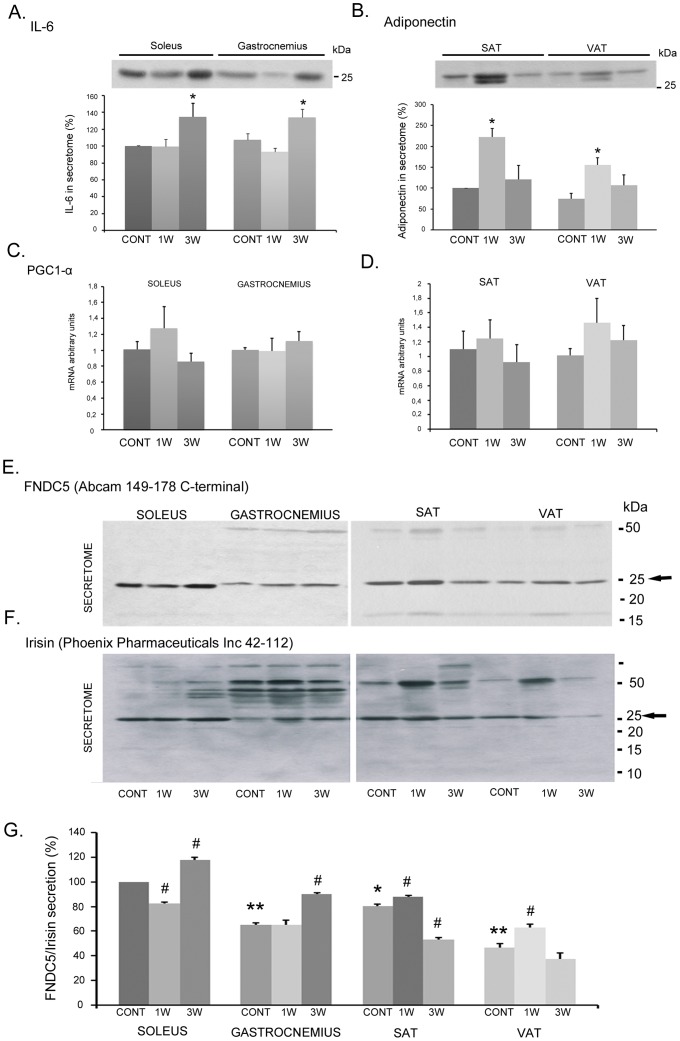
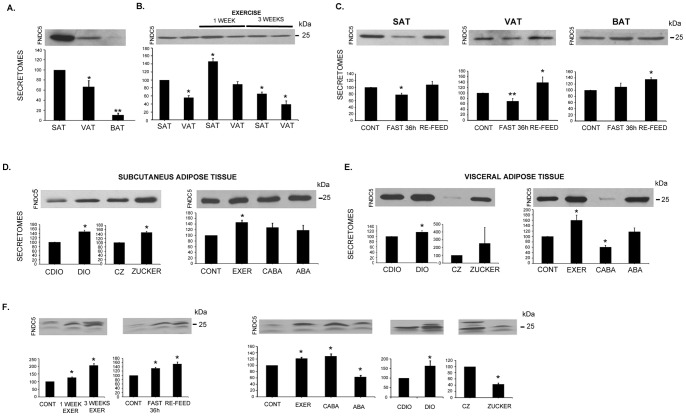
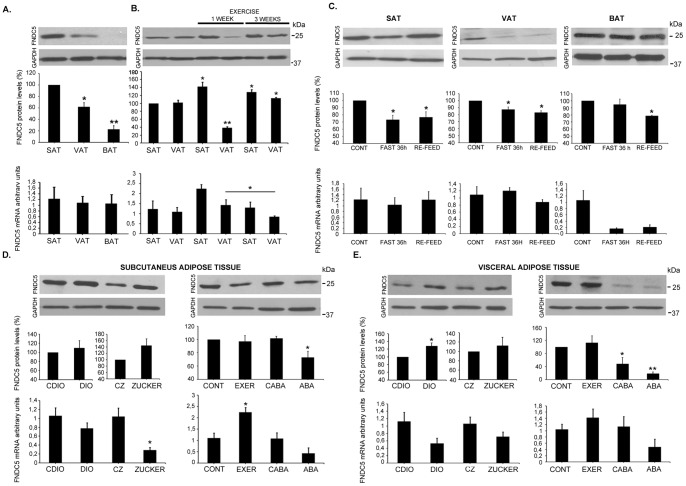
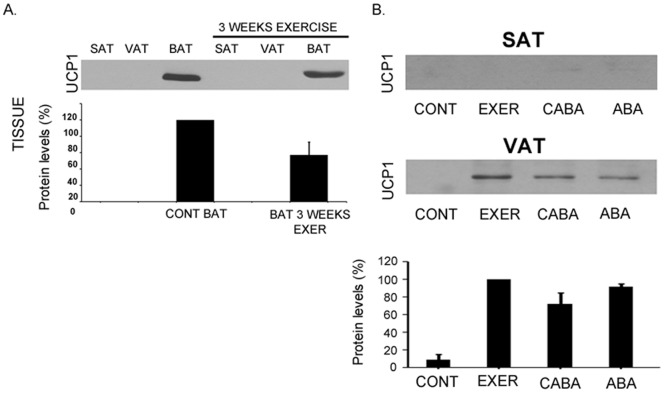
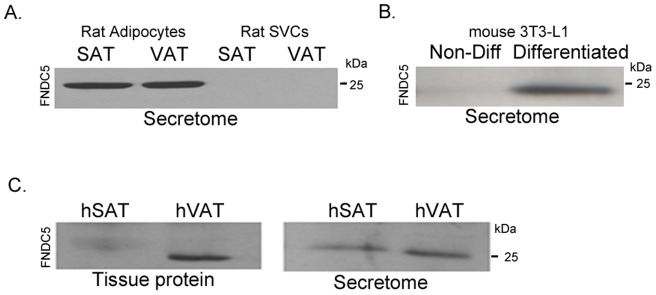
Exercise provides clear beneficial effects for the prevention of numerous diseases. However, many of the molecular events responsible for the curative and protective role of exercise remain elusive. The recent discovery of FNDC5/irisin protein that is liberated by muscle tissue in response to exercise might be an important finding with regard to this unsolved mechanism. The most striking aspect of this myokine is its alleged capacity to drive brown-fat development of white fat and thermogenesis. However, the nature and secretion form of this new protein is controversial. The present study reveals that rat skeletal muscle secretes a 25 kDa form of FNDC5, while the 12 kDa/irisin theoretical peptide was not detected. More importantly, this study is the first to reveal that white adipose tissue (WAT) also secretes FNDC5; hence, it may also behave as an adipokine. Our data using rat adipose tissue explants secretomes proves that visceral adipose tissue (VAT), and especially subcutaneous adipose tissue (SAT), express and secrete FNDC5. We also show that short-term periods of endurance exercise training induced FNDC5 secretion by SAT and VAT. Moreover, we observed that WAT significantly reduced FNDC5 secretion in fasting animals. Interestingly, WAT of obese animals over-secreted this hormone, which might suggest a type of resistance. Because 72% of circulating FNDC5/irisin was previously attributed to muscle secretion, our findings suggest a muscle-adipose tissue crosstalk through a regulatory feedback mechanism.
Overview
The claims and statistics of this paper haven’t been checked yet.
Run the check — free, no account needed. It reads the open-access text and checks the sources it cites.
Integrity signals
Registry
Cites
Statistics
Figures
Verification
Claims the paper makes
The claims and statistics of this paper haven’t been checked yet.
Run the check — free, no account needed. It reads the open-access text and checks the sources it cites.
Claims other papers make about this one
Each is checked against this paper’s own text: does it say what the citing paper says it does?
The cited source says what the claim attributes to it.
In the citing paper
“However, it is important to note that irisin is not a protein exclusively secreted by muscle tissue.”
From Physical Exercise-Induced Myokines and Muscle-Adipose Tissue Crosstalk: A Review of Current Knowledge and the Implications for Health and Metabolic Diseases (2018) · cites this paper as Roca-Rivada et al., 2013
The cited source says what the claim attributes to it.
In the citing paper
“He also found that both tissues secreted FNDC5/irisin under the stimulus of endurance training.”
From Physical Exercise-Induced Myokines and Muscle-Adipose Tissue Crosstalk: A Review of Current Knowledge and the Implications for Health and Metabolic Diseases (2018) · cites this paper as Roca-Rivada et al., 2013
The cited source says what the claim attributes to it.
In the citing paper
“The study presented by Arturo Roca-Rivada et al. was a pioneer in showing that WAT also secretes FNDC5, the precursor of irisin, indicating that it is not only a myokine but also an adipokine (Roca-Rivada et al., 2013).”
From Physical Exercise-Induced Myokines and Muscle-Adipose Tissue Crosstalk: A Review of Current Knowledge and the Implications for Health and Metabolic Diseases (2018) · cites this paper as Roca-Rivada et al., 2013
The cited source says what the claim attributes to it.
In the citing paper
“Furthermore, the secretion of FNDC-5 is around 40% higher in slow-oxidative fibre-type muscle (i.e. soleus) than in fast-glycolytic fibre-type muscle (i.e. gastrocnemius) [47].”
In the citing paper
“Irisin is mainly secreted by skeletal muscle cells, although some secretion was also reported in WAT [204] and, to a lesser extent, in BAT [204,205].”
From Mitochondrial Uncoupling: A Key Controller of Biological Processes in Physiology and Diseases (2019) · cites this paper as [204]
Self-check
Percentages, sums and reported differences re-computed from the paper’s own numbers.
The self-check needs the paper’s full text.
Citations
Cites
1 retracted
Wenz, T., Rossi, S. G., Rotundo, R. L., Spiegelman, B. M., & Moraes, C. T. (2009) · Proceedings of the National Academy of Sciences · doi:10.1073/pnas.0911570106 · Cited by 600
RetractedA PGC1-α-dependent myokine that drives brown-fat-like development of white fat and thermogenesis
Boström, P., Wu, J., Jedrychowski, M. P., Korde, A., Ye, L., Lo, J. C., Rasbach, K. A., Boström, E. A., Choi, J. H., Long, J. Z., et al. (2012) · Nature · doi:10.1038/nature10777 · Cited by 4,810
Identification and Importance of Brown Adipose Tissue in Adult Humans
Cypess, A. M., Lehman, S., Williams, G., Tal, I., Rodman, D., Goldfine, A. B., Kuo, F. C., Palmer, E. L., Tseng, Y.-H., Doria, A., et al. (2009) · New England Journal of Medicine · doi:10.1056/nejmoa0810780 · Cited by 4,399
A Cold-Inducible Coactivator of Nuclear Receptors Linked to Adaptive Thermogenesis
Puigserver, P., Wu, Z., Park, C. W., Graves, R., Wright, M., & Spiegelman, B. M. (1998) · Cell · doi:10.1016/s0092-8674(00)81410-5 · Cited by 3,864
Functional Brown Adipose Tissue in Healthy Adults
Virtanen, K. A., Lidell, M. E., Orava, J., Heglind, M., Westergren, R., Niemi, T., Taittonen, M., Laine, J., Savisto, N.-J., Enerbäck, S., et al. (2009) · New England Journal of Medicine · doi:10.1056/nejmoa0808949 · Cited by 3,058
Muscles, exercise and obesity: skeletal muscle as a secretory organ
Pedersen, B. K., & Febbraio, M. A. (2012) · Nature Reviews Endocrinology · doi:10.1038/nrendo.2012.49 · Cited by 2,909
Muscle as an Endocrine Organ: Focus on Muscle-Derived Interleukin-6
Pedersen, B. K., & Febbraio, M. A. (2008) · Physiological Reviews · doi:10.1152/physrev.90100.2007 · Cited by 2,388
Subcutaneous and visceral adipose tissue: Structural and functional differences
Ibrahim, M. M. (2010) · Obesity Reviews · doi:10.1111/j.1467-789x.2009.00623.x · Cited by 2,238
High Incidence of Metabolically Active Brown Adipose Tissue in Healthy Adult Humans
Saito, M., Okamatsu-Ogura, Y., Matsushita, M., Watanabe, K., Yoneshiro, T., Nio-Kobayashi, J., Iwanaga, T., Miyagawa, M., Kameya, T., Nakada, K., et al. (2009) · Diabetes · doi:10.2337/db09-0530 · Cited by 1,848
Unexpected evidence for active brown adipose tissue in adult humans
Nedergaard, J., Bengtsson, T., & Cannon, B. (2007) · American Journal of Physiology-Endocrinology and Metabolism · doi:10.1152/ajpendo.00691.2006 · Cited by 1,824
Cited by
Sorted by citations
Items 101–200 of 611
Więcek, M., Szymura, J., Maciejczyk, M., Kantorowicz, M., & Szyguła, Z. (2018) · Frontiers in Physiology · doi:10.3389/fphys.2018.01782 · Cited by 86
Molecular insights of exercise therapy in disease prevention and treatment
Walzik, D., Chirino, T. Y. W., Zimmer, P., & Joisten, N. (2024) · Signal Transduction and Targeted Therapy · doi:10.1038/s41392-024-01841-0 · Cited by 95
Lombardi, G., Ziemann, E., & Banfi, G. (2019) · Frontiers in Endocrinology · doi:10.3389/fendo.2019.00060 · Cited by 92
“Irisin is also expressed by the AT and respond to PA as for its muscle counterpart (299, 300).”
BackgroundChildhood Obesity, Diabetes, and Cardiovascular Disease Risk
Salama, M., Balagopal, B., Fennoy, I., & Kumar, S. (2023) · The Journal of Clinical Endocrinology & Metabolism · doi:10.1210/clinem/dgad361 · Cited by 96
The Role of PGC-1α/UCP2 Signaling in the Beneficial Effects of Physical Exercise on the Brain
Bristot, V. J. D. O., Alves, A. C. D. B., Cardoso, L. R., Scheffer, D. D. L., & Aguiar, A. S. (2019) · Frontiers in Neuroscience · doi:10.3389/fnins.2019.00292 · Cited by 86
Lu, Y., Li, H., Shen, S., Shen, Z., Xu, M., Yang, C., Li, F., Feng, Y.-B., Yun, J., Wang, L., et al. (2016) · Lipids in Health and Disease · doi:10.1186/s12944-016-0263-y · Cited by 83
“Recently, it has been established that irisin plays a significant role in energy metabolism and glucose tolerance and, further, that irisin can change the browning of adipose tissue in exercise subjects [8, 9].”
BackgroundFrühbeck, G., Fernández-Quintana, B., Paniagua, M., Hernández‐Pardos, A. W., Valentí, V., Moncada, R., Catalán, V., Becerril, S., Gómez‐Ambrosi, J., Portincasa, P., et al. (2020) · Metabolism · doi:10.1016/j.metabol.2020.154261 · Cited by 80
Tu, W., Qiu, H., Liu, Q., Li, X., Zhao, J.-Z., & Zeng, X. (2018) · Journal of Neuroinflammation · doi:10.1186/s12974-018-1177-6 · Cited by 82
“Moreover, irisin has been found to be not only a myokine but also an adipokine [21].”
BackgroundEffect of Various Exercise Regimens on Selected Exercise-Induced Cytokines in Healthy People
Domin, R., Dadej, D., Pytka, M., Zybek-Kocik, A., Ruchała, M., & Guzik, P. (2021) · International Journal of Environmental Research and Public Health · doi:10.3390/ijerph18031261 · Cited by 79
Crosstalk Between Muscle and Bone Via the Muscle-Myokine Irisin
Colaianni, G., Mongelli, T., Colucci, S. C., Cinti, S., & Grano, M. (2016) · Current Osteoporosis Reports · doi:10.1007/s11914-016-0313-4 · Cited by 81
Jang, H. B., Kim, H.-J., Kang, J., Park, S. I., Park, K., & Lee, H. (2017) · Metabolism · doi:10.1016/j.metabol.2017.05.007 · Cited by 78
Impact of Lipotoxicity on Tissue “Cross Talk” and Metabolic Regulation
Montgomery, M. K., Nardo, W. D., & Watt, M. J. (2019) · Physiology · doi:10.1152/physiol.00037.2018 · Cited by 82
Murawska‐Ciałowicz, E., Wolański, P. M., Zuwała−Jagiełło, J., Feito, Y., Petr, M., Kokštejn, J., Šťastný, P., & Goliński, D. (2020) · International Journal of Environmental Research and Public Health · doi:10.3390/ijerph17103589 · Cited by 82
“Irisin is a relatively recently discovered myokine called an ‘exercise hormone’ [27] as well as an adipokine released by white adipose tissue [28].”
BackgroundThe role of sex, adiposity, and gonadectomy in the regulation of irisin secretion
Zügel, M., Qiu, S., Laszlo, R., Bosnyák, E., Weigt, C., Müller, D. R., Diel, P. R., Steinacker, J. M., & Schümann, U. (2016) · Endocrine · doi:10.1007/s12020-016-0913-x · Cited by 76
“Irisin was detected in the secretomes of both visceral and subcutaneous adipose tissue, and interestingly, subcutaneous adipose tissue secretes 40 % more FNDC5/irisin than visceral adipose tissue [16].”
BackgroundMuscle Irisin Response to Aerobic vs HIIT in Overweight Female Adolescents
Archundia-Herrera, C., Macias-Cervantes, M., Ruiz-Muñoz, B., Vargas-Ortiz, K., Kornhauser, C., & Perez-Vazquez, V. (2017) · Diabetology & Metabolic Syndrome · doi:10.1186/s13098-017-0302-5 · Cited by 72
“Approximately 72% irisin comes from the muscle tissue and the remaining 28% comes from adipose tissue therefore skeletal muscle is the main source of plasma irisin [39].”
BackgroundThe Emerging Role of Irisin in Cardiovascular Diseases
Fu, J., Li, F., Tang, Y., Cai, L., Zeng, C., Yang, Y., & Yang, J. (2021) · Journal of the American Heart Association · doi:10.1161/jaha.121.022453 · Cited by 78
Lopez-Legarrea, P., de la Iglesia, R., Crujeiras, A. B., Pardo, M., Casanueva, F. F., Zulet, M. A., & Martinez, J. A. (2014) · Nutrition & Diabetes · doi:10.1038/nutd.2014.7 · Cited by 60
Canosa, L. F., & Bertucci, J. I. (2020) · Molecular and Cellular Endocrinology · doi:10.1016/j.mce.2020.111029 · Cited by 72
Huerta, A. E., Prieto-Hontoria, P. L., Fernández‐Galilea, M., Sáinź, N., Cuervo, M., Martínez, J. A., & Moreno-Aliaga, M. J. (2015) · Journal of Physiology and Biochemistry · doi:10.1007/s13105-015-0400-5 · Cited by 70
“Additionally, it has been suggested that similar to leptin, it could exist a degree of resistance to irisin in overweight or obese subjects that would promote an increased production of irisin to face metabolic complications [32, 37].”
BackgroundWinn, N. C., Grunewald, Z. I., Liu, Y., Heden, T. D., Nyhoff, L. M., & Kanaley, J. A. (2017) · PLoS ONE · doi:10.1371/journal.pone.0170690 · Cited by 70
A Review on the Role of Irisin in Insulin Resistance and Type 2 Diabetes Mellitus.
Gizaw, M., Anandakumar, P., & Tolessa, D. (2017) · Europe PMC (PubMed Central) · doi:10.3831/kpi.2017.20.029 · Cited by 68
RetractedDetection and quantitation of irisin in human cerebrospinal fluid by tandem mass spectrometry
Ruan, Q., Zhang, L., Ruan, J., Zhang, X., Chen, J., Ma, C., & Yu, Z. (2018) · Peptides · doi:10.1016/j.peptides.2018.03.013 · Cited by 71
“Irisin may be secreted by white adipose tissue in rodents and humans [3,4] and acts as an adipokine.”
Myostatin signals through miR-34a to regulate Fndc5 expression and browning of white adipocytes
Ge, X., Sathiakumar, D., Lua, B.-N., Kukreti, H., Lee, M., & McFarlane, C. (2016) · International Journal of Obesity · doi:10.1038/ijo.2016.110 · Cited by 67
Irisin Exerts Inhibitory Effect on Adipogenesis Through Regulation of Wnt Signaling
Ma, E. B., Sahar, N.-E., Jeong, M., & Huh, J. Y. (2019) · Frontiers in Physiology · doi:10.3389/fphys.2019.01085 · Cited by 69
“It is interesting to note that in the case of obesity, irisin seems to be over-secreted from adipose tissue which may be an adaptive response to counterbalance metabolic dysregulation (Moreno-Navarrete et al., 2013; Roca-Rivada et al., 2013).”
BackgroundPlasma irisin is elevated in type 2 diabetes and is associated with increased E-selectin levels
Rana, K. S., Pararasa, C., Afzal, I., Nagel, D. A., Hill, E. J., Bailey, C. J., Griffiths, H. R., Kyrou, I., Randeva, H. S., Bellary, S., et al. (2017) · Cardiovascular Diabetology · doi:10.1186/s12933-017-0627-2 · Cited by 67
“Release of irisin has also been described from adipose tissue, suggesting that this hormone is an adipokine, as well as a myokine [12, 13].”
BackgroundRoca-Rivada, A., Bravo, S. B., Pérez-Sotelo, D., Alonso, J., Castro, A. I., de la Torre, I. B., Baltar, J., Casanueva, F. F., & Pardo, M. (2015) · Scientific Reports · doi:10.1038/srep12214 · Cited by 65
Increased levels of irisin in people with long‐standing Type 1 diabetes
Espes, D., Lau, J., & Carlsson, P. (2015) · Diabetic Medicine · doi:10.1111/dme.12731 · Cited by 67
Irisin: A Multifaceted Hormone Bridging Exercise and Disease Pathophysiology
Paoletti, I., & Coccurello, R. (2024) · International Journal of Molecular Sciences · doi:10.3390/ijms252413480 · Cited by 81
“Being released essentially by skeletal muscle and, in this respect, being a chemokine/myokine, irisin has also been identified in the WAT secretory repertoire and, in particular, in subcutaneous adipose tissue (SAT) [2,3].”
Serum irisin concentration in women with gestational diabetes
Kuźmicki, M., Telejko, B., Lipińska, D., Pliszka, J., Szamatowicz, M., Wilk, J., Zbucka-Krętowska, M., Laudański, P., Kretowski, A. J., Górska, M., et al. (2014) · Gynecological Endocrinology · doi:10.3109/09513590.2014.920006 · Cited by 66
“Irisin is a novel myokine [1], adipokine [2] and neurokine [3] consisting of 112 amino acid residues, with a molecular weight of 12 587 kDa [1,4].”
BackgroundEffect of resveratrol on expression of genes involved thermogenesis in mice and humans
Andrade, J. M. O., Barcala-Jorge, A. S., Batista-Jorge, G. C., Paraíso, A. F., de Freitas, K. M., Lelis, D. D. F., Guimarães, A. L. S., de Paula, A. M. B., & Santos, S. H. S. (2019) · Biomedicine & Pharmacotherapy · doi:10.1016/j.biopha.2019.108634 · Cited by 66
Vamvini, M. T., Aronis, K. N., Panagiotou, G., Huh, J. Y., Chamberland, J. P., Brinkoetter, M. T., Petrou, M., Christophi, C. A., Kales, S. N., Christiani, D. C., et al. (2013) · European Journal of Endocrinology · doi:10.1530/eje-13-0276 · Cited by 65
Irisin acts as a regulator of macrophages host defense
Mazur-Biały, A. I. (2017) · Life Sciences · doi:10.1016/j.lfs.2017.03.011 · Cited by 65
Sajoux, I., Lorenzo, P. M., Gómez-Arbeláez, D., Zulet, M. Á., Abete, I., Castro, A. I., Baltar, J., Portillo, M. P., Tinahones, F. J., Martínez, J. A., et al. (2019) · Nutrients · doi:10.3390/nu11102368 · Cited by 63
“Considering that no evident changes in fat-free mass were observed in these patients, and that irisin is also an adipokine [43], fat mass was considered the main factor explaining the increase in circulating irisin levels [20].”
BackgroundCentral inhibitory effects on feeding induced by the adipo-myokine irisin
Ferrante, C., Orlando, G., Recinella, L., Leone, S., Chiavaroli, A., Di Nisio, C., Shohreh, R., Manippa, F., Ricciuti, A., Vacca, M., et al. (2016) · European Journal of Pharmacology · doi:10.1016/j.ejphar.2016.09.011 · Cited by 62
Meneck, F. D., de Souza, L. V., Oliveira, V., & Franco, M. D. C. (2018) · Nutrition Metabolism and Cardiovascular Diseases · doi:10.1016/j.numecd.2018.04.009 · Cited by 63
Li, D., Huang, F., Lu, W., Jiang, G. ‐., Deng, Y., & Shen, F. (2014) · Acta Physiologica · doi:10.1111/apha.12421 · Cited by 66
Dulian, K., Laskowski, R., Grzywacz, T., Kujach, S., Flis, D. J., Smaruj, M., & Ziemann, E. (2015) · Cryobiology · doi:10.1016/j.cryobiol.2015.10.143 · Cited by 64
Anti-diabetic activity of recombinant irisin in STZ-induced insulin-deficient diabetic mice
Duan, H., Ma, B., Ma, X., Wang, H., Ni, Z., Wang, B., Li, X., Jiang, P., Umar, M., & Li, M. (2015) · International Journal of Biological Macromolecules · doi:10.1016/j.ijbiomac.2015.12.049 · Cited by 62
The Role of Irisin in Cancer Disease
Pinkowska, A., Podhorska‐Okołów, M., Dzięgiel, P., & Nowińska, K. (2021) · Cells · doi:10.3390/cells10061479 · Cited by 62
“, in the adipose tissue [2,3], cardiomyocytes [4], kidney [4], liver [4], skin [4], and cerebellum [5].”
BackgroundThe Role of Adipokines in the Pathogenesis of Psoriasis
Kiełbowski, K., Bakinowska, E., Ostrowski, P., Pala, B., Gromowska, E., Gurazda, K., Dec, P., Modrzejewski, A., & Pawlik, A. (2023) · International Journal of Molecular Sciences · doi:10.3390/ijms24076390 · Cited by 63
Gao, S., Li, F., Li, H., Yi, H., Liu, Y., & Chen, Y. (2016) · PLoS ONE · doi:10.1371/journal.pone.0147480 · Cited by 63
Scalzo, R. L., Peltonen, G. L., Giordano, G., Binns, S. E., Klochak, A. L., Paris, H. L. R., Schweder, M. M., Szallar, S. E., Wood, L. M., Larson, D. G., et al. (2014) · PLoS ONE · doi:10.1371/journal.pone.0090696 · Cited by 60
Is Irisin an Anticarcinogenic Peptide?
Tekin, S., Erden, Y., Sandal, S., & Yılmaz, B. (2014) · Medicine Science | International Medical Journal · doi:10.5455/medscience.2014.03.8210 · Cited by 60
“It has been shown that irisin exists not only in muscles but also in white fat tissue, liver, adult and fetal testes as well as in epididymis tissue [13,34,35].”
BackgroundRole of Irisin on the bone–muscle functional unit
Colaianni, G., & Grano, M. (2015) · BoneKEy Reports · doi:10.1038/bonekey.2015.134 · Cited by 58
“defined Irisin as the new adipokine with autocrine and endocrine activity, demonstrating that FNDC5/Irisin has a different pattern of secretion depending on adipose tissue type.(39) Besides skeletal muscle and adipose tissue, it has been shown that Irisin might have a role in the central nervous system, as demonstrate…”
BackgroundResultBonfante, I. L. P., Chacon‐Mikahil, M. P. T., Brunelli, D. T., Gáspari, A. F., Duft, R. G., Lopes, W. A., Bonganha, V., Libardi, C. A., & Cavaglieri, C. R. (2017) · European Journal of Sport Science · doi:10.1080/17461391.2017.1296025 · Cited by 60
“The main function of irisin is to increase the expression of mitochondrial uncoupling protein 1 (UCP1) in white fat cells, increasing the consumption of energy reserves and heat dissipation (Bostrom et al., 2012; Roca-Rivada et al., 2013), which result in metabolic benefits in animals and in vitro models (Bostrom et a…”
BackgroundThe Effect of Irisin as a Metabolic Regulator and Its Therapeutic Potential for Obesity
Li, H., Wang, F., Mu, Y., Sun, J., Zhao, Y. C., & Tang, D. (2021) · International Journal of Endocrinology · doi:10.1155/2021/6572342 · Cited by 67
“However, many studies detected irisin with a molecular weight ranging from 20 to 26 kDa in serum or plasma of different species, which is more likely to reflect full-length FNDC5 without its signal peptide (glycosylation: ∼27 kDa; deglycosylation: ∼20 kDa) [9, 37, 139, 140].”
BackgroundQuercetin Impacts Expression of Metabolism- and Obesity-Associated Genes in SGBS Adipocytes
Leiherer, A., Stoemmer, K., Muendlein, A., Saely, C. H., Kinz, E., Brandtner, E. M., Fraunberger, P., & Drexel, H. (2016) · Nutrients · doi:10.3390/nu8050282 · Cited by 63
“A recent study reported that white adipose tissue in humans and rats is able to express and secrete FNDC5/irisin as well [43].”
BackgroundFNDC5/irisin, a molecular target for boosting reward-related learning and motivation
Zsuga, J., Tajti, G., Papp, C., Juhász, B., & Gesztelyi, R. (2016) · Medical Hypotheses · doi:10.1016/j.mehy.2016.02.020 · Cited by 59
“It is a highly conservative 12 kDa polypeptide showing 100% homology of its amino acid sequence among most mammals, indicating a highly preserved function [31].”
BackgroundBrown and Beige Adipose Tissue
Mulya, A., & Kirwan, J. P. (2016) · Endocrinology and Metabolism Clinics of North America · doi:10.1016/j.ecl.2016.04.010 · Cited by 68
Pérez-Sotelo, D., Roca-Rivada, A., de la Torre, I. B., Baltar, J., Castro, A. I., Domínguez, E., Collado, M., Casanueva, F. F., & Pardo, M. (2017) · Scientific Reports · doi:10.1038/s41598-017-16602-z · Cited by 59
Zhao, Y., Wang, J., Yano, N., Zhang, L. X., Wang, H., Zhang, S.-Y., Qin, G., Dubielecka, P., Zhuang, S., Liu, P., et al. (2018) · Journal of Cellular Physiology · doi:10.1002/jcp.27037 · Cited by 57
“In addition, irisin is produced in numerous other places, including adipose tissue, liver, parotid gland, and cardiac muscles (Anastasilakis & Mantzoros, 2017; Huh et al., 2012; Kuloglu et al., 2014; Liu et al., 2013; Roca‐Rivada et al., 2013).”
BackgroundRachid, T. L., Silva-Veiga, F. M., Graus‐Nunes, F., Bringhenti, I., Mandarim‐de‐Lacerda, C. A., & Souza‐Mello, V. (2018) · PLoS ONE · doi:10.1371/journal.pone.0191365 · Cited by 56
Serum levels of irisin predict short-term outcomes in ischemic stroke
Wu, H., Guo, P., Jin, Z. Y., Li, X., Yang, X., Tang, C., Wang, Y., & Ke, J. (2018) · Cytokine · doi:10.1016/j.cyto.2018.02.017 · Cited by 55
Biondi, G., Marrano, N., Borrelli, A., Rella, M., Palma, G., CALDERONI, I., Siciliano, E., Lops, P., Giorgino, F., & Natalicchio, A. (2022) · International Journal of Molecular Sciences · doi:10.3390/ijms23105522 · Cited by 58
“White adipose tissue (WAT) is characterised by high insulin sensitivity and plays a crucial role in energy storage and endocrine communication, while brown adipose tissue (BAT) is involved in the regulation of thermogenesis as it can use energy to produce heat.”
BackgroundInfluentialDoes IRISIN Have a BRITE Future as a Therapeutic Agent in Humans?
Irving, B. A., Still, C. D., & Argyropoulos, G. A. (2014) · Current Obesity Reports · doi:10.1007/s13679-014-0091-1 · Cited by 56
Irisin Levels are Not Affected by Physical Activity in Patients with Anorexia Nervosa
Hofmann, T., Elbelt, U., Ahnis, A., Kobelt, P., Rose, M., & Stengel, A. (2014) · Frontiers in Endocrinology · doi:10.3389/fendo.2013.00202 · Cited by 54
Nigro, E., Scudiero, O., Monaco, M. L., Polito, R., Schettino, P., Grandone, A., Perrone, L., del Giudice, E. M., & Daniele, A. (2017) · Cytokine · doi:10.1016/j.cyto.2016.12.018 · Cited by 54
Mazur-Biały, A. I., Bilski, J., Wójcik-Grzybek, D., Brzozowski, B., Surmiak, M., Hubalewska‐Mazgaj, M., Chmura, A., Magierowski, M., Magierowska, K., Mach, T., et al. (2017) · Nutrients · doi:10.3390/nu9040410 · Cited by 64
Elizondo‐Montemayor, L., González-Gil, A. M., Tamez‐Rivera, O., Toledo‐Salinas, C., Peschard-Franco, M., Rodríguez-Gutiérrez, N. A., Silva‐Platas, C., & García‐Rivas, G. (2019) · Mediators of Inflammation · doi:10.1155/2019/6737318 · Cited by 56
“It was later shown that irisin can also be secreted by subcutaneous adipose tissue [22], being therefore considered an adipomyokine.”
BackgroundSeo, D. Y., Kwak, H. B., Lee, S. R., Cho, Y. S., Song, I.-S., Kim, N., Bang, H. S., Rhee, B. D., Ko, K. S., Park, B. J., et al. (2014) · Nutrition Research and Practice · doi:10.4162/nrp.2014.8.2.177 · Cited by 53
“Recently, it has been established that irisin plays a significant role in energy metabolism and glucose tolerance and, further, that irisin can change the browning of adipose tissue in exercise subjects [19,36,37].”
BackgroundIrisin in the primate hypothalamus and its effect on GnRH in vitro
Wahab, F., Khan, I. U., Rodríguez-Polo, I., Zubair, H., Drummer, C., Shahab, M., & Behr, R. (2019) · Journal of Endocrinology · doi:10.1530/joe-18-0574 · Cited by 57
Kurdiová, T., Baláž, M., Mayer, A. E., Máderová, D., Belan, V., Wolfrum, C., Ukropec, J., & Ukropcová, B. (2014) · Peptides · doi:10.1016/j.peptides.2014.03.003 · Cited by 52
Relationships between serum irisin levels and metabolic parameters in Japanese patients with obesity
Fukushima, Y., Kurose, S., Shinno, H., Thu, H. C. T., Tamanoi, A., Tsutsumi, H., Hasegawa, T., Nakajima, T., & Kimura, Y. (2016) · Obesity Science & Practice · doi:10.1002/osp4.43 · Cited by 52
“Obesity Science & Practice published by John Wiley & Practice levels in women than in men (8,18).”
BackgroundMethodPang, M., Yang, J., Rao, J., Wang, H., Zhang, J., Wang, S., Chen, X., & Dong, X. (2018) · The Tohoku Journal of Experimental Medicine · doi:10.1620/tjem.244.93 · Cited by 53
Serum irisin levels and thyroid function—Newly discovered association
Ruchała, M., Zybek, A., & Szczepanek‐Parulska, E. (2014) · Peptides · doi:10.1016/j.peptides.2014.07.021 · Cited by 51
Xing, T., Kang, Y., Xu, X., Wang, B., Du, ., & Zhu, M. J. (2018) · Molecular Nutrition & Food Research · doi:10.1002/mnfr.201701035 · Cited by 50
Inoue, K., Fujie, S. J., Hasegawa, N., Horii, N., Uchida, M., Iemitsu, K., Sanada, K., Hamaoka, T., & Iemitsu, M. (2019) · Applied Physiology, Nutrition, and Metabolism · doi:10.1139/apnm-2019-0602 · Cited by 76
Effects of irisin on the differentiation and browning of human visceral white adipocytes.
(2019) · Europe PMC (PubMed Central) · Cited by 50
Sarcopenia and cachexia: molecular mechanisms and therapeutic interventions
Wang, T., Zhou, D., & Hong, Z. (2025) · MedComm · doi:10.1002/mco2.70030 · Cited by 46
Tung, Y.-T., Chiang, P.-C., Chen, Y.-L., & Chien, Y.-W. (2020) · Molecules · doi:10.3390/molecules25153329 · Cited by 49
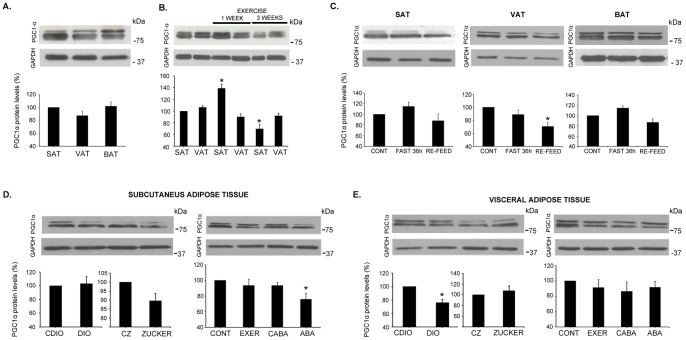
“The result is similar to a previous study [36] that shows an additional regulation of FNDC5 independent of PGC1α in adipose tissue.”
ResultEl-Lebedy, D. H., Ibrahim, A. A., & Ashmawy, I. (2018) · Diabetes & Metabolic Syndrome Clinical Research & Reviews · doi:10.1016/j.dsx.2018.04.025 · Cited by 50
Elizondo‐Montemayor, L., Mendoza-Lara, G., Gutierrez-DelBosque, G., Peschard-Franco, M., Nieblas, B., & García‐Rivas, G. (2018) · International Journal of Molecular Sciences · doi:10.3390/ijms19123727 · Cited by 49
“The expression of FNDC5 in muscle is related to SAT and VAT irisin levels and to the expression of FNDC5 and UCP1 genes in SAT.”
BackgroundThe Neuroprotective Effect of Irisin in Ischemic Stroke
Liu, Y., Zhu, C., Guo, J., Chen, Y., & Meng, C. (2020) · Frontiers in Aging Neuroscience · doi:10.3389/fnagi.2020.588958 · Cited by 49
“Moreover, irisin is not only a myokine but also an adipokine (Roca-Rivada et al., 2013).”
BackgroundIrisin Acts via the PGC-1α and BDNF Pathway to Improve Depression-like Behavior
Jo, D., & Song, J. (2021) · Clinical Nutrition Research · doi:10.7762/cnr.2021.10.4.292 · Cited by 49
“Additionally, irisin prevents blood vessel dysfunction [42] and ameliorates metabolic imbalance [43] by controlling the expression of other myokines and adipokines [44].”
BackgroundCytokines and exosomal miRNAs in skeletal muscle–adipose crosstalk
Guo, L., Quan, M., Pang, W., Yin, Y., & Li, F. (2023) · Trends in Endocrinology and Metabolism · doi:10.1016/j.tem.2023.07.006 · Cited by 51
The influence of sex steroids on adipose tissue growth and function
Law, J., Bloor, I. D., Budge, H., & Symonds, M. E. (2014) · Hormone Molecular Biology and Clinical Investigation · doi:10.1515/hmbci-2014-0015 · Cited by 52
FNDC 5 could be regulated by leptin in adipose tissue
Gutiérrez‐Repiso, C., García‐Serrano, S., Rodríguez‐Pacheco, F., García‐Escobar, E., Haro‐Mora, J. J., García-Arnés, J. A., Valdés, S., Gonzalo, M., Soriguer, F., Moreno‐Ruiz, F. J., et al. (2014) · European Journal of Clinical Investigation · doi:10.1111/eci.12324 · Cited by 48
Shirvani, H., & Arabzadeh, E. (2018) · Eating and Weight Disorders - Studies on Anorexia Bulimia and Obesity · doi:10.1007/s40519-018-0491-4 · Cited by 47
“The cross-talk between the muscle tissue and adipose tissue plays a role in regulating the feedback mechanism to increase the PGC-1α and irisin secretion [45].”
BackgroundZou, T., Li, S., Wang, B., Wang, Z., Liu, Y., & You, J. (2021) · Nutrition · doi:10.1016/j.nut.2021.111263 · Cited by 48
Dünnwald, T., Melmer, A., Gatterer, H., Salzmann, K., Ebenbichler, C. F., Burtscher, M., Schobersberger, W., & Grander, W. (2019) · International Journal of Sports Medicine · doi:10.1055/a-0828-8047 · Cited by 47
“Reductions in body mass and fat mass, that typically occur when exercise is performed over a longer period of time, are expected to accompany reductions in circulating irisin levels [28, 31], as irisin can be released not solely from muscle tissue but also from adipose tissue [29].”
BackgroundKim, O. Y., Chung, J. Y., & Song, J. (2019) · Pharmacological Research · doi:10.1016/j.phrs.2019.104411 · Cited by 48
Irisin: A bridge between exercise and neurological diseases
Zhang, Y., Zhang, X., & Lin, S. (2022) · Heliyon · doi:10.1016/j.heliyon.2022.e12352 · Cited by 46
“is an open access article under t remaining 28%may come from adipose tissue [1, 15], so exercise may be”
BackgroundEffects of Body Weight Reduction on Serum Irisin and Metabolic Parameters in Obese Subjects
Fukushima, Y., Kurose, S., Shinno, H., Thu, H. C. T., Takao, N., Tsutsumi, H., Hasegawa, T., Nakajima, T., & Kimura, Y. (2016) · Diabetes & Metabolism Journal · doi:10.4093/dmj.2016.40.5.386 · Cited by 46
Buscemi, S., Corleo, D., Vasto, S., Buscemi, C., Massenti, M. F., Nuzzo, D., Lucisano, G., Barile, A. M., Rosafio, G., Maniaci, V., et al. (2017) · International Journal of Obesity · doi:10.1038/ijo.2017.255 · Cited by 49
Irisin, Energy Homeostasis and Male Reproduction
Sengupta, P., Dutta, S., Karkada, I. R., Akhigbe, R. E., & Chinni, S. V. (2021) · Frontiers in Physiology · doi:10.3389/fphys.2021.746049 · Cited by 46
Irisin evokes bradycardia by activating cardiac-projecting neurons of nucleus ambiguus
Brailoiu, E., Deliu, E., Sporici, R. A., & Brailoiu, G. C. (2015) · Physiological Reports · doi:10.14814/phy2.12419 · Cited by 44
“…dye-free HBSS. Coverslips were mounted in an open bath chamber (RP-40LP, Warner Instruments, Hamden, CT) on the stage of an inverted microscope Nikon Eclipse TiE (Nikon Inc., Melville, NY), equipped with a Perfect Focus System and a Photometrics CoolSnap HQ2 CCD camera (Photometrics, Tucson, AZ).”
MethodInfluentialNovel Biomolecules in the Pathogenesis of Gestational Diabetes Mellitus
Ruszała, M., Niebrzydowska-Tatus, M., Pilszyk, A., Kimber-Trojnar, Ż., Trojnar, M. P., & Leszczyńska‐Gorzelak, B. (2021) · International Journal of Molecular Sciences · doi:10.3390/ijms222111578 · Cited by 47
Komolka, K., Albrecht, E., Schering, L., Brenmoehl, J., Hoeflich, A., & Maak, S. (2014) · PLoS ONE · doi:10.1371/journal.pone.0088060 · Cited by 44
“Instead protein bands of 20– 26 kDa, likely corresponding to full-length FNDC, were shown in mice, rats, and humans and were differently termed as irisin, FNDC5 or soluble FNDC5 [3,4,17,20,21].”
BackgroundResultInfluentialKazeminasab, F., Sadeghi, E., & Afshari-Safavi, A. (2022) · Oxidative Medicine and Cellular Longevity · doi:10.1155/2022/8235809 · Cited by 43
“First, recent studies have shown that irisin is not only a myokine released from skeletal muscle but also released from adipose tissue and is known as an adipokine [36, 37].”
Plasma irisin in runners and nonrunners: no favorable metabolic associations in humans
Hew‐Butler, T., Landis‐Piwowar, K. R., Byrd, G. F., Seimer, M., Seigneurie, N., Byrd, B., & Muzik, O. (2015) · Physiological Reports · doi:10.14814/phy2.12262 · Cited by 43
Abedpoor, N., Taghian, F., Ghaedi, K., Niktab, I., Safaeinejad, Z., Rabiee, F., Tanhaei, S., & Nasr‐Esfahani, M. H. (2018) · Nutrition & Metabolism · doi:10.1186/s12986-018-0298-3 · Cited by 43
“Recent studies revealed substantial role of fibronectin type III domain containing 5 (FNDC5) and its secretory type, irisin, in energy metabolism and regulation [12, 13].”
BackgroundPervin, S., Reddy, S. T., & Singh, R. (2021) · Frontiers in Endocrinology · doi:10.3389/fendo.2021.653179 · Cited by 42
“Recent data suggest that Fndc5 is also secreted fromWAT (152).”
BackgroundMorcos, Y. A. T., Lütke, S., Tenbieg, A., Hanisch, F., Pryymachuk, G., Piekarek, N., Hoffmann, T., Keller, T., Janoschek, R., Niehoff, A., et al. (2022) · Scientific Reports · doi:10.1038/s41598-022-05060-x · Cited by 43
Impact of exercise on muscle and nonmuscle organs
Boström, P., Graham, E. L., Georgiadi, A., & Ma, X. (2013) · IUBMB Life · doi:10.1002/iub.1209 · Cited by 50
“Fndc5 mRNA is upregulated after exercise in mice and humans, resulting in modestly increased plasma concentrations of irisin (59,66,67).”
BackgroundShi, X., Lin, M., Liu, C., Xiao, F., Liu, Y., Huang, P., Zeng, X. Y., Yan, B., Liu, S., Li, X., et al. (2016) · BMC Endocrine Disorders · doi:10.1186/s12902-016-0123-9 · Cited by 43
“Irisin is suggested to be not only a myokine but also an adipokine [14], therefore, effects of different adiposity measurements, as well as their potential interactions with circulating irisin, on insulin resistance should be explored further.”
BackgroundLiu, Y., Fu, Y., Liu, Z., Shu, S.-Q., Wang, Y., Cai, J., Tang, C.-Y., & Dong, Z. (2020) · Biochimica et Biophysica Acta - Molecular Basis of Disease · doi:10.1016/j.bbadis.2020.165792 · Cited by 35
Preeclampsia and Obesity—The Preventive Role of Exercise
Poniedziałek‐Czajkowska, E., Mierzyński, R., & Leszczyńska‐Gorzelak, B. (2023) · International Journal of Environmental Research and Public Health · doi:10.3390/ijerph20021267 · Cited by 73
Brondani, L. D. A., Boelter, G., Assmann, T. S., Leitão, C. B., Canani, L. H. S., & Crispim, D. (2015) · Metabolism · doi:10.1016/j.metabol.2015.05.005 · Cited by 41
“Another explanation for this may be the differences in brown and white adipose tissue distributions between the sexes, because the distribution of these tissues is known to be sexually dimorphic [26,27].”
BackgroundYang, S., Xiao, F., Pan, L., Zhang, H., Ma, Z., Liu, S., Liu, Y., Zhang, W., Zeng, X. Y., Liu, C., et al. (2015) · BMC Nephrology · doi:10.1186/s12882-015-0009-5 · Cited by 41
“Furthermore, recent studies show that irisin is not only a myokine but also an adipokine, both muscle and adipose tissue contribute to circulating irisin [24,25].”
BackgroundIrisin as an early marker for predicting gestational diabetes mellitus: a prospective study
Erol, O. Ö., Erkal, N., Elli̇dağ, H. Y., İsenlik, B. S., Aydın, Ö., Derbent, A. U., & Yılmaz, N. (2016) · The Journal of Maternal-Fetal & Neonatal Medicine · doi:10.3109/14767058.2016.1142967 · Cited by 41
“In fact, exposure to high levels of irisin may result in a state of resistance that may act in an autocrine fashion to regulate its own expression [8].”
Background
Metadata
- Authors
- Roca-Rivada, A., Castelao, C., Senin, L. L., Landrove, M. O., Baltar, J., Crujeiras, A. B., Seoane, L. M., Casanueva, F. F., & Pardo, M.
- Affiliations
- Instituto de Salud Carlos III (ES)
- Complejo Hospitalario Universitario de Santiago (ES)
- Corresponding author
- Pardo, María
- Venue
- PLoS ONE
- Publisher
- Public Library of Science (PLoS)
- Published
- 2013-04-11
- Volume
- 8
- Issue
- 4
- Pages
- e60563
- ISSN
- 1932-6203 (ISSN-L)
- PMC
- PMC3623960
- OpenAlex
- W2008675205
- Cited by
- 612
- References
- 42
- Citations by year
- 2026: 12 · 2025: 35 · 2024: 45 · 2023: 46 · 2022: 51 · 2021: 65 · 2020: 45 · 2019: 42 · 2018: 44 · 2017: 52 · 2016: 55 · 2015: 56 · 2014: 44 · 2013: 19
- FWCI
- 40.28
- Type
- journal article
- Language
- en
- Open access
- gold
- doi.org
- Locations
- PLoS ONE (publishedVersion, cc-by)
- Europe PMC (PubMed Central) (publishedVersion, other-oa)
- PubMed Central (publishedVersion, cc-by)
- PubMed (publishedVersion)
- LA Referencia (Red Federada de Repositorios Institucionales de Publicaciones Científicas) (submittedVersion, other-oa)
- DOAJ (DOAJ: Directory of Open Access Journals) (submittedVersion, cc-by-sa)
- RUNA. Repositorio Institucional del Sergas (Servicio Gallego de Salud (SERGAS)) (submittedVersion, cc-by)
- Funders
- Instituto de Salud Carlos III (CB06/03, FISP10/00537)
- Servicio Gallego de Salud
- Topics
- Health Sciences › Medicine › Physiology (medical) › Adipose Tissue and Metabolism
- Health Sciences › Medicine › Endocrinology, Diabetes and Metabolism › Adipokines, Inflammation, and Metabolic Diseases
- Health Sciences › Medicine › Physiology (medical) › Exercise and Physiological Responses
- Keywords
- FNDC5, irisin, adipokines, myokines, white adipose tissue, visceral adipose tissue, subcutaneous adipose tissue, skeletal muscle, endurance training, fasting, obesity, thermogenesis, secretome
- MeSH terms
- Animals, Fibronectins, Humans, Male, Physical Conditioning, Animal, Immunoblotting, Rats, Sprague-Dawley, Muscle, Skeletal, 3T3-L1 Cells, Mice, Rats, Adipose Tissue, White, Adipokines, Real-Time Polymerase Chain Reaction
About these checks
Registry, retraction, Cites and statistics results are computed, not judged, with one exception: a printed reference that no index lists is read once by a model before it counts as a citation error. Claims are extracted by a model and kept only when their quote appears verbatim in the text; each cited source is then checked, with a model’s help, for whether it says what the claim relies on. Those verdicts can be wrong — read the claim’s quote and the cited source before relying on one.
Statistics and arithmetic are recomputed, not judged.
Confidence bands are shown only for fields calibrated on our annotated test set. None is calibrated yet, so no band is shown.
What counts as a claim ›How we measure confidence ›How we check this ›
Are you an author, or do you see a problem with this page? Request a review
