

The DOI matches its Crossref record; 33 of the 33 references it cites were found in a registry or an index.
Well-Being and the Risk of Depression under Stress
Open accessAbstract
Improving our ability to accurately predict individual risk for depression would have profound public health benefits. While there has been growing interest in understanding the relation between measures of positive emotion, such as well-being, and depression, it is not clear whether low well-being is an independent predictor of short term depression risk. We assessed whether low well-being is a risk factor for depressive symptoms. Medical internship is a well-established period of stress when levels of depressive symptoms increase dramatically. 1621 individuals beginning medical internship were assessed for well-being, depressive symptoms, and a set of psychological and demographic traits prior to starting internship year and again for depressive symptoms at 3 month intervals during the year. Low subjective well-being significantly predicted increased depression symptom scores during the stress of medical internship and accounted for individual level inter-variability in depression symptom trends across time. Assessing well-being may have utility in predicting future depression risk.
Overview
The claims and statistics of this paper haven’t been checked yet.
Run the check — free, no account needed. It reads the open-access text and checks the sources it cites.
Integrity signals
Registry
Cites
Statistics
Figures
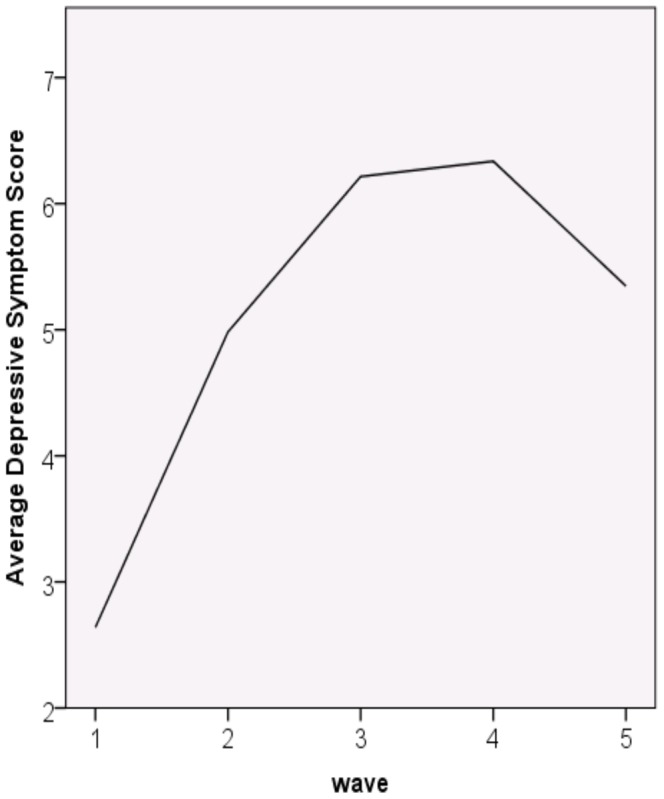
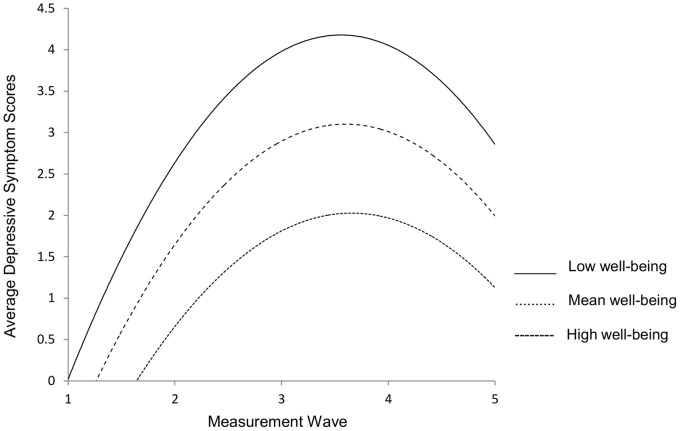
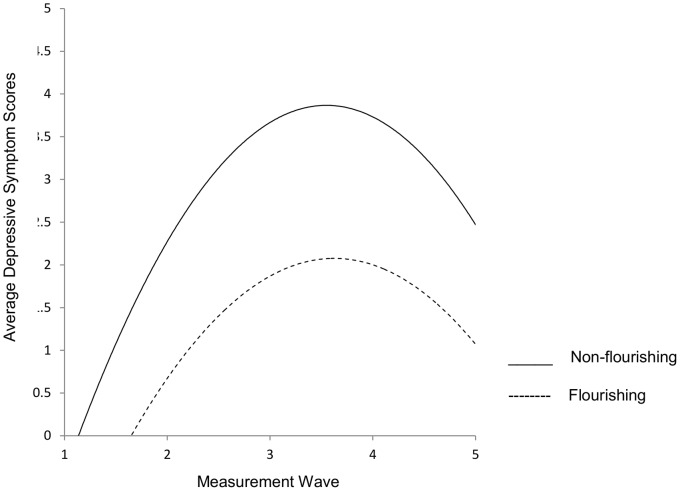
Verification
Claims the paper makes
The claims and statistics of this paper haven’t been checked yet.
Run the check — free, no account needed. It reads the open-access text and checks the sources it cites.
Claims other papers make about this one
Each is checked against this paper’s own text: does it say what the citing paper says it does?
The cited source says what the claim attributes to it.
In the citing paper
“as evidence suggests that low levels of wellbeing may increase the risk of experiencing mental ill-health over time [116–118].”
From The Mental Health of Elite-Level Coaches: A Systematic Scoping Review (2024) · cites this paper as [117]
In the citing paper
“Higher levels of psychological well-being are associated with better physical health [15] and buffer against future disorders [16, 65], suggesting that people with higher levels are potentially more resilient [66, 67].”
From Can We Increase Psychological Well-Being? The Effects of Interventions on Psychological Well-Being: A Meta-Analysis of Randomized Controlled Trials (2016) · cites this paper as [65]
Self-check
Percentages, sums and reported differences re-computed from the paper’s own numbers.
The self-check needs the paper’s full text.
Citations
Cites
The PHQ-9: Validity of a brief depression severity measure
Kroenke, K., Spitzer, R. L., & Williams, J. B. W. (2001) · Journal of General Internal Medicine · doi:10.1046/j.1525-1497.2001.016009606.x · Cited by 44,910
Subjective well-being: Three decades of progress.
Diener, E., Suh, E. M., Lucas, R. E., & Smith, H. L. (1999) · Psychological Bulletin · doi:10.1037/0033-2909.125.2.276 · Cited by 12,910
The structure of psychological well-being revisited.
Ryff, C. D., & Keyes, C. L. M. (1995) · Journal of Personality and Social Psychology · doi:10.1037//0022-3514.69.4.719 · Cited by 10,285 · cited 1×
“Well-being has consistently been correlated with depression and other mental disorders in cross-sectional studies [11], [12], [13] but longitudinal studies are lacking.”
BackgroundSpitzer, R. L. (1999) · JAMA · doi:10.1001/jama.282.18.1737 · Cited by 9,802
The mental health continuum: from languishing to flourishing in life.
Keyes, C. L. M. (2002) · Journal of Health and Social Behavior · doi:10.2307/3090197 · Cited by 5,133 · cited 1×
“In recent years, some have suggested that positive psychological characteristics may be a protective factor for depression distinct from the absence of negative characteristics [8], [9].”
BackgroundHammen, C. (2005) · Annual Review of Clinical Psychology · doi:10.1146/annurev.clinpsy.1.102803.143938 · Cited by 2,979 · cited 1×
“Most work on identifying depression risk factors has focused on demographic factors and negative risk factors such as adverse childhood environments, negative emotionality, and prior psychiatric history [5–7].”
BackgroundThe functioning and well-being of depressed patients. Results from the Medical Outcomes Study
Wells, K. B. (1989) · JAMA · doi:10.1001/jama.262.7.914 · Cited by 2,826
Gender differences in depression: Critical review
Piccinelli, M., & Wilkinson, G. (2000) · British Journal of Psychiatry · doi:10.1192/bjp.177.6.486 · Cited by 2,376 · cited 1×
“Knowing that low well-being may increase the chances of developing depression could allow individuals and caregivers to take preventative steps before the onset of depressive symptoms [5].”
Keyes, C. L. M. (2007) · American Psychologist · doi:10.1037/0003-066x.62.2.95 · Cited by 2,268
The Functioning and Well-being of Depressed Patients: Results From the Medical Outcomes Study
Wells, K. B. (1989) · JAMA · doi:10.1001/jama.1989.03430070062031 · Cited by 2,130
Cited by
Sorted by citations
A systematic review and meta-analysis of psychological interventions to improve mental wellbeing
van Agteren, J., Iasiello, M., Lo, L., Bartholomaeus, J., Kopsaftis, Z., Carey, M., & Kyrios, M. (2021) · Nature Human Behaviour · doi:10.1038/s41562-021-01093-w · Cited by 510
Weiss, L. A., Westerhof, G. J., & Bohlmeijer, E. T. (2016) · PLOS ONE · doi:10.1371/journal.pone.0158092 · Cited by 405
“Higher levels of psychological well-being are associated with better physical health [15] and buffer against future disorders [16, 65], suggesting that people with higher levels are potentially more resilient [66, 67].”
BackgroundTrompetter, H. R., de Kleine, E., & Bohlmeijer, E. T. (2017) · Cognitive Therapy and Research · doi:10.1007/s10608-016-9774-0 · Cited by 368
“In addition, positive mental health longitudinally protects against psychopathology at later moments in time (Grant et al. 2013; Keyes et al. 2010; Lamers et al. 2015; Wood and Joseph 2010).”
BackgroundIasiello, M., van Agteren, J., & Muir Cochrane, E. (2020) · Evidence Base · doi:10.21307/eb-2020-001 · Cited by 270
“Expanding on this were a small number of longitudinal studies that focused on the stability of group members over time, with the aim of determining whether: (1) current levels of positive mental health influence future scores of measures of mental illness, (2) change in levels of positive mental health influence futur…”
BackgroundResultWersebe, H., Lieb, R., Meyer, A. H., Hofer, P., & Gloster, A. T. (2018) · International Journal of Clinical and Health Psychology · doi:10.1016/j.ijchp.2017.09.002 · Cited by 250
“…changes in participants’ ives and thus provides support for the theory that PF nd well-being are strongly linked (Ciarrochi & Kashdan, 013; Hayes, 2013). unding he work was supported in part by the Swiss National Scince Foundation (FNSNF) under Grant no. 100014 149524/1 PP00P1…”
Lamers, S. M. A., Westerhof, G. J., Glas, C. A. W., & Bohlmeijer, E. T. (2015) · The Journal of Positive Psychology · doi:10.1080/17439760.2015.1015156 · Cited by 207
“, 1997) or the prediction of future psychopathology by positive mental health (Grant et al., 2013; Keyes et al., 2010; Wood & Joseph, 2010).”
BackgroundResultInfluentialLebares, C. C., Guvva, E. V., Olaru, M., Sugrue, L. P., Staffaroni, A. M., Delucchi, K. L., Kramer, J. H., Ascher, N. L., & Harris, H. W. (2019) · JAMA Network Open · doi:10.1001/jamanetworkopen.2019.4108 · Cited by 131
Schotanus-Dijkstra, M., ten Have, M., Lamers, S. M. A., de Graaf, R., & Bohlmeijer, E. T. (2016) · European Journal of Public Health · doi:10.1093/eurpub/ckw202 · Cited by 144
Positive mental health as a predictor of recovery from mental illness
Iasiello, M., van Agteren, J., Keyes, C. L. M., & Cochrane, E. M. (2019) · Journal of Affective Disorders · doi:10.1016/j.jad.2019.03.065 · Cited by 129
“Grant et al. (2013) and Lamers et al. (2015) supported this bidirectional relationship between positive mental health and psychopathology, finding that low levels of positive mental health predicted risk of higher depressive symptoms within one year.”
BackgroundPositive mental health and mental illness.
Gilmour, H. (2014) · PubMed · Cited by 125
Schotanus-Dijkstra, M., Drossaert, C. H. C., Pieterse, M. E., Boon, B. J. F., Walburg, J. A., & Bohlmeijer, E. T. (2017) · Internet Interventions · doi:10.1016/j.invent.2017.04.002 · Cited by 140
“Hence, our findings are promising from a public mental health perspective as languishing and moderate mental health are risk factors for developing mental disorders later in life (Grant et al., 2013; Keyes et al., 2010; Lamers et al., 2015; Schotanus-Dijkstra et al., 2016a; Wood and Joseph, 2010).”
BackgroundInfluentialLambert, J. D., Barnstable, G., Minter, E., Cooper, J., & McEwan, D. (2022) · Cyberpsychology Behavior and Social Networking · doi:10.1089/cyber.2021.0324 · Cited by 136
“Low levels of well-being have also been shown to predict future depression.(7) Understanding how SM impacts this range of mental health indices is therefore critical.”
Harvey, D., Montgomery, L. N., Harvey, H., Hall, F., Gange, A. C., & Watling, D. (2019) · Journal of Environmental Psychology · doi:10.1016/j.jenvp.2019.101381 · Cited by 125
Schotanus-Dijkstra, M., ten Klooster, P. M., Drossaert, C. H. C., Pieterse, M. E., Bolier, L., Walburg, J. A., & Bohlmeijer, E. T. (2016) · BMC Psychology · doi:10.1186/s40359-016-0116-5 · Cited by 105
“seems an important target group for public mental health and well-being intervention studies because low to moderate well-being increases the risk of developing mental illness [23–26].”
BackgroundBohlmeijer, E., & Westerhof, G. (2021) · Frontiers in Psychology · doi:10.3389/fpsyg.2021.747999 · Cited by 95
Khawaja, K. F., Sarfraz, M., Rashid, M., & Rashid, M. (2021) · Journal of Hospitality and Tourism Insights · doi:10.1108/jhti-01-2021-0002 · Cited by 92
“Lower well-being in mental health complements the deviant behaviors by precisely indicating psychological problems such as frustration (Grant et al., 2013).”
BackgroundStenhoff, A., Steadman, L., Nevitt, S., Benson, L., & White, R. G. (2020) · Journal of Contextual Behavioral Science · doi:10.1016/j.jcbs.2020.08.008 · Cited by 77
Psychometric Evaluation of the Mental Health Continuum–Short Form in French Canadian Young Adults
Doré, I., O’Loughlin, J. L., Sabiston, C. M., & Fournier, L. (2016) · The Canadian Journal of Psychiatry · doi:10.1177/0706743716675855 · Cited by 84
Bohlmeijer, E. T., Kraiss, J. T., Watkins, P. C., & Schotanus-Dijkstra, M. (2020) · Journal of Happiness Studies · doi:10.1007/s10902-020-00261-5 · Cited by 92
COVID-19 outbreak in Bangladesh and associated psychological problems: An online survey
Ahmed, O., Ahmed, M. Z., Alim, S. M. A. H. M., Khan, M., & Jobe, M. C. (2020) · Death Studies · doi:10.1080/07481187.2020.1818884 · Cited by 74
“Often worry and stress widely predict depression, anxiety, and lower mental well-being (Crannage, 2018); and lower mental health well-being complements the negative emotions by distinctly predicting future psychological problems, including depression (Grant et al., 2013).”
BackgroundAl-Humadi, S. M., Bronson, B. D., Muhlrad, S. I., Paulus, M., Hong, H., & Cáceda, R. (2021) · Academic Psychiatry · doi:10.1007/s40596-021-01490-3 · Cited by 74
Bendtsen, M., Müssener, U., Linderoth, C., & Thomas, K. (2020) · JMIR mhealth and uhealth · doi:10.2196/17208 · Cited by 71
“A substantial body of research has shown a link between high positive mental health and decreased risk of disease [1-5], decreased risk of mental illness [6-9], and increased longevity [3,10].”
BackgroundThe Mental Health of Elite-Level Coaches: A Systematic Scoping Review
Frost, J., Walton, C. C., Purcell, R., Fisher, K., Gwyther, K., Kocherginsky, M., & Rice, S. M. (2024) · Sports Medicine - Open · doi:10.1186/s40798-023-00655-8 · Cited by 59
Kading, M. L., Hautala, D. S., Palombi, L. C., Aronson, B. D., Smith, R. C., & Walls, M. L. (2015) · Society and Mental Health · doi:10.1177/2156869315570480 · Cited by 61
Schotanus-Dijkstra, M., Pieterse, M. E., Drossaert, C. H. C., Walburg, J. A., & Bohlmeijer, E. T. (2017) · The Journal of Positive Psychology · doi:10.1080/17439760.2017.1388430 · Cited by 65
Gavurová, B., Ivanková, V., & Rigelský, M. (2020) · International Journal of Environmental Research and Public Health · doi:10.3390/ijerph17238853 · Cited by 64
“[71] found that the risk of depression (PHQ 9) in students under stress increases.”
BackgroundKraiss, J. T., Kohlhoff, M., & ten Klooster, P. M. (2022) · Current Psychology · doi:10.1007/s12144-022-02942-1 · Cited by 60
Domingue, B. W., Liu, H., Okbay, A., & Belsky, D. W. (2017) · American Journal of Psychiatry · doi:10.1176/appi.ajp.2017.16111209 · Cited by 48
Keyes, C. L. M., Yao, J., Hybels, C. F., Milstein, G., & Proeschold‐Bell, R. J. (2020) · Journal of Affective Disorders · doi:10.1016/j.jad.2020.03.056 · Cited by 44
The Portuguese Adaptation of the Mental Health Continuum-Short Form for Adult Population
Fonte, C., Silva, I., Vilhena, E., & Keyes, C. L. M. (2019) · Community Mental Health Journal · doi:10.1007/s10597-019-00484-8 · Cited by 43
Fritz, E. M., Singewald, N., & Bundel, D. D. (2020) · Frontiers in Synaptic Neuroscience · doi:10.3389/fnsyn.2020.594484 · Cited by 45
Physician-Training Stress and Accelerated Cellular Aging
Ridout, K. K., Ridout, S. J., Guille, C., Mata, D. A., Akil, H., & Sen, S. (2019) · Biological Psychiatry · doi:10.1016/j.biopsych.2019.04.030 · Cited by 41
“In addition to precipitating mental health problems (8,9), stress exposure is an important risk factor for systemic diseases such as obesity, type 2 diabetes, and cardiovascular disease (10).”
Self-citationSantini, Z. I., Ekholm, O., Koyanagi, A., Stewart-Brown, S., Meilstrup, C., Nielsen, L., Fusar-Poli, P., Koushede, V., & Thygesen, L. C. (2022) · Mental Health & Prevention · doi:10.1016/j.mhp.2022.200233 · Cited by 40
“Generally, these studies have reported that a high level of wellbeing, specifically psychological flourishing (requiring a certain combination of hedonic and eudemonic wellbeing), is inversely associated with CMDs (Doré et al., 2020; Grant et al., 2013; Schotanus-Dijkstra et al., 2016; Keyes et al., 2010).”
BackgroundResultMiller, C. B., Gu, J., Henry, A. L., Davis, M. L., Espie, C. A., Stott, R., Heinz, A. J., Bentley, K. H., Goodwin, G. M., Gorman, B. S., et al. (2021) · Journal of Behavior Therapy and Experimental Psychiatry · doi:10.1016/j.jbtep.2020.101609 · Cited by 40
The Prevalence of Mental Ill Health in Elite Counter-Strike Athletes
Birch, P. D. J., Smith, M. J., Arumuham, A., de Gortari, A. B. O., & Sharpe, B. T. (2024) · Journal of Electronic Gaming and Esports · doi:10.1123/jege.2024-0006 · Cited by 40
Pereira‐Lima, K., Gupta, R. R., Guille, C., & Sen, S. (2019) · Academic Medicine · doi:10.1097/acm.0000000000002567 · Cited by 42
Self-citationMordeno, I. G., Gallemit, I. M. J. S., Lantud, S. S. B., & Hall, B. J. (2019) · PsyCh Journal · doi:10.1002/pchj.288 · Cited by 39
van Agteren, J., Iasiello, M., Ali, K., Fassnacht, D. B., Furber, G., Woodyatt, L., Howard, A., & Kyrios, M. (2021) · Frontiers in Psychology · doi:10.3389/fpsyg.2021.648678 · Cited by 33
Can we learn to manage stress? A randomized controlled trial carried out on university students
Saleh, D., Camart, N., Sbeira, F., & Romo, L. (2018) · PLoS ONE · doi:10.1371/journal.pone.0200997 · Cited by 50
Chilver, M. R., & Gatt, J. M. (2021) · Journal of Happiness Studies · doi:10.1007/s10902-021-00449-3 · Cited by 44
Routledge, K. M., Burton, K., Williams, L. M., Harris, A. W. F., Schofield, P. R., Clark, C. R., & Gatt, J. M. (2016) · Psychiatry Research · doi:10.1016/j.psychres.2016.07.016 · Cited by 36
Lebares, C. C., Greenberg, A. L., Ascher, N. L., Delucchi, K., Reilly, L. M., van der Schaaf, M. F., Bååthe, F., O’Sullivan, P., & Rø, K. I. (2021) · JAMA Network Open · doi:10.1001/jamanetworkopen.2020.32676 · Cited by 37
Joshanloo, M., & Blasco‐Belled, A. (2023) · International Journal of Environmental Research and Public Health · doi:10.3390/ijerph20032374 · Cited by 41
“In terms of between-person effects, our findings align with previous studies highlighting the protective role of mental well-being against mental illness [27,31], and the potential risk of low mental well-being for developing psychological symptoms [26,33].”
BackgroundResultCoping during socio-political uncertainty
Khoury-Malhame, M. E., Malhab, S. B., Chaaya, R., Sfeir, M., & Khoury, S. E. (2024) · Frontiers in Psychiatry · doi:10.3389/fpsyt.2023.1267603 · Cited by 39
“As such, since acting on environmental challenges causing uncertainty, whether viral or political, is beyond the realm of clinicians and public health providers, developing strategies to address psychopathology could improve well-being in unstable societies (61).”
BackgroundMcFarland, D. C., & Roth, A. J. L. (2016) · Psycho-Oncology · doi:10.1002/pon.4165 · Cited by 34
“A resilient physician workforce has positive implications for the cost of medicine, quality of health care, physician well-being, and amelioration of the burnout phenomenon [2,10].”
BackgroundImproving the wellbeing and resilience of health services staff via psychological skills training
van Agteren, J. E., Iasiello, M. P., & Lo, L. (2018) · BMC Research Notes · doi:10.1186/s13104-018-4034-x · Cited by 39
Measuring mental health and well-being of South African undergraduate students
Eloff, I., & Graham, M. A. (2020) · Cambridge Prisms Global Mental Health · doi:10.1017/gmh.2020.26 · Cited by 33
“…flourishing (a key indicator of well-being) has been associated with lower prevalence and incidence of depressive and anxiety disorders over 1-year (Grant et al., 2013; Lamers et al., 2015), 2-year (Keyes et al., 2020b), 3-year (Schotanus-Dijkstra et al., 2017) and 10-year timespans (Keyes et al.,…”
BackgroundReinhardt, M., Rice, K. G., Durán, B., & Kökönyei, G. (2022) · Journal of Youth and Adolescence · doi:10.1007/s10964-022-01628-y · Cited by 32
“A low level of subjective well-being is itself a risk factor for unhealthy emotion regulation (Verzeletti et al., 2016) and psychopathology (Grant et al., 2013).”
BackgroundA review of the literature on wellbeing and modifiable dementia risk factors
Willroth, E. C., Pfund, G. N., Rule, P. D., Hill, P. L., John, A., Kyle, K., Hassenstab, J. J., & James, B. D. (2024) · Ageing Research Reviews · doi:10.1016/j.arr.2024.102380 · Cited by 31
“2011; Liu et al., 2009; Koivumaa-Honkanen et al., 2004; Koivumaa--Honkanen et al., 2001; Li et al., 2022) and prospectively (Burns et al., 2022; Grant et al., 2013; Green et al., 1992; Keyes et al., 2010; Koivumaa-Honkanen et al., 2004; Wood and Joseph, 2010).”
BackgroundNational identification, a social cure for COVID-19? Evidence from 67 countries
Bonetto, É., Delouvée, S., Mahfud, Y., & Adam‐Troian, J. (2021) · International Journal of Social Psychiatry · doi:10.1177/00207640211020036 · Cited by 33
“While well-being is a robust predictor of mental health outcomes (e.g. depression; Grant et al., 2013), it remains nonetheless a correlate and its links with national identification do not necessarily transpose to other mental health constructs (e.g. PTSD, anxiety).”
BackgroundThe subjective experience of time during the pandemic in Germany: The big slowdown
Kosak, F., Schelhorn, I., & Wittmann, M. (2022) · PLoS ONE · doi:10.1371/journal.pone.0267709 · Cited by 31
“In these studies, depression, which is by definition associated with low levels of well-being [33], is clearly linked to a perceived deceleration of time (for an overview see [34]).”
Leão, E. R., Fabbro, D. R. D., de Oliveira, R. B., dos Santos, I. R., Victor, E. D. S., Aquarone, R. L., Andrade, C. B., Ribeiro, V. F., de Oliveira, R. C., Friedlander, R., et al. (2017) · PLoS ONE · doi:10.1371/journal.pone.0172455 · Cited by 30
“The assessment of well-being has an important practical use to evaluate and prevent depression [61].”
BackgroundZhang, H., Liao, Y., Han, X., Fan, B., Liu, Y., Lui, L. M. W., Lee, Y., Subramaniapillai, M., Li, L., Guo, L., et al. (2022) · Journal of Medical Internet Research · doi:10.2196/30907 · Cited by 31
“Moreover, the observed protective effects of well-being on incident MDD may be explained by its effects on positive psychological functioning, capturing one’s level of positive life satisfaction and a sense of purpose in life [62].”
BackgroundSantini, Z. I., Meilstrup, C., Hinrichsen, C., Nielsen, L., Koyanagi, A., Krokstad, S., Keyes, C. L. M., & Koushede, V. (2018) · Social Currents · doi:10.1177/2329496518815868 · Cited by 32
“That is, flourishing has been associated with lower prevalence and incidence of depressive (and anxiety) disorders over one-year (Grant, Guille, and Sen 2013; Lamers et al. 2015), three-year (Schotanus-Dijkstra et al. 2016), and 10-year time spans (Keyes, Dhingra, and Simoes 2010).”
BackgroundMcFarland, D., Andreotti, C. F., Harris, K., Mandeli, J., Tiersten, A., & Holland, J. (2015) · Psychosomatics · doi:10.1016/j.psym.2015.11.008 · Cited by 24
“Anyone under an increased amount of stress can experience a precipitation of depressive symptoms(41), and in the setting of breast cancer, this has been shown to lead to”
Kenntemich, L., von Hülsen, L., Schäfer, I., Böttche, M., & Lotzin, A. (2022) · Stress and Health · doi:10.1002/smi.3196 · Cited by 26
“First longitudinal studies showed that low well‐being could predict the risk of developing a mental disorder (Grant et al., 2013; Koivumaa‐Honkanen et al., 2004; Wood & Joseph, 2010).”
BackgroundPrzybylko, G., Morton, D. P., Morton, J. K., Renfrew, M. E., & Hinze, J. S. (2021) · The Journal of Positive Psychology · doi:10.1080/17439760.2021.1897868 · Cited by 25
“These findings are notable as the promotion of flourishing can significantly reduce the prevalence of mental disorders (Grant et al., 2013), as well as provide a buffer against mental illness.”
BackgroundSupporting The Mental Health Of Elite‐Level Coaches Through Early Intervention
Frost, J., Walton, C. C., Purcell, R., & Rice, S. (2023) · Arthroscopy Sports Medicine and Rehabilitation · doi:10.1016/j.asmr.2023.04.017 · Cited by 28
Ferentinos, P. P., Yotsidi, V., Porichi, E., Douzenis, A., Papageorgiou, C., & Stalikas, A. (2019) · Journal of Clinical Psychology · doi:10.1002/jclp.22780 · Cited by 23
Walls, M. L., Pearson, C. R., Kading, M. L., & Teyra, C. (2016) · PubMed · Cited by 22
Delafontaine, A.-C., Anders, R., Mathieu, B., Salathé, C. R., & Putois, B. (2024) · BMC Palliative Care · doi:10.1186/s12904-024-01393-8 · Cited by 28
“Finally, well-being at work, underpinned by this network of personal resources, is directly negatively linked to depression [81], which then demonstrates its direct impact on emotional exhaustion and anxiety levels.”
BackgroundHutton, E. A., Skues, J., Sullivan, J., & Wise, L. Z. (2022) · Mental Health & Prevention · doi:10.1016/j.mhp.2022.200249 · Cited by 26
Lebares, C. C., Greenberg, A. L., Shui, A. M., Boscardin, C., & van der Schaaf, M. F. (2021) · Journal of Medical Education and Curricular Development · doi:10.1177/23821205211020758 · Cited by 20
Effects of two chronic stresses on mental state and hair follicle melanogenesis in mice
Liao, S., Lv, J., Zhou, J., Kalavagunta, P. K., & Shang, J. (2017) · Experimental Dermatology · doi:10.1111/exd.13380 · Cited by 19
Doré, I., O’Loughlin, J. L., Sylvestre, M., Sabiston, C. M., Beauchamp, G., Martineau, M., & Fournier, L. (2020) · Canadian Journal of Community Mental Health · doi:10.7870/cjcmh-2020-003 · Cited by 21
Fiedorowicz, J. G., Ellingrod, V. L., Kaplan, M. J., & Sen, S. (2015) · Journal of Psychosomatic Research · doi:10.1016/j.jpsychores.2015.06.004 · Cited by 18
“We recruited medical interns who were participating in the Intern Health Study, a prospective cohort designed to assess predictors for the development of depressive symptoms during internship, which has been described in detail elsewhere [16,17].”
Self-citationZhou, J., Geng, K.-K., Ping, F., Gao, Y., Liu, L., & Feng, B. (2016) · European Journal of Pharmacology · doi:10.1016/j.ejphar.2016.02.026 · Cited by 16
Cevallos, J. R., Gonzales, P. A., Berler, M. H., Greenberg, A. L., & Lebares, C. C. (2023) · Journal of the American College of Surgeons · doi:10.1097/xcs.0000000000000775 · Cited by 16
Dunne, A., Haake, S. J., Quirk, H., & Bullas, A. M. (2021) · International Journal of Environmental Research and Public Health · doi:10.3390/ijerph182413072 · Cited by 15
“Poor mental wellbeing can be a predictor of future chronic mental illness such as depression [10] and, to a lesser extent, anxiety disorders [11].”
BackgroundLi, Z., Jiang, K., Zhu, Y., Du, H., Im, H., Zhu, Y., Feng, L., Zhu, W., Zhao, G. W., Jia, X., et al. (2024) · NeuroImage · doi:10.1016/j.neuroimage.2024.120690 · Cited by 14
“Medi-cally, happiness has also been documented to correlate with lower mortality rates following disease afflictions (Chida & Steptoe, 2008) and lower incidence rates of psychiatric disorders (Bergersen et al., 2010; Grant et al., 2013).”
BackgroundInfluentialProeschold‐Bell, R. J., Molokwu, N. J., Keyes, C. L. M., Sohail, M. M., Eagle, D. E., Parnell, H. E., Kinghorn, W. A., Amanya, C., Vann, V., Madan, I., et al. (2018) · Children and Youth Services Review · doi:10.1016/j.childyouth.2018.12.024 · Cited by 14
Sansinenea, E., Asla, N., Agirrezabal, A., Fuster‐RuizdeApodaca, M. J., Muela, A., & Garaigordobil, M. (2019) · Journal of Happiness Studies · doi:10.1007/s10902-019-00098-7 · Cited by 15
Golińska, P. B., Cieślak, M., Hubert, O., & Bidzan, M. (2021) · International Journal of Environmental Research and Public Health · doi:10.3390/ijerph18115542 · Cited by 12
Kloos, N., Kraiss, J. T., ten Klooster, P. M., & Bohlmeijer, E. T. (2023) · Journal of Clinical Psychology · doi:10.1002/jclp.23574 · Cited by 14
The Effect of Psychological Distress on Measurement Invariance in Measures of Mental Wellbeing
Iasiello, M. P., Muir‐Cochrane, E., van Agteren, J. E., & Fassnacht, D. B. (2022) · International Journal of Environmental Research and Public Health · doi:10.3390/ijerph191610072 · Cited by 11
Frimpong, S., Sunindijo, R. Y., Wang, C., Boadu, E. F., & Dansoh, A. (2023) · Buildings · doi:10.3390/buildings13041025 · Cited by 11
Wash, A., Vogel, S., Tabe, S., Crouch, M., Woodruff, A. L., & Duhon, B. (2021) · Currents in Pharmacy Teaching and Learning · doi:10.1016/j.cptl.2021.09.032 · Cited by 11
Sansone, A., Mollaioli, D., Cignarelli, A., Ciocca, G., Limoncin, E., Colonnello, E., Balercia, G., Reisman, Y., & Jannini, E. A. (2021) · Sexes · doi:10.3390/sexes2030023 · Cited by 11
“Without a shade of doubt, the COVID-19 pandemic and the related containment measures have been identified as traumatic events [9–11] that contributed to generate anxiety and stress, conditions having a well-known, negative effect on overall health and well-being [12], and possibly associated with worse outcomes in ter…”
BackgroundA multimodal study regarding neural correlates of the subjective well-being in healthy individuals
Jung, H.-Y., Pae, C., An, I., Bang, M., Choi, T. K., Cho, S., & Lee, S. (2022) · Scientific Reports · doi:10.1038/s41598-022-18013-1 · Cited by 10
“Age (years, mean ± SD) (age range) 36.6 ± 8.86 (20–61) Education (years, mean ± SD) 17.22 ± 2.04 Intracranial volume (ml, mean ± SD) 1529.77 ± 131.3 Religion Existed (n) 31 None (n) 20 Monthly income Above 1800 $USD (n) 49 Below 1800 $USD (n) 2 Marital status Living with partner (n) 29 Living without partner (n) 28 Jo…”
BackgroundInfluentialSanté mentale et maladies mentales des jeunes francophones de 15 à 24 ans
Bouchard, L., Batista, R., & Colman, I. (2018) · Minorités linguistiques et société · doi:10.7202/1043504ar · Cited by 19
Lebares, C. C., Greenberg, A. L., Gonzales, P. A., & Boscardin, C. (2022) · Global Surgical Education - Journal of the Association for Surgical Education · doi:10.1007/s44186-022-00008-1 · Cited by 10
“80) [33] and supporting literature base of clinical relevance [25].”
BackgroundInfluentialWu, Y. Z., Shao, J., Zhang, D., Wang, Y., Wang, S., Wang, Z., Qu, Y., & Gu, J. (2022) · Frontiers in Psychiatry · doi:10.3389/fpsyt.2022.976386 · Cited by 9
“Low subjective wellbeing may significantly predict increased depressive symptoms (15).”
BackgroundMordeno, I. G., Gallemit, I. M. J. S., Bangcola, B. F. B., Busaco, J. J. J. L., Tuto, R. T., & Hall, B. J. (2022) · PsyCh Journal · doi:10.1002/pchj.578 · Cited by 9
Hassan, A. N., Bozinoff, N., Jutras‐Aswad, D., Socias, M. E., Stewart, S. H., Lim, R., & Foll, B. L. (2022) · Journal of Addiction Medicine · doi:10.1097/adm.0000000000001048 · Cited by 9
Still worlds apart: flourishing in people with mental health problems
Allen, R. E., Carson, J. F., Merrifield, B., & Bush, S. (2020) · Mental Health and Social Inclusion · doi:10.1108/mhsi-05-2020-0027 · Cited by 9
Folville, A., Willems, S. J., Cheriet, N., Geurten, M., Guillemin, C., Muto, V., Requier, F., Reyt, M., Collette, F., Schmidt, C., et al. (2023) · Applied Cognitive Psychology · doi:10.1002/acp.4104 · Cited by 7
Flourishing and the Prioritization of Workplace Elements in General Surgery Residents
Nguyen, E. T., Berler, M. H., Gonzales, P. A., Greenberg, A. L., Lebares, C. C., Divino, C., Choi, J. N., Hrabe, J. E., Shelton, J. S., Foglia, C. M., et al. (2023) · Journal of Surgical Research · doi:10.1016/j.jss.2023.06.039 · Cited by 9
Jans-Beken, L. (2019) · Counselling Psychology Quarterly · doi:10.1080/09515070.2019.1638228 · Cited by 10
Academic Stress and Working Memory in Elementary School Students
Blashill, M. M. (2016) · Scholarship & Creative Works - Digital UNC a service of University Libraries (University of Northern Colorado) · Cited by 8
Dando, L. L., Velitario, A. M., Mallillin, L. L. D., Celdran, M. C. B., & Alcantara, J. C. (2023) · Journal of Education and Health Promotion · doi:10.4103/jehp.jehp_1771_22 · Cited by 7
“[44] Failure to meet basic human needs among health professionals contributes to dissatisfaction that could lead to limited care, not only to self but also for others, [45] hence compromising the workforce and quality of education and care.”
BackgroundKanougiya, S., Daruwalla, N., & Osrin, D. (2024) · BMC Women s Health · doi:10.1186/s12905-024-03389-1 · Cited by 10
The Indonesian Version of the Flourishing Scale: Is it Reliable and Valid for Indonesian People?
Nurcahyo, F. A., & Valentina, T. D. (2023) · Evaluation & the Health Professions · doi:10.1177/01632787231215316 · Cited by 19
“Moreover, low subjective well-being is considered to signi fi cantly correlate with symptoms of depression (Grant et al., 2013).”
BackgroundFlourishing and occupational depression: a comparison of general and special education teachers
Angelini, G., Schonfeld, I. S., Bianchi, R., & Fiorilli, C. (2024) · European Journal of Special Needs Education · doi:10.1080/08856257.2024.2334536 · Cited by 8
“Although many studies have examined the association between flourishing and depression (Grant et al. 2013; Lamers et al. 2015; Marijke et al. 2017), flourishing is one of the least investigated teacher resources (Capone and Petrillo 2020).”
Thomas, K., & Bendtsen, M. (2019) · JMIR Research Protocols · doi:10.2196/12396 · Cited by 7
“Strong positive mental health is associated with various benefits including decreased risk of disease [6-10], decreased risk of mental illness [11-14], and increased longevity [8,15].”
Kawaike, Y., Nagata, J., Furuya, T., Koriyama, C., Nakamura, M., & Sano, A. (2019) · Frontiers in Behavioral Neuroscience · doi:10.3389/fnbeh.2019.00213 · Cited by 8
Finlay‐jones, A. L., Davis, J. A., O’Donovan, A., Kottampally, K., Ashley, R., Silva, D. T., Ohan, J. L., Prescott, S. L., & Downs, J. A. (2020) · JMIR Research Protocols · doi:10.2196/19803 · Cited by 8
Ali, S. B., Ahmad, M. J., Ramzan, I., Ali, M., & Khan, K. (2022) · Frontiers in Psychology · doi:10.3389/fpsyg.2022.915667 · Cited by 11
Uygur, Ö. F., Uygur, H., Demiröz, D., & Ahmed, O. (2022) · ALPHA PSYCHIATRY · doi:10.5152/alphapsychiatry.2022.22926 · Cited by 7
Coopersmith, A. S., Berler, M. H., Johnston, B., Knutilla, L., Edwards, A., Lebares, C. C., Divino, C. M., Choi, J. N., Hrabe, J. E., Shelton, J. S., et al. (2023) · The American Journal of Surgery · doi:10.1016/j.amjsurg.2023.09.004 · Cited by 7
Hamama‐Raz, Y., Ben‐Ezra, M., & Lavenda, O. (2020) · Psychiatric Quarterly · doi:10.1007/s11126-020-09779-6 · Cited by 8
Metadata
- Authors
- Grant, F., Guille, C., & Sen, S.
- Affiliations
- University of Maryland, Baltimore County (US)
- Medical University of South Carolina (US)
- University of Michigan (US)
- Corresponding author
- Sen, Srijan
- Venue
- PLoS ONE
- Publisher
- Public Library of Science (PLoS)
- Published
- 2013-07-01
- Volume
- 8
- Issue
- 7
- Pages
- e67395
- ISSN
- 1932-6203 (ISSN-L)
- PMC
- PMC3698120
- OpenAlex
- W2059436066
- Cited by
- 189
- References
- 32
- Citations by year
- 2026: 13 · 2025: 13 · 2024: 32 · 2023: 22 · 2022: 23 · 2021: 22 · 2020: 15 · 2019: 14 · 2018: 6 · 2017: 8 · 2016: 13 · 2015: 7 · 2014: 1
- FWCI
- 10.51
- Type
- journal article
- Language
- en
- Open access
- gold
- doi.org
- Locations
- PLoS ONE (publishedVersion, cc-by)
- Europe PMC (PubMed Central) (publishedVersion, other-oa)
- PubMed Central (publishedVersion, cc-by)
- PubMed (publishedVersion)
- RePEc: Research Papers in Economics (submittedVersion)
- DOAJ (DOAJ: Directory of Open Access Journals) (submittedVersion, cc-by-sa)
- Funders
- National Institute of Mental Health (K23MH095109, R01MH101459, MH095109)
- National Institute of General Medical Sciences (R25GM055036)
- National Center for Research Resources (UL1RR024986)
- Topics
- Social Sciences › Psychology › Social Psychology › Psychological Well-being and Life Satisfaction
- Health Sciences › Health Professions › General Health Professions › Healthcare professionals’ stress and burnout
- Social Sciences › Psychology › Experimental and Cognitive Psychology › Anxiety, Depression, Psychometrics, Treatment, Cognitive Processes
- Keywords
- subjective well-being, depression risk, depressive symptoms, stress, medical internship, positive emotions, depression prediction
- MeSH terms
- Adult, Depression, Female, Humans, Male, Personal Satisfaction, Surveys and Questionnaires, Risk Factors, Stress, Psychological
About these checks
Registry, retraction, Cites and statistics results are computed, not judged, with one exception: a printed reference that no index lists is read once by a model before it counts as a citation error. Claims are extracted by a model and kept only when their quote appears verbatim in the text; each cited source is then checked, with a model’s help, for whether it says what the claim relies on. Those verdicts can be wrong — read the claim’s quote and the cited source before relying on one.
Statistics and arithmetic are recomputed, not judged.
Confidence bands are shown only for fields calibrated on our annotated test set. None is calibrated yet, so no band is shown.
What counts as a claim ›How we measure confidence ›How we check this ›
Are you an author, or do you see a problem with this page? Request a review
