

Effects of Lactobacillus kefiranofaciens M1 Isolated from Kefir Grains on Germ-Free Mice
Open accessThe DOI matches its Crossref record; 39 of the 39 references it cites were found in a registry or an index.
Abstract
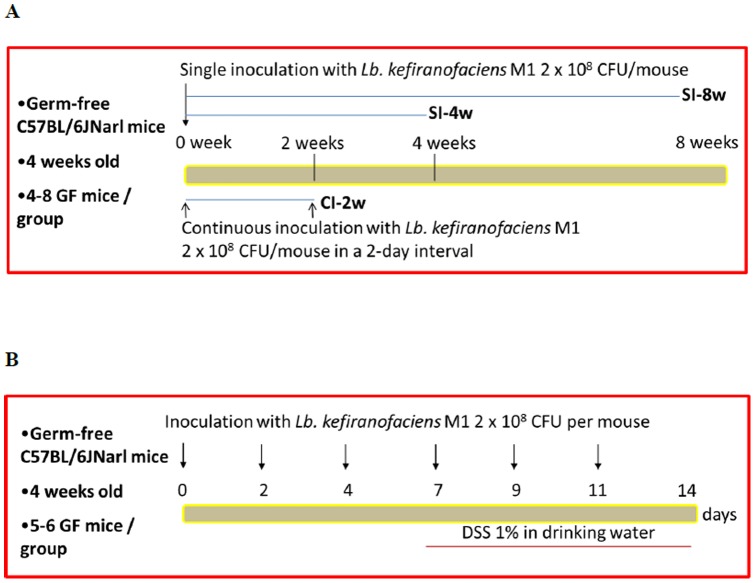
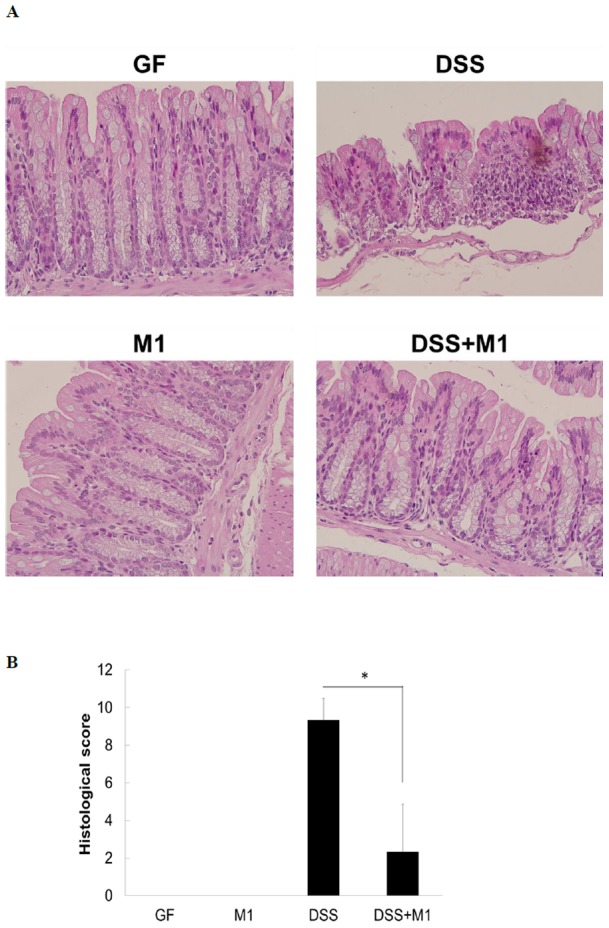
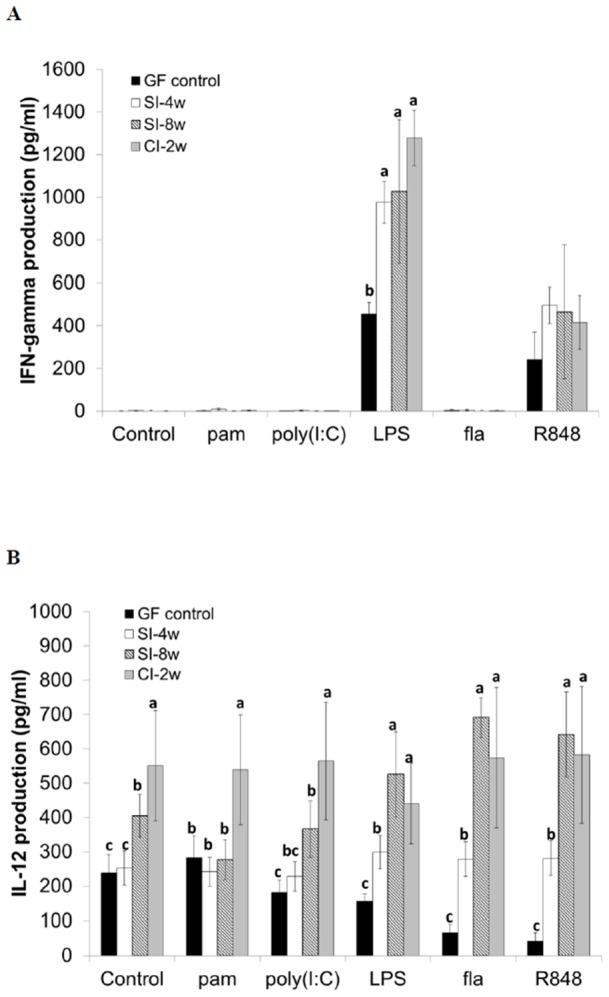
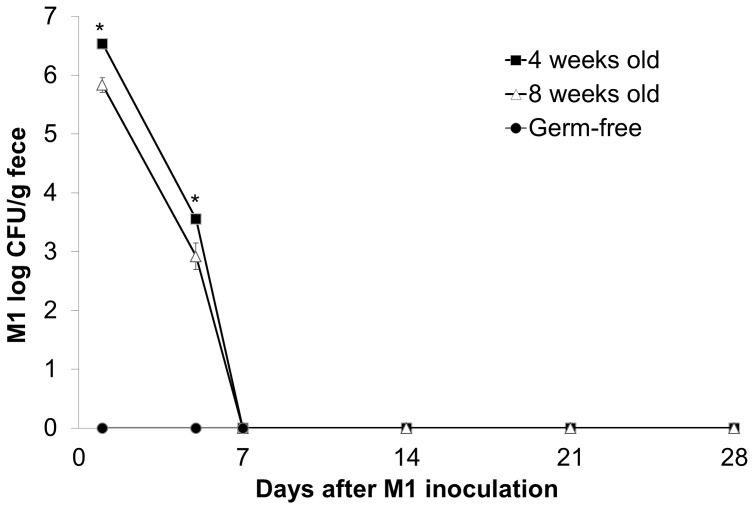
Lactobacillus kefiranofaciens M1 is a novel probiotic strain that was isolated from kefir grains. Previously, we have demonstrated the immunoregulatory, anti-allergic, anti-asthmatic and anti-colitis abilities of L. kefiranofaciens M1 in a number of in-vitro and in-vivo experiments. However, whether the effects of L. kefiranofaciens M1 are elicited directly on the host or act by regulating the host's microbiota remains unknown. A number of studies have used germ-free or gnotobiotic animals to investigate the relationship between probiotics and colitis; therefore the aim of this study was to investigate the effects of L. kefiranofaciens M1 on germ-free mice. Such an approach should help in determining the direct effects of L. kefiranofaciens M1 on the host itself. Four-week-old female germ-free mice were inoculated intragastrically with 2×10(8) CFU/mouse L. kefiranofaciens M1 once or at 2-day intervals for 14 days. Bacterial colonization, the Th1/Th2 cytokine profile of the mice's splenocytes and the anti-colitis effect of L. kefiranofaciens M1 were investigated. The strongest response in terms of splenic Th1 cytokine IFN-γ and IL-12 production upon TLR activation was detected in the continuous treatment group when comparing to the single inoculation group and the germ-free control. In addition, continuous inoculation with L. kefiranofaciens M1 was found to ameliorate the symptoms of DSS-induced colitis in germ-free mice. However, L. kefiranofaciens M1 failed to colonize the host. Thus it would seem that L. kefiranofaciens M1 is likely to act directly on the host and not be involved in microbiota regulation.
Overview
The claims and statistics of this paper haven’t been checked yet.
Free: it reads the open-access text and checks the first 5 claims that cite a source we can check. Create a free account to check every claim.
Integrity signals
Registry
Cites
Statistics
Figures
Verification
Claims the paper makes
The claims and statistics of this paper haven’t been checked yet.
Free: it reads the open-access text and checks the first 5 claims that cite a source we can check. Create a free account to check every claim.
Self-check
Percentages, sums and reported differences re-computed from the paper’s own numbers.
The self-check needs the paper’s full text.
Citations
Cites
Interactions Between the Microbiota and the Immune System
Hooper, L. V., Littman, D. R., & Macpherson, A. J. (2012) · Science · doi:10.1126/science.1223490 · Cited by 4,173 · cited 1×
“interference from the complex intestinal microbiota and microbes that are not of direct interest [11], germ-free animals have been used in many studies of human disease and microbiota including”
MethodThe gut microbiota--masters of host development and physiology
Sommer, F., & Bäckhed, F. (2013) · Nature Reviews Microbiology · doi:10.1038/nrmicro2974 · Cited by 3,681 · cited 1×
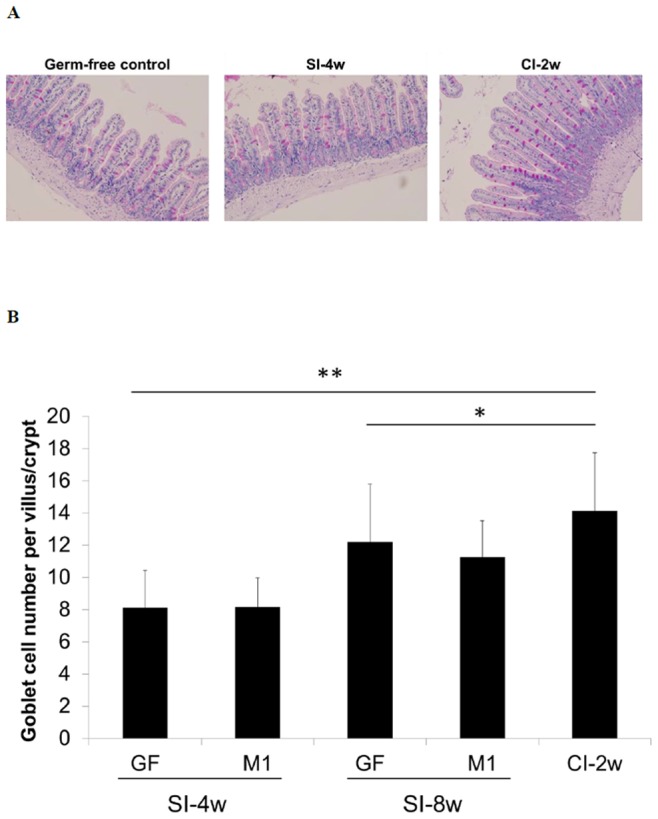
“GF mice have a thinner mucus layer and fewer goblet cells than conventional mice [19,23].”
BackgroundChemically induced mouse models of intestinal inflammation
Wirtz, S., Neufert, C., Weigmann, B., & Neurath, M. F. (2007) · Nature Protocols · doi:10.1038/nprot.2007.41 · Cited by 1,567 · cited 1×
“[14] and Chen et al.”
Dieleman, L. A., Palmen, M. J. H. J., Akol, H., Bloemena, E., PEña, A. S., Meuwissen, S. G. M., & Van Rees, E. P. (2001) · Clinical and Experimental Immunology · doi:10.1046/j.1365-2249.1998.00728.x · Cited by 1,165 · cited 1×
“[15] and evaluated by well-trained histologists.”
Microbial modulation of innate defense: goblet cells and the intestinal mucus layer
Deplancke, B., & Gaskins, H. R. (2001) · The American Journal of Clinical Nutrition · doi:10.1093/ajcn/73.6.1131s · Cited by 1,012 · cited 1×
“Goblet cells are important for the secretion of protective mucins and trefoil factors that help to maintain the mucosal barrier [12,24,25].”
BackgroundReversible Microbial Colonization of Germ-Free Mice Reveals the Dynamics of IgA Immune Responses
Hapfelmeier, S., Lawson, M. A. E., Slack, E., Kirundi, J. K., Stoel, M., Heikenwalder, M., Cahenzli, J., Velykoredko, Y., Balmer, M. L., Endt, K., et al. (2010) · Science · doi:10.1126/science.1188454 · Cited by 835 · cited 1×
“[39] reported a similar finding for a non-colonizing E.”
Tlaskalová-Hogenová, H., Štěpánková, R., Kozáková, H., Hudcovic, T., Vannucci, L., Tučková, L., Rossmann, P., Hrnčíř, T., Kverka, M., Zákostelská, Z., et al. (2011) · Cellular & Molecular Immunology · doi:10.1038/cmi.2010.67 · Cited by 693 · cited 2×
“Goblet cells are important for the secretion of protective mucins and trefoil factors that help to maintain the mucosal barrier [12,24,25].”
BackgroundToll-like receptors: key mediators of microbe detection
Underhill, D. M., & Ozinsky, A. (2002) · Current Opinion in Immunology · doi:10.1016/s0952-7915(01)00304-1 · Cited by 681 · cited 1×
“flagellin and viral single strand RNA, respectively [28].”
Probiotic Escherichia coli Nissle 1917 inhibits leaky gut by enhancing mucosal integrity
Ukena, S. N., Singh, A., Dringenberg, U., Engelhardt, R., Seidler, U., Hansen, W., Bleich, A., Bruder, D., Franzke, A., Rogler, G., et al. (2007) · PLoS ONE · doi:10.1371/journal.pone.0001308 · Cited by 482 · cited 1×
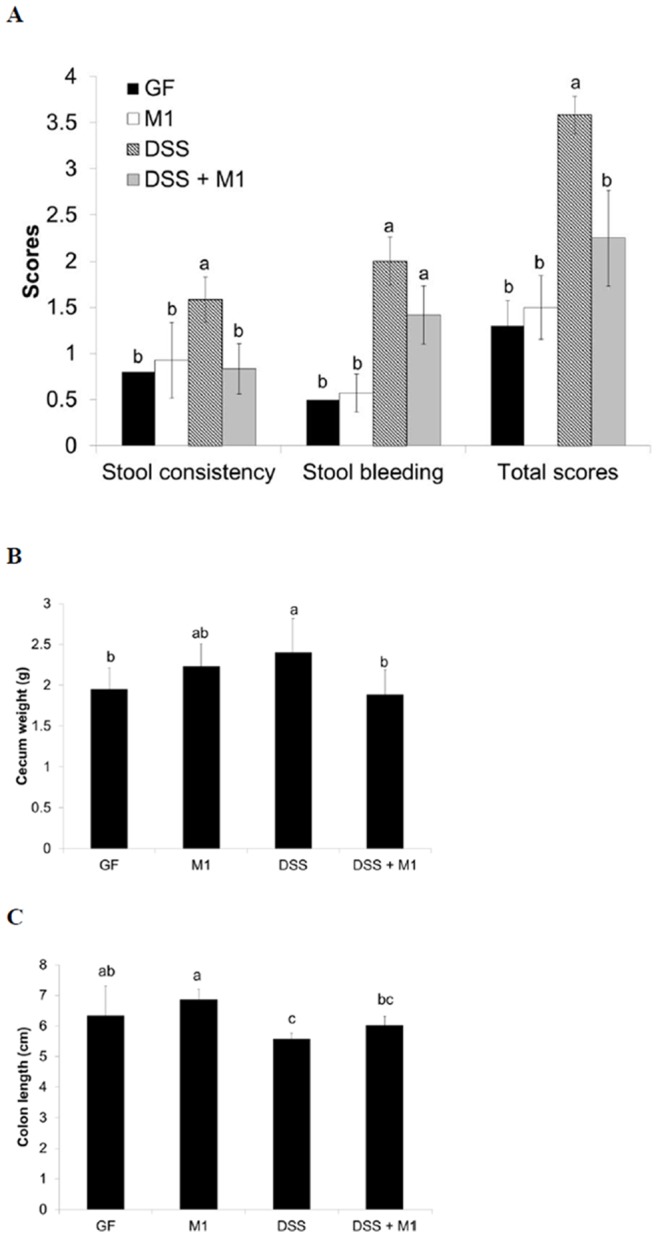
“[27] indicated that gnotobiotic mice mono-associated with probiotic Escherichia coli Nissle 1917 showed reduced symptoms of DSS-induced colitis via an increase in the tight-junction protein ZO-1 and enhanced mucosal integrity.”
BackgroundCommensal bacteria-derived signals regulate basophil hematopoiesis and allergic inflammation
Hill, D. A., Siracusa, M. C., Abt, M. C., Kim, B. S., Kobuley, D., Kubo, M., Kambayashi, T., LaRosa, D. F., Renner, E. D., Orange, J. S., et al. (2012) · Nature Medicine · doi:10.1038/nm.2657 · Cited by 468 · cited 1×
“Importantly, GF mice are relatively sensitive to allergen-induced allergic airway inflammation due to their lack of microbiota colonization [34,35].”
Background
Cited by
The Microbiota and Health Promoting Characteristics of the Fermented Beverage Kefir
Bourrie, B. C. T., Willing, B. P., & Cotter, P. D. (2016) · Frontiers in Microbiology · doi:10.3389/fmicb.2016.00647 · Cited by 438
“The only study which seems to show a consistently increased Th1 response was conducted with germ free mice, while all other studies used conventional mice or rats (Chen and Chen, 2013).”
BackgroundMilk kefir : nutritional, microbiological and health benefits
Rosa, D. D., Dias, M. M. S., Grześkowiak, Ł. M., Reis, S. A., Conceição, L. L., & Peluzio, M. D. C. G. (2017) · Nutrition Research Reviews · doi:10.1017/s0954422416000275 · Cited by 463
Caggianiello, G., Kleerebezem, M., & Spano, G. (2016) · Applied Microbiology and Biotechnology · doi:10.1007/s00253-016-7471-2 · Cited by 396
“For instance, Chen and Chen (2013) reported the inability to colonize permanently the intestine of germ-free mice due to the EPS produced by L. kefiranofaciens.”
BackgroundAnalysis of Health Benefits Conferred by Lactobacillus Species from Kefir
Slattery, C., Cotter, P. D., & W. O’Toole, P. (2019) · Nutrients · doi:10.3390/nu11061252 · Cited by 202
“In a later study, the same authors went on to conduct further experimentation in in vivo models [30].”
BackgroundInfluentialGhosh, T., Beniwal, A., Semwal, A., & Navani, N. K. (2019) · Frontiers in Microbiology · doi:10.3389/fmicb.2019.00502 · Cited by 170
“…physiological benefits such as induction of cytokines (IFNγ and IL-1), antitumor activity, macrophage activation, cholesterol reduction ability, and also enhanced colonization of the probiotics in gastrointestinal tract (Kitazawa et al., 1998, 2000; Pigeon et al., 2002; Chen and Chen, 2013).”
BackgroundChen, M., Tang, H.-Y., & Chiang, M. (2017) · Food Microbiology · doi:10.1016/j.fm.2017.03.020 · Cited by 149
Self-citationZebrafish gut colonization by mCherry-labelled lactic acid bacteria
Russo, P., Iturria, I., Mohedano, M. L., Caggianiello, G., Rainieri, S., Fiocco, D., Pardo, M. Á., López, P., & Spano, G. (2015) · Applied Microbiology and Biotechnology · doi:10.1007/s00253-014-6351-x · Cited by 96
“For instance, the inability to permanently colonize the intestine of germ-free mice was attributed to the EPSproducing properties of Lactobacillus kefiranofaciens (Chen and Chen 2013).”
BackgroundKefir: A protective dietary supplementation against viral infection
Hamida, R. S., Shami, A., Ali, M. A., Almohawes, Z. N., Mohammed, A. E., & Bin-Meferij, M. M. (2020) · Biomedicine & Pharmacotherapy · doi:10.1016/j.biopha.2020.110974 · Cited by 104
Sun, Y., Geng, W., Pan, Y., Wang, J., Xiao, P., & Wang, Y. (2019) · Food & Function · doi:10.1039/c8fo02096e · Cited by 89
Wei, S.-H., Chen, Y., & Chen, M. (2015) · Journal of Functional Foods · doi:10.1016/j.jff.2015.08.016 · Cited by 71
Self-citationHorvath, T. D., Haidacher, S. J., Engevik, M. A., Luk, B., Ruan, W. H., Ihekweazu, F. D., Bajaj, M., Hoch, K. M., Oezguen, N., Spinler, J. K., et al. (2022) · Nature Protocols · doi:10.1038/s41596-022-00767-7 · Cited by 71
Jeong, D., Kim, D.-H., Kang, I.-B., Kim, H., Song, K.-Y., Kim, H.-S., & Seo, K.-H. (2017) · Food & Function · doi:10.1039/c6fo01559j · Cited by 65
A guide to germ‐free and gnotobiotic mouse technology to study health and disease
Jans, M., & Vereecke, L. (2024) · FEBS Journal · doi:10.1111/febs.17124 · Cited by 69
Bourrie, B. C. T., Cotter, P. D., & Willing, B. P. (2018) · Journal of Functional Foods · doi:10.1016/j.jff.2018.04.039 · Cited by 64
Liu, Y., Sun, Y., Sun, L., Rehman, R., & Wang, Y. (2016) · Journal of Functional Foods · doi:10.1016/j.jff.2016.03.034 · Cited by 62
Li, K.-K., Tian, P., Wang, S., Peng, L., Qu, L., Huang, J., Shan, Y., & Li, B.-L. (2017) · Journal of Functional Foods · doi:10.1016/j.jff.2017.09.049 · Cited by 62
Lactobacillus kefiranofaciens: From Isolation and Taxonomy to Probiotic Properties and Applications
Georgalaki, M. D., Ζουμποπούλου, Γ., Anastasiou, R., Κάζου, Μ., & Tsakalidou, E. (2021) · Microorganisms · doi:10.3390/microorganisms9102158 · Cited by 64
Quintieri, L., Fanelli, F., Monaci, L., & Fusco, V. (2024) · Foods · doi:10.3390/foods13040601 · Cited by 50
Wang, S., Ho, Y.-F., Chen, Y., & Chen, M. (2014) · Food Microbiology · doi:10.1016/j.fm.2014.09.015 · Cited by 48
Self-citationWang, X., Xiao, J., Jia, Y., Pan, Y., & Wang, Y. (2018) · Heliyon · doi:10.1016/j.heliyon.2018.e00649 · Cited by 43
“kefiranofaciens is also often identified as one of the dominant bacterial species present in KGs of different geographic locations and sub-culture conditions (Chen and Chen, 2013; Chen et al., 2013; Nalbantoglu et al., 2014; Wang et al., 2012; Zhou et al., 2009).”
BackgroundBourrie, B. C. T., Ju, T., Fouhse, J. M., Forgie, A. J., Sergi, C. M., Cotter, P. D., & Willing, B. P. (2020) · British Journal Of Nutrition · doi:10.1017/s0007114520002743 · Cited by 44
Intestinal Microbiota in Animal Models of Inflammatory Diseases
Hörmannsperger, G., Schaubeck, M., & Haller, D. (2015) · ILAR Journal · doi:10.1093/ilar/ilv019 · Cited by 45
Lactobacillus plantarum ZS2058 produces CLA to ameliorate DSS-induced acute colitis in mice
Wang, J., Chen, H., Yang, B. K., Gu, Z., Zhang, H., Chen, W., & Chen, Y. Q. (2016) · RSC Advances · doi:10.1039/c5ra24491a · Cited by 42
Self-citationAkar, F., Şumlu, E., Alçığır, M. E., Bostancı, A., & Sadı, G. (2021) · Food Research International · doi:10.1016/j.foodres.2021.110287 · Cited by 45
Xia, J., Jiang, S., Lv, L., Wu, W., Wang, Q., Xu, Q., Ye, J., Fang, D., Li, Y., Wu, J., et al. (2021) · Applied Microbiology and Biotechnology · doi:10.1007/s00253-021-11099-z · Cited by 36
“Th1 or Th2 response-promoting effect has also been verified in other Lactobacillus strains (Chen and Chen 2013; Steinberg et al. 2014).”
BackgroundLin, Y., Chen, Y., Hsieh, H.-H., & Chen, M. (2016) · Journal of Functional Foods · doi:10.1016/j.jff.2016.03.015 · Cited by 36
Self-citationLiu, Y.-K., Ong, W.-K., Su, Y.-W., Hsu, C.-C., Cheng, T.-H., & Tsai, Y.-C. (2016) · Beneficial Microbes · doi:10.3920/bm2015.0109 · Cited by 32
“Several lactic acid bacteria (LAB) were reported to effectively ameliorate the severity of UC symptoms when administering to GF mice experimentally induced UC (Chen and Chen, 2013; Chiu et al., 2014; Grimm et al., 2015).”
BackgroundMei, J., Guo, Q., Wu, Y., & Li, Y. (2014) · PLoS ONE · doi:10.1371/journal.pone.0111648 · Cited by 31
“Lactic acid bacteria that exist in kefir grains have attracted a lot of attention because of their ability to inhibit the development of spoilage and the growth of pathogenic microorganisms, either by the production of lactic acid or by the expression of antimicrobial agents [14,15].”
BackgroundBourrie, B. C. T., Forgie, A. J., Makarowski, A., Cotter, P. D., Richard, C., & Willing, B. P. (2023) · Applied Physiology, Nutrition, and Metabolism · doi:10.1139/apnm-2022-0463 · Cited by 29
Kefir microbiota and metabolites stimulate intestinal mucosal immunity and its early development
Chen, W., Wang, J., Du, L., Chen, J., Zheng, Q., Li, P., Du, B., Fang, X., & Liao, Z. (2022) · Critical Reviews in Food Science and Nutrition · doi:10.1080/10408398.2022.2115975 · Cited by 28
“Chen and Chen (2013) and Carasi et al. (2015) have demonstrated that L. kefiranofaciens M1, a probiotic isolated from Kefir grains, can directly act on mouse hosts in the absence of gut microbiota, enhancing mucosal immune regulation and intestinal function.”
BackgroundKim, D.-H., Chon, J.-W., Kim, H.-S., Yim, J.-H., Kim, H., & Seo, K.-H. (2015) · Journal of Food Protection · doi:10.4315/0362-028x.jfp-14-329 · Cited by 22
Culpepper, T. (2022) · Cureus · doi:10.7759/cureus.27768 · Cited by 28
“kefiranofaciens M1 was not detected in stools after seven days post-inoculation, which suggests that it did not colonize the gastrointestinal tract [38].”
BackgroundKefir as a therapeutic agent in clinical research: a scoping review
Bessa, M. K., Bessa, G. R., & Bonamigo, R. R. (2023) · Nutrition Research Reviews · doi:10.1017/s0954422423000070 · Cited by 17
Zhang, J., Wu, X., Zhao, J., Ma, X., Murad, M. S., & Mu, G. (2023) · Journal of Dairy Science · doi:10.3168/jds.2023-23761 · Cited by 13
“Lactobacillus was also found to play an essential role in the production and maintenance of immune regulation (Chen and Chen, 2013).”
BackgroundEffect of Kefir on Fusobacterium nucleatum Potentially Causing Intestinal Cancer
Güzel‐Seydim, Z. B., Cagdas, M. D. E., & Seydim, A. C. (2016) · Functional Foods in Health and Disease · doi:10.31989/ffhd.v6i7.272 · Cited by 14
Wang, S., Chen, Y., Huang, R.-F., Wu, Y.-L., Ho, S., Li, K., Watanabe, K., & Chen, M. (2022) · Microorganisms · doi:10.3390/microorganisms10081637 · Cited by 7
“kefiranofaciens M1 did not demonstrate a strong adhesion ability [57], probably due to the lack of certain adhesion-related genes.”
BackgroundSelf-citationAnti-allergic function of the cell wall (DeinoWall) from Deinococcus radiodurans
Chen, F., Ji, H. J., Choi, J., Han, S. H., Lim, S., Seo, H. S., & Ahn, K. B. (2022) · Molecular Immunology · doi:10.1016/j.molimm.2022.09.004 · Cited by 7
Chen, Y., Sun, Y., Lee, H.-F., Lin, Y., & Chen, M. (2025) · Animal Microbiome · doi:10.1186/s42523-025-00441-9 · Cited by 6
Self-citationTraditional and Ethnic Fermented Beverages: Functional and Health Benefit Prospects
Singh, K., Singh, S., Yadav, S. S., Yadav, S., Patra, F., & Duary, R. K. (2024) · Springer eBooks · doi:10.1007/978-3-031-72757-3_14 · Cited by 8
Dhar, R., Chakraborty, M., & Dutta, T. K. (2022) · Journal of Applied Microbiology · doi:10.1093/jambio/lxac034 · Cited by 6
Indigenous probiotic microorganisms in fermented foods
Fusco, V., Chieffi, D., Benomar, N., & Abriouel, H. (2022) · Elsevier eBooks · doi:10.1016/b978-0-323-89908-6.00014-5 · Cited by 8
Protective effects of probiotics against tannin-induced immunosuppression in broiler chickens
Ramah, A., Yasuda, M., OHASHI, Y., IMATAKE, S., IMAIZUMI, N., Tetsuo, K. I. D. A., YANAGITA, T., Uemura, R., BAAKHTARI, M., Bakry, H. H., et al. (2022) · Bioscience of Microbiota Food and Health · doi:10.12938/bmfh.2021-058 · Cited by 5
Dong, X., Dou, X., Tang, H., Huang, Y., Wu, G., Dong, W., Wang, H., Jiao, H., Mei, Y., & Ren, M. (2025) · Animals · doi:10.3390/ani15223346 · Cited by 3
“Additionally, the observed reduction in crypt depth may reflect an increased enterocyte renewal rate, which has been linked to improved gut barrier function and inhibition of pathogen colonization [48].”
Soni, S., Dangol, S. D., & Joshi, J. (2024) · Journal of Nepal Biotechnology Association · doi:10.3126/jnba.v5i1.63748 · Cited by 3
Taş, T. K., Atılgan, S., & Özdemir, N. (2022) · Biologia · doi:10.1007/s11756-022-01094-8 · Cited by 1
“…related to L. kefiranofaciens strains, in a study, it was determined that application of L. kefiranofaciens M1 strain to experimental animals over a 2-week period by Chen and Chen (2013) stimulated intestinal villi length increase, intestinal epithelial cell growth, and goblet cell differentiation.”
ResultExploring the influence of probiotic administration routes on immune responses in atopic march
Zhang, F.-Y., Yang, C., Huang, C., & Wang, I. (2025) · Frontiers in Immunology · doi:10.3389/fimmu.2025.1601596 · Cited by 1
Kefir Gel Increased The Epithelial Thickness in First-Degree Sunburn
Kusumawinakhyu, T., Dharmana, E., Nasihun, T., Chodidjah, C., & Pudjonarko, D. (2021) · Bali Medical Journal · doi:10.15562/bmj.v10i3.3017 · Cited by 1
Iraporda, C. (2016) · El Servicio de Difusión de la Creación Intelectual (National University of La Plata) · doi:10.35537/10915/51913 · Cited by 2
Bioprocess optimization for kefiran production by lactobacillus kefiranofaciens
Dailin, D. J. (2016)
Bourrie, B. C. T. (2020) · ERA: Education and Research Archive (University of Alberta) · doi:10.7939/r3-p44t-f154
EVALUATING TRADITIONAL AND COMMERCIAL KEFIR PRODUCTS FOR HUMANS AND COMPANION ANIMALS
Metras, B. N. (2024) · Illinois Digital Environment for Access to Learning and Scholarship (University of Illinois at Urbana-Champaign)
Metadata
- Authors
- Chen, Y.-P., & Chen, M.-J.
- Affiliations
- National Taiwan University (TW)
- Corresponding author
- Chen, Ming-Ju
- Venue
- PLoS ONE
- Publisher
- Public Library of Science (PLoS)
- Published
- 2013-11-11
- Volume
- 8
- Issue
- 11
- Pages
- e78789
- ISSN
- 1932-6203 (ISSN-L)
- PMC
- PMC3823980
- OpenAlex
- W2092703977
- Cited by
- 50
- References
- 39
- Citations by year
- 2025: 3 · 2024: 4 · 2023: 3 · 2022: 9 · 2021: 4 · 2020: 3 · 2019: 3 · 2018: 2 · 2017: 4 · 2016: 9 · 2015: 4 · 2014: 2
- FWCI
- 7.47
- Type
- journal article
- Language
- en
- Open access
- gold
- doi.org
- Locations
- PLoS ONE (publishedVersion, cc-by)
- Europe PMC (PubMed Central) (publishedVersion, cc-by)
- PubMed Central (publishedVersion, cc-by)
- PubMed (publishedVersion)
- DOAJ (DOAJ: Directory of Open Access Journals) (submittedVersion, cc-by-sa)
- Funders
- National Science Council
- Topics
- Life Sciences › Agricultural and Biological Sciences › Food Science › Probiotics and Fermented Foods
- Life Sciences › Biochemistry, Genetics and Molecular Biology › Molecular Biology › Gut microbiota and health
- Life Sciences › Immunology and Microbiology › Microbiology › Reproductive tract infections research
- Keywords
- Lactobacillus kefiranofaciens, kefir grains, probiotics, germ-free mice, DSS-induced colitis, Th1/Th2 cytokines, interferon-gamma, IL-12, TLR activation, bacterial colonization, gut microbiota
- MeSH terms
- Animals, Colitis, Female, Germ-Free Life, Interferon-gamma, Intestines, Lactobacillus, Dextran Sulfate, Th1 Cells, Th2 Cells, Interleukin-12, Probiotics, Cultured Milk Products, Mice
About these checks
Registry, retraction, Cites and statistics results are computed, not judged, with one exception: a printed reference that no index lists is read once by a model before it counts as a citation error. Claims are extracted by a model and kept only when their quote appears verbatim in the text; each cited source is then checked, with a model’s help, for whether it says what the claim relies on. Those verdicts can be wrong — read the claim’s quote and the cited source before relying on one.
Statistics and arithmetic are recomputed, not judged.
Confidence bands are shown only for fields calibrated on our annotated test set. None is calibrated yet, so no band is shown.
What counts as a claim ›How we measure confidence ›How we check this ›
Are you an author, or do you see a problem with this page? Request a review
Data sources
Bibliographic data: Semantic Scholar, OpenAlex, Crossref.
Contains information from the Semantic Scholar Academic Graph Datasets, made available under the ODC Attribution License (ODC-BY 1.0).
Semantic Scholar’s data is described in: Kinney, R., et al. (2023). The Semantic Scholar Open Data Platform. arXiv:2301.10140.
