

The DOI matches its Crossref record; 62 of the 62 references it cites were found in a registry or an index.
Oxidative Stress Induces Mitochondrial Dysfunction in a Subset of Autism Lymphoblastoid Cell Lines in a Well-Matched Case Control Cohort
Open accessAbstract
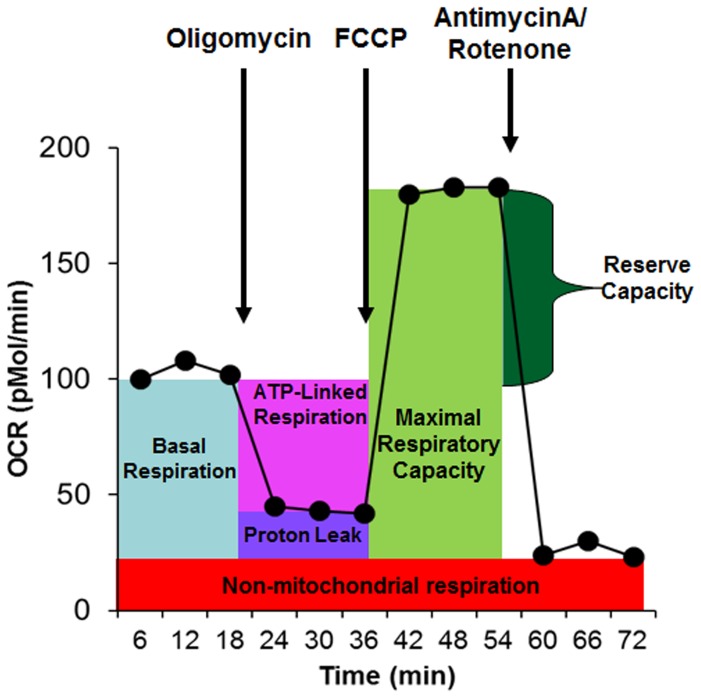
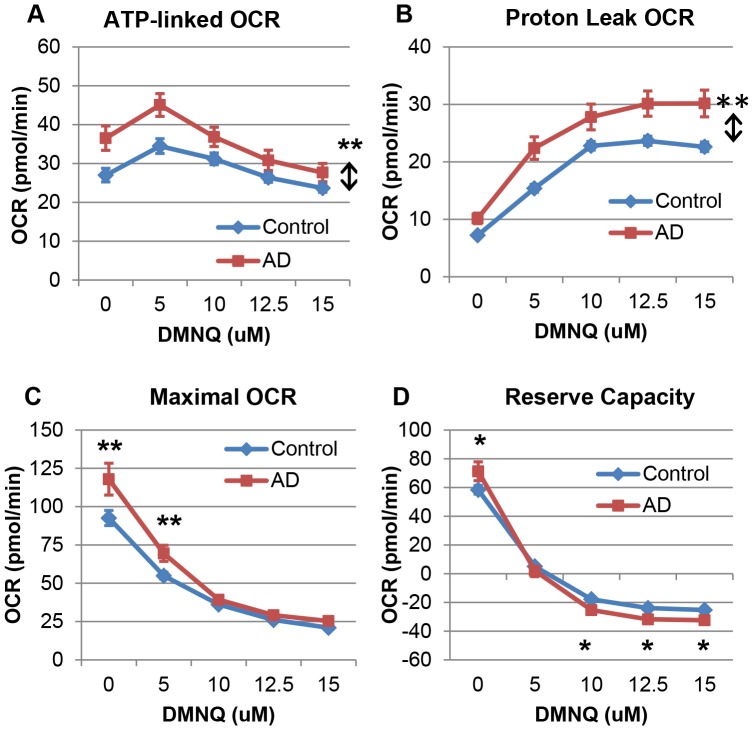
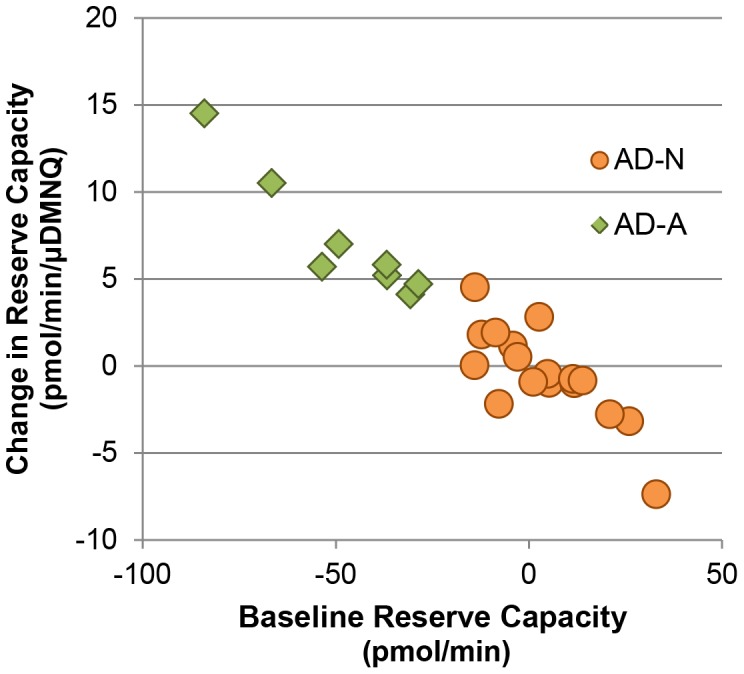
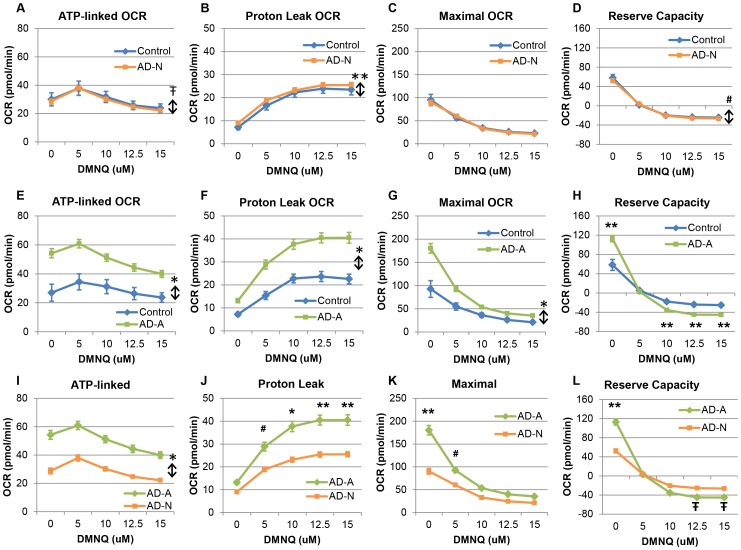
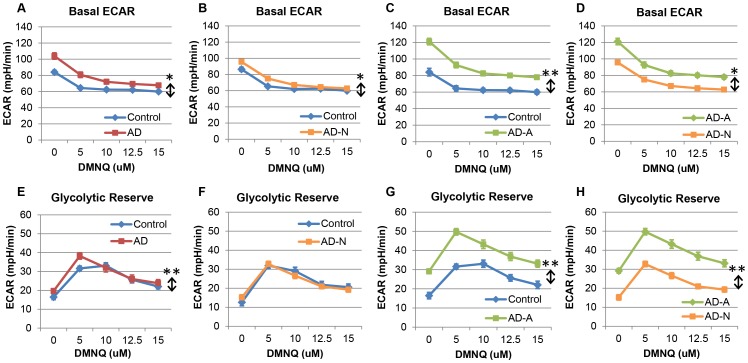
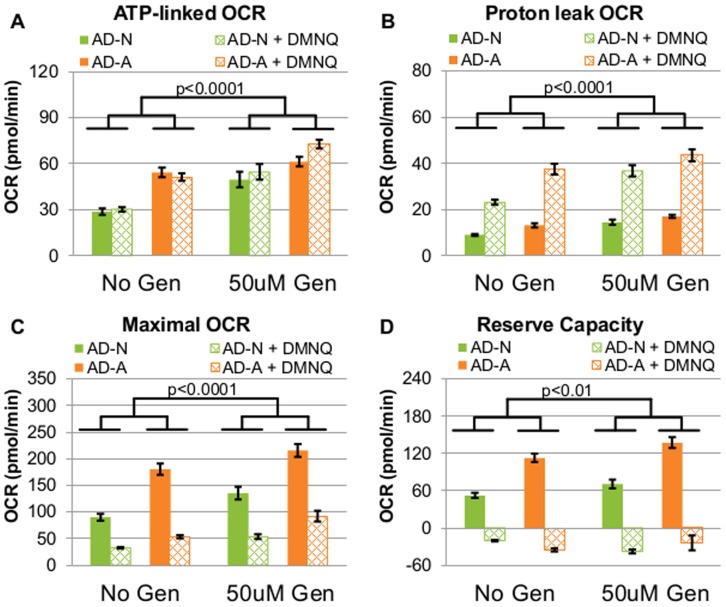
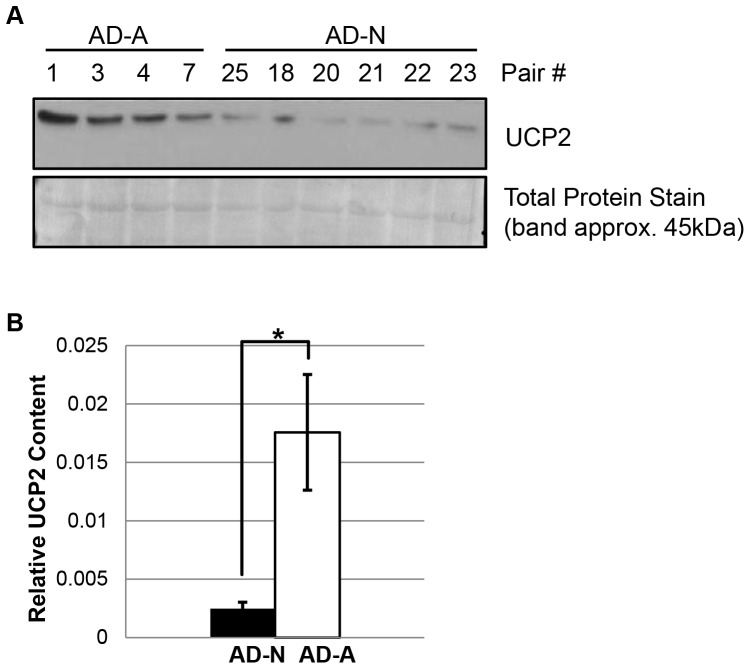
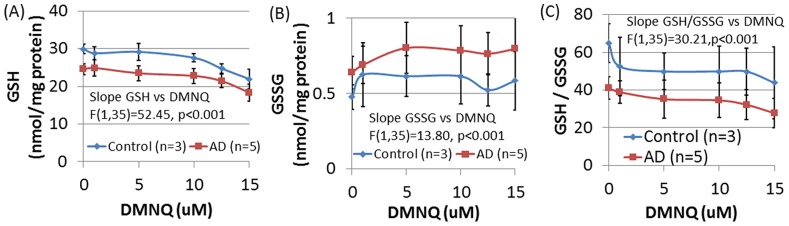
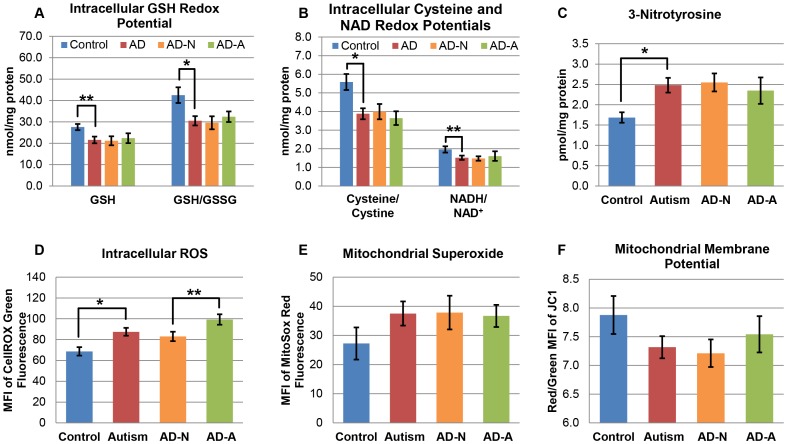
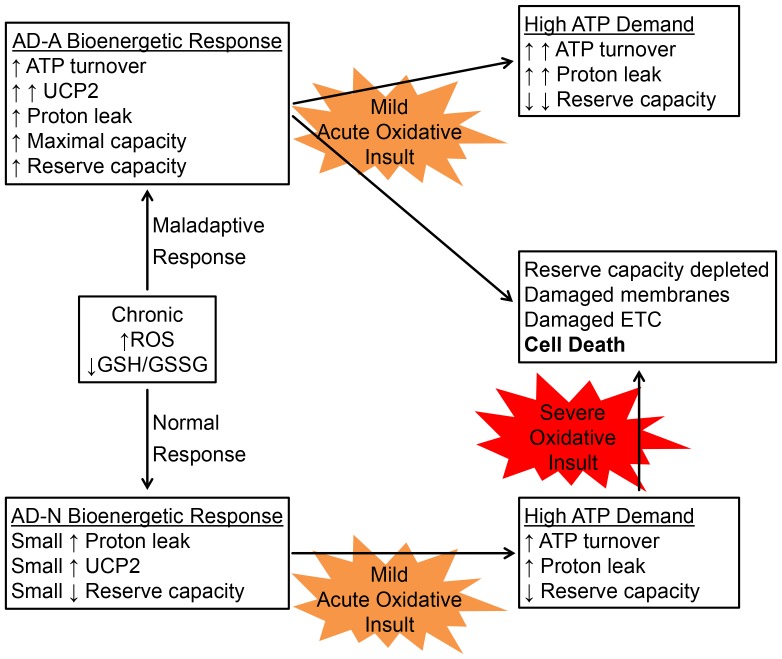
There is increasing recognition that mitochondrial dysfunction is associated with the autism spectrum disorders. However, little attention has been given to the etiology of mitochondrial dysfunction or how mitochondrial abnormalities might interact with other physiological disturbances associated with autism, such as oxidative stress. In the current study we used respirometry to examine reserve capacity, a measure of the mitochondrial ability to respond to physiological stress, in lymphoblastoid cell lines (LCLs) derived from children with autistic disorder (AD) as well as age and gender-matched control LCLs. We demonstrate, for the first time, that LCLs derived from children with AD have an abnormal mitochondrial reserve capacity before and after exposure to increasingly higher concentrations of 2,3-dimethoxy-1,4-napthoquinone (DMNQ), an agent that increases intracellular reactive oxygen species (ROS). Specifically, the AD LCLs exhibit a higher reserve capacity at baseline and a sharper depletion of reserve capacity when ROS exposure is increased, as compared to control LCLs. Detailed investigation indicated that reserve capacity abnormalities seen in AD LCLs were the result of higher ATP-linked respiration and maximal respiratory capacity at baseline combined with a marked increase in proton leak respiration as ROS was increased. We further demonstrate that these reserve capacity abnormalities are driven by a subgroup of eight (32%) of 25 AD LCLs. Additional investigation of this subgroup of AD LCLs with reserve capacity abnormalities revealed that it demonstrated a greater reliance on glycolysis and on uncoupling protein 2 to regulate oxidative stress at the inner mitochondria membrane. This study suggests that a significant subgroup of AD children may have alterations in mitochondrial function which could render them more vulnerable to a pro-oxidant microenvironment derived from intrinsic and extrinsic sources of ROS such as immune activation and pro-oxidant environmental toxicants. These findings are consistent with the notion that AD is caused by a combination of genetic and environmental factors.
Overview
The claims and statistics of this paper haven’t been checked yet.
Run the check — free, no account needed. It reads the open-access text and checks the sources it cites.
Integrity signals
Registry
Cites
Statistics
Figures
Verification
Claims the paper makes
The claims and statistics of this paper haven’t been checked yet.
Run the check — free, no account needed. It reads the open-access text and checks the sources it cites.
Claims other papers make about this one
Each is checked against this paper’s own text: does it say what the citing paper says it does?
In the citing paper
“There are presently several lines of evidence indicating oxidative stress and mitochondrial dysfunction are prevalent in individuals with ASD [3,10,11,12,13,14,15,16].”
From Vitamin D and Autism Spectrum Disorder: A Literature Review (2016) · cites this paper as [13]
Self-check
Percentages, sums and reported differences re-computed from the paper’s own numbers.
The self-check needs the paper’s full text.
Citations
Cites
Diagnostic and Statistical Manual of Mental Disorders
Williams, J. B. W., & First, M. B. (2013) · Oxford University Press eBooks · doi:10.1093/acrefore/9780199975839.013.104 · Cited by 109,845
Hierarchical Grouping to Optimize an Objective Function
Ward, J. H. (1963) · Journal of the American Statistical Association · doi:10.1080/01621459.1963.10500845 · Cited by 21,341
Random-Effects Models for Longitudinal Data
Laird, N. M., & Ware, J. H. (1982) · Biometrics · doi:10.2307/2529876 · Cited by 8,923
Hierarchical Grouping to Optimize an Objective Function
Ward, J. H. (1963) · Journal of the American Statistical Association · doi:10.2307/2282967 · Cited by 3,294
Genetic Heritability and Shared Environmental Factors Among Twin Pairs With Autism
Hallmayer, J. (2011) · Archives of General Psychiatry · doi:10.1001/archgenpsychiatry.2011.76 · Cited by 1,970
Mitochondrial dysfunction in autism spectrum disorders: a systematic review and meta-analysis
Rossignol, D. A., & Frye, R. E. (2011) · Molecular Psychiatry · doi:10.1038/mp.2010.136 · Cited by 940
Self-citationTOXIC AND ESSENTIAL METAL INTERACTIONS
Goyer, R. A. (1997) · Annual Review of Nutrition · doi:10.1146/annurev.nutr.17.1.37 · Cited by 791
Rice, C. E. (2009) · PsycEXTRA Dataset · doi:10.1037/e562722010-001 · Cited by 762
The role of immune dysfunction in the pathophysiology of autism
Onore, C., Careaga, M., & Ashwood, P. (2012) · Brain, Behavior, and Immunity · doi:10.1016/j.bbi.2011.08.007 · Cited by 635
James, S. J., Melnyk, S., Jernigan, S., Cleves, M. A., Halsted, C. H., Wong, D. H., Cutler, P., Bock, K., Boris, M., Bradstreet, J., et al. (2006) · American Journal of Medical Genetics Part B Neuropsychiatric Genetics · doi:10.1002/ajmg.b.30366 · Cited by 618
Self-citation
Research works printed but not linked: 1
- Anderberg M (1973) Cluster analyses for applications. New York: Academic Press.
Cited by
Sorted by citations
Mitochondria and Mood: Mitochondrial Dysfunction as a Key Player in the Manifestation of Depression
Allen, J., Romay-Tallón, R., Brymer, K. J., Caruncho, H. J., & Kalynchuk, L. E. (2018) · Frontiers in Neuroscience · doi:10.3389/fnins.2018.00386 · Cited by 362
“, 2017), autism (Rose et al., 2014), anxiety (Kumar and Chanana, 2017), Alzheimer’s disease (recently reviewed in Tramutola et al.”
BackgroundNaviaux, J. C., Wang, L., Li, K., Bright, A., Alaynick, W. A., Williams, K. R., Powell, S. B., & Naviaux, R. K. (2015) · Molecular Autism · doi:10.1186/2040-2392-6-1 · Cited by 285
The many roads to mitochondrial dysfunction in neuroimmune and neuropsychiatric disorders
Morris, G., & Berk, M. (2015) · BMC Medicine · doi:10.1186/s12916-015-0310-y · Cited by 245
“In fact, the causative role of chronic oxidative stress in the development of mitochondrial damage and localized or systemic bioenergetic failure has now been established beyond reasonable doubt [4,14-16].”
BackgroundNiyazov, D. M., Kahler, S. G., & Frye, R. E. (2016) · Molecular Syndromology · doi:10.1159/000446586 · Cited by 245
“Autism spectrum disorder (ASD) is a multifactorial neurodevelopmental disorder in which genetic and environmental factors appear to contribute equally [Hallmayer et al., 2011; Sandin et al., 2014].”
BackgroundInfluentialSelf-citationButyrate enhances mitochondrial function during oxidative stress in cell lines from boys with autism
Rose, S., Bennuri, S. C., Davis, J. E., Wynne, R., Slattery, J. C., Tippett, M., Delhey, L., Melnyk, S., Kahler, S. G., MacFabe, D. F., et al. (2018) · Translational Psychiatry · doi:10.1038/s41398-017-0089-z · Cited by 226
Self-citation
Metadata
- Authors
- Rose, S., Frye, R. E., Slattery, J., Wynne, R., Tippett, M., Pavliv, O., Melnyk, S., & James, S. J.
- Affiliations
- Arkansas Children's Hospital (US)
- Corresponding author
- Frye, Richard E.
- Venue
- PLoS ONE
- Publisher
- Public Library of Science (PLoS)
- Published
- 2014-01-08
- Volume
- 9
- Issue
- 1
- Pages
- e85436
- ISSN
- 1932-6203 (ISSN-L)
- PMC
- PMC3885720
- OpenAlex
- W2163485668
- Cited by
- 168
- References
- 61
- Citations by year
- 2026: 9 · 2025: 9 · 2024: 20 · 2023: 7 · 2022: 22 · 2021: 17 · 2020: 18 · 2019: 9 · 2018: 10 · 2017: 12 · 2016: 13 · 2015: 16 · 2014: 6
- FWCI
- 6.42
- Type
- journal article
- Language
- en
- Open access
- gold
- doi.org
- Licence
- Locations
- PLoS ONE (publishedVersion, cc-by)
- Europe PMC (PubMed Central) (publishedVersion, cc-by)
- PubMed Central (publishedVersion, cc-by)
- PubMed (publishedVersion)
- DOAJ (DOAJ: Directory of Open Access Journals) (submittedVersion, cc-by-sa)
- Funders
- Arkansas Biosciences Institute
- Topics
- Life Sciences › Biochemistry, Genetics and Molecular Biology › Molecular Biology › Mitochondrial Function and Pathology
- Life Sciences › Neuroscience › Cognitive Neuroscience › Autism Spectrum Disorder Research
- Life Sciences › Biochemistry, Genetics and Molecular Biology › Cell Biology › Autophagy in Disease and Therapy
- Keywords
- autism spectrum disorder, mitochondrial dysfunction, oxidative stress, reserve capacity, lymphoblastoid cell lines, reactive oxygen species, UCP2, glycolysis, ATP-linked respiration, mitochondrial heterogeneity
- MeSH terms
- Uncoupling Protein 2, Autistic Disorder, Cell Line, Child, Child, Preschool, Female, Glycolysis, Humans, Ion Channels, Lymphocytes, Male, Mitochondria, Naphthoquinones, Oxidation-Reduction, Protons, Case-Control Studies, Reactive Oxygen Species, Oxidative Stress, Cell Respiration, Mitochondrial Proteins, Mitochondrial Membranes
About these checks
Registry, retraction, Cites and statistics results are computed, not judged, with one exception: a printed reference that no index lists is read once by a model before it counts as a citation error. Claims are extracted by a model and kept only when their quote appears verbatim in the text; each cited source is then checked, with a model’s help, for whether it says what the claim relies on. Those verdicts can be wrong — read the claim’s quote and the cited source before relying on one.
Statistics and arithmetic are recomputed, not judged.
Confidence bands are shown only for fields calibrated on our annotated test set. None is calibrated yet, so no band is shown.
What counts as a claim ›How we measure confidence ›How we check this ›
Are you an author, or do you see a problem with this page? Request a review
