

The DOI matches its Crossref record; 60 of the 60 references it cites were found in a registry or an index.
Altered MicroRNA Expression Profile in Exosomes during Osteogenic Differentiation of Human Bone Marrow-Derived Mesenchymal Stem Cells
Open accessAbstract
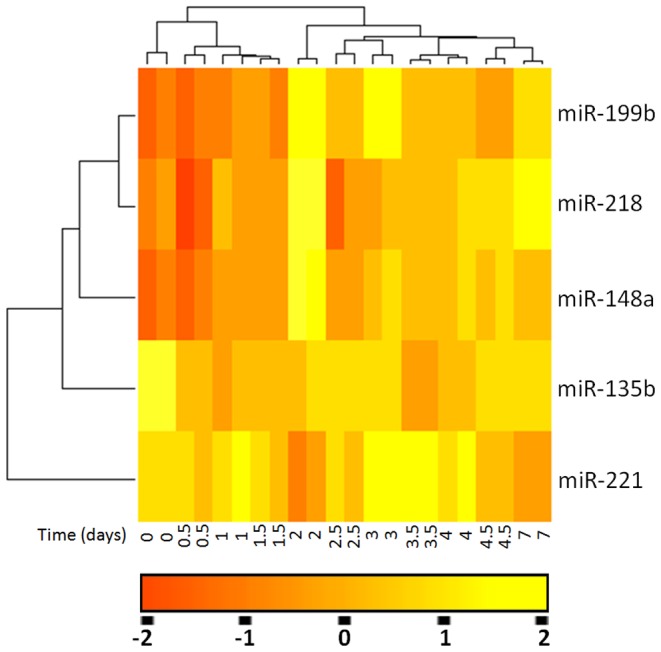
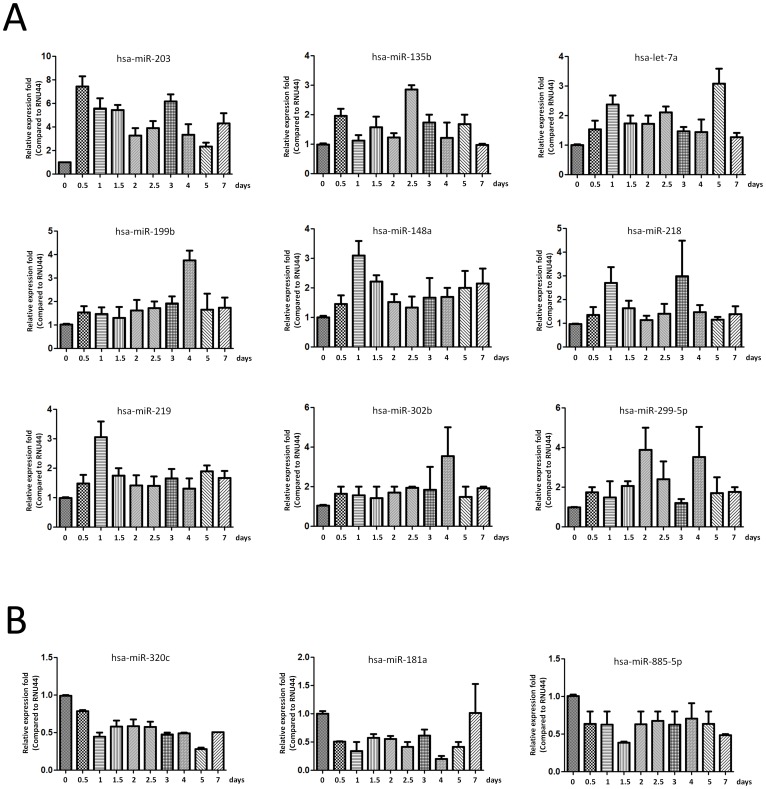
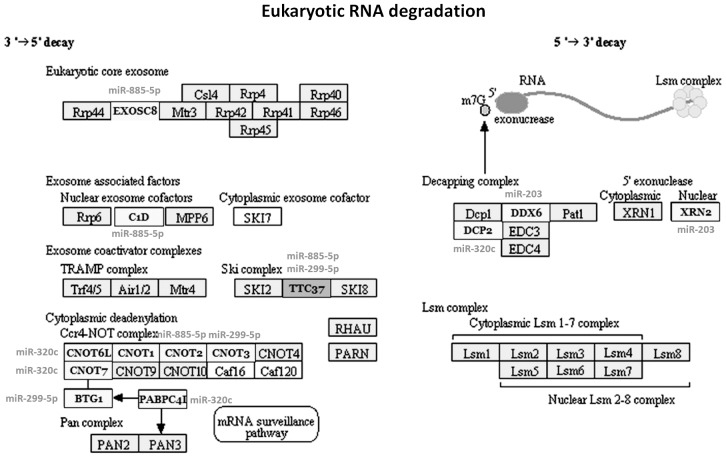
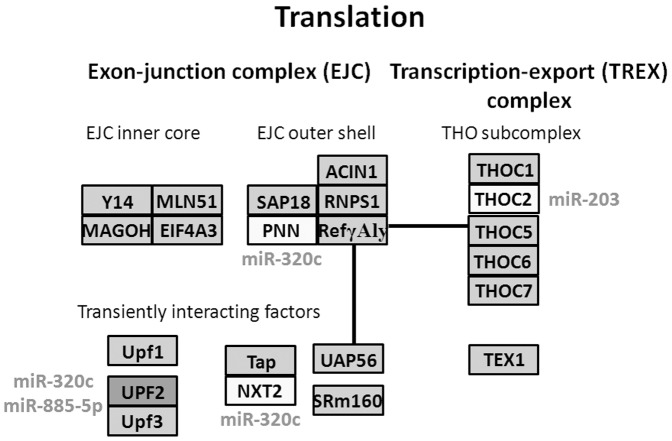
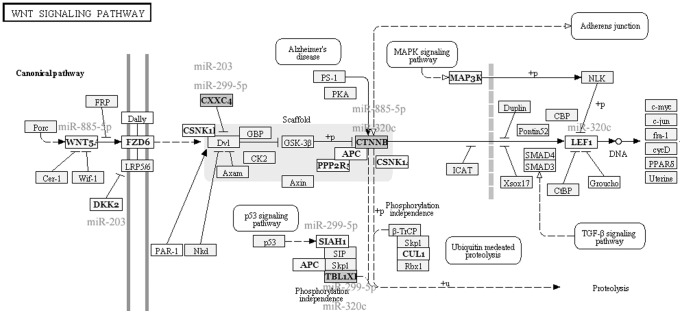
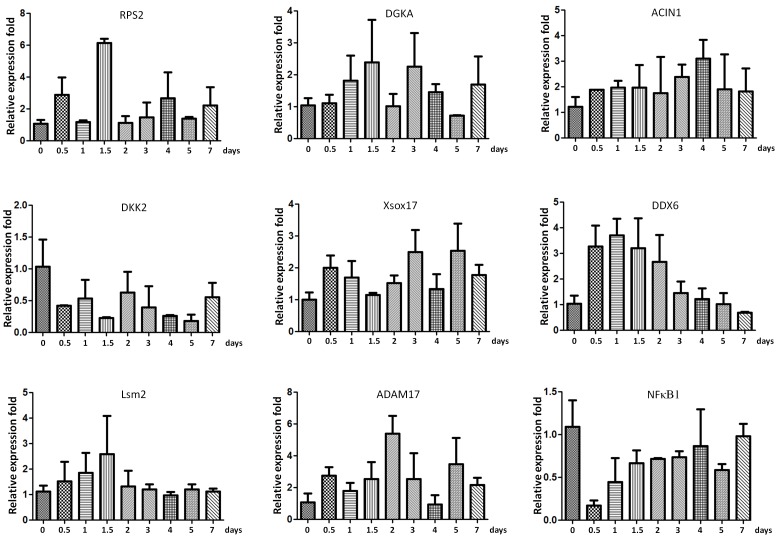
The physiological role of microRNAs (miRNAs) in osteoblast differentiation remains elusive. Exosomal miRNAs isolated from human bone marrow-derived mesenchymal stem cells (BMSCs) culture were profiled using miRNA arrays containing probes for 894 human matured miRNAs. Seventy-nine miRNAs (∼8.84%) could be detected in exosomes isolated from BMSC culture supernatants when normalized to endogenous control genes RNU44. Among them, nine exosomal miRNAs were up regulated and 4 miRNAs were under regulated significantly (Relative fold>2, p<0.05) when compared with the values at 0 day with maximum changes at 1 to 7 days. Five miRNAs (miR-199b, miR-218, miR-148a, miR-135b, and miR-221) were further validated and differentially expressed in the individual exosomal samples from hBMSCs cultured at different time points. Bioinformatic analysis by DIANA-mirPath demonstrated that RNA degradation, mRNA surveillance pathway, Wnt signaling pathway, RNA transport were the most prominent pathways enriched in quantiles with differential exosomal miRNA patterns related to osteogenic differentiation. These data demonstrated exosomal miRNA is a regulator of osteoblast differentiation.
Overview
The claims and statistics of this paper haven’t been checked yet.
Run the check — free, no account needed. It reads the open-access text and checks the sources it cites.
Integrity signals
Registry
Cites
Statistics
Figures
Verification
Claims the paper makes
The claims and statistics of this paper haven’t been checked yet.
Run the check — free, no account needed. It reads the open-access text and checks the sources it cites.
Claims other papers make about this one
Each is checked against this paper’s own text: does it say what the citing paper says it does?
The source backs part of the claim, not all of it — or backs it for a different population, condition or comparison.
In the citing paper
“Notably, microRNAs (miRNAs) carried within EVs originating from MSCs have been identified as pivotal agents in orchestrating angiogenesis and cellular differentiation towards osteoblasts, two key processes for bone formation.”
From Mesenchymal Stem/Stromal Cells: Immunomodulatory and Bone Regeneration Potential after Tumor Excision in Osteosarcoma Patients (2023) · cites this paper as [50]
Experimental — accuracy not yet measuredThe source backs part of the claim, not all of it — or backs it for a different population, condition or comparison.
In the citing paper
“These miRNAs are regulators of various signaling pathways, including RNA degradation, mRNA surveillance, and the Wnt signaling pathway, contributing to the facilitation of osteogenesis [49,50].”
From Mesenchymal Stem/Stromal Cells: Immunomodulatory and Bone Regeneration Potential after Tumor Excision in Osteosarcoma Patients (2023) · cites this paper as [50]
Experimental — accuracy not yet measuredThe cited source says what the claim attributes to it.
In the citing paper
“Recent studies offer insight into the significance of miRNAs cargos in EVs derived from BM-MSCs undergoing osteogenic differentiation, such as let-7a, miR-199b, miR-218, miR-148a, miR-135b, miR-203, miR-219, miR-299-5p, and miR-302b [49,50].”
From Mesenchymal Stem/Stromal Cells: Immunomodulatory and Bone Regeneration Potential after Tumor Excision in Osteosarcoma Patients (2023) · cites this paper as [50]
Self-check
Percentages, sums and reported differences re-computed from the paper’s own numbers.
The self-check needs the paper’s full text.
Citations
Cites
Bartel (2004) · doi:10.1016/s0092-8674(04)00045-5 · Cited by 34,714
The sequence of the human genome
Venter, J. C., Adams, M. D., Myers, E. W., Li, P. W., Mural, R. J., Sutton, G. G., Smith, H. O., Yandell, M., Evans, C. A., Holt, R. A., et al. (2001) · Science · doi:10.1126/science.1058040 · Cited by 13,909
Valadi, H., Ekström, K., Bossios, A., Sjöstrand, M., Lee, J. J., & Lötvall, J. O. (2007) · Nature Cell Biology · doi:10.1038/ncb1596 · Cited by 12,834
Bioconductor: open software development for computational biology and bioinformatics
Gentleman, R. C., Carey, V. J., Bates, D. M., Bolstad, B., Dettling, M., Dudoit, S., Ellis, B., Gautier, L., Ge, Y., Gentry, J., et al. (2004) · Genome biology · doi:10.1186/gb-2004-5-10-r80 · Cited by 12,082
Smyth, G. K. (2004) · Statistical Applications in Genetics and Molecular Biology · doi:10.2202/1544-6115.1027 · Cited by 11,829
Bolstad, B. M., Irizarry, R. A., Åstrand, M., & Speed, T. P. (2003) · Bioinformatics · doi:10.1093/bioinformatics/19.2.185 · Cited by 8,328
Liao, J., Wei, Q., Zou, Y., Fan, J., Song, D., Cui, J., Zhang, W., Zhu, Y., Ma, C., Hu, X. Y., et al. (2017) · Cellular Physiology and Biochemistry · doi:10.1159/000471945 · Cited by 2,742
Self-citationMore powerful procedures for multiple significance testing
Hochberg, Y., & Benjamini, Y. (1990) · Statistics in Medicine · doi:10.1002/sim.4780090710 · Cited by 2,715
Black, D. M., & Rosen, C. J. (2016) · New England Journal of Medicine · doi:10.1056/nejmcp1513724 · Cited by 1,790
Ratajczak, J., Miękus, K., Kucia, M., Zhang, J., Reca, R., Dvořák, P., & Ratajczak, M. Z. (2006) · Leukemia · doi:10.1038/sj.leu.2404132 · Cited by 1,688
Cited by
Sorted by citations
Biological properties of extracellular vesicles and their physiological functions
Yáñez‐Mó, M., Siljander, P. R. ‐., Andreu, Z., Bedina Zavec, A., Borràs, F. E., Buzas, E. I., Buzas, K., Casal, E., Cappello, F., Carvalho, J., et al. (2015) · Journal of Extracellular Vesicles · doi:10.3402/jev.v4.27066 · Cited by 5,926
Mesenchymal Stem Cell-Derived Exosomes: Applications in Regenerative Medicine
Hade, M. D., Suire, C. N., & Suo, Z. (2021) · Cells · doi:10.3390/cells10081959 · Cited by 642
Osteoclast-derived exosomal miR-214-3p inhibits osteoblastic bone formation
Li, D., Liu, J., Guo, B., Liang, C., Dang, L., Lu, C., He, X., Cheung, H. Y.-S., Xu, L., Lu, C., et al. (2016) · Nature Communications · doi:10.1038/ncomms10872 · Cited by 588
Self-citationBone Tissue Engineering in the Treatment of Bone Defects
Xue, N., Ding, X., Huang, R., Jiang, R., Huang, H., Pan, X., Min, W., Chen, J., Duan, J., Liu, P., et al. (2022) · Pharmaceuticals · doi:10.3390/ph15070879 · Cited by 475
Self-citationLi, W., Liu, Y., Zhang, P., Tang, Y., Zhou, M., Jiang, W., Zhang, X., Wu, G., & Zhou, Y. (2018) · ACS Applied Materials & Interfaces · doi:10.1021/acsami.7b17620 · Cited by 463
Bone physiology as inspiration for tissue regenerative therapies
Lopes, D., Martins‐Cruz, C., Oliveira, M. B., & Mano, J. F. (2018) · Biomaterials · doi:10.1016/j.biomaterials.2018.09.028 · Cited by 458
Roles and mechanisms of exosomal non-coding RNAs in human health and diseases
Li, C., Ni, Y., Xu, H., Xiang, Q., Zhao, Y. Q., Zhan, J., He, J., Li, S., & Liu, Y. (2021) · Signal Transduction and Targeted Therapy · doi:10.1038/s41392-021-00779-x · Cited by 424
Cui, Y., Luan, J., Li, H., Zhou, X., & Han, J. (2016) · FEBS Letters · doi:10.1002/1873-3468.12024 · Cited by 292
Bjørge, I. M., Kim, S. Y., Mano, J. F., Kalionis, B., & Chrzanowski, W. (2017) · Biomaterials Science · doi:10.1039/c7bm00479f · Cited by 277
Advances in mesenchymal stem cell transplantation for the treatment of osteoporosis
Jiang, Y., Zhang, P., Zhang, X., Lv, L., & Zhou, Y. (2020) · Cell Proliferation · doi:10.1111/cpr.12956 · Cited by 273
Hijacking the Cellular Mail: Exosome Mediated Differentiation of Mesenchymal Stem Cells
Narayanan, R., Huang, C.-C., & Ravindran, S. (2016) · Stem Cells International · doi:10.1155/2016/3808674 · Cited by 249
Extracellular Vesicles: Evolving Factors in Stem Cell Biology
Nawaz, M., Fatima, F., Vallabhaneni, K. C., Penfornis, P., Valadi, H., Ekström, K. M., Kholia, S., Whitt, J. D., Fernandes, J. D., Pochampally, R. R., et al. (2015) · Stem Cells International · doi:10.1155/2016/1073140 · Cited by 227
Mesenchymal stem cells secretome: The cornerstone of cell-free regenerative medicine
González-González, A., García‐Sánchez, D., Dotta, M., Rodríguez-Rey, J. C., & Pérez-Campo, F. M. (2020) · World Journal of Stem Cells · doi:10.4252/wjsc.v12.i12.1529 · Cited by 211
Lee, K. S., Lee, J., Kim, H. K., Yeom, S. H., Woo, C. H., Jung, Y. J., Yun, Y. E., Park, S. Y., Han, J., Kim, E., et al. (2021) · Journal of Extracellular Vesicles · doi:10.1002/jev2.12152 · Cited by 202
Qin, Y., Sun, R., Wu, C., Wang, L. Y., & Zhang, C. (2016) · International Journal of Molecular Sciences · doi:10.3390/ijms17050712 · Cited by 187
Exosome-integrated titanium oxide nanotubes for targeted bone regeneration
Wei, F., Li, M., Crawford, R., Zhou, Y., & Xiao, Y. (2019) · Acta Biomaterialia · doi:10.1016/j.actbio.2019.01.006 · Cited by 184
Vogel, A. D., Upadhya, R., & Shetty, A. K. (2018) · EBioMedicine · doi:10.1016/j.ebiom.2018.11.026 · Cited by 186
Exosomes and Their MicroRNA Cargo: New Players in Peripheral Nerve Regeneration
Qing, L., Chen, H. A., Tang, J., & Jia, X. (2018) · Neurorehabilitation and neural repair · doi:10.1177/1545968318798955 · Cited by 182
The roles of bone‐derived exosomes and exosomal micro RNA s in regulating bone remodelling
Xie, Y., Chen, Y., Zhang, L., Ge, W., & Tang, P. (2016) · Journal of Cellular and Molecular Medicine · doi:10.1111/jcmm.13039 · Cited by 179
Self-citationSwanson, W. B., Zhang, Z., Xiu, K., Gong, T., Eberle, M., Wang, Z., & Ma, P. X. (2020) · Acta Biomaterialia · doi:10.1016/j.actbio.2020.09.052 · Cited by 180
Wang, X., Omar, O., Vazirisani, F., Thomsen, P., & Ekström, K. (2018) · PLoS ONE · doi:10.1371/journal.pone.0193059 · Cited by 176
Chen, J., & Chopp, M. (2018) · Stroke · doi:10.1161/strokeaha.117.018292 · Cited by 152
Hackl, M., Heilmeier, U., Weilner, S., & Grillari, J. (2015) · Molecular and Cellular Endocrinology · doi:10.1016/j.mce.2015.10.015 · Cited by 161
Emerging Role of Extracellular Vesicles in Bone Remodeling
Liu, M., Sun, Y., & Zhang, Q. (2018) · Journal of Dental Research · doi:10.1177/0022034518764411 · Cited by 142
Jin, Z. X., Ren, J., & Qi, S. (2019) · International Immunopharmacology · doi:10.1016/j.intimp.2019.105946 · Cited by 141
RetractedHaider, K. H., & Aramini, B. (2020) · Stem Cell Research & Therapy · doi:10.1186/s13287-019-1548-7 · Cited by 139
Osteogenic Differentiation in Healthy and Pathological Conditions
Valenti, M. T., Carbonare, L. D., & Mottes, M. (2016) · International Journal of Molecular Sciences · doi:10.3390/ijms18010041 · Cited by 135
Heilmeier, U., Hackl, M., Skalicky, S., Weilner, S., Schroeder, F., Vierlinger, K., Patsch, J., Baum, T. H., Priglinger, E., Lobach, I. V., et al. (2016) · Journal of Bone and Mineral Research · doi:10.1002/jbmr.2897 · Cited by 127
Jin, Z. X., Ren, J., & Qi, S. (2020) · Cell and Tissue Research · doi:10.1007/s00441-020-03193-x · Cited by 125
Malekpour, K., Hazrati, A., Zahar, M., Markov, A. A., Zekiy, A. O., Navashenaq, J. G., Roshangar, L., & Ahmadi, M. (2021) · Stem Cell Reviews and Reports · doi:10.1007/s12015-021-10185-z · Cited by 120
Fatima, F., Ekström, K. M., Nazarenko, I. A., Maugeri, M., Valadi, H., Hill, A. F., Camussi, G., & Nawaz, M. (2017) · Frontiers in Genetics · doi:10.3389/fgene.2017.00161 · Cited by 116
Zhang, Y., Yu, M., Dai, M., Chen, C., Tang, Q., Jing, W., Wang, H., & Tian, W. (2017) · Journal of Cell Science · doi:10.1242/jcs.197764 · Cited by 113
Milk’s Role as an Epigenetic Regulator in Health and Disease
Melnik, B. C., & Schmitz, G. (2017) · Diseases · doi:10.3390/diseases5010012 · Cited by 117
Stem Cell‐Derived Exosomes: A Potential Alternative Therapeutic Agent in Orthopaedics
Burke, J., Kolhe, R. B., Hunter, M., Isales, C. M., Hamrick, M. W., & Fulzele, S. (2016) · Stem Cells International · doi:10.1155/2016/5802529 · Cited by 112
Coupling factors and exosomal packaging micro RNA s involved in the regulation of bone remodelling
Zhu, S., Yao, F., Qiu, H., Zhang, G., Xu, H., & Xu, J. (2017) · Biological reviews/Biological reviews of the Cambridge Philosophical Society · doi:10.1111/brv.12353 · Cited by 111
Self-citationStem cell‐derived exosomes: A promising strategy for fracture healing
Hao, Z., Lu, J., Wang, S., Wu, H., Zhang, Y., & Xu, S. (2017) · Cell Proliferation · doi:10.1111/cpr.12359 · Cited by 106
Mesenchymal Stem Cell-derived Extracellular Vesicles for Renal Repair
Nargesi, A. A., Lerman, L. O., & Eirin, A. (2017) · Current Gene Therapy · doi:10.2174/1566523217666170412110724 · Cited by 104
Exosomes: Mediators of bone diseases, protection, and therapeutics potential
Behera, J., & Tyagi, N. (2018) · Oncoscience · doi:10.18632/oncoscience.421 · Cited by 101
The role of miR-135-modified adipose-derived mesenchymal stem cells in bone regeneration
Xie, Q., Wang, Z., Zhou, H., Zhang, Y., Huang, Y., Sun, H., Bi, X., Wang, Y., Shi, W., Gu, P., et al. (2015) · Biomaterials · doi:10.1016/j.biomaterials.2015.10.042 · Cited by 101
Self-citationMartins, M. I. B. C., Ribeiro, D., Martins, A. M., Reis, R. L., & Neves, N. M. (2016) · Stem Cell Reports · doi:10.1016/j.stemcr.2016.01.001 · Cited by 99
Yan, H., Gao, Y., Ding, Q., Liu, J., Li, Y., Jin, M., Xu, H., Ma, S., Wang, X., Zeng, W., et al. (2019) · International Journal of Biological Sciences · doi:10.7150/ijbs.33233 · Cited by 98
Self-citationMicroRNAs at the Interface between Osteogenesis and Angiogenesis as Targets for Bone Regeneration
Fröhlich, L. F. (2019) · Cells · doi:10.3390/cells8020121 · Cited by 95
miR-139-5p Represses BMSC Osteogenesis via Targeting Wnt/β-Catenin Signaling Pathway
Long, H., Sun, B., Cheng, L., Zhao, S., Zhu, Y., Zhao, R., & Zhu, J. (2017) · DNA and Cell Biology · doi:10.1089/dna.2017.3657 · Cited by 94
Xie, Q., Wei, W., Ruan, J., Ding, Y., Zhuang, A., Bi, X., Sun, H., Gu, P., Wang, Z., & Fan, X. (2017) · Scientific Reports · doi:10.1038/srep42840 · Cited by 93
Bone Scaffolds: An Incorporation of Biomaterials, Cells, and Biofactors
Bahraminasab, M., Janmohammadi, M., Arab, S., Talebi, A., Nooshabadi, V. T., Koohsarian, P., & Nourbakhsh, M. S. (2021) · ACS Biomaterials Science & Engineering · doi:10.1021/acsbiomaterials.1c00920 · Cited by 90
Bone‐Targeted Exosomes: Strategies and Applications
Wang, J., Li, X., Wang, S., Cui, J., Ren, X., & Su, J. (2023) · Advanced Healthcare Materials · doi:10.1002/adhm.202203361 · Cited by 92
Shojaei, S., Hashemi, S. M., Ghanbarian, H., Salehi, M., & Mohammadi‐Yeganeh, S. (2018) · Journal of Cellular Physiology · doi:10.1002/jcp.27326 · Cited by 89
Xu, J., Wang, Y., Zhang, S., Chen, Y., Gu, H.-F., Dou, X., Xia, B., Bi, Q., & Fan, S.-W. (2017) · Oncotarget · doi:10.18632/oncotarget.18373 · Cited by 86
Self-citationThe Dual Regulatory Role of MiR-181a in Breast Cancer
Yang, C., Tabatabaei, S. N., Ruan, X., & Hardy, P. (2017) · Cellular Physiology and Biochemistry · doi:10.1159/000485351 · Cited by 89
Exosome-mediated delivery and regulation in neurological disease progression
Singh, G., Mehra, A., Arora, S., Gugulothu, D. B., Vora, L. K., Prasad, R., & Khatri, D. K. (2024) · International Journal of Biological Macromolecules · doi:10.1016/j.ijbiomac.2024.130728 · Cited by 81
Zhang, Y., Gao, Y., Cai, L., Li, F., Lou, Y., Xu, N., Kang, Y., & Yang, H. (2017) · PubMed Central · Cited by 78
Mesenchymal Stem Cell-Derived Extracellular Vesicles: Regenerative Potential and Challenges
Fuloria, S., Subramaniyan, V., Dahiya, R., Dahiya, S., Sudhakar, K., Kumari, U., Sathasivam, K. V., Meenakshi, D. U., Wu, Y. S., Sekar, M., et al. (2021) · Biology · doi:10.3390/biology10030172 · Cited by 78
Kort-Mascort, J., Flores-Torres, S., Peza-Chavez, O., Jang, J. H., Pardo, L. A., Tran, S. D., & Kinsella, J. M. (2022) · Biomaterials Science · doi:10.1039/d2bm01273a · Cited by 78
miR-199b-5p modulates BMSC osteogenesis via suppressing GSK-3β/β-catenin signaling pathway
Zhao, R., Li, Y., Lin, Z., Wan, J., Xu, C., Zeng, Y., & Zhu, Y. (2016) · Biochemical and Biophysical Research Communications · doi:10.1016/j.bbrc.2016.06.130 · Cited by 75
López, Y. O. N., Coen, P. M., Goodpaster, B. H., & Seyhan, A. A. (2017) · International Journal of Obesity · doi:10.1038/ijo.2017.84 · Cited by 75
Mesenchymal Stem Cell-Derived Extracellular Vesicles for Bone Defect Repair
Wang, D., Cao, H., Hua, W., Gao, L., Yuan, Y. J., Zhou, X., & Zeng, Z. (2022) · Membranes · doi:10.3390/membranes12070716 · Cited by 74
Li, X., Si, Y., Liang, J., Li, M., Wang, Z., Qin, Y., & Sun, L. (2024) · Journal of Colloid and Interface Science · doi:10.1016/j.jcis.2024.05.209 · Cited by 72
Namini, M. S., Daneshimehr, F., Beheshtizadeh, N., Mansouri, V., Ai, J., Jahromi, H. K., & Ebrahimi‐Barough, S. (2023) · Stem Cell Research & Therapy · doi:10.1186/s13287-023-03467-5 · Cited by 74
Zhang, Y., Wei, Q., Ding, W., Zhang, L., Wang, H.-C., Zhu, Y., He, W., Chai, Y.-N., & Liu, Y. (2017) · PLoS ONE · doi:10.1371/journal.pone.0182678 · Cited by 71
Pourakbari, R., Khodadadi, M., Aghebati‐Maleki, A., Maleki, L. A., & Yousefi, M. (2019) · Life Sciences · doi:10.1016/j.lfs.2019.116861 · Cited by 70
Exosomes: A Novel Therapeutic Agent for Cartilage and Bone Tissue Regeneration
Liu, Y., Ma, Y., Zhang, J., Yuan, Y., & Wang, J. (2019) · Dose-Response · doi:10.1177/1559325819892702 · Cited by 70
Tang, J., Wang, X., Lin, X., & Wu, C. (2024) · Cell Death Discovery · doi:10.1038/s41420-024-01973-w · Cited by 72
Bedene, A., Mencej-Bedrač, S., Ješe, L., Marc, J., Vrtačnik, P., Preželj, J., Kocjan, T., Kranjc, T., & Ostanek, B. (2016) · Wiener klinische Wochenschrift · doi:10.1007/s00508-016-1141-3 · Cited by 69
Secretomes from Mesenchymal Stem Cells against Acute Kidney Injury: Possible Heterogeneity
Tsuji, K., Kitamura, S., & Wada, J. (2018) · Stem Cells International · doi:10.1155/2018/8693137 · Cited by 66
Therapeutic potential of mesenchymal stem cell based therapy for osteoarthritis
Burke, J., Hunter, M., Kolhe, R. B., Isales, C. M., Hamrick, M. W., & Fulzele, S. (2016) · Clinical and Translational Medicine · doi:10.1186/s40169-016-0112-7 · Cited by 66
The Role of Bone-Derived Exosomes in Regulating Skeletal Metabolism and Extraosseous Diseases
Lyu, H., Xiao, Y., Guo, Q., Huang, Y., & Luo, X. (2020) · Frontiers in Cell and Developmental Biology · doi:10.3389/fcell.2020.00089 · Cited by 66
Bioactive Scaffolds Integrated with Liposomal or Extracellular Vesicles for Bone Regeneration
Kang, M., Lee, C., & Lee, M. (2021) · Bioengineering · doi:10.3390/bioengineering8100137 · Cited by 65
Exosomes in intercellular communication and implications for osteoarthritis
Asghar, S., Litherland, G. J., Lockhart, J. C., Goodyear, C. S., & Crilly, A. (2019) · Rheumatology · doi:10.1093/rheumatology/kez462 · Cited by 64
Small non-coding RNA landscape of extracellular vesicles from human stem cells
Kaur, S., Abu-Shahba, A. G., Paananen, R. O., Hongisto, H., Hiidenmaa, H., Skottman, H., Seppänen‐Kaijansinkko, R., & Mannerström, B. (2018) · Scientific Reports · doi:10.1038/s41598-018-33899-6 · Cited by 65
Insights Into Exosomal Non-Coding RNAs Sorting Mechanism and Clinical Application
Qiu, Y., Li, P., Zhang, Z., & Wu, M. (2021) · Frontiers in Oncology · doi:10.3389/fonc.2021.664904 · Cited by 66
Yang, S., Guo, S., Tong, S., & Sun, X. (2020) · Cell Proliferation · doi:10.1111/cpr.12890 · Cited by 62
Exosomes from preconditioned mesenchymal stem cells: Tissue repair and regeneration
Long, R., & Wang, S. (2024) · Regenerative Therapy · doi:10.1016/j.reth.2024.01.009 · Cited by 62
Guo, Y., Li, L., Gao, J., Chen, X., & Sang, Q. (2016) · International Journal of Molecular Medicine · doi:10.3892/ijmm.2016.2826 · Cited by 62
Grieco, G. E., Cataldo, D., Ceccarelli, E., Nigi, L., Catalano, G., Brusco, N., Mancarella, F., Ventriglia, G., Fondelli, C., Guarino, E., et al. (2018) · Non-Coding RNA · doi:10.3390/ncrna4040037 · Cited by 63
The Role of Bioceramics for Bone Regeneration: History, Mechanisms, and Future Perspectives
Tanvir, M. A. H., Khaleque, A., Kim, G.-H., Yoo, W.-Y., & Kim, Y. (2024) · Biomimetics · doi:10.3390/biomimetics9040230 · Cited by 61
Exosomes, the message transporters in vascular calcification
Zhang, C., Zhang, K., Huang, F., Feng, W., Chen, J., Zhang, H., Wang, J., Luo, P., & Huang, H. (2018) · Journal of Cellular and Molecular Medicine · doi:10.1111/jcmm.13692 · Cited by 61
Zhang, X., Tu, H., Yang, Y., Fang, L., Wu, Q., & Li, J. (2017) · Stem Cells International · doi:10.1155/2017/1758139 · Cited by 62
Liu, H., & Su, J. (2023) · Interdisciplinary medicine · doi:10.1002/inmd.20230011 · Cited by 61
Xie, L., Guan, Z., Zhang, M., Lyu, S., Thuaksuban, N., Kamolmattayakul, S., & Nuntanaranont, T. (2020) · BioMed Research International · doi:10.1155/2020/6319395 · Cited by 60
Wang, W., Liang, X., Zheng, K., Ge, G., Chen, X., Xu, Y., Bai, J., Pan, G., & Geng, D. (2022) · Materials Today Bio · doi:10.1016/j.mtbio.2022.100355 · Cited by 59
A new approach in stem cell research—Exosomes: Their mechanism of action via cellular pathways
Derkuş, B., Emregül, K. C., & Emregül, E. (2017) · Cell Biology International · doi:10.1002/cbin.10742 · Cited by 58
Chen, J., Shi, X., Deng, Y., Dang, J., Liu, Y., Zhao, J., Liang, R., Zeng, D., Wu, W., Xiong, Y., et al. (2024) · JCI Insight · doi:10.1172/jci.insight.177841 · Cited by 57
Self-citationUllah, M., Ng, N. N., Concepcion, W., & Thakor, A. S. (2019) · Ageing Research Reviews · doi:10.1016/j.arr.2019.100979 · Cited by 57
MiR-214 Attenuates Osteogenic Differentiation of Mesenchymal Stem Cells via Targeting FGFR1
Yang, L., Ge, D., Cao, X., Ge, Y., Chen, H., Wang, W., & Zhang, H. (2016) · Cellular Physiology and Biochemistry · doi:10.1159/000443036 · Cited by 56
Exosome and Macrophage Crosstalk in Sleep-Disordered Breathing-Induced Metabolic Dysfunction
Khalyfa, A., Gozal, D., & Gozal, D. (2018) · International Journal of Molecular Sciences · doi:10.3390/ijms19113383 · Cited by 57
Long, H., Zhu, Y., Lin, Z., Wan, J., Cheng, L., Zeng, M., Tang, Y., & Zhao, R. (2019) · Cell Death and Disease · doi:10.1038/s41419-019-1693-z · Cited by 56
RetractedGholami, L., Nooshabadi, V. T., Shahabi, S., Jazaeri, M. S., Tarzemany, R., Afsartala, Z., & Khorsandi, K. (2021) · Cell & Bioscience · doi:10.1186/s13578-020-00527-8 · Cited by 57
Zhang, L., Guan, Q., Wang, Z., Feng, J., Zou, J., & Gao, B. (2023) · Aging and Disease · doi:10.14336/ad.2023.1115 · Cited by 58
Musolino, C., Oteri, G., Allegra, A., Mania, M., D’Ascola, A., Avenoso, A., Innao, V., Allegra, A. G., & Campo, S. (2018) · Annals of Hematology · doi:10.1007/s00277-018-3296-7 · Cited by 56
Exosomes in Extracellular Matrix Bone Biology
Petho, A., Chen, Y., & George, A. (2018) · Current Osteoporosis Reports · doi:10.1007/s11914-018-0419-y · Cited by 55
Self-citationThe Role of Exosomes in Bone Remodeling: Implications for Bone Physiology and Disease
Masaoutis, C., & Theocharis, S. E. (2019) · Disease Markers · doi:10.1155/2019/9417914 · Cited by 55
Liu, J., Li, D., Wu, X., Dang, L., Lü, A., & Zhang, G. (2017) · Current Opinion in Pharmacology · doi:10.1016/j.coph.2017.08.008 · Cited by 51
Animal models for glucocorticoid-induced postmenopausal osteoporosis: An updated review
Zhang, Z., Ren, H., Shen, G., Qiu, T., Liang, D., Yang, Z., Yao, Z., Tang, J., Jiang, X., & Wei, Q. (2016) · Biomedicine & Pharmacotherapy · doi:10.1016/j.biopha.2016.09.045 · Cited by 48
Gene therapy for chondral and osteochondral regeneration: is the future now?
Bellavia, D., Veronesi, F., Carina, V., Costa, V., Raimondi, L., Luca, A. D., Alessandro, R., Fini, M., & Giavaresi, G. (2017) · Cellular and Molecular Life Sciences · doi:10.1007/s00018-017-2637-3 · Cited by 52
Shan, S., Lin, X., Li, F., Xu, F., Zhong, J., Guo, B., Wang, Y., Zheng, M., Wu, F., & Yuan, L. (2019) · Current Pharmaceutical Design · doi:10.2174/1381612825666191127114054 · Cited by 48
Self-citationHuang, S., Li, Y., Wu, P., Xiao, Y., Duan, N., Quan, J., & Du, W. (2020) · Journal of Cellular and Molecular Medicine · doi:10.1111/jcmm.15766 · Cited by 47
Vaka, V. R., Parent, S., Risha, Y., Khan, S., Courtman, D. W., Stewart, D. J., & Davis, D. R. (2023) · Molecular Therapy — Nucleic Acids · doi:10.1016/j.omtn.2023.03.001 · Cited by 49
Go, G., Jeon, J., Lee, G., Lee, J. H., & Lee, S. H. (2021) · Journal of Food Biochemistry · doi:10.1111/jfbc.13705 · Cited by 46
Muroya, S., Hagi, T., Kimura, A., Aso, H., Matsuzaki, M., & Nomura, M. (2016) · Journal of Animal Science and Biotechnology/Journal of animal science and biotechnology · doi:10.1186/s40104-016-0068-x · Cited by 45
Extracellular vesicle-mediated bone metabolism in the bone microenvironment
Li, Q., Huang, Q., Wang, Y.-L., & Huang, Q. (2017) · Journal of Bone and Mineral Metabolism · doi:10.1007/s00774-017-0860-5 · Cited by 45
Self-citation
Metadata
- Authors
- Xu, J.-F., Yang, G.-H., Pan, X.-H., Zhang, S.-J., Zhao, C., Qiu, B.-S., Gu, H.-F., Hong, J.-F., Cao, L., Chen, Y., Xia, B., Bi, Q., & Wang, Y.-P.
- Affiliations
- Zhejiang Provincial People's Hospital (CN)
- Venue
- PLoS ONE
- Publisher
- Public Library of Science (PLoS)
- Published
- 2014-12-11
- Volume
- 9
- Issue
- 12
- Pages
- e114627
- ISSN
- 1932-6203 (ISSN-L)
- PMC
- PMC4263734
- OpenAlex
- W2005323891
- Cited by
- 235
- References
- 60
- Citations by year
- 2026: 4 · 2025: 13 · 2024: 20 · 2023: 15 · 2022: 18 · 2021: 32 · 2020: 26 · 2019: 26 · 2018: 27 · 2017: 28 · 2016: 19 · 2015: 6
- FWCI
- 5.98
- Type
- journal article
- Language
- en
- Open access
- gold
- doi.org
- Locations
- PLoS ONE (publishedVersion, cc-by)
- PubMed Central (publishedVersion, cc-by)
- PubMed (publishedVersion)
- DOAJ (DOAJ: Directory of Open Access Journals) (submittedVersion)
- Figshare (submittedVersion, cc-by)
- Funders
- National Natural Science Foundation of China (Grant No. 81200113, 81200113)
- Medical Scientific Research Foundation of Zhejiang Province, China (2013KYB031, Grant No. 2013KYB031)
- Fundamental Research Funds for the Central Universities (Grant No. 2014FZA7014)
- Topics
- Life Sciences › Biochemistry, Genetics and Molecular Biology › Molecular Biology › Extracellular vesicles in disease
- Life Sciences › Biochemistry, Genetics and Molecular Biology › Cancer Research › MicroRNA in disease regulation
- Life Sciences › Biochemistry, Genetics and Molecular Biology › Cell Biology › Mesenchymal stem cell research
- Keywords
- microRNA, exosomes, osteogenic differentiation, bone marrow-derived mesenchymal stem cells, miR-199b, miR-218, miR-148a, miR-135b, miR-221, Wnt signaling, mRNA surveillance, RNA transport, extracellular vesicles
- MeSH terms
- Adult, Cell Differentiation, Female, Humans, Male, Osteogenesis, RNA, Messenger, Reproducibility of Results, MicroRNAs, Exosomes, Bone Morphogenetic Protein 2, Transcriptome, Mesenchymal Stem Cells
About these checks
Registry, retraction, Cites and statistics results are computed, not judged, with one exception: a printed reference that no index lists is read once by a model before it counts as a citation error. Claims are extracted by a model and kept only when their quote appears verbatim in the text; each cited source is then checked, with a model’s help, for whether it says what the claim relies on. Those verdicts can be wrong — read the claim’s quote and the cited source before relying on one.
Statistics and arithmetic are recomputed, not judged.
Confidence bands are shown only for fields calibrated on our annotated test set. None is calibrated yet, so no band is shown.
What counts as a claim ›How we measure confidence ›How we check this ›
Are you an author, or do you see a problem with this page? Request a review
