

The DOI matches its Crossref record; 62 of the 62 references it cites were found in a registry or an index.
The Psychedelic State Induced by Ayahuasca Modulates the Activity and Connectivity of the Default Mode Network
Open accessAbstract
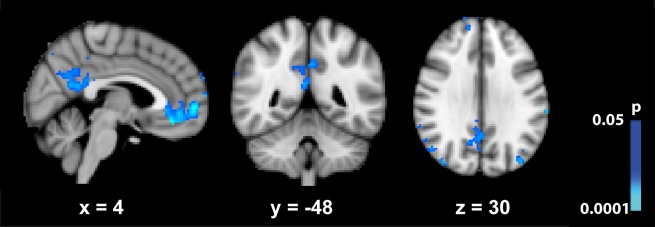
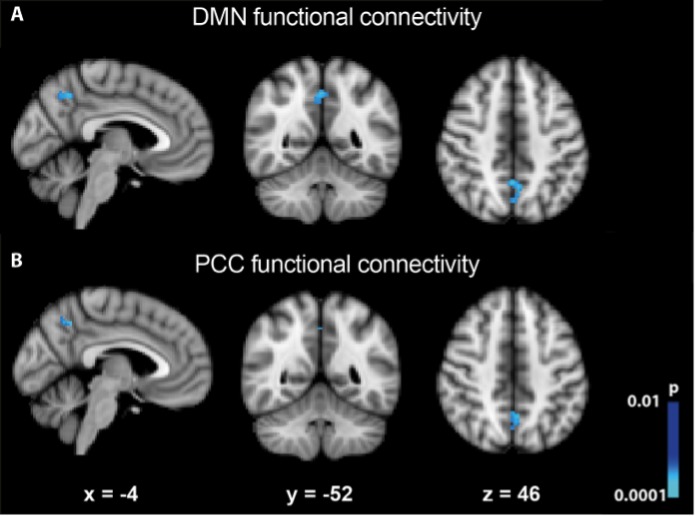
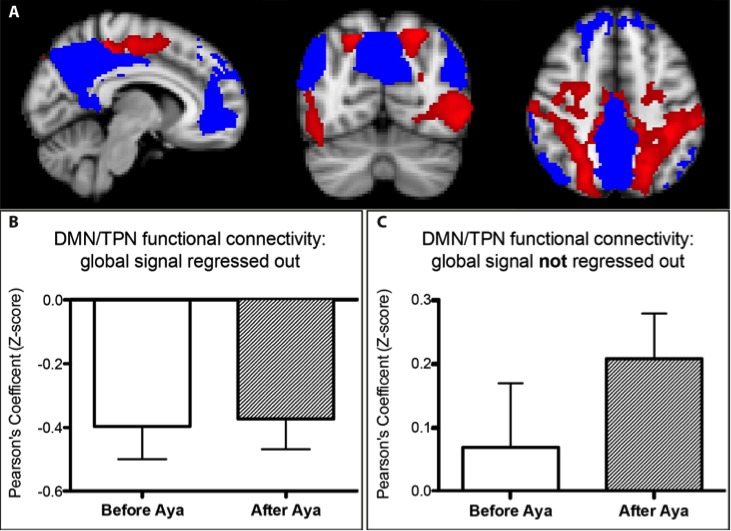
The experiences induced by psychedelics share a wide variety of subjective features, related to the complex changes in perception and cognition induced by this class of drugs. A remarkable increase in introspection is at the core of these altered states of consciousness. Self-oriented mental activity has been consistently linked to the Default Mode Network (DMN), a set of brain regions more active during rest than during the execution of a goal-directed task. Here we used fMRI technique to inspect the DMN during the psychedelic state induced by Ayahuasca in ten experienced subjects. Ayahuasca is a potion traditionally used by Amazonian Amerindians composed by a mixture of compounds that increase monoaminergic transmission. In particular, we examined whether Ayahuasca changes the activity and connectivity of the DMN and the connection between the DMN and the task-positive network (TPN). Ayahuasca caused a significant decrease in activity through most parts of the DMN, including its most consistent hubs: the Posterior Cingulate Cortex (PCC)/Precuneus and the medial Prefrontal Cortex (mPFC). Functional connectivity within the PCC/Precuneus decreased after Ayahuasca intake. No significant change was observed in the DMN-TPN orthogonality. Altogether, our results support the notion that the altered state of consciousness induced by Ayahuasca, like those induced by psilocybin (another serotonergic psychedelic), meditation and sleep, is linked to the modulation of the activity and the connectivity of the DMN.
Overview
The claims and statistics of this paper haven’t been checked yet.
Run the check — free, no account needed. It reads the open-access text and checks the sources it cites.
Integrity signals
Registry
Cites
Statistics
Figures
Verification
Claims the paper makes
The claims and statistics of this paper haven’t been checked yet.
Run the check — free, no account needed. It reads the open-access text and checks the sources it cites.
Claims other papers make about this one
Each is checked against this paper’s own text: does it say what the citing paper says it does?
The source backs part of the claim, not all of it — or backs it for a different population, condition or comparison.
In the citing paper
“Traditions of meditation and ritual use of medicinal plants, fungi, and animals with consciousness-altering capacities have similar abilities to induce trance states, although these are often used in more inward-focused settings to explore one's own body/mind and connection to the adjoining socio-ecological environment-even if practiced as a group (Millière et al. 2018; Palhano-Fontes et al. 2015;”
From Cultural Evolution of Religion, Spirituality and Ritual: Impacts On Human Cooperation (2024) · cites this paper as Palhano-Fontes et al. 2015
Experimental — accuracy not yet measuredThe source backs part of the claim, not all of it — or backs it for a different population, condition or comparison.
In the citing paper
“It has been demonstrated with functional magnetic resonance imaging (fMRI) that during psychedelic experience, the DMN is modulated, which sharply reduces blood flow and connection within its nodes [46], leading to decreased functional connectivity within the DMN and increased between-network connectivity [47, 48].”
From Mindfulness meditation and psychedelics: potential synergies and commonalities (2023) · cites this paper as [47]
Experimental — accuracy not yet measuredThe source backs part of the claim, not all of it — or backs it for a different population, condition or comparison.
In the citing paper
“Similarly, the administration of various psychedelic drugs has led to transient deactivation of certain DMN hubs, including the mPFC, PCC and anterior cingulate cortex (ACC) (45, 114).”
From Examining the Potential Synergistic Effects Between Mindfulness Training and Psychedelic-Assisted Therapy (2021) · cites this paper as [114]
Experimental — accuracy not yet measuredThe cited source says what the claim attributes to it.
In the citing paper
“Palhano-Fontes et al. (2015) reported decreased BOLD signal in DMN nodes including the MPFC and PCC during ayahuasca intoxication.”
From Self unbound: ego dissolution in psychedelic experience (2017) · cites this paper as Palhano-Fontes et al. 2015
The cited source says what the claim attributes to it.
In the citing paper
“A number of studies have demonstrated that classic psychedelics acutely reduce activity and internal functional connectivity within the DMN [28, 29], potentially reducing abstracted (perceptually decoupled) and self-referential rumination, a hallmark of depressotypic thinking [30–32].”
From The psychological processes of classic psychedelics in the treatment of depression: a systematic review protocol (2022) · cites this paper as [28]
In the citing paper
“Ayahuasca decreases the functional connectivity within the prefrontal cortex and in connections with other areas of the brain that are involved in a wide range of ordinary cognitive processes (Palhano-Fontes et al., 2015).”
From The therapeutic potentials of Ayahuasca: possible effects against various diseases of civilization (2016) · cites this paper as Palhano-Fontes et al., 2015
Self-check
Percentages, sums and reported differences re-computed from the paper’s own numbers.
The self-check needs the paper’s full text.
Citations
Cites
A default mode of brain function
Raichle, M. E., MacLeod, A. M., Snyder, A. Z., Powers, W. J., Gusnard, D. A., & Shulman, G. L. (2001) · Proceedings of the National Academy of Sciences · doi:10.1073/pnas.98.2.676 · Cited by 12,190
The Brain's Default Network: Anatomy, Function, and Relevance to Disease
Buckner, R. L., Andrews‐Hanna, J. R., & Schacter, D. L. (2008) · Annals of the New York Academy of Sciences · doi:10.1196/annals.1440.011 · Cited by 9,761
A Rating Scale for Mania: Reliability, Validity and Sensitivity
Young, R. C., Biggs, J. T., Ziegler, V. E., & Meyer, D. A. (1978) · British Journal of Psychiatry · doi:10.1192/bjp.133.5.429 · Cited by 8,744
The human brain is intrinsically organized into dynamic, anticorrelated functional networks
Fox, M. D., Snyder, A. Z., Vincent, J. L., Corbetta, M., Van Essen, D. C., & Raichle, M. E. (2005) · Proceedings of the National Academy of Sciences · doi:10.1073/pnas.0504136102 · Cited by 8,553
The varieties of religious experience: A study in human nature.
James, W. (1902) · doi:10.1037/10004-000 · Cited by 5,204
Calamita, E., Schmid, M., Kunz, M., Ndebele-Murisa, M. R., Magadza, C. H. D., Nyambe, I., & Wehrli, B. (2019) · Figshare · doi:10.26181/6153922fe919c · Cited by 4,239
Greicius, M. D., Srivastava, G., Reiss, A. L., & Menon, V. (2004) · Proceedings of the National Academy of Sciences · doi:10.1073/pnas.0308627101 · Cited by 3,684
Self-referential processing in our brain—A meta-analysis of imaging studies on the self
Northoff, G., Heinzel, A., de Greck, M., Bermpohl, F., Dobrowolny, H., & Panksepp, J. (2006) · NeuroImage · doi:10.1016/j.neuroimage.2005.12.002 · Cited by 2,792
Wandering minds: the default network and stimulus-independent thought
Mason, M. F., Norton, M. I., Van Horn, J. D., Wegner, D. M., Grafton, S. T., & Macrae, C. N. (2007) · Science · doi:10.1126/science.1131295 · Cited by 2,792
Circular analysis in systems neuroscience: the dangers of double dipping
Kriegeskorte, N., Simmons, W. K., Bellgowan, P. S. F., & Baker, C. I. (2009) · Nature Neuroscience · doi:10.1038/nn.2303 · Cited by 2,696
Cited by
Sorted by citations
Items 101–200 of 452
Holze, F., Singh, N., Liechti, M. E., & D’Souza, D. C. (2024) · Biological Psychiatry Cognitive Neuroscience and Neuroimaging · doi:10.1016/j.bpsc.2024.01.007 · Cited by 62
Ayahuasca: Uses, Phytochemical and Biological Activities
Estrella-Parra, E. A., Almanza-Pérez, J. C., & Alarcón-Aguilar, F. J. (2019) · Natural Products and Bioprospecting · doi:10.1007/s13659-019-0210-5 · Cited by 61
SANTOS, R. G. D., & Hallak, J. E. C. (2019) · Epilepsy & Behavior · doi:10.1016/j.yebeh.2019.04.053 · Cited by 66
Self-citationdos Santos, R. G., Hallak, J. E., Baker, G., & Dursun, S. (2021) · Journal of Psychopharmacology · doi:10.1177/0269881120986422 · Cited by 55
Self-citationPerkins, D., Pagni, B. A., Sarris, J. J., Barbosa, P. C. R., & Chenhall, R. D. (2022) · Frontiers in Pharmacology · doi:10.3389/fphar.2022.884703 · Cited by 63
Psychedelic pleasures: An affective understanding of the joys of tripping
Bøhling, F. (2017) · International Journal of Drug Policy · doi:10.1016/j.drugpo.2017.07.017 · Cited by 62
Psychedelics: Alternative and Potential Therapeutic Options for Treating Mood and Anxiety Disorders
Lowe, H. I. C., Toyang, N. J., Steele, B., Grant, J., Ali, A., Gordon, L., & Ngwa, W. F. (2022) · Molecules · doi:10.3390/molecules27082520 · Cited by 58
Neuroinflammation and neuroprogression in depression: Effects of alternative drug treatments
Richardson, B., MacPherson, A., & Bambico, F. R. (2022) · Brain Behavior & Immunity - Health · doi:10.1016/j.bbih.2022.100554 · Cited by 57
The Pharmacology of Visual Hallucinations in Synucleinopathies
Russo, M., Carrarini, C., Dono, F., Rispoli, M. G., Pietro, M. D., Stefano, V. D., Ferri, L., Bonanni, L., Sensi, S. L., & ONOFRJ, M. C. (2019) · Frontiers in Pharmacology · doi:10.3389/fphar.2019.01379 · Cited by 58
Understanding brain states across spacetime informed by whole-brain modelling
Vohryzek, J., Cabral, J., Vuust, P., Deco, G., & Kringelbach, M. L. (2022) · Philosophical Transactions of the Royal Society A Mathematical Physical and Engineering Sciences · doi:10.1098/rsta.2021.0247 · Cited by 56
Effective Connectivity of Functionally Anticorrelated Networks Under Lysergic Acid Diethylamide
Stoliker, D., Novelli, L., Vollenweider, F. X., Egan, G. F., Preller, K. H., & Razi, A. (2022) · Biological Psychiatry · doi:10.1016/j.biopsych.2022.07.013 · Cited by 57
Riga, M. S., Lladó-Pelfort, L., Artigas, F., & Celada, P. (2017) · Neuropharmacology · doi:10.1016/j.neuropharm.2017.11.049 · Cited by 50
Husain, M. I., Ledwos, N., Fellows, E., Baer, J., Rosenblat, J. D., Blumberger, D. M., Mulsant, B. H., & Castle, D. J. (2023) · Frontiers in Psychiatry · doi:10.3389/fpsyt.2022.1076459 · Cited by 50
Neural Correlates of the Shamanic State of Consciousness
Huels, E. R., Kim, H., Lee, U., Bel-Bahar, T., Colmenero, A. V., Nelson, A., Blain-Moraes, S., Mashour, G. A., & Harris, R. E. (2021) · Frontiers in Human Neuroscience · doi:10.3389/fnhum.2021.610466 · Cited by 52
Doss, M. K., May, D. G., Johnson, M. W., Clifton, J. M., Hedrick, S. L., Prisinzano, T. E., Griffiths, R. R., & Barrett, F. S. (2020) · Scientific Reports · doi:10.1038/s41598-020-73216-8 · Cited by 50
Foldi, C. J., Liknaitzky, P., Williams, M., & Oldfield, B. J. (2020) · Frontiers in Neuroscience · doi:10.3389/fnins.2020.00043 · Cited by 51
Ayahuasca: A review of historical, pharmacological, and therapeutic aspects
Ruffell, S., Crosland‐Wood, M., Palmer, R., Netzband, N., Tsang, W., Weiss, B., Gandy, S., Cowley‐Court, T., Halman, A., McHerron, D., et al. (2023) · Psychiatry and Clinical Neurosciences Reports · doi:10.1002/pcn5.146 · Cited by 61
Serotonergic Psychedelics: Experimental Approaches for Assessing Mechanisms of Action
Canal, C. E. (2018) · Handbook of experimental pharmacology · doi:10.1007/164_2018_107 · Cited by 50
Falchi-Carvalho, M., Palhano-Fontes, F., Wießner, I., Barros, H., Bolcont, R., Laborde, S., Silva, S. R. B., Montanini, D., Barbosa, D. C., Teixeira, E., et al. (2025) · Neuropsychopharmacology · doi:10.1038/s41386-025-02091-6 · Cited by 52
Self-citationAyahuasca’s Antidepressant Effects Covary with Behavioral Activation as Well as Mindfulness
Mian, M. N., Altman, B. R., & Earleywine, M. (2019) · Journal of Psychoactive Drugs · doi:10.1080/02791072.2019.1674428 · Cited by 47
Rodrigues, L. S., Rossi, G. N., Rocha, J. M., Osório, F. D. L., Bouso, J. C., Hallak, J. E. C., & SANTOS, R. G. D. (2021) · European Archives of Psychiatry and Clinical Neuroscience · doi:10.1007/s00406-021-01267-7 · Cited by 47
Self-citationAyahuasca's therapeutic potential: What we know – and what not
Maia, L. O., Daldegan‐Bueno, D., Wießner, I., de Araújo, D. B., & Tófoli, L. F. (2022) · European Neuropsychopharmacology · doi:10.1016/j.euroneuro.2022.10.008 · Cited by 54
Seeing without self: Discovering new meaning with psychedelic-assisted psychotherapy
Fischman, L. G. (2019) · Neuropsychoanalysis · doi:10.1080/15294145.2019.1689528 · Cited by 52
Mindfulness meditation and psychedelics: potential synergies and commonalities
Holas, P., & Kamińska, J. (2023) · Pharmacological Reports · doi:10.1007/s43440-023-00551-8 · Cited by 43
“…with functional magnetic resonance imaging (fMRI) that during psychedelic experience, the DMN is modulated, which sharply reduces blood flow and connection within its nodes [46], leading to decreased functional connectivity within the DMN and increased between-network connectivity [47, 48].”
BackgroundBouso, J. C., Pedrero-Pérez, E. J., Gandy, S., & Alcázar-Córcoles, M. Á. (2016) · Human Psychopharmacology: Clinical and Experimental · doi:10.1002/hup.2545 · Cited by 48
Shukuroglou, M., Roseman, L., Wall, M. B., Nutt, D., Kaelen, M., & Carhart-Harris, R. L. (2022) · Journal of Psychopharmacology · doi:10.1177/02698811221125354 · Cited by 45
Yu, Z., Burback, L., Winkler, O., Xu, L., Dennett, L., Vermetten, E. H. G. J. M., Greenshaw, A. J., Li, X., Milne, M., Wang, F., et al. (2024) · Frontiers in Psychiatry · doi:10.3389/fpsyt.2024.1386321 · Cited by 49
Rikandi, E., Pamilo, S., Mäntylä, T. J. S., Suvisaari, J., Kieseppä, T., Hari, R., Seppä, M., & Raij, T. T. (2016) · Psychological Medicine · doi:10.1017/s0033291716002609 · Cited by 43
Eleftheriou, M. E., & Thomas, E. (2021) · Frontiers in Psychiatry · doi:10.3389/fpsyt.2021.707057 · Cited by 39
“For example, enhanced activation of the ACC and other prefrontal regions was observed in novice and experienced meditators (120–122), and as a result of ayahuasca administration (33, 63).”
BackgroundInfluentialOrłowski, P., Ruban, A., Szczypiński, J., Hobot, J., Bielecki, M., & Bola, M. (2022) · Journal of Psychopharmacology · doi:10.1177/02698811221089034 · Cited by 41
An ontology of psychedelic entity experiences in evolutionary psychology and neurophenomenology
Winkelman, M. (2018) · Journal of Psychedelic Studies · doi:10.1556/2054.2018.002 · Cited by 44
N,N‐dimethyltryptamine and Amazonian ayahuasca plant medicine
James, E., Keppler, J., Robertshaw, T. L., & Sessa, B. (2022) · Human Psychopharmacology Clinical and Experimental · doi:10.1002/hup.2835 · Cited by 50
Toward Mapping Neurobehavioral Heterogeneity of Psychedelic Neurobiology in Humans
Moujaes, F., Preller, K. H., Ji, J. L., Murray, J. D., Berkovitch, L., Vollenweider, F. X., & Anticevic, A. (2022) · Biological Psychiatry · doi:10.1016/j.biopsych.2022.10.021 · Cited by 38
Functional networks in prolonged disorders of consciousness
Li, H., Zhang, X., Sun, X., Dong, L., Lu, H., Yue, S., & Zhang, H. (2023) · Frontiers in Neuroscience · doi:10.3389/fnins.2023.1113695 · Cited by 39
Simplicial and topological descriptions of human brain dynamics
Billings, J., Saggar, M., Hlinka, J., Keilholz, S. D., & Petri, G. (2021) · Network Neuroscience · doi:10.1162/netn_a_00190 · Cited by 42
Müller, F., Holze, F., Dolder, P. C., Ley, L., Vizeli, P., Soltermann, A., Liechti, M. E., & Borgwardt, S. (2020) · Neuropsychopharmacology · doi:10.1038/s41386-020-00906-2 · Cited by 39
Zoubi, O. A., Misaki, M., Bodurka, J., Kuplicki, R., Wohlrab, C., Schoenhals, W. A., Refai, H. H., Khalsa, S. S., Stein, M. B., Paulus, M. P., et al. (2021) · Human Brain Mapping · doi:10.1002/hbm.25429 · Cited by 41
Catalysts for change: the cellular neurobiology of psychedelics
Banks, M. I., Zahid, Z., Jones, N., Sultan, Z. W., & Wenthur, C. J. (2021) · Molecular Biology of the Cell · doi:10.1091/mbc.e20-05-0340 · Cited by 45
Brys, I., Barrientos, S. A., Ward, J. E., Wallander, J., Petersson, P., & Halje, P. (2023) · Communications Biology · doi:10.1038/s42003-023-05093-6 · Cited by 37
Psychedelics for acquired brain injury: a review of molecular mechanisms and therapeutic potential
Allen, J., Dames, S., Foldi, C. J., & Shultz, S. R. (2024) · Molecular Psychiatry · doi:10.1038/s41380-023-02360-0 · Cited by 40
Long-term effects of ayahuasca in patients with recurrent depression: a 5-year qualitative follow-up
SANTOS, R. G. D., Sanches, R. F., Osório, F. D. L., & Hallak, J. E. C. (2018) · Archives of Clinical Psychiatry (São Paulo) · doi:10.1590/0101-60830000000149 · Cited by 37
Self-citationIs Ayahuasca an Option for the Treatment of Crack Cocaine Dependence?
da Cruz, J. I., & Nappo, S. A. (2018) · Journal of Psychoactive Drugs · doi:10.1080/02791072.2018.1447174 · Cited by 36
Increased sensitivity to strong perturbations in a whole-brain model of LSD
Jobst, B., Atasoy, S., Ponce‐Alvarez, A., Sanjuán, A., Roseman, L., Kaelen, M., Carhart-Harris, R. L., Kringelbach, M. L., & Deco, G. (2021) · NeuroImage · doi:10.1016/j.neuroimage.2021.117809 · Cited by 36
Psilocybin and Other Classic Psychedelics in Depression
Nutt, D., Peill, J. M., Weiss, B., Godfrey, K., Carhart-Harris, R. L., & Erritzøe, D. (2023) · Current topics in behavioral neurosciences · doi:10.1007/7854_2023_451 · Cited by 39
Egger, K., Aicher, H., Cumming, P. D., & Scheidegger, M. (2024) · Cellular and Molecular Life Sciences · doi:10.1007/s00018-024-05353-6 · Cited by 37
Castelhano, J., Lima, G., Teixeira, M., Soares, C., Pais, M. L., & Castelo-Branco, M. S. (2021) · Frontiers in Pharmacology · doi:10.3389/fphar.2021.739053 · Cited by 41
Psychedelics in the treatment of unipolar and bipolar depression
Bosch, O. G., Halm, S., & Seifritz, E. (2022) · International Journal of Bipolar Disorders · doi:10.1186/s40345-022-00265-5 · Cited by 38
Kurtz, J. S., Patel, N., Gendreau, J. L., Yang, C., Brown, N. J., Bui, N., Picton, B., Harris, M., Hatter, M. J., Beyer, R. S., et al. (2022) · Cureus · doi:10.7759/cureus.29167 · Cited by 40
Müller, F., Liechti, M. E., Lang, U. E., & Borgwardt, S. (2018) · Progress in Brain Research · doi:10.1016/bs.pbr.2018.08.004 · Cited by 31
How do serotonergic psychedelics treat depression: The potential role of neuroplasticity
Artin, H., Zisook, S., & Ramanathan, D. (2021) · World Journal of Psychiatry · doi:10.5498/wjp.v11.i6.201 · Cited by 33
Jones, G. M., Lipson, J., & Nock, M. K. (2022) · Scientific Reports · doi:10.1038/s41598-022-14809-3 · Cited by 33
Rossi, G. N., Guerra, L. T. L., Baker, G. B., Dursun, S. M., Bouso, J. C., Hallak, J. E. C., & SANTOS, R. G. D. (2022) · Biomolecules · doi:10.3390/biom12111618 · Cited by 33
Self-citationExploring mechanisms of psychedelic action using neuroimaging
Erritzøe, D., Timmermann, C., Godfrey, K. E. M., Castro-Rodrigues, P., Peill, J. M., Carhart-Harris, R. L., Nutt, D., & Wall, M. B. (2024) · Nature Mental Health · doi:10.1038/s44220-023-00172-3 · Cited by 37
Psychedelics in neuroinflammation: Mechanisms and therapeutic potential
de Deus, J. L., Maia, J. M., Soriano, R. N., Amorim, M. R., & Branco, L. G. S. (2025) · Progress in Neuro-Psychopharmacology and Biological Psychiatry · doi:10.1016/j.pnpbp.2025.111278 · Cited by 35
Benefits and Challenges of Ultra-Fast, Short-Acting Psychedelics in the Treatment of Depression
Ramaekers, J. G., Reckweg, J. T., & Mason, N. L. (2025) · American Journal of Psychiatry · doi:10.1176/appi.ajp.20230890 · Cited by 35
Barsuglia, J. P., Polanco, M., Palmer, R., Malcolm, B. J., Kelmendi, B., & Calvey, T. (2018) · Progress in Brain Research · doi:10.1016/bs.pbr.2018.08.002 · Cited by 38
A voice without a mouth no more: The neurobiology of language and consciousness
Skipper, J. I. (2022) · Neuroscience & Biobehavioral Reviews · doi:10.1016/j.neubiorev.2022.104772 · Cited by 31
The renaissance in psychedelic research: What do preclinical models have to offer
Murnane, K. S. (2018) · Progress in brain research · doi:10.1016/bs.pbr.2018.08.003 · Cited by 35
Psychedelic-Assisted Therapy for People with Eating Disorders
Gukasyan, N., Schreyer, C. C., Griffiths, R. R., & Guarda, Á. S. (2022) · Current Psychiatry Reports · doi:10.1007/s11920-022-01394-5 · Cited by 33
Soares, C., Mier, G. G., Castelhano, J., & Castelo-Branco, M. S. (2023) · Neuroscience & Biobehavioral Reviews · doi:10.1016/j.neubiorev.2023.105325 · Cited by 30
Parvizi-Wayne, D., Sandved-Smith, L., Pitliya, R. J., Limanowski, J., Tufft, M. R. A., & Friston, K. J. (2024) · Frontiers in Psychology · doi:10.3389/fpsyg.2024.1354719 · Cited by 37
Keppler, J. (2018) · Frontiers in Psychology · doi:10.3389/fpsyg.2018.01346 · Cited by 30
Fox, K. C. R., Girn, M., Parro, C., & Kalina Christoff, A. (2018) · Cambridge University Press eBooks · doi:10.1017/9781316556238.007 · Cited by 30
Psychedelics and hypnosis: Commonalities and therapeutic implications
Lemercier, C. E., & Terhune, D. B. (2018) · Journal of Psychopharmacology · doi:10.1177/0269881118780714 · Cited by 32
Dimethyltryptamine: Endogenous Role and Therapeutic Potential
Rodrigues, A. V., Almeida, F., & Vieira‐Coelho, M. A. (2019) · Journal of Psychoactive Drugs · doi:10.1080/02791072.2019.1602291 · Cited by 34
Stress, memory, and implications for major depression
de Sousa, G. M., Vargas, H. D. Q., Barbosa, F. F., & Coelho, N. L. G. (2021) · Behavioural Brain Research · doi:10.1016/j.bbr.2021.113410 · Cited by 32
Beating pain with psychedelics: Matter over mind?
Elman, I., Pustilnik, A. C., & Borsook, D. (2021) · Neuroscience & Biobehavioral Reviews · doi:10.1016/j.neubiorev.2021.12.005 · Cited by 30
Optimizing outcomes in psilocybin therapy: Considerations in participant evaluation and preparation
Modlin, N. L., Miller, T. M., Rucker, J., Kirlić, N., Lennard-Jones, M., Schlosser, D. A., & Aaronson, S. T. (2023) · Journal of Affective Disorders · doi:10.1016/j.jad.2023.01.077 · Cited by 31
Rush, B. R., Marcus, O., García, S., Loizaga-Velder, A. K., Loewinger, G. C., Spitalier, A., & Mendive, F. M. (2021) · Frontiers in Pharmacology · doi:10.3389/fphar.2021.659644 · Cited by 32
Oña, G., Berrada, A., & Bouso, J. C. (2021) · Transcultural Psychiatry · doi:10.1177/13634615211038416 · Cited by 32
Pontual, A. A. D. D., Tófoli, L. F., Corradi-Webster, C. M., van Oorsouw, K. I. M., Delgado, A. R. O., & Ramaekers, J. G. (2022) · Frontiers in Psychology · doi:10.3389/fpsyg.2022.857372 · Cited by 35
Perkins, D., Ruffell, S., Day, K., Rubiano, D. P., & Sarris, J. J. (2023) · Frontiers in Neuroscience · doi:10.3389/fnins.2022.879221 · Cited by 33
How does ayahuasca work from a psychiatric perspective? Pros and cons of the entheogenic therapy
Orsolini, L., Chiappini, S., Papanti, D., Latini, R., Volpe, U., Fornaro, M., Tomasetti, C., Vellante, F., & Berardis, D. D. (2020) · Human Psychopharmacology Clinical and Experimental · doi:10.1002/hup.2728 · Cited by 33
Ayahuasca for the Treatment of Depression
Palhano-Fontes, F., Soares, B. L., Coelho, N. L. G., Arcoverde, E., & de Araújo, D. B. (2021) · Current topics in behavioral neurosciences · doi:10.1007/7854_2021_277 · Cited by 26
Self-citationCan psychedelics enhance group psychotherapy? A discussion on the therapeutic factors
Ponomarenko, P., Seragnoli, F., Calder, A. E., Oehen, P., & Hasler, G. (2023) · Journal of Psychopharmacology · doi:10.1177/02698811231155117 · Cited by 31
Tófoli, L. F., & de Araújo, D. B. (2016) · International review of neurobiology · doi:10.1016/bs.irn.2016.06.005 · Cited by 35
Kohek, M., Ona, G., van Elk, M., Dos Santos, R. G., Hallak, J. E. C., Alcázar-Córcoles, M. Á., & Bouso, J. C. (2023) · Journal of Psychoactive Drugs · doi:10.1080/02791072.2022.2077155 · Cited by 24
Psilocybin-induced default mode network hypoconnectivity is blunted in alcohol-dependent rats
Reinwald, J., Schmitz, C. N., Skorodumov, I., Kuchař, M., Weber‐Fahr, W., Spanagel, R., & Meinhardt, M. W. (2023) · Translational Psychiatry · doi:10.1038/s41398-023-02690-1 · Cited by 26
Padawer-Curry, J. A., Krentzman, O. J., Kuo, C., Wang, X., Bice, A. R., Nicol, G. E., Snyder, A. Z., Siegel, J. S., McCall, J. G., & Bauer, A. Q. (2025) · Nature Neuroscience · doi:10.1038/s41593-025-02069-z · Cited by 30
DMT alters cortical travelling wavesPreprint
Alamia, A., Timmermann, C., VanRullen, R., & Carhart-Harris, R. L. (2020) · bioRxiv (Cold Spring Harbor Laboratory) · doi:10.1101/2020.05.06.080937 · Cited by 25
Large-scale brain networks and Freudian ego
Dimkov, P. R. (2019) · Psychological Thought · doi:10.5964/psyct.v12i2.328 · Cited by 23
Isham, A., Elf, P., & Jackson, T. P. (2022) · Frontiers in Psychology · doi:10.3389/fpsyg.2022.1051478 · Cited by 25
Antecedents of mystical experience and dread in intensive meditation.
Russ, S. L., & Elliott, M. S. (2017) · Psychology of Consciousness Theory Research and Practice · doi:10.1037/cns0000119 · Cited by 23
Shinozuka, K., Jerotic, K., Mediano, P. A. M., Zhao, A. T., Preller, K. H., Carhart-Harris, R. L., & Kringelbach, M. L. (2024) · Translational Psychiatry · doi:10.1038/s41398-024-03187-1 · Cited by 28
An international mega-analysis of psychedelic drug effects on brain circuit function
Girn, M., Doss, M. K., Roseman, L., Preller, K. H., Palhano-Fontes, F., Pasquini, L., Barrett, F. S., Mallaroni, P., Mason, N. L., Timmermann, C., et al. (2026) · Nature Medicine · doi:10.1038/s41591-026-04287-9 · Cited by 29
Self-citationTherapeutic uses of psychedelics for eating disorders and body dysmorphic disorder
Ledwos, N., Rodas, J. D., Husain, M. I., Feusner, J. D., & Castle, D. J. (2022) · Journal of Psychopharmacology · doi:10.1177/02698811221140009 · Cited by 28
Rankaduwa, S., & Owen, A. M. (2023) · Neuroscience of Consciousness · doi:10.1093/nc/niad001 · Cited by 23
The psychedelic renaissance: the next trip for psychiatry?
Kelly, J. R., Baker, A., Babiker, M., Burke, L., Brennan, C., & O’Keane, V. (2019) · Irish Journal of Psychological Medicine · doi:10.1017/ipm.2019.39 · Cited by 21
SANTOS, R. G. D., Rocha, J. M., Rossi, G. N., Osório, F. D. L., Oña, G., Bouso, J. C., Silveira, G. D. O., Yonamine, M., Marchioni, C., Crevelin, E. J., et al. (2022) · Human Psychopharmacology Clinical and Experimental · doi:10.1002/hup.2834 · Cited by 21
Self-citationThe altered state of consciousness induced by Δ9-THC
Murray, C. H., & Desikan, B. S. (2022) · Consciousness and Cognition · doi:10.1016/j.concog.2022.103357 · Cited by 22
Shcherbinin, S., Doyle, O., Zelaya, F. O., Simoni, S. D., Mehta, M. A., & Schwarz, A. J. (2015) · Psychopharmacology · doi:10.1007/s00213-015-4021-z · Cited by 21
Can Psychedelic Drugs Attenuate Age-Related Changes in Cognition and Affect?
Aday, J. S., Bloesch, E. K., & Davoli, C. C. (2019) · Journal of Cognitive Enhancement · doi:10.1007/s41465-019-00151-6 · Cited by 23
Using evolutionary tools to search for novel psychoactive plants
Halse-Gramkow, M., Ernst, M., Rønsted, N., Dunn, R. R., & Saslis‐Lagoudakis, C. H. (2016) · Plant Genetic Resources · doi:10.1017/s1479262116000344 · Cited by 20
The philosophy of psychedelic transformation
Letheby, C. (2017) · Adelaide Research & Scholarship (AR&S) (University of Adelaide) · doi:10.4225/55/5900324d2ad60 · Cited by 23
The immunomodulatory effects of classical psychedelics: A systematic review of preclinical studies
Low, Z. X. B., Ng, W. S., Lim, E. S. Y., Goh, B. H., & Kumari, Y. (2024) · Progress in Neuro-Psychopharmacology and Biological Psychiatry · doi:10.1016/j.pnpbp.2024.111139 · Cited by 22
Singh, N., Hazari, P. P., Mittal, P., Yadav, S. K., Kumar, N., Mishra, G., Dahiya, S., & Mishra, A. K. (2025) · European Journal of Pharmacology · doi:10.1016/j.ejphar.2025.177737 · Cited by 24
Not in the drug, not in the brain: Causality in psychedelic experiences from an enactive perspective
Meling, D., & Scheidegger, M. (2023) · Frontiers in Psychology · doi:10.3389/fpsyg.2023.1100058 · Cited by 22
How Psychedelics Modulate Multiple Memory Mechanisms in Posttraumatic Stress Disorder
Doss, M. K., DeMarco, A., Dunsmoor, J. E., Cisler, J. M., Fonzo, G. A., & Nemeroff, C. B. (2024) · Drugs · doi:10.1007/s40265-024-02106-4 · Cited by 24
The current state of ayahuasca research in animal models: A systematic review
Daldegan‐Bueno, D., Simionato, N. M., Favaro, V. M., & Maia, L. O. (2023) · Progress in Neuro-Psychopharmacology and Biological Psychiatry · doi:10.1016/j.pnpbp.2023.110738 · Cited by 21
Michael, P., Luke, D. P., & Robinson, O. C. (2023) · Frontiers in Psychology · doi:10.3389/fpsyg.2023.1083356 · Cited by 22
Metadata
- Authors
- Palhano-Fontes, F., Andrade, K. C., Tofoli, L. F., Santos, A. C., Crippa, J. A. S., Hallak, J. E. C., Ribeiro, S., & de Araujo, D. B.
- Affiliations
- Universidade Federal do Rio Grande do Norte (BR)
- Universidade de São Paulo (BR)
- Venue
- PLOS ONE
- Publisher
- Public Library of Science (PLoS)
- Published
- 2015-02-18
- Volume
- 10
- Issue
- 2
- Pages
- e0118143
- ISSN
- 1932-6203 (ISSN-L)
- PMC
- PMC4334486
- OpenAlex
- W2093477837
- Cited by
- 454
- References
- 60
- Citations by year
- 2026: 34 · 2025: 41 · 2024: 45 · 2023: 61 · 2022: 54 · 2021: 49 · 2020: 40 · 2019: 47 · 2018: 31 · 2017: 25 · 2016: 20 · 2015: 6
- FWCI
- 33.90
- Type
- journal article
- Language
- en
- Open access
- gold
- doi.org
- Licence
- Locations
- PLoS ONE (publishedVersion, cc-by)
- Europe PMC (PubMed Central) (publishedVersion, cc-by)
- PubMed Central (publishedVersion, cc-by)
- PubMed (publishedVersion)
- Portuguese National Funding Agency for Science, Research and Technology (RCAAP Project by FCT) (publishedVersion, other-oa)
- LA Referencia (Red Federada de Repositorios Institucionales de Publicaciones Científicas) (publishedVersion, other-oa)
- Americanae (AECID Library) (submittedVersion, other-oa)
- DOAJ (DOAJ: Directory of Open Access Journals) (submittedVersion, cc-by-sa)
- Figshare (submittedVersion, cc-by)
- Funders
- Fundação de Amparo à Pesquisa do Estado de São Paulo
- Coordenação de Aperfeiçoamento de Pessoal de Nível Superior
- Conselho Nacional de Desenvolvimento Científico e Tecnológico
- Financiadora de Estudos e Projetos
- Topics
- Social Sciences › Psychology › Clinical Psychology › Psychedelics and Drug Studies
- Life Sciences › Neuroscience › Cognitive Neuroscience › Functional Brain Connectivity Studies
- Life Sciences › Neuroscience › Cognitive Neuroscience › Pain Management and Placebo Effect
- Keywords
- ayahuasca, default mode network, task-positive network, altered states of consciousness, psychedelic effects, posterior cingulate cortex, precuneus, medial prefrontal cortex, functional connectivity, self-reflection, psilocybin, meditation, sleep
- MeSH terms
- Adult, Consciousness Disorders, Female, Gyrus Cinguli, Hallucinogens, Humans, Magnetic Resonance Imaging, Male, Middle Aged, Psilocybin, Prefrontal Cortex, Banisteriopsis, Young Adult, Connectome
About these checks
Registry, retraction, Cites and statistics results are computed, not judged, with one exception: a printed reference that no index lists is read once by a model before it counts as a citation error. Claims are extracted by a model and kept only when their quote appears verbatim in the text; each cited source is then checked, with a model’s help, for whether it says what the claim relies on. Those verdicts can be wrong — read the claim’s quote and the cited source before relying on one.
Statistics and arithmetic are recomputed, not judged.
Confidence bands are shown only for fields calibrated on our annotated test set. None is calibrated yet, so no band is shown.
What counts as a claim ›How we measure confidence ›How we check this ›
Are you an author, or do you see a problem with this page? Request a review
