

The DOI matches its Crossref record; 296 of the 296 references it cites were found in a registry or an index.
Full-Length Human Placental sFlt-1-e15a Isoform Induces Distinct Maternal Phenotypes of Preeclampsia in Mice
Open accessAbstract
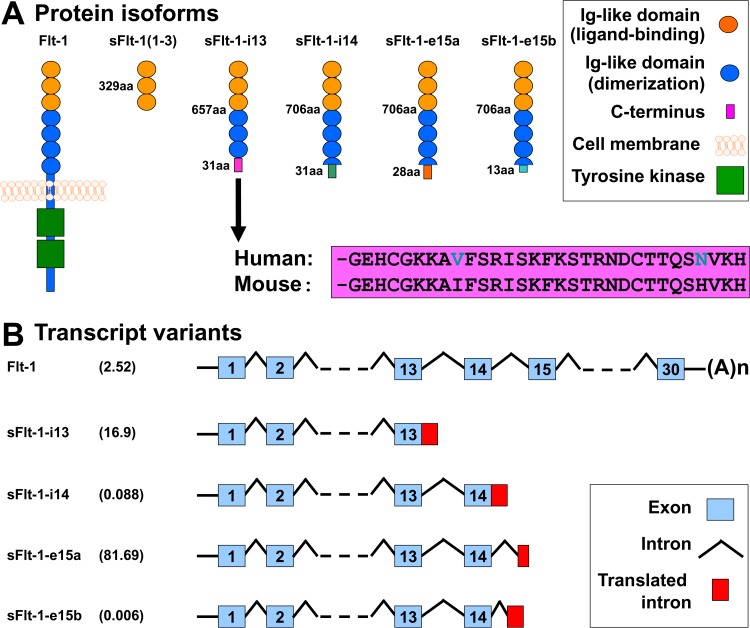
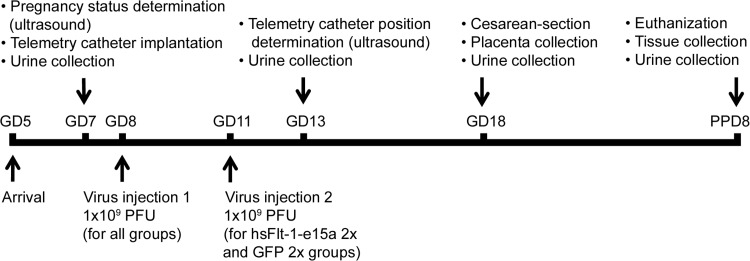
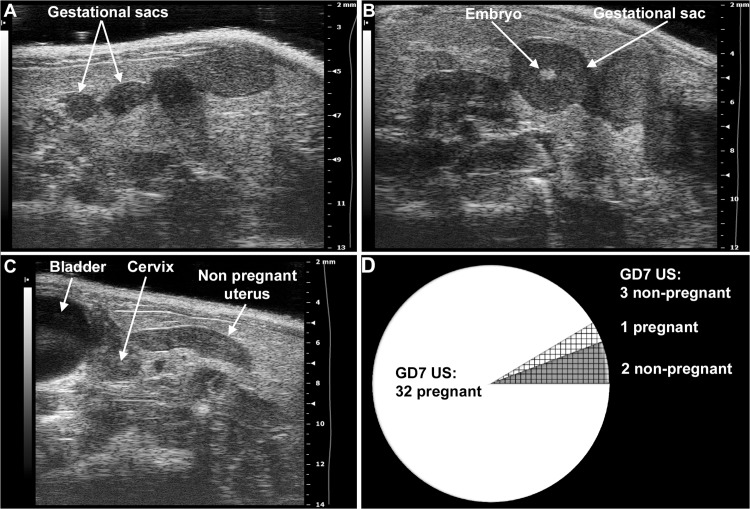
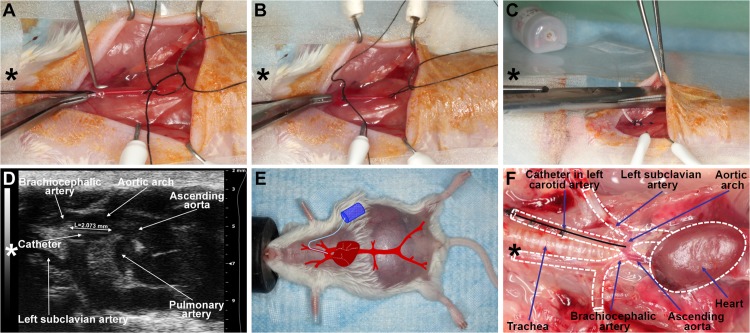
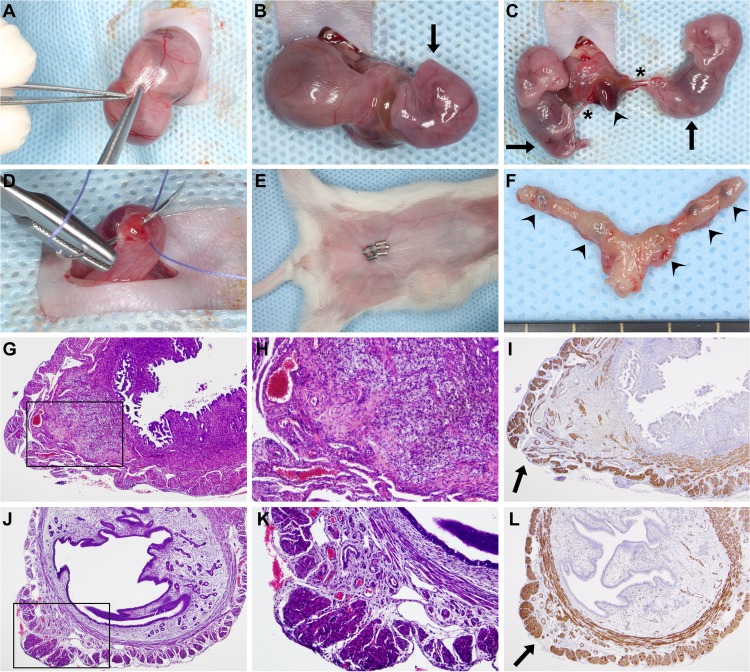
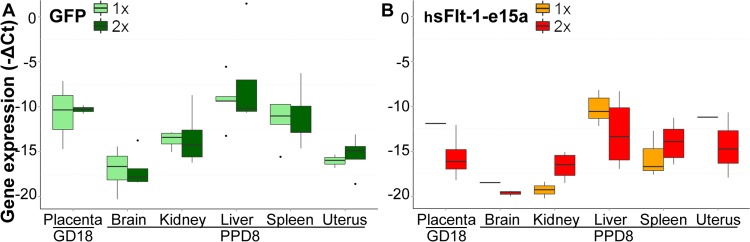
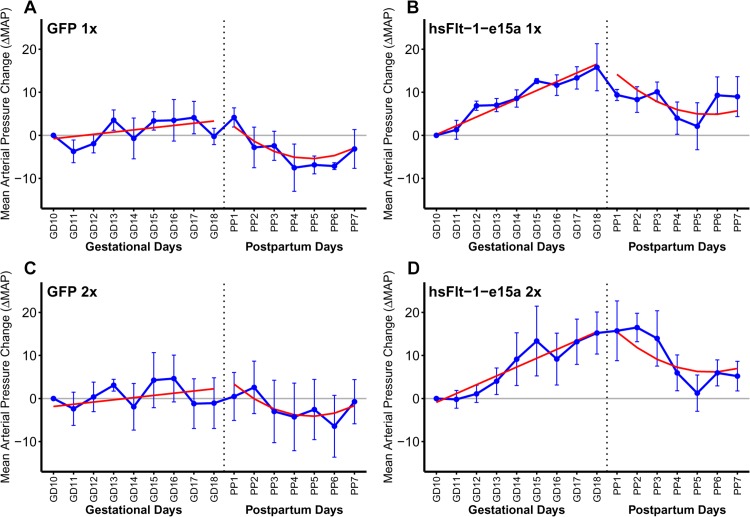
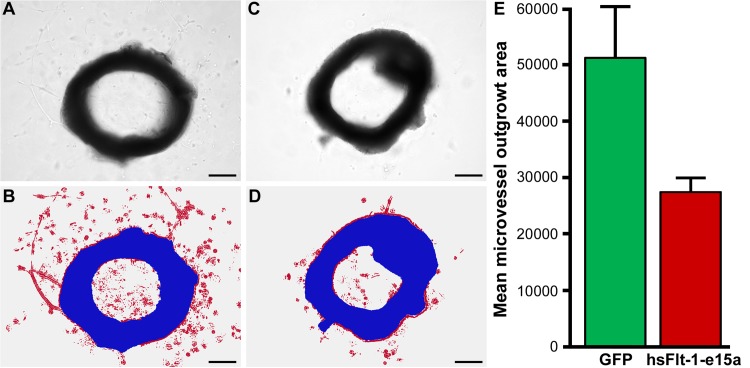
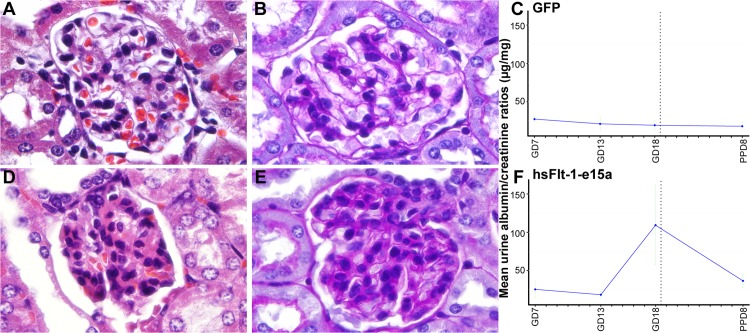
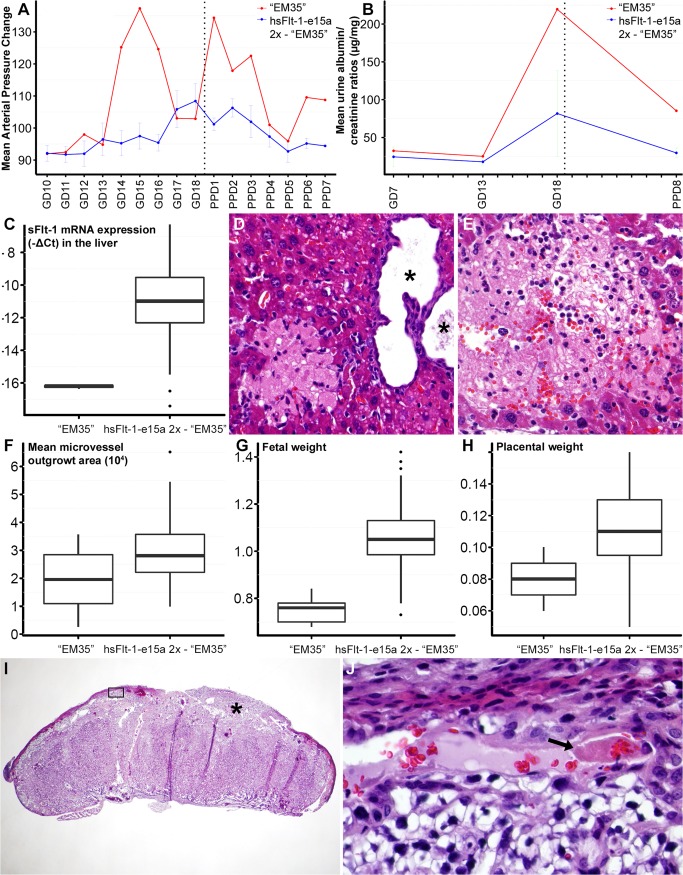
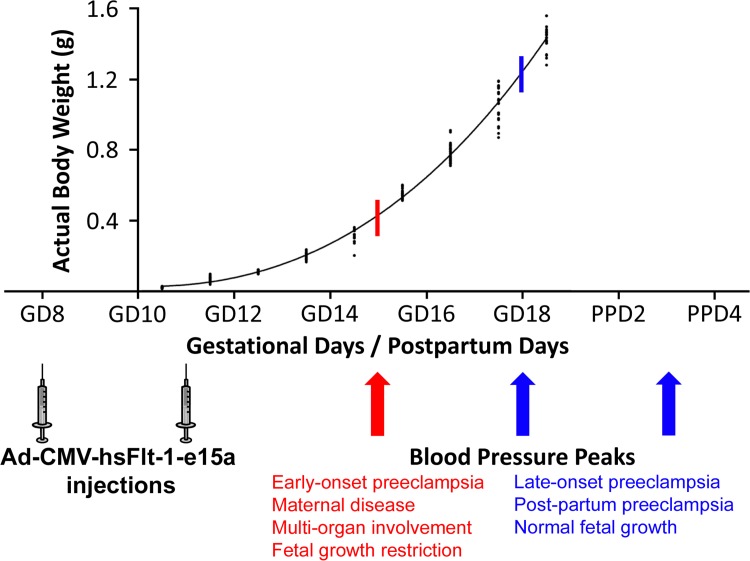
OBJECTIVE: Most anti-angiogenic preeclampsia models in rodents utilized the overexpression of a truncated soluble fms-like tyrosine kinase-1 (sFlt-1) not expressed in any species. Other limitations of mouse preeclampsia models included stressful blood pressure measurements and the lack of postpartum monitoring. We aimed to 1) develop a mouse model of preeclampsia by administering the most abundant human placental sFlt-1 isoform (hsFlt-1-e15a) in preeclampsia; 2) determine blood pressures in non-stressed conditions; and 3) develop a survival surgery that enables the collection of fetuses and placentas and postpartum (PP) monitoring. METHODS: Pregnancy status of CD-1 mice was evaluated with high-frequency ultrasound on gestational days (GD) 6 and 7. Telemetry catheters were implanted in the carotid artery on GD7, and their positions were verified by ultrasound on GD13. Mice were injected through tail-vein with adenoviruses expressing hsFlt-1-e15a (n = 11) or green fluorescent protein (GFP; n = 9) on GD8/GD11. Placentas and pups were delivered by cesarean section on GD18 allowing PP monitoring. Urine samples were collected with cystocentesis on GD6/GD7, GD13, GD18, and PPD8, and albumin/creatinine ratios were determined. GFP and hsFlt-1-e15a expression profiles were determined by qRT-PCR. Aortic ring assays were performed to assess the effect of hsFlt-1-e15a on endothelia. RESULTS: Ultrasound predicted pregnancy on GD7 in 97% of cases. Cesarean section survival rate was 100%. Mean arterial blood pressure was higher in hsFlt-1-e15a-treated than in GFP-treated mice (∆MAP = 13.2 mmHg, p = 0.00107; GD18). Focal glomerular changes were found in hsFlt-1-e15a -treated mice, which had higher urine albumin/creatinine ratios than controls (109.3 ± 51.7 μg/mg vs. 19.3 ± 5.6 μg/mg, p = 4.4 x 10(-2); GD18). Aortic ring assays showed a 46% lesser microvessel outgrowth in hsFlt-1-e15a-treated than in GFP-treated mice (p = 1.2 x 10(-2)). Placental and fetal weights did not differ between the groups. One mouse with liver disease developed early-onset preeclampsia-like symptoms with intrauterine growth restriction (IUGR). CONCLUSIONS: A mouse model of late-onset preeclampsia was developed with the overexpression of hsFlt-1-e15a, verifying the in vivo pathologic effects of this primate-specific, predominant placental sFlt-1 isoform. HsFlt-1-e15a induced early-onset preeclampsia-like symptoms associated with IUGR in a mouse with a liver disease. Our findings support that hsFlt-1-e15a is central to the terminal pathway of preeclampsia, and it can induce the full spectrum of symptoms in this obstetrical syndrome.
Overview
The claims and statistics of this paper haven’t been checked yet.
Run the check — free, no account needed. It reads the open-access text and checks the sources it cites.
Integrity signals
Registry
Cites
Statistics
Figures
Verification
Claims the paper makes
The claims and statistics of this paper haven’t been checked yet.
Run the check — free, no account needed. It reads the open-access text and checks the sources it cites.
Claims other papers make about this one
Each is checked against this paper’s own text: does it say what the citing paper says it does?
In the citing paper
“similar results have been obtained in mice(141).”
From Metformin, the Aspirin of the 21st Century: Its Role in Gestational Diabetes Mellitus, Prevention of Preeclampsia and Cancer, and the Promotion of Longevity (2017) · cites this paper as [141]
Self-check
Percentages, sums and reported differences re-computed from the paper’s own numbers.
The self-check needs the paper’s full text.
Citations
Cites
nlme : Linear and nonlinear mixed effects models
DebRoy, S. (2006) · Medical Entomology and Zoology · Cited by 10,009
Maynard, S. E., Min, J.-Y., Merchan, J., Lim, K.-H., Li, J., Mondal, S., Libermann, T. A., Morgan, J. P., Sellke, F. W., Stillman, I. E., et al. (2003) · Journal of Clinical Investigation · doi:10.1172/jci17189 · Cited by 4,101
WHO analysis of causes of maternal death: a systematic review
Khan, K. S., Wojdyla, D., Say, L., Gülmezoglu, A. M., & Van Look, P. F. (2006) · The Lancet · doi:10.1016/s0140-6736(06)68397-9 · Cited by 3,978
Circulating angiogenic factors and the risk of preeclampsia
Levine, R. J., Maynard, S. E., Qian, C., Lim, K.-H., England, L. J., Yu, K. F., Schisterman, E. F., Thadhani, R., Sachs, B. P., Epstein, F. H., et al. (2004) · New England Journal of Medicine · doi:10.1056/nejmoa031884 · Cited by 3,720
(2000) · American Journal of Obstetrics and Gynecology · doi:10.1067/mob.2000.107928 · Cited by 3,278
Steegers, E. A., von Dadelszen, P., Duvekot, J. J., & Pijnenborg, R. (2010) · The Lancet · doi:10.1016/s0140-6736(10)60279-6 · Cited by 2,850
Circulating angiogenic factors and the risk of preeclampsia*
(2004) · Obstetrics and Gynecology · doi:10.1097/00006250-200405000-00028 · Cited by 2,623
Latest Advances in Understanding Preeclampsia
Redman, C. W., & Sargent, I. L. (2005) · Science · doi:10.1126/science.1111726 · Cited by 2,607
Role of the Flt-1 receptor tyrosine kinase in regulating the assembly of vascular endothelium
Fong, G.-H., Rossant, J., Gertsenstein, M., & Breitman, M. L. (1995) · Nature · doi:10.1038/376066a0 · Cited by 2,606
Hypertension in mice lacking the gene for endothelial nitric oxide synthase
Huang, P. L., Huang, Z., Mashimo, H., Bloch, K. D., Moskowitz, M. A., Bevan, J. A., & Fishman, M. C. (1995) · Nature · doi:10.1038/377239a0 · Cited by 2,070
Onuegbu, A. J., Olisekodiaka, J. M., Udo, J., Umeononihu, O. S., Amah, U. K., Okwara, J. E., & Atuegbu, C. (2015) · Medical Principles and Practice · doi:10.1159/000381778 · Cited by 2,057
The fms -Like Tyrosine Kinase, a Receptor for Vascular Endothelial Growth Factor
de Vries, C. J. M., Escobedo, J. A., Ueno, H., Houck, K. A., Ferrara, N., & Williams, L. T. (1992) · Science · doi:10.1126/science.1312256 · Cited by 2,019
Preeclampsia: an endothelial cell disorder
Roberts, J. M., Taylor, R. N., Musci, T. J., Rodgers, G. M., Hubel, C. A., & McLaughlin, M. K. (1989) · American Journal of Obstetrics and Gynecology · doi:10.1016/0002-9378(89)90665-0 · Cited by 1,859
Soluble endoglin contributes to the pathogenesis of preeclampsia
Venkatesha, S., Toporsian, M., Lam, C., Hanai, J.-I., Mammoto, T., Kim, Y. M., Bdolah, Y., Lim, K.-H., Yuan, H.-T., Libermann, T. A., et al. (2006) · Nature Medicine · doi:10.1038/nm1429 · Cited by 1,855
Self-citationSibai, B. M., Dekker, G., & Kupferminc, M. J. (2005) · The Lancet · doi:10.1016/s0140-6736(05)17987-2 · Cited by 1,852
Preeclampsia: An excessive maternal inflammatory response to pregnancy
Redman, C. W. G., Sacks, G. P., & Sargent, I. L. (1999) · American Journal of Obstetrics and Gynecology · doi:10.1016/s0002-9378(99)70239-5 · Cited by 1,838
Soluble Endoglin and Other Circulating Antiangiogenic Factors in Preeclampsia
Levine, R. J., Lam, C., Qian, C., Yu, K. F., Maynard, S. E., Sachs, B. P., Sibai, B. M., Epstein, F. H., Romero, R. J., Thadhani, R., et al. (2006) · New England Journal of Medicine · doi:10.1056/nejmoa055352 · Cited by 1,823
Self-citationKHONG, T. Y., DE WOLF, F., ROBERTSON, W. B., & BROSENS, I. (1986) · BJOG: An International Journal of Obstetrics & Gynaecology · doi:10.1111/j.1471-0528.1986.tb07830.x · Cited by 1,591
The “Great Obstetrical Syndromes” are associated with disorders of deep placentation
Brosens, I., Pijnenborg, R., Vercruysse, L., & Romero, R. (2011) · American Journal of Obstetrics and Gynecology · doi:10.1016/j.ajog.2010.08.009 · Cited by 1,568
Self-citationKendall, R. L., & Thomas, K. A. (1993) · Proceedings of the National Academy of Sciences · doi:10.1073/pnas.90.22.10705 · Cited by 1,419
Placental development: Lessons from mouse mutants
Rossant, J., & Cross, J. C. (2001) · Nature Reviews Genetics · doi:10.1038/35080570 · Cited by 1,299
Weinstein, L. (1982) · American Journal of Obstetrics and Gynecology · doi:10.1016/s0002-9378(16)32330-4 · Cited by 1,252
Soluble Endoglin and Other Circulating Antiangiogenic Factors in Preeclampsia
(2006) · New England Journal of Medicine · doi:10.1056/nejmx060063 · Cited by 1,237
Kaufmann, P., Black, S., & Huppertz, B. (2003) · Biology of Reproduction · doi:10.1095/biolreprod.102.014977 · Cited by 1,210
Burton, G. J., Woods, A., Jauniaux, E. R. M., & Kingdom, J. C. (2009) · Placenta · doi:10.1016/j.placenta.2009.02.009 · Cited by 1,190
Diagnosis and Management of Gestational Hypertension and Preeclampsia
Sibai, B. M. (2003) · Obstetrics and Gynecology · doi:10.1016/s0029-7844(03)00475-7 · Cited by 1,149
Sibai, B. M., Dekker, G. A., & Kupferminc, M. J. (2005) · The Lancet · doi:10.1016/s0140-6736(05)71003-5 · Cited by 1,089
Epidemiology of pre-eclampsia and the other hypertensive disorders of pregnancy
Hutcheon, J. A., Lisonkova, S., & Joseph, K. S. (2011) · Best Practice & Research Clinical Obstetrics & Gynaecology · doi:10.1016/j.bpobgyn.2011.01.006 · Cited by 1,056
The World Health Report 2005 - make every mother and child count
Lerberghe, W. V., Manuel, A., Matthews, Z., & Wolfheim, C. (2005) · ePrints Soton (University of Southampton) · Cited by 1,015
Shibuya, M., Yamaguchi, S., Yamane, A., Ikeda, T., Tojo, A., Matsushime, H., & Sato, M. (1990) · PubMed · Cited by 960
Zhou, Y., Damsky, C. H., & Fisher, S. J. (1997) · Journal of Clinical Investigation · doi:10.1172/jci119388 · Cited by 935
The Two Stage Model of Preeclampsia: Variations on the Theme
Roberts, J., & Hubel, C. A. (2008) · Placenta · doi:10.1016/j.placenta.2008.11.009 · Cited by 928
Subclassification of Preeclampsia
von Dadelszen, P., Magee, L. A., & Roberts, J. M. (2003) · Hypertension in Pregnancy · doi:10.1081/prg-120021060 · Cited by 764
Kendall, R. L., Wang, G., & Thomas, K. A. (1996) · Biochemical and Biophysical Research Communications · doi:10.1006/bbrc.1996.1355 · Cited by 734
Young, B. C., Levine, R. J., & Karumanchi, S. A. (2010) · Annual Review of Pathology Mechanisms of Disease · doi:10.1146/annurev-pathol-121808-102149 · Cited by 734
REVIEW ARTICLE: Immunology of Pre‐Eclampsia
Redman, C. W. G., & Sargent, I. L. (2010) · American Journal of Reproductive Immunology · doi:10.1111/j.1600-0897.2010.00831.x · Cited by 693
Romero, R. J., Nien, J. K., Espinoza, J., Todem, D., Fu, W., Chung, H., Kusanovic, J. P., Gotsch, F., Erez, O., Mazaki‐Tovi, S., et al. (2008) · The Journal of Maternal-Fetal & Neonatal Medicine · doi:10.1080/14767050701830480 · Cited by 683
Self-citationAngiogenic factors and the risk of adverse outcomes in women with suspected preeclampsia
Rana, S., Powe, C. E., Salahuddin, S., Verlohren, S., Perschel, F. H., Levine, R. J., Lim, K.-H., Wenger, J. B., Thadhani, R., & Karumanchi, S. A. (2012) · Circulation · doi:10.1161/circulationaha.111.054361 · Cited by 668
The House Mouse: Atlas of Embryonic Development
Theiler, K., & Westphal, H. (1972) · Medical Entomology and Zoology · Cited by 667
Pregnancy-related mortality from preeclampsia and eclampsia
MacKay, A. (2001) · Obstetrics and Gynecology · doi:10.1016/s0029-7844(00)01223-0 · Cited by 650
Comparative Developmental Anatomy of the Murine and Human Definitive Placentae
Georgiades, P., Ferguson-Smith, A. C., & Burton, G. J. (2002) · Placenta · doi:10.1053/plac.2001.0738 · Cited by 641
The HELLP syndrome: Clinical issues and management. A Review
Haram, K., SVENDSEN, E. K., & Abildgaard, U. (2009) · BMC Pregnancy and Childbirth · doi:10.1186/1471-2393-9-8 · Cited by 632
Pre-eclampsia, the Placenta and the Maternal Systemic Inflammatory Response—A Review
Redman, C. W. G., & Sargent, I. L. (2003) · Placenta · doi:10.1053/plac.2002.0930 · Cited by 628
Interactions between Trophoblast Cells and the Maternal and Fetal Circulation in the Mouse Placenta
Adamson, S. L., Lu, Y., Whiteley, K. J., Holmyard, D., Hemberger, M., Pfarrer, C., & Cross, J. C. (2002) · Developmental Biology · doi:10.1006/dbio.2002.0773 · Cited by 617
Pre-eclampsia and the placenta
Redman, C. W. G. (1991) · Placenta · doi:10.1016/0143-4004(91)90339-h · Cited by 612
Placental Stress and Pre-eclampsia: A Revised View
Redman, C. W. G., & Sargent, I. L. (2009) · Placenta · doi:10.1016/j.placenta.2008.11.021 · Cited by 611
Valensise, H. C. C., Vasapollo, B., Gagliardi, G., & Novelli, G. P. (2008) · Hypertension · doi:10.1161/hypertensionaha.108.117358 · Cited by 606
Recent Insights into the Pathogenesis of Pre-eclampsia
Roberts, J. M., & Lain, K. Y. (2002) · Placenta · doi:10.1053/plac.2002.0819 · Cited by 597
Nicosia, R. F., & Ottinetti, A. (1990) · PubMed · Cited by 595
Ness, R. B., & Roberts, J. M. (1996) · American Journal of Obstetrics and Gynecology · doi:10.1016/s0002-9378(96)70056-x · Cited by 568
Animal Models of Human Placentation – A Review
Carter, A. M. (2006) · Placenta · doi:10.1016/j.placenta.2006.11.002 · Cited by 562
Preeclampsia: The Role of Angiogenic Factors in Its Pathogenesis
Wang, A., Rana, S., & Karumanchi, S. A. (2009) · Physiology · doi:10.1152/physiol.00043.2008 · Cited by 561
A Critical Review of Early-Onset and Late-Onset Preeclampsia
Raymond, D., & Peterson, E. L. (2011) · Obstetrical & Gynecological Survey · doi:10.1097/ogx.0b013e3182331028 · Cited by 552
Sugimoto, H., Hamano, Y., Charytan, D. M., Cosgrove, D. E., Kieran, M. W., Sudhakar, A., & Kalluri, R. (2003) · Journal of Biological Chemistry · doi:10.1074/jbc.c300012200 · Cited by 538
Structure and Function of VEGF/VEGF-receptor System Involved in Angiogenesis.
Shibuya, M. (2001) · Cell Structure and Function · doi:10.1247/csf.26.25 · Cited by 509
Placental Debris, Oxidative Stress and Pre-eclampsia
Redman, C. W. G., & Sargent, I. L. (2000) · Placenta · doi:10.1053/plac.2000.0560 · Cited by 508
Keyt, B. A., Nguyen, H. V., Berleau, L. T., Duarte, C. M., Park, J., Chen, H., & Ferrara, N. (1996) · Journal of Biological Chemistry · doi:10.1074/jbc.271.10.5638 · Cited by 504
Epidemiology of preeclampsia and eclampsia in the United States, 1979-1986
Saftlas, A. F., Olson, D. R., Franks, A. L., Atrash, H. K., & Pokras, R. (1990) · American Journal of Obstetrics and Gynecology · doi:10.1016/0002-9378(90)91176-d · Cited by 503
Burton, G. J., Yung, H.-W., Cindrova-Davies, T., & Charnock-Jones, D. S. (2009) · Placenta · doi:10.1016/j.placenta.2008.11.003 · Cited by 502
Angiogenic Factors and Preeclampsia
Maynard, S. E., & Karumanchi, S. A. (2011) · Seminars in Nephrology · doi:10.1016/j.semnephrol.2010.10.004 · Cited by 494
Use of the mouse aortic ring assay to study angiogenesis
Baker, M., Robinson, S. D., Lechertier, T., Barber, P. R., Tavora, B., D’Amico, G., Jones, D. T., Vojnovic, B., & Hodivala‐Dilke, K. (2011) · Nature Protocols · doi:10.1038/nprot.2011.435 · Cited by 481
Risk factors associated with preeclampsia in healthy nulliparous women
Sibai, B. M., Ewell, M., Levine, R. J., Klebanoff, M. A., Esterlitz, J., Catalano, P. M., Goldenberg, R. L., & Joffe, G. M. (1997) · American Journal of Obstetrics and Gynecology · doi:10.1016/s0002-9378(97)70004-8 · Cited by 480
Angiotensin receptor agonistic autoantibodies induce pre-eclampsia in pregnant mice
Zhou, C. C., Zhang, Y., Irani, R. A., Zhang, H., Mi, T., Popek, E. J., Hicks, J. M., Ramin, S. M., Kellems, R. E., & Xia, Y. (2008) · Nature Medicine · doi:10.1038/nm.1856 · Cited by 476
Ness, R. B., & Sibai, B. M. (2006) · American Journal of Obstetrics and Gynecology · doi:10.1016/j.ajog.2005.07.049 · Cited by 469
Inflammation and pre-eclampsia
Borzychowski, A. M., Sargent, I. L., & Redman, C. W. G. (2006) · Seminars in Fetal and Neonatal Medicine · doi:10.1016/j.siny.2006.04.001 · Cited by 463
Germain, S., Sacks, G. P., Soorana, S. R., Sargent, I. L., & Redman, C. W. G. (2007) · The Journal of Immunology · doi:10.4049/jimmunol.178.9.5949 · Cited by 460
Thadhani, R., Mutter, W. P., Wolf, M., Levine, R. J., Taylor, R. N., Sukhatme, V. P., Ecker, J. L., & Karumanchi, S. A. (2004) · The Journal of Clinical Endocrinology & Metabolism · doi:10.1210/jc.2003-031244 · Cited by 457
Pineles, B. L., Romero, R., Montenegro, D., Tarca, A. L., Han, Y. M., Kim, Y. M., Draghici, S., Espinoza, J., Kusanovic, J. P., Mittal, P., et al. (2007) · American Journal of Obstetrics and Gynecology · doi:10.1016/j.ajog.2007.01.008 · Cited by 450
Self-citationClark, D. E., Smith, S. K., He, Y., Day, K. A., Licence, D. R., Corps, A. N., Lammoglia, R., & Jones, D. S. (1998) · Biology of Reproduction · doi:10.1095/biolreprod59.6.1540 · Cited by 413
Circulating Angiogenic Factors in the Pathogenesis and Prediction of Preeclampsia
Lam, C. S., Lim, K.-H., & Karumanchi, S. A. (2005) · Hypertension · doi:10.1161/01.hyp.0000187899.34379.b0 · Cited by 408
Koga, K., Osuga, Y., Yoshino, O., Hirota, Y., Ruimeng, X., Hirata, T., Takeda, S., Yano, T., Tsutsumi, O., & Taketani, Y. (2003) · The Journal of Clinical Endocrinology & Metabolism · doi:10.1210/jc.2002-021942 · Cited by 403
The pathological response of the vessels of the placental bed to hypertensive pregnancy
Robertson, W. B., Brosens, I. A., & Dixon, H. G. (1967) · The Journal of Pathology and Bacteriology · doi:10.1002/path.1700930219 · Cited by 403
Deficiency in catechol-O-methyltransferase and 2-methoxyoestradiol is associated with pre-eclampsia
Kanasaki, K., Palmsten, K., Sugimoto, H., Ahmad, S., Hamano, Y., Xie, L., Parry, S., Augustin, H. G., Gattone, V. H., Folkman, J., et al. (2008) · Nature · doi:10.1038/nature06951 · Cited by 381
The origins and uses of mouse outbred stocks
Chia, R., Achilli, F., Festing, M. F. W., & Fisher, E. (2005) · Nature Genetics · doi:10.1038/ng1665 · Cited by 378
Pravastatin induces placental growth factor (PGF) and ameliorates preeclampsia in a mouse model
Kumasawa, K., Ikawa, M., Kidoya, H., Hasuwa, H., Saito‐Fujita, T., Morioka, Y., Takakura, N., Kimura, T., & Okabe, M. (2010) · Proceedings of the National Academy of Sciences · doi:10.1073/pnas.1011293108 · Cited by 373
Gerretsen, G., Huisjes, H. J., & Elema, J. D. (1981) · BJOG An International Journal of Obstetrics & Gynaecology · doi:10.1111/j.1471-0528.1981.tb02222.x · Cited by 370
Chaiworapongsa, T., Romero, R., Espinoza, J., Bujold, E., Mee Kim, Y., Gonçalves, L. F., Gomez, R., & Edwin, S. (2004) · American Journal of Obstetrics and Gynecology · doi:10.1016/j.ajog.2004.03.043 · Cited by 368
Self-citationChaiworapongsa, T., Romero, R., Kim, Y. M., Kim, G. J., Kim, M. R., Espinoza, J., Bujold, E., Gonçalves, L., Gomez, R., Edwin, S., et al. (2005) · The Journal of Maternal-Fetal & Neonatal Medicine · doi:10.1080/14767050400028816 · Cited by 359
Self-citationA new ultrasound instrument for in vivo microimaging of mice
Foster, F. S., Zhang, M. Y., Zhou, Y., Liu, G., Mehi, J., Chérin, E., Harasiewicz, K. A., Starkoski, B. G., Zan, L., Knapik, D. A., et al. (2002) · Ultrasound in Medicine & Biology · doi:10.1016/s0301-5629(02)00567-7 · Cited by 344
Diagnosis and Management of Gestational Hypertension and Preeclampsia
Sibai, B. M. (2003) · Obstetrics and Gynecology · doi:10.1097/00006250-200307000-00033 · Cited by 341
Uteroplacental ischemia results in proteinuric hypertension and elevated sFLT-1
Makris, A., Thornton, C. E., Thompson, J., Thomson, S. E., Martin, R., Ogle, R. F., Waugh, R., McKenzie, P. R., Kirwan, P., & Hennessy, A. (2007) · Kidney International · doi:10.1038/sj.ki.5002175 · Cited by 335
The Glomerular Injury of Preeclampsia
Stillman, I. E., & Karumanchi, S. A. (2007) · Journal of the American Society of Nephrology · doi:10.1681/asn.2007020255 · Cited by 334
Preeclampsia and Angiogenic Imbalance
Maynard, S. E., Epstein, F. H., & Karumanchi, S. A. (2007) · Annual Review of Medicine · doi:10.1146/annurev.med.59.110106.214058 · Cited by 334
Molnár, M., Sütö, T., Tóth, T., & HERTELENDY, F. (1994) · American Journal of Obstetrics and Gynecology · doi:10.1016/s0002-9378(94)70179-2 · Cited by 333
Gilbert, J. S., Babcock, S. A., & Granger, J. P. (2007) · Hypertension · doi:10.1161/hypertensionaha.107.096594 · Cited by 325
Mechanisms of Disease: pre-eclampsia
Noris, M., Perico, N., & Remuzzi, G. (2005) · Nature Reviews Nephrology · doi:10.1038/ncpneph0035 · Cited by 324
Moldenhauer, J. S., Stanek, J. W., Warshak, C. R., Khoury, J. C., & Sibai, B. M. (2003) · American Journal of Obstetrics and Gynecology · doi:10.1067/s0002-9378(03)00576-3 · Cited by 323
Preeclampsia: A renal perspective
Karumanchi, S. A., Maynard, S. E., Stillman, I. E., Epstein, F. H., & Sukhatme, V. P. (2005) · Kidney International · doi:10.1111/j.1523-1755.2005.00316.x · Cited by 320
Oggè, G., Chaiworapongsa, T., Romero, R. J., Hussein, Y., Kusanovic, J. P., Yeo, L., Kim, C. J., & Hassan, S. S. (2011) · Journal of Perinatal Medicine · doi:10.1515/jpm.2011.098 · Cited by 303
Self-citationVascular biology of preeclampsia
Myatt, L., & Webster, R. P. (2009) · Journal of Thrombosis and Haemostasis · doi:10.1111/j.1538-7836.2008.03259.x · Cited by 292
Erez, O., Romero, R., Espinoza, J., Fu, W., Todem, D., Kusanovic, J. P., Gotsch, F., Edwin, S., Nien, J. K., Chaiworapongsa, T., et al. (2008) · The Journal of Maternal-Fetal & Neonatal Medicine · doi:10.1080/14767050802034545 · Cited by 287
Self-citationButz, G. M., & Davisson, R. L. (2001) · Physiological Genomics · doi:10.1152/physiolgenomics.2001.5.2.89 · Cited by 282
Kusanovic, J. P., Romero, R. J., Chaiworapongsa, T., Erez, O., Mittal, P., Vaisbuch, E., Mazaki‐Tovi, S., Gotsch, F., Edwin, S. S., Gómez, R., et al. (2009) · The Journal of Maternal-Fetal & Neonatal Medicine · doi:10.3109/14767050902994754 · Cited by 281
Self-citationMayhew, T. M., Ohadike, C., Baker, P. N., Crocker, I. P., Mitchell, C. A., & Ong, S. S. (2003) · Placenta · doi:10.1053/plac.2002.0900 · Cited by 278
The World Health Report 2005: ``Make every mother and child count'' — including Africans
Högberg, U. (2005) · Scandinavian Journal of Public Health · doi:10.1080/14034940500217037 · Cited by 268
Li, Z., Zhang, Y., Jing, Y., Kapoun, A. M., Shao, Q., Kerr, I., Lam, A., O’Young, G., Sannajust, F. J., Stathis, P., et al. (2007) · Hypertension · doi:10.1161/hypertensionaha.107.092098 · Cited by 263
Hypertension Induced in Pregnant Mice by Placental Renin and Maternal Angiotensinogen
Takimoto, E., Ishida, J., Sugiyama, F., Horiguchi, H., Murakami, K., & Fukamizu, A. (1996) · Science · doi:10.1126/science.274.5289.995 · Cited by 254
Soluble Fms-like Tyrosine Kinase 1 and Endothelial Dysfunction in the Pathogenesis of Preeclampsia
Maynard, S. E., Venkatesha, S., Thadhani, R., & Karumanchi, S. A. (2005) · Pediatric Research · doi:10.1203/01.pdr.0000159567.85157.b7 · Cited by 252
Morphological Changes in the Utero-Placental Bed in Pregnancy Hypertension
Brosens, I. A. (1977) · Clinics in Obstetrics and Gynaecology · doi:10.1016/s0306-3356(21)00411-8 · Cited by 247
Matthiesen, L., Berg, G. E., Ernerudh, J., Ekerfelt, C., Jonsson, Y., & Sharma, S. (2005) · KARGER eBooks · doi:10.1159/000087912 · Cited by 241
Kim, C. J., Romero, R. J., Kusanovic, J. P., Yoo, W., Dong, Z., Topping, V. D., Gotsch, F., Yoon, B. H., Je, G., & Kim, J.-S. (2010) · Modern Pathology · doi:10.1038/modpathol.2010.73 · Cited by 237
Self-citationVascular mechanisms of increased arterial pressure in preeclampsia: lessons from animal models
Khalil, R. A., & Granger, J. P. (2002) · American Journal of Physiology-Regulatory, Integrative and Comparative Physiology · doi:10.1152/ajpregu.00762.2001 · Cited by 233
Helske, S. (2001) · Molecular Human Reproduction · doi:10.1093/molehr/7.2.205 · Cited by 233
Delayed postpartum preeclampsia: an experience of 151 cases
Matthys, L. A., Coppage, K. H., Lambers, D. S., Barton, J. R., & Sibai, B. M. (2004) · American Journal of Obstetrics and Gynecology · doi:10.1016/j.ajog.2004.02.037 · Cited by 232
He, Y., Smith, S. K., Day, K. A., Clark, D. E., Licence, D. R., & Jones, D. S. (1999) · Molecular Endocrinology · doi:10.1210/mend.13.4.0265 · Cited by 231
Preeclampsia As a Cause of Preterm and Late Preterm (Near-Term) Births
Sibai, B. M. (2006) · Seminars in Perinatology · doi:10.1053/j.semperi.2006.01.008 · Cited by 231
Placental bed disorders in preterm labor, preterm PROM, spontaneous abortion and abruptio placentae
Romero, R. J., Kusanovic, J. P., Chaiworapongsa, T., & Hassan, S. S. (2011) · Best Practice & Research Clinical Obstetrics & Gynaecology · doi:10.1016/j.bpobgyn.2011.02.006 · Cited by 230
Self-citationLu, F., Longo, M., Tamayo, E. H., Maner, W. L., Al-Hendy, A. A., Anderson, G. D., Hankins, G. D. V., & Saade, G. R. (2007) · American Journal of Obstetrics and Gynecology · doi:10.1016/j.ajog.2006.12.024 · Cited by 229
A model of preeclampsia in rats: the reduced uterine perfusion pressure (RUPP) model
Li, J., LaMarca, B. B., & Reckelhoff, J. F. (2012) · American Journal of Physiology-Heart and Circulatory Physiology · doi:10.1152/ajpheart.00117.2012 · Cited by 229
Evaluation and applications of radiotelemetry in small laboratory animals
Kramer, K., & Kinter, L. B. (2003) · Physiological Genomics · doi:10.1152/physiolgenomics.00164.2002 · Cited by 224
Trophoblast deportation and the maternal inflammatory response in pre-eclampsia
Sargent, I. L., Germain, S. J., Sacks, G. P., Kumar, S., & Redman, C. W. G. (2003) · Journal of Reproductive Immunology · doi:10.1016/s0165-0378(03)00044-5 · Cited by 223
Whitesall, S. E., Hoff, J., Vollmer, A. P., & D’Alecy, L. G. (2004) · American Journal of Physiology-Heart and Circulatory Physiology · doi:10.1152/ajpheart.01089.2003 · Cited by 216
Causes of death in the Kasekela chimpanzees of Gombe National Park, Tanzania
Williams, J. M., Lonsdorf, E. V., Wilson, M. L., Schumacher-Stankey, J. C., Goodall, J., & Pusey, A. E. (2008) · American Journal of Primatology · doi:10.1002/ajp.20573 · Cited by 212
Pre-Eclampsia: Clinical Manifestations and Molecular Mechanisms
Baumwell, S., & Karumanchi, S. A. (2007) · Nephron Clinical Practice · doi:10.1159/000101801 · Cited by 212
Hypertension Produced by Reductions in Uterine Perfusion in the Pregnant Rat
LaMarca, B. B., Bennett, W. A., Alexander, B. T., Cockrell, K. L., & Granger, J. P. (2005) · Hypertension · doi:10.1161/01.hyp.0000175476.26719.36 · Cited by 207
Discovery of a Spontaneous Genetic Mouse Model of Preeclampsia
Davisson, R. L., Hoffmann, D. S., Butz, G. M., Aldape, G., Schlager, G., Merrill, D., Sethi, S. M., Weiss, R. M., & Bates, J. N. (2002) · Hypertension · doi:10.1161/hy02t2.102904 · Cited by 203
A Novel Human-Specific Soluble Vascular Endothelial Growth Factor Receptor 1
Sela, S., Itin, A., Natanson‐Yaron, S., Greenfield, C., Goldman‐Wohl, D., Yagel, S., & Keshet, E. (2008) · Circulation Research · doi:10.1161/circresaha.108.171504 · Cited by 201
Normal and abnormal transformation of the spiral arteries during pregnancy
Espinoza, J., Romero, R. J., Kim, Y. M., Kusanovic, J. P., Hassan, S. S., Erez, O., Gotsch, F., Than, N. G., Papp, Z., & Kim, C. J. (2006) · Journal of Perinatal Medicine · doi:10.1515/jpm.2006.089 · Cited by 200
Self-citationAbnormal Placentation, Angiogenic Factors, and the Pathogenesis of Preeclampsia
Silasi, M., Cohen, B., Karumanchi, S. A., & Rana, S. (2010) · Obstetrics and Gynecology Clinics of North America · doi:10.1016/j.ogc.2010.02.013 · Cited by 199
Interactions between Trophoblast Cells and the Maternal and Fetal Circulation in the Mouse Placenta
Adamson, S. L. (2002) · Developmental Biology · doi:10.1016/s0012-1606(02)90773-6 · Cited by 197
Reduction of circulating soluble Flt‐1 alleviates preeclampsia‐like symptoms in a mouse model
Bergmann, A., Ahmad, S., Cudmore, M., Gruber, A. D., Wittschen, P., Lindenmaier, W., Christofori, G., Groß, V., Gonçalves, A. C. D. C., Gröne, H., et al. (2009) · Journal of Cellular and Molecular Medicine · doi:10.1111/j.1582-4934.2009.00820.x · Cited by 194
Prenatal medicine: The child is the father of the man*
Romero, R. J., & Romero, R. J. (2009) · The Journal of Maternal-Fetal & Neonatal Medicine · doi:10.1080/14767050902784171 · Cited by 193
Self-citationEndometrial VEGF induces placental sFLT1 and leads to pregnancy complications
Fan, X., Rai, A., Kambham, N., Sung, J. F., Singh, N., Petitt, M., Dhal, S., Agrawal, R., Sutton, R. E., Druzin, M. L., et al. (2014) · Journal of Clinical Investigation · doi:10.1172/jci76864 · Cited by 192
Maternal Serum sFlt1 Concentration Is an Early and Reliable Predictive Marker of Preeclampsia
Hertig, A., Berkane, N. B., Lefèvre, G., Toumi, K., Marti, H., Capeau, J., Uzan, S., & Rondeau, É. (2004) · Clinical Chemistry · doi:10.1373/clinchem.2004.036715 · Cited by 192
Role of Complement Component C1q in the Onset of Preeclampsia in Mice
Singh, J. K., Ahmed, A., & Girardi, G. (2011) · Hypertension · doi:10.1161/hypertensionaha.111.175919 · Cited by 189
Granger, J. P., LaMarca, B. B., Cockrell, K. L., Sedeek, M. H., Balzi, C., Chandler, D., & Bennett, W. A. (2006) · Humana Press eBooks · doi:10.1385/1-59259-989-3:381 · Cited by 188
Reuvekamp, A., Velzing‐Aarts, F. V., Poulina, I. E. J., Capello, J. J., & Duits, A. J. (1999) · BJOG An International Journal of Obstetrics & Gynaecology · doi:10.1111/j.1471-0528.1999.tb08107.x · Cited by 185
Diagnosis and management of hemolysis, elevated liver enzymes, and low platelets syndrome.
Barton, J., & Sibai, B. (2004) · Clinics of Perinatology · doi:10.1016/j.clp.2004.06.008 · Cited by 182
VATTEN, L. J., Eskild, A., Nilsen, T. I. L., Jeansson, S. L., Jenum, P. A., & Staff, A. C. (2007) · American Journal of Obstetrics and Gynecology · doi:10.1016/j.ajog.2006.10.909 · Cited by 182
Phenotypic and metabolic characteristics of monocytes and granulocytes in preeclampsia
Gervasi, M.-T., Chaiworapongsa, T., Pacora, P., Naccasha, N., Yoon, B. H., Maymon, E., & Romero, R. J. (2001) · American Journal of Obstetrics and Gynecology · doi:10.1067/mob.2001.117311 · Cited by 182
Self-citationPodjarny, E., Losonczy, G., & Baylis, C. (2004) · Seminars in Nephrology · doi:10.1016/j.semnephrol.2004.07.011 · Cited by 179
Kim, Y. M., Romero, R. J., Oh, S. Y., Kim, C. J., Kilburn, B. A., Armant, D. R., Nien, J. K., Gómez, R., Mazor, M., Saito, S., et al. (2005) · American Journal of Obstetrics and Gynecology · doi:10.1016/j.ajog.2005.07.076 · Cited by 174
Self-citationEffects of Hypoxia-Inducible Factor-1α Overexpression in Pregnant Mice
Tal, R., Shaish, A., Barshack, I., Polak‐Charcon, S., Afek, A. B., Volkov, A., Feldman, B., Avivi, C., & Harats, D. (2010) · American Journal Of Pathology · doi:10.2353/ajpath.2010.090800 · Cited by 173
Mills, P. A., Huetteman, D. A., Brockway, B. P., Zwiers, L. M., Gelsema, A. J. M., Schwartz, R. S., & Kramer, K. (2000) · Journal of Applied Physiology · doi:10.1152/jappl.2000.88.5.1537 · Cited by 173
The Great Obstetrical Syndromes
Renzo, G. C. D. (2009) · The Journal of Maternal-Fetal & Neonatal Medicine · doi:10.1080/14767050902866804 · Cited by 172
Agostinis, C., Bulla, R., Tripodo, C., Gismondi, A., Stabile, H., Bossi, F., Guarnotta, C., Garlanda, C., Seta, F. D., Spessotto, P., et al. (2010) · The Journal of Immunology · doi:10.4049/jimmunol.0903215 · Cited by 169
Aldinger, K. A., Sokoloff, G., Rosenberg, D. M., Palmer, A. A., & Millen, K. J. (2009) · PLoS ONE · doi:10.1371/journal.pone.0004729 · Cited by 168
Cox, B., Kotlyar, M., Evangelou, A. I., Ignatchenko, V., Ignatchenko, A., Whiteley, K. J., Jurišica, I., Adamson, S. L., Rossant, J., & Kislinger, T. (2009) · Molecular Systems Biology · doi:10.1038/msb.2009.37 · Cited by 168
Nishizawa, H., Pryor‐Koishi, K., Kato, T., Kowa, H., Kurahashi, H., & Udagawa, Y. (2006) · Placenta · doi:10.1016/j.placenta.2006.05.010 · Cited by 167
HELLP Syndrome: The State of the Art
Baxter, J. K., & Weinstein, L. (2004) · Obstetrical & Gynecological Survey · doi:10.1097/01.ogx.0000146948.19308.c5 · Cited by 163
Brosens, I. A., Derwig, I. E., Brosens, J. J., Fusi, L., Benagiano, G., & Pijnenborg, R. (2010) · Human Reproduction · doi:10.1093/humrep/dep474 · Cited by 162
Powers, R. W., Jeyabalan, A., Clifton, R. G., Van Dorsten, P., Hauth, J. C., Klebanoff, M. A., Lindheimer, M. D., Sibai, B., Landon, M., Miodovnik, M., et al. (2010) · PLoS ONE · doi:10.1371/journal.pone.0013263 · Cited by 162
Shinkai, A., Ito, M., Anazawa, H., Yamaguchi, S., Shitara, K., & Shibuya, M. (1998) · Journal of Biological Chemistry · doi:10.1074/jbc.273.47.31283 · Cited by 155
Animal models of preeclampsia; uses and limitations
McCarthy, F. P., Kingdom, J. C., Kenny, L. C., & Walsh, S. K. (2011) · Placenta · doi:10.1016/j.placenta.2011.03.010 · Cited by 154
Berger, M., & Cavanagh, D. (1963) · American Journal of Obstetrics and Gynecology · doi:10.1016/0002-9378(63)90528-3 · Cited by 153
Circulating Angiogenic Factors in Preeclampsia
Levine, R. J., & Karumanchi, S. A. (2005) · Clinical Obstetrics & Gynecology · doi:10.1097/01.grf.0000160313.82606.d7 · Cited by 146
CXCL10/IP-10: A missing link between inflammation and anti-angiogenesis in preeclampsia?
Gotsch, F., Romero, R. J., Friel, L. A., Kusanovic, J. P., Espinoza, J., Erez, O., Than, N. G., Mittal, P., Edwin, S. S., Yoon, B. H., et al. (2007) · The Journal of Maternal-Fetal & Neonatal Medicine · doi:10.1080/14767050701483298 · Cited by 144
Self-citationAngiogenic growth factors in the diagnosis and prediction of pre-eclampsia
Verlohren, S., Stepan, H., & Dechend, R. (2011) · Clinical Science · doi:10.1042/cs20110097 · Cited by 141
Gilbert, J. S., Gilbert, S. A. B., Arany, M., & Granger, J. P. (2008) · Hypertension · doi:10.1161/hypertensionaha.108.123513 · Cited by 140
Chaiworapongsa, T., Romero, R. J., Savasan, Z. A., Kusanovic, J. P., Oggè, G., Soto, E., Dong, Z., Tarca, A. L., Bhatti, G., & Hassan, S. S. (2011) · The Journal of Maternal-Fetal & Neonatal Medicine · doi:10.3109/14767058.2011.589932 · Cited by 139
Self-citationHandbook of Growth and Growth Monitoring in Health and Disease
Preedy, V. R. (2011) · Springer eBooks · doi:10.1007/978-1-4419-1795-9 · Cited by 137
Amniotic Fluid–Soluble Vascular Endothelial Growth Factor Receptor-1 in Preeclampsia
Vuorela, P., HELSKE, S., HORNIG, C., ALITALO, K., WEICH, H., & HALMESMÄKI, E. (2000) · Obstetrics and Gynecology · doi:10.1016/s0029-7844(99)00565-7 · Cited by 137
FETAL GROWTH RETARDATION AND PRE‐ECLAMPSIA
Long, P. A., Abell, D. A., & Beischer, N. A. (1980) · BJOG An International Journal of Obstetrics & Gynaecology · doi:10.1111/j.1471-0528.1980.tb04419.x · Cited by 136
Fetal growth and body proportion in preeclampsia
Rasmussen, S. (2003) · Obstetrics and Gynecology · doi:10.1016/s0029-7844(02)03071-5 · Cited by 133
Circulating Factors as Markers and Mediators of Endothelial Cell Dysfunction in Preeclampsia
Taylor, R. N., de Groot, C. J. M., Cho, Y., & Lim, K.-H. (1998) · Seminars in Reproductive Medicine · doi:10.1055/s-2007-1016249 · Cited by 133
Pregnancy-Related Mortality From Preeclampsia and Eclampsia
MacKay, A. P., Berg, C. J., & Atrash, H. K. (2001) · Obstetrics and Gynecology · doi:10.1097/00006250-200104000-00011 · Cited by 128
Ahmed, A. (2011) · Thrombosis Research · doi:10.1016/s0049-3848(11)70020-2 · Cited by 127
Costantine, M. M., Tamayo, E. H., Lu, F., Bytautiene, E., Longo, M., Hankins, G. D. V., & Saade, G. R. (2010) · Obstetrics and Gynecology · doi:10.1097/aog.0b013e3181e10ebd · Cited by 126
Várkonyi, T., Nagy, B., Füle, T., Tarca, A. L., Karászi, K., Schönléber, J., Hupuczi, P., Mihalik, N., Kovalszky, I., Rigó, J. J., et al. (2010) · Placenta · doi:10.1016/j.placenta.2010.04.014 · Cited by 124
Self-citationThan, N. G., Rahman, O. A., Mágenheim, R., Nagy, B., Füle, T., Hargitai, B., Sammar, M., Hupuczi, P., Tarca, A. L., Szabó, G. V., et al. (2008) · Archiv für Pathologische Anatomie und Physiologie und für Klinische Medicin · doi:10.1007/s00428-008-0658-x · Cited by 121
Self-citationDirect and indirect methods used to study arterial blood pressure
Vliet, B. N. V., Chafe, L. L., Antic, V., Schnyder‐Candrian, S., & Montani, J. (2000) · Journal of Pharmacological and Toxicological Methods · doi:10.1016/s1056-8719(00)00126-x · Cited by 119
Levine, R. J., Qian, C., Maynard, S. E., Yu, K., Epstein, F. H., & Karumanchi, S. A. (2006) · American Journal of Obstetrics and Gynecology · doi:10.1016/j.ajog.2005.10.192 · Cited by 118
Carlson, S. H., & Wyss, J. M. (2000) · Hypertension · doi:10.1161/01.hyp.35.2.e1 · Cited by 117
Rath, W., Faridi, A., & Dudenhausen, J. (2000) · Journal of Perinatal Medicine · doi:10.1515/jpm.2000.033 · Cited by 117
Mu, J., Slevin, J. C., Qu, D., McCormick, S. M., & Adamson, S. L. (2008) · Reproductive Biology and Endocrinology · doi:10.1186/1477-7827-6-34 · Cited by 116
Chaiworapongsa, T., Espinoza, J., Gotsch, F., Kim, Y. M., Kim, G. J., Gonçalves, L. F., Edwin, S. S., Kusanovic, J. P., Erez, O., Than, N. G., et al. (2008) · The Journal of Maternal-Fetal & Neonatal Medicine · doi:10.1080/14767050701832833 · Cited by 116
Self-citationPlacentophagia: A biobehavioral enigma (or De gustibus non disputandum est)
Kristal, M. B. (1980) · Neuroscience & Biobehavioral Reviews · doi:10.1016/0149-7634(80)90012-3 · Cited by 116
Andrew Combs, C., Katz, M. A., Kitzmiller, J. L., & Brescia, R. J. (1993) · American Journal of Obstetrics and Gynecology · doi:10.1016/0002-9378(93)90171-e · Cited by 115
Applications for multifrequency ultrasound biomicroscopy in mice from implantation to adulthood
Zhou, Y., Foster, F. S., Qu, D. W., Zhang, M., Harasiewicz, K. A., & Adamson, S. L. (2002) · Physiological Genomics · doi:10.1152/physiolgenomics.00119.2001 · Cited by 115
12 Renal pathology in pre-eclampsia
Gaber, L. W., Spargo, B. H., & Lindheimer, M. D. (1994) · Baillière s Clinical Obstetrics and Gynaecology · doi:10.1016/s0950-3552(05)80330-x · Cited by 115
Protein Nitration in Placenta – Functional Significance
Webster, R. P., Roberts, V. H. J., & Myatt, L. (2008) · Placenta · doi:10.1016/j.placenta.2008.09.003 · Cited by 114
Kusinski, L. C., Stanley, J. L., Dilworth, M., Hirt, C. J., Andersson, I. J., Renshall, L., Baker, B., Baker, P. N., Sibley, C. P., Wareing, M., et al. (2012) · American Journal of Physiology-Regulatory, Integrative and Comparative Physiology · doi:10.1152/ajpregu.00600.2011 · Cited by 112
Bujold, E., Romero, R., Chaiworapongsa, T., KIM, Y. M., Kim, G. J., Kim, M. R., Espinoza, J., Gonçalves, L. F., Edwin, S., & Mazor, M. (2005) · The Journal of Maternal-Fetal & Neonatal Medicine · doi:10.1080/14767050500202493 · Cited by 110
Self-citationThomas, C. P., Andrews, J. I., & Liu, K. Z. (2007) · The FASEB Journal · doi:10.1096/fj.07-8809com · Cited by 106
Irani, R. A., Zhang, Y., Zhou, C. C., Blackwell, S. C., Hicks, J. M., Ramin, S. M., Kellems, R. E., & Xia, Y. (2010) · Hypertension · doi:10.1161/hypertensionaha.110.150540 · Cited by 105
eNOS Deficiency Acts through Endothelin to Aggravate sFlt-1–Induced Pre-Eclampsia–Like Phenotype
Li, F., Hagaman, J. R., Kim, H., Maeda, N., Jennette, J. C., Faber, J. E., Karumanchi, S. A., Smithies, O., & Takahashi, N. (2012) · Journal of the American Society of Nephrology · doi:10.1681/asn.2011040369 · Cited by 105
Evolution of invasive placentation with special reference to non-human primates
Carter, A. M., & Pijnenborg, R. (2010) · Best Practice & Research Clinical Obstetrics & Gynaecology · doi:10.1016/j.bpobgyn.2010.10.010 · Cited by 101
Endothelial vasoactive mediators in preeclampsia
Kraayenbrink, A. A., Dekker, G., van Kamp, G. J., & van Geijn, H. P. (1993) · American Journal of Obstetrics and Gynecology · doi:10.1016/0002-9378(93)90154-b · Cited by 100
Rigó, J., Rigó, J. J., Nagy, B., Fintor, L., Tanyi, J., Beke, A., Karádi, I., & Papp, Z. (2000) · Hypertension in Pregnancy · doi:10.1081/prg-100100132 · Cited by 100
Self-citationZenclussen, A. C., Fest, S., Joachim, R., Klapp, B. F., & Arck, P. (2004) · European Journal of Immunology · doi:10.1002/eji.200324469 · Cited by 95
Terio, K. A., Kinsel, M. J., Raphael, J., Mlengeya, T., Lipende, I. F., Kirchhoff, C. A., Gilagiza, B., Wilson, M. L., Kamenya, S. M., Estes, J. D., et al. (2011) · Journal of Zoo and Wildlife Medicine · doi:10.1638/2010-0237.1 · Cited by 95
Novel Splice Variants of sFlt1 are Upregulated in Preeclampsia
Heydarian, M., McCaffrey, T. A., Florea, L., Yang, Z.-L., Ross, M. M., Zhou, W., & Maynard, S. E. (2009) · Placenta · doi:10.1016/j.placenta.2008.12.010 · Cited by 94
Circulating angiogenic and antiangiogenic factors in women with eclampsia
Vaisbuch, E., Whitty, J. E., Hassan, S. S., Romero, R. J., Kusanovic, J. P., Cotton, D. B., Sorokin, Y., & Karumanchi, S. A. (2010) · American Journal of Obstetrics and Gynecology · doi:10.1016/j.ajog.2010.08.049 · Cited by 93
Self-citationSebire, N. J., Goldin, R. D., & Regan, L. (2005) · Journal of Obstetrics and Gynaecology · doi:10.1080/014436105400041396 · Cited by 92
Orshal, J. M., & Khalil, R. A. (2004) · Hypertension · doi:10.1161/01.hyp.0000113044.46326.98 · Cited by 91
Doridot, L., Châtre, L., Ducat, A., Vilotte, J.-L., Lombès, A., Méhats, C., Barbaux, S., Calicchio, R., Ricchetti, M., & Vaiman, D. (2014) · Antioxidants and Redox Signaling · doi:10.1089/ars.2013.5661 · Cited by 90
Suzuki, H., Ohkuchi, A., Matsubara, S., Takei, Y., Murakami, M., Shibuya, M., Suzuki, M., & Sato, Y. (2009) · Hypertension · doi:10.1161/hypertensionaha.109.134668 · Cited by 89
Fox, K. A., Longo, M., Tamayo, E. H., Kechichian, T. B., Bytautiene, E., Hankins, G. D. V., Saade, G. R., & Costantine, M. M. (2011) · American Journal of Obstetrics and Gynecology · doi:10.1016/j.ajog.2011.06.083 · Cited by 89
Rats Transgenic for Human Renin and Human Angiotensinogen as a Model for Gestational Hypertension
BOHLENDER, J. D., Ganten, D., & Luft, F. C. (2000) · Journal of the American Society of Nephrology · doi:10.1681/asn.v11112056 · Cited by 89
Chronic uterine ischemia and reversible experimental “toxemia of pregnancy”
Hodari, A. (1967) · American Journal of Obstetrics and Gynecology · doi:10.1016/0002-9378(67)90448-6 · Cited by 88
Arterial Pressure Monitoring in Mice
Zhao, X., Ho, D. W. T., Gao, S., Hong, C., Vatner, D. E., & Vatner, S. F. (2011) · Current Protocols in Mouse Biology · doi:10.1002/9780470942390.mo100149 · Cited by 87
Than, N. G., Romero, R. J., Xu, Y., Erez, O., Xu, Z., Bhatti, G., Leavitt, R., Chung, T. H., Elazzamy, H., LaJeunesse, C., et al. (2014) · Placenta · doi:10.1016/j.placenta.2014.07.015 · Cited by 87
Self-citationKondo, K., Hiratsuka, S., Subbalakshmi, E., Matsushime, H., & Shibuya, M. (1998) · Gene · doi:10.1016/s0378-1119(98)00006-7 · Cited by 87
Kalkunte, S. S., Boij, R., Norris, W. E., Friedman, J. F., Lai, Z., Kurtis, J. D., Lim, K.-H., Padbury, J. F., Matthiesen, L., & Sharma, S. (2010) · American Journal Of Pathology · doi:10.2353/ajpath.2010.100475 · Cited by 86
Staff, A. C., Brække, K., Johnsen, G. M., Karumanchi, S. A., & Harsem, N. K. (2007) · American Journal of Obstetrics and Gynecology · doi:10.1016/j.ajog.2007.03.036 · Cited by 86
Kliman, H. J., Sammar, M., Grimpel, Y. I., Lynch, S. K., Milano, K. M., Pick, E., Bejar, J., Arad, A., Lee, J. J., Meiri, H., et al. (2011) · Reproductive Sciences · doi:10.1177/1933719111424445 · Cited by 85
The origins and end-organ consequence of pre-eclampsia
Eastabrook, G. D. M., Brown, M. A., & Sargent, I. L. (2011) · Best Practice & Research Clinical Obstetrics & Gynaecology · doi:10.1016/j.bpobgyn.2011.01.005 · Cited by 84
Thomas, C. P., Andrews, J. I., Raikwar, N. S., Kelley, E. A., Herse, F., Dechend, R., Golos, T. G., & Liu, K. Z. (2009) · The Journal of Clinical Endocrinology & Metabolism · doi:10.1210/jc.2009-0017 · Cited by 82
Woods, A. K., Hoffmann, D. S., Weydert, C. J. D., Butler, S. D., Zhou, Y. F., Sharma, R. V., & Davisson, R. L. (2010) · Hypertension · doi:10.1161/hypertensionaha.110.160242 · Cited by 82
Myometrial Wound Healing Post-Cesarean Delivery in the MRL/MpJ Mouse Model of Uterine Scarring
Buhimschi, C. S., Zhao, G., Sora, N., Madri, J. A., & Buhimschi, I. A. (2010) · American Journal Of Pathology · doi:10.2353/ajpath.2010.091209 · Cited by 81
Cited by
Sorted by citations
Pre-eclampsia: pathogenesis, novel diagnostics and therapies
Phipps, E. A., Thadhani, R., Benzing, T. R., & Karumanchi, S. A. (2019) · Nature Reviews Nephrology · doi:10.1038/s41581-019-0119-6 · Cited by 1,328
Kim, S., Goel, R., Kumar, A., Qi, Y., Lobaton, G. O., Hosaka, K., Mohammed, M., Handberg, E. M., Richards, E. M., Pepine, C. J., et al. (2018) · Clinical Science · doi:10.1042/cs20180087 · Cited by 559
Rana, S., Burke, S. D., & Karumanchi, S. A. (2020) · American Journal of Obstetrics and Gynecology · doi:10.1016/j.ajog.2020.10.022 · Cited by 366
Romero, R., Erez, O., Hüttemann, M., Maymon, E., Panaitescu, B., Conde-Agudelo, A., Pacora, P., Yoon, B. H., & Grossman, L. I. (2017) · American Journal of Obstetrics and Gynecology · doi:10.1016/j.ajog.2017.06.003 · Cited by 253
Self-citationIntegrated Systems Biology Approach Identifies Novel Maternal and Placental Pathways of Preeclampsia
Than, N. G., Romero, R. J., Tarca, A. L., Kékesi, K. A., Xu, Y., Xu, Z., Juhász, K., Bhatti, G., Leavitt, R., Gelencsér, Z., et al. (2018) · Frontiers in Immunology · doi:10.3389/fimmu.2018.01661 · Cited by 197
Self-citation
Metadata
- Authors
- Szalai, G., Romero, R., Chaiworapongsa, T., Xu, Y., Wang, B., Ahn, H., Xu, Z., Chiang, P. J., Sundell, B., Wang, R., Jiang, Y., Plazyo, O., Olive, M., Tarca, A. L., Dong, Z., Qureshi, F., Papp, Z., Hassan, S. S., Hernandez-Andrade, E., & Than, N. G.
- Affiliations
- National Institutes of Health (US)
- Wayne State University (US)
- Corresponding author
- Romero, Roberto
- ORCID
- Venue
- PLoS ONE
- Publisher
- Public Library of Science (PLoS)
- Published
- 2015-04-10
- Volume
- 10
- Issue
- 4
- Pages
- e0119547
- ISSN
- 1932-6203 (ISSN-L)
- PMC
- PMC4393117
- OpenAlex
- W1967129767
- Cited by
- 46
- References
- 292
- Citations by year
- 2026: 4 · 2025: 4 · 2024: 3 · 2023: 2 · 2022: 7 · 2021: 5 · 2020: 5 · 2019: 2 · 2018: 2 · 2017: 6 · 2016: 4
- FWCI
- 4.55
- Type
- journal article
- Language
- en
- Open access
- gold
- doi.org
- Licence
- public-domain
- creativecommons.org/publicdomain/zero/1.0/ (vor)
- Locations
- PLoS ONE (publishedVersion, public-domain)
- PubMed Central (publishedVersion, public-domain)
- PubMed (publishedVersion)
- Repository of the Academy's Library (Library of the Hungarian Academy of Sciences) (acceptedVersion)
- DOAJ (DOAJ: Directory of Open Access Journals) (submittedVersion, cc-by-sa)
- Figshare (submittedVersion, cc-by)
- Semmelweis University Repository (Semmelweis University) (submittedVersion)
- Funders
- U.S. Department of Health and Human Services (HHSN275201300006C)
- Wayne State University (HHSN275201300006C)
- Barbara Ann Karmanos Cancer Institute
- National Institutes of Health (Contract No. HHSN275201300006C, HHSN 275201300006C)
- U.S. Public Health Service (HHSN275201300006C)
- National Cancer Institute (P30CA 22453, P30CA022453)
- National Institute of Child Health and Human Development (HHSN275201300006C, Contract No. HHSN275201300006C)
- Eunice Kennedy Shriver National Institute of Child Health and Human Development (HHSN275201300006C, Contract No. HHSN275201300006C.)
- NHLBI Division of Intramural Research
- Topics
- Health Sciences › Medicine › Obstetrics and Gynecology › Pregnancy and preeclampsia studies
- Health Sciences › Medicine › Clinical Neurology › Neurological Complications and Syndromes
- Life Sciences › Immunology and Microbiology › Immunology › Reproductive System and Pregnancy
- Keywords
- preeclampsia, soluble fms-like tyrosine kinase-1, anti-angiogenic therapy, maternal hypertension, albuminuria, glomerular changes, postpartum monitoring, endothelial dysfunction, aortic ring assay
- MeSH terms
- Amino Acid Sequence, Animals, Blood Pressure, Disease Models, Animal, Female, Gestational Age, Humans, Mice, Transgenic, Molecular Sequence Data, Phenotype, Placenta, Pre-Eclampsia, Pregnancy, Recombinant Proteins, RNA, Messenger, Species Specificity, Telemetry, Ultrasonography, Blood Pressure Monitors, Sequence Homology, Amino Acid, Protein Isoforms, Gene Expression Profiling, Vascular Endothelial Growth Factor Receptor-1, Green Fluorescent Proteins, Mice
About these checks
Registry, retraction, Cites and statistics results are computed, not judged, with one exception: a printed reference that no index lists is read once by a model before it counts as a citation error. Claims are extracted by a model and kept only when their quote appears verbatim in the text; each cited source is then checked, with a model’s help, for whether it says what the claim relies on. Those verdicts can be wrong — read the claim’s quote and the cited source before relying on one.
Statistics and arithmetic are recomputed, not judged.
Confidence bands are shown only for fields calibrated on our annotated test set. None is calibrated yet, so no band is shown.
What counts as a claim ›How we measure confidence ›How we check this ›
Are you an author, or do you see a problem with this page? Request a review
