

The DOI matches its Crossref record; 37 of the 37 references it cites were found in a registry or an index.
Gender Differences in Emotional Response: Inconsistency between Experience and Expressivity
Open accessAbstract
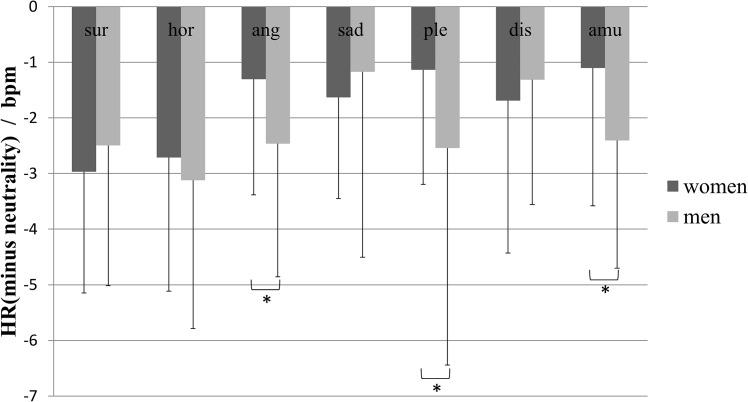
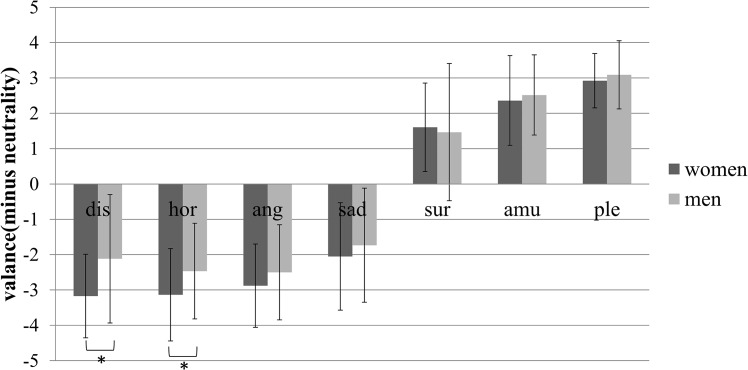
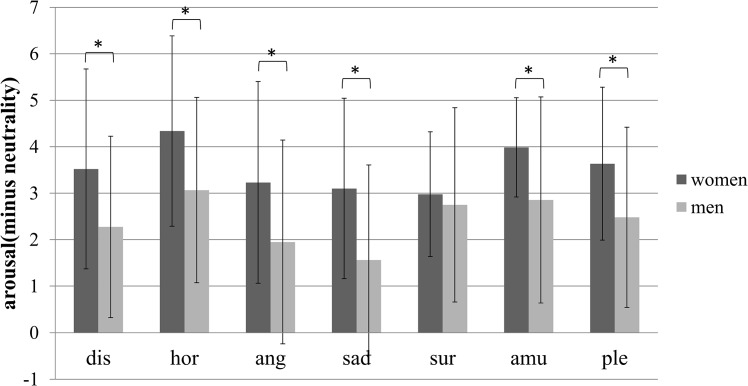
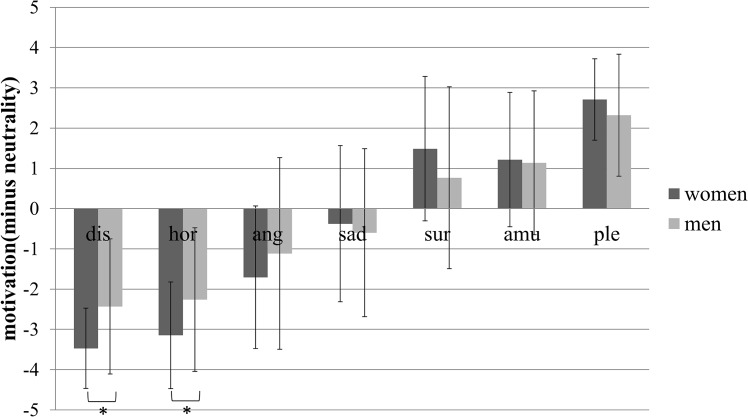
The present study investigated gender differences in both emotional experience and expressivity. Heart rate (HR) was recorded as an indicator of emotional experience while the participants watched 16 video clips that induced eight types of emotion (sadness, anger, horror, disgust, neutrality, amusement, surprise, and pleasure). We also asked the participants to report valence, arousal, and motivation as indicators of emotional expressivity. Overall, the results revealed gender differences in emotional experience and emotional expressivity. When watching videos that induced anger, amusement, and pleasure, men showed larger decreases in HR, whereas women reported higher levels of arousal. There was no gender difference in HR when the participants watched videos that induced horror and disgust, but women reported lower valence, higher arousal, and stronger avoidance motivation than did men. Finally, no gender difference was observed in sadness or surprise, although there was one exception-women reported higher arousal when watching videos that induced sadness. The findings suggest that, when watching videos that induce an emotional response, men often have more intense emotional experiences, whereas women have higher emotional expressivity, particularly for negative emotions. In addition, gender differences depend on the specific emotion type but not the valence.
Overview
The claims and statistics of this paper haven’t been checked yet.
Run the check — free, no account needed. It reads the open-access text and checks the sources it cites.
Integrity signals
Registry
Cites
Statistics
Figures
Verification
Claims the paper makes
The claims and statistics of this paper haven’t been checked yet.
Run the check — free, no account needed. It reads the open-access text and checks the sources it cites.
Claims other papers make about this one
Each is checked against this paper’s own text: does it say what the citing paper says it does?
The source backs part of the claim, not all of it — or backs it for a different population, condition or comparison.
In the citing paper
“Research has consistently shown that men and women exhibit different patterns of media consumption and varying emotional responses to distressing (media) content [196,197].”
From Impact of Media-Induced Uncertainty on Mental Health: Narrative-Based Perspective. (2025) · cites this paper as [196]
Experimental — accuracy not yet measured
Self-check
Percentages, sums and reported differences re-computed from the paper’s own numbers.
The self-check needs the paper’s full text.
Citations
Cites
Heart rate variability: origins, methods, and interpretive caveats
BERNTSON, G. G., THOMAS BIGGER, J., ECKBERG, D. L., GROSSMAN, P., KAUFMANN, P. G., MALIK, M., NAGARAJA, H. N., PORGES, S. W., SAUL, J. P., STONE, P. H., et al. (1997) · Psychophysiology · doi:10.1111/j.1469-8986.1997.tb02140.x · Cited by 3,962
Biobehavioral responses to stress in females: Tend-and-befriend, not fight-or-flight.
Taylor, S. E., Klein, L. C., Lewis, B. P., Gruenewald, T. L., Gurung, R. A. R., & Updegraff, J. A. (2000) · Psychological Review · doi:10.1037/0033-295x.107.3.411 · Cited by 3,308
Emotion elicitation using films
Gross, J. J., & Levenson, R. W. (1995) · Cognition & Emotion · doi:10.1080/02699939508408966 · Cited by 2,179
Mauss, I. B., & Robinson, M. D. (2009) · Cognition and Emotion · doi:10.1080/02699930802204677 · Cited by 2,078
The Handbook of emotion elicitation and assessment
(2008) · Choice Reviews Online · doi:10.5860/choice.46-1769 · Cited by 1,128
Emotion and motivation II: Sex differences in picture processing.
Bradley, M. M., Codispoti, M., Sabatinelli, D., & Lang, P. J. (2001) · Emotion · doi:10.1037/1528-3542.1.3.300 · Cited by 943
Emotion Elicitation Using Films
Rottenberg, J. A., Ray, R. D., & Gross, J. J. (2007) · Oxford University Press eBooks · doi:10.1093/oso/9780195169157.003.0002 · Cited by 862
A review on sex differences in processing emotional signals
Kret, M. E., & De Gelder, B. (2012) · Neuropsychologia · doi:10.1016/j.neuropsychologia.2011.12.022 · Cited by 584
Areas of brain activation in males and females during viewing of erotic film excerpts
Karama, S., Lecours, A. R., Leroux, J., Bourgouin, P., Beaudoin, G., Joubert, S., & Beauregard, M. (2002) · Human Brain Mapping · doi:10.1002/hbm.10014 · Cited by 522
Gender and Culture Differences in Emotion.
Fischer, A. H., Rodriguez Mosquera, P. M., van Vianen, A. E. M., & Manstead, A. S. R. (2004) · Emotion · doi:10.1037/1528-3542.4.1.87 · Cited by 521
Research works printed but not linked: 3
- MG Gard, 2007, Sex differences in the time course of emotion, Emotion, 7, 429, 10.1037/1528-3542.7.2.429 · DOI · Paper page
- Z Zhang, 2001, Behavioral medicine scale manual, Chinese J Behav Med Sci, 10, 19
- J Yi, 2003, The Chinese version of the TAS-20: reliability and validity, Chinese Mental Health J, 17, 763
Cited by
Sorted by citations
Shi, P., Yang, A., Zhao, Q., Chen, Z., Ren, X., & Dai, Q. (2021) · Frontiers in Psychiatry · doi:10.3389/fpsyt.2021.589687 · Cited by 292
“Indeed, males reported less depression, even they experienced more intense emotions (92), indicating that they need greater symptom severity to ask for help.”
BackgroundRomero, D. E., Muzy, J., Damacena, G. N., de Souza, N. A., de Almeida, W. D. S., Szwarcwald, C. L., Malta, D. C., Barros, M. B. D. A., Júnior, P. R. B. D. S., Azevedo, L. O., et al. (2021) · Cadernos de Saúde Pública · doi:10.1590/0102-311x00216620 · Cited by 160
The neuroscience of sadness: A multidisciplinary synthesis and collaborative review
Arias-López, J. A., Williams, C., Raghvani, R., Aghajani, M., Báez, S., Belzung, C., Booij, L., Busatto, G. F., Chiarella, J., Fu, C. H. Y., et al. (2020) · Neuroscience & Biobehavioral Reviews · doi:10.1016/j.neubiorev.2020.01.006 · Cited by 138
“However, a more recent investigation (Deng et al., 2016) exploring gender differences in both emotional experience (measured by HR) and expressivity (valence, arousal, motivation), found that gender differences appear to depend on emotional valence.”
Comstock, E. M., Pierre, R. G. S., & Mackiernan, Y. D. (1981) · PubMed · Cited by 116
Facial mimicry, empathy, and emotion recognition: a meta-analysis of correlations
Holland, A. C., O’Connell, G., & Dziobek, I. (2021) · Cognition and Emotion · doi:10.1080/02699931.2020.1815655 · Cited by 114
“On a related topic, *Deng et al. (2016) urged claims about claims in gender differences in emotion processing to separate emotional expressivity (e.g. facial mimicry), where gender differences are consistently observed, from emotional experience, where the evidence for gender differences is less…”
BackgroundAvenanti, A., Paracampo, R., Annella, L., Tidoni, E., & Aglioti, S. M. (2017) · Cerebral Cortex · doi:10.1093/cercor/bhx041 · Cited by 108
Wellbeing and flow in sports and music students during the COVID-19 pandemic
Habe, K., Biasutti, M., & Kajtna, T. (2021) · Thinking Skills and Creativity · doi:10.1016/j.tsc.2021.100798 · Cited by 107
The effects of appearance and motion of virtual characters on emotional reactivity
Mousas, C., Anastasiou, D., & Spantidi, O. (2018) · Computers in Human Behavior · doi:10.1016/j.chb.2018.04.036 · Cited by 100
“These gender differences in emotion may be culturally mediated (Codispoti, Surcinelli, & Baldaro, 2008; Deng et al., 2016; Fischer et al., 2004).”
BackgroundResultInfluentialHow effective are films in inducing positive and negative emotional states? A meta-analysis
Fernández‐Aguilar, L., Bravo, B. N., Ricarte, J. J., Ros, L., & Latorre, J. M. (2019) · PLoS ONE · doi:10.1371/journal.pone.0225040 · Cited by 90
“Many studies have suggested that women report stronger negative emotions and rate neutral stimuli more positively than men [53, 54], while other studies suggest that men report stronger anger than women [55].”
ResultStrangers, Friends, and Lovers Show Different Physiological Synchrony in Different Emotional States
Bizzego, A., Azhari, A., Campostrini, N., Truzzi, A., Ng, L. Y., Gabrieli, G., Bornstein, M. H., Setoh, P., & Esposito, G. (2019) · Behavioral Sciences · doi:10.3390/bs10010011 · Cited by 85
“The differences due to gender are expected and can be explained by physiological differences in emotional responses found between men and women in general [37].”
BackgroundGender Differences in Depression, Coping, Stigma, and Quality of Life in Patients of Vitiligo
Sawant, N., Vanjari, N. A., & Khopkar, U. S. (2019) · Dermatology Research and Practice · doi:10.1155/2019/6879412 · Cited by 79
“Overall women’s greater reactivity compared to men has been attributed to gender differences in biological and emotional responses, self-concepts, and coping styles which could be one of the reasons why the females in our sample experiencedmore depression, poor coping, and quality of life, with a chronic illness like…”
The role of hedonics in the Human Affectome
Becker, S., Bräscher, A., Bannister, S., Bensafi, M., Calma‐Birling, D., Chan, R. C. K., Eerola, T., Ellingsen, D., Ferdenzi, C., Hanson, J. L., et al. (2019) · Neuroscience & Biobehavioral Reviews · doi:10.1016/j.neubiorev.2019.05.003 · Cited by 93
Emotion Recognition Using Wearables: A Systematic Literature Review - Work-in-progress
Saganowski, S., Dutkowiak, A., Dziadek, A., Dzieżyc, M., Komoszyńska, J., Michalska, W., Polak, A. G., Ujma, M., & Kazienko, P. (2020) · IEEE International Conference on Pervasive Computing and Communications Workshops (PerCom Workshops) · doi:10.1109/percomworkshops48775.2020.9156096 · Cited by 73
Sex differences in borderline personality disorder: A scoping review
Qian, X., Townsend, M. L., Tan, W. J., & Grenyer, B. F. S. (2022) · PLoS ONE · doi:10.1371/journal.pone.0279015 · Cited by 74
The Cambridge Handbook of Substance and Behavioral Addictions
Sussman, S. Y. (2020) · Cambridge University Press eBooks · doi:10.1017/9781108632591 · Cited by 64
How Teachers Deal with Cases of Bullying at School: What Victims Say
Rigby, K. (2020) · International Journal of Environmental Research and Public Health · doi:10.3390/ijerph17072338 · Cited by 61
“It has been reported that females are more likely that males to express negative emotions when emotionally aroused, but not to experience stronger emotions as indicated by measures of physiological reaction [30].”
BackgroundDetecting Apathy in Older Adults with Cognitive Disorders Using Automatic Speech Analysis
König, A., Linz, N., Zeghari, R., Klinge, X., Tröger, J., Alexandersson, J., & Robert, P. H. (2019) · Journal of Alzheimer s Disease · doi:10.3233/jad-181033 · Cited by 61
“Gender differences in emotional processing and expressivity [42] as well as in emotional memory retrieval [43] could be another reason and should be further investigated, since current literature mostly focuses”
Deckert, M., Schmoeger, M., Auff, E., & Willinger, U. (2019) · Psychological Research · doi:10.1007/s00426-019-01197-z · Cited by 61
Gerhart, J. I., Burns, J. W., Bruehl, S. P., Smith, D. A., Post, K. M., Porter, L. S., Schuster, E., Buvanendran, A., Fras, A. M., & Keefe, F. J. (2017) · Pain · doi:10.1097/j.pain.0000000000001102 · Cited by 52
Li, G., Zhang, S., Le, T. M., Tang, X., & Li, C. R. (2020) · NeuroImage · doi:10.1016/j.neuroimage.2020.117171 · Cited by 50
Konieczny, D., Stone, A. K., Korber, D. R., Nickerson, M. T., & Tanaka, T. (2019) · Cereal Chemistry · doi:10.1002/cche.10248 · Cited by 50
Reed, D. D., Naudé, G. P., Gelino, B. W., & Amlung, M. T. (2020) · Cambridge University Press eBooks · doi:10.1017/9781108632591.011 · Cited by 48
Nurses’ emotions, emotional labor, and job satisfaction
Lee, M., & Jang, K.-S. (2019) · International Journal of Workplace Health Management · doi:10.1108/ijwhm-01-2019-0012 · Cited by 59
El-Dakhs, D., & Altarriba, J. (2019) · Journal of Psycholinguistic Research · doi:10.1007/s10936-019-09647-w · Cited by 45
The Prevention and Treatment of Gambling Disorders: Some Art, Some Science
Derevensky, J. L. (2020) · Cambridge University Press eBooks · doi:10.1017/9781108632591.024 · Cited by 45
Zou, Z., Mubin, O., Alnajjar, F., & Ali, L. (2024) · Scientific Reports · doi:10.1038/s41598-024-53255-1 · Cited by 49
“Additionally, a study conducted in 2016 by Deng et al. 16 explored gender differences in emotional expression and revealed that women often report more intense feelings.”
BackgroundConsidering the Overlap and Nonoverlap of Compulsivity, Impulsivity, and Addiction
Blum, A. W., & Grant, J. E. (2020) · Cambridge University Press eBooks · doi:10.1017/9781108632591.038 · Cited by 44
Neurobiological Foundations of Behavioral Addictions
Vaccaro, A. G., & Potenza, M. N. (2020) · Cambridge University Press eBooks · doi:10.1017/9781108632591.016 · Cited by 45
Neurobiology of Substance Addictions
Christie, N. C., & Bechara, A. (2020) · Cambridge University Press eBooks · doi:10.1017/9781108632591.015 · Cited by 44
Sensitization of Incentive Salience and the Transition to Addiction
Warlow, S. M., Baumgartner, H. M., Freeland, C. M., Naffziger, E. E., Olney, J. J., Berridge, K. C., & Robinson, M. J. F. (2020) · Cambridge University Press eBooks · doi:10.1017/9781108632591.006 · Cited by 46
Mindfulness-Based Interventions Applied to Addiction Treatments
Kechter, A., & Black, D. S. (2020) · Cambridge University Press eBooks · doi:10.1017/9781108632591.040 · Cited by 43
Multiple Memory Systems, Addiction, and Health Habits: New Routes for Translational Science
Stacy, A. W., Pike, J. R., & Lee, A. Y. (2020) · Cambridge University Press eBooks · doi:10.1017/9781108632591.017 · Cited by 43
Tanning as an Addiction: The State of the Research and Implications for Intervention
Miller, K. A., & Mays, D. M. (2020) · Cambridge University Press eBooks · doi:10.1017/9781108632591.037 · Cited by 43
Schulte, E. M., Schiestl, E. T., & Gearhardt, A. N. (2020) · Cambridge University Press eBooks · doi:10.1017/9781108632591.035 · Cited by 43
Behavioral Economics and Addictive Disorders
Jarmolowicz, D. P., & Schneider, T. D. (2020) · Cambridge University Press eBooks · doi:10.1017/9781108632591.005 · Cited by 42
Prevention and Treatment of Compulsive Buying Disorder
Galimov, A., & Black, D. W. (2020) · Cambridge University Press eBooks · doi:10.1017/9781108632591.027 · Cited by 42
Blum, K., Roy, A. K., Podesta, A., Modestino, E. J., Steinberg, B., Gondré-Lewis, M. C., Baron, D. A., Thanos, P. K., Lott, L., Badgaiyan, S., et al. (2020) · Cambridge University Press eBooks · doi:10.1017/9781108632591.031 · Cited by 42
Prevention and Treatment of “Food Addiction”
Davis, C., & Mason, A. E. (2020) · Cambridge University Press eBooks · doi:10.1017/9781108632591.023 · Cited by 42
Human Neurobiological Approaches to Hedonically Motivated Behaviors
Burger, K. S., Shearrer, G. E., & Sadler, J. R. (2020) · Cambridge University Press eBooks · doi:10.1017/9781108632591.009 · Cited by 42
Feedback Models for Gambling Control: The Use and Efficacy of Online Responsible Gambling Tools
Griffiths, M. D. (2020) · Cambridge University Press eBooks · doi:10.1017/9781108632591.034 · Cited by 42
Sommovigo, V., Setti, I., O’Shea, D. E., & Argentero, P. (2020) · European Journal of Work and Organizational Psychology · doi:10.1080/1359432x.2020.1745189 · Cited by 48
Yue, Y., & Lu, J. (2022) · Frontiers in Psychology · doi:10.3389/fpsyg.2022.841122 · Cited by 41
“Surprisingly, negative emotions caused by studying abroad also had a more significantly negative impact on men than women, which contradicted the general perception that women have stronger avoidance motivation in the face of negative emotions (Deng et al., 2016).”
Psychosis in Women: Time for Personalized Treatment
Mazza, M., Caroppo, E., Berardis, D. D., Marano, G., Avallone, C., Kotzalidis, G. D., Janiri, D., Moccia, L., Simonetti, A., Conte, E., et al. (2021) · Journal of Personalized Medicine · doi:10.3390/jpm11121279 · Cited by 40
“This in turn results in the development of differential emotional skills between the two genders [8].”
BackgroundTales of emotion and stock in China: volatility, causality and prediction
Zhou, Z., Xu, K., & Zhao, J. (2017) · World Wide Web · doi:10.1007/s11280-017-0495-4 · Cited by 39
“Conventional wisdom leads us to believe that women are more emotional than men [10, 32] and RJF of female and male consistently indicate the same insight that women are more emotionally expressive in the realm of Weibo referring to the stock, possessing a higher global RJF volatility of 0.”
BackgroundMedendorp, N. M., Visser, L. N. C., Hillen, M. A., de Haes, J. C. J. M., & Smets, E. M. A. (2017) · Patient Education and Counseling · doi:10.1016/j.pec.2017.02.012 · Cited by 38
Gong, X.-M., Wong, N., & Wang, D.-H. (2018) · Journal of Cross-Cultural Psychology · doi:10.1177/0022022118768434 · Cited by 36
D’Aniello, B., Fierro, B., Scandurra, A., Pinelli, C., Aria, M., & Semin, G. R. (2021) · Animal Cognition · doi:10.1007/s10071-021-01473-9 · Cited by 38
Su, J., Zhu, J., Song, T., & Chang, H. (2023) · Brain Sciences · doi:10.3390/brainsci13070977 · Cited by 37
“Previous studies have provided evidence supporting this claim, indicating that women tend to display more authentic emotional expressions, while men exhibit greater control over their enthusiasm [36].”
ResultWestgarth, M. M. P., Hogan, C., Neumann, D. L., & Shum, D. (2021) · Social Cognitive and Affective Neuroscience · doi:10.1093/scan/nsab017 · Cited by 40
Zhang, M., Ihme, K. A., & Drewitz, U. (2019) · Transportation Research Part F Traffic Psychology and Behaviour · doi:10.1016/j.trf.2019.04.003 · Cited by 37
Trinh, L. N., Brown, S. M., & Mulcahey, M. K. (2019) · The American Journal of Sports Medicine · doi:10.1177/0363546519882626 · Cited by 37
“Those interventions should be tailored to female athletes who display greater emotional expressivity.(2,13,15) Additionally, patients with higher emotional symptoms at initial consultation should be monitored closely for postconcussion psychiatric disorders.”
BackgroundMeasuring neuropsychiatric symptoms in patients with early cognitive decline using speech analysis
König, A., Mallick, E., Tröger, J., Linz, N., Zeghari, R., Manera, V., & Robert, P. H. (2021) · European Psychiatry · doi:10.1192/j.eurpsy.2021.2236 · Cited by 34
“In another study, in which emotional responses were induced by watching videos, females showed higher emotional expressivity for negative stimuli, whereas males showed overall more intense emotional experiences, meaning that the differences in gender seem to depend on the specific emotion type [43].”
BackgroundThe Recognition of Facial Expressions Under Surgical Masks: The Primacy of Anger
Proverbio, A. M., & Cerri, A. (2022) · Frontiers in Neuroscience · doi:10.3389/fnins.2022.864490 · Cited by 34
Stroke Survivors on Twitter: Sentiment and Topic Analysis From a Gender Perspective
García‐Rudolph, A., Laxe, S., Saurí, J., & Bernabeu, M. (2019) · Journal of Medical Internet Research · doi:10.2196/14077 · Cited by 35
“A common stereotype in both Western and Eastern cultures suggests that women are more emotional than men, particularly when responding to negative emotions [38].”
BackgroundGivon, E., Berkovich, R., Oz-Cohen, E., Rubinstein, K., Singer-Landau, E., Udelsman-Danieli, G., & Meiran, N. (2023) · Current Psychology · doi:10.1007/s12144-022-04227-z · Cited by 48
“Research further found that the sexes differ in the pattern of autonomic arousal (e.g., Kring & Gordon, 1998) and other studies suggested that such sex differences are restricted to specific types of emotion (e.g., Deng et al., 2016).”
Dynamic Functional Connectivity of Emotion Processing in Beta Band with Naturalistic Emotion Stimuli
Mishra, S., Srinivasan, N., & Tiwary, U. S. (2022) · Brain Sciences · doi:10.3390/brainsci12081106 · Cited by 28
“Given gender differences in emotional processing [92], there is a need to perform a similar study with male and female participants.”
BackgroundAldawsari, N. F., Adams, K. S., Grimes, L. E., & Kohn, S. J. (2018) · Journal of International Students · doi:10.32674/jis.v8i2.120 · Cited by 28
“It is also inconsistent with past research identifying relationships between gender and emotional instability (Hussain & Munaf, 2012), cultural adjustment (Lee, Park, & Kim, 2009), and emotional responses and experiences (Deng et al., 2016).”
BackgroundResultLin, Y., Ding, H.-W., & Zhang, Y. (2021) · Journal of Speech, Language and Hearing Research · doi:10.1044/2021_jslhr-20-00553 · Cited by 21
“…have been repeatedly recognized as a core symptom in several psychiatric illnesses that appear to be gender related, such as higher incidences of schizophrenia and autism among males, and mood disorders among females (Cahill, 2006; Deng et al., 2016; Feldman et al., 2018; Lin et al., 2018, 2020a).”
The Impact of Social Media Political Activists on Voting Patterns
Frimpong, A. N. K., Li, P., Nyame, G., & Hossin, M. A. (2020) · Political Behavior · doi:10.1007/s11109-020-09632-3 · Cited by 37
Min, J., Koenig, J., Nashiro, K., Yoo, H. J., Cho, C., Thayer, J. F., & Mather, M. (2023) · Brain Topography · doi:10.1007/s10548-023-00974-9 · Cited by 30
“This is in line with prior findings suggesting that females are more sensitive to negative stimuli than males (Deng et al. 2016; Gohier et al. 2013).”
ResultEmotional Reactions to Cybersecurity Breach Situations: Scenario-Based Survey Study
Budimir, S., Fontaine, J. R. J., Huijts, N. M. A., Haans, A., Loukas, G., & Roesch, E. B. (2021) · Journal of Medical Internet Research · doi:10.2196/24879 · Cited by 24
Impact of Media-Induced Uncertainty on Mental Health: Narrative-Based Perspective.
Kesner, L., Juríčková, V., Grygarová, D., & Horáček, J. (2025) · JMIR Mental Health · doi:10.2196/68640 · Cited by 23
“Research has consistently shown that men and women exhibit different patterns of media consumption and varying emotional responses to distressing (media) content [196,197].”
Milne, M. J., & Neely, K. C. (2022) · Psychology of sport and exercise · doi:10.1016/j.psychsport.2022.102289 · Cited by 23
Personality traits of the alternative DSM-5 model and the attachment dimensions in Portuguese adults
Rosa-Mendes, M., Pires, R., & Ferreira, A. S. (2019) · Personality and Individual Differences · doi:10.1016/j.paid.2019.02.007 · Cited by 23
Mudge, M. C., Nunn, B., Firth, E., Ewert, M., Hales, K., Fondrie, W. E., Noble, W. S., Toner, J., Light, B., & Junge, K. (2021) · Environmental Microbiology · doi:10.1111/1462-2920.15485 · Cited by 22
“…protein that directs a profound number of biological processes in bacteria including carbon metabolism (Vogel and Luisi, 2011), fatty acid biosynthesis (Bianco et al., 2019; Huber et al., 2020), chemotaxis and motility (Soutourina and Bertin, 2003) and membrane proteins (Deng et al., 2016).”
BackgroundKim, H., & Hong, T. (2023) · Building and Environment · doi:10.1016/j.buildenv.2023.110742 · Cited by 22
Hornung, J., Kogler, L., Wolpert, S., Freiherr, J., & Derntl, B. (2017) · PLoS ONE · doi:10.1371/journal.pone.0175055 · Cited by 23
Visser, L. N. C., Bol, N., Hillen, M. A., Verdam, M. G. E., de Haes, J. C. J. M., van Weert, J. C. M., & Smets, E. M. A. (2018) · BMC Medical Research Methodology · doi:10.1186/s12874-018-0472-3 · Cited by 22
“In previous research, associations have been shown between analogue patients’ gender, age, BMI and outcomes [5, 20, 21].”
The straw that breaks the camel's back: service provider vulnerability to customer incivility
Loh, J. M. I., Khan, M. I., & Johns, R. (2022) · Journal of Service Theory and Practice · doi:10.1108/jstp-11-2021-0238 · Cited by 21
Sex-related differences in violence exposure, neural reactivity to threat, and mental health
Dark, H. E., Harnett, N. G., Hurst, D. R., Wheelock, M. D., Wood, K. H., Goodman, A. M., Mrug, S., Elliott, M. N., Emery, S. T., Schuster, M. A., et al. (2022) · Neuropsychopharmacology · doi:10.1038/s41386-022-01430-1 · Cited by 21
Affective perception of Euro banknotes: cognitive factors and interindividual differences
Manippa, V., Giuliani, F., Brancucci, A., Tommasi, L., Palumbo, R., & Pietroni, D. (2019) · Psychological Research · doi:10.1007/s00426-019-01240-z · Cited by 20
García, A. C., Álvarez-Gallardo, E., Belinchón-deMiguel, P., & Clemente‐Suárez, V. J. (2024) · Frontiers in Psychology · doi:10.3389/fpsyg.2024.1422709 · Cited by 27
“A total of 77.40% (183) taught at educational centers in the Community of Madrid (Compulsory and Non-University Higher Education), and 22.60% (Deng et al., 2016) at Spanish Universities (University Education).”
InfluentialRababah, L. M., & Banikalef, A. A. A. (2018) · Studies in Linguistics and Literature · doi:10.22158/sll.v2n3p180 · Cited by 20
Langer, S. L., Porter, L. S., Romano, J. M., Todd, M. W., & Lee, S. J. (2018) · Transplantation and Cellular Therapy · doi:10.1016/j.bbmt.2018.05.013 · Cited by 20
Berry, C., Newcombe, H., Strauss, C., Rammou, A., Schlier, B., Lincoln, T. M., & Hayward, M. (2021) · Schizophrenia Research · doi:10.1016/j.schres.2020.12.032 · Cited by 20
Elhamdadi, H., Canavan, S. J., & Rosen, P. (2021) · IEEE Transactions on Visualization and Computer Graphics · doi:10.1109/tvcg.2021.3114784 · Cited by 19
How do Girls and Boys Feel Emotions? Gender Differences in Physical Education in Primary School
Alcaraz-Muñoz, V., Roque, J. I. A., & Lucas, J. L. Y. (2023) · Physical Culture and Sport Studies and Research · doi:10.2478/pcssr-2023-0016 · Cited by 19
The relationship between anxiety and cognitive emotion regulation strategies: A meta‐analysis
Yao, Y.-J., Chen, J., & Xuan, Y. (2023) · Applied Cognitive Psychology · doi:10.1002/acp.4129 · Cited by 23
Peng, D., Zheng, W., Liu, L., Jiang, W.-B., Li, Z., Lu, Y., & Lu, B. (2023) · Journal of Neural Engineering · doi:10.1088/1741-2552/ad085a · Cited by 19
“While females reported relatively stronger emotional expression, males had larger heart rate deceleration with angry and positive video stimuli [13].”
Feature based analysis of thermal images for emotion recognition
Rooj, S., Routray, A., & Mandal, M. K. (2023) · Engineering Applications of Artificial Intelligence · doi:10.1016/j.engappai.2022.105809 · Cited by 19
Sáez‐Suanes, G. P., García-Villamisar, D. A., & Armentia, A. D. P. (2022) · Autism Research · doi:10.1002/aur.2839 · Cited by 19
“The literature finds in women a greater emotional reactivity to adverse stimulus related to their greater vulnerability to the development of psychopathologies (Deng et al., 2016; Gomez et al., 2013).”
BackgroundBreva, A., & Galindo, M. P. G. (2020) · PsyCh Journal · doi:10.1002/pchj.361 · Cited by 26
Faraci, P., Bottaro, R., Valenti, G. D., & Craparo, G. (2022) · Psychology Research and Behavior Management · doi:10.2147/prbm.s354083 · Cited by 18
Chen-Xia, X. J., Betancor, V., Chas, A., & Pérez, A. R. (2022) · Frontiers in Psychology · doi:10.3389/fpsyg.2022.966045 · Cited by 19
“We also expect women to experience more moral outrage (Kennedy and Kray, 2014; Deng et al., 2016) than men, enacting more social control (Moisuc et al.”
BackgroundGender moderates the effects of ambient bergamot scent on stress restoration in offices
Liu, R., Awada, M., Becerik-Gerber, B., Lucas, G., & Roll, S. C. (2023) · Journal of Environmental Psychology · doi:10.1016/j.jenvp.2023.102135 · Cited by 16
Communication of health in experimentally sick men and women: A pilot study
Lasselin, J., Lekander, M., Göranson, S. P., Olsson, M. J., & Axelsson, J. (2017) · Psychoneuroendocrinology · doi:10.1016/j.psyneuen.2017.10.024 · Cited by 16
Prieto‐Pinto, L., Díaz, M. F. L., Orjuela, N. G., Herrera, D. D., Páez-Canro, C., Reyes, J. H., González-Gordon, L. M., Jiménez-Murcia, V., & Eslava-Schmalbach, J. H. (2019) · PLoS ONE · doi:10.1371/journal.pone.0215561 · Cited by 17
The Role of Spectral Power Ratio in Characterizing Emotional EEG for Gender Identification
Al-Qazzaz, N. K., Sabir, M. K., Ali, S. H. M., Ahmad, S. A., & Grammer, K. (2021) · IEEE-EMBS Conference on Biomedical Engineering and Sciences · doi:10.1109/iecbes48179.2021.9398737 · Cited by 17
Modelling audiovisual integration of affect from videos and music
Gao, C., Wedell, D. H., Kim, J., Weber, C. E., & Shinkareva, S. V. (2017) · Cognition & Emotion · doi:10.1080/02699931.2017.1320979 · Cited by 18
Zeghari, R., König, A., Guerchouche, R., Sharma, G., Joshi, J., Fabre, R., Robert, P. H., & Manera, V. (2021) · JMIR Formative Research · doi:10.2196/24727 · Cited by 15
“Studies have shown that emotional expressivity and emotional memory retrieval are different depending on sex [45,46].”
BackgroundEmotional consequences of hate incidents: experiences of a South African cohort
Marais, A. J., Nel, J. A., & Govender, R. (2021) · South African Journal of Psychology · doi:10.1177/0081246320985343 · Cited by 15
“Expectations of varying emotional responses to trauma between men and women (Deng et al., 2016) are not supported in this investigation.”
BackgroundPrajapati, V., Guha, R., & Routray, A. (2021) · PLoS ONE · doi:10.1371/journal.pone.0254335 · Cited by 17
Sikka, N., Juneja, R., Kumar, V., & Bala, S. (2021) · International Journal of Clinical Pediatric Dentistry · doi:10.5005/jp-journals-10005-2005 · Cited by 15
Vafa, Z., Azizi, M., & Athar, M. E. (2021) · Frontiers in Psychology · doi:10.3389/fpsyg.2021.755952 · Cited by 15
Determinants of physical activity engagement in older adults
Stojanovic, M., Babulal, G. M., & Head, D. M. (2023) · Journal of Behavioral Medicine · doi:10.1007/s10865-023-00404-y · Cited by 20
“Women are more likely to have mood disorders (Seney & Sibille, 2014 ) and experi - ence negative emotions more frequently and strongly (e.g., Deng et al., 2016 ).”
BackgroundThe impact of trauma-awareness session on police officers’ trauma-informed attitudes in Scotland
Brodie, Z. P., Gillespie‐Smith, K., Goodall, K., Deacon, K., & Collins, K. L. (2023) · Psychology Crime and Law · doi:10.1080/1068316x.2023.2210736 · Cited by 16
“…wide body of literature indicates that female participants display stronger reactions to sadness-inducing film content than male participants, with higher levels of physiological arousal indicating more a substantial subconscious response to such content (Deng et al., 2016; Fernández et al., 2012).”
Lin, Y., Ding, H., & Zhang, Y. (2021) · Journal of Speech Language and Hearing Research · doi:10.1044/2021_jslhr-20-00338 · Cited by 15
“…language and cultural settings (e.g., a nontonal language in a low-context culture), and population groups (e.g., young vs. old, healthy vs. clinical; Ben-David et al., 2019; Deng et al., 2016; Dupuis & Pichora-Fuller, 2010; Koeda et al., 2013; Thompson & Voyer, 2014; Vasconcelos et al., 2017).”
Investigations in Emotion Aware Multimodal Gender Prediction Systems From Social Media Data
Suman, C., Chaudhari, R., Saha, S., Kumar, S., & Bhattacharyya, P. (2022) · IEEE Transactions on Computational Social Systems · doi:10.1109/tcss.2022.3158605 · Cited by 15
“Deng et al. [10] found that women and men have different emotional responses depending on the type of emotion.”
BackgroundAlsawalqa, R. O., Sa'deh, Y. A. R., & Alrawashdeh, M. N. (2021) · Frontiers in Psychology · doi:10.3389/fpsyg.2021.689235 · Cited by 17
University Students' Multidimensional State Boredom and Strategies to Cope with Classroom Boredom
Solhi, M. (2021) · Journal of language and Education · doi:10.17323/jle.2021.12256 · Cited by 14
“However, a wealth of studies (e.g., Deng et al., 2016; Fischer et al., 2018; Shields, 2013; Sundberg et al., 1991) highlight the undeniable role of gender in emotional psychology.”
Background
Metadata
- Authors
- Deng, Y., Chang, L., Yang, M., Huo, M., & Zhou, R.
- Affiliations
- Beijing Normal University (CN)
- University of Macau (MO)
- The University of Texas at Austin (US)
- Corresponding author
- Zhou, Renlai
- Venue
- PLOS ONE
- Publisher
- Public Library of Science (PLoS)
- Published
- 2016-06-30
- Volume
- 11
- Issue
- 6
- Pages
- e0158666
- ISSN
- 1932-6203 (ISSN-L)
- PMC
- PMC4928818
- OpenAlex
- W2466307579
- Cited by
- 382
- References
- 37
- Citations by year
- 2026: 21 · 2025: 44 · 2024: 35 · 2023: 59 · 2022: 43 · 2021: 53 · 2020: 74 · 2019: 24 · 2018: 16 · 2017: 10 · 2016: 1
- FWCI
- 26.73
- Type
- journal article
- Language
- en
- Open access
- gold
- doi.org
- Licence
- Locations
- PLoS ONE (publishedVersion, cc-by)
- Europe PMC (PubMed Central) (publishedVersion, cc-by)
- PubMed Central (publishedVersion, cc-by)
- PubMed (publishedVersion)
- RePEc: Research Papers in Economics (submittedVersion)
- DOAJ (DOAJ: Directory of Open Access Journals) (submittedVersion, cc-by-sa)
- eScholarship (California Digital Library) (submittedVersion, cc-by)
- Funders
- National Basic Research Program of China (2011CB505101)
- Shangshan funding
- Topics
- Social Sciences › Psychology › Social Psychology › Emotions and Moral Behavior
- Physical Sciences › Computer Science › Artificial Intelligence › Emotion and Mood Recognition
- Social Sciences › Psychology › Experimental and Cognitive Psychology › Evolutionary Psychology and Human Behavior
- Keywords
- gender differences, emotional experience, emotional expressivity, heart rate, emotion induction, valence, arousal, avoidance motivation, sadness, anger, disgust, horror, amusements, pleasure, surprise
- MeSH terms
- Arousal, Emotions, Facial Expression, Female, Heart Rate, Humans, Male, Photic Stimulation, Sex Characteristics, Young Adult
About these checks
Registry, retraction, Cites and statistics results are computed, not judged, with one exception: a printed reference that no index lists is read once by a model before it counts as a citation error. Claims are extracted by a model and kept only when their quote appears verbatim in the text; each cited source is then checked, with a model’s help, for whether it says what the claim relies on. Those verdicts can be wrong — read the claim’s quote and the cited source before relying on one.
Statistics and arithmetic are recomputed, not judged.
Confidence bands are shown only for fields calibrated on our annotated test set. None is calibrated yet, so no band is shown.
What counts as a claim ›How we measure confidence ›How we check this ›
Are you an author, or do you see a problem with this page? Request a review
