

Physicochemical and functional properties of Cucurbita maxima pumpkin pectin and commercial citrus and apple pectins: A comparative evaluation
Open accessThe DOI matches its Crossref record; 70 of the 72 references it cites were found in a registry or an index.
Abstract
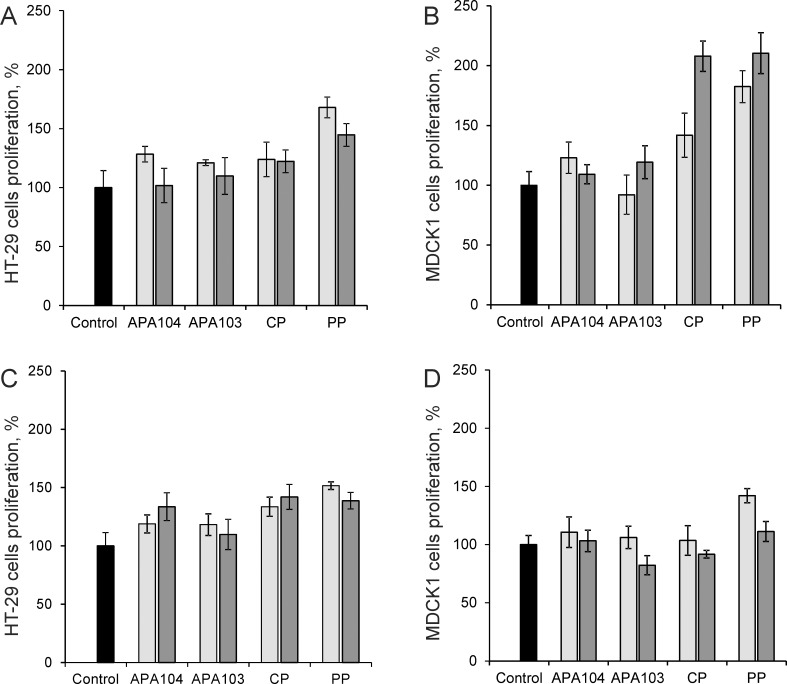
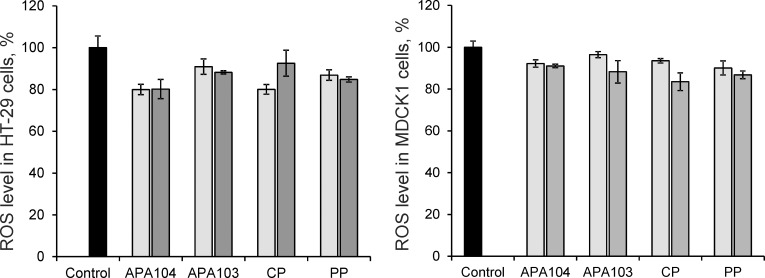
The physicochemical characteristics and functional properties of pumpkin (Cucurbita maxima D. var. Cabello de Ángel) pectin obtained by cavitation facilitated extraction from pumpkin pulp have been evaluated and compared with commercial citrus and apple pectins. C. maxima pectin had an Mw value of 90 kDa and a high degree (72%) of esterification. The cytoprotective and antioxidant effects of citrus, apple and pumpkin pectin samples with different concentrations were studied in vitro in cell lines HT-29 (human colon adenocarcinoma) and MDCK1 (canine kidney epithelium). All pectin samples exhibited cytoprotective effect in HT-29 and MDCK1 cells after incubation with toxic concentrations of cadmium and mercury for 4 h. Pumpkin pectin increased the proliferation of cadmium-treated MDCK1 cells by 210%. The studied pectins also inhibited oxidative stress induced by 2,2'-azobis(2-methylpropionamidine) dihydrochloride (AAPH) in cell cultures, as determined by measuring the production of intracellular reactive species using dihydrochlorofluorescein diacetate (DCFH-DA). Pectin from pumpkin pomace had the highest (p < 0.05) protective effect against reactive oxygen species generation in MDCK1 cells induced by AAPH. Distinctive features of pumpkin pectin were highly branched RG-I regions, the presence of RG-II regions and the highest galacturonic acid content among the studied samples of pectins. This correlates with a considerable protective effect of C. maxima pectin against oxidative stress and cytotoxicity induced by heavy metal ions. Thus, C. maxima pectin can be considered as a source of new functional foods of agricultural origin.
Overview
The claims and statistics of this paper haven’t been checked yet.
Free: it reads the open-access text and checks the first 5 claims that cite a source we can check. Create a free account to check every claim.
Integrity signals
Registry
Cites
Statistics
Figures
Verification
Claims the paper makes
The claims and statistics of this paper haven’t been checked yet.
Free: it reads the open-access text and checks the first 5 claims that cite a source we can check. Create a free account to check every claim.
Claims other papers make about this one
Each is checked against this paper’s own text: does it say what the citing paper says it does?
The source backs part of the claim, not all of it — or backs it for a different population, condition or comparison.
In the citing paper
“can be considered as an ingredient able to enhance the nutritional profile of the final food product [29].”
From Pumpkin and Pumpkin By-Products: A Comprehensive Overview of Phytochemicals, Extraction, Health Benefits, and Food Applications (2024) · cites this paper as [29]
Experimental — accuracy not yet measuredThe cited source says what the claim attributes to it.
In the citing paper
“pumpkin-derived pectin extracted from Cucurbita maxima with high molecular weight and a high degree of methoxylation offers advantages such as cytoprotective and antioxidant effects on cell models”
From Pumpkin and Pumpkin By-Products: A Comprehensive Overview of Phytochemicals, Extraction, Health Benefits, and Food Applications (2024) · cites this paper as [29]
Self-check
Percentages, sums and reported differences re-computed from the paper’s own numbers.
The self-check needs the paper’s full text.
Citations
Cites
Official Methods of Analysis of
(1980) · Analytical Chemistry · doi:10.1021/ac50052a726 · Cited by 59,330
Colorimetry of Total Phenolics with Phosphomolybdic-Phosphotungstic Acid Reagents
Singleton, V. L., & Rossi, J. A. (1965) · American Journal of Enology and Viticulture · doi:10.5344/ajev.1965.16.3.144 · Cited by 24,852
Official Methods of Analysis of AOAC International
Horwitz, W., & LATIMER, G. W. (2006) · Medical Entomology and Zoology · Cited by 11,183
Chlorophylls and Carotenoids: Measurement and Characterization by UV ‐ VIS Spectroscopy
Lichtenthaler, H. K., & Buschmann, C. (2001) · Current Protocols in Food Analytical Chemistry · doi:10.1002/0471142913.faf0403s01 · Cited by 2,586
Pectins: structure, biosynthesis, and oligogalacturonide-related signaling
Ridley, B. L., O'Neill, M. A., & Mohnen, D. (2001) · Phytochemistry · doi:10.1016/s0031-9422(01)00113-3 · Cited by 1,912
Kushi, L. H., Byers, T., Doyle, C., Bandera, E. V., McCullough, M., Gansler, T., Andrews, K. S., Thun, M. J., & The American Cancer Society 2006 Nutrition and Physical Activity Guidelines Advisory Committee (2006) · CA A Cancer Journal for Clinicians · doi:10.3322/canjclin.56.5.254 · Cited by 1,901
FT-IR study of plant cell wall model compounds: pectic polysaccharides and hemicelluloses
Kacuráková, M. (2000) · Carbohydrate Polymers · doi:10.1016/s0144-8617(00)00151-x · Cited by 1,751
Kushi, L. H., Doyle, C., McCullough, M., Rock, C. L., Demark‐Wahnefried, W., Bandera, E. V., Gapstur, S., Patel, A. V., Andrews, K., Gansler, T., et al. (2012) · CA: A Cancer Journal for Clinicians · doi:10.3322/caac.20140 · Cited by 1,325
Cellular mechanisms of cadmium-induced toxicity: a review
Rani, A., Kumar, A., Lal, A., & Pant, M. (2014) · International Journal of Environmental Health Research · doi:10.1080/09603123.2013.835032 · Cited by 719
Reviews on Mechanisms of In Vitro Antioxidant Activity of Polysaccharides
Wang, J., Hu, S., Nie, S., Yu, Q., & Xie, M. (2016) · Oxidative Medicine and Cellular Longevity · doi:10.1155/2016/5692852 · Cited by 687
GNOM – a program package for small-angle scattering data processing
Semenyuk, A. V., & Svergun, D. I. (1991) · Journal of Applied Crystallography · doi:10.1107/s002188989100081x · Cited by 631
Vincken, J.-P., Schols, H. A., Oomen, R. J. F. J., McCann, M. C., Ulvskov, P., Voragen, A. G. J., & Visser, R. G. F. (2003) · Plant Physiology · doi:10.1104/pp.103.022350 · Cited by 616
Viscosity as Related to Dietary Fiber: A Review
Dikeman, C. L., & Fahey, G. C. (2006) · Critical Reviews in Food Science and Nutrition · doi:10.1080/10408390500511862 · Cited by 615
Dietary Fiber as a Carrier of Dietary Antioxidants: An Essential Physiological Function
Saura-Calixto, F. (2011) · Journal of Agricultural and Food Chemistry · doi:10.1021/jf1036596 · Cited by 593
Pectin as a rheology modifier: Origin, structure, commercial production and rheology
Chan, S. Y., Choo, W. S., Young, D. J., & Loh, X. J. (2017) · Carbohydrate Polymers · doi:10.1016/j.carbpol.2016.12.033 · Cited by 557
Kaczmarczyk, M. M., Miller, M. J., & Freund, G. G. (2012) · Metabolism · doi:10.1016/j.metabol.2012.01.017 · Cited by 554
Advances in the pectin production process using novel extraction techniques: A review
Adetunji, L. R., Adekunle, A., Orsat, V., & Raghavan, V. (2017) · Food Hydrocolloids · doi:10.1016/j.foodhyd.2016.08.015 · Cited by 438
Pectin – An emerging new bioactive food polysaccharide
Maxwell, E. G., Belshaw, N. J., Waldron, K. W., & Morris, V. J. (2012) · Trends in Food Science & Technology · doi:10.1016/j.tifs.2011.11.002 · Cited by 432
Astashkina, A., Mann, B., & Grainger, D. W. (2012) · Pharmacology & Therapeutics · doi:10.1016/j.pharmthera.2012.01.001 · Cited by 424
The physiological roles of dietary fibre
Brownlee, I. A. (2011) · Food Hydrocolloids · doi:10.1016/j.foodhyd.2009.11.013 · Cited by 417
Ultrasound effects on the degradation kinetics, structure and rheological properties of apple pectin
Zhang, L., Ye, X., Ding, T., Sun, X., Xu, Y., & Liu, D. (2013) · Ultrasonics Sonochemistry · doi:10.1016/j.ultsonch.2012.07.021 · Cited by 363
Small-Angle X-ray Scattering and Rheological Characterization of Alginate Gels. 1. Ca−Alginate Gels
Stokke, B. T., Draget, K. I., Smidsrød, O., Yuguchi, Y., Urakawa, H., & Kajiwara, K. (2000) · Macromolecules · doi:10.1021/ma991559q · Cited by 349
M., N., T., S., H., W., K., S., M., K., & H., E. (2002) · Applied Microbiology and Biotechnology · doi:10.1007/s00253-002-1109-2 · Cited by 277
Yang, B., Zhao, M., Shi, J., Yang, N., & Jiang, Y. (2008) · Food Chemistry · doi:10.1016/j.foodchem.2007.06.031 · Cited by 273
Pectin: A new perspective from the biorefinery standpoint
Ciriminna, R., Chavarría‐Hernández, N., Inés Rodríguez Hernández, A., & Pagliaro, M. (2015) · Biofuels, Bioproducts and Biorefining · doi:10.1002/bbb.1551 · Cited by 203
Gradiser, M., Matovinovic Osvatic, M., Dilber, D., & Bilic-Curcic, I. (2016) · International Journal of Environmental Research and Public Health · doi:10.3390/ijerph13030330 · Cited by 194
Kar, F., & Arslan, N. (1999) · Carbohydrate Polymers · doi:10.1016/s0144-8617(99)00062-4 · Cited by 190
Next target for food hydrocolloid studies: Texture design of foods using hydrocolloid technology
Funami, T. (2011) · Food Hydrocolloids · doi:10.1016/j.foodhyd.2011.03.010 · Cited by 173
Pectin as a bioactive polysaccharide – Extracting tailored function from less
Wicker, L., Kim, Y., Kim, M., Thirkield, B. L., Lin, Z., & Jung, J. (2014) · Food Hydrocolloids · doi:10.1016/j.foodhyd.2014.01.002 · Cited by 172
Bhattacharjee, S. M., Giacometti, A., & Maritan, A. (2013) · Journal of Physics Condensed Matter · doi:10.1088/0953-8984/25/50/503101 · Cited by 170
Yapo, B. M. (2011) · Polymer Reviews · doi:10.1080/15583724.2011.615962 · Cited by 167
Functional cell models of the gut and their applications in food microbiology — A review
Cencič, A., & Langerholc, T. (2010) · International Journal of Food Microbiology · doi:10.1016/j.ijfoodmicro.2010.03.026 · Cited by 166
Rao, R. S. P., & Muralikrishna, G. (2006) · Phytochemistry · doi:10.1016/j.phytochem.2005.09.036 · Cited by 164
Characterisation and selectivity of divalent metal ions binding by citrus and sugar-beet pectins
Dronnet, V (1996) · Carbohydrate Polymers · doi:10.1016/s0144-8617(96)00107-5 · Cited by 160
Wiggers, G. A., Peçanha, F. M., Briones, A. M., Pérez-Girón, J. V., Miguel, M., Vassallo, D. V., Cachofeiro, V., Alonso, M. J., & Salaices, M. (2008) · American Journal of Physiology-Heart and Circulatory Physiology · doi:10.1152/ajpheart.00430.2008 · Cited by 158
Evaluation of pectin binding of heavy metal ions in aqueous solutions
Картель, М. Т., Kupchik, L. A., & Veisov, B. K. (1999) · Chemosphere · doi:10.1016/s0045-6535(98)00466-4 · Cited by 157
Skipper, A. C., Sims, J. N., Yedjou, C., & Tchounwou, P. B. (2016) · International Journal of Environmental Research and Public Health · doi:10.3390/ijerph13010088 · Cited by 154
Pectin extraction from pumpkin with the aid of microbial enzymes
Ptichkina, N. M., Markina, O. A., & Rumyantseva, G. N. (2007) · Food Hydrocolloids · doi:10.1016/j.foodhyd.2007.04.002 · Cited by 152
Effects of Protein-Bound Polysaccharide Isolated from Pumpkin on Insulin in Diabetic Rats
Li, Q., Fu, C., Yukui, R., Guang-hui, H., & Cai, T. (2005) · Plant Foods for Human Nutrition · doi:10.1007/s11130-005-2536-x · Cited by 150
Košťáľová, Z., Hromàdková, Z., & Ebringerová, A. (2012) · Carbohydrate Polymers · doi:10.1016/j.carbpol.2012.05.017 · Cited by 117
Rheological Properties and Conformation of Tomato Paste Pectins, Citrus and Apple Pectins
CHOU, T. D., & KOKINI, J. L. (1987) · Journal of Food Science · doi:10.1111/j.1365-2621.1987.tb05900.x · Cited by 117
Anthocyanins inhibit peroxyl radical-induced apoptosis in Caco-2 cells
Elisia, I., & Kitts, D. D. (2008) · Molecular and Cellular Biochemistry · doi:10.1007/s11010-008-9729-1 · Cited by 115
Di, R., Vakkalanka, M. S., Onumpai, C., Chau, H. K., White, A. K., Rastall, R. A., Yam, K. L., & Hotchkiss, A. T. (2017) · Food Chemistry · doi:10.1016/j.foodchem.2017.01.100 · Cited by 112
Pietrzyk, L., Torres, A., Maciejewski, R., & Torres, K. (2015) · Asian Pacific Journal of Cancer Prevention · doi:10.7314/apjcp.2015.16.10.4161 · Cited by 102
Viscometric study of pectin. Effect of temperature on the hydrodynamic properties
Masuelli, M. (2010) · International Journal of Biological Macromolecules · doi:10.1016/j.ijbiomac.2010.11.014 · Cited by 85
Emulsifying and structural properties of pectin enzymatically extracted from pumpkin
Cui, S. W., & Chang, Y. H. (2014) · LWT - Food Science and Technology · doi:10.1016/j.lwt.2014.04.012 · Cited by 84
Popov, S. V., Григорьевна, О. Р., Golovchenko, V. V., Khramova, D. S., Александрович, М. П., Витальевич, С. В., Shashkov, A. S., & Ovodov, Y. S. (2013) · Food Chemistry · doi:10.1016/j.foodchem.2013.07.049 · Cited by 78
Yang, X., Zhao, Y., & Lv, Y. (2007) · Journal of Agricultural and Food Chemistry · doi:10.1021/jf070241r · Cited by 76
Food Oligosaccharides: Production, Analysis and Bioactivity
(2014) · Wiley eBooks · doi:10.1002/9781118817360 · Cited by 75
Microwave-assisted extraction of pectin from unutilized pumpkin biomass
Košťáľová, Z., Aguedo, M., & Hromàdková, Z. (2015) · Chemical Engineering and Processing - Process Intensification · doi:10.1016/j.cep.2015.12.009 · Cited by 62
The structure of soy soluble polysaccharide in aqueous solution
Chivero, P., Gohtani, S., Ikeda, S., & Nakamura, A. (2013) · Food Hydrocolloids · doi:10.1016/j.foodhyd.2013.06.006 · Cited by 59
Small‐angle X‐ray scattering and rheological characterization of alginate gels
Stokke, B. T., Drager, K. I., Yuguchi, Y., Urakawa, H., & Kajiwara, K. (1997) · Macromolecular Symposia · doi:10.1002/masy.19971200111 · Cited by 58
Extraction and partial characterization of Solanum lycocarpum pectin
Torralbo, D. F., Batista, K. D. A., Di-Medeiros, M. C. B., & Fernandes, K. F. (2011) · Food Hydrocolloids · doi:10.1016/j.foodhyd.2011.10.012 · Cited by 55
Structural Characteristics of Pumpkin Pectin Extracted by Microwave Heating
Yoo, S., Lee, B., Lee, H., Lee, S., Bae, I. Y., Lee, H. G., Fishman, M. L., Chau, H. K., Savary, B. J., & Hotchkiss Jr., A. T. (2012) · Journal of Food Science · doi:10.1111/j.1750-3841.2012.02960.x · Cited by 54
Small-angle X-ray scattering study on pectin–chitosan mixed solutions and thermoreversible gels
Ventura, I., & Bianco‐Peled, H. (2015) · Carbohydrate Polymers · doi:10.1016/j.carbpol.2015.01.025 · Cited by 53
Fissore, E. N., Ponce, N. M. A., Stortz, C. A., Rojas, A. M., & Gerschenson, L. N. (2007) · Food Science and Technology International · doi:10.1177/1082013207077914 · Cited by 49
Antioxidative Activity of Water Soluble Polysaccharide in Pumpkin Fruits (Cucurbita maximaDuchesne)
Nara, K., YAMAGUCHI, A., Maeda, N., & Koga, H. (2009) · Bioscience Biotechnology and Biochemistry · doi:10.1271/bbb.80529 · Cited by 47
Polysaccharides from the Styrian oil-pumpkin with antioxidant and complement-fixing activity
Košťáľová, Z., Hromàdková, Z., Ebringerová, A., Polovka, M., Michaelsen, T. E., & Paulsen, B. S. (2012) · Industrial Crops and Products · doi:10.1016/j.indcrop.2012.04.029 · Cited by 45
Production and Bioactivity of Pectic Oligosaccharides from Fruit and Vegetable Biomass
Holck, J., Hotchkiss, A. T., Meyer, A. S., Mikkelsen, J. D., & Rastall, R. A. (2014) · Wiley eBooks · doi:10.1002/9781118817360.ch5 · Cited by 43
Composition and properties of biologically active pectic polysaccharides from leek (Allium porrum)
Kratchanova, M. G., Nikolova, M. M., Pavlova, E., Yanakieva, I. Z., & Kussovski, V. K. (2010) · Journal of the Science of Food and Agriculture · doi:10.1002/jsfa.4050 · Cited by 43
Hourdet, D., & Müller, G. (1991) · Carbohydrate Polymers · doi:10.1016/0144-8617(91)90098-w · Cited by 42
Altınelataman, C., Королева, О. В., Федорова, Т. В., Torkova, A. A., Lisitskaya, K. V., Tsentalovich, M. Y., Kononikhin, A. S., Popov, I. A., Vasina, D. V., Kovalyov, L. I., et al. (2018) · Food Chemistry · doi:10.1016/j.foodchem.2018.08.004 · Cited by 39
Self-citationStructural and dynamical properties of aqueous mixtures of pectin and chitosan
Hiorth, M., Kjøniksen, A., Knudsen, K. D., Sande, S. A., & Nyström, B. (2005) · European Polymer Journal · doi:10.1016/j.eurpolymj.2005.02.028 · Cited by 38
Chemical evaluation of seeded fruit biomass of oil pumpkin (Cucurbita pepo L. var. Styriaca)
Košťáľová, Z., Hromàdková, Z., & Ebringerová, A. (2009) · Chemical Papers · doi:10.2478/s11696-009-0035-5 · Cited by 36
Košťáľová, Z., Hromàdková, Z., & Ebringerová, A. (2010) · Industrial Crops and Products · doi:10.1016/j.indcrop.2009.12.007 · Cited by 35
Nosalova, G., Prisenžňáková, Ľ., Košťáľová, Z., Ebringerová, A., & Hromàdková, Z. (2010) · Fitoterapia · doi:10.1016/j.fitote.2010.11.006 · Cited by 30
The effect of potassium salt on the structural characteristics of gellan gum gel
Yuguchi, Y., Urakawa, H., & Kajiwara, K. (2002) · Food Hydrocolloids · doi:10.1016/s0268-005x(01)00082-0 · Cited by 30
Determination of galacturonic acid content of pectin using a microtiter plate assay
Luzio, G. A. (2004) · Cited by 13
ANTIGENS OF VEGETABLE ORIGIN ACTIVE IN PNEUMOCOCCUS INFECTIONS
Felton, L. D., Prescott, B., Kauffmann, G., & Ottinger, B. (1955) · Journal of Bacteriology · doi:10.1128/jb.69.5.519-528.1955 · Cited by 7
Lisitskaya, K. V., Николаев, И. В., Torkova, A. A., Popov, V. O., & Королева, О. В. (2012) · Applied Biochemistry and Microbiology · doi:10.1134/s0003683812060087 · Cited by 6
Self-citation
Research works printed but not linked: 4
- Baluja Z, Kaur S. Antihypertensive aroperties of an apple peel—can apple a day keep a doctor away? Bull Pharm Med Sci. 2013; 1: 9– 16.
- Dalia ME-N. Effect of using pectin on lead toxicity. J Am Sci. 2010; 6: 541– 554.
- Golubev VN. Acoustic cavitation in food engineering. Proc 7th Int Conf On Ultrasound. 1996 p. 174.
- Yapo BM. Rhamnogalacturonan-I: A Structurally Puzzling and Functionally Versatile Polysaccharide from Plant Cell Walls and Mucilages. Polym Rev. Taylor & Francis; 2011; 51: 391– 413. 10.1080/15583724.2011.615962 · DOI · Paper page
Cited by
Molecular mechanisms of plant adaptive responses to heavy metals stress
Kosakivska, I. V., Babenko, L. M., Romanenko, K. O., Korotka, I. Y., & Potters, G. (2021) · Cell Biology International · doi:10.1002/cbin.11503 · Cited by 220
“Due to its sorption properties, pectin is currently widely used as a therapeutic and prophylactic supplement to prevent excessive accumulation of HMs in the human body, as well as to prevent diseases caused by them (Torkova et al., 2018).”
BackgroundComparison of characterization and antioxidant activity of different citrus peel pectins
Liu, N., Yang, W., Li, X., Zhao, P., Liu, Y., Guo, L., Huang, L., & Gao, W. (2022) · Food Chemistry · doi:10.1016/j.foodchem.2022.132683 · Cited by 159
Rethinking the impact of RG-I mainly from fruits and vegetables on dietary health
Wu, D., Zheng, J., Mao, G., Hu, W., Ye, X., Linhardt, R. J., & Chen, S. (2020) · Critical Reviews in Food Science and Nutrition · doi:10.1080/10408398.2019.1672037 · Cited by 132
“Recently, scientific studies focused on the functionalities of pumpkin pectin have implicated the structure and composition of this RG-I to its antioxidant properties (Torkova et al. 2018).”
BackgroundInfluentialKhedmat, L., Izadi, A., Mofid, V., & Mojtahedi, S. Y. (2019) · Carbohydrate Polymers · doi:10.1016/j.carbpol.2019.115474 · Cited by 126
Gavril (Rațu), R. N., Stoica, F., Lipșa, F. D., Constantin, O. E., Stănciuc, N., Aprodu, I., & Râpeanu, G. (2024) · Foods · doi:10.3390/foods13172694 · Cited by 97
“In their study, Nawirska-Olsza´nska et al. [48] observed that the oil content of C. maxima seeds is usually higher than comparable to C. pepo seeds.”
BackgroundResult
Metadata
- Authors
- Torkova, A. A., Lisitskaya, K. V., Filimonov, I. S., Glazunova, O. A., Kachalova, G. S., Golubev, V. N., & Fedorova, T. V.
- Affiliations
- A N Bach Institute of Biochemistry (RU)
- All-Russian Research Institute for Optical and Physical Measurements (RU)
- Universitat de Girona (ES)
- Corresponding author
- Torkova, Anna A.
- Lisitskaya, Ksenia V.
- Filimonov, Ivan S.
- Glazunova, Olga A.
- Golubev, Vladimir N.
- Venue
- PLOS ONE
- Publisher
- Public Library of Science (PLoS)
- Published
- 2018-09-20
- Volume
- 13
- Issue
- 9
- Pages
- e0204261
- ISSN
- 1932-6203 (ISSN-L)
- PMC
- PMC6147495
- OpenAlex
- W2890188490
- Cited by
- 80
- References
- 72
- Citations by year
- 2026: 8 · 2025: 1 · 2024: 8 · 2023: 10 · 2022: 17 · 2021: 18 · 2020: 13 · 2019: 5
- FWCI
- 8.45
- Type
- journal article
- Language
- en
- Open access
- gold
- doi.org
- Licence
- Locations
- PLoS ONE (publishedVersion, cc-by)
- Europe PMC (PubMed Central) (publishedVersion, cc-by)
- PubMed Central (publishedVersion, cc-by)
- PubMed (publishedVersion)
- DOAJ (DOAJ: Directory of Open Access Journals) (submittedVersion, cc-by-sa)
- Figshare (submittedVersion, cc-by)
- Funders
- Russian Science Foundation (16-16-00094)
- Topics
- Life Sciences › Agricultural and Biological Sciences › Food Science › Polysaccharides Composition and Applications
- Life Sciences › Agricultural and Biological Sciences › Plant Science › Polysaccharides and Plant Cell Walls
- Health Sciences › Medicine › Biochemistry (medical) › Phytochemicals and Antioxidant Activities
- Keywords
- Cucurbita maxima, citrus pectin, apple pectin, pectin extraction, cavitation, molecular weight, degree of esterification, galacturonic acid, antioxidant activity, cytoprotection, heavy metal toxicity, cadmium, mercury, oxidative stress, reactive oxygen species, HT-29 cells, functional foods
- MeSH terms
- Amidines, Animals, Antioxidants, Cadmium, Citrus, Dogs, Humans, Mercury, Pectins, Oxidative Stress, HT29 Cells, Cytoprotection, Malus, Cucurbita, Cell Proliferation, Madin Darby Canine Kidney Cells
About these checks
Registry, retraction, Cites and statistics results are computed, not judged, with one exception: a printed reference that no index lists is read once by a model before it counts as a citation error. Claims are extracted by a model and kept only when their quote appears verbatim in the text; each cited source is then checked, with a model’s help, for whether it says what the claim relies on. Those verdicts can be wrong — read the claim’s quote and the cited source before relying on one.
Statistics and arithmetic are recomputed, not judged.
Confidence bands are shown only for fields calibrated on our annotated test set. None is calibrated yet, so no band is shown.
What counts as a claim ›How we measure confidence ›How we check this ›
Are you an author, or do you see a problem with this page? Request a review
Data sources
Bibliographic data: Semantic Scholar, OpenAlex, Crossref.
Contains information from the Semantic Scholar Academic Graph Datasets, made available under the ODC Attribution License (ODC-BY 1.0).
Semantic Scholar’s data is described in: Kinney, R., et al. (2023). The Semantic Scholar Open Data Platform. arXiv:2301.10140.
