

Global reach of ageism on older persons' health: a systematic review
Open accessThe DOI matches its Crossref record; 166 of the 169 references it cites were found in a registry or an index; 18 of the 61 sources its claims cite were checked for support.
Abstract
OBJECTIVE: Although there is anecdotal evidence of ageism occurring at both the structural level (in which societal institutions reinforce systematic bias against older persons) and individual level (in which older persons take in the negative views of aging of their culture), previous systematic reviews have not examined how both levels simultaneously influence health. Thus, the impact of ageism may be underestimated. We hypothesized that a comprehensive systematic review would reveal that these ageism levels adversely impact the health of older persons across geography, health outcomes, and time. METHOD: A literature search was performed using 14 databases with no restrictions on region, language, and publication type. The systematic search yielded 13,691 papers for screening, 638 for full review, and 422 studies for analyses. Sensitivity analyses that adjusted for sample size and study quality were conducted using standardized tools. The study protocol is registered (PROSPERO CRD42018090857). RESULTS: Ageism led to significantly worse health outcomes in 95.5% of the studies and 74.0% of the 1,159 ageism-health associations examined. The studies reported ageism effects in all 45 countries, 11 health domains, and 25 years studied, with the prevalence of significant findings increasing over time (p < .0001). A greater prevalence of significant ageism-health findings was found in less-developed countries than more-developed countries (p = .0002). Older persons who were less educated were particularly likely to experience adverse health effects of ageism. Evidence of ageism was found across the age, sex, and race/ethnicity of the targeters (i.e., persons perpetrating ageism). CONCLUSION: The current analysis which included over 7 million participants is the most comprehensive review of health consequences of ageism to date. Considering that the analysis revealed that the detrimental impact of ageism on older persons' health has been occurring simultaneously at the structural and individual level in five continents, our systematic review demonstrates the pernicious reach of ageism.
Overview
CoChat Summary
TL;DR
This systematic review of 422 studies and 1,159 ageism-health associations found that ageism predicted significantly worse health in 95.5% of studies and 74.0% of associations across 45 countries, 11 health domains, and 25 years. It concludes that ageism operates at both structural and individual levels and is a global social determinant of older persons’ health.
Key findings
- Ageism was significantly associated with worse health in 95.5% of the 422 studies and 74.0% of the 1,159 associations; evidence appeared in all 11 health domains, all 45 countries, six continents, and every year studied. The proportion of significant associations increased over time: 51.3% (1970–1989), 69.6% (1990–2009), and 85.3% (2010–2017), p < .0001.
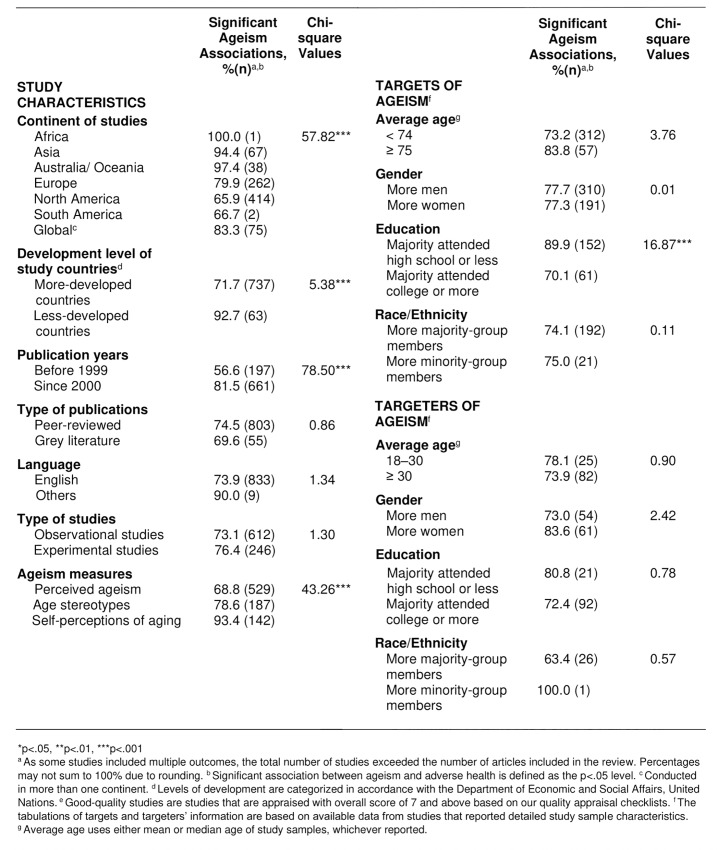
- Significant associations were more prevalent in less-developed than more-developed countries (92.7% vs. 71.7%, p = .0002). Less-educated targets were more likely to experience adverse health effects of ageism (89.8% vs. 70.1%, p < .0001), and findings were highest when ageism was operationalized as self-perceptions of aging (93.4%) compared with age stereotypes (78.6%) and perceived ageism (68.8%), p < .0001.
- A secondary model estimated 6.33 million global cases of depression attributable to ageism among persons aged 50 and over: 831,041 in more-developed countries and 5.6 million in less-developed countries.
- Mediation analyses in 25 studies across eight countries found significant pathways; the psychological pathway was supported by the most studies (9 longitudinal, 8 cross-sectional, 2 experimental priming), followed by behavioral (4 studies) and physiological (2 studies).
Methods
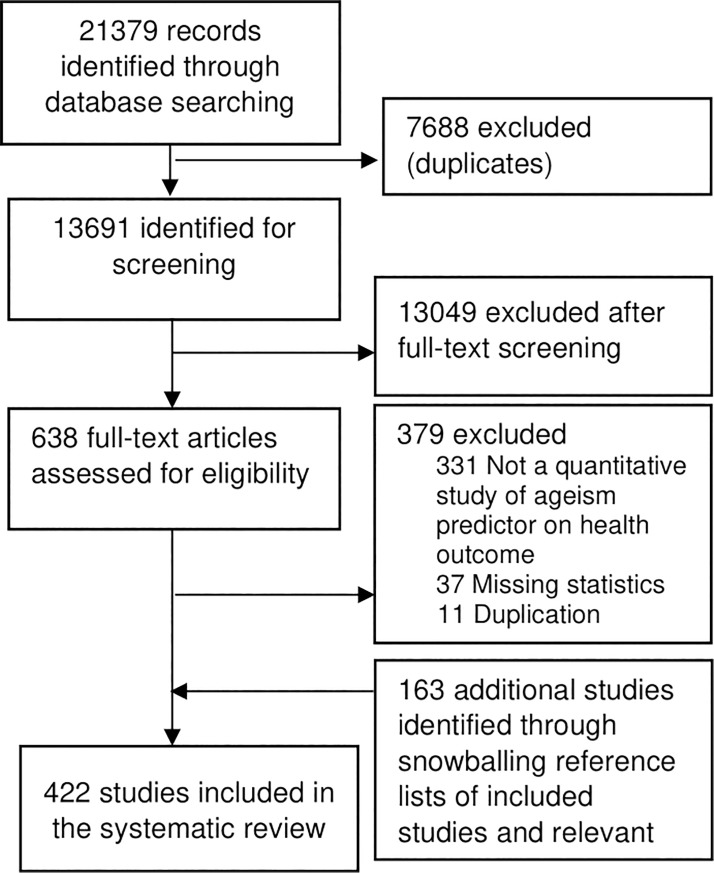
- Systematic review conducted per PRISMA, registered as PROSPERO CRD42018090857. Searches used 14 databases with no restrictions on region, language, or publication type, covering records after 1969 through December 2017; 21,379 citations were retrieved, reduced to 13,691 after duplicates, then 638 full-text reviews and 422 included studies.
- Inclusion criteria required quantitative analysis of ageism effects on health, control for age and relevant covariates or an age-matched design, and ageism targets aged 50 years or older. Data were extracted independently by two investigators; quality was appraised with Newcastle-Ottawa for observational studies and Downs and Black for experimental studies.
- Analyses were descriptive and bivariate chi-squared at study and association levels; evidence of ageism was defined as more than 50% of ageism-health associations being significant. Sensitivity analyses used good-quality studies scoring 7 or above (n = 317; 75.1%) and multivariate logistic regression controlling for study size; the depression estimate used the most homogeneous outcome subset (n = 17, 82.4% using CES-D).
Limitations
- The paper states that significant heterogeneity of study outcomes made a meta-analysis infeasible, and that qualitative studies were not included.
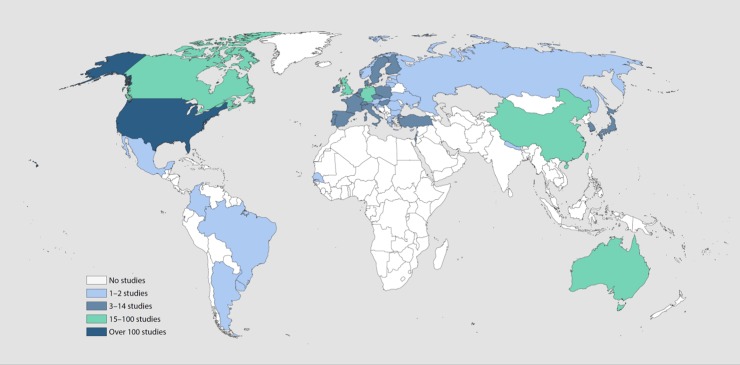
- The paper also notes gaps evident in the literature: only one study took place in Africa, only 8.6% of studies were conducted in less-developed countries despite 92.7% of associations there being significant, few studies (n = 18) formally tested effect modifiers, only four studies examined ageism within dyads, and research attention to structural-level ageism declined since 2010.
Model-written summary. Check it against the paper before relying on it.
Integrity signals
Registry
Cites
Statistics
Figures
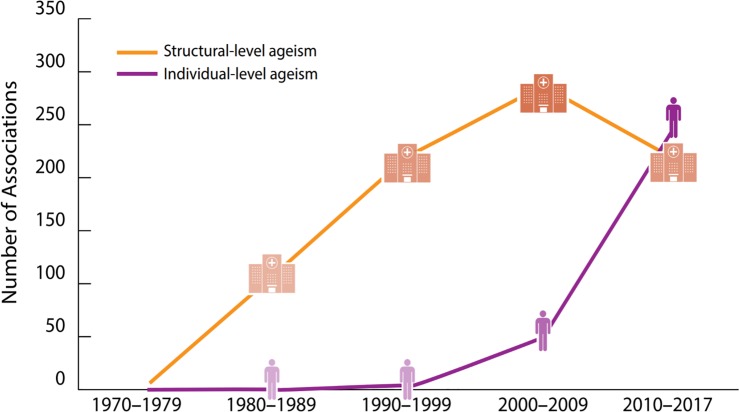
Verification
Claims the paper makes
16 Valid · 0 Not valid · 15 Not checked · 79 Own results and interpretations
The cited sources support only part of this claim — read each source’s verdict below.
In the paper
“previous systematic reviews have not examined how both levels simultaneously influence health”
- Also stated in: § Introduction · plain
“Yet, previous ageism studies, and the reviews based on them, have focused on the consequences of ageism operating at the individual level, without assessing the structural sources of ageism.”
§ Global reach of ageism on older persons’ health: A systematic review > Abstract > Objective
What the sources say
- Not checked yetcites [11] Levy BR, Slade MD, Chang ES, Kannoth S, Wang SY. Ageism amplifies cost and prevalence of health conditions. Gerontologist 2018; published online November 13. 10.1093/geront/gny131 30423119 PMC7182003
- Not checked yetcites [12] Horton S, Baker J, Pearce G, Deakin JM. On the malleability of performance- implications for seniors. J Appl Gerontol. 2008; 27: 446– 65. source
- Not checked yetcites [13] Westerhof GJ, Miche M, Brothers AF, et al The influence of subjective aging on health and longevity: a meta-analysis of longitudinal data. Psychol Aging. 2014; 29: 793– 802. 10.1037/a0038016 25365689 source
- Partly supportedcites [14] Lamont RA, Swift HJ, Abrams D. A review and meta-analysis of age-based stereotype threat: negative stereotypes, not facts, do the damage. Psychol Aging. 2015; 30: 180– 93. 10.1037/a0038586 25621742 PMC4360754 sourceExperimental — accuracy not yet measured
The Method sections (Literature Search and Article Selection Criteria; page unavailable) show that this is a review of age-based stereotype threat that selected studies with objective performance measures, not a review of structural and individual ageism jointly influencing health. It therefore serves as an example of a review that did not examine both levels together, but it does not establish the claim about previous systematic reviews generally. (LLM, conf=0.78)
- Not checked yetcites [15] Meisner BA. A meta-analysis of positive and negative age stereotype priming effects on behavior among older adults. J Gerontol B Psychol Sci Soc Sci. 2012; 67: 13– 17. 10.1093/geronb/gbr062 21746872 source
plain- Asserted: passes — The authors put it forward as true.
- Checkable: passes — It can be checked against evidence.
- Load-bearing: passes — The paper’s conclusions depend on it.
- Based: passes — The paper gives a reason why it holds.
- Also stated in: § Introduction · plain
The cited sources support only part of this claim — read each source’s verdict below.
In the paper
“According to SET, these three components of ageism deleteriously influence the health of older persons through psychological, behavioral, and physiological pathways [10].”
§ Global reach of ageism on older persons’ health: A systematic review > Introduction
What the sources say
- Partly supportedcites [10] Levy BR. Stereotype embodiment: a psychosocial approach to aging. Curr Dir Psychol Sci. 2009; 18: 332– 36. 10.1111/j.1467-8721.2009.01662.x 20802838 PMC2927354 sourceExperimental — accuracy not yet measured
The pathway half of the claim is squarely in our copy: 'Utilization of Multiple Pathways' states that 'Age stereotypes appear to exert their influence along three tracks: psychological, behavioral, and physiological,' with examples of detrimental effects on older individuals' health (expectations/self-fulfilling prophecies, reduced healthy practices and self-efficacy, heightened cardiovascular response and events). However, the source nowhere describes 'three components of ageism'; the abstract of Levy (2009) specifies that the theory has FOUR components (internalization across the life span, unconscious operation, salience gain from self-relevance, utilization of multiple pathways), and its object is age stereotypes held by older individuals rather than a tripartite structure of ageism — the only ageism material is the 'Salience Gain From Self-relevance' section on interpersonal/institutional cues. Additionally, the paper hedges ('appear to,' 'likely involves'), which the citing sentence renders as flat causation. (LLM, conf=0.72)
plainstates a cause- Asserted: passes — The authors put it forward as true.
- Checkable: passes — It can be checked against evidence.
- Load-bearing: passes — The paper’s conclusions depend on it.
- Based: passes — The paper gives a reason why it holds.
- Partly supported
The cited sources support only part of this claim — read each source’s verdict below.
In the paper
“five meta-analyses that showed negative age beliefs can adversely affect the health of older persons [11–15]”
§ Global reach of ageism on older persons’ health: A systematic review > Introduction
What the sources say
- Not checked yetcites [11] Levy BR, Slade MD, Chang ES, Kannoth S, Wang SY. Ageism amplifies cost and prevalence of health conditions. Gerontologist 2018; published online November 13. 10.1093/geront/gny131 30423119 PMC7182003
- Not checked yetcites [12] Horton S, Baker J, Pearce G, Deakin JM. On the malleability of performance- implications for seniors. J Appl Gerontol. 2008; 27: 446– 65. source
- Not checked yetcites [13] Westerhof GJ, Miche M, Brothers AF, et al The influence of subjective aging on health and longevity: a meta-analysis of longitudinal data. Psychol Aging. 2014; 29: 793– 802. 10.1037/a0038016 25365689 source
- Partly supportedcites [14] Lamont RA, Swift HJ, Abrams D. A review and meta-analysis of age-based stereotype threat: negative stereotypes, not facts, do the damage. Psychol Aging. 2015; 30: 180– 93. 10.1037/a0038586 25621742 PMC4360754 sourceExperimental — accuracy not yet measured
Lamont, Swift & Abrams (2015) is indeed a meta-analysis showing that negative age stereotypes harm older adults, but the harm it measures is underperformance on stereotype-relevant tasks, not health: the Coding Procedure (Method) defines the outcome set as memory, cognitive, physical, skill-acquisition and driving performance, and the Conclusions state the supported effects are on memory (d = .21) and cognitive performance (d = .68), with the Discussion (Stereotyped Performance Domains) reporting nonsignificant effects for physical performance, driving and skill acquisition. No passage in our copy reports a health outcome (morbidity, mortality, physiological or clinical health) as an effect size or conclusion; health appears only as an unmeasured sample characteristic in the Limitations and as a cited reference (Auman et al., 2005) not pooled here. So the 'adversely affect the health of older persons' element attributed to this source is not supported by it, while the meta-analytic demonstration of harm to cognitive/memory performance is. (LLM, conf=0.70)
- Not checked yetcites [15] Meisner BA. A meta-analysis of positive and negative age stereotype priming effects on behavior among older adults. J Gerontol B Psychol Sci Soc Sci. 2012; 67: 13– 17. 10.1093/geronb/gbr062 21746872 source
plainstates a cause- Asserted: passes — The authors put it forward as true.
- Checkable: passes — It can be checked against evidence.
- Load-bearing: passes — The paper’s conclusions depend on it.
- Based: passes — The paper gives a reason why it holds.
The cited sources support only part of this claim — read each source’s verdict below.
In the paper
“Our current study draws on stereotype embodiment theory (SET) [10], which explains how three distinct, yet interrelated, components of ageism can impact health: age discrimination (i.e., detrimental treatment of older persons); negative age stereotypes (i.e., beliefs about older persons in general); and negative self-perceptions of aging (i.e., beliefs held by older persons about their own aging).”
§ Global reach of ageism on older persons’ health: A systematic review > Introduction
What the sources say
- Partly supportedcites [10] Levy BR. Stereotype embodiment: a psychosocial approach to aging. Curr Dir Psychol Sci. 2009; 18: 332– 36. 10.1111/j.1467-8721.2009.01662.x 20802838 PMC2927354 sourceExperimental — accuracy not yet measured
Our copy of Levy (2009) supports two of the three components the citing sentence attributes to SET: the Abstract defines the approach as 'based on age stereotypes (i.e., beliefs about older people in general)' and reports that negative age stereotypes held earlier in life predict worse health (cardiovascular events over 38 years, Internalization of Stereotypes Across the Life Span), and that stereotypes directed at oneself in old age 'can be classified as self-perceptions of aging' with long-term functional-health and 7.5-year longevity effects (Abstract, Salience Gain From Self-relevance). However, the paper presents the theory as having four components — internalization across the life span, unconscious operation, salience gain from self-relevance, and utilization of multiple pathways (psychological, behavioral, physiological) — not three components of ageism. Age discrimination is discussed only as a source of societal cues (patronizing speech; denial of employment or appropriate medical treatment on the institutional level, Salience Gain From Self-relevance) and as a form of prejudice alongside racism and sexism; no passage treats detrimental treatment itself as a distinct pathway by which ageism impacts health. That element of the claim is therefore not supported by this source. (LLM, conf=0.72)
plainstates a cause- Asserted: passes — The authors put it forward as true.
- Checkable: passes — It can be checked against evidence.
- Load-bearing: passes — The paper’s conclusions depend on it.
- Based: passes — The paper gives a reason why it holds.
- Partly supported
Every source the paper cites for this claim was checked and supports it.
In the paper
“The structural-level and individual-level ageism are inextricably linked because disparaging views of aging, that are propagated by word and deed at the structural level, are assimilated at the individual level [10].”
§ Global reach of ageism on older persons’ health: A systematic review > Introduction
What the sources say
- Supportedcites [10] Levy BR. Stereotype embodiment: a psychosocial approach to aging. Curr Dir Psychol Sci. 2009; 18: 332– 36. 10.1111/j.1467-8721.2009.01662.x 20802838 PMC2927354 source
The Abstract section of Levy (2009) states the core of stereotype embodiment theory: 'stereotypes are embodied when their assimilation from the surrounding culture leads to self-definitions,' and that the process runs 'top-down (from society to the individual) and over time' — i.e., structural/societal propagation and individual assimilation are one linked process. The 'Internalization of Stereotypes Across the Life Span' and 'Salience Gain From Self-relevance' sections elaborate it, describing the 'age stereotypes that permeate society' and pejorative societal cues encountered on interpersonal and institutional levels that individuals absorb. The citing sentence is a faithful paraphrase; only the vocabulary ('structural-level/individual-level ageism') differs from the source's 'surrounding culture/society' and 'institutional level'. (LLM, conf=0.86)
plainstates an association- Asserted: passes — The authors put it forward as true.
- Checkable: passes — It can be checked against evidence.
- Load-bearing: unclear — It is unclear whether the paper’s conclusions depend on it.
- Based: passes — The paper gives a reason why it holds.
- Supported
77 more claims · 10 with their cited sources checked
Create a free account to see all 110 claims and to verify the 43 references still open.
- Probably not a substantial claim. 13
- It may state two separate claims as one. 17
Claims other papers make about this one
Each is checked against this paper’s own text: does it say what the citing paper says it does?
The cited source says what the claim attributes to it.
In the citing paper
“The negative consequences of both structural and individual level ageism on older adults' health have been extensively documented (Chang et al., 2020).”
From Algorithmic harms and digital ageism in the use of surveillance technologies in nursing homes (2022) · cites this paper as Chang et al., 2020
Self-check
Percentages, sums and reported differences re-computed from the paper’s own numbers.
Rated major: it would touch a result — a value a result rests on, reported and recomputed p-values on opposite sides of the significance level, two passages that conflict with no sign which is right, or a cited work retracted before this paper was published.
In the paper
“In 84.6% of the studies and 63.0% of the associations, age dictated whom receives certain procedures or treatments.”
§ Global reach of ageism on older persons’ health: A systematic review > Results > Impact of ageism on health of older persons: Structural level
Reported 63 · recomputed 68.990826
Citations
Cites
The CES-D Scale: A Self-Report Depression Scale for Research in the General Population
Radloff, L. S. (1977) · Applied Psychological Measurement · doi:10.1177/014662167700100306 · Cited by 53,267
Liberati, A., Altman, D. G., Tetzlaff, J., Mulrow, C., Gøtzsche, P. C., Ioannidis, J. P. A., Clarke, M., Devereaux, P. J., Kleijnen, J., & Moher, D. (2009) · PLoS Medicine · doi:10.1371/journal.pmed.1000100 · Cited by 28,164
Liberati, A., Altman, D. G., Tetzlaff, J., Mulrow, C., Gotzsche, P. C., Ioannidis, J. P. A., Clarke, M., Devereaux, P. J., Kleijnen, J., & Moher, D. (2009) · BMJ · doi:10.1136/bmj.b2700 · Cited by 17,648
(2014) · Medical Entomology and Zoology · Cited by 17,633
Methods for the thematic synthesis of qualitative research in systematic reviews
Thomas, J., & Harden, A. (2008) · BMC Medical Research Methodology · doi:10.1186/1471-2288-8-45 · Cited by 9,312
Downs, S. H., & Black, N. (1998) · Journal of Epidemiology and Community Health · doi:10.1136/jech.52.6.377 · Cited by 8,252
Racial Differences in Physical and Mental Health: Socio-economic Status, Stress and Discrimination
Williams, D. R., Yu, Y., Jackson, J. S., & Anderson, N. B. (1997) · Journal of Health Psychology · doi:10.1177/135910539700200305 · Cited by 4,786
Evaluating non-randomised intervention studies
Deeks, J., Dinnes, J., D'Amico, R., Sowden, A., Sakarovitch, C., Song, F., Petticrew, M., & Altman, D. (2003) · Health Technology Assessment · doi:10.3310/hta7270 · Cited by 2,907
Intersectionality and research in psychology
Cole, E. R. (2009) · American Psychologist · doi:10.1037/a0014564 · Cited by 2,722 · cited 1×
“Second, in line with intersectional research [163,164], there is a need to better understand how intersecting systems of power reinforce ageism directed at marginalized groups within older populations.”
Cohort Profile: the Health and Retirement Study (HRS)
Sonnega, A., Faul, J. D., Ofstedal, M. B., Langa, K. M., Phillips, J. W., & Weir, D. R. (2014) · International Journal of Epidemiology · doi:10.1093/ije/dyu067 · Cited by 2,318
Research works printed but not linked: 6
- Levy B. Unconscious ageism In: Palmore EB, Branch LG, Harris DK, editors. Encyclopedia of ageism. New York: Haworth Pastoral Press; 2005 p. 335– 9.
- Butler RN. Ageism. Generations. 2005; 29(3): 84– 6.
- Organisation for Economic Cooperation and Development. Live longer, work longer: A synthesis report. Paris, France: OECD Publishing 2006.
- Higgins J, Green S. Cochrane handbook for systematic reviews for interventions, version 5.1.0. London: The Cochrane Collaboration, 2011.
- Gupta P, Shekhar R, O'Mahony MS. Ageism and sexism in clinical research: are we making any progress? Age Ageing. 2013; 42S3: 12.
- United Nations, Department of Economic and Social Affairs, Population Division. World population ageing 2015.
Cited by
Items 301–400 of 895
Addressing Ageism With Geriatric Assessment in Clinical Practice and Research
Loh, K. P., & Soto‐Pérez‐de‐Celis, E. (2024) · JCO Oncology Practice · doi:10.1200/op.24.00324 · Cited by 5
Ageismus „in den Köpfen“ als Risikofaktor für Suizidalität im Alter
Kessler, E. (2025) · Zeitschrift für Gerontologie und Geriatrie · doi:10.1007/s00391-024-02396-z · Cited by 7
“…die negativen Folgen von Ageismus auf körperliche und psychische Gesund-heit, Lebenszufriedenheit und Mortalität metaanalytisch gut belegt sind [5], ist bisher unzureichend untersucht, ob bzw. wie Ageismus speziell Einfluss nimmt auf Todeswünsche, Suizidgedanken und -ab- sichten,…”
Attitudes to aging mediate the reciprocal effects of health anxiety and physical functioning
Bodner, E., Shrira, A., & Palgi, Y. (2021) · Psychology and Health · doi:10.1080/08870446.2021.1956496 · Cited by 8
“…can also be affected by a multitude of factors, such as cultural age stereotypes and beliefs with ramifications on health and physical functioning (chang et al., 2020; horton et al., 2008), it is important to focus on the following research question: Do both positive and negative attitudes…”
BackgroundA Phenomenological Content Analysis of Elder Abuse during COVID-19 Pandemic in India
Patel, A. B. (2021) · Gerontology and Geriatric Medicine · doi:10.1177/23337214211067671 · Cited by 5
“Social isolation, cognitive impairment, physical fragility and a reliance on others for care are all variables that increase the likelihood of elder abuse (Chandan et al., 2020; Chang et al., 2021; Malik et al., 2020; The Lancet, 2020).”
BackgroundGreek dental students’ perceptions of treating older patients
Ioannidou, K., Kalyva, D., Basdeki, E. I., Tranoulis, I., & Kossioni, A. (2022) · Gerodontology · doi:10.1111/ger.12625 · Cited by 5
Ferreira, S. F. S., Pires, L., Castelo-Branco, M., & Afonso, R. M. (2022) · Educational Gerontology · doi:10.1080/03601277.2022.2052406 · Cited by 5
“In a recent systematic review about the impact of ageism on older adults’ health, Chang et al. (2020) found a strong and consistent association between ageism and poor health.”
BackgroundNitschke, I., Gegner, U., Hopfenmüller, W., et al. (2022) · International Journal of Environmental Research and Public Health · doi:10.3390/ijerph19127480 · Cited by 5
“Relationships between the negative perceptions of old age in nurses and physicians and reduced patient involvement in treatment and care [5] or a poorer self-rated healthcare experienced by patients [6] are described in the literature.”
BackgroundPech, M., Meillon, C., Marquet, M., Dartigues, J., & Amieva, H. (2022) · Alzheimer s & Dementia Translational Research & Clinical Interventions · doi:10.1002/trc2.12328 · Cited by 9
Rosell, J., & Verges, A. J. (2023) · Journal of Applied Gerontology · doi:10.1177/07334648231158484 · Cited by 11
Using art and creative practice to provide education about ageism and age stereotypes
Nowacek, N., & Lytle, A. E. (2023) · Educational Gerontology · doi:10.1080/03601277.2023.2184980 · Cited by 10
Brondani, M., Siqueira, A. B., Grazziotin‐Soares, R., Ardenghi, D. M., Christidis, N., & Siqueira, A. B. (2023) · International Journal of Dentistry · doi:10.1155/2023/8278510 · Cited by 7
Monahan, C., Zhang, Y., & Levy, S. R. (2023) · Analyses of Social Issues and Public Policy · doi:10.1111/asap.12358 · Cited by 7
Self-citationAge as a Factor in Diversity, Equity, and Inclusion Initiatives in Higher Education
Morrow-Howell, N., Dinman, M., Mauk, S., & Galucia, N. (2024) · Journal of gerontological social work · doi:10.1080/01634372.2024.2326691 · Cited by 2
Perceived Ageism is Associated With Recurrent Falling Among Older Colombian Adults
Ortíz, C., Robinson, C. C., Williams, D. R., Moncayo-Hernández, B. A., Ocampo-Chaparro, J. M., Cheung, N. C., & Campo‐Arias, A. (2024) · Journal of Applied Gerontology · doi:10.1177/07334648241242334 · Cited by 6
“On the other hand, the fact that older adults being discriminated against due to their age can have harmful effects on health and poor well-being has been widely described in previous studies (Chang et al., 2020).”
“Best Before”: On Women, Ageism, and Mental Health
Danylova, T. V., Ільчук, С. П., Storozhuk, S., Poperechna, G., Hoian, I., Kryvda, N., & Matviienko, I. (2024) · Mental Health Global Challenges Journal · doi:10.56508/mhgcj.v7i1.220 · Cited by 13
“…of sexually transmitted infections; inappropriate medication use, including inappropriate prescribing, polypharmacy and medication nonadherence (Chang et al., 2020; Fialová & Onder, 2009; Fialová et al., 2005; Formosa, 2021; Levy et al., 2002; Levy et al., 2012; Levy, 2022; Minichiello et al.,…”
BackgroundPintana, H., Apaijai, N., Chunchai, T., Thonusin, C., Saengmearnuparp, T., Kongkaew, A., Chattipakorn, N., & Chattipakorn, S. C. (2024) · Journal of Neuroscience Research · doi:10.1002/jnr.25389 · Cited by 5
“Among the health problems of older people, the prevalence of anxiety and depression has also become a significant concern (Chang et al. 2020).”
Chung, S., & Namkung, E. H. (2021) · Aging & Mental Health · doi:10.1080/13607863.2021.1991276 · Cited by 8
“Prior studies found that negative perception toward older adults/aging is associated with higher levels of depressive symptoms, suicidal behaviors, and lower levels of life satisfaction among older adults in Korea (Jeon & Shin, 2011; Kim & Lee, 2020) and Western countries (Chang et al., 2020; Shippee et al., 2019; Sut…”
BackgroundSettels, J., & Leist, A. K. (2022) · Journal of Aging and Health · doi:10.1177/08982643221087097 · Cited by 6
Culturally Informed Mental Health Care of Marginalized Older Adults
Arms, T. E., Keilman, L. J., & Peraza-Smith, G. B. (2022) · Advances in Family Practice Nursing · doi:10.1016/j.yfpn.2021.12.002 · Cited by 7
Changing social dynamics and older population
Abraham, J., Hense, S., & Mathews, E. (2022) · Journal of Geriatric Mental Health · doi:10.4103/jgmh.jgmh_19_22 · Cited by 5
Development of the “Aging Together” Anti-Ageism Peer Support Intervention for Older Adults
Steward, A. T., Lee, Y., Keane, C. T. F., & Cho, Y. I. (2025) · Clinical Social Work Journal · doi:10.1007/s10615-025-01010-y · Cited by 4
Experiences of ageism and digital technology use among older adults
Gudynaite, G., Zamalijeva, O., Pakalniškienė, V., & Gegieckaitė, G. (2025) · Frontiers in Psychology · doi:10.3389/fpsyg.2025.1669321 · Cited by 9
Adolescents’ Experiences of Anti-Youth Ageism
Wray‐Lake, L., Henderson, D. K., Rottenberg, J., Lee, S., Wilf, S. B., Umo, R., & Saavedra, J. A. (2026) · Journal of Adolescent Research · doi:10.1177/07435584251400757 · Cited by 8
Age-Related Microaggressions: Their Frequency, Emotional Impact, and Relationship to Negative Affect
Lewis, H., Gietzen, L. J., Patt, S. H., & Buchanan, J. A. (2023) · The International Journal of Aging and Human Development · doi:10.1177/00914150231219011 · Cited by 4
“For example, those who experience ageism are at an increased risk of experiencing cognitive decline, stroke, and dementia (Chang et al., 2020; Levy et al., 2022).”
InfluentialAddressing Ageism in Healthcare: Insights for an Age-Inclusive Longevity Society
Ugargol, A. P., & D’Souza, P. M. (2024) · Springer eBooks · doi:10.1007/978-981-16-1914-4_234-1 · Cited by 6
Vanleerberghe, P., Claes, C., Campens, J., Verté, D., & Witte, N. D. (2024) · Discover Social Science and Health · doi:10.1007/s44155-024-00087-z · Cited by 4
Tazzeo, C., Rizzuto, D., Calderón‐Larrañaga, A., Gentili, S., Lennartsson, C., Xia, X., Fratiglioni, L., & Vetrano, D. L. (2024) · Journal of the American Medical Directors Association · doi:10.1016/j.jamda.2024.105225 · Cited by 4
Murray, A. L., & Li, X. (2025) · Aging & Mental Health · doi:10.1080/13607863.2025.2450265 · Cited by 6
“…and practitioners to examine how ageism relates to various mental health outcomes across different populations and cultural contexts, given growing evidence that experiences of ageism can significantly impact psychological well-being (for reviews, see Chang et al., 2020; Hu et al. 2021).”
Middle School Students Portray Childism Via Memes
Okun, ., Suberry, A., & Ayalon, L. (2025) · Journal of Intergenerational Relationships · doi:10.1080/15350770.2025.2463644 · Cited by 6
“…literature on ageism has focused on ageism directed toward older adults, including several systematic reviews on the determinants, impact, and measurement of ageism and available strategies to reduce ageism (e.g. Ayalon et al., 2019; Burnes et al., 2019; Chang et al., 2020; Marques et al., 2020).”
Ageism in Rheumatologic Care: Ensuring Equity and Quality for Older Adults
Lee, J., Misra, D., & Makris, U. E. (2025) · Arthritis Care & Research · doi:10.1002/acr.25521 · Cited by 4
Self-citationNaegele, L., Schmitz, W., Staniczek, S., & Heß, M. (2025) · KZfSS Kölner Zeitschrift für Soziologie und Sozialpsychologie · doi:10.1007/s11577-025-01023-y · Cited by 7
“In particular, the relationship between self-directed ageism and the first dimension—decline in health—has been widely discussed, with research suggesting a reciprocal or bidirectional relationship in which both sides can influence each other (Chang et al. 2020; Hu et al. 2021).”
Pieters, H. C., Green, E., & Sleven, M. (2021) · Research in Gerontological Nursing · doi:10.3928/19404921-20210115-02 · Cited by 9
Bozanic, A., & Ruiz, F. O. (2021) · Anthropologica · doi:10.18800/anthropologica.202102.007 · Cited by 15
“…o procedimientos —explícitos o implícitos— de las instituciones sanitarias, que discriminan a las PM y que incluyen los estereotipos, prejuicios y acciones basadas en la edad de las personas que forman parte de estos establecimientos (Chang et al., 2020; Wyman, Shiovitz-Ezra y Bengel, 2018).”
BackgroundÇam, S. D., Erkal, E., & Demirkıran, B. C. (2022) · Mustafa Kemal Üniversitesi Tıp Dergisi · doi:10.17944/mkutfd.1020621 · Cited by 4
An Interpersonal Approach to Subjective Views of Aging
Cohen, S., Bodner, E., & Shrira, A. (2022) · International perspectives on aging · doi:10.1007/978-3-031-11073-3_7 · Cited by 7
Yan, E., To, L., Ng, H. K. L., Lai, D. W. L., Bai, X., & Lee, V. W. P. (2023) · International Journal of Geriatric Psychiatry · doi:10.1002/gps.5915 · Cited by 5
“Similar to elder abuse, age discrimination has pervasive and harmful effects on the physical and mental health of older adults.(16) Studies have consistently reported the presence of ageism and age discrimination in health services during the pandemic based primarily on the resource allocation decisions (e.”
BackgroundTahghighi, H., Mortazavi, H., Manteghi, A. A., & Armat, M. R. (2023) · Journal of Education and Health Promotion · doi:10.4103/jehp.jehp_1109_22 · Cited by 9
“A with its psychological‐social and cultural‐economic dimensions is considered to be a serious challenge facing the family and society, especially in developing countries.[1] Between 2015 and 2050, the number of elderly people will rise from 12% to 22% of the total world population.”
BackgroundGarrido, F. A. S., Bolt, T., Taniguchi, Y., & Lloyd-Sherlock, P. G. (2023) · F1000Research · doi:10.12688/f1000research.140232.1 · Cited by 9
Improving the integration of care for trans adults: ICTA a mixed-methods study
Holti, R., Callahan, E., Fletcher, J., Hope, S., Moller, N. P., Vincent, B., & Walley, P. (2024) · Health and Social Care Delivery Research · doi:10.3310/ewta4502 · Cited by 6
Ennis, S. K., Gehring, M., & Wurm, S. (2024) · Research on Aging · doi:10.1177/01640275241290279 · Cited by 5
“…years, a growing body of evidence has suggested that positive views on aging, at both the societal and individual level, contribute to healthier aging and longer lives (for recent reviews and meta-analyses see, for example, Chang et al., 2020; Debreczeni & Bailey, 2021; Westerhof et al., 2023).”
Chen, S., & Wan, Z. (2025) · Psychology Research and Behavior Management · doi:10.2147/prbm.s497371 · Cited by 6
“While extensive studies have established the significant impact of perceived ageism on older adults’ mental health, 7,13–15 and some research has explored the effects of mental health on self-directed ageism among older individuals, 23 the potential link between younger individuals’ mental health…”
Building Healthy Brains Through Productive Aging: Confronting Structural Lags and Gaps
Gonzales, E. G., Lee, Y. J., & Whetung, C. (2025) · Public Policy & Aging Report · doi:10.1093/ppar/prae028 · Cited by 4
Xiao, X., Zhu, Y., Jiang, D., Vinnikova, A., Zhang, J., Zhang, R., Chen, W., Li, S., Wang, J., Sheng, M., et al. (2025) · BMC Psychology · doi:10.1186/s40359-025-02402-y · Cited by 5
Guardabassi, V. (2025) · BMC Psychology · doi:10.1186/s40359-025-02806-w · Cited by 5
Older people in hospitals for the insane in New South Wales, Australia, 1849–1905
Draper, B. (2021) · History of Psychiatry · doi:10.1177/0957154x211029479 · Cited by 4
“Two were for acute patients (Gladesville, formerly Tarban Creek, and Callan Park), two for chronic refractory patients (Parramatta and Rydalmere), and one for intellectual disability (Newcastle) (Cummins, 2003: 34–40).”
BackgroundOh, C., & Bong, J. Y. (2021) · Educational Gerontology · doi:10.1080/03601277.2021.1989219 · Cited by 6
“…that attitudes of the healthcare professionals toward older adults are critical to the quality and effectiveness of the service provided (FitzGerald & Hurst, 2017; Gabel et al., 2003; Weir, 2004), and negative attitudes cause older clients to deny the services (Chang et al., 2020; Inouye, 2021).”
BackgroundZhan, G., Pearcey, S. M., & Tomioka, H. (2021) · Educational Gerontology · doi:10.1080/03601277.2021.1993540 · Cited by 7
“Research has shown that ageism against older adults is a global issue (Chang et al., 2020; World Health Organization [WHO], 2021).”
BackgroundEveryday discrimination in later life: A social network approach
Goldman, A. W. (2021) · Social Science Research · doi:10.1016/j.ssresearch.2021.102670 · Cited by 6
Life Conditions as Mediators of Welfare State Effect on Mental Wellbeing among Oldest Old in Europe
Cresswell‐Smith, J., Wahlbeck, K., & Kalseth, J. (2022) · International Journal of Environmental Research and Public Health · doi:10.3390/ijerph19074363 · Cited by 6
“Ageism and associated negative health outcomes have been found to be more prevalent in countries with lower level of resources [71] and a high percentage of older adults [72].”
BackgroundRabheru, K. (2022) · Consortium Psychiatricum · doi:10.17816/cp149 · Cited by 7
“Ageism is associated with poor health outcomes in 95.5% of studies with a strong association between mental health conditions and ageism, particularly depression, as reported by a comprehensive global review of the health consequences of ageism, a meta-analysis with over 7 million participants [15].”
BackgroundInfluentialImproving practicing nurses’ knowledge and perceptions of older people: a quasi-experimental study
Law, J., Dahlke, S., Butler, J. I., Hunter, K. F., Martin, L. S., & Pietrosanu, M. (2022) · International Journal of Nursing Education Scholarship · doi:10.1515/ijnes-2022-0090 · Cited by 4
Older adults’ perceptions of ageism before and during the COVID-19 pandemic
Chasteen, A. L., Pereira, A. E., Iankilevitch, M., Diehl, M. K., & Pichora-Fuller, M. K. (2023) · Aging & Mental Health · doi:10.1080/13607863.2023.2196255 · Cited by 6
“A pre-pandemic review of the negative effects of ageism documented the numerous harms resulting from ageism, including poorer mental, physical, and cognitive health, lower quality of life and well-being, greater social isolation, and reduced longevity (Chang et al., 2020).”
Carolan, K. (2023) · Chronic Illness · doi:10.1177/17423953231185386 · Cited by 7
“Envisioning applying for a new job, entering a newoccupation or trying toreenter the workforce, participants clearly identi fi ed how disability-related and/or age-related discrimination and stigma (i.e. ageism 31 ) affected perceived employment options.”
Wright, R. J., Regier, N., Booth, A., Cotter, V., Hansen, B. R., Taylor, J. L., Won, S., & Witham, G. (2023) · Current Geriatrics Reports · doi:10.1007/s13670-023-00399-z · Cited by 4
“This is in spite of evidence of ageism within healthcare leading to poor health outcomes [21] and evidence of ageism specifically within the ED [ 22 , 23].”
No Time Like the Present: Geriatric Psychiatry in the General Psychiatry Residency
Camp, M. E., Akinyemi, E., Ratnakaran, B., et al. (2024) · Academic Psychiatry · doi:10.1007/s40596-024-01949-z · Cited by 4
“Negative age stereotypes and negative self-perceptions on aging have been associated with increased disease burden in both physical and mental health, as well as increased mortality [26].”
Frissen, L., Janse, P. D., Roskam, R. V., & Hendriks, G. (2024) · Administration and Policy in Mental Health and Mental Health Services Research · doi:10.1007/s10488-024-01402-1 · Cited by 5
“It is also in line with the conclusions drawn in the literature that clinician decisions are often made from (unconscious) ageism rather than what is best for the specific patient (Bod - ner et al., 2018 , pp. 241–262; Chang et al., 2020).”
Carbonell, M. M., Espejo, B., Castro-Melo, G. P., Daza, D. S., & Checa, I. (2023) · Journal of Medical Internet Research · doi:10.2196/42340 · Cited by 6
“This situation leads to a decrease in job opportunities and an increase in job stress, especially among older professionals [1].”
BackgroundAgeism: Where It Comes From and What It DoesPreprint
Gutterman, A. S. (2021) · SSRN Electronic Journal · doi:10.2139/ssrn.3849022 · Cited by 8
Chahine, M. A., & Kienzler, H. (2022) · Research Square · doi:10.21203/rs.3.rs-1632710/v1 · Cited by 4
Wettstein, M., & Nowossadeck, S. (2023) · Springer eBooks · doi:10.1007/978-3-658-40487-1_12 · Cited by 5
Salkın, Y., Duman, İ., & YILMAZ, D. V. (2024) · Gümüşhane Üniversitesi Sağlık Bilimleri Dergisi · doi:10.37989/gumussagbil.1273125 · Cited by 3
Building resilience: A specialty clinic tailored to older adults at risk for violence and abuse
Hernandez‐Tejada, M. A., Little, D. M., Bruce, M. J., Butte, S., Burnett, J., Wood, L., & Acierno, R. E. (2024) · The International Journal of Psychiatry in Medicine · doi:10.1177/00912174241272591 · Cited by 4
Zimmer, C., Morrison, L., Goerzen, M., et al. (2025) · Gerontology & Geriatrics Education · doi:10.1080/02701960.2025.2470471 · Cited by 3
“Structural and individual level ageism directed toward older adults has significantly increased over time (Chang et al., 2020).”
Vinas, A., Blanco, F., & Matute, H. (2025) · Scientific Reports · doi:10.1038/s41598-025-01043-w · Cited by 6
“In this respect, the previous evidence shows that specific groups of patients are systematically and negatively discriminated against according to different factors, such as previous disabilities 10,12 , gender 10 , ethnicity 9,10,13,14 , and age 15 .”
Overcoming Barriers to Developing and Implementing Novel Therapies for Hypertension
Krychtiuk, K. A., Lópes, R. D., Cargill, V. A., Chen, R. K., Cowie, M., Cushman, W. C., Elkind, M. S. V., Epstein, S., Garg, P. P., Gersh, B. J., et al. (2025) · Hypertension · doi:10.1161/hypertensionaha.125.24992 · Cited by 4
Allen, J. O. (2025) · Journal of Aging and Health · doi:10.1177/08982643251378211 · Cited by 6
“…ageism, has been linked to a wide range of adverse health outcomes ranging from poor quality of life and mental health disorders to increased chronic disease risk, inferior healthcare outcomes, and reduced longevity (Allen & Sikora, 2023; Allen et al., 2022; Chang et al., 2020; Hu et al., 2020).”
Chen, X., & Meng, F. (2025) · The Journals of Gerontology Series B · doi:10.1093/geronb/gbaf191 · Cited by 5
Ageism, Power, and Gaps: Co-Designing Robots with Older Adults
Mannheim, I., Edan, Y., Alon, R., Peine, A., & Nimrod, G. (2025) · International Journal of Social Robotics · doi:10.1007/s12369-025-01325-3 · Cited by 4
“Structural ageism (i.e., discriminatory policies, practices, or procedures of societal institutions and organizations) can create environments in which decisions based on individual-level ageism are facilitated [54].”
Remr, J. (2025) · Geriatrics · doi:10.3390/geriatrics11010002 · Cited by 4
There, but not there: older people in anti-ageism interventions
Morrow-Howell, N. L., Li, S., Li, A. C., Wininger, C., Galucia, N., & Carpenter, B. D. (2026) · The Gerontologist · doi:10.1093/geront/gnag004 · Cited by 4
“Furthermore, ageism can lead to exclusion from employment opportunities and denial of health care (Chang et al., 2020).”
The knowledge and attitudes of final-year medical students regarding care of older patients
Naidoo, K., & Wyk, J. V. (2021) · African Journal of Health Professions Education · doi:10.7196/ajhpe.2021.v13i4.1331 · Cited by 3
Русинова, Н. Л. (2021) · Демографическое обозрение · doi:10.17323/demreview.v8i4.13879 · Cited by 3
“Эта способность важна также для преодоления отрицательных стереотипов в отношении пожилых людей, господствующих в современном обществе (Chang et al. 2020; Yeom 2014).”
Modern Ageism and Age Stereotyping
Rauvola, R. S., Carruth, N. P., & Rudolph, C. W. (2022) · Springer eBooks · doi:10.1007/978-3-030-93795-9_9 · Cited by 5
Counteracting Ageism: Promoting Accurate Concepts About Aging in Young Children
McGuire, S. L. (2021) · Educating the young child · doi:10.1007/978-3-030-81965-1_2 · Cited by 7
Positive psychology and attitudes to ageing in people aged 50 and over in the United Kingdom
Webb, C., Smith, A., Orrell, M. W., & Jones, K. A. (2022) · Aging & Mental Health · doi:10.1080/13607863.2022.2129587 · Cited by 5
Bambeni, N. (2024) · Education and human development · doi:10.5772/intechopen.107116 · Cited by 9
Senior employment technology: Leveraging opportunities in population ageing
Su, Z., Bentley, B. L., McDonnell, D., Alimu, T., Dai, W., Jiang, J., Liu, Y., Yu, X., Feng, Y., Diao, Y., et al. (2024) · Health Policy and Technology · doi:10.1016/j.hlpt.2024.100883 · Cited by 6
Beyond error: A qualitative study of human factors in serious adverse events
Mujuru, C., & Peisah, C. (2024) · Journal of Healthcare Risk Management · doi:10.1002/jhrm.21583 · Cited by 3
González-Moreno, J., Agustí, A. I., Saiz, J. G., Parra-Rizo, M. A., & Cantero-García, M. (2025) · Frontiers in Psychiatry · doi:10.3389/fpsyt.2025.1436930 · Cited by 4
Caprioli, T., Zuluaga, M. I., Gabbay, M., Saldarriaga-Ruiz, G., Castaño-Pineda, Y., Montoya, E. M. L., Robertson, A., & Giebel, C. M. (2025) · Clinical Gerontologist · doi:10.1080/07317115.2025.2467921 · Cited by 4
“Acknowledging the negative consequences structural and individual ageism can beget (Chang et al., 2020), future research may benefit from exploring the causes fueling negative societal attitudes, which, in turn, may help to identify how older adults could be re-integrated into society.”
“The War on Ageism” or How Ageism is Reduced during Wartime
Ayalon, L., Okun, ., & Suberry, A. (2025) · American Journal of Geriatric Psychiatry · doi:10.1016/j.jagp.2025.06.018 · Cited by 3
Finnigan, S., Zhong, J., & Tse, D. C. K. (2025) · Current Research in Behavioral Sciences · doi:10.1016/j.crbeha.2025.100180 · Cited by 5
Karran, E. L., Cashin, A. G., Chiarotto, A., Sharma, S., Barker, T., Boyd, M. A., Maxwell, L. J., Mohabir, V., Petkovic, J., Tugwell, P., et al. (2026) · Journal of Clinical Epidemiology · doi:10.1016/j.jclinepi.2026.112136 · Cited by 6
The importance of addressing ageism in Swedish healthcare
Forss, K. S. (2020) · Nordic journal of nursing research · doi:10.1177/2057158520929348 · Cited by 3
“In a systematic review that examined the impact of both structural and individual ageism on older people’s health, a strong and consistent association between ageism and adverse health outcomes was found.(3) The authors concluded that ageism must be seen as a social determinant of health.”
BackgroundBoudjemadi, V., Chauvin, B., Adam, S., Indoumou-Peppe, C., Lagacé, M., Lalot, F., Świątkowski, W., & Gana, K. (2022) · International Review of Social Psychology · doi:10.5334/irsp.544 · Cited by 3
Reframing the View of Falls and Care of the Older Adult
Hendrich, A. L., Phillips, M., & Chappell, R. (2022) · Nurse Leader · doi:10.1016/j.mnl.2022.02.012 · Cited by 3
“15,16 The findings are stark — 95.5% of the studies on ageism and health outcomes conducted over the last 25 years reported worse health outcomes for OAs tied to ageism across 11 health domains.”
BackgroundInfluentialSabermahani, F., Almasi‐Dooghaee, M., & Sheikhtaheri, A. (2022) · Informatics in Medicine Unlocked · doi:10.1016/j.imu.2022.101039 · Cited by 4
Paula Curihual, A. (2022) · Revista Chilena de Fonoaudiología · doi:10.5354/0719-4692.2022.68920 · Cited by 8
Refamilisering och responsibilisering
Alftberg, Å. (2022) · doi:10.37852/oblu.183.c498 · Cited by 4
Caskie, G. I. L., Bashian, H. M., & Voelkner, A. R. (2023) · The Gerontologist · doi:10.1093/geront/gnad093 · Cited by 5
Asociación entre edadismo y sexismo en estudiantes universitarios
del Toro-Rodríguez, A., Prados, G., Martín, J. C., et al. (2023) · Revista Española de Geriatría y Gerontología · doi:10.1016/j.regg.2023.101432 · Cited by 3
Addressing ageism in healthcare through gerontological nursing
Dahlke, S. (2024) · Open Access Government · doi:10.56367/oag-041-11229 · Cited by 3
“For example, ageism occurs in healthcare when older people who often have complex health and social needs are expected to fit into systems designed for younger people with one health concern (Kojima, 2018), resulting in adverse health outcomes (Chang et al., 2020).”
Giosa, J., Kalles, E., McAiney, C. A., Oelke, N. D., Aubrecht, K., McNeil, H., Perez, O. H., & Holyoke, P. (2024) · BMJ Open · doi:10.1136/bmjopen-2023-079653 · Cited by 3
Ihara, E. S., Tompkins, C. J., Pantleay, H., Barrett, K., Holden, M., Velazquez-Dominguez, V., Ivey, K., Waters, L., & Marrs, S. A. (2024) · Journal of Intergenerational Relationships · doi:10.1080/15350770.2024.2310654 · Cited by 3
“A systematic review of the structural-and individual-level effects of ageism across 45 countries spanning 25 years noted that ageism led to significantly worse health outcomes for older adults in nearly 96% of the studies examined (Chang et al., 2020).”
White, A., Humphreys, L., & Oomens, D. (2024) · Sonography · doi:10.1002/sono.12406 · Cited by 4
“7,8 Ageism permeates all facets of society, and the COVID-19 pandemic has led to escalated negative stereotypes of older people, seeing them broadly categorised as vulnerable, frail, incompetent and incapable, helpless, and demanding.”
Are Older People Still Human? On Ageist Humor
Gullette, M. M. (2024) · Springer eBooks · doi:10.1007/978-3-031-50917-9_29 · Cited by 3
Steward, A. T., Fries, C. M. D., Dunbar, A. Z., Trujillo, M., Zhu, Y., & Hasche, L. K. (2024) · Journal of Social Work · doi:10.1177/14680173241253495 · Cited by 4
“Yet, this review also found that ageism was present across the age, sex, and race/ethnicity of both perpetrators and targets of ageism (Chang et al., 2020).”
InfluentialWettstein, M., Reinhard, A.-K., Williger, B., & Wurm, S. (2025) · PLoS ONE · doi:10.1371/journal.pone.0328814 · Cited by 7
Frisardi, V., & Davoli, L. (2023) · Springer eBooks · doi:10.1007/978-3-031-27968-3_35 · Cited by 3
Student perspectives of LIS education in an aging society: Initial findings
Winberry, J. (2021) · Illinois Digital Environment for Access to Learning and Scholarship (University of Illinois at Urbana-Champaign) · Cited by 3
Metadata
- Authors
- Chang, E.-S., Kannoth, S., Levy, S., Wang, S.-Y., Lee, J. E., & Levy, B. R.
- Affiliations
- Yale University (US)
- Corresponding author
- Levy, Becca R.
- Venue
- PLOS ONE
- Publisher
- Public Library of Science (PLoS)
- Published
- 2020-01-15
- Volume
- 15
- Issue
- 1
- Pages
- e0220857
- ISSN
- 1932-6203 (ISSN-L)
- PMC
- PMC6961830
- OpenAlex
- W3000728195
- Semantic Scholar
- b947b2885089ddf627a4c02d71c7653a95809b0e
- Cited by
- 912
- References
- 169
- Citations by year
- 2026: 158 · 2025: 200 · 2024: 157 · 2023: 134 · 2022: 127 · 2021: 91 · 2020: 43
- FWCI
- 17.40
- Type
- journal article
- Language
- en
- Open access
- gold
- doi.org
- Licence
- Locations
- PLoS ONE (publishedVersion, cc-by)
- Europe PMC (PubMed Central) (publishedVersion, cc-by)
- PubMed Central (publishedVersion, cc-by)
- PubMed (publishedVersion)
- RePEc: Research Papers in Economics (submittedVersion)
- DOAJ (DOAJ: Directory of Open Access Journals) (submittedVersion, cc-by-sa)
- Figshare (submittedVersion, cc-by)
- Funders
- World Health Organization
- Yale University
- National Institutes of Health (5u01ag032284-08, UL1TR001863)
- Agency for Healthcare Research and Quality (1K01HS023900, K01 HS023900)
- Yale School of Public Health, Yale University
- National Institute on Aging (#U01AG032284, P30AG021342)
- National Center for Advancing Translational Sciences
- Topics
- Social Sciences › Psychology › Developmental and Educational Psychology › Aging and Gerontology Research
- Social Sciences › Demography › Retirement, Disability, and Employment
- Social Sciences › Health › Health disparities and outcomes
- Keywords
- ageism, health outcomes, educational attainment, developed and developing countries
- MeSH terms
- Aged, Aged, 80 and over, Aging, Depression, Female, Humans, Male, Peer Review, Social Behavior, Databases, Factual, Ageism, Social Discrimination
About these checks
Registry, retraction, Cites and statistics results are computed, not judged, with one exception: a printed reference that no index lists is read once by a model before it counts as a citation error. Claims are extracted by a model and kept only when their quote appears verbatim in the text; each cited source is then checked, with a model’s help, for whether it says what the claim relies on. Those verdicts can be wrong — read the claim’s quote and the cited source before relying on one.
The claim verdicts this report counts are experimental: their accuracy is not yet measured.
A language model drew the claims from the paper on 2026-10-10, under version 3 of the claim definition (model deepseek-v4.1-flash, prompt extract-v3).
A second model labelled each claim on 2026-10-10 (model jev-1.13-20260917, definition revision gold-guideline-v0.2).
Cited sources are checked with a language model’s help (gpt-6-sol and qwen3.8-omni-flash).
Statistics and arithmetic are recomputed, not judged.
Confidence bands are shown only for fields calibrated on our annotated test set. None is calibrated yet, so no band is shown.
What counts as a claim ›How we measure confidence ›How we check this ›
Are you an author, or do you see a problem with this page? Request a review
Data sources
Bibliographic data: Semantic Scholar, OpenAlex, Crossref.
Contains information from the Semantic Scholar Academic Graph Datasets, made available under the ODC Attribution License (ODC-BY 1.0).
Semantic Scholar’s data is described in: Kinney, R., et al. (2023). The Semantic Scholar Open Data Platform. arXiv:2301.10140.
