

The DOI matches its Crossref record; 53 of the 53 references it cites were found in a registry or an index.
Retnla (Relmα/Fizz1) Suppresses Helminth-Induced Th2-Type Immunity
Open accessAbstract
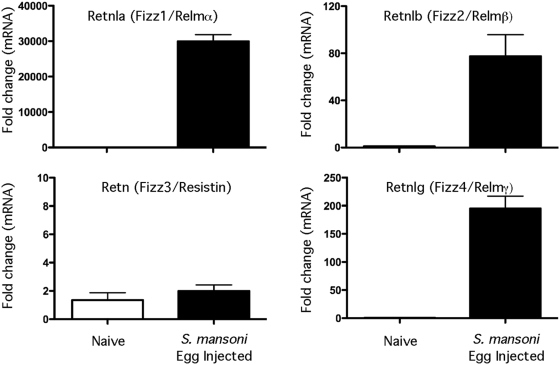
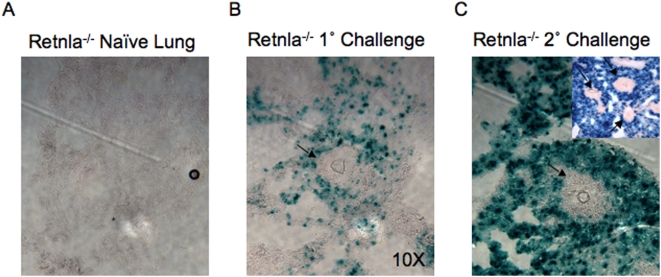
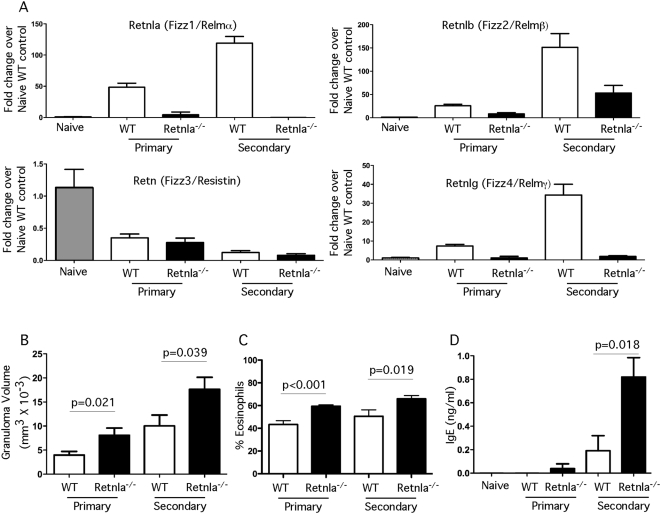
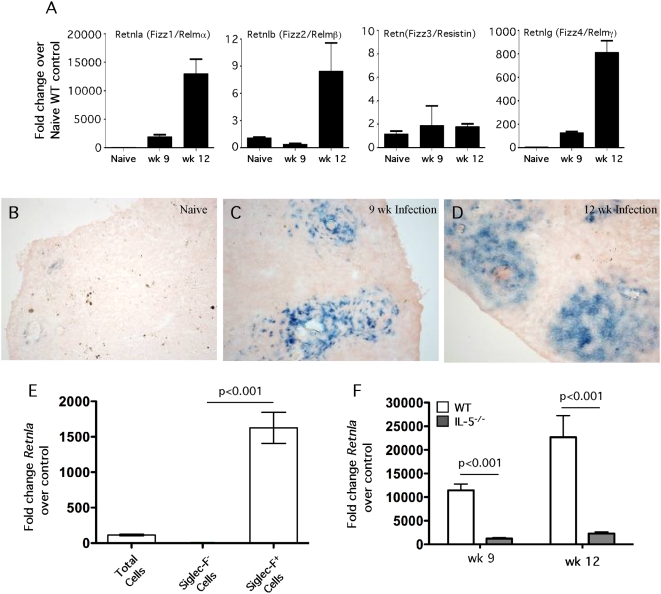
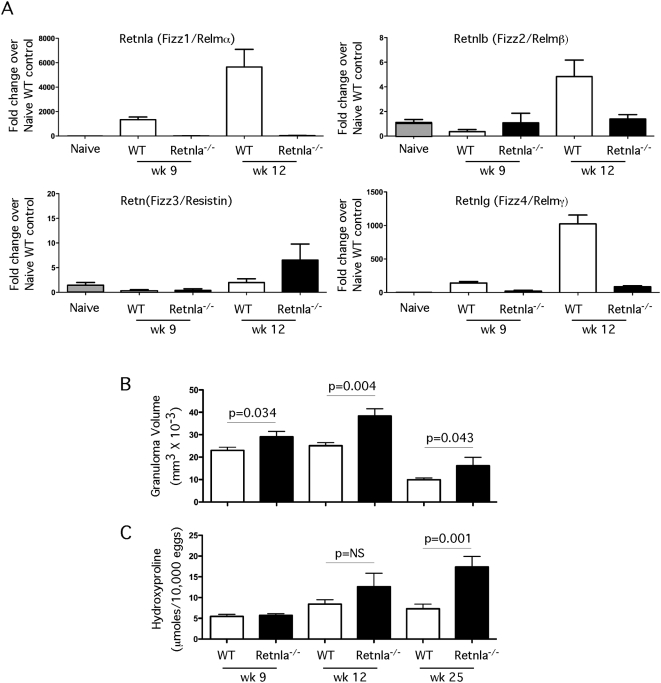
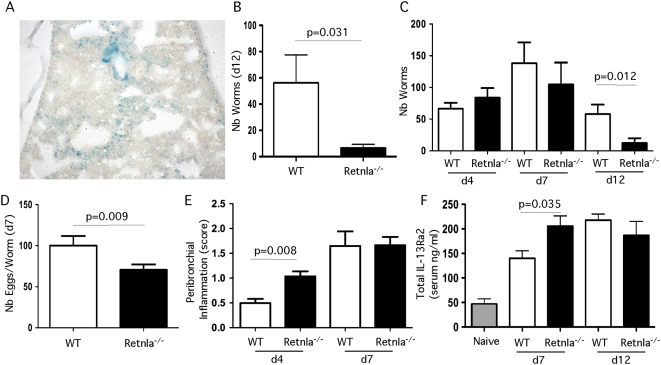
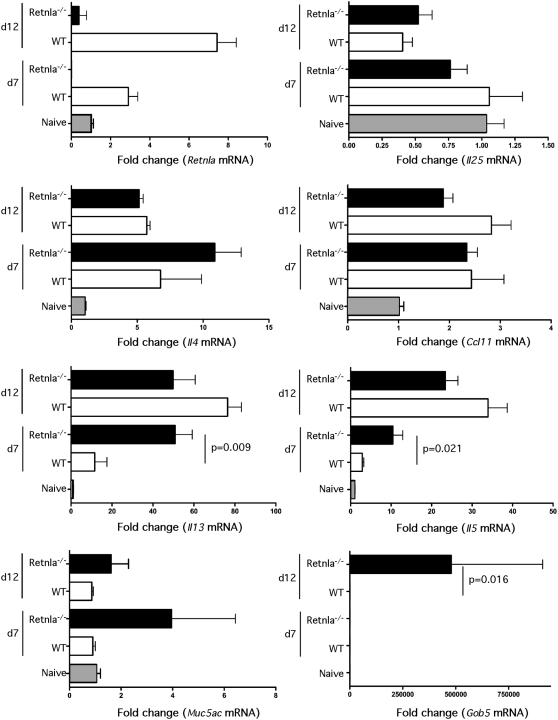
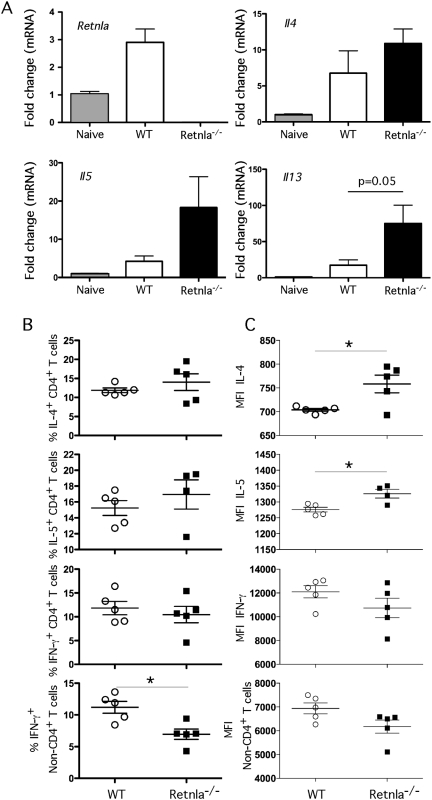
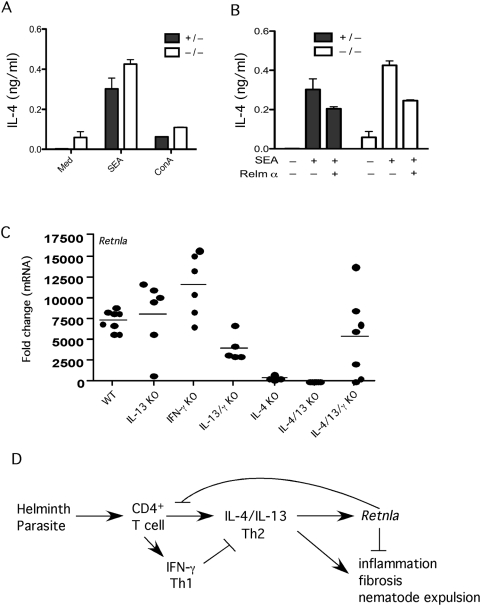
Retnla (Resistin-like molecule alpha/FIZZ1) is induced during Th2 cytokine immune responses. However, the role of Retnla in Th2-type immunity is unknown. Here, using Retnla(-/-) mice and three distinct helminth models, we show that Retnla functions as a negative regulator of Th2 responses. Pulmonary granuloma formation induced by the eggs of the helminth parasite Schistosoma mansoni is dependent on IL-4 and IL-13 and associated with marked increases in Retnla expression. We found that both primary and secondary pulmonary granuloma formation were exacerbated in the absence of Retlna. The number of granuloma-associated eosinophils and serum IgE titers were also enhanced. Moreover, when chronically infected with S. mansoni cercariae, Retnla(-/-) mice displayed significant increases in granulomatous inflammation in the liver and the development of fibrosis and progression to hepatosplenic disease was markedly augmented. Finally, Retnla(-/-) mice infected with the gastrointestinal (GI) parasite Nippostrongylus brasiliensis had intensified lung pathology to migrating larvae, reduced fecundity, and accelerated expulsion of adult worms from the intestine, suggesting Th2 immunity was enhanced. When their immune responses were compared, helminth infected Retnla(-/-) mice developed stronger Th2 responses, which could be reversed by exogenous rRelmalpha treatment. Studies with several cytokine knockout mice showed that expression of Retnla was dependent on IL-4 and IL-13 and inhibited by IFN-gamma, while tissue localization and cell isolation experiments indicated that eosinophils and epithelial cells were the primary producers of Retnla in the liver and lung, respectively. Thus, the Th2-inducible gene Retnla suppresses resistance to GI nematode infection, pulmonary granulomatous inflammation, and fibrosis by negatively regulating Th2-dependent responses.
Overview
The claims and statistics of this paper haven’t been checked yet.
Run the check — free, no account needed. It reads the open-access text and checks the sources it cites.
Integrity signals
Registry
Cites
Statistics
Figures
Verification
Claims the paper makes
The claims and statistics of this paper haven’t been checked yet.
Run the check — free, no account needed. It reads the open-access text and checks the sources it cites.
Claims other papers make about this one
Each is checked against this paper’s own text: does it say what the citing paper says it does?
In the citing paper
“Macrophages, however, can also regulate or reverse fibrosis through the secretion of matrix degrading MMPs and other M2 factors that have been shown to suppress fibrosis (IL-10, RELMα, Arg-1) [102,138–140].”
From Macrophage polarization: an opportunity for improved outcomes in biomaterials and regenerative medicine (2012) · cites this paper as [139]
Self-check
Percentages, sums and reported differences re-computed from the paper’s own numbers.
The self-check needs the paper’s full text.
Citations
Cites
Alternative activation of macrophages
Gordon, S. (2003) · Nature Reviews Immunology · doi:10.1038/nri978 · Cited by 6,189
Functional diversity of helper T lymphocytes
Abbas, A. K., MURPHY, K. M. M., & Sher, A. (1996) · Nature · doi:10.1038/383787a0 · Cited by 4,432
Interleukin-13: Central Mediator of Allergic Asthma
Wills-Karp, M. A., Luyimbazi, J., Xu, X., Schofield, B., Neben, T. Y., Karp, C. L., & Donaldson, D. D. (1998) · Science · doi:10.1126/science.282.5397.2258 · Cited by 2,611
Fibrotic disease and the TH1/TH2 paradigm
Wynn, T. A. (2004) · Nature Reviews Immunology · doi:10.1038/nri1412 · Cited by 1,765
Self-citationZhu, Z., Homer, R., Wang, Z., Chen, Q., Geba, G. P., Wang, J., Zhang, Y., & Elias, J. A. (1999) · Journal of Clinical Investigation · doi:10.1172/jci5909 · Cited by 1,732
Common and unique mechanisms regulate fibrosis in various fibroproliferative diseases
Wynn, T. A. (2007) · Journal of Clinical Investigation · doi:10.1172/jci31487 · Cited by 1,487
Self-citationInduction and effector functions of TH17 cells
Bettelli, E., Korn, T., Oukka, M., & Kuchroo, V. K. (2008) · Nature · doi:10.1038/nature07036 · Cited by 1,243
The immunobiology of schistosomiasis
Pearce, E. J., & MacDonald, A. S. (2002) · Nature reviews. Immunology · doi:10.1038/nri843 · Cited by 1,170
Protective immune mechanisms in helminth infection
Anthony, R. M., Rutitzky, L. I., Urban, J. F., Stadecker, M. J., & Gause, W. C. (2007) · Nature reviews. Immunology · doi:10.1038/nri2199 · Cited by 959
Self-citationBiochemical and functional characterization of three activated macrophage populations
Edwards, J. P., Zhang, X., Frauwirth, K. A., & Mosser, D. M. (2006) · Journal of Leukocyte Biology · doi:10.1189/jlb.0406249 · Cited by 863
Research works printed but not linked: 3
- NG Sandler, 2003, Global gene expression profiles during acute pathogen-induced pulmonary inflammation reveal divergent roles for Th1 and Th2 responses in tissue repair., J Immunol, 171, 3655, 10.4049/jimmunol.171.7.3655 · DOI
- AL Mora, 2006, Activation of alveolar macrophages via the alternative pathway in herpesvirus-induced lung fibrosis., Am J Respir Cell Mol Biol, 35, 466, 10.1165/rcmb.2006-0121OC · DOI
- RK Grencis, 2004, Interleukin-13: a key mediator in resistance to gastrointestinal-dwelling nematode parasites., Clin Rev Allergy Immunol, 26, 51, 10.1385/CRIAI:26:1:51 · DOI
Cited by
Sorted by citations
Protective and pathogenic functions of macrophage subsets
Murray, P. J., & Wynn, T. A. (2011) · Nature Reviews Immunology · doi:10.1038/nri3073 · Cited by 5,269
Self-citationAlternative activation of macrophages: mechanism and functions
Gordon, S., & Martinez, F. O. (2010) · Immunity · doi:10.1016/j.immuni.2010.05.007 · Cited by 4,197
Understanding the Mysterious M2 Macrophage through Activation Markers and Effector Mechanisms
Rőszer, T. (2015) · Mediators of Inflammation · doi:10.1155/2015/816460 · Cited by 1,762
Macrophages: master regulators of inflammation and fibrosis
Wynn, T., & Barron, L. (2010) · Seminars in Liver Disease · doi:10.1055/s-0030-1255354 · Cited by 1,392
Self-citationType 2 immunity in tissue repair and fibrosis
Gieseck, R. L., Wilson, M. S., & Wynn, T. A. (2018) · Nature Reviews Immunology · doi:10.1038/nri.2017.90 · Cited by 1,055
Self-citationBrown, B. N., Ratner, B. D., Goodman, S. B., Amar, S., & Badylak, S. F. (2012) · Biomaterials · doi:10.1016/j.biomaterials.2012.02.034 · Cited by 926
Diversity and dialogue in immunity to helminths
Allen, J. E., & Maizels, R. M. (2011) · Nature reviews. Immunology · doi:10.1038/nri2992 · Cited by 831
Dyken, S. J. V., & Locksley, R. M. (2013) · Annual Review of Immunology · doi:10.1146/annurev-immunol-032712-095906 · Cited by 743
Macrophages and cancer: from mechanisms to therapeutic implications
Ostuni, R., Kratochvill, F., Murray, P. J., & Natoli, G. (2015) · Trends in Immunology · doi:10.1016/j.it.2015.02.004 · Cited by 709
Type 2 cytokines: mechanisms and therapeutic strategies
Wynn, T. A. (2015) · Nature reviews. Immunology · doi:10.1038/nri3831 · Cited by 683
Self-citationObstacles and opportunities for understanding macrophage polarization
Murray, P. J., & Wynn, T. A. (2011) · Journal of Leukocyte Biology · doi:10.1189/jlb.0710409 · Cited by 581
Self-citationMartínez‐Pomares, L. (2012) · Journal of Leukocyte Biology · doi:10.1189/jlb.0512231 · Cited by 563
Type 2 immunity and wound healing: evolutionary refinement of adaptive immunity by helminths
Gause, W. C., Wynn, T. A., & Allen, J. E. (2013) · Nature reviews. Immunology · doi:10.1038/nri3476 · Cited by 481
Self-citationLin, C., He, H., Liu, H., Li, R., Chen, Y., Qi, Y., Jiang, Q., Chen, L., Zhang, P., Zhang, H., et al. (2019) · Gut · doi:10.1136/gutjnl-2018-316324 · Cited by 420
Celada, L. J., Kropski, J. A., Herazo‐Maya, J. D., Luo, W., Creecy, A., Abad, A. T., Chioma, O. S., Lee, G., Hassell, N. E., Shaginurova, G. I., et al. (2018) · Science Translational Medicine · doi:10.1126/scitranslmed.aar8356 · Cited by 376
Barron, L., & Wynn, T. A. (2011) · American Journal of Physiology-Gastrointestinal and Liver Physiology · doi:10.1152/ajpgi.00414.2010 · Cited by 304
Self-citationIntestinal epithelial cell secretion of RELM-β protects against gastrointestinal worm infection
Herbert, D. R., Yang, J., Hogan, S. P., Groschwitz, K., Khodoun, M. V., Munitz, A., Orekov, T., Perkins, C. L., Wang, Q., Brombacher, F., et al. (2009) · The Journal of Experimental Medicine · doi:10.1084/jem.20091268 · Cited by 281
Self-citationVirus-helminth coinfection reveals a microbiota-independent mechanism of immunomodulation
Osborne, L. C., Monticelli, L. A., Nice, T. J., Sutherland, T. E., Siracusa, M. C., Hepworth, M. R., Tomov, V. T., Kobuley, D. E., Tran, S. V., Bittinger, K. L., et al. (2014) · Science · doi:10.1126/science.1256942 · Cited by 268
Allen, J. E., & Sutherland, T. E. (2014) · Seminars in Immunology · doi:10.1016/j.smim.2014.06.003 · Cited by 279
Kumar, A., Stoica, B. A., Sabirzhanov, B., Burns, M. P., Faden, A. I., & Loane, D. J. (2013) · Neurobiology of Aging · doi:10.1016/j.neurobiolaging.2012.11.013 · Cited by 244
Regulation of pathogenesis and immunity in helminth infections
Maizels, R. M., Pearce, E. J., Artis, D., Yazdanbakhsh, M., & Wynn, T. A. (2009) · The Journal of Experimental Medicine · doi:10.1084/jem.20091903 · Cited by 247
Self-citationSchistosomiasis in the People's Republic of China: the Era of the Three Gorges Dam
McManus, D. P., Gray, D. J., Li, Y. S., Feng, Z., Williams, G. M., Stewart, D., Rey-Ladino, J., & Ross, A. G. (2010) · Clinical Microbiology Reviews · doi:10.1128/cmr.00044-09 · Cited by 224
Schistosome Egg Migration: Mechanisms, Pathogenesis and Host Immune Responses
Costain, A. H., MacDonald, A. S., & Smits, H. H. (2018) · Frontiers in Immunology · doi:10.3389/fimmu.2018.03042 · Cited by 231
Recent Advances in Type-2-Cell-Mediated Immunity: Insights from Helminth Infection
Harris, N. L., & Loke, P. (2017) · Immunity · doi:10.1016/j.immuni.2017.11.015 · Cited by 219
Huber, S., Hoffmann, R. F. G., Muskens, F., & Voehringer, D. (2010) · Blood · doi:10.1182/blood-2010-02-271981 · Cited by 205
Alternative activation generates IL-10 producing type 2 innate lymphoid cells
Seehus, C. R., Kadavallore, A., de la Torre, B., Yeckes, A. R., Wang, Y., Tang, J., & Kaye, J. (2017) · Nature Communications · doi:10.1038/s41467-017-02023-z · Cited by 204
Immunity against Helminths: Interactions with the Host and the Intercurrent Infections
Moreau, E., & Chauvin, A. (2010) · BioMed Research International · doi:10.1155/2010/428593 · Cited by 199
Macrophage activation governs schistosomiasis‐induced inflammation and fibrosis
Barron, L., & Wynn, T. A. (2011) · European Journal of Immunology · doi:10.1002/eji.201141869 · Cited by 185
Self-citationEstrogen Signaling Contributes to Sex Differences in Macrophage Polarization during Asthma
Keselman, A. M., Fang, X., White, P. B., & Heller, N. M. (2017) · The Journal of Immunology · doi:10.4049/jimmunol.1601975 · Cited by 171
Finlay, C. M., Walsh, K. P., & Mills, K. H. G. (2014) · Immunological Reviews · doi:10.1111/imr.12164 · Cited by 169
Moreira, A. P., & Hogaboam, C. M. (2011) · Journal of Interferon & Cytokine Research · doi:10.1089/jir.2011.0027 · Cited by 139
Moreira, A., Cavassani, K., Hullinger, R., Rosada, R. S., Fong, D. J., Murray, L., Hesson, D., & Hogaboam, C. (2010) · Journal of Allergy and Clinical Immunology · doi:10.1016/j.jaci.2010.06.010 · Cited by 133
Regulation of Macrophage Arginase Expression and Tumor Growth by the Ron Receptor Tyrosine Kinase
Sharda, D. R., Yu, S., Ray, M., Squadrito, M. L., Palma, M. D., Wynn, T. A., Morris, S. M., & Hankey, P. A. (2011) · The Journal of Immunology · doi:10.4049/jimmunol.1003460 · Cited by 143
Self-citationTh2 responses in schistosomiasis
Fairfax, K. C., Nascimento, M., Huang, S. C., Everts, B., & Pearce, E. J. (2012) · Seminars in Immunopathology · doi:10.1007/s00281-012-0354-4 · Cited by 121
Burke, M. L., McManus, D. P., Ramm, G. A., Duke, M., Li, Y. S., Jones, M. K., & Gobert, G. N. (2010) · PLoS neglected tropical diseases · doi:10.1371/journal.pntd.0000598 · Cited by 119
Bhatia, S., Fei, M., Yarlagadda, M., Qi, Z., Akira, S., Saijo, S., Iwakura, Y., van Rooijen, N., Gibson, G. A., Croix, C. M. S., et al. (2011) · PLoS ONE · doi:10.1371/journal.pone.0015943 · Cited by 125
Schistosomiasis-Associated Pulmonary Hypertension
Graham, B. B., Bandeira, A., Morrell, N. W., BUTROUS, G. S., & Tuder, R. M. (2010) · CHEST Journal · doi:10.1378/chest.10-0048 · Cited by 118
Barnes, M. A., Carson, M. J., & Nair, M. G. (2015) · Cytokine · doi:10.1016/j.cyto.2015.01.008 · Cited by 110
Alternatively activated dendritic cells regulate CD4 + T-cell polarization in vitro and in vivo
Cook, P. C., Jackson-Jones, L. H., Jenkins, S. J., Wynn, T. A., Allen, J. E., & MacDonald, A. S. (2012) · Proceedings of the National Academy of Sciences · doi:10.1073/pnas.1121231109 · Cited by 111
Self-citationLi, H., Hicks, J. J., Wang, L., Oyster, N., Philippon, M. J., Hurwitz, S. R., Hogan, M. V., & Huard, J. (2016) · Biomaterials · doi:10.1016/j.biomaterials.2016.02.017 · Cited by 111
Enhanced resolution of experimental ARDS through IL-4-mediated lung macrophage reprogramming
D’Alessio, F. R., Craig, J. M., Singer, B. D., Files, D. C., Mock, J. R., Garibaldi, B. T., Fallica, J., Tripathi, A., Mandke, P., Gans, J. H., et al. (2016) · American Journal of Physiology-Lung Cellular and Molecular Physiology · doi:10.1152/ajplung.00419.2015 · Cited by 104
Pine, G. M., Batugedara, H., & Nair, M. G. (2018) · Cytokine · doi:10.1016/j.cyto.2018.05.014 · Cited by 108
Schistosomiasis-Induced Experimental Pulmonary Hypertension
Graham, B. B., Mentink‐Kane, M. M., El‐Haddad, H., Purnell, S. M., Zhang, L., Zaiman, A., Redente, E. F., Riches, D. W. H., Hassoun, P. M., Bandeira, A., et al. (2010) · American Journal Of Pathology · doi:10.2353/ajpath.2010.100063 · Cited by 99
Self-citationSelective inhibition and augmentation of alternative macrophage activation by progesterone
Menzies, F. M., Henriquez, F. L., Alexander, J. K., & Roberts, C. W. (2011) · Immunology · doi:10.1111/j.1365-2567.2011.03488.x · Cited by 100
Tang, L., Zhang, H., Wang, C., Li, H., Zhang, Q., & Bai, J. (2016) · Shock · doi:10.1097/shk.0000000000000820 · Cited by 93
Qian, F., Deng, J., Lee, Y. G., Zhu, J., Karpurapu, M., Chung, S., Zheng, J.-N., Xiao, L., Park, G. Y., & Christman, J. W. (2015) · Journal of Molecular Cell Biology · doi:10.1093/jmcb/mjv042 · Cited by 92
Nascimento, M., Huang, S. C., Smith, A. M., Everts, B., Lam, W. Y., Bassity, E., Gautier, E. L., Randolph, G. J., & Pearce, E. J. (2014) · PLoS Pathogens · doi:10.1371/journal.ppat.1004282 · Cited by 90
Similarity and Diversity in Macrophage Activation by Nematodes, Trematodes, and Cestodes
Jenkins, S. J., & Allen, J. E. (2010) · BioMed Research International · doi:10.1155/2010/262609 · Cited by 95
Doherty, T. A., Khorram, N., Sugimoto, K., Sheppard, D., Rosenthal, P., Cho, J. Y., Pham, A. K., Miller, M., Croft, M., & Broide, D. H. (2012) · The Journal of Immunology · doi:10.4049/jimmunol.1101632 · Cited by 88
Macrophage proliferation, provenance, and plasticity in macroparasite infection
Rückerl, D., & Allen, J. E. (2014) · Immunological Reviews · doi:10.1111/imr.12221 · Cited by 87
Nelson, M. P., Christmann, B. S., Werner, J. L., Metz, A. E., Trevor, J. L., Lowell, C. A., & Steele, C. H. (2011) · The Journal of Immunology · doi:10.4049/jimmunol.1002558 · Cited by 86
Park, J., Decker, J. T., Margul, D. J., Smith, D. R., Cummings, B. J., Anderson, A. J., & Shea, L. D. (2018) · Molecular Therapy · doi:10.1016/j.ymthe.2018.04.022 · Cited by 88
Resistin: A journey from metabolism to cancer
Deb, A., Deshmukh, B., Ramteke, P. L., Bhati, F. K., & Bhat, M. K. (2021) · Translational Oncology · doi:10.1016/j.tranon.2021.101178 · Cited by 85
Macrophage polarization: an effective approach to targeted therapy of inflammatory bowel disease
Du, Y., Rong, L., Cong, Y., Shen, L., Zhang, N., & Wang, B. (2021) · Expert Opinion on Therapeutic Targets · doi:10.1080/14728222.2021.1901079 · Cited by 81
The role of macrophages in healing the wounded lung
Alber, A., Howie, S., Wallace, W. A., & Hirani, N. (2012) · International Journal of Experimental Pathology · doi:10.1111/j.1365-2613.2012.00833.x · Cited by 77
Turner, J. D., Jenkins, G. R., Hogg, K., Aynsley, S. A., Paveley, R. A., Cook, P. C., Coles, M. C., & Mountford, A. P. (2011) · PLoS neglected tropical diseases · doi:10.1371/journal.pntd.0001269 · Cited by 76
The Elusive Antifibrotic Macrophage
Adhyatmika, A., Putri, K. S. S., Beljaars, L., & Melgert, B. N. (2015) · Frontiers in Medicine · doi:10.3389/fmed.2015.00081 · Cited by 77
Ym1 induces RELMα and rescues IL-4Rα deficiency in lung repair during nematode infection
Sutherland, T. E., Rückerl, D., Logan, N., Duncan, S., Wynn, T. A., & Allen, J. E. (2018) · PLoS Pathogens · doi:10.1371/journal.ppat.1007423 · Cited by 74
Self-citationSombetzki, M., Fuchs, C. D., Fickert, P., Österreicher, C. H., Mueller, M., Claudel, T., Loebermann, M., Engelmann, R., Langner, C., Sahin, E., et al. (2014) · Journal of Hepatology · doi:10.1016/j.jhep.2014.11.020 · Cited by 69
Regulation of Inflammatory Functions of Macrophages and T Lymphocytes by NFAT5
Aramburu, J. F., & López‐Rodríguez, C. (2019) · Frontiers in Immunology · doi:10.3389/fimmu.2019.00535 · Cited by 72
Quinn, S. M., Cunningham, K. T., Raverdeau, M., Walsh, R. J., Curham, L. M., Malara, A., & Mills, K. H. G. (2019) · Frontiers in Immunology · doi:10.3389/fimmu.2019.01109 · Cited by 70
Ariyaratne, A., & Finney, C. A. M. (2019) · Infection and Immunity · doi:10.1128/iai.00127-19 · Cited by 68
Monocyte-macrophages modulate intestinal homeostasis in inflammatory bowel disease
Lu, H., Suo, Z., Lin, J., Cong, Y., & Liu, Z. (2024) · Biomarker Research · doi:10.1186/s40364-024-00612-x · Cited by 77
Jang, J. C., Chen, G., Wang, S. H., Barnes, M. A., Chung, J. I., Camberis, M., Gros, G. S. L., Cooper, P. J., Steel, C., Nutman, T. B., et al. (2015) · PLoS Pathogens · doi:10.1371/journal.ppat.1004579 · Cited by 66
Temporal phenotypic features distinguish polarized macrophagesin vitro
Melton, D. W., McManus, L. M., Gelfond, J., & Shireman, P. K. (2015) · Autoimmunity · doi:10.3109/08916934.2015.1027816 · Cited by 65
Rolot, M., & Dewals, B. G. (2018) · Journal of Immunology Research · doi:10.1155/2018/2790627 · Cited by 64
The in vivo fibrotic role of FIZZ1 in pulmonary fibrosis
Liu, T., Yu, H., Ullenbruch, M., Jin, H., Ito, T., Wu, Z., Liu, J., & Phan, S. H. (2014) · PLoS ONE · doi:10.1371/journal.pone.0088362 · Cited by 62
Nieuwenhuizen, N. E., Kirstein, F., Jayakumar, J., Emedi, B., Hurdayal, R., Horsnell, W. G. C., Lopata, A. L., & Brombacher, F. (2012) · Journal of Allergy and Clinical Immunology · doi:10.1016/j.jaci.2012.03.011 · Cited by 62
Modulation of Specific and Allergy‐Related Immune Responses by Helminths
Daniłowicz-Luebert, E., O’Regan, N. L., Steinfelder, S., & Hartmann, S. (2011) · BioMed Research International · doi:10.1155/2011/821578 · Cited by 64
Loss of FOXM1 in macrophages promotes pulmonary fibrosis by activating p38 MAPK signaling pathway
Goda, C., Balli, D., Black, M., Milewski, D., Le, T. T., Ustiyan, V., Ren, X., Kalinichenko, V. V., & Kalin, T. V. (2020) · PLoS Genetics · doi:10.1371/journal.pgen.1008692 · Cited by 64
Helminths and their implication in sepsis - a new branch of their immunomodulatory behaviour?
Hübner, M. P., Layland, L. E., & Hoerauf, A. M. (2013) · Pathogens and Disease · doi:10.1111/2049-632x.12080 · Cited by 61
Interactions between macrophages and helminths
Coakley, G., & Harris, N. L. (2020) · Parasite Immunology · doi:10.1111/pim.12717 · Cited by 59
Parasites, nutrition, immune responses and biology of metabolic tissues
Shea‐Donohue, T., Qin, B., & Smith, A. D. (2017) · Parasite Immunology · doi:10.1111/pim.12422 · Cited by 62
Krljanac, B., Schubart, C., Naumann, R., Wirtz, S. J., Culemann, S., Krönke, G., & Voehringer, D. (2019) · Science Immunology · doi:10.1126/sciimmunol.aau3814 · Cited by 55
Kumamoto, Y., Camporez, J. P., Jurczak, M. J., Shanabrough, M., Horváth, T. L., Shulman, G. I., & Iwasaki, A. (2016) · Immunity · doi:10.1016/j.immuni.2016.08.002 · Cited by 55
Eosinophils and IL-4 Support Nematode Growth Coincident with an Innate Response to Tissue Injury
Huang, L., Beiting, D. P., Gebreselassie, N. G., Gagliardo, L. F., Ruyechan, M. C., Lee, N. A., Lee, J. J., & Appleton, J. A. (2015) · PLoS Pathogens · doi:10.1371/journal.ppat.1005347 · Cited by 51
Burke, M. L., McManus, D. P., Ramm, G. A., Duke, M., Li, Y. S., Jones, M. K., & Gobert, G. N. (2010) · PLoS neglected tropical diseases · doi:10.1371/journal.pntd.0000686 · Cited by 52
Schwartz, C., Oeser, K., da Costa, C. P., Layland, L. E., & Voehringer, D. (2014) · The Journal of Immunology · doi:10.4049/jimmunol.1401155 · Cited by 51
Li, Y., Dong, M., Wang, Q., Kumar, S., Zhang, R., Cheng, W., Xiang, J., Wang, G., Ouyang, K., Zhou, R., et al. (2021) · Basic Research in Cardiology · doi:10.1007/s00395-021-00867-7 · Cited by 51
Dewals, B. G., Marillier, R. G., Hoving, J. C., Leeto, M., Schwegmann, A., & Brombacher, F. (2010) · PLoS neglected tropical diseases · doi:10.1371/journal.pntd.0000689 · Cited by 50
Ray, D., Nelson, T. A., Fu, C., Patel, S., Gong, D. N., Odegaard, J. I., & Hsieh, M. H. (2012) · PLoS neglected tropical diseases · doi:10.1371/journal.pntd.0001912 · Cited by 50
Tellechea, M., Buxadé, M., Vaquero, S. T., Aramburu, J. F., & López‐Rodríguez, C. (2017) · The Journal of Immunology · doi:10.4049/jimmunol.1601942 · Cited by 51
Cook, P. C., Aynsley, S. A., Turner, J. D., Jenkins, G. R., van Rooijen, N., Leeto, M., Brombacher, F., & Mountford, A. P. (2011) · PLoS Pathogens · doi:10.1371/journal.ppat.1001323 · Cited by 50
Mesocestoides cortiintracranial infection as a murine model for neurocysticercosis
Alvarez, J. I., Mishra, B. B., Gundra, U. M., MISHRA, P. K., & Teale, J. M. (2010) · Parasitology · doi:10.1017/s0031182009991971 · Cited by 49
Nair, M. G., & Herbert, D. R. (2016) · Immunology · doi:10.1111/imm.12601 · Cited by 48
Campbell, S. M., Knipper, J. A., Rückerl, D., Finlay, C. M., Logan, N., Minutti, C. M., Mack, M., Jenkins, S. J., Taylor, M. D., & Allen, J. E. (2018) · eLife · doi:10.7554/elife.30947 · Cited by 45
Schistosome infection and its effect on pulmonary circulation
BUTROUS, G. S. (2019) · Global Cardiology Science and Practice · doi:10.21542/gcsp.2019.5 · Cited by 49
Dasgupta, P., & Keegan, A. D. (2012) · Journal of Innate Immunity · doi:10.1159/000336025 · Cited by 52
Th2 Cytokines Augment IL-31/IL-31RA Interactions via STAT6-dependent IL-31RA Expression
Edukulla, R., Singh, B. B., Jegga, A. G., Sontake, V., Dillon, S. R., & Madala, S. K. (2015) · Journal of Biological Chemistry · doi:10.1074/jbc.m114.622126 · Cited by 45
Fasciola hepatica tegumental antigens indirectly induce an M2 macrophage‐like phenotype in vivo
Adams, P. N., Aldridge, A. M., Vukman, K. V., Donnelly, S., & O’Neill, S. M. (2014) · Parasite Immunology · doi:10.1111/pim.12127 · Cited by 47
Role of type 2 deiodinase in response to acute lung injury (ALI) in mice
Barca‐Mayo, O., Liao, X.-H., DiCosmo, C., Dumitrescu, A. M., Moreno‐Vinasco, L., Wade, M. S., Sammani, S., Mirzapoiazova, T., Garcia, J. G. N., Refetoff, S., et al. (2011) · Proceedings of the National Academy of Sciences · doi:10.1073/pnas.1109926108 · Cited by 47
Wang, H., Huang, R. S., Yang, K., Xu, M., Fan, D., Liu, M., Huang, S., Liu, L., Wu, H., & Tang, Q. (2019) · International Journal of Molecular Medicine · doi:10.3892/ijmm.2019.4291 · Cited by 46
Resistin-like molecules: a marker, mediator and therapeutic target for multiple diseases
Shi, Y., Zhu, N., Qiu, Y., Tan, J., Wang, F., Li, Q., & Dai, A. (2023) · Cell Communication and Signaling · doi:10.1186/s12964-022-01032-w · Cited by 44
Resistin family proteins in pulmonary diseases
Lin, Q., & Johns, R. A. (2020) · American Journal of Physiology-Lung Cellular and Molecular Physiology · doi:10.1152/ajplung.00040.2020 · Cited by 44
Macrophage regulation & function in helminth infection
Lechner, A., Bohnacker, S., & Bieren, J. E. (2021) · Seminars in Immunology · doi:10.1016/j.smim.2021.101526 · Cited by 42
O’Regan, N. L., Steinfelder, S., Venugopal, G., Rao, G. B., Lucius, R., Srikantam, A., & Hartmann, S. (2014) · PLoS neglected tropical diseases · doi:10.1371/journal.pntd.0003206 · Cited by 42
Little, M. C., Hurst, R., & Else, K. J. (2014) · The Journal of Immunology · doi:10.4049/jimmunol.1400502 · Cited by 41
The adipokine Retnla modulates cholesterol homeostasis in hyperlipidemic mice
Lee, M., Lim, C.-J., Lee, Y.-H., Park, J., Sonn, S. K., Lee, M.-N., Jung, I., Jeong, S., Jeon, S., Lee, M., et al. (2014) · Nature Communications · doi:10.1038/ncomms5410 · Cited by 44
Yap, G. S., & Gause, W. C. (2018) · Frontiers in Immunology · doi:10.3389/fimmu.2018.02135 · Cited by 43
Tundup, S., Srivastava, L., Nagy, T., & Harn, D. A. (2014) · Infection and Immunity · doi:10.1128/iai.01780-14 · Cited by 41
Metadata
- Authors
- Pesce, J. T., Ramalingam, T. R., Wilson, M. S., Mentink-Kane, M. M., Thompson, R. W., Cheever, A. W., Urban, J. F., & Wynn, T. A.
- Affiliations
- National Institutes of Health (US)
- Biomedical Research Institute (US)
- Agricultural Research Service (US)
- Corresponding author
- Wynn, Thomas A.
- Venue
- PLoS Pathogens
- Publisher
- Public Library of Science (PLoS)
- Published
- 2009-04-17
- Volume
- 5
- Issue
- 4
- Pages
- e1000393
- ISSN
- 1553-7366 (ISSN-L)
- 1553-7374
- PMC
- PMC2663845
- OpenAlex
- W2087869886
- Cited by
- 213
- References
- 53
- Citations by year
- 2026: 4 · 2025: 1 · 2024: 5 · 2023: 10 · 2022: 6 · 2021: 11 · 2020: 11 · 2019: 10 · 2018: 14 · 2017: 11 · 2016: 15 · 2015: 21 · 2014: 21 · 2013: 10 · 2012: 20
- FWCI
- 14.83
- Type
- journal article
- Language
- en
- Open access
- gold
- doi.org
- Licence
- Locations
- PLoS Pathogens (publishedVersion, public-domain)
- PubMed Central (publishedVersion, public-domain)
- PubMed (publishedVersion)
- DOAJ (DOAJ: Directory of Open Access Journals) (submittedVersion, cc-by-sa)
- Funders
- Regeneron Pharmaceuticals
- National Institutes of Health
- National Institute of Allergy and Infectious Diseases
- Topics
- Life Sciences › Immunology and Microbiology › Parasitology › Parasites and Host Interactions
- Life Sciences › Immunology and Microbiology › Immunology › IL-33, ST2, and ILC Pathways
- Health Sciences › Medicine › Infectious Diseases › Parasitic Diseases Research and Treatment
- Keywords
- Fizz1, Th2 immune response, helminthiasis, Schistosoma mansoni, Nippostrongylus brasiliensis, pulmonary granuloma, IL-4, IL-13, interferon-gamma, eosinophils, IgE, liver fibrosis, hepatosplenic schistosomiasis, intestinal nematode infection, granulomatous inflammation
- MeSH terms
- Animals, Eosinophils, Granuloma, Immunity, Innate, Interferon-gamma, Lung Diseases, Parasitic, Mice, Inbred C57BL, Nippostrongylus, Pulmonary Fibrosis, Schistosoma mansoni, Schistosomiasis mansoni, Interleukin-4, Strongylida Infections, Th2 Cells, Interleukin-13, Intercellular Signaling Peptides and Proteins, Mice
About these checks
Registry, retraction, Cites and statistics results are computed, not judged, with one exception: a printed reference that no index lists is read once by a model before it counts as a citation error. Claims are extracted by a model and kept only when their quote appears verbatim in the text; each cited source is then checked, with a model’s help, for whether it says what the claim relies on. Those verdicts can be wrong — read the claim’s quote and the cited source before relying on one.
Statistics and arithmetic are recomputed, not judged.
Confidence bands are shown only for fields calibrated on our annotated test set. None is calibrated yet, so no band is shown.
What counts as a claim ›How we measure confidence ›How we check this ›
Are you an author, or do you see a problem with this page? Request a review
