

The Set3/Hos2 Histone Deacetylase Complex Attenuates cAMP/PKA Signaling to Regulate Morphogenesis and Virulence of Candida albicans
Open accessThe DOI matches its Crossref record; 69 of the 69 references it cites were found in a registry or an index.
Abstract
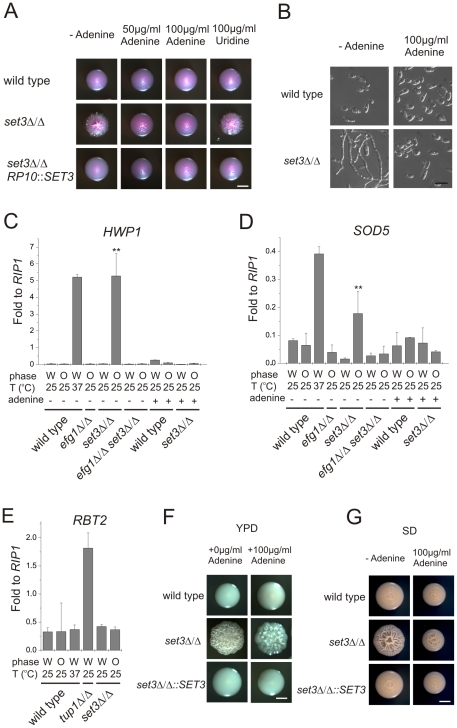
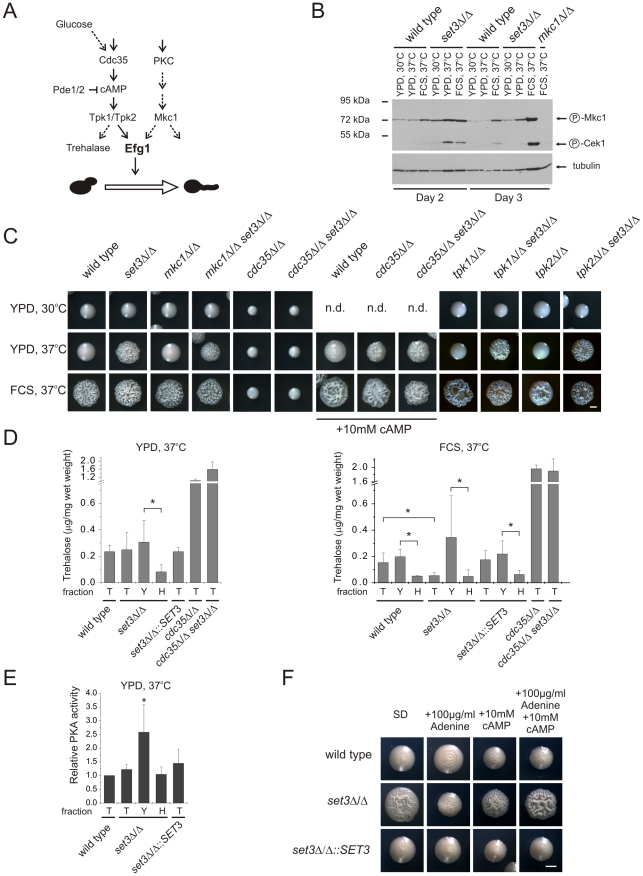
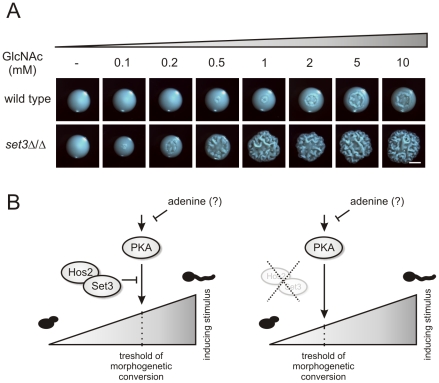
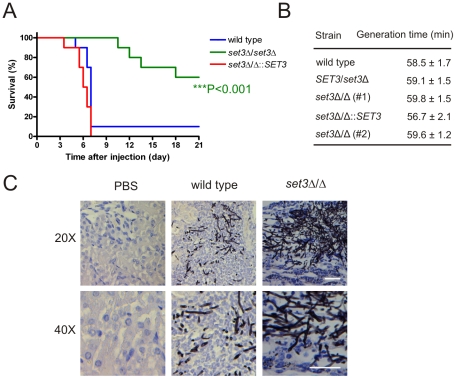
Candida albicans, like other pleiomorphic fungal pathogens, is able to undergo a reversible transition between single yeast-like cells and multicellular filaments. This morphogenetic process has long been considered as a key fungal virulence factor. Here, we identify the evolutionarily conserved Set3/Hos2 histone deacetylase complex (Set3C) as a crucial repressor of the yeast-to-filament transition. Cells lacking core components of the Set3C are able to maintain all developmental phases, but are hypersusceptible to filamentation-inducing signals, because of a hyperactive cAMP/Protein Kinase A signaling pathway. Strikingly, Set3C-mediated control of filamentation is required for virulence in vivo, since set3Delta/Delta cells display strongly attenuated virulence in a mouse model of systemic infection. Importantly, the inhibition of histone deacetylase activity by trichostatin A exclusively phenocopies the absence of a functional Set3C, but not of any other histone deacetylase gene. Hence, our work supports a paradigm for manipulating morphogenesis in C. albicans through alternative antifungal therapeutic strategies.
Overview
The claims and statistics of this paper haven’t been checked yet.
Free: it reads the open-access text and checks the first 5 claims that cite a source we can check. Create a free account to check every claim.
Integrity signals
Registry
Cites
Statistics
Figures
Verification
Claims the paper makes
The claims and statistics of this paper haven’t been checked yet.
Free: it reads the open-access text and checks the first 5 claims that cite a source we can check. Create a free account to check every claim.
Claims other papers make about this one
Each is checked against this paper’s own text: does it say what the citing paper says it does?
The source backs part of the claim, not all of it — or backs it for a different population, condition or comparison.
In the citing paper
“Set3 complex mutants are almost completely avirulent in a murine disseminated infection model (24).”
From A Histone Deacetylase Complex Mediates Biofilm Dispersal and Drug Resistance in Candida albicans (2014) · cites this paper as [24]
Experimental — accuracy not yet measuredThe source backs part of the claim, not all of it — or backs it for a different population, condition or comparison.
In the citing paper
“trichostatin A, a known histone deacetylase inhibitor, has been shown to induce filamentation at physiological temperatures and reduce other specific virulence attributes of C. albicans (24, 49).”
From A Histone Deacetylase Complex Mediates Biofilm Dispersal and Drug Resistance in Candida albicans (2014) · cites this paper as [24]
Experimental — accuracy not yet measuredThe source backs part of the claim, not all of it — or backs it for a different population, condition or comparison.
In the citing paper
“In C. albicans, only the core complex has been studied and, as discussed above, was recently found to be involved in the modulation of morphogenesis-related processes (23, 24).”
From A Histone Deacetylase Complex Mediates Biofilm Dispersal and Drug Resistance in Candida albicans (2014) · cites this paper as [24]
Experimental — accuracy not yet measuredThe source backs part of the claim, not all of it — or backs it for a different population, condition or comparison.
In the citing paper
“suggesting that trichostatin A inhibition of Set3 and Hos2 is directly responsible for the effects on filamentation and possibly virulence.”
From A Histone Deacetylase Complex Mediates Biofilm Dispersal and Drug Resistance in Candida albicans (2014) · cites this paper as [24]
Experimental — accuracy not yet measuredThe cited source says what the claim attributes to it.
In the citing paper
“deletion of only the Set3 and Hos2 core subunits of the Set3 complex phenocopied trichostatin A treatment (24)”
From A Histone Deacetylase Complex Mediates Biofilm Dispersal and Drug Resistance in Candida albicans (2014) · cites this paper as [24]
Self-check
Percentages, sums and reported differences re-computed from the paper’s own numbers.
The self-check needs the paper’s full text.
Citations
Cites
Sherman, F., Fink, G. R., & Hicks, J. B. (1979) · Cold Spring Harbor Laboratory eBooks · Cited by 7,430
Jacob, H. E. (1988) · Bioelectrochemistry and Bioenergetics · doi:10.1016/0302-4598(88)80052-7 · Cited by 4,792
Methods in Yeast Genetics: A Laboratory Course Manual
Rose, M. D., Winston, F., & Hieter, P. (1990) · Medical Entomology and Zoology · Cited by 1,894
Yoshida, M., Kijima, M., Akita, M., & Beppu, T. (1990) · Journal of Biological Chemistry · doi:10.1016/s0021-9258(17)44885-x · Cited by 1,854 · cited 9×
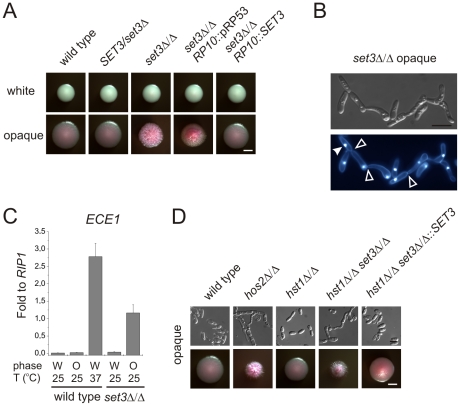
“We then examined single deletion C. albicans strains lacking all putative histone deacetylase under identical growth conditions in the absence of TSA.”
BackgroundInfluentialThree new dominant drug resistance cassettes for gene disruption inSaccharomyces cerevisiae
Goldstein, A. L., & McCusker, J. H. (1999) · Yeast · doi:10.1002/(sici)1097-0061(199910)15:14<1541::aid-yea476>3.0.co;2-k · Cited by 1,820 · cited 1×
“The upstream fragment was cloned using the HindIII and BamHI restriction sites; the downstream fragment was cloned using the SacI and SacII sites into the pAG36 [65] plasmid harboring a nourseothricin acetyltransferase (NAT1) resistance marker, to yield the plasmid pRP53.”
MethodNonfilamentous C. albicans Mutants Are Avirulent
Lo, H.-J., Köhler, J. R., DiDomenico, B., Loebenberg, D., Cacciapuoti, A., & Fink, G. R. (1997) · Cell · doi:10.1016/s0092-8674(00)80358-x · Cited by 1,809 · cited 5×
“downstream target transcription factor Efg1 [9,10].”
BackgroundInfluentialGillum, A. M., Tsay, E. Y. H., & Kirsch, D. R. (1984) · Molecular and General Genetics MGG · doi:10.1007/bf00328721 · Cited by 1,251 · cited 1×
“, a leucine, histidine, arginine auxotrophic derivative of the clinical isolate SC5314”
BackgroundThe distinct morphogenic states of Candida albicans
Sudbery, P., Gow, N., & Berman, J. (2004) · Trends in Microbiology · doi:10.1016/j.tim.2004.05.008 · Cited by 876 · cited 1×
“Microscopic inspection revealed that wrinkled opaque colonies formed by set3D/D cells consisted of mostly filamentous structures with pseudohyphal characteristics [29].”
BackgroundSuppression of Hyphal Formation in Candida albicans by Mutation of a STE12 Homolog
Liu, H., Köhler, J., & Fink, G. R. (1994) · Science · doi:10.1126/science.7992058 · Cited by 786 · cited 5×
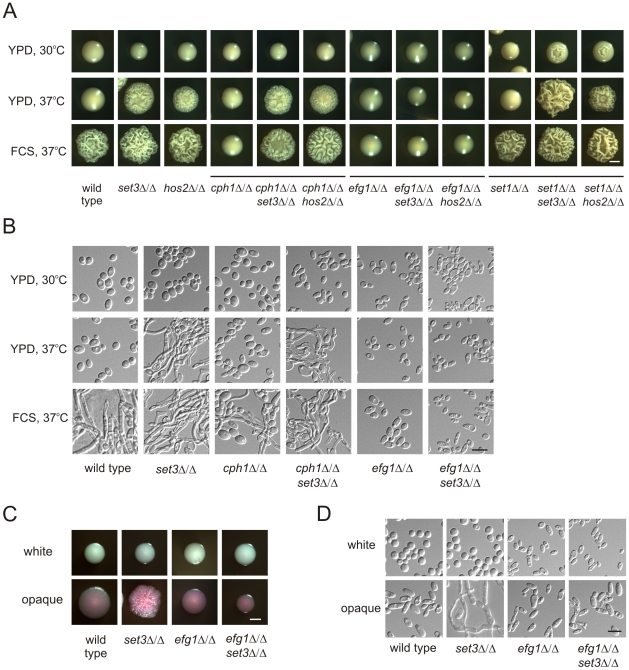
“The cph1D/D strain (JKC19) has been previously described [8].”
BackgroundInfluentialThe SAT1 flipper, an optimized tool for gene disruption in Candida albicans
Reuß, O., Vik, Å., Kolter, R., & Morschhäuser, J. (2004) · Gene · doi:10.1016/j.gene.2004.06.021 · Cited by 742
Research works printed but not linked: 1
- Odds FC 1988 Candida and Candidosis: A Review and Bibliography. London Baillière Tindall
Cited by
Regulatory circuitry governing fungal development, drug resistance, and disease.
Shapiro, R. S., Robbins, N., & Cowen, L. E. (2011) · Microbiology and Molecular Biology Reviews · doi:10.1128/mmbr.00045-10 · Cited by 576
“Cdc28 is also involved in morphogenesis, as the depletion of Cdc28 leads to filamentous growth and the expression of hypha-specific transcripts, such as HWP1 and ECE1 (590).”
BackgroundInfluentialThe myriad roles of cyclic AMP in microbial pathogens: from signal to sword
McDonough, K. A., & Rodriguez, A. (2012) · Nature Reviews Microbiology · doi:10.1038/nrmicro2688 · Cited by 325
“Similarly, set3 −/− mutants, in which loss of the Set3C histone deacetylase complex causes hypersensitivity to filamentation signals, are avirulen”
BackgroundIsolation of vaginal lactobacilli and characterization of anti-candida activity
Parolin, C., Marangoni, A., Laghi, L., Foschi, C., Ñahui Palomino, R. A., Calonghi, N., Cevenini, R., & Vitali, B. (2015) · PLOS ONE · doi:10.1371/journal.pone.0131220 · Cited by 228
Candida albicans hyphal initiation and elongation
Lu, Y., Su, C., & Liu, H. (2014) · Trends in Microbiology · doi:10.1016/j.tim.2014.09.001 · Cited by 193
“In addition to Hda1, the Set3/Hos2 histone deacetylase complex has been shown to inhibit the yeast-to-filament transition and modulate transient expression changes of key transcription factors that influence morphogenesis [70, 71].”
Modulation of Morphogenesis in Candida albicans by Various Small Molecules
Shareck, J., & Belhumeur, P. (2011) · Eukaryotic Cell · doi:10.1128/ec.05030-11 · Cited by 142
“ment promoted hyphal development under noninducing conditions (55).”
BackgroundInfluentialA Core Filamentation Response Network in Candida albicans Is Restricted to Eight Genes
Martin, R., Albrecht-Eckardt, D., Brunke, S., Hube, B., Hünniger, K., & Kurzai, O. (2013) · PLoS ONE · doi:10.1371/journal.pone.0058613 · Cited by 129
“Modification of histone proteins has shown to be involved in regulation of morphogenesis [58] and it was recently shown that chromatin remodeling plays an important role in allowing Nrg1 to get access to its target DNA sequences [21,22].”
BackgroundSodium butyrate inhibits pathogenic yeast growth and enhances the functions of macrophages
Nguyen, L. N., Lopes, L. C. L., Cordero, R. J. B., & Nosanchuk, J. D. (2011) · Journal of Antimicrobial Chemotherapy · doi:10.1093/jac/dkr358 · Cited by 125
Hnisz, D., Bardet, A. F., Nobile, C. J., Petryshyn, A., Glaser, W., Schöck, U., Stark, A., & Kuchler, K. (2012) · PLoS Genetics · doi:10.1371/journal.pgen.1003118 · Cited by 100
“NRG1 and SET3 alleles were deleted using the SAT1 flipping strategy [15,43].”
BackgroundMethodInfluentialSelf-citationMitochondrial proline catabolism activates Ras1/cAMP/PKA-induced filamentation in Candida albicans
Silao, F. G. S., Ward, M., Ryman, K., Wallström, A., Brindefalk, B., Udekwu, K., & Ljungdahl, P. O. (2019) · PLOS Genetics · doi:10.1371/journal.pgen.1007976 · Cited by 93
Lu, H., Hong, T., Jiang, Y., Whiteway, M., & Zhang, S. (2023) · Advanced Drug Delivery Reviews · doi:10.1016/j.addr.2023.114960 · Cited by 89
A Histone Deacetylase Complex Mediates Biofilm Dispersal and Drug Resistance in Candida albicans
Nobile, C. J., Fox, E. P., Hartooni, N., Mitchell, K. F., Hnisz, D., Andes, D. R., Kuchler, K., & Johnson, A. D. (2014) · mBio · doi:10.1128/mbio.01201-14 · Cited by 87
Self-citationThe Hsp90 Co-Chaperone Sgt1 Governs Candida albicans Morphogenesis and Drug Resistance
Shapiro, R. S., Zaas, A. K., Betancourt-Quiroz, M., Perfect, J. R., & Cowen, L. E. (2012) · PLoS ONE · doi:10.1371/journal.pone.0044734 · Cited by 86
“PKA activity was established essentially as described [50].”
MethodHistone Deacetylases and Their Inhibition in Candida Species
Garnaud, C., Champleboux, M., Maubon, D., Cornet, M., & Govin, J. (2016) · Frontiers in Microbiology · doi:10.3389/fmicb.2016.01238 · Cited by 81
Posttranslational Modifications of Proteins in the Pathobiology of Medically Relevant Fungi
Leach, M. D., & Brown, A. J. P. (2011) · Eukaryotic Cell · doi:10.1128/ec.05238-11 · Cited by 93
“albicans, both of which promote virulence (56, 159).”
BackgroundEpigenetic mechanisms of drug resistance in fungi
Chang, Z., Yadav, V., Lee, S. C., & Heitman, J. (2019) · Fungal Genetics and Biology · doi:10.1016/j.fgb.2019.103253 · Cited by 92
Fungal attacks on mammalian hosts: pathogen elimination requires sensing and tasting
Bourgeois, C., Majer, O., Frohner, I. E., Tierney, L., & Kuchler, K. (2010) · Current Opinion in Microbiology · doi:10.1016/j.mib.2010.05.004 · Cited by 88
Self-citationMcCrory, C., Lenardon, M. D., & Traven, A. (2024) · Trends in Microbiology · doi:10.1016/j.tim.2024.04.004 · Cited by 77
Ras Signaling Gets Fine-Tuned: Regulation of Multiple Pathogenic Traits of Candida albicans
Inglis, D. O., & Sherlock, G. (2013) · Eukaryotic Cell · doi:10.1128/ec.00094-13 · Cited by 66
“The Set3C histone deacetylase complex, which can deacetylate histone H4 and is composed of the Set3 and Hos2 subunits, is present at highly transcribed genes and is also important for inhibiting the yeast-to-filament transition in a cAMP/PKA pathway-dependent manner (97).”
BackgroundThe Rpd3/Hda1 family of histone deacetylases regulates azole resistance in Candida albicans
Li, X., Cai, Q., Mei, H., Zhou, X., Shen, Y., Li, D., & Liu, W. (2015) · Journal of Antimicrobial Chemotherapy · doi:10.1093/jac/dkv070 · Cited by 64
Chen, Y. Y., Chao, C., Liu, F., Hsu, P., Chen, H.-F., Peng, S.-C., Chuang, Y., Lan, C., Hsieh, W., & Wong, D. S. (2013) · PLoS ONE · doi:10.1371/journal.pone.0072483 · Cited by 68
Regulatory mechanisms controlling morphology and pathogenesis in Candida albicans
Kadosh, D. (2019) · Current Opinion in Microbiology · doi:10.1016/j.mib.2019.04.005 · Cited by 79
Shivarathri, R., Tscherner, M., Zwolanek, F., Singh, N. K., Chauhan, N., & Kuchler, K. (2019) · Scientific Reports · doi:10.1038/s41598-019-45817-5 · Cited by 58
Self-citationTscherner, M., Zwolanek, F., Jenull, S., Sedlazeck, F. J., Petryshyn, A., Frohner, I. E., Mavrianos, J., Chauhan, N., von Haeseler, A., & Kuchler, K. (2015) · PLOS Pathogens · doi:10.1371/journal.ppat.1005218 · Cited by 57
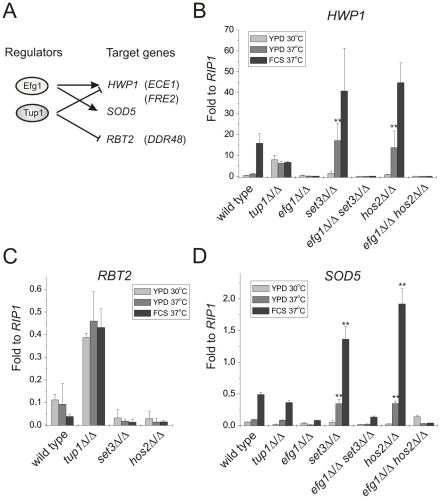
“For RT-qPCRs shown in Fig 8A, RIP1 was used as reference gene [99].”
MethodSelf-citationRegulatory Roles of Histone Modifications in Filamentous Fungal Pathogens
Lai, Y., Wang, L., Zheng, W., & Wang, S. (2022) · Journal of Fungi · doi:10.3390/jof8060565 · Cited by 59
Histone deacetylases inhibitors effects on Cryptococcus neoformans major virulence phenotypes
Brandão, F. A., Derengowski, L. S., Albuquerque, P., Nicola, A. M., Silva-Pereira, I., & Poças-Fonseca, M. J. (2015) · Virulence · doi:10.1080/21505594.2015.1038014 · Cited by 51
“pombe, chromatin remodeling has been implicated in the regulation of genes involved in the adaptation to different stress conditions.(25,37,39) In this view, the present work aimed the evaluation of the possible effects of NaBut and TSA on the main virulence phenotypes of the opportunist human pathogen C.”
BackgroundProtein kinase A and fungal virulence: A sinister side to a conserved nutrient sensing pathway
Fuller, K. K., & Rhodes, J. C. (2012) · Virulence · doi:10.4161/viru.19396 · Cited by 53
“The mutant displays increased hyphal growth in vivo and is attenuated for virulence in a systemic model, again underscoring the importance of tight morphogenic control in vivo.(34) The yeast-to-hypha transition is induced by a variety of environmental stimuli in vitro; including serum, glucose, amino acids, changes in…”
BackgroundTscherner, M., Stappler, E., Hnisz, D., & Kuchler, K. (2012) · Molecular Microbiology · doi:10.1111/mmi.12051 · Cited by 53
“RIP1 was used as housekeeping gene (Hnisz et al., 2010).”
BackgroundMethodInfluentialSelf-citationFrom Genes to Networks: The Regulatory Circuitry Controlling Candida albicans Morphogenesis
Basso, V., d’Enfert, C., Znaidi, S., & Bachellier‐Bassi, S. (2018) · Current topics in microbiology and immunology · doi:10.1007/82_2018_144 · Cited by 60
Bharucha, N., Chabrier-Roselló, Y., Xu, T., Johnson, C., Sobczynski, S., Song, Q., Dobry, C. J., Eckwahl, M. J., Anderson, C. P., Benjamin, A. J., et al. (2011) · PLoS Genetics · doi:10.1371/journal.pgen.1002058 · Cited by 51
“albicans [57].”
Elías-Villalobos, A., Fernández-Álvarez, A., Moreno-Sánchez, I., Helmlinger, D., & Ibeas, J. I. (2015) · PLoS Pathogens · doi:10.1371/journal.ppat.1005134 · Cited by 59
“For example, Hos2 regulates the dimorphic switch of Candida albicans during animal infections [32], whereas it controls plant tissue penetration and postpenetration stages of plant pathogens [33, 34].”
BackgroundLan, H., Wu, L., Sun, R., Keller, N. P., Yang, K., Ye, L., He, S., Zhang, F., & Wang, S. (2019) · Molecular Plant-Microbe Interactions · doi:10.1094/mpmi-01-19-0033-r · Cited by 53
Childers, D. S., Mundodi, V., Banerjee, M., & Kadosh, D. (2014) · Molecular Microbiology · doi:10.1111/mmi.12576 · Cited by 50
“Histone acetylation and/or deacetylation are also important for C. albicans stress adaptation, survival in macrophages, morphogenesis and phenotypic switching (Hnisz et al., 2010; Lopes da Rosa et al., 2010; Lopes da Rosa and Kaufman, 2012).”
BackgroundHOS2 and HDA1 Encode Histone Deacetylases with Opposing Roles in Candida albicans Morphogenesis
Zacchi, L. F., Schulz, W. L., & Davis, D. A. (2010) · PLoS ONE · doi:10.1371/journal.pone.0012171 · Cited by 43
“albicans varies with the environmental conditions, a phenomenon that has also been observed for the histone deacetylase Set3 [50].”
BackgroundLi, X., Robbins, N., O'Meara, T. R., & Cowen, L. E. (2017) · Molecular Microbiology · doi:10.1111/mmi.13578 · Cited by 43
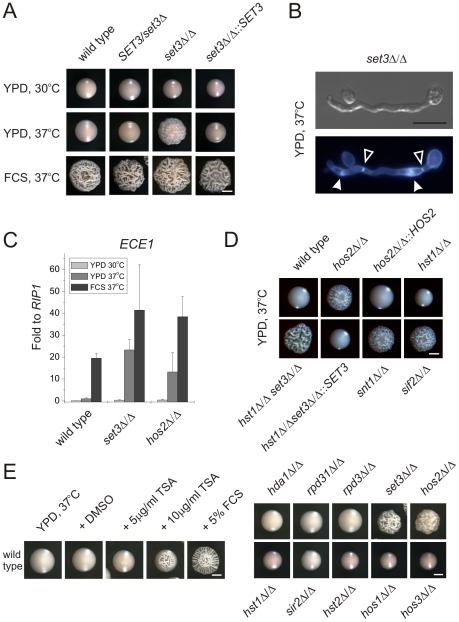
“The Hos2 KDAC complex negatively regulates filamentation such that HOS2 homozygous deletion mutants display enhanced filamentation at the elevated temperature of 378C (Hnisz et al., 2010; Zacchi et al., 2010).”
BackgroundShareck, J., Nantel, A., & Belhumeur, P. (2011) · Eukaryotic Cell · doi:10.1128/ec.00305-10 · Cited by 47
“Our findings have enabled us to add CLA to the growing list of molecules that modulate hyphal growth, which includes farnesol, dodecanol, fatty acids and lipid metabolites, rapamycin, and geldanamycin as well as histone deacetylase inhibitors (2, 19, 23, 37, 40, 45, 60, 68, 79).”
BackgroundComparative Transcriptomics Reveal Possible Mechanisms of Amphotericin B Resistance in Candida auris
Shivarathri, R., Jenull, S., Chauhan, M., Singh, A., Mazumdar, R., Chowdhary, A., Kuchler, K., & Chauhan, N. (2022) · Antimicrobial Agents and Chemotherapy · doi:10.1128/aac.02276-21 · Cited by 41
Self-citationHistone deacetylase-mediated morphological transition in Candida albicans
Kim, J., Lee, J., & Lee, J. (2015) · The Journal of Microbiology · doi:10.1007/s12275-015-5488-3 · Cited by 47
“Thus, the Set3null mutants or Hos2-null mutants grow as hyperfilamentous forms even though they are grown in YPD at 37°C, insufficient hypha-inducing condition (Hnisz et al., 2010).”
BackgroundInfluentialFungal KATs/KDACs: A New Highway to Better Antifungal Drugs?
Kuchler, K., Jenull, S., Shivarathri, R., & Chauhan, N. (2016) · PLOS Pathogens · doi:10.1371/journal.ppat.1005938 · Cited by 40
Self-citationEfg1 Controls Caspofungin-Induced Cell Aggregation of Candida albicans through the Adhesin Als1
Gregori, C., Glaser, W., Frohner, I. E., Reinoso-Martín, C., Rupp, S., Schüller, C., & Kuchler, K. (2011) · Eukaryotic Cell · doi:10.1128/ec.05187-11 · Cited by 39
“is a master transcriptional regulator of many biological and pathophysiological processes, including morphogenesis and filamentation (54), white-to-opaque switching (21, 51), biofilm formation (44), and even virulence (20, 52).”
BackgroundSelf-citationControl of Candida albicans morphology and pathogenicity by post-transcriptional mechanisms
Kadosh, D. (2016) · Cellular and Molecular Life Sciences · doi:10.1007/s00018-016-2294-y · Cited by 48
Chromatin-mediated Candida albicans virulence
Lopes da Rosa, J., & Kaufman, P. D. (2012) · Biochimica et Biophysica Acta (BBA) - Gene Regulatory Mechanisms · doi:10.1016/j.bbagrm.2011.08.007 · Cited by 37
“• Hyper–responsive to filamentation stimuli [119] • Decreased white–opaque switching in MTLa/a WO–1 strain [118] • Significant decrease in murine candidiasis mortality (set3 ) [119] colonization in murine systemic candidiasis [53] • Conditional homozygous mutant causes significant decrease in organ”
Morphogenic plasticity: the pathogenic attribute of Candida albicans
Prasad, P., & Tippana, M. (2023) · Current Genetics · doi:10.1007/s00294-023-01263-5 · Cited by 41
Histone Acetylation/Deacetylation in Candida Albicans and their Potential as Antifungal Targets
Su, S., Li, X., Yang, X., Li, Y., Chen, X., Sun, S., & Jia, S. (2020) · Future Microbiology · doi:10.2217/fmb-2019-0343 · Cited by 36
Protein Acetylation/Deacetylation: A Potential Strategy for Fungal Infection Control
Chen, J.-Z., Liu, Q., Zeng, L., & Huang, X. (2020) · Frontiers in Microbiology · doi:10.3389/fmicb.2020.574736 · Cited by 38
Pooja, Prasher, P., Singh, P., Pawar, K., Vikramdeo, K. S., Mondal, N., & Komath, S. S. (2014) · European Journal of Medicinal Chemistry · doi:10.1016/j.ejmech.2014.04.063 · Cited by 36
Novel Promising Antifungal Target Proteins for Conquering Invasive Fungal Infections
Zhen, C., Lu, H., & Jiang, Y. (2022) · Frontiers in Microbiology · doi:10.3389/fmicb.2022.911322 · Cited by 36
Baker, K. M., Hoda, S., Saha, D., Gregor, J. B., Georgescu, L., Serratore, N. D., Zhang, Y., Cheng, L., Lanman, N. A., & Briggs, S. D. (2022) · Antimicrobial Agents and Chemotherapy · doi:10.1128/aac.02250-21 · Cited by 30
Grumaz, C., Lorenz, S., Stevens, P., Lindemann, E., Schöck, U., Retey, J., Rupp, S., & Sohn, K. (2013) · BMC Genomics · doi:10.1186/1471-2164-14-212 · Cited by 34
“…which have not been described yet associated with divergently regulated genes across both species-SET3 , coding for a histone deacetylase and suggested to regulate white-opaque switching and morphogenesis [46] and ZCF39 , coding for a zinc-cluster protein possibly regulating adherence factors [47].”
Farrer, R. A., Voelz, K., Henk, D. A., Johnston, S. A., Fisher, M. C., May, R. C., & Cuomo, C. A. (2016) · Philosophical Transactions of the Royal Society B Biological Sciences · doi:10.1098/rstb.2016.0021 · Cited by 33
“For example, histone deacetylases are involved in the morphology and virulence of Candida albicans [34].”
BackgroundChoose Your Own Adventure: The Role of Histone Modifications in Yeast Cell Fate
Jaiswal, D., Turniansky, R., & Green, E. M. (2016) · Journal of Molecular Biology · doi:10.1016/j.jmb.2016.10.018 · Cited by 33
“As one example, the Set3 complex, of which the HDAC Hos2 is a member, promotes filamentous growth in Candida albicans [84] and is required for lncRNA-”
BackgroundJenull, S., Tscherner, M., Gulati, M., Nobile, C. J., Chauhan, N., & Kuchler, K. (2017) · Scientific Reports · doi:10.1038/s41598-017-08239-9 · Cited by 28
Self-citationScaduto, C. M., & Bennett, R. J. (2015) · Current Opinion in Microbiology · doi:10.1016/j.mib.2015.06.016 · Cited by 33
Yadav, B., Bhatnagar, S., Ahmad, M. F., Jain, P., Pratyusha, V. A., Kumar, P., & Komath, S. S. (2013) · Journal of Biological Chemistry · doi:10.1074/jbc.m113.528802 · Cited by 27
“to be an inhibitory effect of Set3/Hos2 histone deacetylase complex on Ras1/cAMP-PKA signaling (26).”
InfluentialZhang, X., Zhou, Y., Liu, Y., Li, B., Tian, S., & Zhang, Z. (2024) · Journal of Fungi · doi:10.3390/jof10080522 · Cited by 32
“In C. albicans , the SET3C specifically dampens the cAMP–PKA signaling pathway, suppressing the shift from yeast form to filamentous state and regulating the switch between white and opaque phenotypes [91,92].”
BackgroundEpigenetic determinants of phenotypic plasticity in Candida albicans
Rai, L. S., Singha, R., Brahma, P., & Sanyal, K. (2017) · Fungal Biology Reviews · doi:10.1016/j.fbr.2017.07.002 · Cited by 26
Trifluoromethyloxadiazoles: inhibitors of histone deacetylases for control of Asian soybean rust
Winter, C., Fehr, M., Craig, I. R., Grammenos, W., Wiebe, C., Terteryan‐Seiser, V., Rudolf, G. C., Mentzel, T., & Palomar, M. A. Q. (2020) · Pest Management Science · doi:10.1002/ps.5874 · Cited by 25
Liu, S., Wang, Q., Liu, N., Luo, H., He, C., & An, B. (2022) · Phytopathology Research · doi:10.1186/s42483-022-00126-0 · Cited by 28
Histone deacetylases: Targets for antifungal drug development
Kmetzsch, L. (2015) · Virulence · doi:10.1080/21505594.2015.1049807 · Cited by 28
White-Brown switching controls phenotypic plasticity and virulence of Candida auris
Phan-Canh, T., Jenull, S., Bitencourt, T. A., Seiser, S., Moser, D., Motamedi, M., Chowdhary, A., Elbe‐Bürger, A., & Kuchler, K. (2025) · Cell Reports · doi:10.1016/j.celrep.2025.115976 · Cited by 24
Self-citationZavřel, M., Majer, O., Kuchler, K., & Rupp, S. (2011) · Eukaryotic Cell · doi:10.1128/ec.05206-11 · Cited by 23
“Efg1 is pivotal in sensing and transmitting host signals through the cAMP-PKA signaling pathway to control chromatin modifiers such as the histone deacetylase Set3, which in turn is required for virulence (22).”
BackgroundSelf-citationVictoria, G. S., Yadav, B., Hauhnar, L., Jain, P., Bhatnagar, S., & Komath, S. S. (2012) · Biochemical Journal · doi:10.1042/bj20120143 · Cited by 20
On and Off: Epigenetic Regulation of C. albicans Morphological Switches
Iracane, E., Vega, S. B. P., & Buscaino, A. (2021) · Pathogens · doi:10.3390/pathogens10111463 · Cited by 21
“The Set3/Hos2 histone deacetylase complex negatively regulates the yeast-to-hyphae switch by modulating the kinetics of the filamentous transcriptional programme [76,84].”
BackgroundShaping Up for Battle: Morphological Control Mechanisms in Human Fungal Pathogens
Kadosh, D. (2013) · PLoS Pathogens · doi:10.1371/journal.ppat.1003795 · Cited by 22
“albicans yeast-filament transition (Figure 1) [33,34].”
Tome, M., Zupan, J., Tomičić, Z., Matos, T., & Raspor, P. (2018) · PeerJ · doi:10.7717/peerj.4999 · Cited by 21
“PGK1 andRIP1were used as housekeeping genes (Hnisz et al., 2010; Li, Skinner & Bennett, 2012).”
MethodJenull, S., Mair, T., Tscherner, M., Penninger, P., Zwolanek, F., Silao, F. G. S., Vicente, K. M. D. S., Riedelberger, M., Bandari, N. C., Shivarathri, R., et al. (2021) · Cell Reports · doi:10.1016/j.celrep.2021.109406 · Cited by 20
“RIP1 was used as a reference gene for fungal gene transcription analysis (Hnisz et al., 2010) and Actb for BMDMs, peritoneal cells and kidney samples.”
Self-citationLan, H., Wu, L., Fan, K., Sun, R., Yang, G., Zhang, F., Yang, K., Lin, X., Chen, Y., Tian, J., et al. (2019) · Frontiers in Microbiology · doi:10.3389/fmicb.2019.00530 · Cited by 19
“, 2008), the whiteopaque transition and pathogenicity in Candida albicans (Hnisz et al., 2010), as well as the environmental stress response (TorresMachorro et al.”
BackgroundResultChromatin Structure and Drug Resistance in Candida spp.
O’Kane, C. J., Weild, R., & M. Hyland, E. (2020) · Journal of Fungi · doi:10.3390/jof6030121 · Cited by 18
“albicans transcriptome is dependent on the function of the histone deacetylase complex SET3C, which modulates transient expression changes of key morphogenesis-related genes [106,107].”
BackgroundQasim, M. N., Arevalo, A. V., Nobile, C. J., & Hernday, A. D. (2021) · Journal of Fungi · doi:10.3390/jof7010037 · Cited by 20
Transcriptional response of Candida albicans to Pseudomonas aeruginosa in a polymicrobial biofilm
Fourie, R., Cason, E. D., Albertyn, J., & Pohl, C. H. (2021) · G3 Genes Genomes Genetics · doi:10.1093/g3journal/jkab042 · Cited by 20
Hollomon, J. M., Liu, Z., Rusin, S. F., Jenkins, N. P., Smith, A. K., Koeppen, K., Kettenbach, A. N., Myers, L. C., & Hogan, D. A. (2022) · PLoS Genetics · doi:10.1371/journal.pgen.1009622 · Cited by 16
Hnisz, D., Tscherner, M., & Kuchler, K. (2011) · Epigenomics · doi:10.2217/epi.11.7 · Cited by 14
Self-citationA Histone Acetyltransferase Inhibitor with Antifungal Activity against CTG clade Candida Species
Tscherner, M., & Kuchler, K. (2019) · Microorganisms · doi:10.3390/microorganisms7070201 · Cited by 19
Self-citationCandida auris : host interactions, antifungal drug resistance, and diagnostics
Chowdhary, A., Lionakis, M. S., & Chauhan, N. (2025) · Microbiology and Molecular Biology Reviews · doi:10.1128/mmbr.00187-22 · Cited by 22
Fourie, R., Albertyn, J., Sebolai, O. M., Gcilitshana, O. M. N., & Pohl, C. H. (2021) · Frontiers in Cellular and Infection Microbiology · doi:10.3389/fcimb.2021.680732 · Cited by 13
“pathway previously reported for set3D/D (Hnisz et al., 2010).”
BackgroundResultInfluentialThe SAGA and NuA4 component Tra1 regulates Candida albicans drug resistance and pathogenesis
Razzaq, I., Berg, M. D., Jiang, Y., Genereaux, J. L., Uthayakumar, D., Kim, G. H., Agyare-Tabbi, M. R., Halder, V., Brandl, C. J., Lajoie, P., et al. (2021) · Genetics · doi:10.1093/genetics/iyab131 · Cited by 11
Li, D.-D., Fuchs, B. B., Wang, Y., Huang, X.-W., Hu, D.-D., Sun, Y., Chai, D., Jiang, Y.-Y., & Mylonakis, E. (2017) · Future Microbiology · doi:10.2217/fmb-2017-0084 · Cited by 11
Candida albicans Double Mutants Lacking both EFG1 and WOR1 Can Still Switch to Opaque
Park, Y., Pujol, C., Wessels, D. J., & Soll, D. R. (2020) · mSphere · doi:10.1128/msphere.00918-20 · Cited by 12
“Finally, the model does not take into consideration the role of chromatin modifiers (11, 42, 45, 46).”
Plant Homeodomain Genes Play Important Roles in Cryptococcal Yeast-Hypha Transition
Meng, Y., Fan, Y., Liao, W., & Lin, X. (2018) · Applied and Environmental Microbiology · doi:10.1128/aem.01732-17 · Cited by 11
Prasad, P., Sanyal, K., & Ghosh, S. K. (2019) · Frontiers in Microbiology · doi:10.3389/fmicb.2019.01303 · Cited by 11
Jaeger, M., Dietschmann, A., Austermeier, S., Dinçer, S., Porschitz, P., Vornholz, L., Maas, R. J. A., Sprenkeler, E. G. G., Ruland, J., Wirtz, S. J., et al. (2024) · Virulence · doi:10.1080/21505594.2024.2333367 · Cited by 11
“SET3 [47], as well as the filamentation repressor TUP1 [48] and its co-repressor TCC1 [49] were significantly downregulated 3 h after the fungus interacted with AAT (Figure 3(a)).”
BackgroundFungal Lysine Deacetylases in Virulence, Resistance, and Production of Small Bioactive Compounds
Bauer, I., & Graessle, S. (2021) · Genes · doi:10.3390/genes12101470 · Cited by 14
“Deletion of the Hos2 interaction partner Set3, for instance, resulted in significant virulence attenuation, and Hos2 and Set3, as members of the same complex, phenocopy each other in many aspects [65].”
BackgroundRamos-García, V. H., Villota-Salazar, N. A., González-Prieto, J. M., & Cortés-Espinosa, D. V. (2022) · World Journal of Microbiology and Biotechnology · doi:10.1007/s11274-022-03249-w · Cited by 8
Unraveling the mechanism of thermotolerance by Set302 in Cryptococcus neoformans
Ni, Y., Qiao, Y., Tian, X., Li, H., Meng, Y., Li, C., Du, W., Sun, T., Zhu, K., Huang, W., et al. (2024) · Microbiology Spectrum · doi:10.1128/spectrum.04202-23 · Cited by 10
“Set3C complex is a key regulator of morphology transition and virulence in Candida albicans (43, 44).”
BackgroundGong, C., Xu, D., Sun, D., Kang, J., Wang, W., Xu, J., & Zhang, X. (2022) · PLoS Genetics · doi:10.1371/journal.pgen.1010510 · Cited by 6
Villota-Salazar, N. A., Ramos-García, V. H., González-Prieto, J. M., & Hernández‐Delgado, S. (2023) · Revista Argentina de Microbiología · doi:10.1016/j.ram.2023.04.002 · Cited by 7
Cao, M., Zhang, Z., Tian, H., Yu, W., Zhao, X., Yang, W., Zhang, R., Sun, G., & Liang, X. (2022) · Phytopathology Research · doi:10.1186/s42483-022-00144-y · Cited by 7
Yu, W., Wang, J., Wang, M., Wen, G., Liang, J., Chen, X., Lu, G., Wang, Z., & Huang, J. T. (2024) · Agronomy · doi:10.3390/agronomy14102196 · Cited by 4
Functional characterization of Candida albicans Hos2 histone deacetylase
Karthikeyan, G., Satyaseela, M. P., Moorthy, N. D., Gopalaswamy, R., & Narayanan, S. (2013) · F1000Research · doi:10.12688/f1000research.2-238.v3 · Cited by 8
“The inhibition of deacetylation activity of recombinant Hos2 was studied using classical HDAC inhibitors namely SAHA, TSA and MS-275.”
InfluentialSoll, D. R. (2012) · Springer eBooks · doi:10.1007/978-94-007-4264-2_6 · Cited by 4
Carbon Dioxide Controls Fungal Fitness and Skin Tropism of Candida aurisPreprint
Phan-Canh, T., Penninger, P., Seiser, S., Khunweeraphong, N., Moser, D., Bitencourt, T. A., Arzani, H., Chen, W., Zenz, L.-M., Knarr, A., et al. (2024) · bioRxiv (Cold Spring Harbor Laboratory) · doi:10.1101/2024.04.12.589292 · Cited by 4
Self-citationStress-driven emergence of heritable non-genetic drug resistancePreprint
Xie, J. L., Yin, S., Yang, T. S., Chandrasekher, K. A., Hanson, L., Kim, S. H., Esqueda, L., Hogan, C. A., Banaei, N., Round, J. L., et al. (2024) · Research Square · doi:10.1101/2024.12.20.629823 · Cited by 6
Gene dosage and protein valency impact phase separation and fungal cell fate
Ganser, C., He, P., Frazer, C., Krysan, D. J., & Bennett, R. J. (2025) · PLoS Genetics · doi:10.1371/journal.pgen.1011810 · Cited by 5
Epigenetic regulation of pathogenicity in fungi
Hardin, A. M., Hardin, C. M., Isaacs, G. D., & Price, M. S. (2025) · Current Genetics · doi:10.1007/s00294-025-01329-6 · Cited by 3
“Notably, deletion of this complex reduces virulence in infection models (Hnisz et al. 2010 ; Fourie et al. 2021).”
Singha, R., Aggarwal, R., & Sanyal, K. (2023) · Molecular Microbiology · doi:10.1111/mmi.15050 · Cited by 3
Bai, W., Wang, Y., Ma, J., Li, G., Wang, Y., Yang, C., Zhang, Q., Li, Q., Zhang, J., & Zhang, P. (2025) · Microbiological Research · doi:10.1016/j.micres.2025.128132 · Cited by 4
Seneviratne, C. J., Srivastava, N., Islam, I., & Allen, P. (2017) · CRC Press eBooks · doi:10.4324/9781315120119-1 · Cited by 3
MINIREVIEWS Modulation of Morphogenesis in Candida albicans by Various Small Molecules
Shareck, J., & Belhumeur, P. (2011) · Cited by 2
Ali, N., Voorhies, M., Rodriguez, R. A., & Sil, A. (2026) · PLoS Biology · doi:10.1371/journal.pbio.3003341 · Cited by 1
Barone, S., Mateu, B., Piccolo, M., Guadagni, A., Irace, C., Lembo, F., Summa, V., Buommino, E., & Brindisi, M. (2026) · ACS Infectious Diseases · doi:10.1021/acsinfecdis.6c00195 · Cited by 2
Diezmann, S., & Cowen, L. E. (2014) · Springer eBooks · doi:10.1007/978-1-4939-1130-1_8 · Cited by 1
“growth [64], consistent with a modest reduction of Hsp90 function.”
Background
Metadata
- Authors
- Hnisz, D., Majer, O., Frohner, I. E., Komnenovic, V., & Kuchler, K.
- Affiliations
- Max Perutz Labs (AT)
- Institute of Molecular Biotechnology (AT)
- Corresponding author
- Kuchler, Karl
- Venue
- PLoS Pathogens
- Publisher
- Public Library of Science (PLoS)
- Published
- 2010-05-13
- Volume
- 6
- Issue
- 5
- Pages
- e1000889
- ISSN
- 1553-7366 (ISSN-L)
- 1553-7374
- PMC
- PMC2869326
- OpenAlex
- W2018116882
- Cited by
- 124
- References
- 68
- Citations by year
- 2026: 7 · 2025: 6 · 2024: 7 · 2023: 5 · 2022: 13 · 2021: 8 · 2020: 5 · 2019: 8 · 2018: 4 · 2017: 7 · 2016: 8 · 2015: 10 · 2014: 7 · 2013: 7 · 2012: 7
- FWCI
- 3.78
- Type
- journal article
- Language
- en
- Open access
- gold
- doi.org
- Locations
- PLoS Pathogens (publishedVersion, cc-by)
- Europe PMC (PubMed Central) (publishedVersion, cc-by)
- PubMed Central (publishedVersion, cc-by)
- PubMed (publishedVersion)
- DOAJ (DOAJ: Directory of Open Access Journals) (submittedVersion, cc-by-sa)
- Figshare (submittedVersion, cc-by)
- MPG.PuRe (Max Planck Society) (submittedVersion, other-oa)
- Funders
- Österreichischen Akademie der Wissenschaften
- Topics
- Life Sciences › Biochemistry, Genetics and Molecular Biology › Molecular Biology › Fungal and yeast genetics research
- Health Sciences › Medicine › Infectious Diseases › Antifungal resistance and susceptibility
- Health Sciences › Medicine › Infectious Diseases › Fungal Infections and Studies
- Keywords
- Candida albicans, morphogenesis, cAMP/PKA signaling, fungal virulence, trichostatin A, histone deacetylase inhibition, antifungal therapy, systemic fungal infection
- MeSH terms
- Adenine, Cyclic AMP, Animals, Candida albicans, Candidiasis, Carbon, DNA-Binding Proteins, Epistasis, Genetic, Fungal Proteins, Histone Deacetylases, Homozygote, Male, Mice, Inbred BALB C, Phenotype, Saccharomyces cerevisiae, Transcription Factors, Virulence, Signal Transduction, Gene Expression Regulation, Fungal, Cyclic AMP-Dependent Protein Kinases, Hyphae, Saccharomyces cerevisiae Proteins, Mice
About these checks
Registry, retraction, Cites and statistics results are computed, not judged, with one exception: a printed reference that no index lists is read once by a model before it counts as a citation error. Claims are extracted by a model and kept only when their quote appears verbatim in the text; each cited source is then checked, with a model’s help, for whether it says what the claim relies on. Those verdicts can be wrong — read the claim’s quote and the cited source before relying on one.
Statistics and arithmetic are recomputed, not judged.
Confidence bands are shown only for fields calibrated on our annotated test set. None is calibrated yet, so no band is shown.
What counts as a claim ›How we measure confidence ›How we check this ›
Are you an author, or do you see a problem with this page? Request a review
Data sources
Bibliographic data: Semantic Scholar, OpenAlex, Crossref.
Contains information from the Semantic Scholar Academic Graph Datasets, made available under the ODC Attribution License (ODC-BY 1.0).
Semantic Scholar’s data is described in: Kinney, R., et al. (2023). The Semantic Scholar Open Data Platform. arXiv:2301.10140.
