

The Set3/Hos2 Histone Deacetylase Complex Attenuates cAMP/PKA Signaling to Regulate Morphogenesis and Virulence of Candida albicans
Open accessThe DOI matches its Crossref record; 69 of the 69 references it cites were found in a registry or an index.
Abstract
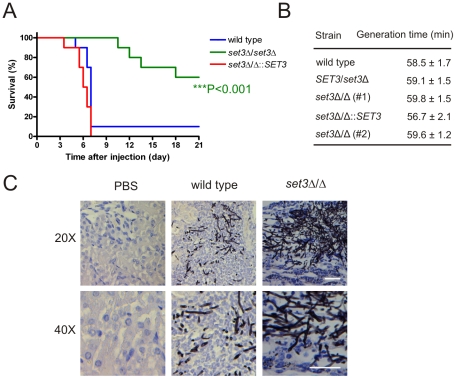
Candida albicans, like other pleiomorphic fungal pathogens, is able to undergo a reversible transition between single yeast-like cells and multicellular filaments. This morphogenetic process has long been considered as a key fungal virulence factor. Here, we identify the evolutionarily conserved Set3/Hos2 histone deacetylase complex (Set3C) as a crucial repressor of the yeast-to-filament transition. Cells lacking core components of the Set3C are able to maintain all developmental phases, but are hypersusceptible to filamentation-inducing signals, because of a hyperactive cAMP/Protein Kinase A signaling pathway. Strikingly, Set3C-mediated control of filamentation is required for virulence in vivo, since set3Delta/Delta cells display strongly attenuated virulence in a mouse model of systemic infection. Importantly, the inhibition of histone deacetylase activity by trichostatin A exclusively phenocopies the absence of a functional Set3C, but not of any other histone deacetylase gene. Hence, our work supports a paradigm for manipulating morphogenesis in C. albicans through alternative antifungal therapeutic strategies.
Overview
The claims and statistics of this paper haven’t been checked yet.
Free: it reads the open-access text and checks the first 5 claims that cite a source we can check. Create a free account to check every claim.
Integrity signals
Registry
Cites
Statistics
Figures
Verification
Claims the paper makes
The claims and statistics of this paper haven’t been checked yet.
Free: it reads the open-access text and checks the first 5 claims that cite a source we can check. Create a free account to check every claim.
Claims other papers make about this one
Each is checked against this paper’s own text: does it say what the citing paper says it does?
The source backs part of the claim, not all of it — or backs it for a different population, condition or comparison.
In the citing paper
“Set3 complex mutants are almost completely avirulent in a murine disseminated infection model (24).”
From A Histone Deacetylase Complex Mediates Biofilm Dispersal and Drug Resistance in Candida albicans (2014) · cites this paper as [24]
Experimental — accuracy not yet measuredThe source backs part of the claim, not all of it — or backs it for a different population, condition or comparison.
In the citing paper
“trichostatin A, a known histone deacetylase inhibitor, has been shown to induce filamentation at physiological temperatures and reduce other specific virulence attributes of C. albicans (24, 49).”
From A Histone Deacetylase Complex Mediates Biofilm Dispersal and Drug Resistance in Candida albicans (2014) · cites this paper as [24]
Experimental — accuracy not yet measuredThe source backs part of the claim, not all of it — or backs it for a different population, condition or comparison.
In the citing paper
“In C. albicans, only the core complex has been studied and, as discussed above, was recently found to be involved in the modulation of morphogenesis-related processes (23, 24).”
From A Histone Deacetylase Complex Mediates Biofilm Dispersal and Drug Resistance in Candida albicans (2014) · cites this paper as [24]
Experimental — accuracy not yet measuredThe source backs part of the claim, not all of it — or backs it for a different population, condition or comparison.
In the citing paper
“suggesting that trichostatin A inhibition of Set3 and Hos2 is directly responsible for the effects on filamentation and possibly virulence.”
From A Histone Deacetylase Complex Mediates Biofilm Dispersal and Drug Resistance in Candida albicans (2014) · cites this paper as [24]
Experimental — accuracy not yet measuredThe cited source says what the claim attributes to it.
In the citing paper
“deletion of only the Set3 and Hos2 core subunits of the Set3 complex phenocopied trichostatin A treatment (24)”
From A Histone Deacetylase Complex Mediates Biofilm Dispersal and Drug Resistance in Candida albicans (2014) · cites this paper as [24]
Self-check
Percentages, sums and reported differences re-computed from the paper’s own numbers.
The self-check needs the paper’s full text.
Citations
Cites
Sherman, F., Fink, G. R., & Hicks, J. B. (1979) · Cold Spring Harbor Laboratory eBooks · Cited by 7,430
Jacob, H. E. (1988) · Bioelectrochemistry and Bioenergetics · doi:10.1016/0302-4598(88)80052-7 · Cited by 4,792
Methods in Yeast Genetics: A Laboratory Course Manual
Rose, M. D., Winston, F., & Hieter, P. (1990) · Medical Entomology and Zoology · Cited by 1,894
Yoshida, M., Kijima, M., Akita, M., & Beppu, T. (1990) · Journal of Biological Chemistry · doi:10.1016/s0021-9258(17)44885-x · Cited by 1,854 · cited 9×
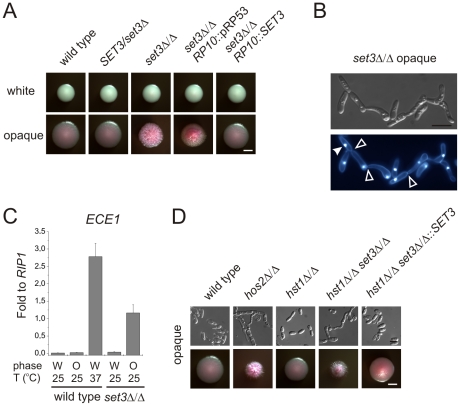
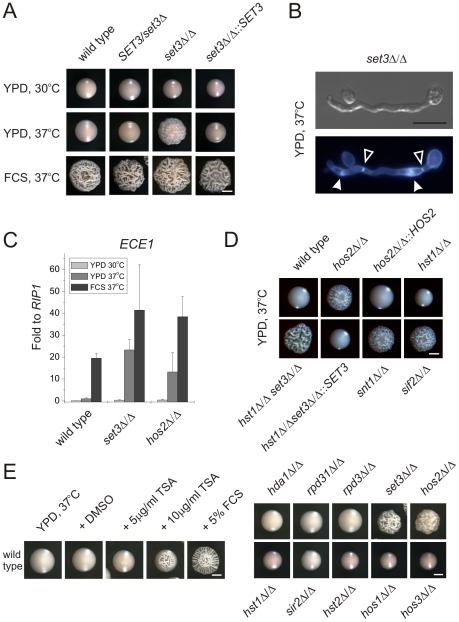
“We then examined single deletion C. albicans strains lacking all putative histone deacetylase under identical growth conditions in the absence of TSA.”
BackgroundInfluentialThree new dominant drug resistance cassettes for gene disruption inSaccharomyces cerevisiae
Goldstein, A. L., & McCusker, J. H. (1999) · Yeast · doi:10.1002/(sici)1097-0061(199910)15:14<1541::aid-yea476>3.0.co;2-k · Cited by 1,820 · cited 1×
“The upstream fragment was cloned using the HindIII and BamHI restriction sites; the downstream fragment was cloned using the SacI and SacII sites into the pAG36 [65] plasmid harboring a nourseothricin acetyltransferase (NAT1) resistance marker, to yield the plasmid pRP53.”
MethodNonfilamentous C. albicans Mutants Are Avirulent
Lo, H.-J., Köhler, J. R., DiDomenico, B., Loebenberg, D., Cacciapuoti, A., & Fink, G. R. (1997) · Cell · doi:10.1016/s0092-8674(00)80358-x · Cited by 1,809 · cited 5×
“downstream target transcription factor Efg1 [9,10].”
BackgroundInfluentialGillum, A. M., Tsay, E. Y. H., & Kirsch, D. R. (1984) · Molecular and General Genetics MGG · doi:10.1007/bf00328721 · Cited by 1,251 · cited 1×
“, a leucine, histidine, arginine auxotrophic derivative of the clinical isolate SC5314”
BackgroundThe distinct morphogenic states of Candida albicans
Sudbery, P., Gow, N., & Berman, J. (2004) · Trends in Microbiology · doi:10.1016/j.tim.2004.05.008 · Cited by 876 · cited 1×
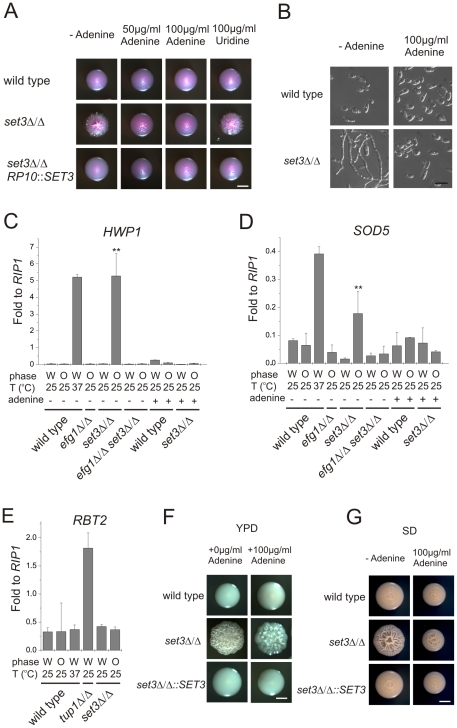
“Microscopic inspection revealed that wrinkled opaque colonies formed by set3D/D cells consisted of mostly filamentous structures with pseudohyphal characteristics [29].”
BackgroundSuppression of Hyphal Formation in Candida albicans by Mutation of a STE12 Homolog
Liu, H., Köhler, J., & Fink, G. R. (1994) · Science · doi:10.1126/science.7992058 · Cited by 786 · cited 5×
“The cph1D/D strain (JKC19) has been previously described [8].”
BackgroundInfluentialThe SAT1 flipper, an optimized tool for gene disruption in Candida albicans
Reuß, O., Vik, Å., Kolter, R., & Morschhäuser, J. (2004) · Gene · doi:10.1016/j.gene.2004.06.021 · Cited by 742
Thevelein, J. M., & De Winde, J. H. (1999) · Molecular Microbiology · doi:10.1046/j.1365-2958.1999.01538.x · Cited by 677 · cited 2×
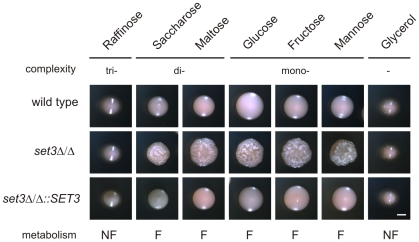
“Cells cultured on fermentable carbon sources (that can be degraded through glycolysis) are associated with a higher activity of cAMP/PKA signaling, while cells grown on non-fermentable carbon sources are characterized with a lower activity of cAMP/ PKA signaling and activation of gluconeogenesis [44] (Figure 6A).”
BackgroundSaville, S. P., Lazzell, A. L., Monteagudo, C., & Lopez-Ribot, J. L. (2003) · Eukaryotic Cell · doi:10.1128/ec.2.5.1053-1060.2003 · Cited by 655
Stoldt, V. R. (1997) · The EMBO Journal · doi:10.1093/emboj/16.8.1982 · Cited by 598 · cited 18×
“downstream target transcription factor Efg1 [9,10].”
BackgroundInfluentialNoble, S. M., & Johnson, A. D. (2005) · Eukaryotic Cell · doi:10.1128/ec.4.2.298-309.2005 · Cited by 592 · cited 4×
“SET3, HOS2, MKC1, CDC35, TPK1, TPK2, SNT1 and SIF2 were deleted in SN152 using the fusion PCR strategy with the C.m.LEU2 and C.d.HIS1 markers [62].”
BackgroundInfluential"White-opaque transition": a second high-frequency switching system in Candida albicans
Slutsky, B., Staebell, M., Anderson, J., Risen, L., Pfaller, M., & Soll, D. R. (1987) · Journal of Bacteriology · doi:10.1128/jb.169.1.189-197.1987 · Cited by 570
Miller, M. G., & Johnson, A. D. (2002) · Cell · doi:10.1016/s0092-8674(02)00837-1 · Cited by 568 · cited 2×
“The master regulator of switching is WOR1, which in MTL heterozygous cells is stably repressed by a heterodimeric a/a repressor [16,20,21].”
BackgroundBiswas, S., Van Dijck, P., & Datta, A. (2007) · Microbiology and Molecular Biology Reviews · doi:10.1128/mmbr.00009-06 · Cited by 516 · cited 1×
“harbors two functional PKA catalytic subunits, Tpk1 and Tpk2”
BackgroundControl of Filament Formation in Candida albicans by the Transcriptional Repressor TUP1
Braun, B. R., & Johnson, A. D. (1997) · Science · doi:10.1126/science.277.5322.105 · Cited by 515 · cited 1×
“Likewise, locking cells in a filamentous form by deleting TUP1 had a similar effect [11].”
BackgroundA core SMRT corepressor complex containing HDAC3 and TBL1, a WD40-repeat protein linked to deafness
Guenther, M. G., Lane, W. S., Fischle, W., Verdin, E., Lazar, M. A., & Shiekhattar, R. (2000) · Genes & Development · doi:10.1101/gad.14.9.1048 · Cited by 489 · cited 1×
“Since the complex appears well conserved from yeast to mammals [60], it will be fascinating to investigate the roles of the Set3C in the morphogenesis and virulence of other fungal pathogens.”
BackgroundFungal morphogenesis and host invasion
Gow, N. A. R., Brown, A. J. P., & Odds, F. C. (2002) · Current Opinion in Microbiology · doi:10.1016/s1369-5274(02)00338-7 · Cited by 482
NRG1 represses yeast–hypha morphogenesis and hypha‐specific gene expression in Candida albicans
Murad, A. M. A., Leng, P., Straffon, M., Wishart, J., Macaskill, S., MacCallum, D., Schnell, N., Talibi, D., Marechal, D., Tekaia, F., et al. (2001) · The EMBO Journal · doi:10.1093/emboj/20.17.4742 · Cited by 452 · cited 3×
“For instance, deletion of the transcriptional repressor NRG1 locks cells in a filamentous state and nrg1D/D cells are avirulent [14].”
BackgroundSystematic Genetic Analysis of Virulence in the Human Fungal Pathogen Cryptococcus neoformans
Liu, O. W., Chun, C. D., Chow, E. D., Chen, C., Madhani, H. D., & Noble, S. M. (2008) · Cell · doi:10.1016/j.cell.2008.07.046 · Cited by 443 · cited 1×
“Indeed, the homologues of SET3 and HOS2 have recently been indentified as factors enhancing virulence of the human fungal pathogen Cryptococcus neoformans [61].”
BackgroundMorphogenesis in Candida albicans
Whiteway, M., & Bachewich, C. (2007) · Annual Review of Microbiology · doi:10.1146/annurev.micro.61.080706.093341 · Cited by 388 · cited 1×
“involves several signaling pathways and transcription factors [6,7].”
BackgroundIdentification of a Mating Type-Like Locus in the Asexual Pathogenic Yeast Candida albicans
Hull, C. M., & Johnson, A. D. (1999) · Science · doi:10.1126/science.285.5431.1271 · Cited by 361
NRG1, a repressor of filamentous growth in C.albicans, is down-regulated during filament induction
Braun, B. R. (2001) · The EMBO Journal · doi:10.1093/emboj/20.17.4753 · Cited by 344 · cited 3×
“Tup1-mediated repression requires an interaction between Tup1 with sequence-specific DNA-binding factors such as Nrg1 and Rfg1 [12,13,14].”
BackgroundZheng, X., Wang, Y., & Wang, Y. (2004) · The EMBO Journal · doi:10.1038/sj.emboj.7600195 · Cited by 326 · cited 1×
“Deletion of the hypha-specific cyclin HGC1 locks cells in the yeast form and the hgc1D/D mutant is also avirulent [54].”
BackgroundKim, T., & Buratowski, S. (2009) · Cell · doi:10.1016/j.cell.2009.02.045 · Cited by 319
Identification and Characterization of TUP1-Regulated Genes in Candida albicans
Braun, B. R., Head, W. S., Wang, M. X., & Johnson, A. D. (2000) · Genetics · doi:10.1093/genetics/156.1.31 · Cited by 306
Zordan, R. E., Galgoczy, D. J., & Johnson, A. D. (2006) · Proceedings of the National Academy of Sciences · doi:10.1073/pnas.0605138103 · Cited by 304
Regulatory networks controlling Candida albicans morphogenesis
Brown, A. J. P., & Gow, N. A. R. (1999) · Trends in Microbiology · doi:10.1016/s0966-842x(99)01556-5 · Cited by 301 · cited 1×
“human hormones, N-acetylglucosamine and bacterial peptidoglycans [4,52].”
Bistable expression of WOR1 , a master regulator of white–opaque switching in Candida albicans
Huang, G., Wang, H., Chou, S., Nie, X., Chen, J., & Liu, H. (2006) · Proceedings of the National Academy of Sciences · doi:10.1073/pnas.0605270103 · Cited by 293 · cited 1×
“The master regulator of switching is WOR1, which in MTL heterozygous cells is stably repressed by a heterodimeric a/a repressor [16,20,21].”
BackgroundInterlocking Transcriptional Feedback Loops Control White-Opaque Switching in Candida albicans
Zordan, R. E., Miller, M. G., Galgoczy, D. J., Tuch, B. B., & Johnson, A. D. (2007) · PLoS Biology · doi:10.1371/journal.pbio.0050256 · Cited by 292 · cited 4×
“By contrast, opaque cells maintain high Wor1 levels for many generations due to multiple positive feed-back loops [22].”
BackgroundInfluentialMartchenko, M., Alarco, A.-M., Harcus, D., & Whiteway, M. (2004) · Molecular Biology of the Cell · doi:10.1091/mbc.e03-03-0179 · Cited by 290 · cited 1×
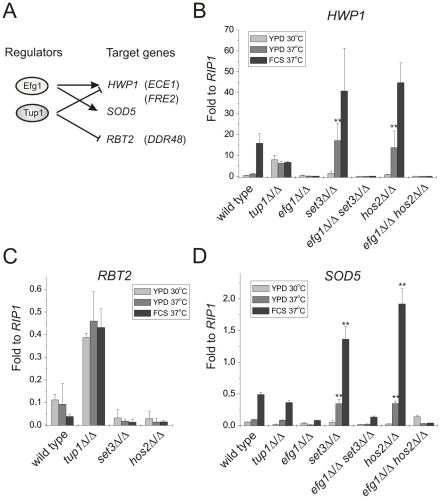
“Finally, SOD5 is expressed at low levels in yeast phase but is induced in an EFG1-dependent manner in serum-induced hyphae, and induction is maintained in tup1D/D cells (Figure 4D) [40].”
BackgroundXu, X.-L., Lee, R. T. H., Fang, H.-M., Wang, Y.-M., Li, R., Zou, H., Zhu, Y., & Wang, Y. (2008) · Cell Host & Microbe · doi:10.1016/j.chom.2008.05.014 · Cited by 289
Transcription factors in Candida albicans – environmental control of morphogenesis
Ernst, J. F. (2000) · Microbiology · doi:10.1099/00221287-146-8-1763 · Cited by 285 · cited 1×
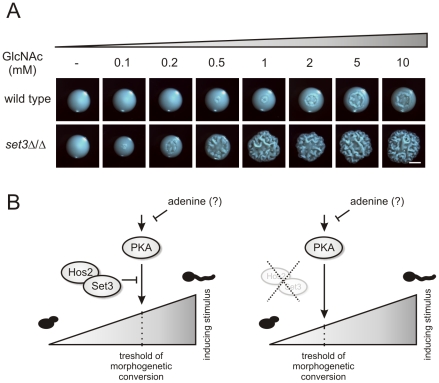
“N-acetylglucosamine (GlcNAc) can activate the cAMP/PKA pathway, and thus is a potent inducer of the yeast-filament transition [5,46].”
BackgroundPijnappel, W. W. M. P., Schaft, D., Roguev, A., Shevchenko, A., Tekotte, H., Wilm, M., Rigaut, G., Séraphin, B., Aasland, R., & Stewart, A. F. (2001) · Genes & Development · doi:10.1101/gad.207401 · Cited by 265 · cited 3×
“cerevisiae Set3C possesses histone deacetylase activity [26], and that all subunits of the complex show strong evolutionary conservation (Table 1), it seems reasonable to propose that Set3C interferes with Efg1-dependent gene expression in C.”
BackgroundInfluentialTUP1, CPH1 and EFG1 Make Independent Contributions to Filamentation in Candida albicans
Braun, B. R., & Johnson, A. D. (2000) · Genetics · doi:10.1093/genetics/155.1.57 · Cited by 257
Nicotinic Acid Limitation Regulates Silencing of Candida Adhesins During UTI
Domergue, R., Castaño, I., De Las Peñas, A., Zupancic, M., Lockatell, V., Hebel, J. R., Johnson, D., & Cormack, B. P. (2005) · Science · doi:10.1126/science.1108640 · Cited by 249 · cited 1×
“NAD precursor) in a urinary tract infection model regulates cell adhesion through a chromatin-dependent mechanism in the fungal pathogen Candida glabrata [53].”
BackgroundBirse, C. E., Irwin, M. Y., Fonzi, W. A., & Sypherd, P. S. (1993) · Infection and Immunity · doi:10.1128/iai.61.9.3648-3655.1993 · Cited by 248 · cited 9×
“In addition, qualitatively identical results were obtained using additional hyphae-specific markers such as ECE1 and FRE2 (Figure S4).”
BackgroundInfluentialTranscriptional control of dimorphism in Candida albicans
Liu, H. (2001) · Current Opinion in Microbiology · doi:10.1016/s1369-5274(01)00275-2 · Cited by 244 · cited 1×
“involves several signaling pathways and transcription factors [6,7].”
BackgroundGenetics of Cryptococcus neoformans
Hull, C. M., & Heitman, J. (2002) · Annual Review of Genetics · doi:10.1146/annurev.genet.36.052402.152652 · Cited by 244 · cited 1×
“For instance, both in the case of Histoplasma capsulatum and Cryptococcus neoformans, yeast phase cells are required for human infections [2,56].”
BackgroundKvaal, C., Lachke, S. A., Srikantha, T., Daniels, K., McCoy, J., & Soll, D. R. (1999) · Infection and Immunity · doi:10.1128/iai.67.12.6652-6662.1999 · Cited by 221 · cited 1×
“For example, white cells are more virulent in a murine systemic infection model, whereas opaque cells colonize the skin more efficiently than white cells [17,18].”
BackgroundCarlisle, P. L., Banerjee, M., Lazzell, A., Monteagudo, C., López-Ribot, J. L., & Kadosh, D. (2009) · Proceedings of the National Academy of Sciences · doi:10.1073/pnas.0804061106 · Cited by 215 · cited 2×
“The ectopic overexpression of UME6 converted cells to the hyphal growth mode in vivo rendering cells hypervirulent [49].”
BackgroundResultA contact-activated kinase signals Candida albicans invasive growth and biofilm development
Kumamoto, C. A. (2005) · Proceedings of the National Academy of Sciences · doi:10.1073/pnas.0407097102 · Cited by 209 · cited 1×
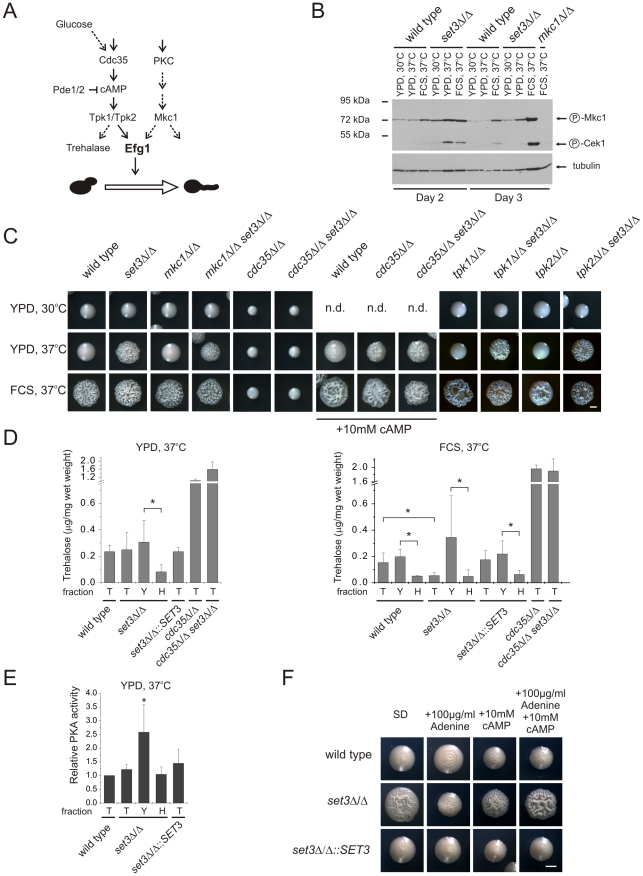
“. Second, Mkc1, the central MAP kinase of the protein kinase C (PKC) cell integrity pathway sensing cell wall damage, is also proposed to regulate Efg1-dependent morphogenesis”
BackgroundBockmühl, D. P., Krishnamurthy, S., Gerads, M., Sonneborn, A., & Ernst, J. F. (2001) · Molecular Microbiology · doi:10.1046/j.1365-2958.2001.02688.x · Cited by 193
Uhl, M. A., Biery, M., Craig, N., & Johnson, A. D. (2003) · The EMBO Journal · doi:10.1093/emboj/cdg256 · Cited by 191
Bedell, G. W., & Soll, D. R. (1979) · Infection and Immunity · doi:10.1128/iai.26.1.348-354.1979 · Cited by 187 · cited 2×
“In this system, however, Lee’s medium at 25uC already represents an environmental scenario close to the threshold point, which is supported by the fact that Lee’s medium at 37uC drives hyphal growth [30,37,48].”
BackgroundMethodRomán, E., Nombela, C., & Pla, J. (2005) · Molecular and Cellular Biology · doi:10.1128/mcb.25.23.10611-10627.2005 · Cited by 173 · cited 3×
“The antibody also recognizes phosphorylated Cek1, the upstream MAP kinase of Cph1 [67].”
BackgroundSharkey, L. L., McNemar, M. D., Saporito-Irwin, S. M., Sypherd, P. S., & Fonzi, W. A. (1999) · Journal of Bacteriology · doi:10.1128/jb.181.17.5273-5279.1999 · Cited by 168 · cited 3×
“In this system, however, Lee’s medium at 25uC already represents an environmental scenario close to the threshold point, which is supported by the fact that Lee’s medium at 37uC drives hyphal growth [30,37,48].”
BackgroundSsn6–Tup1 interacts with class I histone deacetylases required for repression
Watson, A. D., Edmondson, D. G., Bone, J. R., Mukai, Y., Yu, Y., Du, W., Stillman, D. J., & Roth, S. Y. (2000) · Genes & Development · doi:10.1101/gad.829100 · Cited by 167 · cited 1×
“cerevisiae was shown to directly interact with Hos2, and loss of Hos2 was shown to compromise Tup1dependent gene repression [36].”
BackgroundKadosh, D., & Johnson, A. D. (2001) · Molecular and Cellular Biology · doi:10.1128/mcb.21.7.2496-2505.2001 · Cited by 166 · cited 2×
“Tup1-mediated repression requires an interaction between Tup1 with sequence-specific DNA-binding factors such as Nrg1 and Rfg1 [12,13,14].”
BackgroundSonneborn, A., Tebarth, B., & Ernst, J. F. (1999) · Infection and Immunity · doi:10.1128/iai.67.9.4655-4660.1999 · Cited by 162 · cited 2×
“Interestingly, EFG1 is a key negative regulator of WOR1, since MTL homozygous efg1D/D cells exist predominantly in the opaque phase [23,24].”
BackgroundUno, I., Matsumoto, K., Adachi, K., & Ishikawa, T. (1983) · Journal of Biological Chemistry · doi:10.1016/s0021-9258(17)44356-0 · Cited by 155 · cited 1×
“Trehalose is a disaccharide present in many yeast species; it is degraded by the neutral trehalase enzyme, which is activated by PKA [44,45].”
BackgroundSmith, W. L., & Edlind, T. D. (2002) · Antimicrobial Agents and Chemotherapy · doi:10.1128/aac.46.11.3532-3539.2002 · Cited by 147
Kvaal, C. A., Srikantha, T., & Soll, D. R. (1997) · Infection and Immunity · doi:10.1128/iai.65.11.4468-4475.1997 · Cited by 146
Tuller, G., Nemec, T., Hrastnik, C., & Daum, G. (1999) · Yeast · doi:10.1002/(sici)1097-0061(199910)15:14<1555::aid-yea479>3.0.co;2-z · Cited by 140
Linking fungal morphogenesis with virulence
Rooney, P. J., & Klein, B. S. (2002) · Cellular Microbiology · doi:10.1046/j.1462-5822.2002.00179.x · Cited by 120 · cited 2×
“Therefore, morphogenesis has been extensively studied as a potential virulence trait [2].”
BackgroundSrikantha, T., Tsai, L. K., Daniels, K., & Soll, D. R. (2000) · Journal of Bacteriology · doi:10.1128/jb.182.6.1580-1591.2000 · Cited by 120 · cited 1×
“Interestingly, EFG1 is a key negative regulator of WOR1, since MTL homozygous efg1D/D cells exist predominantly in the opaque phase [23,24].”
BackgroundHnisz, D., Schwarzmüller, T., & Kuchler, K. (2009) · Molecular Microbiology · doi:10.1111/j.1365-2958.2009.06772.x · Cited by 103
Self-citationTebarth, B., Doedt, T., Krishnamurthy, S., Weide, M. R., Monterola, F., Domínguez, Á., & Ernst, J. F. (2003) · Journal of Molecular Biology · doi:10.1016/s0022-2836(03)00505-9 · Cited by 87 · cited 3×
“Efg1 binds to its own promoter, and in the absence of Efg1, the endogenous EFG1 promoter is activated [34].”
BackgroundLu, Y., Su, C., Mao, X., Raniga, P. P., Liu, H., & Chen, J. (2008) · Molecular Biology of the Cell · doi:10.1091/mbc.e08-02-0173 · Cited by 82 · cited 1×
“albicans Efg1 binds to the promoters of filament-specific genes in both yeast and hyphal cells, and recruits the NuA4 histone acetyltransferase complex and the Swi/Snf chromatin remodeling complex upon hyphal induction [50].”
BackgroundCastilla, R., Passeron, S., & Cantore, M. L. (1998) · Cellular Signalling · doi:10.1016/s0898-6568(98)00015-1 · Cited by 81 · cited 1×
“N-acetylglucosamine (GlcNAc) can activate the cAMP/PKA pathway, and thus is a potent inducer of the yeast-filament transition [5,46].”
BackgroundCassola, A., Parrot, M., Silberstein, S., Magee, B. B., Passeron, S., Giasson, L., & Cantore, M. L. (2004) · Eukaryotic Cell · doi:10.1128/ec.3.1.190-199.2004 · Cited by 75 · cited 1×
“Crude cell extracts were prepared as previously described [66].”
MethodSsn6, an important factor of morphological conversion and virulence in Candida albicans
Hwang, C., Oh, J., Huh, W., Yim, H., & Kang, S. (2003) · Molecular Microbiology · doi:10.1046/j.1365-2958.2003.03353.x · Cited by 73 · cited 2×
“Lack of SSN6 affects generation time, and ssn6D/D cells are avirulent [33].”
BackgroundHos2 and Set3 Promote Integration of Ty1 Retrotransposons at tRNA Genes in Saccharomyces cerevisiae
Mou, Z., Kenny, A. E., & Curcio, M. J. (2006) · Genetics · doi:10.1534/genetics.105.054072 · Cited by 58 · cited 1×
“retrotransposons integration at tRNA genes [27], as well as signaling secretory stress through the PKC cell integrity pathway”
BackgroundHistone deacetylase inhibitors may reduce pathogenicity and virulence in Candida albicans
Simonetti, G., Passariello, C., Rotili, D., Mai, A., Garaci, E., & Palamara, A. T. (2007) · FEMS Yeast Research · doi:10.1111/j.1567-1364.2007.00276.x · Cited by 57
Raman, S. B., Nguyen, M. H., Zhang, Z., Cheng, S., Jia, H. Y., Weisner, N., Iczkowski, K., & Clancy, C. J. (2006) · Molecular Microbiology · doi:10.1111/j.1365-2958.2006.05121.x · Cited by 43 · cited 1×
“albicans SET1 is a histone methyltransferase gene [35], acting in the same pathway as SET3 and HOS2”
BackgroundHos2p/Set3p Deacetylase Complex Signals Secretory Stress through the Mpk1p Cell Integrity Pathway
Cohen, T. J., Mallory, M. J., Strich, R., & Yao, T. (2008) · Eukaryotic Cell · doi:10.1128/ec.00059-08 · Cited by 39 · cited 1×
“, as well as signaling secretory stress through the PKC cell integrity pathway”
BackgroundTurner, B., & Murch, L. (2009) · PubMed · Cited by 5
Research works printed but not linked: 1
- Odds FC 1988 Candida and Candidosis: A Review and Bibliography. London Baillière Tindall
Cited by
Regulatory circuitry governing fungal development, drug resistance, and disease.
Shapiro, R. S., Robbins, N., & Cowen, L. E. (2011) · Microbiology and Molecular Biology Reviews · doi:10.1128/mmbr.00045-10 · Cited by 576
“Cdc28 is also involved in morphogenesis, as the depletion of Cdc28 leads to filamentous growth and the expression of hypha-specific transcripts, such as HWP1 and ECE1 (590).”
BackgroundInfluentialThe myriad roles of cyclic AMP in microbial pathogens: from signal to sword
McDonough, K. A., & Rodriguez, A. (2012) · Nature Reviews Microbiology · doi:10.1038/nrmicro2688 · Cited by 325
“Similarly, set3 −/− mutants, in which loss of the Set3C histone deacetylase complex causes hypersensitivity to filamentation signals, are avirulen”
BackgroundIsolation of vaginal lactobacilli and characterization of anti-candida activity
Parolin, C., Marangoni, A., Laghi, L., Foschi, C., Ñahui Palomino, R. A., Calonghi, N., Cevenini, R., & Vitali, B. (2015) · PLOS ONE · doi:10.1371/journal.pone.0131220 · Cited by 228
Candida albicans hyphal initiation and elongation
Lu, Y., Su, C., & Liu, H. (2014) · Trends in Microbiology · doi:10.1016/j.tim.2014.09.001 · Cited by 193
“In addition to Hda1, the Set3/Hos2 histone deacetylase complex has been shown to inhibit the yeast-to-filament transition and modulate transient expression changes of key transcription factors that influence morphogenesis [70, 71].”
Modulation of Morphogenesis in Candida albicans by Various Small Molecules
Shareck, J., & Belhumeur, P. (2011) · Eukaryotic Cell · doi:10.1128/ec.05030-11 · Cited by 142
“ment promoted hyphal development under noninducing conditions (55).”
BackgroundInfluential
Metadata
- Authors
- Hnisz, D., Majer, O., Frohner, I. E., Komnenovic, V., & Kuchler, K.
- Affiliations
- Max Perutz Labs (AT)
- Institute of Molecular Biotechnology (AT)
- Corresponding author
- Kuchler, Karl
- Venue
- PLoS Pathogens
- Publisher
- Public Library of Science (PLoS)
- Published
- 2010-05-13
- Volume
- 6
- Issue
- 5
- Pages
- e1000889
- ISSN
- 1553-7366 (ISSN-L)
- 1553-7374
- PMC
- PMC2869326
- OpenAlex
- W2018116882
- Cited by
- 124
- References
- 68
- Citations by year
- 2026: 7 · 2025: 6 · 2024: 7 · 2023: 5 · 2022: 13 · 2021: 8 · 2020: 5 · 2019: 8 · 2018: 4 · 2017: 7 · 2016: 8 · 2015: 10 · 2014: 7 · 2013: 7 · 2012: 7
- FWCI
- 3.78
- Type
- journal article
- Language
- en
- Open access
- gold
- doi.org
- Locations
- PLoS Pathogens (publishedVersion, cc-by)
- Europe PMC (PubMed Central) (publishedVersion, cc-by)
- PubMed Central (publishedVersion, cc-by)
- PubMed (publishedVersion)
- DOAJ (DOAJ: Directory of Open Access Journals) (submittedVersion, cc-by-sa)
- Figshare (submittedVersion, cc-by)
- MPG.PuRe (Max Planck Society) (submittedVersion, other-oa)
- Funders
- Österreichischen Akademie der Wissenschaften
- Topics
- Life Sciences › Biochemistry, Genetics and Molecular Biology › Molecular Biology › Fungal and yeast genetics research
- Health Sciences › Medicine › Infectious Diseases › Antifungal resistance and susceptibility
- Health Sciences › Medicine › Infectious Diseases › Fungal Infections and Studies
- Keywords
- Candida albicans, morphogenesis, cAMP/PKA signaling, fungal virulence, trichostatin A, histone deacetylase inhibition, antifungal therapy, systemic fungal infection
- MeSH terms
- Adenine, Cyclic AMP, Animals, Candida albicans, Candidiasis, Carbon, DNA-Binding Proteins, Epistasis, Genetic, Fungal Proteins, Histone Deacetylases, Homozygote, Male, Mice, Inbred BALB C, Phenotype, Saccharomyces cerevisiae, Transcription Factors, Virulence, Signal Transduction, Gene Expression Regulation, Fungal, Cyclic AMP-Dependent Protein Kinases, Hyphae, Saccharomyces cerevisiae Proteins, Mice
About these checks
Registry, retraction, Cites and statistics results are computed, not judged, with one exception: a printed reference that no index lists is read once by a model before it counts as a citation error. Claims are extracted by a model and kept only when their quote appears verbatim in the text; each cited source is then checked, with a model’s help, for whether it says what the claim relies on. Those verdicts can be wrong — read the claim’s quote and the cited source before relying on one.
Statistics and arithmetic are recomputed, not judged.
Confidence bands are shown only for fields calibrated on our annotated test set. None is calibrated yet, so no band is shown.
What counts as a claim ›How we measure confidence ›How we check this ›
Are you an author, or do you see a problem with this page? Request a review
Data sources
Bibliographic data: Semantic Scholar, OpenAlex, Crossref.
Contains information from the Semantic Scholar Academic Graph Datasets, made available under the ODC Attribution License (ODC-BY 1.0).
Semantic Scholar’s data is described in: Kinney, R., et al. (2023). The Semantic Scholar Open Data Platform. arXiv:2301.10140.
