

Hsp90 Governs Dispersion and Drug Resistance of Fungal Biofilms
Open accessThe DOI matches its Crossref record; 61 of the 61 references it cites were found in a registry or an index.
Abstract
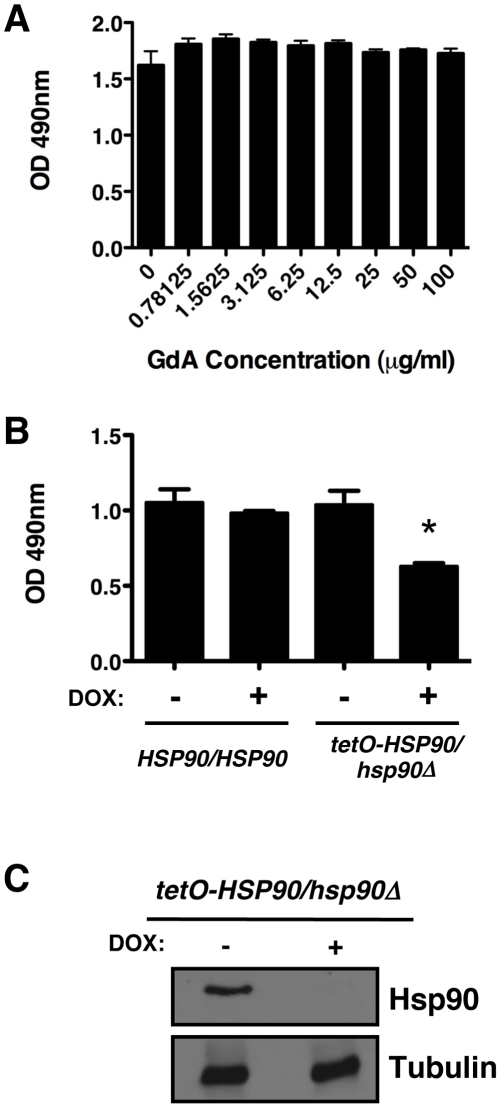
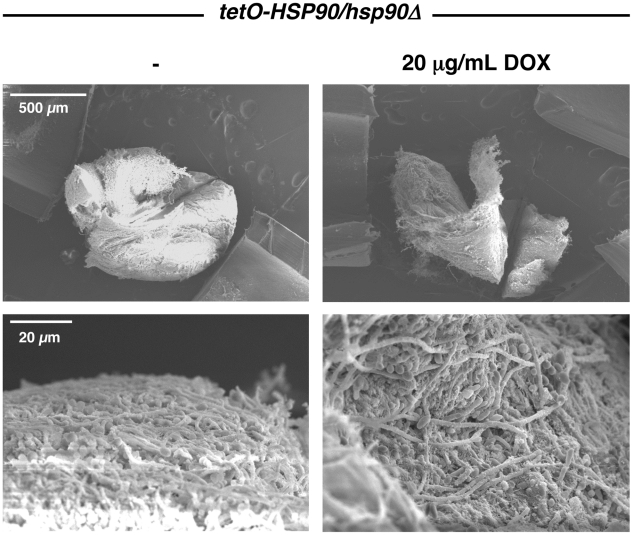
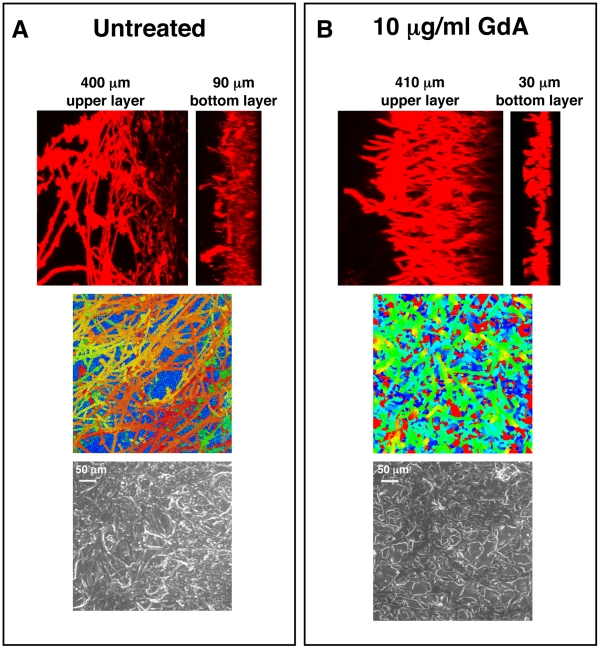
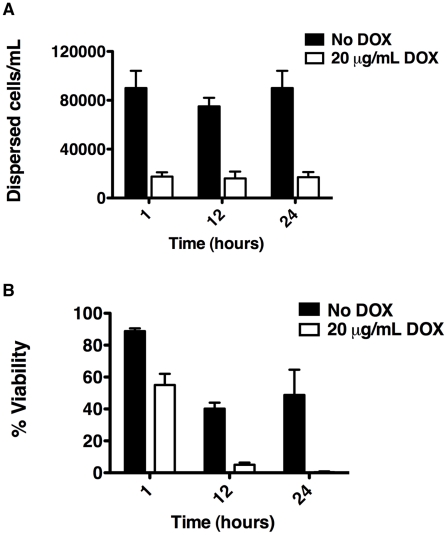
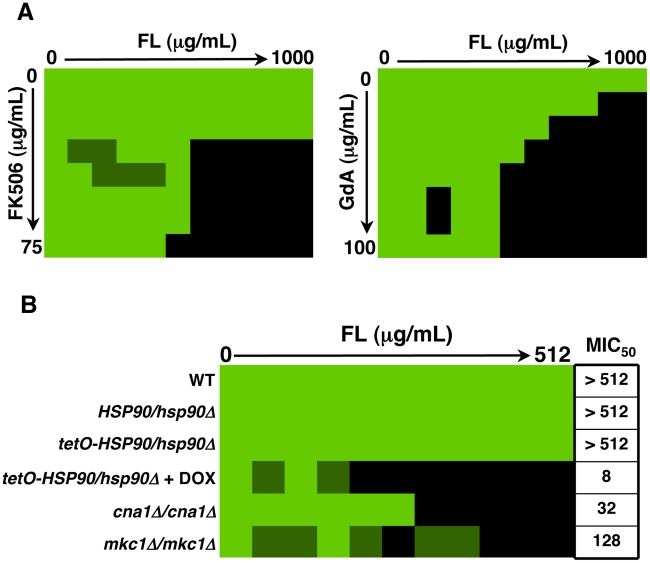
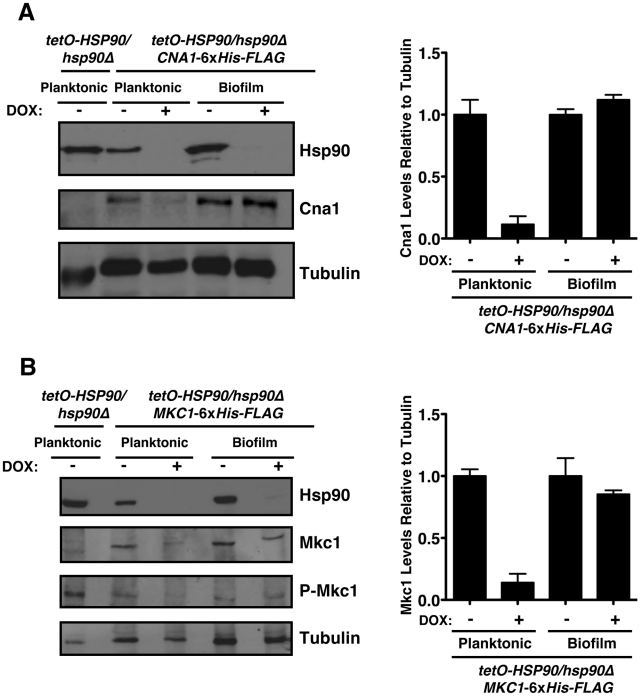
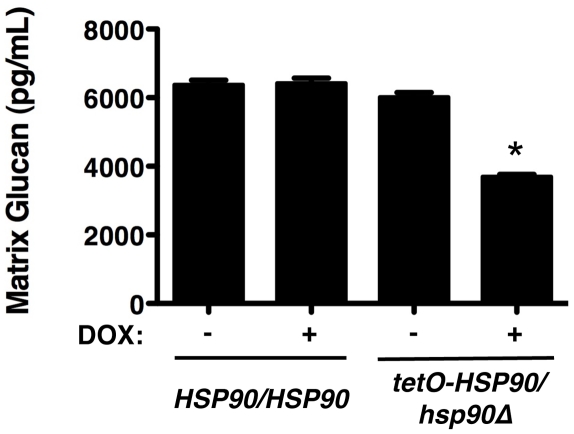
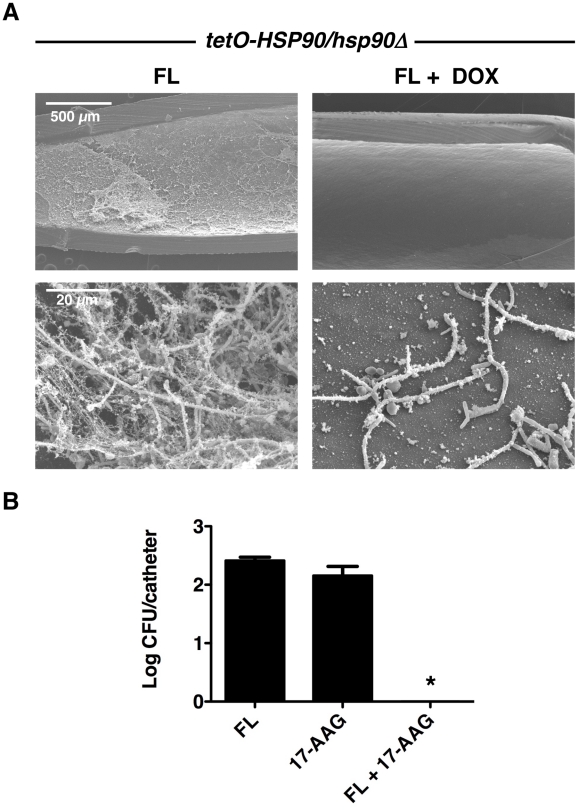
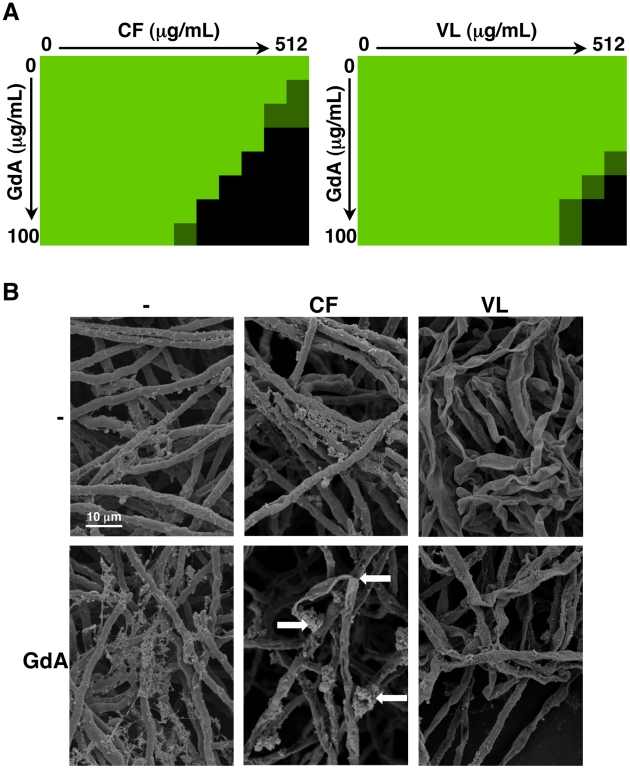
Fungal biofilms are a major cause of human mortality and are recalcitrant to most treatments due to intrinsic drug resistance. These complex communities of multiple cell types form on indwelling medical devices and their eradication often requires surgical removal of infected devices. Here we implicate the molecular chaperone Hsp90 as a key regulator of biofilm dispersion and drug resistance. We previously established that in the leading human fungal pathogen, Candida albicans, Hsp90 enables the emergence and maintenance of drug resistance in planktonic conditions by stabilizing the protein phosphatase calcineurin and MAPK Mkc1. Hsp90 also regulates temperature-dependent C. albicans morphogenesis through repression of cAMP-PKA signalling. Here we demonstrate that genetic depletion of Hsp90 reduced C. albicans biofilm growth and maturation in vitro and impaired dispersal of biofilm cells. Further, compromising Hsp90 function in vitro abrogated resistance of C. albicans biofilms to the most widely deployed class of antifungal drugs, the azoles. Depletion of Hsp90 led to reduction of calcineurin and Mkc1 in planktonic but not biofilm conditions, suggesting that Hsp90 regulates drug resistance through different mechanisms in these distinct cellular states. Reduction of Hsp90 levels led to a marked decrease in matrix glucan levels, providing a compelling mechanism through which Hsp90 might regulate biofilm azole resistance. Impairment of Hsp90 function genetically or pharmacologically transformed fluconazole from ineffectual to highly effective in eradicating biofilms in a rat venous catheter infection model. Finally, inhibition of Hsp90 reduced resistance of biofilms of the most lethal mould, Aspergillus fumigatus, to the newest class of antifungals to reach the clinic, the echinocandins. Thus, we establish a novel mechanism regulating biofilm drug resistance and dispersion and that targeting Hsp90 provides a much-needed strategy for improving clinical outcome in the treatment of biofilm infections.
Overview
The claims and statistics of this paper haven’t been checked yet.
Free: it reads the open-access text and checks the first 5 claims that cite a source we can check. Create a free account to check every claim.
Integrity signals
Registry
Cites
Statistics
Figures
Verification
Claims the paper makes
The claims and statistics of this paper haven’t been checked yet.
Free: it reads the open-access text and checks the first 5 claims that cite a source we can check. Create a free account to check every claim.
Claims other papers make about this one
Each is checked against this paper’s own text: does it say what the citing paper says it does?
The source backs part of the claim, not all of it — or backs it for a different population, condition or comparison.
In the citing paper
“Approximately 50 heat shock proteins (HSPs) have been reported in the genome of A. fumigatus, but these HSPs are chaperones mostly associated with resistance to stress rather than to heat (415–417).”
From Aspergillus fumigatus and Aspergillosis in 2019 (2019) · cites this paper as [415]
Experimental — accuracy not yet measuredThe source backs part of the claim, not all of it — or backs it for a different population, condition or comparison.
In the citing paper
“Inhibition of Hsp90 abrogates drug resistance in diverse human fungal pathogens, rendering resistant infections responsive to treatment7–9.”
From Dual action antifungal small molecule modulates multidrug efflux and TOR signaling (2016) · cites this paper as [8]
Experimental — accuracy not yet measuredThe source backs part of the claim, not all of it — or backs it for a different population, condition or comparison.
In the citing paper
“Hsp90, an essential molecular chaperone [1,3,5,6], has been shown to govern various aspects of C. albicans pathogenicity determinants including morphological yeast to hyphal transition [7], emergence of drug resistance [8–10] and biofilm formation [11].”
From Heat shock protein 90 localizes to the surface and augments virulence factors of Cryptococcus neoformans (2017) · cites this paper as [11]
Experimental — accuracy not yet measuredThe cited source says what the claim attributes to it.
In the citing paper
“The molecular chaperone Hsp90 has also been implicated in C. albicans biofilm dispersal, as depletion of Hsp90 markedly reduces the number of dispersed cells from a biofilm (167).”
From Candida albicans Biofilms and Human Disease (2015) · cites this paper as [167]
In the citing paper
“Importantly, Aspergillus biofilms are more resistant to antifungal drugs than are planktonic cells (415, 529, 535–538), but again, the reasons for a reduced permeability to drugs has not been explored in detail.”
From Aspergillus fumigatus and Aspergillosis in 2019 (2019) · cites this paper as [415]
Self-check
Percentages, sums and reported differences re-computed from the paper’s own numbers.
The self-check needs the paper’s full text.
Citations
Cites
Epidemiology of Invasive Candidiasis: a Persistent Public Health Problem
Pfaller, M. A., & Diekema, D. J. (2007) · Clinical Microbiology Reviews · doi:10.1128/cmr.00029-06 · Cited by 4,174
HSP90 at the hub of protein homeostasis: emerging mechanistic insights
Taipale, M., Jarosz, D. F., & Lindquist, S. (2010) · Nature Reviews Molecular Cell Biology · doi:10.1038/nrm2918 · Cited by 1,818
Targeting the dynamic HSP90 complex in cancer
Trepel, J., Mollapour, M., Giaccone, G., & Neckers, L. (2010) · Nature Reviews Cancer · doi:10.1038/nrc2887 · Cited by 1,514 · cited 2×
“Indeed, although well tolerated in the mammalian host individually or in combination therapies [56], Hsp90 inhibitors have toxicity in the context of an acute disseminated fungal infection [34].”
BackgroundAspergillosis Case-Fatality Rate: Systematic Review of the Literature
Lin, S.-J., Schranz, J., & Teutsch, S. M. (2001) · Clinical Infectious Diseases · doi:10.1086/318483 · Cited by 1,409 · cited 1×
“fumigatus is the most common etiological agent of invasive aspergillosis, with a 40–90% mortality rate [7].”
BackgroundStructure and mechanism of the Hsp90 molecular chaperone machinery
Pearl, L. H., & Prodromou, C. (2006) · Annual Review of Biochemistry · doi:10.1146/annurev.biochem.75.103004.142738 · Cited by 1,103 · cited 1×
“Hsp90 exerts pleiotropic effects on cellular circuitry in eukaryotes by stabilizing diverse regulators of cellular signalling [32,33,50].”
BackgroundCandida Infections of Medical Devices
Kojic, E. M., & Darouiche, R. O. (2004) · Clinical Microbiology Reviews · doi:10.1128/cmr.17.2.255-267.2004 · Cited by 1,055 · cited 2×
“The use of such medical devices — such as venous catheters, urinary catheters and artificial joints — has dramatically risen to more than 10 million recipients per year [21,22].”
BackgroundEpidemiology of Invasive Mycoses in North America
Pfaller, M. A., & Diekema, D. J. (2010) · Critical Reviews in Microbiology · doi:10.3109/10408410903241444 · Cited by 901 · cited 2×
“Candida and Aspergillus species together account for ,70% of all invasive fungal infections, with Candida albicans and Aspergillus fumigatus prevailing as the leading causal agents of opportunistic mycoses [2].”
BackgroundYoung, J. C., Moarefi, I., & Hartl, F. U. (2001) · The Journal of Cell Biology · doi:10.1083/jcb.200104079 · Cited by 822
Zaoutis, T. E., Argon, J., Chu, J., Berlin, J. A., Walsh, T. J., & Feudtner, C. (2005) · Clinical Infectious Diseases · doi:10.1086/496922 · Cited by 784 · cited 10×
“(D) Biofilms were cultured on plastic under shaking conditions with or without 20 mg/mL DOX.”
BackgroundInfluentialStandardized Method for In Vitro Antifungal Susceptibility Testing of Candida albicans Biofilms
Ramage, G., Vande Walle, K., Wickes, B. L., & López-Ribot, J. L. (2001) · Antimicrobial Agents and Chemotherapy · doi:10.1128/aac.45.9.2475-2479.2001 · Cited by 753 · cited 5×
“After 24 hours, non-adherent cells were washed away with PBS and biofilm cell metabolic activity was measured using the XTT reduction assay as previously described [28,43].”
MethodResultSelf-citation
Cited by
Items 101–200 of 292
Role of the extracellular matrix in Candida biofilm antifungal resistance
Massey, J., Żarnowski, R., & Andes, D. R. (2023) · FEMS Microbiology Reviews · doi:10.1093/femsre/fuad059 · Cited by 52
Self-citationBiofilm formation in clinically relevant filamentous fungi: a therapeutic challenge
Roudbary, M., Vahedi‐Shahandashti, R., dos Santos, A. L. S., Mohammadi, S. R., Aslani, P., Lass‐Flörl, C., & Rodrigues, C. F. (2021) · Critical Reviews in Microbiology · doi:10.1080/1040841x.2021.1950121 · Cited by 51
Trichosporon inkin biofilms produce extracellular proteases and exhibit resistance to antifungals
Cordeiro, R. D. A., Serpa, R., Alexandre, C. F. U., Marques, F. J. D. F., de Melo, C. V. S., Franco, J. D. S., Evangelista, A. J. D. J., Camargo, Z. P. D., Brilhante, R. S. N., Rocha, M. F. G., et al. (2015) · Journal of Medical Microbiology · doi:10.1099/jmm.0.000159 · Cited by 50
Progress and prospects for targeting Hsp90 to treat fungal infections
VERI, A., & COWEN, L. E. (2014) · Parasitology · doi:10.1017/s0031182013002072 · Cited by 43
“In the context of a mammalian model of fungal biofilm infections, an Hsp90 inhibitor in clinical development for cancer, 17-AAG, was highly effective in combination with an azole without host toxicity problems (Robbins et al. 2011).”
BackgroundInfluentialSelf-citationLi, X., Robbins, N., O'Meara, T. R., & Cowen, L. E. (2017) · Molecular Microbiology · doi:10.1111/mmi.13578 · Cited by 43
“, 2009), and that pharmacological compromise of Hsp90 function transforms antifungals from ineffective to highly efficacious in a mammalian model of biofilm formation (Robbins et al., 2011).”
BackgroundMethodInfluentialSelf-citationO’Meara, T. R., Veri, A. O., Polvi, E. J., Li, X., Valaei, S. F., Diezmann, S., & Cowen, L. E. (2016) · PLOS Genetics · doi:10.1371/journal.pgen.1006142 · Cited by 42
Self-citationHigh-Throughput Nano-Biofilm Microarray for Antifungal Drug Discovery
Srinivasan, A., Leung, K. P., Lopez-Ribot, J. L., & Ramasubramanian, A. K. (2013) · mBio · doi:10.1128/mbio.00331-13 · Cited by 41
Self-citationLagree, K., & Mitchell, A. P. (2017) · Microbiology Spectrum · doi:10.1128/microbiolspec.funk-0024-2016 · Cited by 46
“fumigatus is also linked to some medical device-associated infections (87)).”
BackgroundFeng, Y., Lu, H., Whiteway, M., & Jiang, Y. (2023) · Journal of Global Antimicrobial Resistance · doi:10.1016/j.jgar.2023.10.019 · Cited by 40
Pitarch, A., Nombela, C., & Gil, C. (2014) · Journal of Proteome Research · doi:10.1021/pr500681x · Cited by 47
Le, P. H., Linklater, D. P., Aburto‐Medina, A., MacLaughlin, S. A., Crawford, R. J., & Ivanova, E. P. (2024) · Acta Biomaterialia · doi:10.1016/j.actbio.2024.02.006 · Cited by 42
Dai, B., Wang, Y., Li, D., Xu, Y., Liang, R., Zhao, L., Cao, Y., Jia, J., & Jiang, Y. (2012) · PLoS ONE · doi:10.1371/journal.pone.0045109 · Cited by 37
“Based on previous publications [27,28,30], calcineurin was assumed to be downstream of Hsp90 and regulated by Hsp90.”
BackgroundMorphogenic plasticity: the pathogenic attribute of Candida albicans
Prasad, P., & Tippana, M. (2023) · Current Genetics · doi:10.1007/s00294-023-01263-5 · Cited by 41
In Vitro Study of Sequential Fluconazole and Caspofungin Treatment against Candida albicans Biofilms
Sarkar, S., Uppuluri, P., Pierce, C. G., & Lopez-Ribot, J. L. (2013) · Antimicrobial Agents and Chemotherapy · doi:10.1128/aac.01745-13 · Cited by 41
Self-citationSrikantha, T., Daniels, K. J., Pujol, C., Sahni, N., Yi, S., & Soll, D. R. (2012) · PLoS Pathogens · doi:10.1371/journal.ppat.1002476 · Cited by 36
“At the upper edge of a biofilm, yeast cells are formed by the hyphae, which appear to function as a dispersal mechanism [45,49,50].”
BackgroundAraújo, R., Oliveira, M. T. D. S., Amorim, A., & Sampaio‐Maia, B. (2015) · European Journal of Clinical Microbiology & Infectious Diseases · doi:10.1007/s10096-015-2374-1 · Cited by 42
“New antifungals acting as apoptosis-inducing agents or acting on the inhibition of iron acquisition, chitin synthases or chaperones, such as HSP90, have been proposed and might be available during the next few decades [70–73].”
BackgroundSmall heat shock proteins (HSP12, HSP20 and HSP30) play a role inUstilago maydispathogenesis
Ghosh, A. S. (2014) · FEMS Microbiology Letters · doi:10.1111/1574-6968.12605 · Cited by 40
An insight into new strategies to combat antifungal drug resistance
Zheng, Y., Ma, Y., Ding, Y., Chen, X., & Gao, G. (2018) · Drug Design Development and Therapy · doi:10.2147/dddt.s185833 · Cited by 38
“23”
Histone Acetylation/Deacetylation in Candida Albicans and their Potential as Antifungal Targets
Su, S., Li, X., Yang, X., Li, Y., Chen, X., Sun, S., & Jia, S. (2020) · Future Microbiology · doi:10.2217/fmb-2019-0343 · Cited by 36
Protein Acetylation/Deacetylation: A Potential Strategy for Fungal Infection Control
Chen, J.-Z., Liu, Q., Zeng, L., & Huang, X. (2020) · Frontiers in Microbiology · doi:10.3389/fmicb.2020.574736 · Cited by 38
From Biology to Drug Development: New Approaches to Combat the Threat of Fungal Biofilms
Pierce, C. G., Srinivasan, A., Ramasubramanian, A. K., & Lopez-Ribot, J. L. (2015) · Microbiology Spectrum · doi:10.1128/microbiolspec.mb-0007-2014 · Cited by 43
“, “safety in numbers”) (37), (ii) the existence of subpopulations of “persister” cells that develop tolerance to antifungal agents (38), (iii) the activation of efflux pumps, which may occur physiologically as a means to facilitate the removal of waste products but may concomitantly result in increased efflux of antif…”
BackgroundInfluentialSelf-citationLee, J. A., Robbins, N., Xie, J. L., Ketela, T., & Cowen, L. E. (2016) · PLOS Genetics · doi:10.1371/journal.pgen.1006452 · Cited by 35
Self-citationHeat shock proteins and the calcineurin-crz1 signaling regulate stress responses in fungi
Roy, A., & Tamuli, R. (2022) · Archives of Microbiology · doi:10.1007/s00203-022-02833-w · Cited by 41
Manfiolli, A. O., dos Reis, T. F., de Assis, L. J., de Castro, P. A., Silva, L. P., Hori, J. I., Walker, L. A., Munro, C. A., Rajendran, R., Ramage, G., et al. (2018) · The Cell Surface · doi:10.1016/j.tcsw.2018.03.002 · Cited by 39
Self-citationVirulence Factors in Sporothrix schenckii, One of the Causative Agents of Sporotrichosis
Tamez-Castrellón, A. K., Romeo, O., García-Carnero, L. C., Lozoya‐Pérez, N. E., & Mora-Montes, H. M. (2019) · Current Protein and Peptide Science · doi:10.2174/1389203720666191007103004 · Cited by 37
Mahmoudi, S., Rezaie, S., Ghazvini, R. D., Hashemi, S. J., Badali, H., Foroumadi, A., Diba, K., Chowdhary, A., Meis, J. F. G. M., & Khodavaisy, S. (2019) · Mycopathologia · doi:10.1007/s11046-019-00370-7 · Cited by 33
Fungal serotype-specific differences in bacterial-yeast interactions
Abdulkareem, A. F., Lee, H. H., Ahmadi, M. S., & Martinez, L. R. (2015) · Virulence · doi:10.1080/21505594.2015.1066962 · Cited by 35
Antifungal Activity against Candida Biofilms
Íñigo, M., Pemán, J., & del Pozo, J. L. (2012) · The International Journal of Artificial Organs · doi:10.5301/ijao.5000170 · Cited by 40
Structure-guided approaches to targeting stress responses in human fungal pathogens
LeBlanc, E. V., Polvi, E. J., Veri, A. O., Privé, G. G., & Cowen, L. E. (2020) · Journal of Biological Chemistry · doi:10.1074/jbc.rev120.013731 · Cited by 37
“Thus far, the therapeutic potential of targeting fungal Hsp90 in a mammalian model has been most promising in the context of a localized infection, where pharmacological inhibition of Hsp90 in combination with an azole eradicated azole-resistant biofilms in a rat venous catheter infection model (43).”
BackgroundSelf-citationNovel Promising Antifungal Target Proteins for Conquering Invasive Fungal Infections
Zhen, C., Lu, H., & Jiang, Y. (2022) · Frontiers in Microbiology · doi:10.3389/fmicb.2022.911322 · Cited by 36
Synergy Against Fungal Pathogens: Working Together is Better Than Working Alone
Musioł, R., Mrozek‐Wilczkiewicz, A., & Polański, J. (2014) · Current Medicinal Chemistry · doi:10.2174/0929867321666131218094848 · Cited by 35
Combinatorial drug approaches to tackleCandida albicansbiofilms
Cremer, K. D., Staes, I., Delattin, N., Cammue, B. P. A., Thevissen, K., & Brucker, K. D. (2015) · Expert Review of Anti-infective Therapy · doi:10.1586/14787210.2015.1056162 · Cited by 35
“albicans biofilms, which was confirmed in vivo in a rat venous catheter biofilm model [91,92].”
BackgroundYang, S., Liao, Y., Cong, L., Lu, X., & Yang, R. (2016) · PLoS ONE · doi:10.1371/journal.pone.0157047 · Cited by 30
“Multiple factors contribute to the elevated drug resistance of pathogenic fungal biofilms, including the increased expression of drug efflux pumps, increased cell density, and elevated β-1,3 glucan levels in the cell wall and biofilm matrix, as well as signaling mediated by protein kinase C and the protein phosphatase…”
BackgroundNaveen, K. V., Saravanakumar, K., Sathiyaseelan, A., MubarakAli, D., & Wang, M. (2022) · Applied Biochemistry and Biotechnology · doi:10.1007/s12010-022-03979-5 · Cited by 36
“Therefore, HSP-90 inhibitors might be an important player in lowering the rates of disseminated infection [30].”
BackgroundChaturvedi, A. K., Weintraub, S. T., Lopez-Ribot, J. L., & Wormley, F. L. (2013) · PROTEOMICS · doi:10.1002/pmic.201300213 · Cited by 32
Self-citationGrowth of Aspergillus fumigatus in Biofilms in Comparison to Candida albicans
Subroto, E., van Neer, J., Valdes, I., & de Cock, H. (2022) · Journal of Fungi · doi:10.3390/jof8010048 · Cited by 29
In Vitro and In Vivo Interactions of TOR Inhibitor AZD8055 and Azoles against Pathogenic Fungi
Sun, Y., Tan, L., Yao, Z., Gao, L., Yang, J. Y., & Zeng, T. (2022) · Microbiology Spectrum · doi:10.1128/spectrum.02007-21 · Cited by 36
“Hsp90, a molecular chaperone that stabilizes the calcineurin protein, coordinates cellular circuitry critical for responses to antifungal-induced stress and plays an essential role in antifungal drug resistance (25, 26).”
BackgroundPhilip, A., Thomas, R., Job, A. K., Sundaresan, V. R., Anandan, S., & Albert, R. R. (2013) · ISRN Otolaryngology · doi:10.1155/2013/239730 · Cited by 37
“Candida has been known to form biofilms especially in dwelling catheters, and studies are now suggesting biofilm formation of Aspergillus species with bacteria [17–19].”
BackgroundFuture therapies targeted towards eliminatingCandidabiofilms and associated infections
Bandara, N., Matsubara, V. H., & Samaranayake, L. P. (2016) · Expert Review of Anti-infective Therapy · doi:10.1080/14787210.2017.1268530 · Cited by 41
Involvement of Heat Shock Proteins in Candida albicans Biofilm Formation
Becherelli, M., Tao, J., & Ryder, N. S. (2013) · Microbial Physiology · doi:10.1159/000351619 · Cited by 30
“Indeed, it should be noted that the suppression of Hsp90 expression in a tetO-Hsp90/hsp90 mutant strain resulted in a reduction of biofilm formation in a magnitude comparable to what we observed with 17- DMAG treatment [Robbins et al., 2011].”
BackgroundResultIyer, K. R., Li, S. C., Revie, N. M., Lou, J. W., Duncan, D., Fallah, S., Sánchez, H., Skulska, I., Ušaj, M. M., Safizadeh, H., et al. (2023) · Cell chemical biology · doi:10.1016/j.chembiol.2023.06.005 · Cited by 31
Self-citationShahabudin, S., Azmi, N. S., Lani, M. N., Mukhtar, M., & Hossain, M. S. (2024) · Mycoses · doi:10.1111/myc.13753 · Cited by 49
Cruz, K. J., Alfonso, E. D., Fernando, S. I. D., & Watanabe, K. (2021) · Frontiers in Microbiology · doi:10.3389/fmicb.2021.665113 · Cited by 32
“HSP90 also controls temperature- dependent morphogenesis by suppressing cAMP-PKA signals (Robbins et al., 2011).”
BackgroundInfluentialInsights and Perspectives on the Role of Proteostasis and Heat Shock Proteins in Fungal Infections
Neves‐da‐Rocha, J., Santos-Saboya, M. J., Lopes, M. E. R., Rossi, A., & Martinez-Rossi, N. M. (2023) · Microorganisms · doi:10.3390/microorganisms11081878 · Cited by 32
Antifungal Drugs: The Current Armamentarium and Development of New Agents
Robbins, N., Wright, G. D., & Cowen, L. E. (2017) · ASM Press eBooks · doi:10.1128/9781555819583.ch44 · Cited by 27
Self-citationNiño‐Vega, G. A., Padró-Villegas, L., & López-Romero, E. (2024) · Journal of Fungi · doi:10.3390/jof10120871 · Cited by 40
Corte, L., Roscini, L., Colabella, C., Tascini, C., Leonildi, A., Sozio, E., Menichetti, F., Merelli, M., Scarparo, C., Meyer, W., et al. (2016) · Scientific Reports · doi:10.1038/srep26860 · Cited by 26
Management of Candida Biofilms: State Of Knowledge and New Options for Prevention and Eradication
Bujdáková, H. (2016) · Future Microbiology · doi:10.2217/fmb.15.139 · Cited by 37
The non-Geldanamycin Hsp90 inhibitors enhanced the antifungal activity of fluconazole.
Li, L., An, M., Shen, H., Huang, X., Yao, X., Liu, J., Zhu, F., Zhang, S., Chen, S., He, L., et al. (2015) · PubMed Central · Cited by 33
Aspergillus Biofilms in Human Disease
Williams, C., Rajendran, R., & Ramage, G. (2016) · Advances in experimental medicine and biology · doi:10.1007/5584_2016_4 · Cited by 27
Self-citationProteome analysis of biofilm produced by a Fusarium falciforme keratitis infectious agent
Calvillo‐Medina, R. P., Reyes‐Grajeda, J. P., Barba‐Escoto, L., Bautista-Hernández, L. A., Campos‐Guillén, J., Jones, G. H., & Lucio, V. M. B. (2019) · Microbial Pathogenesis · doi:10.1016/j.micpath.2019.03.001 · Cited by 25
In Vitro Interactions of Antifungal Agents and Tacrolimus against Aspergillus Biofilms
Gao, L., & Sun, Y. (2015) · Antimicrobial Agents and Chemotherapy · doi:10.1128/aac.01510-15 · Cited by 24
“In addition, the molecular chaperone Hsp90 has been implicated as a key regulator of biofilm dispersion and drug resistance, and an Hsp90activated calcineurin signaling pathway has been reported to be associated with antifungal resistance in Aspergillus biofilms (14, 15).”
BackgroundHsp21 Potentiates Antifungal Drug Tolerance in Candida albicans
Mayer, F. L., Wilson, D., & Hube, B. (2013) · PLoS ONE · doi:10.1371/journal.pone.0060417 · Cited by 26
“Indeed, compromising Hsp90 leads to reduced biofilm formation [17], increased sensitivity to antifungal drugs [14,16], and attenuated virulence of C.”
BackgroundSmall molecule inhibitors targeting heat shock protein 90: An updated review
Li, Y., Dong, J., & Qin, J. (2024) · European Journal of Medicinal Chemistry · doi:10.1016/j.ejmech.2024.116562 · Cited by 25
Rąpała‐Kozik, M., Surowiec, M., Juszczak, M., Wronowska, E., Kulig, K., Bednarek, A., Gonzalez‐Gonzalez, M., Karkowska‐Kuleta, J., Zawrotniak, M., Satała, D., et al. (2023) · Yeast · doi:10.1002/yea.3855 · Cited by 32
Mechanisms of Azole Potentiation: Insights from Drug Repurposing Approaches
Xiong, J., Lu, H., & Jiang, Y. (2025) · ACS Infectious Diseases · doi:10.1021/acsinfecdis.4c00657 · Cited by 20
All-Trans Retinoic Acid Effect on Candida albicans Growth and Biofilm Formation
Pistoia, E. S., Cosio, T., Campione, E., Pica, F., Volpe, A., Marino, D., Francesco, P. D., Monari, C., Fontana, C., Favaro, M., et al. (2022) · Journal of Fungi · doi:10.3390/jof8101049 · Cited by 21
“albicans and impaired dispersal of biofilm cells, thus blocking their function as reservoirs that is essential for perpetuation of the fungal infection [47].”
BackgroundLearning the ABC of oral fungal drug resistance
Cannon, R. D., & Holmes, A. R. (2015) · Molecular Oral Microbiology · doi:10.1111/omi.12109 · Cited by 24
Pellón, A., Ramirez‐Garcia, A., Buldain, I., Antoran, A., Rementería, A., & Hernando, F. L. (2016) · Journal of Proteome Research · doi:10.1021/acs.jproteome.5b00978 · Cited by 21
Biofilm: A Robust and Efficient Barrier to Antifungal Chemotherapy
Souza dos Santos, A. L., & de Mello, T. P. (2015) · Journal of Antimicrobial Agents · doi:10.4172/2472-1212.1000e101 · Cited by 20
Yang, F., Wang, Y., Yan, D., Liu, Z., Wei, B., Chen, J., & He, W. (2023) · Molecules · doi:10.3390/molecules28124792 · Cited by 20
Rajendran, R., Mowat, E., Jones, B., Williams, C., & Ramage, G. (2015) · International Journal of Antimicrobial Agents · doi:10.1016/j.ijantimicag.2015.03.006 · Cited by 20
“Next, to investigate the effect of RZ pre-treatment and the role of eDNA or Hsp90 in AmB sensiivity, a DNA-digesting enzyme DNase (128 mg/L) (Sigma-Aldrich) r the Hsp90 inhibitor geldanamycin (GDA) (50 mg/L) (InvivoGen, oulouse, France) was tested in combination with AmB against RZ-exposed germlings as described elsew…”
BackgroundMethodInfluentialSelf-citationUppuluri, P., & Lopez-Ribot, J. L. (2017) · Springer eBooks · doi:10.1007/978-3-319-50409-4_5 · Cited by 21
Self-citationErosio interdigitalis blastomycetica: A review of interdigital candidiasis
Schlager, E., Ashack, K. A., & Khachemoune, A. (2018) · Dermatology Online Journal · doi:10.5070/d3248041124 · Cited by 20
Sun, Y., Gao, L., Yuan, M., Yuan, L., Yang, J. Y., & Zeng, T. (2020) · Frontiers in Cellular and Infection Microbiology · doi:10.3389/fcimb.2020.576975 · Cited by 19
“In addition, Hsp90 plays a key role in the dispersion of biofilm and antifungal resistance (Robbins et al., 2011).”
BackgroundCryptococcusantigens and immune responses: implications for a vaccine
Chaturvedi, A. K., & Wormley, F. L. (2013) · Expert Review of Vaccines · doi:10.1586/14760584.2013.840094 · Cited by 20
Danish, M., Bibi, A., Raza, M. A., Noreen, N., Arshad, M. N., & Asiri, A. M. (2020) · Acta chimica slovenica · doi:10.17344/acsi.2019.5720 · Cited by 16
Hsp90 interaction networks in fungi—tools and techniques
Crunden, J. L., & Diezmann, S. (2021) · FEMS Yeast Research · doi:10.1093/femsyr/foab054 · Cited by 18
Functional Divergence of Hsp90 Genetic Interactions in Biofilm and Planktonic Cellular States
Diezmann, S., Leach, M. D., & Cowen, L. E. (2015) · PLoS ONE · doi:10.1371/journal.pone.0137947 · Cited by 19
“Reduced Hsp90 levels did not affect biofilm growth (Fig 2D and 2E), as expected based on our previous analysis with a different conditional expression system [14].”
BackgroundSelf-citationAlaalm, L., Crunden, J. L., Butcher, M. C., Obst, U., Whealy, R. N., Williamson, C. E., O’Brien, H., Schaffitzel, C., Ramage, G., SPENCER, J. M., et al. (2021) · Frontiers in Cellular and Infection Microbiology · doi:10.3389/fcimb.2021.637836 · Cited by 18
Self-citationŻyrek, D., Wajda, A., Czechowicz, P., Nowicka, J., Jaśkiewicz, M., Neubauer, D., & Kamysz, W. (2021) · Antibiotics · doi:10.3390/antibiotics10081001 · Cited by 19
“The wide range of indications and the extensive use of azoles have significantly contributed to the selection of resistant strains [54].”
BackgroundChen, J., Su, L., Wang, X., Zhang, T., Liu, F., Chen, H., & Tan, C. (2016) · Frontiers in Microbiology · doi:10.3389/fmicb.2016.00724 · Cited by 17
Patel, S. K., Sahu, S. R., Utkalaja, B. G., Bose, S., & Acharya, N. (2023) · Gut Microbes · doi:10.1080/19490976.2022.2163840 · Cited by 14
“42 Replication and oxidative stresses are known to up-regulate HSP90 expression, although antifungal drugs enhance oxidative stress, this overexpression of HSP90 is most likely due to the replication stress in pol32 ΔΔ strain.”
InfluentialSynergistic effects of vorinostat (SAHA) and azoles against Aspergillus species and their biofilms
Tu, B., Yin, G., & Li, H. (2020) · BMC Microbiology · doi:10.1186/s12866-020-1718-x · Cited by 17
Zhang, M., Yang, W., Liu, N., Tu, J., Lin, J., Dong, G., Zhao, D., & Sheng, C. (2025) · Journal of Medicinal Chemistry · doi:10.1021/acs.jmedchem.4c02305 · Cited by 20
Emerging Antifungal Drug Resistance in Aspergillus fumigatus and Among Other Species of Aspergillus
Toyotome, T., Hagiwara, D., Takahashi, H., Watanabe, A., & Kamei, K. (2018) · Current Fungal Infection Reports · doi:10.1007/s12281-018-0318-9 · Cited by 20
Pennerman, K. K., Yin, G., Bennett, J. W., & Hua, S.-S. T. (2019) · Journal of Fungi · doi:10.3390/jof5020053 · Cited by 14
Interdisciplinary approaches for the discovery of novel antifungals
Yiu, B., Robbins, N., & Cowen, L. E. (2024) · Trends in Molecular Medicine · doi:10.1016/j.molmed.2024.04.018 · Cited by 14
Self-citationMaťátková, O., Kolouchová, I., Kvasničková, E., Ježdík, R., Masák, J., & Čejková, A. (2017) · Chemical Papers · doi:10.1007/s11696-017-0141-8 · Cited by 13
Synergistic Effects of Tacrolimus and Azoles against Exophiala dermatitidis
Gao, L., Sun, Y., He, C., Zeng, T., & Li, M. (2017) · Antimicrobial Agents and Chemotherapy · doi:10.1128/aac.00948-17 · Cited by 14
“albicans, Hsp90 pathway potentiates the emergence and maintenance of resistance to antifungals, at least in part via calcineurin (23), while in biofilms, Hsp90 regulates drug resistance through distinct mechanisms independent of calcineurin (22).”
BackgroundRobbins, N., & Cowen, L. E. (2022) · Current Opinion in Microbiology · doi:10.1016/j.mib.2022.102198 · Cited by 21
Self-citationThe role of Mss11 in Candida albicans biofilm formation
Tsai, P.-W., Chen, Y.-T., Yang, C., Chen, H.-F., Tan, T.-S., Lin, T.-W., Hsieh, W., & Lan, C. (2014) · Molecular Genetics and Genomics · doi:10.1007/s00438-014-0846-0 · Cited by 14
“The chaperone protein Hsp90 and the transcription regulator Nrg1 have been found to control biofilm dispersion in C. albicans (Uppuluri et al. 2010b; Robbins et al. 2011).”
BackgroundMechanisms of Drug Resistance in Fungi and Their Significance in Biofilms
Prasad, R., Shah, A. H., & Dhamgaye, S. (2014) · Springer series on biofilms · doi:10.1007/978-3-642-53833-9_4 · Cited by 14
Candidiasis asociada a biopelículas
del Pozo, J. L., & Cantón, E. (2015) · Revista Iberoamericana de Micología · doi:10.1016/j.riam.2015.06.004 · Cited by 24
Kumar, D., & Kumar, A. (2023) · Microbial Drug Resistance · doi:10.1089/mdr.2022.0347 · Cited by 12
Zheng, L., Xu, Y., Wang, C., & Guo, L. (2024) · Frontiers in Microbiology · doi:10.3389/fmicb.2024.1450557 · Cited by 14
“This is consistent with their known functions in cellular stress responses and antifungal resistance pathways (Cowen et al., 2009; Singh et al., 2009; Robbins et al., 2011).”
BackgroundGenomic Approaches to Antifungal Drug Target Identification and Validation
Robbins, N., & Cowen, L. E. (2022) · Annual Review of Microbiology · doi:10.1146/annurev-micro-041020-094524 · Cited by 18
Self-citationNovel Strategies Against Candida Biofilms: Interest of Synthetic Compounds
Girardot, M., & Imbert, C. (2015) · Future Microbiology · doi:10.2217/fmb.15.118 · Cited by 16
Cordeiro, R. D. A., Evangelista, A. J. D. J., Serpa, R., de Andrade, A. R. C., Mendes, P. B. L., de Oliveira, J. S., de Alencar, L. P., Pereira, V. S., de Lima-Neto, R. G., Brilhante, R. S. N., et al. (2019) · Frontiers in Microbiology · doi:10.3389/fmicb.2019.01337 · Cited by 13
“Hsp proteins potentiate a rapid evolution of antifungal resistance in planktonic cells (Cowen and Lindquist, 2005) and participate in the dispersion and antifungal resistance of biofilms (Robbins et al., 2011).”
BackgroundThe SAGA and NuA4 component Tra1 regulates Candida albicans drug resistance and pathogenesis
Razzaq, I., Berg, M. D., Jiang, Y., Genereaux, J. L., Uthayakumar, D., Kim, G. H., Agyare-Tabbi, M. R., Halder, V., Brandl, C. J., Lajoie, P., et al. (2021) · Genetics · doi:10.1093/genetics/iyab131 · Cited by 11
The Fungal Resistome: A Risk and an Opportunity for the Development of Novel Antifungal Therapies
Reales‐Calderón, J. A., Molero, G., Gil, C., & Martínez, J. L. (2016) · Future Medicinal Chemistry · doi:10.4155/fmc-2016-0051 · Cited by 15
Jia, C., Zhang, J., Zhuge, Y., Xu, K., Liu, J., Wang, J., Li, L., & Chu, M. (2019) · Free Radical Research · doi:10.1080/10715762.2019.1610563 · Cited by 12
Lagree, K., & Mitchell, A. P. (2017) · ASM Press eBooks · doi:10.1128/9781555819583.ch42 · Cited by 10
Animal Models In Mycology: What Have We Learned Over The Past 30 Years
Kirkpatrick, W. R., Wiederhold, N. P., Najvar, L. K., & Patterson, T. F. (2012) · Current Fungal Infection Reports · doi:10.1007/s12281-012-0126-6 · Cited by 11
Hsp90-Mediated Multi-Drug Resistance in DNA Polymerase-Defective Strains of Candida albicans
Utkalaja, B. G., Sahu, S. R., Parida, S. S., & Acharya, N. (2024) · Journal of Fungi · doi:10.3390/jof10030222 · Cited by 9
“The fungal cells released from a matured biofilm appear to be highly virulent compared to planktonic cells in terms of systemic candidiasis development [45,46] and Hsp90 also plays an important role in biofilm dispersions [44,47].”
BackgroundSong, Y., Wang, Z., Long, Y., Mao, Y., Jiang, F., & Lu, Y. (2022) · Research in Microbiology · doi:10.1016/j.resmic.2022.103955 · Cited by 9
Update on the Fungal Biofilm Drug Resistance and Its Alternative Treatment
Tseung, K. S. Y. N. H., & Zhao, J. (2016) · Journal of Biosciences and Medicines · doi:10.4236/jbm.2016.45004 · Cited by 9
Costa, A. C. B. P., Omran, R. P., Correia‐Mesquita, T. O., Dumeaux, V., & Whiteway, M. S. (2019) · Scientific Reports · doi:10.1038/s41598-019-45624-y · Cited by 12
Retinoids as Alternative Antifungal Agents Against Candida albicans: In Vitro and In Silico Evidence
Cosio, T., Romeo, A., Pistoia, E. S., Pica, F., Freni, C., Iacovelli, F., Orlandi, A., Falconi, M., Campione, E., & Gaziano, R. (2025) · Microorganisms · doi:10.3390/microorganisms13020237 · Cited by 7
“The content is the object of Italian Patent Application No. 102024000028626 filed on 16 December 2024.”
Candida albicans: a historical overview of investigations into an important human pathogen
Shrivastava, M., & Whiteway, M. S. (2025) · Canadian Journal of Microbiology · doi:10.1139/cjm-2025-0036 · Cited by 7
Metadata
- Authors
- Robbins, N., Uppuluri, P., Nett, J., Rajendran, R., Ramage, G., Lopez-Ribot, J. L., Andes, D., & Cowen, L. E.
- Affiliations
- University of Toronto (CA)
- The University of Texas at San Antonio (US)
- University of Wisconsin–Madison (US)
- University of Glasgow (GB)
- Corresponding author
- Cowen, Leah E.
- ORCID
- Venue
- PLoS Pathogens
- Publisher
- Public Library of Science (PLoS)
- Published
- 2011-09-08
- Volume
- 7
- Issue
- 9
- Pages
- e1002257
- ISSN
- 1553-7366 (ISSN-L)
- 1553-7374
- PMC
- PMC3169563
- OpenAlex
- W2050694730
- Cited by
- 291
- References
- 61
- Citations by year
- 2026: 13 · 2025: 14 · 2024: 12 · 2023: 19 · 2022: 19 · 2021: 14 · 2020: 24 · 2019: 14 · 2018: 12 · 2017: 25 · 2016: 32 · 2015: 30 · 2014: 21 · 2013: 19 · 2012: 22
- FWCI
- 13.66
- Type
- journal article
- Language
- en
- Open access
- gold
- doi.org
- Locations
- PLoS Pathogens (publishedVersion, cc-by)
- PubMed Central (publishedVersion, cc-by)
- PubMed (publishedVersion)
- ENLIGHTEN (Jurnal Bimbingan dan Konseling Islam) (acceptedVersion)
- DOAJ (DOAJ: Directory of Open Access Journals) (submittedVersion, cc-by-sa)
- ENLIGHTEN (Jurnal Bimbingan dan Konseling Islam) (submittedVersion)
- Figshare (submittedVersion, cc-by)
- Funders
- Burroughs Wellcome Fund
- American Heart Association
- Canadian Institutes of Health Research (MOP-86452)
- National Institute of Allergy and Infectious Diseases (R21AI080930, R01AI073289)
- Topics
- Health Sciences › Medicine › Infectious Diseases › Antifungal resistance and susceptibility
- Life Sciences › Biochemistry, Genetics and Molecular Biology › Molecular Biology › Fungal and yeast genetics research
- Life Sciences › Biochemistry, Genetics and Molecular Biology › Molecular Biology › Bacterial biofilms and quorum sensing
- Keywords
- HSP90, fungal biofilms, biofilm dispersal, antifungal resistance, Candida albicans, Aspergillus fumigatus, calcineurin, azole resistance, echinocandin resistance, cAMP/PKA signaling, HSP90 inhibition, catheter-related infection, fungal pathogenesis
- MeSH terms
- Antifungal Agents, Aspergillus fumigatus, Azoles, Candida albicans, Fungal Proteins, Microscopy, Electron, Scanning, Fluconazole, Gene Expression Regulation, Fungal, Biofilms, Microscopy, Confocal, HSP90 Heat-Shock Proteins, Calcineurin, Drug Resistance, Fungal, Echinocandins
About these checks
Registry, retraction, Cites and statistics results are computed, not judged, with one exception: a printed reference that no index lists is read once by a model before it counts as a citation error. Claims are extracted by a model and kept only when their quote appears verbatim in the text; each cited source is then checked, with a model’s help, for whether it says what the claim relies on. Those verdicts can be wrong — read the claim’s quote and the cited source before relying on one.
Statistics and arithmetic are recomputed, not judged.
Confidence bands are shown only for fields calibrated on our annotated test set. None is calibrated yet, so no band is shown.
What counts as a claim ›How we measure confidence ›How we check this ›
Are you an author, or do you see a problem with this page? Request a review
Data sources
Bibliographic data: Semantic Scholar, OpenAlex, Crossref.
Contains information from the Semantic Scholar Academic Graph Datasets, made available under the ODC Attribution License (ODC-BY 1.0).
Semantic Scholar’s data is described in: Kinney, R., et al. (2023). The Semantic Scholar Open Data Platform. arXiv:2301.10140.
