

Hsp90 Governs Dispersion and Drug Resistance of Fungal Biofilms
Open accessThe DOI matches its Crossref record; 61 of the 61 references it cites were found in a registry or an index.
Abstract
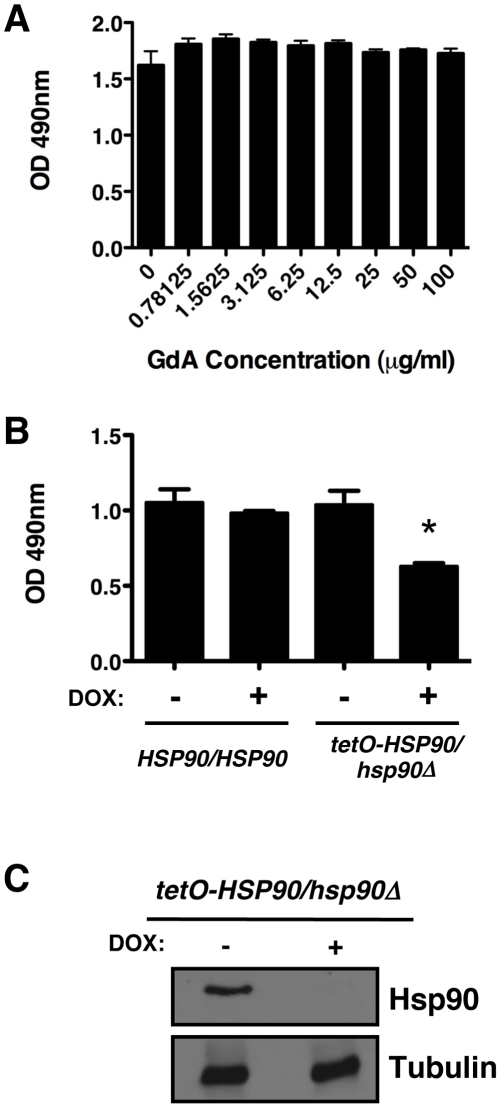
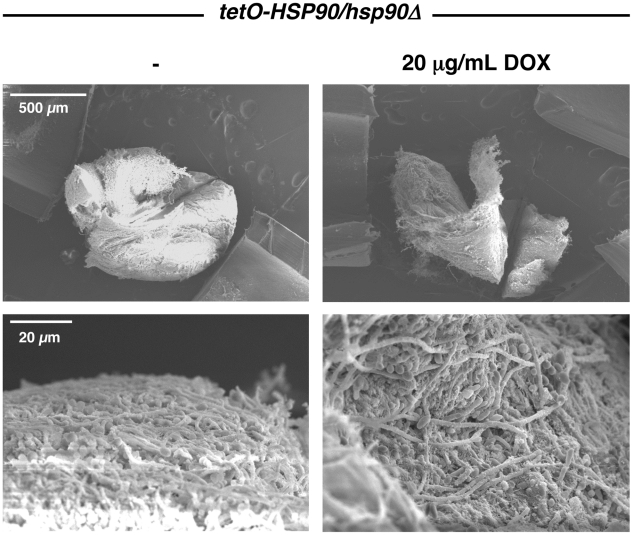
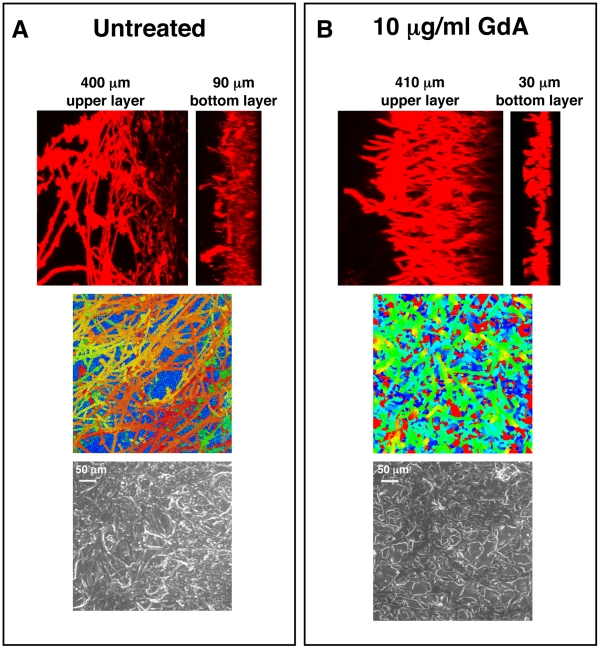
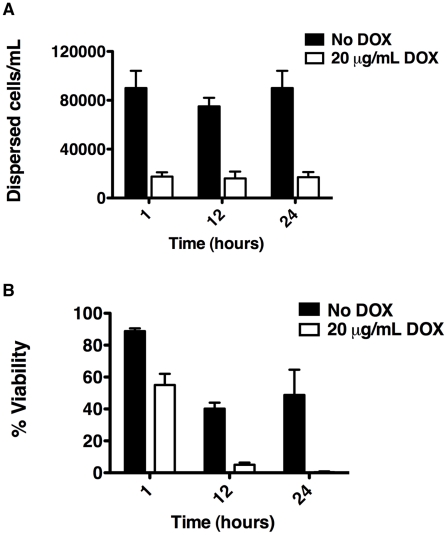
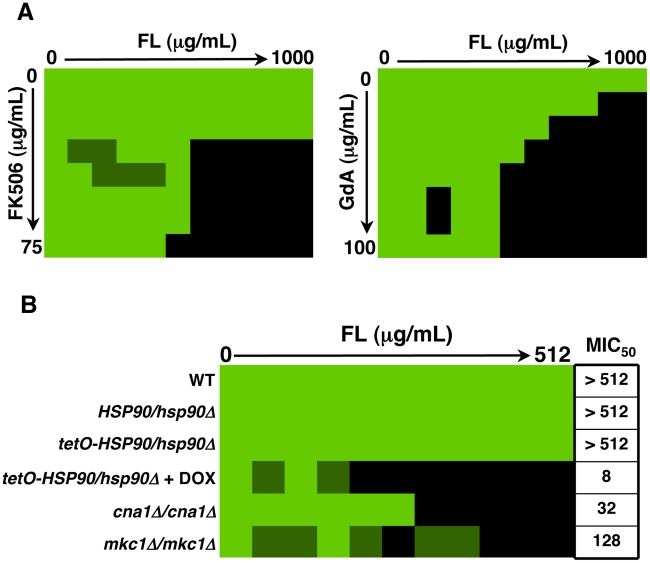
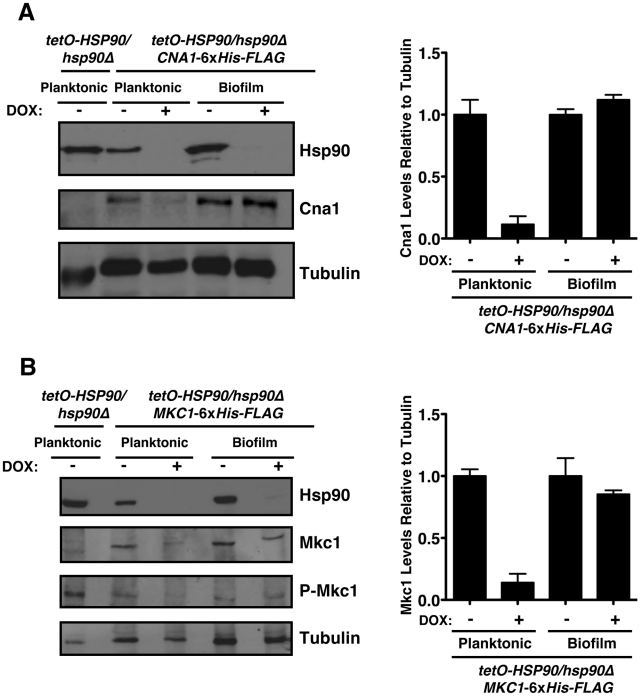
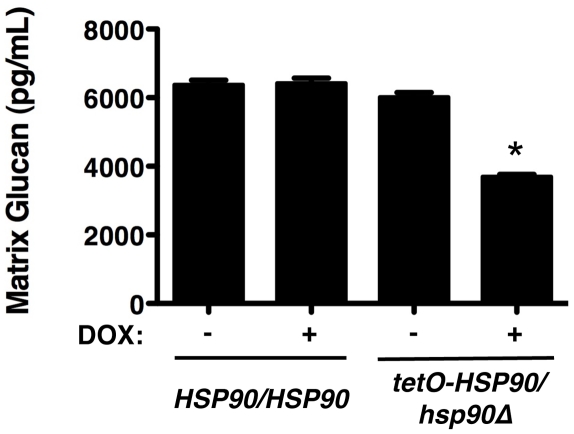
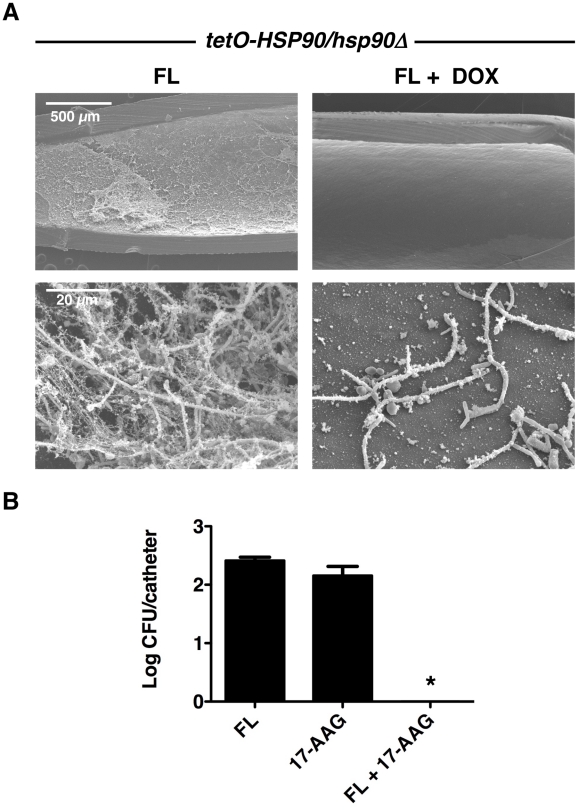
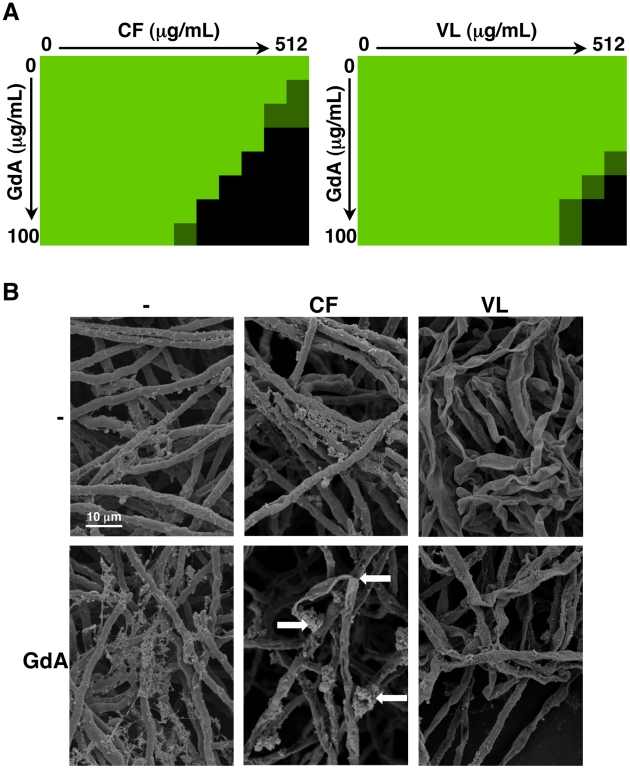
Fungal biofilms are a major cause of human mortality and are recalcitrant to most treatments due to intrinsic drug resistance. These complex communities of multiple cell types form on indwelling medical devices and their eradication often requires surgical removal of infected devices. Here we implicate the molecular chaperone Hsp90 as a key regulator of biofilm dispersion and drug resistance. We previously established that in the leading human fungal pathogen, Candida albicans, Hsp90 enables the emergence and maintenance of drug resistance in planktonic conditions by stabilizing the protein phosphatase calcineurin and MAPK Mkc1. Hsp90 also regulates temperature-dependent C. albicans morphogenesis through repression of cAMP-PKA signalling. Here we demonstrate that genetic depletion of Hsp90 reduced C. albicans biofilm growth and maturation in vitro and impaired dispersal of biofilm cells. Further, compromising Hsp90 function in vitro abrogated resistance of C. albicans biofilms to the most widely deployed class of antifungal drugs, the azoles. Depletion of Hsp90 led to reduction of calcineurin and Mkc1 in planktonic but not biofilm conditions, suggesting that Hsp90 regulates drug resistance through different mechanisms in these distinct cellular states. Reduction of Hsp90 levels led to a marked decrease in matrix glucan levels, providing a compelling mechanism through which Hsp90 might regulate biofilm azole resistance. Impairment of Hsp90 function genetically or pharmacologically transformed fluconazole from ineffectual to highly effective in eradicating biofilms in a rat venous catheter infection model. Finally, inhibition of Hsp90 reduced resistance of biofilms of the most lethal mould, Aspergillus fumigatus, to the newest class of antifungals to reach the clinic, the echinocandins. Thus, we establish a novel mechanism regulating biofilm drug resistance and dispersion and that targeting Hsp90 provides a much-needed strategy for improving clinical outcome in the treatment of biofilm infections.
Overview
The claims and statistics of this paper haven’t been checked yet.
Free: it reads the open-access text and checks the first 5 claims that cite a source we can check. Create a free account to check every claim.
Integrity signals
Registry
Cites
Statistics
Figures
Verification
Claims the paper makes
The claims and statistics of this paper haven’t been checked yet.
Free: it reads the open-access text and checks the first 5 claims that cite a source we can check. Create a free account to check every claim.
Claims other papers make about this one
Each is checked against this paper’s own text: does it say what the citing paper says it does?
The source backs part of the claim, not all of it — or backs it for a different population, condition or comparison.
In the citing paper
“Approximately 50 heat shock proteins (HSPs) have been reported in the genome of A. fumigatus, but these HSPs are chaperones mostly associated with resistance to stress rather than to heat (415–417).”
From Aspergillus fumigatus and Aspergillosis in 2019 (2019) · cites this paper as [415]
Experimental — accuracy not yet measuredThe source backs part of the claim, not all of it — or backs it for a different population, condition or comparison.
In the citing paper
“Inhibition of Hsp90 abrogates drug resistance in diverse human fungal pathogens, rendering resistant infections responsive to treatment7–9.”
From Dual action antifungal small molecule modulates multidrug efflux and TOR signaling (2016) · cites this paper as [8]
Experimental — accuracy not yet measuredThe source backs part of the claim, not all of it — or backs it for a different population, condition or comparison.
In the citing paper
“Hsp90, an essential molecular chaperone [1,3,5,6], has been shown to govern various aspects of C. albicans pathogenicity determinants including morphological yeast to hyphal transition [7], emergence of drug resistance [8–10] and biofilm formation [11].”
From Heat shock protein 90 localizes to the surface and augments virulence factors of Cryptococcus neoformans (2017) · cites this paper as [11]
Experimental — accuracy not yet measuredThe cited source says what the claim attributes to it.
In the citing paper
“The molecular chaperone Hsp90 has also been implicated in C. albicans biofilm dispersal, as depletion of Hsp90 markedly reduces the number of dispersed cells from a biofilm (167).”
From Candida albicans Biofilms and Human Disease (2015) · cites this paper as [167]
In the citing paper
“Importantly, Aspergillus biofilms are more resistant to antifungal drugs than are planktonic cells (415, 529, 535–538), but again, the reasons for a reduced permeability to drugs has not been explored in detail.”
From Aspergillus fumigatus and Aspergillosis in 2019 (2019) · cites this paper as [415]
Self-check
Percentages, sums and reported differences re-computed from the paper’s own numbers.
The self-check needs the paper’s full text.
Citations
Cites
Epidemiology of Invasive Candidiasis: a Persistent Public Health Problem
Pfaller, M. A., & Diekema, D. J. (2007) · Clinical Microbiology Reviews · doi:10.1128/cmr.00029-06 · Cited by 4,174
HSP90 at the hub of protein homeostasis: emerging mechanistic insights
Taipale, M., Jarosz, D. F., & Lindquist, S. (2010) · Nature Reviews Molecular Cell Biology · doi:10.1038/nrm2918 · Cited by 1,818
Targeting the dynamic HSP90 complex in cancer
Trepel, J., Mollapour, M., Giaccone, G., & Neckers, L. (2010) · Nature Reviews Cancer · doi:10.1038/nrc2887 · Cited by 1,514 · cited 2×
“Indeed, although well tolerated in the mammalian host individually or in combination therapies [56], Hsp90 inhibitors have toxicity in the context of an acute disseminated fungal infection [34].”
BackgroundAspergillosis Case-Fatality Rate: Systematic Review of the Literature
Lin, S.-J., Schranz, J., & Teutsch, S. M. (2001) · Clinical Infectious Diseases · doi:10.1086/318483 · Cited by 1,409 · cited 1×
“fumigatus is the most common etiological agent of invasive aspergillosis, with a 40–90% mortality rate [7].”
BackgroundStructure and mechanism of the Hsp90 molecular chaperone machinery
Pearl, L. H., & Prodromou, C. (2006) · Annual Review of Biochemistry · doi:10.1146/annurev.biochem.75.103004.142738 · Cited by 1,103 · cited 1×
“Hsp90 exerts pleiotropic effects on cellular circuitry in eukaryotes by stabilizing diverse regulators of cellular signalling [32,33,50].”
BackgroundCandida Infections of Medical Devices
Kojic, E. M., & Darouiche, R. O. (2004) · Clinical Microbiology Reviews · doi:10.1128/cmr.17.2.255-267.2004 · Cited by 1,055 · cited 2×
“The use of such medical devices — such as venous catheters, urinary catheters and artificial joints — has dramatically risen to more than 10 million recipients per year [21,22].”
BackgroundEpidemiology of Invasive Mycoses in North America
Pfaller, M. A., & Diekema, D. J. (2010) · Critical Reviews in Microbiology · doi:10.3109/10408410903241444 · Cited by 901 · cited 2×
“Candida and Aspergillus species together account for ,70% of all invasive fungal infections, with Candida albicans and Aspergillus fumigatus prevailing as the leading causal agents of opportunistic mycoses [2].”
BackgroundYoung, J. C., Moarefi, I., & Hartl, F. U. (2001) · The Journal of Cell Biology · doi:10.1083/jcb.200104079 · Cited by 822
Zaoutis, T. E., Argon, J., Chu, J., Berlin, J. A., Walsh, T. J., & Feudtner, C. (2005) · Clinical Infectious Diseases · doi:10.1086/496922 · Cited by 784 · cited 10×
“(D) Biofilms were cultured on plastic under shaking conditions with or without 20 mg/mL DOX.”
BackgroundInfluentialStandardized Method for In Vitro Antifungal Susceptibility Testing of Candida albicans Biofilms
Ramage, G., Vande Walle, K., Wickes, B. L., & López-Ribot, J. L. (2001) · Antimicrobial Agents and Chemotherapy · doi:10.1128/aac.45.9.2475-2479.2001 · Cited by 753 · cited 5×
“After 24 hours, non-adherent cells were washed away with PBS and biofilm cell metabolic activity was measured using the XTT reduction assay as previously described [28,43].”
MethodResultSelf-citation
Cited by
Items 201–292 of 292
Biofilm-Mediated Urinary Tract Infections
Agarwal, J., & Radera, S. (2019) · Springer eBooks · doi:10.1007/978-3-030-30757-8_13 · Cited by 13
Mechanisms of Resistance to Antifungal Agents
Perlin, D. S. (2015) · ASM Press eBooks · doi:10.1128/9781555817381.ch130 · Cited by 10
Candida albicans Biofilm Development and Its Genetic Control
Desai, J. V., & Mitchell, A. P. (2015) · ASM Press eBooks · doi:10.1128/9781555817466.ch5 · Cited by 14
In vitro interactions between 17‐ AAG and azoles against Exophiala dermatitidis
Gao, L., Sun, Y., He, C., Li, M., & Zeng, T. (2018) · Mycoses · doi:10.1111/myc.12824 · Cited by 7
From Biology to Drug Development: New Approaches to Combat the Threat of Fungal Biofilms
Pierce, C. G., Srinivasan, A., Ramasubramanian, A. K., & Lopez-Ribot, J. L. (2015) · ASM Press eBooks · doi:10.1128/9781555817466.ch19 · Cited by 8
Self-citationOvercoming Candida biofilm resistance: targeting persister cells with probiotic-derived metabolites
Debta, P., Sahu, B. K., Patra, S. K., Debta, F. M., Mishra, E., & Panda, S. K. (2026) · Frontiers in Antibiotics · doi:10.3389/frabi.2026.1767028 · Cited by 8
Guinn, L., Lo, E., & Balázsi, G. (2022) · Communications Biology · doi:10.1038/s42003-022-03228-9 · Cited by 7
Kumar, A., Francis, A., Hans, S., & Thakur, A. (2024) · Springer eBooks · doi:10.1007/978-981-97-4909-6_8 · Cited by 7
Antimicrobial Resistance and Virulence Common Mechanisms
Giraud, É., Rychlík, I., & Cloeckaert, A. (2017) · Frontiers research topics · doi:10.3389/978-2-88945-181-4 · Cited by 6
Candida albicans Mrv8, is involved in epithelial damage and biofilm formation
Costa, A. C. B. P., Back‐Brito, G. N., Mayer, F. L., Hube, B., & Wilson, D. (2020) · FEMS Yeast Research · doi:10.1093/femsyr/foaa033 · Cited by 6
“The mechanisms of biofilm antifungal resistance are not yet fully understood, but the resistant phenotype has been linked to overexpression of drug targets, higher cell density, heterogeneous populations of cells with different growth rates, expression of efflux pumps (CDR1– 2 and MDR1), extracellular matrix (especial…”
BackgroundFungal Biofilms: In Vivo Models for Discovery of Anti-Biofilm Drugs
Nett, J. E., & Andes, D. R. (2015) · ASM Press eBooks · doi:10.1128/9781555817466.ch2 · Cited by 8
Self-citationMolecular Techniques and Target Selection for the Identification of Candida spp. in Oral Samples
Magalhães, J., Correia, M. J., Silva, R. M., Esteves, A. C., Alves, A., & Duarte, A. S. (2022) · Applied Sciences · doi:10.3390/app12189204 · Cited by 16
Bujdáková, H., Kulková, N., & Černáková, L. (2012) · Archives of Industrial Hygiene and Toxicology · doi:10.2478/10004-1254-63-2012-2236 · Cited by 7
Prigitano, A., Dho, G., Lazzarini, C., Ossi, C. M., Cavanna, C., Tortorano, A. M., & for the ECMM-FIMUA study group (2012) · Journal of Chemotherapy · doi:10.1179/1120009x12z.00000000014 · Cited by 7
Ndlovu, B., Africa, C. W. J., Klaasen, J. A., & Rahiman, F. (2021) · Journal of Herbal Medicine · doi:10.1016/j.hermed.2021.100474 · Cited by 7
Opportunisitic Pathogens of Humans
Burkholder, K. M., & O’Riordan, M. X. (2016) · Advances in environmental microbiology · doi:10.1007/978-3-319-28170-4_11 · Cited by 4
“Recent findings suggest that β-1,3-glucan synthesis may be regulated by the molecular chaperone Hsp90, as impairment of Hsp90 function reduced glucan synthesis and subsequent biofilm growth, and increased susceptibility of biofilm-associated cells to the antifungal azoles (Robbins et al. 2011).”
BackgroundVitamin D3: A promising antifungal and antibiofilm agent against Candida species.
Kherad, Z., Yazdanpanah, S., Saadat, F., Pakshir, K., & Zomorodian, K. (2023) · PubMed Central · doi:10.18502/cmm.2023.345062.1416 · Cited by 38
“Inhibition of C. albicans biofilm following exposure to vitamin D 3 was performed as previously described [15].”
MethodKiraz, N., Şen, S., Öz, Y., & Dağ, İ. (2022) · RENDICONTI LINCEI · doi:10.1007/s12210-022-01118-0 · Cited by 5
Ramirez, I., Soares, L. F. F., Nascimento, V. A., Reis, C. L. B., de Almeida, A. C. P., & de Oliveira, D. S. B. (2023) · ARCHIVES OF HEALTH INVESTIGATION · doi:10.21270/archi.v12i1.5816 · Cited by 4
Cho, T., Nagao, J.-I., Imayoshi, R., Kodama, J., Morotomi, T., & Kaminishi, H. (2012) · Biological and Pharmaceutical Bulletin · doi:10.1248/bpb.b12-00228 · Cited by 4
Hang, S., Wang, L., Ji, Z., Shen, X., Fang, X., Li, W., Jiang, Y., & Lu, H. (2025) · Antibiotics · doi:10.3390/antibiotics14080799 · Cited by 6
“…to the maintenance of azole tolerance and resistance in C. albicans [47,51] through several mechanisms, including its physical interaction with calcineurin [52,53], stabilization of Mkc1 signaling [54], modulation of ergosterol biosynthesis enzymes [47,55], and maintenance of Fks1 integrity [56].”
In Vivo Candida Device Biofilm Models
Andes, D. R. (2017) · Springer eBooks · doi:10.1007/978-3-319-50409-4_7 · Cited by 5
Self-citationRąpała‐Kozik, M., Zawrotniak, M., Gogól, M., Bartnicka, D., Satała, D., Smolarz, M., Karkowska‐Kuleta, J., & Kozik, A. (2019) · IntechOpen eBooks · doi:10.5772/intechopen.81537 · Cited by 4
“In the process of biofilm dispersion, the molecular chaperone, heat shock protein 90 (Hsp90) is strongly involved [49], affecting the morphogenetic transition from yeast cells to hyphal forms and repressing Ras1/PKA (cAMP-dependent protein kinase) signaling cascade [50].”
BackgroundHost-Fungal Interactions: Pathogenicity versus Immunity
Tavanti, A., Naglik, J. R., & Osherov, N. (2012) · International Journal of Microbiology · doi:10.1155/2012/562480 · Cited by 5
Fungal Biofilms: Formation, Resistance and Pathogenicity
Sardi, J. D. C. O., de Souza, N., Gullo, F. P., Fusco‐Almeida, A. M., & Mendes‐Giannini, M. J. S. (2015) · CRC Press eBooks · doi:10.1201/b18707-17 · Cited by 3
The Role of Biofilm Matrix in Mediating Antifungal Resistance
Nett, J. E., & Andes, D. R. (2017) · Springer eBooks · doi:10.1007/978-1-4939-0694-9_20 · Cited by 4
Self-citationBettauer, V., Massahi, S., Khurdia, S. S., Costa, A., Omran, R., Khosravi, N., Simpson, S., Harb, M., Dumeaux, V., Whiteway, M. S., et al. (2020) · bioRxiv (Cold Spring Harbor Laboratory) · doi:10.1101/2020.01.21.914549 · Cited by 4
Achilonu, C. C. (2026) · Drugs and Drug Candidates · doi:10.3390/ddc5030047 · Cited by 2
Candida albicans biofilm: formation and antifungal agents resistance
Wibawa, T. (2016) · Cited by 3
Herbal formulations for the treatment of fungal infection
Patel, M., Patel, K., Bera, K., & Prajapati, B. G. (2024) · Elsevier eBooks · doi:10.1016/b978-0-443-15383-9.00030-5 · Cited by 3
Microevolution of Antifungal Drug Resistance
Cowen, L. E. (2014) · Springer eBooks · doi:10.1007/978-1-4939-0667-3_19-1 · Cited by 2
“albicans Hsp90 function also impairs biofilm growth, blocks biofilm dispersal, and abolishes biofilm azole resistance (Robbins et al. 2011).”
BackgroundInfluentialSelf-citationCandida Infections: An Update on Host Immune Defenses and Anti-Fungal Drugs
Gao, N., & Chen, C. (2016) · doi:10.11979/idtm.201601005 · Cited by 2
Candida Albicans Biofilm as a Clinical Challenge
Jadhav, A. K., & Karuppayil, S. M. (2017) · Springer eBooks · doi:10.1007/978-981-10-4768-8_13 · Cited by 4
Abrantes, P. M. D. S., Fisher, R., Bouic, P. J., McArthur, C. P., Fielding, B. C., Africa, C. W. J., & Synexa Life Sciences, P. B. 3. (2021) · AIMS Microbiology · doi:10.3934/microbiol.2021020 · Cited by 4
“activity and is implicated in antifungal drug resistance [14,15], iv) Hsp70 proteins SSA1 and SSA2, which affect the fungicidal activity of human antimicrobial peptides [16].”
BackgroundFungal Drug Resistance: Azoles
Lopez-Ribot, J. L., Wiederhold, N. P., & Patterson, T. F. (2017) · Springer eBooks · doi:10.1007/978-3-319-46718-4_27 · Cited by 3
Self-citationPandey, V., Prasad, M. S. L., & Podile, A. R. (2022) · Physiological and Molecular Plant Pathology · doi:10.1016/j.pmpp.2022.101925 · Cited by 2
Serafin, C. F., Paris, A. P., Paula, C. R., Simão, R. D. C. G., & Gandra, R. F. (2016) · Microbial Ecology · doi:10.1007/s00248-016-0900-z · Cited by 2
“albicans biofilm growth and maturation in vitro and impairs dispersal of biofilm cells [18].”
BackgroundTargeting HSP70 to Fight Cancer and Bad Bugs: One and the Same Battle?
Alix, J. (2013) · Wiley eBooks · doi:10.1002/9783527659685.ch23 · Cited by 2
A novel Hsp90 phospho-switch modulates virulence in the major human fungal pathogen Candida albicansPreprint
Alaalm, L., Crunden, J. L., Butcher, M. C., Obst, U., Whealy, R. N., Williamson, C. E., O’Brien, H., Schaffitzel, C., Ramage, G., & Diezmann, S. (2020) · bioRxiv (Cold Spring Harbor Laboratory) · doi:10.1101/2020.09.23.309831 · Cited by 2
Self-citationMechanisms of Resistance to Antifungal Agents
Perlin, D. S. (2023) · Wiley eBooks · doi:10.1002/9781683670438.mcm0134 · Cited by 2
Clinical Significance, Molecular Formation, and Natural Antibiofilm Agents of Candida albicans
Abdulghani, M. M. M., & Zore, G. B. (2024) · Springer eBooks · doi:10.1007/978-981-97-5165-5_9 · Cited by 2
Zhang, W., Guo, R., Hu, X., Han, L., Zhang, J., Yue, W., Zong, J., Li, L., & Xu, G. (2025) · ACS Omega · doi:10.1021/acsomega.4c10760 · Cited by 2
Decoding the Therapeutic Potential of Sulfonamide Esters: A Journey of Discovery
Danish, M., Liaquat, T., Shafqat, S. R., Zaman, S., & Mahmoud, E. E. (2025) · Journal of Molecular and Engineering Materials · doi:10.1142/s2251237325500170 · Cited by 1
Mahesh, N., Harith, A., Melge, A. R., Nandini, A., Madhavan, A., Abhinand, K., Prakash, P. Y., Nair, B. G., Kumar, G. B., & Haripriyan, J. (2026) · ACS Omega · doi:10.1021/acsomega.5c12490 · Cited by 2
Patogeneza i leczenie zakażeń Candida spp.
Staniszewska, M., Bondaryk, M., Kowalska, M., Magda, U., Luka, M., Ochal, Z., & KURZĄTKOWSKI, W. (2014) · Postępy Mikrobiologii - Advancements of Microbiology · Cited by 10
Pierce, C. G., Srinivasan, A., Uppuluri, P., Ramasubramanian, A. K., & Lopez-Ribot, J. L. (2014) · Springer series on biofilms · doi:10.1007/978-3-642-53833-9_13 · Cited by 1
Self-citationAntifungal Drug Resistance in Aspergillus
Chandrasekar, P. H., & Manavathu, E. K. (2017) · Springer eBooks · doi:10.1007/978-3-319-47266-9_19 · Cited by 1
Clinical Implications of Candida Biofilms
Bernardo, S. M., Ilieva, V. P., Walraven, C. J., & Lee, S. A. (2017) · Current Fungal Infection Reports · doi:10.1007/s12281-017-0302-9 · Cited by 3
Hsp90 as Drug Target Against Bacterial and Fungal Infections
Islam, M. W., Bloukh, S. H., Edis, Z., & Gacem, S. A. (2020) · Current Chemical Biology · doi:10.2174/2212796814666200309113100 · Cited by 2
Teixeira, A. P. D. C., Moraes, G. F. Q., de Oliveira, R. J., Santos, C. S., Caiana, R. R. A., Freitas, J. C. R., Vasconcelos, U., Pereira, F. D. O., & Lima, I. O. (2023) · Chemistry & Biodiversity · doi:10.1002/cbdv.202200539 · Cited by 2
Wang, D., Zeng, N., Li, C., Li, C., Wang, Y., Chen, B., Long, J., Zhang, N., & Li, B. (2025) · Microbial Cell Factories · doi:10.1186/s12934-024-02636-2 · Cited by 2
“Hsp90 is a heat shock protein, which has an important role in helping cells to resist adversity stress and form biofilm [55, 56].”
The Role of Biofilm Matrix in Mediating Antifungal Resistance
Nett, J. E., & Andes, D. R. (2014) · Springer eBooks · doi:10.1007/978-1-4939-0667-3_20-1 · Cited by 2
“albicans biofilm matrix production and drug resistance (Robbins et al. 2011).”
BackgroundSelf-citationFemoral Distal Mucormycosis after a Knee Meniscectomy
Fakkas-Fernández, M., Sampedro, M. F., Marcos, L. E., Gallegos, M. D. L. R., Granja, S. G., & Zarzalejo, C. G. (2014) · The Journal of Knee Surgery Reports · doi:10.1055/s-0034-1370900 · Cited by 1
Diezmann, S., & Cowen, L. E. (2014) · Springer eBooks · doi:10.1007/978-1-4939-1130-1_8 · Cited by 1
“albicans biofilm infection, 17-AAG transforms azoles from ineffective to highly efficacious, such that the combination sterilizes an infected catheter [35].”
BackgroundSelf-citationManagement of Candida albicans infections by lactic acid bacteria
Vikrant, V., Sharma, A., Priyanka, P., & Azmi, W. (2023) · Annals of Phytomedicine An International Journal · doi:10.54085/ap.2023.12.2.8
MAP Kinase Modules in Signaling☆
Elion, E. A. (2015) · Elsevier eBooks · doi:10.1016/b978-0-12-801238-3.98742-7 · Cited by 1
Mechanisms of Resistance to Antifungal Agents
Perlin, D. S. (2023) · Wiley eBooks · doi:10.1002/9781683674849.mcm0134 · Cited by 1
Sun, N. (2013) · DigitalGeorgetown (Georgetown University Library)
Az opportunista humánpatogén Candida parapsilosis patomechanizmusának molekuláris szabályozottsága
Tóth, R. (2016) · SZTE Repository of Dissertations (University of Szeged) · doi:10.14232/phd.3187
Regulation of Fungal Drug Resistance and Morphogenesis by Lysine Deacetylases
Li, X. (2015) · TSpace (University of Toronto)
Rodrigues, A. N. (2017) · Digital Library of Theses and Dissertations (Universidade de São Paulo) · doi:10.11606/t.5.2017.tde-01032017-124220 · Cited by 1
Tolerance of yeast biofilm cells towards systemic antifungals
Bojsen, R. K. (2014)
Shekhar‐Guturja, T. (2016) · TSpace (University of Toronto)
Hill, J. A. (2014) · TSpace (University of Toronto)
The Research Progress on Occurrence of Candida Drug Resistance
付, 婉. (2017) · Advances in Microbiology · doi:10.12677/amb.2017.64013
Manfiolli, A. O., dos Reis, T. F., de Assis, L. J., de Castro, P. A., Silva, L. P., Hori, J. I., Walker, L. A., Munro, C. A., Rajendran, R., Ramage, G., et al. (2020) · The Cell Surface · doi:10.1016/j.tcsw.2020.100035
Self-citationIncidence of filamentous fungii in normal oral mucosa of rural workers in the region of Frutal, MG
Rodrigues, A. N., Martins, L. C., Neto, J. O. R., & Braga, A. L. F. (2020) · Journal Archives of Health · doi:10.46919/archv1n6-007
Aspergillus- Human Interactions: From the Environment to Clinical Significance
Thammahong, A. (2022) · IntechOpen eBooks · doi:10.5772/intechopen.98509 · Cited by 2
de Carvalho, A. D. (2020) · Digital Library of Theses and Dissertations (Universidade de São Paulo) · doi:10.11606/d.85.2020.tde-11092020-132730
Fungal Infections of Human Mammary Gland During Lactation
Łubiech, K., & Twarużek, M. (2020) · Elsevier eBooks · doi:10.1016/b978-0-12-809633-8.21033-9 · Cited by 1
Vila, T. V. M., Montelongo‐Jauregui, D., Romo, J. A., Wall, G., Pierce, C. G., & Lopez-Ribot, J. L. (2016) · Elsevier eBooks · doi:10.1016/b978-0-12-809633-8.12092-8
Self-citationJafri, H., Samreen, S., Qais, F. A., Abulreesh, H. H., & Ahmad, I. (2022) · Elsevier eBooks · doi:10.1016/b978-0-323-88480-8.00003-0
Luperini, R. S. (2023) · Digital Library of Theses and Dissertations (Universidade de São Paulo) · doi:10.11606/d.17.2023.tde-17102023-105339
Potential targets for the development of antifungal drugs
Nadeem, A. Y., Shehzad, A., Shahzad, R., Aljafary, M. A., & Al-Suhaimi, E. A. (2024) · Elsevier eBooks · doi:10.1016/b978-0-443-18866-4.00013-4
Management of Denture Stomatitis with a Herbal Armamentarium
Chauhan, V., Saxena, P., Nautiyal, A., & Gupta, P. (2024) · Current Dentistry · doi:10.2174/012542579x317149241202064449 · Cited by 1
Composition and Role of the Extracellular Matrix in Fungal Biofilm Drug Resistance
Kim, M.-J., Żarnowski, R., & Andes, D. R. (2025) · Springer series on biofilms · doi:10.1007/978-3-031-93315-8_8 · Cited by 1
Self-citationNabeela, S., & Uppuluri, P. (2025) · Springer series on biofilms · doi:10.1007/978-3-031-93315-8_9 · Cited by 1
Self-citationGhosh, S., Sarkar, S., Garai, P., Maiti, A. K., Saha, N. C., & Banerjee, P. (2025) · Discover Applied Sciences · doi:10.1007/s42452-025-07493-1
“In fact, it has also been seen that down regulation of Hsp90 reduces the number of dispersed cells [35].”
Modern trends in the development of antifungal agents
Avtonomova, A. V., Валерьевна, К. О., Zagainova, A. V., & Makarov, V. V. (2025) · Экология человека · doi:10.17816/humeco695458
Thermal adaptation crosstalk with azole response through lncRNA in Aspergillus fumigatusPreprint
Poudyal, N. R., Mehlem, R., Devkota, R., & Dhingra, S. (2026) · bioRxiv (Cold Spring Harbor Laboratory) · doi:10.64898/2026.03.19.713036
Halotolerance of gut yeasts as a potential virulence factor
Валерьевич, П. В. (2026) · Russian Journal of Infection and Immunity · doi:10.15789/2220-7619-hog-18014
“…к другим типам стресса, по-скольку сигнальные пути ответа на стресс ко-ординируют экспрессию сотен генов, обеспе-чивающих защиту клетки [25] Оценка роста микроорганизмов при различ-ных концентрациях хлорида натрия проводи-лась по разнице оптической плотности после 96 ч инкубации и…”
Capsaicin inhibits cariogenic Streptococcus mutans–Candida albicans cross-kingdom biofilms
Huang, X., Bao, J., Zhu, J., Wu, S., Zhai, Y., & Ren, Y. (2026) · Journal of Oral Microbiology · doi:10.1080/20002297.2026.2681274
“HSP90 encodes a central molecular chaperone in diverse stress-response circuits, and as a key enabler of antifungal tolerance phenotypes [49,50].”
Neves‐da‐Rocha, J., Lopes, M. E. R., Nogueira, L. F. B., Moghadam, S., Paiva, F. E. A. D., & Almeida, F. B. D. R. (2026) · Journal of Fungi · doi:10.3390/jof12060442
“…associated with virulence traits in M. circinelloides were enriched in functions such as protein maturation, post-translational modifications (PTMs), transport, vesicle formation, secretory pathway sorting, and also included many enzymes involved in the biogenesis of extracellular structures [24].”
Ding, Y., Huang, C., Ning, S., Liu, J., Ge, Y., & Chi, Y. (2026) · Pathogens · doi:10.3390/pathogens15070754
“…its phosphoregulatory interactions with client kinases govern morphogenesis, biofilm formation, and echinocandin resistance across Candida species [91–95], and Ptc2-dependent dephosphorylation of Hsp90 within phase-separated condensates directly sensitizes C. albicans to echinocandin treatment…”
Cannabidiol and Cannabigerol Modulate Cariogenic Virulence in Cross-Kingdom Biofilms In Vitro
Huang, X., Bao, J., Zhu, J., Wu, S., Bovard, D., Xia, W., Zhai, Y., & Ren, Y. (2026) · International Dental Journal · doi:10.1016/j.identj.2026.111173
Antifungal metallacarboranes modulate Hsp90 activity
Kubiński, K., Czubak, P., Martyna, A., Kozyra, P., Czaplewska, P., Engler, S., Büchner, J., Fink, K., Goszczyński, T., & Masłyk, M. (2026) · Future Medicinal Chemistry · doi:10.1080/17568919.2026.2732258
“In the context of biofilm formation, Hsp90 depletion impairs C. albicans biofilm maturation and dispersal, and abrogates azole resistance of biofilm cells both in vitro and in vivo [35].”
Advances in Azole Antifungal Agents: From Structural Foundations to Resistance Challenges
Yin, Y., Lu, W., Zhao, M., & Zhao, Y. (2026) · Journal of Fungi · doi:10.3390/jof12100728
“Two main mechanisms have been described: (i) Hsp90 depletion reduces biofilm growth and maturation, decreasing biofilm resistance to azoles [233]; and (ii) Hsp90 stabilizes client proteins critical for fungal growth and survival under stress, including calcineurin, Mkc1, and Cek1 MAP kinases…”
Emerging Trends in Antifungal Treatment: Role of Gels, Natural Products, and Innovative Targets
Kalhansh, A., Tomar, S., & Sharma, R. B. (2026) · Journal of Drug Delivery and Therapeutics · doi:10.22270/jddt.v16i10.8065
Metadata
- Authors
- Robbins, N., Uppuluri, P., Nett, J., Rajendran, R., Ramage, G., Lopez-Ribot, J. L., Andes, D., & Cowen, L. E.
- Affiliations
- University of Toronto (CA)
- The University of Texas at San Antonio (US)
- University of Wisconsin–Madison (US)
- University of Glasgow (GB)
- Corresponding author
- Cowen, Leah E.
- ORCID
- Venue
- PLoS Pathogens
- Publisher
- Public Library of Science (PLoS)
- Published
- 2011-09-08
- Volume
- 7
- Issue
- 9
- Pages
- e1002257
- ISSN
- 1553-7366 (ISSN-L)
- 1553-7374
- PMC
- PMC3169563
- OpenAlex
- W2050694730
- Cited by
- 291
- References
- 61
- Citations by year
- 2026: 13 · 2025: 14 · 2024: 12 · 2023: 19 · 2022: 19 · 2021: 14 · 2020: 24 · 2019: 14 · 2018: 12 · 2017: 25 · 2016: 32 · 2015: 30 · 2014: 21 · 2013: 19 · 2012: 22
- FWCI
- 13.66
- Type
- journal article
- Language
- en
- Open access
- gold
- doi.org
- Locations
- PLoS Pathogens (publishedVersion, cc-by)
- PubMed Central (publishedVersion, cc-by)
- PubMed (publishedVersion)
- ENLIGHTEN (Jurnal Bimbingan dan Konseling Islam) (acceptedVersion)
- DOAJ (DOAJ: Directory of Open Access Journals) (submittedVersion, cc-by-sa)
- ENLIGHTEN (Jurnal Bimbingan dan Konseling Islam) (submittedVersion)
- Figshare (submittedVersion, cc-by)
- Funders
- Burroughs Wellcome Fund
- American Heart Association
- Canadian Institutes of Health Research (MOP-86452)
- National Institute of Allergy and Infectious Diseases (R21AI080930, R01AI073289)
- Topics
- Health Sciences › Medicine › Infectious Diseases › Antifungal resistance and susceptibility
- Life Sciences › Biochemistry, Genetics and Molecular Biology › Molecular Biology › Fungal and yeast genetics research
- Life Sciences › Biochemistry, Genetics and Molecular Biology › Molecular Biology › Bacterial biofilms and quorum sensing
- Keywords
- HSP90, fungal biofilms, biofilm dispersal, antifungal resistance, Candida albicans, Aspergillus fumigatus, calcineurin, azole resistance, echinocandin resistance, cAMP/PKA signaling, HSP90 inhibition, catheter-related infection, fungal pathogenesis
- MeSH terms
- Antifungal Agents, Aspergillus fumigatus, Azoles, Candida albicans, Fungal Proteins, Microscopy, Electron, Scanning, Fluconazole, Gene Expression Regulation, Fungal, Biofilms, Microscopy, Confocal, HSP90 Heat-Shock Proteins, Calcineurin, Drug Resistance, Fungal, Echinocandins
About these checks
Registry, retraction, Cites and statistics results are computed, not judged, with one exception: a printed reference that no index lists is read once by a model before it counts as a citation error. Claims are extracted by a model and kept only when their quote appears verbatim in the text; each cited source is then checked, with a model’s help, for whether it says what the claim relies on. Those verdicts can be wrong — read the claim’s quote and the cited source before relying on one.
Statistics and arithmetic are recomputed, not judged.
Confidence bands are shown only for fields calibrated on our annotated test set. None is calibrated yet, so no band is shown.
What counts as a claim ›How we measure confidence ›How we check this ›
Are you an author, or do you see a problem with this page? Request a review
Data sources
Bibliographic data: Semantic Scholar, OpenAlex, Crossref.
Contains information from the Semantic Scholar Academic Graph Datasets, made available under the ODC Attribution License (ODC-BY 1.0).
Semantic Scholar’s data is described in: Kinney, R., et al. (2023). The Semantic Scholar Open Data Platform. arXiv:2301.10140.
