

Hsp90 Governs Dispersion and Drug Resistance of Fungal Biofilms
Open accessThe DOI matches its Crossref record; 61 of the 61 references it cites were found in a registry or an index.
Abstract
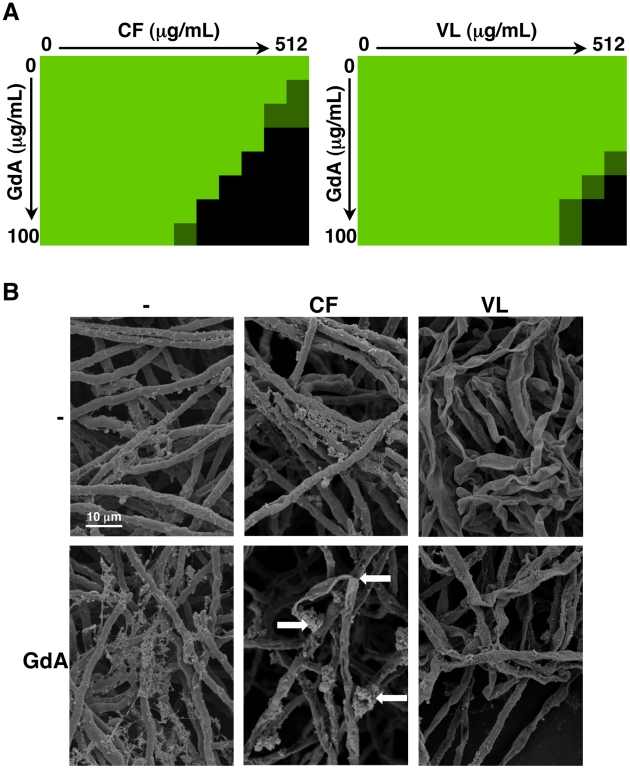
Fungal biofilms are a major cause of human mortality and are recalcitrant to most treatments due to intrinsic drug resistance. These complex communities of multiple cell types form on indwelling medical devices and their eradication often requires surgical removal of infected devices. Here we implicate the molecular chaperone Hsp90 as a key regulator of biofilm dispersion and drug resistance. We previously established that in the leading human fungal pathogen, Candida albicans, Hsp90 enables the emergence and maintenance of drug resistance in planktonic conditions by stabilizing the protein phosphatase calcineurin and MAPK Mkc1. Hsp90 also regulates temperature-dependent C. albicans morphogenesis through repression of cAMP-PKA signalling. Here we demonstrate that genetic depletion of Hsp90 reduced C. albicans biofilm growth and maturation in vitro and impaired dispersal of biofilm cells. Further, compromising Hsp90 function in vitro abrogated resistance of C. albicans biofilms to the most widely deployed class of antifungal drugs, the azoles. Depletion of Hsp90 led to reduction of calcineurin and Mkc1 in planktonic but not biofilm conditions, suggesting that Hsp90 regulates drug resistance through different mechanisms in these distinct cellular states. Reduction of Hsp90 levels led to a marked decrease in matrix glucan levels, providing a compelling mechanism through which Hsp90 might regulate biofilm azole resistance. Impairment of Hsp90 function genetically or pharmacologically transformed fluconazole from ineffectual to highly effective in eradicating biofilms in a rat venous catheter infection model. Finally, inhibition of Hsp90 reduced resistance of biofilms of the most lethal mould, Aspergillus fumigatus, to the newest class of antifungals to reach the clinic, the echinocandins. Thus, we establish a novel mechanism regulating biofilm drug resistance and dispersion and that targeting Hsp90 provides a much-needed strategy for improving clinical outcome in the treatment of biofilm infections.
Overview
The claims and statistics of this paper haven’t been checked yet.
Free: it reads the open-access text and checks the first 5 claims that cite a source we can check. Create a free account to check every claim.
Integrity signals
Registry
Cites
Statistics
Figures
Verification
Claims the paper makes
The claims and statistics of this paper haven’t been checked yet.
Free: it reads the open-access text and checks the first 5 claims that cite a source we can check. Create a free account to check every claim.
Claims other papers make about this one
Each is checked against this paper’s own text: does it say what the citing paper says it does?
The source backs part of the claim, not all of it — or backs it for a different population, condition or comparison.
In the citing paper
“Approximately 50 heat shock proteins (HSPs) have been reported in the genome of A. fumigatus, but these HSPs are chaperones mostly associated with resistance to stress rather than to heat (415–417).”
From Aspergillus fumigatus and Aspergillosis in 2019 (2019) · cites this paper as [415]
Experimental — accuracy not yet measuredThe source backs part of the claim, not all of it — or backs it for a different population, condition or comparison.
In the citing paper
“Inhibition of Hsp90 abrogates drug resistance in diverse human fungal pathogens, rendering resistant infections responsive to treatment7–9.”
From Dual action antifungal small molecule modulates multidrug efflux and TOR signaling (2016) · cites this paper as [8]
Experimental — accuracy not yet measuredThe source backs part of the claim, not all of it — or backs it for a different population, condition or comparison.
In the citing paper
“Hsp90, an essential molecular chaperone [1,3,5,6], has been shown to govern various aspects of C. albicans pathogenicity determinants including morphological yeast to hyphal transition [7], emergence of drug resistance [8–10] and biofilm formation [11].”
From Heat shock protein 90 localizes to the surface and augments virulence factors of Cryptococcus neoformans (2017) · cites this paper as [11]
Experimental — accuracy not yet measuredThe cited source says what the claim attributes to it.
In the citing paper
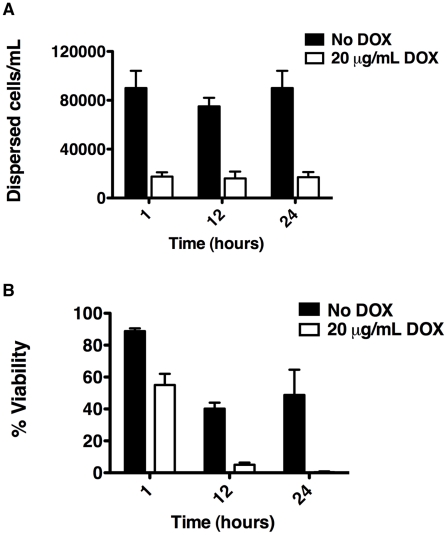
“The molecular chaperone Hsp90 has also been implicated in C. albicans biofilm dispersal, as depletion of Hsp90 markedly reduces the number of dispersed cells from a biofilm (167).”
From Candida albicans Biofilms and Human Disease (2015) · cites this paper as [167]
In the citing paper
“Importantly, Aspergillus biofilms are more resistant to antifungal drugs than are planktonic cells (415, 529, 535–538), but again, the reasons for a reduced permeability to drugs has not been explored in detail.”
From Aspergillus fumigatus and Aspergillosis in 2019 (2019) · cites this paper as [415]
Self-check
Percentages, sums and reported differences re-computed from the paper’s own numbers.
The self-check needs the paper’s full text.
Citations
Cites
Epidemiology of Invasive Candidiasis: a Persistent Public Health Problem
Pfaller, M. A., & Diekema, D. J. (2007) · Clinical Microbiology Reviews · doi:10.1128/cmr.00029-06 · Cited by 4,174
HSP90 at the hub of protein homeostasis: emerging mechanistic insights
Taipale, M., Jarosz, D. F., & Lindquist, S. (2010) · Nature Reviews Molecular Cell Biology · doi:10.1038/nrm2918 · Cited by 1,818
Targeting the dynamic HSP90 complex in cancer
Trepel, J., Mollapour, M., Giaccone, G., & Neckers, L. (2010) · Nature Reviews Cancer · doi:10.1038/nrc2887 · Cited by 1,514 · cited 2×
“Indeed, although well tolerated in the mammalian host individually or in combination therapies [56], Hsp90 inhibitors have toxicity in the context of an acute disseminated fungal infection [34].”
BackgroundAspergillosis Case-Fatality Rate: Systematic Review of the Literature
Lin, S.-J., Schranz, J., & Teutsch, S. M. (2001) · Clinical Infectious Diseases · doi:10.1086/318483 · Cited by 1,409 · cited 1×
“fumigatus is the most common etiological agent of invasive aspergillosis, with a 40–90% mortality rate [7].”
BackgroundStructure and mechanism of the Hsp90 molecular chaperone machinery
Pearl, L. H., & Prodromou, C. (2006) · Annual Review of Biochemistry · doi:10.1146/annurev.biochem.75.103004.142738 · Cited by 1,103 · cited 1×
“Hsp90 exerts pleiotropic effects on cellular circuitry in eukaryotes by stabilizing diverse regulators of cellular signalling [32,33,50].”
BackgroundCandida Infections of Medical Devices
Kojic, E. M., & Darouiche, R. O. (2004) · Clinical Microbiology Reviews · doi:10.1128/cmr.17.2.255-267.2004 · Cited by 1,055 · cited 2×
“The use of such medical devices — such as venous catheters, urinary catheters and artificial joints — has dramatically risen to more than 10 million recipients per year [21,22].”
BackgroundEpidemiology of Invasive Mycoses in North America
Pfaller, M. A., & Diekema, D. J. (2010) · Critical Reviews in Microbiology · doi:10.3109/10408410903241444 · Cited by 901 · cited 2×
“Candida and Aspergillus species together account for ,70% of all invasive fungal infections, with Candida albicans and Aspergillus fumigatus prevailing as the leading causal agents of opportunistic mycoses [2].”
BackgroundYoung, J. C., Moarefi, I., & Hartl, F. U. (2001) · The Journal of Cell Biology · doi:10.1083/jcb.200104079 · Cited by 822
Zaoutis, T. E., Argon, J., Chu, J., Berlin, J. A., Walsh, T. J., & Feudtner, C. (2005) · Clinical Infectious Diseases · doi:10.1086/496922 · Cited by 784 · cited 10×
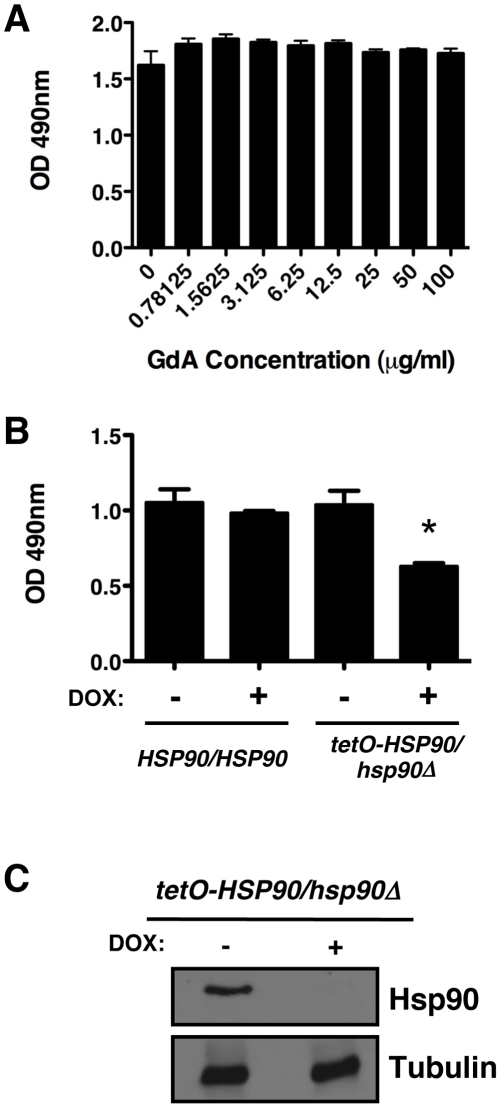
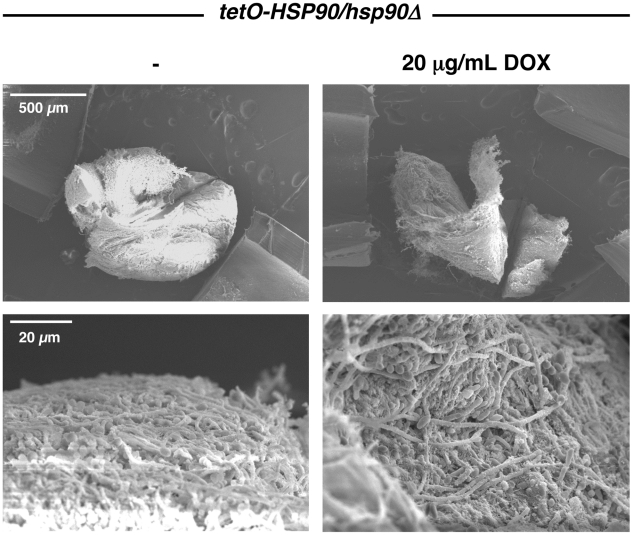
“(D) Biofilms were cultured on plastic under shaking conditions with or without 20 mg/mL DOX.”
BackgroundInfluentialStandardized Method for In Vitro Antifungal Susceptibility Testing of Candida albicans Biofilms
Ramage, G., Vande Walle, K., Wickes, B. L., & López-Ribot, J. L. (2001) · Antimicrobial Agents and Chemotherapy · doi:10.1128/aac.45.9.2475-2479.2001 · Cited by 753 · cited 5×
“After 24 hours, non-adherent cells were washed away with PBS and biofilm cell metabolic activity was measured using the XTT reduction assay as previously described [28,43].”
MethodResultSelf-citationHsp90 Potentiates the Rapid Evolution of New Traits: Drug Resistance in Diverse Fungi
Cowen, L. E., & Lindquist, S. (2005) · Science · doi:10.1126/science.1118370 · Cited by 698 · cited 6×
“A key mediator of Hsp90-dependent drug resistance is the protein phosphatase calcineurin [37,38,49].”
BackgroundSelf-citationNoble, S. M., French, S., Kohn, L. A., Chen, V., & Johnson, A. D. (2010) · Nature Genetics · doi:10.1038/ng.605 · Cited by 678 · cited 1×
“albicans but also the morphogenetic transition between yeast and filamentous growth, a trait important for virulence [40].”
BackgroundTrends in Mortality Due to Invasive Mycotic Diseases in the United States, 1980–1997
McNeil, M. M., Nash, S. L., Hajjeh, R. A., Phelan, M. A., Conn, L. A., Plikaytis, B. D., & Warnock, D. W. (2001) · Clinical Infectious Diseases · doi:10.1086/322606 · Cited by 657
Odabasi, Z., Mattiuzzi, G., Estey, E., Kantarjian, H., Saeki, F., Ridge, R. J., Ketchum, P. A., Finkelman, M. A., Rex, J. H., & Ostrosky-Zeichner, L. (2004) · Clinical Infectious Diseases · doi:10.1086/421944 · Cited by 642
Genetic control of Candida albicans biofilm development
Finkel, J. S., & Mitchell, A. P. (2011) · Nature Reviews Microbiology · doi:10.1038/nrmicro2475 · Cited by 612 · cited 1×
“fumigatus is their tendency to form biofilms on medical devices that are highly resistant to antifungal treatment [16,17,18,19,20].”
BackgroundRegulatory circuitry governing fungal development, drug resistance, and disease.
Shapiro, R. S., Robbins, N., & Cowen, L. E. (2011) · Microbiology and Molecular Biology Reviews · doi:10.1128/mmbr.00045-10 · Cited by 576 · cited 2×
“albicans clinical isolates to the echinocandins has been reported and is often associated with mutations in the drug target [13,14,15].”
BackgroundSelf-citationCandida biofilms on implanted biomaterials: a clinically significant problem
Ramage, G., MartÃnez, J. P., & López-Ribot, J. L. (2006) · FEMS Yeast Research · doi:10.1111/j.1567-1364.2006.00117.x · Cited by 575 · cited 1×
“The use of such medical devices — such as venous catheters, urinary catheters and artificial joints — has dramatically risen to more than 10 million recipients per year [21,22].”
BackgroundSelf-citationHow to build a biofilm: a fungal perspective
Blankenship, J. R., & Mitchell, A. P. (2006) · Current Opinion in Microbiology · doi:10.1016/j.mib.2006.10.003 · Cited by 530 · cited 1×
“fumigatus is their tendency to form biofilms on medical devices that are highly resistant to antifungal treatment [16,17,18,19,20].”
BackgroundMukherjee, P. K., Chandra, J., Kuhn, D. M., & Ghannoum, M. A. (2003) · Infection and Immunity · doi:10.1128/iai.71.8.4333-4340.2003 · Cited by 511 · cited 2×
“Given Hsp90’s high degree of connectivity in diverse signalling cascades, it could also affect biofilm drug resistance in a multitude of other ways, such as by regulating remodeling of the cell wall and cell membrane [27,28], signalling cascades important for matrix production [29,52], or the function of contactdepend…”
BackgroundOur Current Understanding of Fungal Biofilms
Ramage, G., Mowat, E., Jones, B., Williams, C., & Lopez-Ribot, J. (2009) · Critical Reviews in Microbiology · doi:10.3109/10408410903241436 · Cited by 483 · cited 3×
“fumigatus is their tendency to form biofilms on medical devices that are highly resistant to antifungal treatment [16,17,18,19,20].”
BackgroundSelf-citationPerea, S., López-Ribot, J. L., Kirkpatrick, W. R., McAtee, R. K., Santillán, R. A., Martı́nez, M., Calabrese, D., Sanglard, D., & Patterson, T. F. (2001) · Antimicrobial Agents and Chemotherapy · doi:10.1128/aac.45.10.2676-2684.2001 · Cited by 470 · cited 1×
“albicans clinical isolates often accumulate through multiple mechanisms including: upregulation of drug efflux pumps, overexpression or alteration of Erg11, or modification of stress response pathways that are crucial for resistance [1,10,11,12,13].”
BackgroundSelf-citationRamage, G. (2002) · Journal of Antimicrobial Chemotherapy · doi:10.1093/jac/dkf049 · Cited by 468 · cited 1×
“cell density [25], increased expression of drug efflux pumps [26,27], decreased ergosterol content [27], elevated b-1,3 glucan”
BackgroundSelf-citationMolecular basis of resistance to azole antifungals.
Lupetti, A. (2002) · Trends in Molecular Medicine · doi:10.1016/s1471-4914(02)02280-3 · Cited by 449 · cited 1×
“Due to the limited number of drug targets available to exploit in fungal pathogens that are absent or sufficiently divergent in the human host, the vast majority of antifungal drugs in clinical use target ergosterol or its biosynthesis. The azoles are the most widely used class of antifungal in the clinic and function…”
BackgroundPark, S., Kelly, R., Kahn, J. N., Robles, J., Hsu, M.-J., Register, E., Li, W., Vyas, V., Fan, H., Abruzzo, G., et al. (2005) · Antimicrobial Agents and Chemotherapy · doi:10.1128/aac.49.8.3264-3273.2005 · Cited by 434 · cited 1×
“albicans clinical isolates to the echinocandins has been reported and is often associated with mutations in the drug target [13,14,15].”
BackgroundDispersion as an Important Step in the Candida albicans Biofilm Developmental Cycle
Uppuluri, P., Chaturvedi, A. K., Srinivasan, A., Banerjee, M., Ramasubramaniam, A. K., Köhler, J. R., Kadosh, D., & Lopez-Ribot, J. L. (2010) · PLoS Pathogens · doi:10.1371/journal.ppat.1000828 · Cited by 432 · cited 2×
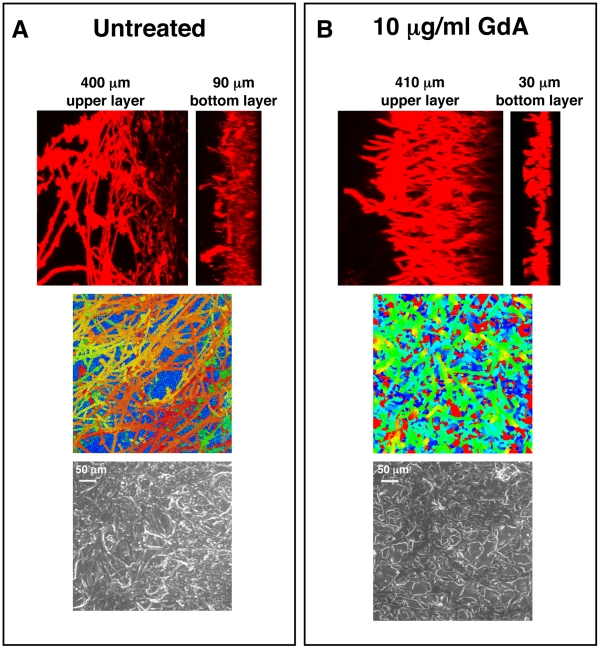
“albicans biofilms display altered morphologies upon Hsp90 inhibition, we sought to evaluate the effect of Hsp90 function on biofilm dispersion given that morphogenesis plays a critical role in this process [45,46].”
BackgroundSelf-citationAn insight into the antifungal pipeline: selected new molecules and beyond
Ostrosky-Zeichner, L., Casadevall, A., Galgiani, J. N., Odds, F. C., & Rex, J. H. (2010) · Nature Reviews Drug Discovery · doi:10.1038/nrd3074 · Cited by 432 · cited 1×
“They act as noncompetitive inhibitors of b-1,3 glucan synthase, an enzyme involved in fungal cell wall synthesis [9], resulting in the loss of cell wall integrity and a severe cell wall stress.”
BackgroundCowen, L. E., Singh, S. D., Köhler, J. R., Collins, C., Zaas, A. K., Schell, W. A., Aziz, H., Mylonakis, E., Perfect, J. R., Whitesell, L., et al. (2009) · Proceedings of the National Academy of Sciences · doi:10.1073/pnas.0813394106 · Cited by 413 · cited 5×
“fumigatus under standard culture conditions [34], motivating these studies to determine if Hsp90 inhibitors also affect drug resistance of A.”
BackgroundResultSelf-citationPutative Role of β-1,3 Glucans in Candida albicans Biofilm Resistance
Nett, J., Lincoln, L., Marchillo, K., Massey, R., Holoyda, K., Hoff, B., VanHandel, M., & Andes, D. (2007) · Antimicrobial Agents and Chemotherapy · doi:10.1128/aac.01056-06 · Cited by 407
Self-citationAndes, D., Nett, J., Oschel, P., Albrecht, R., Marchillo, K., & Pitula, A. (2004) · Infection and Immunity · doi:10.1128/iai.72.10.6023-6031.2004 · Cited by 389 · cited 3×
“In order to evaluate biofilm formation in vivo, a rat central venous catheter infection model was employed [44].”
BackgroundMethodSelf-citationEvolution of antifungal-drug resistance: mechanisms and pathogen fitness
Anderson, J. B. (2005) · Nature Reviews Microbiology · doi:10.1038/nrmicro1179 · Cited by 375 · cited 2×
“albicans clinical isolates often accumulate through multiple mechanisms including: upregulation of drug efflux pumps, overexpression or alteration of Erg11, or modification of stress response pathways that are crucial for resistance [1,10,11,12,13].”
BackgroundThe direct cost and incidence of systemic fungal infections
Wilson, L. S., Reyes, C. M., Stolpman, M., Speckman, J., Allen, K., & Beney, J. (2002) · Value in Health · doi:10.1046/j.1524-4733.2002.51108.x · Cited by 374 · cited 1×
“annually on treating candidemia in the United States alone [6].”
BackgroundHsp90 Governs Echinocandin Resistance in the Pathogenic Yeast Candida albicans via Calcineurin
Singh, S. D., Robbins, N., Zaas, A. K., Schell, W. A., Perfect, J. R., & Cowen, L. E. (2009) · PLoS Pathogens · doi:10.1371/journal.ppat.1000532 · Cited by 362 · cited 11×
“A key mediator of Hsp90-dependent drug resistance is the protein phosphatase calcineurin [37,38,49].”
BackgroundSelf-citationGarcía-Sánchez, S., Aubert, S., Iraqui, I., Janbon, G., Ghigo, J.-M., & d'Enfert, C. (2004) · Eukaryotic Cell · doi:10.1128/ec.3.2.536-545.2004 · Cited by 353 · cited 1×
“Consistent with the possibility of altered chaperone balance in biofilm cells, the Hsp70 family member SSB1 is overexpressed sixfold in biofilms compared to their planktonic counterparts [51].”
BackgroundBiofilm Matrix Regulation by Candida albicans Zap1
Nobile, C. J., Nett, J. E., Hernday, A. D., Homann, O. R., Deneault, J.-S., Nantel, A., Andes, D. R., Johnson, A. D., & Mitchell, A. P. (2009) · PLoS Biology · doi:10.1371/journal.pbio.1000133 · Cited by 337 · cited 2×
“Given Hsp90’s high degree of connectivity in diverse signalling cascades, it could also affect biofilm drug resistance in a multitude of other ways, such as by regulating remodeling of the cell wall and cell membrane [27,28], signalling cascades important for matrix production [29,52], or the function of contactdepend…”
BackgroundSelf-citationRamage, G., VandeWalle, K., López-Ribot, J. L., & Wickes, B. L. (2002) · FEMS Microbiology Letters · doi:10.1016/s0378-1097(02)00853-4 · Cited by 334 · cited 2×
“albicans [41], a process implicated in virulence and biofilm formation [42].”
BackgroundSelf-citationLaFayette, S. L., Collins, C., Zaas, A. K., Schell, W. A., Betancourt-Quiroz, M., Gunatilaka, A. A. L., Perfect, J. R., & Cowen, L. E. (2010) · PLoS Pathogens · doi:10.1371/journal.ppat.1001069 · Cited by 329 · cited 11×
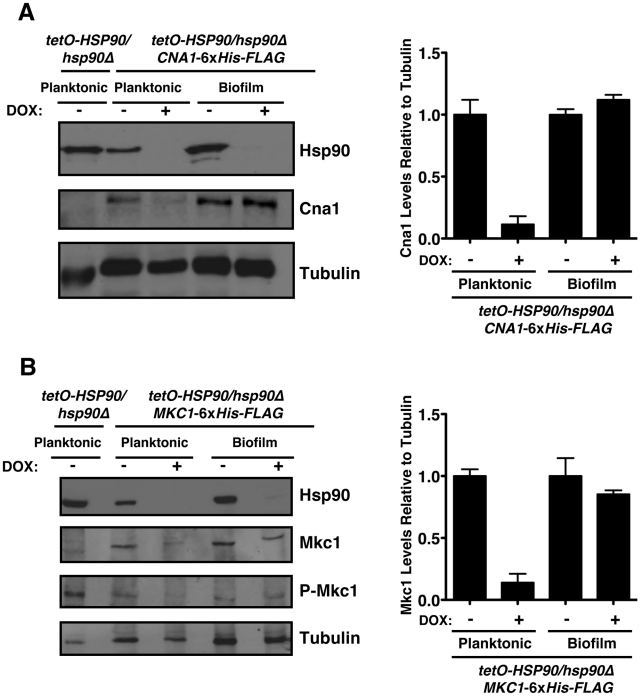
“In stark contrast, Cna1 and Mkc1 remain stable in biofilms, despite reduction of Hsp90 levels (Figure 6).”
BackgroundMethodSelf-citationHsp90 Orchestrates Temperature-Dependent Candida albicans Morphogenesis via Ras1-PKA Signaling
Shapiro, R. S., Uppuluri, P., Zaas, A. K., Collins, C., Senn, H., Perfect, J. R., Heitman, J., & Cowen, L. E. (2009) · Current Biology · doi:10.1016/j.cub.2009.03.017 · Cited by 311 · cited 1×
“. Compromising Hsp90 function induces filamentation by relieving Hsp90-mediated repression of cAMP-protein kinase A (PKA) signalling”
BackgroundSelf-citationThe evolution of fungal drug resistance: modulating the trajectory from genotype to phenotype.
Cowen, L. E. (2008) · Nature Reviews Microbiology · doi:10.1038/nrmicro1835 · Cited by 311 · cited 2×
“albicans clinical isolates often accumulate through multiple mechanisms including: upregulation of drug efflux pumps, overexpression or alteration of Erg11, or modification of stress response pathways that are crucial for resistance [1,10,11,12,13].”
BackgroundSelf-citationUpdate on Hsp90 Inhibitors in Clinical Trial
Kim, Y., Alarcon, S., Lee, S., Lee, M.-J., Giaccone, G., Neckers, L., & Trepel, J. (2009) · Current Topics in Medicinal Chemistry · doi:10.2174/156802609789895728 · Cited by 311 · cited 1×
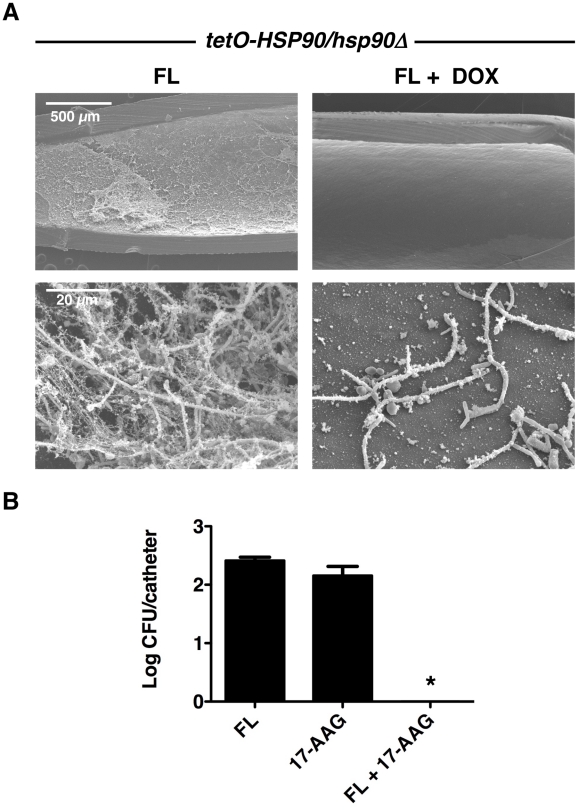
“Importantly, inhibition of Hsp90 with 17-AAG, an Hsp90 inhibitor that has advanced in clinical trials for the treatment of cancer [53,54] and is synergistic with antifungals in planktonic conditions [34], transforms fluconazole from ineffective to highly efficacious in a mammalian model of biofilm infection (Figure 8).”
BackgroundStress, drugs, and evolution: the role of cellular signaling in fungal drug resistance.
Cowen, L. E., & Steinbach, W. J. (2008) · Eukaryotic Cell · doi:10.1128/ec.00041-08 · Cited by 285 · cited 2×
“The number of acquired fungal bloodstream infections has increased by ,207% in this timeframe [1,2,3].”
BackgroundSelf-citationGenetics and genomics of Candida albicans biofilm formation
Nobile, C. J., & Mitchell, A. P. (2006) · Cellular Microbiology · doi:10.1111/j.1462-5822.2006.00761.x · Cited by 278 · cited 1×
“fumigatus is their tendency to form biofilms on medical devices that are highly resistant to antifungal treatment [16,17,18,19,20].”
BackgroundMowat, E., Butcher, J., Lang, S., Williams, C., & Ramage, G. (2007) · Journal of Medical Microbiology · doi:10.1099/jmm.0.47247-0 · Cited by 259 · cited 2×
“025% (v/v) Tween 20 and quantified as previously described [58].”
MethodSelf-citationViudes, A., Pemán, J., Cantón, E., Úbeda, P., López-Ribot, J., & Gobernado, M. (2002) · European Journal of Clinical Microbiology & Infectious Diseases · doi:10.1007/s10096-002-0822-1 · Cited by 250 · cited 1×
“albicans is the third leading cause of intravascular catheter-related infections, and has the overall highest crude mortality rate of ,30% for deviceassociated infections [17,22,23].”
BackgroundSelf-citationGenetic Basis of Candida Biofilm Resistance Due to Drug‐Sequestering Matrix Glucan
Nett, J. E., Sanchez, H., Cain, M. T., & Andes, D. R. (2010) · The Journal of Infectious Diseases · doi:10.1086/651200 · Cited by 250 · cited 7×
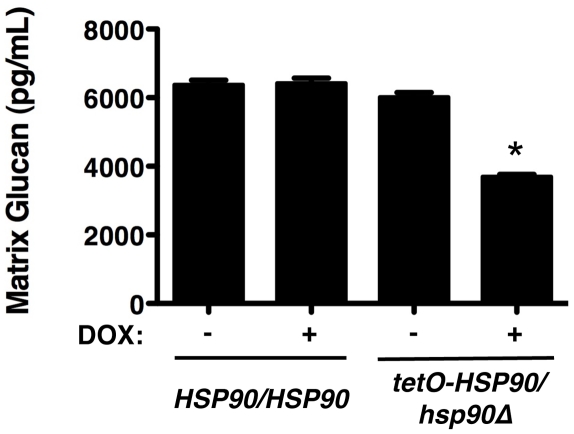
“The ,40% reduction in matrix glucan upon Hsp90 depletion is likely to have made a major contribution to azole susceptibility, given that reduction of biofilm matrix glucan levels of ,60% in an FKS1/fks1D mutant abrogates biofilm drug resistance [29].”
BackgroundSelf-citationSeidler, M. J., Salvenmoser, S., & Müller, F.-M. C. (2008) · Antimicrobial Agents and Chemotherapy · doi:10.1128/aac.00234-08 · Cited by 229 · cited 1×
“fumigatus infections have been reported on medical implant devices as well as on bronchial epithelial cells [17,24].”
BackgroundSynergistic Effect of Calcineurin Inhibitors and Fluconazole against Candida albicans Biofilms
Uppuluri, P., Nett, J., Heitman, J., & Andes, D. (2008) · Antimicrobial Agents and Chemotherapy · doi:10.1128/aac.01397-07 · Cited by 228 · cited 2×
“The geldanamycin was added at 24 hours rather than at the initial time point as is the standard for biofilm drug studies since the initial cells are planktonic and much more susceptible to drugs than their biofilm counterparts [31,43]; consistent with this, initial attempts to include geldanamycin during inoculation l…”
MethodResultSelf-citationBalashov, S. V., Park, S., & Perlin, D. S. (2006) · Antimicrobial Agents and Chemotherapy · doi:10.1128/aac.01653-05 · Cited by 225 · cited 1×
“albicans clinical isolates to the echinocandins has been reported and is often associated with mutations in the drug target [13,14,15].”
BackgroundA contact-activated kinase signals Candida albicans invasive growth and biofilm development
Kumamoto, C. A. (2005) · Proceedings of the National Academy of Sciences · doi:10.1073/pnas.0407097102 · Cited by 209 · cited 6×
“These factors include increased cell density [25], increased expression of drug efflux pumps [26,27], decreased ergosterol content [27], elevated b-1,3 glucan levels in the cell wall and biofilm matrix [28,29], as well as signalling mediated by protein kinase C (PKC) [30] and the protein phosphatase calcineurin [31].”
BackgroundInfluentialHeat Shock Protein 90 as a Drug Target against Protozoan Infections
Pallavi, R., Roy, N., Nageshan, R. K., Talukdar, P., Pavithra, S. R., Reddy, R., Venketesh, S., Kumar, R., Gupta, A. K., Singh, R. K., et al. (2010) · Journal of Biological Chemistry · doi:10.1074/jbc.m110.155317 · Cited by 168
Role for Cell Density in Antifungal Drug Resistance in Candida albicans Biofilms
Perumal, P., Mekala, S., & Chaffin, W. L. (2007) · Antimicrobial Agents and Chemotherapy · doi:10.1128/aac.01237-06 · Cited by 165 · cited 1×
“cell density [25], increased expression of drug efflux pumps [26,27], decreased ergosterol content [27], elevated b-1,3 glucan”
BackgroundGenetic Architecture of Hsp90-Dependent Drug Resistance
Cowen, L. E., Carpenter, A. E., Matangkasombut, O., Fink, G. R., & Lindquist, S. (2006) · Eukaryotic Cell · doi:10.1128/ec.00274-06 · Cited by 159 · cited 2×
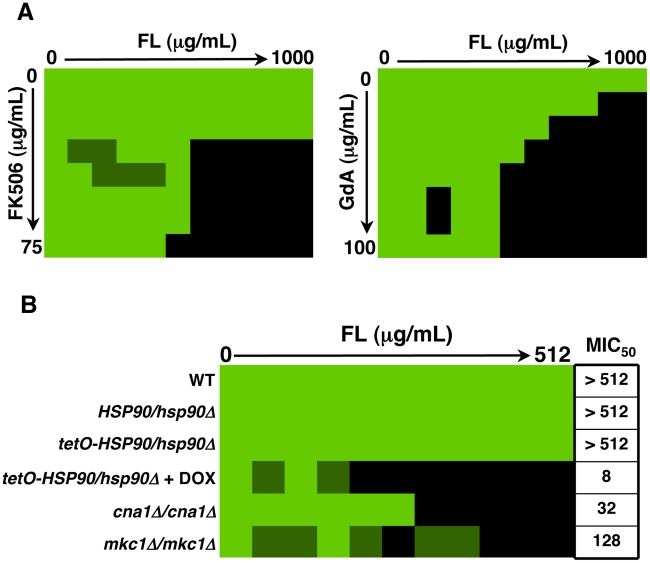
“The finding that compromise of calcineurin function does not confer as severe a reduction in biofilm fluconazole resistance as compromise of Hsp90 function is intriguing in light of the fact that under all planktonic conditions tested, inhibition of calcineurin phenocopies inhibition of Hsp90 in terms of azole resista…”
BackgroundSelf-citationCandida albicans Biofilm-Defective Mutants
Richard, M. L., Nobile, C. J., Bruno, V. M., & Mitchell, A. P. (2005) · Eukaryotic Cell · doi:10.1128/ec.4.8.1493-1502.2005 · Cited by 155 · cited 1×
“In the second model, biofilms were developed on silicon elastomer (SE) surfaces as has been described previously”
MethodExtracellular Polymer of Candida albicans: Isolation, Analysis and Role in Adhesion
McCOURTIE, J., & DOUGLAS, L. J. (1985) · Microbiology · doi:10.1099/00221287-131-3-495 · Cited by 145 · cited 1×
“Biofilms were dislodged using a sterile spatula, washed with PBS, sonicated for 10 minutes, and centrifuged 3 times at 4500 x g for 20 minutes to separate cells from soluble matrix material [28,61].”
Method17 AAG for HSP90 Inhibition in Cancer – From Bench to Bedside
Usmani, S. Z., Bona, R., & Li, Z. (2009) · Current Molecular Medicine · doi:10.2174/156652409788488757 · Cited by 135 · cited 1×
“). Importantly, inhibition of Hsp90 with 17-AAG, an Hsp90 inhibitor that has advanced in clinical trials for the treatment of cancer”
BackgroundBiofilms and their Role in the Resistance of Pathogenic Candida to Antifungal Agents
d'Enfert, C. (2006) · Current Drug Targets · doi:10.2174/138945006776359458 · Cited by 128
The Transcriptional Regulator Nrg1p Controls Candida albicans Biofilm Formation and Dispersion
Uppuluri, P., Pierce, C. G., Thomas, D. P., Bubeck, S. S., Saville, S. P., & Lopez-Ribot, J. L. (2010) · Eukaryotic Cell · doi:10.1128/ec.00111-10 · Cited by 110 · cited 2×
“albicans biofilms display altered morphologies upon Hsp90 inhibition, we sought to evaluate the effect of Hsp90 function on biofilm dispersion given that morphogenesis plays a critical role in this process [45,46].”
BackgroundSelf-citationShahinas, D., Liang, M., Datti, A., & Pillai, D. R. (2010) · Journal of Medicinal Chemistry · doi:10.1021/jm901796s · Cited by 103 · cited 1×
“Hsp90 inhibitors also exhibit potent activity against malaria and Trypanosoma infections, thus extending their spectrum of activity to the protozoan parasites Plasmodium falciparum and Trypanosoma evansi [35,36].”
BackgroundUppuluri, P., Chaturvedi, A. K., & Lopez-Ribot, J. L. (2009) · Mycopathologia · doi:10.1007/s11046-009-9205-9 · Cited by 70 · cited 2×
“We monitored dispersion of yeast cells using the only well validated model which involves culturing biofilms on silicon elastomer under conditions of flow [47,48].”
MethodSelf-citationIsolation and partial characterization of Hsp90 from Candida albicans.
Burt, E. T., Daly, R., Hoganson, D., Tsirulnikov, Y., Essmann, M., & Larsen, B. (2003) · PubMed · Cited by 59
Uppuluri, P., & Lopez-Ribot, J. L. (2010) · Virulence · doi:10.4161/viru.1.6.13186 · Cited by 28 · cited 2×
“We monitored dispersion of yeast cells using the only well validated model which involves culturing biofilms on silicon elastomer under conditions of flow [47,48].”
MethodSelf-citationKaneko, Y., Ohno, H., Fukazawa, H., Murakami, Y., Imamura, Y., Kohno, S., & Miyazaki, Y. (2009) · Medical Mycology · doi:10.3109/13693780903426721 · Cited by 20 · cited 1×
“biofilms with voriconazole induces resistance to micafungin in an Hsp90-dependent manner”
Background
Cited by
Candida albicans pathogenicity mechanisms
Mayer, F. L., Wilson, D., & Hube, B. (2013) · Virulence · doi:10.4161/viru.22913 · Cited by 1,848
Aspergillus fumigatus and Aspergillosis in 2019
Latgé, J.-P., & Chamilos, G. (2019) · Clinical Microbiology Reviews · doi:10.1128/cmr.00140-18 · Cited by 1,400
Candida albicans Biofilms and Human Disease
Nobile, C. J., & Johnson, A. D. (2015) · Annual Review of Microbiology · doi:10.1146/annurev-micro-091014-104330 · Cited by 1,057
Antifungal Drug Resistance: Molecular Mechanisms in Candida albicans and Beyond
Lee, Y., Puumala, E., Robbins, N., & Cowen, L. E. (2021) · Chemical Reviews · doi:10.1021/acs.chemrev.0c00199 · Cited by 801
Self-citationCandida albicans biofilms: development, regulation, and molecular mechanisms
Gulati, M., & Nobile, C. J. (2016) · Microbes and Infection · doi:10.1016/j.micinf.2016.01.002 · Cited by 738
“albicans biofilm 349 dispersal, as depletion of Hsp90 markedly reduces the number of dispersed cells from a 350 biofilm [45].”
Background
Metadata
- Authors
- Robbins, N., Uppuluri, P., Nett, J., Rajendran, R., Ramage, G., Lopez-Ribot, J. L., Andes, D., & Cowen, L. E.
- Affiliations
- University of Toronto (CA)
- The University of Texas at San Antonio (US)
- University of Wisconsin–Madison (US)
- University of Glasgow (GB)
- Corresponding author
- Cowen, Leah E.
- ORCID
- Venue
- PLoS Pathogens
- Publisher
- Public Library of Science (PLoS)
- Published
- 2011-09-08
- Volume
- 7
- Issue
- 9
- Pages
- e1002257
- ISSN
- 1553-7366 (ISSN-L)
- 1553-7374
- PMC
- PMC3169563
- OpenAlex
- W2050694730
- Cited by
- 291
- References
- 61
- Citations by year
- 2026: 13 · 2025: 14 · 2024: 12 · 2023: 19 · 2022: 19 · 2021: 14 · 2020: 24 · 2019: 14 · 2018: 12 · 2017: 25 · 2016: 32 · 2015: 30 · 2014: 21 · 2013: 19 · 2012: 22
- FWCI
- 13.66
- Type
- journal article
- Language
- en
- Open access
- gold
- doi.org
- Locations
- PLoS Pathogens (publishedVersion, cc-by)
- PubMed Central (publishedVersion, cc-by)
- PubMed (publishedVersion)
- ENLIGHTEN (Jurnal Bimbingan dan Konseling Islam) (acceptedVersion)
- DOAJ (DOAJ: Directory of Open Access Journals) (submittedVersion, cc-by-sa)
- ENLIGHTEN (Jurnal Bimbingan dan Konseling Islam) (submittedVersion)
- Figshare (submittedVersion, cc-by)
- Funders
- Burroughs Wellcome Fund
- American Heart Association
- Canadian Institutes of Health Research (MOP-86452)
- National Institute of Allergy and Infectious Diseases (R21AI080930, R01AI073289)
- Topics
- Health Sciences › Medicine › Infectious Diseases › Antifungal resistance and susceptibility
- Life Sciences › Biochemistry, Genetics and Molecular Biology › Molecular Biology › Fungal and yeast genetics research
- Life Sciences › Biochemistry, Genetics and Molecular Biology › Molecular Biology › Bacterial biofilms and quorum sensing
- Keywords
- HSP90, fungal biofilms, biofilm dispersal, antifungal resistance, Candida albicans, Aspergillus fumigatus, calcineurin, azole resistance, echinocandin resistance, cAMP/PKA signaling, HSP90 inhibition, catheter-related infection, fungal pathogenesis
- MeSH terms
- Antifungal Agents, Aspergillus fumigatus, Azoles, Candida albicans, Fungal Proteins, Microscopy, Electron, Scanning, Fluconazole, Gene Expression Regulation, Fungal, Biofilms, Microscopy, Confocal, HSP90 Heat-Shock Proteins, Calcineurin, Drug Resistance, Fungal, Echinocandins
About these checks
Registry, retraction, Cites and statistics results are computed, not judged, with one exception: a printed reference that no index lists is read once by a model before it counts as a citation error. Claims are extracted by a model and kept only when their quote appears verbatim in the text; each cited source is then checked, with a model’s help, for whether it says what the claim relies on. Those verdicts can be wrong — read the claim’s quote and the cited source before relying on one.
Statistics and arithmetic are recomputed, not judged.
Confidence bands are shown only for fields calibrated on our annotated test set. None is calibrated yet, so no band is shown.
What counts as a claim ›How we measure confidence ›How we check this ›
Are you an author, or do you see a problem with this page? Request a review
Data sources
Bibliographic data: Semantic Scholar, OpenAlex, Crossref.
Contains information from the Semantic Scholar Academic Graph Datasets, made available under the ODC Attribution License (ODC-BY 1.0).
Semantic Scholar’s data is described in: Kinney, R., et al. (2023). The Semantic Scholar Open Data Platform. arXiv:2301.10140.
