

Hsp90 Governs Dispersion and Drug Resistance of Fungal Biofilms
Open accessThe DOI matches its Crossref record; 61 of the 61 references it cites were found in a registry or an index.
Abstract
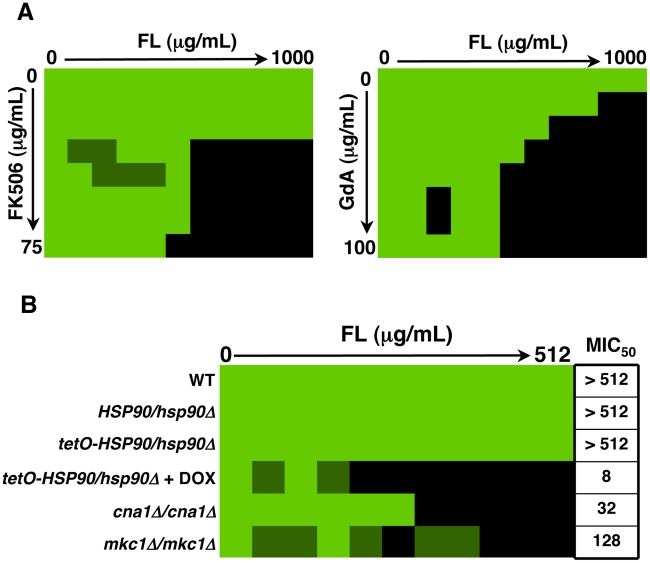
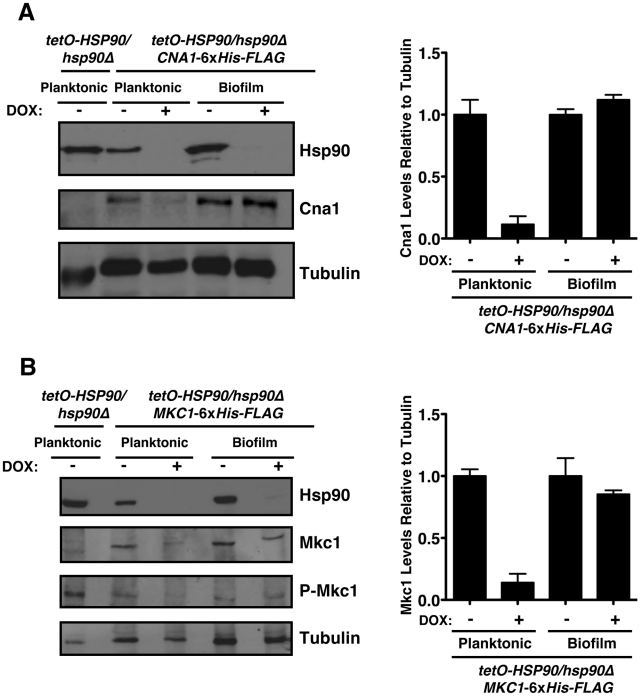
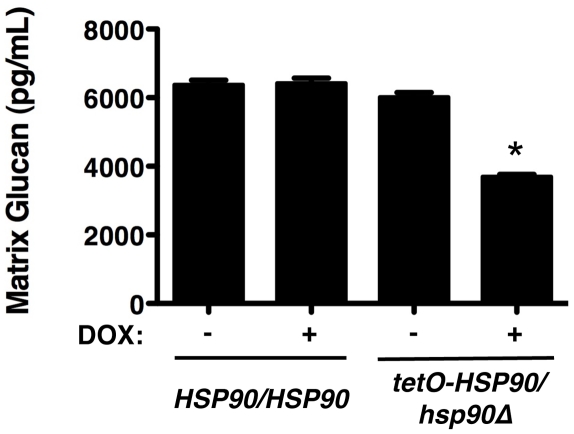
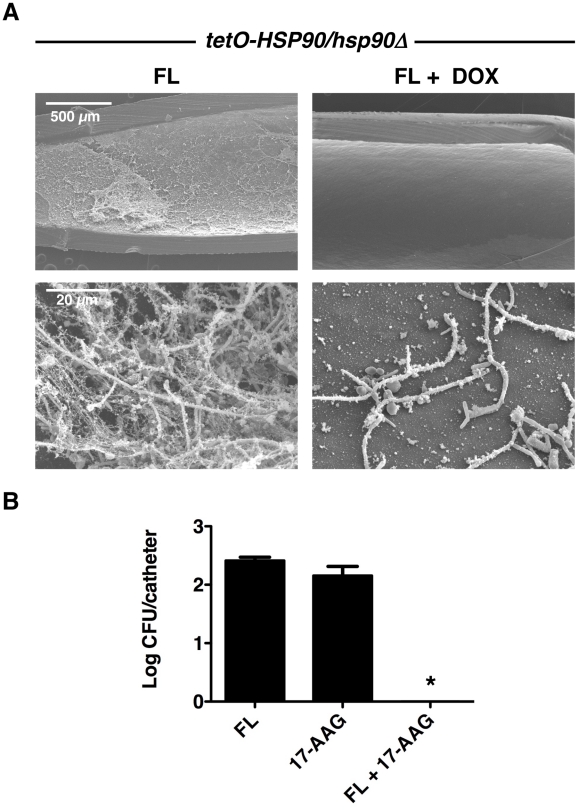
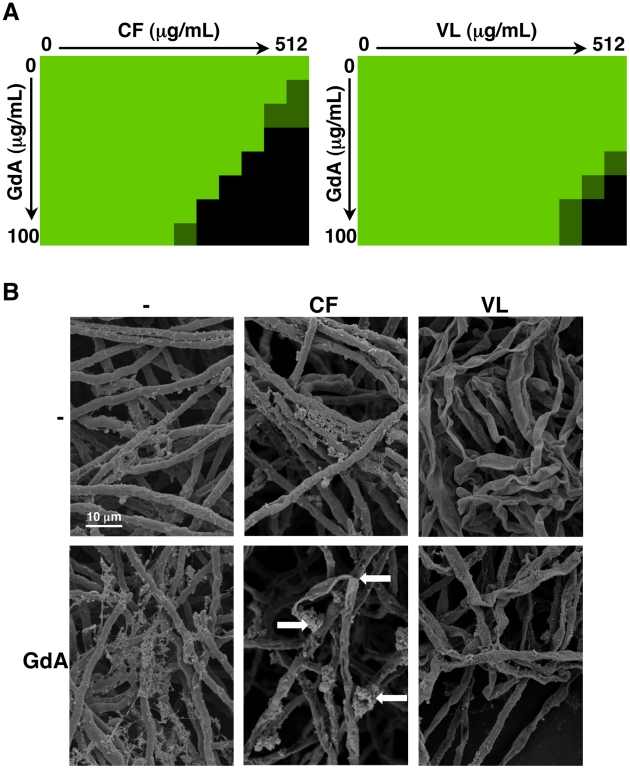
Fungal biofilms are a major cause of human mortality and are recalcitrant to most treatments due to intrinsic drug resistance. These complex communities of multiple cell types form on indwelling medical devices and their eradication often requires surgical removal of infected devices. Here we implicate the molecular chaperone Hsp90 as a key regulator of biofilm dispersion and drug resistance. We previously established that in the leading human fungal pathogen, Candida albicans, Hsp90 enables the emergence and maintenance of drug resistance in planktonic conditions by stabilizing the protein phosphatase calcineurin and MAPK Mkc1. Hsp90 also regulates temperature-dependent C. albicans morphogenesis through repression of cAMP-PKA signalling. Here we demonstrate that genetic depletion of Hsp90 reduced C. albicans biofilm growth and maturation in vitro and impaired dispersal of biofilm cells. Further, compromising Hsp90 function in vitro abrogated resistance of C. albicans biofilms to the most widely deployed class of antifungal drugs, the azoles. Depletion of Hsp90 led to reduction of calcineurin and Mkc1 in planktonic but not biofilm conditions, suggesting that Hsp90 regulates drug resistance through different mechanisms in these distinct cellular states. Reduction of Hsp90 levels led to a marked decrease in matrix glucan levels, providing a compelling mechanism through which Hsp90 might regulate biofilm azole resistance. Impairment of Hsp90 function genetically or pharmacologically transformed fluconazole from ineffectual to highly effective in eradicating biofilms in a rat venous catheter infection model. Finally, inhibition of Hsp90 reduced resistance of biofilms of the most lethal mould, Aspergillus fumigatus, to the newest class of antifungals to reach the clinic, the echinocandins. Thus, we establish a novel mechanism regulating biofilm drug resistance and dispersion and that targeting Hsp90 provides a much-needed strategy for improving clinical outcome in the treatment of biofilm infections.
Overview
The claims and statistics of this paper haven’t been checked yet.
Free: it reads the open-access text and checks the first 5 claims that cite a source we can check. Create a free account to check every claim.
Integrity signals
Registry
Cites
Statistics
Figures
Verification
Claims the paper makes
The claims and statistics of this paper haven’t been checked yet.
Free: it reads the open-access text and checks the first 5 claims that cite a source we can check. Create a free account to check every claim.
Claims other papers make about this one
Each is checked against this paper’s own text: does it say what the citing paper says it does?
The source backs part of the claim, not all of it — or backs it for a different population, condition or comparison.
In the citing paper
“Approximately 50 heat shock proteins (HSPs) have been reported in the genome of A. fumigatus, but these HSPs are chaperones mostly associated with resistance to stress rather than to heat (415–417).”
From Aspergillus fumigatus and Aspergillosis in 2019 (2019) · cites this paper as [415]
Experimental — accuracy not yet measuredThe source backs part of the claim, not all of it — or backs it for a different population, condition or comparison.
In the citing paper
“Inhibition of Hsp90 abrogates drug resistance in diverse human fungal pathogens, rendering resistant infections responsive to treatment7–9.”
From Dual action antifungal small molecule modulates multidrug efflux and TOR signaling (2016) · cites this paper as [8]
Experimental — accuracy not yet measuredThe source backs part of the claim, not all of it — or backs it for a different population, condition or comparison.
In the citing paper
“Hsp90, an essential molecular chaperone [1,3,5,6], has been shown to govern various aspects of C. albicans pathogenicity determinants including morphological yeast to hyphal transition [7], emergence of drug resistance [8–10] and biofilm formation [11].”
From Heat shock protein 90 localizes to the surface and augments virulence factors of Cryptococcus neoformans (2017) · cites this paper as [11]
Experimental — accuracy not yet measuredThe cited source says what the claim attributes to it.
In the citing paper
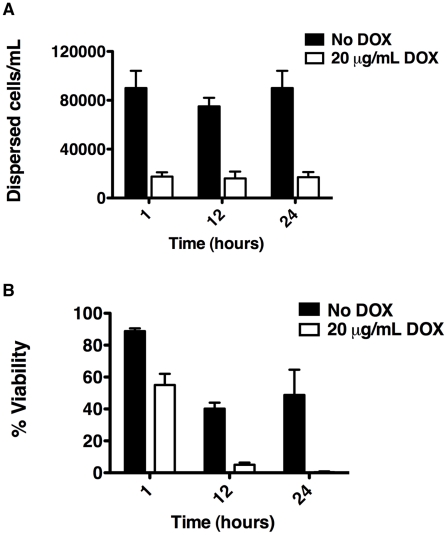
“The molecular chaperone Hsp90 has also been implicated in C. albicans biofilm dispersal, as depletion of Hsp90 markedly reduces the number of dispersed cells from a biofilm (167).”
From Candida albicans Biofilms and Human Disease (2015) · cites this paper as [167]
In the citing paper
“Importantly, Aspergillus biofilms are more resistant to antifungal drugs than are planktonic cells (415, 529, 535–538), but again, the reasons for a reduced permeability to drugs has not been explored in detail.”
From Aspergillus fumigatus and Aspergillosis in 2019 (2019) · cites this paper as [415]
Self-check
Percentages, sums and reported differences re-computed from the paper’s own numbers.
The self-check needs the paper’s full text.
Citations
Cites
Epidemiology of Invasive Candidiasis: a Persistent Public Health Problem
Pfaller, M. A., & Diekema, D. J. (2007) · Clinical Microbiology Reviews · doi:10.1128/cmr.00029-06 · Cited by 4,174
HSP90 at the hub of protein homeostasis: emerging mechanistic insights
Taipale, M., Jarosz, D. F., & Lindquist, S. (2010) · Nature Reviews Molecular Cell Biology · doi:10.1038/nrm2918 · Cited by 1,818
Targeting the dynamic HSP90 complex in cancer
Trepel, J., Mollapour, M., Giaccone, G., & Neckers, L. (2010) · Nature Reviews Cancer · doi:10.1038/nrc2887 · Cited by 1,514 · cited 2×
“Indeed, although well tolerated in the mammalian host individually or in combination therapies [56], Hsp90 inhibitors have toxicity in the context of an acute disseminated fungal infection [34].”
BackgroundAspergillosis Case-Fatality Rate: Systematic Review of the Literature
Lin, S.-J., Schranz, J., & Teutsch, S. M. (2001) · Clinical Infectious Diseases · doi:10.1086/318483 · Cited by 1,409 · cited 1×
“fumigatus is the most common etiological agent of invasive aspergillosis, with a 40–90% mortality rate [7].”
BackgroundStructure and mechanism of the Hsp90 molecular chaperone machinery
Pearl, L. H., & Prodromou, C. (2006) · Annual Review of Biochemistry · doi:10.1146/annurev.biochem.75.103004.142738 · Cited by 1,103 · cited 1×
“Hsp90 exerts pleiotropic effects on cellular circuitry in eukaryotes by stabilizing diverse regulators of cellular signalling [32,33,50].”
BackgroundCandida Infections of Medical Devices
Kojic, E. M., & Darouiche, R. O. (2004) · Clinical Microbiology Reviews · doi:10.1128/cmr.17.2.255-267.2004 · Cited by 1,055 · cited 2×
“The use of such medical devices — such as venous catheters, urinary catheters and artificial joints — has dramatically risen to more than 10 million recipients per year [21,22].”
BackgroundEpidemiology of Invasive Mycoses in North America
Pfaller, M. A., & Diekema, D. J. (2010) · Critical Reviews in Microbiology · doi:10.3109/10408410903241444 · Cited by 901 · cited 2×
“Candida and Aspergillus species together account for ,70% of all invasive fungal infections, with Candida albicans and Aspergillus fumigatus prevailing as the leading causal agents of opportunistic mycoses [2].”
BackgroundYoung, J. C., Moarefi, I., & Hartl, F. U. (2001) · The Journal of Cell Biology · doi:10.1083/jcb.200104079 · Cited by 822
Zaoutis, T. E., Argon, J., Chu, J., Berlin, J. A., Walsh, T. J., & Feudtner, C. (2005) · Clinical Infectious Diseases · doi:10.1086/496922 · Cited by 784 · cited 10×
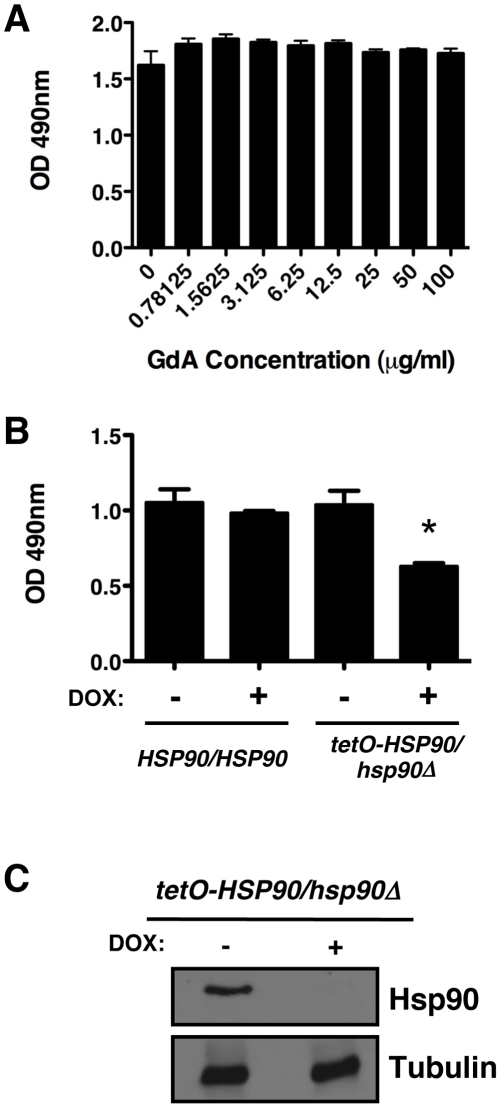
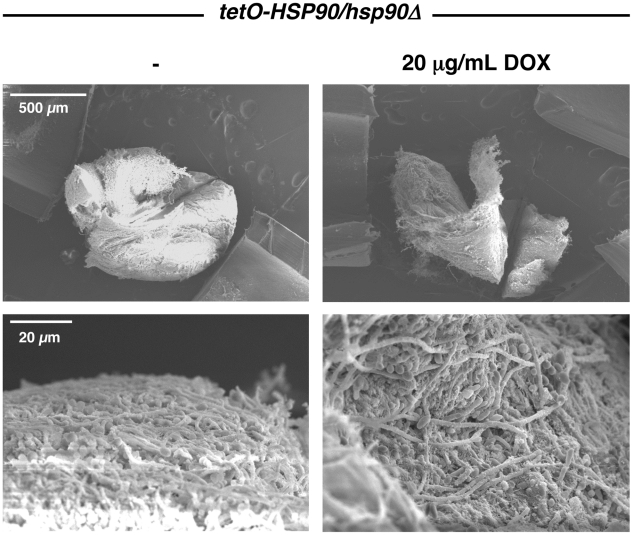
“(D) Biofilms were cultured on plastic under shaking conditions with or without 20 mg/mL DOX.”
BackgroundInfluentialStandardized Method for In Vitro Antifungal Susceptibility Testing of Candida albicans Biofilms
Ramage, G., Vande Walle, K., Wickes, B. L., & López-Ribot, J. L. (2001) · Antimicrobial Agents and Chemotherapy · doi:10.1128/aac.45.9.2475-2479.2001 · Cited by 753 · cited 5×
“After 24 hours, non-adherent cells were washed away with PBS and biofilm cell metabolic activity was measured using the XTT reduction assay as previously described [28,43].”
MethodResultSelf-citation
Cited by
Candida albicans pathogenicity mechanisms
Mayer, F. L., Wilson, D., & Hube, B. (2013) · Virulence · doi:10.4161/viru.22913 · Cited by 1,848
Aspergillus fumigatus and Aspergillosis in 2019
Latgé, J.-P., & Chamilos, G. (2019) · Clinical Microbiology Reviews · doi:10.1128/cmr.00140-18 · Cited by 1,400
Candida albicans Biofilms and Human Disease
Nobile, C. J., & Johnson, A. D. (2015) · Annual Review of Microbiology · doi:10.1146/annurev-micro-091014-104330 · Cited by 1,057
Antifungal Drug Resistance: Molecular Mechanisms in Candida albicans and Beyond
Lee, Y., Puumala, E., Robbins, N., & Cowen, L. E. (2021) · Chemical Reviews · doi:10.1021/acs.chemrev.0c00199 · Cited by 801
Self-citationCandida albicans biofilms: development, regulation, and molecular mechanisms
Gulati, M., & Nobile, C. J. (2016) · Microbes and Infection · doi:10.1016/j.micinf.2016.01.002 · Cited by 738
“albicans biofilm 349 dispersal, as depletion of Hsp90 markedly reduces the number of dispersed cells from a 350 biofilm [45].”
BackgroundMechanisms of Antifungal Drug Resistance
Cowen, L. E., Sanglard, D., Howard, S. J., Rogers, P. D., & Perlin, D. S. (2015) · Cold Spring Harbor Perspectives in Medicine · doi:10.1101/cshperspect.a019752 · Cited by 647
“albicans biofilms, depletion of Hsp90 does not affect their stability in this cellular state (Robbins et al. 2011).”
BackgroundInfluentialSelf-citationDevelopment and regulation of single- and multi-species Candida albicans biofilms
Lohse, M. B., Gulati, M., Johnson, A. D., & Nobile, C. J. (2018) · Nature Reviews Microbiology · doi:10.1038/nrmicro.2017.107 · Cited by 643
Ramage, G., Rajendran, R., Sherry, L., & Williams, C. (2012) · International Journal of Microbiology · doi:10.1155/2012/528521 · Cited by 583
“albicans biofilm growth and maturation in vitro and interestingly impaired dispersal of biofilm cells [181].”
BackgroundSelf-citationVerghese, J., Abrams, J., Wang, Y., & Morano, K. A. (2012) · Microbiology and Molecular Biology Reviews · doi:10.1128/mmbr.05018-11 · Cited by 575
Mechanisms of Candida Biofilm Drug Resistance
Taff, H. T., Mitchell, K. F., Edward, J. A., & Andes, D. R. (2013) · Future Microbiology · doi:10.2217/fmb.13.101 · Cited by 422
“Another stress response pathway contributing to Candida biofilm resistance involves HSP90, a heat shock protein responsible for stabilization of a variety of host proteins [114].”
BackgroundInfluentialSelf-citationNovel Entries in a Fungal Biofilm Matrix Encyclopedia
Zarnowski, R., Westler, W. M., Lacmbouh, G. A., Marita, J. M., Bothe, J. R., Bernhardt, J., Lounes-Hadj Sahraoui, A., Fontaine, J., Sanchez, H., Hatfield, R. D., et al. (2014) · mBio · doi:10.1128/mbio.01333-14 · Cited by 315
“albicans, both the matrix polysaccharide, -1,3-glucan, and extracellular DNA have been demonstrated to contribute to the drug resistance mechanism (11, 23, 28, 63).”
BackgroundSelf-citationA Candida Biofilm-Induced Pathway for Matrix Glucan Delivery: Implications for Drug Resistance
Taff, H. T., Nett, J. E., Zarnowski, R., Ross, K. M., Sanchez, H., Cain, M. T., Hamaker, J., Mitchell, A. P., & Andes, D. R. (2012) · PLoS Pathogens · doi:10.1371/journal.ppat.1002848 · Cited by 291
“This material not only contributes to the adhesive nature of biofilm cells, but has been shown to protect the cells from antimicrobial agents and the host immune system as well [12,30,33,43,44].”
BackgroundSelf-citationCandida albicans biofilms and polymicrobial interactions
Ponde, N. O., Lortal, L., Ramage, G., Naglik, J. R., & Richardson, J. P. (2021) · Critical Reviews in Microbiology · doi:10.1080/1040841x.2020.1843400 · Cited by 281
“In contrast, overexpression of the transcriptional regulator UME6 reduces dispersal (Uppuluri, Chaturvedi, et al. 2010), while transcriptional repression of the chaperone protein Hsp90p also reduces dispersal of C. albicans cells from biofilms in vitro (Robbins et al. 2011).”
BackgroundSelf-citationAntifungal Drugs: The Current Armamentarium and Development of New Agents
Robbins, N., Wright, G. D., & Cowen, L. E. (2016) · Microbiology Spectrum · doi:10.1128/microbiolspec.funk-0002-2016 · Cited by 271
“Finally, in an in vivo rat catheter model of infection, 17-AAG transforms fl uconazole from ineffective to highly ef fi cacious without host toxicity in the context of this localized infection and drug delivery (116).”
BackgroundSelf-citationRecent insights into Candida albicans biofilm resistance mechanisms
Mathé, L., & Van Dijck, P. (2013) · Current Genetics · doi:10.1007/s00294-013-0400-3 · Cited by 271
Antifungal drug-resistance mechanisms in Candida biofilms
Kaur, J., & Nobile, C. J. (2023) · Current Opinion in Microbiology · doi:10.1016/j.mib.2022.102237 · Cited by 261
“C. albicans biofilms formed by the mkc1Δ /Δ strain are abnormally structured and contain fewer hyphal cells compared with the wild-type strain, and the cells of the mkc1Δ /Δ strain are 100 times more susceptible to fluconazole than the wild-type strain [19,42].”
Fungal Biofilms, Drug Resistance, and Recurrent Infection
Desai, J. V., Mitchell, A. P., & Andes, D. R. (2014) · Cold Spring Harbor Perspectives in Medicine · doi:10.1101/cshperspect.a019729 · Cited by 252
“This result has led to the proposal that HSP90 inhibitors could be used to reduce disseminated infection rates (Robbins et al. 2011).”
BackgroundInfluentialSelf-citationA Yeast Prion, Mod5, Promotes Acquired Drug Resistance and Cell Survival Under Environmental Stress
Suzuki, G., Shimazu, N., & Tanaka, M. (2012) · Science · doi:10.1126/science.1219491 · Cited by 222
Combinatorial strategies for combating invasive fungal infections
Spitzer, M., Robbins, N., & Wright, G. D. (2017) · Virulence · doi:10.1080/21505594.2016.1196300 · Cited by 218
“transform fluconazole from completely ineffective to highly efficacious without showing any signs of host toxicity.(110) Thus, efforts to create fungal specific Hsp90”
BackgroundSelf-citationGlobal Analysis of the Evolution and Mechanism of Echinocandin Resistance in Candida glabrata
Singh-Babak, S. D., Babak, T., Diezmann, S., Hill, J. A., Xie, J. L., Chen, Y.-L., Poutanen, S. M., Rennie, R. P., Heitman, J., & Cowen, L. E. (2012) · PLoS Pathogens · doi:10.1371/journal.ppat.1002718 · Cited by 205
Self-citationPolke, M., Hube, B., & Jacobsen, I. D. (2015) · Advances in Applied Microbiology · doi:10.1016/bs.aambs.2014.12.002 · Cited by 184
Candida and Candidiasis—Opportunism Versus Pathogenicity: A Review of the Virulence Traits
Ciurea, C. N., Kosovski, I.-B., Mare, A. D., Toma, F., Pintea-Simon, I. A., & Man, A. (2020) · Microorganisms · doi:10.3390/microorganisms8060857 · Cited by 183
“albicans susceptibility to antifungals drugs [78], as well as in its temperature-dependent morphogenetic transition [79].”
BackgroundJuvvadi, P. R., Lee, S. C., Heitman, J., & Steinbach, W. J. (2017) · Virulence · doi:10.1080/21505594.2016.1201250 · Cited by 172
Antifungal therapy with an emphasis on biofilms
Pierce, C. G., Srinivasan, A., Uppuluri, P., Ramasubramanian, A. K., & López-Ribot, J. L. (2013) · Current Opinion in Pharmacology · doi:10.1016/j.coph.2013.08.008 · Cited by 173
“For example, both Hsp90 and calcineurin inhibitors may be able to overcome resistance when used in combination with antifungals [54,55], and DNAse treatment improves the antibiofilm activity of conventional antifungal agents (as the fungal biofilm matrix contains extracellular DNA) [56].”
Self-citationRajendran, R., Williams, C., Lappin, D. F., Millington, O., Martins, M., & Ramage, G. (2013) · Eukaryotic Cell · doi:10.1128/ec.00287-12 · Cited by 173
“For testing of antifungal susceptibility in combination with DNase, a checkerboard assay was performed with 24-h preformed biofilms as described previously (41).”
BackgroundMethodSelf-citationA CRISPR–Cas9-based gene drive platform for genetic interaction analysis in Candida albicans
Shapiro, R. S., Chavez, A., Porter, C. B. M., Hamblin, M., Kaas, C. S., DiCarlo, J. E., Zeng, G., Xu, X., Revtovich, A. V., Kirienko, N. V., et al. (2017) · Nature Microbiology · doi:10.1038/s41564-017-0043-0 · Cited by 161
“Biofilms were grown as previously described 36,37 , with some modifications.”
Emerging Antifungal Targets and Strategies
Ivanov, M., Ćirić, A., & Stojković, D. (2022) · International Journal of Molecular Sciences · doi:10.3390/ijms23052756 · Cited by 160
“It is also included in drug resistance of both fungal biofilms and cells in the planktonic growth conditions [109], though targeting Hsp90 is observed as a potentially”
BackgroundContributions of the Biofilm Matrix to Candida Pathogenesis
Nett, J. E., & Andes, D. R. (2020) · Journal of Fungi · doi:10.3390/jof6010021 · Cited by 157
“For example, the molecular chaperone Hsp90 is required for mature matrix production [9].”
BackgroundSelf-citationPierce, C. G., & Lopez-Ribot, J. L. (2013) · Expert Opinion on Drug Discovery · doi:10.1517/17460441.2013.807245 · Cited by 158
“, geldanamycin) to overcome biofilm drug resistance [93,94], the examination of antibiofilm activity of a variety of natural products (reviewed in [95]), as well as screening of small molecule compounds present in different chemical libraries.”
Self-citationLiu, S., Hou, Y., Chen, X., Gao, Y., Li, H., & Sun, S. (2014) · International Journal of Antimicrobial Agents · doi:10.1016/j.ijantimicag.2013.12.009 · Cited by 164
The Quiet and Underappreciated Rise of Drug-Resistant Invasive Fungal Pathogens
Arastehfar, A., Lass-Flörl, C., Garcia-Rubio, R., Daneshnia, F., Ilkit, M., Boekhout, T., Gabaldon, T., & Perlin, D. S. (2020) · Journal of Fungi · doi:10.3390/jof6030138 · Cited by 145
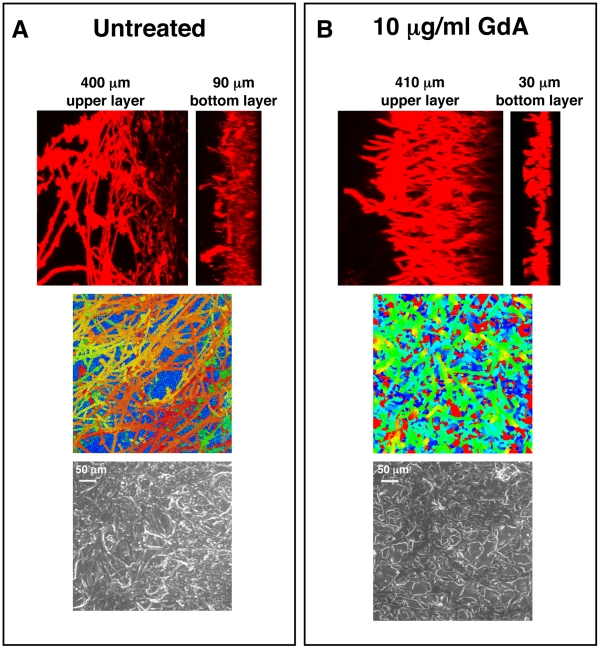
“In addition, HSP90 inhibitors elicit aberrant biofilm morphology and restrict the dispersal and viability of yeast cells [40].”
BackgroundInfluentialFungal persister cells: The basis for recalcitrant infections?
Wuyts, J., Van Dijck, P., & Holtappels, M. (2018) · PLOS Pathogens · doi:10.1371/journal.ppat.1007301 · Cited by 136
Heat Shock Protein 90 Is Required for Conidiation and Cell Wall Integrity in Aspergillus fumigatus
Lamoth, F., Juvvadi, P. R., Fortwendel, J. R., & Steinbach, W. J. (2012) · Eukaryotic Cell · doi:10.1128/ec.00032-12 · Cited by 136
“Hsp90 inhibitors increased the effect of caspofungin in vitro and in an invertebrate model of invasive aspergillosis (9, 28).”
Portrait of Candida Species Biofilm Regulatory Network Genes
Araújo, D., Henriques, M., & Silva, S. M. (2016) · Trends in Microbiology · doi:10.1016/j.tim.2016.09.004 · Cited by 157
Resistance of Candida spp. to antifungal drugs in the ICU: where are we now?
Maubon, D., Garnaud, C., Calandra, T., Sanglard, D., & Cornet, M. (2014) · Intensive Care Medicine · doi:10.1007/s00134-014-3404-7 · Cited by 166
Biofilms and vulvovaginal candidiasis
Rodríguez-Cerdeira, C., Gregorio, M. C., Molares-Vila, A., López-Barcenas, A., Fabbrocini, G., Bardhi, B., Sinani, A., Sánchez-Blanco, E., Arenas-Guzmán, R., & Hernandez-Castro, R. (2019) · Colloids and Surfaces B: Biointerfaces · doi:10.1016/j.colsurfb.2018.11.011 · Cited by 133
Gao, M., Wang, H., & Zhu, L. (2016) · Cellular Physiology and Biochemistry · doi:10.1159/000453134 · Cited by 131
Lysine Deacetylases Hda1 and Rpd3 Regulate Hsp90 Function thereby Governing Fungal Drug Resistance
Robbins, N., Leach, M. D., & Cowen, L. E. (2012) · Cell Reports · doi:10.1016/j.celrep.2012.08.035 · Cited by 126
“Immunoblot Analysis and Immunoprecipitation Total protein extracts were prepared as described previously (LaFayette et al., 2010; Robbins et al., 2011).”
BackgroundMethodSelf-citationBondaryk, M., Kurzątkowski, W., & Staniszewska, M. (2013) · Advances in Dermatology and Allergology · doi:10.5114/pdia.2013.38358 · Cited by 126
“So far, three lipid products of amphotericin B have been marketed: amphoteri - cin B colloidal dispersion (ABCD, Amphocil), amphotericin B lipid complex (ABLC, Abelcet), and liposomal amphotericin B (L-AMB, AmBisome).”
BackgroundInfluentialStructural basis for species-selective targeting of Hsp90 in a pathogenic fungus
Whitesell, L., Robbins, N., Huang, D. S., McLellan, C. A., Shekhar-Guturja, T., LeBlanc, E. V., Nation, C. S., Hui, R., Hutchinson, A., Collins, C., et al. (2019) · Nature Communications · doi:10.1038/s41467-018-08248-w · Cited by 124
Self-citationOvercoming antifungal resistance
Srinivasan, A., Lopez-Ribot, J. L., & Ramasubramanian, A. K. (2014) · Drug Discovery Today Technologies · doi:10.1016/j.ddtec.2014.02.005 · Cited by 148
“instance, selective inhibitors of calcineurin, efflux pumps and heat-shock protein 90 have been identified this way [42,43].”
Self-citationLeach, M. D., Farrer, R. A., Tan, K., Miao, Z., Walker, L. A., Cuomo, C. A., Wheeler, R. T., Brown, A. J. P., Wong, K. H., & Cowen, L. E. (2016) · Nature Communications · doi:10.1038/ncomms11704 · Cited by 102
Self-citationGong, Y., Li, T., Yu, C., & Sun, S. (2017) · Frontiers in Cellular and Infection Microbiology · doi:10.3389/fcimb.2017.00520 · Cited by 102
“Robbins et al. reported that impairing Hsp90 governs dispersion and reverses antifungal drug tolerance of C. albicans biofilms via down-regulation of matrix glucan (Robbins et al., 2011).”
BackgroundDual action antifungal small molecule modulates multidrug efflux and TOR signaling
Shekhar-Guturja, T., Gunaherath, G. M. K. B., Wijeratne, E. M. K., Lambert, J.-P., Averette, A. F., Lee, S. C., Kim, T., Bahn, Y.-S., Tripodi, F., Ammar, R., et al. (2016) · Nature Chemical Biology · doi:10.1038/nchembio.2165 · Cited by 101
Self-citationElucidating Drug Resistance in Human Fungal Pathogens
Xie, J. L., Polvi, E. J., Shekhar-Guturja, T., & Cowen, L. E. (2014) · Future Microbiology · doi:10.2217/fmb.14.18 · Cited by 100
Self-citationCandida Biofilms: An Update on Developmental Mechanisms and Therapeutic Challenges
de Barros, P. P., Rossoni, R. D., de Souza, C. M., Scorzoni, L., Fenley, J. D. C., & Junqueira, J. C. (2020) · Mycopathologia · doi:10.1007/s11046-020-00445-w · Cited by 121
“Several components such as transcriptional regulators, cell wall proteins, and chaperones are crucial for this step [28, 54, 55].”
BackgroundNine Things Genomics Can Tell Us About Candida auris
Chybowska, A. D., Childers, D. S., & Farrer, R. A. (2020) · Frontiers in Genetics · doi:10.3389/fgene.2020.00351 · Cited by 96
Candida and its dual lifestyle as a commensal and a pathogen
Cauchie, M., Desmet, S., & Lagrou, K. (2017) · Research in Microbiology · doi:10.1016/j.resmic.2017.02.005 · Cited by 118
The fungal Achilles’ heel: targeting Hsp90 to cripple fungal pathogens
Cowen, L. E. (2013) · Current Opinion in Microbiology · doi:10.1016/j.mib.2013.03.005 · Cited by 105
Self-citationCandida albicans Biofilm Development and Its Genetic Control
Desai, J. V., & Mitchell, A. P. (2015) · Microbiology Spectrum · doi:10.1128/microbiolspec.mb-0005-2014 · Cited by 94
Genetic and Genomic Architecture of the Evolution of Resistance to Antifungal Drug Combinations
Hill, J. A., Ammar, R., Torti, D., Nislow, C., & Cowen, L. E. (2013) · PLoS Genetics · doi:10.1371/journal.pgen.1003390 · Cited by 93
“Azole resistance acquired by loss of function of Erg3 or by many other mutations is exquisitely dependent on Hsp90 and calcineurin [16]; inhibition of these stress response regulators enhances azole sensitivity of diverse clinical isolates, and compromises azole resistance of isolates that evolved resistance in a huma…”
BackgroundSelf-citationAspergillus Biofilm In Vitro and In Vivo
Beauvais, A., & Latgé, J.-P. (2015) · Microbiology Spectrum · doi:10.1128/microbiolspec.mb-0017-2015 · Cited by 93
“fumigatus, geldanamycin, an inhibitor of Hsp90, is very effective in reducing biofilm development in combination with echinocandins (51).”
BackgroundThe Hsp90 chaperone network modulates Candida virulence traits
O’Meara, T. R., Robbins, N., & Cowen, L. E. (2017) · Trends in Microbiology · doi:10.1016/j.tim.2017.05.003 · Cited by 92
“How do cellular states, including biofilms and white and opaque cells, impact the Hsp90 interactome? How do they influence Hsp90 genetic interactions? drug resistance through different mechanisms in these distinct cellular states [92].”
Self-citationAntifungal Compounds against Candida Infections from Traditional Chinese Medicine
Liu, X., Ma, Z., Zhang, J., & Yang, L. (2017) · BioMed Research International · doi:10.1155/2017/4614183 · Cited by 91
“albicans by genetic manipulation or pharmacological means could reduce the dispersal and maturation of biofilms as well as increase the sensitivity to drugs used to abolish biofilms [106].”
BackgroundOpportunistic yeast pathogens: reservoirs, virulence mechanisms, and therapeutic strategies
Polvi, E. J., Li, X., O’Meara, T. R., Leach, M. D., & Cowen, L. E. (2015) · Cellular and Molecular Life Sciences · doi:10.1007/s00018-015-1860-z · Cited by 106
“Resistance to azoles is dependent on the molecular chaperone Hsp90 [45], glucan modification enzymes that are required for delivery and organization of the ECM [240], and b-1,3 glucan in the ECM that may sequester azoles [241].”
BackgroundSelf-citationThe role of Candida albicans stress response pathways in antifungal tolerance and resistance
Iyer, K. R., Robbins, N., & Cowen, L. E. (2022) · iScience · doi:10.1016/j.isci.2022.103953 · Cited by 88
“albicansbiofilm formation, with genetic depletion leading to impaired growth and dispersal in vitro (Robbins et al., 2011).”
BackgroundSelf-citationThe Extracellular Matrix of Fungal Biofilms
Mitchell, K. F., Żarnowski, R., & Andes, D. R. (2016) · Advances in experimental medicine and biology · doi:10.1007/5584_2016_6 · Cited by 111
Self-citationThe Hsp90 Co-Chaperone Sgt1 Governs Candida albicans Morphogenesis and Drug Resistance
Shapiro, R. S., Zaas, A. K., Betancourt-Quiroz, M., Perfect, J. R., & Cowen, L. E. (2012) · PLoS ONE · doi:10.1371/journal.pone.0044734 · Cited by 86
“albicans biofilms, though in a manner distinct from effects on Cna1 and Mkc1 stability [28].”
BackgroundSelf-citationThe effect of biomaterials and antifungals on biofilm formation by Candida species: a review
Cuéllar‐Cruz, M., Vega‐González, A., Mendoza‐Novelo, B., López-Romero, E., Ruiz‐Baca, E., Escorza, M. A. Q., & Villagómez-Castro, J. C. (2012) · European Journal of Clinical Microbiology & Infectious Diseases · doi:10.1007/s10096-012-1634-6 · Cited by 104
Shapiro, R. S., Sellam, A., Tebbji, F., Whiteway, M., Nantel, A., & Cowen, L. E. (2012) · Current Biology · doi:10.1016/j.cub.2012.01.062 · Cited by 81
Self-citationCandida albicans targets that potentially synergize with fluconazole
Lu, H., Shrivastava, M., Whiteway, M., & Jiang, Y. (2021) · Critical Reviews in Microbiology · doi:10.1080/1040841x.2021.1884641 · Cited by 81
“Deletion strains of the BGL2, HSP90, GSC1, PHR1, XOG1, RLM1, and SMI1 genes displayed increased sensitivity to fluconazole (Sarthy et al. 1997; Canton et al. 2005; Cowen et al. 2009; Nett et al. 2011; Robbins et al. 2011; Taff et al. 2012).”
BackgroundInfluentialCharacterisation of the Plasmodium falciparum Hsp70–Hsp90 organising protein (PfHop)
Gitau, G. W., Mandal, P., Blatch, G. L., Przyborski, J. M., & Shonhai, A. (2011) · Cell Stress and Chaperones · doi:10.1007/s12192-011-0299-x · Cited by 84
Robbins, N., Spitzer, M., Yu, T., Cerone, R. P., Averette, A. K., Bahn, Y.-S., Heitman, J., Sheppard, D. C., Tyers, M., & Wright, G. D. (2015) · Cell Reports · doi:10.1016/j.celrep.2015.10.018 · Cited by 78
“Cells were harvested and total protein extracts were prepared as described previously (Robbins et al., 2011).”
BackgroundMethodSelf-citationPlasticity of Candida albicans Biofilms
Soll, D. R., & Daniels, K. J. (2016) · Microbiology and Molecular Biology Reviews · doi:10.1128/mmbr.00068-15 · Cited by 78
The Significance of Lipids to Biofilm Formation in Candida albicans: An Emerging Perspective
Alim, D., Sircaik, S., & Panwar, S. L. (2018) · Journal of Fungi · doi:10.3390/jof4040140 · Cited by 86
Future directions for anti-biofilm therapeutics targetingCandida
Nett, J. E. (2014) · Expert Review of Anti-infective Therapy · doi:10.1586/14787210.2014.885838 · Cited by 96
“These resistance pathways have been of great interest, as there are pharmaceutical agents that target calcineurin and Hsp90, which will be discussed below [45,47,48].”
BackgroundSelf-citationDominguez, E., Zarnowski, R., Sanchez, H., Covelli, A. S., Westler, W. M., Azadi, P., Nett, J., Mitchell, A. P., & Andes, D. R. (2018) · mBio · doi:10.1128/mbio.00451-18 · Cited by 77
Self-citationLiu, S., Le Mauff, F., Sheppard, D. C., & Zhang, S. (2022) · npj Biofilms and Microbiomes · doi:10.1038/s41522-022-00347-3 · Cited by 72
Fungal biofilms in human health and disease
Ramage, G., Kean, R., Rautemaa-Richardson, R., Williams, C., & Lopez-Ribot, J. L. (2025) · Nature Reviews Microbiology · doi:10.1038/s41579-025-01147-0 · Cited by 72
“Interestingly, a role for Hsp90 has been described in the dispersion of both C. albicans and A. fumigatus biofilms 123 .”
Self-citationZhou, Y., Wang, G., Li, Y., Liu, Y., Song, Y., Zheng, W., Zhang, N., Hu, X., Yan, S., & Jia, J. (2012) · Antimicrobial Agents and Chemotherapy · doi:10.1128/aac.06082-11 · Cited by 72
“mediated by protein kinase C (PKC) and the protein phosphatase calcineurin [36].”
BackgroundAlexidine Dihydrochloride Has Broad-Spectrum Activities against Diverse Fungal Pathogens
Mamouei, Z., Alqarihi, A., Singh, S., Xu, S., Mansour, M. K., Ibrahim, A. S., & Uppuluri, P. (2018) · mSphere · doi:10.1128/msphere.00539-18 · Cited by 70
“susceptibility of the biofilm cells to AXD or thimerosal was carried out as described 315 previously (33, 34).”
Self-citationCombination Therapy to Treat Fungal Biofilm-Based Infections
Tits, J., Cammue, B. P. A., & Thevissen, K. (2020) · International Journal of Molecular Sciences · doi:10.3390/ijms21228873 · Cited by 69
Fungal Biofilms: Update on Resistance
Borghi, E., Borgo, F., & Morace, G. (2016) · Advances in experimental medicine and biology · doi:10.1007/5584_2016_7 · Cited by 76
Bonincontro, G., Scuderi, S. A., Marino, A., & Simonetti, G. (2023) · Pharmaceuticals · doi:10.3390/ph16111531 · Cited by 91
“Hsp90, one of the heat shock proteins that stabilises several host proteins, constitutes another stress response pathway contributing to Candida biofilm resistance [102].”
BackgroundUnderstanding the mechanisms of resistance to azole antifungals in Candida species
Li, Y., Hind, C. K., Furner-Pardoe, J., Sutton, J. M., & Rahman, K. M. (2025) · JAC-Antimicrobial Resistance · doi:10.1093/jacamr/dlaf106 · Cited by 79
Jacob, T. R., Peres, N. T. A., Martins, M. P., Lang, E. A. S., Sanches, P. R., Rossi, A., & Martinez-Rossi, N. M. (2015) · Frontiers in Microbiology · doi:10.3389/fmicb.2015.01241 · Cited by 68
“In fungi, Hsps have been implicated in several processes, including pathogenicity, phase transition in dimorphic fungi, and antifungal drug resistance.”
BackgroundCordeiro, R. D. A., Evangelista, A. J. D. J., Serpa, R., Marques, F. J. D. F., Melo, C. V. S. D., Oliveira, J. S. D., Franco, J. D. S., Alencar, L. P. D., Bandeira, T. D. J. P. G., Brilhante, R. S. N., et al. (2016) · Microbiology · doi:10.1099/mic.0.000222 · Cited by 63
“In addition, the impediment of Hsp90 action was found to decrease resistance of Candida albicans biofilms against azoles and A. fumigatus biofilms against echinocandins, in vitro and in vivo (Robbins et al., 2011).”
BackgroundRao, H., Choo, S., Rajeswari Mahalingam, S. R., Adisuri, D. S., Madhavan, P., Md. Akim, A., & Chong, P. P. (2021) · Molecules · doi:10.3390/molecules26071870 · Cited by 61
“fumigatus was reduced by inhibiting Hsp90, a molecular chaperone that regulates temperature-dependent fungal morphogenesis through repression of cAMP-PKA signaling [99].”
BackgroundA Call to Arms: Quest for a Cryptococcal Vaccine
Caballero Van Dyke, M. C., & Wormley, F. L. (2018) · Trends in Microbiology · doi:10.1016/j.tim.2017.10.002 · Cited by 61
Fungal Biofilms: In Vivo Models for Discovery of Anti-Biofilm Drugs
Nett, J. E., & R. Andes, D. (2015) · Microbiology Spectrum · doi:10.1128/microbiolspec.mb-0008-2014 · Cited by 60
“Combination therapies Calcineurin inhibitor (tacrolimus) and fluconazole (48) Hsp90 inhibitor (17-AAG) and fluconazole (49) Diclofenac (NSAID) and caspofungin (95)”
BackgroundMethodSelf-citationShekhar-Guturja, T., Tebung, W. A., Mount, H., Liu, N., Köhler, J. R., Whiteway, M., & Cowen, L. E. (2016) · Antimicrobial Agents and Chemotherapy · doi:10.1128/aac.01959-16 · Cited by 59
“peutic potential of combination therapy (6, 8, 9).”
BackgroundSelf-citationKhandelwal, N. K., Chauhan, N., Sarkar, P., Esquivel, B. D., Coccetti, P., Singh, A., Coste, A. T., Gupta, M., Sanglard, D., White, T. C., et al. (2018) · Journal of Biological Chemistry · doi:10.1074/jbc.m117.807032 · Cited by 59
“Impairment of Hsp90 function converts azoles from fungistatic to fungicidal (50, 51).”
BackgroundChatterjee, S., & Tatu, U. (2017) · PLOS Neglected Tropical Diseases · doi:10.1371/journal.pntd.0005836 · Cited by 57
Agarwal, P., & Devi, L. S. (2017) · JOURNAL OF CLINICAL AND DIAGNOSTIC RESEARCH · doi:10.7860/jcdr/2017/25865.10068 · Cited by 83
“[31] Hsp90 governs dispersion and drug resistance of fungal biofilms.”
BackgroundChong, P., Chin, V., Wong, W., Madhavan, P., Yong, V., & Looi, C. (2018) · Genes · doi:10.3390/genes9110540 · Cited by 57
Virulence and Biofilms As Promising Targets in Developing Antipathogenic Drugs Against Candidiasis
Khan, M. S., Alshehrei, F. M., Alghamdi, S., Bamaga, M. A., Althubiani, A. S., & Alam, M. Z. (2020) · Future Science OA · doi:10.2144/fsoa-2019-0027 · Cited by 72
The Clinical Importance of Fungal Biofilms
Ramage, G., & Williams, C. (2013) · Advances in applied microbiology · doi:10.1016/b978-0-12-407673-0.00002-3 · Cited by 62
Self-citationGaining Insights from Candida Biofilm Heterogeneity: One Size Does Not Fit All
Kean, R., Delaney, C., Rajendran, R., Sherry, L., Metcalfe, R., Thomas, R., McLean, W., Williams, C., & Ramage, G. (2018) · Journal of Fungi · doi:10.3390/jof4010012 · Cited by 55
“Interestingly, the up-regulation of the stress response from the heat shock protein (HSP) family was identified, including HSP90, a key regulator of biofilm dispersion and drug r sistanc [90].”
BackgroundSelf-citationAntifungal therapy of Candida biofilms: Past, present and future
Ajetunmobi, O. H., Badali, H., Romo, J. A., Ramage, G., & Lopez-Ribot, J. L. (2023) · Biofilm · doi:10.1016/j.bioflm.2023.100126 · Cited by 52
Self-citationUnder oil open-channel microfluidics empowered by exclusive liquid repellency
Li, C., Hite, Z., Warrick, J. W., Li, J., Geller, S. H., Trantow, V. G., McClean, M. N., & Beebe, D. J. (2020) · Science Advances · doi:10.1126/sciadv.aay9919 · Cited by 58
Carmello, J. C., Alves, F., Basso, F. G., Costa, C. A. D. S., Tedesco, A. C., Primo, F. L., Mima, E. G. D. O., & Pavarina, A. C. (2019) · Photodiagnosis and Photodynamic Therapy · doi:10.1016/j.pdpdt.2019.06.010 · Cited by 55
Targeting the Oxidative Stress Response System of Fungi with Redox-Potent Chemosensitizing Agents
Jong Heon, K. I. M., Chan, K. L., Faria, N., Martins, M. D. L., & Campbell, B. C. (2012) · Frontiers in Microbiology · doi:10.3389/fmicb.2012.00088 · Cited by 56
“In the case of Hsp90, its inhibition/depletion resulted in reduction of calcineurin and the terminal cell wall integrity MAPK, Mkc1, in planktonic conditions, whereas marked decrease in matrix glucan levels occurred in biofilms (LaFayette et al., 2010; Robbins et al., 2011).”
Go Forth and Colonize: Dispersal from Clinically Important Microbial Biofilms
Uppuluri, P., & Lopez-Ribot, J. L. (2016) · PLoS Pathogens · doi:10.1371/journal.ppat.1005397 · Cited by 57
“fumigatus) but also on their own render>90% of the biofilm dispersed cells inviable [35].”
BackgroundSelf-citationPost-Translational Modifications Drive Success and Failure of Fungal–Host Interactions
Retanal, C., Ball, B., & Geddes‐McAlister, J. (2021) · Journal of Fungi · doi:10.3390/jof7020124 · Cited by 56
Roles of Hsp90 in Candida albicans morphogenesis and virulence
Robbins, N., & Cowen, L. E. (2023) · Current Opinion in Microbiology · doi:10.1016/j.mib.2023.102351 · Cited by 58
“Thus far, we have highlighted the pivotal role of fungal Hsp90 in enabling morphogenesis and virulence, as well as touched on the importance of this molecular chaperone in governing resistance to both the azoles and echinocandins in diverse fungal pathogens [4,30,41,43–45].”
BackgroundSelf-citationRevie, N. M., Iyer, K. R., Maxson, M. E., Zhang, J., Yan, S., Fernandes, C. M., Meyer, K. J., Chen, X., Skulska, I., Fogal, M., et al. (2022) · Nature Communications · doi:10.1038/s41467-022-31308-1 · Cited by 57
Self-citationXu, S., Wang, J., Wang, H., Bao, Y., Li, Y., Govindaraju, M., Yao, W., Chen, B., & Zhang, M. (2019) · BMC Genomics · doi:10.1186/s12864-019-5479-6 · Cited by 55
Aspergillus Biofilm In Vitro and In Vivo
Beauvais, A., & Latgé, J.-P. (2015) · Microbial Biofilms · doi:10.1128/9781555817466.ch8 · Cited by 47
The potential impact of antifungal drug resistance mechanisms on the host immune response to Candida
Lewis, R. E., Viale, P., & Kontoyiannis, D. P. (2012) · Virulence · doi:10.4161/viru.20746 · Cited by 46
“Because drug efflux pumps are upregulated when cells grow in biofilm condition,(44) it is possible that selection of mutants overexpressing efflux mechanisms during drug therapy may favor biofilm-oriented growth and escape from the host immune system.(42,45,46) Several studies have surveyed the impact of these acquire…”
BackgroundSherry, L., Jose, A., Murray, C. A., Williams, C., Jones, B., Millington, O. R., Bagg, J., & Ramage, G. (2012) · Frontiers in Microbiology · doi:10.3389/fmicb.2012.00116 · Cited by 55
“The major regulator of stress in C. albicans is Hsp90, which has been shown to potentiate the emergence and maintenance of resistance to azoles and echinocandins in C. albicans biofilms, at least in part via calcineurin (Robbins et al., 2011).”
BackgroundSelf-citation
Metadata
- Authors
- Robbins, N., Uppuluri, P., Nett, J., Rajendran, R., Ramage, G., Lopez-Ribot, J. L., Andes, D., & Cowen, L. E.
- Affiliations
- University of Toronto (CA)
- The University of Texas at San Antonio (US)
- University of Wisconsin–Madison (US)
- University of Glasgow (GB)
- Corresponding author
- Cowen, Leah E.
- ORCID
- Venue
- PLoS Pathogens
- Publisher
- Public Library of Science (PLoS)
- Published
- 2011-09-08
- Volume
- 7
- Issue
- 9
- Pages
- e1002257
- ISSN
- 1553-7366 (ISSN-L)
- 1553-7374
- PMC
- PMC3169563
- OpenAlex
- W2050694730
- Cited by
- 291
- References
- 61
- Citations by year
- 2026: 13 · 2025: 14 · 2024: 12 · 2023: 19 · 2022: 19 · 2021: 14 · 2020: 24 · 2019: 14 · 2018: 12 · 2017: 25 · 2016: 32 · 2015: 30 · 2014: 21 · 2013: 19 · 2012: 22
- FWCI
- 13.66
- Type
- journal article
- Language
- en
- Open access
- gold
- doi.org
- Locations
- PLoS Pathogens (publishedVersion, cc-by)
- PubMed Central (publishedVersion, cc-by)
- PubMed (publishedVersion)
- ENLIGHTEN (Jurnal Bimbingan dan Konseling Islam) (acceptedVersion)
- DOAJ (DOAJ: Directory of Open Access Journals) (submittedVersion, cc-by-sa)
- ENLIGHTEN (Jurnal Bimbingan dan Konseling Islam) (submittedVersion)
- Figshare (submittedVersion, cc-by)
- Funders
- Burroughs Wellcome Fund
- American Heart Association
- Canadian Institutes of Health Research (MOP-86452)
- National Institute of Allergy and Infectious Diseases (R21AI080930, R01AI073289)
- Topics
- Health Sciences › Medicine › Infectious Diseases › Antifungal resistance and susceptibility
- Life Sciences › Biochemistry, Genetics and Molecular Biology › Molecular Biology › Fungal and yeast genetics research
- Life Sciences › Biochemistry, Genetics and Molecular Biology › Molecular Biology › Bacterial biofilms and quorum sensing
- Keywords
- HSP90, fungal biofilms, biofilm dispersal, antifungal resistance, Candida albicans, Aspergillus fumigatus, calcineurin, azole resistance, echinocandin resistance, cAMP/PKA signaling, HSP90 inhibition, catheter-related infection, fungal pathogenesis
- MeSH terms
- Antifungal Agents, Aspergillus fumigatus, Azoles, Candida albicans, Fungal Proteins, Microscopy, Electron, Scanning, Fluconazole, Gene Expression Regulation, Fungal, Biofilms, Microscopy, Confocal, HSP90 Heat-Shock Proteins, Calcineurin, Drug Resistance, Fungal, Echinocandins
About these checks
Registry, retraction, Cites and statistics results are computed, not judged, with one exception: a printed reference that no index lists is read once by a model before it counts as a citation error. Claims are extracted by a model and kept only when their quote appears verbatim in the text; each cited source is then checked, with a model’s help, for whether it says what the claim relies on. Those verdicts can be wrong — read the claim’s quote and the cited source before relying on one.
Statistics and arithmetic are recomputed, not judged.
Confidence bands are shown only for fields calibrated on our annotated test set. None is calibrated yet, so no band is shown.
What counts as a claim ›How we measure confidence ›How we check this ›
Are you an author, or do you see a problem with this page? Request a review
Data sources
Bibliographic data: Semantic Scholar, OpenAlex, Crossref.
Contains information from the Semantic Scholar Academic Graph Datasets, made available under the ODC Attribution License (ODC-BY 1.0).
Semantic Scholar’s data is described in: Kinney, R., et al. (2023). The Semantic Scholar Open Data Platform. arXiv:2301.10140.
