

Galactosaminogalactan, a New Immunosuppressive Polysaccharide of Aspergillus fumigatus
Open accessThe DOI matches its Crossref record; 62 of the 62 references it cites were found in a registry or an index.
Abstract
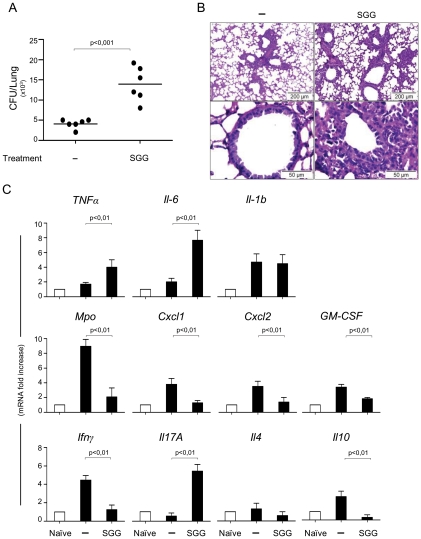
A new polysaccharide secreted by the human opportunistic fungal pathogen Aspergillus fumigatus has been characterized. Carbohydrate analysis using specific chemical degradations, mass spectrometry, ¹H and ¹³C nuclear magnetic resonance showed that this polysaccharide is a linear heterogeneous galactosaminogalactan composed of α1-4 linked galactose and α1-4 linked N-acetylgalactosamine residues where both monosacharides are randomly distributed and where the percentage of galactose per chain varied from 15 to 60%. This polysaccharide is antigenic and is recognized by a majority of the human population irrespectively of the occurrence of an Aspergillus infection. GalNAc oligosaccharides are an essential epitope of the galactosaminogalactan that explains the universal antibody reaction due to cross reactivity with other antigenic molecules containing GalNAc stretches such as the N-glycans of Campylobacter jejuni. The galactosaminogalactan has no protective effect during Aspergillus infections. Most importantly, the polysaccharide promotes fungal development in immunocompetent mice due to its immunosuppressive activity associated with disminished neutrophil infiltrates.
Overview
The claims and statistics of this paper haven’t been checked yet.
Free: it reads the open-access text and checks the first 5 claims that cite a source we can check. Create a free account to check every claim.
Integrity signals
Registry
Cites
Statistics
Figures
Verification
Claims the paper makes
The claims and statistics of this paper haven’t been checked yet.
Free: it reads the open-access text and checks the first 5 claims that cite a source we can check. Create a free account to check every claim.
Claims other papers make about this one
Each is checked against this paper’s own text: does it say what the citing paper says it does?
The source backs part of the claim, not all of it — or backs it for a different population, condition or comparison.
In the citing paper
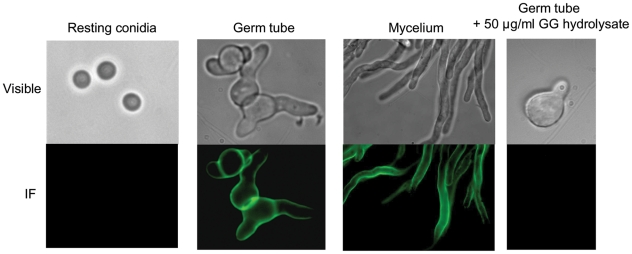
“The surface of the vegetative morphotype, the mycelium, is covered by a major polysaccharide, adhesin (absent from conidia) (Fig. 13).”
From Aspergillus fumigatus and Aspergillosis in 2019 (2019) · cites this paper as [479]
Experimental — accuracy not yet measuredThe check wasn’t confident either way, so it gives no verdict — never disputed.
In the citing paper
“The echinocandins caspofungin and micafungin have been used as primary therapy in noncomparative studies of IA, with response rates ranging from 33% to 57% for caspofungin (687–690) and 45% to 71% for micafungin (54, 479, 691).”
From Aspergillus fumigatus and Aspergillosis in 2019 (2019) · cites this paper as [479]
Experimental — accuracy not yet measuredIn the citing paper
“This polysaccharide is a galactosaminogalactan, which is a linear and water-insoluble heterogeneous polymer with an average size of 100 kDa, composed of galactose (in a pyranose form), galactosamine, and N-acetylgalactosamine (GalNAc) residues linked through α1,4 glycosidic linkage and in a random distribution along the polysaccharide chain (479).”
From Aspergillus fumigatus and Aspergillosis in 2019 (2019) · cites this paper as [479]
In the citing paper
“The matrix was found to contain mainly polysaccharides (galactomannan, α-1,3 glucan, and galactosaminogalactan), proteins, and small amounts of polyols, lipids, DNA, and melanin (452, 479, 486, 533).”
From Aspergillus fumigatus and Aspergillosis in 2019 (2019) · cites this paper as [479]
Self-check
Percentages, sums and reported differences re-computed from the paper’s own numbers.
The self-check needs the paper’s full text.
Citations
Cites
Colorimetric Method for Determination of Sugars and Related Substances
DuBois, M., Gilles, K. A., Hamilton, J. K., Rebers, P. A., & Smith, F. (1956) · Analytical Chemistry · doi:10.1021/ac60111a017 · Cited by 52,269
A simple and rapid method for the permethylation of carbohydrates
Ciucanu, I., & Kerek, F. (1984) · Carbohydrate Research · doi:10.1016/0008-6215(84)85242-8 · Cited by 3,580
Scheller, H. V., & Ulvskov, P. (2010) · Annual Review of Plant Biology · doi:10.1146/annurev-arplant-042809-112315 · Cited by 2,799
1H, 13C and 15N chemical shift referencing in biomolecular NMR
Wishart, D. S., Bigam, C. G., Yao, J., Abildgaard, F., Dyson, H. J., Oldfield, E., Markley, J. L., & Sykes, B. D. (1995) · Journal of Biomolecular NMR · doi:10.1007/bf00211777 · Cited by 2,359 · cited 1×
“251449530 was used [52].”
Sawardeker, J. S., Sloneker, J. H., & Jeanes, A. (1965) · Analytical Chemistry · doi:10.1021/ac60231a048 · Cited by 1,701 · cited 1×
“Monosaccharides were identified by GC as their alditol acetates after total acid hydrolysis (trifluoroacetic acid (TFA) 4N or HCl 4N, 100uC, 4 h) [49].”
MethodSignalling through C-type lectin receptors: shaping immune responses
Geijtenbeek, T. B. H., & Gringhuis, S. I. (2009) · Nature Reviews Immunology · doi:10.1038/nri2569 · Cited by 1,379 · cited 1×
“has been seen with all medically important fungi [6,35,36,37].”
BackgroundGradient selection in inverse heteronuclear correlation spectroscopy
Willker, W., Leibfritz, D., Kerssebaum, R., & Bermel, W. (1993) · Magnetic Resonance in Chemistry · doi:10.1002/mrc.1260310315 · Cited by 965 · cited 2×
“Finally, the interglycosidic linkages determination was achieved with (1)H-(1)H NOESY (Nuclear overhauser effect spectroscopy) experiments for the polysaccharides (mixing time of 15 and 50 ms) and with (1)H-(1)H ROESY experiments (mixing time of 250 ms) [55] and/or (1)H-(13)C gHMBC (Gradient selected heteronuclear mul…”
MethodAn integrated model of the recognition of Candida albicans by the innate immune system
Netea, M. G., Brown, G. D., Kullberg, B. J., & Gow, N. A. R. (2008) · Nature Reviews Microbiology · doi:10.1038/nrmicro1815 · Cited by 946 · cited 2×
“In other medically important fungi, capsular and cell wall polysaccharides and especially mannan and b-glucans also induce an immune response that either favours or inhibits fungal infection [6,7,8,9].”
BackgroundN-Linked Glycosylation in Campylobacter jejuni and Its Functional Transfer into E. coli
Wacker, M., Linton, D., Hitchen, P. G., Nita-Lazar, M., Haslam, S. M., North, S. J., Panico, M., Morris, H. R., Dell, A., Wren, B. W., et al. (2002) · Science · doi:10.1126/science.298.5599.1790 · Cited by 777
Self-citationTwo-dimensional chemical exchange and cross-relaxation spectroscopy of coupled nuclear spins
Macura, S., Huang, Y., Suter, D., & Ernst, R. R. (1981) · Journal of Magnetic Resonance (1969) · doi:10.1016/0022-2364(81)90037-8 · Cited by 748 · cited 1×
“Finally, the interglycosidic linkages determination was achieved with (1)H-(1)H NOESY (Nuclear overhauser effect spectroscopy) experiments for the polysaccharides (mixing time of 15 and 50 ms) and with (1)H-(1)H ROESY experiments (mixing time of 250 ms) [55] and/or (1)H-(13)C gHMBC (Gradient selected heteronuclear mul…”
Method
Research works printed but not linked: 1
- Letscher-Bru V Cavalier A Pernot-Marino E Koenig H Eyer D 1998 Aspergillus galactomannan antigen detection with Platelia-Aspergillus: multiple positive antigemia without Aspergillus infection. J Mycol Med 8 112 113
Cited by
Items 101–200 of 261
The C-Type Lectin Receptor Dectin-2 Is a Receptor for Aspergillus fumigatus Galactomannan
Reedy, J. L., Crossen, A. J., Negoro, P. E., Brown, H. E., Ward, R., Vargas-Blanco, D. A., Timmer, K. D., Reardon, C. M., Basham, K. J., Mansour, M. K., et al. (2023) · mBio · doi:10.1128/mbio.03184-22 · Cited by 30
“fumigatus, which led to a reduction of neutrophil infiltration (47).”
BackgroundSelf-citationZhang, S., Chen, Y., Ma, Z., Chen, Q., Ostapska, H., Gravelat, F. N., Lü, L., & Sheppard, D. C. (2017) · Cellular Microbiology · doi:10.1111/cmi.12799 · Cited by 29
Aspergillus-specific antibodies – Targets and applications
Schubert, M., Spiegel, H., Schillberg, S., & Nölke, G. (2018) · Biotechnology Advances · doi:10.1016/j.biotechadv.2018.03.016 · Cited by 30
Reducing Aspergillus fumigatus Virulence through Targeted Dysregulation of the Conidiation Pathway
Stewart, J. I. P., Fava, V. M., Kerkaert, J. D., Subramanian, A. S., Gravelat, F. N., Lehoux, M., Howell, P. L., Cramer, R. A., & Sheppard, D. C. (2020) · mBio · doi:10.1128/mbio.03202-19 · Cited by 28
Gressler, M., Heddergott, C., N'Go, I. C., Renga, G., Oikonomou, V., Moretti, S., Coddeville, B., Gaifem, J., Silvestre, R., Romani, L., et al. (2019) · Frontiers in Cellular and Infection Microbiology · doi:10.3389/fcimb.2019.00365 · Cited by 27
Self-citationZhang, Y., Wang, Y., Fan, J., Zhu, G., & Lü, L. (2022) · PLoS Pathogens · doi:10.1371/journal.ppat.1010976 · Cited by 27
30 years of battling the cell wall
Latgé, J. P. (2016) · Medical Mycology · doi:10.1093/mmy/myw076 · Cited by 27
Self-citationHow to invade a susceptible host: cellular aspects of aspergillosis
Krappmann, S. (2016) · Current Opinion in Microbiology · doi:10.1016/j.mib.2016.10.002 · Cited by 27
Synthetic Oligosaccharides Mimicking Fungal Cell Wall Polysaccharides
Krylov, V. B., & Nifantiev, N. E. (2019) · Current topics in microbiology and immunology · doi:10.1007/82_2019_187 · Cited by 29
Dellière, S., Chauvin, C., Wong, S. S. W., Gressler, M., Possetti, V., Parente, R., Fontaine, T., Krüger, T., Kniemeyer, O., Bayry, J., et al. (2024) · Nature Communications · doi:10.1038/s41467-024-51047-9 · Cited by 27
“Different cell wall components of A. fumigatus were extracted or pur-i fi ed as described earlier 27,28,38,82,83 .”
Self-citationBornhöfft, K. F., & Galuska, S. P. (2019) · Frontiers in Immunology · doi:10.3389/fimmu.2019.00959 · Cited by 26
Generation of Free Oligosaccharides from Bacterial Protein N‐Linked Glycosylation Systems
Dwivedi, R., Nothaft, H., Reiz, B., Whittal, R. M., & Szymanski, C. M. (2013) · Biopolymers · doi:10.1002/bip.22296 · Cited by 25
Aspergillus fumigatus Can Display Persistence to the Fungicidal Drug Voriconazole
Scott, J., Valero, C., Mato-López, Á., Donaldson, I. J., Roldán, A., Chown, H., Van Rhijn, N., Lobo-Vega, R., Gago, S., Furukawa, T., et al. (2023) · Microbiology Spectrum · doi:10.1128/spectrum.04770-22 · Cited by 24
“fumigatus virulence factor, with multiple described adhesion and immunosuppressive activities (112, 113), and here we propose that it may have one more important role in potentiating persistence to voriconazole in some isolates.”
BackgroundSelf-citationConidium Specific Polysaccharides in Aspergillus fumigatus
Liu, Z., Valsecchi, I., Meur, R. A. L., Simenel, C., Guijarro, J. I., Comte, C., Muszkieta, L., Mouyna, I., Henrissat, B., Aimanianda, V., et al. (2023) · Journal of Fungi · doi:10.3390/jof9020155 · Cited by 24
“For example, galactosaminogalactan is absent from resting conidia and starts being produced during the germination process [9].”
BackgroundSelf-citationKashyap, V. H., Mishra, A., Bordoloi, S., Varma, A. K., & Joshi, N. C. (2023) · Mycoses · doi:10.1111/myc.13619 · Cited by 24
Ullah, A., Huang, Y., Zhao, K., Hua, Y., Ullah, S., Rahman, M. U., Wang, J., Wang, Q., Hu, X., & Zheng, L. (2023) · BMC Microbiology · doi:10.1186/s12866-023-02945-3 · Cited by 23
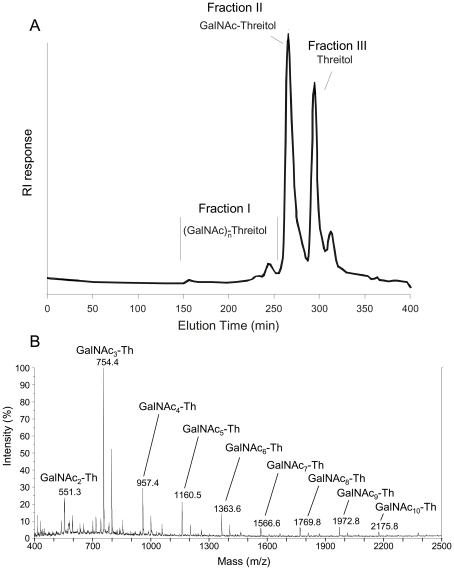
“GalNAc is an epitope of galactosaminogalactan (GAG), which is a part of the extracellular matrix of A. fumigatus and is associated with virulence [84, 85].”
BackgroundKhatuntseva, E. A., Sherman, A. A., Tsvetkov, Y. E., & Nifantiev, N. E. (2016) · Tetrahedron Letters · doi:10.1016/j.tetlet.2016.01.013 · Cited by 23
Kerkaert, J. D., Mauff, F. L., Wucher, B. R., Beattie, S. R., Vesely, E. M., Sheppard, D. C., Nadell, C. D., & Cramer, R. A. (2022) · mBio · doi:10.1128/mbio.02933-21 · Cited by 22
Ostapska, H., Mauff, F. L., Gravelat, F. N., Snarr, B. D., Bamford, N. C., Loon, J. C. V., McKay, G. A., Nguyen, D. M., Howell, P. L., & Sheppard, D. C. (2022) · Journal of Fungi · doi:10.3390/jof8040336 · Cited by 22
“aeruginosa biofilms treated with the combination of rAgd3 and N-acetylated-GAG-containing culture supernatants were stained with a monoclonal anti-GAG antibody [27].”
MethodAlarmin(g) the innate immune system to invasive fungal infections
Caffrey, A. K., & Obar, J. J. (2016) · Current Opinion in Microbiology · doi:10.1016/j.mib.2016.06.002 · Cited by 22
“Specifically, Latgé and colleagues have exogenously treated mice with urea-soluble GAG [58, 65], while Sheppard and colleagues expressed the A.”
InfluentialChung, D., Thammahong, A., Shepardson, K. M., Blosser, S. J., & Cramer, R. A. (2014) · Molecular Microbiology · doi:10.1111/mmi.12626 · Cited by 21
“Loss of GAG leads to increased β-glucan exposure on the cell surface, which results in hyperinflammatory responses by bone marrow derived dendritic cells (Fontaine et al., 2011; Gravelat et al., 2013).”
BackgroundYan, K., Stanley, M., Kowalski, B., Raimi, O. G., Ferenbach, A. T., Wei, P., Fang, W., & van Aalten, D. M. F. (2022) · Journal of Biological Chemistry · doi:10.1016/j.jbc.2022.102003 · Cited by 20
Dietschmann, A., Schruefer, S., Westermann, S., Henkel, F. D. R., Castiglione, K., Willebrand, R., Adam, J., Ruland, J., Lang, R., Sheppard, D. C., et al. (2022) · mBio · doi:10.1128/mbio.01239-22 · Cited by 20
“fumigatus cultures (38) or beta-glucan-elicited eosinophil activation (Fig.”
BackgroundThe Role of Interleukin-1 Family Members in the Host Defence Against Aspergillus fumigatus
Gresnigt, M. S., & van de Veerdonk, F. L. (2014) · Mycopathologia · doi:10.1007/s11046-014-9776-y · Cited by 21
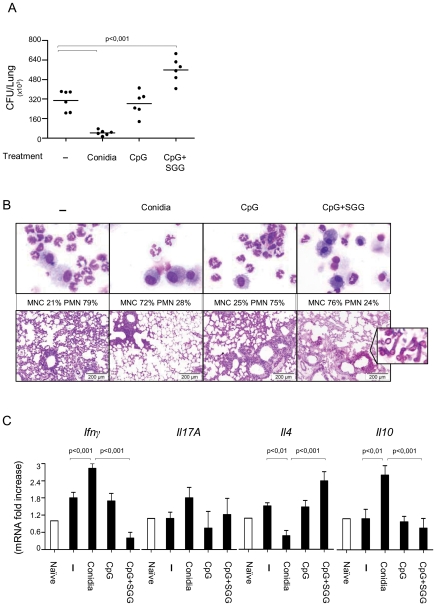
“fumigatus cell wall polysaccharide galactosaminogalactan (GAG) exerts potent anti-inflammatory effects by diminishing neutrophil recruitment and favouring fungal infection [27].”
The role of Aspergillus fumigatus polysaccharides in host–pathogen interactions
Zacharias, C. A., & Sheppard, D. C. (2019) · Current Opinion in Microbiology · doi:10.1016/j.mib.2019.04.006 · Cited by 21
IFN-γ Mediated Signaling Improves Fungal Clearance in Experimental Pulmonary Mucormycosis
dos Santos, A. R., Fraga‐Silva, T. F. D. C., Donanzam, D. D. F. A., dos Santos, R. F., Finato, A. C., Soares, C. T., Lara, V. S., Almeida, N. L. M., Andrade, M. I., de Arruda, O. S., et al. (2021) · Mycopathologia · doi:10.1007/s11046-021-00598-2 · Cited by 20
Lauruschkat, C. D., Etter, S., Schnack, E., Ebel, F., Schäuble, S., Page, L., Rümens, D., Dragan, M., Schlegel, N., Panagiotou, G., et al. (2021) · Journal of Fungi · doi:10.3390/jof7090698 · Cited by 21
Wong, S. S. W., Dellière, S., Schiefermeier-Mach, N., Lechner, L., Perkhofer, S., Bomme, P., Fontaine, T., Schlosser, A. G., Sørensen, G. L., Madan, T., et al. (2022) · The Cell Surface · doi:10.1016/j.tcsw.2022.100072 · Cited by 22
Self-citationAntibodies Generated against Streptococci Protect in a Mouse Model of Disseminated Aspergillosis
Wharton, R. E., Stefanov, E. K., King, R. G., & Kearney, J. F. (2015) · The Journal of Immunology · doi:10.4049/jimmunol.1401940 · Cited by 20
“Although many fungal cell wall components elicit Ab responses, few of these induced Abs provide protection in fungal infection models (4, 5).”
BackgroundHenriet, S., van de Sande, W. W. J., Lee, M. J., Simonetti, E. R., Momany, M., Verweij, P. E., Rijs, A. J. M. M., Ferwerda, G., Sheppard, D. C., de Jonge, M. I., et al. (2016) · Journal of Interferon & Cytokine Research · doi:10.1089/jir.2015.0095 · Cited by 21
He, R., Wei, P., Odiba, A. S., Gao, L., Usman, S., Gong, X., Wang, B., Wang, L., Jin, C., Lu, G., et al. (2023) · Carbohydrate Polymers · doi:10.1016/j.carbpol.2023.121511 · Cited by 19
Schachtschabel, D., Arentshorst, M., Nitsche, B. M., Morris, S., Nielsen, K. F., van den Hondel, C. A. M. J. J., Klis, F. M., & Ram, A. F. J. (2013) · PLoS ONE · doi:10.1371/journal.pone.0078102 · Cited by 19
“In addition, filamentous fungal walls including those of Aspergillus species often contain a -glucans, b -1,3-1,4-glucan, galactomannan, galactosami-nogalactan and galactomannoproteins [7–9].”
Rafique, A., Sharmin, S., Raj, A., Mohiuddin, A. L., Mahmud, M. I. A., & Omer, H. B. M. (2025) · Journal of Infection and Public Health · doi:10.1016/j.jiph.2025.103070 · Cited by 18
Musa, M. S., Miah, M. S., Munni, Y. A., Patwary, M. A. M., Kazi, M., & Matin, M. M. (2024) · RSC Advances · doi:10.1039/d4ra03520h · Cited by 18
de Mello, T. P., Barcellos, I. C., Aor, A. C., Branquinha, M. H., & dos Santos, A. L. S. (2022) · Journal of Fungi · doi:10.3390/jof8111172 · Cited by 18
Cell wall of Aspergillus fumigatus: Variability and response to stress
Latgé, J. (2023) · Fungal Biology · doi:10.1016/j.funbio.2023.05.001 · Cited by 17
Self-citationPark, J., Tefsen, B., Heemskerk, M. J., Lagendijk, E. L., van den Hondel, C. A. M. J. J., van Die, I., & Ram, A. F. J. (2015) · BMC Microbiology · doi:10.1186/s12866-015-0541-2 · Cited by 17
“(DOCX 16 kb) Abbreviations Galp: Galactopyranose; Galf: Galactofuranose; UDP: Uridine diphosphate; GDP: Guanine diphosphate; Ugt: UDP-Galf transporter; GFP: Green fluorescent protein; CFP: Cyan fluorescent protein; YFP: Yellow fluorescent protein; ER: Endoplasmic reticulum; HPAEC: High-performance anion-exchange chrom…”
BackgroundInfluentialWong, S. S. W., Venugopalan, L. P., Beaussart, A., Karnam, A., Mohammed, M. R. S., Jayapal, J. M., Bretagne, S., Bayry, J., Lalitha, P., Dharmalingam, K., et al. (2021) · Frontiers in Cellular and Infection Microbiology · doi:10.3389/fcimb.2021.643312 · Cited by 17
Self-citationLim, J.-Y., Kim, Y. J., Woo, S. A., Jeong, J. W., Lee, Y., Kim, C., & Park, H. (2021) · Frontiers in Cellular and Infection Microbiology · doi:10.3389/fcimb.2021.756206 · Cited by 16
“…3 , 10 g/L KH 2 PO 4 , 2 g/L MgSO 4 -7H 2 O, 26 mg/L ZnSO 4 -7H 2 O, 2.6 mg/L CuSO 4 -5H 2 O, 1.3 mg/L Co(NO 3 ) 2 - 6H 2 O, 65 mg/L CaCl 2 , pH 5.4) was inoculated with 5 × 10 7 conidia and incubated at 37°C at 180 rpm for 24 hrs (Brian et al., 1961; Fontaine et al., 2011; Gravelat et al., 2013).”
InfluentialHeilig, L., Natasha, F., Trinks, N., Aimanianda, V., Wong, S. S. W., Fontaine, T., Terpitz, U., Strobel, L., Mauff, F. L., Sheppard, D. C., et al. (2024) · PLoS Pathogens · doi:10.1371/journal.ppat.1012315 · Cited by 16
Self-citationDeshmukh, H., Rambach, G., Sheppard, D. C., Lee, M., Hagleitner, M., Hermann, M., Würzner, R., Lass‐Flörl, C., & Speth, C. (2020) · Microbes and Infection · doi:10.1016/j.micinf.2019.12.004 · Cited by 16
Mairinger, T., Weiner, M., Hann, S., & Troyer, C. (2020) · Analytical Chemistry · doi:10.1021/acs.analchem.9b04582 · Cited by 15
Exopolysaccharides and Biofilms
Mauff, F. L. (2020) · Current topics in microbiology and immunology · doi:10.1007/82_2020_199 · Cited by 15
NK Cells and Their Role in Invasive Mold Infection
Schmidt, S., Condorelli, A., Koltze, A., & Lehrnbecher, T. (2017) · Journal of Fungi · doi:10.3390/jof3020025 · Cited by 15
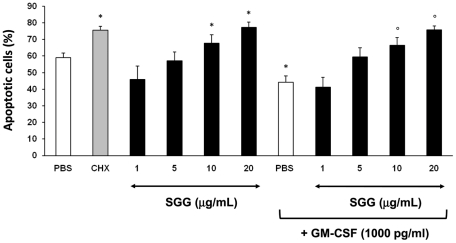
“fumigatus is known to shed galactosaminogalactan into the environment and thereby induces apoptosis of polymorphonuclear neutrophils [81].”
BackgroundChen, Y., Stewart, J. I. P., Liu, S., Sheppard, D. C., Lu, L., & Zhang, S. (2022) · Applied and Environmental Microbiology · doi:10.1128/aem.01535-21 · Cited by 14
“(GalN) that is bound to the outer cell wall and found within the extracellular matrix of biofilms of Aspergillus species (6, 11).”
BackgroundIbrahim, M. I. A., Ibrahim, H. A. H., Haga, T., Ishida, A., Nehira, T., Matsuo, K., & Gad, A. M. (2024) · Journal of Fungi · doi:10.3390/jof10090659 · Cited by 14
“For example, Aspergillus fumigatus produces a linear heterogeneous polysaccharide composed of galactose and N-acetylgalactosamine linked through α 1-4 bonds, demonstrating immunosuppressive activity [21].”
BackgroundOstapska, H., Raju, D., Corsini, R., Lehoux, M., Lacdao, I., Gilbert, S., Sivarajah, P., Bamford, N. C., Baker, P., Gravelat, F. N., et al. (2022) · Antimicrobial Agents and Chemotherapy · doi:10.1128/aac.00052-22 · Cited by 15
“partially deacetylated GalNAc residues (39).”
Sun, W., Liu, L., Yu, Y., Yu, B., Liang, C., Ying, H., Liu, D., & Chen, Y. (2020) · ACS Omega · doi:10.1021/acsomega.0c02501 · Cited by 14
Ostapska, H., Raju, D., Lehoux, M., Lacdao, I., Gilbert, S., Sivarajah, P., Bamford, N. C., Baker, P., Nguyen, T. T. M., Zacharias, C. A., et al. (2021) · mBio · doi:10.1128/mbio.02446-21 · Cited by 14
“secreted during vegetative growth and is found both bound to hyphae and within the matrix of fungal biofilms (4, 5, 8).”
BackgroundHuang, S., Huang, C., Chou, K., Chan, Y., Yang, Y., & Wang, F. (2021) · Journal of Fungi · doi:10.3390/jof7100842 · Cited by 14
“For example, galactosaminogalactan (GAG) can trigger polymorphologic neutrophil (PMN) apoptosis [28] and chemotaxis [29].”
BackgroundSzymczak-Kulus, K., Czerwiński, M., & Kaczmarek, R. (2024) · Cellular & Molecular Biology Letters · doi:10.1186/s11658-024-00658-7 · Cited by 13
“However, a similar structure (Galα1 → [4GalNAcα1 → 4Galα1] n → 4GalNAc) was identified in galactosa-minogalactan secreted by Aspergillus fumigatus [22].”
BackgroundRevisiting Old Questions and New Approaches to Investigate the Fungal Cell Wall Construction
Blatzer, M., Beauvais, A., Henrissat, B., & Latgé, J. (2020) · Current topics in microbiology and immunology · doi:10.1007/82_2020_209 · Cited by 13
Self-citationFungal Extracellular Vesicles in Pathophysiology
Garcia‐Ceron, D., Bleackley, M. R., & Anderson, M. A. (2021) · Sub-cellular biochemistry/Subcellular biochemistry · doi:10.1007/978-3-030-67171-6_7 · Cited by 13
Neves, G. W. P., Curty, N., Kubitschek-Barreira, P. H., Fontaine, T., Souza, G. H. M. F., Cunha, M. L., Goldman, G. H., Beauvais, A., Latgé, J., & Lopes-Bezerra, L. M. (2016) · Journal of Proteomics · doi:10.1016/j.jprot.2016.06.015 · Cited by 14
Self-citationShepardson, K. M., & Cramer, R. A. (2013) · Current Opinion in Microbiology · doi:10.1016/j.mib.2013.03.003 · Cited by 13
Temme, J. S., Tan, Z., Li, M., Yang, M., Wlodawer, A., Huang, X., Schneekloth, J. S., & Gildersleeve, J. C. (2024) · Cell chemical biology · doi:10.1016/j.chembiol.2024.11.005 · Cited by 12
The Carbohydrate Lectin Receptor Dectin-1 Mediates the Immune Response to Exserohilum rostratum
Reedy, J. L., Negoro, P. E., Feliu, M., Lord, A. K., Khan, N. S., Lukason, D. P., Wiederhold, N. P., Tam, J. M., Mansour, M. K., Patterson, T. F., et al. (2016) · Infection and Immunity · doi:10.1128/iai.00903-16 · Cited by 12
Amyx‐Sherer, K., & Reichhardt, C. (2023) · Magnetic Resonance in Chemistry · doi:10.1002/mrc.5405 · Cited by 11
Daoudi, A., Abdel-Satter, E., & Aarab, L. (2013) · Journal of Plant Studies · doi:10.5539/jps.v3n1p56 · Cited by 11
“cubeba L, evokes us to consider what could be used in the phytotherapy in camparison with the lectins from bacteria and fungus that cause immunosuppression for its opportunistic infection and immunopathological complications during its immunosuppressive effects (Beuth et al., 1987; van de Veerdonk et al., 2008; Fontai…”
BackgroundLouis, B., Yekwa, E. L., Subhani, M. N., Tambo, E., Nawaz, K., Hetsa, B. A., Iftikhar, S., Waikhom, S. D., & Roy, P. (2017) · Infection and Drug Resistance · doi:10.2147/idr.s147331 · Cited by 11
Seegers, C., Lee, D. J., Zarnovican, P., Kirsch, S. H., Müller, R., Haselhorst, T., & Routier, F. H. (2023) · International Journal of Molecular Sciences · doi:10.3390/ijms24031851 · Cited by 10
“Although Agd3 and PelA act on similar α1,4-linked GalNAc containing heteropolymer in vivo [42,43], p-nitrophenyl acetate was not a substrate of Agd3.”
Production of fungal biopolymers and their advanced applications
Delattre, C., Cabrera‐Barjas, G., Banerjee, A., Rodriguez-Llamazares, S., Pierre, G., Dubessay, P., Michaud, P., & Zamani, A. (2023) · Elsevier eBooks · doi:10.1016/b978-0-323-91872-5.00001-6 · Cited by 10
Biology and Function of Exo-Polysaccharides from Human Fungal Pathogens
Chung, K. Y., & Brown, J. C. S. (2020) · Current Clinical Microbiology Reports · doi:10.1007/s40588-020-00137-5 · Cited by 10
The role of Galactose in human health and disease
Hussain, M. R. M., Hassan, M., Shaik, N. A., & Iqbal, Z. (2012) · Open Medicine · doi:10.2478/s11536-012-0022-z · Cited by 10
“Such diverse pathologic functions are associated with Gal residue, mimicking or binding the evolutionary isoforms of pathogen binding proteins [8-12].”
BackgroundLagree, K., & Mitchell, A. P. (2017) · ASM Press eBooks · doi:10.1128/9781555819583.ch42 · Cited by 10
Kre6-dependent β-1,6-glucan biosynthesis only occurs in the conidium of Aspergillus fumigatus
Singh, K., Henry, C., Mouyna, I., Beauvais, A., Xu, Y., Karai, A., van Rhijn, N., Latgé, J., & Wang, T. (2025) · mSphere · doi:10.1128/msphere.00341-25 · Cited by 8
Self-citationZhang, Y., Gómez‐Redondo, M., Jiménez‐Osés, G., Ardá, A., Overkleeft, H. S., van der Marel, G. A., Jiménez‐Barbero, J., & Codée, J. D. C. (2020) · Angewandte Chemie · doi:10.1002/ange.202003951 · Cited by 8
Liu, S., Lu, X., Dai, M., & Zhang, S. (2023) · Molecular Microbiology · doi:10.1111/mmi.15179 · Cited by 8
“GAG is a cationic linear heteropolymer composed of α - 1,4-linked galactose, N - acetylgalactosamine (GalNAc), and galactosamine (GalN) (Fontaine et al., 2011 ; Speth et al., 2019).”
BackgroundC-type Lectins in Immunity to Lung Pathogens
Raymond, B. B. A., Neyrolles, O., & Rombouts, Y. (2020) · Current topics in microbiology and immunology · doi:10.1007/82_2020_197 · Cited by 8
Ouyang, H., Zhang, Y., Zhou, H., Ma, Y., Li, R., Yang, J., Wang, X., & Jin, C. (2021) · Frontiers in Cellular and Infection Microbiology · doi:10.3389/fcimb.2021.780959 · Cited by 7
Neves, G. W. P., Curty, N., Kubitschek-Barreira, P. H., Fontaine, T., Souza, G. H. M. F., Cunha, M. L., Goldman, G. H., Beauvais, A., Latgé, J., & Lopes-Bezerra, L. M. (2016) · Data in Brief · doi:10.1016/j.dib.2016.07.062 · Cited by 7
“For the interaction assays, HUVEC monolayers were infected with germlings of A. fumigatus WT and Δugm1 strains, and with purified GAG (1 mg/mL), as described previously [1].”
MethodSelf-citationGroß, M., Dika, B., Loos, E., Aliyeva‐Schnorr, L., & Deising, H. B. (2024) · Molecular Microbiology · doi:10.1111/mmi.15242 · Cited by 6
“Galactomannan contributes to fungal cell wall architecture and function (Fontaine et al., 2000 , 2011 ; Gravelat et al., 2013; Lamarre et al., 2009 ; Lee et al., 2014 ).”
BackgroundKadooka, C., Yakabe, S., Hira, D., Futagami, T., Goto, M., & Oka, T. (2025) · Fungal Genetics and Biology · doi:10.1016/j.fgb.2025.103972 · Cited by 6
Zhang, C., Liu, X., Zhang, S., Liu, J., Wu, Z., Yang, Q. X., Liu, Q., Zhou, B., Lin, Q., & Tang, C. (2025) · Molecular Microbiology · doi:10.1111/mmi.70008 · Cited by 6
Manipulation of fungal cell wall integrity to improve production of fungal natural products
Liu, H., Luo, Z., & Rao, Y. (2023) · Advances in applied microbiology · doi:10.1016/bs.aambs.2023.07.005 · Cited by 6
Gupta, L., Hoda, S., Vermani, M., & Vijayaraghavan, P. (2021) · Mycological Progress · doi:10.1007/s11557-021-01677-w · Cited by 6
Challenges posed by fungi to host immunity: Mechanisms of immune evasion
Gu, Y., Wang, H., Wang, Y.-S., Wang, L., & Jia, X.-M. (2026) · hLife · doi:10.1016/j.hlife.2025.12.008 · Cited by 5
“Furthermore, GXM induces NK cell-dependent apoptosis of polymorphonuclear neutrophils (PMNs) and inhibits their chemotaxis [87,106].”
Filamentous Fungi Extracellular Vesicles
Gonçalves, T., Oliveira, J., & Fernandes, C. (2021) · Current topics in microbiology and immunology · doi:10.1007/978-3-030-83391-6_5 · Cited by 5
Subinhibitory effects of 2,4-diacetylphloroglucinol on filamentous fungus Aspergillus fumigatus
Stepanov, A. A., Vasilchenko, A. V., & Vasilchenko, A. S. (2023) · Journal of Applied Microbiology · doi:10.1093/jambio/lxad294 · Cited by 5
Cell Wall Biosynthesis in Filamentous Fungi
Oka, T., Futagami, T., & Goto, M. (2015) · Springer eBooks · doi:10.1007/978-4-431-55248-2_10 · Cited by 5
Sialic acid metabolism in the opportunistic fungal pathogen, Aspergillus fumigatus
Yeung, J. H. F. (2015) · Summit (Simon Fraser University) · Cited by 5
Pérez, C. I., Figueroa, F. A., Tello, I., Abdala‐Díaz, R., Marí‐Beffa, M., Salazar-Vidal, V. E., Becerra, J., Gavilán, J., & Fuentealba, J. (2025) · Journal of Fungi · doi:10.3390/jof11090637 · Cited by 4
“Notably, CePs contain only 0.90% galactose, significantly less than species like Aspergillus fumigatus , which has higher levels [64].”
InfluentialMazheika, I. S., & Kamzolkina, O. V. (2025) · Archives of Microbiology · doi:10.1007/s00203-025-04271-w · Cited by 4
“The GAG chain consists of residues of galactosamine, galactosamine acetate, and galactose with an α-1–4 bond (Fontaine et al. 2011; Chihara et al. 2020; Garcia-Rubio et al. 2020; Gautam et al. 2024a).”
Evaluating the Potential of Galactosaminogalactan as a Diagnostic Target for Invasive Aspergillosis
Takazono, T., Machida, K., Mauff, F. L., Sheppard, D. C., Koga, S., Namie, H., Hishigaki, H., Amata, J., Ito, Y., Nakada, N., et al. (2025) · Mycoses · doi:10.1111/myc.70125 · Cited by 4
“Unlike mice, GAG-specific antibodies are found in most human populations, even in individuals without a history of Aspergillus infection [12].”
Nikhil, A., Tiwari, A. K., Tilak, R., Kumar, S., Bharti, P. S., Pandey, P. C., Narayan, R. J., & Gupta, M. K. (2024) · Applied Sciences · doi:10.3390/app14166926 · Cited by 5
“Galactosaminogalactan comprises α -1-4 linked galactose and α -1-4 linked N-acetyl galactosamine residues [60].”
BackgroundEvasion of adaptive immune defenses by the lethal chytrid fungus Batrachochytrium dendrobatidis
Fites, J. S. (2014) · Cited by 4
King, J., Dambuza, I. M., Reid, D. M., Yuecel, R., Brown, G. D., & Warris, A. (2023) · Frontiers in Cellular and Infection Microbiology · doi:10.3389/fcimb.2023.1241770 · Cited by 3
“nidulans, has been shown to have potent anti-inflammatory effects in murine models of IA, reducing neutrophil recruitment (Fontaine et al., 2011), concealing bglucans from the host immune system (Gravelat et al.”
BackgroundAspergillus Cell Surface Structural Analysis and Its Applications to Industrial and Medical Use
Miyazawa, K., Umeyama, T., Yoshimi, A., Abe, K., & Miyazaki, Y. (2024) · Medical Mycology Journal · doi:10.3314/mmj.24.007 · Cited by 3
Host immune responses to fungal infection
García-Carnero, L. C., Gómez-Gaviria, M., Tamez-Castrellón, A. K., & Mora-Montes, H. M. (2024) · Elsevier eBooks · doi:10.1016/b978-0-12-818619-0.00136-2 · Cited by 3
Characterization of the Neurospora crassa Galactosaminogalactan Biosynthetic Pathway
Chatrath, A., Dey, P., Greeley, K., Maciel, G., Huang, L., Heiß, C., Black, I. M., Azadi, P., & Free, S. J. (2024) · Microorganisms · doi:10.3390/microorganisms12081509 · Cited by 3
“…are long polymers of α -1,4-linked galactose, galactosamine, and N -acetylgalactosamine residues which are thought to adopt an elongated, nearly straight confirmation with the amino groups ( N -acetylgalactosamine and galactosamine) pointing to the solvent and available for binding partners [1,2].”
BackgroundInfluentialMicroRNA regulation and host interaction in response to Aspergillus exposure
Shrivastava, M., PANDEY, D., Sharma, P., & Singh, R. (2021) · Biocell · doi:10.32604/biocell.2022.016822 · Cited by 3
Gening, M. L., Polyanskaya, A. V., Kuznetsov, A. N., Tsvetkov, Y. E., Yudina, O. N., Yashunsky, D. V., Tsarapaev, P. V., Kushlinskiy, N. E., Krylov, V. B., & Nifantiev, N. E. (2024) · Russian Chemical Bulletin · doi:10.1007/s11172-024-4262-2 · Cited by 3
dos Reis, T. F., Delbaje, E., Pinzan, C. F., Bastos, R. W., Ackloo, S. Z., Fallah, S., Laflamme, B., Robbins, N., Cowen, L. E., & Goldman, G. H. (2025) · Microbiology Spectrum · doi:10.1128/spectrum.03318-24 · Cited by 2
“In addition, these treatments commonly fail due to host complication issues or the emergence of antifungal resistance (14, 27–34).”
Tsiouri, O., Argyri, A., Skiada, V., Avramidou, M., Dadami, E., Vasileiadis, S., & Papadopoulou, K. Κ. (2026) · Scientific Reports · doi:10.1038/s41598-026-47792-0 · Cited by 2
“In our comparison, the GH135 fungal CAZyme category is present only in FsK. GH135 enzymes catalyse the breakdown of galactosaminogalactan, an exopolysaccharide composed of galactose and N-acetylgalactosamine that was found to be secreted from fungal pathogens 60 .”
Next-generation drug delivery systems for aspergillosis: Overcoming barriers in antifungal therapy
Martins, Y. A., Anselmo‐Lima, W. T., Tamashiro, E., Ho, E. A., & Valera, F. C. P. (2026) · Biomedicine & Pharmacotherapy · doi:10.1016/j.biopha.2026.119691 · Cited by 2
Luong, J. H. T., & Gedanken, A. (2026) · Biotechnology Advances · doi:10.1016/j.biotechadv.2026.108994 · Cited by 3
Aspergillus- Human Interactions: From the Environment to Clinical Significance
Thammahong, A. (2022) · IntechOpen eBooks · doi:10.5772/intechopen.98509 · Cited by 2
Pratt–Hyatt, M. (2020) · Elsevier eBooks · doi:10.1016/b978-0-323-43044-9.00138-2 · Cited by 2
8 The Cell Wall Polysaccharides of Aspergillus fumigatus
Lee, M. J., & Sheppard, D. C. (2016) · Springer eBooks · doi:10.1007/978-3-319-27790-5_8 · Cited by 2
When Aspergillus fumigatus Meets the Man
Wong, S. S. W., & Latgé, J. (2017) · Springer eBooks · doi:10.1007/978-3-319-64113-3_4 · Cited by 2
Self-citation
Metadata
- Authors
- Fontaine, T., Delangle, A., Simenel, C., Coddeville, B., van Vliet, S. J., van Kooyk, Y., Bozza, S., Moretti, S., Schwarz, F., Trichot, C., Aebi, M., Delepierre, M., Elbim, C., Romani, L., & Latgé, J.-P.
- Affiliations
- Institut Pasteur (FR)
- Centre National de la Recherche Scientifique (FR)
- University of Perugia (IT)
- ETH Zurich (CH)
- Université Pierre-et-Marie-Curie (FR)
- Corresponding author
- Fontaine, Thierry
- ORCID
- Venue
- PLoS Pathogens
- Publisher
- Public Library of Science (PLoS)
- Published
- 2011-11-10
- Volume
- 7
- Issue
- 11
- Pages
- e1002372
- ISSN
- 1553-7366 (ISSN-L)
- 1553-7374
- PMC
- PMC3213105
- OpenAlex
- W2168733333
- Cited by
- 241
- References
- 62
- Citations by year
- 2026: 11 · 2025: 17 · 2024: 20 · 2023: 16 · 2022: 13 · 2021: 27 · 2020: 27 · 2019: 14 · 2018: 16 · 2017: 20 · 2016: 15 · 2015: 18 · 2014: 13 · 2013: 9 · 2012: 4
- FWCI
- 5.82
- Type
- journal article
- Language
- en
- Open access
- gold
- doi.org
- Locations
- PLoS Pathogens (publishedVersion, cc-by)
- Europe PMC (PubMed Central) (publishedVersion, cc-by)
- PubMed Central (publishedVersion, cc-by)
- PubMed (publishedVersion)
- Amsterdam UMC (VU Amsterdam) - Institutional Repository (acceptedVersion, other-oa)
- Pure Amsterdam UMC (submittedVersion, other-oa)
- Repository for Publications and Research Data (ETH Zurich) (submittedVersion, cc-by)
- HAL (submittedVersion, cc-by)
- Université Pierre et Marie CURIE (UPMC) (submittedVersion, cc-by)
- Digital Academic REpository of VU University Amsterdam (Vrije Universiteit Amsterdam) (submittedVersion)
- DOAJ (DOAJ: Directory of Open Access Journals) (submittedVersion, cc-by-sa)
- Figshare (submittedVersion, cc-by)
- Data Archiving and Networked Services (DANS) (submittedVersion, other-oa)
- ETH Zürich Research Collection (cc-by)
- Funders
- Agence Nationale de la Recherche (ANR-06-EMPB-0011)
- Topics
- Health Sciences › Medicine › Infectious Diseases › Antifungal resistance and susceptibility
- Life Sciences › Biochemistry, Genetics and Molecular Biology › Molecular Biology › Glycosylation and Glycoproteins Research
- Life Sciences › Biochemistry, Genetics and Molecular Biology › Molecular Biology › Fungal and yeast genetics research
- Keywords
- galactosaminogalactan, Aspergillus fumigatus, fungal polysaccharides, immunosuppression, cross-reactive antibodies, fungal virulence, neutrophil infiltration
- MeSH terms
- Animals, Antibodies, Fungal, Epitopes, Antigens, Fungal, Aspergillosis, Aspergillus fumigatus, Carbohydrate Conformation, Carbohydrate Sequence, Cell Wall, Cross Reactions, Female, Humans, Immunosuppressive Agents, Macrophages, Mice, Inbred C57BL, Neutrophils, Magnetic Resonance Spectroscopy, Polysaccharides, Apoptosis, Spectrometry, Mass, Matrix-Assisted Laser Desorption-Ionization, Neutrophil Infiltration, Mice, Host-Pathogen Interactions
About these checks
Registry, retraction, Cites and statistics results are computed, not judged, with one exception: a printed reference that no index lists is read once by a model before it counts as a citation error. Claims are extracted by a model and kept only when their quote appears verbatim in the text; each cited source is then checked, with a model’s help, for whether it says what the claim relies on. Those verdicts can be wrong — read the claim’s quote and the cited source before relying on one.
Statistics and arithmetic are recomputed, not judged.
Confidence bands are shown only for fields calibrated on our annotated test set. None is calibrated yet, so no band is shown.
What counts as a claim ›How we measure confidence ›How we check this ›
Are you an author, or do you see a problem with this page? Request a review
Data sources
Bibliographic data: Semantic Scholar, OpenAlex, Crossref.
Contains information from the Semantic Scholar Academic Graph Datasets, made available under the ODC Attribution License (ODC-BY 1.0).
Semantic Scholar’s data is described in: Kinney, R., et al. (2023). The Semantic Scholar Open Data Platform. arXiv:2301.10140.
