

Phosphorylation of Calcineurin at a Novel Serine-Proline Rich Region Orchestrates Hyphal Growth and Virulence in Aspergillus fumigatus
Open accessThe DOI matches its Crossref record; 53 of the 53 references it cites were found in a registry or an index.
Abstract
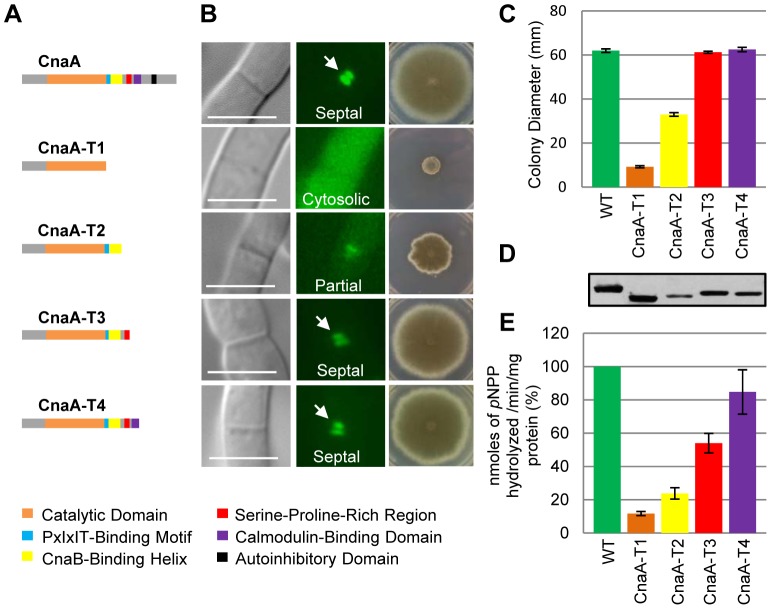
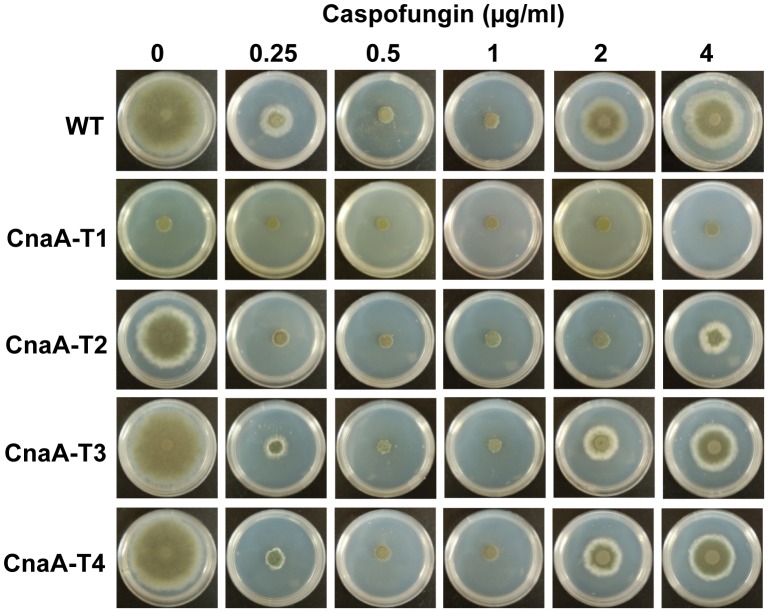
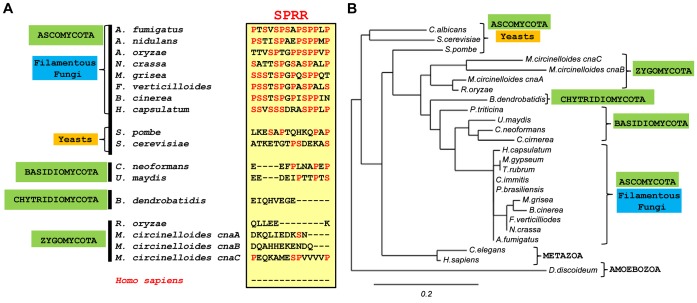
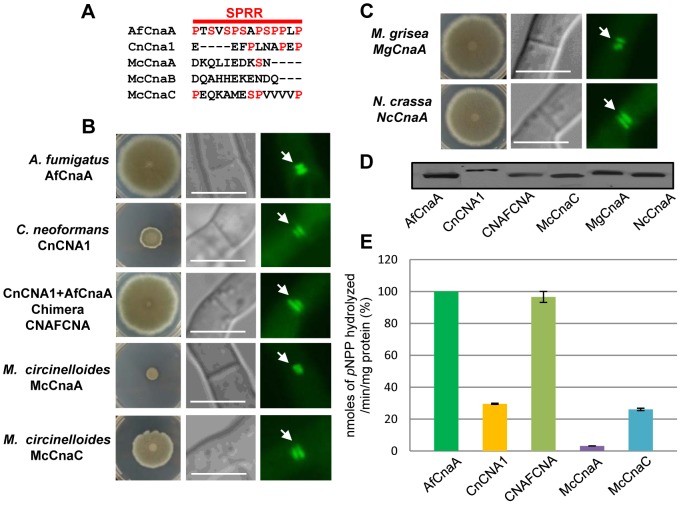
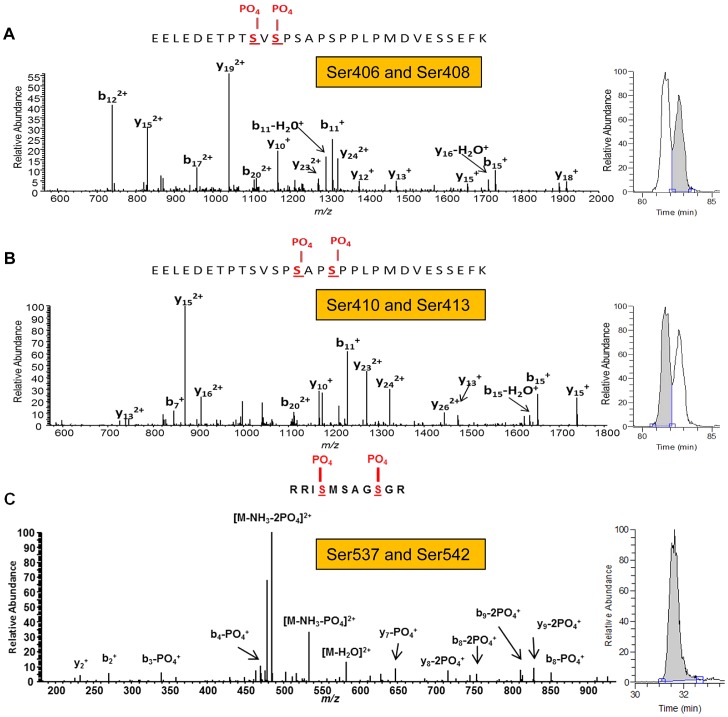
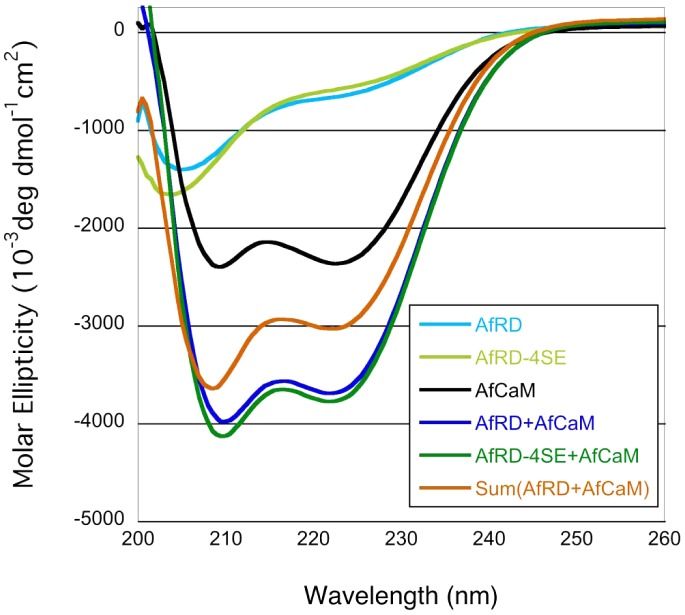
The fungus Aspergillus fumigatus is a leading infectious killer in immunocompromised patients. Calcineurin, a calmodulin (CaM)-dependent protein phosphatase comprised of calcineurin A (CnaA) and calcineurin B (CnaB) subunits, localizes at the hyphal tips and septa to direct A. fumigatus invasion and virulence. Here we identified a novel serine-proline rich region (SPRR) located between two conserved CnaA domains, the CnaB-binding helix and the CaM-binding domain, that is evolutionarily conserved and unique to filamentous fungi and also completely absent in human calcineurin. Phosphopeptide enrichment and tandem mass spectrometry revealed the phosphorylation of A. fumigatus CnaA in vivo at four clustered serine residues (S406, S408, S410 and S413) in the SPRR. Mutation of the SPRR serine residues to block phosphorylation led to significant hyphal growth and virulence defects, indicating the requirement of calcineurin phosphorylation at the SPRR for its activity and function. Complementation analyses of the A. fumigatus ΔcnaA strain with cnaA homologs from the pathogenic basidiomycete Cryptococcus neoformans, the pathogenic zygomycete Mucor circinelloides, the closely related filamentous fungi Neurospora crassa, and the plant pathogen Magnaporthe grisea, revealed filamentous fungal-specific phosphorylation of CnaA in the SPRR and SPRR homology-dependent restoration of hyphal growth. Surprisingly, circular dichroism studies revealed that, despite proximity to the CaM-binding domain of CnaA, phosphorylation of the SPRR does not alter protein folding following CaM binding. Furthermore, mutational analyses in the catalytic domain, CnaB-binding helix, and the CaM-binding domains revealed that while the conserved PxIxIT substrate binding motif in CnaA is indispensable for septal localization, CaM is required for its function at the hyphal septum but not for septal localization. We defined an evolutionarily conserved novel mode of calcineurin regulation by phosphorylation in filamentous fungi in a region absent in humans. These findings suggest the possibility of harnessing this unique SPRR for innovative antifungal drug design to combat invasive aspergillosis.
Overview
The claims and statistics of this paper haven’t been checked yet.
Free: it reads the open-access text and checks the first 5 claims that cite a source we can check. Create a free account to check every claim.
Integrity signals
Registry
Cites
Statistics
Figures
Verification
Claims the paper makes
The claims and statistics of this paper haven’t been checked yet.
Free: it reads the open-access text and checks the first 5 claims that cite a source we can check. Create a free account to check every claim.
Claims other papers make about this one
Each is checked against this paper’s own text: does it say what the citing paper says it does?
The cited source says what the claim attributes to it.
In the citing paper
“While CaM, the key protein known to activate calcineurin, is not required for septal localization of CnaA, it is required for calcineurin function at the hyphal septum and the PxIxIT substrate binding motif in CnaA is required for its localization at the hyphal septum.”
From Calcineurin as a multifunctional regulator: Unraveling novel functions in fungal stress responses, hyphal growth, drug resistance, and pathogenesis (2014) · cites this paper as Juvvadi et al., 2013
The check wasn’t confident either way, so it gives no verdict — never disputed.
In the citing paper
“A crzA mutant is impaired in germination, cell wall integrity, and virulence, confirming the essential role of Ca metabolism in A. fumigatus life (381–386).”
From Aspergillus fumigatus and Aspergillosis in 2019 (2019) · cites this paper as [384]
Experimental — accuracy not yet measuredIn the citing paper
“During the course of analyzing the various conserved regions in CnaA, we recently identified a filamentous fungal-specific novel linker domain between the CnBBH and the CaMBD which we designated as the “Serine Proline Rich Region (SPRR)” (Juvvadi et al., 2013).”
From Calcineurin as a multifunctional regulator: Unraveling novel functions in fungal stress responses, hyphal growth, drug resistance, and pathogenesis (2014) · cites this paper as Juvvadi et al., 2013
In the citing paper
“The recent identification of key regions for calcineurin function that are unique to fungi and absent in humans is a promising step towards the development of such novel antifungal therapies (Juvvadi et al., 2013).”
From Calcineurin as a multifunctional regulator: Unraveling novel functions in fungal stress responses, hyphal growth, drug resistance, and pathogenesis (2014) · cites this paper as Juvvadi et al., 2013
Self-check
Percentages, sums and reported differences re-computed from the paper’s own numbers.
The self-check needs the paper’s full text.
Citations
Cites
A Calcineurin-Dependent Transcriptional Pathway for Cardiac Hypertrophy
Molkentin, J. D., Lu, J.-R., Antos, C. L., Markham, B., Richardson, J., Robbins, J., Grant, S. R., & Olson, E. N. (1998) · Cell · doi:10.1016/s0092-8674(00)81573-1 · Cited by 2,566
Identification of calcineurin as a key signalling enzyme in T-lymphocyte activation
Clipstone, N. A., & Crabtree, G. R. (1992) · Nature · doi:10.1038/357695a0 · Cited by 1,637
Cohen, P., & Frame, S. (2001) · Nature Reviews Molecular Cell Biology · doi:10.1038/35096075 · Cited by 1,478 · cited 1×
“Because GSK-3b recognizes two substrate motifs characterized by either primed or non-primed phosphorylation sites at serine/ threonine-proline rich motifs, and a majority of GSK-3 substrates are formed via prior phosphorylation by an additional kinase at position P+4 (pS/TXXXpS/T) [41], a combination of the two kinase…”
BackgroundKontoyiannis, D. P., Marr, K. A., Park, B. J., Alexander, B. D., Anaissie, E. J., Walsh, T. J., Ito, J., Andes, D. R., Baddley, J. W., Brown, J. M., et al. (2010) · Clinical Infectious Diseases · doi:10.1086/651263 · Cited by 1,456
Calcineurin: Form and Function
Rusnak, F., & Mertz, P. (2000) · Physiological Reviews · doi:10.1152/physrev.2000.80.4.1483 · Cited by 1,373 · cited 1×
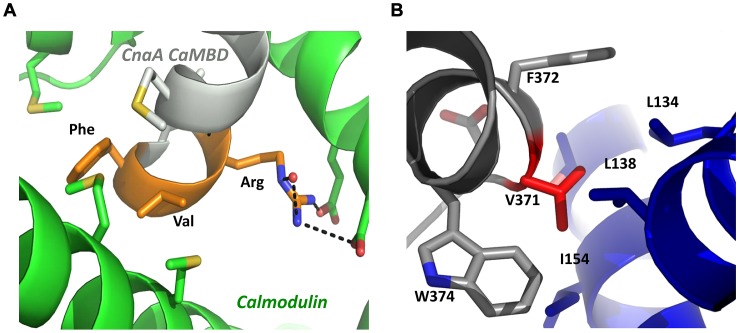
“Phosphorylation of the Serine-Proline Rich Region does not influence changes in conformation following Ca/ calmodulin binding to CnaA Ca/CaM binds to the CaMBD to displace the AID, resulting in calcineurin activation [7].”
BackgroundKay, B. K., Williamson, M. P., & Sudol, M. (2000) · The FASEB Journal · doi:10.1096/fasebj.14.2.231 · Cited by 1,215 · cited 1×
“CnaA is phosphorylated in the Serine-Proline Rich Region The concentration of serine and proline residues in SPRR may create a hydrophobic environment, and the PPLP-motif, predicted to be a WW-domain protein binding motif, may contribute to protein-protein interactions [39].”
BackgroundCa 2+ -Induced Apoptosis Through Calcineurin Dephosphorylation of BAD
Wang, H.-G., Pathan, N., Ethell, I. M., Krajewski, S., Yamaguchi, Y., Shibasaki, F., McKeon, F., Bobo, T., Franke, T. F., & Reed, J. C. (1999) · Science · doi:10.1126/science.284.5412.339 · Cited by 1,132
Levin, D. E. (2011) · Genetics · doi:10.1534/genetics.111.128264 · Cited by 831
The Mechanism of Action of Cyclosporin A and FK506
Ho, S., Clipstone, N., Timmermann, L., Northrop, J., Graef, I., Fiorentino, D., Nourse, J., & Crabtree, G. R. (1996) · Clinical Immunology and Immunopathology · doi:10.1006/clin.1996.0140 · Cited by 677 · cited 1×
“immunophilins leading to host immunosuppression [49].”
Calcineurin: a calcium- and calmodulin-binding protein of the nervous system.
Klee, C. B., Crouch, T. H., & Krinks, M. H. (1979) · Proceedings of the National Academy of Sciences · doi:10.1073/pnas.76.12.6270 · Cited by 579
Regulation of Cell Cycle Progression by Calcium/Calmodulin-Dependent Pathways
Kahl, C. R., & Means, A. R. (2003) · Endocrine Reviews · doi:10.1210/er.2003-0008 · Cited by 496
Interaction of calcineurin with substrates and targeting proteins
Li, H., Rao, A., & Hogan, P. G. (2011) · Trends in Cell Biology · doi:10.1016/j.tcb.2010.09.011 · Cited by 371 · cited 1×
“As a protein phosphatase, calcineurin is known to dephosphorylate specific substrates [26].”
BackgroundClinical epidemiology of 960 patients with invasive aspergillosis from the PATH Alliance registry
Steinbach, W. J., Marr, K. A., Anaissie, E. J., Azie, N., Quan, S.-P., Meier-Kriesche, H.-U., Apewokin, S., & Horn, D. L. (2012) · Journal of Infection · doi:10.1016/j.jinf.2012.08.003 · Cited by 353 · cited 1×
“With a 40–60% mortality rate, invasive aspergillosis, caused by the filamentous fungus Aspergillus fumigatus, is the most frequent fungal cause of mortality [2].”
BackgroundSelf-citationPinning down proline-directed phosphorylation signaling
Lu, K. P., Liou, Y.-C., & Zhou, X. Z. (2002) · Trends in Cell Biology · doi:10.1016/s0962-8924(02)02253-5 · Cited by 349
Calcineurin signaling in Saccharomyces cerevisiae: how yeast go crazy in response to stress.
Cyert, M. S. (2003) · Biochemical and Biophysical Research Communications · doi:10.1016/s0006-291x(03)01552-3 · Cited by 333
Harnessing calcineurin as a novel anti-infective agent against invasive fungal infections.
Steinbach, W. J., Reedy, J. L., Cramer, R. A., Perfect, J. R., & Heitman, J. (2007) · Nature Reviews Microbiology · doi:10.1038/nrmicro1680 · Cited by 313 · cited 1×
“resistant strains, and synergism with existing antifungals [4].”
BackgroundSelf-citationAlkali Metal Cation Transport and Homeostasis in Yeasts
Ariño, J., Ramos, J., & Sychrová, H. (2010) · Microbiology and Molecular Biology Reviews · doi:10.1128/mmbr.00042-09 · Cited by 291
Calcineurin Controls Growth, Morphology, and Pathogenicity in Aspergillus fumigatus
Steinbach, W. J., Cramer, R. A., Perfect, B. Z., Asfaw, Y. G., Sauer, T. C., Najvar, L. K., Kirkpatrick, W. R., Patterson, T. F., Benjamin, D. K., Heitman, J., et al. (2006) · Eukaryotic Cell · doi:10.1128/ec.00139-06 · Cited by 264 · cited 2×
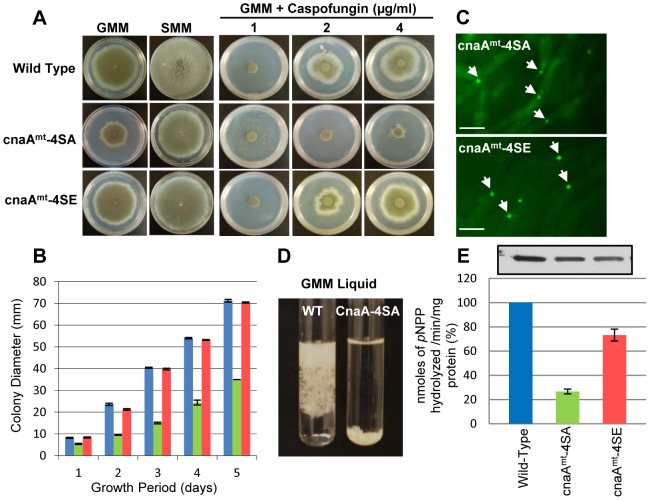
“indicative of osmotic stress and cell wall defects (Figure 8A; SMM panel) similar to our other calcineurin mutant strains [3,36,37,44].”
ResultSelf-citationYakel, J. L. (1997) · Trends in Pharmacological Sciences · doi:10.1016/s0165-6147(97)01046-8 · Cited by 236
Cryptococcus neoformans, a fungus under stress
Brown, S. M., Campbell, L. T., & Lodge, J. K. (2007) · Current Opinion in Microbiology · doi:10.1016/j.mib.2007.05.014 · Cited by 165
GSK-3 kinases enhance calcineurin signaling by phosphorylation of RCNs
Hilioti, Z., Gallagher, D. A., Low-Nam, S. T., Ramaswamy, P., Gajer, P., Kingsbury, T. J., Birchwood, C. J., Levchenko, A., & Cunningham, K. W. (2004) · Genes & Development · doi:10.1101/gad.1159204 · Cited by 161 · cited 1×
“Interestingly, a previous study showed that the yeast Mck1 protein kinase belonging to the GSK-3 kinase family stimulated calcineurin activity by phosphorylating Rcn1, and in the absence of GSK-3 kinase, calcineurin activity was fully inhibited revealing a allosteric mechanism of calcineurin regulation by Rcn1 [50].”
BackgroundFortwendel, J. R., Juvvadi, P. R., Pinchai, N., Perfect, B. Z., Alspaugh, J. A., Perfect, J. R., & Steinbach, W. J. (2009) · Antimicrobial Agents and Chemotherapy · doi:10.1128/aac.01154-08 · Cited by 161
Self-citationKing, M. M., & Huang, C. (1984) · Journal of Biological Chemistry · doi:10.1016/s0021-9258(17)47231-0 · Cited by 157 · cited 1×
“King and Huang [27] first reported that bovine brain calcineurin contains sub-stoichiometric amounts of covalently bound phosphate, suggesting calcineurin regulation by phosphorylation.”
BackgroundFortwendel, J. R., Juvvadi, P. R., Perfect, B. Z., Rogg, L. E., Perfect, J. R., & Steinbach, W. J. (2010) · Antimicrobial Agents and Chemotherapy · doi:10.1128/aac.00854-09 · Cited by 153 · cited 3×
“indicative of osmotic stress and cell wall defects (Figure 8A; SMM panel) similar to our other calcineurin mutant strains [3,36,37,44].”
MethodResultSelf-citationLi, H., Zhang, L., Rao, A., Harrison, S. C., & Hogan, P. G. (2007) · Journal of Molecular Biology · doi:10.1016/j.jmb.2007.04.032 · Cited by 150 · cited 4×
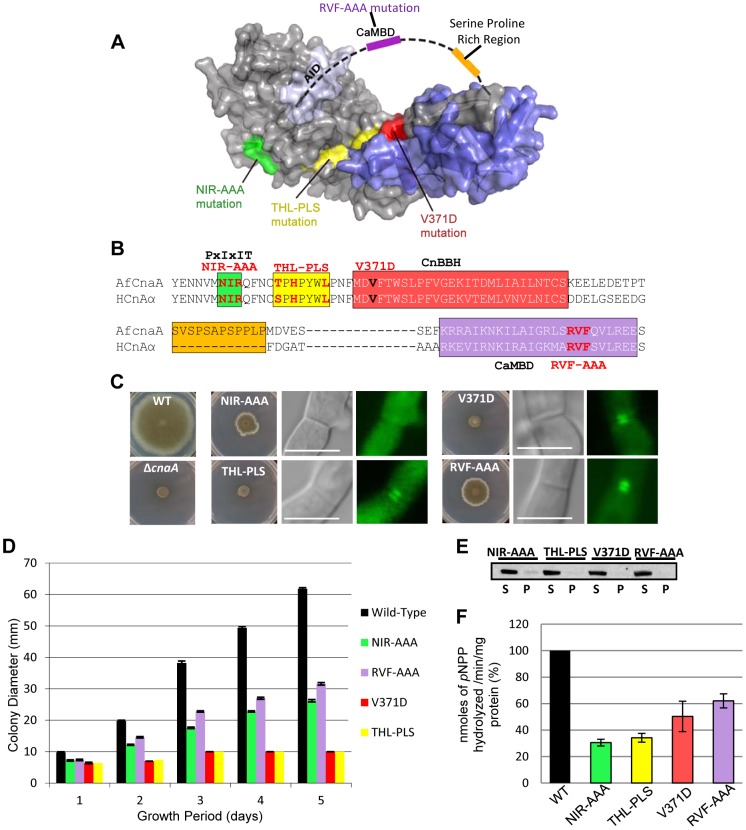
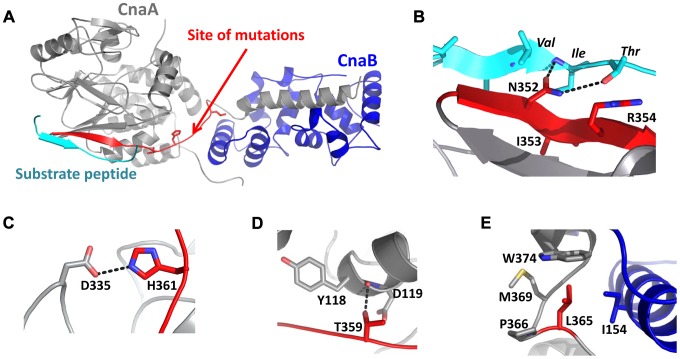
“Mutation of N352, I353, and R354 (NIR-AAA) residues that lie in the substrate recognition b strand of CnaA (Figures 12A and 12B) [38,45], revealed that CnaA localizes at the septum (Figure 10) by likely binding to other proteins, and its septal localization is important for hyphal growth.”
BackgroundMethodInfluentialGood fungi gone bad: The corruption of calcineurin
Fox, D. S., & Heitman, J. (2002) · BioEssays · doi:10.1002/bies.10157 · Cited by 137
In Vitro Interactions between Antifungals and Immunosuppressants against Aspergillus fumigatus
Steinbach, W. J., Schell, W. A., Blankenship, J. R., Onyewu, C., Heitman, J., & Perfect, J. R. (2004) · Antimicrobial Agents and Chemotherapy · doi:10.1128/aac.48.5.1664-1669.2004 · Cited by 135 · cited 1×
“fumigatus [5], they are also immunosuppressive in the host, limiting therapeutic effectiveness.”
BackgroundSelf-citationFunctional characterization of the Aspergillus fumigatus calcineurin
Ferreira, M. E. D. S., Heinekamp, T., Härtl, A., Brakhage, A. A., Semighini, C. P., Harris, S. D., Savoldi, M., de Gouvêa, P. F., Goldman, M. H. D. S., & Goldman, G. H. (2007) · Fungal Genetics and Biology · doi:10.1016/j.fgb.2006.08.004 · Cited by 121
Roy, J., Li, H., Hogan, P. G., & Cyert, M. (2007) · Molecular Cell · doi:10.1016/j.molcel.2007.02.014 · Cited by 112 · cited 2×
“Mutation of N352, I353, and R354 (NIR-AAA) residues that lie in the substrate recognition b strand of CnaA (Figures 12A and 12B) [38,45], revealed that CnaA localizes at the septum (Figure 10) by likely binding to other proteins, and its septal localization is important for hyphal growth.”
BackgroundHarel, A., Bercovich, S., & Yarden, O. (2006) · Molecular Plant-Microbe Interactions® · doi:10.1094/mpmi-19-0682 · Cited by 112
Structural Basis for Activation of Calcineurin by Calmodulin
Rumi-Masante, J., Rusinga, F. I., Lester, T. E., Dunlap, T. B., Williams, T. D., Dunker, A. K., Weis, D. D., & Creamer, T. P. (2012) · Journal of Molecular Biology · doi:10.1016/j.jmb.2011.11.008 · Cited by 96 · cited 1×
“This is consistent with earlier observations of the human regulatory domain bound to Ca/CaM [43].”
ResultSelf-citationRegulation of calcineurin by phosphorylation
Hashimoto, Y., & Soderling, T. R. (1989) · Journal of Biological Chemistry · doi:10.1016/s0021-9258(19)84738-5 · Cited by 90
Hashimoto, Y., King, M. M., & Soderling, T. R. (1988) · Proceedings of the National Academy of Sciences · doi:10.1073/pnas.85.18.7001 · Cited by 88 · cited 3×
“Although this phosphorylation was inhibited upon CaM binding [29], it did not significantly alter the binding of CaM [32].”
BackgroundInfluentialAn essential role of the yeast pheromone-induced Ca2+ signal is to activate calcineurin.
Withee, J. L., Mulholland, J., Jeng, R., & Cyert, M. S. (1997) · Molecular Biology of the Cell · doi:10.1091/mbc.8.2.263 · Cited by 80
Juvvadi, P. R., Fortwendel, J. R., Rogg, L. E., Burns, K. A., Randell, S. H., & Steinbach, W. J. (2011) · Molecular Microbiology · doi:10.1111/j.1365-2958.2011.07886.x · Cited by 80 · cited 9×
“This reconfirmed that CnaA localizes to the septum independent of CnaB, validating our previous findings [36].”
BackgroundMethodResultSelf-citationReedy, J. L., Filler, S. G., & Heitman, J. (2010) · Fungal Genetics and Biology · doi:10.1016/j.fgb.2009.09.002 · Cited by 76
Calcineurin Subunit B Is Required for Normal Vegetative Growth inNeurospora crassa
Kothe, G. O., & Free, S. J. (1998) · Fungal Genetics and Biology · doi:10.1006/fgbi.1998.1037 · Cited by 67
The complex structure of calmodulin bound to a calcineurin peptide
Ye, Q., Wang, H., Zheng, J., Wei, Q., & Jia, Z. (2008) · Proteins Structure Function and Bioinformatics · doi:10.1002/prot.22032 · Cited by 62
Value of an inhalational model of invasive aspergillosis
Steinbach, W. J., Benjamin Jr, D. K., Trasi, S. A., Miller, J. L., Schell, W. A., Zaas, A. K., Foster, W. M., & Perfect, J. R. (2004) · Medical Mycology · doi:10.1080/13693780410001712034 · Cited by 51 · cited 2×
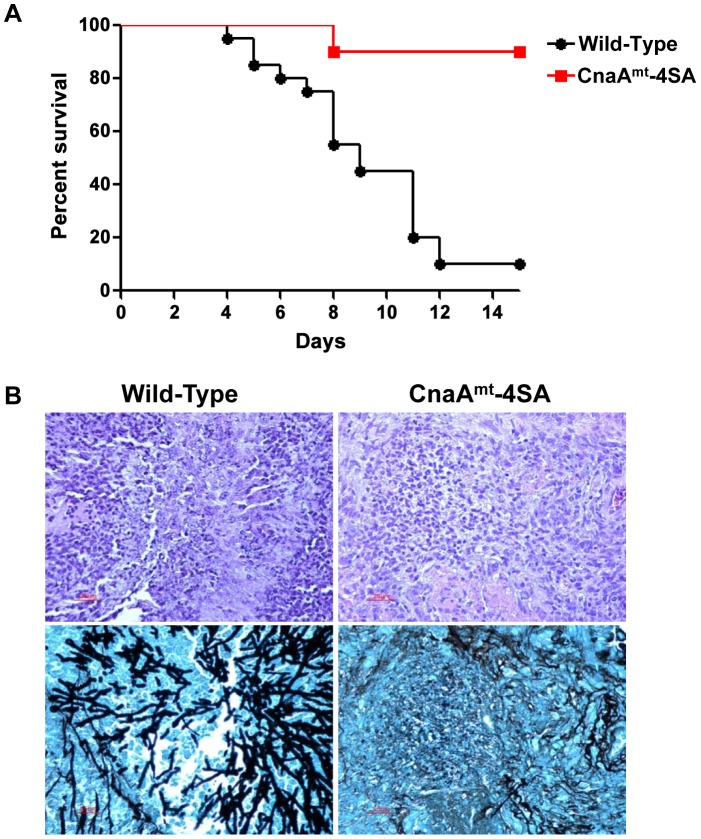
“Two groups of 20 immunosuppressed, unanesthetized mice each inhaled an aerosolized suspension of either AF293 wild-type or CnaA-4SA strain [52].”
MethodSelf-citationJuvvadi, P. R., Kuroki, Y., Arioka, M., Nakajima, H., & Kitamoto, K. (2003) · Archives of Microbiology · doi:10.1007/s00203-003-0546-3 · Cited by 44
Self-citationKume, K., Koyano, T., Kanai, M., Toda, T., & Hirata, D. (2011) · Nature Cell Biology · doi:10.1038/ncb2166 · Cited by 44 · cited 3×
“pombe was shown to be activated after phosphorylation by the check point kinase Cds1 at the similarly positioned serine residue within the CaMBD (S459), and at another site at the C-terminus (S521) [33].”
BackgroundInfluentialLee, Y.-H. (2009) · Journal of Microbiology and Biotechnology · doi:10.4014/jmb.0804.268 · Cited by 43
Juvvadi, P. R., Fortwendel, J. R., Pinchai, N., Perfect, B. Z., Heitman, J., & Steinbach, W. J. (2008) · Eukaryotic Cell · doi:10.1128/ec.00200-08 · Cited by 42 · cited 1×
“We subsequently showed that the calcineurin complex (CnaA and CnaB) localizes at both the hyphal tips and septa to direct proper hyphal growth and regular septum formation, and that the regulatory subunit (CnaB) is essential for activation of the catalytic subunit (CnaA) in vivo [35,36].”
BackgroundSelf-citationValproic Acid Affects Membrane Trafficking and Cell-Wall Integrity in Fission Yeast
Miyatake, M., Kuno, T., Kita, A., Katsura, K., Takegawa, K., Uno, S., Nabata, T., & Sugiura, R. (2007) · Genetics · doi:10.1534/genetics.107.070946 · Cited by 41 · cited 1×
“In the fission yeast Schizosaccharomyces pombe, calcineurin participates in morphogenesis by affecting septal positioning, spindle body organization, and membrane trafficking [16,17].”
BackgroundCalcineurin is implicated in the regulation of the septation initiation network in fission yeast
Lu, Y., Sugiura, R., Yada, T., Cheng, H., Sio, S. O., Shuntoh, H., & Kuno, T. (2002) · Genes to Cells · doi:10.1046/j.1365-2443.2002.00582.x · Cited by 34 · cited 1×
“In the fission yeast Schizosaccharomyces pombe, calcineurin participates in morphogenesis by affecting septal positioning, spindle body organization, and membrane trafficking [16,17].”
BackgroundGSK3, Snail, and Adhesion Molecule Regulation by Cyclosporine A in Renal Tubular Cells
Berzal, S., Alique, M., Ruiz‐Ortega, M., Egido, J., Ortíz, A., & Ramos, A. M. (2012) · Toxicological Sciences · doi:10.1093/toxsci/kfs108 · Cited by 30 · cited 1×
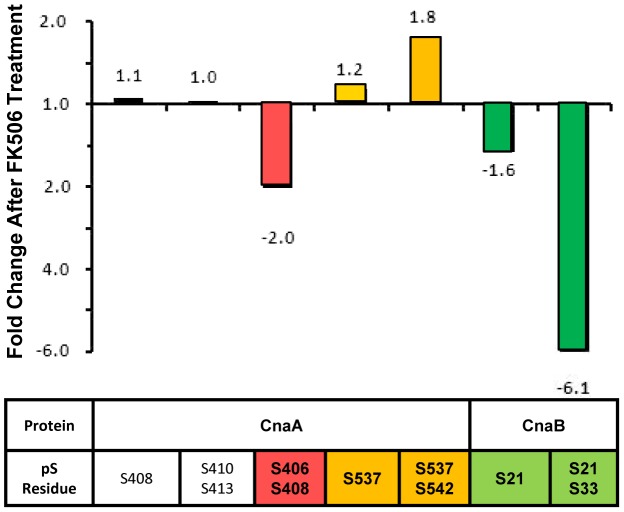
“Based on a recent report on the inactivation of GSK-3 by calcineurin inhibitors, cyclosporine A and tacrolimus (FK506) in renal tubular cells [42], and our result demonstrating the phosphorylation of CnaA by GSK-3b and CK1, it is possible that FK506 inhibits the activity of GSK-3b, resulting in its inability to phosph…”
BackgroundJuvvadi, P. R., Belina, D., Soderblom, E. J., Moseley, M. A., & Steinbach, W. J. (2013) · Biochemical and Biophysical Research Communications · doi:10.1016/j.bbrc.2013.01.020 · Cited by 29 · cited 2×
“Total cell lysates were extracted and normalized to contain ,10 mg protein in each sample before GFP-TrapH affinity purification (Chromotek) and processed for TiO2 phosphopeptide enrichment and mass spectrometry as previously described [51].”
MethodSelf-citationMartensen, T. M., Martin, B. M., & Kincaid, R. L. (1989) · Biochemistry · doi:10.1021/bi00450a002 · Cited by 28
Identification of a Novel Region Critical for Calcineurin Function in Vivo and in Vitro
Jiang, B., & Cyert, M. S. (1999) · Journal of Biological Chemistry · doi:10.1074/jbc.274.26.18543 · Cited by 25 · cited 1×
“residues (S373, H375, and L379) that led to loss of calcineurin activity but did not disrupt calcineurin A binding to Ca/CaM or to calcineurin B [48].”
BackgroundLocalization and function of calmodulin in live-cells of Aspergillus nidulans
Chen, S.-C., Song, Y., Cao, J., Wang, G., Wei, H., Xu, X., & Lü, L. (2009) · Fungal Genetics and Biology · doi:10.1016/j.fgb.2009.12.008 · Cited by 24 · cited 2×
“nidulans [47], and we confirmed this in A.”
BackgroundCalcineurin is implicated in the regulation of the septation initiation network in fission yeast
呂, 亜. (2002) · Kobe University Repository Kernel (Kobe University) · Cited by 22
Phosphorylation of calcineurin by glycogen synthase (casein) kinase-1
Singh, T. J., & Wang, J. H.-C. (1987) · Biochemistry and Cell Biology · doi:10.1139/o87-118 · Cited by 16 · cited 1×
“While bovine calcineurin phosphorylation by CK1 yielded no change in resultant activity [28], its phosphorylation by CaM Kinase II and PKC in the CaMBD (S411) inactivated it and decreased its affinity for substrates [29–31].”
BackgroundPhosphorylation of calcineurin: Effect on calmodulin binding
Calalb, M. B., Kincaid, R. L., & Soderling, T. R. (1990) · Biochemical and Biophysical Research Communications · doi:10.1016/0006-291x(90)90708-u · Cited by 14
Cited by
Aspergillus fumigatus and Aspergillosis in 2019
Latgé, J.-P., & Chamilos, G. (2019) · Clinical Microbiology Reviews · doi:10.1128/cmr.00140-18 · Cited by 1,400
Fungal model systems and the elucidation of pathogenicity determinants
Perez-Nadales, E., Almeida Nogueira, M. F., Baldin, C., Castanheira, S., El Ghalid, M., Grund, E., Lengeler, K., Marchegiani, E., Mehrotra, P. V., Moretti, M., et al. (2014) · Fungal Genetics and Biology · doi:10.1016/j.fgb.2014.06.011 · Cited by 172
“Deletion of the gene encoding the catalytic subunit of calcineurin phosphatase (calA) resulted in a branching defect and limited growth, as well as attenuation of virulence (da Silva Ferreira et al., 2007; Juvvadi et al., 2013).”
BackgroundLiu, S., Hou, Y., Liu, W., Lu, C., Wang, W., & Sun, S. (2015) · Eukaryotic Cell · doi:10.1128/ec.00271-14 · Cited by 174
“(119) have found a novel serineproline-rich region (SPRR) that is evolutionarily conserved and unique to filamentous fungi but completely absent in human calcineurin.”
BackgroundJuvvadi, P. R., Lee, S. C., Heitman, J., & Steinbach, W. J. (2017) · Virulence · doi:10.1080/21505594.2016.1201250 · Cited by 172
“fumigatus calcineurin catalytic subunit.(93) This”
BackgroundSelf-citationCalcineurin-Crz1 Signaling in Lower Eukaryotes
Thewes, S. (2014) · Eukaryotic Cell · doi:10.1128/ec.00038-14 · Cited by 154
Metadata
- Authors
- Juvvadi, P. R., Gehrke, C., Fortwendel, J. R., Lamoth, F., Soderblom, E. J., Cook, E. C., Hast, M. A., Asfaw, Y. G., Moseley, M. A., Creamer, T. P., & Steinbach, W. J.
- Affiliations
- Duke University (US)
- University of Kentucky (US)
- Duke Medical Center (US)
- Corresponding author
- Steinbach, William J.
- ORCID
- Venue
- PLoS Pathogens
- Publisher
- Public Library of Science (PLoS)
- Published
- 2013-08-22
- Volume
- 9
- Issue
- 8
- Pages
- e1003564
- ISSN
- 1553-7366 (ISSN-L)
- 1553-7374
- PMC
- PMC3749960
- OpenAlex
- W2004532071
- Cited by
- 57
- References
- 53
- Citations by year
- 2026: 1 · 2025: 1 · 2023: 2 · 2022: 4 · 2021: 4 · 2020: 5 · 2019: 3 · 2018: 2 · 2017: 8 · 2016: 5 · 2015: 8 · 2014: 12 · 2013: 2
- FWCI
- 4.03
- Type
- journal article
- Language
- en
- Open access
- gold
- doi.org
- Locations
- PLoS Pathogens (publishedVersion, cc-by)
- Europe PMC (PubMed Central) (publishedVersion, cc-by)
- PubMed Central (publishedVersion, cc-by)
- PubMed (publishedVersion)
- SERVAL (Université de Lausanne) (publishedVersion, cc-by)
- IRIS (submittedVersion, cc-by)
- UKnowledge (University of Kentucky) (submittedVersion, cc-by)
- DOAJ (DOAJ: Directory of Open Access Journals) (submittedVersion, cc-by-sa)
- Figshare (submittedVersion, cc-by)
- Funders
- National Science Foundation (0843551)
- North Carolina State University
- Schweizerischer Nationalfonds zur Förderung der Wissenschaftlichen Forschung (142746)
- National Institutes of Health
- U.S. Public Health Service (NIH/NIAID 1 R56 AI077648-01A2)
- National Institute of Allergy and Infectious Diseases (AI052080, R21AI097541, R56AI077648, T32AI052080)
- Division of Molecular and Cellular Biosciences (MCB-0843551)
- Topics
- Life Sciences › Biochemistry, Genetics and Molecular Biology › Molecular Biology › Fungal and yeast genetics research
- Health Sciences › Medicine › Infectious Diseases › Antifungal resistance and susceptibility
- Life Sciences › Biochemistry, Genetics and Molecular Biology › Molecular Biology › Signaling Pathways in Disease
- Keywords
- Aspergillus fumigatus, calcineurin, calcineurin A, protein phosphorylation, hyphal growth, fungal virulence, hyphal septa, calmodulin binding, filamentous fungi, antifungal drug design, Cryptococcus neoformans, Mucor circinelloides, Magnaporthe grisea, Neurospora crassa
- MeSH terms
- Animals, Antifungal Agents, Aspergillosis, Aspergillus fumigatus, Fungal Proteins, Humans, Male, Models, Biological, Phosphorylation, Protein Structure, Tertiary, Calcineurin, Amino Acid Motifs, Hyphae, Mice, Calcineurin Inhibitors
About these checks
Registry, retraction, Cites and statistics results are computed, not judged, with one exception: a printed reference that no index lists is read once by a model before it counts as a citation error. Claims are extracted by a model and kept only when their quote appears verbatim in the text; each cited source is then checked, with a model’s help, for whether it says what the claim relies on. Those verdicts can be wrong — read the claim’s quote and the cited source before relying on one.
Statistics and arithmetic are recomputed, not judged.
Confidence bands are shown only for fields calibrated on our annotated test set. None is calibrated yet, so no band is shown.
What counts as a claim ›How we measure confidence ›How we check this ›
Are you an author, or do you see a problem with this page? Request a review
Data sources
Bibliographic data: Semantic Scholar, OpenAlex, Crossref.
Contains information from the Semantic Scholar Academic Graph Datasets, made available under the ODC Attribution License (ODC-BY 1.0).
Semantic Scholar’s data is described in: Kinney, R., et al. (2023). The Semantic Scholar Open Data Platform. arXiv:2301.10140.
