

Inflammatory Monocytes Orchestrate Innate Antifungal Immunity in the Lung
Open accessThe DOI matches its Crossref record; 77 of the 77 references it cites were found in a registry or an index.
Abstract
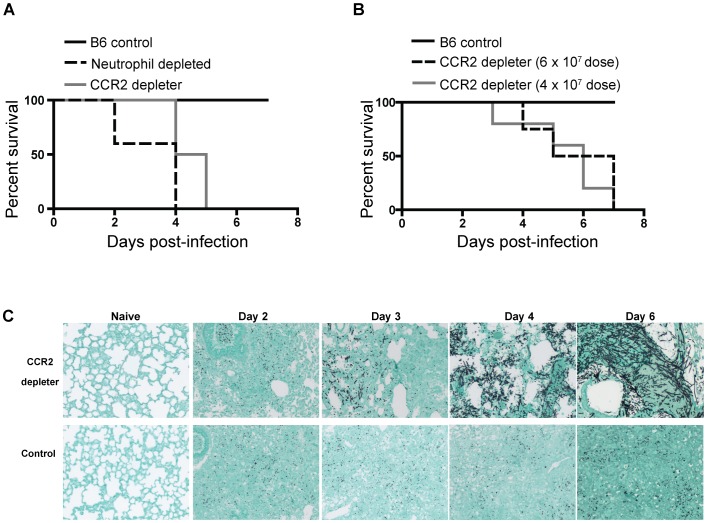
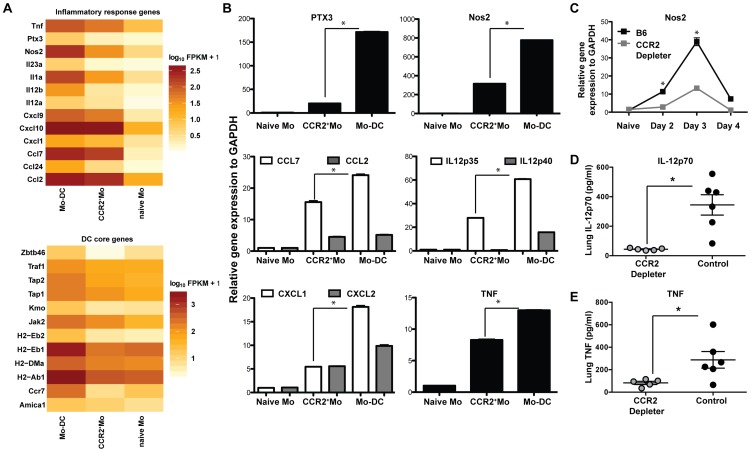
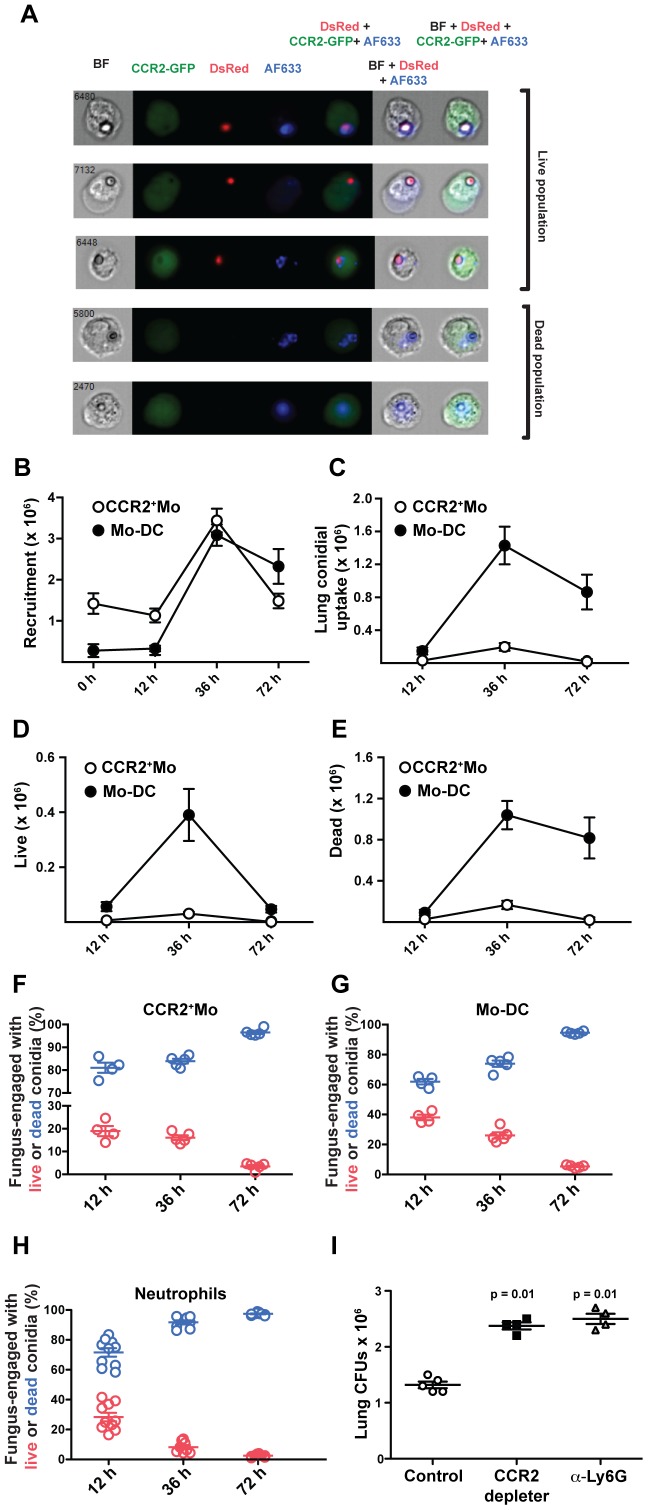
Aspergillus fumigatus is an environmental fungus that causes invasive aspergillosis (IA) in immunocompromised patients. Although -CC-chemokine receptor-2 (CCR2) and Ly6C-expressing inflammatory monocytes (CCR2⁺Mo) and their derivatives initiate adaptive pulmonary immune responses, their role in coordinating innate immune responses in the lung remain poorly defined. Using conditional and antibody-mediated cell ablation strategies, we found that CCR2⁺Mo and monocyte-derived dendritic cells (Mo-DCs) are essential for innate defense against inhaled conidia. By harnessing fluorescent Aspergillus reporter (FLARE) conidia that report fungal cell association and viability in vivo, we identify two mechanisms by which CCR2⁺Mo and Mo-DCs exert innate antifungal activity. First, CCR2⁺Mo and Mo-DCs condition the lung inflammatory milieu to augment neutrophil conidiacidal activity. Second, conidial uptake by CCR2⁺Mo temporally coincided with their differentiation into Mo-DCs, a process that resulted in direct conidial killing. Our findings illustrate both indirect and direct functions for CCR2⁺Mo and their derivatives in innate antifungal immunity in the lung.
Overview
The claims and statistics of this paper haven’t been checked yet.
Free: it reads the open-access text and checks the first 5 claims that cite a source we can check. Create a free account to check every claim.
Integrity signals
Registry
Cites
Statistics
Figures
Verification
Claims the paper makes
The claims and statistics of this paper haven’t been checked yet.
Free: it reads the open-access text and checks the first 5 claims that cite a source we can check. Create a free account to check every claim.
Claims other papers make about this one
Each is checked against this paper’s own text: does it say what the citing paper says it does?
The cited source says what the claim attributes to it.
In the citing paper
“Significant advances have been made in elucidating the main innate immune players and effector pathways for efficient control of Aspergillus infection in mouse models with the use of transgenic mice (189–202).”
From Aspergillus fumigatus and Aspergillosis in 2019 (2019) · cites this paper as [192]
The cited source says what the claim attributes to it.
In the citing paper
“Experimental data of acute pulmonary aspergillosis in mouse models and in patients with primary immunodeficiency with complete absence of cells of lymphoid origin demonstrate that adaptive immunity has a redundant role in protection from invasive disease (192, 196, 206).”
From Aspergillus fumigatus and Aspergillosis in 2019 (2019) · cites this paper as [192]
In the citing paper
“Importantly, inflammatory monocytes have a nonredundant role in innate defense against Aspergillus (192).”
From Aspergillus fumigatus and Aspergillosis in 2019 (2019) · cites this paper as [192]
Self-check
Percentages, sums and reported differences re-computed from the paper’s own numbers.
The self-check needs the paper’s full text.
Citations
Cites
Trapnell, C., Williams, B. A., Pertea, G., Mortazavi, A., Kwan, G., van Baren, M. J., Salzberg, S. L., Wold, B. J., & Pachter, L. (2010) · Nature Biotechnology · doi:10.1038/nbt.1621 · Cited by 15,556
TopHat: discovering splice junctions with RNA-Seq
Trapnell, C., Pachter, L., & Salzberg, S. L. (2009) · Bioinformatics · doi:10.1093/bioinformatics/btp120 · Cited by 11,617
Blood Monocytes Consist of Two Principal Subsets with Distinct Migratory Properties
Geissmann, F., Jung, S., & Littman, D. R. (2003) · Immunity · doi:10.1016/s1074-7613(03)00174-2 · Cited by 3,391 · cited 1×
“Interestingly, CD14CD16(2) monocytes express CCR2 and have been proposed to be analogous to murine CCR2 Mo [63].”
BackgroundFate Mapping Reveals Origins and Dynamics of Monocytes and Tissue Macrophages under Homeostasis
Yona, S., Kim, K.-W., Wolf, Y., Mildner, A., Varol, D., Breker, M., Strauss-Ayali, D., Viukov, S., Guilliams, M., Misharin, A., et al. (2013) · Immunity · doi:10.1016/j.immuni.2012.12.001 · Cited by 3,245 · cited 1×
“In both instances, the development of cell type-specific gene knockout strategies [57] will enable researchers to address these questions.”
BackgroundSerbina, N. V., & Pamer, E. G. (2006) · Nature Immunology · doi:10.1038/ni1309 · Cited by 1,669 · cited 7×
“In these models, the formation of monocyte-derived TNF- and inducible nitric oxide synthase-producing dendritic cells (Tip-DCs) correlated with microbial clearance [31,32,33].”
BackgroundInfluentialQuintin, J., Saeed, S., Martens, J. H. A., Giamarellos-Bourboulis, E. J., Ifrim, D. C., Logie, C., Jacobs, L., Jansen, T., Kullberg, B.-J., Wijmenga, C., et al. (2012) · Cell Host & Microbe · doi:10.1016/j.chom.2012.06.006 · Cited by 1,289 · cited 1×
“Although emerging evidence indicates that CCR2Mo and their derivatives contribute to innate defense against systemic candidiasis [47,48], it remains unclear whether CCR2Mo act to control the influx and activity of other effector cell populations or directly contribute fungicidal capacity at sites of infection.”
BackgroundTNF/iNOS-Producing Dendritic Cells Mediate Innate Immune Defense against Bacterial Infection
Serbina, N. V., Salazar-Mather, T. P., Biron, C. A., Kuziel, W. A., & Pamer, E. G. (2003) · Immunity · doi:10.1016/s1074-7613(03)00171-7 · Cited by 1,175 · cited 5×
“(Tip-DC) were found to play an essential role in innate defense against intracellular bacteria [31], a finding that has been extended to other intracellular pathogens, for example Leishmania and Toxoplasma [28,30,55,56].”
BackgroundInfluentialMonocyte-Mediated Defense Against Microbial Pathogens
Serbina, N. V., Jia, T., Hohl, T. M., & Pamer, E. G. (2008) · Annual Review of Immunology · doi:10.1146/annurev.immunol.26.021607.090326 · Cited by 1,123 · cited 1×
“In these models, the formation of monocyte-derived TNF- and inducible nitric oxide synthase-producing dendritic cells (Tip-DCs) correlated with microbial clearance [31,32,33].”
BackgroundSelf-citationPollock, J. D., Williams, D. A., Gifford, M. A. C., Li, L. L., Du, X., Fisherman, J., Orkin, S. H., Doerschuk, C. M., & Dinauer, M. C. (1995) · Nature Genetics · doi:10.1038/ng0295-202 · Cited by 921 · cited 1×
“These findings are recapitulated in animal models of IA in which antibody-mediated depletion of neutrophils leads to uncontrolled fungal growth in the lung and to mortality from IA [19,20,21,22,23].”
ResultDeciphering the transcriptional network of the dendritic cell lineage
the Immunological Genome Consortium, Miller, J. C., Brown, B. D., Shay, T., Gautier, E. L., Jojic, V., Cohain, A., Pandey, G., Leboeuf, M., Elpek, K. G., et al. (2012) · Nature Immunology · doi:10.1038/ni.2370 · Cited by 781
Cited by
Roles of the immune system in cancer: From tumor initiation to metastatic progression
Gonzalez, H., Hagerling, C., & Werb, Z. (2018) · Genes & Development · doi:10.1101/gad.314617.118 · Cited by 2,111
“…in cancer is more controversial, as previous studies have shown contradictory findings (Rollins and Sunday 1991; Manome et al. 1995; Lu and Kang 2009; Takahashi et al. 2009; Granot et al. 2011; Qian et al. 2011; Bonapace et al. 2014; Espinosa et al. 2014; Headley et al. 2016; Long et al. 2016).”
ResultAspergillus fumigatus and Aspergillosis in 2019
Latgé, J.-P., & Chamilos, G. (2019) · Clinical Microbiology Reviews · doi:10.1128/cmr.00140-18 · Cited by 1,400
Pathogenesis of pneumonia and acute lung injury
Long, M. E., Mallampalli, R. K., & Horowitz, J. C. (2022) · Clinical Science · doi:10.1042/cs20210879 · Cited by 390
Immune responses to human fungal pathogens and therapeutic prospects
Lionakis, M. S., Drummond, R. A., & Hohl, T. M. (2023) · Nature Reviews Immunology · doi:10.1038/s41577-022-00826-w · Cited by 379
Self-citationEarly local immune defences in the respiratory tract
Iwasaki, A., Foxman, E. F., & Molony, R. D. (2017) · Nature Reviews Immunology · doi:10.1038/nri.2016.117 · Cited by 328
Chamilos, G., Lionakis, M. S., & Kontoyiannis, D. P. (2018) · Clinical Infectious Diseases · doi:10.1093/cid/cix687 · Cited by 267
“Indeed, mice with neutrophil or mononuclear phagocyte depletion, but not those with lymphocyte deficiency, are susceptible to IA [39].”
BackgroundInnate cell communication kick-starts pathogen-specific immunity
Rivera, A., Siracusa, M. C., Yap, G. S., & Gause, W. C. (2016) · Nature Immunology · doi:10.1038/ni.3375 · Cited by 259
Self-citationHost Control of Fungal Infections: Lessons from Basic Studies and Human Cohorts
Lionakis, M. S., & Levitz, S. M. (2018) · Annual Review of Immunology · doi:10.1146/annurev-immunol-042617-053318 · Cited by 209
Latgé, J.-P., Beauvais, A., & Chamilos, G. (2017) · Annual Review of Microbiology · doi:10.1146/annurev-micro-030117-020406 · Cited by 207
Type III interferon is a critical regulator of innate antifungal immunity
Espinosa, V., Dutta, O., McElrath, C., Du, P., Chang, Y.-J., Cicciarelli, B., Pitler, A., Whitehead, I., Obar, J. J., Durbin, J. E., et al. (2017) · Science Immunology · doi:10.1126/sciimmunol.aan5357 · Cited by 202
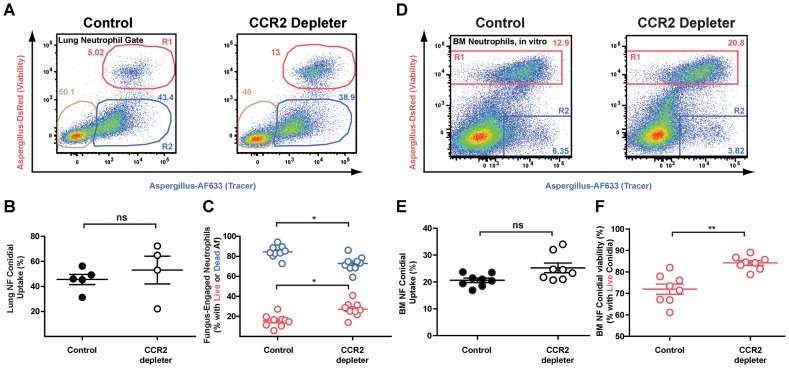
“We found that neutrophils from CCR2-depleted mice were less capable of killing Af, suggesting that neutrophil antifungal activity might be regulated by exogenous factors that require an intact CCR2+ compartment (22).”
BackgroundInfluentialSelf-citationXiong, H., Carter, R. A., Leiner, I. M., Tang, Y., Chen, L., Kreiswirth, B. N., & Pamer, E. G. (2015) · Infection and Immunity · doi:10.1128/iai.00678-15 · Cited by 170
“CCR2 monocytes, on the other hand, have been implicated in defense against intracellular pathogens, including Listeria monocytogenes, Mycobacterium tuberculosis, and Toxoplasma gondii, although they also contribute to clearance of the fungal pathogen Aspergillus fumigatus (21, 23, 38, 39).”
BackgroundSelf-citationMeierovics, A. I., & Cowley, S. C. (2016) · The Journal of Experimental Medicine · doi:10.1084/jem.20160637 · Cited by 159
“A critical role for CCR2+ inflammatory monocytes in immune defense is their ability to differentiate into monocyte-derived DCs (Mo-DCs) at the site of infection (Peters et al., 2001; Hohl et al., 2009; Nakano et al., 2009; Osterholzer et al., 2009; Espinosa et al., 2014).”
BackgroundThe innate immune response to Aspergillus fumigatus at the alveolar surface
Margalit, A., & Kavanagh, K. A. (2015) · FEMS Microbiology Reviews · doi:10.1093/femsre/fuv018 · Cited by 159
“Recruitment of CD11+ Mo-DCs to the mediastinal lymph nodes was abrogated in CCR2-depleted mice and the increased fungal burden correlated to a loss of CD4+ T cell-related responses (Hohl et al. 2009).”
BackgroundInfluentialLionakis, M. S., Iliev, I. D., & Hohl, T. M. (2017) · JCI Insight · doi:10.1172/jci.insight.93156 · Cited by 153
Self-citationClark, H. L., Jhingran, A., Sun, Y., Vareechon, C., de Jesus Carrion, S., Skaar, E. P., Chazin, W. J., Calera, J. A., Hohl, T. M., & Pearlman, E. (2016) · The Journal of Immunology · doi:10.4049/jimmunol.1502037 · Cited by 149
“Thus, FLARE conidia can be utilized to monitor conidial uptake and viability in phagocytes as the presence of live (DsRedAlexa Fluor 633) conidia can be distinguished from counterparts that contain killed (DsRed(2)Alexa Fluor 633) conidia (18, 27).”
BackgroundSelf-citationCaffrey, A. K., Lehmann, M. M., Zickovich, J. M., Espinosa, V., Shepardson, K. M., Watschke, C. P., Hilmer, K. M., Thammahong, A., Barker, B. M., Rivera, A., et al. (2015) · PLOS Pathogens · doi:10.1371/journal.ppat.1004625 · Cited by 132
“This enhancement of anti-fungal activity in hypoxic microenvironments is physiologicaly and clinicaly important because hypoxia can be generated within the lungs of mice with IPA [47], which is coincident with inflammatory monocyte arrival to the lungs [12].”
InfluentialSelf-citationPathogenicity and virulence of Aspergillus fumigatus
Earle, K., Valero, C., Conn, D. P., Vere, G., Cook, P. C., Bromley, M., Bowyer, P., & Gago, S. (2023) · Virulence · doi:10.1080/21505594.2023.2172264 · Cited by 132
“Moreover, the antifungal potency of neutrophils in response to A. fumigatus is also directly enhanced by the production of type I/III interferons by monocytes [243,244].”
BackgroundThe role of neutrophils in host defense against invasive fungal infections
Desai, J. V., & Lionakis, M. S. (2018) · Current Clinical Microbiology Reports · doi:10.1007/s40588-018-0098-6 · Cited by 131
Immune regulation by monocytes
Murray, P. J. (2017) · Seminars in Immunology · doi:10.1016/j.smim.2017.12.005 · Cited by 133
Immune Interactions with Pathogenic and Commensal Fungi: A Two-Way Street
Underhill, D. M., & Pearlman, E. (2015) · Immunity · doi:10.1016/j.immuni.2015.10.023 · Cited by 130
“have observed that specific depletion of inflammatory monocytes causes mice to become susceptible to lung infection with Aspergillus fumigatus (Espinosa et al., 2014).”
BackgroundTabariès, S., Ouellet, V., Hsu, B. E., Annis, M. G., Rose, A. A., Meunier, L., Carmona, E., Tam, C. E., Mes-Masson, A.-M., & Siegel, P. M. (2015) · Breast Cancer Research · doi:10.1186/s13058-015-0558-3 · Cited by 114
“To purify CD11b/Ly-6G cells [34,35], cells were blocked in 2.”
BackgroundAntifungal Innate Immunity: A Perspective from the Last 10 Years
Salazar, F., & Brown, G. D. (2018) · Journal of Innate Immunity · doi:10.1159/000488539 · Cited by 108
Hagerling, C., Velozo, H. G., Salari, K., Wang, C., Lin, C., Robles, I., van Gogh, M., Dejmek, A., Jirström, K., & Werb, Z. (2019) · Proceedings of the National Academy of Sciences · doi:10.1073/pnas.1907660116 · Cited by 120
“On the one hand, there are data, in line with our work, showing that CCR2 monocytes are cytotoxic (20) and antitumoral (37) and that CCL2 in breast cancer has an antimetastatic role (36, 38, 39).”
BackgroundPhagosomal removal of fungal melanin reprograms macrophage metabolism to promote antifungal immunity
Gonçalves, S. M., Duarte-Oliveira, C., Campos, C. F., Aimanianda, V., ter Horst, R., Leite, L., Mercier, T., Pereira, P., Fernández-García, M., Antunes, D., et al. (2020) · Nature Communications · doi:10.1038/s41467-020-16120-z · Cited by 108
Macrophages inhibit Aspergillus fumigatus germination and neutrophil-mediated fungal killing
Rosowski, E. E., Raffa, N., Knox, B. P., Golenberg, N., Keller, N. P., & Huttenlocher, A. (2018) · PLoS Pathogens · doi:10.1371/journal.ppat.1007229 · Cited by 118
Chen, Y., Shi, Z. W., Strickland, A. B., & Shi, M. (2022) · Journal of Fungi · doi:10.3390/jof8101069 · Cited by 123
“Previous studies have shown that Ly6Chi inflammatory monocytes and macrophages display a prominent role in the clearance of various fungal pathogens in the lungs, including Aspergillus fumigatus [102,103], Candida albicans [104], Histoplasma capsulatum [105,106], and Blastomyces dermatitidis [105].”
BackgroundSterilizing immunity in the lung relies on targeting fungal apoptosis-like programmed cell death
Shlezinger, N., Irmer, H., Dhingra, S., Beattie, S. R., Cramer, R. A., Braus, G. H., Sharon, A., & Hohl, T. M. (2017) · Science · doi:10.1126/science.aan0365 · Cited by 105
Self-citationFirst Line of Defense: Innate Cell-Mediated Control of Pulmonary Aspergillosis
Espinosa, V., & Rivera, A. (2016) · Frontiers in Microbiology · doi:10.3389/fmicb.2016.00272 · Cited by 77
“Recent studies further suggest that MyD88 signaling in defense against IA is crucially active on lung epithelial cells and is required for optimal production of neutrophil-recruiting chemokines (Jhingran et al., 2015).”
BackgroundInfluentialSelf-citationGuo, Y., Kasahara, S., Jhingran, A., Tosini, N. L., Zhai, B., Aufiero, M. A., Mills, K. A. M., Gjonbalaj, M., Espinosa, V., Rivera, A., et al. (2020) · Cell Host & Microbe · doi:10.1016/j.chom.2020.05.002 · Cited by 92
Self-citationGuerra, E. S., Lee, C. K., Specht, C. A., Yadav, B., Huang, H., Akalin, A., Huh, J. R., Mueller, C., & Levitz, S. M. (2017) · PLOS Pathogens · doi:10.1371/journal.ppat.1006175 · Cited by 88
“These data suggest that lack of eosinophils disrupts inflammatory monocyte recruitment, which then hampers lung macrophage expansion as inflammatory monocytes differentiate into macrophages and DCs at sites of inflammation [28,29].”
BackgroundAntifungal innate immunity: recognition and inflammatory networks
Becker, K. L., Ifrim, D. C., Quintin, J., Netea, M. G., & van de Veerdonk, F. L. (2015) · Seminars in Immunopathology · doi:10.1007/s00281-014-0467-z · Cited by 86
“In addition, monocytes can augment neutrophil conidiacidal activity and play a crucial role in controlling disseminated fungal infection [46].”
BackgroundÖz, H. H., Cheng, E.-C., Pietro, C. D., Tebaldi, T., Biancon, G., Zeiss, C. J., Zhang, P., Huang, P. H., Esquibies, S. S., Britto, C. J., et al. (2022) · Cell Reports · doi:10.1016/j.celrep.2022.111797 · Cited by 83
Shepardson, K. M., Jhingran, A., Caffrey, A., Obar, J. J., Suratt, B. T., Berwin, B. L., Hohl, T. M., & Cramer, R. A. (2014) · PLoS Pathogens · doi:10.1371/journal.ppat.1004378 · Cited by 79
“fumigatus lung infection is the timing and recruitment of neutrophils into the lung [8,9,41].”
Self-citationHeung, L. J., Wiesner, D. L., Wang, K., Rivera, A., & Hohl, T. M. (2023) · Seminars in Immunology · doi:10.1016/j.smim.2023.101728 · Cited by 80
Self-citationKasahara, S., Jhingran, A., Dhingra, S., Salem, A., Cramer, R. A., & Hohl, T. M. (2016) · Journal of Infectious Diseases · doi:10.1093/infdis/jiw054 · Cited by 71
“combinase-activating gene–dependent leukocytes) are dispensable for conidial clearance in otherwise immunocompetent mice [3].”
BackgroundSelf-citationMonocyte-mediated defense against bacteria, fungi, and parasites
Lauvau, G. S., Loke, P., & Hohl, T. M. (2015) · Seminars in Immunology · doi:10.1016/j.smim.2016.03.014 · Cited by 78
Self-citationInflammatory monocyte effector mechanisms
Lauvau, G. S., Chorro, L., Spaulding, E., & Soudja, S. M. (2014) · Cellular Immunology · doi:10.1016/j.cellimm.2014.07.007 · Cited by 76
“for subsequent clearance of fungi from infected lungs [73,86,87].”
Fast-track development of an in vitro 3D lung/immune cell model to study Aspergillus infections
Chandorkar, P., Posch, W., Zaderer, V., Blatzer, M., Steger, M., Ammann, C. G., Binder, U., Hermann, M., Hörtnagl, P., Lass‐Flörl, C., et al. (2017) · Scientific Reports · doi:10.1038/s41598-017-11271-4 · Cited by 73
Monocytes and infection: Modulator, messenger and effector
Xiong, H., & Pamer, E. G. (2014) · Immunobiology · doi:10.1016/j.imbio.2014.08.007 · Cited by 73
“fumigatus infection, inflammatory monocytes optimize the function of neutrophils in clearing the infection in the lung by augmenting neutrophil conidiacidal activity (Espinosa et al. 2014).”
BackgroundCalcineurin Orchestrates Lateral Transfer of Aspergillus fumigatus during Macrophage Cell Death
Shah, A., Kannambath, S., Herbst, S., Rogers, A., Soresi, S., Carby, M., Reed, A., Mostowy, S., Fisher, M. C., Shaunak, S., et al. (2016) · American Journal of Respiratory and Critical Care Medicine · doi:10.1164/rccm.201601-0070oc · Cited by 71
“Previous studies have highlighted the importance of inflammatory monocytes in murine invasive aspergillosis (6).”
BackgroundTrautwein-Weidner, K., Gladiator, A., Kirchner, F. R., Becattini, S., Rülicke, T., Sallusto, F., & LeibundGut-Landmann, S. (2015) · PLOS Pathogens · doi:10.1371/journal.ppat.1005164 · Cited by 65
Heung, L. J., & Hohl, T. M. (2019) · PLoS Pathogens · doi:10.1371/journal.ppat.1007627 · Cited by 69
Self-citationAspergillus fumigatus biology, immunopathogenicity and drug resistance
van de Veerdonk, F. L., Carvalho, A., Wauters, J., Chamilos, G., & Verweij, P. E. (2025) · Nature Reviews Microbiology · doi:10.1038/s41579-025-01180-z · Cited by 70
“CCR2 + inflammatory monocytes phagocytose A. fumigatus conidia 62 , enhance neutrophils activity 62 and initiate an adaptive immune response upon differentiation to monocyte-derived dendritic cells (mo-DCs) 63 .”
Monocytes and the Host Response to Fungal Pathogens
Heung, L. J. (2020) · Frontiers in Cellular and Infection Microbiology · doi:10.3389/fcimb.2020.00034 · Cited by 66
Thakur, R., Anand, R., Tiwari, S., Singh, A. P., Tiwary, B. N., & Shankar, J. (2015) · Frontiers in Microbiology · doi:10.3389/fmicb.2015.00429 · Cited by 65
“It has been shown that monocytes expressing CCR2 in the lung involved in conidial uptake and killing (Espinosa et al., 2014).”
BackgroundAnimal Models of Aspergillosis.
Désoubeaux, G., & Cray, C. (2018) · Europe PMC (PubMed Central) · Cited by 60
Menacing Mold: Recent Advances in Aspergillus Pathogenesis and Host Defense
Tischler, B. Y., & Hohl, T. M. (2019) · Journal of Molecular Biology · doi:10.1016/j.jmb.2019.03.027 · Cited by 60
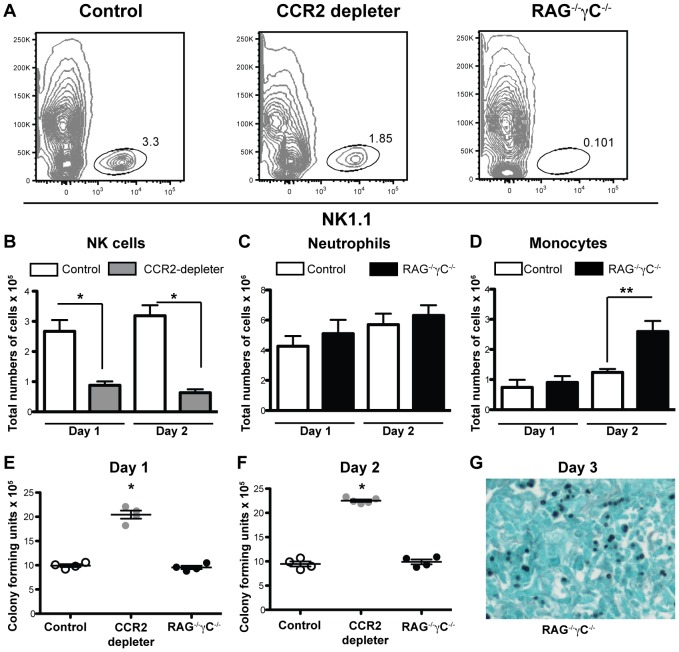
“In immune competent mice, T cells, B cells, innate lymphoid cells, and NK cells do not play an essential role in host defense, because RAG2- and IL-2 receptor common γ chaindeficient mice do not exhibit enhanced sensitivity to respiratory challenge [65].”
BackgroundSelf-citationSnarr, B. D., St‐Pierre, G., Ralph, B., Lehoux, M., Sato, Y., Rancourt, A., Takazono, T., Baistrocchi, S. R., Corsini, R., Cheng, M. P., et al. (2020) · PLoS Pathogens · doi:10.1371/journal.ppat.1008741 · Cited by 59
Desoubeaux, G., & Cray, C. (2017) · Frontiers in Microbiology · doi:10.3389/fmicb.2017.00841 · Cited by 55
“For instance, BALB/c mice are a well-known general multipurpose model allowing studying for infectious diseases, while C57BL/6 strain represents permissive background for maximal expression of most mutations, like those in genes coding for cytokines, toll-like receptors (TLRs), Dectin-1 or other receptors/proteins ass…”
BackgroundFungal Mimicry of a Mammalian Aminopeptidase Disables Innate Immunity and Promotes Pathogenicity
Sterkel, A. K., Lorenzini, J. L., Fites, J. S., Subramanian Vignesh, K., Sullivan, T. D., Wuthrich, M., Brandhorst, T., Hernandez-Santos, N., Deepe, G. S., & Klein, B. S. (2016) · Cell Host & Microbe · doi:10.1016/j.chom.2016.02.001 · Cited by 48
“CCL2 and CCR2+ cells promote resistance to this pathogen (Espinosa et al., 2014; Morrison et al., 2003), reminiscent of their roles with Blastomyces.”
BackgroundInfluentialHelper T‐cell responses and pulmonary fungal infections
McDermott, A. J., & Klein, B. S. (2018) · Immunology · doi:10.1111/imm.12953 · Cited by 54
The role of the innate immune system on pulmonary infections
Galeas‐Pena, M., McLaughlin, N., & Pociask, D. A. (2018) · Biological Chemistry · doi:10.1515/hsz-2018-0304 · Cited by 53
Xu, J., Flaczyk, A., Neal, L. M., Fa, Z., Eastman, A. J., Malachowski, A. N., Cheng, D., Moore, B. B., Curtis, J. L., Osterholzer, J. J., et al. (2017) · The Journal of Immunology · doi:10.4049/jimmunol.1700057 · Cited by 49
“We further explored whether MARCO affected the accumulation of specific lung conventional DC (cDC) subsets and inflammatory moDC known to be involved in clearance of fungal pathogens (8, 11).”
BackgroundImmunomodulatory effect of ibrutinib: Reducing the barrier against fungal infections
Maffei, R., Maccaferri, M., Arletti, L., Fiorcari, S., Benatti, S., Potenza, L., Luppi, M., & Marasca, R. (2019) · Blood Reviews · doi:10.1016/j.blre.2019.100635 · Cited by 48
The F-Box Protein Fbp1 Shapes the Immunogenic Potential of Cryptococcus neoformans
Masso-Silva, J. A., Espinosa, V., Liu, T., Wang, Y., Xue, C., & Rivera, A. (2018) · mBio · doi:10.1128/mbio.01828-17 · Cited by 47
“Effective depletion of CCR2 cells was achieved by intraperitoneal administration of 250 ng of DT as previously described (57).”
BackgroundMethodInfluentialSelf-citationFungal Recognition and Host Defense Mechanisms
Dambuza, I. M., Levitz, S. M., Netea, M. G., & Brown, G. D. (2017) · Microbiology Spectrum · doi:10.1128/microbiolspec.funk-0050-2016 · Cited by 41
Acute Invasive Fungal Rhinosinusitis in Immunocompromised Patients: Role of an Early Diagnosis
Fernandez, I. J., Crocetta, F. M., Demattè, M., Farneti, P., Stanzani, M., Lewis, R. E., Fornaciari, M., Pasquini, E., & Sciarretta, V. (2018) · Otolaryngology · doi:10.1177/0194599818765744 · Cited by 44
BTK drives neutrophil activation for sterilizing antifungal immunity
Desai, J. V., Zarakas, M. A., Wishart, A. L., Roschewski, M. J., Aufiero, M. A., Donkó, Á., Wigerblad, G., Shlezinger, N., Plate, M., James, M. R., et al. (2024) · Journal of Clinical Investigation · doi:10.1172/jci176142 · Cited by 42
“However, B cells are not essential for protection against IA in humans or mice (31, 32).”
BackgroundInfluentialSelf-citationGarth, J. M., Reeder, K. M., Godwin, M. S., Mackel, J. J., Dunaway, C. W., Blackburn, J. P., & Steele, C. H. (2017) · The Journal of Immunology · doi:10.4049/jimmunol.1602186 · Cited by 42
Dendritic Cells in the Immune System—History, Lineages, Tissues, Tolerance, and Immunity
Austyn, J. M. (2016) · Microbiology Spectrum · doi:10.1128/microbiolspec.mchd-0046-2016 · Cited by 41
CX 3 CR1 Is Dispensable for Control of Mucosal Candida albicans Infections in Mice and Humans
Break, T. J., Jaeger, M., Solis, N. V., Filler, S. G., Rodriguez, C. A., Lim, J. K., Lee, C.-C. R., Sobel, J. D., Netea, M. G., & Lionakis, M. S. (2015) · Infection and Immunity · doi:10.1128/iai.02604-14 · Cited by 34
Distinct dendritic cell subsets actively induce Th2 polarization
Tjota, M. Y., & Sperling, A. I. (2014) · Current Opinion in Immunology · doi:10.1016/j.coi.2014.09.006 · Cited by 40
“However, many recent studies support a model in which CD11b cDCs and CD11b moDCs exhibit distinct but complementary functions in driving Th2 immunity [16 ,24 ,29 ,37,42 ,43].”
Alflen, A., Lopez, P. A., Hartmann, A., Maxeiner, J., Bosmann, M., Sharma, A., Platten, J., Ries, F., Beckert, H., Ruf, W., et al. (2019) · Immunobiology · doi:10.1016/j.imbio.2019.11.002 · Cited by 39
“2C–I), since these immune cells also play an important role in innate antifungal immunity in the lung and are capable of direct fungal spore elimination (Espinosa et al., 2014).”
BackgroundMacrophage–Microbe Interactions: Lessons from the Zebrafish Model
Yoshida, N., Frickel, E., & Mostowy, S. (2017) · Frontiers in Immunology · doi:10.3389/fimmu.2017.01703 · Cited by 38
“Alveolar macrophages and inflammatory monocytes in the murine lung have been described as critical for early antifungal immunity during Aspergillus infection (82).”
BackgroundImmune responses to invasive aspergillosis: new understanding and therapeutic opportunities
Hohl, T. M. (2017) · Current Opinion in Infectious Diseases · doi:10.1097/qco.0000000000000381 · Cited by 35
“Both of these myeloid cell populations engulf and inactivate conidia [14,16].”
BackgroundSelf-citationOrgan-specific mechanisms linking innate and adaptive antifungal immunity
Drummond, R. A., & Lionakis, M. S. (2018) · Seminars in Cell and Developmental Biology · doi:10.1016/j.semcdb.2018.01.008 · Cited by 37
“CCR2+ monocytederived DCs are also recruited to the lung upon fungal infection to provide additional protection [74] and prime CD4+ T-cells [75] (Figure 4A).”
BackgroundCo-recognition of β-glucan and chitin and programming of adaptive immunity to Aspergillus fumigatus
Amarsaikhan, N., & Templeton, S. P. (2015) · Frontiers in Microbiology · doi:10.3389/fmicb.2015.00344 · Cited by 37
“…dormant or germinating conidia and hyphae, monocytes, NK cells, NKT cells, plasmacytoid DCs, and eosinophils may also provide early protection from infection (Morrison et al., 2003; Mircescu et al., 2009; Cohen et al., 2011; Ramirez-Ortiz et al., 2011; Espinosa et al., 2014; Lilly et al., 2014).”
BackgroundNeutrophil Responses to Aspergillosis: New Roles for Old Players
Cunha, C., Kurzai, O., Löffler, J., Aversa, F., Romani, L. R., & Carvalho, A. (2014) · Mycopathologia · doi:10.1007/s11046-014-9796-7 · Cited by 39
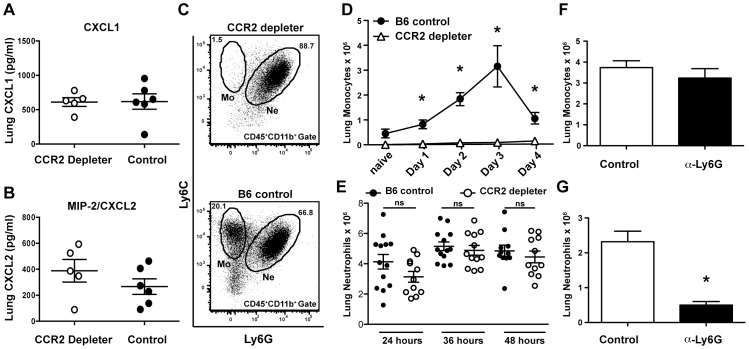
“This notion is further supported by the finding that inflammatory monocytes, by conditioning the lung inflammatory milieu, modulate the conidiocidal activity of neutrophils [7].”
BackgroundKalleda, N., Amich, J., Arslan, B., Poreddy, S., Mattenheimer, K., Mokhtari, Z., Einsele, H., Brock, M., Heinze, K. G., & Beilhack, A. (2016) · Frontiers in Microbiology · doi:10.3389/fmicb.2016.01107 · Cited by 36
“Finally, circulating monocytes are major precursor cells, once they become activated with the infectious stimulus they develop into macrophages and dendritic cells (monocyte derived dendritic cells) and play an important role in elimination of A. fumigatus infections (Espinosa et al., 2014).”
BackgroundCarbonic anhydrase enzymes regulate mast cell–mediated inflammation
Henry, E., Sy, C. B., Inclan-Rico, J. M., Espinosa, V., Ghanny, S., Dwyer, D. F., Soteropoulos, P., Rivera, A., & Siracusa, M. C. (2016) · The Journal of Experimental Medicine · doi:10.1084/jem.20151739 · Cited by 37
“fumigatus conidia intratracheally as described previously (Espinosa et al., 2014).”
BackgroundMethodInfluentialSelf-citationMills, K. A. M., Westermann, F., Espinosa, V., Rosiek, E., Desai, J. V., Aufiero, M. A., Guo, Y., Liu, F. L., Mitchell, K. A., Tuzlak, S., et al. (2025) · Science Immunology · doi:10.1126/sciimmunol.adr0547 · Cited by 34
Self-citationWang, X., Caffrey-Carr, A. K., Liu, K.-W., Espinosa, V., Croteau, W., Dhingra, S., Rivera, A., Cramer, R. A., & Obar, J. J. (2020) · The Journal of Immunology · doi:10.4049/jimmunol.2000802 · Cited by 35
Self-citationInnate Lung Defense during Invasive Aspergillosis: New Mechanisms
Garth, J. M., & Steele, C. H. (2017) · Journal of Innate Immunity · doi:10.1159/000455125 · Cited by 33
Paving the way for predictive diagnostics and personalized treatment of invasive aspergillosis
Coelho, A., Rodrigues, F. J. S., Campos, A. N., de Lacerda, J. F., Carvalho, A., & Cunha, C. (2015) · Frontiers in Microbiology · doi:10.3389/fmicb.2015.00411 · Cited by 32
“Importantly, inflammatory monocytes are required for optimal IL-1α expression in the lungs, which in turn regulates the early accumulation of neutrophils in the lung (Caffrey et al., 2015).”
BackgroundInfluentialMitochondrial Fragmentation in Aspergillus fumigatus as Early Marker of Granulocyte Killing Activity
Ruf, D., Brantl, V., & Wagener, J. (2018) · Frontiers in Cellular and Infection Microbiology · doi:10.3389/fcimb.2018.00128 · Cited by 32
“Our approach has significant advantages compared to available assays that are solely based on fading of cytosolic fluorophores (Jhingran et al., 2012, 2016; Espinosa et al., 2014; Heung et al., 2015; Brunel et al., 2017).”
MethodRichardson, I. M., Calo, C. J., & Hind, L. E. (2021) · Frontiers in Immunology · doi:10.3389/fimmu.2021.661537 · Cited by 30
A computational model of invasive aspergillosis in the lung and the role of iron
Oremland, M., Michels, K. R., Bettina, A. M., Lawrence, C., Mehrad, B., & Laubenbacher, R. (2016) · BMC Systems Biology · doi:10.1186/s12918-016-0275-2 · Cited by 30
“These chemotactic factors were tracked separately based on the literature [42, 59], and represent the aggregation of cytokines to which the respective immune cell types respond.”
MethodShah, S. M., Grotenbreg, G. M., Rivera, A., & Yap, G. S. (2015) · eLife · doi:10.7554/elife.09017 · Cited by 29
“, 2009), we vaccinated CCR2-GFP reporter mice (Serbina et al., 2009; Espinosa et al., 2014).”
MethodSelf-citationAspergillus fumigatus viability drives allergic responses to inhaled conidia
Nayak, A. P., Croston, T. L., Lemons, A. R., Goldsmith, W. T., Marshall, N. B., Kashon, M. L., Germolec, D. R., Beezhold, D. H., & Green, B. J. (2018) · Annals of Allergy Asthma & Immunology · doi:10.1016/j.anai.2018.04.008 · Cited by 29
It takes a village: Phagocytes play a central role in fungal immunity
Feldman, M. B., Vyas, J. M., & Mansour, M. K. (2018) · Seminars in Cell and Developmental Biology · doi:10.1016/j.semcdb.2018.04.008 · Cited by 28
Phagocytes as central players in the defence against invasive fungal infection
Hünniger, K., & Kurzai, O. (2018) · Seminars in Cell and Developmental Biology · doi:10.1016/j.semcdb.2018.03.021 · Cited by 28
Garth, J. M., Mackel, J. J., Reeder, K. M., Blackburn, J. P., Dunaway, C. W., Yu, Z., Matalon, S., Fitz, L. J., & Steele, C. H. (2018) · Infection and Immunity · doi:10.1128/iai.00944-17 · Cited by 27
Tischler, B. Y., Tosini, N. L., Cramer, R. A., & Hohl, T. M. (2020) · PLoS Pathogens · doi:10.1371/journal.ppat.1008544 · Cited by 26
“Given the transient nature of the neutrophil phagocytic defect, we assessed the contribution of platelets to monocyte and Mo-DC function, since monocytes and Mo-DCs are required for host defense and enhance neutrophil function during A . fumigatus challenge [26].”
Self-citationNLRX1 is a key regulator of immune signaling during invasive pulmonary aspergillosis
Kastelberg, B., Tubau‐Juni, N., Ayubi, T., Leung, A., Leber, A. J., Hontecillas, R., Bassaganya-Riera, J., & Kale, S. D. (2020) · PLoS Pathogens · doi:10.1371/journal.ppat.1008854 · Cited by 26
“Inflammatory monocytoid DCs have been shown to differentiate into a terminal state from monocytes upon conidial uptake and this transition is critical for killing conidia [36].”
BackgroundHind, L. E., Giese, M. A., Schoen, T. J., Beebe, D. J., Keller, N. P., & Huttenlocher, A. (2020) · Cellular and Molecular Bioengineering · doi:10.1007/s12195-020-00655-8 · Cited by 26
Bocci, M. G., Cascarano, L., Capecchi, G., Lesci, A., Sabatini, V., Rubino, D., Stazi, G. V., Garotto, G., Carrara, S., Vulcano, A., et al. (2025) · Journal of Fungi · doi:10.3390/jof11090617 · Cited by 25
“Other inflammatory mediators—such as leukotriene B4 (LTB4), complement component C5a, and galectin-3—further amplify neutrophil recruitment and promote swarming behavior [24].”
Chen, K., Campfield, B. T., Wenzel, S. E., McAleer, J. P., Kreindler, J. L., Kurland, G., Gopal, R., Wang, T., Chen, W., Eddens, T. J., et al. (2016) · JCI Insight · doi:10.1172/jci.insight.87168 · Cited by 26
Fungal-mediated lung allergic airway disease: The critical role of macrophages and dendritic cells
Furlong-Silva, J., & Cook, P. C. (2022) · PLoS Pathogens · doi:10.1371/journal.ppat.1010608 · Cited by 25
“have been reported to mediate fungal killing as well as secreting TNF and IL12p70 stimulating neutrophil-mediated fungal clearance [75].”
BackgroundPodgorny, P. J., Pratt, L. M., Liu, Y., Dharmani‐Khan, P., Luider, J. M., Auer-Grzesiak, I. A., Mansoor, A., Williamson, T. S., Ugarte-Torres, A., Hoegh-Petersen, M., et al. (2015) · Transplantation and Cellular Therapy · doi:10.1016/j.bbmt.2015.09.003 · Cited by 26
Interferon Lambda's New Role as Regulator of Neutrophil Function
Rivera, A. (2019) · Journal of Interferon & Cytokine Research · doi:10.1089/jir.2019.0036 · Cited by 24
Self-citationWang, X., Cunha, C., Grau, M. S., Robertson, S. J., de Lacerda, J. F., Campos, A., Lagrou, K., Maertens, J. A., Best, S. M., Carvalho, A., et al. (2022) · The Journal of Immunology · doi:10.4049/jimmunol.2100759 · Cited by 23
Inflammatory monocytes promote granuloma control of Yersinia infection
Sorobetea, D., Matsuda, R., Peterson, S. T., Grayczyk, J. P., Rao, I., Krespan, E., Lanza, M. R., Assenmacher, C., Mack, M., Beiting, D. P., et al. (2023) · Nature Microbiology · doi:10.1038/s41564-023-01338-6 · Cited by 23
Obar, J. J., & Shepardson, K. M. (2023) · PLoS Pathogens · doi:10.1371/journal.ppat.1011334 · Cited by 23
“inflammatory monocytes [18] and neutrophils is important for preventing conidial germination into hyphae, upon which phagocytosis becomes impossible.”
BackgroundMisme‐Aucouturier, B., Albassier, M., Alvarez-Rueda, N., & Pape, P. L. (2016) · Infection and Immunity · doi:10.1128/iai.00807-16 · Cited by 23
“This argument could be supported by the fact that monocytes can increase neutrophil phagocytic recruitment and may play a crucial role in controlling disseminated fungal infection (62).”
Cutting Edge: Neutrophils License the Maturation of Monocytes into Effective Antifungal Effectors
Espinosa, V., Dutta, O., Heung, L. J., Wang, K., Chang, Y., Soteropoulos, P., Hohl, T. M., Siracusa, M. C., & Rivera, A. (2022) · The Journal of Immunology · doi:10.4049/jimmunol.2200430 · Cited by 22
Self-citationJhingran, A., Kasahara, S., & Hohl, T. M. (2016) · BIO-PROTOCOL · doi:10.21769/bioprotoc.1927 · Cited by 22
“Here, we describe a method that utilizes a genetically engineered Aspergillus strain [called FLARE (Jhingran et al., 2012; Espinosa et al., 2014; Heung et al., 2015)] to monitor conidial phagocytosis and killing by leukocytes within the lung environment at single encounter resolution.”
Self-citationArchambault, L. S., Trzilova, D., Gonia, S., Gale, C. A., & Wheeler, R. T. (2019) · mBio · doi:10.1128/mbio.00266-19 · Cited by 21
Shlezinger, N., & Hohl, T. M. (2021) · mSphere · doi:10.1128/msphere.00260-21 · Cited by 20
“Mice were infected via the intratracheal route as described previously (2).”
MethodSelf-citationKhanna, N., Stuehler, C., Lünemann, A., Wójtowicz, A., Bochud, P., & LeibundGut‐Landmann, S. (2016) · Swiss Medical Weekly · doi:10.4414/smw.2016.14350 · Cited by 20
Mackel, J. J., Garth, J. M., Blackburn, J. P., Jones, M., & Steele, C. H. (2020) · The Journal of Immunology · doi:10.4049/jimmunol.1900808 · Cited by 18
“Studies by us and others have previously identified antifungal roles for eosinophils (30) and inflammatory monocytes (31) in innate immune clearance of A.”
Background
Metadata
- Authors
- Espinosa, V., Jhingran, A., Dutta, O., Kasahara, S., Donnelly, R., Du, P., Rosenfeld, J., Leiner, I., Chen, C.-C., Ron, Y., Hohl, T. M., & Rivera, A.
- Affiliations
- Rutgers, The State University of New Jersey (US)
- Fred Hutch Cancer Center (US)
- Memorial Sloan Kettering Cancer Center (US)
- Rutgers New Jersey Medical School (US)
- Corresponding author
- Hohl, Tobias M.
- Rivera, Amariliz
- ORCID
- Venue
- PLoS Pathogens
- Publisher
- Public Library of Science (PLoS)
- Published
- 2014-02-20
- Volume
- 10
- Issue
- 2
- Pages
- e1003940
- ISSN
- 1553-7366 (ISSN-L)
- 1553-7374
- PMC
- PMC3930594
- OpenAlex
- W2040810194
- Cited by
- 169
- References
- 77
- Citations by year
- 2026: 5 · 2025: 8 · 2024: 11 · 2023: 10 · 2022: 12 · 2021: 10 · 2020: 15 · 2019: 11 · 2018: 16 · 2017: 27 · 2016: 16 · 2015: 16 · 2014: 12
- FWCI
- 16.58
- Type
- journal article
- Language
- en
- Open access
- gold
- doi.org
- Locations
- PLoS Pathogens (publishedVersion, cc-by)
- Europe PMC (PubMed Central) (publishedVersion, cc-by)
- PubMed Central (publishedVersion, cc-by)
- PubMed (publishedVersion)
- DOAJ (DOAJ: Directory of Open Access Journals) (submittedVersion, cc-by-sa)
- Figshare (submittedVersion, cc-by)
- Funders
- National Institutes of Health (RO1 AI093808)
- National Cancer Institute (R21CA167238, K22CA160874)
- National Institute of Allergy and Infectious Diseases (R21AI105617, F31AI098408, R01AI093808, R37AI093808)
- Topics
- Health Sciences › Medicine › Infectious Diseases › Antifungal resistance and susceptibility
- Health Sciences › Medicine › Pulmonary and Respiratory Medicine › Asthma and respiratory diseases
- Life Sciences › Immunology and Microbiology › Immunology › Immune responses and vaccinations
- Keywords
- Aspergillus fumigatus, invasive aspergillosis, CCR2+ monocytes, monocyte-derived dendritic cells, lung immunity, monocyte differentiation, immunocompromised patients
- MeSH terms
- Animals, Aspergillus fumigatus, Cell Differentiation, Dendritic Cells, Disease Models, Animal, Enzyme-Linked Immunosorbent Assay, Flow Cytometry, Immunity, Innate, Mice, Inbred C57BL, Monocytes, Spores, Fungal, Mice, Knockout, Mice, Receptors, CCR2, Pulmonary Aspergillosis, Real-Time Polymerase Chain Reaction
About these checks
Registry, retraction, Cites and statistics results are computed, not judged, with one exception: a printed reference that no index lists is read once by a model before it counts as a citation error. Claims are extracted by a model and kept only when their quote appears verbatim in the text; each cited source is then checked, with a model’s help, for whether it says what the claim relies on. Those verdicts can be wrong — read the claim’s quote and the cited source before relying on one.
Statistics and arithmetic are recomputed, not judged.
Confidence bands are shown only for fields calibrated on our annotated test set. None is calibrated yet, so no band is shown.
What counts as a claim ›How we measure confidence ›How we check this ›
Are you an author, or do you see a problem with this page? Request a review
Data sources
Bibliographic data: Semantic Scholar, OpenAlex, Crossref.
Contains information from the Semantic Scholar Academic Graph Datasets, made available under the ODC Attribution License (ODC-BY 1.0).
Semantic Scholar’s data is described in: Kinney, R., et al. (2023). The Semantic Scholar Open Data Platform. arXiv:2301.10140.
