

Cerebrospinal Fluid Cytokine Profiles Predict Risk of Early Mortality and Immune Reconstitution Inflammatory Syndrome in HIV-Associated Cryptococcal Meningitis
Open accessThe DOI matches its Crossref record; 54 of the 55 references it cites were found in a registry or an index.
Abstract
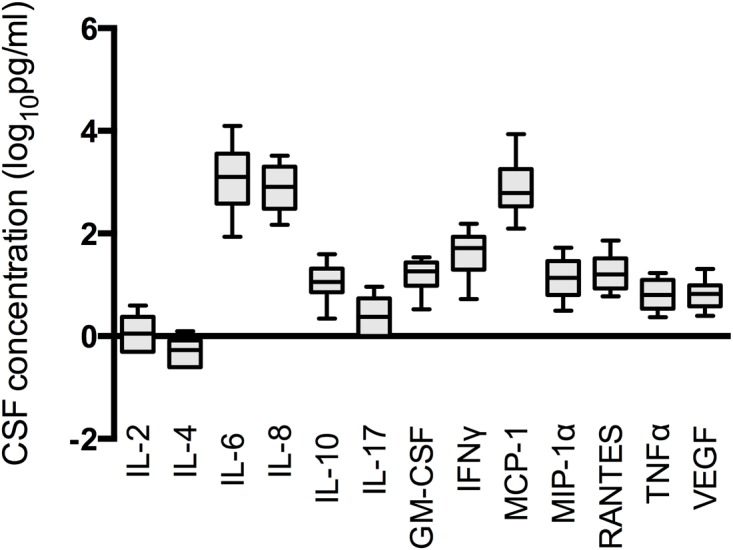
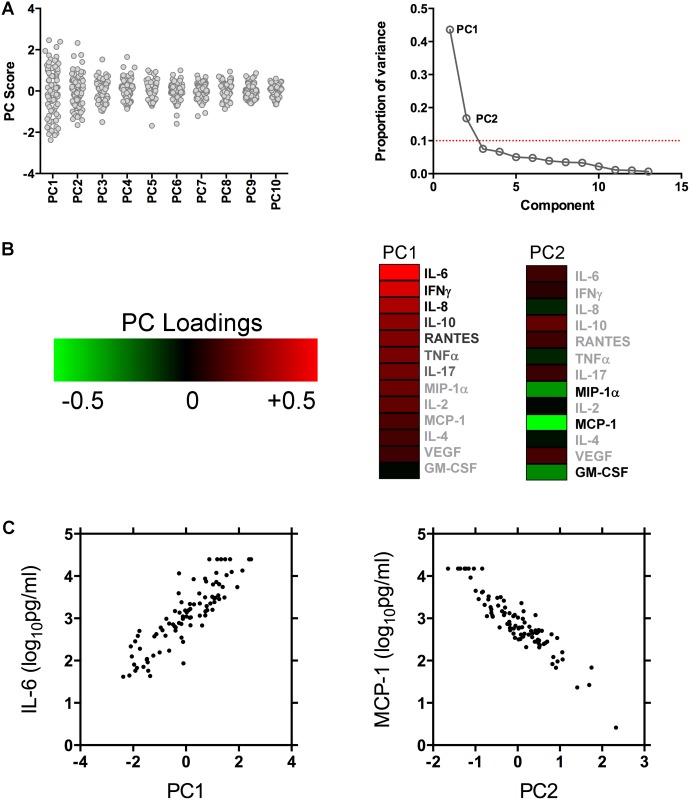
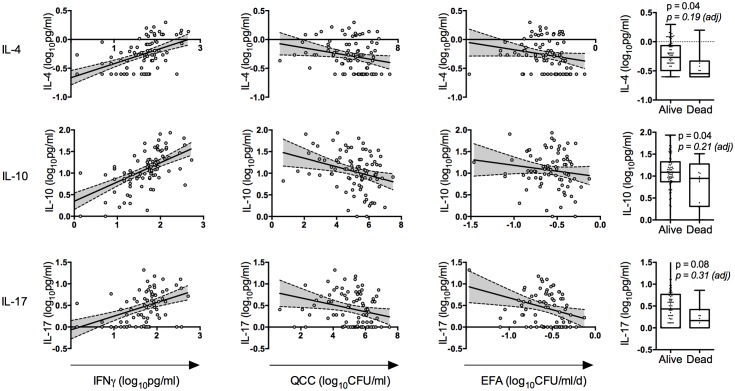
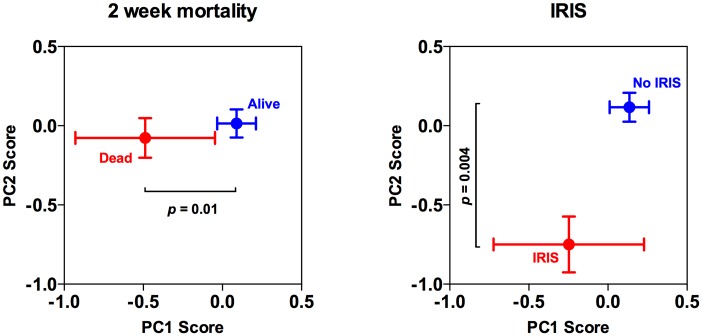
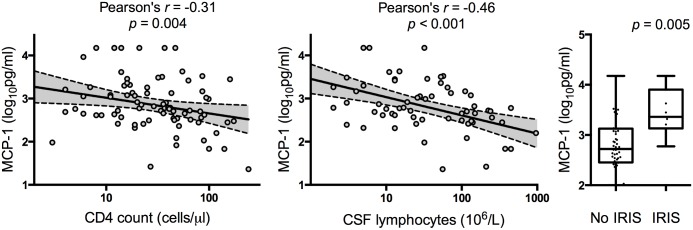
Understanding the host immune response during cryptococcal meningitis (CM) is of critical importance for the development of immunomodulatory therapies. We profiled the cerebrospinal fluid (CSF) immune-response in ninety patients with HIV-associated CM, and examined associations between immune phenotype and clinical outcome. CSF cytokine, chemokine, and macrophage activation marker concentrations were assayed at disease presentation, and associations between these parameters and microbiological and clinical outcomes were examined using principal component analysis (PCA). PCA demonstrated a co-correlated CSF cytokine and chemokine response consisting primarily of Th1, Th2, and Th17-type cytokines. The presence of this CSF cytokine response was associated with evidence of increased macrophage activation, more rapid clearance of Cryptococci from CSF, and survival at 2 weeks. The key components of this protective immune-response were interleukin (IL)-6 and interferon-γ, IL-4, IL-10 and IL-17 levels also made a modest positive contribution to the PC1 score. A second component of co-correlated chemokines was identified by PCA, consisting primarily of monocyte chemotactic protein-1 (MCP-1) and macrophage inflammatory protein-1α (MIP-1α). High CSF chemokine concentrations were associated with low peripheral CD4 cell counts and CSF lymphocyte counts and were predictive of immune reconstitution inflammatory syndrome (IRIS). In conclusion CSF cytokine and chemokine profiles predict risk of early mortality and IRIS in HIV-associated CM. We speculate that the presence of even minimal Cryptococcus-specific Th1-type CD4+ T-cell responses lead to increased recruitment of circulating lymphocytes and monocytes into the central nervous system (CNS), more effective activation of CNS macrophages and microglial cells, and faster organism clearance; while high CNS chemokine levels may predispose to over recruitment or inappropriate recruitment of immune cells to the CNS and IRIS following peripheral immune reconstitution with ART. These results provide a rational basis for future studies of immune modulation in CM, and demonstrate the potential of baseline immune profiling to identify CM patients most at risk of mortality and subsequent IRIS.
Overview
The claims and statistics of this paper haven’t been checked yet.
Free: it reads the open-access text and checks the first 5 claims that cite a source we can check. Create a free account to check every claim.
Integrity signals
Registry
Cites
Statistics
Figures
Verification
Claims the paper makes
The claims and statistics of this paper haven’t been checked yet.
Free: it reads the open-access text and checks the first 5 claims that cite a source we can check. Create a free account to check every claim.
Claims other papers make about this one
Each is checked against this paper’s own text: does it say what the citing paper says it does?
In the citing paper
“Instead, CCR2+Ly6Chi monocytes promote brain inflammation, leading to lethal immune pathology in the brain in mice as well as in humans [131, 132].”
From Mechanisms of fungal dissemination (2021) · cites this paper as [132]
Self-check
Percentages, sums and reported differences re-computed from the paper’s own numbers.
The self-check needs the paper’s full text.
Citations
Cites
Korn, T., Bettelli, E., Oukka, M., & Kuchroo, V. K. (2009) · Annual Review of Immunology · doi:10.1146/annurev.immunol.021908.132710 · Cited by 4,873 · cited 1×
“γδ T-cells, CD8 T-cells, NK cells, and neutrophils are all capable of producing the cytokine [21, 40–44], although it is not possible to determine the source of CSF IL-17 from our data.”
BackgroundWhat is principal component analysis?
Ringnér, M. (2008) · Nature Biotechnology · doi:10.1038/nbt0308-303 · Cited by 2,407
Park, B. J., Wannemuehler, K. A., Marston, B. J., Govender, N., Pappas, P. G., & Chiller, T. M. (2009) · AIDS · doi:10.1097/qad.0b013e328322ffac · Cited by 2,014 · cited 1×
“Cryptococcal meningitis (CM) is a leading cause of mortality in HIV-infected patients in lowresource settings [1, 2].”
BackgroundCombination antifungal therapies for HIV-associated cryptococcal meningitis: a randomised trial
Brouwer, A. E., Rajanuwong, A., Chierakul, W., Griffin, G. E., Larsen, R. A., White, N. J., & Harrison, T. S. (2004) · The Lancet · doi:10.1016/s0140-6736(04)16301-0 · Cited by 470 · cited 1×
“Cryptococcal clearance (early fungicidal activity, or EFA) was calculated as previously described [31].”
MethodSelf-citationDavis, M. J., Tsang, T. M., Qiu, Y., Dayrit, J. K., Freij, J. B., Huffnagle, G. B., & Olszewski, M. A. (2013) · mBio · doi:10.1128/mbio.00264-13 · Cited by 448
Induction, function and regulation of IL‐17‐producing T cells
Mills, K. H. G. (2008) · European Journal of Immunology · doi:10.1002/eji.200838535 · Cited by 385 · cited 1×
“γδ T-cells, CD8 T-cells, NK cells, and neutrophils are all capable of producing the cytokine [21, 40–44], although it is not possible to determine the source of CSF IL-17 from our data.”
BackgroundJarvis, J. N., Bicanic, T., Loyse, A., Namarika, D., Jackson, A., Nussbaum, J. C., Longley, N., Muzoora, C., Phulusa, J., Taseera, K., et al. (2014) · Clinical Infectious Diseases · doi:10.1093/cid/cit794 · Cited by 367 · cited 1×
“Differences in PC scores between patients who survived and died, and those who did and did not develop IRIS, were examined using a linear regression model adjusting for treatment group, CD4-cell count, and the previously described risk factors for mortality, baseline fungal burden and altered mental status [36].”
MethodSelf-citationKambugu, A., Meya, D. B., Rhein, J., O’Brien, M., Janoff, E. N., Ronald, A. R., Kamya, M. R., Mayanja‐Kizza, H., Sande, M. A., Bohjanen, P. R., et al. (2008) · Clinical Infectious Diseases · doi:10.1086/587667 · Cited by 300 · cited 1×
“Current treatments for CM are inadequate, with high associated mortality [3–5], and high incidence of immune reconstitution inflammatory syndrome (IRIS) amongst those who survive and start antiretroviral therapy (ART) [6–8].”
BackgroundJarvis, J. N., Meintjes, G., Rebe, K., Williams, G. N., Bicanic, T., Williams, A., Schutz, C., Bekker, L.-G., Wood, R., & Harrison, T. S. (2012) · AIDS · doi:10.1097/qad.0b013e3283536a93 · Cited by 290
Self-citationBoulware, D. R., Meya, D. B., Bergemann, T. L., Wiesner, D. L., Rhein, J., Musubire, A., Lee, S. J., Kambugu, A., Janoff, E. N., & Bohjanen, P. R. (2010) · PLoS Medicine · doi:10.1371/journal.pmed.1000384 · Cited by 279
Cited by
Maziarz, E. K., & Perfect, J. R. (2016) · Infectious Disease Clinics of North America · doi:10.1016/j.idc.2015.10.006 · Cited by 698
Cryptococcus: from environmental saprophyte to global pathogen
May, R. C., Stone, N. R. H., Wiesner, D. L., Bicanic, T., & Nielsen, K. (2016) · Nature Reviews Microbiology · doi:10.1038/nrmicro.2015.6 · Cited by 541
Self-citationCryptococcal meningitis: epidemiology, immunology, diagnosis and therapy
Williamson, P. R., Jarvis, J. N., Panackal, A. A., Fisher, M. C., Molloy, S. F., Loyse, A., & Harrison, T. S. (2017) · Nature Reviews Neurology · doi:10.1038/nrneurol.2016.167 · Cited by 480
Self-citationImmune responses to human fungal pathogens and therapeutic prospects
Lionakis, M. S., Drummond, R. A., & Hohl, T. M. (2023) · Nature Reviews Immunology · doi:10.1038/s41577-022-00826-w · Cited by 379
Myeloid Cells in the Central Nervous System
Herz, J., Filiano, A. J., Wiltbank, A. T., Yogev, N., & Kipnis, J. (2017) · Immunity · doi:10.1016/j.immuni.2017.06.007 · Cited by 332
“In line with these observations in animal models, a minimal presence of T cell responses in the CSF of patients with acute bacterial meningitis correlated with a larger number of monocytes and increased risk of mortality and inflammatory syndrome (Jarvis et al., 2015).”
ResultAdjunctive Dexamethasone in HIV-Associated Cryptococcal Meningitis
Beardsley, J., Wolbers, M., Kibengo, F. M., Ggayi, A.-B. M., Kamali, A., Cuc, N. T. K., Binh, T. Q., Chau, N. V. V., Farrar, J., Merson, L., et al. (2016) · New England Journal of Medicine · doi:10.1056/nejmoa1509024 · Cited by 315
“Good outcome** 28/222 (13) 55/220 (25) 0.”
Infectious immunity in the central nervous system and brain function
Klein, R. S., Garber, C., & Howard, N. (2017) · Nature Immunology · doi:10.1038/ni.3656 · Cited by 235
Host Control of Fungal Infections: Lessons from Basic Studies and Human Cohorts
Lionakis, M. S., & Levitz, S. M. (2018) · Annual Review of Immunology · doi:10.1146/annurev-immunol-042617-053318 · Cited by 209
Bojarczuk, A., Miller, K. A., Hotham, R., Lewis, A., Ogryzko, N. V., Kamuyango, A. A., Frost, H., Gibson, R. H., Stillman, E., May, R. C., et al. (2016) · Scientific Reports · doi:10.1038/srep21489 · Cited by 170
Mechanisms of fungal dissemination
Strickland, A. B., & Shi, M. (2021) · Cellular and Molecular Life Sciences · doi:10.1007/s00018-020-03736-z · Cited by 127
HIV infection and immune activation: the role of coinfections
Boulougoura, A., & Sereti, I. (2015) · Current Opinion in HIV and AIDS · doi:10.1097/coh.0000000000000241 · Cited by 124
Immunology of Cryptococcal Infections: Developing a Rational Approach to Patient Therapy
Elsegeiny, W. A. W., Marr, K. A., & Williamson, P. R. (2018) · Frontiers in Immunology · doi:10.3389/fimmu.2018.00651 · Cited by 117
“Similarly, patients with granulocyte-macrophage colony stimulating factor (GM-CSF) autoantibodies are also at risk for CM and have an abundance of Th1 CD4+ T-cells, but also have a skewed M2 macrophage phenotype (86, 87).”
BackgroundInfluentialChen, Y., Shi, Z. W., Strickland, A. B., & Shi, M. (2022) · Journal of Fungi · doi:10.3390/jof8101069 · Cited by 123
“neoformans infection, and instead drive brain inflammation in mice as well as humans [47,48].”
BackgroundCryptococcal Disease in Diverse Hosts
Meya, D. B., & Williamson, P. R. (2024) · New England Journal of Medicine · doi:10.1056/nejmra2311057 · Cited by 96
Siderophores: More than Stealing Iron
Behnsen, J., & Raffatellu, M. (2016) · mBio · doi:10.1128/mbio.01906-16 · Cited by 79
Adaptive Immunity to Cryptococcus neoformans Infections
Mukaremera, L., & Nielsen, K. (2017) · Journal of Fungi · doi:10.3390/jof3040064 · Cited by 77
“neoformans disease in humans [129,131], and (c) having no effect on C.”
BackgroundResultInfluentialEfficacy of Oral Encochleated Amphotericin B in a Mouse Model of Cryptococcal Meningoencephalitis
Lu, R., Hollingsworth, C., Qiu, J., Wang, A., Hughes, E., Xin, X., Konrath, K. M., Elsegeiny, W., Park, Y.-D., Atakulu, L., et al. (2019) · mBio · doi:10.1128/mbio.00724-19 · Cited by 67
Shourian, M., & Qureshi, S. T. (2019) · Frontiers in Immunology · doi:10.3389/fimmu.2019.00066 · Cited by 64
“Low levels of Th1-associated cytokines including IFN-gamma and TNF-alpha in these patients suggest that immune-associated damage is not a major factor in disease pathogenesis (60, 61).”
BackgroundHIV-Associated Cryptococcal Meningitis Occurring at Relatively Higher CD4 Counts
Tugume, L., Rhein, J., Hullsiek, K. H., Mpoza, E., Kiggundu, R., Ssebambulidde, K., Schutz, C., Taseera, K., Williams, D. A., Abassi, M., et al. (2018) · The Journal of Infectious Diseases · doi:10.1093/infdis/jiy602 · Cited by 61
“However, supportive data in humans hosts are limited and appear to support a more complicated effector T-cell response that differs from homogenous murine models [4, 5].”
BackgroundSelf-citationIntegrated therapy for HIV and cryptococcosis
Srichatrapimuk, S., & Sungkanuparph, S. (2016) · AIDS Research and Therapy · doi:10.1186/s12981-016-0126-7 · Cited by 61
Cryptococcal meningoencephalitis: time for action
Stott, K. E., Loyse, A., Jarvis, J. N., Alufandika, M., Harrison, T. S., Mwandumba, H. C., Day, J., Lalloo, D. G., Bicanic, T. A., Perfect, J. R., et al. (2021) · The Lancet Infectious Diseases · doi:10.1016/s1473-3099(20)30771-4 · Cited by 61
Self-citationMeya, D. B., Manabe, Y. C., Boulware, D. R., & Janoff, E. N. (2015) · Current Opinion in Infectious Diseases · doi:10.1097/qco.0000000000000224 · Cited by 56
Denham, S. T., Verma, S., Reynolds, R. C., Worne, C. L., Daugherty, J. M., Lane, T. E., & Brown, J. C. S. (2018) · Infection and Immunity · doi:10.1128/iai.00662-17 · Cited by 59
Cerebrospinal fluid cytokines in the diagnosis of bacterial meningitis in infants
Srinivasan, L., Kilpatrick, L. E., Shah, S. S., Abbasi, S., & Harris, M. C. (2016) · Pediatric Research · doi:10.1038/pr.2016.117 · Cited by 62
Modulating host immune responses to fight invasive fungal infections
Scriven, J. E., Tenforde, M. W., Levitz, S. M., & Jarvis, J. N. (2017) · Current Opinion in Microbiology · doi:10.1016/j.mib.2017.10.018 · Cited by 51
Self-citationVinhaes, C. L., Araújo‐Pereira, M., Tibúrcio, R., Cubillos-Angulo, J. M., Demitto, F. O., Akrami, K., & Andrade, B. B. (2021) · Life · doi:10.3390/life11010065 · Cited by 64
Balasko, A. L., & Keynan, Y. (2018) · HIV Medicine · doi:10.1111/hiv.12676 · Cited by 50
Chang, C. C., Hall, V. G., Cooper, C. M., Grigoriadis, G., Beardsley, J., Sorrell, T. C., & Heath, C. H. (2021) · Internal Medicine Journal · doi:10.1111/imj.15590 · Cited by 53
Thương, N. T. T., Vinh, D. N., Hai, H. T., Thu, D. D. A., Nhat, L. T. H., Heemskerk, D., Bang, N. D., Caws, M., Mai, N. T. H., & Thwaites, G. E. (2018) · The Journal of Infectious Diseases · doi:10.1093/infdis/jiy588 · Cited by 41
“By this means we visualized our multivariate data set and avoided multiple comparisons [15, 16].”
MethodFighting the Monster: Applying the Host Damage Framework to Human Central Nervous System Infections
Panackal, A. A., Williamson, K. C., van de Beek, D., Boulware, D. R., & Williamson, P. R. (2016) · mBio · doi:10.1128/mbio.01906-15 · Cited by 45
The cause and effect of Cryptococcus interactions with the host
Ballou, E. R., & Johnston, S. A. (2017) · Current Opinion in Microbiology · doi:10.1016/j.mib.2017.10.012 · Cited by 44
Cryptococcus escapes host immunity: What do we know?
Yang, C., Huang, Y., Zhou, Y., Zang, X., Deng, H., Liu, Y., Shen, D., & Xue, X. (2022) · Frontiers in Cellular and Infection Microbiology · doi:10.3389/fcimb.2022.1041036 · Cited by 45
“Of these, TNF-a, IL-6, IL-8 and IP10 are associated with prognoses in patients with HIV/AIDS cryptococcal meningitis (Jarvis et al., 2015; Mora et al., 2015) and IL-6 is also involved in anticryptococcal drug resistance (Blasi et al.”
BackgroundXu, J., Neal, L. M., Ganguly, A., Kolbe, J. L., Hargarten, J. C., Elsegeiny, W. A. W., Hollingsworth, C., He, X., Ivey, M., Lopez, R., et al. (2020) · Science Advances · doi:10.1126/sciadv.aba2502 · Cited by 46
“However, the immune responses in the CNS and their consequences in human patients and murine models of CM appear to differ from those in the lungs during cryptococcal infections (25, 26).”
Genomic Variation across a Clinical Cryptococcus Population Linked to Disease Outcome
Sephton-Clark, P., Tenor, J. L., Toffaletti, D. L., Meyers, N., Giamberardino, C. D., Molloy, S. F., Palmucci, J. R., Chan, A. K., Chikaonda, T., Heyderman, R. S., et al. (2022) · mBio · doi:10.1128/mbio.02626-22 · Cited by 42
“19 immune responses are also known to modulate patient outcome (73, 74).”
BackgroundSelf-citationScriven, J. E., Graham, L. M., Schutz, C., Scriba, T. J., Wilkinson, K. A., Wilkinson, R. J., Boulware, D. R., Urban, B. C., Meintjes, G., & Lalloo, D. G. (2017) · JAIDS Journal of Acquired Immune Deficiency Syndromes · doi:10.1097/qai.0000000000001382 · Cited by 42
Self-citationAl-Huthaifi, A. M., Radman, B. A., Al-Alawi, A. A., Mahmood, F., & Liu, T. (2024) · Journal of Fungi · doi:10.3390/jof10080586 · Cited by 46
“These monocytes were found to drive brain inflammation in mice and humans [95,96].”
BackgroundXu, J., Ganguly, A., Zhao, J., Ivey, M., Lopez, R., Osterholzer, J. J., Cho, C. S., & Olszewski, M. A. (2021) · mBio · doi:10.1128/mbio.01076-21 · Cited by 51
“Elevated CCL2 in the cerebrospinal fluid of patients with HIV-associated CM predicts the risk of immune reconstitution inflammatory syndrome, linking overactivated CCL2/CCR2 axis with the development of inflammatory brain pathology (19).”
BackgroundInfluentialEmerging concepts in HIV-associated cryptococcal meningitis
Lawrence, D. S., Boyer‐Chammard, T., & Jarvis, J. N. (2018) · Current Opinion in Infectious Diseases · doi:10.1097/qco.0000000000000514 · Cited by 41
“IRIS remains a significant complication of CM. Individuals presenting with a first episode of CM manifesting as an unmasking IRIS may suffer worse outcomes than those who have been ART exposed (44).”
BackgroundInfluentialSelf-citationFerroptosis: A mixed blessing for infectious diseases
Xiao, L.-Y., Huang, H., Fan, S., Zheng, B., Wu, J., Zhang, J., Pi, J., & Xu, J.-F. (2022) · Frontiers in Pharmacology · doi:10.3389/fphar.2022.992734 · Cited by 38
“In addition, Cryptococcus infection of activated macrophages in the cerebrospinal fluid of AIDS patients could promote the release of proinflammatory cytokines and chemokines, which further promoted the expression of DMT1 and FPN1, and indirectly increased the extracellular iron uptake level of cells, resulting in an…”
BackgroundFungal CNS Infections in Africa: The Neuroimmunology of Cryptococcal Meningitis
Mohamed, S. H., Nyazika, T. K., Ssebambulidde, K., Lionakis, M. S., Meya, D. B., & Drummond, R. A. (2022) · Frontiers in Immunology · doi:10.3389/fimmu.2022.804674 · Cited by 39
“The protective and non-protective roles for Th1 and Th2, respectively, may be organ-specific however, since enhanced expression of Th1 and Th2-associated cytokines are both correlated with better survival in the CSF of patients with cryptococcal meningitis (72), indicating that while Th2 is strongly associated with pr…”
BackgroundSun, D., Zhang, M., Sun, P., Liu, G., Strickland, A. B., Chen, Y., Fu, Y., Yosri, M., & Shi, M. (2020) · PLOS Pathogens · doi:10.1371/journal.ppat.1008361 · Cited by 34
Liu, Q., Gao, Y., Zhang, B., Sun, F., Yang, Q., Liu, Y., Wu, J., Chen, K., Weng, X., Zhang, W., et al. (2018) · Journal of Microbiology Immunology and Infection · doi:10.1016/j.jmii.2018.08.019 · Cited by 38
Novel Treatment of Cryptococcal Meningitis via Neurapheresis Therapy
Smilnak, G., Charalambous, L. T., Cutshaw, D., Premji, A., Giamberardino, C. D., Ballard, C., Bartuska, A., Ejikeme, T., Sheng, H., Verbick, L. Z., et al. (2018) · The Journal of Infectious Diseases · doi:10.1093/infdis/jiy286 · Cited by 35
“Paradoxically, activation of these mediators can overcompensate for presence of the pathogen and overwhelm the immune system, leading to dangerous levels of inflammation or even IRIS within the CNS compartment [36].”
BackgroundIs Ferroptosis a Future Direction in Exploring Cryptococcal Meningitis?
Xu, X., Lin, D., Tu, S., Gao, S., Shao, A., & Sheng, J. (2021) · Frontiers in Immunology · doi:10.3389/fimmu.2021.598601 · Cited by 35
“IL-6, IFN-g, and tumor necrosis factor (TNF)) are correlated with CSF macrophage activation, reduced fungal burden, rapid clearance of infection, and prognosis (78).”
BackgroundImmunotherapy of Fungal Infections
Datta, K., & Hamad, M. A. (2015) · Immunological Investigations · doi:10.3109/08820139.2015.1093913 · Cited by 40
Lofgren, S. M., Hullsiek, K. H., Morawski, B. M., Nabeta, H. W., Kiggundu, R., Taseera, K., Musubire, A. K., Schutz, C., Abassi, M., Bahr, N. C., et al. (2017) · The Journal of Infectious Diseases · doi:10.1093/infdis/jix033 · Cited by 31
Self-citationRepeated therapeutic lumbar punctures in cryptococcal meningitis – necessity and/or opportunity?
Chang, C. C., & Perfect, J. R. (2016) · Current Opinion in Infectious Diseases · doi:10.1097/qco.0000000000000315 · Cited by 30
“In contrast, the PC2 score was largely driven by negatively weighted C–C motif ligands (CCL)2 and CCL3 and a higher PC2 score was seen in those who later developed C-IRIS [39].”
ResultInfluentialUnveil the transcriptional landscape at the Cryptococcus-host axis in mice and nonhuman primates
Li, H., Li, Y., Sun, T., Du, W., Li, C., Suo, C., Meng, Y., Liang, Q., Lan, T., Zhong, M., et al. (2019) · PLoS neglected tropical diseases · doi:10.1371/journal.pntd.0007566 · Cited by 35
Wei, Z., Li, Y., Chen, Y., Bao, C., Deng, J., & Deng, J. (2016) · Molecular Medicine Reports · doi:10.3892/mmr.2016.5352 · Cited by 28
“Macrophage classical activation is required in the normal protective immune response (58), particularly, in the early stage of the inflammatory reaction.”
Brienze, V. M. S., André, J. C., Liso, E., & Louis, I. V.-S. (2021) · Life · doi:10.3390/life11020095 · Cited by 33
“The second route is represented by high levels of CCL2 (MCP-1), CCL3 (MIP-1α), and GM-CSF that are secreted by CNS-resident monocytes and are associated with the subsequent development of CM-IRIS [101].”
BackgroundXu, L., Xu, Y., Zheng, Y., Peng, X., Yang, Z., Cao, Q., Xiang, D., & Zhao, H. (2021) · Clinical & Experimental Immunology · doi:10.1111/cei.13644 · Cited by 28
“Some studies have indicated that MCP- 1 is a strong chemoattractant for monocytes against Cryptococcus [4,27].”
BackgroundMarais, S., Meintjes, G., Lesosky, M., Wilkinson, K. A., & Wilkinson, R. J. (2015) · AIDS · doi:10.1097/qad.0000000000000904 · Cited by 29
“Studies investigating correlates of human immunity to cryptococcal infection have reported associations between high pretreatment CSF interleukin (IL)-6, interferon (IFN)-g, tumor necrosis factor (TNF) and IL-8 concentrations and 2-week survival in patients with HIV-1-associated cryptococcal meningitis [14,15].”
BackgroundSelf-citationAn evaluation of Minor Groove Binders as anti-fungal and anti-mycobacterial therapeutics
Scott, F. J., Nichol, R. J. O., Khalaf, A. I., Giordani, F., Gillingwater, K., Ramu, S., Elliott, A. G., Zuegg, J., Duffy, P., Rosslee, M.-J., et al. (2017) · European Journal of Medicinal Chemistry · doi:10.1016/j.ejmech.2017.05.039 · Cited by 27
Immune correlates of HIV-associated cryptococcal meningitis
Tenforde, M. W., Scriven, J. E., Harrison, T. S., & Jarvis, J. N. (2017) · PLoS Pathogens · doi:10.1371/journal.ppat.1006207 · Cited by 29
“Individuals with a lack of inflammation in their CSF during the initial episode of CM, characterized by low CSF white cells (<5/μL), low CSF concentrations of proinflammatory cytokines (IFN-γ, TNF-α, IL-6, IL-8), and increased concentrations of CSF chemokines (CCL2/MCP-1, CCL3/MIP-1α) are at high risk of developing IR…”
BackgroundInfluentialSelf-citationBeardsley, J., Hoang, N. L. T., Kibengo, F., Tung, N. L. N., Bình, T. Q., Hung, L. Q., Chierakul, W., Thwaites, G. E., Châu, N. V. V., Nguyen, T. T., et al. (2018) · Clinical Infectious Diseases · doi:10.1093/cid/ciy725 · Cited by 24
“Lower baseline fungal counts have previously been linked to higher baseline concentrations of IFN-γ and TNF-α [22]; consistent with this finding, we found that patients with the TT genotype had lower fungal burdens.”
MethodResultInfluentialHuman Immunodeficiency Virus in the Brain—Culprit or Facilitator?
Ene, L. (2018) · Infectious Diseases Research and Treatment · doi:10.1177/1178633717752687 · Cited by 24
Garelnabi, M., Taylor-Smith, L. M., Bielska, E., Hall, R. A., Stones, D. H., & May, R. C. (2018) · PLoS ONE · doi:10.1371/journal.pone.0194615 · Cited by 27
“Levels of key inflammatory cytokines have been shown to impact strongly on cryptococcal disease progression in HIV patients [23].”
BackgroundIL-25 Receptor Signaling Modulates Host Defense against Cryptococcus neoformans Infection
Hansakon, A., Jeerawattanawart, S., Pattanapanyasat, K., & Angkasekwinai, P. (2020) · The Journal of Immunology · doi:10.4049/jimmunol.2000073 · Cited by 23
“The increased level of proinflammatory cytokines such as IFN-g and IL-6 in the brain was associated with the effective control of brain fungal burden (35, 44, 45) as well as the rate of fungal clearance in cryptococcal meningitis in humans (46).”
BackgroundKannambath, S., Jarvis, J. N., Wake, R. M., Longley, N., Loyse, A., Matzaraki, V., Aguirre‐Gamboa, R., Wijmenga, C., Doyle, R., Paximadis, M., et al. (2020) · Open Forum Infectious Diseases · doi:10.1093/ofid/ofaa489 · Cited by 23
“The exact role of M-CSF in protective anticryptococcal immune responses in the context of HIV coinfection is unclear, although extensive data demonstrating the importance of effective alveolar macrophage responses in controlling early cryptococcal infection [6], and the key role of circulating and tissue macrophage/mi…”
BackgroundSelf-citationHuman Immune Response Varies by the Degree of Relative Cryptococcal Antigen Shedding
Boulware, D. R., von Hohenberg, M., Rolfes, M. A. R., Bahr, N. C., Rhein, J., Akampurira, A., Williams, D. A., Taseera, K., Schutz, C., McDonald, T. R., et al. (2015) · Open Forum Infectious Diseases · doi:10.1093/ofid/ofv194 · Cited by 23
Self-citationJiang, Y., Zhou, L., Cheng, J.-H., Zhu, J., Luo, Y., Li, L., Zhu, M., Zhu, R., Qiu, W., Zhao, H., et al. (2024) · Clinical Microbiology and Infection · doi:10.1016/j.cmi.2024.01.018 · Cited by 22
Shi, Z. W., Chen, Y., Ogoke, K. M., Strickland, A. B., & Shi, M. (2022) · Microorganisms · doi:10.3390/microorganisms10122419 · Cited by 23
“At ART initiation, patients with high fungal burdens [26,64], low CSF protein levels [63,64], low peripheral CD4+ T cell counts [15,24,26] and CSF leukocyte counts [15,63], and reduced CSF levels of IFN-γ, TNF-α, IL-6, and IL-8 [63] had a higher risk for developing IRIS.”
BackgroundInfluentialVariability in innate host immune responses to cryptococcosis
Garelnabi, M., & May, R. C. (2018) · Memórias do Instituto Oswaldo Cruz · doi:10.1590/0074-02760180060 · Cited by 26
“…levels of IL-4 and IL-10 have been associated with high serum levels of cryptococcal GXM that impairs monocyte activation and cripples cell-mediated responses to infection - effectively predicting mortality in this group of patients (Retini et al. 1998, Jarvis et al. 2015, Mora et al. 2015).”
BackgroundXu, L., Guo, Y., Zhao, Y., Xu, Y., Peng, X., Yang, Z., Tao, R., Huang, Y., Xu, Y., Chen, Y., et al. (2019) · Mediators of Inflammation · doi:10.1155/2019/2053958 · Cited by 21
“It is widely accepted that cytokines are associated with the immunopathogenesis of HCM [11, 15, 20].”
BackgroundResultAkilimali, N. A., Chang, C. C., Muema, D., Reddy, T., Moosa, M. S., Lewin, S. R., French, M. A., & Ndung’u, T. (2017) · Clinical Infectious Diseases · doi:10.1093/cid/cix598 · Cited by 21
Meya, D. B., Okurut, S., Zziwa, G., Cose, S., Bohjanen, P. R., Mayanja‐Kizza, H., Joloba, M. L., Boulware, D. R., Manabe, C., Wahl, S. M., et al. (2017) · Journal of Fungi · doi:10.3390/jof3020028 · Cited by 20
“Moreover, data showing increased CCL2 and CCL3 chemokines in the CSF compared with blood [48], and the association between baseline CCL2, CCL3, and GM-CSF expression in CSF and subsequent IRIS [49], suggest enhanced trafficking of activated monocytes from blood into the CSF during CM-IRIS.”
BackgroundDexamethasone in Cryptococcal Meningitis
Beardsley, J., Wolbers, M., & Day, J. N. (2016) · New England Journal of Medicine · doi:10.1056/nejmc1605205 · Cited by 20
Pacheco‐Fernández, T., Markle, H. L., Verma, C., Huston, R. H., Gannavaram, S., Nakhasi, H. L., & Satoskar, A. R. (2023) · Research and Reports in Tropical Medicine · doi:10.2147/rrtm.s392606 · Cited by 25
de Castro, R. J. A., Marina, C. L., Sturny-Leclère, A., Hoffmann, C., Bürgel, P. H., Wong, S. S. W., Aimanianda, V., Varet, H., Agrawal, R., Bocca, A. L., et al. (2023) · PLoS Pathogens · doi:10.1371/journal.ppat.1011841 · Cited by 22
Emerging and re‐emerging fungal threats in Africa
Dangarembizi, R., Wasserman, S. A., & Hoving, J. C. (2022) · Parasite Immunology · doi:10.1111/pim.12953 · Cited by 23
“of inflammation in the cerebrospinal fluid (CSF) compartment is associated with decreased fungal clearance, increased fungal burden, increased intracranial pressures, deteriorating neurological signs and higher mortality.(31,32) On the contrary, patients showing higher levels of IL-6, IFN-γ, tumour necrosis factor (TN…”
BackgroundMora, D. J., Paim, K. F., Andrade-Silva, L. E., Bragine, T., Rocha, I. H., Ribeiro, B. D. M., Machado, G. H., Rodrigues, V., Silva-Teixeira, D. N., Meyer, W., et al. (2017) · PLoS ONE · doi:10.1371/journal.pone.0176304 · Cited by 18
Lofgren, S. M., Abassi, M., Rhein, J., & Boulware, D. R. (2017) · Expert Review of Anti-infective Therapy · doi:10.1080/14787210.2017.1285697 · Cited by 17
“meningitis and increased mortality [39].”
Zhou, L., Zhao, H., Wang, X., Wang, R., Jiang, Y., Huang, L., Yip, C., Cheng, J., Que, C., & Zhu, L. (2021) · Mycoses · doi:10.1111/myc.13361 · Cited by 16
Neglected mycobiome in HIV infection: Alterations, common fungal diseases and antifungal immunity
Li, S., Yang, X., Moog, C., Wu, H., Su, B., & Zhang, T. (2022) · Frontiers in Immunology · doi:10.3389/fimmu.2022.1015775 · Cited by 17
Jiang, Y., Wu, J., Zhao, H., Wang, X., Wang, R., Zhou, L., Yip, C., Huang, L., Cheng, J.-H., Chen, Y., et al. (2018) · EBioMedicine · doi:10.1016/j.ebiom.2018.10.045 · Cited by 16
“It used to be hypothesized that peripheral cells that infiltrated the CNS in response to local chemokines after cryptococcal infectionmay further stimulate the expression of proinflammatory cytokines by both CNS resident and trafficked cells [17,18].”
BackgroundWilliamson, P. R., Nash, T. E., Williamson, K. C., & Nath, A. (2015) · The Lancet Neurology · doi:10.1016/s1474-4422(15)00359-2 · Cited by 15
Akkewar, A. S., Mishra, K. A., & Sethi, K. K. (2024) · Journal of Biochemical and Molecular Toxicology · doi:10.1002/jbt.23765 · Cited by 14
Pathogen and host genetics underpinning cryptococcal disease
Coelho, C., & Farrer, R. A. (2020) · Advances in genetics · doi:10.1016/bs.adgen.2020.02.001 · Cited by 16
Skipper, C. P., Hullsiek, K. H., Stadelman, A., Williams, D. A., Ssebambulidde, K., Okafor, E. C., Tugume, L., Nuwagira, E., Akampurira, A., Musubire, A. K., et al. (2022) · Journal of Fungi · doi:10.3390/jof9010046 · Cited by 14
“Elevated GM-CSF at diagnosis has been associated with an increased likelihood of later developing paradoxical IRIS [17].”
BackgroundAggarwal, N., Barclay, W. E., & Shinohara, M. L. (2018) · Current Clinical Microbiology Reports · doi:10.1007/s40588-018-0099-5 · Cited by 16
Exploiting antifungal immunity in the clinical context
Lionakis, M. S. (2023) · Seminars in Immunology · doi:10.1016/j.smim.2023.101752 · Cited by 14
Are macrophages the heroes or villains during cryptococcosis?
Rudman, J., Evans, R. J., & Johnston, S. A. (2019) · Fungal Genetics and Biology · doi:10.1016/j.fgb.2019.103261 · Cited by 13
Adewumi, M. O., Dukhovlinova, E., Shehu, N. Y., Zhou, S., Akanbi, M. O., Taiwo, B., Ogunniyi, A. O., Robertson, K., Kanyama, C., Hosseinipour, M. C., et al. (2020) · AIDS Research and Human Retroviruses · doi:10.1089/aid.2019.0245 · Cited by 12
Gibson, R. H., Evans, R. J., Hotham, R., Bojarczuk, A., Lewis, A., Bielska, E., May, R. C., Elks, P. M., Renshaw, S. A., & Johnston, S. A. (2017) · bioRxiv (Cold Spring Harbor Laboratory) · doi:10.1101/131540 · Cited by 14
“There is large variation in the severity of this problem between individuals (Joseph N. Jarvis et al., 2015).”
BackgroundImmune reconstitution inflammatory syndrome in HIV infection: taking the bad with the good
Wong, C., Richards, E., Pei, L., & Sereti, I. (2016) · Oral Diseases · doi:10.1111/odi.12606 · Cited by 14
“Jarvis et al examined cytokine profiles and chemokine responses alongside macrophage activation markers in a study that showed IL-6 and IFN-y to be protective in the context of Cryptococci clearance (Jarvis et al., 2015).”
BackgroundImmune Reconstitution Disorders: Spotlight on Interferons
Louis, I. V.-S. (2019) · International Journal of Biomedical Investigation · doi:10.31531/2581-4745.1000119 · Cited by 11
“Few associations between levels of pro-inflammatory mediators at baseline followed by IRIS onset have been established in blood and CSF [109-111].”
BackgroundZhao, J., Fang, W. Y., Gao, Y., Chen, J., Wang, G., & Gu, J. (2025) · Frontiers in Microbiology · doi:10.3389/fmicb.2025.1531425 · Cited by 10
Su, Y., Miao, Q., Li, N., Hu, B., & Pan, J. (2022) · Frontiers in Cellular and Infection Microbiology · doi:10.3389/fcimb.2022.997256 · Cited by 10
Kawano, T., Zhou, J., Anwar, S., Salah, H., Dayal, A. H., Ishikawa, Y., Boetel, K., Takahashi, T., Sharma, K., & Inoue, M. (2023) · Nature Communications · doi:10.1038/s41467-023-39518-x · Cited by 10
Liu, J., Lu, Y., Liu, J., Liang, J., Zhang, Q., Li, H., Zhong, X., Bu, H., Wang, Z., Fan, L., et al. (2023) · European Journal of Clinical Microbiology & Infectious Diseases · doi:10.1007/s10096-023-04653-2 · Cited by 10
Understanding Causal Pathways in Cryptococcal Meningitis Immune Reconstitution Inflammatory Syndrome
Jarvis, J. N., & Harrison, T. S. (2018) · The Journal of Infectious Diseases · doi:10.1093/infdis/jiy448 · Cited by 10
“Development of cryptococcal IRIS has been strongly associated with high CNS expression of the chemokines MCP-1(CCL2) and MIP-1α(CCL3) at initial CM presentation and at ART initiation[12, 13] which, following immune restoration with ART, is hypothesized to result in an influx of inflammatory cells into the CNS, excessi…”
BackgroundInfluentialSelf-citationWang, Y., Wei, H., Shen, L., Su, X., Liu, J., Xu, X., Li, M., Yang, L., Liu, J., Wang, A., et al. (2022) · Frontiers in Immunology · doi:10.3389/fimmu.2022.895456 · Cited by 9
Wen, S., Liu, M., Pan, C., Zhang, L., Yan, R., & Xu, Z. (2025) · Frontiers in Neuroscience · doi:10.3389/fnins.2025.1622349 · Cited by 9
“…Th1-type cytokines (e.g., IFN-γ ) activate macrophages to promote C. neoformans clearance, while Th2-dominated immune responses may indicate excessive inflammation risks (Pawlak et al., 2020; Firacative et al., 2018; Shourian et al., 2017; Balasko and Keynan, 2019; Jarvis et al., 2015).”
Li, A., Zhu, W., Yin, J., Huang, X., Sun, L., Hua, W., Wang, W., Zhang, T., Dai, L., & Wu, H. (2021) · BMC Infectious Diseases · doi:10.1186/s12879-021-06138-z · Cited by 8
“On the opposite, Th2 cytokines act as down-regulators of the cellular immune response, inhibit T cell proliferation and are associated with impaired infection control and poor prognosis [15, 24].”
BackgroundInfluentialJiang, Y., Wang, R., Zhou, L., Cheng, J.-H., Luo, Y., Zhu, R., Qiu, W., Zhao, H., Wang, X., Harrison, T. S., et al. (2022) · Frontiers in Immunology · doi:10.3389/fimmu.2022.993495 · Cited by 9
“PC-1 was driven by higher levels of some pro-inflammatory cytokines including TNF-a and IFN-g, while PC-2 included negative weightings in the chemokines MIP-1a and MIP-1b, reminiscent of a similar analysis in HIV-infected CM patients although we showed a more diverse interplay of pro- and antiinflammatory cytokines an…”
BackgroundResultSelf-citationAkilimali, N. A., Muema, D., Specht, C. A., Chang, C. C., Moosa, M. S., Levitz, S. M., Lewin, S. R., French, M. A., & Ndung’u, T. (2019) · JAIDS Journal of Acquired Immune Deficiency Syndromes · doi:10.1097/qai.0000000000001946 · Cited by 8
Challenges and strategies toward oncolytic virotherapy for leptomeningeal metastasis
Zhao, J., Lin, B.-L., Luo, C. H., Yi, Y.-L., Huang, P., Chen, Y., Zhao, S., Huang, Z.-J., Ma, X., & Huang, L. (2024) · Journal of Translational Medicine · doi:10.1186/s12967-024-05794-4 · Cited by 8
Castro-Lopez, N., Campuzano, A., Mdalel, E., Vanegas, D., Chaturvedi, A. K., Nguyen, P. M., Pulse, M., Cardona, A. E., & Wormley, F. L. (2024) · mBio · doi:10.1128/mbio.01483-24 · Cited by 7
“…factors driving the deleterious inflammatory responses leading to immune reconstitution inflammatory syndrome (IRIS) in HIV-associated cryptococcal meningoencephalitis patients may be associated with particular chemokine responses that promote myeloid cell infiltration into the CNS (22, 23).”
BackgroundResultHuman Brain Organoids: A New Model to Study Cryptococcus neoformans Neurotropism
Harding, A. T., Gehrke, L., Vyas, J. M., & Brown, H. E. (2025) · Journal of Fungi · doi:10.3390/jof11070539 · Cited by 8
“Using confocal microscopy, we imaged C. neoformans -infected organoids at days 7, 14, and 21 and visualized a time-dependent infiltration of GXM-positive fungal organisms into the organoid tissue (Figure 2B (yellow)).”
Cunha, M. M., Pereira, A. B. M., Lino, R. C., da Silva, P. R., Andrade-Silva, L. E., Vito, F. B. D., Moraes‐Souza, H., Silva-Vergara, M. L., & Rogério, A. D. P. (2022) · Immunobiology · doi:10.1016/j.imbio.2022.152312 · Cited by 8
Metadata
- Authors
- Jarvis, J. N., Meintjes, G., Bicanic, T., Buffa, V., Hogan, L., Mo, S., Tomlinson, G., Kropf, P., Noursadeghi, M., & Harrison, T. S.
- Affiliations
- University of Cape Town (ZA)
- St George's, University of London (GB)
- Imperial College London (GB)
- University College London (GB)
- Corresponding author
- Jarvis, Joseph N.
- ORCID
- Venue
- PLOS Pathogens
- Publisher
- Public Library of Science (PLoS)
- Published
- 2015-04-08
- Volume
- 11
- Issue
- 4
- Pages
- e1004754
- ISSN
- 1553-7366 (ISSN-L)
- 1553-7374
- PMC
- PMC4390200
- OpenAlex
- W2150353529
- Cited by
- 150
- References
- 55
- Citations by year
- 2026: 10 · 2025: 8 · 2024: 12 · 2023: 10 · 2022: 15 · 2021: 15 · 2020: 9 · 2019: 13 · 2018: 16 · 2017: 20 · 2016: 14 · 2015: 8
- FWCI
- 15.17
- Type
- journal article
- Language
- en
- Open access
- gold
- doi.org
- Licence
- Locations
- PLoS Pathogens (publishedVersion, cc-by)
- PubMed Central (publishedVersion, cc-by)
- PubMed (publishedVersion)
- St George's Online Research Archive (St George's University of London) (acceptedVersion)
- LSHTM Research Online (London School of Hygiene and Tropical Medicine) (acceptedVersion)
- DOAJ (DOAJ: Directory of Open Access Journals) (submittedVersion, cc-by-sa)
- UCL Discovery (University College London) (submittedVersion)
- Figshare (submittedVersion, cc-by)
- Open University of Cape Town (University of Cape Town) (submittedVersion, cc-by)
- Spiral (Imperial College London) (submittedVersion, cc-by)
- Greater South Information System
- Funders
- Wellcome Trust (/WT081794, 098316, 84323)
- National Institute for Health and Care Research (U01AI089244, 098316, CL-2012-18-007, CL-2012-20-001)
- British Infection Society
- National Research Foundation
- University College London Hospitals NHS Foundation Trust
- National Institute of Allergy and Infectious Diseases (U01AI089244, P30AI045008)
- Topics
- Health Sciences › Medicine › Infectious Diseases › Fungal Infections and Studies
- Health Sciences › Medicine › Infectious Diseases › Infectious Diseases and Tuberculosis
- Life Sciences › Immunology and Microbiology › Microbiology › Bacterial Infections and Vaccines
- Keywords
- cryptococcal meningitis, HIV, cerebrospinal fluid cytokines, chemokines, immune reconstitution inflammatory syndrome, early mortality, macrophage activation, Th1/Th17 response, interleukin-6, interferon-gamma, MCP-1, MIP-1α, CD4+ T cells, antiretroviral therapy, immunomodulation
- MeSH terms
- Adult, Female, Humans, Male, HIV Infections, Cytokines, Meningitis, Cryptococcal, Principal Component Analysis, Immune Reconstitution Inflammatory Syndrome
About these checks
Registry, retraction, Cites and statistics results are computed, not judged, with one exception: a printed reference that no index lists is read once by a model before it counts as a citation error. Claims are extracted by a model and kept only when their quote appears verbatim in the text; each cited source is then checked, with a model’s help, for whether it says what the claim relies on. Those verdicts can be wrong — read the claim’s quote and the cited source before relying on one.
Statistics and arithmetic are recomputed, not judged.
Confidence bands are shown only for fields calibrated on our annotated test set. None is calibrated yet, so no band is shown.
What counts as a claim ›How we measure confidence ›How we check this ›
Are you an author, or do you see a problem with this page? Request a review
Data sources
Bibliographic data: Semantic Scholar, OpenAlex, Crossref.
Contains information from the Semantic Scholar Academic Graph Datasets, made available under the ODC Attribution License (ODC-BY 1.0).
Semantic Scholar’s data is described in: Kinney, R., et al. (2023). The Semantic Scholar Open Data Platform. arXiv:2301.10140.
