

Paradoxical Immune Responses in Non-HIV Cryptococcal Meningitis
Open accessThe DOI matches its Crossref record; 68 of the 69 references it cites were found in a registry or an index.
Abstract
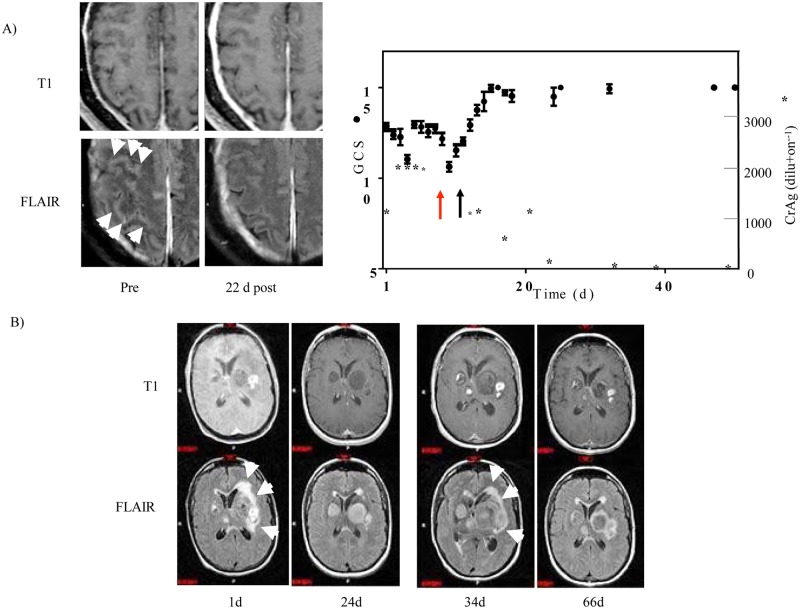
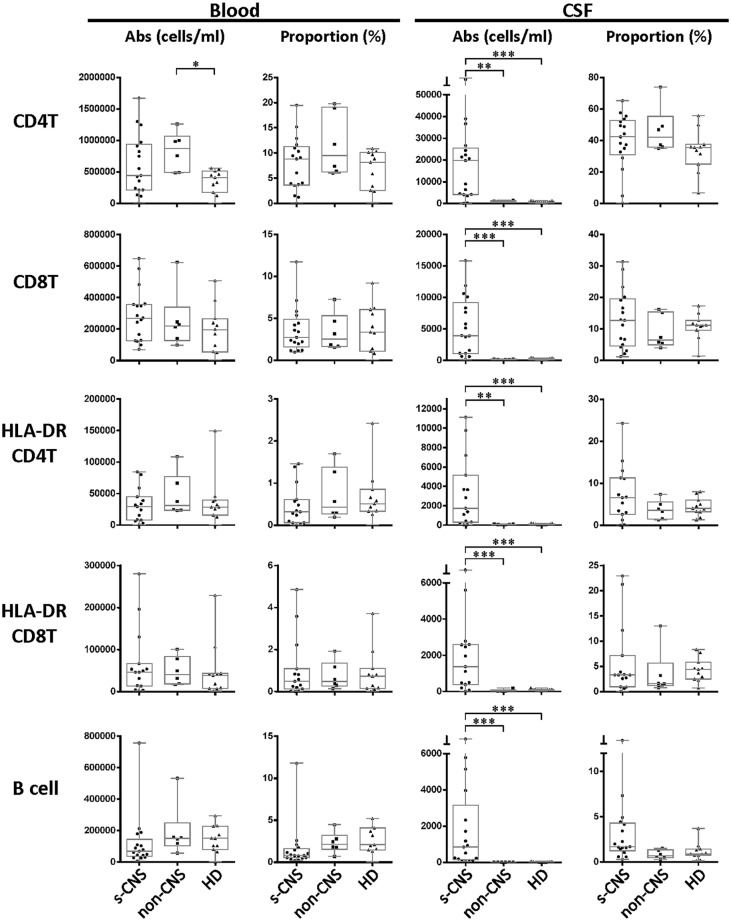
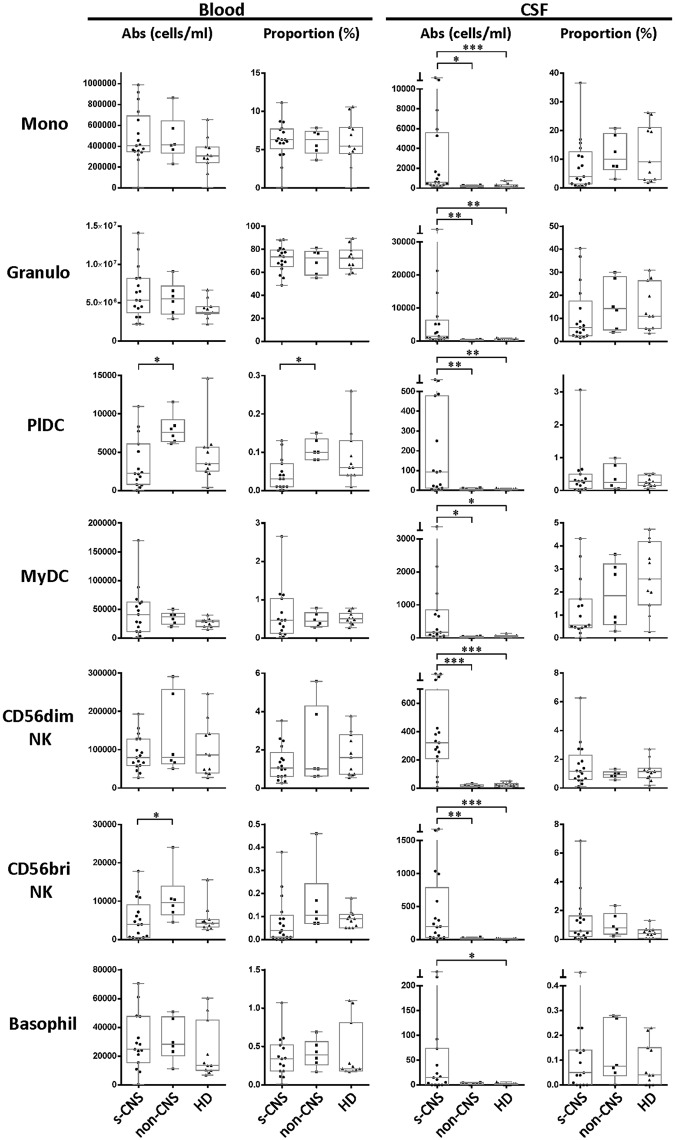
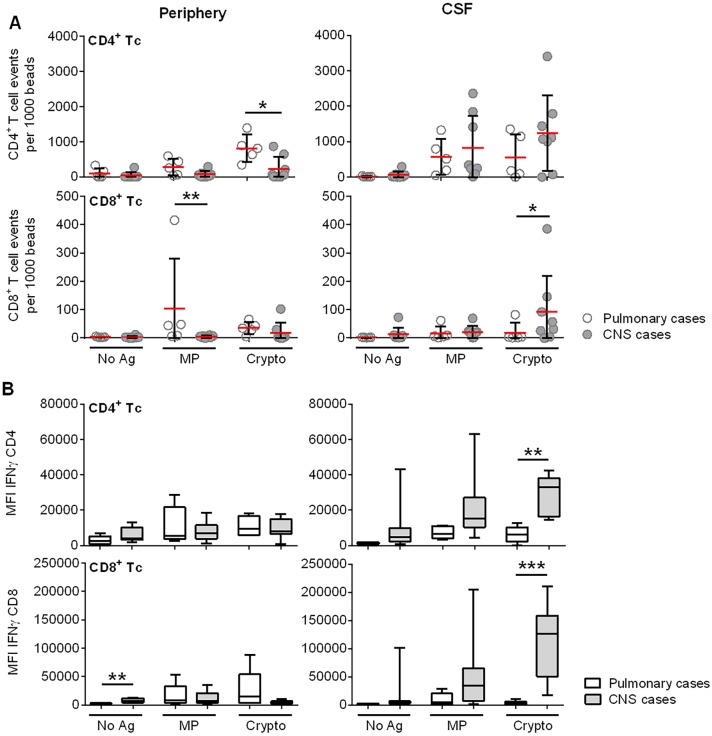
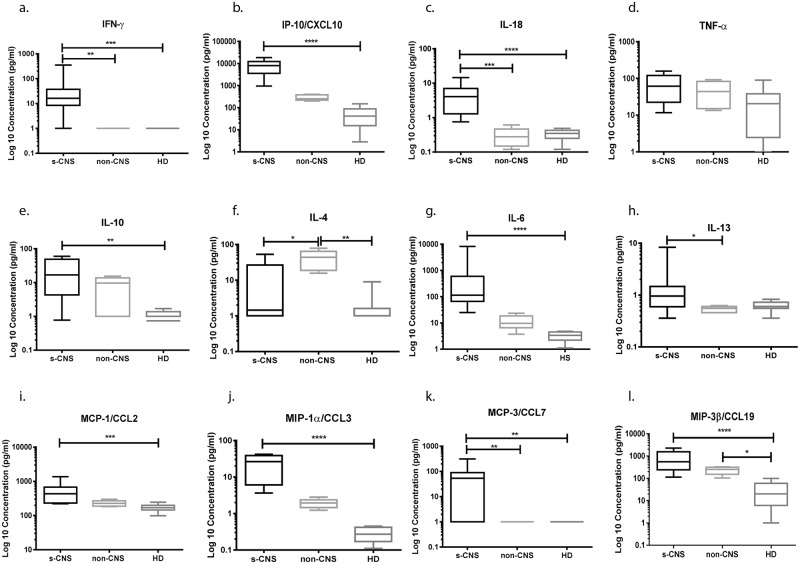
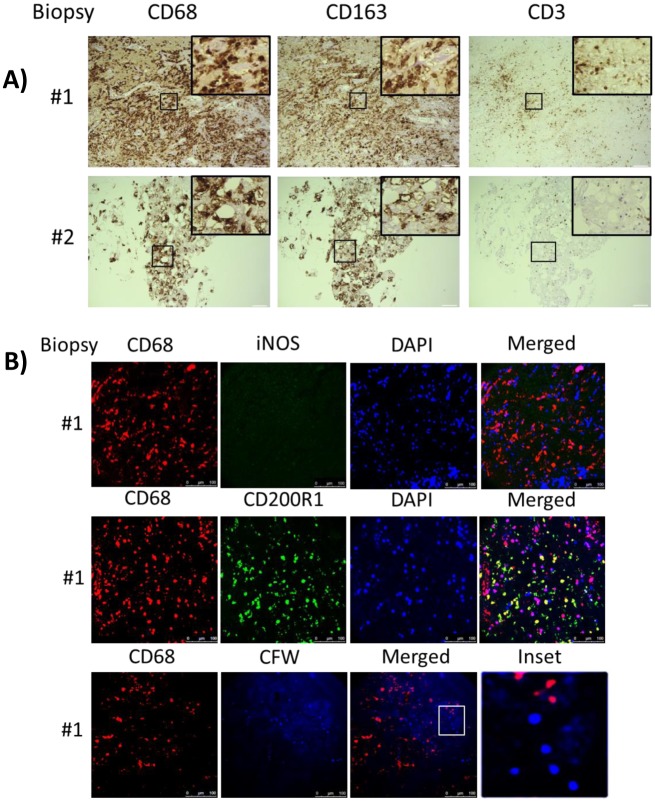
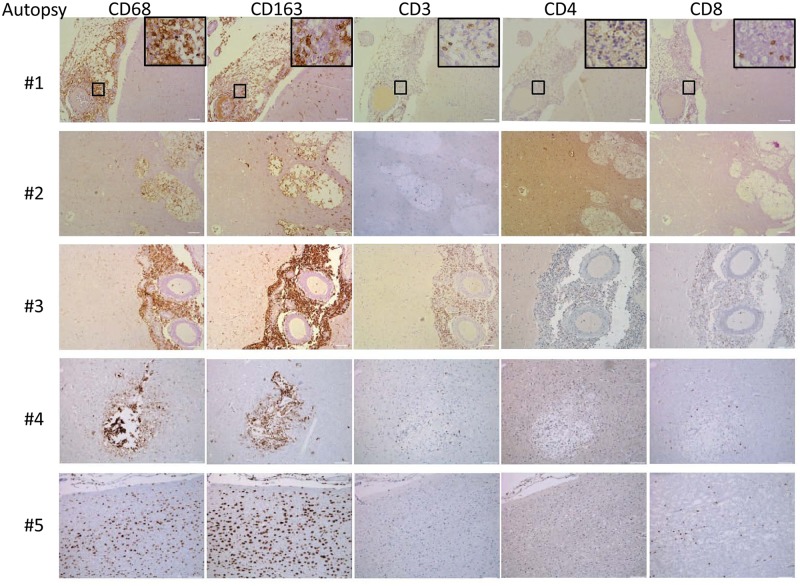
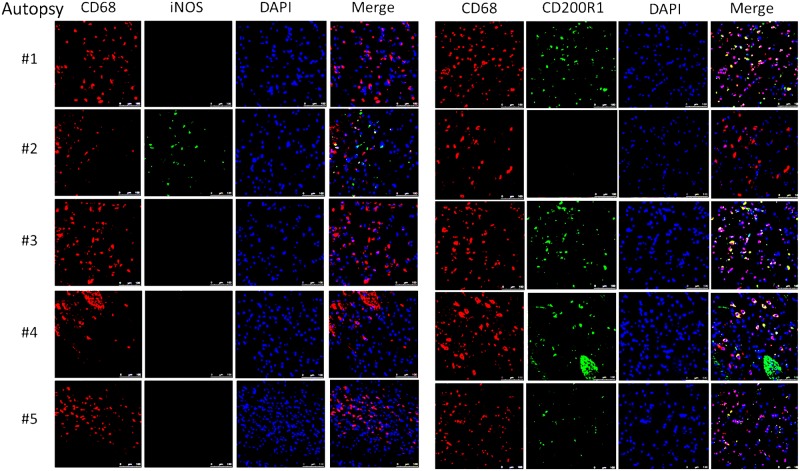
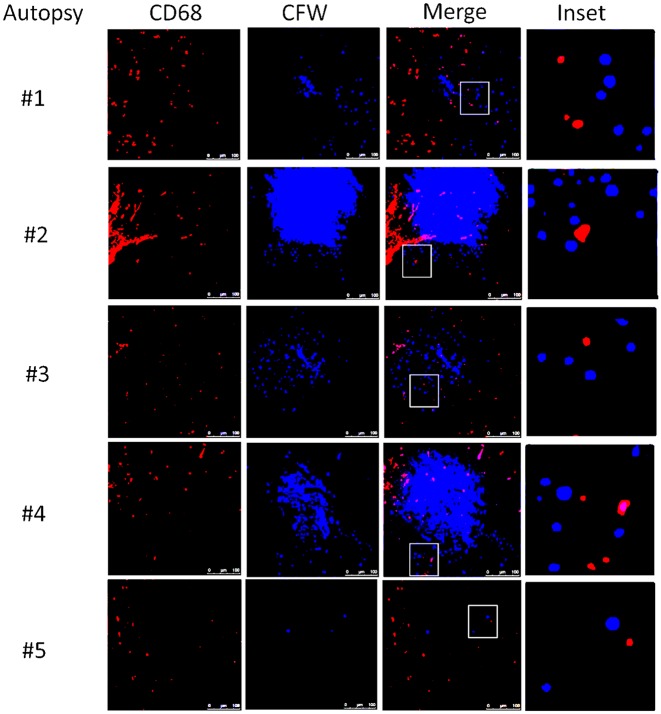
The fungus Cryptococcus is a major cause of meningoencephalitis in HIV-infected as well as HIV-uninfected individuals with mortalities in developed countries of 20% and 30%, respectively. In HIV-related disease, defects in T-cell immunity are paramount, whereas there is little understanding of mechanisms of susceptibility in non-HIV related disease, especially that occurring in previously healthy adults. The present description is the first detailed immunological study of non-HIV-infected patients including those with severe central nervous system (s-CNS) disease to 1) identify mechanisms of susceptibility as well as 2) understand mechanisms underlying severe disease. Despite the expectation that, as in HIV, T-cell immunity would be deficient in such patients, cerebrospinal fluid (CSF) immunophenotyping, T-cell activation studies, soluble cytokine mapping and tissue cellular phenotyping demonstrated that patients with s-CNS disease had effective microbiological control, but displayed strong intrathecal expansion and activation of cells of both the innate and adaptive immunity including HLA-DR+ CD4+ and CD8+ cells and NK cells. These expanded CSF T cells were enriched for cryptococcal-antigen specific CD4+ cells and expressed high levels of IFN-γ as well as a lack of elevated CSF levels of typical T-cell specific Th2 cytokines -- IL-4 and IL-13. This inflammatory response was accompanied by elevated levels of CSF NFL, a marker of axonal damage, consistent with ongoing neurological damage. However, while tissue macrophage recruitment to the site of infection was intact, polarization studies of brain biopsy and autopsy specimens demonstrated an M2 macrophage polarization and poor phagocytosis of fungal cells. These studies thus expand the paradigm for cryptococcal disease susceptibility to include a prominent role for macrophage activation defects and suggest a spectrum of disease whereby severe neurological disease is characterized by immune-mediated host cell damage.
Overview
The claims and statistics of this paper haven’t been checked yet.
Free: it reads the open-access text and checks the first 5 claims that cite a source we can check. Create a free account to check every claim.
Integrity signals
Registry
Cites
Statistics
Figures
Verification
Claims the paper makes
The claims and statistics of this paper haven’t been checked yet.
Free: it reads the open-access text and checks the first 5 claims that cite a source we can check. Create a free account to check every claim.
Claims other papers make about this one
Each is checked against this paper’s own text: does it say what the citing paper says it does?
In the citing paper
“Instead, CCR2+Ly6Chi monocytes promote brain inflammation, leading to lethal immune pathology in the brain in mice as well as in humans [131, 132].”
From Mechanisms of fungal dissemination (2021) · cites this paper as [131]
Self-check
Percentages, sums and reported differences re-computed from the paper’s own numbers.
The self-check needs the paper’s full text.
Citations
Cites
Multiple comparisons among means
Dunn, O. J. (1961) · Journal of the American Statistical Association · doi:10.1080/01621459.1961.10482090 · Cited by 5,006 · cited 1×
“For the CSF cytokine/chemokine analysis among s-CNS, non-CNS, and HD, the non-parametric Kruskal-Wallis test was utilized, controlling for multiple comparisons between each group using the Dunn procedure [68].”
MethodDe Pauw, B., Walsh, T. J., Donnelly, J. P., Stevens, D. A., Edwards, J. E., Calandra, T., Pappas, P. G., Maertens, J., Lortholary, O., Kauffman, C. A., et al. (2008) · Clinical Infectious Diseases · doi:10.1086/588660 · Cited by 4,917 · cited 1×
“Diagnosis was made by CSF India ink stain and/or culture, or a positive mucicarmine stain and/or culture from a biopsy site or a positive cryptococcal antigen testing (Meridian Cryptococcal Latex Agglutination System; Meridian Bioscience), according to previous case definitions [64].”
MethodSelf-citationPerfect, J. R., Dismukes, W. E., Dromer, F., Goldman, D. L., Graybill, J. R., Hamill, R. J., Harrison, T. S., Larsen, R. A., Lortholary, O., Nguyen, M.-H., et al. (2010) · Clinical Infectious Diseases · doi:10.1086/649858 · Cited by 2,660 · cited 1×
“This has led to varying approaches for severe disease, including the use of immune intensifying regimens such as adjunctive IFN-γ [13], or immune-suppressive therapies such as steroids in the case of infections with C.”
BackgroundPark, B. J., Wannemuehler, K. A., Marston, B. J., Govender, N., Pappas, P. G., & Chiller, T. M. (2009) · AIDS · doi:10.1097/qad.0b013e328322ffac · Cited by 2,014
Recognition of seven species in the Cryptococcus gattii/Cryptococcus neoformans species complex
Hagen, F., Khayhan, K., Theelen, B., Kolecka, A., Polacheck, I., Sionov, E., Falk, R., Parnmen, S., Lumbsch, H. T., & Boekhout, T. (2015) · Fungal Genetics and Biology · doi:10.1016/j.fgb.2015.02.009 · Cited by 687 · cited 2×
“Chest CT revealed an 8-cm right mid-lung mass, which was biopsied and grew C. gattii, genotype AFLP6A/VGIIa [23], PLOS Pathogens | DOI:10.1371/journal.ppat.1004884 May 28, 2015 5 / 27 consistent with the predominant outbreak strain found in the Pacific Northwest [24] and serum testing subsequently identified a functio…”
InfluentialSelf-citationPrognostic Factors in Cryptococcal Meningitis: A Study in 111 Cases
DIAMOND, R. D., & BENNETT, J. E. (1974) · Annals of Internal Medicine · doi:10.7326/0003-4819-80-2-176 · Cited by 605 · cited 1×
“In non-HIV-related disease, CSF fungal loads and effective microbiological clearance have similarly been associated with favorable outcomes [12].”
BackgroundSelf-citationCombination Antifungal Therapy for Cryptococcal Meningitis
Day, J. N., Chau, T. T. H., Wolbers, M., Mai, P. P., Dung, N. T., Mai, N. H., Phu, N. H., Nghia, H. D., Phong, N. D., Thai, C. Q., et al. (2013) · New England Journal of Medicine · doi:10.1056/nejmoa1110404 · Cited by 545
Jaguin, M., Houlbert, N., Fardel, O., & Lecureur, V. (2013) · Cellular Immunology · doi:10.1016/j.cellimm.2013.01.010 · Cited by 518 · cited 1×
“M1 was characterized by CD68/iNOS expression and M2 was identified by CD68/ CD200R1 co-staining as described [65].”
MethodIncreased Neurofilament Light Chain Blood Levels in Neurodegenerative Neurological Diseases
Gaiottino, J., Norgren, N., Dobson, R., Topping, J., Nissim, A., Malaspina, A., Bestwick, J. P., Monsch, A. U., Regeniter, A., Lindberg, R. L., et al. (2013) · PLoS ONE · doi:10.1371/journal.pone.0075091 · Cited by 486 · cited 1×
“Indeed, we found that this inflammatory response was accompanied by a more than 10-fold elevation in CSF NFL, a biomarker of axonal damage in diverse neurological disease [27,28] and suggests that the paradoxical inflammatory response results in ongoing neurological damage.”
BackgroundJarvis, J. N., Bicanic, T., Loyse, A., Namarika, D., Jackson, A., Nussbaum, J. C., Longley, N., Muzoora, C., Phulusa, J., Taseera, K., et al. (2014) · Clinical Infectious Diseases · doi:10.1093/cid/cit794 · Cited by 367 · cited 1×
“In HIV-related disease where fungal burdens are high and cellular immunity low, recent approaches have sought to improve microbiological clearance from the CSF, an important prognostic marker [7].”
Background
Research works printed but not linked: 1
- Hagen F, Vreuls W, Wouters M, Hendriks MJ, JF M (2014) Cryptococcus gattii infections in the Netherlands—a retrospective molecular diagnostic study using formalin fixed paraffin embedded pulmonary coin lesions. Mycoses 57 103.
Cited by
Items 101–162 of 162
Liu, J., Wei, H., Liu, J., Peng, L., Li, G., Li, M., Yang, L., Jiang, Y., & Peng, F. (2022) · Future Microbiology · doi:10.2217/fmb-2021-0247 · Cited by 6
Pattoo, M., Belewa, V., & Somai, B. M. (2018) · The Natural Products Journal · doi:10.2174/2210315509666181214154345 · Cited by 7
Cryptococcal Meningitis in an Immunocompetent Man Exposed to a Pet Cockatoo: An Overlooked Zoonosis
Peralta, D. P., Najjar, H., & Garcia-Chan, J. J. (2022) · Cureus · doi:10.7759/cureus.28122 · Cited by 5
“This is thought to be related to diagnostic delay and paradoxical worsening attributed to an intact immune system [15].”
BackgroundWarfare and defense: The host response to Cryptococcus infection
Dutra, F. F., Albuquerque, P. C., Rodrigues, M. L., & Fonseca, F. L. (2017) · Fungal Biology Reviews · doi:10.1016/j.fbr.2017.09.002 · Cited by 8
Huang, Y., Zou, J., Zhang, K., Li, H., Hu, D., Liao, W., Zhang, L., & Pan, W. (2021) · Future Microbiology · doi:10.2217/fmb-2021-0272 · Cited by 7
Park, Y., Jarvis, J. N., Hu, G., Davis, S. E., Qiu, J. F., Zhang, N., Hollingsworth, C., Loyse, A., Gardina, P. J., Vályi-Nagy, T., et al. (2018) · mBio · doi:10.1128/mbio.02353-18 · Cited by 5
“CSF from 2 pooled donors was provided from stored specimens under an observational protocol previously described (53).”
Self-citationDean, O. R., Anjum, S. H., Hess, B., Hammoud, D. A., Athas, D. M., Wheat, L. J., & Williamson, P. R. (2021) · Journal of Clinical Immunology · doi:10.1007/s10875-020-00954-9 · Cited by 5
Self-citationNel, H., & Hui, S. H. (2025) · IDCases · doi:10.1016/j.idcr.2025.e02280 · Cited by 4
“The pathophysiology of PIIRS is thought to be similar to that of IRIS, and in addition to macrophage activation, it results from CNS activation of CD4 T-cells, and increased cytokines including interleukin-6 and interferon-gamma [34].”
Abu‐Rumeileh, S., Garibashvili, T., Hagemann, J. B., Still, V., Bachhuber, F., Otto, M., Tumani, H., & Şenel, M. (2021) · Journal of the Neurological Sciences · doi:10.1016/j.jns.2021.120090 · Cited by 5
Invasive Fungal Infections of the Central Nervous System in Immune-Competent Hosts
Challa, S. (2020) · Current Fungal Infection Reports · doi:10.1007/s12281-020-00384-5 · Cited by 4
Samukawa, S., Yoshimi, R., Kojitani, N., Uzawa, Y., Takase‐Minegishi, K., Kirino, Y., Soejima, Y., Kato, H., & Nakajima, H. (2022) · Journal of Infection and Chemotherapy · doi:10.1016/j.jiac.2022.11.002 · Cited by 4
Okurut, S., Boulware, D. R., Okafor, E. C., Rhein, J., Kajumbula, H., Bagaya, B. S., Bwanga, F., Olobo, J. O., Manabe, Y. C., Meya, D. B., et al. (2023) · Frontiers in Immunology · doi:10.3389/fimmu.2023.1275443 · Cited by 5
Cheng, J. H., Cheema, R., Williamson, P. R., & Dimitriades, V. R. (2021) · Frontiers in Pediatrics · doi:10.3389/fped.2021.703895 · Cited by 4
“This M2 skewing is non-protective with suppressed local responses, leading to decreased secretion of TNFα, a key cytokine in resolving fungal infections (7).”
BackgroundResultSelf-citationMiller, C., Daugherty, R., McCulloch, M., Stephens, I., & Williamson, P. R. (2021) · The Pediatric Infectious Disease Journal · doi:10.1097/inf.0000000000003335 · Cited by 4
Self-citationReview: The application of corticosteroids in cryptococcal meningitis
Liu, J., Liu, J., Yang, L., Xu, X., Qin, B., Jiang, Y., & Peng, F. (2023) · Journal de Mycologie Médicale · doi:10.1016/j.mycmed.2023.101364 · Cited by 6
Triglyceride Regulates the Expression of M1 and M2 Macrophage-specific Markers in THP-1 Monocytes
Kim, H.-K., Kim, S. H., Kang, Y. W., Kim, B., Rhee, K., & Kim, Y. S. (2016) · Journal of Experimental & Biomedical Sciences/Biomedical Science Letters · doi:10.15616/bsl.2016.22.4.220 · Cited by 3
“CD200R is a transmembrane glycoprotein containing an immunoglobulin domain and its ligand is CD200; it is mostly expressed on myeloid cells, and is a known marker for M2 macrophages (Walker et al., 2009; Panackal et al., 2015).”
BackgroundTucker, M., Sheikh, A. M., & Villanueva, M. S. (2022) · BMJ Case Reports · doi:10.1136/bcr-2021-247495 · Cited by 3
Immunological Analysis of Cryptococcal Meningoencephalitis in a Murine Model
Xu, J., Goughenour, K. D., Underwood, W. R., & Olszewski, M. A. (2023) · Methods in molecular biology · doi:10.1007/978-1-0716-3199-7_5 · Cited by 3
Su, X., Li, W., Qi, L., Zheng, X.-J., Fang, T., Jiang, Y., & Peng, F. (2022) · BMC Neurology · doi:10.1186/s12883-022-02773-4 · Cited by 3
Ohyagi, M., Irioka, T., Ohkubo, T., Ishibashi, S., Takahashi, Y., Amano, E., Machida, A., Kuwahara, H., & Yokota, T. (2019) · Internal Medicine · doi:10.2169/internalmedicine.2338-18 · Cited by 3
“The effect of adjunctive corticosteroid therapy on brain inflammatory lesions was also reported in non-HIV patients with CM, even after microbiological clearance has been documented by negative CSF cultures (7, 15).”
BackgroundOmics approaches in Cryptococcosis: Molecular insights into host alterations
Saciloto-de-Oliveira, L. R., Calegari-Alves, Y. P., Sant’Ana, J. D. F., Innocente-Alves, C., Valério, A. K. C., Vainstein, M. H., Santi, L., & Beys‐da‐Silva, W. O. (2026) · Fungal Biology Reviews · doi:10.1016/j.fbr.2026.100473 · Cited by 2
Hargarten, J. C., Ssebambulidde, K., Anjum, S. H., Vaughan, M. J., Xu, J., Song, B., Ganguly, A., Park, Y., Scott, T. L., Hammoud, D. A., et al. (2024) · medRxiv · doi:10.1101/2024.01.18.24301483 · Cited by 3
Self-citationMeningoencephalitis and optical neuritis caused by CRYPTOCOCCUS GATTII in an immunocompetent patient
de Souza, B. A., Souza, L. C. S., Guilarde, A. O., Barbosa, A. A. C., Filho, L. A. F., & de Souza, M. A. (2020) · Revista de Patologia Tropical / Journal of Tropical Pathology · doi:10.5216/rpt.v49i4.67163 · Cited by 1
“…immune 271J Trop Pathol Vol. 49 (4): 265-273. oct.-dec. 2020 condition, although, especially in patients with no HIV infection, there is little data regarding the dynamics of this immune response and how it could be optimized to benefit the patient (Panackal et al., 2015; Marr et al., 2020).”
BackgroundCase 25-2022: A 25-Year-Old Woman with Headache and Blurred Vision
Marra, C. M., Rohatgi, S., Bloom, A. K., Kahle, K. T., & Haj, A. K. (2022) · New England Journal of Medicine · doi:10.1056/nejmcpc2201241 · Cited by 2
Chen, Q., Yu, W., Wang, X., Zhao, C., Wang, P., Sun, L., Xu, L., & Xu, Y. (2024) · Frontiers in Immunology · doi:10.3389/fimmu.2024.1444486 · Cited by 1
“The causation of PIIRS may be linked to biased Th1 cell formation and impaired T-cell-macrophage differentiation (35, 36).”
Neuroglial responses to bacterial, viral, and fungal neuroinfections
Awogbindin, I. O., Šimončičová, E., Vidal, V., Ash, C., & Tremblay, M. (2025) · Handbook of clinical neurology · doi:10.1016/b978-0-443-19102-2.00027-2 · Cited by 1
Cerebral Venous Thrombosis in Previously Healthy Patients with Cryptococcal Meningitis
Anjum, S. H., Hargarten, J. C., Dulek, B., Otaizo-Carrasquero, F. A., Trang, W., Kalsi, S. S., Similuk, M. N., Ghosh, R., Walkiewicz-Yvon, M., Tokita, M., et al. (2025) · The Journal of Infectious Diseases · doi:10.1093/infdis/jiaf653 · Cited by 1
“Moreover, it is not known whether post-infectious neuroinflammatory complications of cryptococcal meningitis, namely IRIS [15] in HIV-positive or post-infectious inflammatory response syndrome (PIIRS) [16] in apparently healthy individuals could potentially contribute to CVST.”
Self-citationIto, Y., Höeltermann, T.-A., Anjum, S. H., Robinson, L. J., Little, J. S., Kiritsy, M. C., Steinbrink, J. M., Finocchi, A., Walker, L. W., Avery, R. K., et al. (2025) · The Journal of Infectious Diseases · doi:10.1093/infdis/jiaf620 · Cited by 1
“In both bacterial and fungal infections of the CNS, immune-driven pathology has been well documented [7], particularly in the context of cryptococcal infections [8].”
Self-citationScott, T. L., Quezado, M., & Williamson, P. R. (2026) · Expert Review of Anti-infective Therapy · doi:10.1080/14787210.2026.2628049 · Cited by 2
Self-citationXu, L., Huang, Q., Lin, J., Zhu, C.-Y., Li, X., Ye, S., Zhu, A., Chen, D.-H., Zhang, C., Chen, L., et al. (2016) · Medicine · doi:10.1097/md.0000000000002744 · Cited by 1
“Medicine Volume 95, Number 6, February 2016 Cryptococcas neoformans is present in the soil23 and is probably the major source of infection via inhalation.23 If the infection is not controlled in the lungs, it disseminates throughout the body, with particular preference for the central nervous system (CNS) where it cau…”
BackgroundInfluentialDutta, O., Masso-Silva, J. A., Wang, K., & Rivera, A. (2017) · Current Pharmacology Reports · doi:10.1007/s40495-017-0111-4 · Cited by 2
“otherwise immunocompetent individuals [52].”
Giustini, V., Sottini, A., BELLERI, S., Bertoli, D., Roccaro, A., Montanelli, A., Filippini, M., Fontanella, M. M., & Imberti, L. (2021) · Journal of Neurosurgical Sciences · doi:10.23736/s0390-5616.18.04375-8 · Cited by 1
Lee, K., Su, H., Chen, P., & Sung, P. (2020) · Interdisciplinary Neurosurgery · doi:10.1016/j.inat.2020.100910 · Cited by 1
Cryptococcoma mimicking a brain tumor in an immunocompetent patient: A case and illustrative report
Nicolás-Cruz, C. F., Ariza-Varón, M., Mondragón–Soto, M. G., Suarez-Venegas, A., Villalobos-Díaz, R., Marian-Magaña, R., Moreno‐Jiménez, S., & Soto‐Hernández, J. L. (2022) · Interdisciplinary Neurosurgery · doi:10.1016/j.inat.2022.101688 · Cited by 1
Louis, I. V.-S., & Mohei, H. (2024) · Diseases · doi:10.3390/diseases12050101 · Cited by 3
“In severe cases of cryptococcal meningitis, the infected macrophages express so-called alternative activation cluster differentiation markers (e.g., CD200, CD163, and CD206) and are unable to eradicate Cryptococcus spp. from the CSF, spreading the pathogen to the central nervous system [70,72].”
BackgroundCryptococcal Meningitis and Its Optimal Antifungal Therapy
Joe, J., Jayachnadran, S., & Priya, A. (2021) · International Journal of Health Sciences and Research · doi:10.52403/ijhsr.20210723 · Cited by 1
“According to the official statistics approximately one million new cases each year worldwide and the lethality is more than 50 percent [5,6] .”
BackgroundREVIEW Innate host defenses against Cryptococcus neoformans
Hole, C. R., & Wormley, F. L. (2016)
Cryptococcus neoformans -Host Interactions Determine Disease Outcomes
Xu, J., Wiliamson, P. R., & Olszewski, M. A. (2019) · IntechOpen eBooks · doi:10.5772/intechopen.83750 · Cited by 3
“Recent studies have shown that patients with PIIRS exhibit strong intrathecal Th1 responses with high levels of IFN-γ production and a relatively lack of Th2 responses [30].”
BackgroundInfluentialMarr, K. A., Anjum, S. H., Hammoud, D. A., & Williamson, P. R. (2020) · Clinical Infectious Diseases · doi:10.1093/cid/ciaa297
Self-citationZhang, H., Zhang, X. H., Chen, P., & Li, B. Z. (2020) · PubMed Central · doi:10.3760/cma.j.issn.0253-2727.2020.05.013 · Cited by 1
“[15] Panackal AA, Wuest SC, Lin YC, et al.”
BackgroundUna rara causa de cefalea y fiebre en una mujer sana
Rocha-Arrieta, M. C., Lambraño-Castillo, D., López-Íñiguez, Á., & Calva, J. J. (2021) · CES Medicina · doi:10.21615/cesmedicina.6035
Huang, Y., Zou, J., Zhang, K., Li, H., Hu, D., Liao, W., Zhang, L., & Pan, W. (2021) · Research Square · doi:10.21203/rs.3.rs-789545/v1
“More CM patients without HIV infection have increased Qalb compared with CM patients with HIV infection [12, 13].”
Bahn, Y., & Kim, J. Y. (2021) · Faculty Opinions – Post-Publication Peer Review of the Biomedical Literature · doi:10.3410/f.740541708.793588924
Seemiller, J., & Malik, M. T. (2022) · Journal of Neurology Research · doi:10.14740/jnr706
A Frontal Cryptococcal Abscess in an HIV-Negative Patient: A Case Report and Overview of LiteraturePreprint
Xiao, F., He, L., Wu, Z., & Yu, Y. (2022) · Research Square · doi:10.21203/rs.3.rs-1484497/v1
(2017) · Archives of Infectious Diseases & Therapy · doi:10.33140/aidt.01.01.01
Tsai, Y., Chen, Y.-S., Yao, C.-S., Chang, R., Wang, N.-C., & Chen, J.-K. (2024) · Open Forum Infectious Diseases · doi:10.1093/ofid/ofae540
“This underscores that an excessive inflammatory response can harm the human body [25].”
BackgroundMethodRetrospective link of altered mental status and cryptococcal meningitis
Krishnaraj, P. N., Venkatesh, C., Shivakumar, D. A., Prasad, N., Dugganaboyana, G. K., & Ramanna, K. J. (2025) · International review of neurobiology · doi:10.1016/bs.irn.2025.04.003
Clinical profile and serum 25-hydroxyvitamin D deficiency in HIV-negative cryptococcal meningitisPreprint
Liao, J., Su, X., Feng, Q., Xu, L., Liu, J., Dai, K., Jiang, Y., Peng, F., & Xiaofeng, X. (2025) · Research Square · doi:10.21203/rs.3.rs-6914452/v1
Delayed Diagnosis Disaster of Cryptococcal Meningitis and Ischemic Stroke in Chronic Steroid UsePreprint
Vaibhav, F., & Arora, N. (2025) · SSRN Electronic Journal · doi:10.2139/ssrn.5436975
The Pain Is in the Brain With the Sugar-Coated Killer
Messina, J. A., & Perfect, J. R. (2025) · The Journal of Infectious Diseases · doi:10.1093/infdis/jiaf496
Introduction to Fungal Infections
Richa, R., Saxena, R. K., & Namrata (2025) · Fungal biology · doi:10.1007/978-3-032-06014-3_1
Uher, T. (2025) · Springer eBooks · doi:10.1007/978-3-031-98945-2_5
Shi, J., Chen, J., Hu, L., Ma, A. H. Y., Hu, H., Wang, C., Huang, J., Song, Q., & Qian, G. (2023) · Figshare · doi:10.6084/m9.figshare.23797391
Su, X.-H., Li, W.-P., Lin, Q., Zheng, X., Fang, T., Jiang, Y., & Peng, F.-H. (2022) · Figshare · doi:10.6084/m9.figshare.20252731
Su, X.-H., Li, W.-P., Lin, Q., Zheng, X., Fang, T., Jiang, Y., & Peng, F.-H. (2022) · Figshare · doi:10.6084/m9.figshare.20252734
Su, X.-H., Li, W.-P., Lin, Q., Zheng, X., Fang, T., Jiang, Y., & Peng, F.-H. (2022) · Figshare · doi:10.6084/m9.figshare.20252737
Vernel-Pauillac, F. (2016) · theses.fr (ABES) · doi:10.70675/55cb10fezebc3z4e5bz9786zcc093706132b
Advances in cryptococcal infections-associated immunopathology and potential therapeutic strategies
Павловна, С. Н., Saha, S., Gurina, R., Kuznetsova, O., Zhabo, N., Avdonina, M., & Pilshchikova, O. (2026) · Frontiers in Pharmacology · doi:10.3389/fphar.2026.1776489
“…detected in the cerebrospinal fluid (CSF) of the aforementioned cohort of non-HIV patients with cryptococcal meningitis, autopsy analyses revealed a predominance of alternatively activated (M2) macrophages within central nervous system (CNS) tissues (Panackal et al., 2015; Olszewski et al., 2010).”
Tian, Q., Su, X., Xu, L., Liao, J., Jl, L., Dai, K., Jiang, Y., Peng, F., & Xu, X. (2026) · Journal of Clinical Neuroscience · doi:10.1016/j.jocn.2026.112206
Approaches to immunotherapy for cryptococcal meningitis
Jarvis, J. N., Lawrence, D. S., & Harrison, T. S. (2026) · Elsevier eBooks · doi:10.1016/b978-0-443-23636-5.00008-3
Metadata
- Authors
- Panackal, A. A., Wuest, S. C., Lin, Y.-C., Wu, T., Zhang, N., Kosa, P., Komori, M., Blake, A., Browne, S. K., Rosen, L. B., Hagen, F., Meis, J., Levitz, S. M., Quezado, M., Hammoud, D., Bennett, J. E., Bielekova, B., & Williamson, P. R.
- Affiliations
- National Institutes of Health (US)
- Canisius-Wilhelmina Ziekenhuis (NL)
- Radboud University Nijmegen (NL)
- University of Massachusetts Chan Medical School (US)
- Corresponding author
- Bielekova, Bibi
- Williamson, Peter R.
- ORCID
- Venue
- PLOS Pathogens
- Publisher
- Public Library of Science (PLoS)
- Published
- 2015-05-28
- Volume
- 11
- Issue
- 5
- Pages
- e1004884
- ISSN
- 1553-7366 (ISSN-L)
- 1553-7374
- PMC
- PMC4447450
- OpenAlex
- W1506388750
- Cited by
- 162
- References
- 69
- Citations by year
- 2026: 6 · 2025: 14 · 2024: 9 · 2023: 11 · 2022: 20 · 2021: 19 · 2020: 17 · 2019: 14 · 2018: 12 · 2017: 23 · 2016: 15 · 2015: 2
- FWCI
- 13.59
- Type
- journal article
- Language
- en
- Open access
- gold
- doi.org
- Licence
- public-domain
- creativecommons.org/publicdomain/zero/1.0/ (vor)
- Locations
- PLoS Pathogens (publishedVersion, public-domain)
- PubMed Central (publishedVersion, public-domain)
- PubMed (publishedVersion)
- The Journal of the American Medical Association (JAMA) Network (American Medical Association) (submittedVersion, public-domain)
- Data Archiving and Networked Services (DANS) (submittedVersion)
- DOAJ (DOAJ: Directory of Open Access Journals) (submittedVersion, cc-by-sa)
- Figshare (submittedVersion, cc-by)
- Funders
- U.S. Department of Defense
- National Institutes of Health (AI001124, AI001124-01)
- Uniformed Services University of the Health Sciences
- National Institute of Allergy and Infectious Diseases (AI001123–01, R01AI026780, R01AI025780, AI001124–01, U01AI109657, AI001124, AI001123, ZIAAI001123, ZIAAI001124)
- National Institute of Neurological Disorders and Stroke
- NIH Clinical Center
- Topics
- Health Sciences › Medicine › Infectious Diseases › Fungal Infections and Studies
- Health Sciences › Medicine › Infectious Diseases › Infectious Diseases and Tuberculosis
- Life Sciences › Immunology and Microbiology › Microbiology › Bacterial Infections and Vaccines
- Keywords
- cryptococcal meningitis, Cryptococcus neoformans, CD4+ T cells, CD8+ T cells, natural killer cells, interferon-gamma, Th2 cytokines, neurofilament light chain, M2 macrophage polarization, phagocytosis, innate and adaptive immunity, fungal infection susceptibility
- MeSH terms
- Adult, Autopsy, Brain, Cryptococcus neoformans, Female, Flow Cytometry, Humans, Killer Cells, Natural, Lymphocyte Activation, Male, Middle Aged, Cohort Studies, CD4-Positive T-Lymphocytes, Immunophenotyping, Cytokines, Meningitis, Cryptococcal, CD8-Positive T-Lymphocytes, Th1 Cells, Young Adult
About these checks
Registry, retraction, Cites and statistics results are computed, not judged, with one exception: a printed reference that no index lists is read once by a model before it counts as a citation error. Claims are extracted by a model and kept only when their quote appears verbatim in the text; each cited source is then checked, with a model’s help, for whether it says what the claim relies on. Those verdicts can be wrong — read the claim’s quote and the cited source before relying on one.
Statistics and arithmetic are recomputed, not judged.
Confidence bands are shown only for fields calibrated on our annotated test set. None is calibrated yet, so no band is shown.
What counts as a claim ›How we measure confidence ›How we check this ›
Are you an author, or do you see a problem with this page? Request a review
Data sources
Bibliographic data: Semantic Scholar, OpenAlex, Crossref.
Contains information from the Semantic Scholar Academic Graph Datasets, made available under the ODC Attribution License (ODC-BY 1.0).
Semantic Scholar’s data is described in: Kinney, R., et al. (2023). The Semantic Scholar Open Data Platform. arXiv:2301.10140.
