

Paradoxical Immune Responses in Non-HIV Cryptococcal Meningitis
Open accessThe DOI matches its Crossref record; 68 of the 69 references it cites were found in a registry or an index.
Abstract
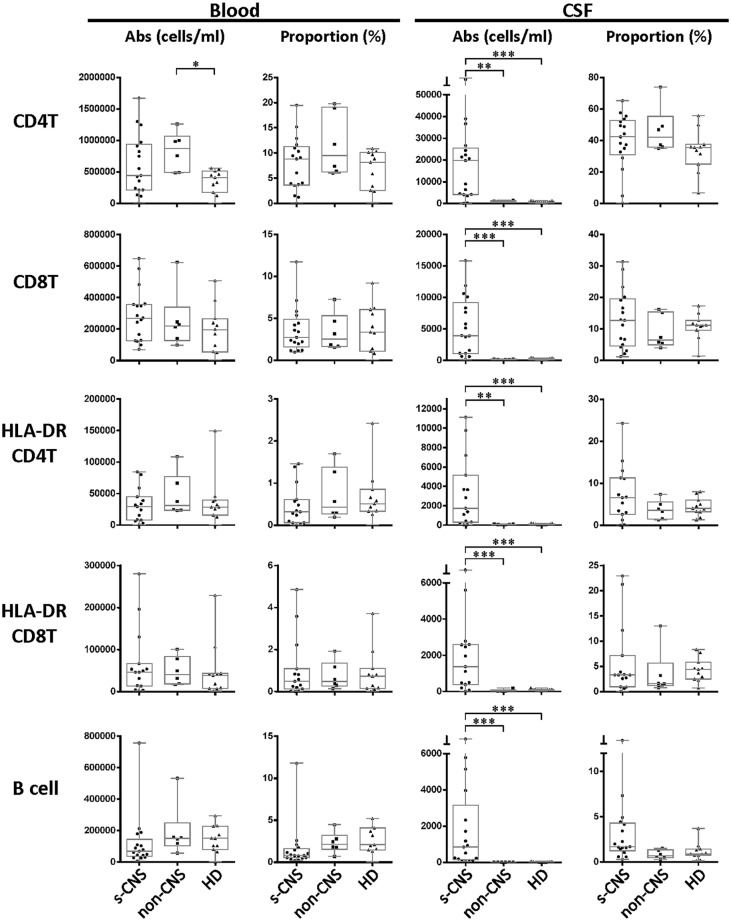
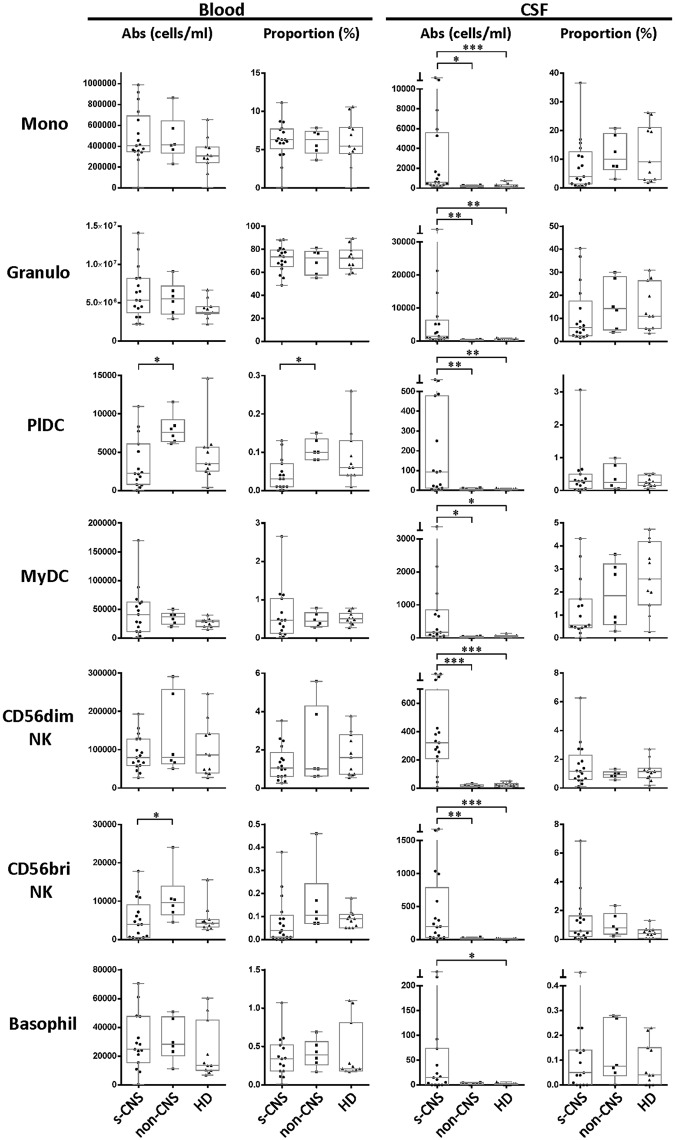
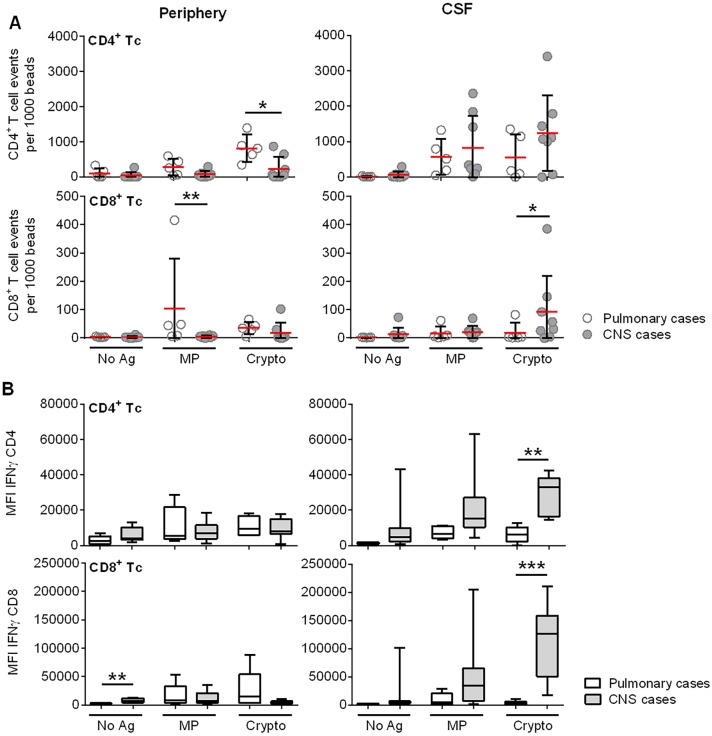
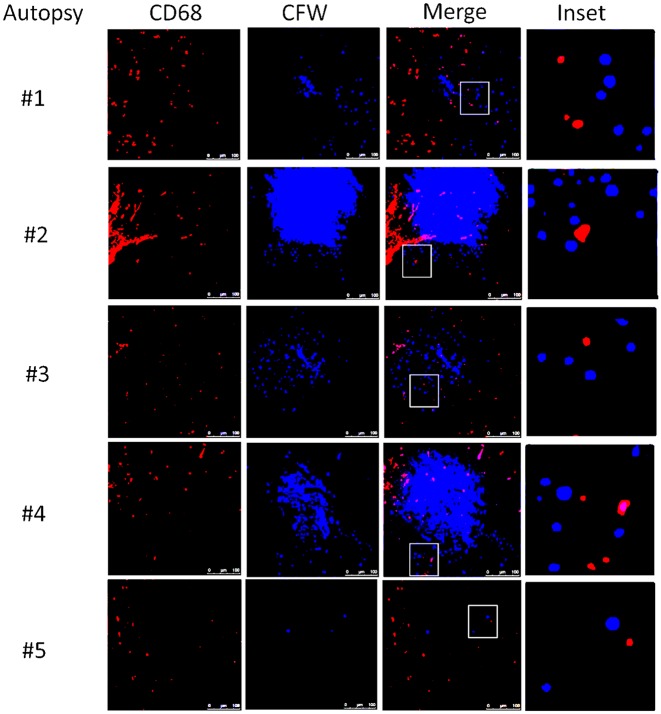
The fungus Cryptococcus is a major cause of meningoencephalitis in HIV-infected as well as HIV-uninfected individuals with mortalities in developed countries of 20% and 30%, respectively. In HIV-related disease, defects in T-cell immunity are paramount, whereas there is little understanding of mechanisms of susceptibility in non-HIV related disease, especially that occurring in previously healthy adults. The present description is the first detailed immunological study of non-HIV-infected patients including those with severe central nervous system (s-CNS) disease to 1) identify mechanisms of susceptibility as well as 2) understand mechanisms underlying severe disease. Despite the expectation that, as in HIV, T-cell immunity would be deficient in such patients, cerebrospinal fluid (CSF) immunophenotyping, T-cell activation studies, soluble cytokine mapping and tissue cellular phenotyping demonstrated that patients with s-CNS disease had effective microbiological control, but displayed strong intrathecal expansion and activation of cells of both the innate and adaptive immunity including HLA-DR+ CD4+ and CD8+ cells and NK cells. These expanded CSF T cells were enriched for cryptococcal-antigen specific CD4+ cells and expressed high levels of IFN-γ as well as a lack of elevated CSF levels of typical T-cell specific Th2 cytokines -- IL-4 and IL-13. This inflammatory response was accompanied by elevated levels of CSF NFL, a marker of axonal damage, consistent with ongoing neurological damage. However, while tissue macrophage recruitment to the site of infection was intact, polarization studies of brain biopsy and autopsy specimens demonstrated an M2 macrophage polarization and poor phagocytosis of fungal cells. These studies thus expand the paradigm for cryptococcal disease susceptibility to include a prominent role for macrophage activation defects and suggest a spectrum of disease whereby severe neurological disease is characterized by immune-mediated host cell damage.
Overview
The claims and statistics of this paper haven’t been checked yet.
Free: it reads the open-access text and checks the first 5 claims that cite a source we can check. Create a free account to check every claim.
Integrity signals
Registry
Cites
Statistics
Figures
Verification
Claims the paper makes
The claims and statistics of this paper haven’t been checked yet.
Free: it reads the open-access text and checks the first 5 claims that cite a source we can check. Create a free account to check every claim.
Claims other papers make about this one
Each is checked against this paper’s own text: does it say what the citing paper says it does?
In the citing paper
“Instead, CCR2+Ly6Chi monocytes promote brain inflammation, leading to lethal immune pathology in the brain in mice as well as in humans [131, 132].”
From Mechanisms of fungal dissemination (2021) · cites this paper as [131]
Self-check
Percentages, sums and reported differences re-computed from the paper’s own numbers.
The self-check needs the paper’s full text.
Citations
Cites
Multiple comparisons among means
Dunn, O. J. (1961) · Journal of the American Statistical Association · doi:10.1080/01621459.1961.10482090 · Cited by 5,006 · cited 1×
“For the CSF cytokine/chemokine analysis among s-CNS, non-CNS, and HD, the non-parametric Kruskal-Wallis test was utilized, controlling for multiple comparisons between each group using the Dunn procedure [68].”
MethodDe Pauw, B., Walsh, T. J., Donnelly, J. P., Stevens, D. A., Edwards, J. E., Calandra, T., Pappas, P. G., Maertens, J., Lortholary, O., Kauffman, C. A., et al. (2008) · Clinical Infectious Diseases · doi:10.1086/588660 · Cited by 4,917 · cited 1×
“Diagnosis was made by CSF India ink stain and/or culture, or a positive mucicarmine stain and/or culture from a biopsy site or a positive cryptococcal antigen testing (Meridian Cryptococcal Latex Agglutination System; Meridian Bioscience), according to previous case definitions [64].”
MethodSelf-citationPerfect, J. R., Dismukes, W. E., Dromer, F., Goldman, D. L., Graybill, J. R., Hamill, R. J., Harrison, T. S., Larsen, R. A., Lortholary, O., Nguyen, M.-H., et al. (2010) · Clinical Infectious Diseases · doi:10.1086/649858 · Cited by 2,660 · cited 1×
“This has led to varying approaches for severe disease, including the use of immune intensifying regimens such as adjunctive IFN-γ [13], or immune-suppressive therapies such as steroids in the case of infections with C.”
BackgroundPark, B. J., Wannemuehler, K. A., Marston, B. J., Govender, N., Pappas, P. G., & Chiller, T. M. (2009) · AIDS · doi:10.1097/qad.0b013e328322ffac · Cited by 2,014
Recognition of seven species in the Cryptococcus gattii/Cryptococcus neoformans species complex
Hagen, F., Khayhan, K., Theelen, B., Kolecka, A., Polacheck, I., Sionov, E., Falk, R., Parnmen, S., Lumbsch, H. T., & Boekhout, T. (2015) · Fungal Genetics and Biology · doi:10.1016/j.fgb.2015.02.009 · Cited by 687 · cited 2×
“Chest CT revealed an 8-cm right mid-lung mass, which was biopsied and grew C. gattii, genotype AFLP6A/VGIIa [23], PLOS Pathogens | DOI:10.1371/journal.ppat.1004884 May 28, 2015 5 / 27 consistent with the predominant outbreak strain found in the Pacific Northwest [24] and serum testing subsequently identified a functio…”
InfluentialSelf-citationPrognostic Factors in Cryptococcal Meningitis: A Study in 111 Cases
DIAMOND, R. D., & BENNETT, J. E. (1974) · Annals of Internal Medicine · doi:10.7326/0003-4819-80-2-176 · Cited by 605 · cited 1×
“In non-HIV-related disease, CSF fungal loads and effective microbiological clearance have similarly been associated with favorable outcomes [12].”
BackgroundSelf-citationCombination Antifungal Therapy for Cryptococcal Meningitis
Day, J. N., Chau, T. T. H., Wolbers, M., Mai, P. P., Dung, N. T., Mai, N. H., Phu, N. H., Nghia, H. D., Phong, N. D., Thai, C. Q., et al. (2013) · New England Journal of Medicine · doi:10.1056/nejmoa1110404 · Cited by 545
Jaguin, M., Houlbert, N., Fardel, O., & Lecureur, V. (2013) · Cellular Immunology · doi:10.1016/j.cellimm.2013.01.010 · Cited by 518 · cited 1×
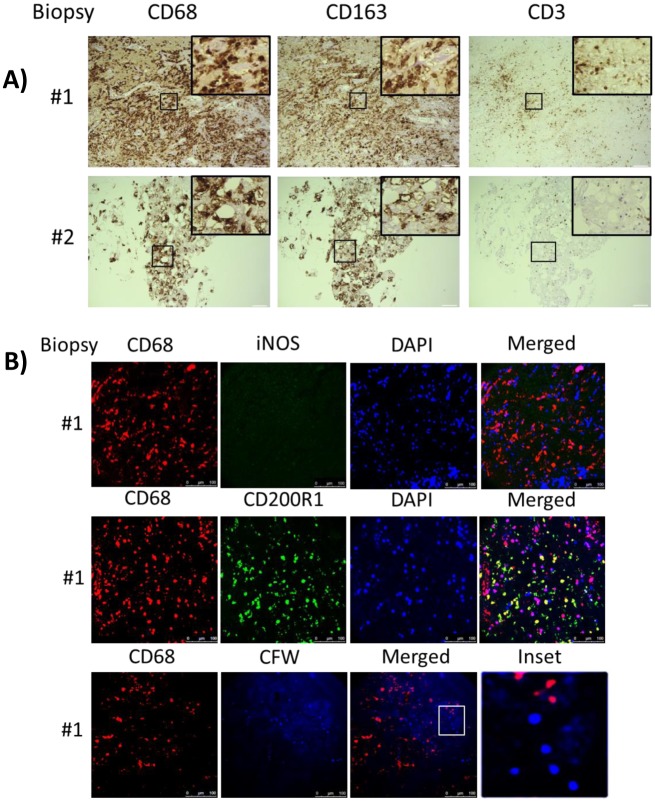
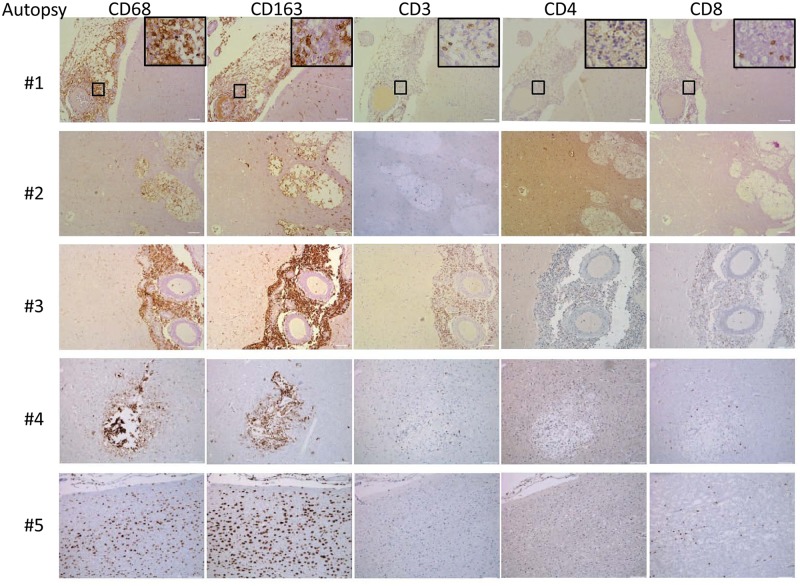
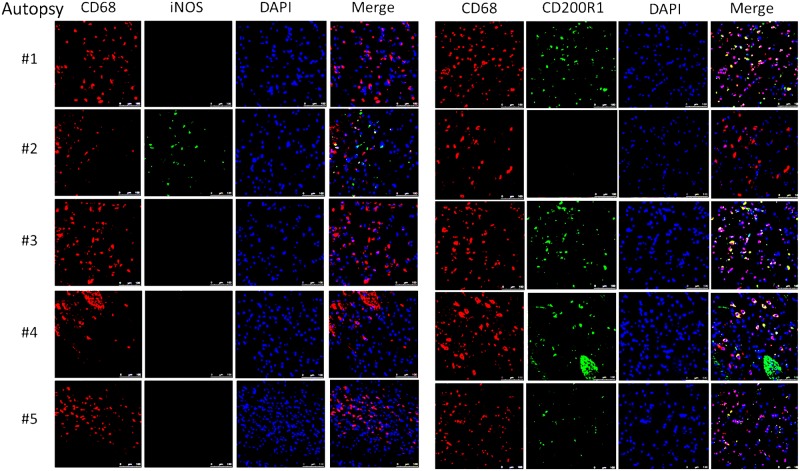
“M1 was characterized by CD68/iNOS expression and M2 was identified by CD68/ CD200R1 co-staining as described [65].”
MethodIncreased Neurofilament Light Chain Blood Levels in Neurodegenerative Neurological Diseases
Gaiottino, J., Norgren, N., Dobson, R., Topping, J., Nissim, A., Malaspina, A., Bestwick, J. P., Monsch, A. U., Regeniter, A., Lindberg, R. L., et al. (2013) · PLoS ONE · doi:10.1371/journal.pone.0075091 · Cited by 486 · cited 1×
“Indeed, we found that this inflammatory response was accompanied by a more than 10-fold elevation in CSF NFL, a biomarker of axonal damage in diverse neurological disease [27,28] and suggests that the paradoxical inflammatory response results in ongoing neurological damage.”
BackgroundJarvis, J. N., Bicanic, T., Loyse, A., Namarika, D., Jackson, A., Nussbaum, J. C., Longley, N., Muzoora, C., Phulusa, J., Taseera, K., et al. (2014) · Clinical Infectious Diseases · doi:10.1093/cid/cit794 · Cited by 367 · cited 1×
“In HIV-related disease where fungal burdens are high and cellular immunity low, recent approaches have sought to improve microbiological clearance from the CSF, an important prognostic marker [7].”
BackgroundEpidemiology of cryptococcal meningitis in the US: 1997–2009
Pyrgos, V., Seitz, A. E., Steiner, C. A., Prevots, D. R., & Williamson, P. R. (2013) · PLoS ONE · doi:10.1371/journal.pone.0056269 · Cited by 309 · cited 2×
“Recent data demonstrating the relative rarity of non-HIV cryptococcal disease [5] despite high rates of exposure [59] also support a defective host response.”
BackgroundSelf-citationHaddow, L. J., Colebunders, R., Meintjes, G., Lawn, S. D., Elliott, J. H., Manabe, Y. C., Bohjanen, P. R., Sungkanuparph, S., Easterbrook, P. J., French, M. A., et al. (2010) · The Lancet Infectious Diseases · doi:10.1016/s1473-3099(10)70170-5 · Cited by 302
Kambugu, A., Meya, D. B., Rhein, J., O’Brien, M., Janoff, E. N., Ronald, A. R., Kamya, M. R., Mayanja‐Kizza, H., Sande, M. A., Bohjanen, P. R., et al. (2008) · Clinical Infectious Diseases · doi:10.1086/587667 · Cited by 300 · cited 1×
“While AIDS-related cases represent the bulk of disease burden worldwide [1] with mortality approaching 60% in the developing world [2,3] and 20% in the developed world [4], non-HIV related cryptococcosis is a significant source of mortality and morbidity in the developed world, accounting for approximately a third of…”
BackgroundJarvis, J. N., Meintjes, G., Rebe, K., Williams, G. N., Bicanic, T., Williams, A., Schutz, C., Bekker, L.-G., Wood, R., & Harrison, T. S. (2012) · AIDS · doi:10.1097/qad.0b013e3283536a93 · Cited by 290
Wuest, S. C., Edwan, J. H., Martin, J. F., Han, S., Perry, J. S. A., Cartagena, C. M., Matsuura, E., Maric, D., Waldmann, T. A., & Bielekova, B. (2011) · Nature Medicine · doi:10.1038/nm.2365 · Cited by 284
Self-citationBoulware, D. R., Meya, D. B., Bergemann, T. L., Wiesner, D. L., Rhein, J., Musubire, A., Lee, S. J., Kambugu, A., Janoff, E. N., & Bohjanen, P. R. (2010) · PLoS Medicine · doi:10.1371/journal.pmed.1000384 · Cited by 279 · cited 1×
“Within the CSF compartment, cIRIS is associated with elevations of IFN-γ, TNF-α, G-CSF, VEGF, and eotaxin (CCL11) [49,50].”
BackgroundBrizendine, K. D., Baddley, J. W., & Pappas, P. G. (2013) · PLoS ONE · doi:10.1371/journal.pone.0060431 · Cited by 265 · cited 1×
“While AIDS-related cases represent the bulk of disease burden worldwide [1] with mortality approaching 60% in the developing world [2,3] and 20% in the developed world [4], non-HIV related cryptococcosis is a significant source of mortality and morbidity in the developed world, accounting for approximately a third of…”
BackgroundImmunity to a pulmonary Cryptococcus neoformans infection requires both CD4+ and CD8+ T cells.
Huffnagle, G. B., Yates, J. L., & Lipscomb, M. F. (1991) · The Journal of experimental medicine · doi:10.1084/jem.173.4.793 · Cited by 261 · cited 1×
“These expanded CSF T cells were enriched for cryptococcal-antigen specific CD4+ and CD8+ T cells that are critical in protection from the fungus [39], secreting the protective cytokine, IFN-γ [40] as well as a lack of highly elevated CSF levels of typical T-cell specific Th2 cytokines IL-4 and IL-13 (IL13 was barely F…”
BackgroundSingh, N., Lortholary, O., Alexander, B. D., Gupta, K. L., John, G. T., Pursell, K., Munoz, P., Klintmalm, G. B., Stosor, V., del Busto, R., et al. (2005) · Clinical Infectious Diseases · doi:10.1086/430606 · Cited by 248 · cited 1×
“neoformans in both mouse studies [44] and human experience where T-cell defects from HIV/AIDS [11] or during solid organ transplant conditioning [45], predispose to cryptococcal infections.”
BackgroundAnti–GM-CSF Autoantibodies in Patients with Cryptococcal Meningitis
Rosen, L. B., Freeman, A. F., Yang, L. M., Jutivorakool, K., Olivier, K. N., Angkasekwinai, N., Suputtamongkol, Y., Bennett, J. E., Pyrgos, V., Williamson, P. R., et al. (2013) · The Journal of Immunology · doi:10.4049/jimmunol.1202526 · Cited by 246 · cited 2×
“This is consistent with our recent data demonstrating the presence of a STAT5 phosphorylation-blocking GM-CSF autoantibody in a subset of patients with cryptococcal disease [25,60] and suggest that future targeted studies should focus on the mechanistic assessment of cells of myeloid lineage, including evaluation of p…”
ResultSelf-citationSaijo, T., Chen, J., Chen, S. C.-A., Rosen, L. B., Yi, J., Sorrell, T. C., Bennett, J. E., Holland, S. M., Browne, S. K., & Kwon-Chung, K. J. (2014) · mBio · doi:10.1128/mbio.00912-14 · Cited by 225 · cited 1×
“This is consistent with our recent data demonstrating the presence of a STAT5 phosphorylation-blocking GM-CSF autoantibody in a subset of patients with cryptococcal disease [25,60] and suggest that future targeted studies should focus on the mechanistic assessment of cells of myeloid lineage, including evaluation of p…”
ResultSelf-citationCryptococcus gattii in the United States: Clinical Aspects of Infection With an Emerging Pathogen
Harris, J. R., Lockhart, S. R., Debess, E., Marsden-Haug, N., Goldoft, M., Wohrle, R., Lee, S., Smelser, C., Park, B., & Chiller, T. (2011) · Clinical Infectious Diseases · doi:10.1093/cid/cir723 · Cited by 219 · cited 2×
“consistent with the predominant outbreak strain found in the Pacific Northwest [24] and serum testing subsequently identified a functional anti-GMCSF autoantibody measured as previously described [25].”
ResultInfluentialHuffnagle, G. B., Toews, G. B., Burdick, M. D., Boyd, M. B., McAllister, K. S., McDonald, R. A., Kunkel, S. L., & Strieter, R. M. (1996) · The Journal of Immunology · doi:10.4049/jimmunol.157.10.4529 · Cited by 215 · cited 10×
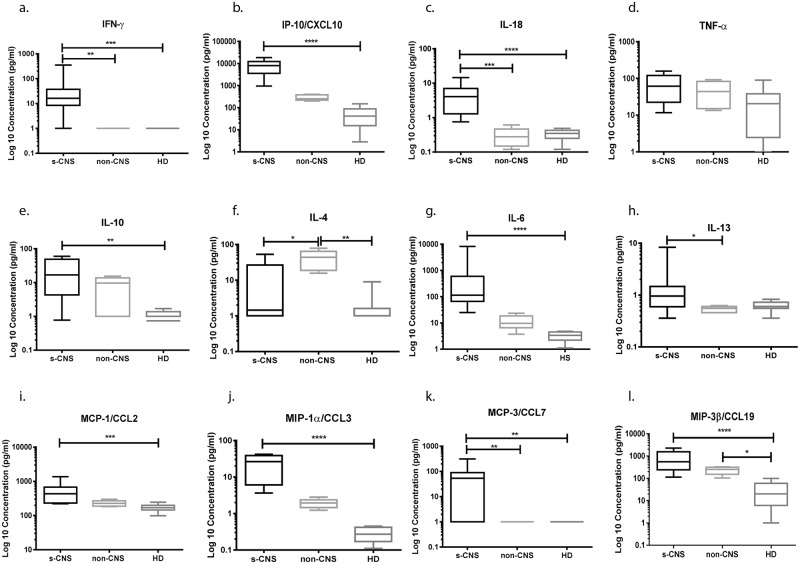
“Interestingly, TNF-α levels were not significantly elevated (Fig 5d), consistent with the observed lack of increased TNF-α cellular production by T-cells incubated with ex vivo antigen-stimulated DCs described in the previous section and/or a functionally insufficient immune response from monocytes.”
BackgroundInfluentialRecombinant Interferon‐γ1b as Adjunctive Therapy for AIDS‐Related Acute Cryptococcal Meningitis
Pappas, P. G., Bustamante, B., Ticona, E., Hamill, R. J., Johnson, P. C., Reboli, A., Aberg, J., Hasbun, R., & Hsu, H. H. (2004) · The Journal of Infectious Diseases · doi:10.1086/420829 · Cited by 202
Bratton, E. W., El Husseini, N., Chastain, C. A., Lee, M. S., Poole, C., Stürmer, T., Juliano, J. J., Weber, D. J., & Perfect, J. R. (2012) · PLoS ONE · doi:10.1371/journal.pone.0043582 · Cited by 202 · cited 1×
“While AIDS-related cases represent the bulk of disease burden worldwide [1] with mortality approaching 60% in the developing world [2,3] and 20% in the developed world [4], non-HIV related cryptococcosis is a significant source of mortality and morbidity in the developed world, accounting for approximately a third of…”
BackgroundBoulware, D. R., Bonham, S. C., Meya, D. B., Wiesner, D. L., Park, G. S., Kambugu, A., Janoff, E. N., & Bohjanen, P. R. (2010) · The Journal of Infectious Diseases · doi:10.1086/655785 · Cited by 191 · cited 1×
“Within the CSF compartment, cIRIS is associated with elevations of IFN-γ, TNF-α, G-CSF, VEGF, and eotaxin (CCL11) [49,50].”
BackgroundThe Regulation of IL-10 Expression
Gabryšová, L., Howes, A., Saraiva, M., & O’Garra, A. (2014) · Current Topics in Microbiology and Immunology · doi:10.1007/978-3-662-43492-5_8 · Cited by 179
Poli, V, & Cortese, R. (1989) · Proceedings of the National Academy of Sciences · doi:10.1073/pnas.86.21.8202 · Cited by 159 · cited 1×
“Although IL-6 induces c-reactive protein (CRP) in the liver via the JAK/STAT pathways [38], no correlation was noted between serum CRP and CSF IL-6 and there was no difference between serum CRP of CNS vs.”
BackgroundA comparative study of CSF neurofilament light and heavy chain protein in MS
Kuhle, J., Plattner, K., Bestwick, J. P., Lindberg, R. L., Ramagopalan, S. V., Norgren, N., Nissim, A., Malaspina, A., Leppert, D., Giovannoni, G., et al. (2013) · Multiple Sclerosis Journal · doi:10.1177/1352458513482374 · Cited by 155 · cited 1×
“Indeed, we found that this inflammatory response was accompanied by a more than 10-fold elevation in CSF NFL, a biomarker of axonal damage in diverse neurological disease [27,28] and suggests that the paradoxical inflammatory response results in ongoing neurological damage.”
BackgroundThe molecular basis for the immunogenicity of Cryptococcus neoformans mannoproteins
Levitz, S. M., & Specht, C. A. (2006) · FEMS Yeast Research · doi:10.1111/j.1567-1364.2006.00071.x · Cited by 154 · cited 1×
“In addition to cryptococcal cell homogenate, we used a more defined mannoprotein (MP) preparation, which has been used previously in HIV-related cryptococcal infections to assess T-cell immune responses [11,32,33].”
MethodSelf-citationArora, S., Hernandez, Y., Erb-Downward, J. R., McDonald, R. A., Toews, G. B., & Huffnagle, G. B. (2005) · The Journal of Immunology · doi:10.4049/jimmunol.174.10.6346 · Cited by 144 · cited 1×
“These expanded CSF T cells were enriched for cryptococcal-antigen specific CD4+ and CD8+ T cells that are critical in protection from the fungus [39], secreting the protective cytokine, IFN-γ [40] as well as a lack of highly elevated CSF levels of typical T-cell specific Th2 cytokines IL-4 and IL-13 (IL13 was barely F…”
BackgroundHerring, A. C., Lee, J., McDonald, R. A., Toews, G. B., & Huffnagle, G. B. (2002) · Infection and Immunity · doi:10.1128/iai.70.6.2959-2964.2002 · Cited by 140
Arora, S., Olszewski, M. A., Tsang, T. M., McDonald, R. A., Toews, G. B., & Huffnagle, G. B. (2011) · Infection and Immunity · doi:10.1128/iai.01270-10 · Cited by 140 · cited 1×
“infiltrating macrophages in the latter group which is a non-protective response in animal models of cryptococcosis [52].”
BackgroundMicrobiology: Ditch the term pathogen
Casadevall, A., & Pirofski, L. (2014) · Nature · doi:10.1038/516165a · Cited by 130 · cited 1×
“Thus, the present study represents a critical application to human disease whereby too much of an immune response can be detrimental by virtue of host-induced damage [15,16].”
BackgroundIfergan, I., Kebir, H., Alvarez, J. I., Marceau, G., Bernard, M., Bourbonniere, L., Poirier, J., Duquette, P., Talbot, P. J., Arbour, N., et al. (2011) · Brain · doi:10.1093/brain/awr268 · Cited by 130
Jarvis, J. N., Casazza, J. P., Stone, H. H., Meintjes, G., Lawn, S. D., Levitz, S. M., Harrison, T. S., & Koup, R. A. (2013) · The Journal of Infectious Diseases · doi:10.1093/infdis/jit099 · Cited by 129 · cited 7×
“Interestingly, Jarvis et al noted different antigen-specific functional T cell phenotypes in HIV-infected patients with cryptococcal meningitis and another intracellular pathogen—tuberculosis [11].”
BackgroundMethodInfluentialSelf-citationHan, S., Lin, Y. C., Wu, T., Salgado, A. D., Mexhitaj, I., Wuest, S. C., Romm, E., Ohayon, J., Goldbach-Mansky, R., Vanderver, A., et al. (2014) · The Journal of Immunology · doi:10.4049/jimmunol.1302884 · Cited by 127
Self-citationYauch, L. E., Lam, J. S., & Levitz, S. M. (2006) · PLoS Pathogens · doi:10.1371/journal.ppat.0020120 · Cited by 119 · cited 1×
“neoformans cells prior to therapy are protected from immune recognition by an immune suppressive polysaccharide capsule [56], an extracellular laccase [57] and components of the fungal cell wall [58], lysis of which results in release of intracellular fungal antigens.”
BackgroundSelf-citationAntifungal Therapy and Management of Complications of Cryptococcosis due to Cryptococcus gattii
Chen, S. C.-A., Korman, T. M., Slavin, M. A., Marriott, D., Byth, K., Bak, N., Currie, B. J., Hajkowicz, K., Heath, C. H., Kidd, S., et al. (2013) · Clinical Infectious Diseases · doi:10.1093/cid/cit341 · Cited by 116 · cited 2×
“gattii in previously healthy individuals [14].”
BackgroundRole of IL-17A on Resolution of Pulmonary C. neoformans Infection
Wozniak, K. L., Hardison, S. E., Kolls, J. K., & Wormley, F. L. (2011) · PLoS ONE · doi:10.1371/journal.pone.0017204 · Cited by 104 · cited 1×
“Animal studies have suggested that IL-17 is not required for classical activation of macrophages in cryptococcal infections [42] and may not be as important as Th1-type responses [43].”
BackgroundDistinct Roles for IL-4 and IL-10 in Regulating T2 Immunity during Allergic Bronchopulmonary Mycosis
Hernandez, Y., Arora, S., Erb-Downward, J. R., McDonald, R. A., Toews, G. B., & Huffnagle, G. B. (2005) · The Journal of Immunology · doi:10.4049/jimmunol.174.2.1027 · Cited by 101 · cited 1×
“significant)[41], or typical Th17 cytokines IL-17 or GM-CSF (also not shown).”
BackgroundRole of Phagocytosis in the Virulence of Cryptococcus neoformans
Del Poeta, M. (2004) · Eukaryotic Cell · doi:10.1128/ec.3.5.1067-1075.2004 · Cited by 100 · cited 1×
“This is consistent with our recent data demonstrating the presence of a STAT5 phosphorylation-blocking GM-CSF autoantibody in a subset of patients with cryptococcal disease [25,60] and suggest that future targeted studies should focus on the mechanistic assessment of cells of myeloid lineage, including evaluation of p…”
ResultDendritic Cells in Antifungal Immunity and Vaccine Design
Roy, R. M., & Klein, B. S. (2012) · Cell Host & Microbe · doi:10.1016/j.chom.2012.04.005 · Cited by 99
Cryptococcosis and Idiopathic CD4 Lymphocytopenia
Zonios, D. I., Falloon, J., Huang, C.-Y., Chaitt, D., & Bennett, J. E. (2007) · Medicine · doi:10.1097/md.0b013e31803b52f5 · Cited by 97
Self-citationMechanisms of Cryptococcal Virulence and Persistence
Olszewski, M. A., Zhang, Y., & Huffnagle, G. B. (2010) · Future Microbiology · doi:10.2217/fmb.10.93 · Cited by 96 · cited 1×
“neoformans in both mouse studies [44] and human experience where T-cell defects from HIV/AIDS [11] or during solid organ transplant conditioning [45], predispose to cryptococcal infections.”
BackgroundThe Damage-Response Framework of Microbial Pathogenesis and Infectious Diseases
Pirofski, L.-A., & Casadevall, A. (2008) · Advances in Experimental Medicine and Biology · doi:10.1007/978-0-387-09550-9_11 · Cited by 95 · cited 1×
“Thus, the present study represents a critical application to human disease whereby too much of an immune response can be detrimental by virtue of host-induced damage [15,16].”
BackgroundOpportunistic Infection-Associated Immune Reconstitution Syndrome in Transplant Recipients
Sun, H.-Y., & Singh, N. (2011) · Clinical Infectious Diseases · doi:10.1093/cid/cir276 · Cited by 87 · cited 1×
“A clinical syndrome similar to cIRIS has also been reported in transplant recipients after reductions in immunoconditioning [21].”
Chang, C. C., Omarjee, S., Lim, A., Spelman, T., Gosnell, B. I., Carr, W. H., Elliott, J. H., Moosa, M.-Y. S., Ndung'u, T., French, M. A., et al. (2013) · The Journal of Infectious Diseases · doi:10.1093/infdis/jit388 · Cited by 82 · cited 6×
“Statistically significant decreased CCL2/CXCL10 and CCL3/CXCL10 among s-CNS compared with HD and CCL19/CXCL10 among s-CNS compared with non-CNS and with HD corroborated decreased circulating monocyte CSF populations vis à vis T lymphocyte trafficking to the CSF (S2 Fig).”
BackgroundInfluentialCombination Antifungal Therapy for Cryptococcal Meningitis
(2013) · New England Journal of Medicine · doi:10.1056/nejmc1305981 · Cited by 78 · cited 1×
“These strategies have combined fungicidal drugs [8] or adjunctive cytokines such as interferon-γ (IFN-γ) [9,10].”
BackgroundAngkasekwinai, P., Sringkarin, N., Supasorn, O., Fungkrajai, M., Wang, Y.-H., Chayakulkeeree, M., Ngamskulrungroj, P., Angkasekwinai, N., & Pattanapanyasat, K. (2014) · Infection and Immunity · doi:10.1128/iai.01773-14 · Cited by 75 · cited 1×
“gattii, the latter of which is reported to cause increased inflammatory responses in mice [46] and human patients [14].”
BackgroundLiu, L., Wakamatsu, K., Ito, S., & Williamson, P. R. (1999) · Infection and Immunity · doi:10.1128/iai.67.1.108-112.1999 · Cited by 71 · cited 1×
“This is consistent with our recent data demonstrating the presence of a STAT5 phosphorylation-blocking GM-CSF autoantibody in a subset of patients with cryptococcal disease [25,60] and suggest that future targeted studies should focus on the mechanistic assessment of cells of myeloid lineage, including evaluation of p…”
ResultSelf-citationProtective Efficacy of Antigenic Fractions in Mouse Models of Cryptococcosis
Mansour, M. K., Yauch, L. E., Rottman, J. B., & Levitz, S. M. (2004) · Infection and Immunity · doi:10.1128/iai.72.3.1746-1754.2004 · Cited by 70 · cited 1×
“In addition, MP is a purified component of the fungus, which undergoes mannosylation [34,35], but does not contain cell wall carbohydrates, lipids, or nucleic acids found in homogenates that could boost responses due to toll-like receptor (TLR) and c-lectin receptor (CLR) stimulation [36,37].”
BackgroundSelf-citationSpecht, C. A., Nong, S., Dan, J. M., Lee, C. K., & Levitz, S. M. (2007) · The Journal of Infectious Diseases · doi:10.1086/520536 · Cited by 63 · cited 1×
“In addition, MP is a purified component of the fungus, which undergoes mannosylation [34,35], but does not contain cell wall carbohydrates, lipids, or nucleic acids found in homogenates that could boost responses due to toll-like receptor (TLR) and c-lectin receptor (CLR) stimulation [36,37].”
BackgroundSelf-citationHardison, S. E., Wozniak, K. L., Kolls, J. K., & Wormley, F. L. (2010) · Infection and Immunity · doi:10.1128/iai.00845-10 · Cited by 63 · cited 1×
“Animal studies have suggested that IL-17 is not required for classical activation of macrophages in cryptococcal infections [42] and may not be as important as Th1-type responses [43].”
BackgroundParadoxical roles of alveolar macrophages in the host response to Cryptococcus neoformans
McQuiston, T. J., & Williamson, P. R. (2012) · Journal of Infection and Chemotherapy · doi:10.1007/s10156-011-0306-2 · Cited by 62 · cited 1×
“neoformans cells prior to therapy are protected from immune recognition by an immune suppressive polysaccharide capsule [56], an extracellular laccase [57] and components of the fungal cell wall [58], lysis of which results in release of intracellular fungal antigens.”
BackgroundSelf-citationWajanga, B. M., Kalluvya, S., Downs, J. A., Johnson, W. D., Fitzgerald, D. W., & Peck, R. N. (2011) · Journal of the International AIDS Society · doi:10.1186/1758-2652-14-48 · Cited by 53 · cited 1×
“While AIDS-related cases represent the bulk of disease burden worldwide [1] with mortality approaching 60% in the developing world [2,3] and 20% in the developed world [4], non-HIV related cryptococcosis is a significant source of mortality and morbidity in the developed world, accounting for approximately a third of…”
BackgroundChang, C. C., Lim, A., Omarjee, S., Levitz, S. M., Gosnell, B. I., Spelman, T., Elliott, J. H., Carr, W. H., Moosa, M.-Y. S., Ndung'u, T., et al. (2013) · The Journal of Infectious Diseases · doi:10.1093/infdis/jit271 · Cited by 53 · cited 1×
“The paradoxical response is thought to be due to a reversal of HIV-associated immune defects in the presence of continued fungal antigen tissue burden [51].”
BackgroundSelf-citationImmunoreactivity of the fungal cell wall
Pontón, J., Omaetxebarría, M. J., Elguezábal, N., Alvarez, M., & Moragues, M. D. (2001) · Medical Mycology · doi:10.1080/mmy.39.1.101.110 · Cited by 49 · cited 1×
“neoformans cells prior to therapy are protected from immune recognition by an immune suppressive polysaccharide capsule [56], an extracellular laccase [57] and components of the fungal cell wall [58], lysis of which results in release of intracellular fungal antigens.”
BackgroundVaccine-Mediated Immune Responses to Experimental Pulmonary Cryptococcus gattii Infection in Mice
Chaturvedi, A. K., Hameed, R. S., Wozniak, K. L., Hole, C. R., Leopold Wager, C. M., Weintraub, S. T., Lopez-Ribot, J. L., & Wormley, F. L. (2014) · PLoS ONE · doi:10.1371/journal.pone.0104316 · Cited by 44 · cited 1×
“In addition, MP is a purified component of the fungus, which undergoes mannosylation [34,35], but does not contain cell wall carbohydrates, lipids, or nucleic acids found in homogenates that could boost responses due to toll-like receptor (TLR) and c-lectin receptor (CLR) stimulation [36,37].”
BackgroundSEROLOGIC EVIDENCE FOR REGIONAL DIFFERENCES IN PEDIATRIC CRYPTOCOCCAL INFECTION
Davis, J., Zheng, W. Y., Glatman-Freedman, A., Ng, J. A. N., Pagcatipunan, M. R., Lessin, H., Casadevall, A., & Goldman, D. L. (2007) · Pediatric Infectious Disease Journal · doi:10.1097/inf.0b013e318047e073 · Cited by 42
Isolation and Purification of Antigenic Components of Cryptococcus
Wozniak, K. L., & Levitz, S. M. (2008) · Methods in molecular biology · doi:10.1007/978-1-59745-204-5_7 · Cited by 41 · cited 2×
“In addition to cryptococcal cell homogenate, we used a more defined mannoprotein (MP) preparation, which has been used previously in HIV-related cryptococcal infections to assess T-cell immune responses [11,32,33].”
MethodSelf-citationVeron, V., Simon, S., Blanchet, D., & Aznar, C. (2009) · Diagnostic Microbiology and Infectious Disease · doi:10.1016/j.diagmicrobio.2009.05.005 · Cited by 40
Day, J., Imran, D., Ganiem, A., Natriana, T., Wahyuningsih, R., Adawıyah, R., Dance, D. A. B., Mayxay, M., Newton, P. N., Phetsouvanh, R., et al. (2014) · Trials · doi:10.1186/1745-6215-15-441 · Cited by 26
Naranbhai, V., Chang, C. C., Durgiah, R., Omarjee, S., Lim, A. Y. F., Moosa, M. S., Elliot, J. H., Ndung’u, T., Lewin, S. R., French, M. A., et al. (2014) · AIDS · doi:10.1097/qad.0000000000000200 · Cited by 22
Will CSF biomarkers guide future therapeutic decisions in multiple sclerosis?
Bielekova, B., & McDermott, M. (2015) · Neurology · doi:10.1212/wnl.0000000000001506 · Cited by 19
Self-citationHu, Z., Wei, H., Meng, F., Xu, C., Cheng, C., & Yang, Y. (2013) · Annals of Clinical Microbiology and Antimicrobials · doi:10.1186/1476-0711-12-40 · Cited by 12
Jhamb, R., Kashyap, B., Das, S., Berry, N., & Garg, A. (2014) · International Journal of STD and AIDS · doi:10.1177/0956462413506889 · Cited by 9
Blackstock, R. (2003) · Immunology · doi:10.1046/j.1365-2567.2003.01574.x · Cited by 6 · cited 1×
“and antigen processing [63] important to cryptococcal defense.”
Background
Research works printed but not linked: 1
- Hagen F, Vreuls W, Wouters M, Hendriks MJ, JF M (2014) Cryptococcus gattii infections in the Netherlands—a retrospective molecular diagnostic study using formalin fixed paraffin embedded pulmonary coin lesions. Mycoses 57 103.
Cited by
Infection in Organ Transplantation
Fishman, J. A. (2017) · American Journal of Transplantation · doi:10.1111/ajt.14208 · Cited by 809
“Immune reconstitution syndrome or scarring may cause ventricular obstruction with increased CSF pressure and hydrocephalus (161,164).”
BackgroundCryptococcal meningitis: epidemiology, immunology, diagnosis and therapy
Williamson, P. R., Jarvis, J. N., Panackal, A. A., Fisher, M. C., Molloy, S. F., Loyse, A., & Harrison, T. S. (2017) · Nature Reviews Neurology · doi:10.1038/nrneurol.2016.167 · Cited by 480
Self-citationImmune responses to human fungal pathogens and therapeutic prospects
Lionakis, M. S., Drummond, R. A., & Hohl, T. M. (2023) · Nature Reviews Immunology · doi:10.1038/s41577-022-00826-w · Cited by 379
Chang, C. C., Harrison, T. S., Bicanic, T. A., Chayakulkeeree, M., Sorrell, T. C., Warris, A., Hagen, F., Spec, A., Oladele, R., Govender, N. P., et al. (2024) · The Lancet Infectious Diseases · doi:10.1016/s1473-3099(23)00731-4 · Cited by 326
Self-citationChamilos, G., Lionakis, M. S., & Kontoyiannis, D. P. (2018) · Clinical Infectious Diseases · doi:10.1093/cid/cix687 · Cited by 267
“Alternatively, in view of the major role of macrophage activation defects in non-HIV cryptococcosis [32], a direct inhibitory effect of ibrutinib on BTK signaling in monocytes and macrophages could affect susceptibility to infection.”
Background
Metadata
- Authors
- Panackal, A. A., Wuest, S. C., Lin, Y.-C., Wu, T., Zhang, N., Kosa, P., Komori, M., Blake, A., Browne, S. K., Rosen, L. B., Hagen, F., Meis, J., Levitz, S. M., Quezado, M., Hammoud, D., Bennett, J. E., Bielekova, B., & Williamson, P. R.
- Affiliations
- National Institutes of Health (US)
- Canisius-Wilhelmina Ziekenhuis (NL)
- Radboud University Nijmegen (NL)
- University of Massachusetts Chan Medical School (US)
- Corresponding author
- Bielekova, Bibi
- Williamson, Peter R.
- ORCID
- Venue
- PLOS Pathogens
- Publisher
- Public Library of Science (PLoS)
- Published
- 2015-05-28
- Volume
- 11
- Issue
- 5
- Pages
- e1004884
- ISSN
- 1553-7366 (ISSN-L)
- 1553-7374
- PMC
- PMC4447450
- OpenAlex
- W1506388750
- Cited by
- 162
- References
- 69
- Citations by year
- 2026: 6 · 2025: 14 · 2024: 9 · 2023: 11 · 2022: 20 · 2021: 19 · 2020: 17 · 2019: 14 · 2018: 12 · 2017: 23 · 2016: 15 · 2015: 2
- FWCI
- 13.59
- Type
- journal article
- Language
- en
- Open access
- gold
- doi.org
- Licence
- public-domain
- creativecommons.org/publicdomain/zero/1.0/ (vor)
- Locations
- PLoS Pathogens (publishedVersion, public-domain)
- PubMed Central (publishedVersion, public-domain)
- PubMed (publishedVersion)
- The Journal of the American Medical Association (JAMA) Network (American Medical Association) (submittedVersion, public-domain)
- Data Archiving and Networked Services (DANS) (submittedVersion)
- DOAJ (DOAJ: Directory of Open Access Journals) (submittedVersion, cc-by-sa)
- Figshare (submittedVersion, cc-by)
- Funders
- U.S. Department of Defense
- National Institutes of Health (AI001124, AI001124-01)
- Uniformed Services University of the Health Sciences
- National Institute of Allergy and Infectious Diseases (AI001123–01, R01AI026780, R01AI025780, AI001124–01, U01AI109657, AI001124, AI001123, ZIAAI001123, ZIAAI001124)
- National Institute of Neurological Disorders and Stroke
- NIH Clinical Center
- Topics
- Health Sciences › Medicine › Infectious Diseases › Fungal Infections and Studies
- Health Sciences › Medicine › Infectious Diseases › Infectious Diseases and Tuberculosis
- Life Sciences › Immunology and Microbiology › Microbiology › Bacterial Infections and Vaccines
- Keywords
- cryptococcal meningitis, Cryptococcus neoformans, CD4+ T cells, CD8+ T cells, natural killer cells, interferon-gamma, Th2 cytokines, neurofilament light chain, M2 macrophage polarization, phagocytosis, innate and adaptive immunity, fungal infection susceptibility
- MeSH terms
- Adult, Autopsy, Brain, Cryptococcus neoformans, Female, Flow Cytometry, Humans, Killer Cells, Natural, Lymphocyte Activation, Male, Middle Aged, Cohort Studies, CD4-Positive T-Lymphocytes, Immunophenotyping, Cytokines, Meningitis, Cryptococcal, CD8-Positive T-Lymphocytes, Th1 Cells, Young Adult
About these checks
Registry, retraction, Cites and statistics results are computed, not judged, with one exception: a printed reference that no index lists is read once by a model before it counts as a citation error. Claims are extracted by a model and kept only when their quote appears verbatim in the text; each cited source is then checked, with a model’s help, for whether it says what the claim relies on. Those verdicts can be wrong — read the claim’s quote and the cited source before relying on one.
Statistics and arithmetic are recomputed, not judged.
Confidence bands are shown only for fields calibrated on our annotated test set. None is calibrated yet, so no band is shown.
What counts as a claim ›How we measure confidence ›How we check this ›
Are you an author, or do you see a problem with this page? Request a review
Data sources
Bibliographic data: Semantic Scholar, OpenAlex, Crossref.
Contains information from the Semantic Scholar Academic Graph Datasets, made available under the ODC Attribution License (ODC-BY 1.0).
Semantic Scholar’s data is described in: Kinney, R., et al. (2023). The Semantic Scholar Open Data Platform. arXiv:2301.10140.
