

Paradoxical Immune Responses in Non-HIV Cryptococcal Meningitis
Open accessThe DOI matches its Crossref record; 68 of the 69 references it cites were found in a registry or an index.
Abstract
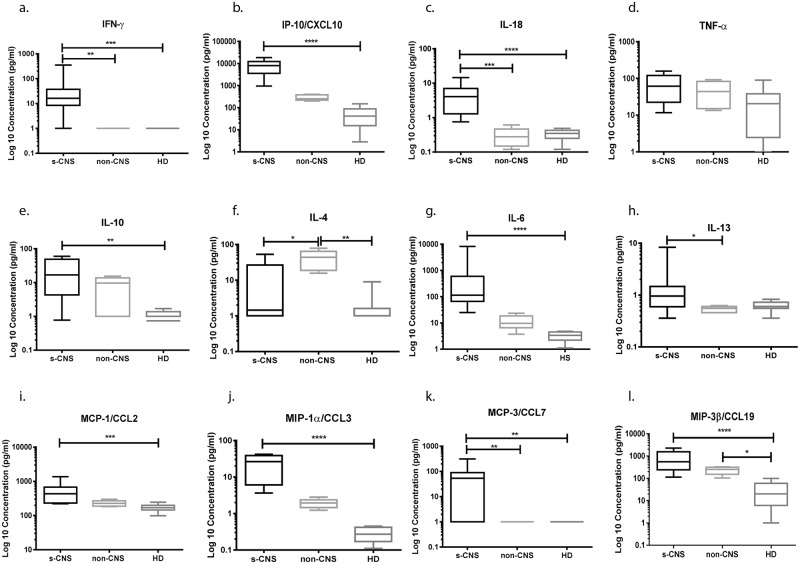
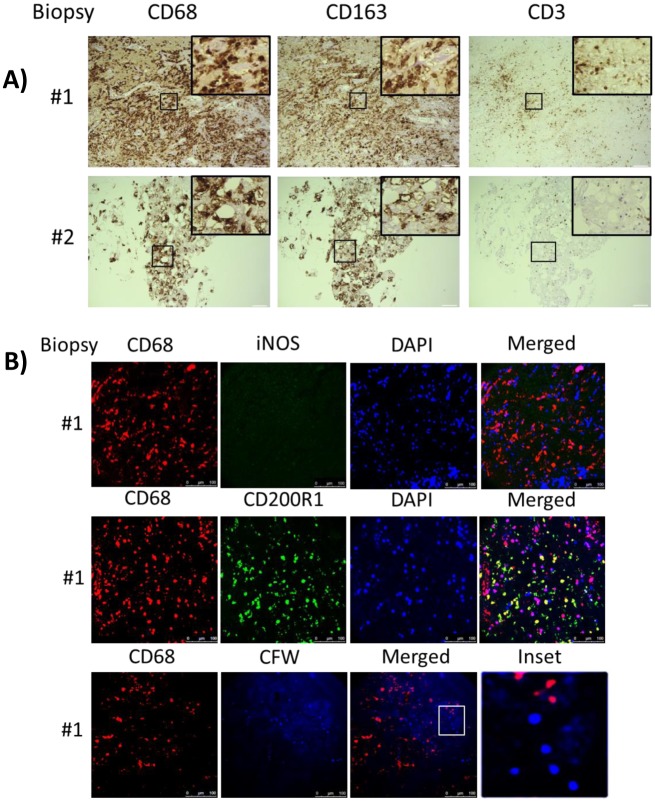
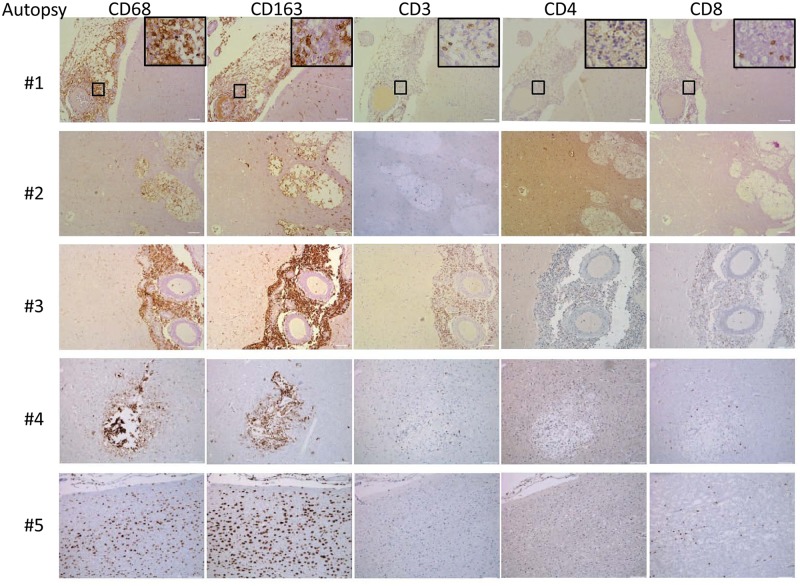
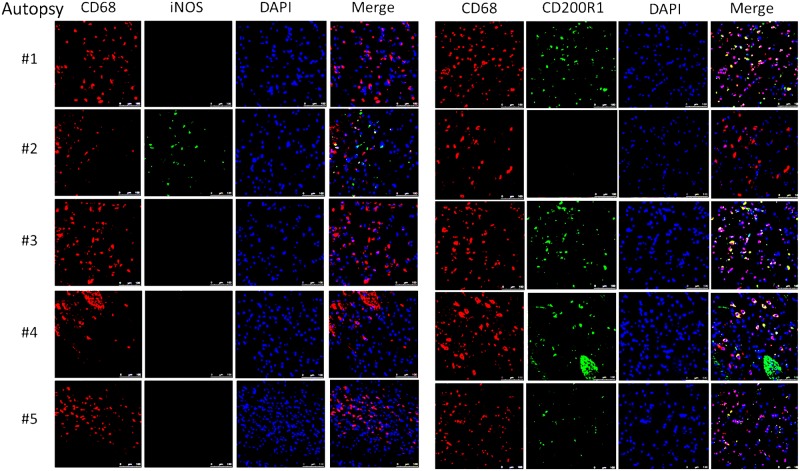
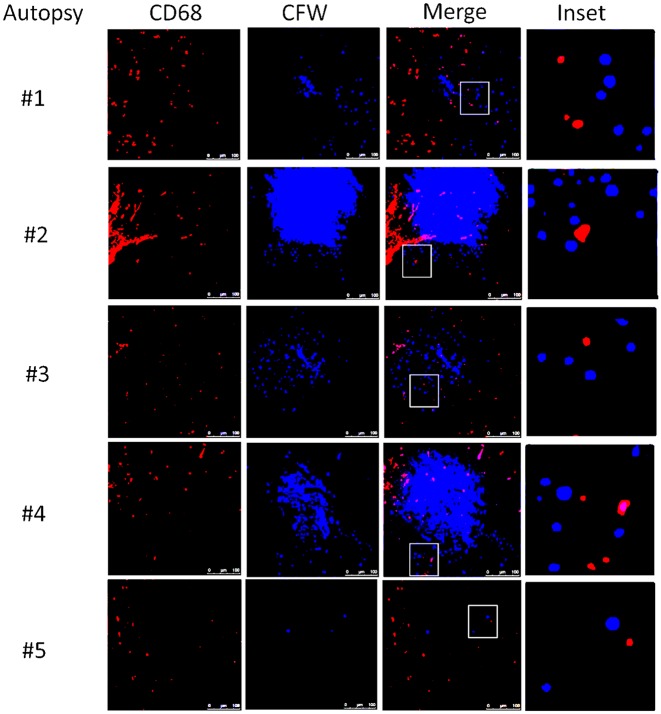
The fungus Cryptococcus is a major cause of meningoencephalitis in HIV-infected as well as HIV-uninfected individuals with mortalities in developed countries of 20% and 30%, respectively. In HIV-related disease, defects in T-cell immunity are paramount, whereas there is little understanding of mechanisms of susceptibility in non-HIV related disease, especially that occurring in previously healthy adults. The present description is the first detailed immunological study of non-HIV-infected patients including those with severe central nervous system (s-CNS) disease to 1) identify mechanisms of susceptibility as well as 2) understand mechanisms underlying severe disease. Despite the expectation that, as in HIV, T-cell immunity would be deficient in such patients, cerebrospinal fluid (CSF) immunophenotyping, T-cell activation studies, soluble cytokine mapping and tissue cellular phenotyping demonstrated that patients with s-CNS disease had effective microbiological control, but displayed strong intrathecal expansion and activation of cells of both the innate and adaptive immunity including HLA-DR+ CD4+ and CD8+ cells and NK cells. These expanded CSF T cells were enriched for cryptococcal-antigen specific CD4+ cells and expressed high levels of IFN-γ as well as a lack of elevated CSF levels of typical T-cell specific Th2 cytokines -- IL-4 and IL-13. This inflammatory response was accompanied by elevated levels of CSF NFL, a marker of axonal damage, consistent with ongoing neurological damage. However, while tissue macrophage recruitment to the site of infection was intact, polarization studies of brain biopsy and autopsy specimens demonstrated an M2 macrophage polarization and poor phagocytosis of fungal cells. These studies thus expand the paradigm for cryptococcal disease susceptibility to include a prominent role for macrophage activation defects and suggest a spectrum of disease whereby severe neurological disease is characterized by immune-mediated host cell damage.
Overview
The claims and statistics of this paper haven’t been checked yet.
Free: it reads the open-access text and checks the first 5 claims that cite a source we can check. Create a free account to check every claim.
Integrity signals
Registry
Cites
Statistics
Figures
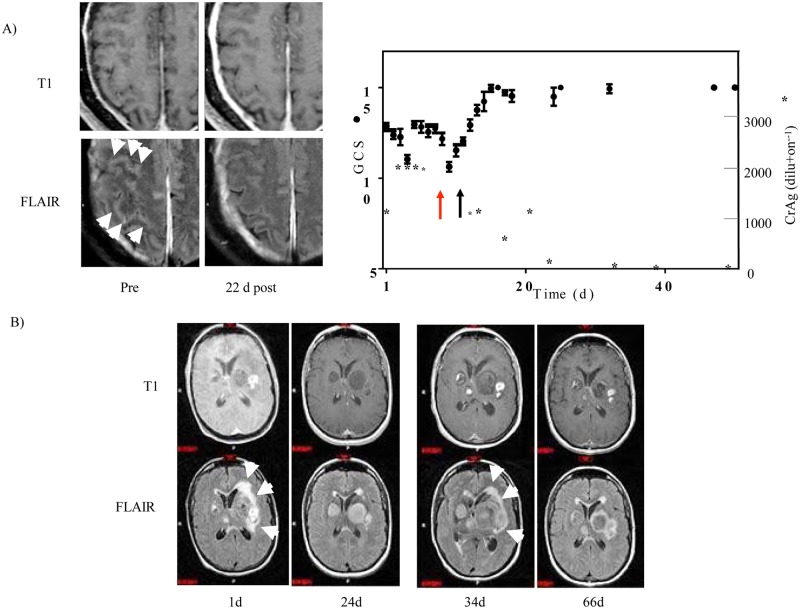
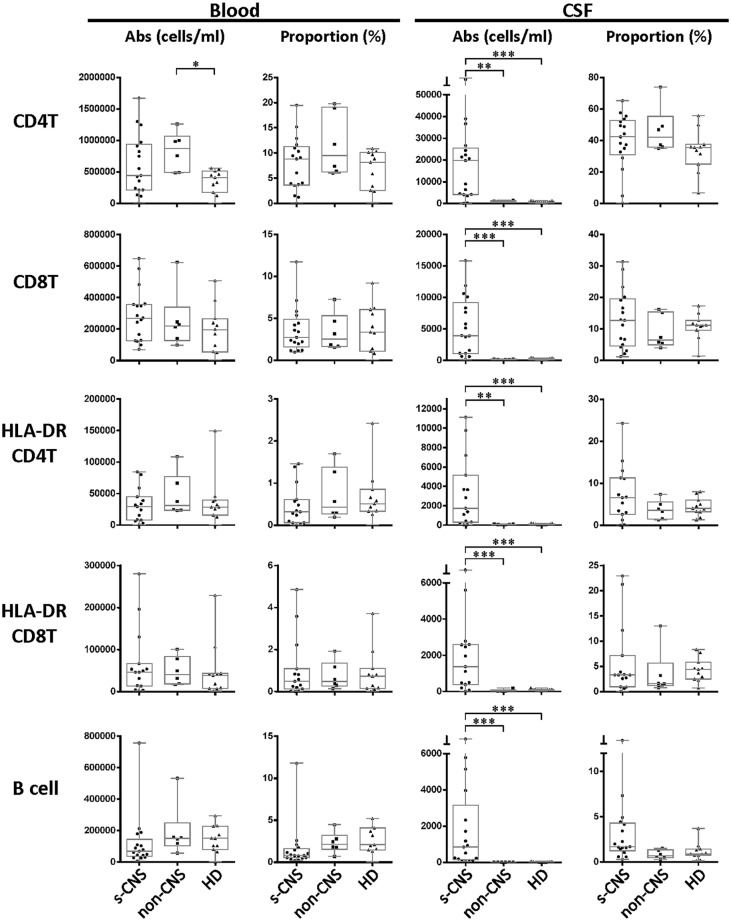
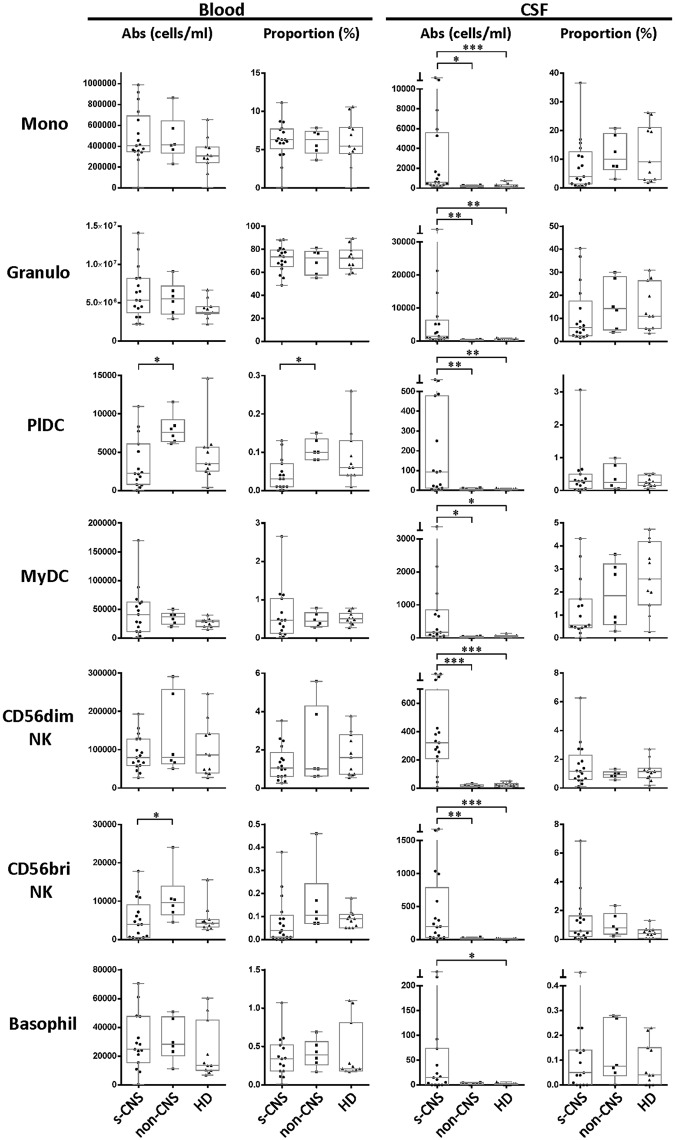
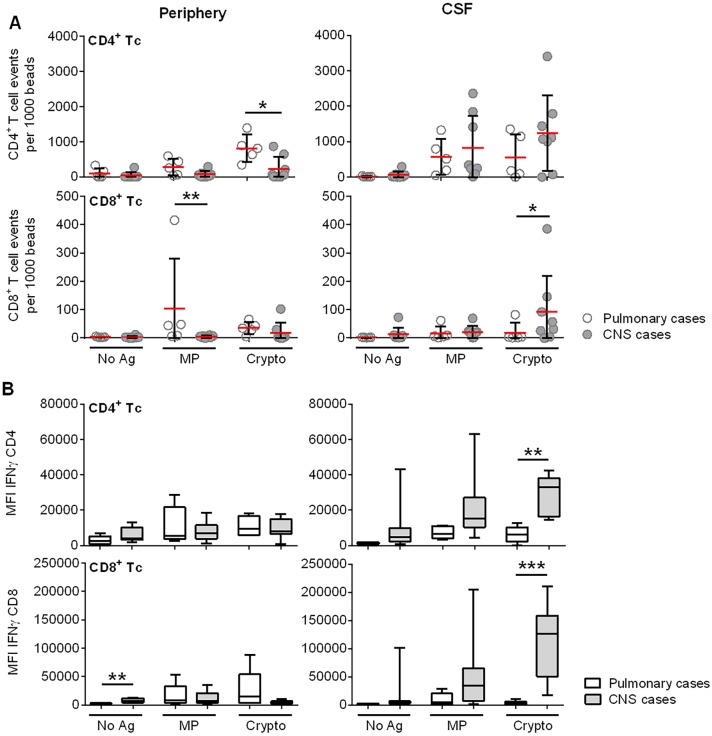
Verification
Claims the paper makes
The claims and statistics of this paper haven’t been checked yet.
Free: it reads the open-access text and checks the first 5 claims that cite a source we can check. Create a free account to check every claim.
Claims other papers make about this one
Each is checked against this paper’s own text: does it say what the citing paper says it does?
In the citing paper
“Instead, CCR2+Ly6Chi monocytes promote brain inflammation, leading to lethal immune pathology in the brain in mice as well as in humans [131, 132].”
From Mechanisms of fungal dissemination (2021) · cites this paper as [131]
Self-check
Percentages, sums and reported differences re-computed from the paper’s own numbers.
The self-check needs the paper’s full text.
Citations
Cites
Multiple comparisons among means
Dunn, O. J. (1961) · Journal of the American Statistical Association · doi:10.1080/01621459.1961.10482090 · Cited by 5,006 · cited 1×
“For the CSF cytokine/chemokine analysis among s-CNS, non-CNS, and HD, the non-parametric Kruskal-Wallis test was utilized, controlling for multiple comparisons between each group using the Dunn procedure [68].”
MethodDe Pauw, B., Walsh, T. J., Donnelly, J. P., Stevens, D. A., Edwards, J. E., Calandra, T., Pappas, P. G., Maertens, J., Lortholary, O., Kauffman, C. A., et al. (2008) · Clinical Infectious Diseases · doi:10.1086/588660 · Cited by 4,917 · cited 1×
“Diagnosis was made by CSF India ink stain and/or culture, or a positive mucicarmine stain and/or culture from a biopsy site or a positive cryptococcal antigen testing (Meridian Cryptococcal Latex Agglutination System; Meridian Bioscience), according to previous case definitions [64].”
MethodSelf-citationPerfect, J. R., Dismukes, W. E., Dromer, F., Goldman, D. L., Graybill, J. R., Hamill, R. J., Harrison, T. S., Larsen, R. A., Lortholary, O., Nguyen, M.-H., et al. (2010) · Clinical Infectious Diseases · doi:10.1086/649858 · Cited by 2,660 · cited 1×
“This has led to varying approaches for severe disease, including the use of immune intensifying regimens such as adjunctive IFN-γ [13], or immune-suppressive therapies such as steroids in the case of infections with C.”
BackgroundPark, B. J., Wannemuehler, K. A., Marston, B. J., Govender, N., Pappas, P. G., & Chiller, T. M. (2009) · AIDS · doi:10.1097/qad.0b013e328322ffac · Cited by 2,014
Recognition of seven species in the Cryptococcus gattii/Cryptococcus neoformans species complex
Hagen, F., Khayhan, K., Theelen, B., Kolecka, A., Polacheck, I., Sionov, E., Falk, R., Parnmen, S., Lumbsch, H. T., & Boekhout, T. (2015) · Fungal Genetics and Biology · doi:10.1016/j.fgb.2015.02.009 · Cited by 687 · cited 2×
“Chest CT revealed an 8-cm right mid-lung mass, which was biopsied and grew C. gattii, genotype AFLP6A/VGIIa [23], PLOS Pathogens | DOI:10.1371/journal.ppat.1004884 May 28, 2015 5 / 27 consistent with the predominant outbreak strain found in the Pacific Northwest [24] and serum testing subsequently identified a functio…”
InfluentialSelf-citationPrognostic Factors in Cryptococcal Meningitis: A Study in 111 Cases
DIAMOND, R. D., & BENNETT, J. E. (1974) · Annals of Internal Medicine · doi:10.7326/0003-4819-80-2-176 · Cited by 605 · cited 1×
“In non-HIV-related disease, CSF fungal loads and effective microbiological clearance have similarly been associated with favorable outcomes [12].”
BackgroundSelf-citationCombination Antifungal Therapy for Cryptococcal Meningitis
Day, J. N., Chau, T. T. H., Wolbers, M., Mai, P. P., Dung, N. T., Mai, N. H., Phu, N. H., Nghia, H. D., Phong, N. D., Thai, C. Q., et al. (2013) · New England Journal of Medicine · doi:10.1056/nejmoa1110404 · Cited by 545
Jaguin, M., Houlbert, N., Fardel, O., & Lecureur, V. (2013) · Cellular Immunology · doi:10.1016/j.cellimm.2013.01.010 · Cited by 518 · cited 1×
“M1 was characterized by CD68/iNOS expression and M2 was identified by CD68/ CD200R1 co-staining as described [65].”
MethodIncreased Neurofilament Light Chain Blood Levels in Neurodegenerative Neurological Diseases
Gaiottino, J., Norgren, N., Dobson, R., Topping, J., Nissim, A., Malaspina, A., Bestwick, J. P., Monsch, A. U., Regeniter, A., Lindberg, R. L., et al. (2013) · PLoS ONE · doi:10.1371/journal.pone.0075091 · Cited by 486 · cited 1×
“Indeed, we found that this inflammatory response was accompanied by a more than 10-fold elevation in CSF NFL, a biomarker of axonal damage in diverse neurological disease [27,28] and suggests that the paradoxical inflammatory response results in ongoing neurological damage.”
BackgroundJarvis, J. N., Bicanic, T., Loyse, A., Namarika, D., Jackson, A., Nussbaum, J. C., Longley, N., Muzoora, C., Phulusa, J., Taseera, K., et al. (2014) · Clinical Infectious Diseases · doi:10.1093/cid/cit794 · Cited by 367 · cited 1×
“In HIV-related disease where fungal burdens are high and cellular immunity low, recent approaches have sought to improve microbiological clearance from the CSF, an important prognostic marker [7].”
Background
Research works printed but not linked: 1
- Hagen F, Vreuls W, Wouters M, Hendriks MJ, JF M (2014) Cryptococcus gattii infections in the Netherlands—a retrospective molecular diagnostic study using formalin fixed paraffin embedded pulmonary coin lesions. Mycoses 57 103.
Cited by
Infection in Organ Transplantation
Fishman, J. A. (2017) · American Journal of Transplantation · doi:10.1111/ajt.14208 · Cited by 809
“Immune reconstitution syndrome or scarring may cause ventricular obstruction with increased CSF pressure and hydrocephalus (161,164).”
BackgroundCryptococcal meningitis: epidemiology, immunology, diagnosis and therapy
Williamson, P. R., Jarvis, J. N., Panackal, A. A., Fisher, M. C., Molloy, S. F., Loyse, A., & Harrison, T. S. (2017) · Nature Reviews Neurology · doi:10.1038/nrneurol.2016.167 · Cited by 480
Self-citationImmune responses to human fungal pathogens and therapeutic prospects
Lionakis, M. S., Drummond, R. A., & Hohl, T. M. (2023) · Nature Reviews Immunology · doi:10.1038/s41577-022-00826-w · Cited by 379
Chang, C. C., Harrison, T. S., Bicanic, T. A., Chayakulkeeree, M., Sorrell, T. C., Warris, A., Hagen, F., Spec, A., Oladele, R., Govender, N. P., et al. (2024) · The Lancet Infectious Diseases · doi:10.1016/s1473-3099(23)00731-4 · Cited by 326
Self-citationChamilos, G., Lionakis, M. S., & Kontoyiannis, D. P. (2018) · Clinical Infectious Diseases · doi:10.1093/cid/cix687 · Cited by 267
“Alternatively, in view of the major role of macrophage activation defects in non-HIV cryptococcosis [32], a direct inhibitory effect of ibrutinib on BTK signaling in monocytes and macrophages could affect susceptibility to infection.”
BackgroundTrojan Horse Transit Contributes to Blood-Brain Barrier Crossing of a Eukaryotic Pathogen
Santiago-Tirado, F. H., Onken, M. D., Cooper, J. A., Klein, R. S., & Doering, T. L. (2017) · mBio · doi:10.1128/mbio.02183-16 · Cited by 238
Infectious immunity in the central nervous system and brain function
Klein, R. S., Garber, C., & Howard, N. (2017) · Nature Immunology · doi:10.1038/ni.3656 · Cited by 235
Bojarczuk, A., Miller, K. A., Hotham, R., Lewis, A., Ogryzko, N. V., Kamuyango, A. A., Frost, H., Gibson, R. H., Stillman, E., May, R. C., et al. (2016) · Scientific Reports · doi:10.1038/srep21489 · Cited by 170
Immunotherapeutic approaches to treatment of fungal diseases
Armstrong-James, D., Brown, G. D., Netea, M. G., Zelante, T., Gresnigt, M. S., van de Veerdonk, F. L., & Levitz, S. M. (2017) · The Lancet Infectious Diseases · doi:10.1016/s1473-3099(17)30442-5 · Cited by 135
Self-citationMechanisms of fungal dissemination
Strickland, A. B., & Shi, M. (2021) · Cellular and Molecular Life Sciences · doi:10.1007/s00018-020-03736-z · Cited by 127
Neal, L. M., Xing, E., Xu, J., Kolbe, J. L., Osterholzer, J. J., Segal, B. M., Williamson, P. R., & Olszewski, M. A. (2017) · mBio · doi:10.1128/mbio.01415-17 · Cited by 110
“The treatment of cryptococcal CNS infections presents many challenges due to the need to balance microbial control with a patient’s own potentially paradoxical responses during therapy (26, 27, 29, 30, 32).”
BackgroundSelf-citationCentral Nervous System Cryptococcal Infections in Non-HIV Infected Patients
Beardsley, J., Sorrell, T. C., & Chen, S. C. ‐. (2019) · Journal of Fungi · doi:10.3390/jof5030071 · Cited by 122
“Despite clearing infection with treatment, patients display a paradoxical clinical exacerbation caused by an exuberant immune response, characterized by infiltration of activated T-lymphocytes, destructive cytokine patterns, and ineffective macrophages [99].”
BackgroundImmunology of Cryptococcal Infections: Developing a Rational Approach to Patient Therapy
Elsegeiny, W. A. W., Marr, K. A., & Williamson, P. R. (2018) · Frontiers in Immunology · doi:10.3389/fimmu.2018.00651 · Cited by 117
“In addition, a strong relationship between the T-cell activation marker, sCD27, and elevations of the axonal damage marker, neurofilament light chain protein, suggest that such inflammation is not a benign event, but pathological (85, 111).”
BackgroundInfluentialSelf-citationCryptococcus and Phagocytes: Complex Interactions that Influence Disease Outcome
Leopold Wager, C. M., Hole, C. R., Wozniak, K. L., & Wormley, F. L. (2016) · Frontiers in Microbiology · doi:10.3389/fmicb.2016.00105 · Cited by 105
Human fungal pathogens: Why should we learn?
Kim, J.-Y. (2016) · Journal of Microbiology · doi:10.1007/s12275-016-0647-8 · Cited by 105
“Another related species, Cryptococcus gattii, infects immunocompetent individuals in tropical areas; however, there is evidence that C. neoformans also infects immunocompetent hosts (Panackal et al., 2015).”
Marr, K. A., Sun, Y., Spec, A., Lu, N., Panackal, A. A., Bennett, J. E., Pappas, P. G., Ostrander, D. B., Datta, K., Zhang, S. X., et al. (2019) · Clinical Infectious Diseases · doi:10.1093/cid/ciz193 · Cited by 107
Self-citationCryptococcal Disease in Diverse Hosts
Meya, D. B., & Williamson, P. R. (2024) · New England Journal of Medicine · doi:10.1056/nejmra2311057 · Cited by 96
Self-citationPirofski, L., & Casadevall, A. (2017) · mBio · doi:10.1128/mbio.02063-17 · Cited by 86
“Similar findings have also been reported in some non-HIV-infected patients with cryptococcal meningitis (16, 17) .”
ResultChen, Y., Shi, Z. W., Strickland, A. B., & Shi, M. (2022) · Journal of Fungi · doi:10.3390/jof8101069 · Cited by 123
“neoformans infection, and instead drive brain inflammation in mice as well as humans [47,48].”
BackgroundSiderophores: More than Stealing Iron
Behnsen, J., & Raffatellu, M. (2016) · mBio · doi:10.1128/mbio.01906-16 · Cited by 79
Fungal Infections of the Central Nervous System
Panackal, A. A., & Williamson, P. R. (2015) · CONTINUUM Lifelong Learning in Neurology · doi:10.1212/con.0000000000000241 · Cited by 81
“While cryptococcal immune reconstitution inflammatory syndrome (IRIS) has been described in patients who are human immunodeficiency virus (HIV)-positive receiving highly active antiretroviral therapy (HAART)(24) and solid organ transplant recipients following reduction in immunosuppression,(25) clinical deterioration…”
BackgroundSelf-citationEfficacy of Oral Encochleated Amphotericin B in a Mouse Model of Cryptococcal Meningoencephalitis
Lu, R., Hollingsworth, C., Qiu, J., Wang, A., Hughes, E., Xin, X., Konrath, K. M., Elsegeiny, W., Park, Y.-D., Atakulu, L., et al. (2019) · mBio · doi:10.1128/mbio.00724-19 · Cited by 67
“syndrome in non-HIV patients (15, 29, 30) which is also present during murine infections (31).”
Self-citationPirofski, L., & Casadevall, A. (2018) · The Journal of Infectious Diseases · doi:10.1093/infdis/jiy083 · Cited by 69
“For example, as noted above, clinical and experimental evidence that immune damage can drive the pathogenesis of cryptococcosis [27, 52] revealed a place on the right-hand side of the parabola for C.”
BackgroundCryptococcosis—the impact of delay to diagnosis
Aye, C., Henderson, A., Yu, H., & Norton, R. E. (2016) · Clinical Microbiology and Infection · doi:10.1016/j.cmi.2016.04.022 · Cited by 60
Anjum, S. H., Dean, O. R., Kosa, P. F., Magone, M. T., King, K. A., FitzGibbon, E. J., Kim, H. J., Zalewski, C. K., Murphy, E., Billioux, B. J., et al. (2020) · Clinical Infectious Diseases · doi:10.1093/cid/ciaa1901 · Cited by 61
“In those with PIIRS, anecdotal experience with successful CS use has been reported [18, 21].”
BackgroundMethodInfluentialSelf-citationShourian, M., & Qureshi, S. T. (2019) · Frontiers in Immunology · doi:10.3389/fimmu.2019.00066 · Cited by 64
“The discordant activation of lymphocytes and macrophages results in persistent expression of cryptococcal antigen that perpetuates local inflammation (44, 55, 59).”
BackgroundCryptococcosis Today: It Is Not All About HIV Infection
O’Halloran, J. A., Powderly, W. G., & Spec, A. (2017) · Current Clinical Microbiology Reports · doi:10.1007/s40588-017-0064-8 · Cited by 61
Cryptococcal meningoencephalitis: time for action
Stott, K. E., Loyse, A., Jarvis, J. N., Alufandika, M., Harrison, T. S., Mwandumba, H. C., Day, J., Lalloo, D. G., Bicanic, T. A., Perfect, J. R., et al. (2021) · The Lancet Infectious Diseases · doi:10.1016/s1473-3099(20)30771-4 · Cited by 61
Panackal, A. A., Komori, M., Kosa, P. F., Khan, O. I., Hammoud, D. A., Rosen, L. B., Browne, S., Lin, Y.-C., Romm, E., Ramaprasad, C., et al. (2016) · Clinical Infectious Diseases · doi:10.1093/cid/ciw739 · Cited by 54
Self-citationPulmonary Macrophage and Dendritic Cell Responses to Cryptococcus neoformans
Nelson, B. N., Hawkins, A. N., & Wozniak, K. L. (2020) · Frontiers in Cellular and Infection Microbiology · doi:10.3389/fcimb.2020.00037 · Cited by 53
Fighting the Monster: Applying the Host Damage Framework to Human Central Nervous System Infections
Panackal, A. A., Williamson, K. C., van de Beek, D., Boulware, D. R., & Williamson, P. R. (2016) · mBio · doi:10.1128/mbio.01906-15 · Cited by 45
“To help clarify these issues, a prospective immune analysis of previously healthy patients with active CNS cryptococcosis was recently conducted (54).”
BackgroundSelf-citationXu, J., Neal, L. M., Ganguly, A., Kolbe, J. L., Hargarten, J. C., Elsegeiny, W. A. W., Hollingsworth, C., He, X., Ivey, M., Lopez, R., et al. (2020) · Science Advances · doi:10.1126/sciadv.aba2502 · Cited by 46
“In parallel, human studies with patients with CM/PIIRS showed that CXCL10 is one of the most highly expressed chemokines in the CSF (11).”
InfluentialSelf-citationXu, J., Ganguly, A., Zhao, J., Ivey, M., Lopez, R., Osterholzer, J. J., Cho, C. S., & Olszewski, M. A. (2021) · mBio · doi:10.1128/mbio.01076-21 · Cited by 51
“Apart from the short-term neurological deterioration of CM patients (6), persistent”
BackgroundInfluentialInnate Immune Responses to Cryptococcus
Heung, L. J. (2017) · Journal of Fungi · doi:10.3390/jof3030035 · Cited by 47
“M2 polarization has been associated with severe cryptococcal disease in non-HIV patients [182], though not in HIV-positive patients [159].”
BackgroundInfluenza A Virus as a Predisposing Factor for Cryptococcosis
Oliveira, L. V. N., da Costa, M. C., Magalhães, T. F. F., Bastos, R. W., Santos, P. C., Carneiro, H. C. S., Ribeiro, N. Q., Ferreira, G. F., Ribeiro, L. S., Gonçalves, A. P., et al. (2017) · Frontiers in Cellular and Infection Microbiology · doi:10.3389/fcimb.2017.00419 · Cited by 36
“(2015), in a study with non-HIV related cryptococcal disease, proposed that macrophage activation defects along with intact T-cell activation is pivotal to cause increased susceptibility of the patient to the fungus and severe CNS disease (Panackal et al., 2015).”
BackgroundYoon, H., Nakouzi, A. S., Chang, C. C., Kuniholm, M. H., Carreño, L. J., Wang, T., Ndung’u, T., Lewin, S. R., French, M. A., & Pirofski, L. (2018) · The Journal of Infectious Diseases · doi:10.1093/infdis/jiy447 · Cited by 36
“Notably, paradoxical clinical deterioration with antifungal therapy occurs in mice [47] and in HIV-uninfected patients [48, 49].”
BackgroundSun, D., Zhang, M., Sun, P., Liu, G., Strickland, A. B., Chen, Y., Fu, Y., Yosri, M., & Shi, M. (2020) · PLOS Pathogens · doi:10.1371/journal.ppat.1008361 · Cited by 34
Organ-specific mechanisms linking innate and adaptive antifungal immunity
Drummond, R. A., & Lionakis, M. S. (2018) · Seminars in Cell and Developmental Biology · doi:10.1016/j.semcdb.2018.01.008 · Cited by 37
“Fungal CNS infections are rare and most often associate with acquired immunodeficiency caused by HIV infection [6].”
BackgroundFungal CNS Infections in Africa: The Neuroimmunology of Cryptococcal Meningitis
Mohamed, S. H., Nyazika, T. K., Ssebambulidde, K., Lionakis, M. S., Meya, D. B., & Drummond, R. A. (2022) · Frontiers in Immunology · doi:10.3389/fimmu.2022.804674 · Cited by 39
“This exaggerated pro-inflammatory response results in damage to neurons with a rise in CSF neurofilament light chains during IRIS (83).”
BackgroundLiu, Q., Gao, Y., Zhang, B., Sun, F., Yang, Q., Liu, Y., Wu, J., Chen, K., Weng, X., Zhang, W., et al. (2018) · Journal of Microbiology Immunology and Infection · doi:10.1016/j.jmii.2018.08.019 · Cited by 38
Stack, M., Hiles, J. J., Valinetz, E. D., Gupta, S. K., Butt, S., & Schneider, J. G. (2023) · Open Forum Infectious Diseases · doi:10.1093/ofid/ofad420 · Cited by 38
“, for which steroid treatment was given [77, 78].”
BackgroundLionakis, M. S. (2019) · Current Opinion in Infectious Diseases · doi:10.1097/qco.0000000000000593 · Cited by 33
“com patients require immune-modulatory therapy in addition to antifungal treatment to achieve clinical remission [30].”
BackgroundPanackal, A. A., Rosen, L. B., Uzel, G., Davis, M. J., Hu, G., Adeyemo, A., Ayele, F. T., Lisco, A., Diachok, C. R., Kim, J. D., et al. (2017) · Open Forum Infectious Diseases · doi:10.1093/ofid/ofx082 · Cited by 32
“However, the E57K NEMO mutation results in defects in binding to TRAF6—an E3 ligase that ubiquitinates NEMO; it is this ubiquitination that usually leads to phosphorylation of IkBα bound to NF-κB (RelA-p50), triggering the release of the latter and subsequent downstream effects, including production of Th1-biasing cyt…”
BackgroundSelf-citationInnate host defenses against Cryptococcus neoformans
Hole, C. R., & Wormley, F. L. (2016) · The Journal of Microbiology · doi:10.1007/s12275-016-5625-7 · Cited by 35
Rohatgi, S., Nakouzi, A. S., Carreño, L. J., Slosar-Cheah, M., Kuniholm, M. H., Wang, T., Pappas, P. G., & Pirofski, L. (2017) · Open Forum Infectious Diseases · doi:10.1093/ofid/ofx255 · Cited by 31
Louis, I. V.-S., Chang, C. C., Shahid, S. M. A., French, M. A., & Bohjanen, P. R. (2018) · Open Forum Infectious Diseases · doi:10.1093/ofid/ofy157 · Cited by 31
“Unlike in immunocompetent patients [27], in immunocompromised patients the innate immune system is the primary branch that elicits immune response to combat opportunistic infections.”
Al-Huthaifi, A. M., Radman, B. A., Al-Alawi, A. A., Mahmood, F., & Liu, T. (2024) · Journal of Fungi · doi:10.3390/jof10080586 · Cited by 46
“These monocytes were found to drive brain inflammation in mice and humans [95,96].”
BackgroundBrienze, V. M. S., André, J. C., Liso, E., & Louis, I. V.-S. (2021) · Life · doi:10.3390/life11020095 · Cited by 33
“from CSF, spreading the pathogen to the central nervous system [99,100].”
BackgroundHammoud, D. A., Mahdi, E. S., Panackal, A. A., Wakim, P., Sheikh, V., Sereti, I., Bielakova, B., Bennett, J. E., & Williamson, P. R. (2017) · Scientific Reports · doi:10.1038/s41598-017-09694-0 · Cited by 28
Self-citationClinical Aspects of Immune Damage in Cryptococcosis
Anjum, S. H., & Williamson, P. R. (2019) · Current Fungal Infection Reports · doi:10.1007/s12281-019-00345-7 · Cited by 26
Self-citationSsebambulidde, K., Anjum, S. H., Hargarten, J. C., Chittiboina, P., Shoham, S., Seyedmousavi, S., Marr, K. A., Hammoud, D. A., Billioux, B. J., & Williamson, P. R. (2022) · Frontiers in Neurology · doi:10.3389/fneur.2022.994396 · Cited by 26
“In addition, monocytes are recruited to the intrathecal compartment, which appear on biopsy and autopsy studies to be in some cases non-phagocytic and non-fungicidal, representing alternatively activated macrophages as indicated by the expression of CD200R1 without inducible nitric oxide synthase (iNOS) (74).”
BackgroundInfluentialSelf-citationVentriculoperitoneal shunts in non-HIV cryptococcal meningitis
Liu, J., Chen, Z., Li, M., Chen, C., Yi, H., Xu, L., Tan, F., & Peng, F. (2018) · BMC Neurology · doi:10.1186/s12883-018-1053-0 · Cited by 25
“It commonly occurs in immunosuppressed patients with HIV infections or transplant conditioning, as well as in previously healthy individuals [1, 2].”
BackgroundAn evaluation of Minor Groove Binders as anti-fungal and anti-mycobacterial therapeutics
Scott, F. J., Nichol, R. J. O., Khalaf, A. I., Giordani, F., Gillingwater, K., Ramu, S., Elliott, A. G., Zuegg, J., Duffy, P., Rosslee, M.-J., et al. (2017) · European Journal of Medicinal Chemistry · doi:10.1016/j.ejmech.2017.05.039 · Cited by 27
Mehta, G. U., Panackal, A. A., Murayi, R., Bennett, J. E., Williamson, P. R., & Chittiboina, P. (2017) · Journal of Neurology Neurosurgery & Psychiatry · doi:10.1136/jnnp-2017-315830 · Cited by 24
Self-citationShourian, M., Ralph, B., Angers, I., Sheppard, D. C., & Qureshi, S. T. (2018) · Frontiers in Immunology · doi:10.3389/fimmu.2017.01987 · Cited by 27
Host immune responses in the central nervous system during fungal infections
Reyes, E. Y., & Shinohara, M. L. (2022) · Immunological Reviews · doi:10.1111/imr.13101 · Cited by 23
“In patients with CM, astrocytes are the primary source of CXCL10 276 , one of the most highly expressed chemokines in the CSF 245 .”
Yang, C., Wang, J., & Zou, L. (2017) · Experimental and Therapeutic Medicine · doi:10.3892/etm.2017.5220 · Cited by 31
“Following an initial asymptomatic pulmonary infection, the organism is carried in the bloodstream and subsequently disseminated to target organs, including lung, skin and bone, which typically results in lymphocytic meningitis (2-9).”
InfluentialShi, Z. W., Chen, Y., Ogoke, K. M., Strickland, A. B., & Shi, M. (2022) · Microorganisms · doi:10.3390/microorganisms10122419 · Cited by 23
“In addition to affecting HIV/AIDS patients, cryptococcal meningoencephalitis occurs in HIV-negative individuals such as organ transplant patients, even in immunocompetent individuals [7,8].”
BackgroundGuess, T. E., Rosen, J. A., Castro-Lopez, N., Wormley, F. L., & McClelland, E. E. (2019) · Biology of Sex Differences · doi:10.1186/s13293-019-0258-2 · Cited by 20
Dexamethasone in Cryptococcal Meningitis
Beardsley, J., Wolbers, M., & Day, J. N. (2016) · New England Journal of Medicine · doi:10.1056/nejmc1605205 · Cited by 20
King, K. A., Ansari, G., Panackal, A. A., Zalewski, C. K., Anjum, S. H., Bennett, J. E., Beri, A., Kim, H. J., Hammoud, D. A., Brewer, C. C., et al. (2019) · Otology & Neurotology · doi:10.1097/mao.0000000000002242 · Cited by 19
Self-citationAnti-GM-CSF Autoantibodies and Cryptococcus neoformans var. grubii CNS Vasculitis
Perrineau, S., Guéry, R., Monnier, D., Puel, A., & Lanternier, F. (2020) · Journal of Clinical Immunology · doi:10.1007/s10875-020-00796-5 · Cited by 18
HIV-Negative Cryptococcal Meningoencephalitis Results in a Persistent Frontal-Subcortical Syndrome
Traino, K. A., Snow, J., Ham, L., Summers, A. C., Segalà, L., Shirazi, T. N., Biassou, N. M., Panackal, A. A., Anjum, S. H., Marr, K. A., et al. (2019) · Scientific Reports · doi:10.1038/s41598-019-54876-7 · Cited by 17
Self-citationZhou, L., Zhao, H., Wang, X., Wang, R., Jiang, Y., Huang, L., Yip, C., Cheng, J., Que, C., & Zhu, L. (2021) · Mycoses · doi:10.1111/myc.13361 · Cited by 16
Hansakon, A., Ngamphiw, C., Tongsima, S., & Angkasekwinai, P. (2022) · The Journal of Immunology · doi:10.4049/jimmunol.2200592 · Cited by 17
Zhu, T., Luo, W.-T., Chen, G., Tu, Y., Tang, S., Deng, H., Xu, W., Zhang, W., Qi, D., Wang, D., et al. (2018) · Chinese Medical Journal · doi:10.4103/0366-6999.240815 · Cited by 17
“Chinese Medical Journal ¦ September 20, 2018 ¦ Volume 131 ¦ Issue 18 2213 evidence showed that the prevalence of cryptococcosis in immunocompetent hosts is increasing.[15,16] Then, pulmonary cryptococcosis is the leading type of cryptococcosis in non‐HIV patients.”
BackgroundWu, G., Guo, X., Wang, Y., & Hu, Z. (2020) · Scientific Reports · doi:10.1038/s41598-020-67031-4 · Cited by 15
Kaur, P., Lewis, A., Basit, A., Cyr, N. S., & Muhammad, Z. (2020) · IDCases · doi:10.1016/j.idcr.2020.e00961 · Cited by 15
Williamson, P. R., Nash, T. E., Williamson, K. C., & Nath, A. (2015) · The Lancet Neurology · doi:10.1016/s1474-4422(15)00359-2 · Cited by 15
Self-citationSinghal, T., Munshi, M., Rajeev, S., & Annu, A. (2020) · Medical Mycology Case Reports · doi:10.1016/j.mmcr.2020.01.001 · Cited by 15
All about that fat: Lipid modification of proteins in Cryptococcus neoformans
Santiago-Tirado, F. H., & Doering, T. L. (2016) · The Journal of Microbiology · doi:10.1007/s12275-016-5626-6 · Cited by 17
“Recent studies also show a steady increase in the incidence of disease in immunocompetent individuals, who exhibit worse response to treatment (Panackal et al., 2015).”
Jiang, Y., Wu, J., Zhao, H., Wang, X., Wang, R., Zhou, L., Yip, C., Huang, L., Cheng, J.-H., Chen, Y., et al. (2018) · EBioMedicine · doi:10.1016/j.ebiom.2018.10.045 · Cited by 16
“Reduced macrophage proportions were coexisted with a highly activated immune status in CSF [21].”
BackgroundImmunology of Fungal Infections
Fernández‐García, O. A., & Cuellar‐Rodríguez, J. (2021) · Infectious Disease Clinics of North America · doi:10.1016/j.idc.2021.03.006 · Cited by 18
The Diverse Roles of Monocytes in Cryptococcosis
Fu, M. S., & Drummond, R. A. (2020) · Journal of Fungi · doi:10.3390/jof6030111 · Cited by 18
“Similarly, an immunological study on non-HIV cryptococcal patients with severe CNS disease found a predominance of M2 monocytes/macrophages in the CSF, which had a low level of phagocytosis and reduced TNF-α and IL-12 production [64].”
BackgroundInfluentialRomani, L., Williamson, P. R., Cesare, S. D., Matteo, G. D., Luca, M. D., Carsetti, R., Figà-Talamanca, L., Cancrini, C., Rossi, P., & Finocchi, A. (2021) · Frontiers in Immunology · doi:10.3389/fimmu.2021.708837 · Cited by 15
Self-citationShi, J., Chen, J., Hu, L., Ma, A. H. Y., Hu, H., Wang, C., Huang, J., Song, Q., & Qian, G. (2023) · BMC Pulmonary Medicine · doi:10.1186/s12890-023-02578-2 · Cited by 15
“discovered susceptibility to CM was associated with idiopathic chronic lymphopenia [19], reduced monocyte in the CSF and poor phagocytosis of fungal cells by M2 macrophage [20] which indicated dysfunction of monocyte-macrophage system.”
BackgroundNeuro-Immune Mechanisms of Anti-Cryptococcal Protection
Drummond, R. A. (2017) · Journal of Fungi · doi:10.3390/jof4010004 · Cited by 17
“It was long thought that the CNS was devoid of DCs; however, they have been shown to accumulate in the CNS during parasitic and bacterial meningitis [28], and increased numbers of myeloid DCs have been reported in the cerebrospinal fluid (CSF) of patients with severe CM [29].”
BackgroundLiu, J., Luo, C., Li, M., Wang, Y., Xu, X., Yang, L., Qin, B., Chen, Y., Jiang, Y., & Peng, F. (2020) · Journal of Neurology Neurosurgery & Psychiatry · doi:10.1136/jnnp-2020-324921 · Cited by 12
Gressler, A. E., Volke, D., Firacative, C., Schnabel, C. L., Müller, U., Krizsan, A., Schulze, B., Brock, M., Brombacher, F., Escandón, P., et al. (2021) · Frontiers in Immunology · doi:10.3389/fimmu.2021.709695 · Cited by 17
“Cases of CM have also been reported in immunocompetent persons (9), and in persons with increased M2 polarization of brain macrophages (10).”
BackgroundChe, Y., Zhang, Y., Li, M., Li, X., & Zhang, L. (2017) · Journal of Cellular Biochemistry · doi:10.1002/jcb.26432 · Cited by 12
Zhang, L., Fang, W., Zhang, K., Jiang, W., Chen, M., Liao, W., & Pan, W. (2019) · CNS Neuroscience & Therapeutics · doi:10.1111/cns.13109 · Cited by 13
Gibson, R. H., Evans, R. J., Hotham, R., Bojarczuk, A., Lewis, A., Bielska, E., May, R. C., Elks, P. M., Renshaw, S. A., & Johnston, S. A. (2017) · bioRxiv (Cold Spring Harbor Laboratory) · doi:10.1101/131540 · Cited by 14
“Recently, study of immune phenotype of non-HIV associated CM has demonstrated clear differences in macrophage activation and activity in the absence of CD4 T cell differences (Panackal et al., 2015).”
BackgroundExploiting antifungal immunity in the clinical context
Lionakis, M. S. (2023) · Seminars in Immunology · doi:10.1016/j.smim.2023.101752 · Cited by 14
Immune Reconstitution Disorders: Spotlight on Interferons
Louis, I. V.-S. (2019) · International Journal of Biomedical Investigation · doi:10.31531/2581-4745.1000119 · Cited by 11
“However, in the absence of T cell regulation, the antigen presentation is compromised by opportunistic diseases and skewed toward alternative M2 macrophage activation pathway [124,125].”
BackgroundCryptococcal Meningoencephalitis in Phenotypically Normal Patients
Cumagun, P., Moore, M. K., McCarty, T. P., McGwin, G., & Pappas, P. G. (2023) · Pathogens · doi:10.3390/pathogens12111303 · Cited by 13
“Unique to the phenotypically normal patient with CME is the potential development of a unique syndrome referred to as post-infectious inflammatory response syndrome (PIIRS), which occurs after the initiation of effective antifungal therapy in these patients [23,26,48,49].”
BackgroundThe emerging links between immunosenescence in innate immune system and neurocryptococcosis
Soraci, L., Beccacece, A., Princiotto, M., Savedra, E. V., Gambuzza, M. E., Aguennouz, M., Corsonello, A., Luciani, F., Muglia, L., Filicetti, E., et al. (2024) · Frontiers in Immunology · doi:10.3389/fimmu.2024.1410090 · Cited by 11
“…cells and lymphocytes (CD4+, CD8+ and NK cells) and high levels of in fl ammatory cytokines including IFN-g and IL-6, leading to the idea that the increased in fl ammatory response in neurocryptoccocosis doesn ’ t represent a protective defense, but enhances markers of neuronal injury (143).”
BackgroundOliveira, L. V. N., Hargarten, J. C., Wang, R., Carlson, D., Park, Y., Specht, C. A., Williamson, P. R., & Levitz, S. M. (2025) · Journal of Infection · doi:10.1016/j.jinf.2025.106521 · Cited by 12
Self-citationHargarten, J. C., Anjum, S. H., Ssebambulidde, K., Park, Y., Vaughan, M. J., Scott, T. L., Hammoud, D. A., Billioux, B. J., & Williamson, P. R. (2023) · Journal of Clinical Immunology · doi:10.1007/s10875-023-01592-7 · Cited by 10
“The CSF supernatant was aliquoted and stored in polypropylene tubes at −80°C and was tested for soluble cytokines by ARUP Laboratories, Salt Lake City, UT, by a method previously described [4].”
BackgroundMethodResultInfluentialSelf-citationFirst report of concomitant cryptococcal meningitis and anti-NMDAR encephalitis
Valdoleiros, S. R., Calejo, M., Marinho, A., SILVA, A. C. F. D., Vasconcelos, O., Gonçalves, M. J., & Castro, R. S. E. (2020) · Brain Behavior & Immunity - Health · doi:10.1016/j.bbih.2020.100036 · Cited by 10
El-Atoum, M., Hargarten, J. C., Park, Y., Ssebambulidde, K., Ding, L., Chittiboina, P., Hammoud, D. A., Anjum, S. H., Glassman, S. R., Merchant, S. S., et al. (2023) · BMC Infectious Diseases · doi:10.1186/s12879-023-08349-y · Cited by 10
“A predominance of CSF lymphocytes is typical for CM and activated lymphocytes for PIIRS, particularly [3].”
BackgroundInfluentialSelf-citationThe role of lipids in regulating macrophage antifungal immunity
Rouvray, S., & Drummond, R. A. (2024) · mBio · doi:10.1128/mbio.03057-23 · Cited by 12
“Nonethe less, macrophages infected with C. neoformans often exhibit a strong polarization toward the “M2” phenotype both in vitro and in vivo (33), and this has also been observed in human tissues particularly within the brain (85).”
BackgroundMing, D. K. Y., & Harrison, T. S. (2017) · British Journal of Hospital Medicine · doi:10.12968/hmed.2017.78.8.c125 · Cited by 10
“Similar processes can also occur in HIV-negative patients recovering from cryptococcal meningitis who have their immunosuppressive medications reduced, and in apparently immunocompetent patients following initial clinical improvement (Panackal et al, 2015).”
BackgroundHargarten, J. C., Ssebambulidde, K., Anjum, S. H., Vaughan, M. J., Xu, J., Ganguly, A., Dulek, B., Otaizo-Carrasquero, F. A., Song, B., Tao, S., et al. (2025) · Science Advances · doi:10.1126/sciadv.adi9885 · Cited by 12
Self-citationCanfield, G. S., Henao‐Martínez, A. F., Franco‐Paredes, C., Zhelnin, K. E., Wilson, M. L., Shihadeh, K. C., Wyles, D. L., & Gardner, E. M. (2019) · Open Forum Infectious Diseases · doi:10.1093/ofid/ofz460 · Cited by 8
“Corticosteroids also were shown to provide benefit in the salvage treatment of PIIRS in immunocompetent patients with cryptococcal meningitis [25].”
BackgroundYoon, H., Pirofski, L., & Boulware, D. R. (2025) · Clinical Infectious Diseases · doi:10.1093/cid/ciaf218 · Cited by 8
Wen, S., Liu, M., Pan, C., Zhang, L., Yan, R., & Xu, Z. (2025) · Frontiers in Neuroscience · doi:10.3389/fnins.2025.1622349 · Cited by 9
“…the degree of gut dysbiosis and disease severity/ prognosis: patients exhibiting reduced microbial diversity and increased proportions of pathogenic bacteria show markedly worse clinical outcomes, with significantly increased mortality risk (Ma al., 2023; Panackal et al., 2015; Li et al., 2022).”
Jiang, Y., Wang, R., Zhou, L., Cheng, J.-H., Luo, Y., Zhu, R., Qiu, W., Zhao, H., Wang, X., Harrison, T. S., et al. (2022) · Frontiers in Immunology · doi:10.3389/fimmu.2022.993495 · Cited by 9
“Notably, pro-inflammatory cytokines IL-6, IFN-g, and TNF-a were significantly increased in both HIV-infected and HIV-uninfected CM while IL-10 was only significantly elevated in HIV-negative cases (17, 22).”
BackgroundLiu, J., Liu, J., Qin, B., Yao, S., Wang, A., Yang, L., Su, Z., Xu, X., Jiang, Y., & Peng, F. (2022) · Frontiers in Immunology · doi:10.3389/fimmu.2022.823021 · Cited by 7
“The phenomenon seen in our case was also similar to previous studies (16, 20).”
BackgroundResultKathiresu, R., Zinat, S. N., & Fernando, M. E. (2020) · IDCases · doi:10.1016/j.idcr.2020.e00699 · Cited by 7
Gu, L., Lin, J., Li, A., Yue, J., Wen, W., Liu, W., Lin, Q., Chen, X., Chen, X. H., Wu, J., et al. (2026) · Infectious Diseases of Poverty · doi:10.1186/s40249-025-01408-3 · Cited by 7
“Panackal et al. found paradoxical, overly intense CSF T-cell activation in apparently immunocompetent individuals with cryptococcal meningitis, coupled with inflammatory damage and poor fungal clearance [4].”
Metadata
- Authors
- Panackal, A. A., Wuest, S. C., Lin, Y.-C., Wu, T., Zhang, N., Kosa, P., Komori, M., Blake, A., Browne, S. K., Rosen, L. B., Hagen, F., Meis, J., Levitz, S. M., Quezado, M., Hammoud, D., Bennett, J. E., Bielekova, B., & Williamson, P. R.
- Affiliations
- National Institutes of Health (US)
- Canisius-Wilhelmina Ziekenhuis (NL)
- Radboud University Nijmegen (NL)
- University of Massachusetts Chan Medical School (US)
- Corresponding author
- Bielekova, Bibi
- Williamson, Peter R.
- ORCID
- Venue
- PLOS Pathogens
- Publisher
- Public Library of Science (PLoS)
- Published
- 2015-05-28
- Volume
- 11
- Issue
- 5
- Pages
- e1004884
- ISSN
- 1553-7366 (ISSN-L)
- 1553-7374
- PMC
- PMC4447450
- OpenAlex
- W1506388750
- Cited by
- 162
- References
- 69
- Citations by year
- 2026: 6 · 2025: 14 · 2024: 9 · 2023: 11 · 2022: 20 · 2021: 19 · 2020: 17 · 2019: 14 · 2018: 12 · 2017: 23 · 2016: 15 · 2015: 2
- FWCI
- 13.59
- Type
- journal article
- Language
- en
- Open access
- gold
- doi.org
- Licence
- public-domain
- creativecommons.org/publicdomain/zero/1.0/ (vor)
- Locations
- PLoS Pathogens (publishedVersion, public-domain)
- PubMed Central (publishedVersion, public-domain)
- PubMed (publishedVersion)
- The Journal of the American Medical Association (JAMA) Network (American Medical Association) (submittedVersion, public-domain)
- Data Archiving and Networked Services (DANS) (submittedVersion)
- DOAJ (DOAJ: Directory of Open Access Journals) (submittedVersion, cc-by-sa)
- Figshare (submittedVersion, cc-by)
- Funders
- U.S. Department of Defense
- National Institutes of Health (AI001124, AI001124-01)
- Uniformed Services University of the Health Sciences
- National Institute of Allergy and Infectious Diseases (AI001123–01, R01AI026780, R01AI025780, AI001124–01, U01AI109657, AI001124, AI001123, ZIAAI001123, ZIAAI001124)
- National Institute of Neurological Disorders and Stroke
- NIH Clinical Center
- Topics
- Health Sciences › Medicine › Infectious Diseases › Fungal Infections and Studies
- Health Sciences › Medicine › Infectious Diseases › Infectious Diseases and Tuberculosis
- Life Sciences › Immunology and Microbiology › Microbiology › Bacterial Infections and Vaccines
- Keywords
- cryptococcal meningitis, Cryptococcus neoformans, CD4+ T cells, CD8+ T cells, natural killer cells, interferon-gamma, Th2 cytokines, neurofilament light chain, M2 macrophage polarization, phagocytosis, innate and adaptive immunity, fungal infection susceptibility
- MeSH terms
- Adult, Autopsy, Brain, Cryptococcus neoformans, Female, Flow Cytometry, Humans, Killer Cells, Natural, Lymphocyte Activation, Male, Middle Aged, Cohort Studies, CD4-Positive T-Lymphocytes, Immunophenotyping, Cytokines, Meningitis, Cryptococcal, CD8-Positive T-Lymphocytes, Th1 Cells, Young Adult
About these checks
Registry, retraction, Cites and statistics results are computed, not judged, with one exception: a printed reference that no index lists is read once by a model before it counts as a citation error. Claims are extracted by a model and kept only when their quote appears verbatim in the text; each cited source is then checked, with a model’s help, for whether it says what the claim relies on. Those verdicts can be wrong — read the claim’s quote and the cited source before relying on one.
Statistics and arithmetic are recomputed, not judged.
Confidence bands are shown only for fields calibrated on our annotated test set. None is calibrated yet, so no band is shown.
What counts as a claim ›How we measure confidence ›How we check this ›
Are you an author, or do you see a problem with this page? Request a review
Data sources
Bibliographic data: Semantic Scholar, OpenAlex, Crossref.
Contains information from the Semantic Scholar Academic Graph Datasets, made available under the ODC Attribution License (ODC-BY 1.0).
Semantic Scholar’s data is described in: Kinney, R., et al. (2023). The Semantic Scholar Open Data Platform. arXiv:2301.10140.
