

Adaptation of Candida albicans to environmental pH induces cell wall remodelling and enhances innate immune recognition
Open accessThe DOI matches its Crossref record; 51 of the 51 references it cites were found in a registry or an index.
Abstract
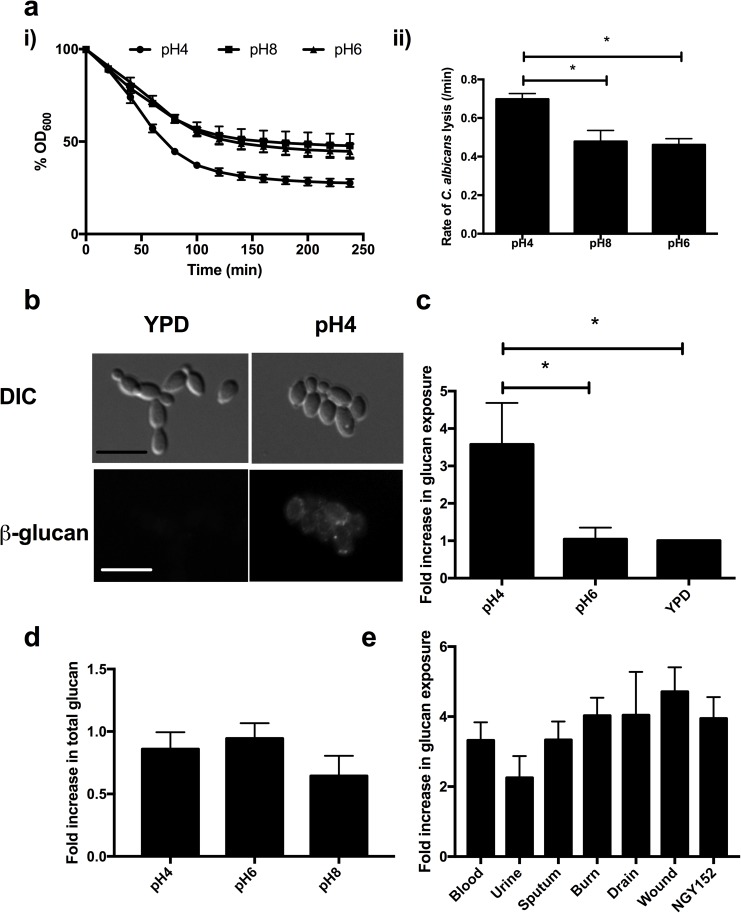
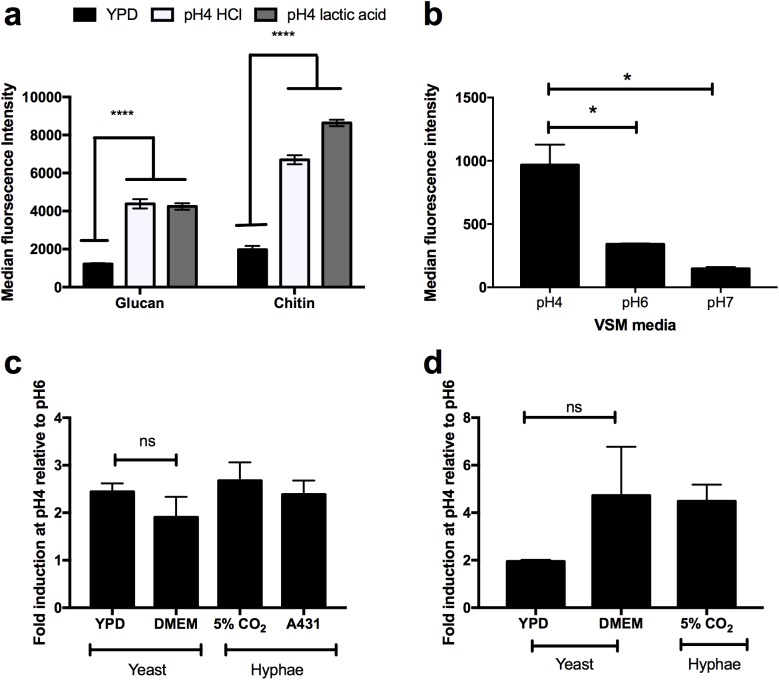
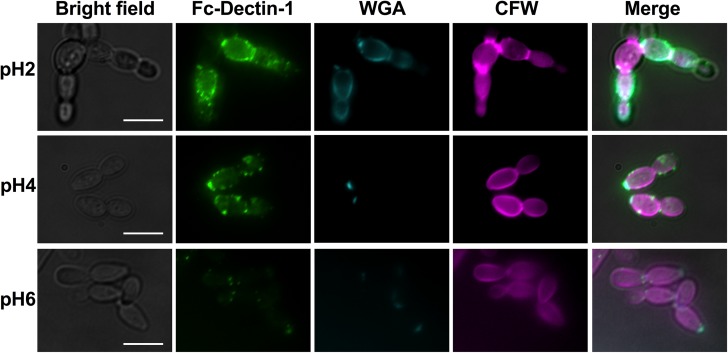
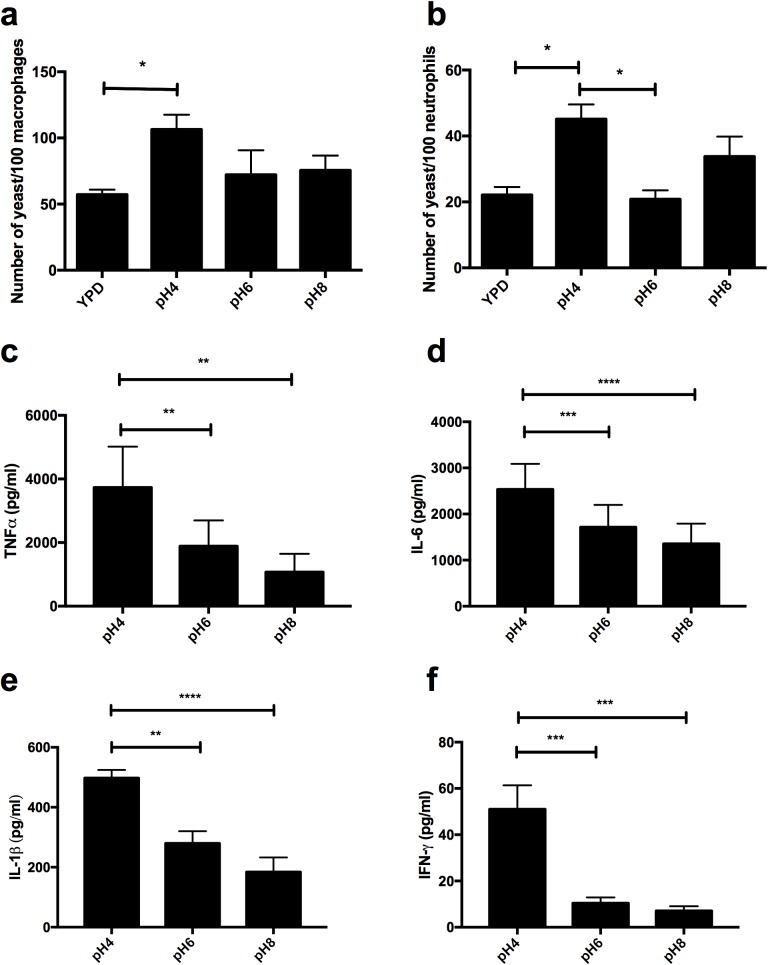
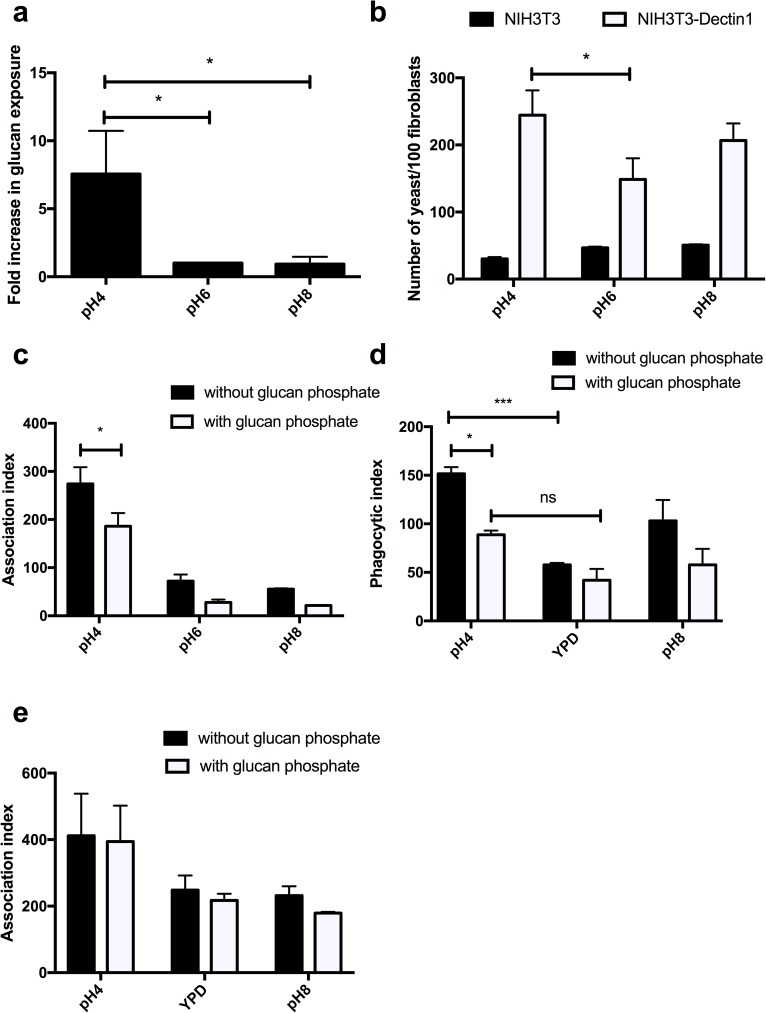
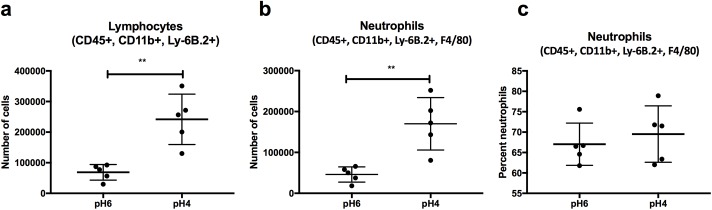
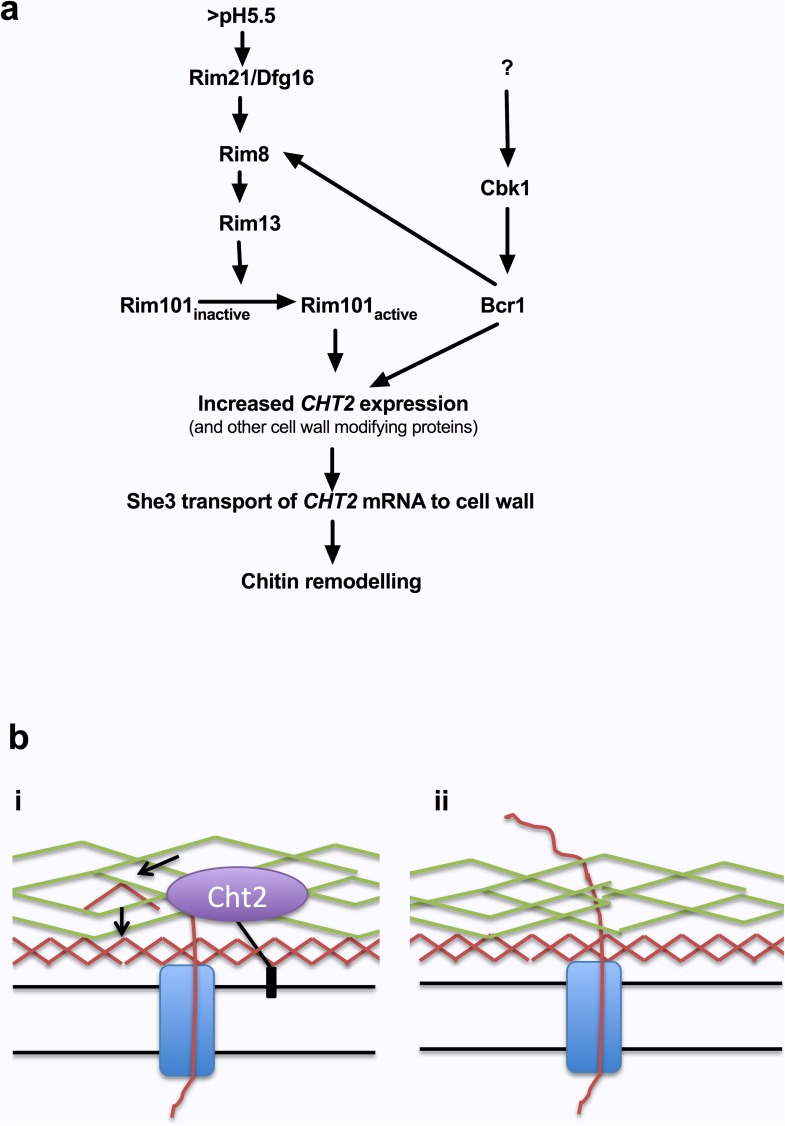
Candida albicans is able to proliferate in environments that vary dramatically in ambient pH, a trait required for colonising niches such as the stomach, vaginal mucosal and the GI tract. Here we show that growth in acidic environments involves cell wall remodelling which results in enhanced chitin and β-glucan exposure at the cell wall periphery. Unmasking of the underlying immuno-stimulatory β-glucan in acidic environments enhanced innate immune recognition of C. albicans by macrophages and neutrophils, and induced a stronger proinflammatory cytokine response, driven through the C-type lectin-like receptor, Dectin-1. This enhanced inflammatory response resulted in significant recruitment of neutrophils in an intraperitoneal model of infection, a hallmark of symptomatic vaginal colonisation. Enhanced chitin exposure resulted from reduced expression of the cell wall chitinase Cht2, via a Bcr1-Rim101 dependent signalling cascade, while increased β-glucan exposure was regulated via a non-canonical signalling pathway. We propose that this "unmasking" of the cell wall may induce non-protective hyper activation of the immune system during growth in acidic niches, and may attribute to symptomatic vaginal infection.
Overview
The claims and statistics of this paper haven’t been checked yet.
Free: it reads the open-access text and checks the first 5 claims that cite a source we can check. Create a free account to check every claim.
Integrity signals
Registry
Cites
Statistics
Figures
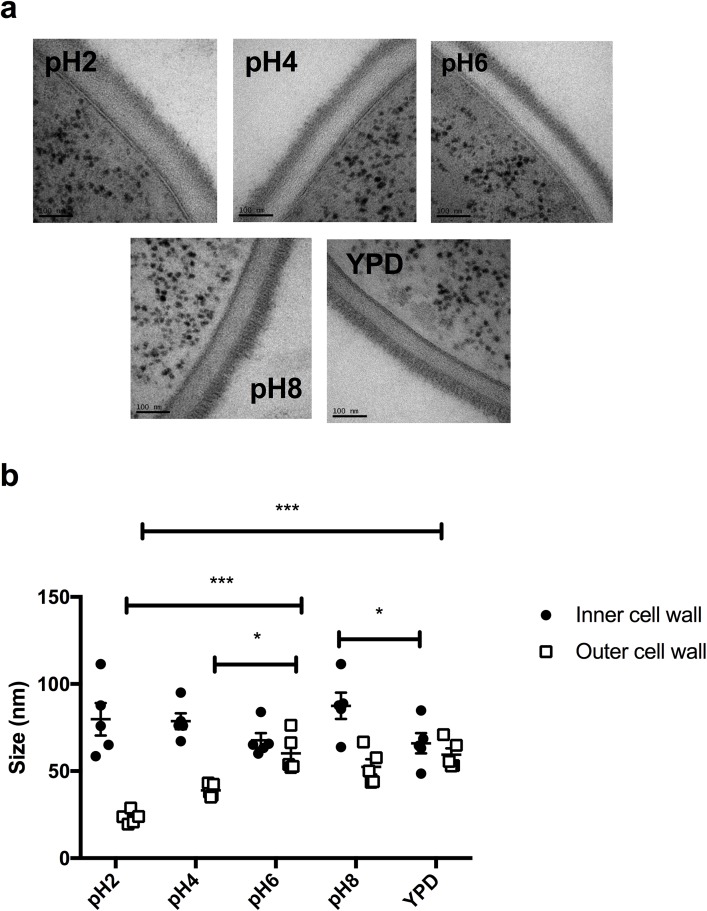
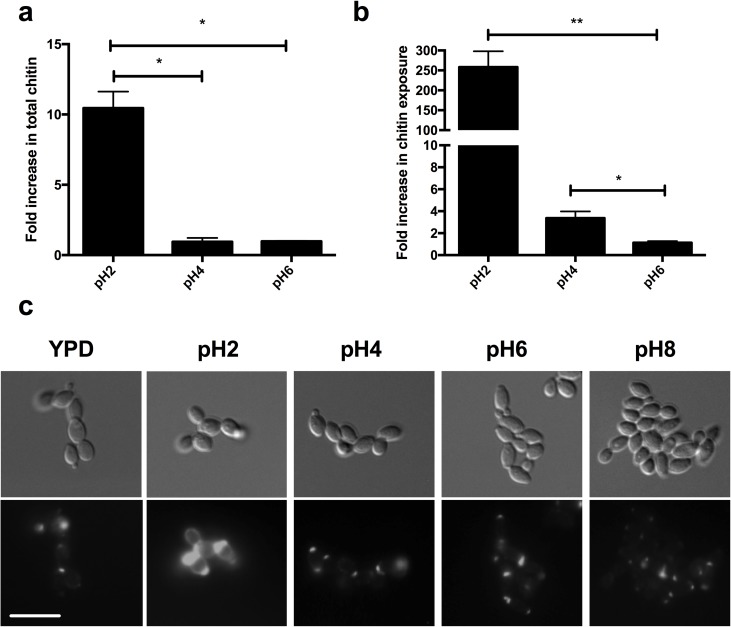
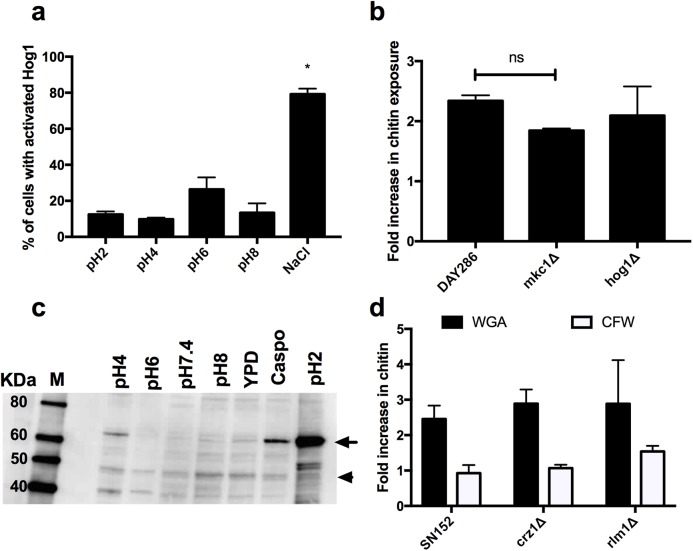
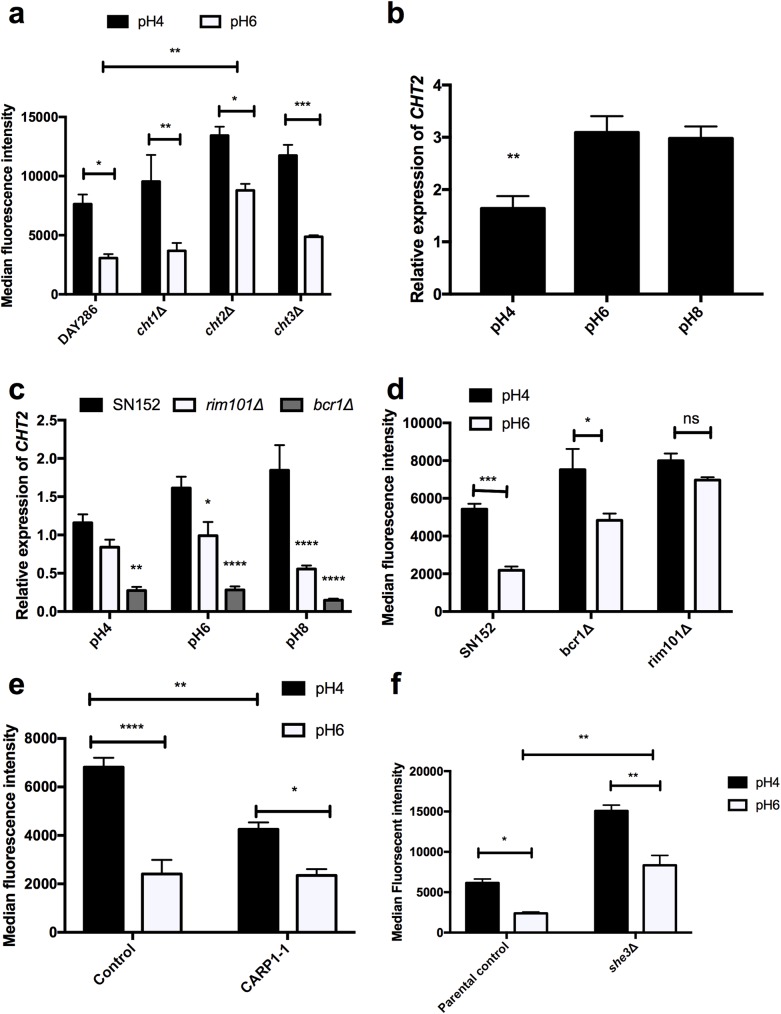
Verification
Claims the paper makes
The claims and statistics of this paper haven’t been checked yet.
Free: it reads the open-access text and checks the first 5 claims that cite a source we can check. Create a free account to check every claim.
Claims other papers make about this one
Each is checked against this paper’s own text: does it say what the citing paper says it does?
The source backs part of the claim, not all of it — or backs it for a different population, condition or comparison.
In the citing paper
“Changes in surface beta-glucan exposure can occur in response to a variety of stimuli, including changes in carbon sources and pH (14, 15).”
From Inhibition of Classical and Alternative Modes of Respiration in Candida albicans Leads to Cell Wall Remodeling and Increased Macrophage Recognition (2019) · cites this paper as [15]
Experimental — accuracy not yet measuredThe source backs part of the claim, not all of it — or backs it for a different population, condition or comparison.
In the citing paper
“In line with this, CSP treatment readily triggers cell wall integrity signaling involving several pathways and transcription factors, thus leading to cell wall remodeling and stress adaptations (55, 79) such as increased chitin exposure (80, 81) via the activation of chitin synthesis.”
From Transcriptomics and Phenotyping Define Genetic Signatures Associated with Echinocandin Resistance in Candida auris (2022) · cites this paper as [80]
Experimental — accuracy not yet measuredThe cited source says what the claim attributes to it.
In the citing paper
“Sherrington et al. showed that unmasking of β(1,3)-glucan and chitin occurred during adaptation to low pH (15).”
From Inhibition of Classical and Alternative Modes of Respiration in Candida albicans Leads to Cell Wall Remodeling and Increased Macrophage Recognition (2019) · cites this paper as [15]
Self-check
Percentages, sums and reported differences re-computed from the paper’s own numbers.
The self-check needs the paper’s full text.
Citations
Cites
Wisplinghoff, H., Bischoff, T., Tallent, S. M., Seifert, H., Wenzel, R. P., & Edmond, M. B. (2004) · Clinical Infectious Diseases · doi:10.1086/421946 · Cited by 4,496 · cited 1×
“The opportunistic fungal pathogen Candida albicans is a commensal in up to 80% of 60 the population, and can cause superficial mucosal infections in healthy individuals (1, 61 2) and invasive disease in immune supressed patients (3, 4).”
BackgroundBrown, G. D., & Gordon, S. (2001) · Nature · doi:10.1038/35092620 · Cited by 1,579
Sobel, J. D. (2007) · The Lancet · doi:10.1016/s0140-6736(07)60917-9 · Cited by 1,270
Conti, H. R., Shen, F., Nayyar, N., Stocum, E., Sun, J. N., Lindemann, M. J., Ho, A. W., Hai, J. H., Yu, J. J., Jung, J. W., et al. (2009) · Journal of Experimental Medicine · doi:10.1084/jem.20081463 · Cited by 1,024 · cited 1×
“Neutrophil depletion reduces inflammation and symptoms associated with VVC [42], suggesting that neutrophil recruitment in VVC is non-protective, in contrast to oral candidiasis where neutrophil recruitment and activation of Th17 responses are protective [43].”
BackgroundAn integrated model of the recognition of Candida albicans by the innate immune system
Netea, M. G., Brown, G. D., Kullberg, B. J., & Gow, N. A. R. (2008) · Nature Reviews Microbiology · doi:10.1038/nrmicro1815 · Cited by 946 · cited 2×
“These protein and carbohydrate motifs are immunogenic and play important roles in innate immune recognition [12].”
BackgroundA Recently Evolved Transcriptional Network Controls Biofilm Development in Candida albicans
Nobile, C. J., Fox, E. P., Nett, J. E., Sorrells, T. R., Mitrovich, Q. M., Hernday, A. D., Tuch, B. B., Andes, D. R., & Johnson, A. D. (2012) · Cell · doi:10.1016/j.cell.2011.10.048 · Cited by 711 · cited 1×
“However, Bcr1 also positively regulates RIM8 [37], suggesting that inactivation of BCR1 would also decrease processing of Rim101, linking the two pathways (Fig 12A).”
BackgroundAlmirante, B., Rodríguez, D., Park, B. J., Cuenca-Estrella, M., Planes, A. M., Almela, M., Mensa, J., Sanchez, F., Ayats, J., Gimenez, M., et al. (2005) · Journal of Clinical Microbiology · doi:10.1128/jcm.43.4.1829-1835.2005 · Cited by 566 · cited 1×
“Mucosal infections 62 increase population morbidity and are expensive to treat, while disseminated disease 63 is associated with high mortality rates (5, 6).”
BackgroundCritical Role of Bcr1-Dependent Adhesins in C. albicans Biofilm Formation In Vitro and In Vivo
Nobile, C. J., Andes, D. R., Nett, J. E., Smith, F. J., Yue, F., Phan, Q.-T., Edwards, J. E., Filler, S. G., & Mitchell, A. P. (2006) · PLoS Pathogens · doi:10.1371/journal.ppat.0020063 · Cited by 507 · cited 1×
“Bcr1 is essential for biofilm formation and controls the expression of many cell wall associated genes including HWP1, ALS1, ALS3 and HYR1 [35].”
BackgroundNosocomial Candidemia: Risk Factors and Attributable Mortality
Wenzel, R. P. (1995) · Clinical Infectious Diseases · doi:10.1093/clinids/20.6.1531 · Cited by 502 · cited 1×
“Mucosal infections increase population morbidity and are expensive to treat, while disseminated disease is associated with high mortality rates [5, 6].”
BackgroundSobel, J. D. (1997) · New England Journal of Medicine · doi:10.1056/nejm199712253372607 · Cited by 449
Research works printed but not linked: 1
- Sobel JD. Vulvovaginal candidosis. The Lancet. 2007; 369(9577): 1961– 71. 17560449 · DOI · Paper page
Cited by
Items 101–200 of 202
Combatting Fungal Infections: Advances in Antifungal Polymeric Nanomaterials
Schaefer, S., Corrigan, N. A., Brunke, S., Lenardon, M. D., & Boyer, C. A. (2024) · Biomacromolecules · doi:10.1021/acs.biomac.4c00866 · Cited by 20
Self-citationRecognition of Fungal Components by the Host Immune System
García-Carnero, L. C., Martínez-Álvarez, J. A., Salazar-García, L. M., Lozoya‐Pérez, N. E., González-Hernández, S. E., & Tamez-Castrellón, A. K. (2019) · Current Protein and Peptide Science · doi:10.2174/1389203721666191231105546 · Cited by 20
A CO 2 sensing module modulates β-1,3-glucan exposure in Candida albicans
Avelar, G. M., Pradhan, A., Ma, Q., Hickey, E., Leaves, I., Liddle, C., Rodriguez Rondon, A. V., Kaune, A.-K., Shaw, S., Maufrais, C., et al. (2024) · mBio · doi:10.1128/mbio.01898-23 · Cited by 15
“For example, lactate, hypoxia, iron-limitation-and pH-induced changes in β-1,3-glucan exposure are each activated via evolutionarily conserved signaling pathways that respond to the input signal in question (17, 32–34, 38, 39).”
BackgroundEndogenous Ethanol Production in the Human Alimentary Tract: A Literature Review
Stamation, R. (2025) · Journal of Gastroenterology and Hepatology · doi:10.1111/jgh.16869 · Cited by 19
“…optimally in a pH of 4–6; thus, stomach hypoacidity, stagnation of duodenal contents, and re-fluxate of the more alkaline substances back into the stomach, combined with ingestion of carbohydrates, provide for the optimal environment to favor sustained dysbiosis and ethanol production [16, 34, 35].”
Miao, J., Willems, H. M. E., & Peters, B. M. (2020) · Infection and Immunity · doi:10.1128/iai.00550-20 · Cited by 15
A Soluble Immune Effector Binds Both Fungi and Bacteria via Separate Functional Domains
Liberti, A., Cannon, J. P., Litman, G. W., & Dishaw, L. J. (2019) · Frontiers in Immunology · doi:10.3389/fimmu.2019.00369 · Cited by 18
“some of these observations; specifically, WGA recognizes chitin fibers localized only on fungal surfaces and not in the inner cell walls (43, 44); hence, this lectin was utilized, as described in the following section, to verify the presence of chitin on fungal surfaces and to confirm the degree of overlap with signal…”
MethodAmbient pH regulates secretion of lipases in Malassezia furfur
Juntachai, W., Chaichompoo, A., & Chanarat, S. (2019) · Microbiology · doi:10.1099/mic.0.000879 · Cited by 15
Qiu, L., Song, J.-Z., Li, J., Zhang, T.-S., Li, Z., Hu, S.-J., Liu, J., Dong, J.-C., Cheng, W., & Wang, J.-J. (2022) · International Journal of Biological Macromolecules · doi:10.1016/j.ijbiomac.2022.03.037 · Cited by 16
Cui, S., Li, M., Hassan, R. Y. A., Heintz‐Buschart, A., Wang, J., & Bilitewski, U. (2020) · mSphere · doi:10.1128/msphere.00016-20 · Cited by 15
“3, the influence of AA concentrations on the median fluorescence intensity resulting from binding of fluorescently labeled anti- -(1,3)-glucan antibodies and concanavalin A, respectively, is summarized.”
BackgroundInfluentialHost Sensing by Pathogenic Fungi
Sherrington, S. L., Kumwenda, P., Kousser, C., & Hall, R. A. (2017) · Advances in applied microbiology · doi:10.1016/bs.aambs.2017.10.004 · Cited by 14
Self-citationCek1 regulates ß(1,3)-glucan exposure through calcineurin effectors in Candida albicans
Wagner, A. S., Lumsdaine, S. W., Mangrum, M. M., King, A. E., Hancock, T. J., Sparer, T. E., & Reynolds, T. B. (2022) · PLOS Genetics · doi:10.1371/journal.pgen.1010405 · Cited by 12
Candida auris : host interactions, antifungal drug resistance, and diagnostics
Chowdhary, A., Lionakis, M. S., & Chauhan, N. (2025) · Microbiology and Molecular Biology Reviews · doi:10.1128/mmbr.00187-22 · Cited by 22
“On the other hand, growth in acidic conditions exposes β-glucan and chitin, which intensifies inflammatory host reactions (69).”
Davis, F. A., Singh, K., Krampen, J. M., Rapala, J. R., Bryant, J. A., McFadden, M. J., Ost, K. S., Esher, S. K., Balunas, M. J., Wang, T., et al. (2026) · Current Biology · doi:10.1016/j.cub.2025.12.029 · Cited by 17
Chang, T.-H., Gloria, Y. C., Hellmann, M. J., Richardo, T., Greve, C. L., Roy, D. L., Roger, T., Bork, F., Bugl, S., Jakob, J., et al. (2025) · Frontiers in Immunology · doi:10.3389/fimmu.2025.1497174 · Cited by 17
Figueiredo, A. B. C., Fonseca, F. L., Kuczera, D., Conte, F. D. P., Arissawa, M., & Rodrigues, M. L. (2021) · Antimicrobial Agents and Chemotherapy · doi:10.1128/aac.01181-21 · Cited by 15
“The inhibition of chitin synthesis in fungi is not trivial, due to the general 54 redundancy of genes regulating chitin formation in fungal cells (12).”
BackgroundLinking Sfl1 Regulation of Hyphal Development to Stress Response Kinases in Candida albicans
Unoje, O., Yang, M., Lü, Y., Su, C., & Liu, H. (2020) · mSphere · doi:10.1128/msphere.00672-19 · Cited by 17
“albicans biological functions and processes, such as filamentation (6, 7), nutrient acquisition (8, 9), white-opaque switching (10), and cell wall remodeling (11).”
BackgroundMa, Q., Pradhan, A., Leaves, I., Hickey, E., Roselletti, E., Dambuza, I. M., Larcombe, D. E., de Assis, L. J., Wilson, D., Erwig, L. P., et al. (2024) · The Cell Surface · doi:10.1016/j.tcsw.2024.100128 · Cited by 12
“…iron depletion, C. albicans reduces the exposure of β -1,3-glucan at its cell surface, in part by shaving, and this reduces the ability of innate immune cells to recognise the fungus (Ballou et al., 2016; Childers et al., 2020a; Pradhan et al., 2018; Pradhan et al., 2019; Sherrington et al., 2017).”
A Review of Studies on Candida Species in Peninsular Malaysia
Farooq, H., Monowar, T., Latt, S. S., Chinni, S. V., Zainol, N. H., & Sabesan, G. S. (2022) · Advanced Biomedical Research · doi:10.4103/abr.abr_3_22 · Cited by 11
“[34,35] The reason for the increased growth of yeast infections in these sites is the wet and acidic environment of these sites, which increases the occurrence and growth of yeast infections.[35]”
BackgroundResultLin, G.-Y., Chang, C., & Lan, C. (2020) · Microorganisms · doi:10.3390/microorganisms8020299 · Cited by 13
“Zymolyase (or laminaripentaohydrolase) can hydrolyze the β -1,3-glucan layer, and sodium metaperiodate oxidizes cleaves the glycan chains of β -1,6-glucan and [28].”
Prasad, P., Joshi, A., & Ghosh, S. (2022) · Microbial Pathogenesis · doi:10.1016/j.micpath.2022.105515 · Cited by 10
In Vitro Acid Resistance of Pathogenic Candida Species in Simulated Gastric Fluid
Ikeda, E., Yamaguchi, M., Ono, M., & Kawabata, S. (2024) · Gastro Hep Advances · doi:10.1016/j.gastha.2024.100591 · Cited by 10
“39 Immunostimulatory b - glucan was found to accelerate the recognition of C. albicans by innate immune cells in a mouse infection model.”
Lam, P. P. Y., Zhou, N., Wong, H. M., & Yiu, C. K. Y. (2022) · International Journal of Environmental Research and Public Health · doi:10.3390/ijerph191912864 · Cited by 9
“albicans to acclimate and thrive in a wide range of pH [39], especially in acidic environment created by the cariogenic biofilm.”
BackgroundA novel pH-responsive monomer inhibits Candida albicans via a dual antifungal mode of action
Li, H., Shi, Y., Chen, H., Liang, J., Zhang, S., Li, B., Chen, J., Li, M., Peng, X., Zhou, X., et al. (2024) · Journal of Materials Chemistry B · doi:10.1039/d4tb00851k · Cited by 8
Commensal to Pathogen Transition of Candida albicans
Niemiec, M. J., Kapitan, M., Polke, M., & Jacobsen, I. D. (2017) · Elsevier eBooks · doi:10.1016/b978-0-12-809633-8.12077-1 · Cited by 9
Protein kinase A signaling regulates immune evasion by shaving and concealing fungal β-1,3-glucan
Pradhan, A., Nev, O. A., Leaves, I., Nev, O. A., Ma, Q., Milne, G., Patterson, G., Netea, M. G., Erwig, L. P., Farrer, R. A., et al. (2025) · Proceedings of the National Academy of Sciences · doi:10.1073/pnas.2423864122 · Cited by 7
“…( 9 , 10 , 16 , 17 ). β-1,3 - glucan masking reduces fungal recognition and killing by innate immune cells such as neutrophils and macrophages ( 9 , 10 , 16 , 17 ) and compromises host clearance of C. albicans infections ( 18 ). β-1,3 - glucan is a major component of the C. albicans cell wall ( 19…”
Baicalin promotes β-1,3-glucan exposure in Candida albicans and enhances macrophage response
Pan, Y., Shi, Z., Wang, Y., Chen, F., Yang, Y., Ma, K., & Li, W. (2024) · Frontiers in Cellular and Infection Microbiology · doi:10.3389/fcimb.2024.1487173 · Cited by 9
Neto, J. X. D. S., Dias, L. P., Lopes, L. A., da Costa, H. P. S., Vasconcelos, I. M., Pereira, M. L., Oliveira, J. T. A., Cardozo, C. J. P., Moura, L. F. W. G., de Sousa, J. S., et al. (2022) · Process Biochemistry · doi:10.1016/j.procbio.2022.08.004 · Cited by 7
Wang, Y., Liu, Z., Yin, X., Liu, S., Wang, K., Wan, R., Chen, H., Li, X., & Huang, B. (2023) · Insect Science · doi:10.1111/1744-7917.13209 · Cited by 8
“Immunofluorescent labeling and detection of the fungal cell wall β -1,3-glucan were performed as described previously, with some modifications (Fujikawa et al. , 2009; Sherrington et al. , 2017).”
MethodAdapting to Change: Interactions of Candida Albicans with its Environment
Hall, R. A. (2017) · Future Microbiology · doi:10.2217/fmb-2017-0130 · Cited by 5
“The signalling mechanism that mediates the active remodelling of β-glucan in response to environmental pH is unresolved, but is not mediated via Rim101, Crz1 or Hog1 [19].”
BackgroundInfluentialSelf-citationVázquez-Muñoz, R., Thompson, A. K., Sobue, T., & Dongari‐Bagtzoglou, A. I. (2024) · mBio · doi:10.1128/mbio.02416-24 · Cited by 10
Andaloro, S., Gaetano, V. D., Cardone, F., Ianiro, G., Cerrito, L., Pallozzi, M., Stella, L., Gasbarrini, A., & Ponziani, F. R. (2025) · International Journal of Molecular Sciences · doi:10.3390/ijms26157345 · Cited by 5
“Both S. cerevisiae and C. albicans are organisms that optimally proliferate at a pH of 4–6 [65,66].”
Muñoz, M. T. B., Costa‐Barbosa, A., Alvarado, M., Mendonça, A., Benkhellat, S., Vilanova, M., Fernández-Sánchez, S., Correia, A., de Groot, P. W. J., & Sampaio, P. (2025) · Frontiers in Cellular and Infection Microbiology · doi:10.3389/fcimb.2025.1654710 · Cited by 4
“…may stem from impaired immune activity, potentially due to cell separation defects and larger fungal structures, as well as an increased level of surface-exposed chitin, which may interfere with ef fi cient recognition by the immune system (Mora-Montes et al., 2011; Sherrington et al., 2017).”
Harnessing Probiotics to Combat Candidiasis: Mechanisms, Evidence, and Future Directions
Wright, E., Valand, N., & Girija, U. V. (2025) · Journal of Fungi · doi:10.3390/jof11110779 · Cited by 6
“When Candida grows in an acidic environment (such as the vagina), its cell wall undergoes remodelling, exposing β -glucan and chitin [103].”
Choudhir, G., Shahid, M., & Islam, A. (2024) · Informatics in Medicine Unlocked · doi:10.1016/j.imu.2024.101508 · Cited by 5
Liu, C., Liu, Y., Wang, Z., Zhu, H., Luo, Q., Wu, D., Wang, T., Hu, M. S., Wang, C., & Shao, J. (2025) · Phytomedicine · doi:10.1016/j.phymed.2025.156613 · Cited by 5
Gyoten, K., Kato, H., Hayasaki, A., Fujii, T., Iizawa, Y., Murata, Y., Tanemura, A., Kuriyama, N., Kishiwada, M., Mizuno, S., et al. (2020) · Langenbeck s Archives of Surgery · doi:10.1007/s00423-020-02006-7 · Cited by 5
Anggraini, W., Purwanto, D. A., Kusumawati, I., Isnaeni, I., & Suryanto Suryanto, S. (2023) · Pharmacognosy Journal · doi:10.5530/pj.2023.15.32 · Cited by 5
Wu, H., Wang, L., Wang, W., Shao, Z., Jia, X., Xiao, H. Q., & Chen, J. (2023) · mLife · doi:10.1002/mlf2.12066 · Cited by 4
“The acidic pH in the vaginal environment can trigger the exposure of the cell wall component β ‐ 1,3 ‐ glucan, a well ‐ characterized immunogenic pathogen ‐ associated molecular pattern (PAMP), resulting in the immune recognition of C. albicans 6 .”
BackgroundInfluentialZhang, S., Yu, M., Zhang, G., He, G., Ji, Y., Dong, J., Zheng, H., & Lu, Q. (2023) · Molecules · doi:10.3390/molecules28196769 · Cited by 5
Keller, B., Kuder, H., Visscher, C., Siesenop, U., & Kamphues, J. (2020) · Journal of Fungi · doi:10.3390/jof6040337 · Cited by 5
“The cell wall reinforced by NAG (chitin) offers protection against low pH-values in the environment [22].”
BackgroundInfluentialThe cell wall as a mediator of the pathogenic activity of fungi of the genus Candida sp.
Enoktaeva, O. V., Николенко, М. В., Trushnikov, D., & Baryshnikova, N. V. (2021) · Immunopathology Allergology Infectology · doi:10.14427/jipai.2021.4.60 · Cited by 5
Vulvovaginal Candidiasis in Postmenopausal Women
Becker, M., & Sobel, R. (2023) · Current Infectious Disease Reports · doi:10.1007/s11908-023-00801-z · Cited by 5
Zhang, L.-B., Yang, W.-W.-J., Yang, Z., & Guan, Y. (2024) · Pesticide Biochemistry and Physiology · doi:10.1016/j.pestbp.2024.106015 · Cited by 5
Internalization of the host alkaline pH signal in a fungal pathogenPreprint
Brown, H. E., Pianalto, K. M., Fernandes, C. M., Mueller, K. D., Poeta, M. D., & Alspaugh, J. A. (2020) · bioRxiv (Cold Spring Harbor Laboratory) · doi:10.1101/2020.10.19.345280 · Cited by 6
Commensal to Pathogen Transition of Candida albicans
Jacobsen, I. D., Niemiec, M. J., Kapitan, M., & Polke, M. (2020) · Elsevier eBooks · doi:10.1016/b978-0-12-809633-8.21281-8 · Cited by 6
Zhao, Y., Zou, W., Su, C., & Lu, Y. (2026) · iFungi · doi:10.26599/ifungi.2026.9670011 · Cited by 4
Długosz, A., Wróblewska, J., Kołaczyk, P., & Wróblewska, W. (2025) · Molecules · doi:10.3390/molecules30112416 · Cited by 7
“Their exposure significantly enhances the fungus’s recognition by immune cells, especially phagocytes, resulting in a stronger host inflammatory response and reducing its ability to evade immune defenses [59].”
Sah, S. K., Yadav, A., Kruppa, M., & Rustchenko, E. P. (2023) · Microbiology Spectrum · doi:10.1128/spectrum.03295-23 · Cited by 5
Surviving the Storm: How Candida Species Master Adaptation for Pathogenesis
Rana, A., Gupta, N., Asif, S., & Thakur, A. (2024) · Springer eBooks · doi:10.1007/978-981-97-4909-6_5 · Cited by 5
Molecular and Microscopic Methods of Quantifying Candida albicans Cell Wall PAMP Exposure
Bojang, E., Drummond, R. A., & Hall, R. A. (2022) · Methods in molecular biology · doi:10.1007/978-1-0716-2549-1_23 · Cited by 5
Self-citationXu, T., Liu, Y., Zhang, W., Li, M., Zhang, L., Li, X., Zhang, Y., Yue, L., Li, S., Lin, Y., et al. (2024) · Frontiers in Cellular and Infection Microbiology · doi:10.3389/fcimb.2024.1452124 · Cited by 3
Candida albicans impacts carbohydrate metabolism of Enterococcus faecalis in interkingdom biofilms
Fiallos, N. D. M., Zanin, I. C. J., Brunson, D. N., Kajfasz, J. K., Zeng, L., Cordeiro, R. D. A., Lemos, J. A. C., & Abranches, J. (2025) · Journal of Oral Microbiology · doi:10.1080/20002297.2025.2492194 · Cited by 3
“Interestingly, at low pH, the C. albicans cell wall undergoes substantial remodeling [69] whereby the mannan layer is partially lost and the glucan/chitin inner layer becomes exposed [70].”
Anaya, E. U., & Neumann, A. K. (2020) · Biophysical Journal · doi:10.1016/j.bpj.2019.11.1432 · Cited by 3
Acidic pH interferes with Candida persistence
Vacca, I. (2017) · Nature Reviews Microbiology · doi:10.1038/nrmicro.2017.72 · Cited by 3
Anaya, E. U., Amin, A. E., Wester, M. J., Danielson, M. E., Michel, K. S., & Neumann, A. K. (2019) · bioRxiv (Cold Spring Harbor Laboratory) · doi:10.1101/824995 · Cited by 3
Zaffran, I., Gaur, P., Ofori, P., Charpak‐Amikam, Y., Pahima, H. T., Shasha, D., Osherov, N., Hube, B., Ben‐Ami, R., Naglik, J. R., et al. (2025) · Nature Communications · doi:10.1038/s41467-025-64276-3 · Cited by 4
“Together, this suggests that strong positively charged compounds in fl uence C. albicans growth/viability, even though C. albicans can tolerate a broad range of pH (from 2 to 10) 41 .”
Abuljadayel, D. A. (2025) · Journal of Applied Hematology · doi:10.4103/joah.joah_80_25 · Cited by 2
pH-driven progression: Dental caries to pulpal and periapical disorders
Hu, L., Chen, J., Chu, C. H., Tang, Q., Li, W., Qin, T., Chan, A. K. Y., & Cheng, L. (2026) · Archives of Oral Biology · doi:10.1016/j.archoralbio.2026.106574 · Cited by 3
Zhang, B., Hou, S., Zhang, A., Yang, J., Zhang, W., Zhu, S., Chen, H., & Huang, R. (2026) · Molecular Oral Microbiology · doi:10.1111/omi.70026 · Cited by 2
“Previous studies have shown that the C. albicans morphological switching is influenced by environmental cues and interactions with the surrounding microbial community (Sherrington et al. 2017 ; Sudbery 2011 ).”
Jadoa, I. H., & Muhsen, T. A. A. (2024) · Journal of Biotechnology Research Center · doi:10.24126/jobrc.2024.18.2.728 · Cited by 3
“The effect of growth in an acidic environment works on a structural modification of the innate cell wall, and these disorders in the cell wall lead to an increase in the activity of the innate immune response, which contributes to immune diseases (13).”
BackgroundAldulaijan, S., Alruwili, R., Almulaify, R., Alhassan, F. A., Al‐Dulaijan, Y. A., Alshahrani, F. A., Mokeem, L. S., Gad, M. M., Melo, M. A. S., & Balhaddad, A. A. (2024) · Journal of Functional Biomaterials · doi:10.3390/jfb15100310 · Cited by 2
“In conclusion, C 12 BDMA-Cl is a promising antifungal agent for preventing the onset of denture stomatitis.”
BackgroundCui, Z., Yang, W.-W.-J., Yang, Z., Zhang, L.-B., & Guan, Y. (2024) · Pesticide Biochemistry and Physiology · doi:10.1016/j.pestbp.2024.106273 · Cited by 2
Dias, L. M., Paul, P., Pavarina, A. C., & Siqueira, W. L. (2025) · Journal of Dentistry · doi:10.1016/j.jdent.2025.105778 · Cited by 4
Fu, L., Le, T., Wang, L., Guo, H., Liu, Z., Yang, J., Chen, Q., & Hu, J. (2020) · PubMed · doi:10.12122/j.issn.1673-4254.2020.07.21 · Cited by 5
Effect of Mongolian Herbal Tea on Growth of Candida albicans
Davaadorj, M., Ser‐Od, T., Al‐Wahabi, A., Kokubu, E., & Inoue, T. (2019) · The Bulletin of Tokyo Dental College · doi:10.2209/tdcpublication.2018-0021 · Cited by 2
Pelletier, C., & Lorenz, A. (2022) · Methods in molecular biology · doi:10.1007/978-1-0716-2417-3_14 · Cited by 3
Li, Y., Jia, Y., Wang, M. F., Liu, Q., Wang, F., Feng, R., & Song, Z. (2024) · New Journal of Chemistry · doi:10.1039/d4nj01313a · Cited by 1
Hyphal swelling induced in the phagosome of macrophages
Alonso, M. F., Bain, J. M., Erwig, L. P., Brown, A. J. P., & Gow, N. A. R. (2024) · Fungal Biology · doi:10.1016/j.funbio.2024.08.011 · Cited by 3
“Other studies have also suggested that acidic environments enhance the exposure of β -glucan and chitin (Sherrington et al., 2017).”
BackgroundHwang, Y.-J., Kim, Y.-Y., Chang, J., & Kho, H. (2024) · Journal of Dental Sciences · doi:10.1016/j.jds.2024.09.002 · Cited by 3
“27,28 However, the results of the present study were obtained by suddenly exposing C. albicans to a low pH environment, mimicking the rapid environmental changes in the oral cavity.”
Henry, M., Khouas, M., Théberge-Julien, G., Vincent, A. T., Villeneuve, L. R., Rhéaume, É., Tardif, J., & Sellam, A. (2025) · Virulence · doi:10.1080/21505594.2025.2569630 · Cited by 3
“Previous work have shown that chitin unmasking in response to low pH resulted from a reduced expression of the cell wall chitinase Cht2 leading to decreased processing of chitin fibrils [43].”
Candida Tropicalis Biofilm Formation Under Secondary Bile Salt Sodium Deoxycholate
Namiki, T., Takada, K., Hayakawa, S., & Komine‐Aizawa, S. (2026) · Current Microbiology · doi:10.1007/s00284-026-04734-3 · Cited by 1
“Chitinase is an enzyme that is involved in cell wall remodeling via catalysis of chitin synthesis, especially under environmental stresses [30, 31].”
Trentin, G., Martins‐Santana, L., Taborda, C. P., & Almeida, F. (2026) · Frontiers in Immunology · doi:10.3389/fimmu.2026.1912476 · Cited by 1
“…host immune cells are highly relevant to fungal development and host – fungus interactions (77). b -glucan visibility at the C. albicans surface is not fi xed, but varies according to infection stage, morphotype, stage of hyphal development, host-associated cues, and antifungal treatment (80 – 83).”
Role of Glucan-Derived Polymers in the Pathogenic Fungus Candida albicans
Prieto, D., Román, E., Alonso‐Monge, R., & Plá, J. (2019) · Biologically-inspired systems · doi:10.1007/978-3-030-12919-4_9 · Cited by 1
Elshazly, R. G., Sobieh, S. S., Zaki, S. S., & Tawab, S. (2022) · Journal of Scientific Research in Science /Journal of Scientific Research in Science · doi:10.21608/jsrs.2022.275792 · Cited by 2
The Development of Photo-activated Antimicrobial Dyes Against Opportunistic Infections
Jalab, M. (2020) · CLOK (University of Central Lancashire) · Cited by 1
Saftawy, E. A. E., Ghallab, M. M. I., Haydara, T., Ibrahim, A. A. E. W., Atta, S. A., Allah, R. A. M. G., Kamel, M. N., & MORSY, S. M. (2023) · Research Square · doi:10.21203/rs.3.rs-2789621/v1 · Cited by 1
Gonçales, R. A. (2019) · Digital Library of Theses and Dissertations (Universidade de São Paulo) · doi:10.11606/t.17.2019.tde-15102018-111942
Häfner, S. J. (2019) · Microbes and Infection · doi:10.1016/j.micinf.2019.08.004
Kumwenda, P., Cottier, F., Keevan, B., Gallagher, H., Tsai, H.-J., & Hall, R. A. (2020) · bioRxiv (Cold Spring Harbor Laboratory) · doi:10.1101/2020.07.22.207191
Self-citationHube, B., & Brunke, S. (2020) · Faculty Opinions – Post-Publication Peer Review of the Biomedical Literature · doi:10.3410/f.737216998.793573821
Chistyakova, O. M., Chervinets, V. M., Chervinets, Y. V., Grebenshchikova, L. Y., & Radkov, O. V. (2022) · Journal of obstetrics and women s diseases · doi:10.17816/jowd105169
Fungal diseases and antifungal drugs
Kumar, A., & Jha, A. (2023) · Elsevier eBooks · doi:10.1016/b978-0-443-18744-5.00002-2
Mahyon, N. I., Sabri, S., Jijew, G. C., Salleh, A. B., Leow, T. C., Lim, S. J., Oslan, S. N. H., Masomian, M., & Oslan, S. N. (2024) · Arabian Journal for Science and Engineering · doi:10.1007/s13369-024-09018-1
Pathogenicity Strategies of Candida Species During Interactions with Epithelial Cells
Pekmezovic, M. G., Hube, B., & Gresnigt, M. S. (2024) · The mycota · doi:10.1007/978-3-031-64853-3_2
Biochemical Interactions of Molecularly Detected Blastocystis hominisPreprint
Saftawy, E. A. E., Ghallab, M. M. I., Haydara, T., Ibrahim, A. A. E. W., Atta, S. A., Allah, R. A. M. G., Kamel, M. N., & MORSY, S. M. (2025) · Research Square · doi:10.21203/rs.3.rs-2789621/v2 · Cited by 1
Medicinal Plant-Derived Nanoparticles Against Pathogenic Candida species
Kadir, A. K. M. S., Zerin, F. F., Tripura, S., Dutta, T., Malek, A., Rasool, A., & Batool, S. (2025) · Springer eBooks · doi:10.1007/978-3-032-03604-9_10 · Cited by 1
Ghosh, S., Sarkar, S., Garai, P., Maiti, A. K., Saha, N. C., & Banerjee, P. (2025) · Discover Applied Sciences · doi:10.1007/s42452-025-07493-1
“C. albicans has developed adaptability to fluctuations in environmental pH and resistance to various anti-fungal drugs [12], followed by its transitional capability to different morphological forms to invade different niche in host body [13].”
Zhang, Y., Luo, Y., Liu, X., Li, J., Xia, Y., & Cao, Y. (2025) · Mycology: An International Journal on Fungal Biology · doi:10.1080/21501203.2025.2599679
“…determined using fluorescein isothio-cyanate-wheat germ agglutinin (FITC-WGA) (Thermo Scientific, USA) and CFW. β-1,3-glucan was detected using β-1,3-glucan-specific antibody, Alexa Fluor 594 goat anti-mouse IgG anti-body (Invitrogen, USA), as described in previous study (Sherrington et al. 2017).”
Additional file 1 of A buffered media system for yeast batch culture growth
Prins, R. C., & Billerbeck, S. (2021) · Figshare · doi:10.6084/m9.figshare.14478708
Tričković, V., Zurovac, T., Milovanović, B., Mijatović, J., & Eraković, M. (2024) · Acta stomatologica Naissi · doi:10.5937/asn2490007t
Biophysique de la croissance filamenteuse fongique et mécanique de perforation dans des élastomères
Kukhaleishvili, N. (2020) · theses.fr (ABES) · doi:10.70675/d078d26fz536cz4f1dzabddz2e947c8f556e · Cited by 2
Assessment of the metabolome in genomically diverse Candida albicans isolates
Alaban, L. R. (2022) · theses.fr (ABES) · doi:10.70675/6127ebd7z2b67z4728z960dzdc64762b4c70
Fonctions et biosynthèse des β-1,6-glucanes de la paroi cellulaire chez Candida albicans
Bekirian, C. (2024) · theses.fr (ABES) · doi:10.70675/b1028289z0c26z4acaz8f96z18e5c0c94464
Evaluation of the Antimicrobial Potential of Malaysian Kelulut Honeydew Honey Against Acne Pathogens
Chin, S. W., Azman, A.-S., Yap, M. K. K., & Tan, J. W. (2026) · Current Microbiology · doi:10.1007/s00284-026-04866-6
“For instance, C. albicans can grow from pH 2 to 10 [21].”
Effect of pH on the secretome profile of the human pathogen Candidozyma aurisPreprint
Ramos‐Pardo, A., Quindós, G., Eraso, E., Sevillano, E., & Kaberdin, V. R. (2026) · bioRxiv (Cold Spring Harbor Laboratory) · doi:10.64898/2026.04.14.718400
“Previous work has shown that the activation of Rim101 pathway can enhance expression of chitinases in C. albicans [49], thereby altering the recognition of this pathogen by the innate immune system.”
He, X., Shen, C., Cheng, Q., Zhang, H., Liu, X., & Wang, W. (2026) · Plant Cell & Environment · doi:10.1111/pce.70582
“ERG1 expression is precisely regulated to maintain cellular sterol balance and is influenced by environmental factors such as pH and stress (Sherrington et al. 2017).”
Insights into the mechanisms of infection transmission via inanimate surfaces
ISKANDAR, K., Marchin, L., & Roques, C. G. (2026) · Frontiers in Microbiology · doi:10.3389/fmicb.2026.1895041
“This fungus exhibits a broad tolerance range, thriving in a wide range of temperatures from 0 ° C to 60 ° C and pH levels (between 2 and 10) (Sherrington et al., 2017), with their growth being particularly enhanced on wet surfaces (Jabłońska-Trypuć et al., 2022).”
Organ-specific phenotypes of Candida albicans: implications for immunity and pathogenesis
Morris, E., Sheriff, L., & Drummond, R. A. (2026) · Current Opinion in Microbiology · doi:10.1016/j.mib.2026.102817
Metadata
- Authors
- Sherrington, S. L., Sorsby, E., Mahtey, N., Kumwenda, P., Lenardon, M. D., Brown, I., Ballou, E. R., MacCallum, D. M., & Hall, R. A.
- Affiliations
- University of Birmingham (GB)
- University of Aberdeen (GB)
- University of Kent (GB)
- Corresponding author
- Hall, Rebecca A.
- ORCID
- Venue
- PLOS Pathogens
- Publisher
- Public Library of Science (PLoS)
- Published
- 2017-05-22
- Volume
- 13
- Issue
- 5
- Pages
- e1006403
- ISSN
- 1553-7366 (ISSN-L)
- 1553-7374
- PMC
- PMC5456412
- OpenAlex
- W2617351430
- Cited by
- 202
- References
- 51
- Citations by year
- 2026: 13 · 2025: 19 · 2024: 27 · 2023: 18 · 2022: 25 · 2021: 21 · 2020: 36 · 2019: 28 · 2018: 7 · 2017: 8
- FWCI
- 16.63
- Type
- journal article
- Language
- en
- Update notices
- new_version (2017-06-02)
- Open access
- gold
- doi.org
- Licence
- Locations
- PLoS Pathogens (publishedVersion, cc-by)
- Europe PMC (PubMed Central) (publishedVersion, cc-by)
- PubMed Central (publishedVersion, cc-by)
- PubMed (publishedVersion)
- Kent Academic Repository (University of Kent) (acceptedVersion)
- Aberdeen University Research Archive (Aberdeen University) (submittedVersion)
- UNSWorks (UNSW Sydney) (submittedVersion, cc-by-nc-nd)
- DOAJ (DOAJ: Directory of Open Access Journals) (submittedVersion, cc-by-sa)
- Figshare (submittedVersion, cc-by)
- University of Birmingham Research Portal (University of Birmingham) (submittedVersion, cc-by)
- UNSWorks (University of New South Wales, Sydney, Australia) (submittedVersion, cc-by-nc-nd)
- Funders
- Medical Research Council (MR/L00903X/1, MR/N006364/1, MR/J008239/1)
- Biotechnology and Biological Sciences Research Council (BB/M014525/1)
- National Centre for the Replacement, Refinement and Reduction of Animals in Research (NC/K000306/1).)
- Topics
- Health Sciences › Medicine › Infectious Diseases › Antifungal resistance and susceptibility
- Life Sciences › Biochemistry, Genetics and Molecular Biology › Molecular Biology › Fungal and yeast genetics research
- Health Sciences › Medicine › Infectious Diseases › Fungal Infections and Studies
- Keywords
- Candida albicans, cell wall remodeling, Dectin-1, innate immune recognition, inflammatory cytokines, neutrophil recruitment, vaginal candidiasis, macrophages, fungal virulence
- MeSH terms
- Animals, Candida albicans, Candidiasis, Cell Wall, Humans, Hydrogen-Ion Concentration, Immunity, Innate, Macrophages, Mice
About these checks
Registry, retraction, Cites and statistics results are computed, not judged, with one exception: a printed reference that no index lists is read once by a model before it counts as a citation error. Claims are extracted by a model and kept only when their quote appears verbatim in the text; each cited source is then checked, with a model’s help, for whether it says what the claim relies on. Those verdicts can be wrong — read the claim’s quote and the cited source before relying on one.
Statistics and arithmetic are recomputed, not judged.
Confidence bands are shown only for fields calibrated on our annotated test set. None is calibrated yet, so no band is shown.
What counts as a claim ›How we measure confidence ›How we check this ›
Are you an author, or do you see a problem with this page? Request a review
Data sources
Bibliographic data: Semantic Scholar, OpenAlex, Crossref.
Contains information from the Semantic Scholar Academic Graph Datasets, made available under the ODC Attribution License (ODC-BY 1.0).
Semantic Scholar’s data is described in: Kinney, R., et al. (2023). The Semantic Scholar Open Data Platform. arXiv:2301.10140.
