

The DOI matches its Crossref record.
The HPV-18 E7 CKII phospho acceptor site is required for maintaining the transformed phenotype of cervical tumour-derived cells
Overview
The claims and statistics of this paper haven’t been checked yet.
Run the check — free, no account needed. It reads the open-access text and checks the sources it cites.
Integrity signals
Registry
Cites
Statistics
Figures
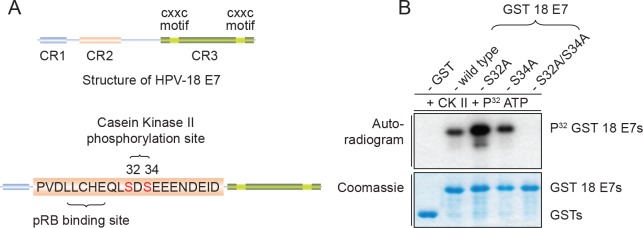
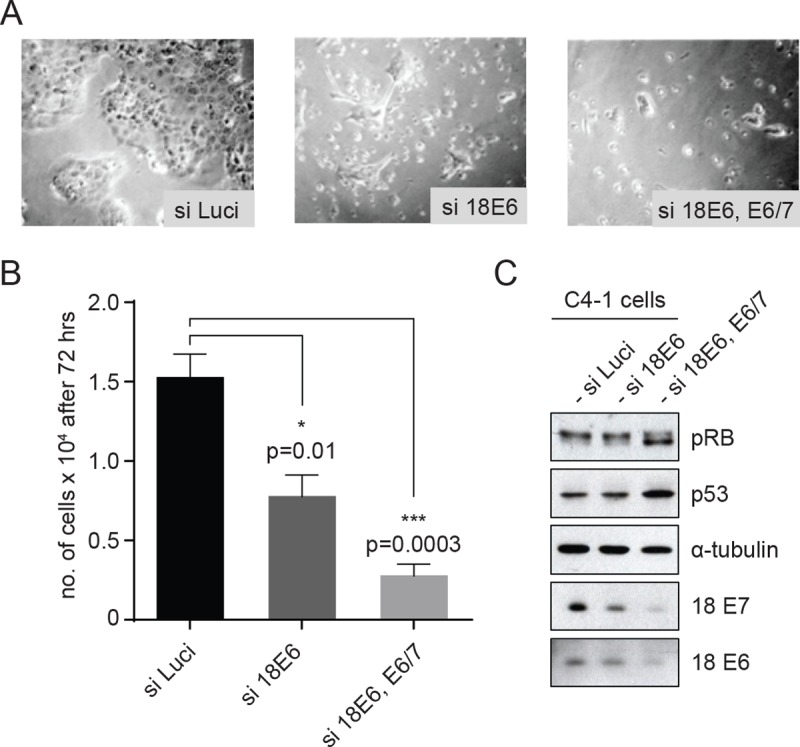
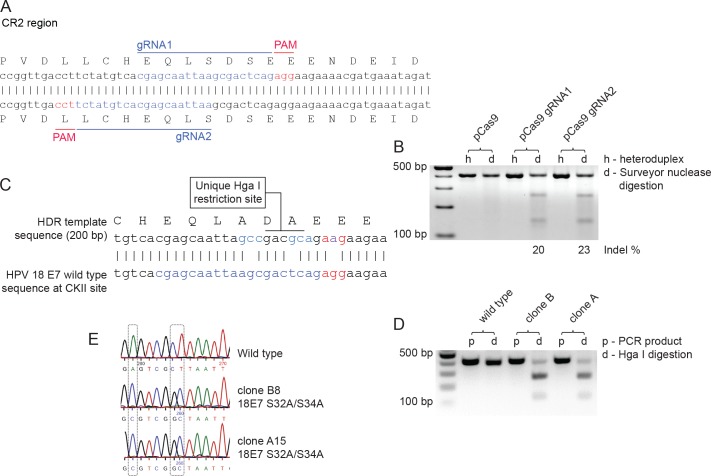
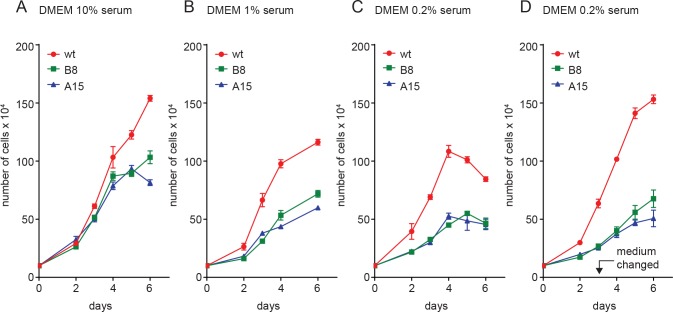
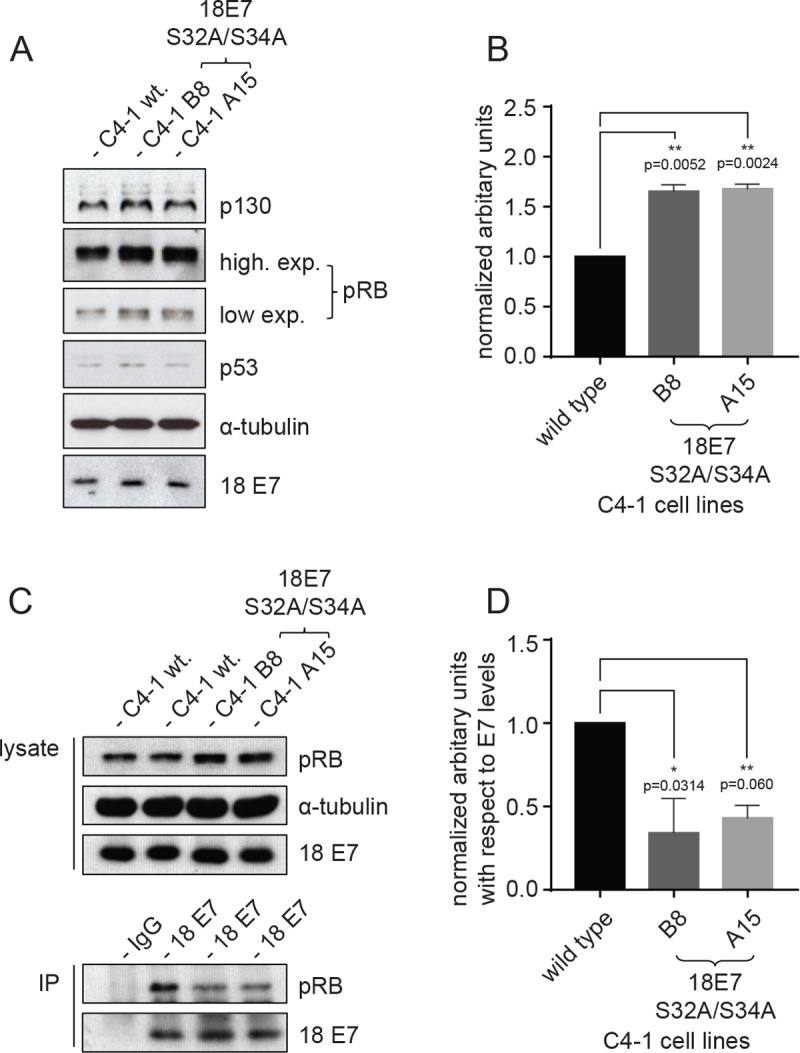
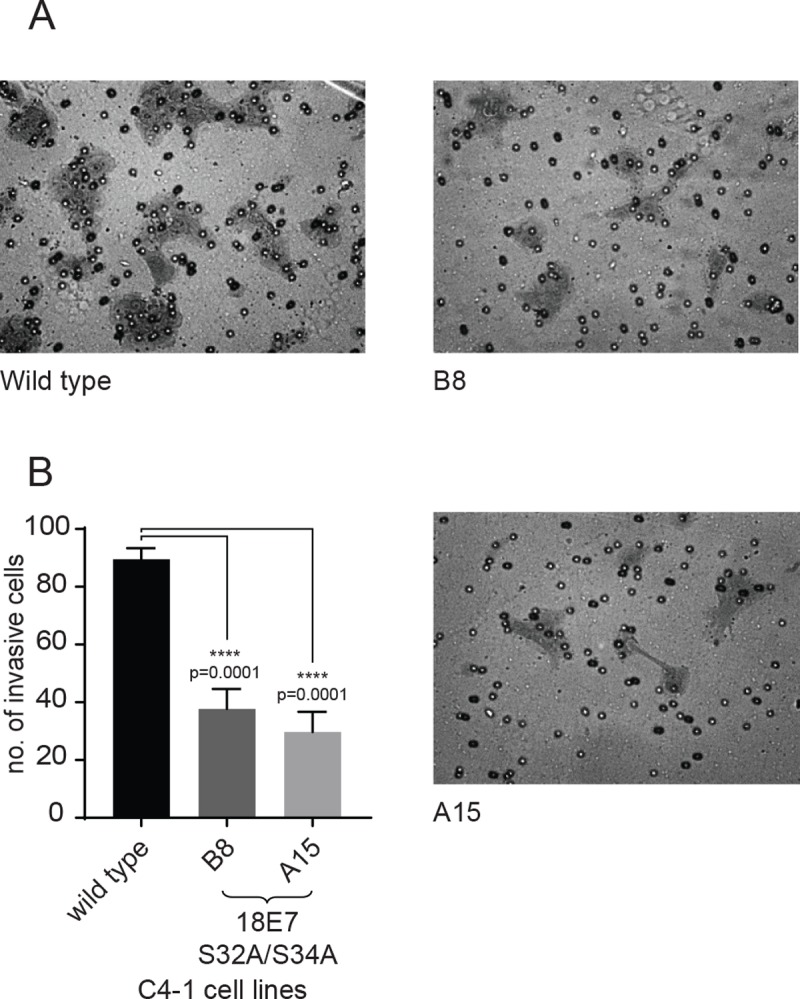
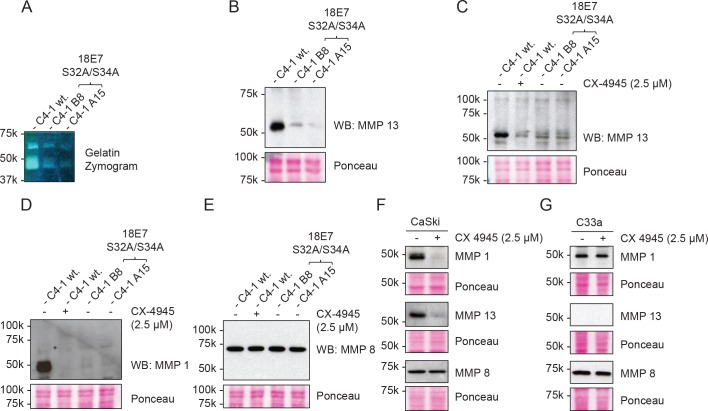
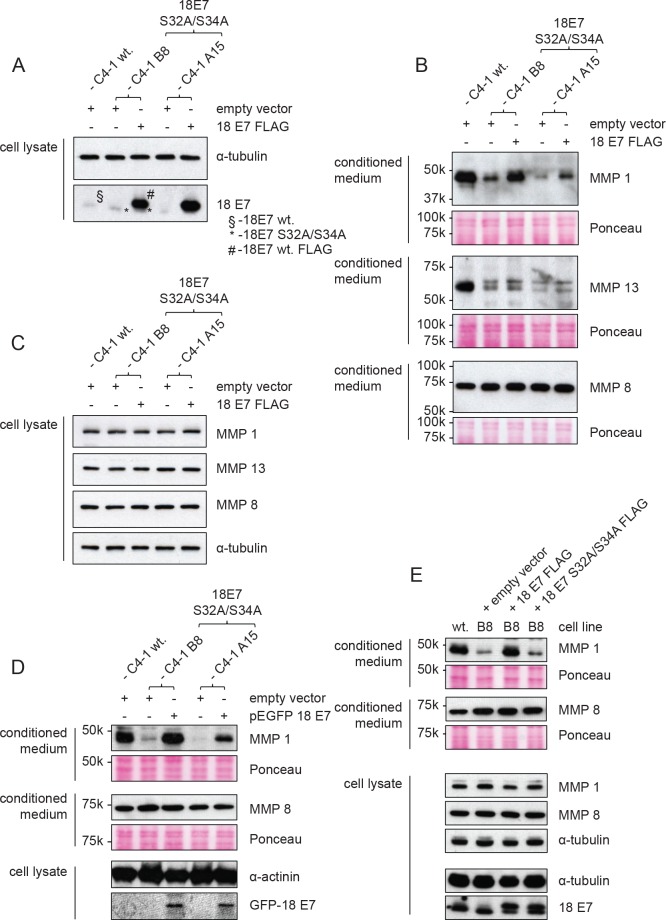
Verification
Claims the paper makes
The claims and statistics of this paper haven’t been checked yet.
Run the check — free, no account needed. It reads the open-access text and checks the sources it cites.
Claims other papers make about this one
Each is checked against this paper’s own text: does it say what the citing paper says it does?
In the citing paper
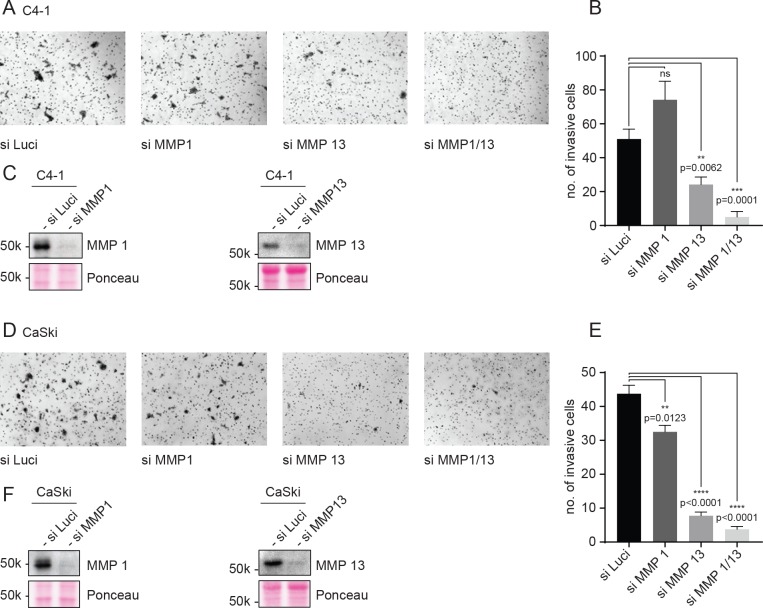
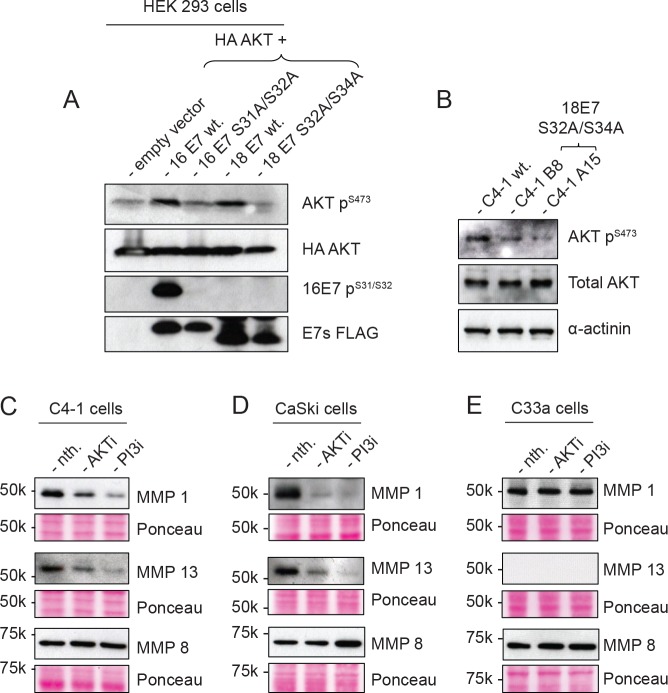
“AKT activation has been further linked to CKII phosphorylation of high-risk E7, leading to the secretion of MMP1 and MMP13 associated with an invasive phenotype of HPV-18-positive C4-1 cervical cancer cells [267]”
From The Not-So-Good, the Bad and the Ugly: HPV E5, E6 and E7 Oncoproteins in the Orchestration of Carcinogenesis (2021) · cites this paper as [267]
Self-check
Percentages, sums and reported differences re-computed from the paper’s own numbers.
The self-check needs the paper’s full text.
Citations
Cites
No references could be resolved yet.
Research works printed but not linked: 44
- H zur Hausen, 2009, Papillomaviruses in the causation of human cancers—a brief historical account, Virology, 384, 260, 10.1016/j.virol.2008.11.046 · DOI · Paper page
- J Doorbar, 2012, The biology and life-cycle of human papillomaviruses, Vaccine, 30, F55, 10.1016/j.vaccine.2012.06.083 · DOI
- A Roman, 2013, The papillomavirus E7 proteins, Virology, 445, 138, 10.1016/j.virol.2013.04.013 · DOI
- SB Vande Pol, 2013, Papillomavirus E6 oncoproteins, Virology, 445, 115, 10.1016/j.virol.2013.04.026 · DOI
- M Yoshinouchi, 2003, In vitro and in vivo growth suppression of human papillomavirus 16-positive cervical cancer cells by E6 siRNA, Molecular therapy: the journal of the American Society of Gene Therapy, 8, 762, 10.1016/j.ymthe.2003.08.004 · DOI · Paper page
- K Yamato, 2008, New highly potent and specific E6 and E7 siRNAs for treatment of HPV16 positive cervical cancer, Cancer gene therapy, 15, 140, 10.1038/sj.cgt.7701118 · DOI · Paper page
- K Butz, 2003, siRNA targeting of the viral E6 oncogene efficiently kills human papillomavirus-positive cancer cells, Oncogene, 22, 5938, 10.1038/sj.onc.1206894 · DOI · Paper page
- K Huh, 2007, Human papillomavirus type 16 E7 oncoprotein associates with the cullin 2 ubiquitin ligase complex, which contributes to degradation of the retinoblastoma tumor suppressor, Journal of virology, 81, 9737, 10.1128/JVI.00881-07 · DOI · Paper page
- A Szalmas, 2017, The PTPN14 Tumor Suppressor Is a Degradation Target of Human Papillomavirus E7, Journal of virology, 91, 10.1128/JVI.00057-17 · DOI · Paper page
- EA White, 2016, High-Risk Human Papillomavirus E7 Proteins Target PTPN14 for Degradation, mBio, 7, 10.1128/mBio.01530-16 · DOI · Paper page
- J Poirson, 2017, Mapping the interactome of HPV E6 and E7 oncoproteins with the Ubiquitin-Proteasome System, The FEBS journal
- KW Huh, 2005, Association of the human papillomavirus type 16 E7 oncoprotein with the 600-kDa retinoblastoma protein-associated factor, p600, Proceedings of the National Academy of Sciences of the United States of America, 102, 11492, 10.1073/pnas.0505337102 · DOI · Paper page
- MS Barbosa, 1990, The region of the HPV E7 oncoprotein homologous to adenovirus E1a and Sv40 large T antigen contains separate domains for Rb binding and casein kinase II phosphorylation, The EMBO journal, 9, 153, 10.1002/j.1460-2075.1990.tb08091.x · DOI
- JM Firzlaff, 1989, The E7 protein of human papillomavirus type 16 is phosphorylated by casein kinase II, The New biologist, 1, 44
- JM Firzlaff, 1991, Negative charge at the casein kinase II phosphorylation site is important for transformation but not for Rb protein binding by the E7 protein of human papillomavirus type 16, Proceedings of the National Academy of Sciences of the United States of America, 88, 5187, 10.1073/pnas.88.12.5187 · DOI
- P Massimi, 1996, HPV-16 E7 and adenovirus E1a complex formation with TATA box binding protein is enhanced by casein kinase II phosphorylation, Oncogene, 12, 2325
- FA Dick, 2002, Three regions of the pRB pocket domain affect its inactivation by human papillomavirus E7 proteins, Journal of virology, 76, 6224, 10.1128/JVI.76.12.6224-6234.2002 · DOI
- M Singh, 2005, Molecular determinants for the complex formation between the retinoblastoma protein and LXCXE sequences, The Journal of biological chemistry, 280, 37868, 10.1074/jbc.M504877200 · DOI
- LB Chemes, 2010, Targeting mechanism of the retinoblastoma tumor suppressor by a prototypical viral oncoprotein. Structural modularity, intrinsic disorder and phosphorylation of human papillomavirus E7, The FEBS journal, 277, 973, 10.1111/j.1742-4658.2009.07540.x · DOI
- A Zine El Abidine, 2017, A naturally occurring variant of HPV-16 E7 exerts increased transforming activity through acquisition of an additional phospho-acceptor site, Virology, 500, 218, 10.1016/j.virol.2016.10.023 · DOI
- MO Nogueira, 2017, Monitoring HPV-16 E7 phosphorylation events, Virology, 503, 70, 10.1016/j.virol.2016.12.030 · DOI
- A Psyrri, 2004, Role of the retinoblastoma pathway in senescence triggered by repression of the human papillomavirus E7 protein in cervical carcinoma cells, Cancer research, 64, 3079, 10.1158/0008-5472.CAN-03-3739 · DOI
- A Schneider-Gadicke, 1986, Different human cervical carcinoma cell lines show similar transcription patterns of human papillomavirus type 18 early genes, The EMBO journal, 5, 2285, 10.1002/j.1460-2075.1986.tb04496.x · DOI
- DL Jones, 1997, Destabilization of the RB tumor suppressor protein and stabilization of p53 contribute to HPV type 16 E7-induced apoptosis, Virology, 239, 97, 10.1006/viro.1997.8851 · DOI · Paper page
- NJ Genovese, 2008, Casein kinase II motif-dependent phosphorylation of human papillomavirus E7 protein promotes p130 degradation and S-phase induction in differentiated human keratinocytes, Journal of virology, 82, 4862, 10.1128/JVI.01202-07 · DOI
- K Srivastava, 2017, p63 drives invasion in keratinocytes expressing HPV16 E6/E7 genes through regulation of Src-FAK signalling, Oncotarget, 8, 16202, 10.18632/oncotarget.3892 · DOI · Paper page
- WM Chien, 2000, Casein kinase II phosphorylation of the human papillomavirus-18 E7 protein is critical for promoting S-phase entry, Cell growth & differentiation: the molecular biology journal of the American Association for Cancer Research, 11, 425
- O Marin, 1994, Design and synthesis of two new peptide substrates for the specific and sensitive monitoring of casein kinases-1 and -2, Biochemical and biophysical research communications, 198, 898, 10.1006/bbrc.1994.1128 · DOI
- S Sarno, 1996, Protein kinase CK2 mutants defective in substrate recognition. Purification and kinetic analysis, The Journal of biological chemistry, 271, 10595, 10.1074/jbc.271.18.10595 · DOI
- D Pim, 2005, Activation of the protein kinase B pathway by the HPV-16 E7 oncoprotein occurs through a mechanism involving interaction with PP2A, Oncogene, 24, 7830, 10.1038/sj.onc.1208935 · DOI · Paper page
- H Wang, 2014, Matrix metalloproteinase-14 expression and its prognostic value in cervical carcinoma, Cell biochemistry and biophysics, 70, 729, 10.1007/s12013-014-9974-8 · DOI · Paper page
- Y Zhai, 2005, Expression of membrane type 1 matrix metalloproteinase is associated with cervical carcinoma progression and invasion, Cancer research, 65, 6543, 10.1158/0008-5472.CAN-05-0231 · DOI · Paper page
- J Kaewprag, 2013, HPV16 oncoproteins promote cervical cancer invasiveness by upregulating specific matrix metalloproteinases, PloS one, 8, e71611, 10.1371/journal.pone.0071611 · DOI · Paper page
- D Zhu, 2015, E6/E7 oncoproteins of high risk HPV-16 upregulate MT1-MMP, MMP-2 and MMP-9 and promote the migration of cervical cancer cells, International journal of clinical and experimental pathology, 8, 4981
- CW Menges, 2006, Human papillomavirus type 16 E7 up-regulates AKT activity through the retinoblastoma protein, Cancer research, 66, 5555, 10.1158/0008-5472.CAN-06-0499 · DOI · Paper page
- N Johansson, 1999, Collagenase-3 (MMP-13) is expressed by tumor cells in invasive vulvar squamous cell carcinomas, The American journal of pathology, 154, 469, 10.1016/S0002-9440(10)65293-5 · DOI
- M Balbin, 2003, Loss of collagenase-2 confers increased skin tumor susceptibility to male mice, Nature genetics, 35, 252, 10.1038/ng1249 · DOI
- B Akgul, 2006, Expression of matrix metalloproteinase (MMP)-2, MMP-9, MMP-13, and MT1-MMP in skin tumors of human papillomavirus type 8 transgenic mice, Experimental dermatology, 15, 35, 10.1111/j.0906-6705.2005.00387.x · DOI
- JT Korpi, 2008, Collagenase-2 (matrix metalloproteinase-8) plays a protective role in tongue cancer, British journal of cancer, 98, 766, 10.1038/sj.bjc.6604239 · DOI
- A Haukioja, 2017, Persistent Oral Human Papillomavirus (HPV) Infection is Associated with Low Salivary Levels of Matrix Metalloproteinase 8 (MMP-8), Journal of clinical virology: the official publication of the Pan American Society for Clinical Virology, 97, 4, 10.1016/j.jcv.2017.10.011 · DOI
- R Tian, 2018, Identification and validation of the role of matrix metalloproteinase-1 in cervical cancer, International journal of oncology, 52, 1198
- SL Gonzalez, 2001, Degradation of the retinoblastoma tumor suppressor by the human papillomavirus type 16 E7 oncoprotein is important for functional inactivation and is separable from proteasomal degradation of E7, Journal of virology, 75, 7583, 10.1128/JVI.75.16.7583-7591.2001 · DOI · Paper page
- FA Ran, 2013, Genome engineering using the CRISPR-Cas9 system, Nature protocols, 8, 2281, 10.1038/nprot.2013.143 · DOI · Paper page
- P Massimi, 2012, Differential regulation of cell-cell contact, invasion and anoikis by hScrib and hDlg in keratinocytes, PloS one, 7, e40279, 10.1371/journal.pone.0040279 · DOI
Cited by
Basukala, O., & Banks, L. (2021) · Viruses · doi:10.3390/v13101892 · Cited by 137
Self-citation
Metadata
- Authors
- Basukala, O., Mittal, S., Massimi, P., Bestagno, M., & Banks, L.
- Venue
- PLOS Pathogens
- Publisher
- Public Library of Science (PLoS)
- Published
- 2019-05-22
- Volume
- 15
- Issue
- 5
- Pages
- e1007769
- ISSN
- 1553-7374
- PMC
- PMC6530875
- Cited by
- 40
- References
- 0
- Language
- en
About these checks
Registry, retraction, Cites and statistics results are computed, not judged, with one exception: a printed reference that no index lists is read once by a model before it counts as a citation error. Claims are extracted by a model and kept only when their quote appears verbatim in the text; each cited source is then checked, with a model’s help, for whether it says what the claim relies on. Those verdicts can be wrong — read the claim’s quote and the cited source before relying on one.
Statistics and arithmetic are recomputed, not judged.
Confidence bands are shown only for fields calibrated on our annotated test set. None is calibrated yet, so no band is shown.
What counts as a claim ›How we measure confidence ›How we check this ›
Are you an author, or do you see a problem with this page? Request a review
