

The public health issue of antibiotic residues in food and feed: Causes, consequences, and potential solutions
Open accessThe DOI matches its Crossref record; 89 of the 89 references it cites were found in a registry or an index.
Abstract
Antibiotics are among the essential veterinary medicine compounds associated with animal feed and food animal production. The use of antibiotics for the treatment of bacterial infections is almost unavoidable, with less need to demonstrate their importance. Although banned as a growth factor for a few years, their use in animals can add residues in foodstuffs, presenting several environmental, technological, animal health, and consumer health risks. With regard to human health risks, antibiotic residues induce and accelerate antibiotic resistance development, promote the transfer of antibiotic-resistant bacteria to humans, cause allergies (penicillin), and induce other severe pathologies, such as cancers (sulfamethazine, oxytetracycline, and furazolidone), anaphylactic shock, nephropathy (gentamicin), bone marrow toxicity, mutagenic effects, and reproductive disorders (chloramphenicol). Antibiotic resistance, which has excessively increased over the years, is one of the adverse consequences of this phenomenon, constituting a severe public health issue, thus requiring the regulation of antibiotics in all areas, including animal breeding. This review discusses the common use of antibiotics in agriculture and antibiotic residues in food/feed. In-depth, we discussed the detection techniques of antibiotic residues, potential consequences on the environment and animal health, the technological transformation processes and impacts on consumer health, and recommendations to mitigate this situation.
Overview
The claims and statistics of this paper haven’t been checked yet.
Free: it reads the open-access text and checks the first 5 claims that cite a source we can check. Create a free account to check every claim.
Integrity signals
Registry
Cites
Statistics
Figures
Verification
Claims the paper makes
The claims and statistics of this paper haven’t been checked yet.
Free: it reads the open-access text and checks the first 5 claims that cite a source we can check. Create a free account to check every claim.
Claims other papers make about this one
Each is checked against this paper’s own text: does it say what the citing paper says it does?
The check wasn’t confident either way, so it gives no verdict — never disputed.
In the citing paper
“A few studies that did not use organic solvents applied sol vents that have been shown to be either toxic or nonbiodegradable, such as a surfactant (sodium dodecyl sulfate) (56) and ionic liquid (1-hexyl-3-methylimidazo lium hexafluorophosphate) (33,37).”
From Evaluating the green credentials and performance of deep eutectic solvents in the extraction of antibiotics and mycotoxins in foods (2024) · cites this paper as [33]
Experimental — accuracy not yet measured
Self-check
Percentages, sums and reported differences re-computed from the paper’s own numbers.
The self-check needs the paper’s full text.
Citations
Cites
Global trends in antimicrobial use in food animals
Van Boeckel, T. P., Brower, C., Gilbert, M., Grenfell, B. T., Levin, S. A., Robinson, T. P., Teillant, A., & Laxminarayan, R. (2015) · Proceedings of the National Academy of Sciences · doi:10.1073/pnas.1503141112 · Cited by 3,973 · cited 3×
“Others are used as growth promoters for improved feed conversion efficiency, carcass quality, and economic production [4].”
BackgroundInfluentialManyi-Loh, C., Mamphweli, S., Meyer, E., & Okoh, A. (2018) · Molecules · doi:10.3390/molecules23040795 · Cited by 1,808
Phillips, I. (2003) · Journal of Antimicrobial Chemotherapy · doi:10.1093/jac/dkg483 · Cited by 1,100 · cited 1×
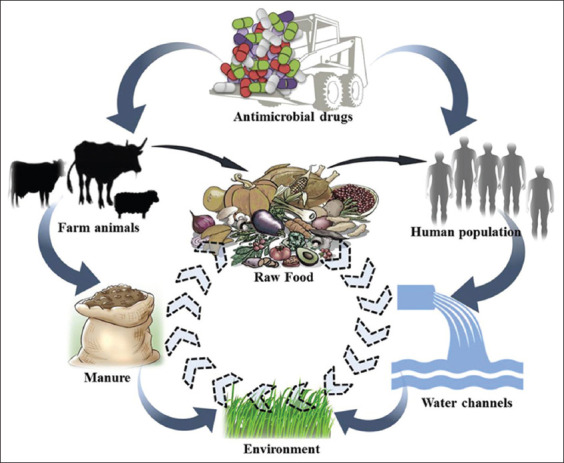
“On the contrary, direct interaction occurs when the residues accumulated in water and soil through manure (containing antibiotic residues from animals) or human excretions (containing residues of antibiotics) are found in food (especially in vegetables by watering or contamination with animal feces) [51].”
BackgroundChee‐Sanford, J. C., Mackie, R. I., Koike, S., Krapac, I. G., Lin, Y., Yannarell, A. C., Maxwell, S., & Aminov, R. I. (2009) · Journal of Environmental Quality · doi:10.2134/jeq2008.0128 · Cited by 830 · cited 1×
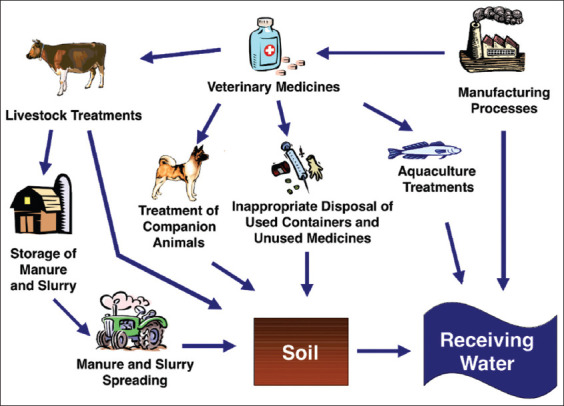
“Most definitely, it is estimated that approximately 75% of antibiotics are not absorbed by animals but are excreted as waste [74].”
BackgroundResidues of veterinary antibiotics in manures from feedlot livestock in eight provinces of China
Zhao, L., Dong, Y. H., & Wang, H. (2010) · Science of The Total Environment · doi:10.1016/j.scitotenv.2009.11.014 · Cited by 800 · cited 2×
“Although the latter is unlikely to occur compared with the former, several studies have reported significant amounts of antibiotic residues in manure in soils, concluding that these residues can end up in plant foods [52-56].”
BackgroundResultImportance of antibiotic residues in animal food
Bacanlı, M., & Başaran, N. (2019) · Food and Chemical Toxicology · doi:10.1016/j.fct.2019.01.033 · Cited by 611 · cited 11×
“Confirmatory methods are essentially chromatographic methods (mainly liquid chromatography) coupled to mass spectrometry or ultraviolet (UV) [1].”
BackgroundMethodInfluentialDetermination of Antibiotic Residues in Manure, Soil, and Surface Waters
Christian, T., Schneider, R. J., Färber, H. A., Skutlarek, D., Meyer, M. T., & Goldbach, H. E. (2003) · Acta hydrochimica et hydrobiologica · doi:10.1002/aheh.200390014 · Cited by 537 · cited 2×
“Although the latter is unlikely to occur compared with the former, several studies have reported significant amounts of antibiotic residues in manure in soils, concluding that these residues can end up in plant foods [52-56].”
BackgroundResultFood safety impacts of antimicrobial use and their residues in aquaculture
Okocha, R. C., Olatoye, I. O., & Adedeji, O. B. (2018) · Public Health Reviews · doi:10.1186/s40985-018-0099-2 · Cited by 513 · cited 2×
“Meanwhile, although this situation seems to be under control in the European Union countries and other developed countries [68], the problem of antibiotic residues remains topical with unprecedented danger in developing countries due to the lack of control mechanisms despite the existing legislation.”
BackgroundStevens, D. L., Ma, Y., Salmi, D. B., McIndoo, E., Wallace, R. J., & Bryant, A. E. (2007) · The Journal of Infectious Diseases · doi:10.1086/510396 · Cited by 452 · cited 1×
“It has been established that the exposure of bacteria to low doses of antibiotics is likely to lead to bacterial adaptation, making them more resistant and more virulent [90-94].”
BackgroundFast screening methods to detect antibiotic residues in food samples
Cháfer-Pericás, C., Maquieira, Á., & Puchades, R. (2010) · TrAC Trends in Analytical Chemistry · doi:10.1016/j.trac.2010.06.004 · Cited by 380
Research works printed but not linked: 4
- Pavlov, A., Lashev, L., Vachin, I. and Rusev, V. (2008) Residues of antimicrobial drugs in chicken meat and offals. Trakia J. Sci., 6(1): 23-25.
- Mahatmi, H., da Costa, M. and Puja, I.K. (2019) Residues of antibiotic in chicken meat imported from Brasil and United States of America through quarantine stations in Dili, Timor Laste. IOSR J. Agric. Vet. Sci., 12(6): 39-43.
- Cheong, C.K., Hajeb, P., Jinap, S. and Ismail-Fitry, M.R. (2010) Sulfonamides determination in chicken meat prod- ucts from Malaysia. Int. Food Res. J., 17(4 ): 885-892.
- Kyuchukova, R. (2020) Antibiotic residues and human health hazard-review. Bulg. J. Agric. Sci., 26(3): 664-668.
Cited by
Items 101–200 of 324
Risk of antimicrobial resistance spreading via food loss and waste
Fontaine, F., Ferreira, J. P., Valcarce, A., Kabali, E., & Song, J. (2026) · Infectious Diseases of Poverty · doi:10.1186/s40249-025-01405-6 · Cited by 8
Wang, Y., Wang, J., Zhang, L., Han, S., Wen, H., Pan, X., Yang, H., Wang, X., & Peng, D. (2026) · Foods · doi:10.3390/foods15050840 · Cited by 10
Hossain, M., Cho, S. B., & Kim, I. H. (2023) · Canadian Journal of Animal Science · doi:10.1139/cjas-2023-0053 · Cited by 8
Nesterenko, I. S., Hendrickson, O. D., Smirnova, N. I., Eremin, S. A., & Sotnikov, D. V. (2023) · Applied Biochemistry and Microbiology · doi:10.1134/s0003683823010052 · Cited by 8
Alban, L., Antunović, B., Belous, M., Bērziņš, A., Bonardi, S., García-Gimeno, R. M., Jenson, I., Kautto, A. H., Majewski, M., Oorburg, D., et al. (2023) · Food Control · doi:10.1016/j.foodcont.2023.110000 · Cited by 8
Golowczyc, M. A., & Gómez‐Zavaglia, A. (2024) · Foods · doi:10.3390/foods13182921 · Cited by 11
“If proper withdrawal periods are not observed, these residues can end up in the food supply, posing health risks to consumers [20–25].”
BackgroundMetal-organic frameworks in electrochemical food monitoring: A comprehensive review
Venkatesan, N., Parasuraman, B., & Thangavelu, P. (2025) · Next Materials · doi:10.1016/j.nxmate.2025.101292 · Cited by 11
A Commercial Clay-Based Material as a Carrier for Targeted Lysozyme Delivery in Animal Feed
Guagliano, M., Cristiani, C., Dell’Anno, M., Dotelli, G., Finocchio, E., Lacalamita, M., Mesto, E., Reggi, S., Rossi, L., & Schingaro, E. (2023) · Nanomaterials · doi:10.3390/nano13222965 · Cited by 7
Understanding Consumers’ Purchase Intention Towards Meat Produced Without Preventive Antibiotic Use
Zhou, Y. J., Zhang, A., van Klinken, R. D., & Wang, J. (2024) · Foods · doi:10.3390/foods13233779 · Cited by 7
“On the other hand, they significantly increase the risk of transmission of antibiotic-resistant bacteria from food animals to humans [1,2].”
The effect of probiotic supplementation in Kamieniec lambs on meat quality
Daszkiewicz, T., Miciński, J., Wójcik, R., Tobolski, D., Zwierzchowski, G., Kobzhassarov, T., Ząbek, K., & Charkiewicz, K. (2025) · Small Ruminant Research · doi:10.1016/j.smallrumres.2025.107444 · Cited by 8
Microecological Preparations as Antibiotic Alternatives in Cyprinid Aquaculture
Qu, R., Wu, H., Gaafar, A. Y., YOUNES, A. M., & Cao, Q. (2025) · Fishes · doi:10.3390/fishes10060263 · Cited by 8
“…(AMR) (Figure 1), allergic reactions (e.g., to penicillin), carcinogenicity (e.g., sulfamethoxazole, oxytetracycline, and furazolidone), anaphylactic shock, nephropathy (e.g., gentamicin), mutagenicity, ter-atogenicity, bone marrow suppression, and disruptions to the normal gut microbiota [9,10].”
Sequential use of nutritional additives in diets for finishing Nellore steers in confinement
Medina, L. C. D. M., Ítavo, L. C. V., Ítavo, C. C. B. F., Dias, A. M., Gurgel, A. L. C., Nonato, L. M., Arcanjo, A. H. M., Zornitta, C. D. S., Monteiro, P. E. D. O., & da Silva, A. P. (2023) · Tropical Animal Health and Production · doi:10.1007/s11250-023-03576-6 · Cited by 7
“Added to this is the fact that the European Union restricts the importation of meat from animals that have consumed these products, as it adds residues to the meat, presenting several environmental, technological, animal health, and consumer risks (Arsène et al. 2022).”
BackgroundKasiotis, K. M., Manea-Karga, E., Tzanetou, E. N., Barmpouni, T., Liapatas, G., & Machera, K. A. (2023) · International Journal of Mass Spectrometry · doi:10.1016/j.ijms.2023.117064 · Cited by 7
Efthymiou, C., Boti, V. I., Konstantinou, I., & Albanis, T. A. (2024) · The Science of The Total Environment · doi:10.1016/j.scitotenv.2024.170848 · Cited by 8
Zhou, Y. J., Zhang, A., van Klinken, R. D., & Wang, J. (2024) · BMC Public Health · doi:10.1186/s12889-024-18859-2 · Cited by 8
“High concentration of antibiotic residues in food can have direct toxic effects on human beings [16, 31, 32].”
BackgroundMethodInfluentialFu, S., Li, J., You, J., Liu, S., Dong, Q., Fu, Y., Luo, R., Sun, Y., Tian, X., Liu, W. Y., et al. (2024) · Veterinary Research · doi:10.1186/s13567-024-01355-1 · Cited by 7
Antos, J., García-Cansino, L., García, M. Á., Ginter-Kramarczyk, D., Marina, M. L., Zembrzuska, J., Câmara, J. S., & Pereira, J. A. M. (2025) · Communications Chemistry · doi:10.1038/s42004-025-01454-w · Cited by 7
“The presence of antibiotic residues can also interfere with microbiota, weaken the immune system, and increase susceptibility to other diseases 6 .”
Long-term effects on liver metabolism induced by ceftriaxone sodium pretreatment
Lai, C., Chen, L., Zhong, X., Tang, Z., Zhang, B., Luo, Y. H., Li, C., Jin, M., Chen, X., Li, J., et al. (2023) · Environmental Pollution · doi:10.1016/j.envpol.2023.122238 · Cited by 9
Hudson, A., Axon, A., Stoneley, A., Kane, C., French, E., Adams, L., Smythe, L., & Iheozor-Ejiofo, P. (2024) · doi:10.46756/sci.fsa.fjl846 · Cited by 7
Antibiotic Residues in Animal-Derived Foods: A Growing Food Safety Crisis and Regulatory Dilemma
Bushra, R., Roy, H., Maysha, T. I., Rahman, S., Saha, W., Ferdous, F. B., Rahman, M. S., & Alam, M. M. (2026) · Journal of Food Protection · doi:10.1016/j.jfp.2026.100783 · Cited by 6
Microbial Investigation of Animal Product Hygiene in Bali and Nusa Tenggara of Indonesia
(2023) · International Journal of Veterinary Science · doi:10.47278/journal.ijvs/2023.120 · Cited by 6
Li, Z., Yu, Z., & Yin, D. (2024) · Environment International · doi:10.1016/j.envint.2024.108458 · Cited by 7
Bisphenol S Promotes the Transfer of Antibiotic Resistance Genes via Transformation
Zhang, J., Zhu, S., Sun, J., & Liu, Y. (2024) · International Journal of Molecular Sciences · doi:10.3390/ijms25189819 · Cited by 6
“Gradually, the residual antibiotics in the environment were found to promote the spread of ARGs [19].”
BackgroundSaleem, K., Hayat, Z., Latif, H., Tariq, Z., Riaz, T., Ullah, S., Jamil, S., Rehman, S. U., & Azam, M. S. U. (2024) · Brazilian Journal of Poultry Science · doi:10.1590/1806-9061-2023-1843 · Cited by 6
Overview of menstrual hygiene management and other risk factors concerning bacterial vaginosis
Zahra, F. T., Sultana, U. F., & Quinn-Walker, N. (2025) · Discover Public Health · doi:10.1186/s12982-025-00416-w · Cited by 6
Bedi, M., Sapozhnikova, Y., & Ng, C. A. (2024) · Food Additives & Contaminants Part A · doi:10.1080/19440049.2024.2310128 · Cited by 7
Rapid testing of antibiotic residues to increase food safety awareness of animal origin
Widiasih, D. A., Putra, R. P., Drastini, Y., Putri, K., Fatimah, L. N., & Indarjulianto, S. (2023) · Veterinary World · doi:10.14202/vetworld.2024.1177-1183 · Cited by 10
Using In Vitro Models to Study the Interactions Between Environmental Exposures and Human Microbiota
Cheng, Q., & Chen, S. (2025) · Microorganisms · doi:10.3390/microorganisms13020247 · Cited by 6
Jemutai, S., Ngigi, A. N., Osano, A. M., & Magu, M. M. (2025) · Food Control · doi:10.1016/j.foodcont.2025.111322 · Cited by 5
Alginate Extraction from Turbinaria murayana Seaweed as a Feed Additive for Poultry
Reski, S., Mahata, M. E., Yuniza, A., & Rizal, Y. (2025) · Advances in Animal and Veterinary Sciences · doi:10.17582/journal.aavs/2025/13.6.1184.1190 · Cited by 5
Antibiotics in Animal Feeds: Benefits and Risks
Rasool, F., Parveen, S., Manzoor, K., Mahmood, S., & Ayub, A. (2025) · Veterinary medicine and science · doi:10.5772/intechopen.1009998 · Cited by 6
Gyraitė, G., Kataržytė, M., Picazo-Espinosa, R., Kalvaitienė, G., & Lastauskienė, E. (2024) · Antibiotics · doi:10.3390/antibiotics13111013 · Cited by 5
Sun, S.-S., Zhang, X., Zhang, Y., Sun, T., Zhu, L., Shi, Z., & Zhang, D. (2023) · Molecules · doi:10.3390/molecules28114420 · Cited by 5
Ulkhaq, M. F., Kenconojati, H., Budi, D. S., Pardede, M. A., & Loh, J. (2024) · Jurnal Medik Veteriner · doi:10.20473/jmv.vol7.iss2.2024.244-254 · Cited by 6
Khatri, A., Kumar, K., Meena, R., & Thakur, I. S. (2025) · Exploration of Foods and Foodomics · doi:10.37349/eff.2025.101097 · Cited by 7
Liu, R., Zhao, M., Zhang, C., Zhang, X., Yang, W., & Ren, B. (2025) · LWT · doi:10.1016/j.lwt.2025.118462 · Cited by 4
Hazardous substances present in crop-livestock recycling system: hazards to animals and humans
Sun, M., Guo, J., Wang, X., & Chang, X. (2025) · The Science of The Total Environment · doi:10.1016/j.scitotenv.2025.180481 · Cited by 4
Multi-Analyte Method for Antibiotic Residue Determination in Honey Under EU Regulation 2021/808
Rodrigues, H., Leite, M., Oliveira, M. B. P. P., & Freitas, A. (2025) · Antibiotics · doi:10.3390/antibiotics14100987 · Cited by 4
Mikołajczuk-Szczyrba, A., Wnęk-Auguścik, K., Średnicka, P., Shymialevich, D., Jaroszewska, E., Wojtczak, A., Zapaśnik, A., Bucka-Kolendo, J., Cieślak, H., & Nasiłowska, J. (2025) · Genes · doi:10.3390/genes16121518 · Cited by 5
“They are used in both human and veterinary medicine for the treatment and metaphylaxis of disease, to support weight gain, and to control zoonotic pathogens found in milk, eggs, meat, and products derived from them [1].”
Вострикова, Н. Л., Khvostov, D. V., Александрович, У. Д., Zakharova, V. A., Bulgakov, R. P., & Zherdev, A. V. (2025) · Theory and practice of meat processing · doi:10.21323/2414-438x-2025-10-2-109-119 · Cited by 4
Biosensing Technologies for Ensuring the Safety of Meat Products: A Critical Review
Chaari, M., Amara, F. B., Smaoui, S., Ali, D. S., Hlima, H. B., & Khaneghah, A. M. (2026) · Critical Reviews in Analytical Chemistry · doi:10.1080/10408347.2025.2610326 · Cited by 4
Occurrence, Removal Mechanisms, and Transfer to Crops of Antibiotics in the Environment: A Review
Yakamercan, E., & Aygün, A. (2026) · Water Air & Soil Pollution · doi:10.1007/s11270-026-09474-5 · Cited by 4
“Also, antibiotic residuals cause organ toxicities, including liver, kidney, muscle, and can-cerogenic, teratogenic, and mutagenic effects (Arsène et al., 2022; Oladeji et al., 2025).”
Alhassan, M. Y., & Abdullahi, S. A. (2026) · Food Safety and Risk · doi:10.1186/s40550-026-00151-3 · Cited by 4
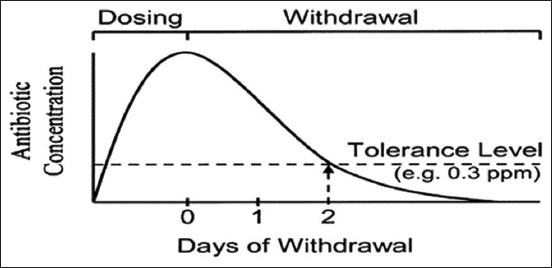
“Inaccurate body weight estimation, incomplete treatment regimens, and non-adherence to withdrawal periods increase the probability of residues persisting at slaughter or during milk and egg collection (Arsène et al. 2022).”
InfluentialResidue Detection of Tylosin antibiotics and Enrofloxacin in Broiler Chickens
Anggriawan, R., Lokapirnasari, W. P., Hidanah, S., Al-Arif, M. A., & Candra, D. A. (2024) · Advances in Animal and Veterinary Sciences · doi:10.17582/journal.aavs/2024/12.11.2195.2204 · Cited by 4
Antibiotic use in rural Kenyan livestock: navigating misuse, experience gaps and AMR risks
Obolensky, L., Wambugu, E. N., Kubai, E. K., Doig, I., Beattie, M., & Dillon, M. J. (2025) · Microbiology · doi:10.1099/mic.0.001582 · Cited by 4
“Studies on antibiotic residues in animal-derived foods have shown that consumption shortly after antibiotic administration can expose humans to trace antibiotic levels, potentially facilitating resistance in humans [16–18].”
Yang, X., Zhang, S., Liu, B., Guo, L., Gong, P., Wu, J., Zhao, Y., Mao, W., & Cao, J. (2025) · Frontiers in Veterinary Science · doi:10.3389/fvets.2025.1618203 · Cited by 4
Štrimaite, M. (2024) · Matter · doi:10.1016/j.matt.2024.04.010 · Cited by 4
Sarkar, S., Kania, S. A., Abouelkhair, M. A., Whitlock, B. K., & Okafor, C. C. (2024) · Veterinary Sciences · doi:10.3390/vetsci11120660 · Cited by 4
Chen, X., Cai, D., Shen, X., Liao, Y., Ren, D., & Ding, T. (2025) · Food and Humanity · doi:10.1016/j.foohum.2025.100571 · Cited by 4
A novel method for evaluating the depletion of veterinary pharmaceuticals using radioisotopes
Fazaeli, Y., Shahhoseini, G., Neissi, A., Sasanya, J. J., Ashtari, P., & Feizi, S. (2024) · Radiochimica Acta · doi:10.1515/ract-2023-0249 · Cited by 4
Arab, W. S., Edris, A., Helal, D., & Elrais, A. (2024) · Benha Journal of Applied Sciences · doi:10.21608/bjas.2024.278138.1362 · Cited by 4
Al-Baadani, H. H., Aboragah, A. A., Alharthi, A. S., & Alhotan, R. A. (2025) · The Journal of Applied Poultry Research · doi:10.1016/j.japr.2025.100535 · Cited by 3
Selem, E., Elariny, E. Y. T., Elnabawy, N. M., El-Sayed, A. F., Ahmed, H. A., & Abdel-Karim, S. A.-A. M. (2025) · World s Veterinary Journal · doi:10.54203/scil.2025.wvj50 · Cited by 3
Atta, S., Zhao, Y., Sanchez, S., & Vo‐Dinh, T. (2025) · Microchimica Acta · doi:10.1007/s00604-025-07370-z · Cited by 3
Ghosh, M., Dasgupta, U., Venkatesan, P., Sarangi, M. K., Gangopadhyay, R., Doong, R., & Chowdhury, A. D. (2025) · Journal of Materials Chemistry B · doi:10.1039/d5tb01528f · Cited by 3
Naznane, F., Maqbool, U., Chughtai, M. I., Khaliq, I., Aatika, A., Mustafa, S., Saleem, Z., Tufail, Z., Shah, T. A., Ugli, M. I. R., et al. (2025) · Italian Journal of Food Safety · doi:10.4081/ijfs.2025.12766 · Cited by 3
“…flora, carcinogenicity (sulfamethazine, oxytetracycline, and fura-zolidone), mutagenicity, nephropathy (gentamicin), hepatotoxicity, reproductive disorders, bone marrow toxicity (chloramphenicol), and even anaphylactic shock in humans (Treiber and Beranek-Knauer, 2021; Arsène et al ., 2022).”
Lee, I., Park, S. J., Jung, D.-H., & Kim, H.-Y. (2026) · Food Chemistry · doi:10.1016/j.foodchem.2026.147907 · Cited by 4
Wójcicki, M., Cieślik, M., Górski, A., & Jończyk‐Matysiak, E. (2026) · BioDrugs · doi:10.1007/s40259-026-00789-7 · Cited by 3
Nan, Y., Yan, S., Zhang, L., Yang, F., Qiao, M., & Xin, Y. (2026) · Journal of Biotechnology · doi:10.1016/j.jbiotec.2026.07.004 · Cited by 3
Al-Shafee, A. A., & Abdulwahid, M. T. (2024) · Open Veterinary Journal · doi:10.5455/ovj.2024.v14.i5.5 · Cited by 5
“…the development of antimicrobial drug resistance, hypersensitivity reaction, cancer, mutagenicity, nephropathy, hepatotoxicity, reproductive disorders, bone marrow toxicity, disruption of normal intestinal flora and allergy (Stella et al. , 2020; Karasu and Öztürk, 2021; Arsène et al. , 2022).”
BackgroundIslam, M. S., Belal, B., Dash, S., Hasan, M. M., Rafiq, K., & Islam, M. Z. (2024) · Current Research in Complementary & Alternative Medicine · doi:10.29011/2577-2201.100249 · Cited by 3
Mohsin, T. A., Abduljaleel, M. R., Radhi, A. J., Abbas, M. F., Alrashid, I. M., & Khudhair, Z. (2025) · Advances in Animal and Veterinary Sciences · doi:10.17582/journal.aavs/2025/13.6.1337.1345 · Cited by 4
Li, X., Chen, L., Wang, Q., Zhou, M., Long, J., Chen, X., Zhao, J., Yu, J., & Guo, Y. (2025) · Antibiotics · doi:10.3390/antibiotics14090917 · Cited by 3
Anti-Salmonella Activity of a Novel Peptide, KGGDLGLFEPTL, Derived from Egg Yolk Hydrolysate
Pimchan, T., Tian, F., Thumanu, K., Rodtong, S., & Yongsawatdigul, J. (2023) · Antibiotics · doi:10.3390/antibiotics13010019 · Cited by 5
Alshubramy, M. A., Thabet, M. A., Alamry, K. A., & Hussein, M. A. (2024) · Journal of Molecular Structure · doi:10.1016/j.molstruc.2024.139194 · Cited by 3
Lazuardi, M., Selvaraja, M., Jasmine, K., & Lim, V. (2024) · F1000Research · doi:10.12688/f1000research.133489.8 · Cited by 3
Raghavendra, R., Reddy, S., Kumari, D., Abhishek, K. J., Nagendra, G., Jayaprakash, G. K., Nirajan, E., & Harish, K. N. (2024) · Journal of Environmental Science and Health Part B · doi:10.1080/03601234.2024.2437925 · Cited by 3
“[11] Furthermore, the banning of CP and FZ in food production by China, the US, and other nations, [12] along with the zero-tolerance policy established by the US Food and Drug Administration (FDA) for CP and FZ residues in animal food products, [13] highlights the serious concerns surrounding…”
A novel portable Raman scattering platform for antibiotic screening in pig urine
Wattanavichean, N., Nimittrakoolchai, O.-U., Nuntawong, N., Horprathum, M., Eiamchai, P., Limwichean, S., Somboonsaksri, P., Sreta, D., & Meesuwan, S. (2023) · Veterinary World · doi:10.14202/vetworld.2023.204-214 · Cited by 2
“Antibiotics are extensively used at high dosage in swine farming to accelerate growth, reduce mortality, improve fertility, and prevent various breast, blood, respiratory, and gastrointestinal bacterial infection in pigs [3, 4].”
BackgroundLazuardi, M., Selvaraja, M., Jasmine, K., & Lim, V. (2023) · F1000Research · doi:10.12688/f1000research.133489.2 · Cited by 2
Sharma, S. K., Chatterjee, D., & Mehrotra, V. (2024) · Journal of Advances in Biology & Biotechnology · doi:10.9734/jabb/2024/v27i91318 · Cited by 2
Yeşil, M., Huang, E., Xu, Y., & Yousef, A. E. (2024) · Frontiers in Microbiology · doi:10.3389/fmicb.2024.1486333 · Cited by 2
Palwe, V., Panbude, U., Hippargi, G., & Nagababu, P. (2025) · ACS Applied Engineering Materials · doi:10.1021/acsaenm.5c00379 · Cited by 2
Microplastics, PFAS, and Pharmaceutical Residues as Emerging Contaminants in the Global Food Chain
Latheef, L. (2025) · IGI Global eBooks · doi:10.4018/979-8-3373-7052-1.ch002 · Cited by 2
Antimicrobial resistance – are we aware of all the sources?
Zakharova, E. A., Lyamin, A. V., Sustretov, A. S., Kaiumov, K. A., Alekseev, D. V., Платонов, В. И., & Orlova, L. V. (2025) · Clinical Microbiology and Antimicrobial Chemotherapy · doi:10.36488/cmac.2025.2.229-237 · Cited by 2
Enzyme-Linked Immunosorbent Assay (ELISA) for Food Adulteration Screening
Raghav, A., Mishra, S., Dixit, R., & Jeong, G.-B. (2025) · Springer eBooks · doi:10.1007/978-3-031-99454-8_10 · Cited by 2
Pratibha, T., Selvi, S. V., Pham, U. K., Wong, L. S., Djearamane, S., Chang, J.-J., Balu, P., & Hsiao, W. W.-W. (2026) · SLAS TECHNOLOGY · doi:10.1016/j.slast.2026.100397 · Cited by 3
Zhu, H., Zhou, K., Li, Y., Qingqiong, Z. H. O. U., Peng, M., Wu, X., Xinwu, M. A. O., & Yang, Q. (2026) · Food Chemistry X · doi:10.1016/j.fochx.2026.103646 · Cited by 2
“Beyond the well-established concern of fostering antibiotic-resistant bacteria that can transfer to humans (Ars ` ene et al., 2022), chronic dietary exposure to antibiotic residues has been linked to potential carcinogenicity, allergic reactions, developmental toxicity in children, and gut…”
Chen, J., Lv, C., Tan, M., Li, D., Fu, Z., Wang, Y., & Zou, Q. (2026) · Frontiers in Veterinary Science · doi:10.3389/fvets.2026.1766777 · Cited by 2
Efficacy of traditional Chinese Medicine and antibiotics for bovine mastitis: A meta-analysis
Ni, Y., Liu, H., 胥彩林, Ye, Z., Han, X., Liu, Y., Sun, Z., & Chen, Y. (2026) · Preventive Veterinary Medicine · doi:10.1016/j.prevetmed.2026.106812 · Cited by 2
Abdel‐Monem, M. M., Eid, M., Aly, F. A., & Abdallah, N. A. (2026) · Microchemical Journal · doi:10.1016/j.microc.2026.118475 · Cited by 3
Elisabeth, Z. M. (2023) · Elsevier eBooks · doi:10.1016/b978-0-323-95388-7.00021-8 · Cited by 3
Yardimci, S. B., Sakın, F., & Çorum, O. (2024) · Journal of Veterinary Pharmacology and Therapeutics · doi:10.1111/jvp.13484 · Cited by 2
Ovomucoid (the most important Egg white allergen) as a cause of severe Egg allergy: A review
Taha, A., Hafsa, A., Dua, N., & Areeba, M. (2024) · SANAMED · doi:10.5937/sanamed0-51327 · Cited by 2
Hassan, T., Merlino, V. M., Badino, P., Odore, R., Shahid, M. Q., Amerio, A., & Renna, M. (2024) · BMC Public Health · doi:10.1186/s12889-024-21002-w · Cited by 2
Kamal, M., Deen, R., Ahmed, B., & Hashem, M. (2025) · Meat Research | ISSN (Online Version) 2790-1971 · doi:10.55002/mr.5.2.114 · Cited by 2
Multi-Detection of Veterinary Medicines in Animal Feed for Production: A Review
Lopes, A. L., Leite, M., Oliveira, M. B. P. P., & Freitas, A. (2025) · Antibiotics · doi:10.3390/antibiotics14121233 · Cited by 2
“When administered by injection, these drugs tend to accumulate in fatty tissue, even after the animal has been slaugh-tered [11,12].”
InfluentialEfthymiou, C., Boti, V. I., & Albanis, T. A. (2024) · International Journal of Environmental & Analytical Chemistry · doi:10.1080/03067319.2024.2353373 · Cited by 3
Feizi, H., Abolfathi, M., & Agheli, N. (2024) · Notulae Scientia Biologicae · doi:10.55779/nsb16111705 · Cited by 1
Lazuardi, M., Selvaraja, M., Jasmine, K., & Lim, V. (2024) · F1000Research · doi:10.12688/f1000research.133489.7 · Cited by 1
Antibiotic and antimicrobial feed additives
Galosi, L., Ghazanfar, S., Rashid, M., & Cerbo, A. D. (2024) · Elsevier eBooks · doi:10.1016/b978-0-443-13510-1.00010-4 · Cited by 3
Public Health Food Safety (Farmed Aquatic Organisms/Live Stocks/Crops)
Beegum, S., Cleetus, M. C. K., Nazar, A. B. A., Pattalath, E. R. H. E., Rajesh, A. T., Forte, R., & Elumalai, P. (2025) · Springer eBooks · doi:10.1007/978-981-97-7320-6_9 · Cited by 1
Abdallah, E. M. (2025) · Ethics Medicine and Public Health · doi:10.1016/j.jemep.2025.101156 · Cited by 1
Willingness to Pay for Antibiotics Claims Before and After Information on the Growth Promotion Ban
Bernard, J. C., & Zhang, Y. (2025) · Agribusiness · doi:10.1002/agr.70006 · Cited by 2
Bai, J., Gong, Y., Ge, J., Pei, J., He, Y., Zhang, L., Min, Y., Liu, X., Yang, X., Luo, C., et al. (2025) · Food & Function · doi:10.1039/d5fo01980j · Cited by 1
Global Strategies for Combating Antimicrobial Resistance
Kumar, P., Gulati, P., Thakur, M., & Kamal, R. (2025) · Infectious Disorders - Drug Targets · doi:10.2174/0118715265335162250903103138 · Cited by 1
Hybrid sonics for multi-pollutant removal from food matrices: A review
Francis, G. A., Ray, S., Jeyakumar, S. S., Supreethee, S., & Vashishth, R. (2025) · Food Research International · doi:10.1016/j.foodres.2025.117947 · Cited by 3
Application of carbon dots in 3D food printing
Riahi, Z., Kim, Y. H., Khan, A., Kaviani, A., Ebrahimi, M., Kim, J. T., & Rhim, J. (2025) · Elsevier eBooks · doi:10.1016/b978-0-443-43940-7.00014-3 · Cited by 1
Zuikarnain, M. Z., Shaufi, M. A. M., Yusof, M. T., Mustafa, S., Chia, S. L., & Hassim, H. A. (2026) · International Microbiology · doi:10.1007/s10123-025-00759-z · Cited by 1
“…the use of antibiotic growth promoters (AGPs) in animal feed, once a cornerstone of disease prevention, is now restricted or banned in many regions due to the global crisis of antimicrobial resistance, creating an urgent need for effective, safe, and sustainable alternatives (Arsene et al., 2022).”
PINTO, B., Cortés, P., SUAZO, F., Pokrant, E., Navarrete, M. J., Flores, A., Maddaleno, A., Vergara, C., NUÑEZ, C., & Cornejo, J. (2026) · Food Control · doi:10.1016/j.foodcont.2026.112006 · Cited by 1
Emam, M., Seif, M., & Hasanin, M. S. (2026) · Applied Biochemistry and Biotechnology · doi:10.1007/s12010-025-05565-x · Cited by 1
Metadata
- Authors
- Arsène, M. M. J., Davares, A. K. L., Viktorovna, P. I., Andreevna, S. L., Sarra, S., Khelifi, I., & Sergueïevna, D. M.
- Affiliations
- Peoples' Friendship University of Russia (RU)
- Department of Microbiology and Virology, Institute of Medicine, RUDN University, Moscow, Russia.
- Corresponding author
- Arsène, Mbarga Manga Joseph
- ORCID
- Venue
- Veterinary World
- Publisher
- Veterinary World
- Published
- 2022-03-23
- Volume
- 15
- Issue
- 3
- Pages
- 662-671
- ISSN
- 0972-8988 (ISSN-L)
- 2231-0916
- PMC
- PMC9047141
- OpenAlex
- W4225312570
- Cited by
- 274
- References
- 89
- Citations by year
- 2026: 51 · 2025: 85 · 2024: 84 · 2023: 42 · 2022: 12
- FWCI
- 3.15
- Type
- journal article
- Language
- en
- Open access
- gold
- doi.org
- Licence
- cc-by
- creativecommons.org/licenses/by/4.0/ (vor)
- creativecommons.org/licenses/by/4.0/ (am)
- creativecommons.org/licenses/by/4.0/ (tdm)
- Locations
- Veterinary World (publishedVersion, cc-by)
- PubMed Central (publishedVersion, cc-by)
- PubMed (publishedVersion)
- DOAJ (DOAJ: Directory of Open Access Journals) (submittedVersion, cc-by-sa)
- Funders
- RUDN University
- Topics
- Health Sciences › Medicine › Infectious Diseases › Antibiotic Use and Resistance
- Life Sciences › Agricultural and Biological Sciences › Food Science › Agricultural safety and regulations
- Physical Sciences › Environmental Science › Pollution › Pharmaceutical and Antibiotic Environmental Impacts
- Keywords
- antibiotic residues, food and feed contamination, antibiotic resistance, veterinary antibiotics, growth promoters, consumer health risk, environmental impact, animal health, public health, antibiotic regulation, food safety
About these checks
Registry, retraction, Cites and statistics results are computed, not judged, with one exception: a printed reference that no index lists is read once by a model before it counts as a citation error. Claims are extracted by a model and kept only when their quote appears verbatim in the text; each cited source is then checked, with a model’s help, for whether it says what the claim relies on. Those verdicts can be wrong — read the claim’s quote and the cited source before relying on one.
Statistics and arithmetic are recomputed, not judged.
Confidence bands are shown only for fields calibrated on our annotated test set. None is calibrated yet, so no band is shown.
What counts as a claim ›How we measure confidence ›How we check this ›
Are you an author, or do you see a problem with this page? Request a review
Data sources
Bibliographic data: Semantic Scholar, OpenAlex, Crossref.
Contains information from the Semantic Scholar Academic Graph Datasets, made available under the ODC Attribution License (ODC-BY 1.0).
Semantic Scholar’s data is described in: Kinney, R., et al. (2023). The Semantic Scholar Open Data Platform. arXiv:2301.10140.
