

The DOI matches its Crossref record; 97 of the 97 references it cites were found in a registry or an index.
Differential Mechanisms of CRF1 and CRF2 Receptor Functions in the Amygdala in Pain-Related Synaptic Facilitation and Behavior
Open accessAbstract
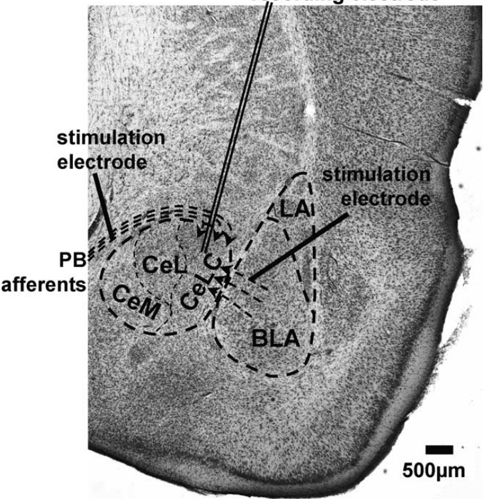
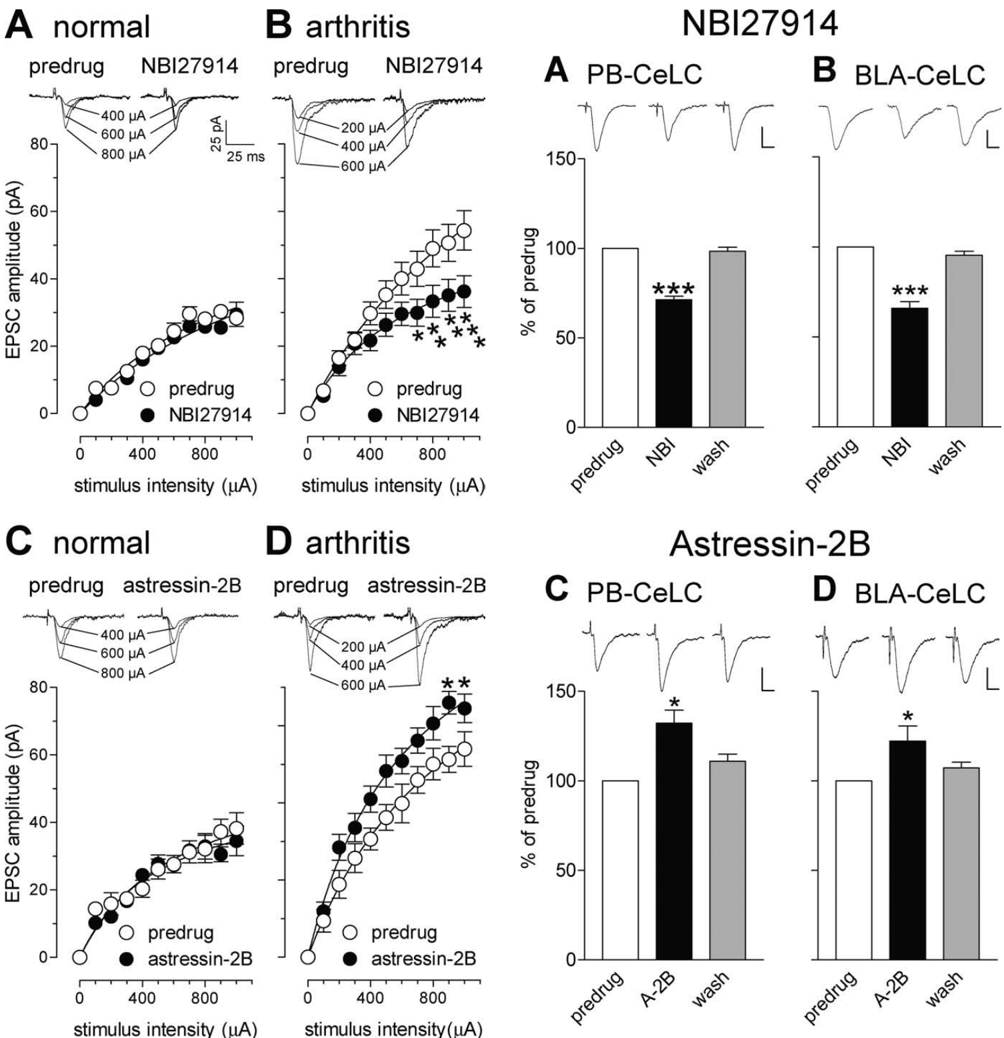
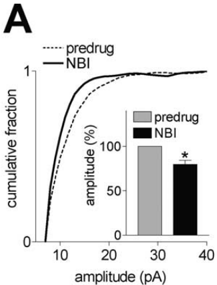
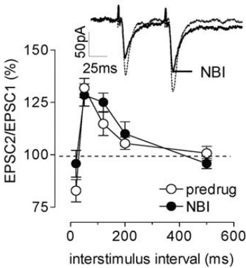
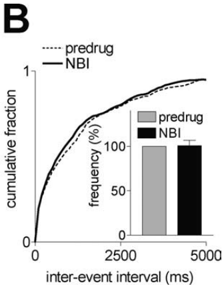
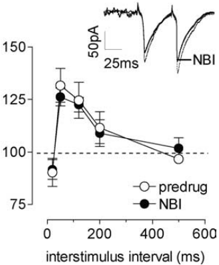
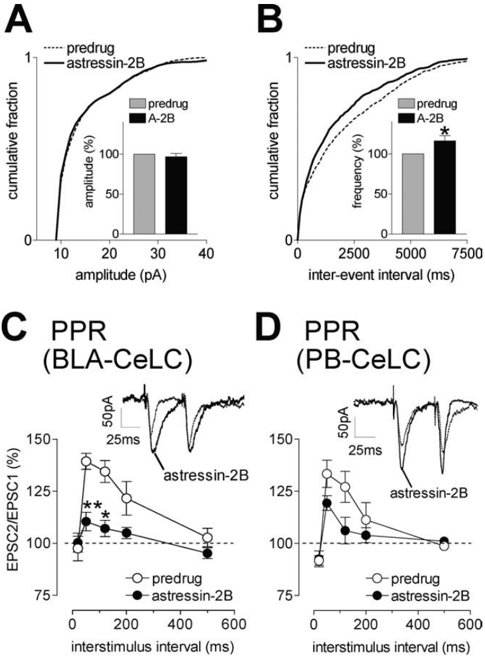
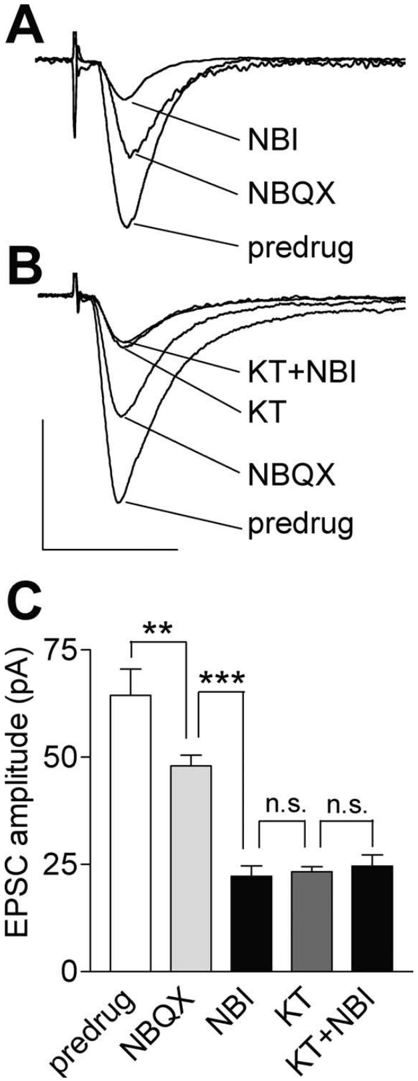
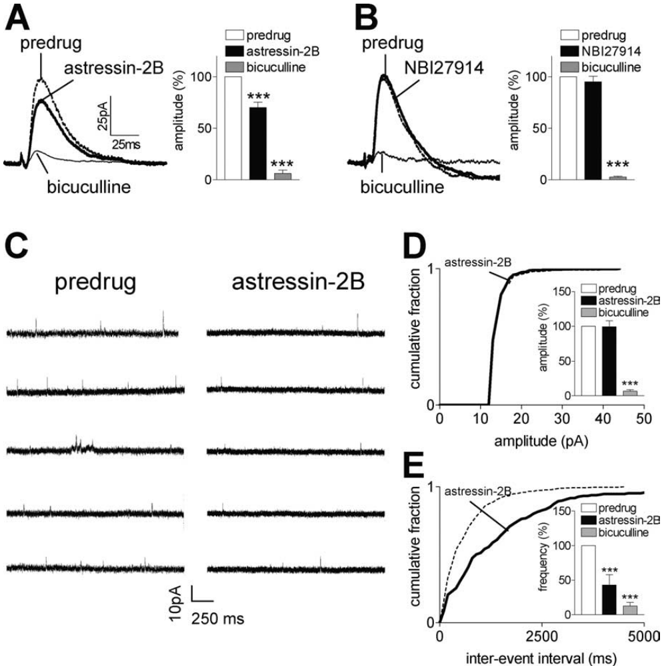
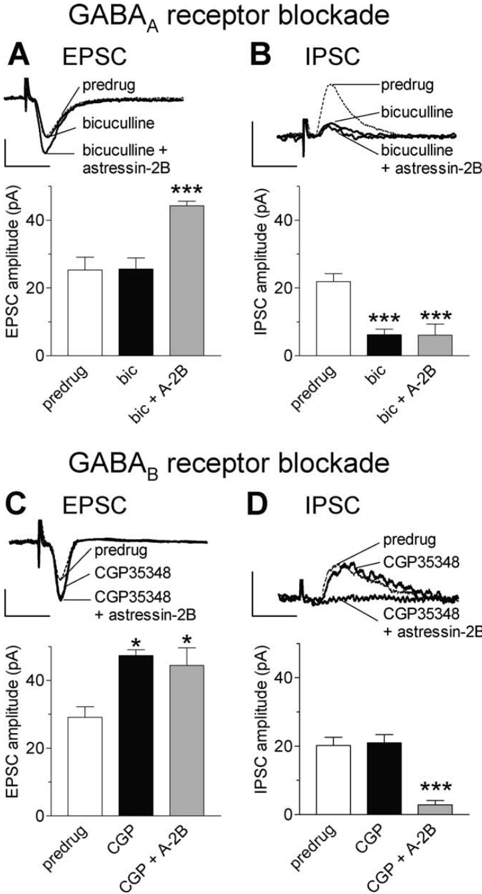
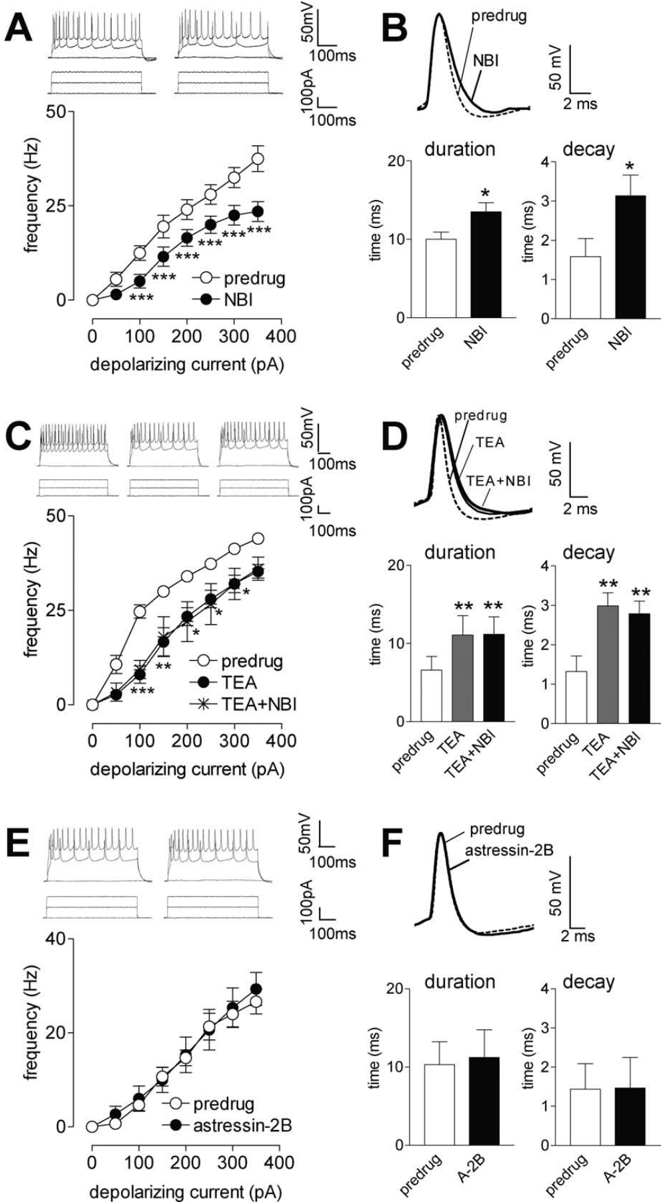
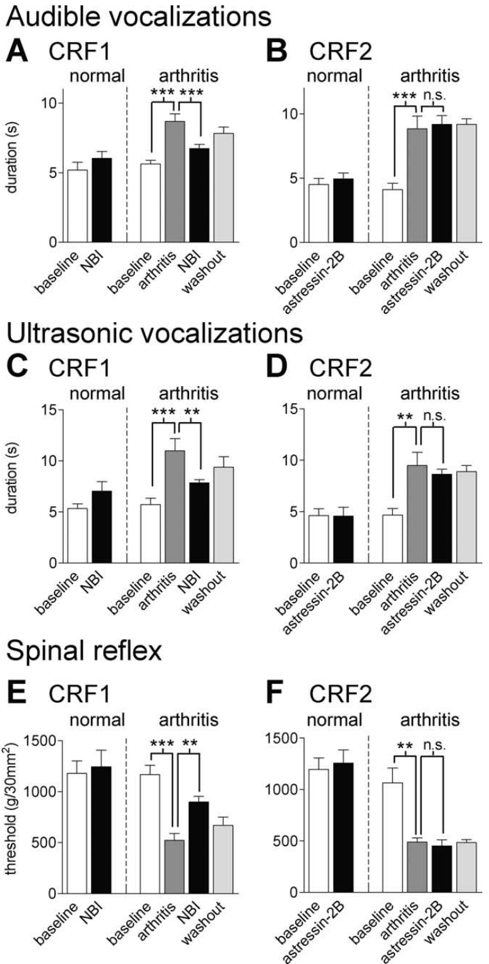
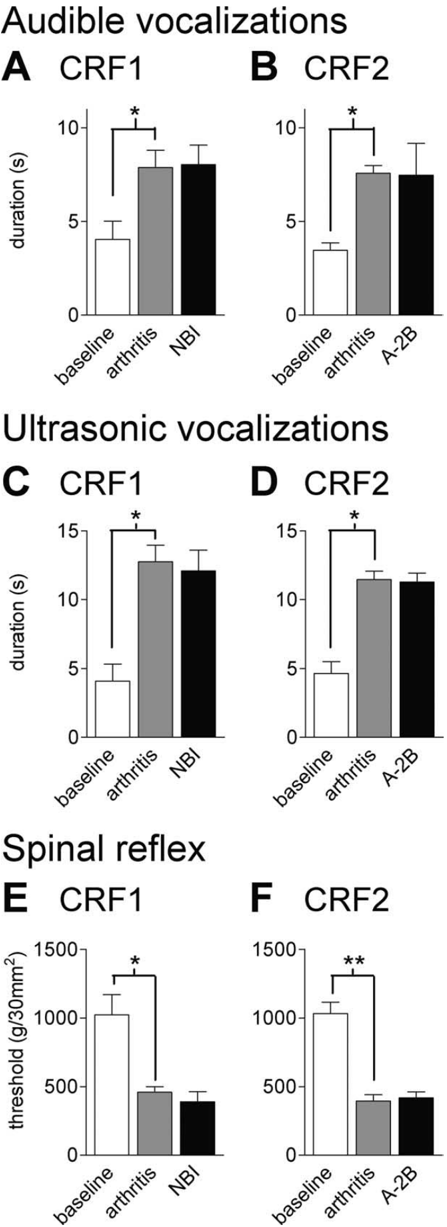
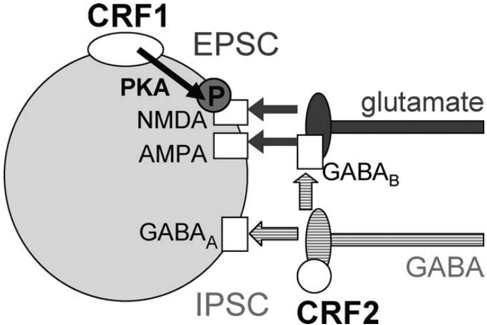
A major site of extrahypothalamic expression of corticotropin-releasing factor (CRF) and its G-protein-coupled CRF1 and CRF2 receptors is the amygdala, a key player in emotions and affective disorders. Pain-related plasticity in the laterocapsular division of the central nucleus of the amygdala (CeLC) generates emotional-affective responses and anxiety-like behavior. CRF1 receptor antagonists have anxiolytic effects. Although both CRF1 and CRF2 receptors couple positively to adenylyl cyclase, they can have opposite effects, but the underlying mechanism is unknown. This study addressed CRF1 and CRF2 receptor functions and mechanisms in the amygdala in a model of arthritic pain. Using whole-cell patch-clamp recordings of CeLC neurons, we found that a selective CRF1 receptor antagonist (NBI27914 [5-chloro-4-(N-(cyclopropyl)methyl-N-propylamino)-2-methyl-6-(2,4,6-trichlorophenyl)]) amino-pyridine inhibited synaptic facilitation in brain slices from arthritic rats through a postsynaptic mechanism. Inhibition of the NMDA receptor-mediated synaptic component was occluded by a protein kinase A (PKA) inhibitor, consistent with our previous demonstration of PKA-dependent increased NMDA receptor function in arthritis pain-related plasticity. NBI27914 also decreased neuronal excitability through inhibition of highly tetraethylammonium (TEA)-sensitive ion channels that contribute to action potential repolarization and firing rate. In contrast, a CRF2 receptor antagonist (astressin-2B [cyclo(31–34) [d-Phe11,His12,CαMeLeu13,39, Nle17, Glu31, Lys34] Ac-Sauvagine(8–40)]) facilitated synaptic transmission through presynaptic inhibition of GABAergic transmission (disinhibition). NBI27914 inhibited arthritis pain-related behaviors (audible and ultrasonic vocalizations and hindlimb withdrawal reflexes). Astressin-2B had no significant behavioral effect. The data suggest that endogenous CRF1 receptor activation in the amygdala contributes to pain-related synaptic facilitation, increased excitability, and pain behavior through a postsynaptic mechanism involving activation of PKA and highly TEA-sensitive K+-currents. Presynaptic CRF2 receptor-mediated inhibition does not reach behavioral significance.
Overview
The claims and statistics of this paper haven’t been checked yet.
Run the check — free, no account needed. It reads the open-access text and checks the sources it cites.
Integrity signals
Registry
Cites
Statistics
Figures
Verification
Claims the paper makes
The claims and statistics of this paper haven’t been checked yet.
Run the check — free, no account needed. It reads the open-access text and checks the sources it cites.
Claims other papers make about this one
Each is checked against this paper’s own text: does it say what the citing paper says it does?
In the citing paper
“In a model of arthritic pain, the blockade of CRF 1 receptors in the CeA inhibited both pain-and anxiety-like behaviors (Ji et al., 2007;Fu and Neugebauer, 2008).”
From Drug Addiction: Hyperkatifeia/Negative Reinforcement as a Framework for Medications Development (2021) · cites this paper as Fu and Neugebauer, 2008
Self-check
Percentages, sums and reported differences re-computed from the paper’s own numbers.
The self-check needs the paper’s full text.
Citations
Cites
The Rat Brain in Stereotaxic Coordinates
Paxinos, G., & Watson, C. (1983) · Elsevier eBooks · doi:10.1016/c2009-0-63235-9 · Cited by 28,585
AChE-stained horizontal sections of the rat brain in stereotaxic coordinates
Paxinos, G., WATSON, C. R. R., & Emson, P. C. (1980) · Journal of Neuroscience Methods · doi:10.1016/0165-0270(80)90021-7 · Cited by 4,501
CRF and CRF receptors: role in stress responsivity and other behaviors
Bale, T. L., & Vale, W. W. (2004) · Annual Review of Pharmacology and Toxicology · doi:10.1146/annurev.pharmtox.44.101802.121410 · Cited by 1,270
Protein kinase C reduces Mg2+ block of NMDA-receptor channels as a mechanism of modulation
Chen, L., & Huang, L.-Y. M. (1992) · Nature · doi:10.1038/356521a0 · Cited by 974
New Vistas on Amygdala Networks in Conditioned Fear
Paré, D., Quirk, G. J., & Ledoux, J. E. (2004) · Journal of Neurophysiology · doi:10.1152/jn.00153.2004 · Cited by 841 · cited 14×
“CRF mRNA expression in the CeA increased in models of colitis pain (Greenwood-Van Meerveld et al., 2006) and neuropathic pain (Ulrich-Lai et al., 2006).”
BackgroundInfluentialKv3 channels: voltage-gated K+ channels designed for high-frequency repetitive firing
Rudy, B., & McBain, C. J. (2001) · Trends in Neurosciences · doi:10.1016/s0166-2236(00)01892-0 · Cited by 781
Fear conditioning induces a lasting potentiation of synaptic currents in vitro
McKernan, M. G., & Shinnick-Gallagher, P. (1997) · Nature · doi:10.1038/37605 · Cited by 771
The amygdala and persistent pain
Neugebauer, V., Li, W., Bird, G. C., & Han, J. S. (2004) · The Neuroscientist · doi:10.1177/1073858403261077 · Cited by 719
Self-citationZobel, A. W., Nickel, T., Künzel, H. E., Ackl, N., Sonntag, A., Ising, M., & Holsboer, F. (2000) · Journal of Psychiatric Research · doi:10.1016/s0022-3956(00)00016-9 · Cited by 705
Presynaptic inhibition of elicited neurotransmitter release
Wu, L., & Saggau, P. (1997) · Trends in Neurosciences · doi:10.1016/s0166-2236(96)01015-6 · Cited by 627
Research works printed but not linked: 1
- Gallagher, 2004, Mood and anxiety disorders in chronic pain, Prog Pain Res Management, 27, 139
Cited by
Sorted by citations
Items 101–185 of 185
Chen, W., Taché, Y., & Marvizón, J. C. G. (2018) · Neuroscience · doi:10.1016/j.neuroscience.2018.03.024 · Cited by 27
Thompson, J. M., Yakhnitsa, V., Ji, G., & Neugebauer, V. (2018) · Neuropharmacology · doi:10.1016/j.neuropharm.2018.06.015 · Cited by 27
Self-citationCoordinate regulation of noradrenergic and serotonergic brain regions by amygdalar neurons
Retson, T., & Bockstaele, E. J. V. (2013) · Journal of Chemical Neuroanatomy · doi:10.1016/j.jchemneu.2013.04.003 · Cited by 26
NR2B Receptor Blockade Inhibits Pain-Related Sensitization of Amygdala Neurons
Ji, G., Horváth, C., & Neugebauer, V. (2009) · Molecular Pain · doi:10.1186/1744-8069-5-21 · Cited by 26
Self-citationKai, Y., Li, Y., Sun, T., Yin, W., Mao, Y., Li, J., Xie, W., Chen, S., Wang, L., Li, J., et al. (2018) · Translational Psychiatry · doi:10.1038/s41398-018-0152-4 · Cited by 26
Molecular Signaling and Translational Significance of the Corticotropin Releasing Factor System
Ronan, P. J., & Summers, C. H. (2011) · Progress in molecular biology and translational science · doi:10.1016/b978-0-12-385506-0.00006-5 · Cited by 24
Monomethyl fumarate inhibits pain behaviors and amygdala activity in a rat arthritis model
Kim, H., Thompson, J. M., Ji, G., Ganapathy, V., & Neugebauer, V. (2017) · Pain · doi:10.1097/j.pain.0000000000001042 · Cited by 25
Self-citationJi, G., & Neugebauer, V. (2020) · Molecular Brain · doi:10.1186/s13041-020-00669-3 · Cited by 25
Self-citationTian, Y., Yang, X.-W., Chen, L., Xi, K., Cai, S.-Q., Cai, J., Yang, X.-M., Wang, Z., Li, M., & Xing, G. (2024) · Journal of Pain · doi:10.1016/j.jpain.2024.02.009 · Cited by 25
Mazzitelli, M., & Neugebauer, V. (2019) · Neuropharmacology · doi:10.1016/j.neuropharm.2019.107706 · Cited by 24
Self-citationDemaestri, C., Pisciotta, M., Altunkeser, N., Berry, G., Hyland, H., Breton, J., Darling, A., Williams, B. L., & Bath, K. G. (2024) · Nature Communications · doi:10.1038/s41467-024-49828-3 · Cited by 23
The Effects of Extended Pain on Behavior
Usdin, T. B., & Dimitrov, E. L. (2016) · The Neuroscientist · doi:10.1177/1073858416633104 · Cited by 23
Melanocortin-4 receptor regulation of pain
Li, Z., Liu, B., He, Z., & Xiang, H. (2017) · Biochimica et Biophysica Acta (BBA) - Molecular Basis of Disease · doi:10.1016/j.bbadis.2017.05.021 · Cited by 23
Gerum, M., & Simonin, F. (2021) · Pharmacology & Therapeutics · doi:10.1016/j.pharmthera.2021.108032 · Cited by 22
Kempen, T. A. V., Dodos, M., Woods, C., Marques-Lopes, J., Justice, N. J., Iadecola, C., Pickel, V. M., Glass, M. J., & Milner, T. A. (2015) · Neuroscience · doi:10.1016/j.neuroscience.2015.08.029 · Cited by 22
Coen, C. W., Κalamatianos, T., Oosthuizen, M. K., Poorun, R., Faulkes, C. G., & Bennett, N. C. (2015) · The Journal of Comparative Neurology · doi:10.1002/cne.23796 · Cited by 21
Kissiwaa, S. A., & Bagley, E. E. (2018) · The Journal of Physiology · doi:10.1113/jp273976 · Cited by 25
Opioids differentially modulate two synapses important for pain processing in the amygdala
Kissiwaa, S. A., Patel, S., Winters, B. L., & Bagley, E. E. (2019) · British Journal of Pharmacology · doi:10.1111/bph.14877 · Cited by 21
Marty, V. N., Mulpuri, Y., Munier, J. J., & Spigelman, I. (2020) · Neuropharmacology · doi:10.1016/j.neuropharm.2020.107991 · Cited by 25
Agoglia, A. E., Zhu, M., Quadir, S. G., Bluitt, M. N., Douglass, E. A., Hanback, T., Tella, J., Ying, R., Hodge, C. W., & Herman, M. A. (2021) · Addiction Biology · doi:10.1111/adb.13067 · Cited by 19
Central CRH administration changes formalin pain responses in male and female rats
Lariviere, W. R., Fiorenzani, P., Ceccarelli, I., Massafra, C., Sorda, G., Canio, C. D., & Aloisi, A. M. (2011) · Brain Research · doi:10.1016/j.brainres.2011.01.106 · Cited by 19
Ming, Z., Criswell, H. E., & Breese, G. R. (2013) · Brain Behavior and Immunity · doi:10.1016/j.bbi.2013.06.001 · Cited by 18
Witkowski, G., Rola, R., & Szulczyk, P. J. (2012) · PubMed · Cited by 18
Santucci, N. R., Beigarten, A., Khalid, F. C., El‐Chammas, K. I., Graham, K. D., Sahay, R. D., Fei, L., Rich, K. L., & Mellon, M. W. (2023) · Neuromodulation Technology at the Neural Interface · doi:10.1016/j.neurom.2023.07.005 · Cited by 18
Upregulation of Spinal ASIC1 and NKCC1 Expression Contributes to Chronic Visceral Pain in Rats
Li, Y., Tian, Y.-Q., Wu, Y., Xu, Y., Zhang, P., Sha, J., & Xu, G. (2021) · Frontiers in Molecular Neuroscience · doi:10.3389/fnmol.2020.611179 · Cited by 17
Immunomodulatory role of urotensins in teleost Channa punctatus
Singh, R. K., & Rai, U. (2010) · General and Comparative Endocrinology · doi:10.1016/j.ygcen.2010.11.021 · Cited by 15
Using Integrative Yoga Therapeutics in the Treatment of Comorbid Anxiety and Depression
Forbes, B., Akturk, C., Cummer-Nacco, C., Gaither, P., Gotz, J., Harper, A., & Hartsell, K. (2008) · International Journal of Yoga Therapy · doi:10.17761/ijyt.18.1.p8171x45n6328107 · Cited by 15
Pawlak, P., Burren, A., Seitz, A., & Pietsch, C. (2023) · Royal Society Open Science · doi:10.1098/rsos.230040 · Cited by 13
Hmgb1 Silencing in the Amygdala Inhibits Pain-Related Behaviors in a Rat Model of Neuropathic Pain
Presto, P., Ji, G., Ponomareva, O., Ponomarev, I., & Neugebauer, V. (2023) · International Journal of Molecular Sciences · doi:10.3390/ijms241511944 · Cited by 14
Self-citationSheng, H., Xu, Y., Chen, Y., Zhang, Y., & Ni, X. (2012) · Molecular and Cellular Endocrinology · doi:10.1016/j.mce.2012.06.003 · Cited by 14
Lorente, J. D., Cuitavi, J., Rullo, L., Candeletti, S., Romualdi, P., & Hipólito, L. (2023) · Neuropharmacology · doi:10.1016/j.neuropharm.2023.109764 · Cited by 14
Distress Regulates Different Pathways in the Brain of Common Carp: A Preliminary Study
Burren, A., & Pietsch, C. (2021) · Animals · doi:10.3390/ani11020585 · Cited by 13
Narla, C., Dunn, H. A., Ferguson, S. S. G., & Poulter, M. O. (2015) · Frontiers in Cellular Neuroscience · doi:10.3389/fncel.2015.00200 · Cited by 13
Smith, M. L., Li, J., & Ryabinin, A. E. (2014) · Alcohol and Alcoholism · doi:10.1093/alcalc/agu084 · Cited by 13
Kim, E. H., Ryu, D. H., & Hwang, S. (2011) · Anatomy & Cell Biology · doi:10.5115/acb.2011.44.1.60 · Cited by 12
Neuropeptide and cytokine regulation of pain in the context of substance use disorders
Delery, E., & Edwards, S. (2020) · Neuropharmacology · doi:10.1016/j.neuropharm.2020.108153 · Cited by 12
The Irritable Bowel Syndrome: How Stress Can Affect the Amygdala Activity and the Brain-Gut Axis
Bonaz, B. L., Sonia Pellissier, A., Sinniger, V., Clarençon, D., Peinnequin, A., & Canini, F. (2012) · InTech eBooks · doi:10.5772/52066 · Cited by 12
Sekizawa, S., Joad, J. P., Pinkerton, K. E., & Bonham, A. C. (2010) · European Journal of Neuroscience · doi:10.1111/j.1460-9568.2010.07093.x · Cited by 12
Yakhnitsa, V., Thompson, J. M., Ponomareva, O., Ji, G., Kiritoshi, T., Mahimainathan, L., Molehin, D., Pruitt, K., & Neugebauer, V. (2024) · Cells · doi:10.3390/cells13121055 · Cited by 12
Self-citationNozu, T., Miyagishi, S., Nozu, R., Takakusaki, K., & Okumura, T. (2015) · Neurogastroenterology & Motility · doi:10.1111/nmo.12747 · Cited by 11
Corticotropin‐releasing factor is involved in acute stress‐induced analgesia and antipruritus
Wang, X., Bai, H., Li, X., Zhang, L., Li, F., Bai, Y., Wu, Z., Liu, S., & Li, H. (2022) · Brain and Behavior · doi:10.1002/brb3.2783 · Cited by 10
Yarur, H. E., Vega‐Quiroga, I., González, M., Noches, V., Thomases, D. R., Andrés, M. E., Ciruela, F., Tseng, K. Y., & Gysling, K. (2019) · The International Journal of Neuropsychopharmacology · doi:10.1093/ijnp/pyz065 · Cited by 10
Davis, S. M., Zuke, J. T., Berchulski, M. R., & Burman, M. A. (2021) · Frontiers in Physiology · doi:10.3389/fphys.2021.660792 · Cited by 7
Larson, A. A., Nunez, M. G., Kissel, C. L., & Kovács, K. J. (2015) · European Journal of Neuroscience · doi:10.1111/ejn.13060 · Cited by 9
Kiritoshi, T., Ikeda, H., & Murase, K. (2010) · Brain Research · doi:10.1016/j.brainres.2010.06.039 · Cited by 9
Li, J., Li, Z.-A., Tian, H.-M., Tao, S.-S., Zhang, Q., Li, F. Y., & Li, Y.-Q. (2025) · Brain Research · doi:10.1016/j.brainres.2025.149753 · Cited by 8
Guan, X., Wang, L., Chen, C., Guan, Y., & Li, S. (2010) · Journal of Neurochemistry · doi:10.1111/j.1471-4159.2010.06981.x · Cited by 8
Fujii, T., Onimaru, H., & Homma, I. (2011) · Neuroscience Research · doi:10.1016/j.neures.2011.06.008 · Cited by 8
Fan, J., Chen, X., Wang, X., Hao, K., & Du, J.-Z. (2014) · PubMed · Cited by 7
Liao, W., Yao, R.-A., Chen, L., Renn, T., Клименков, И. В., Sudakov, N. P., Mai, F., Chen, Y.-T., & Chang, H. (2022) · Molecules · doi:10.3390/molecules27217659 · Cited by 5
The central amygdala as a pathological hub: A multi-level review of pain–emotion comorbidity
Xu, X., Hu, J., Wang, Y., Zhu, Y., Cao, Y., Li, M., & Peng, P. (2026) · Brain Research Bulletin · doi:10.1016/j.brainresbull.2026.111756 · Cited by 4
General Sensory System and Taste
Palmieri, M., Caldas, G. D. C., Monroy-Sosa, A., Lopez, I. G., Rea, N. S., Cortés-Contreras, A. P., & Ascenzi, B. M. (2024) · Elsevier eBooks · doi:10.1016/b978-0-12-822404-5.00004-8 · Cited by 4
Cardiovascular functions of central corticotropin-releasing factor related peptides system
Gao, H.-R., & Gao, H.-Y. (2019) · Neuropeptides · doi:10.1016/j.npep.2019.03.006 · Cited by 4
Koob, G. F., Arends, M. A., McCracken, M. L., & Moal, M. L. (2019) · Elsevier eBooks · doi:10.1016/b978-0-12-816863-9.00001-7 · Cited by 3
What do ultrasound vocalizations really mean in rats with different origins of pain?
Yu, Y. H., Li, C.-L., Du, R., Wang, X.-L., & Chen, J. (2024) · PAIN Reports · doi:10.1097/pr9.0000000000001230 · Cited by 2
Yarushkina, N. I., & Filaretova, L. P. (2018) · Neurochemical Journal · doi:10.1134/s1819712418020137 · Cited by 2
Protect and harm: Effects of stress on the amygdala
(2020) · Handbook of behavioral neuroscience · doi:10.1016/b978-0-12-815134-1.00011-8 · Cited by 2
Role of corticotropin-releasing hormone receptor 1 in the regulation of nociception in mice
Park, S.-H., Choi, S.-S., Sim, Y., Lee, J.-K., & Suh, H. (2014) · Animal Cells and Systems · doi:10.1080/19768354.2014.966857 · Cited by 2
Effects of corticotropin-releasing factor on intermediolateral cell column neurons of newborn rats
Tanabe, A., Onimaru, H., Suzuki, H., Takeyama, Y., & Homma, I. (2012) · Autonomic Neuroscience · doi:10.1016/j.autneu.2012.10.004 · Cited by 2
Yarushkina, N. I., Bagaeva, T. R., & Filaretova, L. P. (2016) · Neuroscience and Behavioral Physiology · doi:10.1007/s11055-016-0260-7 · Cited by 2
Central nucleus of the amygdala in descending control of pain-related behavior
Bourbia, N. (2015) · Työväentutkimus Vuosikirja · Cited by 2
Sonic Hedgehog Signaling: Linking in Anxiety in Murine Modeling
Wosiski‐Kuhn, M., Lullmann, O., & Luo, Y. (2025) · Springer eBooks · doi:10.1007/978-3-031-73368-0_15 · Cited by 1
Bodnár, É., Ibos, K. E., Filkor, K., & Csabafi, K. (2025) · Pharmacology Biochemistry and Behavior · doi:10.1016/j.pbb.2025.174098 · Cited by 1
Kong, F. P., Xu, G., Wang, P. P., Chen, S. J., Hao, K., Chen, J., Lin, J., Wang, J., Coote, J. H., Spitzer, N. C., et al. (2025) · Neuroendocrinology · doi:10.1159/000549191 · Cited by 1
Burman, M. A., & Zuke, J. T. (2026) · PLoS ONE · doi:10.1371/journal.pone.0326300 · Cited by 1
New Insights on Neuropathic Pain Mechanisms as a Source for Novel Therapeutical Strategies
Maione, S., Palazzo, E., Guida, F., Luongo, L., Siniscalco, D., Marabese, I., Rossi, F., & de, V. (2013) · InTech eBooks · doi:10.5772/55276 · Cited by 1
Douleur chronique : comorbidité anxiodépressive et ségrégation corticale
Yalçın, İ., Barrot, M., Salvat, É., & Freund‐Mercier, M. J. (2015) · Douleurs Évaluation - Diagnostic - Traitement · doi:10.1016/j.douler.2015.06.008
El-Aziz, S. M. A., & Abdel‐Wahab, B. A. (2011) · PubMed · doi:10.1139/y11-076
The role of corticotropin-releasing factor in binge-like ethanol consumption
Lowery‐Gionta, E. G. (2019) · Carolina Digital Repository (University of North Carolina at Chapel Hill) · doi:10.17615/c0f2-0850
Corticotropin-Releasing Factor Signaling at the Intersection of Pain and Opioid Addiction
McGinn, M. A., & Edwards, S. (2016) · Elsevier eBooks · doi:10.1016/b978-0-12-800213-1.00083-3
Effects of Corticotrophin Releasing Factor on Ventral Tegmental Area Neurons
Driscoll, J. R. (2017) · eScholarship (California Digital Library)
Osteopathic Pain Management and Cardiovascular Diseases
Papa, L. (2019) · Springer eBooks · doi:10.1007/978-3-319-90305-7_40-1
Osteopathic Pain Management and Cardiovascular Diseases
Papa, L. (2020) · Springer eBooks · doi:10.1007/978-3-030-28008-6_40
(2021) · Elsevier eBooks · doi:10.1016/b978-0-12-816793-9.00001-3
(2009) · Current Opinion in Endocrinology Diabetes and Obesity · doi:10.1097/med.0b013e32832c937e
Richebé, P., & Rivat, C. (2011) · Faculty Opinions – Post-Publication Peer Review of the Biomedical Literature · doi:10.3410/f.8416956.9200064
Nociceptive Processing in the Amygdala: Neurophysiology and Neuropharmacology
Neugebauer, V. (2013) · Springer eBooks · doi:10.1007/978-3-642-28753-4_2757
Self-citationSonic Hedgehog Signaling: Linking in Anxiety in Murine Modeling
Wosiski‐Kuhn, M., Lullmann, O., & Luo, Y. (2024) · Springer eBooks · doi:10.1007/978-3-031-32035-4_15-1
Bishir, M., Vigorito, M., Chan, M.-H., Khan, M. R., & Chang, S. L. (2025) · ACS Pharmacology & Translational Science · doi:10.1021/acsptsci.4c00479
Burman, M. A., & Zuke, J. T. (2025) · bioRxiv (Cold Spring Harbor Laboratory) · doi:10.1101/2025.05.29.656935
Long non-coding RNA Carip loss alters parabrachial synapses and drives pain hyposensitivity
Xu, F., Zhang, R., Li, Y., Wang, H., Zhao, Z. K., Li, H., Shen, X., Chen, P., Jin, X., Wu, E., et al. (2026) · Brain · doi:10.1093/brain/awag073
Xie, X., Essoh, A., Chen, R., Wang, X., & Wang, J. (2026) · bioRxiv (Cold Spring Harbor Laboratory) · doi:10.64898/2026.06.22.733757
Shinozuka, H., Kaizu, A., Sunaga, M., & Tsuboi, Y. (2026) · Journal of Oral Biosciences · doi:10.1016/j.job.2026.100826
A Single Neonatal Injury Induces Life-Long Adaptations In Stress And Pain Responsiveness
Victoria, N. C. (2022) · Digital Archive @ GSU · doi:10.57709/4563965
Metadata
- Authors
- Fu, Y., & Neugebauer, V.
- Affiliations
- The University of Texas Medical Branch at Galveston (US)
- Venue
- The Journal of Neuroscience
- Publisher
- Society for Neuroscience
- Published
- 2008-04-09
- Volume
- 28
- Issue
- 15
- Pages
- 3861-3876
- ISSN
- 0270-6474 (ISSN-L)
- 1529-2401
- PMC
- PMC2557030
- OpenAlex
- W2050750919
- Cited by
- 184
- References
- 97
- Citations by year
- 2026: 5 · 2025: 6 · 2024: 7 · 2023: 4 · 2022: 7 · 2021: 9 · 2020: 13 · 2019: 11 · 2018: 12 · 2017: 8 · 2016: 11 · 2015: 17 · 2014: 16 · 2013: 9 · 2012: 7
- FWCI
- 6.06
- Type
- journal article
- Language
- en
- Open access
- hybrid
- doi.org
- Licence
- Locations
- Journal of Neuroscience (publishedVersion, cc-by-nc-sa)
- PubMed Central (publishedVersion)
- PubMed (publishedVersion)
- Funders
- Northwestern University
- National Institutes of Health
- National Institute of Neurological Disorders and Stroke (NS-38261, NS11255, P01NS011255, R01NS038261)
- Topics
- Life Sciences › Neuroscience › Cellular and Molecular Neuroscience › Neuropeptides and Animal Physiology
- Life Sciences › Neuroscience › Cellular and Molecular Neuroscience › Neuroscience and Neuropharmacology Research
- Health Sciences › Medicine › Physiology (medical) › Pain Mechanisms and Treatments
- Keywords
- corticotropin-releasing factor, CRF1 receptor, CRF2 receptor, amygdala, central amygdala, arthritic pain, protein kinase A, NMDA receptor, neuronal excitability, presynaptic inhibition, GABAergic neurotransmission, anxiety-like behavior, ultrasonic vocalizations
- MeSH terms
- CRF Receptor, Type 1, Amygdala, Aniline Compounds, Animals, Arthritis, Behavior, Animal, Electrophysiology, Enzyme Activation, Hindlimb, Neurons, Pain, Peptide Fragments, Peptides, Cyclic, Pyrimidines, Reflex, Spinal Cord, Synapses, Vocalization, Animal, Potassium Channels, Rats, Sprague-Dawley, Cyclic AMP-Dependent Protein Kinases, Receptors, Corticotropin-Releasing Hormone, Patch-Clamp Techniques, Tetraethylammonium, Rats, In Vitro Techniques
About these checks
Registry, retraction, Cites and statistics results are computed, not judged, with one exception: a printed reference that no index lists is read once by a model before it counts as a citation error. Claims are extracted by a model and kept only when their quote appears verbatim in the text; each cited source is then checked, with a model’s help, for whether it says what the claim relies on. Those verdicts can be wrong — read the claim’s quote and the cited source before relying on one.
Statistics and arithmetic are recomputed, not judged.
Confidence bands are shown only for fields calibrated on our annotated test set. None is calibrated yet, so no band is shown.
What counts as a claim ›How we measure confidence ›How we check this ›
Are you an author, or do you see a problem with this page? Request a review
