

The DOI matches its Crossref record; 97 of the 97 references it cites were found in a registry or an index.
Differential Mechanisms of CRF1 and CRF2 Receptor Functions in the Amygdala in Pain-Related Synaptic Facilitation and Behavior
Open accessAbstract
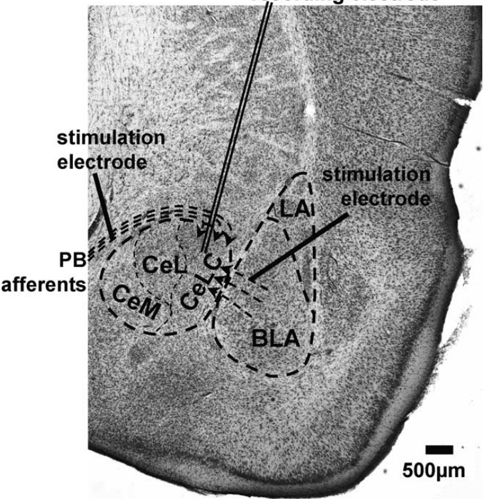
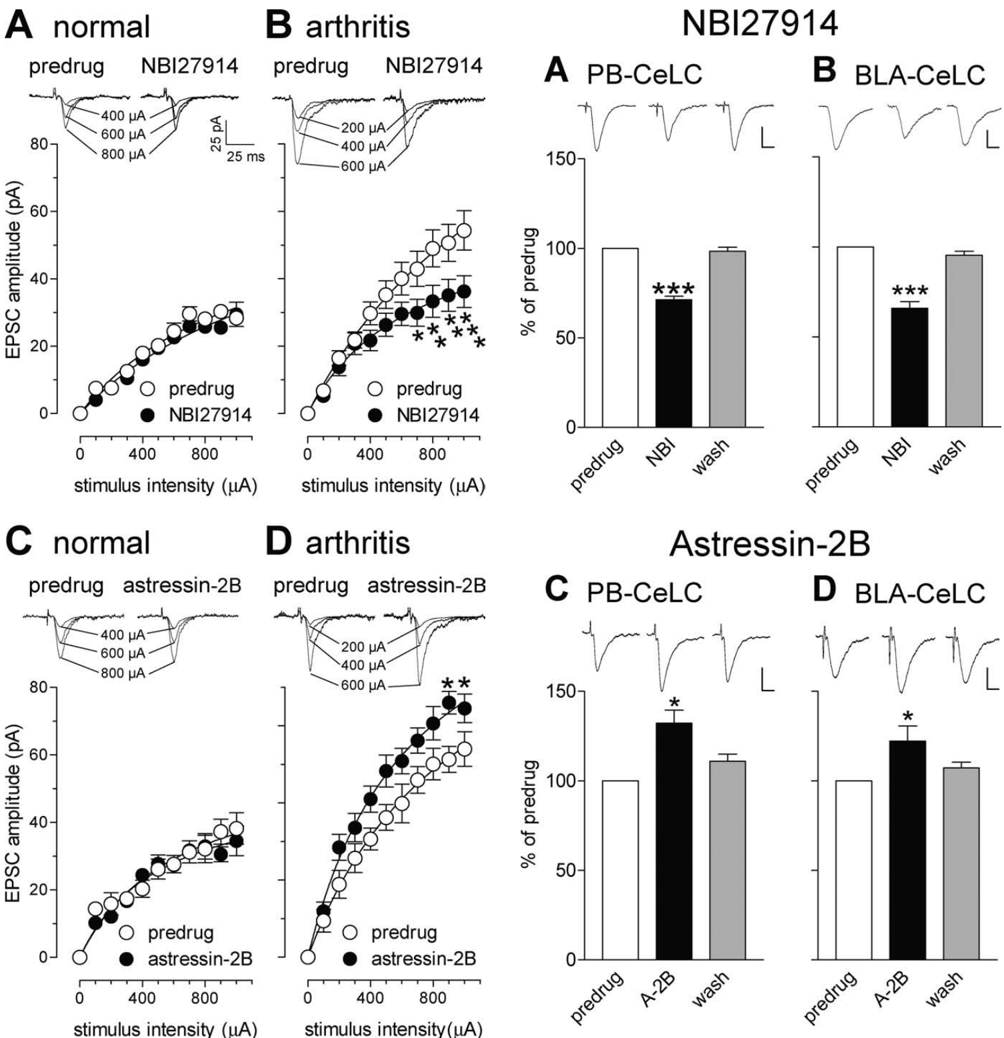
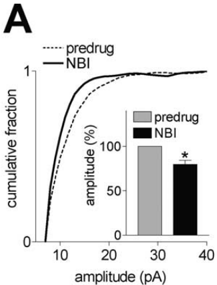
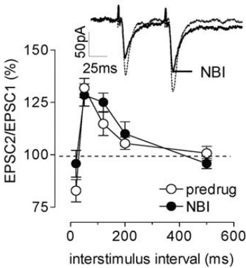
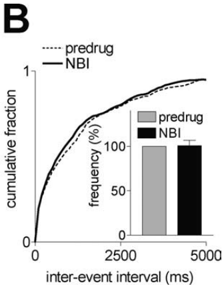
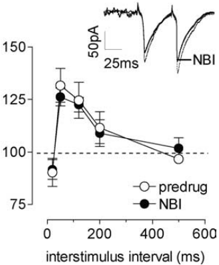
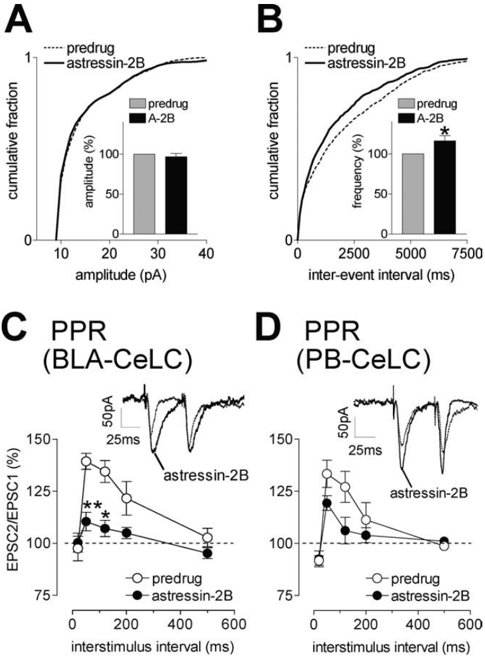
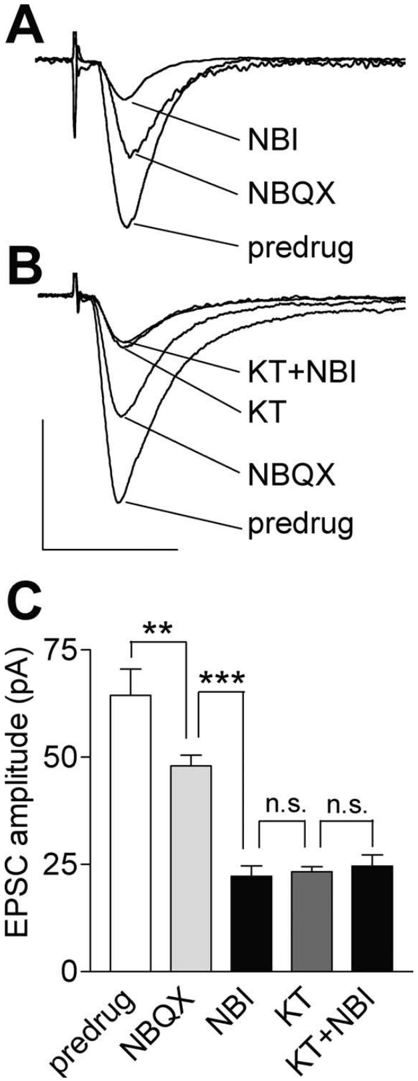
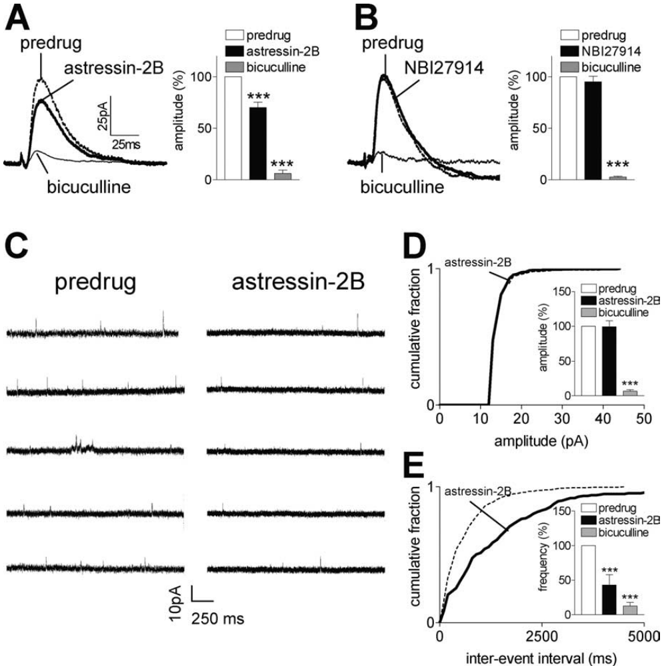
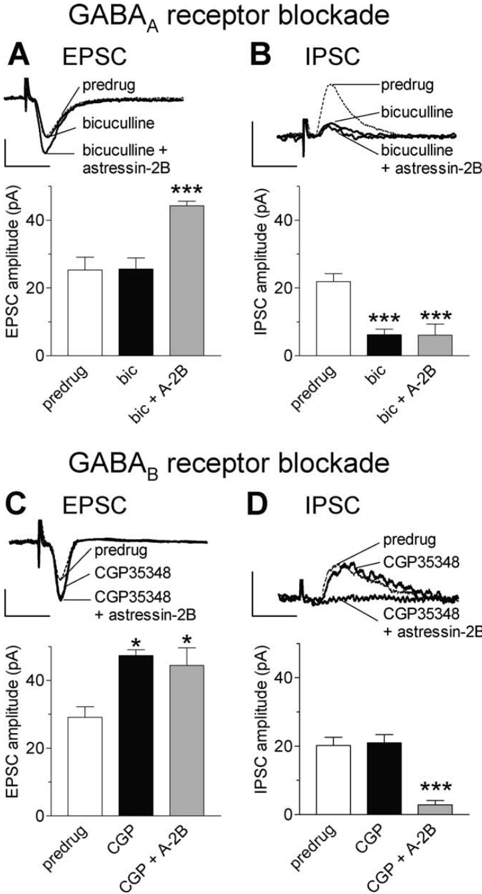
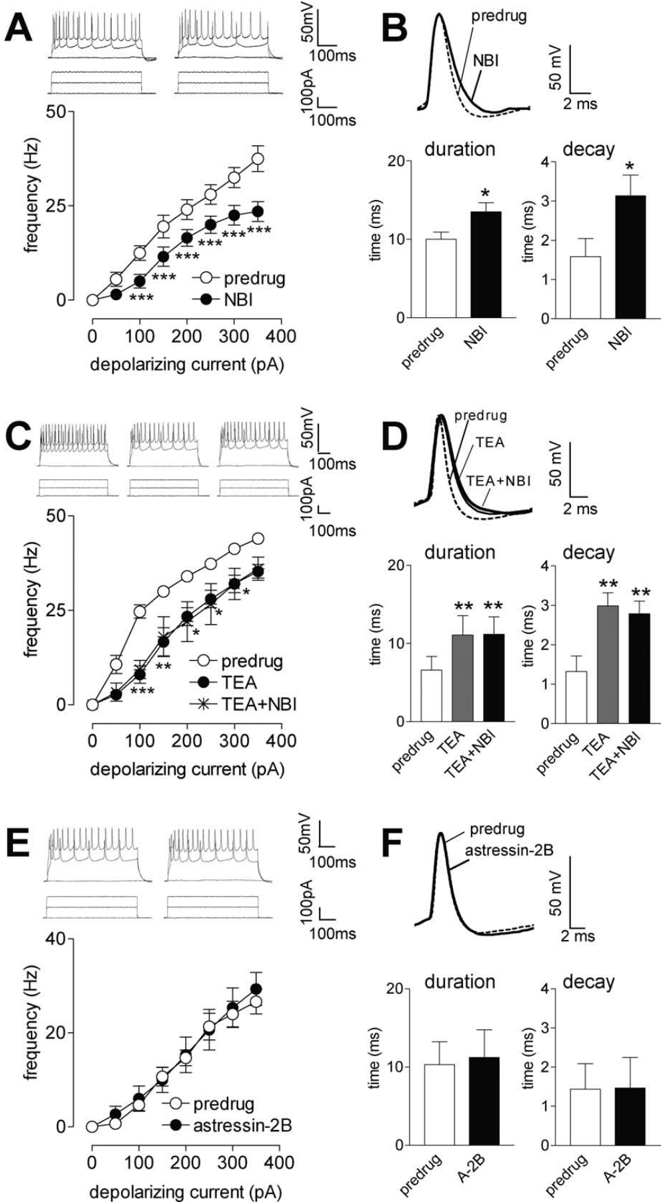
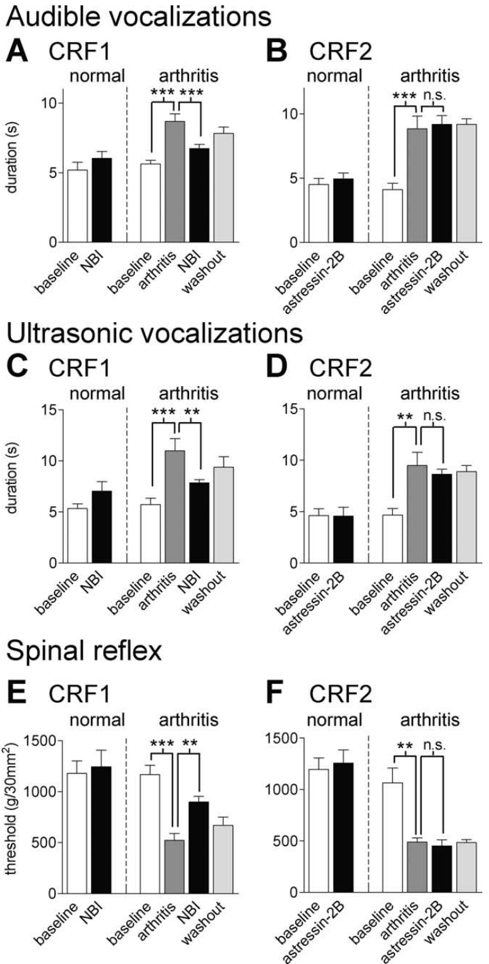
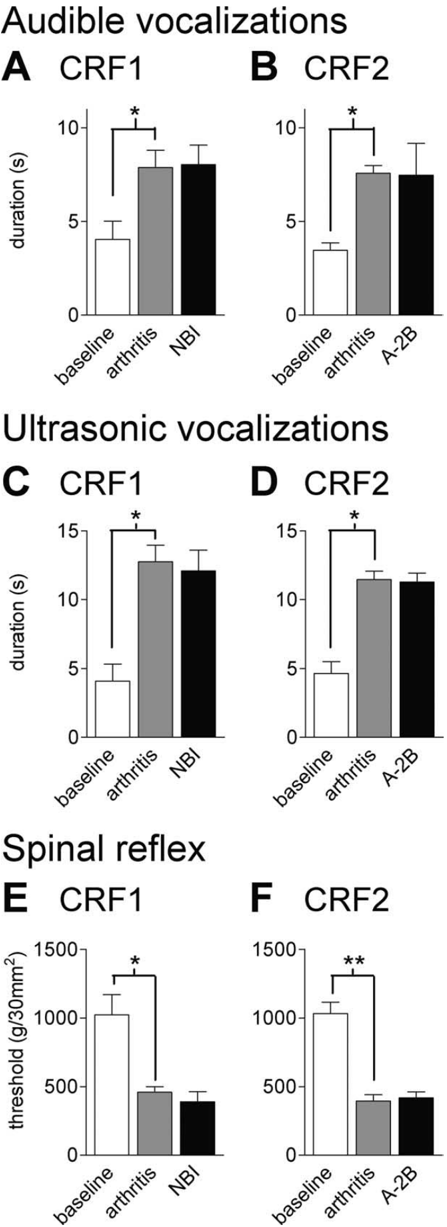
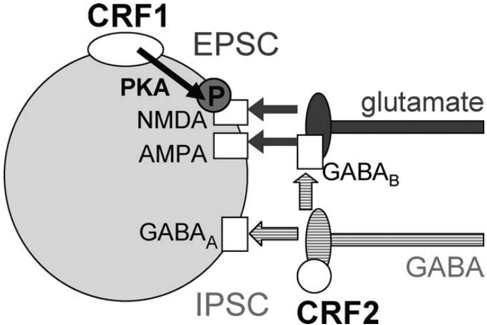
A major site of extrahypothalamic expression of corticotropin-releasing factor (CRF) and its G-protein-coupled CRF1 and CRF2 receptors is the amygdala, a key player in emotions and affective disorders. Pain-related plasticity in the laterocapsular division of the central nucleus of the amygdala (CeLC) generates emotional-affective responses and anxiety-like behavior. CRF1 receptor antagonists have anxiolytic effects. Although both CRF1 and CRF2 receptors couple positively to adenylyl cyclase, they can have opposite effects, but the underlying mechanism is unknown. This study addressed CRF1 and CRF2 receptor functions and mechanisms in the amygdala in a model of arthritic pain. Using whole-cell patch-clamp recordings of CeLC neurons, we found that a selective CRF1 receptor antagonist (NBI27914 [5-chloro-4-(N-(cyclopropyl)methyl-N-propylamino)-2-methyl-6-(2,4,6-trichlorophenyl)]) amino-pyridine inhibited synaptic facilitation in brain slices from arthritic rats through a postsynaptic mechanism. Inhibition of the NMDA receptor-mediated synaptic component was occluded by a protein kinase A (PKA) inhibitor, consistent with our previous demonstration of PKA-dependent increased NMDA receptor function in arthritis pain-related plasticity. NBI27914 also decreased neuronal excitability through inhibition of highly tetraethylammonium (TEA)-sensitive ion channels that contribute to action potential repolarization and firing rate. In contrast, a CRF2 receptor antagonist (astressin-2B [cyclo(31–34) [d-Phe11,His12,CαMeLeu13,39, Nle17, Glu31, Lys34] Ac-Sauvagine(8–40)]) facilitated synaptic transmission through presynaptic inhibition of GABAergic transmission (disinhibition). NBI27914 inhibited arthritis pain-related behaviors (audible and ultrasonic vocalizations and hindlimb withdrawal reflexes). Astressin-2B had no significant behavioral effect. The data suggest that endogenous CRF1 receptor activation in the amygdala contributes to pain-related synaptic facilitation, increased excitability, and pain behavior through a postsynaptic mechanism involving activation of PKA and highly TEA-sensitive K+-currents. Presynaptic CRF2 receptor-mediated inhibition does not reach behavioral significance.
Overview
The claims and statistics of this paper haven’t been checked yet.
Run the check — free, no account needed. It reads the open-access text and checks the sources it cites.
Integrity signals
Registry
Cites
Statistics
Figures
Verification
Claims the paper makes
The claims and statistics of this paper haven’t been checked yet.
Run the check — free, no account needed. It reads the open-access text and checks the sources it cites.
Claims other papers make about this one
Each is checked against this paper’s own text: does it say what the citing paper says it does?
In the citing paper
“In a model of arthritic pain, the blockade of CRF 1 receptors in the CeA inhibited both pain-and anxiety-like behaviors (Ji et al., 2007;Fu and Neugebauer, 2008).”
From Drug Addiction: Hyperkatifeia/Negative Reinforcement as a Framework for Medications Development (2021) · cites this paper as Fu and Neugebauer, 2008
Self-check
Percentages, sums and reported differences re-computed from the paper’s own numbers.
The self-check needs the paper’s full text.
Citations
Cites
The Rat Brain in Stereotaxic Coordinates
Paxinos, G., & Watson, C. (1983) · Elsevier eBooks · doi:10.1016/c2009-0-63235-9 · Cited by 28,585
AChE-stained horizontal sections of the rat brain in stereotaxic coordinates
Paxinos, G., WATSON, C. R. R., & Emson, P. C. (1980) · Journal of Neuroscience Methods · doi:10.1016/0165-0270(80)90021-7 · Cited by 4,501
CRF and CRF receptors: role in stress responsivity and other behaviors
Bale, T. L., & Vale, W. W. (2004) · Annual Review of Pharmacology and Toxicology · doi:10.1146/annurev.pharmtox.44.101802.121410 · Cited by 1,270
Protein kinase C reduces Mg2+ block of NMDA-receptor channels as a mechanism of modulation
Chen, L., & Huang, L.-Y. M. (1992) · Nature · doi:10.1038/356521a0 · Cited by 974
New Vistas on Amygdala Networks in Conditioned Fear
Paré, D., Quirk, G. J., & Ledoux, J. E. (2004) · Journal of Neurophysiology · doi:10.1152/jn.00153.2004 · Cited by 841 · cited 14×
“CRF mRNA expression in the CeA increased in models of colitis pain (Greenwood-Van Meerveld et al., 2006) and neuropathic pain (Ulrich-Lai et al., 2006).”
BackgroundInfluentialKv3 channels: voltage-gated K+ channels designed for high-frequency repetitive firing
Rudy, B., & McBain, C. J. (2001) · Trends in Neurosciences · doi:10.1016/s0166-2236(00)01892-0 · Cited by 781
Fear conditioning induces a lasting potentiation of synaptic currents in vitro
McKernan, M. G., & Shinnick-Gallagher, P. (1997) · Nature · doi:10.1038/37605 · Cited by 771
The amygdala and persistent pain
Neugebauer, V., Li, W., Bird, G. C., & Han, J. S. (2004) · The Neuroscientist · doi:10.1177/1073858403261077 · Cited by 719
Self-citationZobel, A. W., Nickel, T., Künzel, H. E., Ackl, N., Sonntag, A., Ising, M., & Holsboer, F. (2000) · Journal of Psychiatric Research · doi:10.1016/s0022-3956(00)00016-9 · Cited by 705
Presynaptic inhibition of elicited neurotransmitter release
Wu, L., & Saggau, P. (1997) · Trends in Neurosciences · doi:10.1016/s0166-2236(96)01015-6 · Cited by 627
Research works printed but not linked: 1
- Gallagher, 2004, Mood and anxiety disorders in chronic pain, Prog Pain Res Management, 27, 139
Cited by
Sorted by citations
Central mechanisms of pathological pain
Kuner, R. (2010) · Nature Medicine · doi:10.1038/nm.2231 · Cited by 795
Strang, J., Volkow, N. D., Degenhardt, L., Hickman, M., Johnson, K., Koob, G. F., Marshall, B. D. L., Tyndall, M., & Walsh, S. L. (2020) · Nature Reviews Disease Primers · doi:10.1038/s41572-019-0137-5 · Cited by 639
Role of Corticotropin-Releasing Factor in Drug Addiction
Logrip, M. L., Koob, G. F., & Zorrilla, E. P. (2011) · CNS Drugs · doi:10.2165/11587790-000000000-00000 · Cited by 474
Neurobiology of opioid addiction: Opponent process, hyperkatifeia, and negative reinforcement
Koob, G. F. (2020) · Biological Psychiatry · doi:10.1016/j.biopsych.2019.05.023 · Cited by 477
Neugebauer, V. (2015) · Handbook of experimental pharmacology · doi:10.1007/978-3-662-46450-2_13 · Cited by 419
Self-citationCognitive Impairment in Pain through Amygdala-Driven Prefrontal Cortical Deactivation
Ji, G., Sun, H., Fu, Y., Li, Z., Pais-Vieira, M., Galhardo, V., & Neugebauer, V. (2010) · Journal of Neuroscience · doi:10.1523/jneurosci.0225-10.2010 · Cited by 401
Self-citationNeugebauer, V., Galhardo, V., Maione, S., & Mackey, S. (2009) · Brain Research Reviews · doi:10.1016/j.brainresrev.2008.12.014 · Cited by 369
Self-citationDrug Addiction: Hyperkatifeia/Negative Reinforcement as a Framework for Medications Development
Koob, G. F. (2021) · Pharmacological Reviews · doi:10.1124/pharmrev.120.000083 · Cited by 337
The amygdala between sensation and affect: a role in pain
Veinante, P., Yalçın, İ., & Barrot, M. (2013) · Journal of Molecular Psychiatry · doi:10.1186/2049-9256-1-9 · Cited by 343
Addiction and Stress: An Allostatic View
Koob, G. F., & Schulkin, J. (2019) · Neuroscience & Biobehavioral Reviews · doi:10.1016/j.neubiorev.2018.09.008 · Cited by 315
Region-specific roles of the corticotropin-releasing factor–urocortin system in stress
Henckens, M. J. A. G., Deussing, J. M., & Chen, A. (2016) · Nature reviews. Neuroscience · doi:10.1038/nrn.2016.94 · Cited by 248
Thompson, J. M., & Neugebauer, V. (2017) · Pain Research and Management · doi:10.1155/2017/8296501 · Cited by 238
Self-citationAmygdala, neuropeptides, and chronic pain-related affective behaviors
Neugebauer, V., Mazzitelli, M., Cragg, B., Ji, G., Navratilova, E., & Porreca, F. (2020) · Neuropharmacology · doi:10.1016/j.neuropharm.2020.108052 · Cited by 220
Self-citationThe role of corticosteroids and stress in chronic pain conditions
McEwen, B. S., & Kalia, M. (2010) · Metabolism · doi:10.1016/j.metabol.2010.07.012 · Cited by 213
Hemispheric Lateralization of Pain Processing by Amygdala Neurons
Ji, G., & Neugebauer, V. (2009) · Journal of Neurophysiology · doi:10.1152/jn.00166.2009 · Cited by 214
Self-citationEndogenous opioid peptides in the descending pain modulatory circuit
Bagley, E. E., & Ingram, S. (2020) · Neuropharmacology · doi:10.1016/j.neuropharm.2020.108131 · Cited by 186
Cortico-limbic pain mechanisms
Thompson, J. M., & Neugebauer, V. (2018) · Neuroscience Letters · doi:10.1016/j.neulet.2018.11.037 · Cited by 190
Self-citationProgress in corticotropin-releasing factor-1 antagonist development
Zorrilla, E. P., & Koob, G. F. (2010) · Drug Discovery Today · doi:10.1016/j.drudis.2010.02.011 · Cited by 167
Edwards, S., Vendruscolo, L. F., Schlosburg, J. E., Misra, K., Wee, S., Park, P. E., Schulteis, G., & Koob, G. F. (2011) · Neuropharmacology · doi:10.1016/j.neuropharm.2011.11.006 · Cited by 158
Brain and gut CRF signaling: biological actions and role in the gastrointestinal tract
Tache, Y., Larauche, M., Yuan, P.-Q., & Million, M. (2018) · Current Molecular Pharmacology · doi:10.2174/1874467210666170224095741 · Cited by 147
Facilitation of Synaptic Transmission and Pain Responses by CGRP in the Amygdala of Normal Rats
Han, J. S., Adwanikar, H., Li, Z., Ji, G., & Neugebauer, V. (2010) · Molecular Pain · doi:10.1186/1744-8069-6-10 · Cited by 150
Self-citationKappa opioid receptor signaling in the brain: Circuitry and implications for treatment
Crowley, N. A., & Kash, T. L. (2015) · Progress in Neuro-Psychopharmacology and Biological Psychiatry · doi:10.1016/j.pnpbp.2015.01.001 · Cited by 131
Fu, Y., Han, J. S., Ishola, T., Scerbo, M. H., Adwanikar, H., Ramsey, C., & Neugebauer, V. (2008) · Molecular Pain · doi:10.1186/1744-8069-4-26 · Cited by 120
Self-citationLi, Z., Ji, G., & Neugebauer, V. (2011) · Journal of Neuroscience · doi:10.1523/jneurosci.5387-10.2011 · Cited by 117
Self-citationMartin, Z. S., Neugebauer, V., Dineley, K. T., Kayed, R., Zhang, W., Reese, L. C., & Taglialatela, G. (2011) · Journal of Neurochemistry · doi:10.1111/j.1471-4159.2011.07576.x · Cited by 114
Self-citationAnimal models of post-traumatic stress disorder and recent neurobiological insights
Whitaker, A. M., Gilpin, N. W., & Edwards, S. (2014) · Behavioural Pharmacology · doi:10.1097/fbp.0000000000000069 · Cited by 110
Neuropeptide Regulation of Signaling and Behavior in the BNST
Kash, T. L., Pleil, K. E., Marcinkiewcz, C. A., Lowery‐Gionta, E. G., Crowley, N. A., Mazzone, C. M., Sugam, J. A., Hardaway, J. A., & McElligott, Z. A. (2014) · Molecules and Cells · doi:10.14348/molcells.2015.2261 · Cited by 105
Amyloid‐β oligomers impair fear conditioned memory in a calcineurin‐dependent fashion in mice
Dineley, K. T., Kayed, R., Neugebauer, V., Fu, Y., Zhang, W., Reese, L. C., & Taglialatela, G. (2010) · Journal of Neuroscience Research · doi:10.1002/jnr.22445 · Cited by 110
Self-citationDimitrov, E. L., Tsuda, M. C., Cameron, H. A., & Usdin, T. B. (2014) · Journal of Neuroscience · doi:10.1523/jneurosci.0312-14.2014 · Cited by 105
Liang, S., Zhao, W., Yin, J.-B., Chen, Y.-B., Li, J., Feng, B., Lu, Y.-C., Wang, J., Dong, Y., & Li, Y.-Q. (2020) · Journal of Neuroscience · doi:10.1523/jneurosci.2487-19.2020 · Cited by 104
Bravo, J. A., Dinan, T. G., & Cryan, J. F. (2010) · The International Journal of Neuropsychopharmacology · doi:10.1017/s1461145710000994 · Cited by 106
Taché, Y., & Million, M. (2015) · Journal of Neurogastroenterology and Motility · doi:10.5056/jnm14162 · Cited by 102
Palazzo, E., Fu, Y., Ji, G., Maione, S., & Neugebauer, V. (2008) · Neuropharmacology · doi:10.1016/j.neuropharm.2008.05.007 · Cited by 105
Self-citationThe anxiodepressive comorbidity in chronic pain
Yalçın, İ., & Barrot, M. (2014) · Current Opinion in Anaesthesiology · doi:10.1097/aco.0000000000000116 · Cited by 100
Liu, M., & Chen, J. (2014) · Progress in Neurobiology · doi:10.1016/j.pneurobio.2014.01.003 · Cited by 101
Navratilova, E., Ji, G., Phelps, C. E., Qu, C., Hein, M., Yakhnitsa, V., Neugebauer, V., & Porreca, F. (2018) · Pain · doi:10.1097/j.pain.0000000000001458 · Cited by 101
Self-citationJi, G., Zhang, W. Y., Mahimainathan, L., Narasimhan, M., Kiritoshi, T., Fan, X., Wang, J., Green, T. A., & Neugebauer, V. (2016) · Journal of Neuroscience · doi:10.1523/jneurosci.2468-16.2016 · Cited by 92
Self-citationde Novellis, V., Vita, D., Gatta, L., Luongo, L., Bellini, G., De Chiaro, M., Marabese, I., Siniscalco, D., Boccella, S., Piscitelli, F., et al. (2011) · Molecular Pain · doi:10.1186/1744-8069-7-7 · Cited by 90
Anhedonia, Hyperkatifeia, and Negative Reinforcement in Substance Use Disorders
Koob, G. F. (2022) · Current topics in behavioral neurosciences · doi:10.1007/7854_2021_288 · Cited by 92
Hahn, J., Hopf, F. W., & Bonci, A. (2009) · Journal of Neuroscience · doi:10.1523/jneurosci.4773-08.2009 · Cited by 83
Missig, G., Mei, L., Vizzard, M. A., Braas, K. M., Waschek, J. A., Ressler, K. J., Hammack, S. E., & May, V. (2016) · Biological Psychiatry · doi:10.1016/j.biopsych.2016.08.025 · Cited by 86
Ren, W., & Neugebauer, V. (2010) · Molecular Pain · doi:10.1186/1744-8069-6-93 · Cited by 92
Self-citationTran, L., Schulkin, J. A., & Meerveld, B. G. (2014) · Neuropsychopharmacology · doi:10.1038/npp.2014.117 · Cited by 82
Ji, G., Fu, Y., Adwanikar, H., & Neugebauer, V. (2013) · Molecular Pain · doi:10.1186/1744-8069-9-2 · Cited by 79
Self-citationNeuromodulation of excitatory synaptogenesis in striatal development
Kozorovitskiy, Y., Peixoto, R. T., Wang, W., Saunders, A. B., & Sabatini, B. L. (2015) · eLife · doi:10.7554/elife.10111 · Cited by 72
Li, M.-J., Liu, L., Chen, L., Cai, J., Wan, Y., & Xing, G. (2016) · Pain · doi:10.1097/j.pain.0000000000000827 · Cited by 75
Palazzo, E., Romano, R., Luongo, L., Boccella, S., Gregorio, D. D., Giordano, M. E., Rossi, F., Marabese, I., Scafuro, M. A., de Novellis, V., et al. (2015) · Pain · doi:10.1097/j.pain.0000000000000150 · Cited by 76
Zhang, G., Yu, L., Chen, Z.-Y., Zhu, J.-S., Hua, R., Qin, X., Cao, J., & Zhang, Y.-M. (2015) · Brain Behavior and Immunity · doi:10.1016/j.bbi.2015.12.022 · Cited by 74
Sun, H., & Neugebauer, V. (2011) · Journal of Neurophysiology · doi:10.1152/jn.00762.2010 · Cited by 71
Self-citationLowery, E., & Thiele, T. E. (2010) · CNS & Neurological Disorders - Drug Targets · doi:10.2174/187152710790966605 · Cited by 71
Ji, G., & Neugebauer, V. (2014) · European Journal of Neuroscience · doi:10.1111/ejn.12432 · Cited by 70
Self-citationSilberman, Y., & Winder, D. G. (2013) · Neuropharmacology · doi:10.1016/j.neuropharm.2013.02.014 · Cited by 70
The predator odor avoidance model of post-traumatic stress disorder in rats
Albrechet‐Souza, L., & Gilpin, N. W. (2019) · Behavioural Pharmacology · doi:10.1097/fbp.0000000000000460 · Cited by 69
Myers, B., & Meerveld, B. G. (2010) · Behavioural Brain Research · doi:10.1016/j.bbr.2010.05.049 · Cited by 67
Seno, M. D. D. J., de Assis, D. V., Gouveia, F. V., Antunes, G. F., Kuroki, M. A., de Oliveira, C. C., dos Santos, L. C. T., Pagano, R. L., & Martinez, R. C. R. (2018) · Scientific Reports · doi:10.1038/s41598-018-31962-w · Cited by 63
Itoga, C. A., Roltsch, E. A., Whitaker, A. M., Lu, Y.-L., Schreiber, A. L., Baynes, B. B., Baiamonte, B. A., Richardson, H. N., & Gilpin, N. W. (2016) · Neuropsychopharmacology · doi:10.1038/npp.2016.44 · Cited by 62
From Pleasure to Pain, and Back Again: The Intricate Relationship Between Alcohol and Nociception
Robins, M. T., Heinricher, M. M., & Ryabinin, A. E. (2019) · Alcohol and Alcoholism · doi:10.1093/alcalc/agz067 · Cited by 63
Neuropeptide S: a novel regulator of pain-related amygdala plasticity and behaviors
Ren, W., Kiritoshi, T., Grégoire, S., Ji, G., Guerrini, R., Calò, G., & Neugebauer, V. (2013) · Journal of Neurophysiology · doi:10.1152/jn.00874.2012 · Cited by 61
Self-citationBabygirija, R., Sood, M. R., Kannampalli, P., Sengupta, J. N., & Miranda, A. (2017) · Neuroscience · doi:10.1016/j.neuroscience.2017.05.012 · Cited by 57
Corticotropin-Releasing Factor (CRF) and Addictive Behaviors
Roberto, M., Spierling, S. R., Kirson, D., & Zorrilla, E. P. (2017) · International review of neurobiology · doi:10.1016/bs.irn.2017.06.004 · Cited by 62
Pierce, A. N., Ryals, J. M., Wang, R., & Christianson, J. A. (2014) · Neuroscience · doi:10.1016/j.neuroscience.2014.01.022 · Cited by 55
CRF-R2 and the Heterosynaptic Regulation of VTA Glutamate during Reinstatement of Cocaine Seeking
Williams, C. L., Buchta, W. C., & Riegel, A. C. (2014) · Journal of Neuroscience · doi:10.1523/jneurosci.0911-13.2014 · Cited by 55
Chronic inflammatory pain drives alcohol drinking in a sex-dependent manner for C57BL/6J mice
Yu, W., Hwa, L. S., Makhijani, V. H., Besheer, J., & Kash, T. L. (2018) · Alcohol · doi:10.1016/j.alcohol.2018.10.002 · Cited by 55
Reactive oxygen species mediate visceral pain–related amygdala plasticity and behaviors
Ji, G., Li, Z., & Neugebauer, V. (2015) · Pain · doi:10.1097/j.pain.0000000000000120 · Cited by 53
Self-citationPalazzo, E., Marabese, I., Soukupovà, M., Luongo, L., Boccella, S., Giordano, C., de Novellis, V., Rossi, F., & Maione, S. (2011) · Journal of Neuroscience · doi:10.1523/jneurosci.2938-10.2011 · Cited by 56
The center of the emotional universe: Alcohol, stress, and CRF1 amygdala circuitry
Agoglia, A. E., & Herman, M. A. (2018) · Alcohol · doi:10.1016/j.alcohol.2018.03.009 · Cited by 57
Neugebauer, V. (2020) · Handbook of behavioral neuroscience · doi:10.1016/b978-0-12-815134-1.00004-0 · Cited by 58
Self-citationMazzitelli, M., Yakhnitsa, V., Neugebauer, B., & Neugebauer, V. (2022) · Neuropharmacology · doi:10.1016/j.neuropharm.2022.109031 · Cited by 52
Self-citationCells and circuits for amygdala neuroplasticity in the transition to chronic pain
Kiritoshi, T., Yakhnitsa, V., Singh, S., Wilson, T. D., Chaudhry, S., Neugebauer, B., Torres-Rodriguez, J. M., Lin, J. J., Carrasquillo, Y., & Neugebauer, V. (2024) · Cell Reports · doi:10.1016/j.celrep.2024.114669 · Cited by 58
Self-citationJi, G., & Neugebauer, V. (2010) · Journal of Neurophysiology · doi:10.1152/jn.00223.2010 · Cited by 51
Self-citationLuongo, L., de Novellis, V., Gatta, L., Palazzo, E., Vita, D., Guida, F., Giordano, C., Siniscalco, D., Marabese, I., Chiaro, M. D., et al. (2012) · Neuropharmacology · doi:10.1016/j.neuropharm.2012.05.047 · Cited by 49
Medina, G., Ji, G., Grégoire, S., & Neugebauer, V. (2014) · Molecular Pain · doi:10.1186/1744-8069-10-32 · Cited by 48
Self-citationCortical Plasticity as a New Endpoint Measurement for Chronic Pain
Zhuo, M. (2011) · Molecular Pain · doi:10.1186/1744-8069-7-54 · Cited by 47
Jaferi, A., & Pickel, V. (2009) · Neuroscience · doi:10.1016/j.neuroscience.2008.12.061 · Cited by 45
Martinon, D., & Dabrowska, J. (2018) · Frontiers in Neuroscience · doi:10.3389/fnins.2018.00183 · Cited by 44
Hein, M., Ji, G., Tidwell, D., D’Souza, P., Kiritoshi, T., Yakhnitsa, V., Navratilova, E., Porreca, F., & Neugebauer, V. (2021) · Neuropharmacology · doi:10.1016/j.neuropharm.2021.108456 · Cited by 43
Self-citationBeckerman, M. A., Kempen, T. A. V., Justice, N. J., Milner, T. A., & Glass, M. J. (2012) · Experimental Neurology · doi:10.1016/j.expneurol.2012.10.009 · Cited by 42
Ren, W., Palazzo, E., Maione, S., & Neugebauer, V. (2011) · Neuropharmacology · doi:10.1016/j.neuropharm.2011.08.006 · Cited by 45
Self-citationCorticotropin-releasing factor family peptide signaling in feline bladder urothelial cells
Hanna‐Mitchell, A. T., Wolf‐Johnston, A., Roppolo, J. R., Buffington, T., & Birder, L. A. (2014) · Journal of Endocrinology · doi:10.1530/joe-13-0422 · Cited by 41
Xiao, Y., Chen, X., Zhang, P., Xu, Q., Zheng, H., & Xu, G. (2016) · Scientific Reports · doi:10.1038/srep29026 · Cited by 41
Johnson, A. C., & Meerveld, B. G. (2015) · Neuropharmacology · doi:10.1016/j.neuropharm.2015.01.018 · Cited by 40
Thompson, J. M., Ji, G., & Neugebauer, V. (2015) · Molecular Pain · doi:10.1186/s12990-015-0055-9 · Cited by 37
Self-citationTang, H., Zhang, G., Ji, N., Du, L., Chen, B., Hua, R., & Zhang, Y.-M. (2017) · Frontiers in Pharmacology · doi:10.3389/fphar.2017.00309 · Cited by 38
Sex Differences in CGRP Regulation and Function in the Amygdala in a Rat Model of Neuropathic Pain
Presto, P., & Neugebauer, V. (2022) · Frontiers in Molecular Neuroscience · doi:10.3389/fnmol.2022.928587 · Cited by 39
Self-citationCorticotrophin‐releasing factor 1 activation in the central amygdale and visceral hyperalgesia
Taché, Y. (2014) · Neurogastroenterology & Motility · doi:10.1111/nmo.12495 · Cited by 36
Painful stimuli evoke potentials recorded from the medial temporal lobe in humans
Liu, C. C., Ohara, S., Franaszczuk, P. J., Zagzoog, N., Gallagher, M., & Lenz, F. A. (2009) · Neuroscience · doi:10.1016/j.neuroscience.2009.11.026 · Cited by 36
Bourbia, N., Ansah, O. B., & Pertovaara, A. (2010) · Journal of Pain · doi:10.1016/j.jpain.2010.05.004 · Cited by 38
Amygdalar neuronal plasticity and the interactions of alcohol, sex, and stress
Retson, T., Hoek, J. B., Sterling, R. C., & Bockstaele, E. J. V. (2014) · Brain Structure and Function · doi:10.1007/s00429-014-0851-4 · Cited by 33
Grégoire, S., & Neugebauer, V. (2013) · Molecular Pain · doi:10.1186/1744-8069-9-41 · Cited by 33
Self-citationCragg, B., Ji, G., & Neugebauer, V. (2016) · Molecular Pain · doi:10.1177/1744806916676491 · Cited by 33
Self-citationAgoglia, A. E., Tella, J., & Herman, M. A. (2020) · Neuropharmacology · doi:10.1016/j.neuropharm.2020.108296 · Cited by 30
Mazzitelli, M., Marshall, K., Pham, A., Ji, G., & Neugebauer, V. (2021) · Frontiers in Pharmacology · doi:10.3389/fphar.2021.668337 · Cited by 30
Self-citationTappe‐Theodor, A., Fu, Y., Kuner, R., & Neugebauer, V. (2011) · Molecular Pain · doi:10.1186/1744-8069-7-38 · Cited by 31
Self-citationZhou, Y., Li, R.-J., Li, M., Liu, X., Zhu, H., Ju, Z., Miao, X., & Xu, G. (2016) · Molecular Pain · doi:10.1177/1744806916646381 · Cited by 30
Yeh, L.-F., Watanabe, M., Cuevas, J. N. S., & Johansen, J. P. (2017) · Current Opinion in Neurobiology · doi:10.1016/j.conb.2017.09.006 · Cited by 31
Ji, G., & Neugebauer, V. (2019) · International Journal of Molecular Sciences · doi:10.3390/ijms20184380 · Cited by 28
Self-citationVecchiarelli, H. A., Morena, M., Keenan, C. M., Chiang, V., Tan, K., Qiao, M., Leitl, K. D., Santori, A., Pittman, Q. J., Sharkey, K. A., et al. (2021) · Neuropsychopharmacology · doi:10.1038/s41386-020-00939-7 · Cited by 29
Yakhnitsa, V., Ji, G., Hein, M., Presto, P., Griffin, Z., Ponomareva, O., Navratilova, E., Porreca, F., & Neugebauer, V. (2022) · Frontiers in Pharmacology · doi:10.3389/fphar.2022.903978 · Cited by 29
Self-citationNeurobiological aspects of pain in the context of alcohol use disorder
Cucinello‐Ragland, J. A., & Edwards, S. (2020) · International review of neurobiology · doi:10.1016/bs.irn.2020.09.001 · Cited by 27
Metadata
- Authors
- Fu, Y., & Neugebauer, V.
- Affiliations
- The University of Texas Medical Branch at Galveston (US)
- Venue
- The Journal of Neuroscience
- Publisher
- Society for Neuroscience
- Published
- 2008-04-09
- Volume
- 28
- Issue
- 15
- Pages
- 3861-3876
- ISSN
- 0270-6474 (ISSN-L)
- 1529-2401
- PMC
- PMC2557030
- OpenAlex
- W2050750919
- Cited by
- 184
- References
- 97
- Citations by year
- 2026: 5 · 2025: 6 · 2024: 7 · 2023: 4 · 2022: 7 · 2021: 9 · 2020: 13 · 2019: 11 · 2018: 12 · 2017: 8 · 2016: 11 · 2015: 17 · 2014: 16 · 2013: 9 · 2012: 7
- FWCI
- 6.06
- Type
- journal article
- Language
- en
- Open access
- hybrid
- doi.org
- Licence
- Locations
- Journal of Neuroscience (publishedVersion, cc-by-nc-sa)
- PubMed Central (publishedVersion)
- PubMed (publishedVersion)
- Funders
- Northwestern University
- National Institutes of Health
- National Institute of Neurological Disorders and Stroke (NS-38261, NS11255, P01NS011255, R01NS038261)
- Topics
- Life Sciences › Neuroscience › Cellular and Molecular Neuroscience › Neuropeptides and Animal Physiology
- Life Sciences › Neuroscience › Cellular and Molecular Neuroscience › Neuroscience and Neuropharmacology Research
- Health Sciences › Medicine › Physiology (medical) › Pain Mechanisms and Treatments
- Keywords
- corticotropin-releasing factor, CRF1 receptor, CRF2 receptor, amygdala, central amygdala, arthritic pain, protein kinase A, NMDA receptor, neuronal excitability, presynaptic inhibition, GABAergic neurotransmission, anxiety-like behavior, ultrasonic vocalizations
- MeSH terms
- CRF Receptor, Type 1, Amygdala, Aniline Compounds, Animals, Arthritis, Behavior, Animal, Electrophysiology, Enzyme Activation, Hindlimb, Neurons, Pain, Peptide Fragments, Peptides, Cyclic, Pyrimidines, Reflex, Spinal Cord, Synapses, Vocalization, Animal, Potassium Channels, Rats, Sprague-Dawley, Cyclic AMP-Dependent Protein Kinases, Receptors, Corticotropin-Releasing Hormone, Patch-Clamp Techniques, Tetraethylammonium, Rats, In Vitro Techniques
About these checks
Registry, retraction, Cites and statistics results are computed, not judged, with one exception: a printed reference that no index lists is read once by a model before it counts as a citation error. Claims are extracted by a model and kept only when their quote appears verbatim in the text; each cited source is then checked, with a model’s help, for whether it says what the claim relies on. Those verdicts can be wrong — read the claim’s quote and the cited source before relying on one.
Statistics and arithmetic are recomputed, not judged.
Confidence bands are shown only for fields calibrated on our annotated test set. None is calibrated yet, so no band is shown.
What counts as a claim ›How we measure confidence ›How we check this ›
Are you an author, or do you see a problem with this page? Request a review
