

The DOI matches its Crossref record; 97 of the 97 references it cites were found in a registry or an index.
Differential Mechanisms of CRF1 and CRF2 Receptor Functions in the Amygdala in Pain-Related Synaptic Facilitation and Behavior
Open accessAbstract
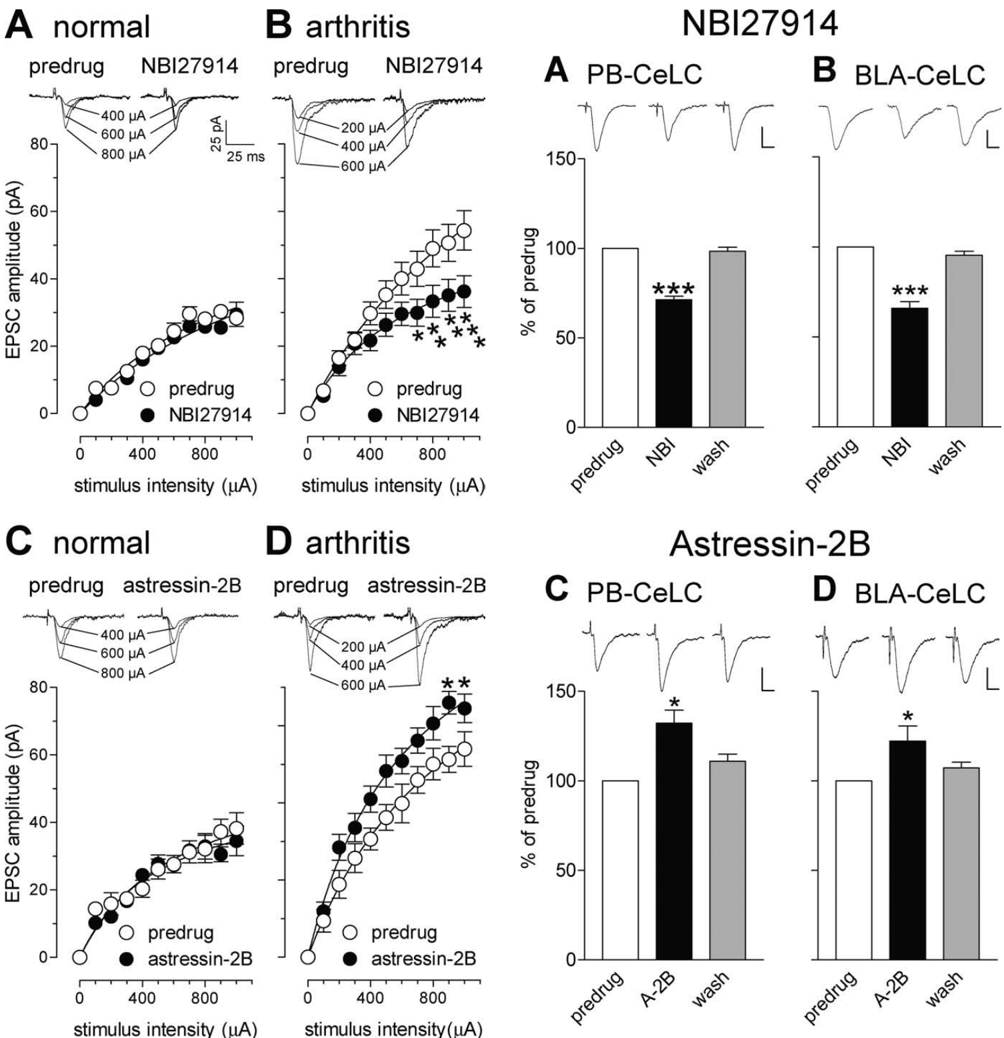
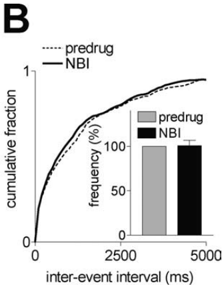
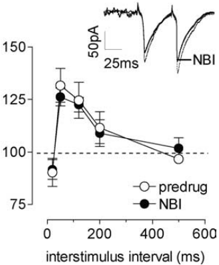
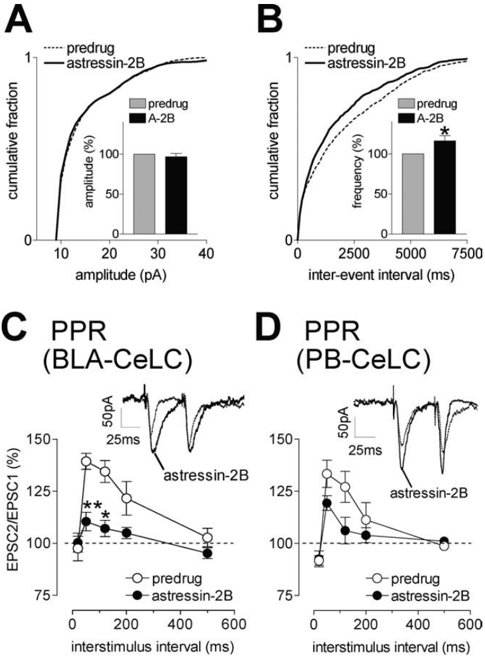
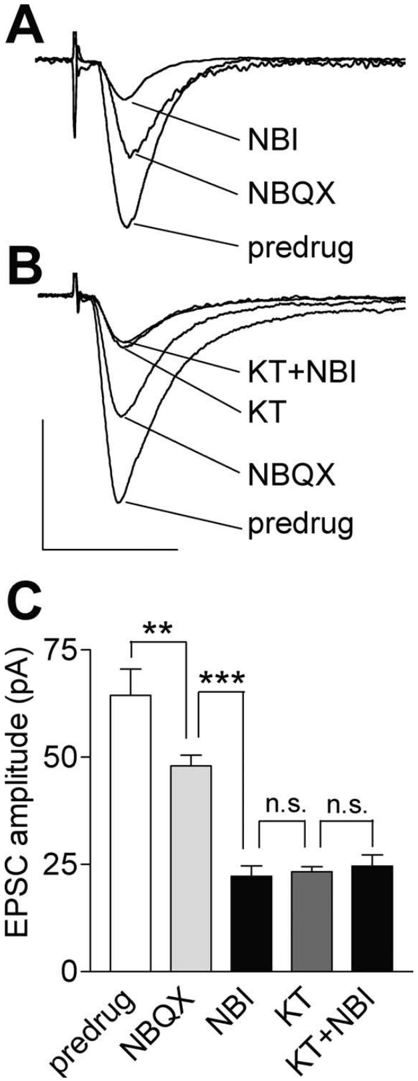
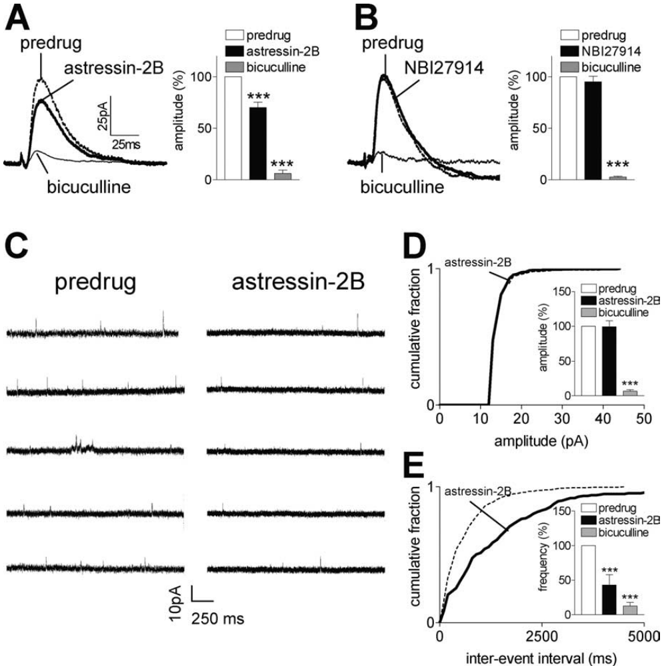
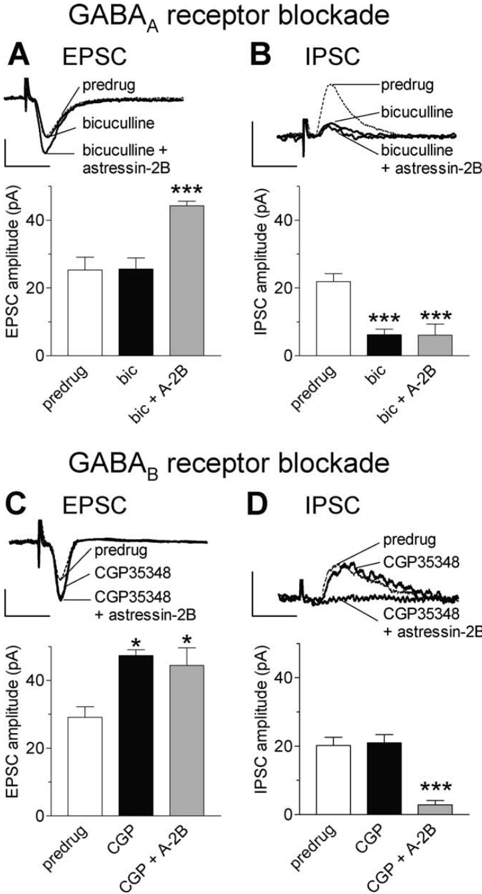
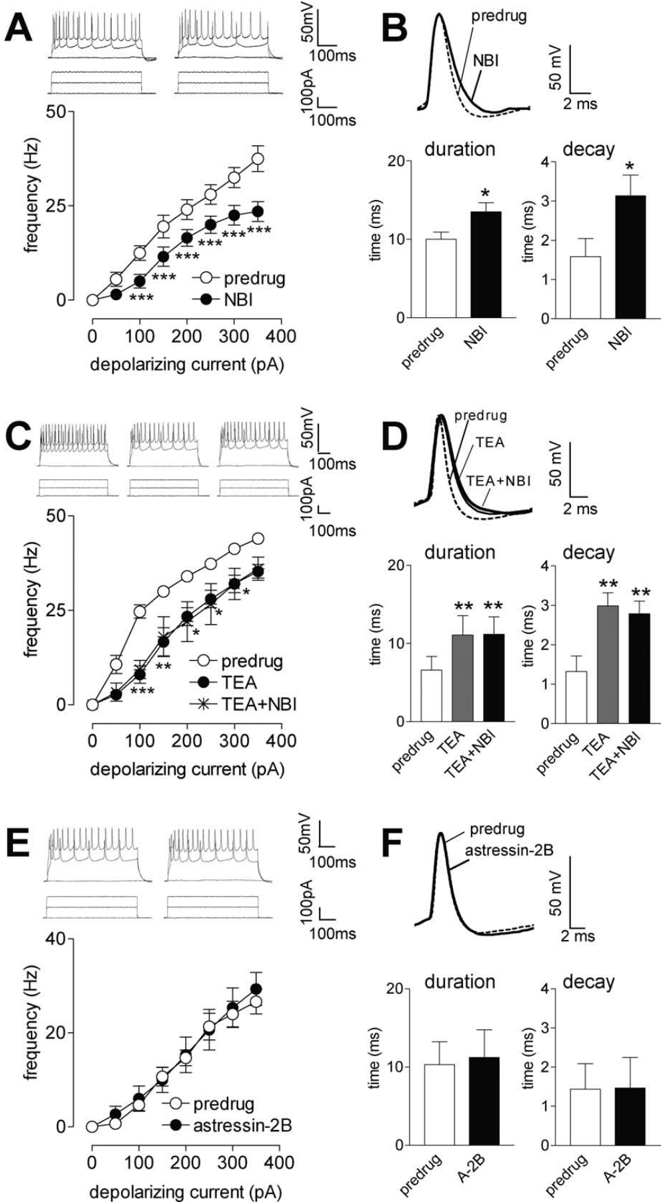
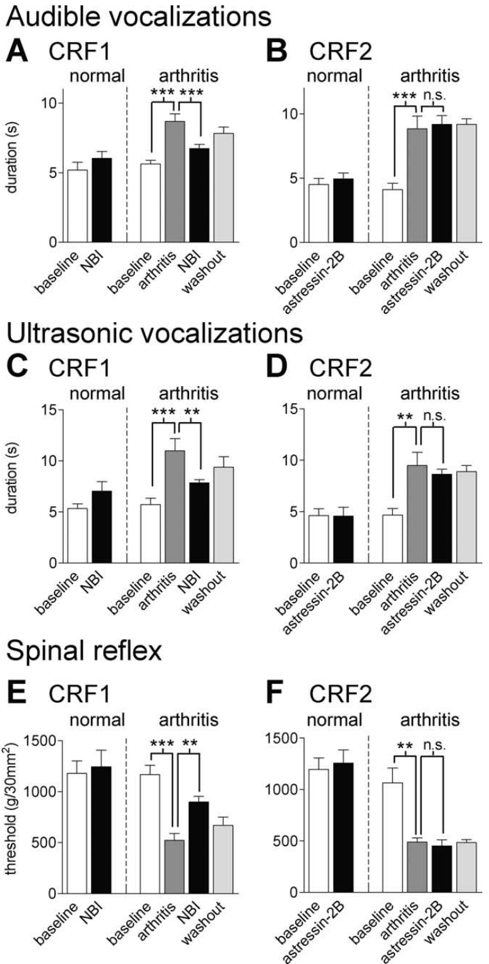
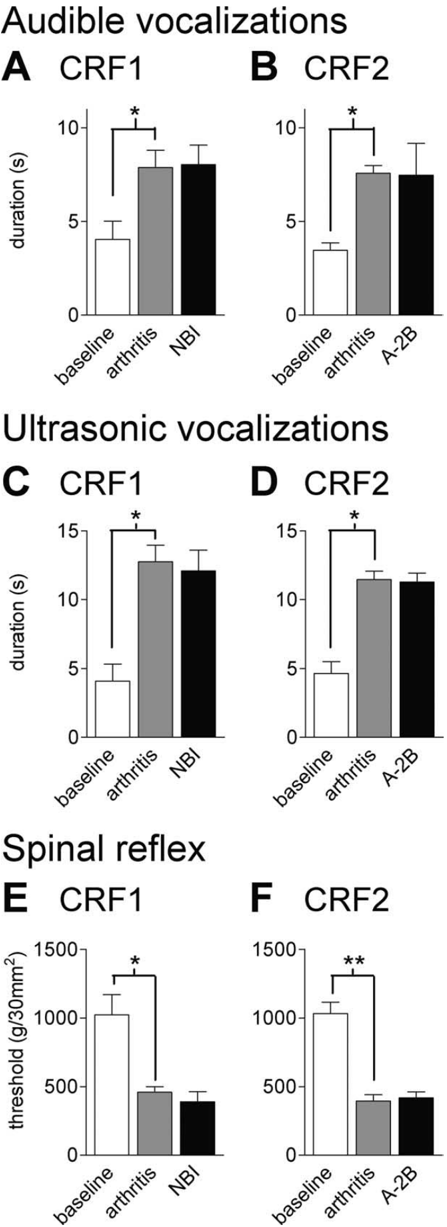
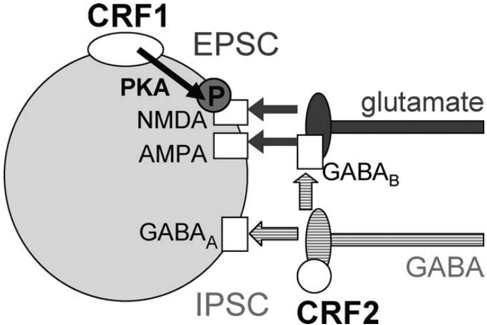
A major site of extrahypothalamic expression of corticotropin-releasing factor (CRF) and its G-protein-coupled CRF1 and CRF2 receptors is the amygdala, a key player in emotions and affective disorders. Pain-related plasticity in the laterocapsular division of the central nucleus of the amygdala (CeLC) generates emotional-affective responses and anxiety-like behavior. CRF1 receptor antagonists have anxiolytic effects. Although both CRF1 and CRF2 receptors couple positively to adenylyl cyclase, they can have opposite effects, but the underlying mechanism is unknown. This study addressed CRF1 and CRF2 receptor functions and mechanisms in the amygdala in a model of arthritic pain. Using whole-cell patch-clamp recordings of CeLC neurons, we found that a selective CRF1 receptor antagonist (NBI27914 [5-chloro-4-(N-(cyclopropyl)methyl-N-propylamino)-2-methyl-6-(2,4,6-trichlorophenyl)]) amino-pyridine inhibited synaptic facilitation in brain slices from arthritic rats through a postsynaptic mechanism. Inhibition of the NMDA receptor-mediated synaptic component was occluded by a protein kinase A (PKA) inhibitor, consistent with our previous demonstration of PKA-dependent increased NMDA receptor function in arthritis pain-related plasticity. NBI27914 also decreased neuronal excitability through inhibition of highly tetraethylammonium (TEA)-sensitive ion channels that contribute to action potential repolarization and firing rate. In contrast, a CRF2 receptor antagonist (astressin-2B [cyclo(31–34) [d-Phe11,His12,CαMeLeu13,39, Nle17, Glu31, Lys34] Ac-Sauvagine(8–40)]) facilitated synaptic transmission through presynaptic inhibition of GABAergic transmission (disinhibition). NBI27914 inhibited arthritis pain-related behaviors (audible and ultrasonic vocalizations and hindlimb withdrawal reflexes). Astressin-2B had no significant behavioral effect. The data suggest that endogenous CRF1 receptor activation in the amygdala contributes to pain-related synaptic facilitation, increased excitability, and pain behavior through a postsynaptic mechanism involving activation of PKA and highly TEA-sensitive K+-currents. Presynaptic CRF2 receptor-mediated inhibition does not reach behavioral significance.
Overview
The claims and statistics of this paper haven’t been checked yet.
Run the check — free, no account needed. It reads the open-access text and checks the sources it cites.
Integrity signals
Registry
Cites
Statistics
Figures
Verification
Claims the paper makes
The claims and statistics of this paper haven’t been checked yet.
Run the check — free, no account needed. It reads the open-access text and checks the sources it cites.
Claims other papers make about this one
Each is checked against this paper’s own text: does it say what the citing paper says it does?
In the citing paper
“In a model of arthritic pain, the blockade of CRF 1 receptors in the CeA inhibited both pain-and anxiety-like behaviors (Ji et al., 2007;Fu and Neugebauer, 2008).”
From Drug Addiction: Hyperkatifeia/Negative Reinforcement as a Framework for Medications Development (2021) · cites this paper as Fu and Neugebauer, 2008
Self-check
Percentages, sums and reported differences re-computed from the paper’s own numbers.
The self-check needs the paper’s full text.
Citations
Cites
The Rat Brain in Stereotaxic Coordinates
Paxinos, G., & Watson, C. (1983) · Elsevier eBooks · doi:10.1016/c2009-0-63235-9 · Cited by 28,585
AChE-stained horizontal sections of the rat brain in stereotaxic coordinates
Paxinos, G., WATSON, C. R. R., & Emson, P. C. (1980) · Journal of Neuroscience Methods · doi:10.1016/0165-0270(80)90021-7 · Cited by 4,501
CRF and CRF receptors: role in stress responsivity and other behaviors
Bale, T. L., & Vale, W. W. (2004) · Annual Review of Pharmacology and Toxicology · doi:10.1146/annurev.pharmtox.44.101802.121410 · Cited by 1,270
Protein kinase C reduces Mg2+ block of NMDA-receptor channels as a mechanism of modulation
Chen, L., & Huang, L.-Y. M. (1992) · Nature · doi:10.1038/356521a0 · Cited by 974
New Vistas on Amygdala Networks in Conditioned Fear
Paré, D., Quirk, G. J., & Ledoux, J. E. (2004) · Journal of Neurophysiology · doi:10.1152/jn.00153.2004 · Cited by 841 · cited 14×
“CRF mRNA expression in the CeA increased in models of colitis pain (Greenwood-Van Meerveld et al., 2006) and neuropathic pain (Ulrich-Lai et al., 2006).”
BackgroundInfluentialKv3 channels: voltage-gated K+ channels designed for high-frequency repetitive firing
Rudy, B., & McBain, C. J. (2001) · Trends in Neurosciences · doi:10.1016/s0166-2236(00)01892-0 · Cited by 781
Fear conditioning induces a lasting potentiation of synaptic currents in vitro
McKernan, M. G., & Shinnick-Gallagher, P. (1997) · Nature · doi:10.1038/37605 · Cited by 771
The amygdala and persistent pain
Neugebauer, V., Li, W., Bird, G. C., & Han, J. S. (2004) · The Neuroscientist · doi:10.1177/1073858403261077 · Cited by 719
Self-citationZobel, A. W., Nickel, T., Künzel, H. E., Ackl, N., Sonntag, A., Ising, M., & Holsboer, F. (2000) · Journal of Psychiatric Research · doi:10.1016/s0022-3956(00)00016-9 · Cited by 705
Presynaptic inhibition of elicited neurotransmitter release
Wu, L., & Saggau, P. (1997) · Trends in Neurosciences · doi:10.1016/s0166-2236(96)01015-6 · Cited by 627
Research works printed but not linked: 1
- Gallagher, 2004, Mood and anxiety disorders in chronic pain, Prog Pain Res Management, 27, 139
Cited by
Sorted by citations
Central mechanisms of pathological pain
Kuner, R. (2010) · Nature Medicine · doi:10.1038/nm.2231 · Cited by 795
Strang, J., Volkow, N. D., Degenhardt, L., Hickman, M., Johnson, K., Koob, G. F., Marshall, B. D. L., Tyndall, M., & Walsh, S. L. (2020) · Nature Reviews Disease Primers · doi:10.1038/s41572-019-0137-5 · Cited by 639
Role of Corticotropin-Releasing Factor in Drug Addiction
Logrip, M. L., Koob, G. F., & Zorrilla, E. P. (2011) · CNS Drugs · doi:10.2165/11587790-000000000-00000 · Cited by 474
Neurobiology of opioid addiction: Opponent process, hyperkatifeia, and negative reinforcement
Koob, G. F. (2020) · Biological Psychiatry · doi:10.1016/j.biopsych.2019.05.023 · Cited by 477
Neugebauer, V. (2015) · Handbook of experimental pharmacology · doi:10.1007/978-3-662-46450-2_13 · Cited by 419
Self-citation
Metadata
- Authors
- Fu, Y., & Neugebauer, V.
- Affiliations
- The University of Texas Medical Branch at Galveston (US)
- Venue
- The Journal of Neuroscience
- Publisher
- Society for Neuroscience
- Published
- 2008-04-09
- Volume
- 28
- Issue
- 15
- Pages
- 3861-3876
- ISSN
- 0270-6474 (ISSN-L)
- 1529-2401
- PMC
- PMC2557030
- OpenAlex
- W2050750919
- Cited by
- 184
- References
- 97
- Citations by year
- 2026: 5 · 2025: 6 · 2024: 7 · 2023: 4 · 2022: 7 · 2021: 9 · 2020: 13 · 2019: 11 · 2018: 12 · 2017: 8 · 2016: 11 · 2015: 17 · 2014: 16 · 2013: 9 · 2012: 7
- FWCI
- 6.06
- Type
- journal article
- Language
- en
- Open access
- hybrid
- doi.org
- Licence
- Locations
- Journal of Neuroscience (publishedVersion, cc-by-nc-sa)
- PubMed Central (publishedVersion)
- PubMed (publishedVersion)
- Funders
- Northwestern University
- National Institutes of Health
- National Institute of Neurological Disorders and Stroke (NS-38261, NS11255, P01NS011255, R01NS038261)
- Topics
- Life Sciences › Neuroscience › Cellular and Molecular Neuroscience › Neuropeptides and Animal Physiology
- Life Sciences › Neuroscience › Cellular and Molecular Neuroscience › Neuroscience and Neuropharmacology Research
- Health Sciences › Medicine › Physiology (medical) › Pain Mechanisms and Treatments
- Keywords
- corticotropin-releasing factor, CRF1 receptor, CRF2 receptor, amygdala, central amygdala, arthritic pain, protein kinase A, NMDA receptor, neuronal excitability, presynaptic inhibition, GABAergic neurotransmission, anxiety-like behavior, ultrasonic vocalizations
- MeSH terms
- CRF Receptor, Type 1, Amygdala, Aniline Compounds, Animals, Arthritis, Behavior, Animal, Electrophysiology, Enzyme Activation, Hindlimb, Neurons, Pain, Peptide Fragments, Peptides, Cyclic, Pyrimidines, Reflex, Spinal Cord, Synapses, Vocalization, Animal, Potassium Channels, Rats, Sprague-Dawley, Cyclic AMP-Dependent Protein Kinases, Receptors, Corticotropin-Releasing Hormone, Patch-Clamp Techniques, Tetraethylammonium, Rats, In Vitro Techniques
About these checks
Registry, retraction, Cites and statistics results are computed, not judged, with one exception: a printed reference that no index lists is read once by a model before it counts as a citation error. Claims are extracted by a model and kept only when their quote appears verbatim in the text; each cited source is then checked, with a model’s help, for whether it says what the claim relies on. Those verdicts can be wrong — read the claim’s quote and the cited source before relying on one.
Statistics and arithmetic are recomputed, not judged.
Confidence bands are shown only for fields calibrated on our annotated test set. None is calibrated yet, so no band is shown.
What counts as a claim ›How we measure confidence ›How we check this ›
Are you an author, or do you see a problem with this page? Request a review
