

Prevalence and Characteristics of Autism Spectrum Disorder Among Children Aged 8 Years — Autism and Developmental Disabilities Monitoring Network, 11 Sites, United States, 2012
Open accessThe DOI matches its Crossref record; 40 of the 41 references it cites were found in a registry or an index; none of the 21 sources its claims cite is checked for support yet.
Abstract
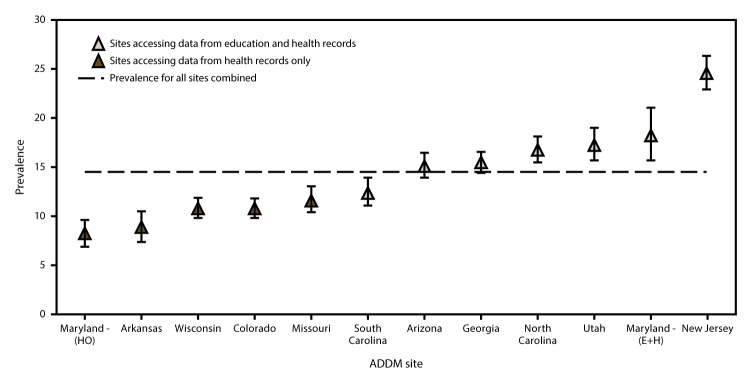
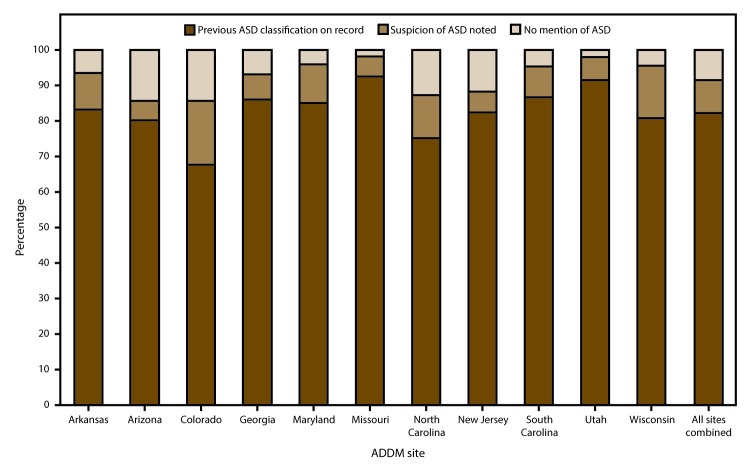
Autism spectrum disorder (ASD).2012.The Autism and Developmental Disabilities Monitoring (ADDM) Network is an active surveillance system that provides estimates of the prevalence and characteristics of ASD among children aged 8 years whose parents or guardians reside in 11 ADDM Network sites in the United States (Arkansas, Arizona, Colorado, Georgia, Maryland, Missouri, New Jersey, North Carolina, South Carolina, Utah, and Wisconsin). Surveillance to determine ASD case status is conducted in two phases. The first phase consists of screening and abstracting comprehensive evaluations performed by professional service providers in the community. Data sources identified for record review are categorized as either 1) education source type, including developmental evaluations to determine eligibility for special education services or 2) health care source type, including diagnostic and developmental evaluations. The second phase involves the review of all abstracted evaluations by trained clinicians to determine ASD surveillance case status. A child meets the surveillance case definition for ASD if one or more comprehensive evaluations of that child completed by a qualified professional describes behaviors that are consistent with the Diagnostic and Statistical Manual of Mental Disorders, Fourth Edition, Text Revision diagnostic criteria for any of the following conditions: autistic disorder, pervasive developmental disorder-not otherwise specified (including atypical autism), or Asperger disorder. This report provides ASD prevalence estimates for children aged 8 years living in catchment areas of the ADDM Network sites in 2012, overall and stratified by sex, race/ethnicity, and the type of source records (education and health records versus health records only). In addition, this report describes the proportion of children with ASD with a score consistent with intellectual disability on a standardized intellectual ability test, the age at which the earliest known comprehensive evaluation was performed, the proportion of children with a previous ASD diagnosis, the specific type of ASD diagnosis, and any special education eligibility classification.For 2012, the combined estimated prevalence of ASD among the 11 ADDM Network sites was 14.5 per 1,000 (one in 69) children aged 8 years. Estimated prevalence was significantly higher among boys aged 8 years (23.4 per 1,000) than among girls aged 8 years (5.2 per 1,000). Estimated ASD prevalence was significantly higher among non-Hispanic white children aged 8 years (15.3 per 1,000) compared with non-Hispanic black children (13.1 per 1,000), and Hispanic (10.2 per 1,000) children aged 8 years. Estimated prevalence varied widely among the 11 ADDM Network sites, ranging from 8.2 per 1,000 children aged 8 years (in the area of the Maryland site where only health care records were reviewed) to 24.6 per 1,000 children aged 8 years (in New Jersey, where both education and health care records were reviewed). Estimated prevalence was higher in surveillance sites where education records and health records were reviewed compared with sites where health records only were reviewed (17.1 per 1,000 and 10.4 per 1,000 children aged 8 years, respectively; p<0.05). Among children identified with ASD by the ADDM Network, 82% had a previous ASD diagnosis or educational classification; this did not vary by sex or between non-Hispanic white and non-Hispanic black children. A lower percentage of Hispanic children (78%) had a previous ASD diagnosis or classification compared with non-Hispanic white children (82%) and with non-Hispanic black children (84%). The median age at earliest known comprehensive evaluation was 40 months, and 43% of children had received an earliest known comprehensive evaluation by age 36 months. The percentage of children with an earliest known comprehensive evaluation by age 36 months was similar for boys and girls, but was higher for non-Hispanic white children (45%) compared with non-Hispanic black children (40%) and Hispanic children (39%).Overall estimated ASD prevalence was 14.5 per 1,000 children aged 8 years in the ADDM Network sites in 2012. The higher estimated prevalence among sites that reviewed both education and health records suggests the role of special education systems in providing comprehensive evaluations and services to children with developmental disabilities. Disparities by race/ethnicity in estimated ASD prevalence, particularly for Hispanic children, as well as disparities in the age of earliest comprehensive evaluation and presence of a previous ASD diagnosis or classification, suggest that access to treatment and services might be lacking or delayed for some children.The ADDM Network will continue to monitor the prevalence and characteristics of ASD among children aged 8 years living in selected sites across the United States. Recommendations from the ADDM Network include enhancing strategies to 1) lower the age of first evaluation of ASD by
Overview
CoChat Summary
TL;DR
In 2012, the ADDM Network estimated ASD prevalence among children aged 8 years across 11 U.S. sites at 14.5 per 1,000 (one in 69), with wide variation by site and higher estimates where both education and health records were reviewed. Prevalence was higher among boys and non-Hispanic white children, and although 87% had a developmental concern by age 36 months, only 43% had an earliest known comprehensive evaluation by that age.
Key findings
- Combined ASD prevalence was 14.5 per 1,000 (one in 69) among 346,978 children aged 8 years; site estimates ranged from 8.2 per 1,000 (Maryland, health records only) to 24.6 per 1,000 (New Jersey). Sites reviewing education and health records had higher prevalence than health-records-only sites (17.1 vs. 10.4 per 1,000; PR: 1.6; 95% CI: 1.5–1.7; p<0.001).
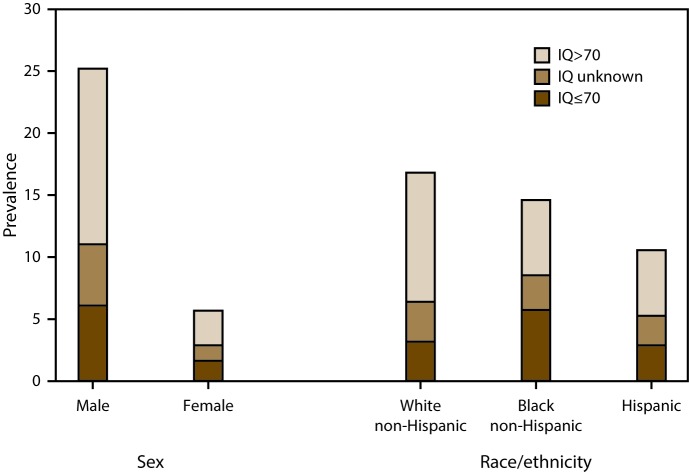
- Prevalence was 23.4 per 1,000 among boys and 5.2 per 1,000 among girls (male-to-female PR: 4.5; 95% CI: 4.2–4.8). By race/ethnicity, prevalence was 15.3 per 1,000 for non-Hispanic white children, 13.1 for non-Hispanic black children, 11.4 for Asian/Pacific Islander children, and 10.2 for Hispanic children.
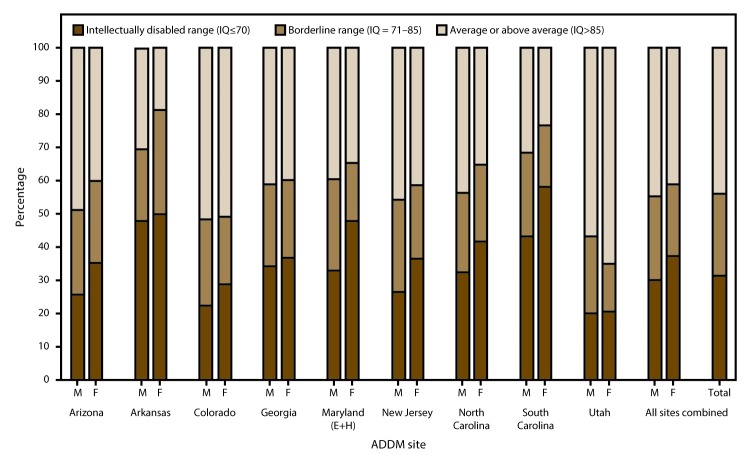
- Among children identified with ASD, 82% had a previous ASD diagnosis or educational classification; the median age at earliest known comprehensive evaluation was 40 months, and 43% had an earliest known comprehensive evaluation by age 36 months. Among 3,353 children with intellectual ability data, 31.4% were in the intellectual disability range (IQ ≤70), 24.6% borderline (IQ 71–85), and 44.1% average or above average (IQ >85).
- In eight sites with comparable surveillance areas in 2010 and 2012, combined ASD prevalence was 15.1 and 15.2 per 1,000, respectively (p>0.05), but Wisconsin increased by 17%, New Jersey by 11%, and Missouri decreased by 18%.
Methods
- Active, multisite, records-based surveillance in 11 ADDM Network sites among children born in 2004 and aged 8 years in 2012. Surveillance used two phases: screening/abstraction of education and health records, then clinician review of composite records against a DSM-IV-TR-based ASD surveillance case definition.
- Data sources included education records and/or health care records; six sites reviewed education records in all or most of the surveillance area, Maryland and Colorado reviewed education records in part of the area, and Arkansas, Missouri, and Wisconsin reviewed health records only. Denominators came from NCHS bridged-race population estimates; analyses used Poisson-based confidence intervals, Pearson chi-square tests, prevalence ratios, and median tests.
- Quality assurance included 10% random record checks and clinician interrater reliability monitoring; final agreement for ASD case status was 90.4% (κ = 0.8). A missing-records evaluation estimated that prevalence might have increased by 0.1% to 3.3% if missing records had been available, but reported estimates were not adjusted for this.
Limitations
- Stated: findings were limited to information available in source records; intellectual ability data were incomplete and may not be generalizable; varying source record types and lack of education records at some sites may have underestimated prevalence; private-school and home-school records generally were unavailable; surveillance areas were not selected to be representative of U.S. children aged 8 years.
- Stated: county-level population counts by sex and race/ethnicity were unavailable by single year of age in nondecennial years, so NCHS estimates were used and may have error; age-at-first-evaluation analyses were restricted to children linked to in-state birth certificates, which may not fully eliminate bias from moves; race/ethnicity categories were broad, and Hispanic household language could not be distinguished.
- Evident from the text: no clinical examinations were performed by ADDM staff, case status relied on record review rather than direct assessment, and the reported prevalence estimates do not reflect the missing-records adjustment.
Model-written summary. Check it against the paper before relying on it.
Integrity signals
Registry
Cites
Statistics
Figures
Verification
Claims the paper makes
0 Valid · 0 Not valid · 12 Not checked · 130 Own results and interpretations
A result the paper reports from its own data — it cites no other source for it, so there is none to check. The quote shows it is in the paper.
In the paper
“with access to both education and health care sources had higher estimated ASD prevalence compared with the five areas (Arkansas, Colorado, Maryland [health records only reviewed], Missouri, and Wisconsin) with limited or no access to education records (17.1 and 10.4 per 1,000 children aged 8 years, respectively; PR: 1.6; 95% CI: 1.5–1.7; p<0.001) (Figure 1).”
§ Prevalence and Characteristics of Autism Spectrum Disorder Among Children Aged 8 Years — Autism and Developmental Disabilities Monitoring Network, 11 Sites, United States, 2012 > Results > Overall ASD Prevalence Estimates
plainstates an association- Asserted: passes — The authors put it forward as true.
- Checkable: passes — It can be checked against evidence.
- Load-bearing: passes — The paper’s conclusions depend on it.
- Based: passes — The paper gives a reason why it holds.
A result the paper reports from its own data — it cites no other source for it, so there is none to check. The quote shows it is in the paper.
In the paper
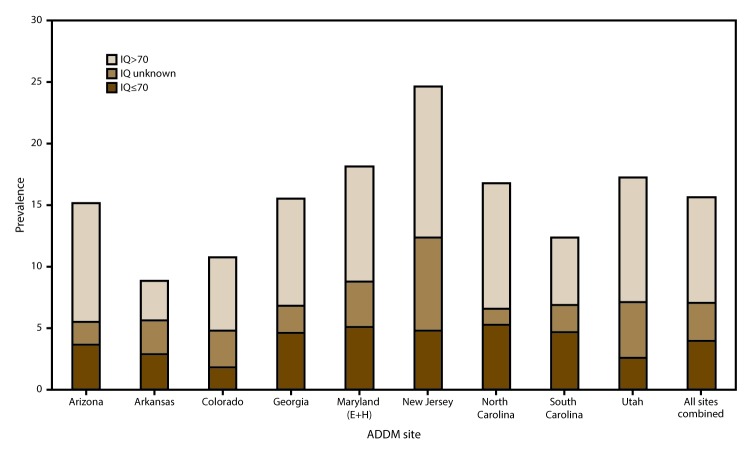
“The estimated prevalence of ASD without intellectual disability was 8.6 per 1,000”
- Also stated in: § Discussion · hedged
“The estimated prevalence of ASD without intellectual disability was 8.6 per 1,000 overall”
§ Prevalence and Characteristics of Autism Spectrum Disorder Among Children Aged 8 Years — Autism and Developmental Disabilities Monitoring Network, 11 Sites, United States, 2012 > Results > Intellectual Ability
hedgedn = 3,353- Asserted: passes — The authors put it forward as true.
- Checkable: passes — It can be checked against evidence.
- Load-bearing: unclear — It is unclear whether the paper’s conclusions depend on it.
- Based: passes — The paper gives a reason why it holds.
- Also stated in: § Discussion · hedged
A result the paper reports from its own data — it cites no other source for it, so there is none to check. The quote shows it is in the paper.
In the paper
“the percentage was significantly higher for non-Hispanic black children (91%) and for Hispanic children (90%) compared with non-Hispanic white children (86%; p<0.05).”
§ Prevalence and Characteristics of Autism Spectrum Disorder Among Children Aged 8 Years — Autism and Developmental Disabilities Monitoring Network, 11 Sites, United States, 2012 > Results > Early Developmental Concerns and Earliest Comprehensive Evaluation
plainstates an association- Asserted: passes — The authors put it forward as true.
- Checkable: passes — It can be checked against evidence.
- Load-bearing: unclear — It is unclear whether the paper’s conclusions depend on it.
- Based: passes — The paper gives a reason why it holds.
A result the paper reports from its own data — it cites no other source for it, so there is none to check. The quote shows it is in the paper.
In the paper
“43% of children had received an earliest known comprehensive evaluation by age 36 months.”
§ Prevalence and Characteristics of Autism Spectrum Disorder Among Children Aged 8 Years — Autism and Developmental Disabilities Monitoring Network, 11 Sites, United States, 2012 > Abstract > Results
plain- Asserted: passes — The authors put it forward as true.
- Checkable: passes — It can be checked against evidence.
- Load-bearing: unclear — It is unclear whether the paper’s conclusions depend on it.
- Based: passes — The paper gives a reason why it holds.
A result the paper reports from its own data — it cites no other source for it, so there is none to check. The quote shows it is in the paper.
In the paper
“A lower percentage of Hispanic children (78%) had a previous ASD diagnosis or classification compared with non-Hispanic white children (82%) and with non-Hispanic black children (84%).”
§ Prevalence and Characteristics of Autism Spectrum Disorder Among Children Aged 8 Years — Autism and Developmental Disabilities Monitoring Network, 11 Sites, United States, 2012 > Abstract > Results
plainstates an association- Asserted: passes — The authors put it forward as true.
- Checkable: passes — It can be checked against evidence.
- Load-bearing: unclear — It is unclear whether the paper’s conclusions depend on it.
- Based: passes — The paper gives a reason why it holds.
104 more claims
Create a free account to see all 142 claims and to verify the 21 references still open.
- It may state two separate claims as one. 22
- Probably not a substantial claim. 16
Self-check
Percentages, sums and reported differences re-computed from the paper’s own numbers.
Each contradiction between two passages listed here was confirmed by an independent check.
Rated minor: it would not touch a result — a value no result rests on, a p-value that stays on the same side of the significance level, or a conflict that is clerical, resolved elsewhere in the paper, or outside its own findings.
In the paper
§ Prevalence and Characteristics of Autism Spectrum Disorder Among Children Aged 8 Years — Autism and Developmental Disabilities Monitoring Network, 11 Sites, United States, 2012 > Results > Intellectual Ability
“range: 68% [Arkansas] to 92% [in North Carolina]”
§ Prevalence and Characteristics of Autism Spectrum Disorder Among Children Aged 8 Years — Autism and Developmental Disabilities Monitoring Network, 11 Sites, United States, 2012 > Results > Intellectual Ability
“*Includes sites having information on intellectual ability available for ≥70% of children who met the ASD case definition (N = 3,353, excluding unknown IQ).”
Rated minor: it would not touch a result — a value no result rests on, a p-value that stays on the same side of the significance level, or a conflict that is clerical, resolved elsewhere in the paper, or outside its own findings.
In the paper
“A total of 48,304 records for 38,038 children aged 8 years were reviewed from education and health care sources. Among these, the source records of 9,629 (19%) children met the criteria for abstraction”
§ Prevalence and Characteristics of Autism Spectrum Disorder Among Children Aged 8 Years — Autism and Developmental Disabilities Monitoring Network, 11 Sites, United States, 2012 > Results > Record Review
Reported 19 · recomputed 25.31416
Citations
Cites
Diagnostic and Statistical Manual of Mental Disorders
American Psychiatric Association (2013) · doi:10.1176/appi.books.9780890425596 · Cited by 116,369
Baio, J., Wiggins, L., Christensen, D. L., Maenner, M. J., Daniels, J., Warren, Z., Kurzius-Spencer, M., Zahorodny, W., Robinson, C., Rosenberg, et al. (2018) · MMWR. Surveillance Summaries · doi:10.15585/mmwr.ss6706a1 · Cited by 6,078
Self-citationDawson, G., Rogers, S., Munson, J., Smith, M., Winter, J., Greenson, J., Donaldson, A., & Varley, J. (2010) · Pediatrics · doi:10.1542/peds.2009-0958 · Cited by 2,835
Identification and Evaluation of Children With Autism Spectrum Disorders
Johnson, C. P., Myers, S. M., & and the Council on Children With Disabilities (2007) · Pediatrics · doi:10.1542/peds.2007-2361 · Cited by 2,011
Trends in the prevalence of developmental disabilities in US children, 1997-2008
Boyle, C. A., Boulet, S., Schieve, L. A., Cohen, R. A., Blumberg, S. J., Yeargin-Allsopp, M., Visser, S., & Kogan, M. D. (2011) · Pediatrics · doi:10.1542/peds.2010-2989 · Cited by 1,732
Self-citationPrevalence of Autism in a US Metropolitan Area
Yeargin-Allsopp, M., Rice, C., Karapurkar, T., Doernberg, N., Boyle, C., & Murphy, C. (2003) · JAMA · doi:10.1001/jama.289.1.49 · Cited by 1,248
Self-citationPrevalence of Parent-Reported Diagnosis of Autism Spectrum Disorder Among Children in the US, 2007
Kogan, M. D., Blumberg, S. J., Schieve, L. A., Boyle, C. A., Perrin, J. M., Ghandour, R. M., Singh, G. K., Strickland, B. B., Trevathan, E., & van Dyck, P. C. (2009) · Pediatrics · doi:10.1542/peds.2009-1522 · Cited by 892
Cited by
Items 201–300 of 583
Citalopram attenuates social behavior deficits in the BTBR T+Itpr3tf/J mouse model of autism
Cai, Y., Wang, L. Y., Nalvarte, I., Xiao, R., Li, X., & Fan, X. (2019) · Brain Research Bulletin · doi:10.1016/j.brainresbull.2019.04.026 · Cited by 17
Jiang, S., He, M., Xiao, L., Sun, Y., Ding, J., Li, W., Guo, B., Wang, L., Wang, Y., Gao, C., et al. (2022) · Frontiers in Psychiatry · doi:10.3389/fpsyt.2022.835993 · Cited by 21
Burger, P., Colin, F., Strehle, A., Mazzucotelli, T., Collot, N., Coutelle, R., Durand, B., Bouman, A., Prat, D. L., Kleefstra, T., et al. (2022) · Journal of Neural Transmission · doi:10.1007/s00702-022-02569-3 · Cited by 15
Stewart, S. L., Celebre, A., Iantosca, J. A. M., & Poss, J. W. (2021) · Frontiers in Psychiatry · doi:10.3389/fpsyt.2021.709491 · Cited by 18
Freeman, N. C., & Paradis, P. (2022) · Autism · doi:10.1177/13623613221129830 · Cited by 24
“…studies have suggested that this ratio is even higher among individuals who do not have a co-occurring intellectual disability, ranging from 4:1 to 12:1 depending on sample ascertainment and methodologies used (Christensen et al., 2018; Fombonne, 2009; Rivet & Matson, 2011; Whiteley et al., 2010).”
Tawankanjanachot, N., Melville, C. A., Habib, A., Truesdale, M., & Kidd, L. (2023) · Research in Autism · doi:10.1016/j.rasd.2023.102163 · Cited by 21
Whole-brain structural connectome asymmetry in autism
Yoo, S., Jang, Y., Hong, S., Park, H., Valk, S. L., Bernhardt, B. C., & Park, B. (2024) · NeuroImage · doi:10.1016/j.neuroimage.2024.120534 · Cited by 19
Kurahashi, H., Kunisawa, K., Tanaka, K. F., Kubota, H., Hasegawa, M., Miyachi, M., Moriya, Y., Hasegawa, Y., Nagai, T., Saito, K., et al. (2024) · Neuropsychopharmacology · doi:10.1038/s41386-024-02004-z · Cited by 21
Havercamp, S. M., & Krahn, G. L. (2019) · Intellectual and developmental disabilities · doi:10.1352/1934-9556-57.5.347 · Cited by 18
Co-Occurrence of Neurodevelopmental Disorders in Pediatric Sickle Cell Disease
Lance, E. I., Cannon, A. D., Shapiro, B. K., Lee, L.-C., Johnston, M. V., & Casella, J. F. (2021) · Journal of Developmental & Behavioral Pediatrics · doi:10.1097/dbp.0000000000000914 · Cited by 18
Self-citationPaving Plant‐Food‐Derived Bioactives as Effective Therapeutic Agents in Autism Spectrum Disorder
Martins, N. A., Quispe, C., Kırkın, C., Şenol, E., Zuluğ, A., Özçelik, B., Ademiluyi, A. O., Oyeniran, O. H., Semwal, P., Kumar, M., et al. (2021) · Oxidative Medicine and Cellular Longevity · doi:10.1155/2021/1131280 · Cited by 18
“ASD contains multiple dysfunctions with different stages of verbal skills, logical functioning, and several genetic etiologies [43].”
Zaniboni, L., Marzi, A., Caniato, M., & Gasparella, A. (2021) · Journal of Physics Conference Series · doi:10.1088/1742-6596/2069/1/012177 · Cited by 17
Sex- and age-related differences in autistic behaviours in children with neurofibromatosis type 1
Chisholm, A. K., Lami, F., Haebich, K. M., Ure, A., Brignell, A., Maloof, T., Pride, N. A., Walsh, K. S., Maier, A., Rouel, M., et al. (2022) · Journal of Autism and Developmental Disorders · doi:10.1007/s10803-022-05571-6 · Cited by 15
Chronic Ambient Ozone Exposure Aggravates Autism-Like Symptoms in a Susceptible Mouse Model
Ling, W., Ren, Z., Wang, W., Lü, D., Zhou, Q., Liu, Q. S., & Jiang, G. (2023) · Environmental Science & Technology · doi:10.1021/acs.est.3c00607 · Cited by 14
Connectome-wide structure-function coupling models implicate polysynaptic alterations in autism
Park, B., Benkarim, O. M., Weber, C. F., Kebets, V., Fett, S., Yoo, S., Martino, A. D., Milham, M. P., Mišić, B., Valk, S. L., et al. (2023) · NeuroImage · doi:10.1016/j.neuroimage.2023.120481 · Cited by 17
Soto, E. F., Orantes, D., Russo, N. N., & Antshel, K. M. (2024) · Autism · doi:10.1177/13623613241236228 · Cited by 21
Coping Strategies Used by Aging Parental Caregivers of Adults With Autism Spectrum Disorder
Marsack‐Topolewski, C. N., & Wilson, K. P. (2020) · Families in Society The Journal of Contemporary Social Services · doi:10.1177/1044389420913121 · Cited by 15
“Most parents reported their adult children with ASD were male (n = 257, 80.3%), which was similar to previous research (Christensen et al., 2018).”
InfluentialWilliams, C. M., Peyre, H., Toro, R., Beggiato, A., & Ramus, F. (2020) · Human Brain Mapping · doi:10.1002/hbm.25145 · Cited by 18
Monteiro, R. C., dos Santos, C. B., Araújo, R. D. C. T., Garros, D. D. S. C., & Rocha, A. N. D. C. (2020) · Revista Brasileira de Educação Especial · doi:10.1590/1980-54702020v26e0195 · Cited by 46
Zhang, L., Xu, Y., Sun, S., Liang, C., Li, W., Li, H., Zhang, X., Pang, D., Li, M., Li, H., et al. (2023) · Brain Behavior and Immunity · doi:10.1016/j.bbi.2023.03.029 · Cited by 16
Goswami, J. N., Sondhi, V., Simalti, A. K., Bamal, M., & Roy, S. (2021) · The Turkish Journal of Pediatrics · doi:10.24953/turkjped.2021.04.012 · Cited by 17
Dollion, N., Herbin, A., Champagne, N., Plusquellec, P., & Grandgeorge, M. (2022) · Anthrozoös · doi:10.1080/08927936.2022.2051932 · Cited by 14
“However, children with ASD with hypersensitivity, notably tactile, may favor contact with specific textures such as soft materials (Christopher, 2019).”
Hadri, S. A., & Bouramoul, A. (2022) · Smart Health · doi:10.1016/j.smhl.2022.100371 · Cited by 17
Alessandria, C., Caviglia, G. P., Campion, D., Nalbone, F., Sanna, C., Musso, A., Abate, M. L., Rizzetto, M., Saracco, G. M., & Balzola, F. A. (2019) · Journal of Pediatric Gastroenterology and Nutrition · doi:10.1097/mpg.0000000000002293 · Cited by 16
Bilingualism in children with a dual diagnosis of Down syndrome and Autism Spectrum Disorder
Ward, R. A., & Sanoudaki, E. (2020) · Clinical Linguistics & Phonetics · doi:10.1080/02699206.2020.1818288 · Cited by 18
Buckley, E., Pellicano, E., & Remington, A. (2021) · PLoS ONE · doi:10.1371/journal.pone.0246423 · Cited by 22
Taheri, F., Esmaeilpour, K., Sepehri, G., Sheibani, V., & Shekari, M. A. (2023) · Behavioural Pharmacology · doi:10.1097/fbp.0000000000000720 · Cited by 13
Study of Marital Satisfaction in Autistic Families
Ghahjavarestani, A. M., Martín, M. B., & Gavaldá, J. M. S. (2020) · Autism and Developmental Disorders · doi:10.17759/autdd.2020180204 · Cited by 19
ASD Diagnosis and Treatment Experiences Among Mexican Heritage Families
Cohen, S. R., Miguel, J., & Trejos, J. (2022) · Journal of Autism and Developmental Disorders · doi:10.1007/s10803-022-05512-3 · Cited by 15
Health Conditions, Education Services, and Transition Planning for Adolescents With Autism
Hughes, M. M., Pas, E. T., Durkin, M. S., DaWalt, L. S., Bilder, D. A., Bakian, A. V., Amoakohene, E., Shaw, K. A., Patrick, M., Salinas, A., et al. (2024) · PEDIATRICS · doi:10.1542/peds.2023-063672 · Cited by 19
Self-citationIslam, M. F., Manab, M. A., Mondal, J. J., Zabeen, S., Rahman, F. B., Hasan, M. Z., Sadeque, F., & Noor, J. (2024) · Engineering Applications of Artificial Intelligence · doi:10.1016/j.engappai.2024.109475 · Cited by 26
Sergi, L., Mingione, E., Ricci, M. C., Cavallaro, A., Russo, F., Corrivetti, G., Operto, F. F., & Frolli, A. (2021) · Pediatric Reports · doi:10.3390/pediatric13010005 · Cited by 23
“The latest prediction on the prevalence of AS, reveals a figure of 1 in 68 for the 2014 data, and 1 in 49 for the data published in 2018 by the Centers for Disease Control and Prevention [4], with a clear male prevalence (4.5:1).”
InfluentialSever, İ. H., Özkul, B., Bozkurt, M. F., & Erbaş, O. (2022) · Neuroscience Letters · doi:10.1016/j.neulet.2022.136622 · Cited by 14
Public Health Dimensions of Autism Spectrum Disorder in India: An Overview
Tiwari, R., Purkayastha, K., & Gulati, S. (2021) · Journal of Comprehensive Health · doi:10.53553/jch.v09i02.002 · Cited by 12
Juvenile handling rescues autism-related effects of prenatal exposure to valproic acid
Seiffe, A., Ramírez, M. F., Sempé, L., & Depino, A. M. (2022) · Scientific Reports · doi:10.1038/s41598-022-11269-7 · Cited by 13
Benitah, K. C., Kavaliers, M., & Ossenkopp, K. (2023) · Pharmacology Biochemistry and Behavior · doi:10.1016/j.pbb.2023.173630 · Cited by 11
The Acquisition of Relative Clauses in Autism: The Role of Executive Functions and Language
Peristeri, E., Kamona, X., & Varlokosta, S. (2023) · Journal of Autism and Developmental Disorders · doi:10.1007/s10803-023-06159-4 · Cited by 14
“…(5) δikse mu ton vasilia pu akumpa ton anδra. and incongruent conditions, as well as the conflict occur - ring at the visual interference level, which was calculated by subtracting RTs on congruent trials from RTs on incongruent trials (Christensen et al., 2018; Takezawa & Miyatani, 2005 ).”
Zhao, Y., Lu, F., Ding, R., Zhu, D., Zhang, R., Sun, S., He, P., & Zheng, X. (2024) · Autism · doi:10.1177/13623613241290388 · Cited by 15
Migliarese, G., Torriero, S., Gesi, C., Venturi, V., Reibman, Y. L., Cerveri, G., Viganò, V., Decaroli, G., Ricciardelli, P., & Mencacci, C. (2020) · Sleep Medicine · doi:10.1016/j.sleep.2020.10.015 · Cited by 17
Understanding daily parenting stresses in caring for children with autism spectrum disorders
Simelane, A. P. (2020) · South African Journal of Child Health · doi:10.7196/sajch.2020.v14i3.1596 · Cited by 10
Associations between Prenatal Education, Breastfeeding and Autistic-Like Behaviors in Pre-Schoolers
Chen, J., Strodl, E. S., Huang, L., Chen, J., Liu, X.-C., Yang, J., & Chen, W. (2021) · Children · doi:10.3390/children8020124 · Cited by 13
Wilson, W. J., Harper‐Hill, K., Armstrong, R. M., Downing, C., Perrykkad, K., Rafter, M., & Ashburner, J. K. (2021) · Journal of Communication Disorders · doi:10.1016/j.jcomdis.2021.106142 · Cited by 15
García, S., Hall‐Lande, J., & Nye-Lengerman, K. (2019) · Journal of Racial and Ethnic Health Disparities · doi:10.1007/s40615-019-00613-9 · Cited by 12
The effects of oxytocin administration on individuals with ASD: Neuroimaging and behavioral evidence
Baker, E. J., & Stavropoulos, K. K. M. (2020) · Progress in molecular biology and translational science · doi:10.1016/bs.pmbts.2020.04.009 · Cited by 12
Jiang, X., Xu, C., Xu, C. Y., Liu, Y., Li, L., Li, Q., Huang, C., & Hu, J. (2024) · Environmental Science & Technology · doi:10.1021/acs.est.4c06087 · Cited by 11
Off-Body Sleep Analysis for Predicting Adverse Behavior in Individuals With Autism Spectrum Disorder
Kiarashi, Y., Suresha, P. B., Rad, A. B., Reyna, M. A., Anderson, C., Foster, J., Lantz, J. F., Villavicencio, T., Hamlin, T., & Clifford, G. D. (2024) · IEEE Journal of Biomedical and Health Informatics · doi:10.1109/jbhi.2024.3455942 · Cited by 13
“A UTISM Spectrum Disorder (ASD) is a diverse group of conditions affecting at least 1% of the world’s population [1].”
Song, Y., Zhang, X., Wang, B., Luo, X., Zhang, K., Zhang, X., Wu, Q., & Sun, M. (2024) · Ecotoxicology and Environmental Safety · doi:10.1016/j.ecoenv.2024.117405 · Cited by 11
Hueg, T. K., Lim, Y.-H., Holmboe, S. A., Micali, N., & Juul, A. (2025) · The Journal of Clinical Endocrinology & Metabolism · doi:10.1210/clinem/dgaf567 · Cited by 9
Nonclinical Factors in Autism Diagnosis: Results From a National Health Care Provider Survey
Azim, A., Rdesinski, R. E., Phelps, R. A., & Zuckerman, K. E. (2020) · Journal of Developmental & Behavioral Pediatrics · doi:10.1097/dbp.0000000000000797 · Cited by 12
A predictive ensemble classifier for the gene expression diagnosis of ASD at ages 1 to 4 years
Bao, B., Zahiri, J., Gazestani, V., Lopez, L., Xiao, Y., Kim, R., Wen, T. H., Chiang, A. W. T., Nalabolu, S. R., Pierce, K., et al. (2022) · Molecular Psychiatry · doi:10.1038/s41380-022-01826-x · Cited by 12
Musical Beat Perception Skills of Autistic and Neurotypical Children
Dahary, H., Rimmer, C., & Quintin, E. (2023) · Journal of Autism and Developmental Disorders · doi:10.1007/s10803-022-05864-w · Cited by 19
“Rhythm and its underlying beat may be useful for targeting core features of autism in addition to language, motor, and intellectual differences that are associated with autism (Christensen et al., 2018; Liu et al., 2021; Zeidan et al., 2022).”
Trastorno del espectro autista: Diagnóstico clínico y test ADOS
González, M. C., Vásquez, M., & Hernández, M. (2019) · Revista chilena de pediatría · doi:10.32641/rchped.v90i5.872 · Cited by 34
Infertility treatment and autism risk using the Modified Checklist for Autism in Toddlers (M-CHAT)
Robinson, S. L., Parikh, T. P., Lin, T., Bell, E. M., Heisler, E., Park, H., Kus, C. A., Stern, J. E., & Yeung, E. H. (2020) · Human Reproduction · doi:10.1093/humrep/dez298 · Cited by 11
Barbaro, J., & Freeman, N. C. (2021) · Research in Autism · doi:10.1016/j.rasd.2021.101745 · Cited by 17
Langley, K., DelPozo‐Baños, M., Dalsgaard, S., Paranjothy, S., Riglin, L., John, A. M., & Thapar, A. (2023) · BMJ Open · doi:10.1136/bmjopen-2023-071851 · Cited by 17
Personalization of Affective Models Using Classical Machine Learning: A Feasibility Study
Kargarandehkordi, A., Kaisti, M., & Washington, P. Y. (2024) · Applied Sciences · doi:10.3390/app14041337 · Cited by 15
Giambona, P. J., Ding, Y., Cho, S., Zhang, C., & Shen, Y. (2023) · Behavioral Sciences · doi:10.3390/bs13010045 · Cited by 13
Masoudi, M., Maasoumi, R., Effatpanah, M., Bragazzi, N. L., & Montazeri, A. (2022) · Journal of Medicine and Life · doi:10.25122/jml-2021-0290 · Cited by 16
Chowdhury, M. A. K., Hardin, J. W., Love, B. L., Merchant, A. T., & McDermott, S. W. (2023) · Journal of Women s Health · doi:10.1089/jwh.2022.0113 · Cited by 10
Link between the skin and autism spectrum disorder
Man, M., Yang, S., Mauro, T. M., Zhang, G., & Zhu, T. (2023) · Frontiers in Psychiatry · doi:10.3389/fpsyt.2023.1265472 · Cited by 12
Rowley, P. A., Guerrero-Gonzalez, J. M., Alexander, A. L., & Yu, J. J. (2018) · Psychiatry Research Neuroimaging · doi:10.1016/j.pscychresns.2018.12.007 · Cited by 8
Alkhalifah, S. M. (2019) · Journal of Occupational Therapy Schools & Early Intervention · doi:10.1080/19411243.2019.1683118 · Cited by 10
“Additionally, 42 to 88% of ASD individuals may demonstrate hyper- or hypo-responsiveness to sensory stimuli in early childhood, such as aversion to or avoidance of specific textures and/or sounds (APA, 2013; Christensen et al., 2018; Fung & Hardan, 2014; Morrison, 2007).”
Barone, R. M. E., Gulisano, M., Amore, R., Domini, C., Milana, M. C., Giglio, S., Madia, F., Mattina, T., Casabona, A., Fichera, M., et al. (2020) · International Journal of Developmental Neuroscience · doi:10.1002/jdn.10024 · Cited by 11
“Autism spectrum disorder (ASD) is an heterogeneous neurodevelopmental disturbance with population prevalence about 1% worldwide (Christensen et al., 2016).”
Lopez-Espejo, M. A., Nuñez, A. C., Moscoso, O. C., & Escobar, R. G. (2021) · Journal of Autism and Developmental Disorders · doi:10.1007/s10803-021-04909-w · Cited by 11
Examination of professional biases about autism: How can we do better?
Fennell, L. C. P., & Johnson, S. A. (2021) · The Clinical Neuropsychologist · doi:10.1080/13854046.2021.1958922 · Cited by 16
Epileptiform discharges relate to altered functional brain networks in autism spectrum disorders
Hirosawa, T., An, K., Soma, D., Shiota, Y., Sano, M., Kameya, M., Hino, S., Naito, N., Tanaka, S., Yaoi, K., et al. (2021) · Brain Communications · doi:10.1093/braincomms/fcab184 · Cited by 11
Chung, M. K., Smith, M. R., Lin, Y., Walker, D. I., Jones, D. P., Patel, C. J., & Kong, S. W. (2021) · Exposome · doi:10.1093/exposome/osab004 · Cited by 12
Essaki, B., Kandasamy, S., Mahadevan, R., Subbiah, P., Jayaraman, Y., Gopal, M., & Kalyanaraman, S. (2022) · Journal of Neurosciences in Rural Practice · doi:10.25259/jnrp-2022-2-8 · Cited by 10
Cui, X., & Wang, S. (2024) · International Journal of Mental Health Promotion · doi:10.32604/ijmhp.2023.030135 · Cited by 13
Análise da prevalência do Transtorno do Espectro Autista em crianças nos últimos 10 anos
Oliveira, G. T. Q., Schmidt, L. M., & Coelho, E. D. S. (2024) · Revista Eletrônica Acervo Saúde · doi:10.25248/reas.e15551.2024 · Cited by 8
Lob, K., Sawka, D. M., Gaitanis, J. N., Liu, J. S.-H., & Nie, D. A. (2024) · Journal of Autism and Developmental Disorders · doi:10.1007/s10803-024-06512-1 · Cited by 13
Comparison of Procedural Sedation Outcomes in Children With and Without Autism Spectrum Disorder
Kannikeswaran, N., Roback, M. G., Burger, R. K., Barrowman, N., Sucha, E., & Bhatt, M. (2025) · Hospital Pediatrics · doi:10.1542/hpeds.2024-008153 · Cited by 8
Yan, W., Zhai, T., Li, Y., Jiang, W., Chen, J., Sun, Z., Lin, Y., Zhang, X., & Du, Y.-S. (2025) · Frontiers in Psychiatry · doi:10.3389/fpsyt.2025.1570437 · Cited by 15
Lopes, L. P. N., de Oliveira, J. C., Bergamaschi, C. D. C., Fulone, I., Lima, E. D. C., Abe, F. C., Mazzei, L. G., Figueiró, M. F., & Lopes, L. C. (2023) · BMJ Open · doi:10.1136/bmjopen-2022-069114 · Cited by 11
Tamaš, D., Brkić–Jovanović, N., Stojkov, S., Cvijanović, D., & Meinhardt‐Injac, B. (2024) · PLoS ONE · doi:10.1371/journal.pone.0300973 · Cited by 14
Al‐Huseini, S., Al-Barhoumi, A., Al-Balushi, M., Al-Hosni, A., Al-Mahrouqi, T., Al-Mahrizi, B., Jaju, S., & Mirza, H. (2022) · Autism Research and Treatment · doi:10.1155/2022/2313851 · Cited by 14
Kim, K., Sohn, J. H., Cho, S. J., Seo, H. Y., Kim, S., & Hong, Y. (2022) · BMJ Open · doi:10.1136/bmjopen-2021-058286 · Cited by 10
Furnier, S. M., Gangnon, R. E., Daniels, J. L., Weismer, S. E., Nadler, C. B., Pazol, K., Reyes, N., Rosenberg, S. A., Rubenstein, E., Wiggins, L. D., et al. (2024) · Autism Research · doi:10.1002/aur.3107 · Cited by 11
“…Hispanic children than among NH White children with autism (ADDM Network Surveillance Year 2010 Principal Investigators, 2014; Baio et al., 2018; Christensen et al., 2018; Constantino et al., 2020; Hewitt et al., 2016; Maenner et al., 2020; Maenner et al., 2023; Shaw et al., 2023; Van Naarden…”
Self-citationLiu, J., Mei, T., Yan, C., Zhou, H., Chen, X., Li, L., Lü, B., Shen, Y., & Chen, N. (2018) · Chinese Science Bulletin (Chinese Version) · doi:10.1360/n972017-01260 · Cited by 10
Health Condition in Persons with Autism Spectrum Disorders
Trajkovski, V. (2018) · Journal for ReAttach Therapy and Developmental Diversities · doi:10.26407/2018jrtdd.1.12 · Cited by 15
Shi, L., Zhou, H., Shen, Y., Wang, Y., Fang, Y., He, Y., Ou, J., Luo, X., Cheung, E. F. C., & Chan, R. C. K. (2019) · Autism Research · doi:10.1002/aur.2231 · Cited by 11
“Because themale-to-female ratio of ASD is 4.5:1 [Christensen et al., 2018], for ease of recruitment, we only recruited male ASD participants in this study.”
InfluentialBehaviors Interfering with Audiometry Associated with Eventual Diagnosis of Autism
Meagher, S. P., Carlson, B. L., & Elrod, M. G. (2020) · Journal of Autism and Developmental Disorders · doi:10.1007/s10803-020-04385-8 · Cited by 10
Towards Neurosubtypes in AutismPreprint
Hong, S., Vogelstein, J. T., Gozzi, A., Bernhardt, B. C., Yeo, B. T. T., Milham, M. P., & Martino, A. D. (2019) · PsyArXiv (OSF Preprints) · doi:10.31234/osf.io/8az69 · Cited by 8
MacKenzie, K. T., Beck, K. B., Eack, S. M., Zeglen, K. N., Conner, C. M., & Mazefsky, C. A. (2024) · Journal of Autism and Developmental Disorders · doi:10.1007/s10803-023-06219-9 · Cited by 8
Zhu, L., Zhang, H., Wang, L., & Yang, X. (2025) · Risk Management and Healthcare Policy · doi:10.2147/rmhp.s510506 · Cited by 7
Girolamo, T. M., Rice, M. L., & Warren, S. F. (2020) · American Journal of Speech-Language Pathology · doi:10.1044/2020_ajslp-19-00036 · Cited by 6
“While ASD may be diagnosed in early childhood and is a lifelong and heterogeneous disorder (Baio et al., 2018; Christensen et al., 2018), racial/ethnic disparities may exist in diagnosis and research.”
Cui, T., Zhang, J., Han, Y., Su, Y., Li, Z., & Zhang, X. (2023) · European Journal of Clinical Nutrition · doi:10.1038/s41430-023-01365-w · Cited by 7
“The prevalence of ASD among children was increased from 14.5 ‰ (1/69) [2] in 2012 to 27.6 ‰ (1/36) in 2020 [3], and the sex ratio was 3.8:1 (boys: girls).”
InfluentialNeonatal infection with Bordetella pertussis promotes autism-like phenotypes in mice
O′Neill, E., Curham, L. M., Chasaide, C. N., O’Brien, S., McManus, G., Moran, B., Rubin, K., Glazer, S., Lynch, M. A., & Mills, K. H. G. (2024) · iScience · doi:10.1016/j.isci.2024.111548 · Cited by 10
The Autism Palette: Combinations of Impairments Explain the Heterogeneity in ASD
Fóthi, Á., Lörincz, A., & Soorya, L. V. (2020) · Frontiers in Psychiatry · doi:10.3389/fpsyt.2020.503462 · Cited by 10
Secondhand Smoke Exposure and Autism Spectrum Disorder: A Meta-analysis
Johani, F. H., Mohamed, N. E., Majid, M. S. A., Ibrahim, S. D., & Isa, Z. M. (2020) · Sains Malaysiana · doi:10.17576/jsm-2020-4907-13 · Cited by 7
Autism, Art, and Accessibility to Theater
Corbett, B. A. (2016) · The AMA Journal of Ethic · doi:10.1001/journalofethics.2016.18.12.imhl1-1612 · Cited by 13
Adiani, D., Schmidt, M., Wade, J. W., Swanson, A. R., Weitlauf, A. S., Warren, Z. E., & Sarkar, N. (2019) · Lecture notes in computer science · doi:10.1007/978-3-030-23563-5_2 · Cited by 7
Higher prevalence of mood disorders in admitted patients with autism
Etyemez, S., Saleh, A., Hamilton, J. E., Koshy, A. J., Abraham, J. E., & Selek, S. (2020) · Neurology Psychiatry and Brain Research · doi:10.1016/j.npbr.2020.06.007 · Cited by 9
Vivanti, G. (2020) · Best practices in child and adolescent behavioral health care · doi:10.1007/978-3-030-41160-2_1 · Cited by 11
Chae, J., Cho, G. J., Oh, M., Park, K. V., Han, S. W., Choi, S., Oh, S., & Roh, C. (2021) · Scientific Reports · doi:10.1038/s41598-020-80904-y · Cited by 9
DeVeney, S. L., Kyvelidou, A., & Mather, P. (2021) · Autism & Developmental Language Impairments · doi:10.1177/23969415211057658 · Cited by 9
Decoding SCN2A Variants: Bridging Genetics and Phenotypes in Autism Spectrum Disorder
DiStefano, N., Cooper, J. N., Elisha, D. H., Zalta, M., Mittal, J., Cohen, D., Monterrubio, A., Hossain, R., Sangadi, A., Mittal, R., et al. (2025) · Journal of Clinical Medicine · doi:10.3390/jcm14113790 · Cited by 10
Burger, P., Coutelle, R., Strehle, A., Colin, F., Collot, N., Koolen, D. A., Kleefstra, T., & Mandel, J. (2021) · Enfance · doi:10.3917/enf2.213.0229 · Cited by 6
Yu, A. P., Zeng, W., Lopez, K., & Magaña, S. (2024) · American Journal on Intellectual and Developmental Disabilities · doi:10.1352/1944-7558-129.4.294 · Cited by 7
Jafarnezhadgero, A., Dehghani, M., abdollahpourdarvishani, M., Sheikhalizadeh, H., & Akrami, M. (2021) · Journal of Biomechanics · doi:10.1016/j.jbiomech.2021.110775 · Cited by 8
Metadata
- Authors
- Christensen, D. L., Braun, K. V. N., Baio, J., Bilder, D., Charles, J., Constantino, J. N., Daniels, J., Durkin, M. S., Fitzgerald, R. T., Kurzius-Spencer, M., Lee, L.-C., Pettygrove, S., Robinson, C., Schulz, E., Wells, C., Wingate, M. S., Zahorodny, W., & Yeargin-Allsopp, M.
- Affiliations
- National Center on Birth Defects and Developmental Disabilities (US)
- University of Utah (US)
- Medical University of South Carolina (US)
- Washington University in St. Louis (US)
- University of North Carolina at Chapel Hill (US)
- University of Wisconsin–Madison (US)
- University of Arizona, Tucson
- Johns Hopkins University (US)
- University of Arizona (US)
- University of Colorado Denver (US)
- University of Arkansas for Medical Sciences (US)
- Colorado Department of Public Health and Environment (US)
- University of Alabama at Birmingham (US)
- Rutgers, The State University of New Jersey (US)
- Division of Congenital and Developmental Disorders, National Center on Birth Defects and Developmental Disabilities, CDC
- Corresponding author
- Christensen, Deborah L.
- ORCID
- Venue
- MMWR. Surveillance Summaries
- Published
- 2018-11-16
- Volume
- 65
- Issue
- 13
- Pages
- 1-23
- ISSN
- 1545-8636 (ISSN-L)
- 1546-0738
- PMC
- PMC6237390
- OpenAlex
- W4244767238
- Semantic Scholar
- 19b75e3fb7706a6a87e1b30bb1ff85b46adbfb58
- Cited by
- 587
- References
- 41
- Citations by year
- 2026: 11 · 2025: 28 · 2024: 61 · 2023: 68 · 2022: 90 · 2021: 116 · 2020: 107 · 2019: 63 · 2018: 25
- FWCI
- 45.92
- Type
- journal article
- Language
- en
- Status
- Retracted
- Update notices
- retraction (2018-11-16)
- Open access
- green
- europepmc.org
- Licence
- cc-by
- Locations
- MMWR Surveillance Summaries (publishedVersion)
- Europe PMC (PubMed Central) (publishedVersion, cc-by)
- Funders
- University of Wisconsin-Madison
- Colorado Department of Public Health and Environment
- Johns Hopkins University
- University of Arkansas for Medical Sciences
- University of South Carolina
- University of South Florida
- Centers for Disease Control and Prevention
- University of North Carolina at Chapel Hill
- National Institute of Environmental Health Sciences (P30ES010126)
- National Center on Birth Defects and Developmental Disabilities
- Eunice Kennedy Shriver National Institute of Child Health and Human Development (U54HD087011)
- Topics
- Life Sciences › Neuroscience › Cognitive Neuroscience › Autism Spectrum Disorder Research
- Health Sciences › Medicine › Psychiatry and Mental health › Child Nutrition and Feeding Issues
- Social Sciences › Psychology › Clinical Psychology › Family and Disability Support Research
- Keywords
- autism spectrum disorder, prevalence, sex differences, racial and ethnic disparities, intellectual disability, special education eligibility, pervasive developmental disorders, Asperger syndrome
About these checks
Registry, retraction, Cites and statistics results are computed, not judged, with one exception: a printed reference that no index lists is read once by a model before it counts as a citation error. Claims are extracted by a model and kept only when their quote appears verbatim in the text; each cited source is then checked, with a model’s help, for whether it says what the claim relies on. Those verdicts can be wrong — read the claim’s quote and the cited source before relying on one.
A language model drew the claims from the paper on 2026-10-07, under version 3 of the claim definition (model deepseek-v4.1-flash, prompt extract-v3).
A second model labelled each claim on 2026-10-07 (model jev-1.13-20260917, definition revision gold-guideline-v0.2).
Statistics and arithmetic are recomputed, not judged.
Confidence bands are shown only for fields calibrated on our annotated test set. None is calibrated yet, so no band is shown.
What counts as a claim ›How we measure confidence ›How we check this ›
Are you an author, or do you see a problem with this page? Request a review
Data sources
Bibliographic data: Semantic Scholar, OpenAlex, Crossref.
Contains information from the Semantic Scholar Academic Graph Datasets, made available under the ODC Attribution License (ODC-BY 1.0).
Semantic Scholar’s data is described in: Kinney, R., et al. (2023). The Semantic Scholar Open Data Platform. arXiv:2301.10140.
