

Prevalence and Characteristics of Autism Spectrum Disorder Among Children Aged 8 Years — Autism and Developmental Disabilities Monitoring Network, 11 Sites, United States, 2012
Open accessThe DOI matches its Crossref record; 40 of the 41 references it cites were found in a registry or an index; none of the 21 sources its claims cite is checked for support yet.
Abstract
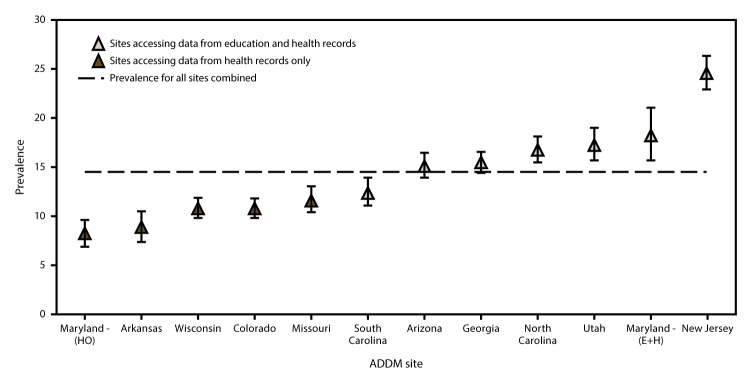
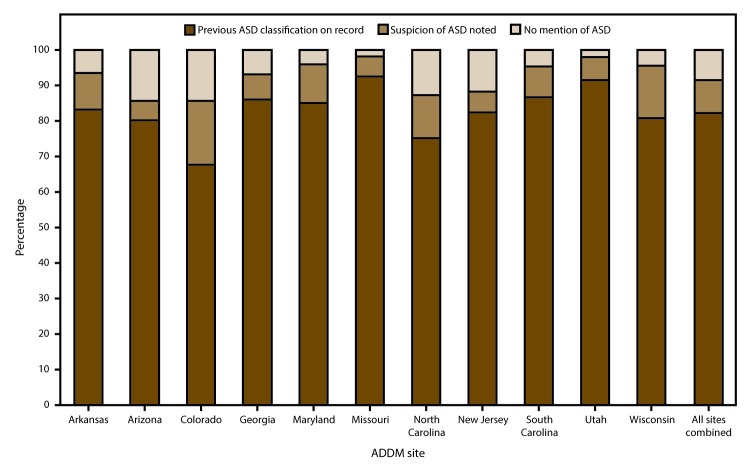
Autism spectrum disorder (ASD).2012.The Autism and Developmental Disabilities Monitoring (ADDM) Network is an active surveillance system that provides estimates of the prevalence and characteristics of ASD among children aged 8 years whose parents or guardians reside in 11 ADDM Network sites in the United States (Arkansas, Arizona, Colorado, Georgia, Maryland, Missouri, New Jersey, North Carolina, South Carolina, Utah, and Wisconsin). Surveillance to determine ASD case status is conducted in two phases. The first phase consists of screening and abstracting comprehensive evaluations performed by professional service providers in the community. Data sources identified for record review are categorized as either 1) education source type, including developmental evaluations to determine eligibility for special education services or 2) health care source type, including diagnostic and developmental evaluations. The second phase involves the review of all abstracted evaluations by trained clinicians to determine ASD surveillance case status. A child meets the surveillance case definition for ASD if one or more comprehensive evaluations of that child completed by a qualified professional describes behaviors that are consistent with the Diagnostic and Statistical Manual of Mental Disorders, Fourth Edition, Text Revision diagnostic criteria for any of the following conditions: autistic disorder, pervasive developmental disorder-not otherwise specified (including atypical autism), or Asperger disorder. This report provides ASD prevalence estimates for children aged 8 years living in catchment areas of the ADDM Network sites in 2012, overall and stratified by sex, race/ethnicity, and the type of source records (education and health records versus health records only). In addition, this report describes the proportion of children with ASD with a score consistent with intellectual disability on a standardized intellectual ability test, the age at which the earliest known comprehensive evaluation was performed, the proportion of children with a previous ASD diagnosis, the specific type of ASD diagnosis, and any special education eligibility classification.For 2012, the combined estimated prevalence of ASD among the 11 ADDM Network sites was 14.5 per 1,000 (one in 69) children aged 8 years. Estimated prevalence was significantly higher among boys aged 8 years (23.4 per 1,000) than among girls aged 8 years (5.2 per 1,000). Estimated ASD prevalence was significantly higher among non-Hispanic white children aged 8 years (15.3 per 1,000) compared with non-Hispanic black children (13.1 per 1,000), and Hispanic (10.2 per 1,000) children aged 8 years. Estimated prevalence varied widely among the 11 ADDM Network sites, ranging from 8.2 per 1,000 children aged 8 years (in the area of the Maryland site where only health care records were reviewed) to 24.6 per 1,000 children aged 8 years (in New Jersey, where both education and health care records were reviewed). Estimated prevalence was higher in surveillance sites where education records and health records were reviewed compared with sites where health records only were reviewed (17.1 per 1,000 and 10.4 per 1,000 children aged 8 years, respectively; p<0.05). Among children identified with ASD by the ADDM Network, 82% had a previous ASD diagnosis or educational classification; this did not vary by sex or between non-Hispanic white and non-Hispanic black children. A lower percentage of Hispanic children (78%) had a previous ASD diagnosis or classification compared with non-Hispanic white children (82%) and with non-Hispanic black children (84%). The median age at earliest known comprehensive evaluation was 40 months, and 43% of children had received an earliest known comprehensive evaluation by age 36 months. The percentage of children with an earliest known comprehensive evaluation by age 36 months was similar for boys and girls, but was higher for non-Hispanic white children (45%) compared with non-Hispanic black children (40%) and Hispanic children (39%).Overall estimated ASD prevalence was 14.5 per 1,000 children aged 8 years in the ADDM Network sites in 2012. The higher estimated prevalence among sites that reviewed both education and health records suggests the role of special education systems in providing comprehensive evaluations and services to children with developmental disabilities. Disparities by race/ethnicity in estimated ASD prevalence, particularly for Hispanic children, as well as disparities in the age of earliest comprehensive evaluation and presence of a previous ASD diagnosis or classification, suggest that access to treatment and services might be lacking or delayed for some children.The ADDM Network will continue to monitor the prevalence and characteristics of ASD among children aged 8 years living in selected sites across the United States. Recommendations from the ADDM Network include enhancing strategies to 1) lower the age of first evaluation of ASD by
Overview
CoChat Summary
TL;DR
In 2012, the ADDM Network estimated ASD prevalence among children aged 8 years across 11 U.S. sites at 14.5 per 1,000 (one in 69), with wide variation by site and higher estimates where both education and health records were reviewed. Prevalence was higher among boys and non-Hispanic white children, and although 87% had a developmental concern by age 36 months, only 43% had an earliest known comprehensive evaluation by that age.
Key findings
- Combined ASD prevalence was 14.5 per 1,000 (one in 69) among 346,978 children aged 8 years; site estimates ranged from 8.2 per 1,000 (Maryland, health records only) to 24.6 per 1,000 (New Jersey). Sites reviewing education and health records had higher prevalence than health-records-only sites (17.1 vs. 10.4 per 1,000; PR: 1.6; 95% CI: 1.5–1.7; p<0.001).
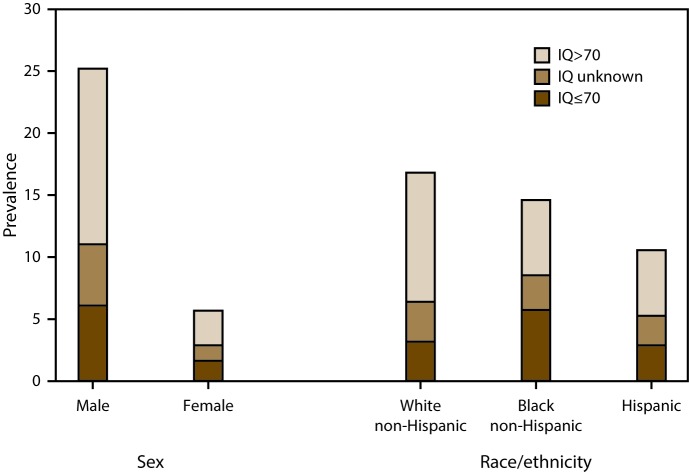
- Prevalence was 23.4 per 1,000 among boys and 5.2 per 1,000 among girls (male-to-female PR: 4.5; 95% CI: 4.2–4.8). By race/ethnicity, prevalence was 15.3 per 1,000 for non-Hispanic white children, 13.1 for non-Hispanic black children, 11.4 for Asian/Pacific Islander children, and 10.2 for Hispanic children.
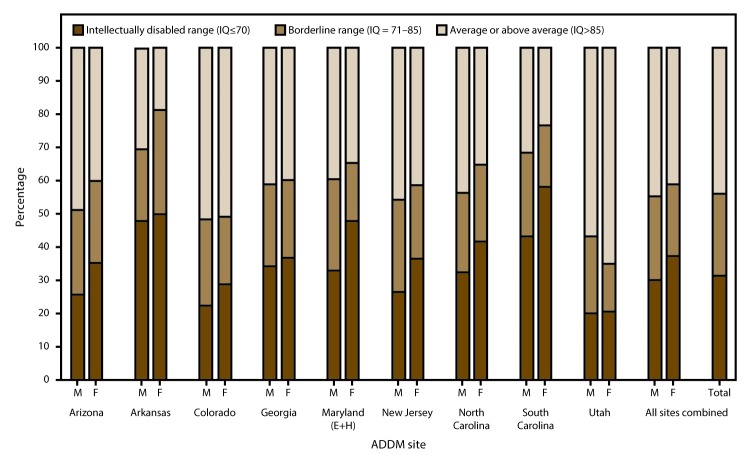
- Among children identified with ASD, 82% had a previous ASD diagnosis or educational classification; the median age at earliest known comprehensive evaluation was 40 months, and 43% had an earliest known comprehensive evaluation by age 36 months. Among 3,353 children with intellectual ability data, 31.4% were in the intellectual disability range (IQ ≤70), 24.6% borderline (IQ 71–85), and 44.1% average or above average (IQ >85).
- In eight sites with comparable surveillance areas in 2010 and 2012, combined ASD prevalence was 15.1 and 15.2 per 1,000, respectively (p>0.05), but Wisconsin increased by 17%, New Jersey by 11%, and Missouri decreased by 18%.
Methods
- Active, multisite, records-based surveillance in 11 ADDM Network sites among children born in 2004 and aged 8 years in 2012. Surveillance used two phases: screening/abstraction of education and health records, then clinician review of composite records against a DSM-IV-TR-based ASD surveillance case definition.
- Data sources included education records and/or health care records; six sites reviewed education records in all or most of the surveillance area, Maryland and Colorado reviewed education records in part of the area, and Arkansas, Missouri, and Wisconsin reviewed health records only. Denominators came from NCHS bridged-race population estimates; analyses used Poisson-based confidence intervals, Pearson chi-square tests, prevalence ratios, and median tests.
- Quality assurance included 10% random record checks and clinician interrater reliability monitoring; final agreement for ASD case status was 90.4% (κ = 0.8). A missing-records evaluation estimated that prevalence might have increased by 0.1% to 3.3% if missing records had been available, but reported estimates were not adjusted for this.
Limitations
- Stated: findings were limited to information available in source records; intellectual ability data were incomplete and may not be generalizable; varying source record types and lack of education records at some sites may have underestimated prevalence; private-school and home-school records generally were unavailable; surveillance areas were not selected to be representative of U.S. children aged 8 years.
- Stated: county-level population counts by sex and race/ethnicity were unavailable by single year of age in nondecennial years, so NCHS estimates were used and may have error; age-at-first-evaluation analyses were restricted to children linked to in-state birth certificates, which may not fully eliminate bias from moves; race/ethnicity categories were broad, and Hispanic household language could not be distinguished.
- Evident from the text: no clinical examinations were performed by ADDM staff, case status relied on record review rather than direct assessment, and the reported prevalence estimates do not reflect the missing-records adjustment.
Model-written summary. Check it against the paper before relying on it.
Integrity signals
Registry
Cites
Statistics
Figures
Verification
Claims the paper makes
0 Valid · 0 Not valid · 12 Not checked · 130 Own results and interpretations
A result the paper reports from its own data — it cites no other source for it, so there is none to check. The quote shows it is in the paper.
In the paper
“with access to both education and health care sources had higher estimated ASD prevalence compared with the five areas (Arkansas, Colorado, Maryland [health records only reviewed], Missouri, and Wisconsin) with limited or no access to education records (17.1 and 10.4 per 1,000 children aged 8 years, respectively; PR: 1.6; 95% CI: 1.5–1.7; p<0.001) (Figure 1).”
§ Prevalence and Characteristics of Autism Spectrum Disorder Among Children Aged 8 Years — Autism and Developmental Disabilities Monitoring Network, 11 Sites, United States, 2012 > Results > Overall ASD Prevalence Estimates
plainstates an association- Asserted: passes — The authors put it forward as true.
- Checkable: passes — It can be checked against evidence.
- Load-bearing: passes — The paper’s conclusions depend on it.
- Based: passes — The paper gives a reason why it holds.
A result the paper reports from its own data — it cites no other source for it, so there is none to check. The quote shows it is in the paper.
In the paper
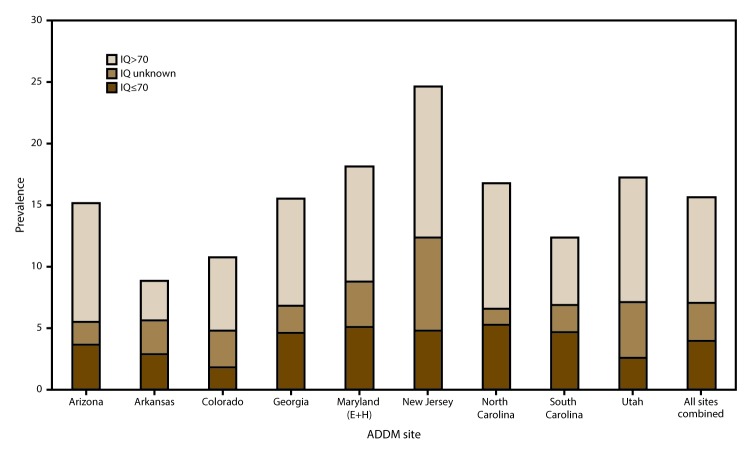
“The estimated prevalence of ASD without intellectual disability was 8.6 per 1,000”
- Also stated in: § Discussion · hedged
“The estimated prevalence of ASD without intellectual disability was 8.6 per 1,000 overall”
§ Prevalence and Characteristics of Autism Spectrum Disorder Among Children Aged 8 Years — Autism and Developmental Disabilities Monitoring Network, 11 Sites, United States, 2012 > Results > Intellectual Ability
hedgedn = 3,353- Asserted: passes — The authors put it forward as true.
- Checkable: passes — It can be checked against evidence.
- Load-bearing: unclear — It is unclear whether the paper’s conclusions depend on it.
- Based: passes — The paper gives a reason why it holds.
- Also stated in: § Discussion · hedged
A result the paper reports from its own data — it cites no other source for it, so there is none to check. The quote shows it is in the paper.
In the paper
“the percentage was significantly higher for non-Hispanic black children (91%) and for Hispanic children (90%) compared with non-Hispanic white children (86%; p<0.05).”
§ Prevalence and Characteristics of Autism Spectrum Disorder Among Children Aged 8 Years — Autism and Developmental Disabilities Monitoring Network, 11 Sites, United States, 2012 > Results > Early Developmental Concerns and Earliest Comprehensive Evaluation
plainstates an association- Asserted: passes — The authors put it forward as true.
- Checkable: passes — It can be checked against evidence.
- Load-bearing: unclear — It is unclear whether the paper’s conclusions depend on it.
- Based: passes — The paper gives a reason why it holds.
A result the paper reports from its own data — it cites no other source for it, so there is none to check. The quote shows it is in the paper.
In the paper
“43% of children had received an earliest known comprehensive evaluation by age 36 months.”
§ Prevalence and Characteristics of Autism Spectrum Disorder Among Children Aged 8 Years — Autism and Developmental Disabilities Monitoring Network, 11 Sites, United States, 2012 > Abstract > Results
plain- Asserted: passes — The authors put it forward as true.
- Checkable: passes — It can be checked against evidence.
- Load-bearing: unclear — It is unclear whether the paper’s conclusions depend on it.
- Based: passes — The paper gives a reason why it holds.
A result the paper reports from its own data — it cites no other source for it, so there is none to check. The quote shows it is in the paper.
In the paper
“A lower percentage of Hispanic children (78%) had a previous ASD diagnosis or classification compared with non-Hispanic white children (82%) and with non-Hispanic black children (84%).”
§ Prevalence and Characteristics of Autism Spectrum Disorder Among Children Aged 8 Years — Autism and Developmental Disabilities Monitoring Network, 11 Sites, United States, 2012 > Abstract > Results
plainstates an association- Asserted: passes — The authors put it forward as true.
- Checkable: passes — It can be checked against evidence.
- Load-bearing: unclear — It is unclear whether the paper’s conclusions depend on it.
- Based: passes — The paper gives a reason why it holds.
104 more claims
Create a free account to see all 142 claims and to verify the 21 references still open.
- It may state two separate claims as one. 22
- Probably not a substantial claim. 16
Self-check
Percentages, sums and reported differences re-computed from the paper’s own numbers.
Each contradiction between two passages listed here was confirmed by an independent check.
Rated minor: it would not touch a result — a value no result rests on, a p-value that stays on the same side of the significance level, or a conflict that is clerical, resolved elsewhere in the paper, or outside its own findings.
In the paper
§ Prevalence and Characteristics of Autism Spectrum Disorder Among Children Aged 8 Years — Autism and Developmental Disabilities Monitoring Network, 11 Sites, United States, 2012 > Results > Intellectual Ability
“range: 68% [Arkansas] to 92% [in North Carolina]”
§ Prevalence and Characteristics of Autism Spectrum Disorder Among Children Aged 8 Years — Autism and Developmental Disabilities Monitoring Network, 11 Sites, United States, 2012 > Results > Intellectual Ability
“*Includes sites having information on intellectual ability available for ≥70% of children who met the ASD case definition (N = 3,353, excluding unknown IQ).”
Rated minor: it would not touch a result — a value no result rests on, a p-value that stays on the same side of the significance level, or a conflict that is clerical, resolved elsewhere in the paper, or outside its own findings.
In the paper
“A total of 48,304 records for 38,038 children aged 8 years were reviewed from education and health care sources. Among these, the source records of 9,629 (19%) children met the criteria for abstraction”
§ Prevalence and Characteristics of Autism Spectrum Disorder Among Children Aged 8 Years — Autism and Developmental Disabilities Monitoring Network, 11 Sites, United States, 2012 > Results > Record Review
Reported 19 · recomputed 25.31416
Citations
Cites
Diagnostic and Statistical Manual of Mental Disorders
American Psychiatric Association (2013) · doi:10.1176/appi.books.9780890425596 · Cited by 116,369
Baio, J., Wiggins, L., Christensen, D. L., Maenner, M. J., Daniels, J., Warren, Z., Kurzius-Spencer, M., Zahorodny, W., Robinson, C., Rosenberg, et al. (2018) · MMWR. Surveillance Summaries · doi:10.15585/mmwr.ss6706a1 · Cited by 6,078
Self-citationDawson, G., Rogers, S., Munson, J., Smith, M., Winter, J., Greenson, J., Donaldson, A., & Varley, J. (2010) · Pediatrics · doi:10.1542/peds.2009-0958 · Cited by 2,835
Identification and Evaluation of Children With Autism Spectrum Disorders
Johnson, C. P., Myers, S. M., & and the Council on Children With Disabilities (2007) · Pediatrics · doi:10.1542/peds.2007-2361 · Cited by 2,011
Trends in the prevalence of developmental disabilities in US children, 1997-2008
Boyle, C. A., Boulet, S., Schieve, L. A., Cohen, R. A., Blumberg, S. J., Yeargin-Allsopp, M., Visser, S., & Kogan, M. D. (2011) · Pediatrics · doi:10.1542/peds.2010-2989 · Cited by 1,732
Self-citationPrevalence of Autism in a US Metropolitan Area
Yeargin-Allsopp, M., Rice, C., Karapurkar, T., Doernberg, N., Boyle, C., & Murphy, C. (2003) · JAMA · doi:10.1001/jama.289.1.49 · Cited by 1,248
Self-citationPrevalence of Parent-Reported Diagnosis of Autism Spectrum Disorder Among Children in the US, 2007
Kogan, M. D., Blumberg, S. J., Schieve, L. A., Boyle, C. A., Perrin, J. M., Ghandour, R. M., Singh, G. K., Strickland, B. B., Trevathan, E., & van Dyck, P. C. (2009) · Pediatrics · doi:10.1542/peds.2009-1522 · Cited by 892
Cited by
The Female Autism Phenotype and Camouflaging: a Narrative Review
Hull, L., Petrides, K. V., & Mandy, W. (2020) · Review Journal of Autism and Developmental Disorders · doi:10.1007/s40489-020-00197-9 · Cited by 614
Salari, N., Rasoulpoor, S., Rasoulpoor, S., Shohaimi, S., Jafarpour, S., Abdoli, N., Khaledi-Paveh, B., & Mohammadi, M. (2022) · Italian Journal of Pediatrics · doi:10.1186/s13052-022-01310-w · Cited by 571
The Microbiota–Gut–Brain Axis in Psychiatric Disorders
Góralczyk-Bińkowska, A., Szmajda-Krygier, D., & Kozłowska, E. (2022) · International Journal of Molecular Sciences · doi:10.3390/ijms231911245 · Cited by 495
Christensen, D. L., Maenner, M. J., Bilder, D., Constantino, J. N., Daniels, J., Durkin, M. S., Fitzgerald, R. T., Kurzius-Spencer, M., Pettygrove, S. D., Robinson, C., et al. (2019) · MMWR. Surveillance Summaries · doi:10.15585/mmwr.ss6802a1 · Cited by 344
Self-citationThe global prevalence of autism spectrum disorder: A three-level meta-analysis
Talantseva, O. I., Romanova, R. S., Shurdova, E. M., Dolgorukova, T. A., Sologub, P. S., Titova, O. S., Kleeva, D. F., & Grigorenko, E. L. (2023) · Frontiers in Psychiatry · doi:10.3389/fpsyt.2023.1071181 · Cited by 318
Sex differences in neurodevelopmental disorders
May, T., Adesina, I., McGillivray, J., & Rinehart, N. J. (2019) · Current Opinion in Neurology · doi:10.1097/wco.0000000000000714 · Cited by 235
Prevalence of autism spectrum disorder in Asia: A systematic review and meta-analysis
Qiu, S., Lu, Y., Li, Y., Shi, J., Cui, H., Gu, Y., Li, Y., Zhong, W., Zhu, X., Liu, Y., et al. (2020) · Psychiatry Research · doi:10.1016/j.psychres.2019.112679 · Cited by 213
Emerging biomarkers in autism spectrum disorder: a systematic review
Frye, R. E., Vassall, S., Kaur, G., Lewis, C., Karim, M., & Rossignol, D. (2019) · Annals of Translational Medicine · doi:10.21037/atm.2019.11.53 · Cited by 206
Toward Neurosubtypes in Autism
Hong, S.-J., Vogelstein, J. T., Gozzi, A., Bernhardt, B. C., Yeo, B. T. T., Milham, M. P., & Di Martino, A. (2020) · Biological Psychiatry · doi:10.1016/j.biopsych.2020.03.022 · Cited by 171
Mitochondrial Dysfunction in Autism Spectrum Disorder: Unique Abnormalities and Targeted Treatments
Frye, R. E. (2020) · Seminars in Pediatric Neurology · doi:10.1016/j.spen.2020.100829 · Cited by 161
(2018) · MMWR. Morbidity and Mortality Weekly Report · doi:10.15585/mmwr.mm6745a7 · Cited by 160
RetractedRace bias and gender bias in the diagnosis of psychological disorders
Garb, H. N. (2021) · Clinical Psychology Review · doi:10.1016/j.cpr.2021.102087 · Cited by 152
Suicidality in autistic youth: A systematic review and meta-analysis
O'Halloran, L., Coey, P., & Wilson, C. (2022) · Clinical Psychology Review · doi:10.1016/j.cpr.2022.102144 · Cited by 146
Early Detection and Diagnosis of Autism Spectrum Disorder: Why Is It So Difficult?
McCarty, P. J., & Frye, R. E. (2020) · Seminars in Pediatric Neurology · doi:10.1016/j.spen.2020.100831 · Cited by 195
Mutluer, T., Aslan Genç, H., Özcan Morey, A., Yapici Eser, H., Ertinmaz, B., Can, M., & Munir, K. (2022) · Frontiers in Psychiatry · doi:10.3389/fpsyt.2022.856208 · Cited by 132
Newbutt, N., Bradley, R., & Conley, I. (2020) · Cyberpsychology, Behavior, and Social Networking · doi:10.1089/cyber.2019.0206 · Cited by 124
The prevalence and incidence of early‐onset dementia among adults with autism spectrum disorder
Vivanti, G., Tao, S., Lyall, K., Robins, D. L., & Shea, L. (2021) · Autism Research · doi:10.1002/aur.2590 · Cited by 149
Gidziela, A., Ahmadzadeh, Y. I., Michelini, G., Allegrini, A. G., Agnew‐Blais, J. C., Lau, L. Y., Duret, M., Procopio, F., Daly, E., Ronald, A., et al. (2023) · Nature Human Behaviour · doi:10.1038/s41562-023-01530-y · Cited by 164
Crank, J. E., Sandbank, M., Dunham, K., Crowley, S., Bottema‐Beutel, K., Feldman, J., & Woynaroski, T. G. (2021) · Autism Research · doi:10.1002/aur.2471 · Cited by 115
Sensory features in autism: Findings from a large population‐based surveillance system
Kirby, A. V., Bilder, D. A., Wiggins, L. D., Hughes, M. M., Davis, J. L., Hall‐Lande, J., Lee, L., McMahon, W. M., & Bakian, A. V. (2022) · Autism Research · doi:10.1002/aur.2670 · Cited by 141
Self-citationGarcía-Gutiérrez, E., Narbad, A., & Rodríguez, J. M. (2020) · Frontiers in Neuroscience · doi:10.3389/fnins.2020.578666 · Cited by 136
Park, B., Hong, S., Valk, S. L., Paquola, C., Benkarim, O. M., Bethlehem, R. A. I., Martino, A. D., Milham, M. P., Gozzi, A., Yeo, B. T. T., et al. (2021) · Nature Communications · doi:10.1038/s41467-021-21732-0 · Cited by 125
Built Environment Design and People with Autism Spectrum Disorder (ASD): A Scoping Review
Tola, G., Talu, V., Congiu, T., Bain, P. A., & Lindert, J. (2021) · International Journal of Environmental Research and Public Health · doi:10.3390/ijerph18063203 · Cited by 104
The Human Gut Microbiome as a Potential Factor in Autism Spectrum Disorder
Alharthi, A., Alhazmi, S., Alburae, N., & Bahieldin, A. (2022) · International Journal of Molecular Sciences · doi:10.3390/ijms23031363 · Cited by 98
Reddihough, D. S., Marraffa, C., Mouti, A., O’Sullivan, M., Lee, K. J., Orsini, F., Hazell, P., Granich, J., Whitehouse, A. J. O., Wray, J., et al. (2019) · JAMA · doi:10.1001/jama.2019.14685 · Cited by 99
Rodrigues, R., Lai, M., Beswick, A., Gorman, D. A., Anagnostou, E., Szatmari, P., Anderson, K. K., & Ameis, S. H. (2021) · Journal of Child Psychology and Psychiatry · doi:10.1111/jcpp.13305 · Cited by 98
RETRACTED ARTICLE: Emotion recognition system for autism disordered people
Sivasangari, A., Ajitha, P., Rajkumar, I., & Poonguzhali, S. (2019) · Journal of Ambient Intelligence and Humanized Computing · doi:10.1007/s12652-019-01492-y · Cited by 98
RetractedScreening and referral practices for autism spectrum disorder in primary pediatric care
Monteiro, S. A., Dempsey, J., Berry, L. N., Voigt, R. G., & Goin-Kochel, R. P. (2019) · Pediatrics · doi:10.1542/peds.2018-3326 · Cited by 97
Contrastive machine learning reveals the structure of neuroanatomical variation within autism
Aglinskas, A., Hartshorne, J. K., & Anzellotti, S. (2022) · Science · doi:10.1126/science.abm2461 · Cited by 107
Transtorno do Espectro do Autismo
Vital, A. A. F., GARCIA, A. H. C., SANTOS, A. P. D., Saad, A. G. D. F., DIAS, C. G. D. F., Miccas, C., de Araújo, C. O., MAGALHÃES, C. M., LOURENÇO, D. P. L., Galeti, F., et al. (2021) · doi:10.29327/558796 · Cited by 86
Drahota, A., Sadler, R., Hippensteel, C., Ingersoll, B., & Bishop, L. (2020) · Autism · doi:10.1177/1362361320931265 · Cited by 85
Garbarino, V. R., Gilman, T. L., Daws, L. C., & Gould, G. G. (2019) · Pharmacological Research · doi:10.1016/j.phrs.2018.07.010 · Cited by 85
Crasta, J. E., Salzinger, E., Lin, M., Gavin, W. J., & Davies, P. L. (2020) · Frontiers in Integrative Neuroscience · doi:10.3389/fnint.2020.00022 · Cited by 119
May, T., Brignell, A., & Williams, K. (2020) · Autism Research · doi:10.1002/aur.2286 · Cited by 79
“Differing ascertainment methods have resulted in some heterogeneity in prevalence [Fombonne, 2018].”
What Do We Know About the Preterm Behavioral Phenotype? A Narrative Review
Fitzallen, G. C., Taylor, H. G., & Bora, S. (2020) · Frontiers in Psychiatry · doi:10.3389/fpsyt.2020.00154 · Cited by 102
Association between Viral Infections and Risk of Autistic Disorder: An Overview
Shuid, A. N., Jayusman, P. A., Shuid, N., Ismail, J., Nor, N. K., & Mohamed, I. N. (2021) · International Journal of Environmental Research and Public Health · doi:10.3390/ijerph18062817 · Cited by 91
Gesù, C. M. D., Matz, L. M., Bolding, I. J., Fultz, R., Hoffman, K. L., Marino, A., Petrosino, J. F., & Buffington, S. A. (2022) · Cell Reports · doi:10.1016/j.celrep.2022.111461 · Cited by 79
Systematic Review of Level 1 and Level 2 Screening Tools for Autism Spectrum Disorders in Toddlers
Petrocchi, S., Levante, A., & Lecciso, F. (2020) · Brain Sciences · doi:10.3390/brainsci10030180 · Cited by 74
Autism-associated SHANK3 mutations impair maturation of neuromuscular junctions and striated muscles
Lutz, A.-K., Pfaender, S., Incearap, B., Ioannidis, V., Ottonelli, I., Föhr, K. J., Cammerer, J., Zoller, M., Higelin, J., Giona, F., et al. (2020) · Science Translational Medicine · doi:10.1126/scitranslmed.aaz3267 · Cited by 81
Renzo, M. D., di Castelbianco, F. B., Vanadia, E., Petrillo, M., D’Errico, S., Racinaro, L., & Rea, M. (2020) · Continuity in Education · doi:10.5334/cie.20 · Cited by 83
“…and repetitive behaviours, interests, or activities) and the frequent co-existence of neurological, psychiatric, and medical co-morbidities (Christensen et al., 2018) make individuals with autism a more vulnerable population that needs maximum attention in the context of the prevention and…”
Neuro-Immune Mechanisms Regulating Social Behavior: Dopamine as Mediator?
Kopec, A. M., Smith, C. J., & Bilbo, S. D. (2019) · Trends in Neurosciences · doi:10.1016/j.tins.2019.02.005 · Cited by 72
Peled-Avron, L., Abu-Akel, A., & Shamay-Tsoory, S. (2020) · Neuroscience & Biobehavioral Reviews · doi:10.1016/j.neubiorev.2020.04.023 · Cited by 71
Gastrointestinal alterations in autism spectrum disorder: What do we know?
Bjørklund, G., Pivina, L. M., Dadar, M., Meguid, N. A., Semenova, Y. M., Anwar, M., & Chirumbolo, S. (2020) · Neuroscience & Biobehavioral Reviews · doi:10.1016/j.neubiorev.2020.06.033 · Cited by 77
Ghaffari, S., Abbasi, A., Somi, M. H., Moaddab, S. Y., Nikniaz, L., Kafil, H. S., & Leylabadlo, H. E. (2022) · Critical Reviews in Food Science and Nutrition · doi:10.1080/10408398.2022.2045894 · Cited by 88
“The reported prevalence of ASD was 1 in 54 among 8-year-old children in 2020 (Maenner et al. 2020) and is predicted to be rising (Christensen et al. 2018).”
Designing emerging technologies for and with neurodiverse users
Motti, V. G. (2019) · Proceedings of the 37th ACM International Conference on the Design of Communication · doi:10.1145/3328020.3353946 · Cited by 66
“One in 68 children has ASD [14][66].”
AL-Ayadhi, L. Y., Zayed, N., Bhat, R. S., Moubayed, N., Al-Muammar, M. N., & El-Ansary, A. (2021) · Gut Pathogens · doi:10.1186/s13099-021-00448-y · Cited by 81
Face individual identity recognition: a potential endophenotype in autism
Minio-Paluello, I., Porciello, G., Pascual-Leone, A., & Baron-Cohen, S. (2020) · Molecular Autism · doi:10.1186/s13229-020-00371-0 · Cited by 66
Rivera-Figueroa, K., Marfo, N. Y. A., & Eigsti, I. (2022) · American Journal on Intellectual and Developmental Disabilities · doi:10.1352/1944-7558-127.1.42 · Cited by 84
Cheng, Y.-S., Tseng, P.-T., Chen, Y.-W., Stubbs, B., Yang, W.-C., Chen, T.-Y., Wu, C.-K., & Lin, P.-Y. (2017) · Neuropsychiatric Disease and Treatment · doi:10.2147/ndt.s147305 · Cited by 67
Video Games for the Treatment of Autism Spectrum Disorder: A Systematic Review
Jiménez-Muñoz, L., Peñuelas‐Calvo, I., Calvo-Rivera, P., Díaz-Oliván, I., Moreno, M., Baca‐García, E., & Porras‐Segovia, A. (2021) · Journal of Autism and Developmental Disorders · doi:10.1007/s10803-021-04934-9 · Cited by 99
Whelan, S., Mannion, A., Madden, A., Berger, F., Costello, R., Foroshani, S. G., & Leader, G. (2022) · Nature and Science of Sleep · doi:10.2147/nss.s239622 · Cited by 79
Wiwe Lipsker, C., Bölte, S., Hirvikoski, T., Lekander, M., Holmström, L., & Wicksell, R. K. (2018) · Journal of Pain Research · doi:10.2147/jpr.s177534 · Cited by 65
Environmental Chemicals and Autism: A Scoping Review of the Human and Animal Research
Pelch, K. E., Bolden, A. L., & Kwiatkowski, C. F. (2019) · Environmental Health Perspectives · doi:10.1289/ehp4386 · Cited by 72
Lasheras, I., Seral, P., Latorre, E., Barroso, E., Gracia‐García, P., & Santabárbara, J. (2019) · Asian Journal of Psychiatry · doi:10.1016/j.ajp.2019.101874 · Cited by 72
Sabbagh, H. J., Al-Jabri, B. A., Alsulami, M. A., Hashem, L. A., Aljubour, A. A., & Alamoudi, R. A. (2021) · Saudi Medical Journal · doi:10.15537/smj.2021.42.4.20200630 · Cited by 87
Ning, M., Daniels, J., Schwartz, J. N., Dunlap, K., Washington, P. Y., Kalantarian, H., Du, M., & Wall, D. P. (2019) · Journal of Medical Internet Research · doi:10.2196/13094 · Cited by 76
Self-citationNadeem, A., Ahmad, S. F., Al-Harbi, N. O., AL-Ayadhi, L. Y., Sarawi, W. S., Attia, S. M., Bakheet, S. A., Alqarni, S. A., Ali, N., & AsSobeai, H. M. (2021) · Molecular Immunology · doi:10.1016/j.molimm.2021.12.009 · Cited by 85
Hong, M., Lee, S. M., Park, S., Yoon, S.-J., Kim, Y.-E., & Oh, I.-H. (2020) · Journal of Autism and Developmental Disorders · doi:10.1007/s10803-019-04255-y · Cited by 61
The NO Answer for Autism Spectrum Disorder
Tripathi, M. K., Ojha, S. K., Kartawy, M., Hamoudi, W., Choudhary, A., Stern, S., Aran, A. A., & Amal, H. (2023) · Advanced Science · doi:10.1002/advs.202205783 · Cited by 68
A Journey Towards Equity and Diversity in the Educator Workforce
Kozleski, E. B., & Proffitt, W. A. (2019) · Teacher Education and Special Education The Journal of the Teacher Education Division of the Council for Exceptional Children · doi:10.1177/0888406419882671 · Cited by 77
Mesenchymal Stem Cell-Derived Exosomes for Treatment of Autism Spectrum Disorder
Liang, Y., Duan, L., Xu, X., Li, X., Liu, M., Chen, H., Lu, J., & Xia, J. (2020) · ACS Applied Bio Materials · doi:10.1021/acsabm.0c00831 · Cited by 59
Bedford, S. A., Lai, M., Lombardo, M. V., Chakrabarti, B., Ruigrok, A. N. V., Suckling, J., Anagnostou, E. A., Lerch, J. P., Taylor, M. J., Nicolson, R., et al. (2024) · Biological Psychiatry · doi:10.1016/j.biopsych.2024.07.024 · Cited by 74
Liu, X., Zou, M., Sun, C., Wu, L., & Chen, W.-X. (2022) · Journal of Autism and Developmental Disorders · doi:10.1007/s10803-021-04951-8 · Cited by 58
Race/Ethnicity-Resolved Time Trends in United States ASD Prevalence Estimates from IDEA and ADDM
Nevison, C. D., & Zahorodny, W. M. (2019) · Journal of Autism and Developmental Disorders · doi:10.1007/s10803-019-04188-6 · Cited by 67
Self-citationLovelace, T. S., Comis, M., Tabb, J., & Oshokoya, O. (2021) · Behavior Analysis in Practice · doi:10.1007/s40617-021-00654-9 · Cited by 74
On Behalf of the ISACA Guideline Working Group, D’Alò, G. L., De Crescenzo, F., Amato, L., Cruciani, F., Davoli, M., Fulceri, F., Minozzi, S., Mitrova, Z., Morgano, G. P., et al. (2021) · Health and Quality of Life Outcomes · doi:10.1186/s12955-021-01669-0 · Cited by 54
Cope, E. C., Briones, B. A., Brockett, A. T., Martinez, S., Vigneron, P.-A., Opendak, M. M., Wang, S. S. ‐., & Gould, E. (2016) · eNeuro · doi:10.1523/eneuro.0196-16.2016 · Cited by 57
Gao, Y., Yu, Y., Xiao, J., Luo, J., Zhang, Y., Tian, Y., Zhang, J., Olsen, J., Li, J., & Liew, Z. (2020) · JAMA Network Open · doi:10.1001/jamanetworkopen.2020.2868 · Cited by 64
Nag, A., Haber, N., Voss, C., Tamura, S., Daniels, J., Ma, J., Chiang, B., Ramachandran, S., Schwartz, J. N., Winograd, T. A., et al. (2020) · Journal of Medical Internet Research · doi:10.2196/13810 · Cited by 72
Self-citationImbriani, G., Panìco, A., Grassi, T., Idolo, A., Serio, F., Bagordo, F., Filippis, G. D., Giorgi, D. D., Antonucci, G., Piscitelli, P., et al. (2021) · International Journal of Environmental Research and Public Health · doi:10.3390/ijerph18031204 · Cited by 63
Could autism spectrum disorders be a risk factor for COVID-19?
Lima, M. E. D. S., Barros, L. C. M., & Aragão, G. F. (2020) · Medical Hypotheses · doi:10.1016/j.mehy.2020.109899 · Cited by 58
Sujan, A. C., Öberg, A. S., Quinn, P. D., & D'Onofrio, B. M. (2019) · Journal of Child Psychology and Psychiatry · doi:10.1111/jcpp.13004 · Cited by 52
Hayat, A. A., Meny, A. H., Salahuddin, N., Alnemary, F., Ahuja, K. R., & Azeem, M. W. (2019) · Pakistan Journal of Medical Sciences · doi:10.12669/pjms.35.4.605 · Cited by 57
CE: From the CDC: Understanding Autism Spectrum Disorder
Christensen, D., & Zubler, J. M. (2020) · AJN American Journal of Nursing · doi:10.1097/01.naj.0000718628.09065.1b · Cited by 72
Self-citationTrends in big data analyses by multicenter collaborative translational research in psychiatry
Onitsuka, T., Hirano, Y., Nemoto, K., Hashimoto, N., Kushima, I., Koshiyama, D., Koeda, M., Takahashi, T., Noda, Y., Matsumoto, J., et al. (2022) · Psychiatry and Clinical Neurosciences · doi:10.1111/pcn.13311 · Cited by 55
Resolving the Synaptic versus Developmental Dichotomy of Autism Risk Genes
Heavner, W. E., & Smith, S. E. P. (2020) · Trends in Neurosciences · doi:10.1016/j.tins.2020.01.009 · Cited by 53
Intensive Child‐Centered Play Therapy for Children on the Autism Spectrum: A Pilot Study
Schottelkorb, A. A., Swan, K. L., & Ogawa, Y. (2020) · Journal of Counseling & Development · doi:10.1002/jcad.12300 · Cited by 56
Pecorelli, A., Ferrara, F., Messano, N., Cordone, V., Schiavone, M. L., Cervellati, F., Woodby, B. L., Cervellati, C., Hayek, J., & Valacchi, G. (2020) · The FASEB Journal · doi:10.1096/fj.201902677r · Cited by 52
Schmidt, M., Newbutt, N. A., Schmidt, C. T., & Glaser, N. J. (2021) · Frontiers in Virtual Reality · doi:10.3389/frvir.2021.611740 · Cited by 53
“Given that many individuals with ASD are quite literal in their thinking (Volden et al., 2009; Deliens et al., 2018), this can frustrate communication efforts.”
Güneş, S., Ekıncı, O., Feyzioğlu, A., Ekinci, N., & Kalınlı, M. (2019) · Neuropsychiatric Disease and Treatment · doi:10.2147/ndt.s195738 · Cited by 57
Intellectual functioning and behavioural features associated with mosaicism in fragile X syndrome
Baker, E. K., Arpone, M., Aliaga, S., Bretherton, L., Ure, A. M., Kraan, C. M., Bui, M., Ling, L., Francis, D. I., Hunter, M. F., et al. (2019) · Journal of Neurodevelopmental Disorders · doi:10.1186/s11689-019-9288-7 · Cited by 51
Inherited risk for autism through maternal and paternal lineage
Bai, D., Marrus, N., Yip, B. H. K., Reichenberg, A., Constantino, J. N., & Sandin, S. (2020) · Biological Psychiatry · doi:10.1016/j.biopsych.2020.03.013 · Cited by 45
Self-citationMouse population genetics phenocopies heterogeneity of human Chd8 haploinsufficiency
Tabbaa, M., Knoll, A., & Levitt, P. (2023) · Neuron · doi:10.1016/j.neuron.2023.01.009 · Cited by 45
the Emory 3q29 Project, Pollak, R. M., Murphy, M. M., Epstein, M. P., Zwick, M. E., Klaiman, C., Saulnier, C. A., & Mullé, J. G. (2019) · Molecular Autism · doi:10.1186/s13229-019-0281-5 · Cited by 48
Jaramillo, T. C., Xuan, Z., Reimers, J. M., Escamilla, C. O., Liu, S., & Powell, C. M. (2020) · eNeuro · doi:10.1523/eneuro.0332-19.2020 · Cited by 50
Quan, L., Yi, J., Zhao, Y., Zhang, F., Shi, X.-T., Feng, Z., & Miller, H. L. (2020) · NeuroToxicology · doi:10.1016/j.neuro.2019.10.012 · Cited by 44
Scattoni, M. L., Micai, M., Ciaramella, A., Salvitti, T., Fulceri, F., Fatta, L. M., Poustka, L., Diehm, R., Iskrov, G., Stefanov, R., et al. (2021) · Journal of Autism and Developmental Disorders · doi:10.1007/s10803-021-04873-5 · Cited by 43
Marsack‐Topolewski, C. N., & Weisz, A. N. (2020) · Families in Society The Journal of Contemporary Social Services · doi:10.1177/1044389419881273 · Cited by 53
Whelan, S., Mannion, A., Madden, A., Berger, F., Costello, R., Ghadiri, S., & Leader, G. (2022) · DOAJ (DOAJ: Directory of Open Access Journals) · Cited by 42
Jackson, L., Keville, S., & Ludlow, A. (2019) · Journal of Child and Family Studies · doi:10.1007/s10826-019-01662-8 · Cited by 80
Qin, X., Feng, Y., Qu, F., Luo, Y., Chen, B., Chen, M., Zou, Y., & Zhang, L. (2020) · Journal of Pediatric Nursing · doi:10.1016/j.pedn.2020.10.026 · Cited by 51
Alampi, J. D., Lanphear, B. P., Braun, J. M., Chen, A., Takaro, T. K., Muckle, G., Arbuckle, T. E., & McCandless, L. C. (2021) · American Journal of Epidemiology · doi:10.1093/aje/kwab065 · Cited by 49
Sivathasan, S., Fernandes, T. P., Burack, J. A., & Quintin, E. (2020) · Research in Autism · doi:10.1016/j.rasd.2020.101608 · Cited by 46
Paulais, M.-A. B., Mazetto, C. T. M., Thiébaut, É., Nassif, M. C., de Souza, M. T. C. C., Stefani, A., Blanc, R., Gattegno, M. P., Aïad, F., Sam, N., et al. (2019) · Frontiers in Psychiatry · doi:10.3389/fpsyt.2019.00508 · Cited by 51
Al-Harbi, N. O., Nadeem, A., Ahmad, S. F., AL-Ayadhi, L. Y., Al-Harbi, M. M., Sobeai, H. M. A., Ibrahim, K. E., & Bakheet, S. A. (2020) · International Immunopharmacology · doi:10.1016/j.intimp.2020.106555 · Cited by 44
Cao, W., Song, W., Li, X., Zheng, S., Zhang, G., Wu, Y., He, S., Zhu, H., & Chen, J. (2019) · Frontiers in Psychology · doi:10.3389/fpsyg.2019.01503 · Cited by 49
“…the use of robots has the potential to emerge into the present system of ASD interventions, and for robots to take on roles as social mediators between people with ASD and therapists, which would provide great relief in those countries with a shortage of professionals (Coeckelbergh et al., 2016).”
Wieckowski, A. T., Zuckerman, K. E., Broder‐Fingert, S., & Robins, D. L. (2022) · Autism Research · doi:10.1002/aur.2832 · Cited by 38
“…children with autism: children who are low-income, have low parental educational attainment, or are from minoritized racial/ethnic backgrounds experience diagnostic delays, and are less likely to receive treatment after diagnosis (Baio et al., 2018; Christensen et al., 2018; Durkin et al., 2017).”
Parent education in autism spectrum disorder - a review of the literature
Preece, D., & Trajkovski, V. (2017) · Hrvatska revija za rehabilitacijska istraživanja · doi:10.31299/hrri.53.1.10 · Cited by 57
Coelho-Medeiros, M. E., Bronstein, J., Aedo, K., Pereira, J. A., Arraño, V., Perez, C. A., Valenzuela, P. M., Moore, R., Garrido, I., & Bedregal, P. (2019) · Revista chilena de pediatría · doi:10.32641/rchped.v90i5.703 · Cited by 71
Metadata
- Authors
- Christensen, D. L., Braun, K. V. N., Baio, J., Bilder, D., Charles, J., Constantino, J. N., Daniels, J., Durkin, M. S., Fitzgerald, R. T., Kurzius-Spencer, M., Lee, L.-C., Pettygrove, S., Robinson, C., Schulz, E., Wells, C., Wingate, M. S., Zahorodny, W., & Yeargin-Allsopp, M.
- Affiliations
- National Center on Birth Defects and Developmental Disabilities (US)
- University of Utah (US)
- Medical University of South Carolina (US)
- Washington University in St. Louis (US)
- University of North Carolina at Chapel Hill (US)
- University of Wisconsin–Madison (US)
- University of Arizona, Tucson
- Johns Hopkins University (US)
- University of Arizona (US)
- University of Colorado Denver (US)
- University of Arkansas for Medical Sciences (US)
- Colorado Department of Public Health and Environment (US)
- University of Alabama at Birmingham (US)
- Rutgers, The State University of New Jersey (US)
- Division of Congenital and Developmental Disorders, National Center on Birth Defects and Developmental Disabilities, CDC
- Corresponding author
- Christensen, Deborah L.
- ORCID
- Venue
- MMWR. Surveillance Summaries
- Published
- 2018-11-16
- Volume
- 65
- Issue
- 13
- Pages
- 1-23
- ISSN
- 1545-8636 (ISSN-L)
- 1546-0738
- PMC
- PMC6237390
- OpenAlex
- W4244767238
- Semantic Scholar
- 19b75e3fb7706a6a87e1b30bb1ff85b46adbfb58
- Cited by
- 587
- References
- 41
- Citations by year
- 2026: 11 · 2025: 28 · 2024: 61 · 2023: 68 · 2022: 90 · 2021: 116 · 2020: 107 · 2019: 63 · 2018: 25
- FWCI
- 45.92
- Type
- journal article
- Language
- en
- Status
- Retracted
- Update notices
- retraction (2018-11-16)
- Open access
- green
- europepmc.org
- Licence
- cc-by
- Locations
- MMWR Surveillance Summaries (publishedVersion)
- Europe PMC (PubMed Central) (publishedVersion, cc-by)
- Funders
- University of Wisconsin-Madison
- Colorado Department of Public Health and Environment
- Johns Hopkins University
- University of Arkansas for Medical Sciences
- University of South Carolina
- University of South Florida
- Centers for Disease Control and Prevention
- University of North Carolina at Chapel Hill
- National Institute of Environmental Health Sciences (P30ES010126)
- National Center on Birth Defects and Developmental Disabilities
- Eunice Kennedy Shriver National Institute of Child Health and Human Development (U54HD087011)
- Topics
- Life Sciences › Neuroscience › Cognitive Neuroscience › Autism Spectrum Disorder Research
- Health Sciences › Medicine › Psychiatry and Mental health › Child Nutrition and Feeding Issues
- Social Sciences › Psychology › Clinical Psychology › Family and Disability Support Research
- Keywords
- autism spectrum disorder, prevalence, sex differences, racial and ethnic disparities, intellectual disability, special education eligibility, pervasive developmental disorders, Asperger syndrome
About these checks
Registry, retraction, Cites and statistics results are computed, not judged, with one exception: a printed reference that no index lists is read once by a model before it counts as a citation error. Claims are extracted by a model and kept only when their quote appears verbatim in the text; each cited source is then checked, with a model’s help, for whether it says what the claim relies on. Those verdicts can be wrong — read the claim’s quote and the cited source before relying on one.
A language model drew the claims from the paper on 2026-10-07, under version 3 of the claim definition (model deepseek-v4.1-flash, prompt extract-v3).
A second model labelled each claim on 2026-10-07 (model jev-1.13-20260917, definition revision gold-guideline-v0.2).
Statistics and arithmetic are recomputed, not judged.
Confidence bands are shown only for fields calibrated on our annotated test set. None is calibrated yet, so no band is shown.
What counts as a claim ›How we measure confidence ›How we check this ›
Are you an author, or do you see a problem with this page? Request a review
Data sources
Bibliographic data: Semantic Scholar, OpenAlex, Crossref.
Contains information from the Semantic Scholar Academic Graph Datasets, made available under the ODC Attribution License (ODC-BY 1.0).
Semantic Scholar’s data is described in: Kinney, R., et al. (2023). The Semantic Scholar Open Data Platform. arXiv:2301.10140.
