

The DOI matches its Crossref record; 2 of the 2 references it cites were found in a registry or an index.
Folic acid-conjugated mesoporous silica particles as nanocarriers of natural prodrugs for cancer targeting and antioxidant action
Overview
The claims and statistics of this paper haven’t been checked yet.
Run the check — free, no account needed. It reads the open-access text and checks the sources it cites.
Integrity signals
Registry
Cites
Statistics
Figures
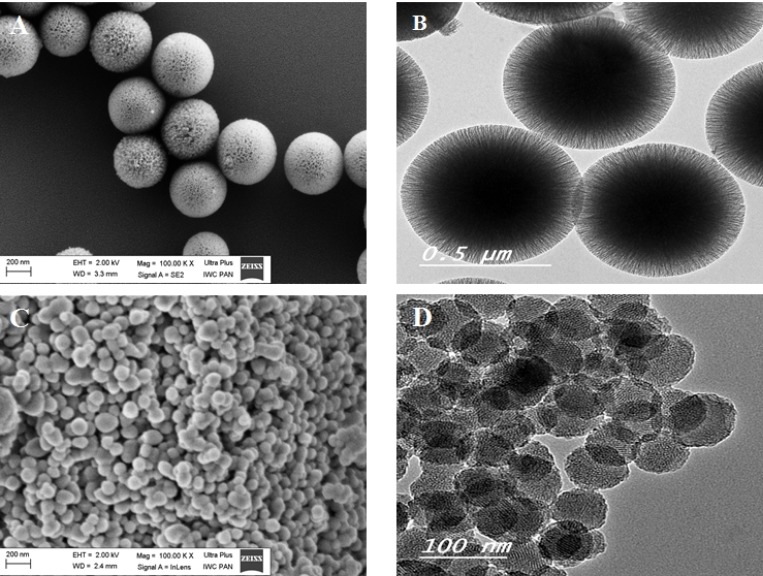
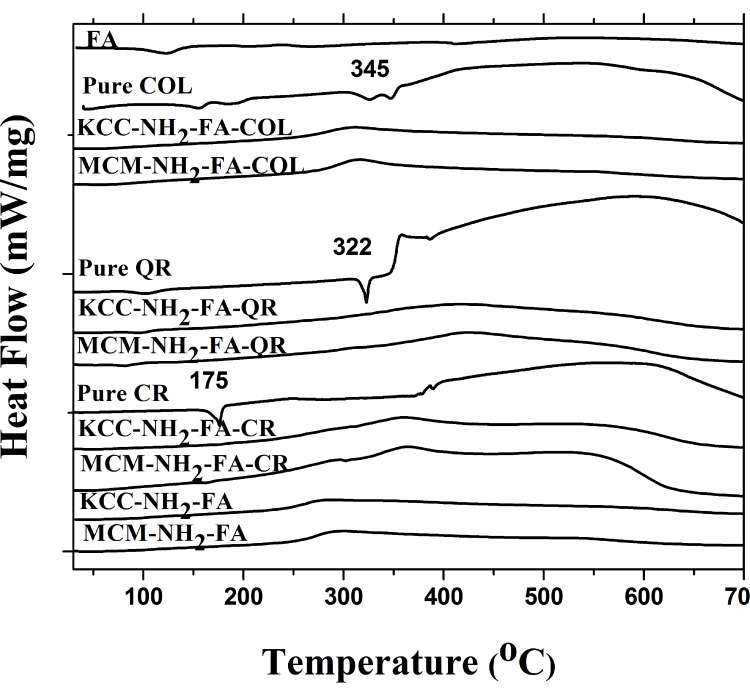
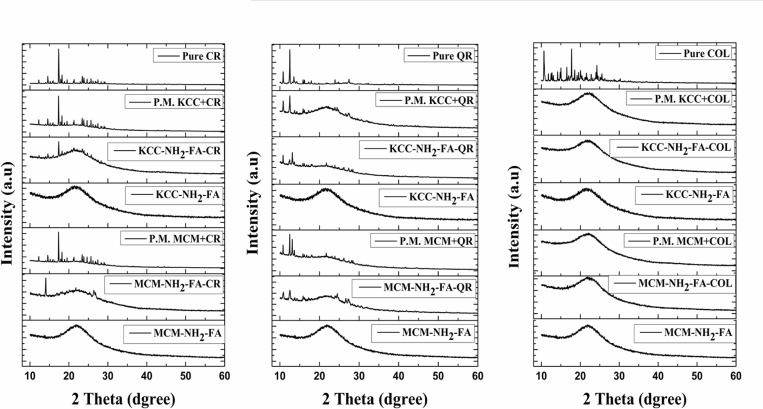
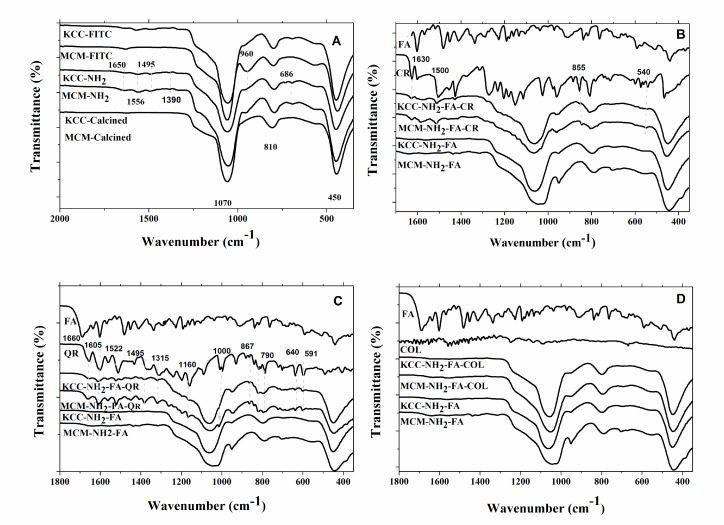
Verification
Claims the paper makes
The claims and statistics of this paper haven’t been checked yet.
Run the check — free, no account needed. It reads the open-access text and checks the sources it cites.
Claims other papers make about this one
Each is checked against this paper’s own text: does it say what the citing paper says it does?
In the citing paper
“This observation indicates successful preparation, in agreement with previous results [26,27,37,38].”
From Targeted Nano-Drug Delivery of Colchicine against Colon Cancer Cells by Means of Mesoporous Silica Nanoparticles (2020) · cites this paper as [26]
In the citing paper
“FA was employed as the main targeting ligand, which is known for its binding potential to folate receptors, which are over-expressed on many cancers and facilitate the endocytosis pathway [26,34,35,36].”
From Targeted Nano-Drug Delivery of Colchicine against Colon Cancer Cells by Means of Mesoporous Silica Nanoparticles (2020) · cites this paper as [26]
In the citing paper
“Therefore, cancer-targeting delivery systems with different nano-platforms have gained attention [25,26,27].”
From Targeted Nano-Drug Delivery of Colchicine against Colon Cancer Cells by Means of Mesoporous Silica Nanoparticles (2020) · cites this paper as [26]
Self-check
Percentages, sums and reported differences re-computed from the paper’s own numbers.
The self-check needs the paper’s full text.
Citations
Cites
Polymeric systems for controlled drug release
Uhrich, K. E., Cannizzaro, S. M., Langer, R. S., & Shakesheff, K. M. (1999) · Chemical Reviews · doi:10.1021/cr940351u · Cited by 2,633
Precision Nanomedicine in Neurodegenerative Diseases
Goldsmith, M., Abramovitz, L., & Peer, D. (2014) · ACS Nano · doi:10.1021/nn501292z · Cited by 124
Research works printed but not linked: 93
- Sechi, 2014, Targeted therapy using nanotechnology: focus on cancer, International Journal of Nanomedicine, 9, 467, 10.2147/IJN.S36654 · DOI
- Langer, 2007, Nanocarriers as an emerging platform for cancer therapy, Nat Nano, 2, 751, 10.1038/nnano.2007.387 · DOI · Paper page
- Wang, 2015, Clinical Translation of Nanomedicine, Chemical Reviews, 115, 11147, 10.1021/acs.chemrev.5b00116 · DOI
- Stoddart, 2011, Mechanized silica nanoparticles: a new frontier in theranostic nanomedicine, Acc Chem Res, 44, 903, 10.1021/ar200018x · DOI
- Cheng, 2013, Nonporous silica nanoparticles for nanomedicine application, Nano Today, 8, 290, 10.1016/j.nantod.2013.04.007 · DOI
- Storm, 2001, Liposomes to target the lymphatics by subcutaneous administration, Adv Drug Deliv Rev, 50, 143, 10.1016/S0169-409X(01)00154-5 · DOI
- Ohno, 2013, Particle-size-dependent toxicity and immunogenic activity of mesoporous silica-based adjuvants for tumor immunotherapy, Acta Biomater, 9, 7480, 10.1016/j.actbio.2013.03.031 · DOI
- Brieger, 2017, Mesoporous Silica Nanoparticles as Drug Delivery Vehicles in Cancer, Nanomaterials (Basel), 7, E189, 10.3390/nano7070189 · DOI
- Sun, 2017, Diverse gatekeepers for mesoporous silica nanoparticle based drug delivery systems, Chemical Society Reviews, 46, 6024, 10.1039/C7CS00219J · DOI
- Wiesner, 2011, Multimodal silica nanoparticles are effective cancer-targeted probes in a model of human melanoma, The Journal of Clinical Investigation, 121, 2768, 10.1172/JCI45600 · DOI
- Wu, 2015, Lactosaminated mesoporous silica nanoparticles for asialoglycoprotein receptor targeted anticancer drug delivery, Journal of Nanobiotechnology, 13, 1
- Arcos, 2007, Mesoporous materials for drug delivery, Angew Chem Int Ed Engl, 46, 7548, 10.1002/anie.200604488 · DOI
- Selvaraj, 2014, Mesoporous silica nanoparticles: importance of surface modifications and its role in drug delivery, RSC Advances, 4, 14328, 10.1039/c4ra00781f · DOI
- Liu, 2011, Investigation of folate-conjugated fluorescent silica nanoparticles for targeting delivery to folate receptor-positive tumors and their internalization mechanism, Int J Nanomedicine, 6, 2023, 10.2147/IJN.S24792 · DOI
- Albanes, 2003, Null Association between Prostate Cancer and Serum Folate, Vitamin B6, Vitamin B12, and Homocysteine, Cancer Epidemiology Biomarkers & Prevention, 12, 1271
- Low, 2002, Folate-mediated delivery of macromolecular anticancer therapeutic agents, Adv Drug Deliv Rev, 54, 675, 10.1016/S0169-409X(02)00042-X · DOI
- Kros, 2013, Folic Acid-Modified Mesoporous Silica Nanoparticles for Cellular and Nuclear Targeted Drug Delivery, Advanced Healthcare Materials, 2, 281, 10.1002/adhm.201200176 · DOI
- Linden, 2009, Targeting of porous hybrid silica nanoparticles to cancer cells, ACS Nano, 3, 197, 10.1021/nn800781r · DOI
- Rosenholm, 2015, Targeted delivery of a novel anticancer compound anisomelic acid using chitosan-coated porous silica nanorods for enhancing the apoptotic effect, Biomater Sci, 3, 103, 10.1039/C4BM00278D · DOI
- El-Serag, 2011, Hepatocellular carcinoma, N Engl J Med, 365, 1118, 10.1056/NEJMra1001683 · DOI · Paper page
- Liang, 2009, Efficacy and safety of sorafenib in patients in the Asia-Pacific region with advanced hepatocellular carcinoma: a phase III randomised, double-blind, placebo-controlled trial, Lancet Oncol, 10, 25, 10.1016/S1470-2045(08)70285-7 · DOI · Paper page
- Reynolds, 2009, Bcl-2 inhibitors: targeting mitochondrial apoptotic pathways in cancer therapy, Clin Cancer Res, 15, 1126, 10.1158/1078-0432.CCR-08-0144 · DOI
- Adjei, 2005, Targeting apoptosis pathways in cancer therapy, CA Cancer J Clin, 55, 178, 10.3322/canjclin.55.3.178 · DOI
- Kamarul, 2016, Potential of apoptotic pathway-targeted cancer therapeutic research: Where do we stand?, Cell Death & Disease, 7, e2058, 10.1038/cddis.2015.275 · DOI
- Wang, 2016, Oridonin, a novel lysine acetyltransferases inhibitor, inhibits proliferation and induces apoptosis in gastric cancer cells through p53- and caspase-3-mediated mechanisms, Oncotarget, 7, 22623, 10.18632/oncotarget.8033 · DOI
- Lin, 2016, Mcl-1 as a potential therapeutic target for human hepatocelluar carcinoma, J Huazhong Univ Sci Technolog Med Sci, 36, 494, 10.1007/s11596-016-1614-7 · DOI
- Wang, 2015, Sorafenib and DE605, a novel c-Met inhibitor, synergistically suppress hepatocellular carcinoma, Oncotarget, 6, 12340, 10.18632/oncotarget.3656 · DOI
- Salganik, 2007, Hydrogen peroxide overproduced in breast cancer cells can serve as an anticancer prodrug generating apoptosis-stimulating hydroxyl radicals under the effect of tamoxifen-ferrocene conjugate, J Pharm Pharmacol, 59, 1549, 10.1211/jpp.59.11.0013 · DOI
- Jayakumar, 2014, An update on prodrugs from natural products, Asian Pacific Journal of Tropical Medicine, 7, S54, 10.1016/S1995-7645(14)60203-0 · DOI
- Li, 2014, Plant natural products: from traditional compounds to new emerging drugs in cancer therapy, Cell Prolif, 47, 506, 10.1111/cpr.12143 · DOI
- Battino, 2015, The use of plant-derived bioactive compounds to target cancer stem cells and modulate tumor microenvironment, Food and Chemical Toxicology, 75, 58, 10.1016/j.fct.2014.11.004 · DOI
- Mousa, 2011, Nanoparticle Delivery of Natural Products in the Prevention and Treatment of Cancers: Current Status and Future Prospects, Cancers, 3, 4024, 10.3390/cancers3044024 · DOI
- Dhanaraju, 2014, Nanotechnology: an effective tool for enhancing bioavailability and bioactivity of phytomedicine, Asian Pacific Journal of Tropical Biomedicine, 4, S1, 10.12980/APJTB.4.2014C980 · DOI
- Xu, 2015, Natural product-based nanomedicine: recent advances and issues, Int J Nanomedicine, 10, 6055, 10.2147/IJN.S92162 · DOI
- Gillies, 2014, Curcumin, a promising anti-cancer therapeutic: a review of its chemical properties, bioactivity and approaches to cancer cell delivery, RSC Advances, 4, 10815, 10.1039/c3ra46396f · DOI
- Srivatsan, 2011, Curcumin: A review of anti-cancer properties and therapeutic activity in head and neck squamous cell carcinoma, Mol Cancer, 10, 12, 10.1186/1476-4598-10-12 · DOI
- Burd, 2009, Chapter 27-Quercetin: A Potential Complementary and Alternative Cancer Therapy A2-Watson, Ronald Ross. Complementary and Alternative Therapies and the Aging Population, 563
- Cossarizza, 2011, Quercetin and cancer chemoprevention, Evid Based Complement Alternat Med, 2011, 591356, 10.1093/ecam/neq053 · DOI
- Schmidt, 2001, Current aspects of colchicine therapy — classical indications and new therapeutic uses, Eur J Med Res, 6, 150
- Bartl, 2015, Synthesis, antiproliferative and antibacterial evaluation of C-ring modified colchicine analogues, Eur J Med Chem, 90, 296, 10.1016/j.ejmech.2014.11.037 · DOI
- Khedr, 2016, pH-controlled Release System for Curcumin based on Functionalized Dendritic Mesoporous Silica Nanoparticles, Journal of Nanomedicine & Nanotechnology, 1
- Khedr, 2016, Mesoporous Silica Materials in Drug Delivery System: pH/Glutathione-Responsive Release of Poorly Water-Soluble Pro-drug Quercetin from Two and Three-dimensional Pore-Structure Nanoparticles, Journal of Nanomedicine & Nanotechnology, 1
- Tsao, 2011, An overview of the c-MET signaling pathway, Ther Adv Med Oncol, 3, S7, 10.1177/1758834011422556 · DOI
- Akgul, 2009, Mcl-1 is a potential therapeutic target in multiple types of cancer, Cell Mol Life Sci, 66, 1326, 10.1007/s00018-008-8637-6 · DOI
- Mainardes, 2016, Bovine Serum Albumin Nanoparticles Containing Quercetin: Characterization and Antioxidant Activity, J Nanosci Nanotechnol, 16, 1346, 10.1166/jnn.2016.11672 · DOI
- Hu, 2016, Enhancement of curcumin water dispersibility and antioxidant activity using core-shell protein–polysaccharide nanoparticles, Food Research International, 87, 1, 10.1016/j.foodres.2016.06.009 · DOI
- Hu, 2017, Resveratrol encapsulation in core-shell biopolymer nanoparticles: Impact on antioxidant and anticancer activities, Food Hydrocolloids, 64, 157, 10.1016/j.foodhyd.2016.10.029 · DOI
- Jang, 2014, Synthesis and characterization of pharmaceutical surfactant templated mesoporous silica: Its application to controlled delivery of duloxetine, Materials Research Bulletin, 51, 228, 10.1016/j.materresbull.2013.12.037 · DOI
- Gao, 2014, Synthesis of novel core-shell structured dual-mesoporous silica nanospheres and their application for enhancing the dissolution rate of poorly water-soluble drugs, Materials Science and Engineering: C, 44, 262, 10.1016/j.msec.2014.08.040 · DOI
- Wang, 2014, Exploitation of 3D face-centered cubic mesoporous silica as a carrier for a poorly water soluble drug: Influence of pore size on release rate, Materials Science and Engineering: C, 34, 78, 10.1016/j.msec.2013.08.014 · DOI
- Vallet-Regí, 2006, Controlled release of Ibuprofen from dealuminated faujasites, Solid State Sciences, 8, 1459, 10.1016/j.solidstatesciences.2006.07.016 · DOI
- Karmakar, 2014, Effect of surface functionality of silica nanoparticles on cellular uptake and cytotoxicity, Mol Pharm, 11, 3642, 10.1021/mp500385n · DOI
- Yuan, 2013, Effects of particle morphology, pore size and surface coating of mesoporous silica on Naproxen dissolution rate enhancement, Colloids and Surfaces B: Biointerfaces, 101, 228, 10.1016/j.colsurfb.2012.06.026 · DOI
- Vallet-Regí, 2003, MCM-41 Organic Modification as Drug Delivery Rate Regulator, Chemistry of Materials, 15, 500, 10.1021/cm021217q · DOI
- Huang, 2007, The effect of surface charge on the uptake and biological function of mesoporous silica nanoparticles in 3T3-L1 cells and human mesenchymal stem cells, Biomaterials, 28, 2959, 10.1016/j.biomaterials.2007.03.006 · DOI
- Yang, 2008, Synthesis and Characterization of Positive-Charge Functionalized Mesoporous Silica Nanoparticles for Oral Drug Delivery of an Anti-Inflammatory Drug, Advanced Functional Materials, 18, 3283, 10.1002/adfm.200800521 · DOI
- Oupický, 2012, Surface Functionalization of Mesoporous Silica Nanoparticles Controls Loading and Release Behavior of Mitoxantrone, Pharmaceutical Research, 29, 2407, 10.1007/s11095-012-0766-9 · DOI
- Valoti, 2014, Functionalized mesoporous silica nanoparticles for oral delivery of budesonide, Journal of Solid State Chemistry, 211, 154, 10.1016/j.jssc.2013.12.020 · DOI
- Luan, 2013, Folate-conjugated hybrid SBA-15 particles for targeted anticancer drug delivery, J Colloid Interface Sci, 395, 31, 10.1016/j.jcis.2012.12.016 · DOI
- Wu, 2011, Targeted anticancer prodrug with mesoporous silica nanoparticles as vehicles, Nanotechnology, 22, 455102, 10.1088/0957-4484/22/45/455102 · DOI
- Mehraban, 2009, Removal of Ni(II), Cd(II), and Pb(II) from a ternary aqueous solution by amino functionalized mesoporous and nano mesoporous silica, Chemical Engineering Journal, 153, 70, 10.1016/j.cej.2009.06.016 · DOI
- Yin, 2014, Effect of pH-responsive alginate/chitosan multilayers coating on delivery efficiency, cellular uptake and biodistribution of mesoporous silica nanoparticles based nanocarriers, ACS Appl Mater Interfaces, 6, 8447, 10.1021/am501337s · DOI
- Garcia-Bennett, 2007, Mesoporous silica particles induce size dependent effects on human dendritic cells, Nano Lett, 7, 3576, 10.1021/nl0714785 · DOI
- Xu, 2012, Cell-specific intracellular anticancer drug delivery from mesoporous silica nanoparticles with pH sensitivity, Adv Healthc Mater, 1, 321, 10.1002/adhm.201100030 · DOI
- Cai, 2013, Engineering a Hollow Nanocontainer Platform with Multifunctional Molecular Machines for Tumor-Targeted Therapyand, ACS Nano, 7, 10271, 10.1021/nn404676w · DOI
- Zhao, 2012, Multifunctional Mesoporous Silica Nanoparticles for Cancer-Targeted and Controlled Drug Delivery, Advanced Functional Materials, 22, 5144, 10.1002/adfm.201201316 · DOI
- Yang, 2015, A Functionalized Hollow Mesoporous Silica Nanoparticles-Based Controlled Dual-Drug Delivery System for Improved Tumor Cell Cytotoxicity, Particle & Particle Systems Characterization, 32, 222, 10.1002/ppsc.201400115 · DOI
- Wu, 2014, Redox responsive Pd(ii) templated rotaxane nanovalve capped mesoporous silica nanoparticles: a folic acid mediated biocompatible cancer-targeted drug delivery system, Journal of Materials Chemistry B, 2, 7009, 10.1039/C4TB01030B · DOI
- Abbasi, 2003, Molecular mechanism of apoptosis: prediction of three-dimensional structure of caspase-6 and its interactions by homology modeling, Biochemical and Biophysical Research Communications, 308, 497, 10.1016/S0006-291X(03)01394-9 · DOI
- Babaei, 2014, Dendrosomal curcumin nanoformulation downregulates pluripotency genes via miR-145 activation in U87MG glioblastoma cells, Int J Nanomedicine, 9, 403
- Zhang, 2015, Synthesis, characterization, andevaluation of curcumin-loaded albumin nanoparticles surface-functionalized with glycyrrhetinic acid, Int J Nanomedicine, 10, 5475, 10.2147/IJN.S88253 · DOI
- Lopez-Lazaro, 2007, Dual role of hydrogen peroxide in cancer: possible relevance to cancer chemoprevention and therapy, Cancer Lett, 252, 1, 10.1016/j.canlet.2006.10.029 · DOI
- Ma, 2016, Reactive Oxygen Species and Targeted Therapy for Pancreatic Cancer, Oxid Med Cell Longev, 2016, 1616781, 10.1155/2016/1616781 · DOI
- Wang, 2015, Increased Oxidative Stress as a Selective Anticancer Therapy, Oxid Med Cell Longev, 2015, 294303
- Burns, 2005, Doxorubicin increases intracellular hydrogen peroxide in PC3 prostate cancer cells, Arch Biochem Biophys, 440, 181, 10.1016/j.abb.2005.06.015 · DOI
- Nozawa, 2011, Cisplatin induces production of reactive oxygen species via NADPH oxidase activation in human prostate cancer cells, Free Radic Res, 45, 1033, 10.3109/10715762.2011.591391 · DOI
- Bruix, 2008, Molecular targeted therapies in hepatocellular carcinoma, Hepatology, 48, 1312, 10.1002/hep.22506 · DOI
- Zou, 2016, Curcumin mediates reversion of HGF-induced epithelial-mesenchymal transition via inhibition of c-Met expression in DU145 cells, Oncol Lett, 11, 1499, 10.3892/ol.2015.4063 · DOI
- Rountree, 2011, c-Met represents a potential therapeutic target for personalized treatment in hepatocellular carcinoma, Hepatology, 54, 879, 10.1002/hep.24450 · DOI
- Kim, 2012, The Blocking of c-Met Signaling Induces Apoptosis through the Increase of p53 Protein in Lung Cancer, Cancer Research and Treatment, 44, 251, 10.4143/crt.2012.44.4.251 · DOI
- Shore, 2008, Unique biology of Mcl-1: therapeutic opportunities in cancer, Curr Mol Med, 8, 138, 10.2174/156652408783769580 · DOI
- Li-Weber, 2011, Wogonin and related natural flavones are inhibitors of CDK9 that induce apoptosis in cancer cells by transcriptional suppression of Mcl-1, Cell Death & Disease, 2, e182, 10.1038/cddis.2011.66 · DOI
- Chen, 2002, The experimental and clinical study on the effect of curcumin on cell cycle proteins and regulating proteins of apoptosis in acute myelogenous leukemia, J Huazhong Univ Sci Technolog Med Sci, 22, 295, 10.1007/BF02896768 · DOI
- Halliwell, 2007, Biochemistry of oxidative stress, Biochem Soc Trans, 35, 1147, 10.1042/BST0351147 · DOI
- Tamanoi, 2012, tumor suppression efficacy of mesoporous silica nanoparticles-based drug-delivery system: enhanced efficacy by folate modification, Nanomedicine, 8, 212, 10.1016/j.nano.2011.06.002 · DOI
- Basset, 2010, High-Surface-Area Silica Nanospheres (KCC-1) with a Fibrous Morphology, Angewandte Chemie (International Ed. In English), 49, 9652, 10.1002/anie.201003451 · DOI
- Brühwiler, 2010, Influence of the Structural Properties of Mesoporous Silica on the Adsorption of Guest Molecules, Materials, 3, 4500, 10.3390/ma3084500 · DOI
- Asefa, 2014, Dendritic Silica Nanomaterials (KCC-1) with Fibrous Pore Structure Possess High DNA Adsorption Capacity and Effectively Deliver Genes, Langmuir, 30, 10886, 10.1021/la501435a · DOI
- Hirvonen, 2011, Drug delivery formulations of ordered and nonordered mesoporous silica: comparison of three drug loading methods, J Pharm Sci, 100, 3294, 10.1002/jps.22577 · DOI
- Mosmann, 1983, Rapid colorimetric assay for cellular growth and survival: application to proliferation and cytotoxicity assays, J Immunol Methods, 65, 55, 10.1016/0022-1759(83)90303-4 · DOI · Paper page
- Berset, 1995, Use of a free radical method to evaluate antioxidant activity, LWT - Food Science and Technology, 28, 25, 10.1016/S0023-6438(95)80008-5 · DOI · Paper page
- Rice-Evans, 1999, Antioxidant activity applying an improved ABTS radical cation decolorization assay, Free Radic Biol Med, 26, 1231, 10.1016/S0891-5849(98)00315-3 · DOI
- Wu, 2014, Rapid publication-ready MS-Word tables for one-way ANOVA, SpringerPlus, 3, 474, 10.1186/2193-1801-3-474 · DOI
Cited by
Sorted by citations
AbouAitah, K., Hassan, H. A., Swiderska-Sroda, A., Gohar, L., Shaker, O. G., Wojnarowicz, J., Opalinska, A., Smalc-Koziorowska, J., Gierlotka, S., & Lojkowski, W. (2020) · Cancers · doi:10.3390/cancers12010144 · Cited by 105
Self-citation
Metadata
- Authors
- AbouAitah, K., Swiderska-Sroda, A., Farghali, A. A., Wojnarowicz, J., Stefanek, A., Gierlotka, S., Opalinska, A., Allayeh, A. K., Ciach, T., & Lojkowski, W.
- Affiliations
- Department of Medicinal and Aromatic Plants Research, Pharmaceutical and Drug Industries Research Division, National Research Centre (NRC), Dokki, Giza, Egypt
- Laboratory of Nanostructures, Institute of High Pressure Physics, Polish Academy of Sciences, Warsaw, Poland
- Materials Science and Nanotechnology Department, Faculty of Postgraduate Studies for Advanced Sciences, Beni-Suef University, Beni-Suef, Egypt
- Biomedical Engineering Laboratory, Faculty of Chemical and Process Engineering, Warsaw University of Technology, Warsaw, Poland
- Environmental Virology Laboratory, National Research Centre (NRC), Dokki, Giza, Egypt
- Venue
- Oncotarget
- Publisher
- Impact Journals, LLC
- Published
- 2018-05-29
- Volume
- 9
- Issue
- 41
- Pages
- 26466-26490
- ISSN
- 1949-2553
- PMC
- PMC5995188
- Cited by
- 83
- References
- 2
- Language
- en
About these checks
Registry, retraction, Cites and statistics results are computed, not judged, with one exception: a printed reference that no index lists is read once by a model before it counts as a citation error. Claims are extracted by a model and kept only when their quote appears verbatim in the text; each cited source is then checked, with a model’s help, for whether it says what the claim relies on. Those verdicts can be wrong — read the claim’s quote and the cited source before relying on one.
Statistics and arithmetic are recomputed, not judged.
Confidence bands are shown only for fields calibrated on our annotated test set. None is calibrated yet, so no band is shown.
What counts as a claim ›How we measure confidence ›How we check this ›
Are you an author, or do you see a problem with this page? Request a review
