

The DOI matches its Crossref record; 6 of the 6 references it cites were found in a registry or an index.
MiR-21-5p and miR-126a-3p levels in plasma and circulating angiogenic cells: relationship with type 2 diabetes complications
Overview
The claims and statistics of this paper haven’t been checked yet.
Run the check — free, no account needed. It reads the open-access text and checks the sources it cites.
Integrity signals
Registry
Cites
Statistics
Figures
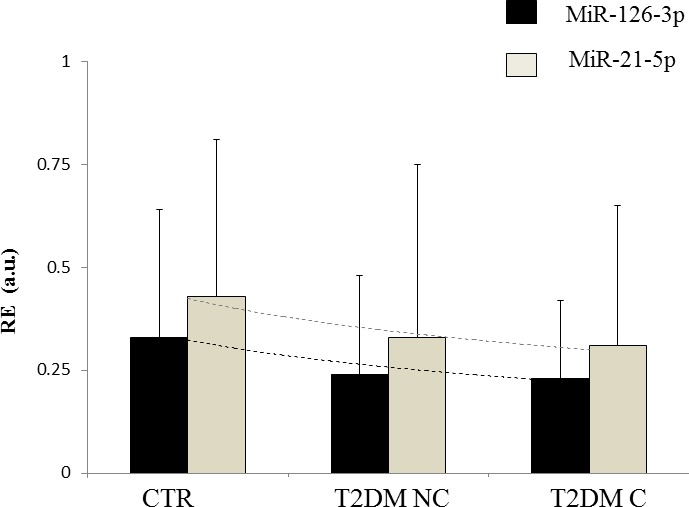
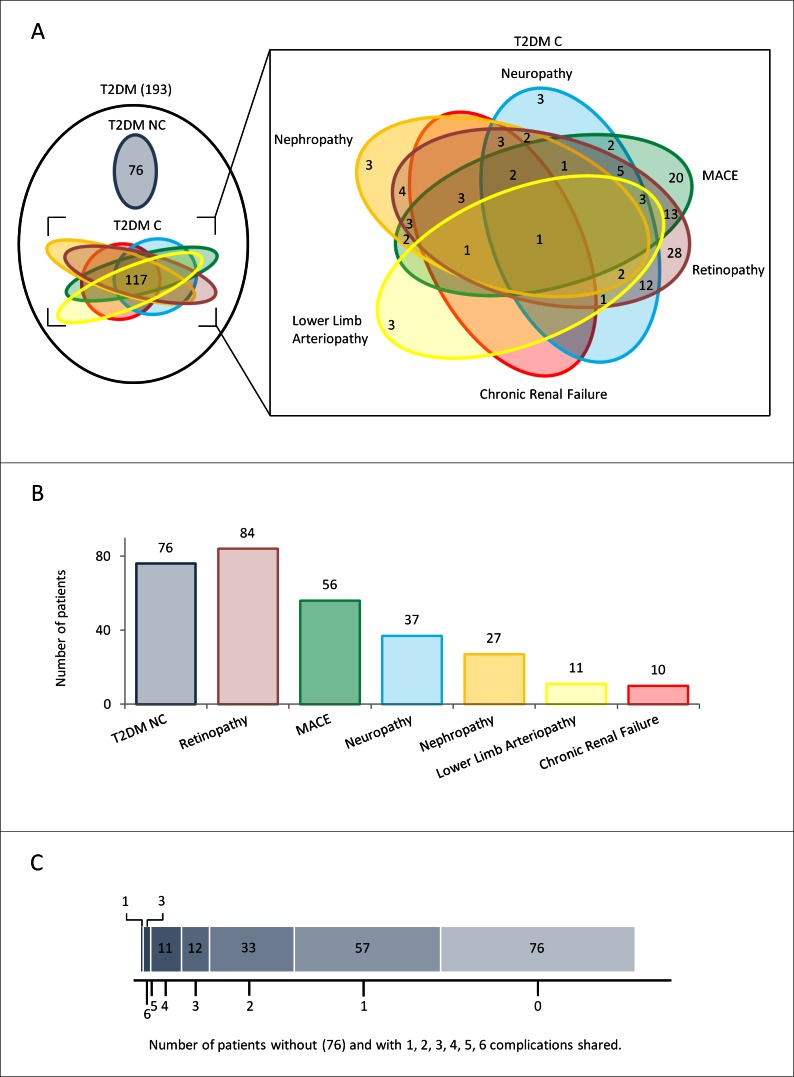
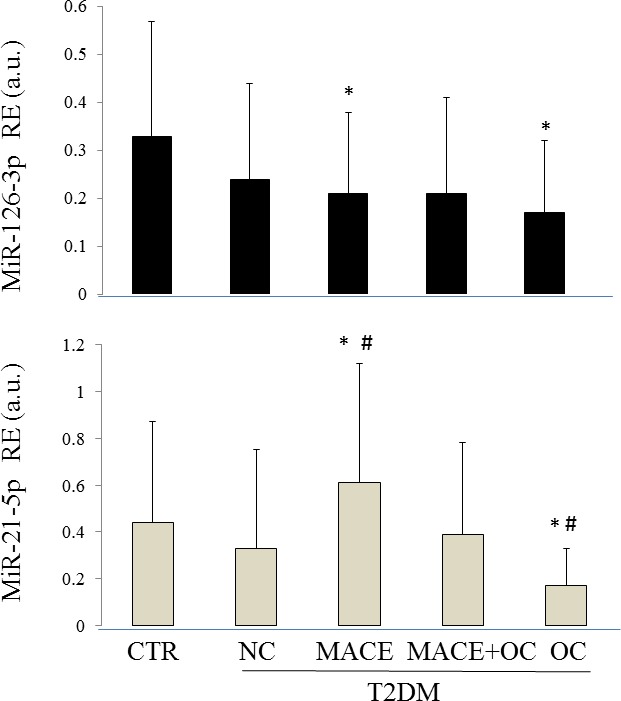
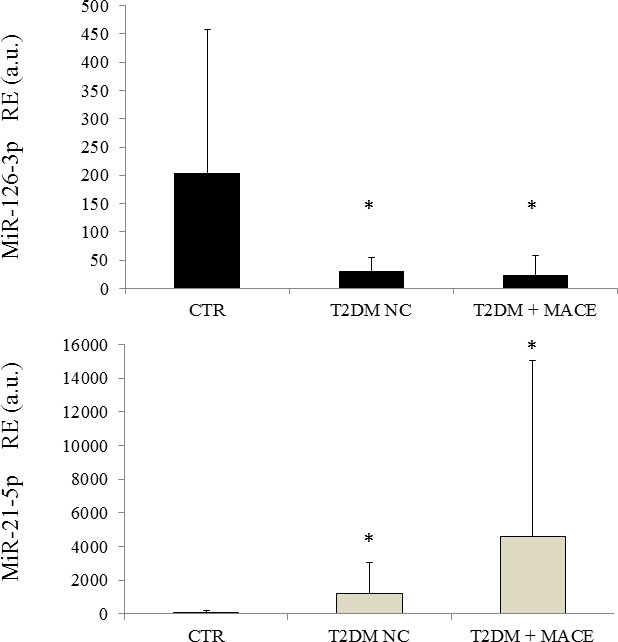
Verification
Claims the paper makes
The claims and statistics of this paper haven’t been checked yet.
Run the check — free, no account needed. It reads the open-access text and checks the sources it cites.
Claims other papers make about this one
Each is checked against this paper’s own text: does it say what the citing paper says it does?
The source backs part of the claim, not all of it — or backs it for a different population, condition or comparison.
In the citing paper
“MiR-126 expression is significantly decreased in serum and brain after stroke in mice as well as in T2DM patients7, 38, 39.”
From MiR-126 Mediates Brain Endothelial Cell Exosome Treatment–Induced Neurorestorative Effects After Stroke in Type 2 Diabetes Mellitus Mice (2019) · cites this paper as [7]
Experimental — accuracy not yet measured
Self-check
Percentages, sums and reported differences re-computed from the paper’s own numbers.
The self-check needs the paper’s full text.
Citations
Cites
MicroRNA-21 contributes to myocardial disease by stimulating MAP kinase signalling in fibroblasts
Thum, T., Gross, C., Fiedler, J., Fischer, T., Kissler, S., Bussen, M., Galuppo, P., Just, S., Rottbauer, W., Frantz, S., et al. (2008) · Nature · doi:10.1038/nature07511 · Cited by 2,349
Boussageon, R., Bejan-Angoulvant, T., Saadatian-Elahi, M., Lafont, S., Bergeonneau, C., Kassai, B., Erpeldinger, S., Wright, J. M., Gueyffier, F., & Cornu, C. (2011) · BMJ · doi:10.1136/bmj.d4169 · Cited by 803
Circulating microRNAs as novel biomarkers for diabetes mellitus
Guay, C., & Regazzi, R. (2013) · Nature Reviews Endocrinology · doi:10.1038/nrendo.2013.86 · Cited by 563
Olivieri, F., Spazzafumo, L., Santini, G., Lazzarini, R., Albertini, M. C., Rippo, M. R., Galeazzi, R., Abbatecola, A. M., Marcheselli, F., Monti, D., et al. (2012) · Mechanisms of Ageing and Development · doi:10.1016/j.mad.2012.09.004 · Cited by 248
Self-citationAge- and glycemia-related miR-126-3p levels in plasma and endothelial cells
Olivieri, F., Bonafè, M., Spazzafumo, L., Gobbi, M., Prattichizzo, F., Recchioni, R., Marcheselli, F., Sala, L. L., Galeazzi, R., Rippo, M. R., et al. (2014) · Aging · doi:10.18632/aging.100693 · Cited by 118
Self-citationEpigenetic Signatures and Vascular Risk in Type 2 Diabetes: A Clinical Perspective
Paneni, F., Costantino, S., Volpe, M., Lüscher, T. F., & Cosentino, F. (2013) · Atherosclerosis · doi:10.1016/j.atherosclerosis.2013.07.003 · Cited by 70
Research works printed but not linked: 41
- Karter, 2014, Rates of complications and mortality in older patients with diabetes mellitus: the diabetes and aging study, JAMA Intern Med, 174, 251, 10.1001/jamainternmed.2013.12956 · DOI · Paper page
- Emanueli, 2014, Noncoding RNAs in diabetes vascular complications, J Mol Cell Cardiol, 10.1016/j.yjmcc.2014.12.014 · DOI
- Béguinot, 2015, Understanding type 2 diabetes: from genetics to epigenetics, ActaDiabetol, 52, 821, 10.1007/s00592-015-0741-0 · DOI
- Ji, 2015, Serum metabolite signatures of type 2 diabetes mellitus complications, J Proteome Res, 14, 447, 10.1021/pr500825y · DOI
- Natarajan, 2015, Epigenetic mechanisms in diabetic complications and metabolic memory, Diabetologia, 58, 443, 10.1007/s00125-014-3462-y · DOI
- Roberts, 2014, The MicroRNA Biology of the Mammalian Nucleus, Mol Ther Nucleic Acids, 3, e188, 10.1038/mtna.2014.40 · DOI
- Camussi, 2010, Microvesicles derived from adult human bone marrow and tissue specific mesenchymal stem cells shuttle selected pattern of miRNAs, PLoS One, 5, e11803, 10.1371/journal.pone.0011803 · DOI · Paper page
- Weber, 2009, Delivery of microRNA-126 by apoptotic bodies induces CXCL12-dependent vascular protection, Sci Signal, 2, ra81, 10.1126/scisignal.2000610 · DOI
- Remaley, 2011, MicroRNAs are transported in plasma and delivered to recipient cells by high-density lipoproteins, Nat Cell Biol, 13, 423, 10.1038/ncb2210 · DOI · Paper page
- Tewari, 2011, Argonaute 2 complexes carry a population of circulating microRNAs independent of vesicles in human plasma, Proc Natl Acad Sci U S A, 108, 5003, 10.1073/pnas.1019055108 · DOI · Paper page
- Burwinkel, 2011, Characterization of extracellular circulating microRNA, Nucleic Acids Res, 39, 7223, 10.1093/nar/gkr254 · DOI · Paper page
- Burwinkel, 2012, Distinct AGO1 and AGO2 associated miRNA profiles in human cells and blood plasma, RNA Biol, 9, 1066, 10.4161/rna.21083 · DOI · Paper page
- Leung, 2015, Identification of microRNA biomarkers in type 2 diabetes: a meta-analysis of controlled profiling studies, Diabetologia, 58, 900, 10.1007/s00125-015-3510-2 · DOI
- Prokopi, 2010, Plasma microRNA profiling reveals loss of endothelial miR-126 and other microRNAs in type 2 diabetes, Circ Res, 107, 810, 10.1161/CIRCRESAHA.110.226357 · DOI · Paper page
- Jiang, 2014, The role of circulating microRNA-126 (miR-126): a novel biomarker for screening prediabetes and newly diagnosed type 2 diabetes mellitus, Int J Mol Sci, 15, 10567, 10.3390/ijms150610567 · DOI · Paper page
- Su, 2013, Plasma miR-126 is a potential biomarker for early prediction of type 2 diabetes mellitus in susceptible individuals, Biomed Res Int, 2013, 761617, 10.1155/2013/761617 · DOI
- Werner, 2014, MicroRNA expression in circulating microvesicles predicts cardiovascular events in patients with coronary artery disease, J Am Heart Assoc, 3, e001249, 10.1161/JAHA.114.001249 · DOI
- Brizzi, 2015, Unacylated ghrelin induces oxidative stress resistance in a glucose intolerance and peripheral artery disease mouse model by restoring endothelial cell miR-126 expression, Diabetes, 64, 1370, 10.2337/db14-0991 · DOI
- Wang, 2012, Downregulation of microRNA-126 in endothelial progenitor cells from diabetes patients, impairs their functional properties,target gene Spred-1, J Mol Cell Cardiol, 53, 64, 10.1016/j.yjmcc.2012.04.003 · DOI
- Thum, 2011, Regulation and function of miRNA-21 in health and disease, RNA Biol, 8, 706, 10.4161/rna.8.5.16154 · DOI
- Montgomery, 2014, Effect of aging on microRNAs and regulation of pathogen recognition receptors, Curr Opin Immunol, 29, 29, 10.1016/j.coi.2014.03.006 · DOI
- Franceschi, 2013, MicroRNAs linking inflamm-aging, cellular senescence and cancer, Ageing Res Rev, 12, 1056, 10.1016/j.arr.2013.05.001 · DOI
- Li, 2013, miR-21 is a key therapeutic target for renal injury in a mouse model of type 2 diabetes, Diabetologia, 56, 663, 10.1007/s00125-012-2804-x · DOI
- Da Costa Martins, 2015, miR-21: a star player in cardiachypertrophy, Cardiovasc Res, 105, 235, 10.1093/cvr/cvv026 · DOI
- Zhang, 2014, Identification of miRNA-21 and miRNA-24 in plasma as potential early stage markers of acute cerebral infarction, Mol Med Rep, 10, 971, 10.3892/mmr.2014.2245 · DOI
- Antonicelli, 2013, Conventional and novel diagnostic biomarkers of acute myocardial infarction: a promising role for circulating microRNAs, Biomarkers, 18, 547, 10.3109/1354750X.2013.833294 · DOI
- van Zonneveld, 2013, Aspirin treatment hampers the use of plasma microRNA-126 as a biomarker for the progression of vascular disease, Eur Heart J, 34, 3451, 10.1093/eurheartj/eht007 · DOI
- Procopio, 2013, Diagnostic potential of circulating miR-499-5p in elderly patients with acute non ST-elevation myocardial infarction, Int J Cardiol, 167, 531, 10.1016/j.ijcard.2012.01.075 · DOI
- Wang, 2014, Atherosclerosis-related circulating miRNAs as novel and sensitive predictors for acute myocardial infarction, PLoS One, 9, e105734, 10.1371/journal.pone.0105734 · DOI
- Pompilio, 2013, Diagnostic potential of plasmatic MicroRNA signatures in stable and unstable angina, PLoSOne, 8, e80345, 10.1371/journal.pone.0080345 · DOI
- Li, 2014, microRNA-21 protects against ischemia-reperfusion and hypoxia-reperfusion-induced cardiocyte apoptosisthe phosphatase and tensin homolog/Akt-dependent mechanism, Mol Med Rep, 9, 2213, 10.3892/mmr.2014.2068 · DOI
- Shen, 2013, Ischemic postconditioning-mediated miRNA-21 protects against cardiac ischemia/reperfusion injuryPTEN/Akt pathway, PLoS One, 8, e75872, 10.1371/journal.pone.0075872 · DOI
- He, 2015, MiR-21 suppresses endothelial progenitor cell proliferation by activating the TGFβ signaling pathwaydownregulation of WWP1, Int J Clin Exp Pathol, 8414
- Wieser, 2013, High levels of oncomiR-21 contribute to the senescence-induced growth arrest in normal human cells and its knock-down increases the replicative lifespan, Aging Cell, 12, 446, 10.1111/acel.12069 · DOI
- Habeos, 2012, Differential expression of microRNAs in adipose tissue after long-term high-fat diet-induced obesity in mice, PLoS One, 7, e34872, 10.1371/journal.pone.0034872 · DOI
- Brizzi, 2015, Obesity reduces the pro-angiogenic potential of adipose tissue stem cell-derived extracellular vesicles (EVs) by impairing miR-126 content: impact on clinical applications, Int J Obes (Lond), 10.1038/ijo.2015.123 · DOI
- Tao, 2013, MiR-21 is overexpressed in response to high glucose and protects endothelial cells from apoptosis, Exp Clin Endocrinol Diabetes, 121, 425, 10.1055/s-0033-1345169 · DOI
- Procopio, 2013, Telomere/telomerase system impairment in circulating angiogenic cells of geriatric patients with heart failure, Int J Cardiol, 164, 99, 10.1016/j.ijcard.2011.06.091 · DOI
- Procopio, 2011, Leukocyte telomere length is associated with complications of type 2 diabetes mellitus, Diabet Med, 28, 1388, 10.1111/j.1464-5491.2011.03370.x · DOI
- Olivieri, 2015, Epigenetic mechanisms of endothelial dysfunction in type 2 diabetes, Clin Epigenetics, 7, 56, 10.1186/s13148-015-0090-4 · DOI
- Olivieri, 2015, Endothelial cell senescence and inflammaging: microRNAs as biomarkers and innovative therapeutic tools, Curr Drug Targets
Cited by
Sorted by citations
miR-21: a non‐specific biomarker of all maladies
Jenike, A. E., & Halushka, M. K. (2021) · Biomarker Research · doi:10.1186/s40364-021-00272-1 · Cited by 248
Venkat, P., Cui, C., Chopp, M., Zacharek, A., Wang, F., Landschoot-Ward, J., Shen, Y., & Chen, J. (2019) · Stroke · doi:10.1161/strokeaha.119.025371 · Cited by 172
Prattichizzo, F., De Nigris, V., La Sala, L., Procopio, A. D., Olivieri, F., & Ceriello, A. (2016) · Oxidative Medicine and Cellular Longevity · doi:10.1155/2016/1810327 · Cited by 129
Self-citationThree Months Monitored Metabolic Fitness Modulates Cardiovascular Risk Factors in Diabetic Patients
Cirilli, I., Silvestri, S., Marcheggiani, F., Olivieri, F., Galeazzi, R., Antonicelli, R., Recchioni, R., Marcheselli, F., Bacchetti, T., Tiano, L., et al. (2019) · Diabetes & Metabolism Journal · doi:10.4093/dmj.2018.0254 · Cited by 19
Metadata
- Authors
- Olivieri, F., Spazzafumo, L., Bonafè, M., Recchioni, R., Prattichizzo, F., Marcheselli, F., Micolucci, L., Mensà, E., Giuliani, A., Santini, G., Gobbi, M., Lazzarini, R., Boemi, M., Testa, R., Antonicelli, R., Procopio, A. D., & Bonfigli, A. R.
- Affiliations
- Department of Clinical and Molecular Sciences, DISCLIMO, Università Politecnica delle Marche, Ancona, Italy
- Center of Biostatistics, INRCA-IRCCS National Institute, Ancona, Italy
- Department of Experimental, Diagnostic and Specialty Medicine, DIMES, University of Bologna, Bologna, Italy
- Center of Clinical Pathology and Innovative Therapy, INRCA-IRCCS National Institute, Ancona, Italy
- Metabolic Diseases and Diabetology Unit, INRCA-IRCCS National Institute, Ancona, Italy
- Experimental Models in Clinical Pathology, INRCA-IRCCS National Institute, Ancona, Italy
- UTIC-Cardiology Unit, INRCA-IRCCS National Institute, Ancona, Italy
- Scientific Direction, INRCA-IRCCS, National Institute, Ancona, Italy
- Venue
- Oncotarget
- Publisher
- Impact Journals, LLC
- Published
- 2015-10-19
- Volume
- 6
- Issue
- 34
- Pages
- 35372-35382
- ISSN
- 1949-2553
- PMC
- PMC4742111
- Cited by
- 117
- References
- 6
- Language
- en
About these checks
Registry, retraction, Cites and statistics results are computed, not judged, with one exception: a printed reference that no index lists is read once by a model before it counts as a citation error. Claims are extracted by a model and kept only when their quote appears verbatim in the text; each cited source is then checked, with a model’s help, for whether it says what the claim relies on. Those verdicts can be wrong — read the claim’s quote and the cited source before relying on one.
Statistics and arithmetic are recomputed, not judged.
Confidence bands are shown only for fields calibrated on our annotated test set. None is calibrated yet, so no band is shown.
What counts as a claim ›How we measure confidence ›How we check this ›
Are you an author, or do you see a problem with this page? Request a review
