

Pan-cancer analysis of GNG12 in tumors and experimental validation in TNBC
Open accessPreprint — published as 10.1038/s41598-026-66202-z
The DOI matches its Crossref record; 1 of the 1 references it cites were found in a registry or an index.
Abstract
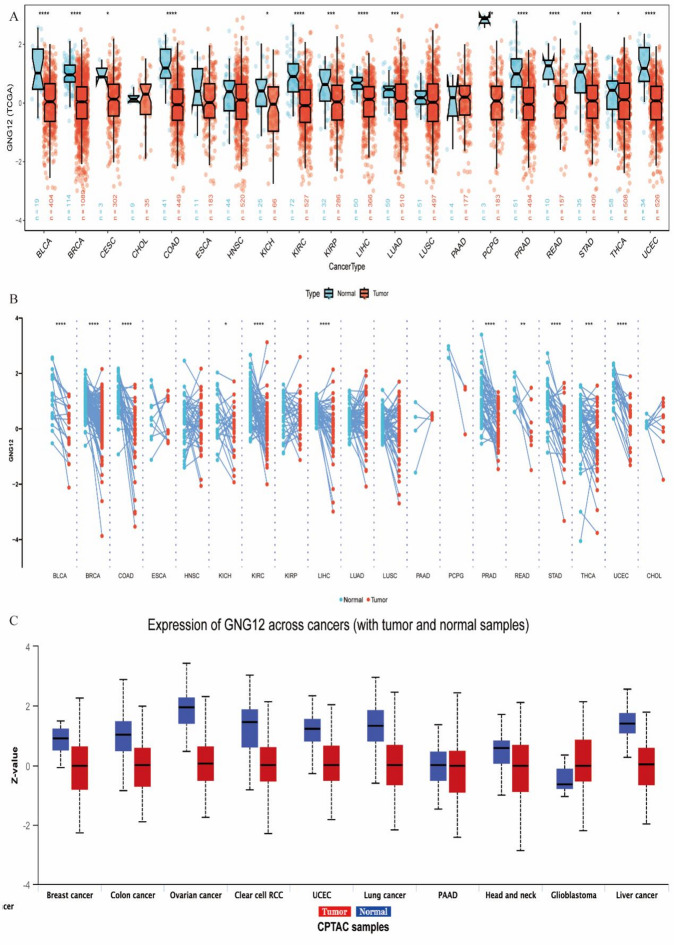
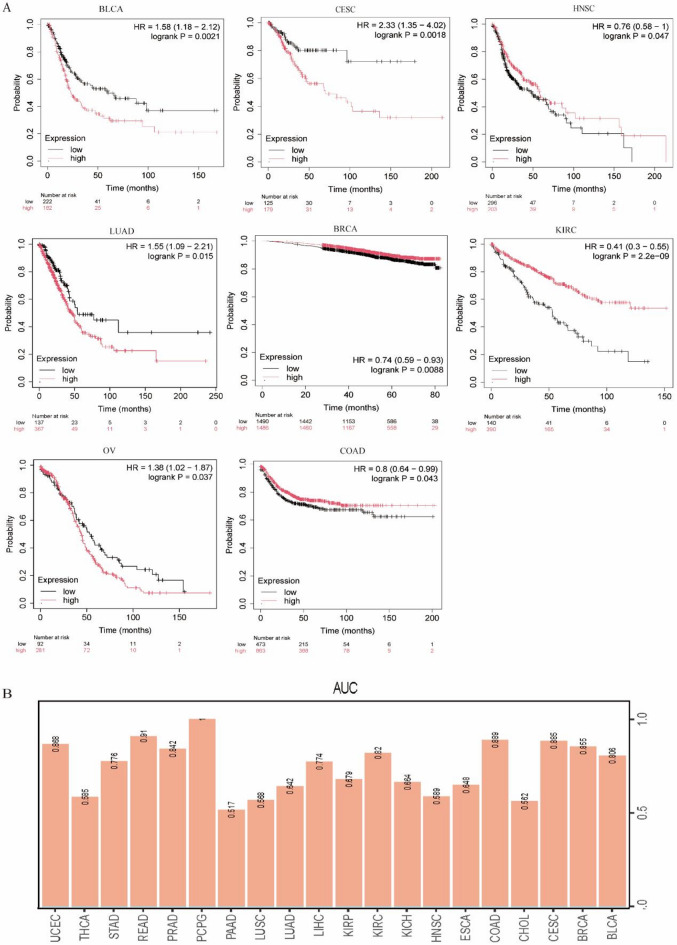
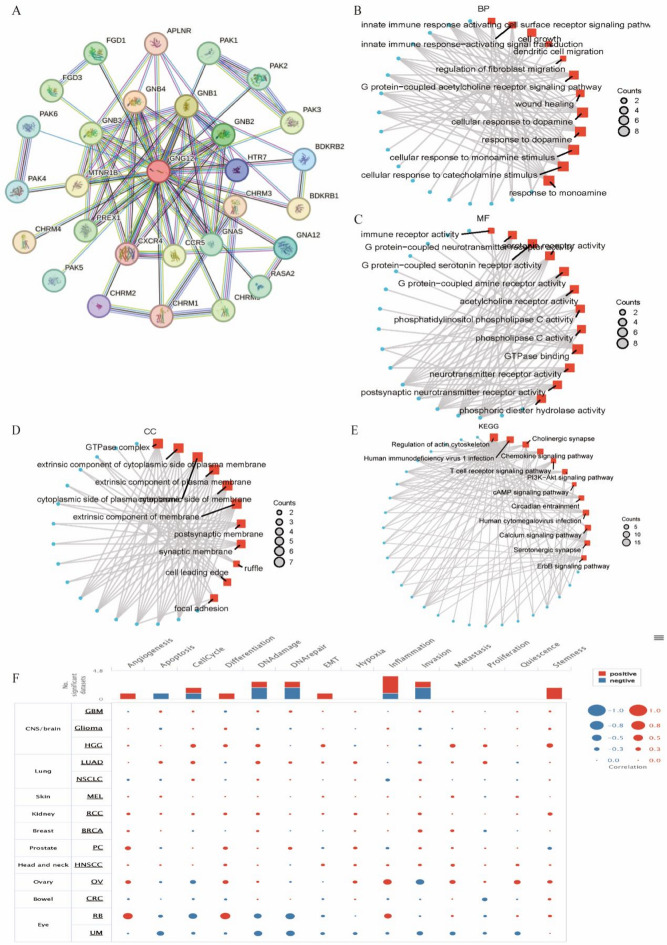
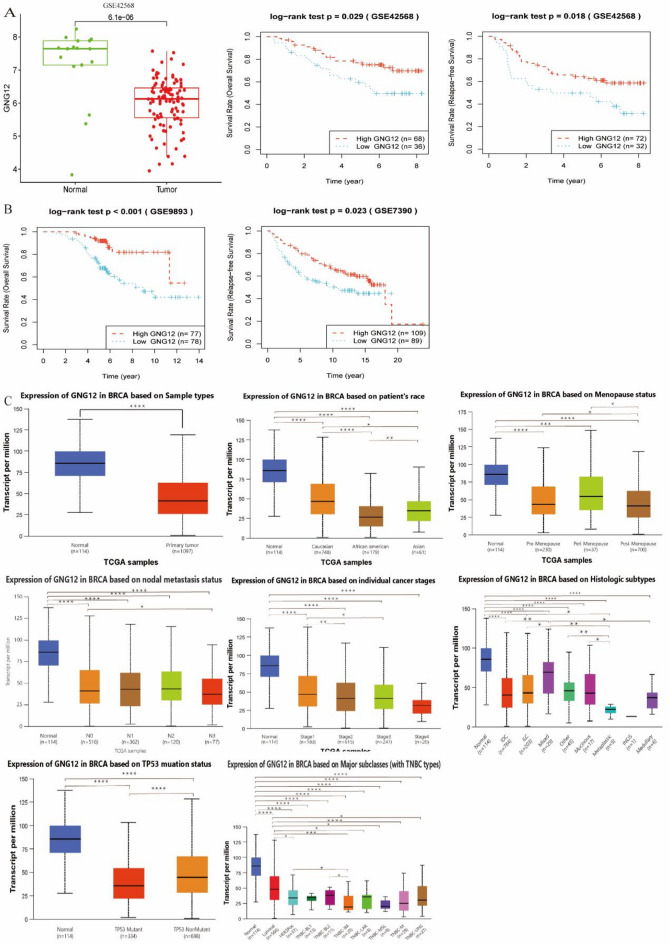
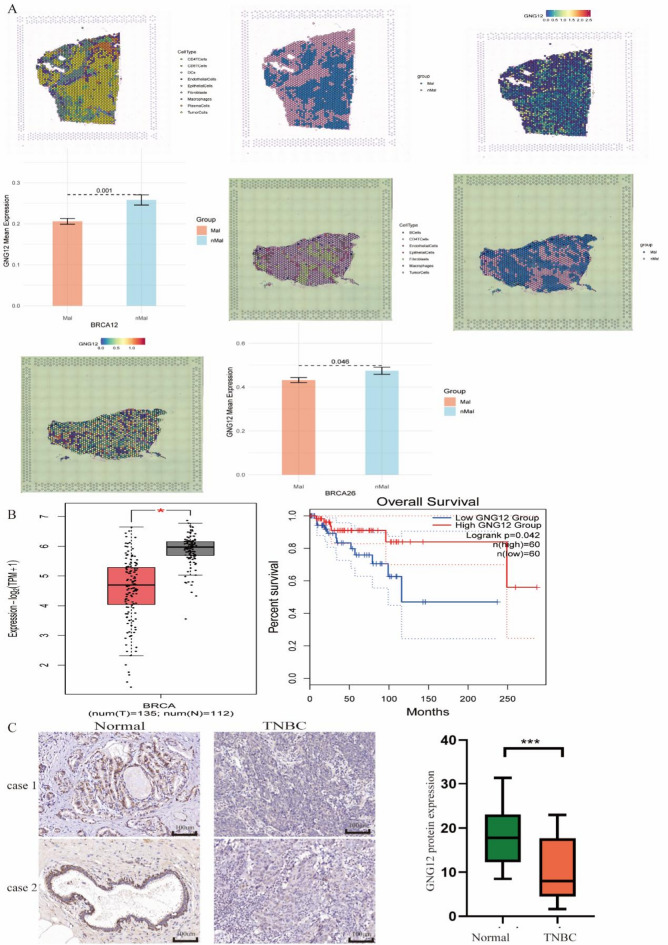
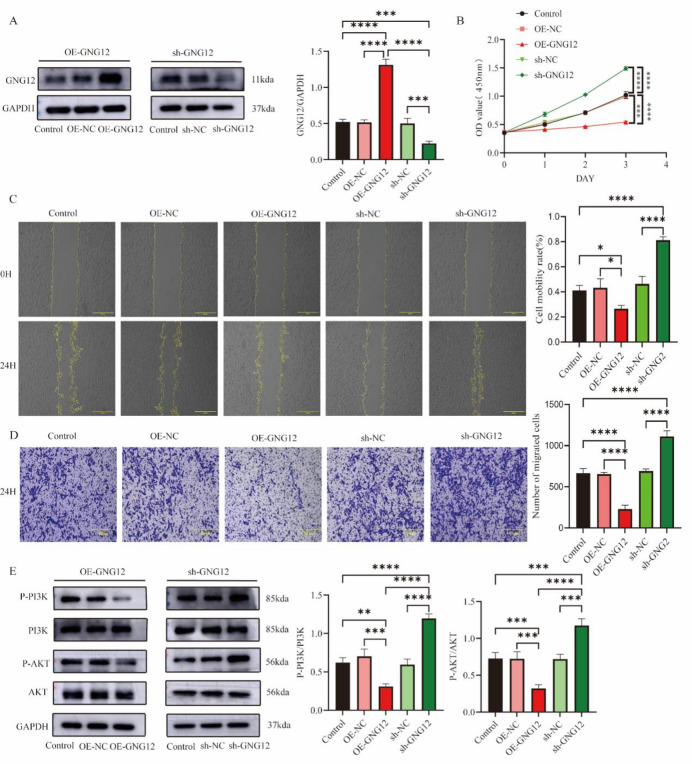
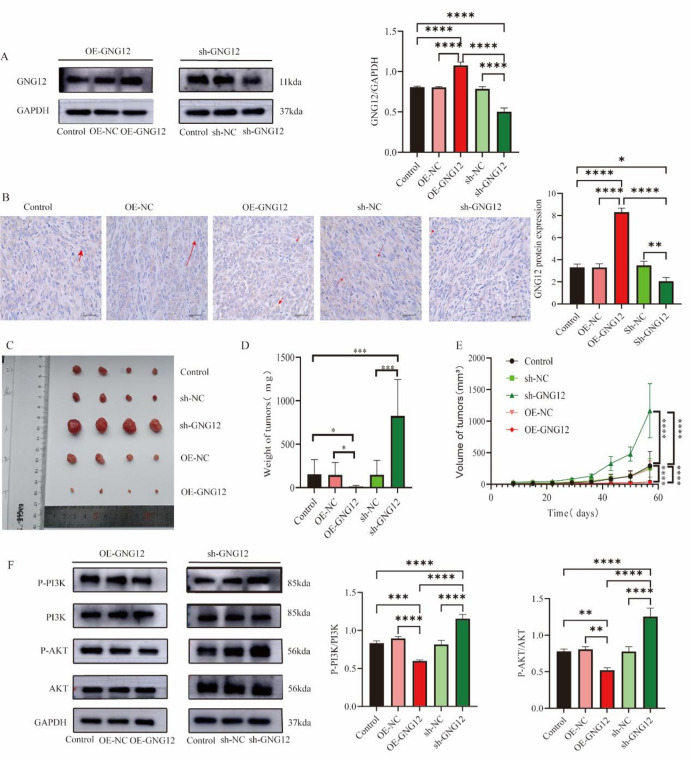
Guanine Nucleotide-Binding Protein Subunit Gamma-12 (GNG12), a crucial member of the G protein γ subunit family, plays a role in multiple cancers. However, the role of GNG12 in cancer prognosis and immunology remains largely unknown. We analyzed the expression, diagnosis, and prognosis of GNG12 in pan-cancer, particularly in TNBC, using The Sparkle database, UALCAN, Kaplan-Meier Plotter, GEO, and GEPIA tool. The mutations, phosphorylation, and methylation of GNG12 in pan-cancer were investigated through cBioPortal, PhosphoNET, AlphaFold, SangerBox, and UALCAN tool. The relationship between GNG12 expression and signaling pathways, immune cell infiltration, immune checkpoints, and immunomodulators was analyzed through STRING, CancerSEA, KEGG, and GSCA. Finally, the effects of knockdown and overexpression of GNG12 on TNBC proliferation, migration, invasion, and the PI3K/AKT signaling pathway were investigated. GNG12 is lowly expressed in most cancers and is associated with prognosis. GNG12 is correlated with multiple signaling pathways and the immune microenvironment. Overexpression of GNG12 inhibits TNBC proliferation, migration, invasion, and the PI3K/AKT signaling pathway. A comprehensive pan-cancer analysis reveals the potential of GNG12 in tumor-targeted therapy and suggests GNG12 as a promising prognostic and immune pan-cancer biomarker.
Overview
The claims and statistics of this paper haven’t been checked yet.
Free: it reads the open-access text and checks the first 5 claims that cite a source we can check. Create a free account to check every claim.
Integrity signals
Registry
Cites
Statistics
Figures
Verification
Claims the paper makes
The claims and statistics of this paper haven’t been checked yet.
Free: it reads the open-access text and checks the first 5 claims that cite a source we can check. Create a free account to check every claim.
Self-check
Percentages, sums and reported differences re-computed from the paper’s own numbers.
The self-check needs the paper’s full text.
Citations
Cites
Highly accurate protein structure prediction with AlphaFold
Jumper, J., Evans, R., Pritzel, A., Green, T., Figurnov, M., Ronneberger, O., Tunyasuvunakool, K., Bates, R., Žídek, A., Potapenko, A., et al. (2021) · Nature · doi:10.1038/s41586-021-03819-2 · Cited by 43,764
Research works printed but not linked: 61
- Siegel, R. L., Giaquinto, A. N. & Jemal, A. Cancer statistics, 2024. CA Cancer J. Clin. 74, 12–49 (2024).
- Soerjomataram, I. & Bray, F. Planning for tomorrow: global cancer incidence and the role of prevention 2020–2070. Nat. reviews Clin. Oncol. 18, 663–672 (2021). · DOI · Paper page
- Tao, Z. et al. Breast Cancer: Epidemiology and Etiology. Cell. Biochem. Biophys. 72, 333–338 (2015). · DOI · Paper page
- Li, Y. et al. Recent advances in therapeutic strategies for triple-negative breast cancer. J. Hematol. Oncol. 15, 121 (2022). · DOI · Paper page
- Tang, T. et al. Advantages of targeting the tumor immune microenvironment over blocking immune checkpoint in cancer immunotherapy. Signal. Transduct. Target. Ther. 6, 72 (2021). · DOI · Paper page
- Davoli, T., Uno, H., Wooten, E. C. & Elledge, S. J. Tumor aneuploidy correlates with markers of immune evasion and with reduced response to immunotherapy. Science 355 (2017). · DOI · Paper page
- Sharma, P., Hu-Lieskovan, S., Wargo, J. A., Ribas, A. & Primary Adaptive, and Acquired Resistance to Cancer Immunotherapy. Cell 168, 707–723 (2017). · DOI · Paper page
- Sun, W. et al. Advances in the techniques and methodologies of cancer gene therapy. Discov Med. 27, 45–55 (2019).
- Bianchini, G., De Angelis, C., Licata, L. & Gianni, L. Treatment landscape of triple-negative breast cancer - expanded options, evolving needs. Nat. Rev. Clin. Oncol. 19, 91–113 (2022). · DOI · Paper page
- Morishita, R. et al. Primary structure of a gamma subunit of G protein, gamma 12, and its phosphorylation by protein kinase C. J. Biol. Chem. 270, 29469–29475 (1995). · doi:10.1074/jbc.270.49.29469
- Asano, T. et al. Purification of four forms of the beta gamma subunit complex of G proteins containing different gamma subunits. J. Biol. Chem. 268, 20512–20519 (1993). · DOI
- Wang, D. et al. Yu-Ping-Feng Formula Ameliorates Alveolar-Capillary Barrier Injury Induced by Exhausted-Exercise via Regulation of Cytoskeleton. Front. Pharmacol. 13, 891802 (2022). · DOI
- Luo, C., Zhao, S., Dai, W., Zheng, N. & Wang, J. Proteomic analyses reveal GNG12 regulates cell growth and casein synthesis by activating the Leu-mediated mTORC1 signaling pathway. Biochim. et Biophys. acta Proteins Proteom. 1866, 1092–1101 (2018). · DOI
- Babadagli, M. E., Tezcan, B., Yilmaz, S. T. & Tufan, A. C. Matrilin-3 as a putative effector of C-type natriuretic peptide signaling during TGF-β induced chondrogenic differentiation of mesenchymal stem cells. Mol. Biol. Rep. 41, 5549–5555 (2014). · doi:10.1007/s11033-014-3448-3
- Larson, K. C., Lipko, M., Dabrowski, M. & Draper, M. P. Gng12 is a novel negative regulator of LPS-induced inflammation in the microglial cell line BV-2. Inflamm. research: official J. Eur. Histamine Res. Soc. [et al]. 59, 15–22 (2010). · DOI
- Jiang, Y., Shen, Y., Ding, L., Xia, S. & Jiang, L. Identification of transcription factors and construction of a novel miRNA regulatory network in primary osteoarthritis by integrated analysis. BMC Musculoskelet. Disord. 22, 1008 (2021). · doi:10.1186/s12891-021-04894-2
- Ebert, J. R. et al. Genome-wide association study identifying variants related to performance and injury in high-performance athletes. Exp. Biol. Med. (Maywood). 248, 1799–1805 (2023). · DOI
- Yang, J. et al. The Role of Coagulation-Related Genes in Glioblastoma: A Comprehensive Analysis of the Tumor Microenvironment, Prognosis, and Treatment. Biochem Genet.10.1007/s10528-025-11086-3 (2025). · DOI
- Wei, S., Zhou, J. & Dong, B. A novel risk model consisting of nine platelet-related gene signatures for predicting prognosis, immune features and drug sensitivity in glioma. Hereditas 161, 52 (2024). · DOI
- Balkenhol, J. et al. Comparison of the central human and mouse platelet signaling cascade by systems biological analysis. BMC Genom. 21, 897 (2020). · DOI
- Zhang, S. et al. GNG12, and CD19 are potential independent predictors of central nerve recurrence in childhood acute lymphoblastic leukemia. Hematology 28, 2182169 (2023). · DOI
- Viet, C. T. et al. Artificial intelligence-based epigenomic, transcriptomic and histologic signatures of tobacco use in oral squamous cell carcinoma. NPJ Precis Oncol. 8, 130 (2024). · DOI
- Yuan, J. et al. Low GNG12 Expression Predicts Adverse Outcomes: A Potential Therapeutic Target for Osteosarcoma. Front. Immunol. 12, 758845 (2021). · DOI
- Alausa, A. et al. Checkpoints and immunity in cancers: Role of GNG12. Pharmacol. Res. 180, 106242 (2022). · DOI
- Lu, Y. et al. Porphyromonas gingivalis induced UCHL3 to promote colon cancer progression. Am. J. Cancer Res. 13, 5981–5995 (2023).
- Hoadley, K. A. et al. Cell-of-Origin Patterns Dominate the Molecular Classification of 10,000 Tumors from 33 Types of Cancer. Cell 173, 291–304e6 (2018). · DOI · Paper page
- Chandrashekar, D. S. et al. UALCAN: An update to the integrated cancer data analysis platform. Neoplasia 25, 18–27 (2022). · DOI · Paper page
- Posta, M. & Győrffy, B. Pathway-level mutational signatures predict breast cancer outcomes and reveal therapeutic targets. Br J Pharmacol.10.1111/bph.70215 (2025). · DOI
- Gao, J. et al. Integrative analysis of complex cancer genomics and clinical profiles using the cBioPortal. Sci. Signal. 6, pl1 (2013).
- Shi, H., Chai, P., Jia, R. & Fan, X. Novel insight into the regulatory roles of diverse RNA modifications: Re-defining the bridge between transcription and translation. Mol. Cancer. 19, 78 (2020). · DOI · Paper page
- Kanehisa, M., Furumichi, M., Sato, Y., Matsuura, Y. & Ishiguro-Watanabe, M. KEGG: biological systems database as a model of the real world. Nucleic Acids Res. 53, D672–d7 (2025). · DOI · Paper page
- Kanehisa, M. & Goto, S. KEGG: kyoto encyclopedia of genes and genomes. Nucleic Acids Res. 28, 27–30 (2000). · DOI · Paper page
- Kanehisa, M. Toward understanding the origin and evolution of cellular organisms. Protein Sci. 28, 1947–1951 (2019). · DOI · Paper page
- Liu, C. J. et al. GSCA: an integrated platform for gene set cancer analysis at genomic, pharmacogenomic and immunogenomic levels. Brief Bioinform 24 (2023).
- Tang, Z. et al. GEPIA: a web server for cancer and normal gene expression profiling and interactive analyses. Nucleic Acids Res. 45, W98–w102 (2017). · DOI · Paper page
- Farré, P. L. et al. MiR-106b-5p: A Master Regulator of Potential Biomarkers for Breast Cancer Aggressiveness and Prognosis. Int J. Mol. Sci 22 (2021). · DOI
- Zhang, R. et al. Upregulation of HOXA13 as a potential tumorigenesis and progression promoter of LUSC based on qRT-PCR and bioinformatics. Int. J. Clin. Exp. Pathol. 10, 10650–10665 (2017).
- Orchel, J. et al. Expression patterns of kinin-dependent genes in endometrial cancer. Int. J. Gynecol. Cancer. 22, 937–944 (2012). · DOI
- Fennell, L. J. et al. APC Mutation Marks an Aggressive Subtype of BRAF Mutant Colorectal Cancers. Cancers (Basel) 12 (2020).
- Li, J. et al. GNG12 regulates PD-L1 expression by activating NF-κB signaling in pancreatic ductal adenocarcinoma. FEBS Open. Bio. 10, 278–287 (2020). · doi:10.1002/2211-5463.12784
- Cai, Y. D. et al. Identification of the Gene Expression Rules That Define the Subtypes in Glioma. J Clin. Med 7 (2018).
- Liu, R. et al. GNG12 as A Novel Molecular Marker for the Diagnosis and Treatment of Glioma. Front. Oncol. 12, 726556 (2022). · DOI
- Gibney, E. R. & Nolan, C. M. Epigenetics and gene expression. Heredity (Edinb). 105, 4–13 (2010). · DOI · Paper page
- Terekhanova, N. V. et al. Epigenetic regulation during cancer transitions across 11 tumour types. Nature 623, 432–441 (2023). · DOI · Paper page
- Martínez-Jiménez, F. et al. A compendium of mutational cancer driver genes. Nat. Rev. Cancer. 20, 555–572 (2020). · DOI · Paper page
- Nacev, B. A. et al. The epigenomics of sarcoma. Nat. Rev. Cancer. 20, 608–623 (2020). · DOI · Paper page
- Ma, L. et al. The Mechanism of DNA Methylation and miRNA in Breast Cancer. Int. J. Mol. Sci. [Internet] ; 24(11). (2023).
- Bai, X. et al. M6A RNA methylation in biliary tract cancer: the function roles and potential therapeutic implications. Cell. Death Discovery. 10, 83 (2024). · DOI
- Jin, H. et al. YTHDF2 favors protumoral macrophage polarization and implies poor survival outcomes in triple negative breast cancer. iScience 27 (2024).
- Ohtani, H. Focus on TILs: prognostic significance of tumor infiltrating lymphocytes in human colorectal cancer. Cancer Immun. 7, 4 (2007).
- Zhou, Q. et al. All-Trans Retinoic Acid Prevents Osteosarcoma Metastasis by Inhibiting M2 Polarization of Tumor-Associated Macrophages. Cancer Immunol. Res. 5, 547–559 (2017). · DOI · Paper page
- Hu, F. F., Liu, C. J., Liu, L. L., Zhang, Q. & Guo, A. Y. Expression profile of immune checkpoint genes and their roles in predicting immunotherapy response. Brief. Bioinform. 22, bbaa176 (2020).
- Wei, S. C., Duffy, C. R. & Allison, J. P. Fundamental Mechanisms of Immune Checkpoint Blockade Therapy. Cancer Discov. 8, 1069–1086 (2018). · DOI · Paper page
- Gray, K. D. et al. PD1 Blockade Enhances ICAM1-Directed CAR T Therapeutic Efficacy in Advanced Thyroid Cancer. Clin. Cancer Res. 26, 6003–6016 (2020). · DOI
- Ma, S. et al. A Computational Framework to Identify Biomarkers for Glioma Recurrence and Potential Drugs Targeting Them. Front. Genet. 12, 832627 (2021). · DOI
- Lee, C. M. et al. The Impact of Androgen Receptor and Histone Deacetylase 1 Expression on the Prognosis of Ductal Carcinoma In Situ. J. Breast Cancer. 23, 610–621 (2020). · DOI
- Liu, F., Duan, C. & Han, Y. Circular RNA hsa_circ_0000285 regulates the microRNA-599/G-protein subunit gamma 12 (miR-599/GNG12) axis to promote glioma progression. J. Clin. Lab. Anal. 36, e24207 (2022). · doi:10.1002/jcla.24207
- Wu, C., Qiu, S., Liu, P., Ge, Y. & Gao, X. Rhizoma Amorphophalli inhibits TNBC cell proliferation, migration, invasion and metastasis through the PI3K/Akt/mTOR pathway. J. Ethnopharmacol. 211, 89–100 (2018). · DOI
- Yang, Y. et al. DEK promoted EMT and angiogenesis through regulating PI3K/AKT/mTOR pathway in triple-negative breast cancer. Oncotarget 8, 98708–98722 (2017). · DOI
- Wang, L. et al. CircWAC induces chemotherapeutic resistance in triple-negative breast cancer by targeting miR-142, upregulating WWP1 and activating the PI3K/AKT pathway. Mol. Cancer. 20, 43 (2021). · DOI
- Li, L. et al. GNG12 Targeted by miR-876-5p Contributes to Glioma Progression Through the Activation of the PI3K/AKT Signaling Pathway. J. Mol. Neurosci. 72, 441–450 (2022). · DOI
Metadata
- Authors
- Shan, B.-F., Zhao, L., Hu, T., Xu, J.-H., Zeng, T.-X., Tang, J.-M., & Yu, B.
- Affiliations
- Lanzhou University
- Gansu University of Traditional Chinese Medicine (CN)
- Zigong Fourth Peoples Hospital
- Zouping People's Hospital
- The No. 2 People's Hospital of Lanzhou (CN)
- First Hospital of Lanzhou University (CN)
- Corresponding author
- Tang, Jian-Ming
- Yu, Bo
- Venue
- Scientific Reports
- Published
- 2026-03-11
- Volume
- 16
- Issue
- 1
- ISSN
- 2045-2322 (ISSN-L)
- PMC
- PMC13486845
- OpenAlex
- W7202167486
- Cited by
- 0
- References
- 1
- FWCI
- 0.00
- Type
- journal article
- Language
- en
- Open access
- gold
- doi.org
- Locations
- Scientific Reports (publishedVersion, cc-by)
- Research Square (acceptedVersion, cc-by)
- PubMed (publishedVersion)
- PubMed Central (publishedVersion, cc-by)
- DOAJ (DOAJ: Directory of Open Access Journals) (submittedVersion)
- Topics
- Life Sciences › Biochemistry, Genetics and Molecular Biology › Cancer Research › Breast Cancer Treatment Studies
- Life Sciences › Biochemistry, Genetics and Molecular Biology › Molecular Biology › Mechanisms of cancer metastasis
- Life Sciences › Biochemistry, Genetics and Molecular Biology › Molecular Biology › PI3K/AKT/mTOR signaling in cancer
- Keywords
- G protein gamma subunit, triple-negative breast cancer, tumor suppressor, cell proliferation, cell migration, tumor invasion, PI3K/Akt signaling, patient survival, promoter methylation, RNA methylation, phosphorylation sites
- MeSH terms
- Cell Movement, Female, Humans, Neoplasm Invasiveness, Signal Transduction, Gene Expression Regulation, Neoplastic, Phosphatidylinositol 3-Kinases, GTP-Binding Protein gamma Subunits, Cell Line, Tumor, Cell Proliferation, Proto-Oncogene Proteins c-akt, Triple Negative Breast Neoplasms
About these checks
Registry, retraction, Cites and statistics results are computed, not judged, with one exception: a printed reference that no index lists is read once by a model before it counts as a citation error. Claims are extracted by a model and kept only when their quote appears verbatim in the text; each cited source is then checked, with a model’s help, for whether it says what the claim relies on. Those verdicts can be wrong — read the claim’s quote and the cited source before relying on one.
Statistics and arithmetic are recomputed, not judged.
Confidence bands are shown only for fields calibrated on our annotated test set. None is calibrated yet, so no band is shown.
What counts as a claim ›How we measure confidence ›How we check this ›
Are you an author, or do you see a problem with this page? Request a review
Data sources
Bibliographic data: Semantic Scholar, OpenAlex, Crossref.
Contains information from the Semantic Scholar Academic Graph Datasets, made available under the ODC Attribution License (ODC-BY 1.0).
Semantic Scholar’s data is described in: Kinney, R., et al. (2023). The Semantic Scholar Open Data Platform. arXiv:2301.10140.
