

Understanding and Managing Corticosteroid-Induced Osteoporosis
Open accessThe DOI matches its Crossref record; 88 of the 88 references it cites were found in a registry or an index.
Abstract
Glucocorticoids are effective immunosuppressants used in a wide variety of diseases. Their use results in secondary osteoporosis in about 30-50% of chronic glucocorticoid users. Glucocorticoids cause a rapid decline in bone strength within the first 3-6 months mostly due to increased bone resorption by osteoclasts. This is followed by a more gradual loss of bone partly due to decreased osteoblastogenesis and osteoblast and osteocyte apoptosis. The loss of bone strength induced by glucocorticoids is not fully captured by bone mineral density measurements. Other tools such as the trabecular bone score and advanced imaging techniques give insight into bone quality; however, these are not used widely in clinical practice. Glucocorticoid-induced osteoporosis should be seen as a widely preventable disease. Currently, only about 15% of chronic glucocorticoid users are receiving optimal care. Glucocorticoids should be prescribed at the lowest dose and shortest duration. All patients should be counselled on lifestyle measures to maintain bone strength including nutrition and weight-bearing exercise. Pharmacological therapy should be considered for all patients at moderate to high risk of fracture as there is evidence for the prevention of bone loss and fractures with a favourable safety profile. Oral bisphosphonates are the current mainstay of therapy, whereas osteoanabolic agents may be considered for those at highest risk of fracture.
Overview
The claims and statistics of this paper haven’t been checked yet.
Free: it reads the open-access text and checks the first 5 claims that cite a source we can check. Create a free account to check every claim.
Integrity signals
Registry
Cites
Statistics
Figures
Verification
Claims the paper makes
The claims and statistics of this paper haven’t been checked yet.
Free: it reads the open-access text and checks the first 5 claims that cite a source we can check. Create a free account to check every claim.
Claims other papers make about this one
Each is checked against this paper’s own text: does it say what the citing paper says it does?
The source backs part of the claim, not all of it — or backs it for a different population, condition or comparison.
In the citing paper
“excess glucocorticoids (endogenous or pharmacological) rapidly deplete trabecular bone by disrupting macrophage-fueled osteogenesis [107,108]”
From Interorgan Communications in Skeletal Pathophysiology: From Molecular Pathways to Multidisciplinary Therapies (2026) · cites this paper as [107]
Experimental — accuracy not yet measured
Self-check
Percentages, sums and reported differences re-computed from the paper’s own numbers.
The self-check needs the paper’s full text.
Citations
Cites
Neer, R. M., Arnaud, C. D., Zanchetta, J. R., Prince, R., Gaich, G. A., Reginster, J.-Y., Hodsman, A. B., Eriksen, E. F., Ish-Shalom, S., Genant, H. K., et al. (2001) · New England Journal of Medicine · doi:10.1056/nejm200105103441904 · Cited by 4,602
FRAX™ and the assessment of fracture probability in men and women from the UK
Kanis, J. A., Johnell, O., Oden, A., Johansson, H., & McCloskey, E. (2008) · Osteoporosis International · doi:10.1007/s00198-007-0543-5 · Cited by 2,467 · cited 1×
“5mg of prednisolone (or equivalent).(36) Schemas have”
Romosozumab Treatment in Postmenopausal Women with Osteoporosis
Cosman, F., Crittenden, D. B., Adachi, J. D., Binkley, N., Czerwinski, E., Ferrari, S., Hofbauer, L. C., Lau, E., Lewiecki, E. M., Miyauchi, A., et al. (2016) · New England Journal of Medicine · doi:10.1056/nejmoa1607948 · Cited by 1,805
Self-citationRomosozumab or Alendronate for Fracture Prevention in Women with Osteoporosis
Saag, K. G., Petersen, J., Brandi, M. L., Karaplis, A. C., Lorentzon, M., Thomas, T., Maddox, J., Fan, M., Meisner, P. D., & Grauer, A. (2017) · New England Journal of Medicine · doi:10.1056/nejmoa1708322 · Cited by 1,544
Use of Inhaled Corticosteroids and Risk of Fractures
Van Staa, T. P., Leufkens, H. G. M., & Cooper, C. (2001) · Journal of Bone and Mineral Research · doi:10.1359/jbmr.2001.16.3.581 · Cited by 1,308
The epidemiology of corticosteroid-induced osteoporosis: a meta-analysis
Staa, T. P. V., Staa, T. P. V., Staa, T. P. V., Leufkens, H. G. M., & Cooper, C. (2002) · Osteoporosis International · doi:10.1007/s001980200108 · Cited by 1,294 · cited 12×
“These swift changes suggest that the risk may be partly independent of changes in BMD.”
BackgroundInfluentialUse of oral corticosteroids and risk of fractures
Van Staa, T. P., Leufkens, H. G. M., Abenhaim, L., Zhang, B., & Cooper, C. (2000) · Journal of Bone and Mineral Research · doi:10.1359/jbmr.2000.15.6.993 · Cited by 1,263
Alendronate for the Prevention and Treatment of Glucocorticoid-Induced Osteoporosis
Saag, K. G., Emkey, R., Schnitzer, T. J., Brown, J. P., Hawkins, F., Goemaere, S., Thamsborg, G., Liberman, U. A., Delmas, P. D., Malice, M.-P., et al. (1998) · New England Journal of Medicine · doi:10.1056/nejm199807303390502 · Cited by 1,258
Self-citationA meta-analysis of prior corticosteroid use and fracture risk.
Kanis, J. A., Johansson, H., Oden, A., Johnell, O., de Laet, C., Melton, L. J., Tenenhouse, A., Reeve, J., Silman, A. J., Pols, H. A., et al. (2004) · Journal of Bone and Mineral Research · doi:10.1359/jbmr.040134 · Cited by 839 · cited 13×
“These swift changes suggest that the risk may be partly independent of changes in BMD.”
BackgroundInfluentialAnabolic Actions of Parathyroid Hormone on Bone*
DEMPSTER, D. W., COSMAN, F., PARISIEN, M., SHEN, V., & LINDSAY, R. (1993) · Endocrine Reviews · doi:10.1210/edrv-14-6-690 · Cited by 717 · cited 1×
“When released in an intermittent and pulsatile fashion, PTH has been shown to have an anabolic effect by promoting osteoblastogenesis and differentiation.(64) Teriparatide is recombinant human PTH (1–34).”
BackgroundOral corticosteroids and fracture risk: relationship to daily and cumulative doses
van Staa, T. P., Leufkens, H. G. M., Abenhaim, L., Zhang, B., & Cooper, C. (2000) · Rheumatology · doi:10.1093/rheumatology/39.12.1383 · Cited by 696 · cited 1×
“5mg of prednisolone or its equivalent) and a direct relationship is observed between increasing dose and fracture risk.(9) This was observed in a retrospective cohort study comparing glucocorticoid users with control patients selected randomly and matched by age, sex, and medical practice.”
BackgroundBisphosphonate Use and Atypical Fractures of the Femoral Shaft
Schilcher, J., Michaëlsson, K., & Aspenberg, P. (2011) · New England Journal of Medicine · doi:10.1056/nejmoa1010650 · Cited by 695 · cited 1×
“Although glucocorticoids have been reported in some cases of these complications, there is no evidence to suggest that glucocorticoids are associated with increased risk of either complication in patients who are taking bisphosphonates.(39,55)”
BackgroundIntermittent Etidronate Therapy to Prevent Corticosteroid-Induced Osteoporosis
Adachi, J. D., Bensen, W. G., Brown, J., Hanley, D., Hodsman, A., Josse, R., Kendler, D. L., Lentle, B., Olszynski, W., Ste.-Marie, L.-G., et al. (1997) · New England Journal of Medicine · doi:10.1056/nejm199708073370603 · Cited by 685
Self-citationBuckley, L., Guyatt, G., Fink, H. A., Cannon, M., Grossman, J., Hansen, K. E., Humphrey, M. B., Lane, N. E., Magrey, M., Miller, M., et al. (2017) · Arthritis Care & Research · doi:10.1002/acr.23279 · Cited by 579
Canalis, E., Centrella, M., Burch, W., & McCarthy, T. L. (1989) · Journal of Clinical Investigation · doi:10.1172/jci113885 · Cited by 543 · cited 1×
“Insulin-like growth factor 1 (IGF-1) promotes bone formation by stimulating type 1 collagen synthesis, suppressing bone collagen degradation and suppressing osteoblast apoptosis.(21) IGF-1 gene transcription is suppressed by glucocorticoids.”
BackgroundLane, N. E., Sanchez, S., Modin, G. W., Genant, H. K., Pierini, E., & Arnaud, C. D. (1998) · Journal of Clinical Investigation · doi:10.1172/jci3914 · Cited by 529
Reid, D. M., Devogelaer, J.-P., Saag, K., Roux, C., Lau, C.-S., Reginster, J.-Y., Papanastasiou, P., Ferreira, A., Hartl, F., Fashola, T., et al. (2009) · The Lancet · doi:10.1016/s0140-6736(09)60250-6 · Cited by 527
Buckley, L., Guyatt, G., Fink, H. A., Cannon, M., Grossman, J., Hansen, K. E., Humphrey, M. B., Lane, N. E., Magrey, M., Miller, M., et al. (2017) · Arthritis & Rheumatology · doi:10.1002/art.40137 · Cited by 527
Prevention of Corticosteroid Osteoporosis -- A Comparison of Calcium, Calcitriol, and Calcitonin
Sambrook, P., Birmingham, J., Kelly, P., Kempler, S., Nguyen, T., Pocock, N., & Eisman, J. (1993) · New England Journal of Medicine · doi:10.1056/nejm199306173282404 · Cited by 520 · cited 1×
“Despite supplementation, a significant decline in BMD is observed, suggesting this is insufficient in preventing glucocorticoid induced bone loss.(42) When simultaneous vitamin D and calcium supplementation were assessed, a meta-analysis found that the combination caused less BMD loss at the lumbar spine than calcium…”
BackgroundTsourdi, E., Langdahl, B., Cohen-Solal, M., Aubry-Rozier, B., Eriksen, E. F., Guañabens, N., Obermayer-Pietsch, B., Ralston, S. H., Eastell, R., & Zillikens, M. C. (2017) · Bone · doi:10.1016/j.bone.2017.08.003 · Cited by 504 · cited 2×
“It is important to know that discontinuation of denosumab has been shown to result in a rapid reversal of BMD accrued during the treatment period and potentially an increased risk of multiple vertebral fractures particularly in those with underlying fractures.(62,63) Therefore, denosumab discontinuation should be foll…”
BackgroundSclerostin Stimulates Osteocyte Support of Osteoclast Activity by a RANKL-Dependent Pathway
Wijenayaka, A. R., Kogawa, M., Lim, H. P., Bonewald, L. F., Findlay, D. M., & Atkins, G. J. (2011) · PLoS ONE · doi:10.1371/journal.pone.0025900 · Cited by 503
Langdahl, B. L., Libanati, C., Crittenden, D. B., Bolognese, M. A., Brown, J. P., Daizadeh, N. S., Dokoupilova, E., Engelke, K., Finkelstein, J. S., Genant, H. K., et al. (2017) · The Lancet · doi:10.1016/s0140-6736(17)31613-6 · Cited by 497
Saag, K. G., Zanchetta, J. R., Devogelaer, J., Adler, R. A., Eastell, R., See, K., Krege, J. H., Krohn, K., & Warner, M. R. (2009) · Arthritis & Rheumatism · doi:10.1002/art.24879 · Cited by 493 · cited 1×
“007) and no significant difference in non-vertebral fractures.(69) The main limitation for widespread use of teriparatide has been the much higher cost comparing to other agents and compliance given the medications is administered as a daily subcutaneous injection.”
BackgroundPrevalence of oral glucocorticoid usage in the United States: a general population perspective
Overman, R. A., Yeh, J., & Deal, C. L. (2013) · Arthritis Care & Research · doi:10.1002/acr.21796 · Cited by 405 · cited 1×
“Epidemiology Worldwide about 1% of the adult population has been treated with long-term glucocorticoids, defined as a minimum of 3 months of consecutive use.(4,5) Of this Correspondence: Jonathan D Adachi 501-25 Charlton Avenue East, Hamilton, Ontario, L8N 1Y2, Canada Tel +1 905-529-1317 Fax +1 905-521-1297 Email jd.”
BackgroundGlucocorticoids Act Directly on Osteoclasts to Increase Their Life Span and Reduce Bone Density
Jia, D., O’Brien, C. A., Stewart, S. A., Manolagas, S. C., & Weinstein, R. S. (2006) · Endocrinology · doi:10.1210/en.2006-0459 · Cited by 394
Angeli, A., Guglielmi, G., Dovio, A., Capelli, G., de Feo, D., Giannini, S., Giorgino, R., Moro, L., & Giustina, A. (2006) · Bone · doi:10.1016/j.bone.2006.02.005 · Cited by 365 · cited 1×
“one study showed that 37% fractures in chronic glucocorticoid users may be asymptomatic.(40) Fracture risk should also be”
BackgroundJoint IOF-ECTS GIO Guidelines Working Group, Lekamwasam, S., Adachi, J. D., Agnusdei, D., Bilezikian, J., Boonen, S., Borgström, F., Cooper, C., Diez Perez, A., Eastell, R., et al. (2012) · Osteoporosis International · doi:10.1007/s00198-012-1958-1 · Cited by 335 · cited 4×
“All patients prescribed long-term glucocorticoids should be assessed and counselled on strategies to improve nutrition (especially calcium and vitamin D), decrease falls risk, and other lifestyle measures including smoking cessation, avoiding excessive alcohol consumption, weight control to a recommended range and par…”
BackgroundMethodInfluentialSelf-citationLewiecki, E. M., Blicharski, T., Goemaere, S., Lippuner, K., Meisner, P. D., Miller, P. D., Miyauchi, A., Maddox, J., Chen, L., & Horlait, S. (2018) · The Journal of Clinical Endocrinology & Metabolism · doi:10.1210/jc.2017-02163 · Cited by 328
Guidance for the adjustment of FRAX according to the dose of glucocorticoids
Kanis, J. A., Johansson, H., Oden, A., & McCloskey, E. V. (2011) · Osteoporosis International · doi:10.1007/s00198-010-1524-7 · Cited by 323 · cited 1×
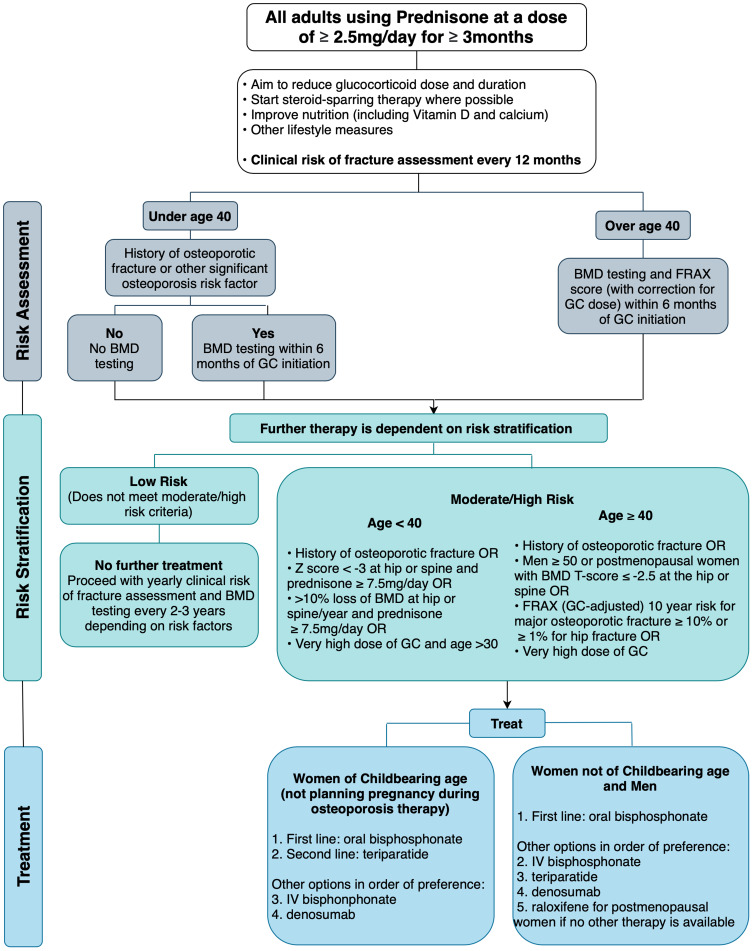
“been developed to adjust this fracture risk assessment to account for lower or higher doses of glucocorticoids.(37,38) The FRAX score has been incorporated into many GIOP guidelines, including the 2017 American College of Rheumatology (ACR) guidelines(38) as seen in Figure 3”
MethodWeinstein, R. S., Chen, J.-R., Powers, C. C., Stewart, S. A., Landes, R. D., Bellido, T., Jilka, R. L., Parfitt, A. M., & Manolagas, S. C. (2002) · Journal of Clinical Investigation · doi:10.1172/jci0214538 · Cited by 313 · cited 11×
“Glucocorticoids inhibit the synthesis and secretion of sex steroids causing a similar effect and as a result contributing to GIOP.20 Insulin-like growth factor 1 (IGF-1) promotes bone formation by stimulating type 1 collagen synthesis, suppressing bone collagen degradation and suppressing osteoblast apoptosis.21 IGF-1…”
BackgroundInfluentialBuckley, L. M., Leib, E. S., Cartularo, K. S., Vacek, P. M., & Cooper, S. M. (1996) · Annals of Internal Medicine · doi:10.7326/0003-4819-125-12-199612150-00004 · Cited by 310
Offenbaecher, M., Bondy, B., Jonge, S. D., Glatzeder, K., Kr�ger, M., Schoeps, P., & Ackenheil, M. (1999) · Arthritis & Rheumatism · doi:10.1002/1529-0131(199911)42:11<2482::aid-anr27>3.0.co;2-b · Cited by 298
Fracture risk with intermittent high‐dose oral glucocorticoid therapy
De Vries, F., Bracke, M., Leufkens, H. G. M., Lammers, J. J., Cooper, C., & Van Staa, T. P. (2007) · Arthritis & Rheumatism · doi:10.1002/art.22294 · Cited by 298 · cited 1×
“A UK study showed that intermittent use of high-dose glucocorticoids (≥15mg prednisolone) with a cumulative exposure ≤1g may result in a small increase in osteoporotic fractures, whereas numerous courses of high-dose glucocorticoids amounting to a cumulative dose ≥1g have a substantially higher risk of fracture.(11)”
BackgroundBisphosphonates for steroid-induced osteoporosis
Allen, C. S., Yeung, J. H., Vandermeer, B., & Homik, J. (2016) · Cochrane Database of Systematic Reviews · doi:10.1002/14651858.cd001347.pub2 · Cited by 248 · cited 1×
“There was significant improvement in BMD at the lumbar spine and femoral neck.(52) As oral bisphosphonates are poorly absorbed, it is important for patients to take this medication away from food especially those containing calcium, magnesium, or aluminum.”
BackgroundVitamin D and calcium in the prevention of corticosteroid induced osteoporosis: a 3 year followup.
Adachi, J. D., Wg, B., Bianchi, F. A., Cividino, A. A., Pillersdorf, S., Sebaldt, R. J., Tugwell, P., Gordon, M., Steele, M., Webber, C., et al. (1996) · PubMed · Cited by 234
Self-citationSong, L., Liu, M., Ono, N., Bringhurst, F. R., Kronenberg, H. M., & Guo, J. (2012) · Journal of Bone and Mineral Research · doi:10.1002/jbmr.1694 · Cited by 234 · cited 1×
“This destabilizes B-catenin leading to a cell-fate shift in pre-osteoblasts from the osteoblast lineage to the adipocyte lineage, which decreases osteoblastogenesis.(14) Glucocorticoids are also implicated in osteoblast turnover in a dose-dependent manner.”
BackgroundEffects of Low-Dose Prednisone on Bone Metabolism
Ton, F. N., Gunawardene, S. C., Lee, H., & Neer, R. M. (2005) · Journal of Bone and Mineral Research · doi:10.1359/jbmr.041125 · Cited by 223 · cited 1×
“significantly compared to placebo and did not return completely to baseline.(34)”
BackgroundTHE SCIENCE AND THERAPY OF GLUCOCORTICOID-INDUCED BONE LOSS
Lane, N. E., & Lukert, B. (1998) · Endocrinology and Metabolism Clinics of North America · doi:10.1016/s0889-8529(05)70017-7 · Cited by 209 · cited 2×
“Reasons for this discrepancy include changes in bone quality, bone loss incurred by the underlying disease for which corticosteroids were prescribed and an increased propensity to falling due to the adverse effects of glucocorticoids on muscle strength.(3,7) Glucocorticoid-induced bone loss, which mainly affects trabe…”
BackgroundAlendronate or Alfacalcidol in Glucocorticoid-Induced Osteoporosis
de Nijs, R. N. J., Jacobs, J. W. G., Lems, W. F., Laan, R. F. J., Algra, A., Huisman, A.-M., Buskens, E., de Laet, C. E. D., Oostveen, A. C. M., Geusens, P. P. M. M., et al. (2006) · New England Journal of Medicine · doi:10.1056/nejmoa053569 · Cited by 208
Molecular mechanisms of glucocorticoid-induced osteoporosis.
Patschan, D., Loddenkemper, K., & Buttgereit, F. (2001) · Bone · doi:10.1016/s8756-3282(01)00610-x · Cited by 201
Dore, R. K., Cohen, S. B., Lane, N. E., Palmer, W., Shergy, W., Zhou, L., Wang, H., Tsuji, W., & Newmark, R. (2010) · Annals of the Rheumatic Diseases · doi:10.1136/ard.2009.112920 · Cited by 194
Glucocorticoid-induced osteoporosis: 2019 concise clinical review
Adami, G., & Saag, K. G. (2019) · Osteoporosis International · doi:10.1007/s00198-019-04906-x · Cited by 183 · cited 2×
“Epidemiology Worldwide about 1% of the adult population has been treated with long-term glucocorticoids, defined as a minimum of 3 months of consecutive use.(4,5) Of this Correspondence: Jonathan D Adachi 501-25 Charlton Avenue East, Hamilton, Ontario, L8N 1Y2, Canada Tel +1 905-529-1317 Fax +1 905-521-1297 Email jd.”
BackgroundGlüer, C.-C., Marin, F., Ringe, J. D., Hawkins, F., Möricke, R., Papaioannu, N., Farahmand, P., Minisola, S., Martínez, G., Nolla, J. M., et al. (2013) · Journal of Bone and Mineral Research · doi:10.1002/jbmr.1870 · Cited by 171
Amiche, M. A., Albaum, J. M., Tadrous, M., Pechlivanoglou, P., Lévesque, L. E., Adachi, J. D., & Cadarette, S. M. (2015) · Osteoporosis International · doi:10.1007/s00198-015-3455-9 · Cited by 158 · cited 1×
“Similarly, fracture risk is higher among glucocorticoid initiators (within 6 months), and then levels off in more chronic glucocorticoid users, with the highest risk being for vertebral fractures.(8) A meta-analysis identified strong correlations between daily dose of glucocorticoids and fracture risk and between cumu…”
BackgroundSelf-citationGlucocorticoid Suppression of IGF I Transcription in Osteoblasts
Delany, A. M. (2001) · Molecular Endocrinology · doi:10.1210/me.15.10.1781 · Cited by 154 · cited 1×
“IGF-1 gene transcription is suppressed by glucocorticoids.(22)”
The role of vitamin D in corticosteroid-induced osteoporosis: A meta-analytic approach
Amin, S., LaValley, M. P., Simms, R. W., & Felson, D. T. (1999) · Arthritis & Rheumatism · doi:10.1002/1529-0131(199908)42:8<1740::aid-anr25>3.0.co;2-e · Cited by 149 · cited 1×
“85).(43) When vitamin D (50,000 units/week) and calcium (1000mg/day) were given to patients initiating high-dose glucocorticoids for primary prevention, there was no statistically significant difference through 36 months in terms of lumbar spine BMD.”
BackgroundSaag, K. G., Pannacciulli, N., Geusens, P., Adachi, J. D., Messina, O. D., Morales‐Torres, J., Emkey, R., Butler, P. W., Yin, X., & Lems, W. F. (2019) · Arthritis & Rheumatology · doi:10.1002/art.40874 · Cited by 140 · cited 1×
“In both glucocorticoidinitiators and chronic users, denosumab was superior to risedronate in increasing lumbar spine and total hip BMD at both 12 and 24 months.(60) In a recent meta-analysis, denosumab was compared to control therapy in patients taking systemic glucocorticoids.”
BackgroundSelf-citation(2017) · Endocrinology · doi:10.1210/en.2016-1779 · Cited by 138
Glucocorticoids, osteocytes, and skeletal fragility: The role of bone vascularity
Weinstein, R. S. (2010) · Bone · doi:10.1016/j.bone.2009.06.030 · Cited by 136 · cited 1×
“The disruption of this network is one explanation for the loss of bone strength and quality that is observed before BMD loss in glucocorticoid-treated bone.(15)”
Backgroundde Nijs, R. N. J., Jacobs, J. W. G., Algra, A., Lems, W. F., & Bijlsma, J. W. J. (2004) · Osteoporosis International · doi:10.1007/s00198-004-1614-5 · Cited by 131 · cited 2×
“The active vitamin D3 analogues were also more effective in decreasing the risk of vertebral fractures.(46) Bisphosphonates were, however, superior to active vitamin D3 analogues in terms of maintaining lumbar spine BMD and decreasing the risk of vertebral fractures.”
BackgroundAnagnostis, P., Paschou, S. A., Mintziori, G., Ceausu, I., Depypere, H., Lambrinoudaki, I., Mueck, A., Pérez-López, F. R., Rees, M., Senturk, L. M., et al. (2017) · Maturitas · doi:10.1016/j.maturitas.2017.04.008 · Cited by 129 · cited 1×
“It is important to know that discontinuation of denosumab has been shown to result in a rapid reversal of BMD accrued during the treatment period and potentially an increased risk of multiple vertebral fractures particularly in those with underlying fractures.(62,63) Therefore, denosumab discontinuation should be foll…”
BackgroundYao, W., Dai, W., Jiang, L., Lay, E. Y.-A., Zhong, Z., Ritchie, R. O., Li, X., Ke, H., & Lane, N. E. (2016) · Osteoporosis International · doi:10.1007/s00198-015-3308-6 · Cited by 114 · cited 1×
“where sclerostin antibody therapy was shown to prevent bone loss and strength.(76) There is an ongoing Phase IV”
BackgroundHayashi, K., Yamaguchi, T., Yano, S., Kanazawa, I., Yamauchi, M., Yamamoto, M., & Sugimoto, T. (2008) · Biochemical and Biophysical Research Communications · doi:10.1016/j.bbrc.2008.12.035 · Cited by 113 · cited 1×
“Glucocorticoids disrupt a number of signaling pathways in osteoblasts including bone morphogenetic protein (BMP)-Runx2, the Wnt signaling pathway, and peroxisome proliferator-activated receptor-γ2 (PPAR-γ2) all of which are important in osteoblast differentiation.(13) In the Wnt signaling pathway, glucocorticoids incr…”
BackgroundGlucocorticoid-Induced Osteoporosis: Why Kids Are Different
Ward, L. M. (2020) · Frontiers in Endocrinology · doi:10.3389/fendo.2020.00576 · Cited by 104 · cited 1×
“but studies are underway investigating the efficacy of denosumab in this population.(81)”
BackgroundThe impact of glucocorticoid therapy on trabecular bone score in older women
Paggiosi, M., Peel, N. F. A., & Eastell, R. (2015) · Osteoporosis International · doi:10.1007/s00198-015-3078-1 · Cited by 103 · cited 1×
“For example, in a cross-sectional study, TBS alone and TBS with lumbar spine BMD, but not lumbar spine BMD alone, were able to discriminate between glucocorticoid-treated and glucocorticoid naïve women.(25) TBS is also correlated with stiffness and mechanical behaviour of the bone.”
BackgroundSaag, K. G., Agnusdei, D., Hans, D. B., Kohlmeier, L., Krohn, K., Leib, E. S., Maclaughlin, E. J., Alam, J., Simonelli, C., Taylor, K. A., et al. (2016) · Arthritis & Rheumatology · doi:10.1002/art.39726 · Cited by 97
Mok, C. C., Ho, L. Y., & Ma, K. M. (2015) · Bone · doi:10.1016/j.bone.2015.03.002 · Cited by 88
Osteoblast autophagy in glucocorticoid‐induced osteoporosis
Wang, L., Heckmann, B. L., Yang, X., & Long, H. (2019) · Journal of Cellular Physiology · doi:10.1002/jcp.27335 · Cited by 84 · cited 2×
“This complex then translocates into the nucleus of the cell where it interacts with glucocorticoid response elements and impacts the transcription of multiple genes that affect cell function illustrated in Figure 1.(12)”
BackgroundTrabecular bone score improves fracture risk assessment in glucocorticoid-induced osteoporosis
Flórez, H., Hernández‐Rodríguez, J., Muxí, Á., Carrasco, J. L., Prieto‐González, S., Cid, M. C., Espinosa, G., Gómez-Puerta, J. A., Monegal, A., Guañabens, N., et al. (2019) · Rheumatology · doi:10.1093/rheumatology/kez464 · Cited by 80
Bone status in glucocorticoid-treated men and women
Leib, E. S., & Winzenrieth, R. (2015) · Osteoporosis International · doi:10.1007/s00198-015-3211-1 · Cited by 77 · cited 1×
“between patients with fracture in a population receiving glucocorticoid therapy.(26,27) TBS is inversely correlated”
BackgroundMANAGEMENT OF ENDOCRINE DISEASE: Diabetes and osteoporosis: cause for concern?
Starup‐Linde, J., & Vestergaard, P. (2015) · European Journal of Endocrinology · doi:10.1530/eje-15-0155 · Cited by 74 · cited 1×
“Glucocorticoid-induced hyperglycemia, when present, should be treated as it is associated with increased risk of fracture secondary to altered bone turnover and decreased bone matrix competence.(41)”
BackgroundGlucocorticoids and the Osteoclast
KIM, H., ZHAO, H., KITAURA, H., BHATTACHARYYA, S., BREWER, J. A., MUGLIA, L. J., PATRICK ROSS, F., & TEITELBAUM, S. L. (2007) · Annals of the New York Academy of Sciences · doi:10.1196/annals.1402.057 · Cited by 72 · cited 1×
“However, long-term effects of glucocorticoids on osteoclasts are unclear with some studies suggesting that glucocorticoids may disrupt the osteoclast cytoskeleton preventing ongoing bone remodelling which will in turn predispose the bone to fracture.(18,19)”
BackgroundIseri, K., Iyoda, M., Watanabe, M., Matsumoto, K., Sanada, D., Inoue, T., Tachibana, S., & Shibata, T. (2018) · PLoS ONE · doi:10.1371/journal.pone.0193846 · Cited by 66
Lian, K.-C., Lang, T., Keyak, J. H., Modin, G. W., Rehman, Q., Do, L., & Lane, N. E. (2004) · Osteoporosis International · doi:10.1007/s00198-004-1736-9 · Cited by 62 · cited 1×
“vertebral fracture in women with GIOP demonstrating the improved discriminatory capacity of this modality.(32) In”
BackgroundDevogelaer, J., Adler, R. A., Recknor, C. P., See, K., Warner, M. R., Wong, M., & Krohn, K. (2009) · The Journal of Rheumatology · doi:10.3899/jrheum.090411 · Cited by 61
Advanced imaging assessment of bone fragility in glucocorticoid-induced osteoporosis
Kalpakcioglu, B. B., Engelke, K., & Genant, H. K. (2011) · Bone · doi:10.1016/j.bone.2011.02.005 · Cited by 60 · cited 2×
“QCT), and high-resolution magnetic resonance imaging (hrMRI).(31) In one study, BMD measured by QCT, but”
BackgroundNew understanding of glucocorticoid action in bone cells
Kim, H. J. (2010) · BMB Reports · doi:10.5483/bmbrep.2010.43.8.524 · Cited by 60 · cited 1×
“However, long-term effects of glucocorticoids on osteoclasts are unclear with some studies suggesting that glucocorticoids may disrupt the osteoclast cytoskeleton preventing ongoing bone remodelling which will in turn predispose the bone to fracture.(18,19)”
BackgroundYanbeiy, Z. A., & Hansen, K. E. (2019) · Drug Design, Development and Therapy · doi:10.2147/dddt.s148654 · Cited by 59 · cited 1×
“Adverse events, serious adverse events and fractures were similar between the denosumab and bisphosphonate arms, and the studies were underpowered to detect differences in the risk of fracture.(61) As a result, denosumab has been approved for use in the GIOP population.”
ResultMajumdar, S. R., Morin, S. N., Lix, L. M., & Leslie, W. D. (2013) · Osteoporosis International · doi:10.1007/s00198-013-2352-3 · Cited by 56 · cited 1×
“There has been controversy regarding lingering effects of glucocorticoid use on fracture risk years after cessation of therapy with some studies showing no association between remote glucocorticoid use (>12 months) and fracture risk.(10) However, two large meta-analyses have shown that increased risk of fracture remai…”
BackgroundAmiche, M. A., Albaum, J. M., Tadrous, M., Pechlivanoglou, P., Lévesque, L. E., Adachi, J. D., & Cadarette, S. M. (2016) · Osteoporosis International · doi:10.1007/s00198-015-3476-4 · Cited by 56 · cited 1×
“Teriparatide showed the largest effect size in improving both vertebral and non-vertebral fractures.(79) Ding et al analyzed 19 RCTs.”
BackgroundSelf-citationPrevention of corticosteroid-induced osteoporosis: Results of a patient survey
Buckley, L. M., Marquez, M., Feezor, R., Ruffin, D. M., & Benson, L. L. (1999) · Arthritis & Rheumatism · doi:10.1002/1529-0131(199908)42:8<1736::aid-anr24>3.0.co;2-e · Cited by 55 · cited 1×
“rheumatologists show improved adherence to GIOP guidelines.(83,84) For example, in a Canadian rheumatology”
BackgroundBarriers in the management of glucocorticoid‐induced osteoporosis
Guzman‐Clark, J. R. S., Fang, M. A., Sehl, M. E., Traylor, L., & Hahn, T. J. (2007) · Arthritis Care & Research · doi:10.1002/art.22462 · Cited by 53 · cited 2×
“encounters to address GIOP in light of weightier health issues being managed.(86) Proposed strategies to improve”
BackgroundTreatment options for glucocorticoid-induced osteoporosis
Chiodini, I., Merlotti, D., Falchetti, A., & Gennari, L. (2020) · Expert Opinion on Pharmacotherapy · doi:10.1080/14656566.2020.1721467 · Cited by 48
Glucocorticoids and Trabecular Bone Score
Şandru, F., Carşote, M., Dumitrașcu, M. C., Albu, S. E., & Valea, A. (2020) · Journal of Medicine and Life · doi:10.25122/jml-2019-0131 · Cited by 44 · cited 1×
“with cumulative glucocorticoid dose and disease duration.(28) The tool may also be helpful in monitoring”
MethodGlucocorticoids and the osteoclast.
Teitelbaum, S. L. (2015) · PubMed · Cited by 43
Symptomatic refractures after vertebroplasty in patients with steroid-induced osteoporosis.
Syed, M. I., Patel, N. A., Jan, S., Shaikh, A., Grunden, B. K., & Morar, K. (2006) · PubMed Central · Cited by 38
Efficacy and Safety of First- and Second-Line Drugs to Prevent Glucocorticoid-Induced Fractures
Ding, L., Hu, J., Wang, D., Liu, Q., Mo, Y., Tan, X., & Wen, F. (2019) · The Journal of Clinical Endocrinology & Metabolism · doi:10.1210/clinem/dgz023 · Cited by 32 · cited 2×
“58).(80) A summary of all agents compared to placebo”
BackgroundMethodDensitometry in Glucocorticoid-Induced Osteoporosis
Maricic, M. J., & Gluck, O. S. (2004) · Journal of Clinical Densitometry · doi:10.1385/jcd:7:4:359 · Cited by 30
Albaum, J. M., Lévesque, L. E., Gershon, A. S., Liu, G., & Cadarette, S. M. (2015) · Osteoporosis International · doi:10.1007/s00198-015-3200-4 · Cited by 28 · cited 2×
“~25% of chronic glucocorticoid users receiving BMD testing or osteoporosis therapy.(2,82) It is helpful to conceptualize the care gap in terms of provider, patient, and system barriers.”
BackgroundLi, E. K., ZHU, T. Y., Tam, L., HUNG, V. W., Griffith, J. F., Li, T. K., Li, M., Wong, K. C., Leung, P., Kwok, A. W. L., et al. (2010) · The Journal of Rheumatology · doi:10.3899/jrheum.091231 · Cited by 28 · cited 1×
“demonstrating the higher level of detail achievable with these imaging modalities.(33) Biochemical Markers Even at low doses of corticosteroids, markers of osteoblast”
BackgroundMajumdar, S. R., Lix, L. M., Morin, S. N., Yogendran, M. S., Metge, C. J., & Leslie, W. D. (2013) · The Journal of Rheumatology · doi:10.3899/jrheum.130041 · Cited by 27 · cited 2×
“~25% of chronic glucocorticoid users receiving BMD testing or osteoporosis therapy.(2,82) It is helpful to conceptualize the care gap in terms of provider, patient, and system barriers.”
BackgroundA Jack of All Trades: Impact of Glucocorticoids on Cellular Cross-Talk in Osteoimmunology
Ahmad, M., Hachemi, Y., Paxian, K., Mengele, F., Koenen, M., & Tuckermann, J. P. (2019) · Frontiers in Immunology · doi:10.3389/fimmu.2019.02460 · Cited by 27 · cited 2×
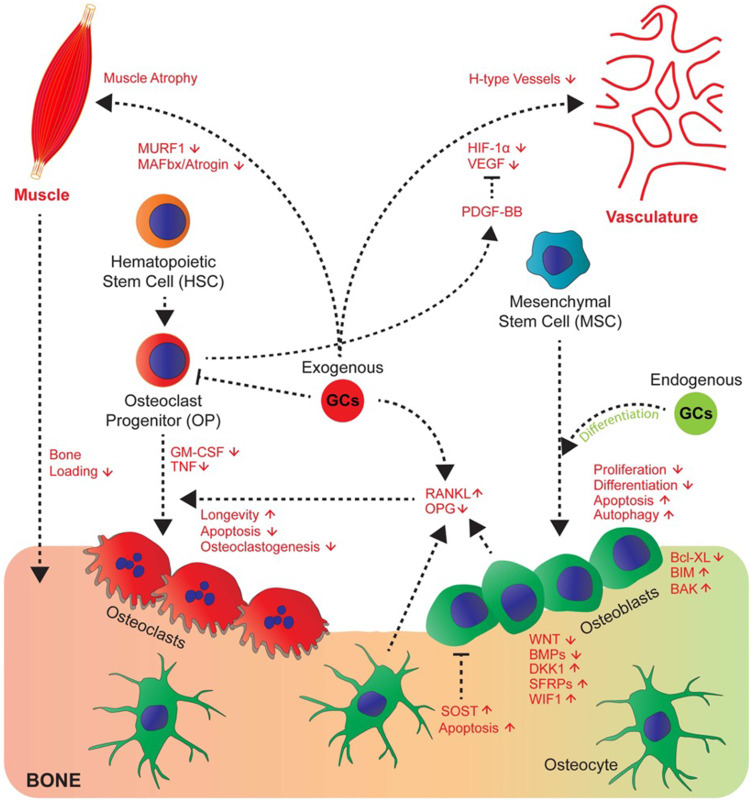
“2019; 10:2460.(24) Abbreviations: RANKL, receptor activator of nuclear factor kappa-B ligand; OPG, osteoprotegerin; VEGF, vascular endothelial growth factor; PDGF-BB, platelet-derived growth factor-BB.”
BackgroundRomosozumab in the Treatment of Osteoporosis
Kobza, A. O., Παπαϊωάννου, Α., Lau, A. N., & Adachi, J. D. (2020) · Immunotherapy · doi:10.2217/imt-2020-0158 · Cited by 20
Self-citationLespessailles, É., & Chapurlat, R. D. (2020) · Osteoporosis International · doi:10.1007/s00198-020-05568-w · Cited by 19 · cited 1×
“coids, multiple previous fractures, very low initial bone mass) and may even be cost-effective in this group.(5,70) Certainly, the”
BackgroundIshiguro, S., Ito, K., Nakagawa, S., Hataji, O., & Sudo, A. (2017) · Archives of Osteoporosis · doi:10.1007/s11657-017-0336-1 · Cited by 18
Association between gastrointestinal events and compliance with osteoporosis therapy
Siris, E. S., Fan, C. S., Yang, X., Sajjan, S., Sen, S. S., & Modi, A. (2015) · Bone Reports · doi:10.1016/j.bonr.2015.10.006 · Cited by 16 · cited 1×
“Further, some patients experience gastrointestinal adverse effects limiting their use and efficacy.(53)”
BackgroundDuyvendak, M., Naunton, M., van Roon, E. N., Bruyn, G. A. W., & Brouwers, J. R. B. J. (2008) · Osteoporosis International · doi:10.1007/s00198-008-0598-y · Cited by 11 · cited 1×
“while on bisphosphonates is a barrier to treatment of premenopausal women.(85) Furthermore, the care gap is exacerbated by ambivalence regarding whose responsibility it is to manage GIOP:”
BackgroundGlucocorticoid-induced osteoporosis preventive care in rheumatology patients
Koller, G., Katz, S. J., Charrois, T. L., & Ye, C. (2019) · Archives of Osteoporosis · doi:10.1007/s11657-019-0570-9 · Cited by 10 · cited 3×
“rheumatologists show improved adherence to GIOP guidelines.(83,84) For example, in a Canadian rheumatology”
BackgroundMethod
Cited by
Rong, X., Kou, Y., Zhang, Y., Yang, P., Tang, R., Liu, H., & Li, M. (2022) · Drug Design Development and Therapy · doi:10.2147/dddt.s377001 · Cited by 66
“In addition, glucocorticoids facilitate osteoclast formation and enhance bone resorption rates in the early stages, while osteoclasts and osteoblasts are inhibited at later stages.(8) Currently, drug therapy is the primary treatment avenue for GIOP.”
BackgroundFaggiano, A., Mazzilli, R., Natalicchio, A., Adinolfi, V., Argentiero, A., Danesi, R., D’Oronzo, S., Fogli, S., Gallo, M., Giuffrida, D., et al. (2022) · Critical Reviews in Oncology/Hematology · doi:10.1016/j.critrevonc.2022.103826 · Cited by 62
“The prevalence of secondary osteoporosis is ~ 30 – 50 %, and the reduction in bone strength mainly occurs during the first 3 – 6 months of treatment (Kobza et al., 2021).”
BackgroundGlucocorticoid-induced osteoporosis: an overview with focus on its prevention and management
Anastasilaki, E., Paccou, J., Gkastaris, K., & Anastasilakis, A. D. (2023) · HORMONES · doi:10.1007/s42000-023-00491-1 · Cited by 37
“However, glucocorticoid administration, especially for prolonged periods of time, has been associated with serious side effects, including glucocorticoid-induced osteoporosis (GIOP) [2].”
BackgroundXiao, Y., Ren, Q., Zheng, Y., Zhang, S., Ouyang, J., Jiao, L., Tang, C., Li, L., Shi, W., Wang, M., et al. (2022) · Journal of Ethnopharmacology · doi:10.1016/j.jep.2022.115154 · Cited by 33
Lippi, L., Folli, A., Curci, C., D’Abrosca, F., Moalli, S., Mezian, K., Alessandro de, S. I. R. E., & Invernizzi, M. (2022) · International Journal of Environmental Research and Public Health · doi:10.3390/ijerph192114314 · Cited by 32
Metadata
- Authors
- Kobza, A. O., Herman, D., Papaioannou, A., Lau, A. N., & Adachi, J. D.
- Affiliations
- McMaster University (CA)
- Corresponding author
- Adachi, Jonathan D
- Venue
- Open Access Rheumatology Research and Reviews
- Publisher
- Informa UK Limited
- Published
- 2021-07
- Volume
- Volume 13
- Pages
- 177-190
- ISSN
- 1179-156X (ISSN-L)
- PMC
- PMC8259736
- OpenAlex
- W3174343567
- Cited by
- 84
- References
- 88
- Citations by year
- 2026: 19 · 2025: 19 · 2024: 20 · 2023: 10 · 2022: 16
- FWCI
- 2.45
- Type
- journal article
- Language
- en
- Open access
- gold
- doi.org
- Licence
- Locations
- Open Access Rheumatology Research and Reviews (publishedVersion, cc-by-nc)
- PubMed Central (publishedVersion, cc-by-nc)
- PubMed (publishedVersion)
- Dove Medical Press (Taylor and Francis Group) (submittedVersion, cc-by-nc)
- Topics
- Health Sciences › Medicine › Orthopedics and Sports Medicine › Bone health and osteoporosis research
- Health Sciences › Medicine › Oncology › Bone health and treatments
- Life Sciences › Biochemistry, Genetics and Molecular Biology › Molecular Biology › Bone Metabolism and Diseases
- Keywords
- glucocorticoid-induced osteoporosis, secondary osteoporosis, bone resorption, osteoclasts, osteoblast apoptosis, trabecular bone score, bone quality, fracture risk, bisphosphonates, osteoanabolic agents, low-dose glucocorticoid therapy, lifestyle intervention, bone mineral density
About these checks
Registry, retraction, Cites and statistics results are computed, not judged, with one exception: a printed reference that no index lists is read once by a model before it counts as a citation error. Claims are extracted by a model and kept only when their quote appears verbatim in the text; each cited source is then checked, with a model’s help, for whether it says what the claim relies on. Those verdicts can be wrong — read the claim’s quote and the cited source before relying on one.
Statistics and arithmetic are recomputed, not judged.
Confidence bands are shown only for fields calibrated on our annotated test set. None is calibrated yet, so no band is shown.
What counts as a claim ›How we measure confidence ›How we check this ›
Are you an author, or do you see a problem with this page? Request a review
Data sources
Bibliographic data: Semantic Scholar, OpenAlex, Crossref.
Contains information from the Semantic Scholar Academic Graph Datasets, made available under the ODC Attribution License (ODC-BY 1.0).
Semantic Scholar’s data is described in: Kinney, R., et al. (2023). The Semantic Scholar Open Data Platform. arXiv:2301.10140.
