

Theories Predicting End-User Acceptance of Telemedicine Use: Systematic Review
Open accessPublished version of a preprint
The DOI matches its Crossref record; 82 of the 82 references it cites were found in a registry or an index.
Abstract
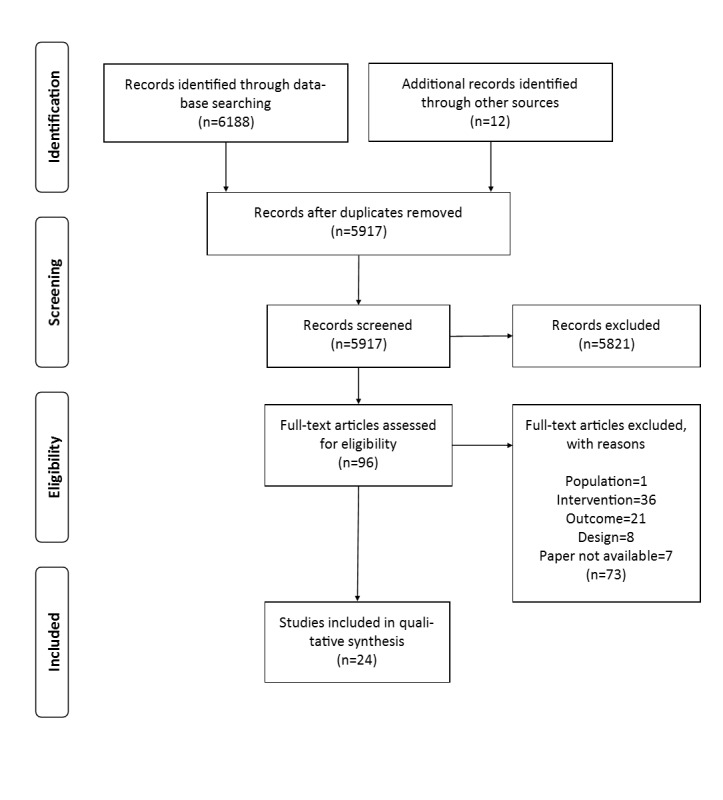
BACKGROUND: Only a few telemedicine applications have made their way into regular care. One reason is the lack of acceptance of telemedicine by potential end users. OBJECTIVE: The aim of this systematic review was to identify theoretical predictors that influence the acceptance of telemedicine. METHODS: An electronic search was conducted in PubMed and PsycINFO in June 2018 and supplemented by a hand search. Articles were identified using predefined inclusion and exclusion criteria. In total, two reviewers independently assessed the title, abstract, and full-text screening and then individually performed a quality assessment of all included studies. RESULTS: Out of 5917 potentially relevant titles (duplicates excluded), 24 studies were included. The Axis Tool for quality assessment of cross-sectional studies revealed a high risk of bias for all studies except for one study. The most commonly used models were the Technology Acceptance Model (n=11) and the Unified Theory of Acceptance and Use of Technology (n=9). The main significant predictors of acceptance were perceived usefulness (n=11), social influences (n=6), and attitude (n=6). The results show a superiority of technology acceptance versus original behavioral models. CONCLUSIONS: The main finding of this review is the applicability of technology acceptance models and theories on telemedicine adoption. Characteristics of the technology, such as its usefulness, as well as attributes of the individual, such as his or her need for social support, inform end-user acceptance. Therefore, in the future, requirements of the target group and the group's social environment should already be taken into account when planning telemedicine applications. The results support the importance of theory-guided user-centered design approaches to telemedicine development.
Overview
The claims and statistics of this paper haven’t been checked yet.
Free: it reads the open-access text and checks the first 5 claims that cite a source we can check. Create a free account to check every claim.
Integrity signals
Registry
Cites
Statistics
Figures
Verification
Claims the paper makes
The claims and statistics of this paper haven’t been checked yet.
Free: it reads the open-access text and checks the first 5 claims that cite a source we can check. Create a free account to check every claim.
Claims other papers make about this one
Each is checked against this paper’s own text: does it say what the citing paper says it does?
The source backs part of the claim, not all of it — or backs it for a different population, condition or comparison.
In the citing paper
“Compared with other traditional behavioral theories (eg, Theory of Planned Behavior, Health Belief Model), the UTAUT seems to have stronger explanatory power for understanding people’s intentions to use telehealth [11].”
From Applying the Unified Theory of Acceptance and Use of Technology to Identify Factors Associated With Intention to Use Teledelivered Supportive Care Among Recently Diagnosed Breast Cancer Survivors During COVID-19 in Hong Kong: Cross-Sectional Survey (2024) · cites this paper as [11]
Experimental — accuracy not yet measuredThe source backs part of the claim, not all of it — or backs it for a different population, condition or comparison.
In the citing paper
“Acceptance, describing attitudes toward and perception of a service or product and their relation to its adaptation (Venkatesh et al., 2003), has been shown to influence actual uptake of new digital interventions, both in industry (Venkatesh et al., 2003) and in (mental) health care (Harst et al., 2019; Philippi et al., 2021; Sora et al., 2021) settings.”
From How to promote usage of telehealth interventions for farmers' mental health? A qualitative study on supporting and hindering aspects for acceptance and satisfaction with a personalized telephone coaching for depression prevention (2023) · cites this paper as Harst et al., 2019
Experimental — accuracy not yet measured
Self-check
Percentages, sums and reported differences re-computed from the paper’s own numbers.
The self-check needs the paper’s full text.
Citations
Cites
Preferred Reporting Items for Systematic Reviews and Meta-Analyses: the PRISMA statement
Moher, D., Liberati, A., Tetzlaff, J., Altman, D. G., & for the PRISMA Group (2009) · BMJ · doi:10.1136/bmj.b2535 · Cited by 83,823
Perceived usefulness, perceived ease of use, and user acceptance of information technology
Davis, F. D. (1989) · MIS Quarterly · doi:10.2307/249008 · Cited by 68,483 · cited 3×
“Although in the TAM, acceptance is defined as “actual system use” [26], in the UTAUT, it is defined as “use behavior” [28].”
BackgroundMethodUser Acceptance of Information Technology: Toward A Unified View1
Venkatesh, V., Morris, M. G., Davis, G. B., & Davis, F. D. (2003) · MIS Quarterly · doi:10.2307/30036540 · Cited by 45,035 · cited 6×
“Although in the TAM, acceptance is defined as “actual system use” [26], in the UTAUT, it is defined as “use behavior” [28].”
BackgroundMethodInfluentialPreferred reporting items for systematic reviews and meta-analyses: the PRISMA Statement.
(2009) · PubMed Central · Cited by 44,859
(1975) · PhilPapers (PhilPapers Foundation) · Cited by 36,737
A Theoretical Extension of the Technology Acceptance Model: Four Longitudinal Field Studies
Venkatesh, V., & Davis, F. D. (2000) · Management Science · doi:10.1287/mnsc.46.2.186.11926 · Cited by 23,066 · cited 5×
“Contradictory to that, the TAM still has the highest amount of variance explained among all the models included in this review: A median R² of 0.68 is achieved by the TAM, compared with an R² of 0.59 for the UTAUT.”
MethodInfluential(1985) · Medical Entomology and Zoology · Cited by 19,180
From Intentions to Actions: A Theory of Planned Behavior
Ajzen, I. (1985) · Action Control · doi:10.1007/978-3-642-69746-3_2 · Cited by 19,057 · cited 8×
“Effect strength and significanceaComponents of the model or theory with significant explanatory power Theoretical model or theoryAuthor (year); Journal Health care provider Original Technology Acceptance Model: PU: ORg 5.28h (95% CI 3.14 to 10.01); PEOU: OR 1.93i (95% CI 1.11 PUe (TAM); PEOUf (TAM); Extended TAM: Comp…”
BackgroundInfluentialHistorical Origins of the Health Belief Model
Rosenstock, I. M. (1974) · Health Education Monographs · doi:10.1177/109019817400200403 · Cited by 6,116 · cited 1×
“The oldest yet still widely used model for health behavior change is the Health Belief Model (HBM) that focuses on the individual assessment of vulnerability, outcomes and costs of behavior change, and external cues toward behavior change [20].”
MethodCochrane Handbook for Systematic Reviews of Interventions
Tarsilla, M. (2010) · Journal of MultiDisciplinary Evaluation · doi:10.56645/jmde.v6i14.284 · Cited by 5,178
Research works printed but not linked: 4
- Atlas of eHealth country profiles. The use of eHealth in support of universal health coverage 2015 Global Observatory for eHealth 2015 Geneva, Switzerland World Health Organisation (WHO)
- Global diffusion of eHealth. Making universal health coverage achievable Global Observatory for eHealth 2015 Geneva, Switzerland World Health Organisation (WHO)
- Hastall M Dockweiler C Mühlhaus J Achieving end user acceptance: Building blocks for an evidence-based user-centered framework for health technology development and assessment 2017 11th International Conference on Universal Access in Human-Computer Interaction UAHCI July 9–14, 2017 Vancouver, BC, Canada Cham, Switzerland Springer 13 25
- Field A Discovering Statistics Using IBM SPSS Statistics: North American Edition 2018 Los Angeles Sage Publications Ltd 1025
Cited by
Items 101–200 of 375
Review of Systematic Reviews in the Field of Telemedicine
Goharinejad, S., Hajesmaeel-Gohari, S., Jannati, N., Goharinejad, S., & Bahaadinbeigy, K. (2021) · Medical Journal of The Islamic Republic of Iran · doi:10.47176/mjiri.35.184 · Cited by 18
Rodríguez-Fernández, J. M., Danies, E., Hoertel, N., Galanter, W., Saner, H. E., & Franco, O. H. (2021) · Journal of Applied Gerontology · doi:10.1177/07334648211056231 · Cited by 18
“The Technology Acceptance Model (TAM) and the Unified Theory of Acceptance and Use of Technology (UTAUT) models have been used in the evaluation of telemedicine adoption, and although these focus on end-user acceptance, attention has to be given to medical conditions potentially limiting its adoption in older adults (…”
MethodAminoff, H., Meijer, S., Arnelo, U., & Frennert, S. (2021) · JMIR Formative Research · doi:10.2196/20692 · Cited by 18
Smart Home Technology Solutions for Cardiovascular Diseases: A Systematic Review
Moses, J. C., Adibi, S., Angelova, M. N., & Islam, S. M. S. (2022) · Applied System Innovation · doi:10.3390/asi5030051 · Cited by 18
“The healthcare systems developed based on theory-guided user-centred design approaches could effectively address the healthcare needs of the target group [110].”
Hui, C. Y., McKinstry, B., Fulton, O., Buchner, M., & Pinnock, H. (2021) · Journal of Medical Internet Research · doi:10.2196/22432 · Cited by 17
“Mobile systems that connect asthma smart devices and pull data from electronic health records [22,23] and apps that support asthma self-management [31] have been developed, but often, technology researchers focus on novelty and ensuring acceptability of their technology [32], rather than exploring the breadth of funct…”
BackgroundEvaluation of Picture Archiving and Communication System (PACS): Radiologists’ perspective
Tadayon, H., Nafari, B., Khadem, G., Darrudi, R., & Jabali, M. S. (2023) · Informatics in Medicine Unlocked · doi:10.1016/j.imu.2023.101266 · Cited by 17
Telepsychiatry in Australia: A Scoping Review
Woon, L. S., Maguire, P. A., Reay, R. E., & Looi, J. C. (2024) · INQUIRY The Journal of Health Care Organization Provision and Financing · doi:10.1177/00469580241237116 · Cited by 18
“124,125 Regarding the clinical practice of telepsychiatry, in terms of clinician-patient interactions, we should identify useful skill sets for conducting online interviews and effective strategies for the inclusion of telemedicine interview training in medical education.”
Hailu, D. T., Melaku, M. Y., Abebe, S. A., Walle, A. D., Tilahun, K. N., & Gashu, K. D. (2025) · Frontiers in Digital Health · doi:10.3389/fdgth.2025.1469365 · Cited by 17
“According to prior studies, performance expectance is the main signi fi cant predictor of acceptance and has signi fi cant positive effects on behavioral intention (24, 32).”
Readiness for Voice Technology in Patients With Cardiovascular Diseases: Cross-Sectional Study
Kowalska, M., Gładyś, A., Kalańska-Łukasik, B., Gruz-Kwapisz, M., Wojakowski, W., & Jadczyk, T. (2020) · Journal of Medical Internet Research · doi:10.2196/20456 · Cited by 17
“The age of the patients has been reported to play an important role in patients' willingness to use telemedicine [29].”
Ramírez-Correa, P., Ramírez-Rivas, C., Alfaro-Peréz, J., & Mariano, A. M. (2021) · Journal of Information Systems Engineering & Management · doi:10.29333/jisem/9618 · Cited by 17
“Other papers have found similar results, in which attitude is a significant predictor for behavioral intention (Harst, Lantzsch, and Scheibe, 2019; Jen and Hung, 2010; Lin and Yang, 2009).”
ResultHoonsopon, D., Ketkaew, C., Puriwat, W., Viriyasitavat, W., & Tripopsakul, S. (2025) · SAGE Open · doi:10.1177/21582440251378068 · Cited by 17
“Users are more likely to evaluate usefulness based on whether telemedicine improves access, reduces wait times, or facilitates continuity of care (Harst et al., 2019; Zhu et al., 2023), rather than whether the system is trustworthy per se.”
Wathne, H. B., Morken, I. M., Storm, M., & Husebø, A. M. L. (2023) · JMIR Human Factors · doi:10.2196/39391 · Cited by 16
Borrelli, S., Fumagalli, S., Colciago, E., Downey, J., Spiby, H., & Nespoli, A. (2023) · Women and Birth · doi:10.1016/j.wombi.2023.06.006 · Cited by 16
Wangler, J., & Janský, M. (2024) · BMC Digital Health · doi:10.1186/s44247-024-00068-x · Cited by 16
“Krisam and Preis have explicitly recommended expanding on playful potential in (further) DHA development [31, 42, 50, 51].”
BackgroundWangler, J., & Janský, M. (2022) · Prävention und Gesundheitsförderung · doi:10.1007/s11553-022-00988-4 · Cited by 16
“Mit Blick auf eine weitere Optimierung heben Ärzt*innen mit DiGA-Erfahrung auf die Stärkung von mo-tivationsförderlicher Anwenderfreund-lichkeit ab, sodass eine unkomplizierte Bedienbarkeit auch für nicht-digitalaf-fine oder kognitiv eingeschränkte Patient*innen gewährleistet ist [11, 19].”
Hui, C. Y., McKinstry, B., McLean, S., Buchner, M., & Pinnock, H. (2022) · JAMIA Open · doi:10.1093/jamiaopen/ooac110 · Cited by 16
“It is widely used to explore patients’ adoption process for the technology with clinicians as the end user.(26) We therefore used the UTAUT in this study and define the 4 constructs in Table 1.”
MethodYedilbayev, Y., Sarybayeva, A. K., Zharylgapova, D. M., Shektibayev, N., Usembayeva, I. B., & Kurbanbekov, B. A. (2023) · Cogent Education · doi:10.1080/2331186x.2023.2212119 · Cited by 16
“If the end-users do not accept these technologies, it can lead to the failure of the implementation, resulting in a waste of time and resources (Harst et al., 2019).”
BackgroundPraha, N., Sriyuktasuth, A., Puwarawuttipanit, W., Chuengsaman, P., & Kusakunniran, W. (2023) · Journal of Medical Internet Research · doi:10.2196/48623 · Cited by 16
“This study confirmed that perceived usefulness was an explanatory factor that exerted the most significant effect on telehealth service use, which is consistent with the results reported in several previous studies [18,19,35,52,74,75].”
Dempsey, C. M., Serino‐Cipoletta, J., Marinaccio, B., O'Malley, K. A., Goldberg, N. E., Dolan, C., Parker‐Hartigan, L., Williams, L., & Vessey, J. A. (2021) · Journal of Pediatric Nursing · doi:10.1016/j.pedn.2021.11.023 · Cited by 15
Sharka, R. M., Sedayo, L., Aldahwani, S., Alyamani, L., Budayri, R., & Qari, A. H. (2023) · Cureus · doi:10.7759/cureus.46016 · Cited by 15
“Prior studies have employed theoretical frameworks to understand factors and variables associated with users’ intentions to accept and utilize technological advances in medical care [12].”
BackgroundKang, E., Song, N., & Ju, H. (2022) · Health Informatics Journal · doi:10.1177/14604582221075549 · Cited by 15
“According to a study conducted in 2019, perceived usefulness, social influences, and attitude toward telemedicine could influence the acceptance of telemedicine.(57) It has been reported that the relationship between this perception and acceptance appears not only in medical professionals but in the general population…”
BackgroundDeterminants behind the acceptance of autonomous vehicles in mandatory and optional trips
Farzin, I., Mamdoohi, A. R., Abbasi, M., Baghestani, A., & Ciari, F. (2023) · Proceedings of the Institution of Civil Engineers - Engineering Sustainability · doi:10.1680/jensu.23.00023 · Cited by 14
Katz, C., Robles, N., Novillo-Ortiz, D., & Saigí-Rubió, F. (2024) · Digital Health · doi:10.1177/20552076241251951 · Cited by 15
“1,12,51,52,74,82,83 88 Absent or poorly designed TRIMs are also associated with RTC. 51,52,69,83,89 70,83,87,90 The consensus threshold on the TCs construct was not reached either.”
BackgroundKabeza, C. B., Harst, L., Schwarz, P. E. H., & Timpel, P. (2020) · Therapeutic Advances in Endocrinology and Metabolism · doi:10.1177/2042018820914510 · Cited by 14
“9 Both refer to the users’ feelings that an application does what they hoped it would do and thereby helps them with their disease self-management.”
Self-citationGalvin, K. L., Sucher, C. M., Bennett, R. J., Ebrahimi-Madiseh, A., Crosland, P., & Eikelboom, R. H. (2022) · International Journal of Audiology · doi:10.1080/14992027.2022.2039965 · Cited by 14
“A systematic review identified key end-user acceptance issues for general telemedicine as perceived usefulness, social influences and attitudes (Harst et al. 2019).”
BackgroundRemote monitoring for long-term physical health conditions: an evidence and gap map
de Bell, S., Zhelev, Z., Shaw, N., Bethel, A. C., Anderson, R., & Coon, J. T. (2023) · Health and Social Care Delivery Research · doi:10.3310/bvcf6192 · Cited by 14
Alam, L., Alam, M., Malik, A. M., & Faraid, V. (2021) · Pakistan Journal of Medical Sciences · doi:10.12669/pjms.37.5.3970 · Cited by 14
Sangalli, L., Fernandez-Vial, D., Moreno‐Hay, I., & Boggero, I. A. (2021) · Pain Medicine · doi:10.1093/pm/pnab295 · Cited by 14
Supporting patients’ medication management using eHealth - test cases in rheumatology
Pouls, B. P. H. (2023) · Radboud Repository (Radboud University) · Cited by 14
Mak, W. W. S., Ng, S. M., & Leung, F. H. T. (2023) · JMIR Formative Research · doi:10.2196/38504 · Cited by 13
“This process is essential in developing a user-friendly and responsive platform that was tested in subsequent usability testing sessions in phase 2 to further refine the design to enhance technology adoption [51].”
MethodA meta-analysis of a comprehensive m-health technology acceptance
Calegari, L. P., Barkokebas, R. D., & Fettermann, D. C. (2023) · International Journal of Lean Six Sigma · doi:10.1108/ijlss-01-2023-0012 · Cited by 13
Aji, P. T., & Ramadani, L. (2024) · Journal of Information Systems Engineering and Business Intelligence · doi:10.20473/jisebi.10.1.81-93 · Cited by 13
Wilczewski, H., Paige, S. R., Ong, T., Barrera, J. F., Soni, H., Welch, B. M., & Bunnell, B. E. (2022) · Frontiers in Psychiatry · doi:10.3389/fpsyt.2022.855138 · Cited by 13
Cascini, F., Gentili, A., Melnyk, A., Beccia, F., Causio, F. A., Solimene, V., Battilomo, S., Paone, S., Borghini, A., Bartolo, M., et al. (2023) · Frontiers in Public Health · doi:10.3389/fpubh.2023.1292442 · Cited by 12
Wang, K.-C., Huang, P.-S., Wang, Y.-L., Hoe, Z.-Y., Noor, A. A., & Chen, P.-T. (2025) · Technology in Society · doi:10.1016/j.techsoc.2025.102899 · Cited by 13
Chanda, R. C., Zadeh, A. V., Hanifah, H. M., Nikbin, D., & Ahmed, T. (2025) · Aslib Journal of Information Management · doi:10.1108/ajim-07-2024-0542 · Cited by 12
Human-Centered Design and Digital Transformation of Mental Health Services
Fleming, W. J., Coutts, A. P., Pochard, D., Trivedi, D. P., & Sanderson, K. A. (2025) · JMIR Human Factors · doi:10.2196/66040 · Cited by 13
“An implicit “technosolutionism” [17] in discussions of HCD in psychiatry can be seen by the emphasis placed on using it to enhance acceptability of these technologies [110].”
Physicians’ views on optimal use and payment system for telemedicine: a qualitative study
Raes, S., Annemans, L., Willems, R. P., & Trybou, J. (2023) · BMC Health Services Research · doi:10.1186/s12913-023-09314-w · Cited by 12
“In addition to our study, previous research investigated the theory behind telemedicine acceptance and use, and indicated that its predictors are mainly usefulness, social influences, and attitude [25].”
BackgroundMkik, M., Mkik, S., & Hebaz, A. (2023) · Lecture notes in networks and systems · doi:10.1007/978-981-99-5166-6_12 · Cited by 12
Lin, Y.-H. P., Huang, G., Ho, Y., & Lou, M. (2020) · Journal of Nursing Management · doi:10.1111/jonm.12942 · Cited by 12
Benedict, C., Dauber-Decker, K. L., King, D., Hahn, A., Ford, J. S., & Diefenbach, M. (2021) · JMIR Formative Research · doi:10.2196/20841 · Cited by 11
“All procedures followed user-centered design methods such that users’ needs, contexts, and points of view were key drivers in the iterative design decisions throughout product development [15].”
Wu, T.-C., & Ho, C. B. (2025) · Journal of Medical Internet Research · doi:10.2196/53306 · Cited by 11
“One systematic review by Harst et al [12] indicates that the adaption of telemedicine service can be evaluated by using the theories of TAM and acceptance is predicted by PU, social influences, and attitude.”
InfluentialPouls, B. P. H., Bekker, C. L., van Dulmen, S., Vriezekolk, J. E., & van den Bemt, B. J. F. (2022) · JMIR Serious Games · doi:10.2196/31570 · Cited by 11
“Acceptability was determined using the Technology Acceptance Model as underpinning, which is a well-established model for usability evaluation of eHealth [39-41].”
MethodEnhancing System Acceptance through User-Centred Design: Integrating Patient Generated Wellness Data
Pais, S., Petrova, K., & Parry, D. (2021) · Sensors · doi:10.3390/s22010045 · Cited by 12
“Therefore, TAM and UTAUT can provide an appropriate theoretical framework for the analysis of data gathered from information system end-users as they observe and interact with the information technology artefact, as part of the user-centred design (UCD) process [11,12].”
BackgroundStein, A., Thorstensen, J. R., Ho, J. M., Ashley, D. P., Iyer, K. K., & Barlow, K. M. (2023) · Brain Connectivity · doi:10.1089/brain.2023.0067 · Cited by 12
“The AXIS tool does not provide an overall rating of quality and instead specifies that studies should receive one point for each criterion satisfied (for a total of 20 points) (Harst et al., 2019; Sahu et al., 2020).”
Furness, K., Huggins, C. E., Croagh, D. G., & Haines, T. P. (2021) · Nutrients · doi:10.3390/nu13031020 · Cited by 11
“Engaging our health professionals will require robust evidence of the usefulness and ease of use of these delivery models before there will be widespread support for their use, as these have been identified as the two key components to the acceptance of eHealth [47].”
BackgroundMancini, R., Bartolo, M., Pattaro, G., Ioni, L., Picconi, T., Pernazza, G., & “A.O. San Giovanni – Addolorata”, R. (2021) · Updates in Surgery · doi:10.1007/s13304-021-01132-1 · Cited by 11
Manzoor, M., Maziz, M. N. H., Subramaniyan, V., Shirin, L., Doustjalali, S. R., Sabet, N. S., Kabir, M. S., & Mathialagan, A. (2022) · International Journal of Health Sciences · doi:10.53730/ijhs.v6ns3.6040 · Cited by 11
“Furthermore, it is important to assess the acceptance of telemedicine prior to its adoption and implementation into the health care system (Harst et al, 2019).”
BackgroundReadiness for Telemedical Services in Patients With Cardiovascular Diseases: Cross-sectional Study
Kalańska-Łukasik, B., Gładyś, A., Jadczyk, T., Gruz-Kwapisz, M., Wojakowski, W., & Kowalska, M. (2022) · JMIR Formative Research · doi:10.2196/33769 · Cited by 11
“Analogously, the previous studies show the importance of easy-to-use technology [16], whereas Scheibe et al [31] conclude that design features such as a simple intuitive menu, large icons, and high color contrast are especially important for older users.”
BackgroundResultFischer, T., Stumpf, P., Schwarz, P. E. H., & Timpel, P. (2022) · BMJ Open · doi:10.1136/bmjopen-2021-052818 · Cited by 12
Thielecke, J., Buntrock, C., Freund, J., Braun, L., Ebert, D. D., Berking, M., Baumeister, H., & Titzler, I. (2023) · Internet Interventions · doi:10.1016/j.invent.2023.100671 · Cited by 10
“…a service or product and their relation to its adaptation (Venkatesh et al., 2003), has been shown to influence actual uptake of new digital interventions, both in industry (Venkatesh et al., 2003) and in (mental) health care (Harst et al., 2019; Philippi et al., 2021; Sora et al., 2021) settings.”
BackgroundWillinger, L., Schweizer, F., Böhm, B., Scheller, D. A., Jonas, S., Oberhoffer, R., Müller, J., & Reimer, L. M. (2024) · Digital Health · doi:10.1177/20552076241271861 · Cited by 11
“34 This is especially true for existing attitudes toward digital games.”
BackgroundWang, W., He, X., Zhang, X., Chu, Y., Li, C., Chen, B., & Zhao, J. (2025) · Scientific Reports · doi:10.1038/s41598-025-93801-z · Cited by 10
“Usefulness has been identified as one of the key determinants for the adoption of telemedicine 49 .”
Loutfi, S., Jose, S., Jabeen, F., & Piccardi, P. (2025) · Management of Environmental Quality An International Journal · doi:10.1108/meq-01-2025-0015 · Cited by 10
Dolničar, V., Petrovčič, A., Škafar, M., Laznik, J., Prevodnik, K., & Touzery, S. H. (2024) · International Journal of Medical Informatics · doi:10.1016/j.ijmedinf.2024.105537 · Cited by 11
Ikääntyvien terveystietokäyttäytyminen ja hyödylliseksi koetut digitaaliset terveyspalvelut
Huvila, I., Enwald, H., Eriksson‐Backa, K., & Hirvonen, N. (2021) · Informaatiotutkimus · doi:10.23978/inf.109124 · Cited by 10
“…syystä perinteiset teknologioiden ja teknisten järjestelmien arvioimiseen, hyväksymiseen ja käyttöönottamiseen keskittyvät, edes käyttäjälähtöiset, teoriat, mallit ja menetelmät (ks. myös Harst et al., 2019) eivät välttämättä ole käyttökelpoisimpia palveluiden kokonaisvaltaisessa tarkastelussa.”
Identifying Digital Rhetoric in the Telemedicine User Interface
Campbell, J. L. (2022) · Journal of Technical Writing and Communication · doi:10.1177/00472816221125184 · Cited by 9
“Moreover, the usability of telemedicine is also associated with widespread patient adoption of telemedicine (Harst et al., 2019; Karsh, 2004).”
BackgroundTelemedicina en Chile: uso, desarrollo y controversias en una red de salud pública del sur del país
Villarroel, S., & Medina, S. (2022) · Revista Chilena de Salud Pública · doi:10.5354/0719-5281.2022.69151 · Cited by 11
Neumann, A., König, H., & Hajek, A. (2025) · JMIR Mental Health · doi:10.2196/70925 · Cited by 9
“The UTAUT dimensions, which were used to measure the patients’ attitude towards the services, have previously been associated with general telemedicine use [93] and also appear to act as a major determinant of patient use of telemental health services.”
Fischer, T., Stumpf, P., Reinhardt, G., Schwarz, P. E. H., & Timpel, P. (2020) · BMJ Open · doi:10.1136/bmjopen-2019-034027 · Cited by 10
“Since the acceptance of technical innovations substantially depends on ease of use and perceived usefulness, 56 a usability test was carried out as the basis of this study.”
MethodCruz-Martínez, R. R., Wentzel, J., Sanderman, R., & van Gemert‐Pijnen, J. E. W. C. (2021) · Behaviour and Information Technology · doi:10.1080/0144929x.2021.1971764 · Cited by 9
“This aligns with research that endorses the importance of patient-centeredness for self-care remote-support (Harst, Lantzsch, and Scheibe 2019; Harst, Timpel, and Otto 2020) and the collaboration between patients and health care providers (Nordfonn, Morken, and Bru 2019).”
MethodButz, B., Kloep, L., & Kriegesmann, B. (2022) · Digital Health · doi:10.1177/20552076221134448 · Cited by 9
“General models explaining the acceptance of technologies are manifold with the most commonly used in the medical sector being the Technology Acceptance Model and the United Theory of Acceptance and Use of Technology, as Harst et al.1 show in a systematic literature review.”
MethodSchlieter, H. (2021) · Monitor Versorgungsforschung · doi:10.24945/mvf.02.21.1866-0533.2301 · Cited by 9
Pinedo, I. A., Paz‐Pascual, C., Bully, P., Espinosa, M., & EmaQ Group (2021) · JMIR Formative Research · doi:10.2196/28855 · Cited by 9
“telemedicine [42] concluded that it is essential to take into account the individual characteristics of the end user in the design of the tools and their usefulness as perceived by professionals when handling them in clinical practice.”
BackgroundUsing iVR to deliver optimal psychotherapy experience—current perspectives on VRET for acrophobia
Varšová, K. K., & Juřík, V. (2024) · Frontiers in Psychology · doi:10.3389/fpsyg.2024.1491622 · Cited by 8
Gupta, O. J., Srivastava, M. K., Darda, P., Yadav, S., & Mishra, V. (2024) · International Journal of Pharmaceutical and Healthcare Marketing · doi:10.1108/ijphm-03-2023-0027 · Cited by 8
Oudshoorn, C. E. M., Frielink, N., Riper, H. M., & Embregts, P. J. C. M. (2024) · JMIR Formative Research · doi:10.2196/52788 · Cited by 8
“Notably, the perceived added value of eHealth and organizational support emerged as the primary drivers for acceptance, consistent with previous research [45,51].”
Acceptance and adoption determinants of telemedicine in public healthcare institutions
Phorah, K., & Motsi, L. (2025) · Curationis · doi:10.4102/curationis.v48i1.2604 · Cited by 8
Nabelsi, V., Plouffe, V., & Leclerc, M. C. (2025) · JMIR Aging · doi:10.2196/71950 · Cited by 9
“Rapid adaptation to new technology is indeed a facilitator, as confirmed in research on technology acceptance [74,80].”
Buba, M., Dulude, C., O’Donnell, R., Rowan-Legg, A., Sloan, M., Nelson, M., & King, W. J. (2023) · BMC Pediatrics · doi:10.1186/s12887-023-04091-1 · Cited by 8
Bauer, E. H., Schultz, A. N. Ø., Brink, A., Jørgensen, L. O., & Bollig, G. (2021) · Healthcare · doi:10.3390/healthcare9060758 · Cited by 8
Context and Complexity in Telemedicine Evaluation: Work Domain Analysis in a Surgical Setting
Aminoff, H., & Meijer, S. (2021) · JMIR Perioperative Medicine · doi:10.2196/26580 · Cited by 8
Malekani, A. W. (2023) · University of Dar es Salaam Library Journal · doi:10.4314/udslj.v18i1.8 · Cited by 8
“Though perceived usefulness and perceived ease of use are both valid indicators for the acceptance and use of an IT, both factors are impacted by other independent variables such as culture, education level, job position and function, data quality, and system security (Harst et al., 2019; Kong et al., 2019).”
BackgroundTackling the scaling-up problem of digital health applications
Richter, P., & Harst, L. (2021) · Journal of Public Health · doi:10.1007/s10389-021-01599-7 · Cited by 8
Self-citationNabelsi, V., & Lévesque-Chouinard, A. (2024) · JMIR Formative Research · doi:10.2196/52921 · Cited by 7
Offermann, J., & Ziefle, M. (2024) · Electronics · doi:10.3390/electronics13153022 · Cited by 7
Aloini, D., Pellegrini, L., Latronico, L., & Cannavacciuolo, L. (2023) · Technology Analysis and Strategic Management · doi:10.1080/09537325.2023.2196580 · Cited by 7
“Yet, most proposals, aimed at favouring the adoption by leveraging on technology acceptance and intention to use antecedents (Chau and Hu 2002; Aloini, Dulmin, and Mininno 2012; Harst, Lantzsch, and Scheibe 2019), focus on strategies and actions to be taken after the technology becomes available.”
Talla, P. K., Kamalabadi, Y. M., Durand, R., Michaud, P.-L., & Emami, E. (2024) · Digital Health · doi:10.1177/20552076241258472 · Cited by 7
“34 The utility of Thedegree of correspondence between innovation and existing values, past experiences and needs of potential adopters.”
BackgroundResultInfluentialHarper, K. J., Fitzgerald, S., Xiyin, P., Kuzich, J., Leow, S. H., Jacques, A., & Harris, C. J. (2022) · International Journal of Telerehabilitation · doi:10.5195/ijt.2022.6505 · Cited by 7
“…such as the perceived or real difficulty in developing an effective therapeutic relationship between the clinician and patient and the ability to appropriately diagnose or manage certain conditions (Cottrell & Russell, 2020; Dorsey & Topol, 2016; Harst et al., 2019; Turolla et al., 2020).”
BackgroundPapachristou, N., Vasileios, R., Sarafis, P., & Bamidis, P. D. (2023) · PLoS ONE · doi:10.1371/journal.pone.0278758 · Cited by 7
“Moreover, in the case of patients acceptance of telemedicine from their social surroundings was critical, as family and friends could encourage them to adopt telemedicine as a treatment option [24].”
BackgroundSchmitz, A. (2019) · LA Referencia (Red Federada de Repositorios Institucionales de Publicaciones Científicas) · Cited by 7
Porat-Packer, T., Green, G., Sharon, C., & Tesler, R. (2025) · Behavioral Sciences · doi:10.3390/bs15101367 · Cited by 6
“The study also found that PEOU mediated the relationships between self-efficacy and PU, and between subjective norms and PU, as hypothesized and supported by other research findings (Harst et al., 2019; Shiferaw & Mehari, 2019).”
Sauerbruch, STARPAHC, and SARS: Historical Perspectives on Readiness and Barriers in Telemedicine
Reifegerste, D., Harst, L., & Otto, L. (2021) · Journal of Public Health · doi:10.1007/s10389-021-01513-1 · Cited by 7
“Typical barriers of telemedical problems in current times are limited financial resources, the resistance of individual end-users (especially patients and health care providers), and lacking regional infrastructure (Otto and Harst 2019).”
BackgroundSelf-citationRohrmann, T., Praus, P., Proctor, T., Benedyk, A., Tost, H., Hennig, O., Meyer‐Lindenberg, A., & Wahl, A.-S. (2022) · Frontiers in Psychiatry · doi:10.3389/fpsyt.2022.971896 · Cited by 6
Abbasi, F., Khajouei, R., Ahmadinejad, M., Razban, F., & Jahani, Y. (2023) · Health and Technology · doi:10.1007/s12553-022-00720-4 · Cited by 6
“Therefore, it is better to utilize the features desired by users in technology development[45].”
Borrelli, S., Downey, J., Colciago, E., Fumagalli, S., Nespoli, A., & Spiby, H. (2023) · Women and Birth · doi:10.1016/j.wombi.2023.01.004 · Cited by 6
Türkyılmaz, S. (2023) · European journal of applied sciences · doi:10.14738/aivp.111.14101 · Cited by 6
Intention to use telemedicine based on the Unified Theory of Acceptance and Use of Technology Model
Indrayathi, A., Julyari, D. A. V., Pradnyani, P. E., Ulandari, L. P. S., & Hilal, S. (2023) · Public Health and Preventive Medicine Archive · doi:10.53638/phpma.2023.v11.i1.p02 · Cited by 6
“14,15 The Unified Theory of Acceptance and Use of Technology (UTAUT) is frequently employed in exploring the acceptance of technology.”
BackgroundSchröder, J., Dinse, H., Jahre, L. M., Skoda, E., Stettner, M., Kleinschnitz, C., Teufel, M., & Bäuerle, A. (2024) · Telemedicine Journal and e-Health · doi:10.1089/tmj.2024.0088 · Cited by 6
Kung, L.-H., Yan, Y., & Kung, C.-M. (2024) · Telemedicine Journal and e-Health · doi:10.1089/tmj.2024.0322 · Cited by 6
Ramírez-Rivas, C., Alfaro-Peréz, J., Ramírez-Correa, P., & Mariano, A. M. (2020) · Iberian Conference on Information Systems and Technologies (CISTI) · doi:10.23919/cisti49556.2020.9140996 · Cited by 6
“Other papers have found similar results, in which attitude is a significant predictor for behavioral intention [5][6][7].”
ResultTelehealth of cardiac devices for CVD treatment
Shelke, S., Veerubhotla, K., Lee, Y., & Lee, C. H. (2023) · Biotechnology and Bioengineering · doi:10.1002/bit.28637 · Cited by 6
“Medical information that is integral in the successful application of the telehealth approach to biomedical fields should be presented in a standardized form, while complying with all current regulations of data protection (Harst et al., 2019; Merle et al., 2020; Smith et al., 2020).”
BackgroundHow Does Telemedicine Shape Physician’s Practice in Mental Health?Preprint
Li, M., Nassiri, S., Liu, X., & Ellimoottil, C. (2021) · SSRN Electronic Journal · doi:10.2139/ssrn.3766619 · Cited by 6
Laursen, S. H., Giese, I. E., Udsen, F. W., Hejlesen, O. K., Barington, P. F., Ohrt, M., Vestergaard, P., & Hangaard, S. (2024) · Pilot and Feasibility Studies · doi:10.1186/s40814-024-01509-0 · Cited by 5
“A well-adapted and well-tested telemonitoring design is essential to ensure the quality of telemedicine initiatives in general with a view to better user acceptance and patient outcomes [55].”
BackgroundKissi, J., Adzakpah, G., Annobil, C., Mensah, N. K., Quansah, D. K. K., Dzamvivie, K., Kruh, V., Amoah-Anomah, G., & Kassim, A.-B. (2025) · BMC Family Practice · doi:10.1186/s12875-025-02961-4 · Cited by 6
“Task–technology fit would assess the alignment between system functionality and clinicians’ workflow requirements [32].”
InfluentialMobile Health for Lifestyle Modification among Health Check-up Clients: A Qualitative Study
Poorirerngpoom, N., Hanvoravongchai, P., & Ratanachina, J. (2025) · Asian Journal of Social Health and Behavior · doi:10.4103/shb.shb_393_24 · Cited by 6
Müller, S., Kramer, A. R.-V., Tönnies, J., Wildenauer, A., Wensing, M., Friederich, H., & Haun, M. W. (2025) · BMC Public Health · doi:10.1186/s12889-025-25235-1 · Cited by 5
“The TAM framework is highly used and appropriate for a wide range of research contexts, including telemedicine [34].”
Reinhardt, G., Timpel, P., Schwarz, P. E. H., & Harst, L. (2021) · Nutrients · doi:10.3390/nu13124215 · Cited by 5
“It also fits the reported high usage of app-components that provided motivational support, which shows the importance of positive framing of behavior change in order to fulfill the users’ outcome expectancy [58], a fact already known from interventions aiming to increase screening behavior [59].”
BackgroundSelf-citationSetty, M., Mougey, E. B., Berg, E. A., Rosen, J. M., Lee, J., Li, B. U. K., Venkatesh, R. D., & Franciosi, J. P. (2022) · JPGN Reports · doi:10.1097/pg9.0000000000000182 · Cited by 5
“The TAM survey is a 7-point Likert scale survey, and it is the most widely used model to measure acceptance of technology among healthcare providers.(6) It incorporates factors of acceptance predicted by attitudes toward the use, perceived usefulness, and perceived ease of use of technology (individual value judgments…”
Paige, S. R., Bylund, C. L., Wilczewski, H., Ong, T., Barrera, J. F., Welch, B. M., & Bunnell, B. E. (2023) · PEC Innovation · doi:10.1016/j.pecinn.2023.100176 · Cited by 5
“The Internet, for example, is considered useful when it helps MH providers effectively carry out their professional responsibilities and supports patients to establish or achieve treatment goals [11,12].”
Background
Metadata
- Authors
- Harst, L., Lantzsch, H., & Scheibe, M.
- Affiliations
- University Hospital Carl Gustav Carus (DE)
- Technische Universität Dresden (DE)
- Corresponding author
- Harst, Lorenz
- Venue
- Journal of Medical Internet Research
- Publisher
- JMIR Publications Inc.
- Published
- 2019-05-21
- Volume
- 21
- Issue
- 5
- Pages
- e13117
- ISSN
- 1438-8871 (ISSN-L)
- PMC
- PMC6547771
- OpenAlex
- W2927203543
- Cited by
- 320
- References
- 81
- Citations by year
- 2026: 30 · 2025: 42 · 2024: 40 · 2023: 54 · 2022: 52 · 2021: 58 · 2020: 31 · 2019: 12
- FWCI
- 6.25
- Type
- journal article
- Language
- en
- Open access
- gold
- doi.org
- Licence
- cc-by
- Locations
- Journal of Medical Internet Research (publishedVersion, cc-by)
- PubMed Central (publishedVersion, cc-by)
- PubMed (publishedVersion)
- Funders
- Freistaat Sachsen
- European Social Fund (100310385)
- Topics
- Health Sciences › Medicine › Public Health, Environmental and Occupational Health › Telemedicine and Telehealth Implementation
- Social Sciences › Decision Sciences › Information Systems and Management › Technology Adoption and User Behaviour
- Health Sciences › Medicine › Geriatrics and Gerontology › Technology Use by Older Adults
- Keywords
- telemedicine, end-user acceptance, technology acceptance model, UTAUT, perceived usefulness, social influence, user attitudes, technology adoption, user-centered design, social support
- MeSH terms
- Cross-Sectional Studies, Female, Humans, Male, Patient Compliance, Telemedicine
About these checks
Registry, retraction, Cites and statistics results are computed, not judged, with one exception: a printed reference that no index lists is read once by a model before it counts as a citation error. Claims are extracted by a model and kept only when their quote appears verbatim in the text; each cited source is then checked, with a model’s help, for whether it says what the claim relies on. Those verdicts can be wrong — read the claim’s quote and the cited source before relying on one.
Statistics and arithmetic are recomputed, not judged.
Confidence bands are shown only for fields calibrated on our annotated test set. None is calibrated yet, so no band is shown.
What counts as a claim ›How we measure confidence ›How we check this ›
Are you an author, or do you see a problem with this page? Request a review
Data sources
Bibliographic data: Semantic Scholar, OpenAlex, Crossref.
Contains information from the Semantic Scholar Academic Graph Datasets, made available under the ODC Attribution License (ODC-BY 1.0).
Semantic Scholar’s data is described in: Kinney, R., et al. (2023). The Semantic Scholar Open Data Platform. arXiv:2301.10140.
