

Factors Influencing Patients’ Intentions to Use Diabetes Management Apps Based on an Extended Unified Theory of Acceptance and Use of Technology Model: Web-Based Survey
Open accessPublished version of a preprint
The DOI matches its Crossref record; 82 of the 82 references it cites were found in a registry or an index.
Abstract
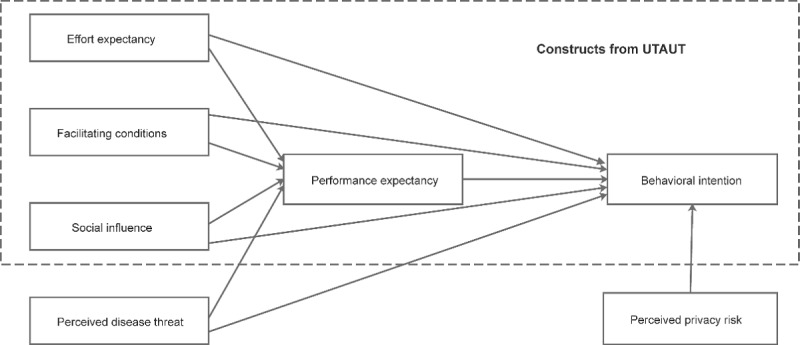
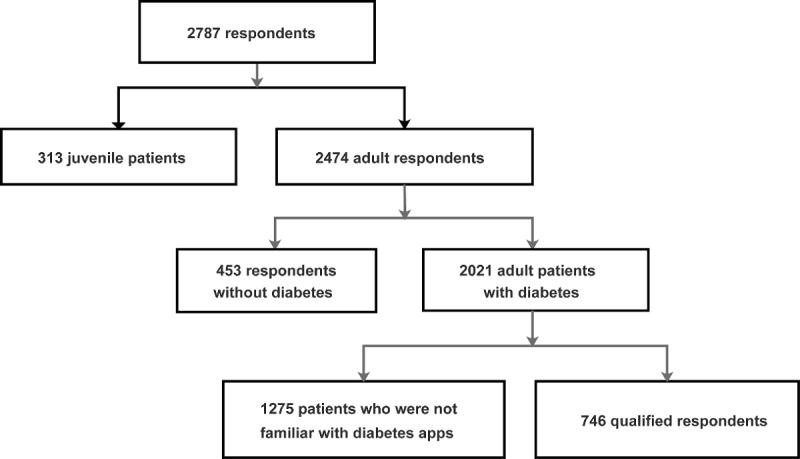
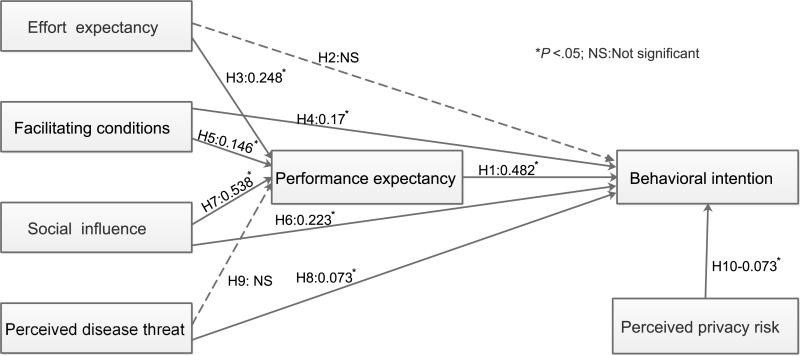
Background: Diabetes poses heavy social and economic burdens worldwide. Diabetes management apps show great potential for diabetes self-management. However, the adoption of diabetes management apps by diabetes patients is poor. The factors influencing patients’ intention to use these apps are unclear. Understanding the patients’ behavioral intention is necessary to support the development and promotion of diabetes app use. Objective: This study aimed to identify the determinants of patients’ intention to use diabetes management apps based on an integrated theoretical model. Methods: The hypotheses of our research model were developed based on an extended Unified Theory of Acceptance and Use of Technology (UTAUT). From April 20 to May 20, 2019, adult patients with diabetes across China, who were familiar with diabetes management apps, were surveyed using the Web-based survey tool Sojump. Structural equation modeling was used to analyze the data. Results: A total of 746 participants who met the inclusion criteria completed the survey. The fitness indices suggested that the collected data fit well with the research model. The model explained 62.6% of the variance in performance expectancy and 57.1% of the variance in behavioral intention. Performance expectancy and social influence had the strongest total effects on behavioral intention (β=0.482; P=.001). Performance expectancy (β=0.482; P=.001), social influence (β=0.223; P=.003), facilitating conditions (β=0.17; P=.006), perceived disease threat (β=0.073; P=.005), and perceived privacy risk (β=–0.073; P=.012) had direct effects on behavioral intention. Additionally, social influence, effort expectancy, and facilitating conditions had indirect effects on behavioral intention that were mediated by performance expectancy. Social influence had the highest indirect effects among the three constructs (β=0.259; P=.001). Conclusions: Performance expectancy and social influence are the most important determinants of the intention to use diabetes management apps. Health care technology companies should improve the usefulness of apps and carry out research to provide clinical evidence for the apps’ effectiveness, which will benefit the promotion of these apps. Facilitating conditions and perceived privacy risk also have an impact on behavioral intention. Therefore, it is necessary to improve facilitating conditions and provide solid privacy protection. Our study supports the use of UTAUT in explaining patients’ intention to use diabetes management apps. Context-related determinants should also be taken into consideration.
Overview
The claims and statistics of this paper haven’t been checked yet.
Free: it reads the open-access text and checks the first 5 claims that cite a source we can check. Create a free account to check every claim.
Integrity signals
Registry
Cites
Statistics
Figures
Verification
Claims the paper makes
The claims and statistics of this paper haven’t been checked yet.
Free: it reads the open-access text and checks the first 5 claims that cite a source we can check. Create a free account to check every claim.
Claims other papers make about this one
Each is checked against this paper’s own text: does it say what the citing paper says it does?
The source backs part of the claim, not all of it — or backs it for a different population, condition or comparison.
In the citing paper
“The Chinese versions of these scales were shown to be reliable and valid among Chinese adults [32].”
From Applying the Unified Theory of Acceptance and Use of Technology to Identify Factors Associated With Intention to Use Teledelivered Supportive Care Among Recently Diagnosed Breast Cancer Survivors During COVID-19 in Hong Kong: Cross-Sectional Survey (2024) · cites this paper as [32]
Experimental — accuracy not yet measured
Self-check
Percentages, sums and reported differences re-computed from the paper’s own numbers.
The self-check needs the paper’s full text.
Citations
Cites
The theory of planned behavior
Ajzen, I. (1991) · Organizational Behavior and Human Decision Processes · doi:10.1016/0749-5978(91)90020-t · Cited by 134,657 · cited 1×
“…of the Theory of Reasoned Action to deal with behaviors over which people have incomplete volitional control Theory of planned behavior (TPB) [42,43] Extrinsic Motivation, Intrinsic Motivation Widely used in psychology to explain human behavior Motivational model [44,45] Attitude Toward…”
User Acceptance of Information Technology: Toward A Unified View1
Venkatesh, V., Morris, M. G., Davis, G. B., & Davis, F. D. (2003) · MIS Quarterly · doi:10.2307/30036540 · Cited by 45,035 · cited 9×
“Performance expectancy, which is similar to perceived usefulness in the TAM, is defined as the degree to which use of a specific technology benefits users [37].”
InfluentialVenkatesh, V., Thong, J. Y. L., & Xu, X. (2012) · MIS Quarterly · doi:10.2307/41410412 · Cited by 15,756 · cited 7×
“Performance expectancy, which is similar to perceived usefulness in the TAM, is defined as the degree to which use of a specific technology benefits users [37].”
InfluentialEfficacy of the Theory of Planned Behaviour: A meta‐analytic review
Armitage, C. J., & Conner, M. (2001) · British Journal of Social Psychology · doi:10.1348/014466601164939 · Cited by 9,970 · cited 3×
“Attitude Toward Behavior, Subjective Norm, Perceived Behavioral Control Extension of the Theory of Reasoned Action to deal with behaviors over which people have incomplete volitional control Theory of planned behavior (TPB) [42,43]”
Moore, G. C., & Benbasat, I. (1991) · Information Systems Research · doi:10.1287/isre.2.3.192 · Cited by 9,150 · cited 1×
“Relative Advantage, Ease of Use, Image, Visibility, Compatibility, Results Demonstrability, Voluntariness of Use Grounded from sociology, this model has been applied to a wide range of innovations, such as information systems Diffusion of innovations theory [48]”
MethodUnderstanding information technology usage: a test of competing models
Taylor, S., & Todd, P. A. (1995) · Information Systems Research · doi:10.1287/isre.6.2.144 · Cited by 8,815 · cited 3×
“Attitude Toward Behavior, Subjective Norm, Perceived Behavioral Control, Perceived Usefulness A hybrid model of the TPB and TAM Combined TAM and TPB [46]”
The Health Belief Model: a decade later.
Janz, N. K., & Becker, M. H. (1984) · Health Education Quarterly · doi:10.1177/109019818401100101 · Cited by 8,437 · cited 2×
“The model has been widely employed to predict health behavioral intentions [36,63,64].”
Method10-year follow-up of intensive glucose control in type 2 diabetes
Holman, R. R., Paul, S. K., Bethel, M. A., Matthews, D. R., & Neil, H. A. W. (2008) · New England Journal of Medicine · doi:10.1056/nejmoa0806470 · Cited by 7,751 · cited 1×
“Optimal glycemic control can prevent diabetes-related complications [3].”
IDF Diabetes Atlas: Global estimates of diabetes prevalence for 2017 and projections for 2045
Cho, N. H., Shaw, J. E., Karuranga, S., Huang, Y., da Rocha Fernandes, J. D., Ohlrogge, A. W., & Malanda, B. (2018) · Diabetes Research and Clinical Practice · doi:10.1016/j.diabres.2018.02.023 · Cited by 7,283 · cited 2×
“Nearly 5 million deaths in the adult population were caused by diabetes in 2017 [1].”
BackgroundComputer Self-Efficacy: Development of a Measure and Initial Test
Compeau, D. R., & Higgins, C. A. (1995) · MIS Quarterly · doi:10.2307/249688 · Cited by 6,553 · cited 1×
“Outcome Expectations - personal, Self-efficacy, Affect, Anxiety Widely used in social behaviors, this model was also applied to information technologies Social cognitive theory [49]”
Method
Cited by
Items 101–200 of 224
Evaluating the Effects of Facilitating Conditions and Usage Experience on Mobile Payment
Tsai, L. L. (2021) · International Journal of Information Systems in the Service Sector · doi:10.4018/ijisss.2021100105 · Cited by 12
Gong, L., Jiang, H., Wu, X., Kong, Y., Gao, Y., Liu, H., Guo, Y., & Hu, D. (2022) · International Journal of Environmental Research and Public Health · doi:10.3390/ijerph191811783 · Cited by 8
“70 or higher, the reliability level of the scale was up to the mark [32].”
BackgroundBrew‐Sam, N., Parkinson, A., Chhabra, M., Henschke, A., Brown, E., Pedley, L., Pedley, E., Hannan, K., Brown, K., Wright, K., et al. (2023) · JMIR Diabetes · doi:10.2196/43377 · Cited by 8
“…theory of acceptance and use of technology (UTAUT) comprises elements from 8 previously well-established models [17] and has been applied in recent studies examining the acceptance of information and communication technologies by patients with diabetes [19,20] and health care professionals [21].”
Stehr, P., Ermel, L., Rossmann, C., Reifegerste, D., Lindemann, A., & Schulze, A. (2023) · Journal of Health Communication · doi:10.1080/10810730.2023.2250313 · Cited by 8
“Both models have been applied to and supported for various areas, including mHealth technologies (Liu et al., 2019; Zhang et al., 2019).”
BackgroundInfluentialDriving the implementation of hospital examination reservation system through hospital management
Wang, Q., Ma, Y., Mao, J., Song, J., Xiao, M., Zhao, Q., Fang, Y., & Hu, L. (2024) · BMC Health Services Research · doi:10.1186/s12913-023-10467-x · Cited by 10
“In a study of web-based interactive self-management techniques, SI was found to indirectly affect BI through PE [18], and the products recommended by doctors will be highly expected by patients [19].”
BackgroundHowell, P., & Abdelhamid, M. (2023) · JMIR Formative Research · doi:10.2196/36608 · Cited by 7
“Likewise, Zhang et al [37] found that patients are willing to use diabetes management apps to manage their conditions when they find the apps beneficial.”
Shi, H., Liu, C., & Luo, H. (2024) · World Journal of Clinical Cases · doi:10.12998/wjcc.v13.i5.95183 · Cited by 7
Self-citationDonkor, A., Ayitey, J. A., Adotey, P. N., Ofori, E. O., Kitson-Mills, D., Vanderpuye, V. D. N. K., Opoku, S. Y., Luckett, T., Agar, M. R., & Engel-Hills, P. C. (2023) · International Journal of Public Health · doi:10.3389/ijph.2023.1606413 · Cited by 7
Factors Influencing the Intention of MSM to Use the PrEP Intelligent Reminder System
Ma, Y., Zhong, X., Lin, B., & He, W. (2021) · Risk Management and Healthcare Policy · doi:10.2147/rmhp.s337287 · Cited by 8
“Zhang et al claimed that the perceived threat of a disease is the main factor influencing diabetic patients’ intention of using diabetes management apps, and the risk of exposure of privacy is the factor influencing actual use of diabetes management apps.(29) By using past work as well as the characteristics of MSM, t…”
BackgroundClinician Acceptance of Order Sets for Pain Management: A Survey in Two Urban Hospitals
Liu, Y., Hao, H., Sharma, M., Harris, Y., Scofi, J., Trepp, R., Farmer, B. M., Ancker, J. S., & Zhang, Y. (2022) · Applied Clinical Informatics · doi:10.1055/s-0042-1745828 · Cited by 7
Self-citationJoseph, A. M., Alsalman, R. A., Almasoud, W. A., AlMutairi, R. M., Alammari, R. B., Deeban, Y. A. M., Mustafa, M. Z., & Thakare, A. A. (2024) · Digital Health · doi:10.1177/20552076241253739 · Cited by 6
Li, T., Zhang, Y., Luo, X. L., Wan, W., Zhang, H., Wang, X., & Wang, D. (2023) · Telemedicine Journal and e-Health · doi:10.1089/tmj.2023.0253 · Cited by 6
“52,53 The desire to prevent illness risks and maintain health security may play a role in the adoption of video tele-medicine follow-up services among users.”
Self-citationKruger, S., Deacon, E., van Rensburg, E., & Segal, D. G. (2023) · Frontiers in Psychology · doi:10.3389/fpsyg.2023.1273586 · Cited by 6
Development of Deep Learning-Based Mobile Application for Predicting Diabetes Mellitus
Estonilo, C. G., & Festijo, E. D. (2021) · International Conference of Computer and Informatics Engineering (IC2IE) · doi:10.1109/ic2ie53219.2021.9649235 · Cited by 6
User’s Continuance Intention Towards Digital Payments: An Integrated Tripod Model DOI, TAM, TCT
Pushpa, A., Nagadeepa, C., Mukthar, K. P. J., Toledo, H. L. H., Vargas, L. N., & Guerra-Muñoz, M. (2023) · Lecture notes in networks and systems · doi:10.1007/978-3-031-26953-0_65 · Cited by 6
Zahed, K., Mehta, R. K., Erraguntla, M., Qaraqe, K. A., & Sasangohar, F. (2023) · JMIR Diabetes · doi:10.2196/41501 · Cited by 6
Mulyani, E. Y., Rakhmawati, T., Damayanti, S., Sumaedi, S., & Bakti, I. (2025) · Digital Health · doi:10.1177/20552076251392648 · Cited by 6
Adoption of Wearable Insulin Biosensors for Diabetes Management: A Cross-Sectional Study
Alanzi, T. M., Alzahrani, W., Almoraikhi, M., Algannas, A. A., Alghamdi, M., Alzahrani, L., Abutaleb, R., Dughaish, R. B., Alotibi, N., Alkhalifah, S., et al. (2023) · Cureus · doi:10.7759/cureus.50782 · Cited by 8
“Factors, such as PE, EE, and FCs, were found to be positively influencing the adoption of similar mHealth technologies for diabetes management in previous research [33,34].”
ResultBrew‐Sam, N., Chhabra, M., Parkinson, A., Henschke, A., Brown, E., Pedley, L., Pedley, E., Hannan, K., Brown, K., Wright, K., et al. (2021) · medRxiv · doi:10.1101/2021.11.08.21265793 · Cited by 5
“The UTAUT is a model incorporating elements from eight previous well-established models [12], and has been applied in recent studies examining acceptance of information and communication technologies (ICT) by diabetes patients [14, 15] and/or by healthcare professionals [16].”
MethodYang, X., Man, D., Yun, K., Zhang, S., & Han, X. (2023) · Research Square · doi:10.21203/rs.3.rs-3493725/v1 · Cited by 6
Bickmann, P., Froböse, I., & Grieben, C. (2025) · mHealth · doi:10.21037/mhealth-25-29 · Cited by 5
“In previous research involving individuals with direct health concerns, such as diabetes patients, the influence of PE on BI was predictable due to the immediate health implications (32,33).”
Kamani, E., Kalisz, D. E., & Szyran-Resiak, A. (2023) · Journal of General Management · doi:10.1177/03063070221080008 · Cited by 6
“…research models used the same model to examine the impact of technology adoption on user intention and behavior or were developed based on that (Al Aufa et al., 2020; Alaiad and Zhou, 2014; Ayaz and Yanartas¸, 2020; Chao, 2019; Foon and Fah, 2011; Venkatesh, et al., 2003; Zhang et al., 2019).”
Tsirozidis, G., Kirk, U. B., & Zaggl, M. A. (2025) · Behaviour and Information Technology · doi:10.1080/0144929x.2025.2485395 · Cited by 5
“…and use of electronic health records (Maillet, Mathieu, and Sicotte 2015), the acceptance of telehealth services (Cimper-man, Brenčič, and Trkman 2016), patient consent in the exchange of PHI (Abdelhamid 2018), and the intention to use diabetes management apps (Zhang et al. 2019), among others.”
InfluentialZheng, H., Xia, W., & Ma, J. (2025) · Journal of Medical Internet Research · doi:10.2196/74351 · Cited by 4
“Previous studies suggest that absorptive capacity significantly impacts the use of technology and the contextual understanding of available system features [42,43].”
Pedersen, K., & Schlichter, B. R. (2023) · Interactive Journal of Medical Research · doi:10.2196/40205 · Cited by 4
“The social context in terms of social influence is important for the general acceptance of P-DHI apps [23], the intention to adopt these apps [26,132,133], the intention to use these apps [25,49,53,100,134], the actual use of these apps [103], and the continued use of these apps [24,44,50,111,135].”
BackgroundDeng, C., Xie, Y., Liu, F., Tang, X., Li, F., Yang, X., Chen, Y., Zhou, Z., & Li, X. (2024) · Journal of Endocrinological Investigation · doi:10.1007/s40618-024-02357-8 · Cited by 4
Self-citationEmpowering health, integrating privacy: a value-reflexive examination of smart health technologies
Zhang, J., Hassandoust, F., & Johnston, A. C. (2025) · European Journal of Information Systems · doi:10.1080/0960085x.2025.2567670 · Cited by 4
“…et al., 2021; Perez & Zeadally, 2021), loss of control over sensitive health data and lifestyle choices (Hassandoust, Johnston, et al., 2021; Wiegard & Breitner, 2019), and their perceived lack of control over personal information, even when actual privacy risks are limited (Zhang et al., 2019).”
Mobile applications for emerging adults transitioning to independent diabetes monitoring
Schindler-Ruwisch, J. M., & Peters, A. (2020) · Informatics for Health and Social Care · doi:10.1080/17538157.2020.1837839 · Cited by 4
Zahed, K., Smith, A., McDonald, A. D., & Sasangohar, F. (2022) · IISE Transactions on Occupational Ergonomics and Human Factors · doi:10.1080/24725838.2022.2094502 · Cited by 5
“For example, PHT has shown promise in predicting intention to use chronic disease interventions (e.g., Dou et al., 2017 for hypertension; Zhang et al., 2019 for diabetes).”
BackgroundResultAigbogun, O., Matinari, M., & Fawehinmi, O. O. (2023) · African Journal of Economic and Management Studies · doi:10.1108/ajems-06-2022-0254 · Cited by 4
Predicting the Intention to Use Mobile Health Applications Among Young Adults in Malaysia
Yasin, N. H. M., Shalifullizam, N. I. F. C., Samsudin, N., Halim, M. H. A., Nadeson, M. V. A. P., & Zamri, A. N. M. (2024) · Journal of Advanced Research in Applied Sciences and Engineering Technology · doi:10.37934/araset.37.2.4857 · Cited by 6
“This finding is also inline to prior studies and scholars who have emphasized the importance of health consciousness in life [20,21,24].”
ResultTurner, J., & Stawarz, K. (2025) · JMIR Diabetes · doi:10.2196/62926 · Cited by 3
“Performance expectancy of these functions and social influence are key factors in patients regularly engaging with the apps [24].”
Isiaku, L., Muhammad, A. S., & Muse, A. M. S. (2025) · Interdisciplinary Journal of Information Knowledge and Management · doi:10.28945/5623 · Cited by 3
“However, some researchers argue that effort expectancy does not significantly affect behavioral intention (Ayaz & Yanartaş, 2020; Salloum et al., 2019; Y. Zhang et al., 2019).”
Influencing factors of continuance intention of medical applications for the elderly
Huang, T., Cai, W., Lu, T., & Huang, C. (2026) · Scientific Reports · doi:10.1038/s41598-026-40494-7 · Cited by 3
“In addition, a study on the accepted use of diabetes management application by patients with diabetes by Zhang et al. 142 confirmed perceived privacy risk as a driven factor of users’ behavior intention. mHealth involves the collection, storage, and sale of patients’ personal privacy information 143 .”
Estonilo, C. G., & Festijo, E. D. (2022) · IEEE Annual Computing and Communication Workshop and Conference (CCWC) · doi:10.1109/ccwc54503.2022.9720892 · Cited by 3
“Relevant theoretical models have yet to be applied to diabetes mellitus prediction apps [7].”
BackgroundHe, T., Yang, X. L., Li, Y., Rao, L., Lv, J., & Wang, Y. (2025) · BMJ Open · doi:10.1136/bmjopen-2024-091921 · Cited by 3
“11 12 However, focusing solely on technological issues can lead to the neglect of individual patient factors, resulting in findings with insufficient explanatory power.”
Schröder, S., Buntrock, C., Neumann, L., Müller, J. L., & Fromberger, P. (2023) · JMIR Formative Research · doi:10.2196/48880 · Cited by 3
Ghozali, M. T. (2024) · International Conference on Emerging Smart Technologies and Applications (eSmarTA) · doi:10.1109/esmarta62850.2024.10638926 · Cited by 5
“The implementation of mobile apps in health education and management is an emerging field with significant potential for impacting diabetes care [21], [22], [23].”
BackgroundYeung, N. C. Y., Lau, S. T. Y., Mak, W. W. S., Cheng, C., Chan, E. Y. Y., Siu, J. Y. M., & Cheung, P. S. Y. (2024) · JMIR Cancer · doi:10.2196/51072 · Cited by 2
“The Chinese versions of these scales were shown to be reliable and valid among Chinese adults [32].”
BackgroundPark, J., Lee, H., Kwon, Y., Cho, G., & Yun, J. (2026) · Healthcare · doi:10.3390/healthcare14101344 · Cited by 2
“This finding accords with prior digital health technology research showing that ease of use remains an important antecedent of perceived usefulness [5,6,8].”
InfluentialSun, T., Ding, Z., Xie, H., Chen, X., Wang, Y., Li, Y., Zhang, G., Xu, X., Xia, Y., & Ma, Z. (2025) · Health Informatics Journal · doi:10.1177/14604582251315600 · Cited by 4
Love, A., Cornwell, P., Hewetson, R., & Binnewies, S. (2025) · mHealth · doi:10.21037/mhealth-24-54 · Cited by 2
“The UTAUT has been applied previously in studies investigating both patient (23,24) and health professional (25,26) acceptance of mHealth technologies.”
Rossmann, C., Karnowski, V., Metag, J., Raupp, J., Reifegerste, D., Riesmeyer, C., Sawalha, N., Lux, A., Esser, A.-L., Kammerer, R., et al. (2026) · JMIR Research Protocols · doi:10.2196/77811 · Cited by 2
“These patterns are determined by several factors, such as psychological determinants, media characteristics, or situational contexts [85,92-95].”
Chen, H., Li, H., Li, L., Zhang, X.-H., Gu, J., Wang, Q., Wu, C., & Wu, Y.-Q. (2024) · Telemedicine Journal and e-Health · doi:10.1089/tmj.2023.0325 · Cited by 3
Jayathilake, C., Keikhosrokiani, P., & Isomursu, M. (2024) · Communications in computer and information science · doi:10.1007/978-3-031-59080-1_11 · Cited by 2
Kruger, S., Deacon, E., van Rensburg, E., & Segal, D. G. (2024) · Frontiers in Clinical Diabetes and Healthcare · doi:10.3389/fcdhc.2024.1445972 · Cited by 2
Dube, G. N., Asemahagn, M. A., Gelaw, Y. M., Guadie, H. A., Ahmed, M. H., Bitacha, G. K., Alameraw, T. A., Walle, A. D., & Meshesha, N. A. (2025) · Frontiers in Digital Health · doi:10.3389/fdgth.2025.1368588 · Cited by 3
Doll, M., Chandrakumar, R., Jahre, L. M., Skoda, E., Dinse, H., Führer, D., Lampropoulou, E., Teufel, M., & Bäuerle, A. (2025) · JMIR Formative Research · doi:10.2196/67317 · Cited by 2
Elarco, D. N., Mamangun, J. X. V., Lescano, K. N. R., Lumongsud, A. G. R., Camacho, R. E. P., Domingo, A. J. A., Arada, M. C. G., & Briones, E. J. N. (2021) · International Journal of Research Publications · doi:10.47119/ijrp1008811120212409 · Cited by 2
“In particular, a study on diabetes patients shows that Performance Expectancy (PE) is the most important determinant influencing the use of diabetes management applications (Zhang et al., 2019) [24] .”
Amiss, E., & Cottrell, M. A. (2022) · Games for Health Journal · doi:10.1089/g4h.2021.0142 · Cited by 2
Havalimanlarında İnsansız Hizmet Süreçleri: Koşullu Süreç Analizi ile Bir Uygulama
Arslan, S. (2023) · Akademisyen Kitabevi eBooks · doi:10.37609/akya.2677 · Cited by 3
Wang, Q., Ma, Y., Mao, J., Song, J., Xiao, M., Zhao, Q., Fang, Y., Wang, H., & Hu, L. (2022) · Research Square · doi:10.21203/rs.3.rs-1957829/v1 · Cited by 2
Gender differences and technostress vis-a-vis Open Government Data (OGD) adoption and usagePreprint
Alexopoulos, C., Rizun, N., Matheus, R., Junior, L. P. P., & Saxena, S. (2023) · SSRN Electronic Journal · doi:10.2139/ssrn.4580806 · Cited by 2
Understanding Factors Affecting the Use of Mobile Health Innovation, Attitude and Synthesis
Binyamin, S. S. (2023) · The Eurasia Proceedings of Health Environment and Life Sciences · doi:10.55549/ephels.41 · Cited by 2
Determinants of Continuous Usages of E-HRM: An Empirical Evidence from Bangladesh
Rana, M., Mollah, M. A., & Hossen, M. A. (2025) · Journal of Human Resource and Sustainability Studies · doi:10.4236/jhrss.2025.132012 · Cited by 1
Development and preliminary evaluation of Chinese Vitiligo Quality of Life Scale (CVQLS)
Wang, B., Wang, Q., Wang, Z., Zhang, J., Zhou, Y., Chen, X., Wu, T., Xiong, S., Jin, X., Gao, S., et al. (2025) · Frontiers in Psychology · doi:10.3389/fpsyg.2025.1622757 · Cited by 1
Graeber, J., Warmerdam, E., Aufenberg, S., Bull, C., Davies, K., Döhring, J., Emmert, K., Judd, C., Maetzler, C., Manyakov, N. V., et al. (2026) · JMIR Human Factors · doi:10.2196/70873 · Cited by 2
“The provision of adequate instructions and support should be considered a prerequisite [21].”
InfluentialPatient Perspectives Towards Artificial Intelligence in Heart Failure Care
Suepiantham, S., & Katira, R. (2025) · Cureus · doi:10.7759/cureus.98378 · Cited by 2
“…contrast with those of Jutzi et al. [30], who reported greater acceptance of AI when its accuracy exceeded that of physicians, and Zhang et al., who concluded that performance expectancy, the perceived benefit of a technology, is a major determinant of intention to use health technologies [31].”
Díaz, G., Pellejero, M., Sánchez-Sánchez, R., & Sánchez-Medina Agustín, J. (2026) · Humanities and Social Sciences Communications · doi:10.1057/s41599-025-06439-7 · Cited by 1
“Additionally, studies related to mHealth have investigated the relationship between SI and PE (Lee et al., 2025; Zhang et al., 2019).”
States, D. G. (2026) · Journal of Racial and Ethnic Health Disparities · doi:10.1007/s40615-026-02887-2 · Cited by 1
Ali, N. M., Zuki, M. A. M., Othman, S., Alhalaseh, L., & Al-Salaymeh, A. (2026) · Journal of Advances in Information Technology · doi:10.12720/jait.17.4.648-662 · Cited by 1
Chen, H., Chen, S., Zhou, Y., Wang, M., Wu, Y.-Q., & Wu, C. (2026) · BMC Public Health · doi:10.1186/s12889-026-27678-6 · Cited by 1
Baek, J., Lin, S., Bolin, J. N., Ory, M. G., Flores, S., & Kash, B. A. (2021) · The Science of Diabetes Self-Management and Care · doi:10.1177/26350106211004885 · Cited by 1
Patients’ Attitudes Toward Apps for Management of a Chronic Disease
Alpar, P., & Driebe, T. (2021) · Lecture notes in information systems and organisation · doi:10.1007/978-3-030-86790-4_2 · Cited by 1
Tóth, M., & Szilágyi, R. (2021) · Információs Társadalom · doi:10.22503/inftars.xxi.2021.3.4 · Cited by 1
EXAMINATION OF UNREMITTING KIDNEY ILLNESS BY UTILIZING MACHINE LEARNING CLASSIFIERS
Sarwar, F., Garrido, N. M. D. F., & Sebastião, P. J. A. (2023) · IADIS International Conferences on ICT, Society and Human Beings, e-Health, Connected Smart Cities and Big Data Analytics, Data Mining and Computational Intelligence (ICT/EH/CSC/BigDaCI) · doi:10.33965/mccsis2023_202305l022 · Cited by 1
Bisma, R., Arbaningrum, M. P., Putra, R. E., & Suartana, I. M. (2023) · International Conference on Vocational Education and Electrical Engineering (ICVEE) · doi:10.1109/icvee59738.2023.10348361 · Cited by 1
“It is expected that users of the PeduliLindungi application should only use a little effort when using the system so that it will create the perception that using the system can help with daily activities and will provide the benefits that should be desired [21].”
MethodAbrams, C. M., Davila, N., Badawy, S. M., Kepper, M. M., Gibson, R. W., King, A. A., Gordeuk, V. R., Nwosu, C., Li, S., Glassberg, J., et al. (2025) · Pediatric Blood & Cancer · doi:10.1002/pbc.31746 · Cited by 1
Theile, F., Schaal, T. K., Mäder, M., & Schoenfelder, T. (2025) · BMC Public Health · doi:10.1186/s12889-025-25472-4 · Cited by 1
“This finding is consistent with research showing that privacy concerns represent only moderate barriers to digital health adoption [16, 22, 25, 48].”
Said, G. R. E. (2022) · SSRN Electronic Journal · doi:10.2139/ssrn.4154039 · Cited by 1
Li, X., Deng, Y., Li, D., & Huang, J. (2023) · doi:10.2196/preprints.55028 · Cited by 1
Self-citationPetersen, F. (2019) · UWC Research Repository (University of the Western Cape) · Cited by 1
Strategi, Tantangan, Regulasi dan Migrasi Rekam Medis Elektronik di RST dr. Soedjono Magelang
Ilmi, L. R., Praptana, P., & Hardjo, K. (2021) · Journal of Innovation in Community Empowerment · doi:10.30989/jice.v3i1.565
Yao, Y., Li, Z., He, Y., Zhang, Y., Guo, Z., Lei, Y., Zhao, Q., Dongze, L. I., Zhang, Z., Zhang, Y., et al. (2021) · doi:10.2196/preprints.30154
Self-citationHuang, L., Zhang, Y., & Fan, G. (2021) · doi:10.2196/preprints.30840
Self-citationXie, Q., Hu, X., Wang, Y., Peng, J., & Cheng, L. (2022) · BMJ Open · doi:10.1136/bmjopen-2022-063814
Salut digital en l’àmbit de l’Atenció Domiciliària: un model centrat en l’usuari
Monfort, G. M., & Manzano Monfort, G. (2023) · Tesis Doctorals en Xarxa (Consorci de Serveis Universitaris de Catalunya) · doi:10.6035/14103.2023.783612
Yang, X., Man, D., Yun, K., Zhang, S., & Han, X. (2023) · doi:10.2196/preprints.46626
Badr, N. G., Aroutine, N., & Yeretzian, J. S. (2023) · Communications in computer and information science · doi:10.1007/978-3-031-38854-5_11
Brunet, J., Sharma, S., Price, J., & Black, M. (2023) · JMIR Formative Research · doi:10.2196/48301
Tian, X. Z. F. F., Fei, T., Zhou, X., Wan, F., Gui, S., Mi, Y., Liu, M., Liu, J., Qu, X., Li, C., et al. (2023) · doi:10.2196/preprints.53463
Akzeptanz von Präventions-Apps: Anforderungen an E-Mental-Health-Produkte
Breil, B. (2023) · Springer eBooks · doi:10.1007/978-3-658-41781-9_21
Putra, S. J., Khalil, I., Cucus, A., & Yusril, A. N. (2023) · International Conference on Cyber and IT Service Management (CITSM) · doi:10.1109/citsm60085.2023.10455391 · Cited by 1
Engagement in web-based interventions for individuals who sexually abused children
Schröder, S. (2024) · eDiss (Georg-August-Universität Göttingen) · doi:10.53846/goediss-10467
Factors influencing patients’ intention to use the Health Clinic Online Appointment System app
Harun, Z. F., Muhammad, N. S., Hussein, Z., Fikri, A., & Abdul, A. J. (2024) · Information Management and Business Review · doi:10.22610/imbr.v16i2(i).3564
“The initial measurements from Zhang et. al.”
BackgroundPost-COVID-19 E-Healthcare Application Usage and Recommendations for Young Groups in Indonesia
Christian, M., Yulita, H., Gularso, K., Melati, R., Wibowo, S., & Sunarno, S. (2024) · Studies in systems, decision and control · doi:10.1007/978-3-031-71649-2_50 · Cited by 1
Technology-Enabled Type-1 Diabetes Self-Management – Protection Motivation Theory Perspective
Bozan, K., & Bozan, G. (2024) · Hawaii International Conference on System Sciences (HICSS) · doi:10.24251/hicss.2024.424
Hur, I., Xia, W., Kang, K., & Ma, J. (2025) · doi:10.2196/preprints.74351
Ewelu, S., & Onyekwelu, P. O. (2025) · MetArXiv (OSF Preprints) · doi:10.31222/osf.io/b4k3v_v1
Li, Q., Hao, Z., Shao, H., Xia, Y., & Liu, K. (2025) · Lecture notes in computer science · doi:10.1007/978-3-031-92710-2_19
Nimmagadda, S., Sultana, M. S., Devi, M. G., Mahapatra, H., Rose, A., & Bhoomadevi (2024) · International Conference on Advances in Computing, Communication and Materials (ICACCM) · doi:10.1109/icaccm61117.2024.11058696
“Reference [7] demonstrates that the global impact of diabetes is significant in terms of both economic and social impacts.”
RetractedAlhamad, S., & Akmal, S. (2025) · International Journal of Financial Administrative and Economic Sciences · doi:10.59992/ijfaes.2025.v4n7p2
Jin, X., Feng, Y., & Zhou, Z. (2025) · Information Technology and Management · doi:10.1007/s10799-025-00461-6
“Users who trust mHealth services are more likely to engage in regu - lar health monitoring and follow health recommendations, potentially leading to improved health outcomes [ 49].”
Self-citationChaudhary, R., Dwivedi, S., & Jha, S. (2025) · International Conference on Inventive Systems and Control (ICISC) · doi:10.1109/icisc65841.2025.11188212
“Also perceived health benefit that is the user’s perception that the new technology is going better control and manage their disease, highly influences their adoption attitude and intend which is well aligned with the findings of the existing studies [22].”
The Role of Contemporary Mobile Applications in Diabetes Management
Köksal, N. G., & Köksal, M. (2025) · Cerasus journal of medicine. · doi:10.70058/cjm.1701398
Factors Associated With Minorities’ Use of Telehealth During COVID-19
Miller, E., Harris, A., Abu-Alhaija, D. M., Okour, A., & Bakas, T. (2025) · Western Journal of Nursing Research · doi:10.1177/01939459251386264
Choi, W., Chang, S.-H., Yang, Y.-S., Jung, S., Lee, S.-J., Chun, J.-W., Kim, D.-J., Lee, W., & Choi, I. Y. (2022) · Figshare · doi:10.6084/m9.figshare.20329450
Atinafu, W. T., Tilahun, K. N., Yilma, T. M., Mekonnen, Z. A., Walle, A. D., & Adem, J. B. (2024) · Figshare · doi:10.6084/m9.figshare.26650575
Metadata
- Authors
- Zhang, Y., Liu, C., Luo, S., Xie, Y., Liu, F., Li, X., & Zhou, Z.
- Affiliations
- Central South University (CN)
- Corresponding author
- Zhou, Zhiguang
- Venue
- Journal of Medical Internet Research
- Publisher
- JMIR Publications Inc.
- Published
- 2019-08-13
- Volume
- 21
- Issue
- 8
- Pages
- e15023
- ISSN
- 1438-8871 (ISSN-L)
- PMC
- PMC6711042
- OpenAlex
- W2962977514
- Cited by
- 207
- References
- 82
- Citations by year
- 2026: 13 · 2025: 29 · 2024: 29 · 2023: 52 · 2022: 38 · 2021: 33 · 2020: 12 · 2019: 1
- FWCI
- 28.63
- Type
- journal article
- Language
- en
- Open access
- gold
- doi.org
- Licence
- cc-by
- Locations
- Journal of Medical Internet Research (publishedVersion, cc-by)
- Europe PMC (PubMed Central) (publishedVersion, cc-by)
- PubMed Central (publishedVersion, cc-by)
- PubMed (publishedVersion)
- DOAJ (DOAJ: Directory of Open Access Journals) (submittedVersion, cc-by-sa)
- Topics
- Health Sciences › Health Professions › General Health Professions › Mobile Health and mHealth Applications
- Social Sciences › Decision Sciences › Information Systems and Management › Technology Adoption and User Behaviour
- Health Sciences › Health Professions › Health Information Management › Health, Technology, Consumer Behavior
- Keywords
- diabetes self-management, technology acceptance, behavioral intention, extended UTAUT, performance expectancy, social influence, perceived privacy risk, facilitating conditions, effort expectancy, mobile health
- MeSH terms
- Adolescent, Adult, Diabetes Mellitus, Female, Humans, Male, Middle Aged, Surveys and Questionnaires, Internet, Biomedical Technology, Intention, Young Adult, Mobile Applications
About these checks
Registry, retraction, Cites and statistics results are computed, not judged, with one exception: a printed reference that no index lists is read once by a model before it counts as a citation error. Claims are extracted by a model and kept only when their quote appears verbatim in the text; each cited source is then checked, with a model’s help, for whether it says what the claim relies on. Those verdicts can be wrong — read the claim’s quote and the cited source before relying on one.
Statistics and arithmetic are recomputed, not judged.
Confidence bands are shown only for fields calibrated on our annotated test set. None is calibrated yet, so no band is shown.
What counts as a claim ›How we measure confidence ›How we check this ›
Are you an author, or do you see a problem with this page? Request a review
Data sources
Bibliographic data: Semantic Scholar, OpenAlex, Crossref.
Contains information from the Semantic Scholar Academic Graph Datasets, made available under the ODC Attribution License (ODC-BY 1.0).
Semantic Scholar’s data is described in: Kinney, R., et al. (2023). The Semantic Scholar Open Data Platform. arXiv:2301.10140.
