

Factors Influencing Patients’ Intentions to Use Diabetes Management Apps Based on an Extended Unified Theory of Acceptance and Use of Technology Model: Web-Based Survey
Open accessPublished version of a preprint
The DOI matches its Crossref record; 82 of the 82 references it cites were found in a registry or an index.
Abstract
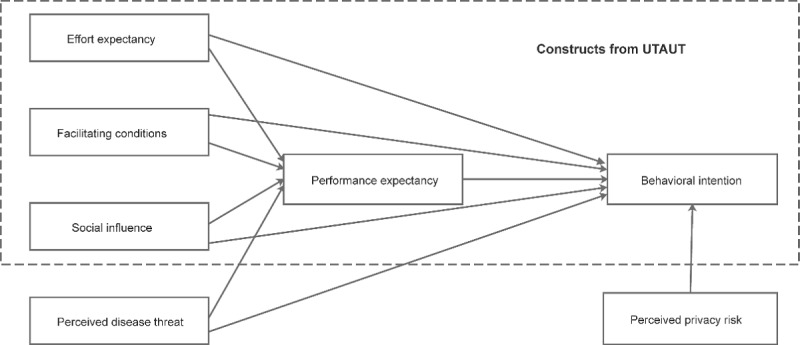
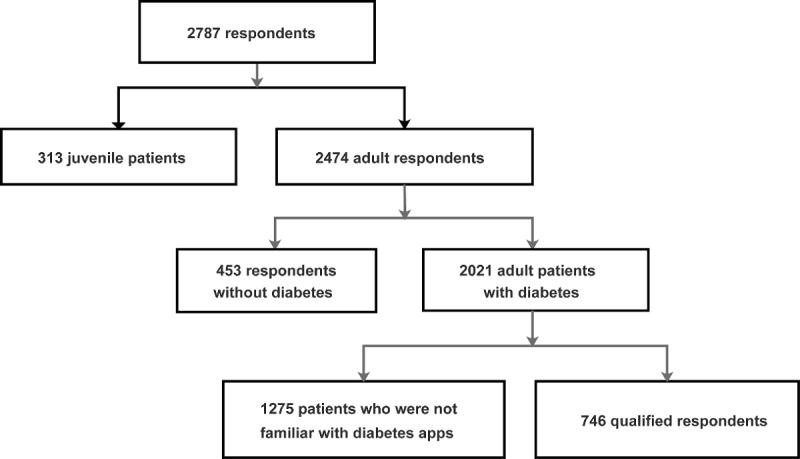
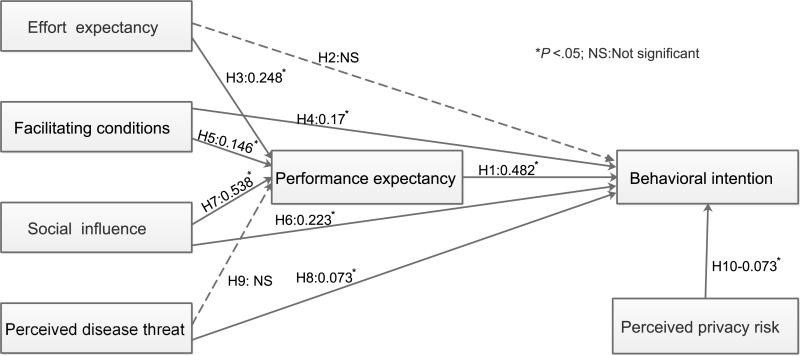
Background: Diabetes poses heavy social and economic burdens worldwide. Diabetes management apps show great potential for diabetes self-management. However, the adoption of diabetes management apps by diabetes patients is poor. The factors influencing patients’ intention to use these apps are unclear. Understanding the patients’ behavioral intention is necessary to support the development and promotion of diabetes app use. Objective: This study aimed to identify the determinants of patients’ intention to use diabetes management apps based on an integrated theoretical model. Methods: The hypotheses of our research model were developed based on an extended Unified Theory of Acceptance and Use of Technology (UTAUT). From April 20 to May 20, 2019, adult patients with diabetes across China, who were familiar with diabetes management apps, were surveyed using the Web-based survey tool Sojump. Structural equation modeling was used to analyze the data. Results: A total of 746 participants who met the inclusion criteria completed the survey. The fitness indices suggested that the collected data fit well with the research model. The model explained 62.6% of the variance in performance expectancy and 57.1% of the variance in behavioral intention. Performance expectancy and social influence had the strongest total effects on behavioral intention (β=0.482; P=.001). Performance expectancy (β=0.482; P=.001), social influence (β=0.223; P=.003), facilitating conditions (β=0.17; P=.006), perceived disease threat (β=0.073; P=.005), and perceived privacy risk (β=–0.073; P=.012) had direct effects on behavioral intention. Additionally, social influence, effort expectancy, and facilitating conditions had indirect effects on behavioral intention that were mediated by performance expectancy. Social influence had the highest indirect effects among the three constructs (β=0.259; P=.001). Conclusions: Performance expectancy and social influence are the most important determinants of the intention to use diabetes management apps. Health care technology companies should improve the usefulness of apps and carry out research to provide clinical evidence for the apps’ effectiveness, which will benefit the promotion of these apps. Facilitating conditions and perceived privacy risk also have an impact on behavioral intention. Therefore, it is necessary to improve facilitating conditions and provide solid privacy protection. Our study supports the use of UTAUT in explaining patients’ intention to use diabetes management apps. Context-related determinants should also be taken into consideration.
Overview
The claims and statistics of this paper haven’t been checked yet.
Free: it reads the open-access text and checks the first 5 claims that cite a source we can check. Create a free account to check every claim.
Integrity signals
Registry
Cites
Statistics
Figures
Verification
Claims the paper makes
The claims and statistics of this paper haven’t been checked yet.
Free: it reads the open-access text and checks the first 5 claims that cite a source we can check. Create a free account to check every claim.
Claims other papers make about this one
Each is checked against this paper’s own text: does it say what the citing paper says it does?
The source backs part of the claim, not all of it — or backs it for a different population, condition or comparison.
In the citing paper
“The Chinese versions of these scales were shown to be reliable and valid among Chinese adults [32].”
From Applying the Unified Theory of Acceptance and Use of Technology to Identify Factors Associated With Intention to Use Teledelivered Supportive Care Among Recently Diagnosed Breast Cancer Survivors During COVID-19 in Hong Kong: Cross-Sectional Survey (2024) · cites this paper as [32]
Experimental — accuracy not yet measured
Self-check
Percentages, sums and reported differences re-computed from the paper’s own numbers.
The self-check needs the paper’s full text.
Citations
Cites
The theory of planned behavior
Ajzen, I. (1991) · Organizational Behavior and Human Decision Processes · doi:10.1016/0749-5978(91)90020-t · Cited by 134,657 · cited 1×
“…of the Theory of Reasoned Action to deal with behaviors over which people have incomplete volitional control Theory of planned behavior (TPB) [42,43] Extrinsic Motivation, Intrinsic Motivation Widely used in psychology to explain human behavior Motivational model [44,45] Attitude Toward…”
User Acceptance of Information Technology: Toward A Unified View1
Venkatesh, V., Morris, M. G., Davis, G. B., & Davis, F. D. (2003) · MIS Quarterly · doi:10.2307/30036540 · Cited by 45,035 · cited 9×
“Performance expectancy, which is similar to perceived usefulness in the TAM, is defined as the degree to which use of a specific technology benefits users [37].”
InfluentialVenkatesh, V., Thong, J. Y. L., & Xu, X. (2012) · MIS Quarterly · doi:10.2307/41410412 · Cited by 15,756 · cited 7×
“Performance expectancy, which is similar to perceived usefulness in the TAM, is defined as the degree to which use of a specific technology benefits users [37].”
InfluentialEfficacy of the Theory of Planned Behaviour: A meta‐analytic review
Armitage, C. J., & Conner, M. (2001) · British Journal of Social Psychology · doi:10.1348/014466601164939 · Cited by 9,970 · cited 3×
“Attitude Toward Behavior, Subjective Norm, Perceived Behavioral Control Extension of the Theory of Reasoned Action to deal with behaviors over which people have incomplete volitional control Theory of planned behavior (TPB) [42,43]”
Moore, G. C., & Benbasat, I. (1991) · Information Systems Research · doi:10.1287/isre.2.3.192 · Cited by 9,150 · cited 1×
“Relative Advantage, Ease of Use, Image, Visibility, Compatibility, Results Demonstrability, Voluntariness of Use Grounded from sociology, this model has been applied to a wide range of innovations, such as information systems Diffusion of innovations theory [48]”
MethodUnderstanding information technology usage: a test of competing models
Taylor, S., & Todd, P. A. (1995) · Information Systems Research · doi:10.1287/isre.6.2.144 · Cited by 8,815 · cited 3×
“Attitude Toward Behavior, Subjective Norm, Perceived Behavioral Control, Perceived Usefulness A hybrid model of the TPB and TAM Combined TAM and TPB [46]”
The Health Belief Model: a decade later.
Janz, N. K., & Becker, M. H. (1984) · Health Education Quarterly · doi:10.1177/109019818401100101 · Cited by 8,437 · cited 2×
“The model has been widely employed to predict health behavioral intentions [36,63,64].”
Method10-year follow-up of intensive glucose control in type 2 diabetes
Holman, R. R., Paul, S. K., Bethel, M. A., Matthews, D. R., & Neil, H. A. W. (2008) · New England Journal of Medicine · doi:10.1056/nejmoa0806470 · Cited by 7,751 · cited 1×
“Optimal glycemic control can prevent diabetes-related complications [3].”
IDF Diabetes Atlas: Global estimates of diabetes prevalence for 2017 and projections for 2045
Cho, N. H., Shaw, J. E., Karuranga, S., Huang, Y., da Rocha Fernandes, J. D., Ohlrogge, A. W., & Malanda, B. (2018) · Diabetes Research and Clinical Practice · doi:10.1016/j.diabres.2018.02.023 · Cited by 7,283 · cited 2×
“Nearly 5 million deaths in the adult population were caused by diabetes in 2017 [1].”
BackgroundComputer Self-Efficacy: Development of a Measure and Initial Test
Compeau, D. R., & Higgins, C. A. (1995) · MIS Quarterly · doi:10.2307/249688 · Cited by 6,553 · cited 1×
“Outcome Expectations - personal, Self-efficacy, Affect, Anxiety Widely used in social behaviors, this model was also applied to information technologies Social cognitive theory [49]”
Method
Cited by
Young, A. T., Amara, D., Bhattacharya, A., & Wei, M. L. (2021) · The Lancet Digital Health · doi:10.1016/s2589-7500(21)00132-1 · Cited by 400
Portz, J. D., Bayliss, E. A., Bull, S., Boxer, R. S., Bekelman, D. B., Gleason, K., & Czaja, S. (2019) · Journal of Medical Internet Research · doi:10.2196/11604 · Cited by 313
C.C., S., & Prathap, S. K. (2020) · International Journal of Pervasive Computing and Communications · doi:10.1108/ijpcc-06-2020-0069 · Cited by 195
Aini, Q., Manongga, D., Rahardja, U., Sembiring, I., & Li, Y.-M. (2024) · International Journal of Human-Computer Interaction · doi:10.1080/10447318.2024.2357860 · Cited by 368
“Zhang et al. (2019) research has brought a robust and significant correlation between PE and user intentions, particularly in patients utilizing diabetes management applications.”
Octavius, G. S., & Antonio, F. (2021) · International Journal of Telemedicine and Applications · doi:10.1155/2021/6698627 · Cited by 138
“Future studies could include other constructs such as habit [48] and social influence [63], which positively and significantly affect behavioural intention in the respective study.”
BackgroundResultInfluentialKlaver, N. S., van de Klundert, J. J., van den Broek, R. J. G. M., & Askari, M. (2021) · JMIR mhealth and uhealth · doi:10.2196/26845 · Cited by 126
“Earlier studies have shown that perception of risks are important barriers for mHealth acceptance and adoption [34-39].”
BackgroundWu, C., Xu, H., Bai, D., Chen, X., Gao, J., & Jiang, X. (2023) · BMJ Open · doi:10.1136/bmjopen-2022-066322 · Cited by 76
“Open access AI can also be used in public health management, for instance, use of mobile health apps in the rehabilitation of patients with chronic diseases 9 such as diabetes, 10 and stroke.”
BackgroundMethodBinyamin, S. S., & Zafar, B. A. (2021) · Health Informatics Journal · doi:10.1177/1460458220976737 · Cited by 89
Li, D., Hu, Y., Pfaff, H., Wang, L., Deng, L., Lu, C., Xia, S., Cheng, S., Zhu, X., & Wu, X. (2020) · Journal of Medical Internet Research · doi:10.2196/22716 · Cited by 93
Social Acceptance of Mobile Health among Young Adults in Japan: An Extension of the UTAUT Model
Cao, J., Kurata, K., Lim, Y., Sengoku, S., & Kodama, K. (2022) · International Journal of Environmental Research and Public Health · doi:10.3390/ijerph192215156 · Cited by 88
Why would you use medical chatbots? interview and survey
Chang, I., Shih, Y.-S., & Kuo, K.-M. (2022) · International Journal of Medical Informatics · doi:10.1016/j.ijmedinf.2022.104827 · Cited by 84
Al-Bashayreh, M. G., Almajali, D., Al‐Okaily, M., Masa’deh, R. M. T., & Al‐Adwan, A. S. (2022) · Sustainability · doi:10.3390/su141912310 · Cited by 95
“COVID-19 [126,127] CO1 “The use of e-CRM services makes me less concerned about the complications related to COVID-19”.”
BackgroundSchretzlmaier, P., Hecker, A., & Ammenwerth, E. (2022) · JMIR Human Factors · doi:10.2196/34918 · Cited by 75
“On the basis of the explorative literature review, we identified several scientific articles that showed the importance of performance expectancy in the context of mHealth self-management [18,21,22,55,59-61].”
BackgroundResultInfluentialFactors influencing the acceptance of telemedicine in the Philippines
Ong, A. K. S., Kurata, Y. B., Castro, S. A. D. G., Leon, J. P. B. D., Rosa, H. V. D., & Tomines, A. P. J. (2022) · Technology in Society · doi:10.1016/j.techsoc.2022.102040 · Cited by 71
Alsahafi, Y. A., Gay, V. C., & Khwaji, A. A. (2020) · Health Information Management Journal · doi:10.1177/1833358320964899 · Cited by 73
“The impact of SI was found to be significant in some studies (Hoque and Sorwar, 2017; Zhang et al., 2019); however, other studies showed that it had an insignificant effect (Abd-Alrazaq et al., 2019).”
ResultDiabetes Self-management Apps: Systematic Review of Adoption Determinants and Future Research Agenda
Alaslawi, H., Berrou, I., Hamid, A. A., Alhuwail, D., & Aslanpour, Z. (2022) · JMIR Diabetes · doi:10.2196/28153 · Cited by 72
“Objectives Several studies have reported factors that affect patients’ adoption (use) of diabetes management apps, including patients’ characteristics and experiences, app characteristics and functions, and recommendations by HCPs and other patients [18].”
BackgroundWang, X., Luo, R., Liu, Y., Chen, P., Tao, Y., & He, Y. (2023) · Information Processing & Management · doi:10.1016/j.ipm.2023.103444 · Cited by 63
Breil, B., Salewski, C., & Apolinário-Hagen, J. (2022) · JMIR Cardio · doi:10.2196/31617 · Cited by 66
“However, the remaining challenges in applying the UTAUT model include the unclarified mediating role of performance expectancy [20] along with the scarcity of UTAUT-related studies that clearly conceptualize and investigate the individual characteristics of technology acceptance [24].”
BackgroundMethodInfluentialSchretzlmaier, P., Hecker, A., & Ammenwerth, E. (2022) · BMJ Health & Care Informatics · doi:10.1136/bmjhci-2022-100640 · Cited by 56
“1 2 27 We used SmartPLS3 software for structural equation modelling.”
Chopdar, P. K. (2022) · Health Policy and Technology · doi:10.1016/j.hlpt.2022.100651 · Cited by 63
Thanthrige, A. N. W., Lu, B., Sako, Z. Z., & Wickramasinghe, N. S. (2025) · Journal of Medical Internet Research · doi:10.2196/64524 · Cited by 63
“This aligns with the findings of Zhang et al [41] and Quaosar et al [42] who highlighted the role of SI in the adoption of HITs.”
He, W., Zhang, W., Jin, Y., Zhou, Q., Zhang, H., & Xia, Q. (2024) · Journal of Medical Internet Research · doi:10.2196/54706 · Cited by 53
Mouloudj, K., Bouarar, A. C., Asanza, D. M., Saadaoui, L., Mouloudj, S., Njoku, A. U., Evans, M. A., & Bouarar, A. (2023) · Advances in healthcare information systems and administration book series · doi:10.4018/978-1-6684-8337-4.ch007 · Cited by 47
Petersen, F., Jacobs, M., & Pather, S. (2020) · Lecture Notes in Computer Science · doi:10.1007/978-3-030-45002-1_6 · Cited by 43
Zha, H., Liu, K., Tang, T., Yin, Y., Dou, B., Jiang, L., Yan, H., Tian, X., Wang, R., & Xie, W. (2022) · BMC Medical Informatics and Decision Making · doi:10.1186/s12911-022-01958-8 · Cited by 44
“Since all users tend to agree PE construct is of great importance in the nurses’ intention to use and maintain use in the future [36, 54], the VTE CDSS still needs continuous improvement to remove the barriers of usage and increase its perceived usefulness.”
BackgroundMethodResultTrust transfer effects and associated risks in telemedicine adoption
Kuen, L., Schürmann, F., Westmattelmann, D., Hartwig, S., Tzafrir, S. S., & Schewe, G. (2023) · Electronic Markets · doi:10.1007/s12525-023-00657-0 · Cited by 43
“(e.g., Deng et al., 2018; Li et al., 2016a; Zhang et al., 2019).”
Are Older Adults Special in Adopting Public eHealth Service Initiatives? The Modified Model of UTAUT
Lu, C.-C., & Tsai-Lin, T.-F. (2024) · SAGE Open · doi:10.1177/21582440241228639 · Cited by 43
“Our study also supports past research findings that with better privacy policies, eHealth use will increase (Vassli & Farshchian, 2018; Zhang et al., 2019).”
Ahikiriza, E., Wesana, J., Huylenbroeck, G. V., Kabbiri, R., Steur, H. D., Lauwers, L., & Gellynck, X. (2022) · Computers and Electronics in Agriculture · doi:10.1016/j.compag.2022.107413 · Cited by 45
Bults, M., van Leersum, C. M., Olthuis, T. J. J., Bekhuis, R. E. M., & den Ouden, M. E. M. (2022) · JMIR Diabetes · doi:10.2196/31451 · Cited by 41
“Performance expectancy, next to social influence, was also found in other studies as one of the drivers for the intention to use apps for managing diabetes [22-24].”
BackgroundMethodDeterminants of Millennial behaviour towards current and future use of video streaming services
Walsh, P. R., & Singh, R. M. (2021) · Young Consumers Insight and Ideas for Responsible Marketers · doi:10.1108/yc-08-2021-1374 · Cited by 41
Factors Affecting Medical Students’ Continuance Intention to Use Mobile Health Applications
Xu, Q., Hou, X., Xiao, T., & Zhao, W. (2022) · Journal of Multidisciplinary Healthcare · doi:10.2147/jmdh.s327347 · Cited by 43
Aydın, G., & Silahtaroğlu, G. (2021) · PLoS ONE · doi:10.1371/journal.pone.0244302 · Cited by 40
Park, H. S., Kim, K. I., Soh, J. Y., Hyun, Y. H., Jang, S.-K., Lee, S., Hwang, G. Y., & Kim, H. S. (2020) · JMIR mhealth and uhealth · doi:10.2196/16723 · Cited by 41
“These results are also consistent with previous studies [24,53,57,58,62,63,83,93].”
BackgroundResultInfluentialAufa, B. A., Renindra, I. S., Putri, J. S., & Nurmansyah, M. I. (2020) · Enfermería Clínica · doi:10.1016/j.enfcli.2020.06.025 · Cited by 34
van Velsen, L., Flierman, I., & Tabak, M. (2021) · BMC Medical Informatics and Decision Making · doi:10.1186/s12911-021-01552-4 · Cited by 36
Drivers of the Consumers Adoption of Fintech Services
Alhajjaj, H., & Ahmad, A. M. K. (2022) · Interdisciplinary Journal of Information Knowledge and Management · doi:10.28945/4971 · Cited by 34
Factors Affecting mHealth Technology Adoption in Developing Countries: The Case of Egypt
Said, G. R. E. (2022) · Computers · doi:10.3390/computers12010009 · Cited by 35
“An mHealth adoption model in China was suggested based on an extended Unified Theory of Acceptance and Use of Technology (UTAUT) [5].”
BackgroundMethodBian, D., Xiao, Y., Song, K., Dong, M., Li, L., Millar, R. W., Shi, C., & Li, G. (2023) · Journal of Medical Internet Research · doi:10.2196/37671 · Cited by 35
“Confirmatory factor analysis was used to discuss the structural validity and internal consistency of each construct; the average variance extracted (AVE) values were used to measure the correlation between different structures [81,82].”
Alhur, M., Caamaño-Alegre, J., & Reyes-Santías, F. (2024) · Digital Health · doi:10.1177/20552076241272567 · Cited by 29
Brew‐Sam, N., Chib, A. I., & Rossmann, C. (2020) · BMC Medical Informatics and Decision Making · doi:10.1186/s12911-020-01173-3 · Cited by 29
“Zhang et al. [59], for instance, found that the theoretical factors of social influence and performance expectancy had the strongest direct influence on behavioral intention to use diabetes apps for disease management.”
BackgroundBäuerle, A., Frewer, A.-L., Rentrop, V., Schüren, L. C., Niedergethmann, M., Lortz, J., Skoda, E., & Teufel, M. (2022) · Nutrients · doi:10.3390/nu14091968 · Cited by 29
“PE and SI were found to be significant predictors of acceptance of mobile health applications for disease management [28].”
BackgroundDu, Y., Dennis, B., Rhodes, S. L., Sia, M., Ko, J., Jiwani, R., & Wang, J. (2020) · JMIR Diabetes · doi:10.2196/21183 · Cited by 27
“The TAM, an information technology framework created to understand how users accept and use technology, has been widely utilized as a way to assess health technology usage, especially in the rapid evolution of health technology within the health care system [25,31-34].”
BackgroundCaner, S. (2025) · SAGE Open · doi:10.1177/21582440251343340 · Cited by 32
“…PE in technology acceptance (Alrawi et al., 2019; Chun & Yunus, 2023; Ezzaouia & Bulchand-Gidumal, 2021; Hartono & Oktavia, 2022; Havidz et al., 2018; Issaramanoros et al., 2018; Li et al., 2023; Nurcholisha, 2022; Pham et al., 2020; Rosmayanti et al., 2022; Strzelecki, 2024; Zhang et al., 2019).”
Rahimi, R., Khoundabi, B., & fathian, A. (2021) · International Journal of Medical Informatics · doi:10.1016/j.ijmedinf.2021.104571 · Cited by 26
Abd-Alrazaq, A. A., Suleiman, N., Baagar, K. A. M., Jandali, N., Alhuwail, D., Abdalhakam, I., Shahbal, S., Abou‐Samra, A., & Househ, M. S. (2021) · Computer Methods and Programs in Biomedicine Update · doi:10.1016/j.cmpbup.2021.100002 · Cited by 24
(Why) Do We Trust AI?: A Case of AI-based Health Chatbots
Prakash, A. V., & Das, S. (2024) · AJIS. Australasian journal of information systems/AJIS. Australian journal of information systems/Australian journal of information systems · doi:10.3127/ajis.v28.4235 · Cited by 31
Paving the way for increased e-health record use: elaborating intentions of Gen-Z
Aydın, G., & Kumru, S. (2022) · Health Systems · doi:10.1080/20476965.2022.2129471 · Cited by 25
“Similar research and systematic reviews on e-health and m-health usage also highlighted “privacy concerns” as a key determinant of behavioural intentions (Alloghani et al., 2015; Dontje et al., 2014; Mwachofi et al., 2016; Patel et al., 2012; Wei et al., 2020; Wilson et al., 2021; Zhang et al., 2019).”
BackgroundChoi, W., Chang, S., Yang, Y., Jung, S., Lee, S.-J., Chun, J., Kim, D., Lee, W., & Choi, I. Y. (2022) · BMC Medical Informatics and Decision Making · doi:10.1186/s12911-022-01929-z · Cited by 19
“Effort expectancy might have no direct effect on usage behaviour; it may also have an indirect effect on user adoption through performance expectancy [55, 57].”
BackgroundResultFerreira, E. D. S., de Oliveira, A. H. M., Dias, M. A., da Costa, G. D., Januário, J. P. T., Botelho, G. M., & Cotta, R. M. M. (2024) · BMC Health Services Research · doi:10.1186/s12913-024-11505-y · Cited by 25
“A study carried out by Zhang et al. (2019) [30] identified that the main factors contributing to users not accepting mobile apps is precisely the fear of data privacy being exposed.”
BackgroundZhang, Y., Liu, C., Luo, S., Huang, J., Li, X., & Zhou, Z. (2020) · JMIR mhealth and uhealth · doi:10.2196/17455 · Cited by 24
“Our previous study found that effort expectancy had only a slight effect on patients’ willingness to use diabetes apps [53].”
Self-citationGao, Y., Gong, L., Liu, H., Kong, Y., Wu, X., Guo, Y., & Hu, D. (2022) · Frontiers in Psychology · doi:10.3389/fpsyg.2022.966033 · Cited by 21
Fibroblast Growth Factor 19 Levels Predict Subclinical Atherosclerosis in Men With Type 2 Diabetes
Hu, J., Liu, Z., Tong, Y. A., Mei, Z., Xu, A., Zhou, P., Chen, X., Tang, W., Zhou, Z., & Xiao, Y. (2020) · Frontiers in Endocrinology · doi:10.3389/fendo.2020.00282 · Cited by 18
Self-citationXu, Y., Xu, L., Zhao, W., Li, Q., Li, M., Lu, W., Zeng, H., Yan, J., Yang, D., Wu, W., et al. (2021) · Diabetes Metabolic Syndrome and Obesity · doi:10.2147/dmso.s299070 · Cited by 20
“Performance expectancy and social influence are the most important determinants of the intention to use diabetes management apps.(27) Thus, our WeChat public account platform had these elements integrated into each module.”
BackgroundSelf-citationPredicting mHealth Acceptance Using the UTAUT2 Technology Acceptance Model: A Mixed-Methods Approach
Schretzlmaier, P., Hecker, A., & Ammenwerth, E. (2023) · Studies in health technology and informatics · doi:10.3233/shti230007 · Cited by 18
“Questionnaire development (S5): The questionnaire development used the validated scales from the German translation of the UTAUT2 questionnaire [9], slightly adapted to the mHealth context, and the validated items from the additional constructs “perceived disease threat” [10] and “trust” [11] confirmed during the qual…”
MethodKoo, J., Park, Y. H., & Kang, D. R. (2022) · JMIR Aging · doi:10.2196/41429 · Cited by 16
“Indeed, consistent evidence shows a significant relationship between effort expectancy and performance expectancy [23-26,34,37,38].”
BackgroundResultInfluentialEmpowerment and self-efficacy in patients with chronic disease; a systematic review study
Dehkordi, A. H., Dehabadi, E. Z., Rezaei, M. R., Dehkordi, A. H., Fattahi, F., Oskui, A. G., Mirfendereski, S., Yadollahi, F., Khodabandeh, H., & Sadeghpour, M. (2023) · Journal of Nephropharmacology · doi:10.34172/npj.2023.10596 · Cited by 18
“It is estimated that by 2045, the prevalence of diabetes in adults will increase to 693 million, which will cause nearly 5 million deaths in this population (6).”
BackgroundUnderstanding the mobile healthcare applications continuance: The regulatory focus perspective
Han, K., & Zo, H. (2023) · International Journal of Medical Informatics · doi:10.1016/j.ijmedinf.2023.105161 · Cited by 17
Shao, H., Liu, C., Tang, L., Wang, B., Xie, H., & Zhang, Y. (2023) · JMIR Human Factors · doi:10.2196/46624 · Cited by 17
“Our study did not find a positive impact of EE on BI, which was consistent with our previous web-based survey on the willingness of patients with diabetes to use diabetes management mobile apps [33].”
ResultSelf-citationShwedeh, F., Aldabbagh, T., Aburayya, A., & Chennelleri, H. U. (2023) · MIGRATION LETTERS · doi:10.59670/ml.v20is12.5843 · Cited by 42
“The elements influencing a person's adoption and usage of technology are explained by the widely used theoretical framework known as Technology adoption Model (TAM) (El-Masri & Tarhini, 2017; Kim et al., 2015; Zhang et al., 2019; Shwedeh et al., 2023c).”
MethodZhu, Z., Liu, Y., Cao, X., & Dong, W. P. (2021) · Journal of Organizational and End User Computing · doi:10.4018/joeuc.287910 · Cited by 22
“However, the level of current intention to adopt is relatively low, and many studies on diabetic patients also show that the acceptance of diabetes management APP is low (Y. Zhang et al., 2019).”
BackgroundCho, O., & Cho, J. (2023) · Healthcare · doi:10.3390/healthcare11152146 · Cited by 19
Senteio, C. R., & Murdock, P. (2022) · Journal of Medical Internet Research · doi:10.2196/22124 · Cited by 17
“This is a vital gap because of persistent inequity in chronic disease outcomes for racial minority populations and because intention to use HIT designed for chronic disease self-management is most predicted by performance expectancy, followed by social influence [61].”
BackgroundLee, S. J., Choi, M. J., Yu, S. H., Kim, H., Park, S. J., & Choi, I. Y. (2022) · Digital Health · doi:10.1177/20552076221089095 · Cited by 17
Virtanen, L., Kaihlanen, A., Kainiemi, E., Saukkonen, P., & Heponiemi, T. (2023) · Digital Health · doi:10.1177/20552076231178422 · Cited by 20
Amalindah, D., Winarto, A., & Rahmi, A. H. (2020) · Jurnal NERS · doi:10.20473/jn.v15i1sp.18897 · Cited by 20
Oloveze, A. O., Ugwu, P. A., Okeke, V. C., Chukwuoyims, K., & Ahaiwe, E. O. (2022) · Health Economics and Management Review · doi:10.21272/hem.2022.3-02 · Cited by 17
Yao, L., Li, Q., Li, Q., Wang, T., Peng, S., Fu, X., Wang, W., Chen, M., Zhou, L., & Chen, M. (2025) · BMC Health Services Research · doi:10.1186/s12913-025-12931-2 · Cited by 17
“Zhang et al. [38] H6b: Social influence positively influences perceived usefulness.”
Ong, A. K. S., Prasetyo, Y. T., Kusonwattana, P., Mariñas, K. A., Yuduang, N., Chuenyindee, T., Robas, K. P. E., Persada, S. F., & Nadlifatin, R. (2022) · Heliyon · doi:10.1016/j.heliyon.2022.e12538 · Cited by 14
RetractedA Diabetes Education App for People Living With Type 2 Diabetes: Co-Design Study
Pienkowska, A., Ang, C., Mammadova, M., Mahadzir, M. D. A., & Car, J. (2023) · JMIR Formative Research · doi:10.2196/45490 · Cited by 15
“RenderX participants as accountability and ownership; the fear of complications; and education as the pillars of lifestyle changes among Singaporeans [58].”
Baelen, F. V., Regge, M. D., Larivière, B., Verleye, K., Schelfout, S., & Eeckloo, K. (2022) · JMIR mhealth and uhealth · doi:10.2196/33772 · Cited by 16
“Despite the proven impact of mHealth apps on patient well-being [8], patients do not always show high levels of behavioral engagement with them [9-11].”
BackgroundAmeyaw, E. K., Amoah, P. A., Asiama, A. A., & Agbadi, P. (2025) · BMJ Open · doi:10.1136/bmjopen-2024-092746 · Cited by 15
“27 29 Hence, the extant literature suggests that the design and usability of mHealth tools should prioritise simplicity, technical compatibility, culturally appropriate layouts and customisation options to promote acceptance and adoption among users.”
Qu, S., Zhou, M., Kong, N., & Campy, K. S. (2023) · Health Policy and Technology · doi:10.1016/j.hlpt.2023.100758 · Cited by 13
“012) had direct effects on individual behavioral intention to use diabetes management apps [33].”
Adoption of Mobile Health Applications for Diabetes Management From a Push–Pull–Mooring Perspective
Zhu, J., Gu, M., Li, J., & Cui, Y. (2024) · Journal of Global Information Management · doi:10.4018/jgim.347514 · Cited by 12
Yao, Y., Li, Z., He, Y., Zhang, Y., Guo, Z., Lei, Y., Zhao, Q., Li, D., Zhang, Z., Zhang, Y., et al. (2023) · Frontiers in Public Health · doi:10.3389/fpubh.2023.1128127 · Cited by 13
“Considered to be the most important influencing factor for usage intention in previous studies (53, 60, 61).”
ResultSelf-citationWei, S., Ge, P., Zhang, J., Xu, S., Wang, Y., Li, Q., Feng, B., Yu, W., Suo, B., Zhang, Y., et al. (2023) · BMC Medical Education · doi:10.1186/s12909-023-04532-6 · Cited by 14
“I think learning how to use the 3D gastroscopic model is not difficult for me [35].”
BackgroundSelf-citationBouteraa, M., Al-Daihani, M., Chekima, B., Ansar, R., Elhachemi, T., Lada, S., Baddou, A., Elkheloufi, A., & Fook, L. M. (2023) · International Journal of Social Ecology and Sustainable Development · doi:10.4018/ijsesd.332416 · Cited by 21
Atinafu, W. T., Tilahun, K. N., Yilma, T. M., Mekonnen, Z. A., Walle, A. D., & Adem, J. B. (2023) · BMC Health Services Research · doi:10.1186/s12913-023-10392-z · Cited by 15
“To determine the total, direct, and indirect effects of the variables, we conducted a bootstrap analysis and bootstrap bias-corrected samples [71, 72].”
MethodTowards a quantified-self technology conceptual framework for monitoring diabetes
Ndlovu, B. M., Chipangura, B., & Singh, S. (2024) · Suid-Afrikaanse Tydskrif vir Natuurwetenskap en Tegnologie · doi:10.36303/satnt.2024.43.1.970 · Cited by 14
Shen, Y., Xu, W., Liang, A., Wang, X., Lu, X., Lu, Z., & Gao, C. (2022) · Health Informatics Journal · doi:10.1177/14604582221119950 · Cited by 12
“Our result failed to confirm some previous studies which demonstrated PEOU had no significant positive effect on CU.59,65 Online health management technology being not mature can tend to undergo updates frequently.87 The recurring modifications to the interface or functions will deter users from becoming familiar with…”
ResultInfluentialWang, L., Zhang, Y., Li, Z., Pang, X., Zhang, Y., & Zou, M. (2024) · Frontiers in Psychology · doi:10.3389/fpsyg.2024.1466566 · Cited by 12
Self-citationZhao, J., Li, B., Sun, J., Zeng, X., & Zheng, J. (2025) · Frontiers in Digital Health · doi:10.3389/fdgth.2025.1543428 · Cited by 12
Alsmadi, A. A., & Al-Omoush, K. S. (2025) · EuroMed Journal of Business · doi:10.1108/emjb-01-2025-0009 · Cited by 15
Amdie, F. Z., Luctkar‐Flude, M., Snelgrove-Clarke, E., Sawhney, M., Balcha, S. A., & Woo, K. (2022) · Diabetes Metabolic Syndrome and Obesity · doi:10.2147/dmso.s345722 · Cited by 16
“Acceptability: The Technology Acceptance Survey (TAS) measures acceptability, and practicability and will be used to assess virtual simulation-based DfcE.(38,54) The 16-item TAS is a brief self-report questionnaire that measures technology acceptance, ease of use and usefulness of the virtual simulation technology usi…”
MethodAljabali, R. N., Ahmad, N., & Khatib, S. F. A. (2025) · International Journal of Pharmaceutical and Healthcare Marketing · doi:10.1108/ijphm-08-2024-0081 · Cited by 10
Harakeh, Z., van Keulen, H. M., Hogenelst, K., Otten, W., de Hoogh, I. M., & van Empelen, P. (2022) · JMIR Formative Research · doi:10.2196/34737 · Cited by 11
“Although our finding regarding perceived ease of use is in contrast to previous studies (eg, [31,49-51]), it was in line with the findings of Dou et al [16] and Zhang et al [15].”
BackgroundResultInfluentialLiu, H., Gong, L., Wang, C., Gao, Y., Guo, Y., Yi, M., Jiang, H., Wu, X., & Hu, D. (2023) · Frontiers in Public Health · doi:10.3389/fpubh.2023.1043485 · Cited by 12
“The Cronbach Alpha coefficient (56) of the scale was 0.”
BackgroundAdopting DevOps practices: an enhanced unified theory of acceptance and use of technology framework
Salih, A. M., Syed-Mohamad, S. M., Keikhosrokiani, P., & Samsudin, N. H. (2023) · International Journal of Power Electronics and Drive Systems/International Journal of Electrical and Computer Engineering · doi:10.11591/ijece.v13i6.pp6701-6717 · Cited by 12
Faraj, S. M., Ikram, R. R. R., & Salahuddin, L. B. (2023) · Multidisciplinary Reviews · doi:10.31893/multirev.2024040 · Cited by 12
Chong, C. J., Makmor‐Bakry, M., Hatah, E., Tahir, N. A. M., Mustafa, N., Capule, F. R., & Hermansyah, A. (2024) · International Journal of Diabetes in Developing Countries · doi:10.1007/s13410-024-01413-6 · Cited by 12
Park, J., Han, J., Kim, Y., & Rho, M. J. (2021) · JMIR Medical Informatics · doi:10.2196/29315 · Cited by 10
“Intention to use is the most frequently used variable in research on technology acceptance and is widely used in the health care field [21,22].”
BackgroundChen, J., Wijesundara, J. G., Enyim, G. E., Lombardini, L., Gerber, B. S., Houston, T. K., & Sadasivam, R. S. (2021) · JMIR Human Factors · doi:10.2196/34452 · Cited by 10
“Prior studies found that perceived usefulness significantly influenced the intention to use medical apps in older patients [40,41,43,44].”
BackgroundA fsQCA Exploration of Multiple Paths to Users' Continued Use of Diabetes Self-Management Apps
Gao, C., Shen, Y., Xu, W., Zhang, Y. J., Tu, Q., Zhu, X., Lu, Z., & Yang, Y. (2022) · International Journal of Medical Informatics · doi:10.1016/j.ijmedinf.2023.105000 · Cited by 10
Self-citationO'Connor, S. R., Flannagan, C., Parahoo, K., Steele, M., Thompson, S., Jain, S., Kirby, M. G., Brady, N., Maguire, R., Connaghan, J., et al. (2021) · Journal of Medical Internet Research · doi:10.2196/21502 · Cited by 11
“Increased engagement may be related to behavioral or demographic characteristics, including previous experience of using web-based programs [40,53,54].”
BackgroundMethodTarfa, A., Nordin, J., Mott, M., Maurer, M. A., & Shiyanbola, O. O. (2023) · BMC Public Health · doi:10.1186/s12889-023-15059-2 · Cited by 11
“As such, diabetes self-management education and support are critical for diabetes management [5].”
BackgroundAmankwa, E., & Asiedu, E. K. (2022) · SN Social Sciences · doi:10.1007/s43545-022-00338-3 · Cited by 9
“Zhang et al. (2019) extended the UTAUT model to study the factors affecting the usage of diabetes management applications and found a significant effect of the HBM construct of perceived severity on the adoption of technology.”
Baum, U., Kühn, F., Lichters, M., Baum, A.-K., Deike, R., Hinrichs, H., & Neumann, T. (2022) · International Journal of Environmental Research and Public Health · doi:10.3390/ijerph192013202 · Cited by 10
Delgerjargal, D., Khurelbaatar, A., & Delgerjargal, D. (2025) · SAGE Open · doi:10.1177/21582440251328141 · Cited by 11
“The result is also consistent with Yli-Huumo et al. (2016), Kshetri and Voas (2018), Liao et al. (2020), Shin et al. (2011), and Zhang et al. (2019).”
From Friends to Feedback: Effect of Social Influence on Mobile Shopping in the Post-COVID Era
Tang, X., Hanif, M. S., Haider, S. N., Rizwan, A., & Khurshid, A. (2024) · Sustainability · doi:10.3390/su16125134 · Cited by 8
Factors Influencing Quantified SelfTechnology Adoption in Monitoring Diabetes
Ndlovu, B. M., Chipangura, B., & Singh, S. (2024) · Lecture notes in networks and systems · doi:10.1007/978-981-97-3562-4_37 · Cited by 11
Wei, C., Cai, Y., Liu, J., Guo, Y., Wu, X., He, X., & Hu, D. (2024) · Frontiers in Public Health · doi:10.3389/fpubh.2024.1379094 · Cited by 9
Metadata
- Authors
- Zhang, Y., Liu, C., Luo, S., Xie, Y., Liu, F., Li, X., & Zhou, Z.
- Affiliations
- Central South University (CN)
- Corresponding author
- Zhou, Zhiguang
- Venue
- Journal of Medical Internet Research
- Publisher
- JMIR Publications Inc.
- Published
- 2019-08-13
- Volume
- 21
- Issue
- 8
- Pages
- e15023
- ISSN
- 1438-8871 (ISSN-L)
- PMC
- PMC6711042
- OpenAlex
- W2962977514
- Cited by
- 207
- References
- 82
- Citations by year
- 2026: 13 · 2025: 29 · 2024: 29 · 2023: 52 · 2022: 38 · 2021: 33 · 2020: 12 · 2019: 1
- FWCI
- 28.63
- Type
- journal article
- Language
- en
- Open access
- gold
- doi.org
- Licence
- cc-by
- Locations
- Journal of Medical Internet Research (publishedVersion, cc-by)
- Europe PMC (PubMed Central) (publishedVersion, cc-by)
- PubMed Central (publishedVersion, cc-by)
- PubMed (publishedVersion)
- DOAJ (DOAJ: Directory of Open Access Journals) (submittedVersion, cc-by-sa)
- Topics
- Health Sciences › Health Professions › General Health Professions › Mobile Health and mHealth Applications
- Social Sciences › Decision Sciences › Information Systems and Management › Technology Adoption and User Behaviour
- Health Sciences › Health Professions › Health Information Management › Health, Technology, Consumer Behavior
- Keywords
- diabetes self-management, technology acceptance, behavioral intention, extended UTAUT, performance expectancy, social influence, perceived privacy risk, facilitating conditions, effort expectancy, mobile health
- MeSH terms
- Adolescent, Adult, Diabetes Mellitus, Female, Humans, Male, Middle Aged, Surveys and Questionnaires, Internet, Biomedical Technology, Intention, Young Adult, Mobile Applications
About these checks
Registry, retraction, Cites and statistics results are computed, not judged, with one exception: a printed reference that no index lists is read once by a model before it counts as a citation error. Claims are extracted by a model and kept only when their quote appears verbatim in the text; each cited source is then checked, with a model’s help, for whether it says what the claim relies on. Those verdicts can be wrong — read the claim’s quote and the cited source before relying on one.
Statistics and arithmetic are recomputed, not judged.
Confidence bands are shown only for fields calibrated on our annotated test set. None is calibrated yet, so no band is shown.
What counts as a claim ›How we measure confidence ›How we check this ›
Are you an author, or do you see a problem with this page? Request a review
Data sources
Bibliographic data: Semantic Scholar, OpenAlex, Crossref.
Contains information from the Semantic Scholar Academic Graph Datasets, made available under the ODC Attribution License (ODC-BY 1.0).
Semantic Scholar’s data is described in: Kinney, R., et al. (2023). The Semantic Scholar Open Data Platform. arXiv:2301.10140.
