

Factors Influencing Patients’ Intentions to Use Diabetes Management Apps Based on an Extended Unified Theory of Acceptance and Use of Technology Model: Web-Based Survey
Open accessPublished version of a preprint
The DOI matches its Crossref record; 82 of the 82 references it cites were found in a registry or an index.
Abstract
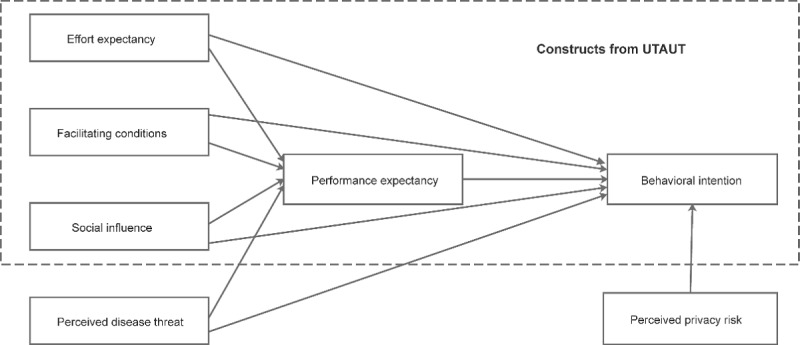
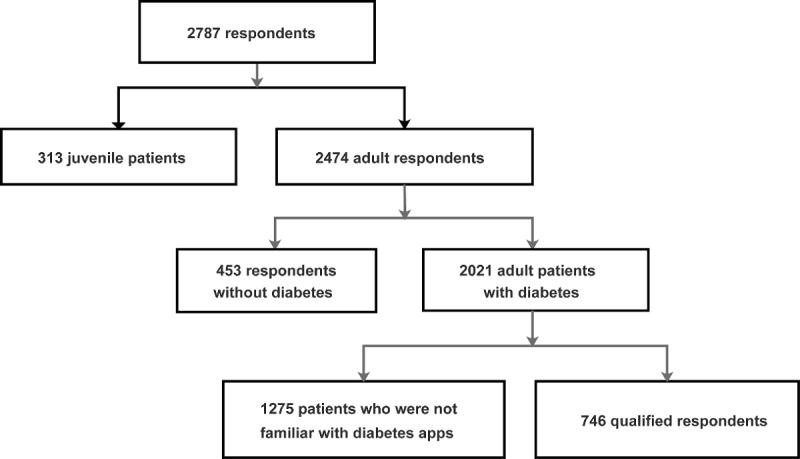
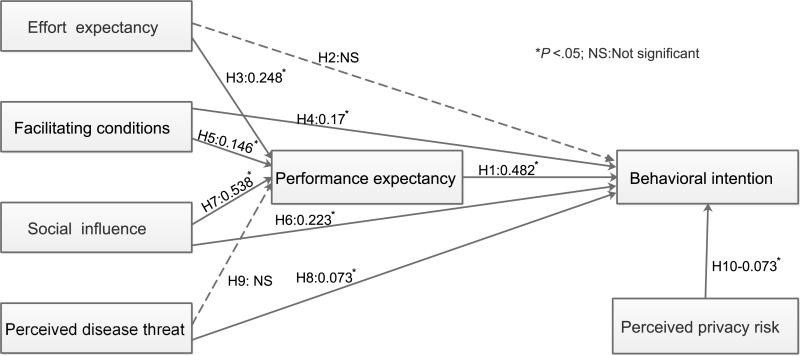
Background: Diabetes poses heavy social and economic burdens worldwide. Diabetes management apps show great potential for diabetes self-management. However, the adoption of diabetes management apps by diabetes patients is poor. The factors influencing patients’ intention to use these apps are unclear. Understanding the patients’ behavioral intention is necessary to support the development and promotion of diabetes app use. Objective: This study aimed to identify the determinants of patients’ intention to use diabetes management apps based on an integrated theoretical model. Methods: The hypotheses of our research model were developed based on an extended Unified Theory of Acceptance and Use of Technology (UTAUT). From April 20 to May 20, 2019, adult patients with diabetes across China, who were familiar with diabetes management apps, were surveyed using the Web-based survey tool Sojump. Structural equation modeling was used to analyze the data. Results: A total of 746 participants who met the inclusion criteria completed the survey. The fitness indices suggested that the collected data fit well with the research model. The model explained 62.6% of the variance in performance expectancy and 57.1% of the variance in behavioral intention. Performance expectancy and social influence had the strongest total effects on behavioral intention (β=0.482; P=.001). Performance expectancy (β=0.482; P=.001), social influence (β=0.223; P=.003), facilitating conditions (β=0.17; P=.006), perceived disease threat (β=0.073; P=.005), and perceived privacy risk (β=–0.073; P=.012) had direct effects on behavioral intention. Additionally, social influence, effort expectancy, and facilitating conditions had indirect effects on behavioral intention that were mediated by performance expectancy. Social influence had the highest indirect effects among the three constructs (β=0.259; P=.001). Conclusions: Performance expectancy and social influence are the most important determinants of the intention to use diabetes management apps. Health care technology companies should improve the usefulness of apps and carry out research to provide clinical evidence for the apps’ effectiveness, which will benefit the promotion of these apps. Facilitating conditions and perceived privacy risk also have an impact on behavioral intention. Therefore, it is necessary to improve facilitating conditions and provide solid privacy protection. Our study supports the use of UTAUT in explaining patients’ intention to use diabetes management apps. Context-related determinants should also be taken into consideration.
Overview
The claims and statistics of this paper haven’t been checked yet.
Free: it reads the open-access text and checks the first 5 claims that cite a source we can check. Create a free account to check every claim.
Integrity signals
Registry
Cites
Statistics
Figures
Verification
Claims the paper makes
The claims and statistics of this paper haven’t been checked yet.
Free: it reads the open-access text and checks the first 5 claims that cite a source we can check. Create a free account to check every claim.
Claims other papers make about this one
Each is checked against this paper’s own text: does it say what the citing paper says it does?
The source backs part of the claim, not all of it — or backs it for a different population, condition or comparison.
In the citing paper
“The Chinese versions of these scales were shown to be reliable and valid among Chinese adults [32].”
From Applying the Unified Theory of Acceptance and Use of Technology to Identify Factors Associated With Intention to Use Teledelivered Supportive Care Among Recently Diagnosed Breast Cancer Survivors During COVID-19 in Hong Kong: Cross-Sectional Survey (2024) · cites this paper as [32]
Experimental — accuracy not yet measured
Self-check
Percentages, sums and reported differences re-computed from the paper’s own numbers.
The self-check needs the paper’s full text.
Citations
Cites
The theory of planned behavior
Ajzen, I. (1991) · Organizational Behavior and Human Decision Processes · doi:10.1016/0749-5978(91)90020-t · Cited by 90,587 · cited 1×
“…of the Theory of Reasoned Action to deal with behaviors over which people have incomplete volitional control Theory of planned behavior (TPB) [42,43] Extrinsic Motivation, Intrinsic Motivation Widely used in psychology to explain human behavior Motivational model [44,45] Attitude Toward…”
User Acceptance of Information Technology: Toward A Unified View1
Venkatesh, V., Morris, M. G., Davis, G. B., & Davis, F. D. (2003) · MIS Quarterly · doi:10.2307/30036540 · Cited by 45,035 · cited 9×
“Performance expectancy, which is similar to perceived usefulness in the TAM, is defined as the degree to which use of a specific technology benefits users [37].”
InfluentialVenkatesh, V., Thong, J. Y. L., & Xu, X. (2012) · MIS Quarterly · doi:10.2307/41410412 · Cited by 15,756 · cited 7×
“Performance expectancy, which is similar to perceived usefulness in the TAM, is defined as the degree to which use of a specific technology benefits users [37].”
InfluentialEfficacy of the Theory of Planned Behaviour: A meta‐analytic review
Armitage, C. J., & Conner, M. (2001) · British Journal of Social Psychology · doi:10.1348/014466601164939 · Cited by 9,970 · cited 3×
“Attitude Toward Behavior, Subjective Norm, Perceived Behavioral Control Extension of the Theory of Reasoned Action to deal with behaviors over which people have incomplete volitional control Theory of planned behavior (TPB) [42,43]”
Moore, G. C., & Benbasat, I. (1991) · Information Systems Research · doi:10.1287/isre.2.3.192 · Cited by 9,150 · cited 1×
“Relative Advantage, Ease of Use, Image, Visibility, Compatibility, Results Demonstrability, Voluntariness of Use Grounded from sociology, this model has been applied to a wide range of innovations, such as information systems Diffusion of innovations theory [48]”
MethodUnderstanding information technology usage: a test of competing models
Taylor, S., & Todd, P. A. (1995) · Information Systems Research · doi:10.1287/isre.6.2.144 · Cited by 8,815 · cited 3×
“Attitude Toward Behavior, Subjective Norm, Perceived Behavioral Control, Perceived Usefulness A hybrid model of the TPB and TAM Combined TAM and TPB [46]”
The Health Belief Model: a decade later.
Janz, N. K., & Becker, M. H. (1984) · Health Education Quarterly · doi:10.1177/109019818401100101 · Cited by 8,437 · cited 2×
“The model has been widely employed to predict health behavioral intentions [36,63,64].”
Method10-year follow-up of intensive glucose control in type 2 diabetes
Holman, R. R., Paul, S. K., Bethel, M. A., Matthews, D. R., & Neil, H. A. W. (2008) · New England Journal of Medicine · doi:10.1056/nejmoa0806470 · Cited by 7,751 · cited 1×
“Optimal glycemic control can prevent diabetes-related complications [3].”
IDF Diabetes Atlas: Global estimates of diabetes prevalence for 2017 and projections for 2045
Cho, N. H., Shaw, J. E., Karuranga, S., Huang, Y., da Rocha Fernandes, J. D., Ohlrogge, A. W., & Malanda, B. (2018) · Diabetes Research and Clinical Practice · doi:10.1016/j.diabres.2018.02.023 · Cited by 7,283 · cited 2×
“Nearly 5 million deaths in the adult population were caused by diabetes in 2017 [1].”
BackgroundComputer Self-Efficacy: Development of a Measure and Initial Test
Compeau, D. R., & Higgins, C. A. (1995) · MIS Quarterly · doi:10.2307/249688 · Cited by 6,553 · cited 1×
“Outcome Expectations - personal, Self-efficacy, Affect, Anxiety Widely used in social behaviors, this model was also applied to information technologies Social cognitive theory [49]”
MethodExtrinsic and Intrinsic Motivation to Use Computers in the Workplace 1
Davis, F. D., Bagozzi, R. P., & Warshaw, P. R. (1992) · Journal of Applied Social Psychology · doi:10.1111/j.1559-1816.1992.tb00945.x · Cited by 6,231 · cited 1×
“Extrinsic Motivation, Intrinsic Motivation Widely used in psychology to explain human behavior Motivational model [44,45]”
Personal Computing: Toward a Conceptual Model of Utilization1
Thompson, R. L., Higgins, C. A., & Howell, J. M. (1991) · MIS Quarterly · doi:10.2307/249443 · Cited by 3,814 · cited 1×
“Job Fit, Complexity, Long-Term Consequence, Affect Toward Use, Social Factor, Facilitating Conditions This model was adopted to predict personal computer utilization Model of personal computer use [47]”
MethodToward a hierarchical model of intrinsic and extrinsic motivation
Vallerand, R. J. (1997) · Advances in experimental social psychology · doi:10.1016/s0065-2601(08)60019-2 · Cited by 3,198 · cited 1×
“…of planned behavior (TPB) [42,43] Extrinsic Motivation, Intrinsic Motivation Widely used in psychology to explain human behavior Motivational model [44,45] Attitude Toward Behavior, Subjective Norm, Perceived Behavioral Control, Perceived Usefulness A hybrid model of the TPB and TAM Combined TAM…”
Prevalence and Ethnic Pattern of Diabetes and Prediabetes in China in 2013
Wang, L., Gao, P., Zhang, M., Huang, Z., Zhang, D., Deng, Q., Li, Y., Zhao, Z., Qin, X., Jin, D., et al. (2017) · JAMA · doi:10.1001/jama.2017.7596 · Cited by 1,844 · cited 3×
“According to a national survey in 2013, the prevalence of diabetes in China was estimated to be 10.9%, representing more than 100 million adults in China [2].”
InfluentialLong-Term Complications of Diabetes Mellitus
Nathan, D. M. (1993) · New England Journal of Medicine · doi:10.1056/nejm199306103282306 · Cited by 1,495 · cited 1×
“Poor blood sugar control can lead to various life-threatening complications such as blindness, renal failure, stroke, and myocardial infarction [4].”
Yi, M. Y., Jackson, J. D., Park, J. S., & Probst, J. C. (2006) · Information & Management · doi:10.1016/j.im.2005.08.006 · Cited by 1,139 · cited 1×
“Performance expectancy and effort expectancy are equivalent to relative advantage and complexity of the diffusion of innovation theory [35,36].”
BackgroundHoque, R., & Sorwar, G. (2017) · International Journal of Medical Informatics · doi:10.1016/j.ijmedinf.2017.02.002 · Cited by 1,004 · cited 6×
“The UTAUT is the most frequently used theoretical model in information technology and has been applied to a wide range of areas, such as electronic health (eHealth) services [24,29-30], electronic medical record systems [31,32] and other health-related information technologies [33,34].”
BackgroundResultInfluentialThe global economic burden of diabetes in adults aged 20–79 years: a cost-of-illness study
Bommer, C., Heesemann, E., Sagalova, V., Manne-Goehler, J., Atun, R., Bärnighausen, T., & Vollmer, S. (2017) · The Lancet Diabetes & Endocrinology · doi:10.1016/s2213-8587(17)30097-9 · Cited by 816 · cited 1×
“The estimated cost of diabetes worldwide in 2015 was as high as US $1.31 trillion [5].”
InfluentialKijsanayotin, B., Pannarunothai, S., & Speedie, S. M. (2009) · International Journal of Medical Informatics · doi:10.1016/j.ijmedinf.2008.12.005 · Cited by 746 · cited 2×
“Several studies have applied umbrella theoretical models to understand the determinants of use intentions for mobile health (mHealth) services [23-27] or health information technology [28].”
A Systematic Review of the Technology Acceptance Model in Health Informatics
Rahimi, B., Nadri, H., Lotfnezhad Afshar, H., & Timpka, T. (2018) · Applied Clinical Informatics · doi:10.1055/s-0038-1668091 · Cited by 688 · cited 5×
“Performance expectancy, which is similar to perceived usefulness in the TAM, is defined as the degree to which use of a specific technology benefits users [37].”
InfluentialAnalyzing older users’ home telehealth services acceptance behavior—applying an Extended UTAUT model
Cimperman, M., Makovec Brenčič, M., & Trkman, P. (2016) · International Journal of Medical Informatics · doi:10.1016/j.ijmedinf.2016.03.002 · Cited by 614 · cited 2×
“However, several other studies found that effort expectancy had positive effects on behavioral intention [23,29,38], especially among the elderly [54,55].”
BackgroundA Systematic Review of Patient Acceptance of Consumer Health Information Technology
Or, C. K. L., & Karsh, B.-T. (2009) · Journal of the American Medical Informatics Association · doi:10.1197/jamia.m2888 · Cited by 586
Using a modified technology acceptance model in hospitals
AGGELIDIS, V, & CHATZOGLOU, P. (2009) · International Journal of Medical Informatics · doi:10.1016/j.ijmedinf.2008.06.006 · Cited by 553 · cited 1×
“Other studies also showed that facilitating conditions can affect performance expectancy [59].”
Association Between Diabetes and Cause-Specific Mortality in Rural and Urban Areas of China
Bragg, F., Holmes, M. V., Iona, A., Guo, Y., Du, H., Chen, Y., Bian, Z., Yang, L., Herrington, W., Bennett, D., et al. (2017) · JAMA · doi:10.1001/jama.2016.19720 · Cited by 497
A generalised adoption model for services: A cross-country comparison of mobile health (m-health)
Dwivedi, Y. K., Shareef, M. A., Simintiras, A. C., Lal, B., & Weerakkody, V. (2016) · Government Information Quarterly · doi:10.1016/j.giq.2015.06.003 · Cited by 489
Kim, J., & Park, H.-A. (2012) · Journal of Medical Internet Research · doi:10.2196/jmir.2143 · Cited by 475 · cited 2×
“Several other studies concerning health information technology demonstrated the effect of disease threat on behavioral intention [29,64,71].”
BackgroundMethodAhadzadeh, A. S., Pahlevan Sharif, S., Ong, F. S., & Khong, K. W. (2015) · Journal of Medical Internet Research · doi:10.2196/jmir.3564 · Cited by 364 · cited 3×
“The model has been widely employed to predict health behavioral intentions [36,63,64].”
BackgroundMethodThe privacy–personalization paradox in mHealth services acceptance of different age groups
Guo, X., Zhang, X., & Sun, Y. (2016) · Electronic Commerce Research and Applications · doi:10.1016/j.elerap.2015.11.001 · Cited by 330 · cited 2×
“Studies have shown that privacy risks negatively influence patients’ intention to use mHealth services [23,67].”
Maillet, É., Mathieu, L., & Sicotte, C. (2015) · International Journal of Medical Informatics · doi:10.1016/j.ijmedinf.2014.09.004 · Cited by 320 · cited 3×
“The UTAUT is the most frequently used theoretical model in information technology and has been applied to a wide range of areas, such as electronic health (eHealth) services [24,29-30], electronic medical record systems [31,32] and other health-related information technologies [33,34].”
BackgroundMethodPortz, J. D., Bayliss, E. A., Bull, S., Boxer, R. S., Bekelman, D. B., Gleason, K., & Czaja, S. (2019) · Journal of Medical Internet Research · doi:10.2196/11604 · Cited by 313 · cited 1×
“Overall, patients tend to use eHealth tools that are beneficial for them [53].”
BackgroundOr, C. K. L., Karsh, B.-T., Severtson, D. J., Burke, L. J., Brown, R. L., & Brennan, P. F. (2011) · Journal of the American Medical Informatics Association · doi:10.1136/jamia.2010.007336 · Cited by 309 · cited 1×
“One study on a Web-based interactive self-management technology revealed that social influence affected behavioral intention indirectly through the mediation of perceived usefulness [61].”
BackgroundThe determinants of home healthcare robots adoption: An empirical investigation
Alaiad, A., & Zhou, L. (2014) · International Journal of Medical Informatics · doi:10.1016/j.ijmedinf.2014.07.003 · Cited by 306 · cited 3×
“A survey in America found a moderate negative effect of privacy risk on patients’ intention to use home health care robots [34].”
Determinants of the intention to use e-Health by community dwelling older people
de Veer, A. J. E., Peeters, J. M., Brabers, A. E., Schellevis, F. G., Rademakers, J. J. J., & Francke, A. L. (2015) · BMC Health Services Research · doi:10.1186/s12913-015-0765-8 · Cited by 298 · cited 2×
“However, several other studies found that effort expectancy had positive effects on behavioral intention [23,29,38], especially among the elderly [54,55].”
BackgroundBonoto, B. C., de Araújo, V. E., Godói, I. P., de Lemos, L. L. P., Godman, B., Bennie, M., Diniz, L. M., & Junior, A. A. G. (2017) · JMIR mhealth and uhealth · doi:10.2196/mhealth.6309 · Cited by 294
2017 National Standards for Diabetes Self-Management Education and Support
Beck, J., Greenwood, D. A., Blanton, L., Bollinger, S. T., Butcher, M. K., Condon, J. E., Cypress, M., Faulkner, P., Fischl, A. H., Francis, T., et al. (2018) · The Diabetes Educator · doi:10.1177/0145721718754797 · Cited by 288
Zhang, X., Yu, P., Yan, J., & Ton A M Spil, I. (2015) · BMC Health Services Research · doi:10.1186/s12913-015-0726-2 · Cited by 285 · cited 1×
“Future studies could include other constructs such as compatibility of the diffusion of innovation theory [82].”
Kim, S., Lee, K.-H., Hwang, H., & Yoo, S. (2015) · BMC Medical Informatics and Decision Making · doi:10.1186/s12911-016-0249-8 · Cited by 280 · cited 1×
“The UTAUT is the most frequently used theoretical model in information technology and has been applied to a wide range of areas, such as electronic health (eHealth) services [24,29-30], electronic medical record systems [31,32] and other health-related information technologies [33,34].”
BackgroundThe dark side of elderly acceptance of preventive mobile health services in China
Guo, X., Sun, Y., Wang, N., Peng, Z., & Yan, Z. (2013) · Electronic Markets · doi:10.1007/s12525-012-0112-4 · Cited by 265 · cited 1×
“Several studies have applied umbrella theoretical models to understand the determinants of use intentions for mobile health (mHealth) services [23-27] or health information technology [28].”
Zhou, Z., Xiang, Y., Ji, L., Jia, W., Ning, G., Huang, G., Yang, L., Lin, J., Liu, Z., Hagopian, W. A., et al. (2013) · Diabetes · doi:10.2337/db12-0207 · Cited by 251 · cited 1×
“From April 20 to May 20, 2019, we sent the survey link to diabetologists at hospitals collaborating in a latent autoimmune diabetes of adults study in 25 major cities in China [69].”
Self-citationHoque, M. R., Bao, Y., & Sorwar, G. (2017) · Informatics for Health and Social Care · doi:10.3109/17538157.2015.1075541 · Cited by 233 · cited 2×
“However, a study in Bangladesh found that privacy had no effect on the adoption intention of eHealth [57].”
Dou, K., Yu, P., Deng, N., Liu, F., Guan, Y., Li, Z., Ji, Y., Du, N., Lu, X., & Duan, H. (2017) · JMIR mHealth and uHealth · doi:10.2196/mhealth.7886 · Cited by 231 · cited 5×
“Several studies on mHealth services also revealed that performance expectancy was the major determinant of behavioral intention [24,65,74].”
InfluentialSelf-citationWhat Predicts Patients’ Adoption Intention Toward mHealth Services in China: Empirical Study
Deng, Z., Hong, Z., Ren, C., Zhang, W., & Xiang, F. (2018) · JMIR mHealth and uHealth · doi:10.2196/mhealth.9316 · Cited by 211 · cited 6×
“Studies have shown that privacy risks negatively influence patients’ intention to use mHealth services [23,67].”
InfluentialTavares, J., & Oliveira, T. (2016) · Journal of Medical Internet Research · doi:10.2196/jmir.5069 · Cited by 197 · cited 3×
“Moreover, the Tavares and Oliveira study concerning electronic health record patient portals did not find an association between hedonic motivation and behavioral intention [38].”
BackgroundPrivacy and Security in Mobile Health: A Research Agenda
Kotz, D., Gunter, C. A., Kumar, S., & Weiner, J. P. (2016) · Computer · doi:10.1109/mc.2016.185 · Cited by 185 · cited 1×
“Although mHealth services may improve the quality of health care and users’ quality of life, they also generate security and privacy issues [66].”
Suggestions to ameliorate the inequity in urban/rural allocation of healthcare resources in China
Chen, Y., Yin, Z., & Xie, Q. (2014) · International Journal for Equity in Health · doi:10.1186/1475-9276-13-34 · Cited by 178 · cited 1×
“Moreover, due to the imbalance of medical resources in China, it is inconvenient for patients from remote rural areas to seek medical care in large hospitals [9].”
BackgroundRapid evidence review of mobile applications for self-management of diabetes
Veazie, S., Winchell, K., Gilbert, J., Paynter, R., Ivlev, I., Eden, K. B., Nussbaum, K., Weiskopf, N., Guise, J.-M., & Helfand, M. (2018) · Journal of General Internal Medicine · doi:10.1007/s11606-018-4410-1 · Cited by 170 · cited 3×
“Although our research found that perceived privacy risk has only a weak effect on the intention to use diabetes management apps, solid privacy protection measures are necessary [11].”
BackgroundUnderstanding Older People’s Readiness for Receiving Telehealth: Mixed-Method Study
(2018) · doi:10.2196/jmir.8407 · Cited by 159 · cited 2×
“The UTAUT is the most frequently used theoretical model in information technology and has been applied to a wide range of areas, such as electronic health (eHealth) services [24,29-30], electronic medical record systems [31,32] and other health-related information technologies [33,34].”
BackgroundResultThe intention–behaviour gap in technology usage: the moderating role of attitude strength
Bhattacherjee, A., & Sanford, C. (2009) · Behaviour & Information Technology · doi:10.1080/01449290802121230 · Cited by 153 · cited 1×
“Although intention to use is a determinant of use behavior, there is usually a gap between actual use and behavioral intention [81].”
BackgroundTsai, C.-H. (2014) · International Journal of Environmental Research and Public Health · doi:10.3390/ijerph110504905 · Cited by 143 · cited 1×
“Several studies have shown that performance expectancy is a major determinant of the intention to use health information technologies [28,50-52].”
BackgroundSun, C., Sun, L., Xi, S., Zhang, H., Wang, H., Feng, Y., Deng, Y., Wang, H., Xiao, X., Wang, G., et al. (2019) · JMIR mHealth and uHealth · doi:10.2196/10664 · Cited by 142 · cited 1×
“Several studies have shown that diabetes management apps have benefits such as glycosylated hemoglobin reduction [11,13-15], reduced feelings of loneliness [16], reduced hypoglycemic fears, and improved behavioral scores [17].”
Patients’ intention to use online postings of ED wait times: A modified UTAUT model
Jewer, J. (2018) · International Journal of Medical Informatics · doi:10.1016/j.ijmedinf.2018.01.008 · Cited by 140 · cited 2×
“Although the original UTAUT model did not show a direct association between facilitating conditions and behavioral intention (showing an association between facilitating conditions and use) [22], the UTAUT2 and several other studies on the consumer environment demonstrated this relationship [24,33,37,58].”
BackgroundResultFactors influencing the acceptance of telemedicine for diabetes management
Rho, M. J., Kim, H. S., Chung, K., & Choi, I. Y. (2015) · Cluster Computing · doi:10.1007/s10586-014-0356-1 · Cited by 133 · cited 3×
“In their study regarding telemedicine for diabetes management, Rho et al [51] showed that facilitating conditions have an indirect effect on behavioral intention, which is mediated by performance expectancy [51].”
BackgroundResultHou, C., Xu, Q., Diao, S., Hewitt, J., Li, J., & Carter, B. (2018) · Diabetes, Obesity and Metabolism · doi:10.1111/dom.13307 · Cited by 127 · cited 1×
“Several studies have shown that diabetes management apps have benefits such as glycosylated hemoglobin reduction [11,13-15], reduced feelings of loneliness [16], reduced hypoglycemic fears, and improved behavioral scores [17].”
BackgroundMeng, F., Guo, X., Peng, Z. C., Lai, K., & Zhao, X. (2019) · JMIR mhealth and uhealth · doi:10.2196/12269 · Cited by 125 · cited 1×
“Several studies have applied umbrella theoretical models to understand the determinants of use intentions for mobile health (mHealth) services [23-27] or health information technology [28].”
BackgroundHennemann, S., Beutel, M. E., & Zwerenz, R. (2016) · Journal of Medical Internet Research · doi:10.2196/jmir.6003 · Cited by 121 · cited 3×
“Although the original UTAUT model did not show a direct association between facilitating conditions and behavioral intention (showing an association between facilitating conditions and use) [22], the UTAUT2 and several other studies on the consumer environment demonstrated this relationship [24,33,37,58].”
BackgroundResultDeng, Z., Liu, S., & Hinz, O. (2015) · Information Technology & People · doi:10.1108/itp-03-2014-0053 · Cited by 115 · cited 1×
“Information quality is a determinant of people’s intention to seek and use health information from internet sources [76].”
BackgroundLu, C., Hu, Y., Xie, J., Fu, Q., Leigh, I., Governor, S., & Wang, G. (2018) · JMIR mHealth and uHealth · doi:10.2196/mhealth.9145 · Cited by 113 · cited 1×
“Previous studies have demonstrated that the use of mHealth apps among younger patients and those with higher education is relatively high [20,79,80].”
BackgroundKoivumäki, T., Pekkarinen, S., Lappi, M., Väisänen, J., Juntunen, J., & Pikkarainen, M. A. (2017) · Journal of Medical Internet Research · doi:10.2196/jmir.7821 · Cited by 111 · cited 4×
“The UTAUT is the most frequently used theoretical model in information technology and has been applied to a wide range of areas, such as electronic health (eHealth) services [24,29-30], electronic medical record systems [31,32] and other health-related information technologies [33,34].”
BackgroundInfluentialZhang, Y., Li, X., Luo, S., Liu, C., Xie, Y., Guo, J., Liu, F., & Zhou, Z. (2019) · JMIR mhealth and uhealth · doi:10.2196/12658 · Cited by 109 · cited 6×
“Our previous survey found that nearly half of the patients used apps because they were recommended to use them by other patients or doctors [20].”
BackgroundMethodResultInfluentialSelf-citationOrkibi, H., & Ronen, T. (2017) · Frontiers in Psychology · doi:10.3389/fpsyg.2017.00936 · Cited by 106 · cited 1×
“We performed a bootstrap analysis with 5000 bootstrap bias-corrected samples to calculate the total, direct, and indirect effects of the variables [70,72].”
MethodOlder Adults' Acceptance of Information Technology
Wang, L., Rau, P.-L. P., & Salvendy, G. (2011) · Educational Gerontology · doi:10.1080/03601277.2010.500588 · Cited by 102 · cited 1×
“Several studies have shown that performance expectancy is a major determinant of the intention to use health information technologies [28,50-52].”
BackgroundWhy Are People High in Dispositional Awe Happier? The Roles of Meaning in Life and Materialism
Zhao, H., Zhang, H., Xu, Y., He, W., & Lu, J. (2019) · Frontiers in Psychology · doi:10.3389/fpsyg.2019.01208 · Cited by 100 · cited 1×
“We performed a bootstrap analysis with 5000 bootstrap bias-corrected samples to calculate the total, direct, and indirect effects of the variables [70,72].”
MethodMobile Apps for the Management of Diabetes
Chavez, S., Fedele, D., Guo, Y., Bernier, A., Smith, M., Warnick, J., & Modave, F. (2017) · Diabetes Care · doi:10.2337/dc17-0853 · Cited by 97 · cited 1×
“Physical activity, nutrition, blood glucose testing, medication, health feedback, and education are all important for diabetes management; however, few apps integrate all six diabetes management tasks [75].”
Boyle, L., Grainger, R., Hall, R. M., & Krebs, J. D. (2017) · JMIR mHealth and uHealth · doi:10.2196/mhealth.7263 · Cited by 86 · cited 3×
“Our previous Web-based survey also showed the same pattern, and only 10.8% of patients with type 2 diabetes used diabetes management apps [20]; these results were similar to those of a survey conducted in New Zealand [21].”
MethodResultInfluentialApolinário-Hagen, J., Menzel, M., Hennemann, S., & Salewski, C. (2018) · JMIR Formative Research · doi:10.2196/11977 · Cited by 81 · cited 2×
“Several studies on mHealth services also revealed that performance expectancy was the major determinant of behavioral intention [24,65,74].”
BackgroundResultHealth App Possession Among Smartphone or Tablet Owners in Hong Kong: Population-Based Survey
Shen, C., Wang, M. P., Chu, J. T. W., Wan, A., Viswanath, K., Chan, S. S. C., & Lam, T. H. (2017) · JMIR mhealth and uhealth · doi:10.2196/mhealth.7628 · Cited by 80 · cited 1×
“Previous studies have demonstrated that the use of mHealth apps among younger patients and those with higher education is relatively high [20,79,80].”
BackgroundTavares, J., & Oliveira, T. (2018) · Journal of Medical Internet Research · doi:10.2196/11032 · Cited by 72 · cited 5×
“The model has been widely employed to predict health behavioral intentions [36,63,64].”
BackgroundMethodInfluentialLee, E., Han, S., & Jo, S. H. (2016) · International Journal of Medical Informatics · doi:10.1016/j.ijmedinf.2016.10.016 · Cited by 70 · cited 7×
“Discriminant validity is acceptable if the correlation coefficients between any two constructs are smaller than the square root of the corresponding AVE [62].”
InfluentialSelf-care practices of Chinese individuals with diabetes
ZHOU, Y., Liao, L., Sun, M., & He, G. (2013) · Experimental and Therapeutic Medicine · doi:10.3892/etm.2013.945 · Cited by 63 · cited 1×
“Most patients with suboptimal glycemic control lack diabetes-related knowledge and self-care practices [8].”
BackgroundDeterminants of adoption of Mobile Healthcare Service
Lin, S. P. (2011) · International Journal of Mobile Communications · doi:10.1504/ijmc.2011.040608 · Cited by 62 · cited 1×
“Several studies have applied umbrella theoretical models to understand the determinants of use intentions for mobile health (mHealth) services [23-27] or health information technology [28].”
BackgroundTrawley, S., Baptista, S., Browne, J. L., Pouwer, F., & Speight, J. (2017) · Diabetes Technology & Therapeutics · doi:10.1089/dia.2017.0235 · Cited by 59 · cited 1×
“In Australia, 8% of patients with type 2 diabetes reported using diabetes management apps [19].”
BackgroundLi, Q., & Xie, P. (2013) · The Lancet · doi:10.1016/s0140-6736(13)61198-8 · Cited by 58 · cited 1×
“However, doctors in large hospitals in China are overloaded with work, and the time spent with each patient in outpatient departments is very limited and usually less than 3 min [7].”
Husted, G. R., Weis, J., Teilmann, G., & Castensøe-Seidenfaden, P. (2018) · JMIR mHealth and uHealth · doi:10.2196/mhealth.8876 · Cited by 54 · cited 1×
“Several studies have shown that diabetes management apps have benefits such as glycosylated hemoglobin reduction [11,13-15], reduced feelings of loneliness [16], reduced hypoglycemic fears, and improved behavioral scores [17].”
BackgroundClinical relevance of smartphone apps for diabetes management: A global overview
Huang, Z., Soljak, M., Boehm, B. O., & Car, J. (2018) · Diabetes/Metabolism Research and Reviews · doi:10.1002/dmrr.2990 · Cited by 54 · cited 1×
“However, few apps provide information cited from accredited sources [77].”
BackgroundZhang, Y., Li, X., Luo, S., Liu, C., Liu, F., & Zhou, Z. (2018) · JMIR mHealth and uHealth · doi:10.2196/11400 · Cited by 51 · cited 2×
“However, patients think that merely recording their blood sugar is of little use to them [68].”
BackgroundMethodSelf-citationPopular Glucose Tracking Apps and Use of mHealth by Latinos With Diabetes: Review
Williams, J. P., & Schroeder, D. (2015) · JMIR mHealth and uHealth · doi:10.2196/mhealth.3986 · Cited by 49 · cited 1×
“In a survey in America in 2014, the use of diabetes management apps was approximately 3.6% among Latino patients with diabetes [18].”
InfluentialLee, S.-J., Choi, M. J., Rho, M. J., Kim, D., & Choi, I. Y. (2018) · Frontiers in Psychiatry · doi:10.3389/fpsyt.2018.00658 · Cited by 47 · cited 1×
“Several other studies also revealed that performance expectancy was predicted by effort expectancy [30,56,57].”
Garg, S. K., Shah, V. N., Akturk, H. K., Beatson, C., & Snell-Bergeon, J. K. (2017) · Diabetes Therapy · doi:10.1007/s13300-017-0272-5 · Cited by 40 · cited 1×
“Several studies have shown that diabetes management apps have benefits such as glycosylated hemoglobin reduction [11,13-15], reduced feelings of loneliness [16], reduced hypoglycemic fears, and improved behavioral scores [17].”
Background2017 National Standards for Diabetes Self-Management Education and Support
Beck, J., Greenwood, D. A., Blanton, L., Bollinger, S. T., Butcher, M. K., Condon, J. E., Cypress, M., Faulkner, P., Fischl, A. H., Francis, T., et al. (2019) · The Diabetes Educator · doi:10.1177/0145721718820941 · Cited by 39
Characteristics of Chinese m-Health Applications for Diabetes Self-Management
Nie, L., Xie, B., Yang, Y., & Shan, Y. M. (2016) · Telemedicine Journal and e-Health · doi:10.1089/tmj.2015.0184 · Cited by 37
Mobile applications for diabetes management: efficacy issues and regulatory challenges
Istepanian, R. S. H. (2015) · The Lancet Diabetes & Endocrinology · doi:10.1016/s2213-8587(15)00414-3 · Cited by 25
Goodarzi, F., Araban, M., Eslami, A. A., & Zamani‐Alavijeh, F. (2019) · Archives of Public Health · doi:10.1186/s13690-018-0328-7 · Cited by 8 · cited 1×
“…Behavior, Subjective Norm Originating from social psychology, this model has been used widely to predict human behaviors Theory of reasoned action [41] Attitude Toward Behavior, Subjective Norm, Perceived Behavioral Control Extension of the Theory of Reasoned Action to deal with behaviors over…”
Cited by
Young, A. T., Amara, D., Bhattacharya, A., & Wei, M. L. (2021) · The Lancet Digital Health · doi:10.1016/s2589-7500(21)00132-1 · Cited by 400
Portz, J. D., Bayliss, E. A., Bull, S., Boxer, R. S., Bekelman, D. B., Gleason, K., & Czaja, S. (2019) · Journal of Medical Internet Research · doi:10.2196/11604 · Cited by 313
C.C., S., & Prathap, S. K. (2020) · International Journal of Pervasive Computing and Communications · doi:10.1108/ijpcc-06-2020-0069 · Cited by 195
Aini, Q., Manongga, D., Rahardja, U., Sembiring, I., & Li, Y.-M. (2024) · International Journal of Human-Computer Interaction · doi:10.1080/10447318.2024.2357860 · Cited by 368
“Zhang et al. (2019) research has brought a robust and significant correlation between PE and user intentions, particularly in patients utilizing diabetes management applications.”
Octavius, G. S., & Antonio, F. (2021) · International Journal of Telemedicine and Applications · doi:10.1155/2021/6698627 · Cited by 138
“Future studies could include other constructs such as habit [48] and social influence [63], which positively and significantly affect behavioural intention in the respective study.”
BackgroundResultInfluential
Metadata
- Authors
- Zhang, Y., Liu, C., Luo, S., Xie, Y., Liu, F., Li, X., & Zhou, Z.
- Affiliations
- Central South University (CN)
- Corresponding author
- Zhou, Zhiguang
- Venue
- Journal of Medical Internet Research
- Publisher
- JMIR Publications Inc.
- Published
- 2019-08-13
- Volume
- 21
- Issue
- 8
- Pages
- e15023
- ISSN
- 1438-8871 (ISSN-L)
- PMC
- PMC6711042
- OpenAlex
- W2962977514
- Cited by
- 207
- References
- 82
- Citations by year
- 2026: 13 · 2025: 29 · 2024: 29 · 2023: 52 · 2022: 38 · 2021: 33 · 2020: 12 · 2019: 1
- FWCI
- 28.63
- Type
- journal article
- Language
- en
- Open access
- gold
- doi.org
- Licence
- cc-by
- Locations
- Journal of Medical Internet Research (publishedVersion, cc-by)
- Europe PMC (PubMed Central) (publishedVersion, cc-by)
- PubMed Central (publishedVersion, cc-by)
- PubMed (publishedVersion)
- DOAJ (DOAJ: Directory of Open Access Journals) (submittedVersion, cc-by-sa)
- Topics
- Health Sciences › Health Professions › General Health Professions › Mobile Health and mHealth Applications
- Social Sciences › Decision Sciences › Information Systems and Management › Technology Adoption and User Behaviour
- Health Sciences › Health Professions › Health Information Management › Health, Technology, Consumer Behavior
- Keywords
- diabetes self-management, technology acceptance, behavioral intention, extended UTAUT, performance expectancy, social influence, perceived privacy risk, facilitating conditions, effort expectancy, mobile health
- MeSH terms
- Adolescent, Adult, Diabetes Mellitus, Female, Humans, Male, Middle Aged, Surveys and Questionnaires, Internet, Biomedical Technology, Intention, Young Adult, Mobile Applications
About these checks
Registry, retraction, Cites and statistics results are computed, not judged, with one exception: a printed reference that no index lists is read once by a model before it counts as a citation error. Claims are extracted by a model and kept only when their quote appears verbatim in the text; each cited source is then checked, with a model’s help, for whether it says what the claim relies on. Those verdicts can be wrong — read the claim’s quote and the cited source before relying on one.
Statistics and arithmetic are recomputed, not judged.
Confidence bands are shown only for fields calibrated on our annotated test set. None is calibrated yet, so no band is shown.
What counts as a claim ›How we measure confidence ›How we check this ›
Are you an author, or do you see a problem with this page? Request a review
Data sources
Bibliographic data: Semantic Scholar, OpenAlex, Crossref.
Contains information from the Semantic Scholar Academic Graph Datasets, made available under the ODC Attribution License (ODC-BY 1.0).
Semantic Scholar’s data is described in: Kinney, R., et al. (2023). The Semantic Scholar Open Data Platform. arXiv:2301.10140.
