

Optimizing outcomes in EGFR Mutation-Positive Nsclc: Which Tyrosine Kinase Inhibitor and When?
Open accessThe DOI matches its Crossref record; 75 of the 75 references it cites were found in a registry or an index.
Abstract
Despite the efficacy of standard-of-care EGFR tyrosine kinase inhibitors (TKIs), erlotinib, gefitinib and afatinib, in EGFR mutation-positive non-small-cell lung cancer, resistance develops, most commonly due to the T790M mutation. Osimertinib showed clinical activity in the treatment of T790M-positive disease following progression on a first-line TKI, and is approved in this setting. Recently, osimertinib improved efficacy versus first-generation TKIs (erlotinib and gefitinib) in the first-line setting. Multiple factors can influence first-line treatment decisions, including subsequent therapy options, presence of brain metastases and tolerability, all of which should be considered in the long-term treatment plan. Further research into treatment sequencing is also needed, to optimize outcomes in EGFR mutation-positive non-small-cell lung cancer.
Overview
The claims and statistics of this paper haven’t been checked yet.
Free: it reads the open-access text and checks the first 5 claims that cite a source we can check. Create a free account to check every claim.
Integrity signals
Registry
Cites
Statistics
Figures
Verification
Claims the paper makes
The claims and statistics of this paper haven’t been checked yet.
Free: it reads the open-access text and checks the first 5 claims that cite a source we can check. Create a free account to check every claim.
Claims other papers make about this one
Each is checked against this paper’s own text: does it say what the citing paper says it does?
The cited source says what the claim attributes to it.
In the citing paper
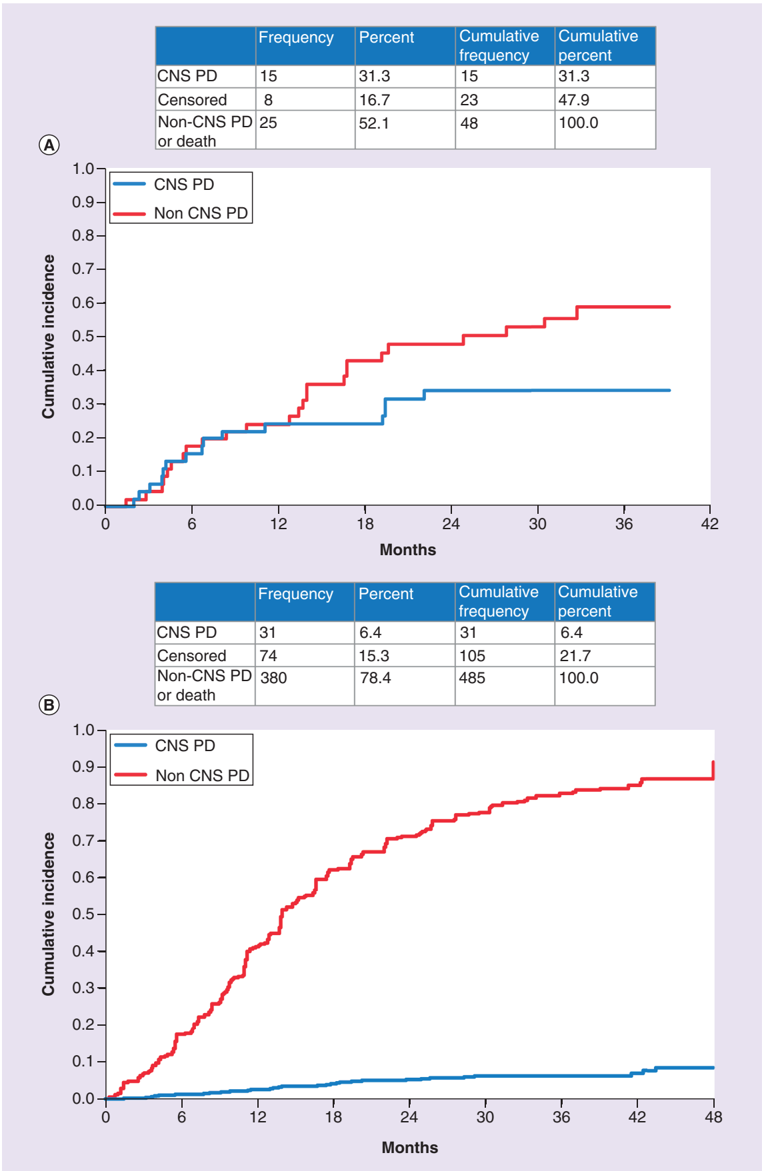
“Competing risk analyses of LUX-Lung 3 and 6 showed that in patients with baseline brain metastases the cumulative incidence of CNS progression (31.3%) was lower than that of non-CNS progression (52.1%; Figure 2).”
From Afatinib for the treatment of EGFR mutation-positive NSCLC: A review of clinical findings (2020) · cites this paper as [28]
Self-check
Percentages, sums and reported differences re-computed from the paper’s own numbers.
The self-check needs the paper’s full text.
Citations
Cites
Gefitinib or Carboplatin–Paclitaxel in Pulmonary Adenocarcinoma
Mok, T. S., Wu, Y.-L., Thongprasert, S., Yang, C.-H., Chu, D.-T., Saijo, N., Sunpaweravong, P., Han, B., Margono, B., Ichinose, Y., et al. (2009) · New England Journal of Medicine · doi:10.1056/nejmoa0810699 · Cited by 8,261
Gefitinib or Chemotherapy for Non–Small-Cell Lung Cancer with Mutated EGFR
Maemondo, M., Inoue, A., Kobayashi, K., Sugawara, S., Oizumi, S., Isobe, H., Gemma, A., Harada, M., Yoshizawa, H., Kinoshita, I., et al. (2010) · New England Journal of Medicine · doi:10.1056/nejmoa0909530 · Cited by 5,525
Osimertinib in Untreated EGFR -Mutated Advanced Non–Small-Cell Lung Cancer
Soria, J.-C., Ohe, Y., Vansteenkiste, J., Reungwetwattana, T., Chewaskulyong, B., Lee, K. H., Dechaphunkul, A., Imamura, F., Nogami, N., Kurata, T., et al. (2018) · New England Journal of Medicine · doi:10.1056/nejmoa1713137 · Cited by 5,508
Rosell, R., Carcereny, E., Gervais, R., Vergnenegre, A., Massuti, B., Felip, E., Palmero, R., Garcia-Gomez, R., Pallares, C., Sanchez, J. M., et al. (2012) · The Lancet Oncology · doi:10.1016/s1470-2045(11)70393-x · Cited by 5,489
Mitsudomi, T., Morita, S., Yatabe, Y., Negoro, S., Okamoto, I., Tsurutani, J., Seto, T., Satouchi, M., Tada, H., Hirashima, T., et al. (2010) · The Lancet Oncology · doi:10.1016/s1470-2045(09)70364-x · Cited by 4,090
Zhou, C., Wu, Y.-L., Chen, G., Feng, J., Liu, X.-Q., Wang, C., Zhang, S., Wang, J., Zhou, S., Ren, S., et al. (2011) · The Lancet Oncology · doi:10.1016/s1470-2045(11)70184-x · Cited by 4,081
Genotypic and Histological Evolution of Lung Cancers Acquiring Resistance to EGFR Inhibitors
Sequist, L. V., Waltman, B. A., Dias-Santagata, D., Digumarthy, S., Turke, A. B., Fidias, P., Bergethon, K., Shaw, A. T., Gettinger, S., Cosper, A. K., et al. (2011) · Science Translational Medicine · doi:10.1126/scitranslmed.3002003 · Cited by 3,499
Osimertinib or Platinum–Pemetrexed in EGFR T790M–Positive Lung Cancer
Mok, T. S., Wu, Y.-L., Ahn, M.-J., Garassino, M. C., Kim, H. R., Ramalingam, S. S., Shepherd, F. A., He, Y., Akamatsu, H., Theelen, W. S. M. E., et al. (2017) · New England Journal of Medicine · doi:10.1056/nejmoa1612674 · Cited by 3,379
Sequist, L. V., Yang, J. C.-H., Yamamoto, N., O'Byrne, K., Hirsh, V., Mok, T., Geater, S. L., Orlov, S., Tsai, C.-M., Boyer, M., et al. (2013) · Journal of Clinical Oncology · doi:10.1200/jco.2012.44.2806 · Cited by 3,228
Novello, S., Barlesi, F., Califano, R., Cufer, T., Ekman, S., Levra, M. G., Kerr, K., Popat, S., Reck, M., Senan, S., et al. (2016) · Annals of Oncology · doi:10.1093/annonc/mdw326 · Cited by 2,631
Research works printed but not linked: 6
- Wu YL, Cheng Y, Zhou X et al. Dacomitinib versus gefitinib as first-line treatment for patients with EGFR-mutation-positive non-small-cell lung cancer (ARCHER 1050): a randomised, open-label, Phase III trial. Lancet Oncol. 18 (11 ), 1454 -1466 (2017). · DOI · Paper page
- Gray J, Okamoto I, Sriuranpong V et al. Osimertinib vs SoC EGFR TKI as first-line treatment in patients with EGFRm advanced NSCLC (FLAURA): plasma ctDNA analysis. Presented at: IASLC 18th World Conference on Lung Cancer (WCLC). Yokohama, Japan, 15-18 October (2017).
- Sequist L, Wu Y, Schuler M et al. Subsequent therapies post-afatinib among patients with EGFR mutation-positive NSCLC in LUX-Lung (LL) 3, 6 and 7. Ann. Oncol. 28(Suppl. 5), v460-v496 (2017). •• Retrospective analysis of subsequent therapy post-afatinib in patients with EGFR mutation-positive (Del19/L858R) NSCLC, illustrating high rates of subsequent therapy and highly encouraging overall survival data for thesequence of afatinib followed by osimertinib.
- Yang JC, Yu C, Shih J et al. Genomic analysis of tumor and plasma in T790M mutant positive EGFR lung cancer patients before and after osimertinib treatment. Presented at: IASLC 18th World Conference on Lung Cancer (WCLC). Yokohama, Japan, 15-18 October (2017).
- Hirsh V, Yang JC-H, Tan EH et al. First-line afatinib versus gefitinib for patients with EGFR mutation-positive NSCLC (LUX-Lung 7): patient-reported outcomes and impact of dose modifications on efficacy and adverse events. J. Clin. Oncol. 34(Suppl. 15), abstract 9046 (2016).
- Corral J, Park K, Yang JC-H et al. Afatinib versus gefitinib in patients with EGFR mutation-positive (EGFRm+) NSCLC: updated overall survival data from the Phase IIb trial LUX-Lung 7. Ann. Oncol. 28(Suppl. 2), ii28-ii51 (2017).
Cited by
Zhong, Q., Xiao, X., Qiu, Y., Xu, Z., Chen, C., Chong, B., Zhao, X., Hai, S., Li, S., An, Z., et al. (2023) · MedComm · doi:10.1002/mco2.261 · Cited by 442
EGFR signaling pathway as therapeutic target in human cancers
Levantini, E., Maroni, G., Del Re, M., & Tenen, D. G. (2022) · Seminars in Cancer Biology · doi:10.1016/j.semcancer.2022.04.002 · Cited by 356
Zhou, Q., Xu, C.-R., Cheng, Y., Liu, Y.-P., Chen, G.-Y., Cui, J.-W., Yang, N., Song, Y., Li, X.-L., Lu, S., et al. (2021) · Cancer Cell · doi:10.1016/j.ccell.2021.07.005 · Cited by 228
Passaro, A., Mok, T., Peters, S., Popat, S., Ahn, M.-J., & de Marinis, F. (2021) · Journal of Thoracic Oncology · doi:10.1016/j.jtho.2020.12.002 · Cited by 213
Ahn, M.-J., Han, J.-Y., Lee, K. H., Kim, S.-W., Kim, D.-W., Lee, Y.-G., Cho, E. K., Kim, J.-H., Lee, G.-W., Lee, J.-S., et al. (2019) · The Lancet Oncology · doi:10.1016/s1470-2045(19)30504-2 · Cited by 143
Afatinib for the treatment of EGFR mutation-positive NSCLC: A review of clinical findings
Harvey, R. D., Adams, V. R., Beardslee, T., & Medina, P. (2020) · Journal of Oncology Pharmacy Practice · doi:10.1177/1078155220931926 · Cited by 115
“1%; Figure 2).(28) A recent single-center, real-world study of 306 EGFRmþ NSCLC patients from Taiwan with or without baseline brain metastases assessed the impact of first-line erlotinib, gefitinib, or afatinib in treating and preventing brain metastases.”
BackgroundHochmair, M. J., Buder, A., Schwab, S., Burghuber, O. C., Prosch, H., Hilbe, W., Cseh, A., Fritz, R., & Filipits, M. (2018) · Targeted Oncology · doi:10.1007/s11523-018-0612-z · Cited by 111
Hochmair, M. J., Morabito, A., Hao, D., Yang, C., Soo, R. A., Yang, J. C., Gucalp, R. A., Halmos, B., Wang, L., Golembesky, A., et al. (2018) · Future Oncology · doi:10.2217/fon-2018-0711 · Cited by 102
Nazha, B., Yang, J. C., & Owonikoko, T. K. (2020) · Future Oncology · doi:10.2217/fon-2020-0951 · Cited by 84
A Review of HER4 (ErbB4) Kinase, Its Impact on Cancer, and Its Inhibitors
El–Gamal, M. I., Mewafi, N. H., Abdelmotteleb, N. E., Emara, M. A., Tarazi, H., Sbenati, R. M., Madkour, M. M., Zaraei, S., Shahin, A. I., & Anbar, H. S. (2021) · Molecules · doi:10.3390/molecules26237376 · Cited by 86
“As a result, “third-generation” inhibitors have been developed [121,122].”
BackgroundCurrent and Future Molecular Testing in NSCLC, What Can We Expect from New Sequencing Technologies?
Garinet, S., Laurent‐Puig, P., Blons, H., & Oudart, J. (2018) · Journal of Clinical Medicine · doi:10.3390/jcm7060144 · Cited by 76
“Such therapies changed the standard of care for NSCLC stages III and IV from cytotoxic chemotherapies to “specific” first line treatment for selected patients [7].”
BackgroundSrour, A. M., Ahmed, N. S. I., El‐Karim, S. S. A., Anwar, M. M., & El-hallouty, S. M. (2020) · Bioorganic & Medicinal Chemistry · doi:10.1016/j.bmc.2020.115657 · Cited by 75
Terlizzi, M., Colarusso, C., Pinto, A., & Sorrentino, R. (2019) · Pharmacology & Therapeutics · doi:10.1016/j.pharmthera.2019.06.005 · Cited by 68
Applications of CRISPR/Cas9 Technology in the Treatment of Lung Cancer
Jiang, C., Lin, X., & Zhao, Z. (2019) · Trends in Molecular Medicine · doi:10.1016/j.molmed.2019.07.007 · Cited by 67
Reis, R., Labat, L., Allard, M., Boudou, P., Chapron, J., Bellesœur, A., Thomas‐Schoemann, A., Arrondeau, J., Giraud, F., Alexandre, J., et al. (2018) · Journal of Pharmaceutical and Biomedical Analysis · doi:10.1016/j.jpba.2018.05.052 · Cited by 66
“Compared to platinum-based chemotherapy, first-generation of EGFR TKI such as erlotinib [2] or second-generation (afatinib) [2] has presented a marked superiority in terms of survival benefit and quality of life in and B t t o t T b E T c N R. Reis et al. / Journal of Pharmaceutical reatment-naïve NSCLC patients harbo…”
BackgroundInfluentialHuang, R., Xu, X. L., Li, D., Chen, K., Zhan, Q., Ge, M., Zhou, X., Liang, X., & Guan, M. (2019) · Targeted Oncology · doi:10.1007/s11523-019-00645-5 · Cited by 62
de Mello, R. A., Neves, N. M., Tadokoro, H., Amaral, G. A., Castelo‐Branco, P., & Zia, V. A. D. A. (2020) · Journal of Clinical Medicine · doi:10.3390/jcm9113543 · Cited by 62
“Second-generation TKIs include afatinib and dacomitinib, which form irreversible bonds to the tyrosine kinase domains of wild-type and mutant EGFR, and also to other proteins of the same family (such as ERBB2—Erythroblastic Leukemia Viral Oncogene Homolog 2 protein, ERBB4—Erythroblastic Leukemia Viral Oncogene Homolog…”
BackgroundHochmair, M. J. (2018) · Targeted Oncology · doi:10.1007/s11523-018-0566-1 · Cited by 56
“In patients without brain metastases at baseline, the non-CNS progression rate after 24 months was 71% [79].”
BackgroundRoca, E., Pozzari, M., Vermi, W., Tovazzi, V., Baggi, A., Amoroso, V., Nonnis, D., Intagliata, S., & Berruti, A. (2018) · Lung Cancer · doi:10.1016/j.lungcan.2018.11.016 · Cited by 55
Response to RET-Specific Therapy in RET Fusion-Positive Anaplastic Thyroid Carcinoma
Dias-Santagata, D. C., Lennerz, J. K., Sadow, P. M., Frazier, R. P., Raju, S. G., Henry, D., Chung, T., Kherani, J. F., Rothenberg, S. M., & Wirth, L. J. (2020) · Thyroid · doi:10.1089/thy.2019.0477 · Cited by 51
Vaid, A. K., Gupta, A., & Momi, G. (2021) · International Journal of Oncology · doi:10.3892/ijo.2021.5168 · Cited by 49
“To maximize the clinical benefit of the different EGFR‐TKIs, it is imperative to strategize their optimal sequencing (82,83).”
BackgroundKujtan, L. A., & Subramanian, J. (2019) · Expert Review of Anticancer Therapy · doi:10.1080/14737140.2019.1596030 · Cited by 45
“which led to the development of targeted EGFR inhibitors and expanded the therapeutic options for this disease [12].”
BackgroundInfluentialWang, S., & Li, J. (2019) · OncoTargets and Therapy · doi:10.2147/ott.s198945 · Cited by 44
“A competing risk analysis using data from afatinib-treated patients with baseline brain metastases in LUX-Lung 3, LUX-Lung 6, and LUX-Lung 7 showed that the cumulative incidence of CNS progression (31%) was lower than that of non-CNS progression (52%).(91)”
MethodKim, E. S., Melosky, B. L., Park, K., Yamamoto, N., & Yang, J. C. (2021) · Future Oncology · doi:10.2217/fon-2021-0195 · Cited by 42
Park, K., Lim, W., Okamoto, I., & Yang, J. C. (2019) · Therapeutic Advances in Medical Oncology · doi:10.1177/1758835919836374 · Cited by 39
erbB in NSCLC as a molecular target: current evidences and future directions
Re, M. D., Cucchiara, F., Petrini, I., Fogli, S., Passaro, A., Crucitta, S., Attili, I., de Marinis, F., Chella, A., & Danesi, R. (2020) · ESMO Open · doi:10.1136/esmoopen-2020-000724 · Cited by 37
Exposure–Response Analysis of Osimertinib in Patients with Advanced Non-Small-Cell Lung Cancer
Rodier, T., Puszkiel, A., Cardoso, E., Balakirouchenane, D., Narjoz, C., Arrondeau, J., Fallet, V., Khoudour, N., Guidi, M., Vidal, M., et al. (2022) · Pharmaceutics · doi:10.3390/pharmaceutics14091844 · Cited by 35
“Activating mutations in the epidermal growth factor receptor (EGFR) are key drivers of non-small-cell lung cancer (NSCLC) in 10–15% of Caucasian patients and 50% of Asian patients [1,2].”
BackgroundPark, K., Bennouna, J., Boyer, M. J., Hida, T., Hirsh, V., Kato, T., Lü, S., Mok, T. S. K., Nakagawa, K., O'Byrne, K. J., et al. (2019) · Lung Cancer · doi:10.1016/j.lungcan.2019.04.014 · Cited by 34
Schüler, M., Paz-Ares, L. G., Sequist, L. V. D., Hirsh, V., Lee, K. H., Wu, Y.-L. L. C., Lü, S., Zhou, C., Feng, J., Ellis, S. H., et al. (2019) · Lung Cancer · doi:10.1016/j.lungcan.2019.04.006 · Cited by 34
Girard, N. (2019) · Future Oncology · doi:10.2217/fon-2019-0400 · Cited by 32
Self-citationCho, A., Untersteiner, H., Hirschmann, D., Shaltout, A., Goebl, P., Dorfer, C., Rössler, K., Marik, W., Kirchbacher, K., Kapfhammer, I., et al. (2020) · Cancers · doi:10.3390/cancers12123668 · Cited by 31
“Recent studies have also shown a better PFS in second or third generations, such as Afatinib or Osimertinib as compared with first generations, due to their capability to cross the blood-brain barrier [23].”
BackgroundRe, M. D., Petrini, I., Mazzoni, F., Valleggi, S., Gianfilippo, G., Pozzessere, D., Chella, A., Crucitta, S., Rofi, E., Restante, G., et al. (2019) · Clinical Lung Cancer · doi:10.1016/j.cllc.2019.10.003 · Cited by 31
Extracellular Vesicles in Lung Cancer: Implementation in Diagnosis and Therapeutic Perspectives
Carreca, A. P., Tinnirello, R., Miceli, V., Galvano, A., Gristina, V., Incorvaia, L., Pampalone, M., Taverna, S., & Iannolo, G. (2024) · Cancers · doi:10.3390/cancers16111967 · Cited by 31
“In this way, it is possible to quantify (copies/mL) and identify, if present, variants relating to the mutated EGFR, perhaps due to targetable resistance mechanisms involved in resistance to cancer therapy [80].”
BackgroundInfluence of afatinib dose on outcomes of advanced EGFR-mutant NSCLC patients with brain metastases
Tan, W.-L., Ng, Q. S., Lim, C., Tan, E. H., Toh, C., Ang, M., Kanesvaran, R., Jain, A., Tan, D. S.-W., & Lim, W. (2018) · BMC Cancer · doi:10.1186/s12885-018-5110-2 · Cited by 29
Catalog of Lung Cancer Gene Mutations Among Chinese Patients
Xue, X., Asuquo, I. P., Hong, L., Gao, J., Dong, Z., Pang, L., Jiang, T., Meng, M., Fan, J., Wen, J., et al. (2020) · Frontiers in Oncology · doi:10.3389/fonc.2020.01251 · Cited by 26
Lü, S., Shih, J., Jang, T. W., Liam, C. K., & Yu, Y. (2021) · Advances in Therapy · doi:10.1007/s12325-021-01696-9 · Cited by 26
Shen, X., Huang, S., Xiao, H., Zeng, S., Liu, J., Ran, Z., & Xiong, B. (2021) · European Journal of Hospital Pharmacy · doi:10.1136/ejhpharm-2021-002803 · Cited by 24
“Even with the presence of treatable gene mutations, using targeted drugs will eventually activate acquired resistance mutations or compensatory pathways,(3) leading to disease progression occurring 8-19 months after starting treatment.(4) 5 We need to actively find other therapies to solve this dilemma.”
BackgroundMartin, J., Lehmann, A., Klauschen, F., Hummel, M., Lenze, D., Grohé, C., Tessmer, A., Gottschalk, J., Schmidt, B., Pau, H. W., et al. (2019) · Clinical Lung Cancer · doi:10.1016/j.cllc.2019.04.012 · Cited by 24
Dong, Q., Yu, P., Ye, L., Zhang, J., Wang, H., Zou, F., Tian, J., & Kurihara, H. (2019) · Scientific Reports · doi:10.1038/s41598-019-42245-3 · Cited by 22
Zhang, P., Song, E., Jiang, M., & Song, Y. (2020) · International Journal of Radiation Biology · doi:10.1080/09553002.2021.1846817 · Cited by 21
Case Report: Afatinib Treatment in a Patient With NSCLC Harboring a Rare EGFR Exon 20 Mutation
Zöchbauer‐Müller, S., Kaserer, B., Prosch, H., Cseh, A., Solca, F., Bauer, M. J., & Müllauer, L. (2021) · Frontiers in Oncology · doi:10.3389/fonc.2020.593852 · Cited by 21
“For these mutations, drugs approved by the United States (US) Food & Drug Administration (FDA) for EGFR mutation-positive NSCLC comprise three generations of EGFR tyrosine kinase inhibitors (TKIs) — the first-generation reversible EGFR TKIs, erlotinib and gefitinib, the second-generation irreversible ErbB family block…”
BackgroundXiong, X., Zhang, Y., Wang, Z., Zhou, C., Yang, P., Du, X., Yang, L., & Liu, W. (2022) · Clinica Chimica Acta · doi:10.1016/j.cca.2021.12.028 · Cited by 21
Wu, X., Ju, T., Li, Z., Li, J., Zhai, X., & Han, K. (2023) · Analytica Chimica Acta · doi:10.1016/j.aca.2023.341170 · Cited by 21
Kaler, A. K., Patel, K., Patil, H., Tiwarekar, Y., Kulkarni, B. N., Hastak, M., Athikari, N., Rane, S., Nikam, A., Umarji, S., et al. (2022) · International Journal of Environmental Research and Public Health · doi:10.3390/ijerph20010758 · Cited by 20
“In contrast, a recent meta-analysis report by Beak et. al. has reported a stronger propensity of patients with exon 19 deletions to have brain metastasis as opposed to exon 21 mutations, possible owing to greater acceptance of therapy with TKIs in exon 19 mutation lung cancer cells.”
BackgroundInfluentialLee, S. Y., Choi, C., Chang, Y. S., Lee, K. Y., Kim, S. J., Yang, S. H., Ryu, J., Lee, J. E., Lee, S. Y., Park, J. Y., et al. (2021) · Translational Lung Cancer Research · doi:10.21037/tlcr-21-501 · Cited by 20
Design, synthesis and biological evaluation of a series of dianilinopyrimidines as EGFR inhibitors
Yan, L., Wang, Q., Liu, L., & Le, Y. (2022) · Journal of Enzyme Inhibition and Medicinal Chemistry · doi:10.1080/14756366.2022.2046567 · Cited by 20
Liu, J., Wang, S., Yuan, H., Li, J., & Xing, P. (2024) · Oncology Letters · doi:10.3892/ol.2024.14855 · Cited by 19
Hirsh, V., & Singh, J. R. (2020) · American Journal of Health-System Pharmacy · doi:10.1093/ajhp/zxaa197 · Cited by 17
“In addition to treatment efficacy and tolerability, multiple other factors are usually considered, including patient characteristics (eg, age, performance status), patient preferences, and anticipated quality of life.(18,66,67)”
BackgroundLococo, F., Ghaly, G., Flamini, S., Campanella, A., Chiappetta, M., Bria, E., Vita, E., Tortora, G., Evangelista, J., Sassorossi, C., et al. (2024) · Journal of Thoracic Disease · doi:10.21037/jtd-24-244 · Cited by 16
“…anaplastic lymphoma kinase (ALK) and c-ros oncogene 1 (ROS1) rearrangements, and PD-L1 levels to determine their potential response to EGFR, ALK, or ROS1 inhibitors, or In particular, the mutation of EGFR or ALK rearrangements were detected in 15% and 2% of NSCLC patients, respectively (51,52).”
Passaro, A., de Marinis, F., Tu, H., Лактионов, К. К., Feng, J., Poltoratskiy, A., Zhao, J., Tan, E. H., Gottfried, M., Lee, V. H.-F., et al. (2021) · Frontiers in Oncology · doi:10.3389/fonc.2021.709877 · Cited by 16
“Therefore, as it is estimated that 50–70% of patients treated with afatinib acquire the T790M mutation (24), the observation of widespread treatment beyond progression in this study probably does not reflect contemporary treatment practices, especially as tumor rebiopsies at the point of radiological progression are b…”
BackgroundLiu, Y., Liu, H., Xia, Z., Wang, Z., Yun, Y., Zhang, G., Huang, L., Gao, S., & Chen, W. (2021) · International Journal of Analytical Chemistry · doi:10.1155/2021/5524361 · Cited by 16
Roberto González, L., Sebastián Barra, M., Alejandra Riquelme, U., Rodrigo Reyes, M., L., M. L. S., Felipe Alarcón, O., Enrique Seguel, S., Aleck Stockins, L., Andrés Jadue, T., Diego Saldivia, Z., et al. (2022) · Revista médica de Chile · doi:10.4067/s0034-98872022000100007 · Cited by 15
He, W., McCoy, M., Riggins, R. B., Beckman, R. A., & Yeang, C. (2025) · npj Systems Biology and Applications · doi:10.1038/s41540-025-00547-5 · Cited by 14
Rethi, L., Mutalik, C., Rethi, L., Chiang, W., Lee, H., Pan, W., Yang, T.-S., Chiou, J., Chen, Y., Chuang, E., et al. (2022) · Cancers · doi:10.3390/cancers14205043 · Cited by 14
Impact of EGFR mutation on outcomes following SRS for brain metastases in non-small cell lung cancer
de Moraes, F. Y., Mansouri, A., Dasgupta, A., Ramotar, M., Kosyak, N., Weiss, J., Laperrière, N., Millar, B., Berlín, A., Conrad, T., et al. (2021) · Lung Cancer · doi:10.1016/j.lungcan.2021.02.036 · Cited by 13
EGFR signaling and pharmacology in oncology revealed with innovative BRET-based biosensors
Gross, F., Mancini, A. D., Breton, B., Kobayashi, H., Pereira, P. H. S., Gouill, C. L., Bouvier, M., Schann, S., Leroy, X., & Sabbagh, L. (2024) · Communications Biology · doi:10.1038/s42003-024-05965-5 · Cited by 12
“EGFR point mutations EGFR-T790M, -C797S, and -T790M/C797S are acquired mutations that arise during treatment with fi rst and third-generation EGFR TKIs and occur in non-small cell lung carcinoma (NSCLC) 40,41 .”
Westerink, L., Nicolai, J. L. J., Samuelsen, C. H., Smit, H. J. M., Postmus, P. E., Griebsch, I., & Postma, M. J. (2020) · The European Journal of Health Economics · doi:10.1007/s10198-020-01186-9 · Cited by 13
“There are currently no targeted treatment options available after osimertinib and patients failing first-line osimertinib treatment will receive chemotherapy or best supportive care [15, 16].”
BackgroundYamamoto, N., Mera, T., Märten, A., & Hochmair, M. J. (2019) · Advances in Therapy · doi:10.1007/s12325-019-01187-y · Cited by 11
Phase Ib Study of High-dose Intermittent Afatinib in Patients With Advanced Solid Tumors
Camidge, D. R., Sequist, L. V. D., Janne, P. A., Weickhardt, A. J., Dowling, E. S., Alicea, J., Fan, J., & Oxnard, G. R. (2018) · Clinical Lung Cancer · doi:10.1016/j.cllc.2018.04.015 · Cited by 12
Zhang, W., Han, W., Yu, B., Zhao, X., Lu, G., Wu, W. Y.-Y., & Zhang, Y. (2022) · Thoracic Cancer · doi:10.1111/1759-7714.14432 · Cited by 9
Kim, J., Jang, T. W., Choi, C., Kim, M., Lee, S. Y., Park, C., Chang, Y. S., Lee, K. Y., Kim, S. J., Yang, S. H., et al. (2023) · Translational Lung Cancer Research · doi:10.21037/tlcr-22-832 · Cited by 10
“…nervous system (CNS) lesions as illustrated following a post hoc analysis of the LUX-Lung 3 (8), LUX-Lung 6 (9) and LUX-Lung 7 (10) randomized controlled trials (23,24), and in a prospective multicenter study in patients with EGFR mutation-positive NSCLC with leptomeningeal carcinomatosis (25).”
Yamamoto, Y. L., Saita, T., Yamamoto, Y., Sogawa, R., Kimura, S., NARISAWA, Y., Kimura, S. H., & Shin, M. (2019) · Acta Histochemica · doi:10.1016/j.acthis.2019.09.001 · Cited by 9
Dacomitinib in EGFR-positive non-small cell lung cancer: an attractive but broken option
Passaro, A., & de Marinis, F. (2018) · Translational Lung Cancer Research · doi:10.21037/tlcr.2018.02.09 · Cited by 9
Jia, T., Miao, R., Lin, J., Zhang, C., Zeng, L., Zhang, J., Shao, J., Pan, Z., Wang, H., Zhu, H., et al. (2022) · Bioorganic Chemistry · doi:10.1016/j.bioorg.2022.106138 · Cited by 8
Tu, H., & Wu, Y.-L. L. C. (2020) · OncoTargets and Therapy · doi:10.2147/ott.s273866 · Cited by 8
Xu, Y., Ji, H., Zhang, Y., Xiong, L., Han, B., Zhong, H., Xu, J., & Zhong, R. (2024) · The Oncologist · doi:10.1093/oncolo/oyae052 · Cited by 7
“16 While TKI combined with chemotherapy has been suggested to improve PFS and ORR compared with TKI monotherapy, 17 this combination is considered a treat-ment option for advanced EGFR-mutated NSCLC in the real world.”
BackgroundDu, J., Gong, X., Huang, R., Zheng, B., Chen, C., & Zhang, Y. (2025) · Oncology Reports · doi:10.3892/or.2025.8944 · Cited by 7
Li, R., Li, W., Zhang, F., & Li, S. (2023) · European journal of medical research · doi:10.1186/s40001-023-01272-7 · Cited by 6
Zhang, L., Li, X., Jiang, L., Qian, Y., Qian, T., Wu, X., & Xu, Q. (2021) · Pharmacogenomics and Personalized Medicine · doi:10.2147/pgpm.s304524 · Cited by 6
“The study found that rs4947986 polymorphism was located 47 base from the boundary of exon 7, which was the key site for the dimerization of EGFR.26 Among the studies on the polymorphism related effects of miRNAs with specific target genes, some researchers have found that some miRNAs can bind to some polymorphic targe…”
BackgroundInfluentialAlShatnawi, M. N., Shawashreh, R. A., Sunoqrot, M., & Yaghi, A. R. (2022) · The Egyptian Journal of Internal Medicine · doi:10.1186/s43162-022-00176-y · Cited by 6
“The EGFR TKI drug was discontinued in 20 patients, the dose was reduced in two patients, and the drug was replaced with another drug of the same class but a different generation in five cases.”
BackgroundInfluentialChoi, J., Choi, C., Chang, Y. S., Lee, K. Y., Kim, S. J., Yang, S. H., Ryu, J., Lee, J. E., Lee, S. Y., Park, J. Y., et al. (2023) · Translational Lung Cancer Research · doi:10.21037/tlcr-23-383 · Cited by 5
“The third-generation EGFR TKI, osimertinib is effective against EGFR T790M-positive NSCLC (1).”
Thongprasert, S., Geater, S. L., Clement, D. E., Abdelaziz, A., Reyes-Igama, J., Jovanović, D. M., Alexandru, A., Schenker, M., Sriuranpong, V., Serwatowski, P., et al. (2019) · Lung Cancer Management · doi:10.2217/lmt-2019-0004 · Cited by 5
Yoshioka, H., Kato, T., Okamoto, I., Tanaka, H., Hida, T., Seto, T., Kiura, K., Tian, Y., Azuma, H., & Yamamoto, N. (2020) · Future Oncology · doi:10.2217/fon-2019-0659 · Cited by 5
Li, S., Ke, L., Meng, X., Zhou, H., Zhang, X., Wu, H., Yu, J., & Zhang, H. (2020) · Recent Patents on Anti-Cancer Drug Discovery · doi:10.2174/1574892815666201127114224 · Cited by 5
Syahruddin, E., Soeroso, N. N., Ananda, F. R., Wulandari, L., Setijadi, A. R., Ermayanti, S., Pratiwi, S. D., Infianto, A., Andayani, N., Munir, S. M., et al. (2025) · Jurnal Respirasi · doi:10.20473/jr.v11-i.1.2025.22-30 · Cited by 4
“30,31 This makes second-generation EGFR-TKI superior to first-generation TKIs in determining the prognosis of lung cancer.”
Janke, F., Bozorgmehr, F., Wrenger, S., Dietz, S., Heußel, C. P., Heußel, G., Silva, C. F., Rheinheimer, S., Feißt, M., Thomas, M., et al. (2020) · Cancers · doi:10.3390/cancers12040954 · Cited by 4
“Treatment options have changed considerably within the past years, especially with the advent of tyrosine-kinase-inhibitors (TKI) for epidermal growth factor receptor (EGFR) mutation and anaplastic lymphoma kinase (ALK) rearrangement positive NSCLC, which comprises about 15% and 2% of NSCLC cases, respectively [2,3].”
Kroschke, J., von Stackelberg, O., Heußel, C. P., Wielpütz, M. O., & Kauczor, H. (2022) · RöFo - Fortschritte auf dem Gebiet der Röntgenstrahlen und der bildgebenden Verfahren · doi:10.1055/a-1729-1516 · Cited by 5
Summers, Y., & Graham, D. M. (2019) · European Journal of Oncology Pharmacy · doi:10.1097/op9.0000000000000018 · Cited by 3
Hochmair, M. J. (2019) · Future Oncology · doi:10.2217/fon-2019-0142 · Cited by 2
Quintero, N. E. L., González-Hoyos, D., Yepes, A., Herrera, D. A., Peláez, S., Caicedo-Zamudio, C., Blanco-Daza, E., & López, J. C. (2019) · Case Reports in Oncological Medicine · doi:10.1155/2019/1939703 · Cited by 2
“71% in non-CNS progression of patients after 24 months [13].”
BackgroundIdeal sequencing in Stage IV epidermal growth factor receptor mutant Non–Small-Cell Lung Cancer
Walia, M., Singhal, M. K., & Kamle, M. S. (2022) · Indian Journal of Cancer · doi:10.4103/ijc.ijc_50_21 · Cited by 2
Schuller, H. M. (2018) · Translational Lung Cancer Research · doi:10.21037/tlcr.2018.03.04 · Cited by 2
Yamaguchi, T., Daga, H., Tanaka, H., Kijima, T., & Mizushima, M. (2025) · Future Oncology · doi:10.1080/14796694.2025.2514423 · Cited by 1
Passaro, A., & de Marinis, F. (2019) · Translational Lung Cancer Research · doi:10.21037/tlcr.2019.06.04 · Cited by 1
Tu, H., Li, Y.-S., Yang, J., Chen, H., Jiang, B., Zhong, W., Yang, X., & Wu, Y.-L. L. C. (2021) · Clinical Drug Investigation · doi:10.1007/s40261-021-01025-6 · Cited by 1
“Whilst this case exemplifies how long-term clinical benefit can be achieved through sequential use of TKIs, there is not yet a consensus on the optimal sequence of treatments [5, 18, 19].”
BackgroundLi, B., Xue, J., Wang, Y., Huang, Z., Liang, N., & Li, S. (2022) · PubMed Central · doi:10.3779/j.issn.1009-3419.2022.101.41 · Cited by 1
Traitement du cancer bronchique chez le sujet âgé
Corre, R., & Quoix, É. (2023) · Revue des Maladies Respiratoires Actualités · doi:10.1016/s1877-1203(23)00165-9 · Cited by 1
Swan, K., Dougherty, K. C., & Myers, S. W. (2020) · Current Genetic Medicine Reports · doi:10.1007/s40142-020-00192-w · Cited by 1
Андреевна, К. А., & Феденко, А. А. (2020) · Siberian Journal of Oncology · doi:10.21294/1814-4861-2020-19-6-119-125 · Cited by 1
Systemic treatment of EGFR-mutated non-small cell lung cancer
Czyżykowski, R. Ł., Wrona, E., Tałajko, A., Hasińska, A. M., & Potemski, P. J. (2025) · Oncology in Clinical Practice · doi:10.5603/ocp.100697 · Cited by 1
Raugrut, P., Jirapongsak, J., & Thongsuksai, P. (2025) · Journal of Health Science and Medical Research · doi:10.31584/jhsmr.20251199 · Cited by 1
“These drugs have strong inhibitory effects on activating EGFR mutations, 24 .”
Prise en charge systémique du cancer bronchique non à petites cellules chez les sujets âgés
Pabst, L., Corre, R., Quoix, É., & Mascaux, C. (2025) · Revue des Maladies Respiratoires Actualités · doi:10.1016/s1877-1203(25)00090-4 · Cited by 1
Welcome to the 15th Volume of Future Oncology
Jenkins, R. (2018) · Future Oncology · doi:10.2217/fon-2018-0782 · Cited by 1
Hochmair, M. J. (2018) · Targeted Oncology · doi:10.1007/s11523-018-0598-6 · Cited by 1
Investigating the role of p65BTK as an emerging therapeutic target in NSCLC
Giordano, F. (2019) · BOA (University of Milano-Bicocca) · Cited by 1
Карабина, Е. В., Lubchenko, L. N., & Давыдов, М. М. (2018) · Advances in molecular oncology · doi:10.17650/2313-805x-2018-5-3-17-24
Treatment of advanced EGFR-mutant NSCLC patients: Sequencing matters
Estevinho, F., Felizardo, M., Fernandes, G., Figueiredo, A., & Lopes, J. A. (2019) · Pulmonology · doi:10.1016/j.pulmoe.2019.04.005
Welcome to the 16th Volume of Future Oncology
Jenkins, R., & Gautier, L. J. (2019) · Future Oncology · doi:10.2217/fon-2019-0741
Карабина, Е. В., Lubchenko, L. N., & Garunov, A. N. (2018) · Journal of Modern Oncology · doi:10.26442/1815-1434_2018.3.10-18
“В настоящее время принципиальной терапевтической опцией для пациентов с Т790М-негативным заболеванием после ИТК EGFR I и II поколений по-прежнему сохраняются платиновые дуплеты [48].”
Prise en charge du cancer bronchique non à petites cellules chez les sujets âgés
Corre, R. (2020) · Revue des Maladies Respiratoires Actualités · doi:10.1016/s1877-1203(20)30108-7
Metadata
- Authors
- Girard, N.
- Affiliations
- Lyon 1 Université (FR)
- Corresponding author
- Girard, Nicolas
- ORCID
- Girard, Nicolas
- Venue
- Future Oncology
- Publisher
- Informa UK Limited
- Published
- 2018-01-16
- Volume
- 14
- Issue
- 11
- Pages
- 1117-1132
- ISSN
- 1479-6694 (ISSN-L)
- 1744-8301
- OpenAlex
- W2783694051
- Cited by
- 103
- References
- 75
- Citations by year
- 2025: 5 · 2024: 8 · 2023: 7 · 2022: 15 · 2021: 14 · 2020: 20 · 2019: 23 · 2018: 11
- FWCI
- 3.03
- Type
- journal article
- Language
- en
- Open access
- hybrid
- doi.org
- Licence
- Locations
- Future Oncology (publishedVersion, cc-by-nc-nd)
- PubMed (publishedVersion)
- Topics
- Health Sciences › Medicine › Pulmonary and Respiratory Medicine › Lung Cancer Treatments and Mutations
- Health Sciences › Medicine › Pulmonary and Respiratory Medicine › Lung Cancer Diagnosis and Treatment
- Health Sciences › Medicine › Oncology › HER2/EGFR in Cancer Research
- Keywords
- EGFR-mutant non-small cell lung cancer, EGFR tyrosine kinase inhibitors, osimertinib, T790M mutation, first-line therapy, treatment sequencing, erlotinib, gefitinib, afatinib, drug resistance, brain metastases, tolerability
- MeSH terms
- Erlotinib Hydrochloride, Gefitinib, Afatinib, Acrylamides, Aniline Compounds, Carcinoma, Non-Small-Cell Lung, Humans, Indoles, Mutation, Piperazines, Pyrimidines, Quinazolines, Drug Resistance, Neoplasm, Protein Kinase Inhibitors, ErbB Receptors
About these checks
Registry, retraction, Cites and statistics results are computed, not judged, with one exception: a printed reference that no index lists is read once by a model before it counts as a citation error. Claims are extracted by a model and kept only when their quote appears verbatim in the text; each cited source is then checked, with a model’s help, for whether it says what the claim relies on. Those verdicts can be wrong — read the claim’s quote and the cited source before relying on one.
Statistics and arithmetic are recomputed, not judged.
Confidence bands are shown only for fields calibrated on our annotated test set. None is calibrated yet, so no band is shown.
What counts as a claim ›How we measure confidence ›How we check this ›
Are you an author, or do you see a problem with this page? Request a review
Data sources
Bibliographic data: Semantic Scholar, OpenAlex, Crossref.
Contains information from the Semantic Scholar Academic Graph Datasets, made available under the ODC Attribution License (ODC-BY 1.0).
Semantic Scholar’s data is described in: Kinney, R., et al. (2023). The Semantic Scholar Open Data Platform. arXiv:2301.10140.
