

Type 2 Diabetes
Open accessThe DOI matches its Crossref record; 102 of the 104 references it cites were found in a registry or an index.
Abstract
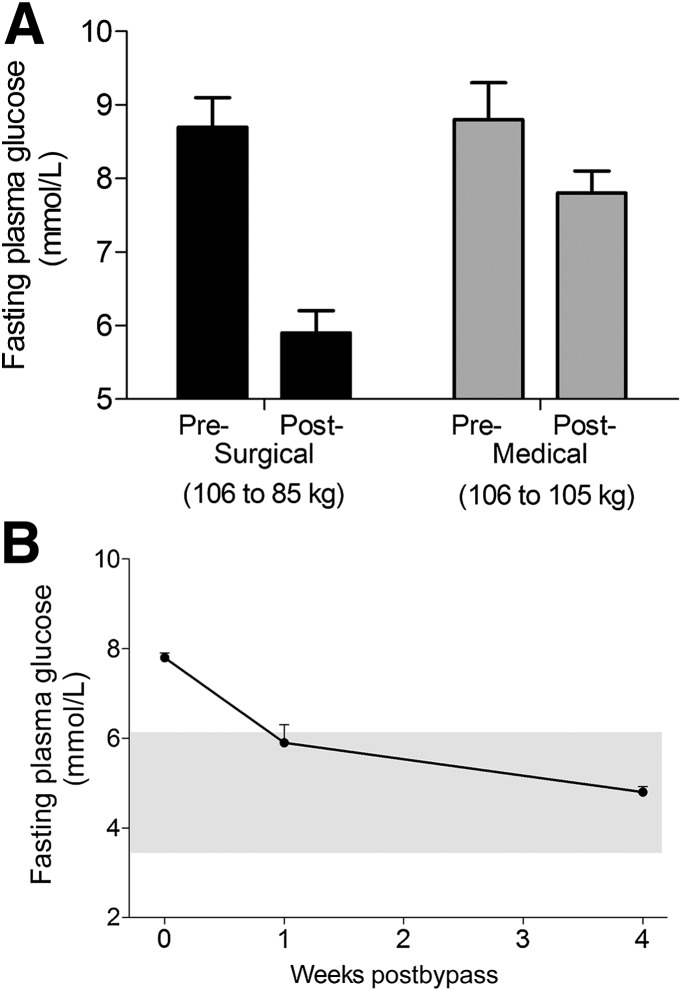
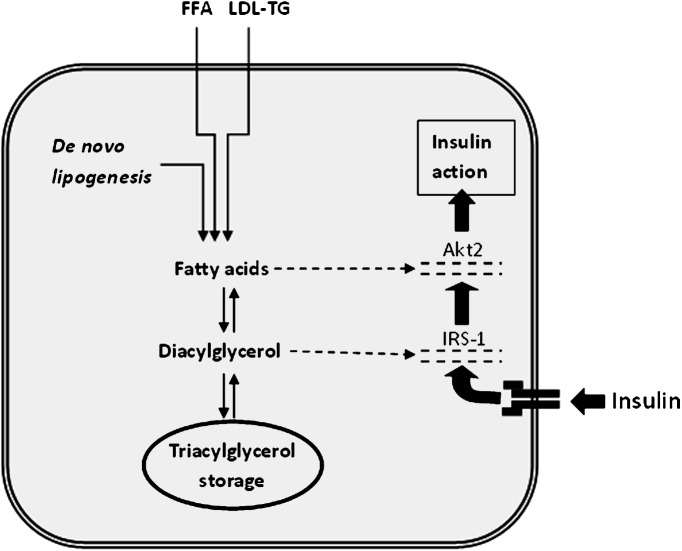
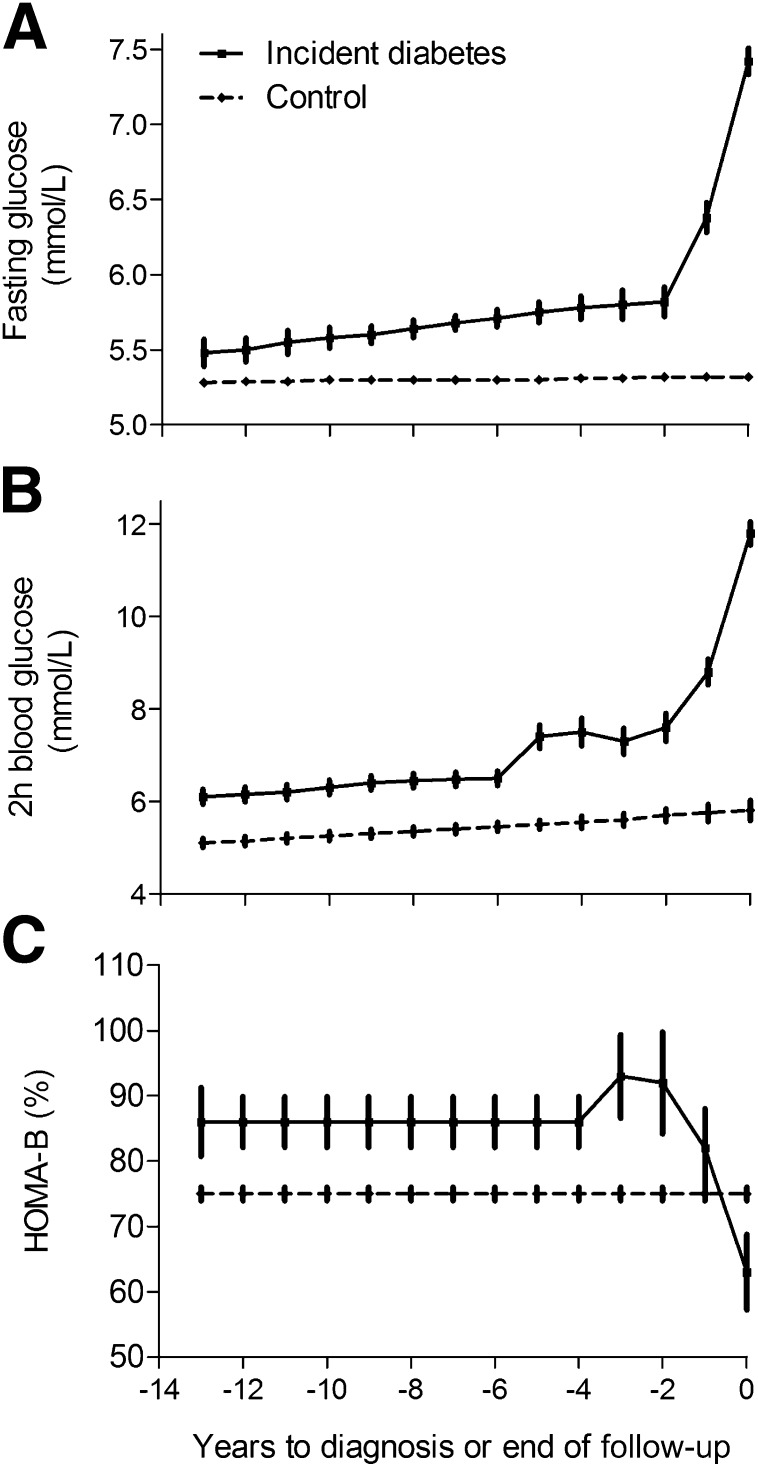
Reversal of type 2 diabetes to normal metabolic control by either bariatric surgery or hypocaloric diet allows for the time sequence of underlying pathophysiologic mechanisms to be observed. In reverse order, the same mechanisms are likely to determine the events leading to the onset of hyperglycemia and permit insight into the etiology of type 2 diabetes. Within 7 days of instituting a substantial negative calorie balance by either dietary intervention or bariatric surgery, fasting plasma glucose levels can normalize. This rapid change relates to a substantial fall in liver fat content and return of normal hepatic insulin sensitivity. Over 8 weeks, first phase and maximal rates of insulin secretion steadily return to normal, and this change is in step with steadily decreasing pancreatic fat content. The difference in time course of these two processes is striking. Recent information on the intracellular effects of excess lipid intermediaries explains the likely biochemical basis, which simplifies both the basic understanding of the condition and the concepts used to determine appropriate management. Recent large, long-duration population studies on time course of plasma glucose and insulin secretion before the diagnosis of diabetes are consistent with this new understanding. Type 2 diabetes has long been regarded as inevitably progressive, requiring increasing numbers of oral hypoglycemic agents and eventually insulin, but it is now certain that the disease process can be halted with restoration of normal carbohydrate and fat metabolism. Type 2 diabetes can be understood as a potentially reversible metabolic state precipitated by the single cause of chronic excess intraorgan fat. Type 2 diabetes has long been known to progress despite glucose-lowering treatment, with 50% of individuals requiring insulin therapy within 10 years (1). This seemingly inexorable deterioration in control has been interpreted to mean that the condition is treatable but not curable. Clinical guidelines recognize …
Overview
The claims and statistics of this paper haven’t been checked yet.
Free: it reads the open-access text and checks the first 5 claims that cite a source we can check. Create a free account to check every claim.
Integrity signals
Registry
Cites
Statistics
Figures



Verification
Claims the paper makes
The claims and statistics of this paper haven’t been checked yet.
Free: it reads the open-access text and checks the first 5 claims that cite a source we can check. Create a free account to check every claim.
Claims other papers make about this one
Each is checked against this paper’s own text: does it say what the citing paper says it does?
The source backs part of the claim, not all of it — or backs it for a different population, condition or comparison.
In the citing paper
“The three approaches show a similar time-course with glycemic control preceding weight loss by weeks or months, suggesting potential overlap of mechanisms (11, 12).”
From Long-Term Effects of a Novel Continuous Remote Care Intervention Including Nutritional Ketosis for the Management of Type 2 Diabetes: A 2-Year Non-randomized Clinical Trial (2019) · cites this paper as [12]
Experimental — accuracy not yet measuredThe source backs part of the claim, not all of it — or backs it for a different population, condition or comparison.
In the citing paper
“In controlled clinical trials, each approach has demonstrated improved glycemic control and CVD risk factors, reduced pharmaceutical dependence, and weight loss.”
From Long-Term Effects of a Novel Continuous Remote Care Intervention Including Nutritional Ketosis for the Management of Type 2 Diabetes: A 2-Year Non-randomized Clinical Trial (2019) · cites this paper as [12]
Experimental — accuracy not yet measuredIn the citing paper
“It has been estimated that 50% of patients require insulin therapy within 10 years of T2D diagnosis.245”
From A review of current trends with type 2 diabetes epidemiology, aetiology, pathogenesis, treatments and future perspectives (2021) · cites this paper as [245]
Self-check
Percentages, sums and reported differences re-computed from the paper’s own numbers.
The self-check needs the paper’s full text.
Citations
Cites
Lifestyle, diabetes, and cardiovascular risk factors 10 years after bariatric surgery
Sjöström, L., Lindroos, A.-K., Peltonen, M., Torgerson, J., Bouchard, C., Carlsson, B., Dahlgren, S., Larsson, B., Narbro, K., Sjöström, C. D., et al. (2004) · New England Journal of Medicine · doi:10.1056/nejmoa035622 · Cited by 4,457
Economic Costs of Diabetes in the U.S. in 2002
American Diabetes Association (2003) · Diabetes Care · doi:10.2337/diacare.26.3.917 · Cited by 4,147
β-Cell Deficit and Increased β-Cell Apoptosis in Humans With Type 2 Diabetes
Butler, A. E., Janson, J., Bonner-Weir, S., Ritzel, R., Rizza, R. A., & Butler, P. C. (2003) · Diabetes · doi:10.2337/diabetes.52.1.102 · Cited by 4,011
Genetic variation in PNPLA3 confers susceptibility to nonalcoholic fatty liver disease
Romeo, S., Kozlitina, J., Xing, C., Pertsemlidis, A., Cox, D., Pennacchio, L. A., Boerwinkle, E., Cohen, J. C., & Hobbs, H. H. (2008) · Nature Genetics · doi:10.1038/ng.257 · Cited by 3,416 · cited 1×
“When a variant of PNPLA3was described as determining increased hepatic fat levels, it appeared that a major factor underlying nonalcoholic fatty liver disease and insulin resistance was identified (55).”
Mechanisms for Insulin Resistance: Common Threads and Missing Links
Samuel, V. T., & Shulman, G. I. (2012) · Cell · doi:10.1016/j.cell.2012.02.017 · Cited by 2,294
Impaired Mitochondrial Activity in the Insulin-Resistant Offspring of Patients with Type 2 Diabetes
Petersen, K. F., Dufour, S., Befroy, D., Garcia, R., & Shulman, G. I. (2004) · New England Journal of Medicine · doi:10.1056/nejmoa031314 · Cited by 2,193 · cited 1×
“Although a defect in mitochondrial function is associated with extremes of insulin resistance in skeletal muscle (30), this does not appear to be relevant to the etiology of type 2 diabetes.”
Colberg, S. R., Sigal, R. J., Fernhall, B., Regensteiner, J. G., Blissmer, B. J., Rubin, R. R., Chasan-Taber, L., Albright, A. L., & Braun, B. (2010) · Diabetes Care · doi:10.2337/dc10-9990 · Cited by 1,955
Long-term weight loss maintenance
Wing, R. R., & Phelan, S. (2005) · The American Journal of Clinical Nutrition · doi:10.1093/ajcn/82.1.222s · Cited by 1,941
A placebo-controlled trial of pioglitazone in subjects with nonalcoholic steatohepatitis
Belfort, R., Harrison, S. A., Brown, K., Darland, C., Finch, J., Hardies, J., Balas, B., Gastaldelli, A., Tio, F., Pulcini, J., et al. (2006) · New England Journal of Medicine · doi:10.1056/nejmoa060326 · Cited by 1,827 · cited 1×
“Hypocaloric diet (42), physical activity (43), or thiazolidinedione use (23,44) each reduces insulin secretion and decreases liver fat content.”
Cited by
Items 101–200 of 487
Metformin in the Prevention of Alzheimer's Disease and Alzheimer's Disease Related Dementias
Tahmi, M., & Luchsinger, J. A. (2023) · The Journal of Prevention of Alzheimer s Disease · doi:10.14283/jpad.2023.113 · Cited by 37
Salman, A., Salman, M. A., Marie, M. A. S., Rabiee, A., Helmy, M. Y., Tourky, M. S., Qassem, M. G., Shaaban, H. E., & Sarhan, M. D. (2021) · Scientific Reports · doi:10.1038/s41598-021-85450-9 · Cited by 39
Daradics, Z., Crecan, C. M., Tripon, M. A., Morar, I. A., Mircean, M. V., Cătoi, A. F., Cecan, A. D., & Cătoi, C. (2021) · Life · doi:10.3390/life11121406 · Cited by 38
Active life expectancy of Americans with diabetes: Risks of heart disease, obesity, and inactivity
Laditka, S. B., & Laditka, J. N. (2014) · Diabetes Research and Clinical Practice · doi:10.1016/j.diabres.2014.10.008 · Cited by 35
“[45] Taylor R.”
BackgroundZhang, J., Zhan, Q., Deng, Z., Lin, L., Feng, Z., He, H., Zhang, D., Zhao, H., Gu, X. Q., Yin, X., et al. (2025) · Cardiovascular Diabetology · doi:10.1186/s12933-025-02585-z · Cited by 40
Clinical trials with plants in diabetes mellitus therapy: a systematic review
Marmitt, D. J., Shahrajabian, M. H., Goettert, M. I., & Rempel, C. (2021) · Expert Review of Clinical Pharmacology · doi:10.1080/17512433.2021.1917380 · Cited by 32
“defect, glucose transporter defect, or lipotoxicity [89].”
Associations of multiple chronic health conditions with active life expectancy in the United States
Laditka, J. N., & Laditka, S. B. (2015) · Disability and Rehabilitation · doi:10.3109/09638288.2015.1041614 · Cited by 35
Jarosz-Popek, J., Wolska, M., Gąsecka, A., Czajka, P., Jakubik, D., Sharif, L., Adem, T., Liu, W.-L., Mirowska-Guzel, D. M., Postula, M. A., et al. (2020) · Journal of Clinical Medicine · doi:10.3390/jcm10010009 · Cited by 30
Waddell, T., Bagur, A. T., Cunha, D., Thomaides-Brears, H. B., Banerjee, R., Cuthbertson, D. J., Brown, E. E., Cusi, K. J., Després, J., & Brady, M. (2022) · Obesity · doi:10.1002/oby.23425 · Cited by 28
Diet and Lifestyle Guidelines for Diabetes: Evidence Based Ayurvedic Perspective
Sharma, R., & Prajapati, P. (2014) · Romanian Journal of Diabetes Nutrition and Metabolic Diseases · doi:10.2478/rjdnmd-2014-0041 · Cited by 40
Pienkowska, J. M., Brzeska, B., Kaszubowski, M. F., Kozak, O., Jankowska, A., & Szurowska, E. (2020) · PLoS ONE · doi:10.1371/journal.pone.0226889 · Cited by 28
“However, it is currently understood as a potentially reversible metabolic state caused by chronic, excessive, ectopic fat accumulation [3, 11].”
BackgroundNutrient and immune sensing are obligate pathways in metabolism, immunity, and disease
Iyer, A., Brown, L., Whitehead, J. P., Prins, J. B., & Fairlie, D. P. (2015) · The FASEB Journal · doi:10.1096/fj.15-271155 · Cited by 26
Ciocca, G., Carosa, E., Stornelli, M., Limoncin, E., Gravina, G. L., Iannarelli, R., Sperandio, A., Sante, S. D., Lenzi, A., Lauro, D., et al. (2014) · Acta Diabetologica · doi:10.1007/s00592-014-0686-8 · Cited by 33
Polhuis, K. C. M. M., Vaandrager, L., Soedamah‐Muthu, S. S., & Koelen, M. A. (2020) · International Journal for Equity in Health · doi:10.1186/s12939-020-01194-4 · Cited by 30
van den Burg, E. L., Schoonakker, M. P., van Peet, P. G., Marle, M. E. V. D. A., van Dijk, K. W., Longo, V. D., Lamb, H. J., Numans, M. E., & Pijl, H. (2020) · BMC Endocrine Disorders · doi:10.1186/s12902-020-00576-7 · Cited by 28
Not Control but Conquest: Strategies for the Remission of Type 2 Diabetes Mellitus
Kim, J., & Kwon, H. (2022) · Diabetes & Metabolism Journal · doi:10.4093/dmj.2021.0377 · Cited by 33
Post-Translational Modifications and Diabetes
Sharma, C., Hamza, A., Boyle, E., Donu, D., & Cen, Y. (2024) · Biomolecules · doi:10.3390/biom14030310 · Cited by 30
DNA scaffold nanoparticles coated with HPMC/EC for oral delivery
Baig, M. M. F. A., Naveed, M., Abbas, M., Wen, C., Ullah, S., Hasnat, M., Shad, A., Sohail, M., Khan, G. J., & Ansari, M. T. (2019) · International Journal of Pharmaceutics · doi:10.1016/j.ijpharm.2019.03.054 · Cited by 25
Functional role of miR-34a in diabetes and frailty
Mone, P., Donato, A. D., Varzideh, F., Kansakar, U., Jankauskas, S. S., Pansini, A., & Santulli, G. (2022) · Frontiers in Aging · doi:10.3389/fragi.2022.949924 · Cited by 26
“Of note, miR34a supports pancreatic development and has been associated to insulin resistance and to the onset of T2DM (Wei et al., 2013; Chakraborty et al., 2014).”
BackgroundBuccheri, E., Dell'Aquila, D., & Russo, M. (2021) · Diabetes Research and Clinical Practice · doi:10.1016/j.diabres.2021.108722 · Cited by 24
Roncero‐Ramos, I., Gutierrez-Mariscal, F. M., Gómez-Delgado, F., Villasanta‐Gonzalez, A., Torres-Peña, J. D., de la Cruz, S., Rangel-Zúñiga, O. A., Luque, R. M., Ordovás, J. M., Delgado‐Lista, J., et al. (2021) · Translational research · doi:10.1016/j.trsl.2021.07.001 · Cited by 27
Control of blood pressure and cardiovascular outcomes in type 2 diabetes
Vargas‐Uricoechea, H., & Cáceres-Acosta, M. F. (2018) · Open Medicine · doi:10.1515/med-2018-0048 · Cited by 31
Protection of Curcumin against Streptozocin-Induced Pancreatic Cell Destruction in T2D Rats
Li, Q., Shuntian, D., Xin, Z., Yu, X., & Zhongpei, C. (2019) · Planta Medica · doi:10.1055/a-1046-1404 · Cited by 25
“Insulin resistance (IR) and islet β cell dysfunction are the two main causes of type 2 diabetes (T2D) [2,3].”
BackgroundCurrenti, W., Losavio, F., Quiete, S., Alanazi, A. M., Messina, G., Polito, R., Ciolli, F., Zappalà, R. S., Galvano, F., & Cincione, R. I. (2023) · Nutrients · doi:10.3390/nu16010095 · Cited by 23
“Dietary interventions that institute a substantial negative calorie balance play a critical role in restoring normal pancreatic function and hepatic insulin sensitivity [7–9].”
Calorie restriction and reversal of type 2 diabetes
Taylor, R. (2016) · Expert Review of Endocrinology & Metabolism · doi:10.1080/17446651.2016.1239525 · Cited by 25
Self-citationAdipose Tissue and Inflammation
Muñoz‐Carrillo, J. L., del Campo, J. O.-M., Coronado, O. G., Villalobos‐Gutiérrez, P. T., Contreras‐Cordero, J. F., & Ventura‐Juárez, J. (2018) · InTech eBooks · doi:10.5772/intechopen.74227 · Cited by 34
“The imbalance in homeostasis, hyperplasia, and overproduction of adipokines leads to pathological conditions, such as obesity and adipose tissue inflammation that can develop insulin resistance and favor the pathogenesis of T2DM.”
BackgroundInfluentialBlending into Everyday Life: Designing a Social Media-Based Peer Support System
Lambton-Howard, D., Simpson, E. L., Quimby, K. R., Kharrufa, A., Ng, H., Foster, E., & Olivier, P. L. (2021) · CHI Conference on Human Factors in Computing Systems · doi:10.1145/3411764.3445079 · Cited by 29
Estimation and implications of the genetic architecture of fasting and non-fasting blood glucose
Qiao, Z., Sidorenko, J., Revez, J. A., Xue, A., Lu, X., Pärna, K., Snieder, H., Study, L. C., Visscher, P. M., Wray, N. R., et al. (2023) · Nature Communications · doi:10.1038/s41467-023-36013-1 · Cited by 27
He, L., Li, Y., Niu, S., Bai, J., Liu, S., & Guo, J. (2023) · Frontiers in Pharmacology · doi:10.3389/fphar.2023.1184572 · Cited by 31
“In addition, the onset of T2DM is often associated with conditions such as chronic hyperglycemia, hyperlipidemia and hypertension, placing a great burden on the healthcare system (Gerich, 2003; Taylor, 2013; Chatterjee et al., 2017).”
BackgroundThe eye as a novel imaging site in diabetes research
Yang, S.-N., & Berggren, P. (2019) · Pharmacology & Therapeutics · doi:10.1016/j.pharmthera.2019.01.005 · Cited by 24
“It is well known that diabetes occurs following the dynamic progression of various pathogenic processes, many of which are reversible at their earlier stages (Taylor, 2013).”
BackgroundFunctional Cereal Products in the Diet for Type 2 Diabetes Patients
Krawęcka, A., Sobota, A., & Sykut‐Domańska, E. (2019) · International Journal of Food Science · doi:10.1155/2019/4012450 · Cited by 24
Observing Islet Function and Islet-Immune Cell Interactions in Live Pancreatic Tissue Slices
Huber, M. K., Drotar, D. M., Hiller, H., Beery, M. L., Joseph, P., Kusmartseva, I., Speier, S., Atkinson, M. A., Mathews, C. E., & Phelps, E. A. (2021) · Journal of Visualized Experiments · doi:10.3791/62207 · Cited by 24
Li, Z., Pan, X., & Cai, Y. (2022) · Frontiers in Bioengineering and Biotechnology · doi:10.3389/fbioe.2022.890901 · Cited by 25
“…are usually disturbed by either intracellular signals or extra interferences, including serine phosphorylation of IRS-1, excess glucosamine, mitochondria defects, FA (fatty acid)-induced insulin dysfunction, and alternate fatty acid effects (Taylor, 2013; Eckardt et al., 2014; Pandey et al., 2015).”
BackgroundType 2 Diabetes Mellitus in Patients With Polycystic Ovary Syndrome
Agrawal, A., Dave, A., & Jaiswal, A. (2023) · Cureus · doi:10.7759/cureus.46859 · Cited by 40
“When glucose levels are low, DPP-4 inhibitors, incretin mimetics, metformin, acarbose, pioglitazone, and SGLT-2 inhibitors limit insulin production, reducing the risk of hypoglycemia [23].”
BackgroundEffect of pioglitazone on decreasing of proteinuria in type 2 diabetic patients with nephropathy
pourshabanan, P., Momeni, A., Mahmoudnia, L., & Kheiri, S. (2018) · Diabetes & Metabolic Syndrome Clinical Research & Reviews · doi:10.1016/j.dsx.2018.04.013 · Cited by 20
Shah, M., LAURENTI, M. C., Man, C. D., Ma, J., Cobelli, C., Rizza, R. A., & Vella, A. V. (2018) · Metabolism · doi:10.1016/j.metabol.2018.12.005 · Cited by 22
“3.6 Endogenous Glucose Production, Meal Appearance and Glucose Disappearance before and after RYGB (Figure 5) Post-RYGB, fasting EGP decreased (p 0.05) in both the Saline→Exendin-9,39 (18.4 ± 1.1 vs. 13.9 ± 1.3 μmol/kg/min) and the Saline→Saline (17.8 ± 2.4 vs. 14.1 ± 1.7 μmol/kg/min) groups (Upper Panels).”
BackgroundInfluentialThe role of ERK1/2 signaling in diabetes: pathogenic and therapeutic implications
Xu, H., Liu, T., Dai, Y., Li, N., & Cao, Z. (2025) · Frontiers in Pharmacology · doi:10.3389/fphar.2025.1600251 · Cited by 22
“IR runs through the whole process of the occurrence and development of type 2 diabetes, and is closely related to many complications (Taylor, 2013).”
Hu, T., Zhang, W., Han, F., Zhao, R., Liu, L., & An, Z. (2022) · Frontiers in Cardiovascular Medicine · doi:10.3389/fcvm.2022.903412 · Cited by 20
Guo, X., Yin, T., Chen, D. S., Xu, S., Ye, R., & Zhang, Y. (2023) · Endocrine Metabolic & Immune Disorders - Drug Targets · doi:10.2174/1871530323666230627121700 · Cited by 22
Božić, J., Markotić, A., Čulić, V. Č., Novak, A., Borovac, J. A., Vučemilović, H., Trgo, G., & Kurir, T. T. (2017) · Journal of Diabetes · doi:10.1111/1753-0407.12569 · Cited by 22
Quatrin, A., Conte, L., da Silva, D. T., Figueiredo, C. G., Somacal, S., Roehrs, M., Teixeira, C. F., Barbisan, F., Augusti, P. R., Maróstica, M. R., et al. (2018) · Journal of Nutrition and Metabolism · doi:10.1155/2018/9794629 · Cited by 23
“Type 2 diabetes (T2DM) is characterised by hyperglycaemia and a variable degree of insulin resistance in tissues, as well as, disturbances in the metabolism of lipids, protein, and carbohydrates [2].”
BackgroundSchizophrenia patients with a metabolically abnormal obese phenotype have milder negative symptoms
Wang, J., Zhang, Y., Liu, Z., Yang, Y., Zhong, Y., Ning, X., Zhang, Y., Zhao, T., Xia, L., Geng, F., et al. (2020) · BMC Psychiatry · doi:10.1186/s12888-020-02809-4 · Cited by 19
Adipose Tissue and Inflammation
Awad, A. B., & Bradford, P. G. (2009) · CRC Press eBooks · doi:10.1201/9781420091311 · Cited by 26
Glucose Homeostasis and Cardiovascular Alterations in Diabetes
Xiang, L., Mittwede, P. N., & Clemmer, J. S. (2015) · Comprehensive physiology · doi:10.1002/cphy.c150001 · Cited by 20
Hypoglycemic effects of esculeoside A are mediated via activation of AMPK and upregulation of IRS-1
Yang, Z., Zhang, L., Liu, J., Lu, F., Wang, L., Chen, Y., & Li, D. (2019) · BMC Complementary and Alternative Medicine · doi:10.1186/s12906-019-2543-3 · Cited by 20
Physiological and pathophysiological roles of acidic mammalian chitinase (CHIA) in multiple organs
Hu, C., Ma, Z., Zhu, J., Yi, F., Tuo, B., Li, T., & Liu, X. (2021) · Biomedicine & Pharmacotherapy · doi:10.1016/j.biopha.2021.111465 · Cited by 22
Chitosan-coated rectangular DNA nanospheres for better outcomes of anti-diabetic drug
Baig, M. M. F. A., Naveed, M., Abbas, M., Kassim, S. A., Khan, G. J., Ullah, S., Sohail, M., Nawaz, W., Younis, M. R., & Ansari, M. T. (2019) · Journal of Nanoparticle Research · doi:10.1007/s11051-019-4534-1 · Cited by 17
Obesity and Diabetes: Pathophysiology of Obesity-Induced Hyperglycemia and Insulin Resistance
Gupta, G., Wadhwa, R., Pandey, P., Singh, S. K., Gulati, M., Sajita, S., Mehta, M., Singh, A. K., Dureja, H., Collet, T., et al. (2020) · Springer eBooks · doi:10.1007/978-3-030-35358-2_5 · Cited by 32
Zhang, Y., Xu, G., Huang, B., Chen, D. S., & Ye, R. (2022) · Diabetes Therapy · doi:10.1007/s13300-022-01312-1 · Cited by 17
Sun, L., Lu, J.-X., Li, X., Zheng, T., & Zhan, X. (2023) · World Journal of Diabetes · doi:10.4239/wjd.v14.i10.1514 · Cited by 19
Etiology of Obesity, Cancer, and Diabetes
Yasmin, I., Khan, W. A., Naz, S., Iqbal, M. W., Awuchi, C. G., Egbuna, C., Hassan, S., Patrick-Iwuanyanwu, K. C., & Uche, C. Z. (2021) · Springer eBooks · doi:10.1007/978-3-030-72999-8_1 · Cited by 27
Remisja cukrzycy typu 2 po leczeniu bariatrycznym — porównanie różnych procedur
Fernández‐Soto, M. L., Martín-Leyva, A., González-Jiménez, A., García-Rubio, J., Ibáñez, A. C., Zamora‐Camacho, F. J., Leyva-Martínez, M. S., Jiménez-Ríos, J. A., & Escobar‐Jiménez, F. (2017) · Endokrynologia Polska · doi:10.5603/ep.2017.0004 · Cited by 19
D’Amico, E., Pierfelice, T. V., Iezzi, G., Pietro, N. D., Lepore, S., Lorusso, F., Scarano, A., Pandolfi, A., Piattelli, A., & Petrini, M. (2022) · Applied Sciences · doi:10.3390/app12178510 · Cited by 16
Liver triacylglycerol content and gestational diabetes: effects of moderate energy restriction
Hodson, K., Dalla Man, C., Smith, F. E., Barnes, A., McParlin, C., Cobelli, C., Robson, S. C., Araújo-Soares, V., & Taylor, R. (2017) · Diabetologia · doi:10.1007/s00125-016-4143-9 · Cited by 16
Self-citationGodoy‐Matos, A. F., Valério, C. M., Moreira, R. O., Momesso, D., & Bittencourt, L. K. (2018) · Diabetology & Metabolic Syndrome · doi:10.1186/s13098-018-0375-9 · Cited by 17
Zhang, Y., Yang, X., & Wan, Q. (2025) · Frontiers in Endocrinology · doi:10.3389/fendo.2025.1537303 · Cited by 20
Lean type 2 diabetes: the overlooked epidemic reshaping global health
Singh, V. (2025) · Diabetology & Metabolic Syndrome · doi:10.1186/s13098-025-02015-w · Cited by 21
Sema3G activates YAP and promotes VSMCs proliferation and migration via Nrp2/PlexinA1
Luo, X.-Y., Fu, X., Liu, F., Luo, J., & Chen, A. F. (2023) · Cellular Signalling · doi:10.1016/j.cellsig.2023.110613 · Cited by 15
Gutierrez-Mariscal, F. M., Alcala-Diaz, J. F., Quintana‐Navarro, G. M., de la Cruz, S., Torres-Peña, J. D., Cardelo, M. P., Larriva, A. P. A.-D., Malagón, M. M., Romero‐Cabrera, J. L., Ordovás, J. M., et al. (2023) · European Journal of Nutrition · doi:10.1007/s00394-022-03080-x · Cited by 17
Association between plant and animal protein and biological aging: findings from the UK Biobank
Xu, X., Hu, J., Pang, X., Wang, X., Xu, H. Y., Yan, X., Zhang, J., Pan, S., Wei, W., & Li, Y. (2024) · European Journal of Nutrition · doi:10.1007/s00394-024-03494-9 · Cited by 20
Diagnosis and management of lipodystrophy: a practical update
Stears, A. J., & Hames, C. (2014) · Clinical Lipidology · doi:10.2217/clp.14.13 · Cited by 17
Exercise Ameliorates Endocrine Pancreas Damage Induced by Chronic Cola Drinking in Rats
Losada, M. E. O., González, J., Müller, A., Ottaviano, G., Cao, G., Azzato, F., Ambrosio, G., & Milei, J. (2016) · PLoS ONE · doi:10.1371/journal.pone.0155630 · Cited by 15
Lu, J., Ji, W., Zhao, M., Wang, M., Yan, W., Chen, M., Ren, S., Yuan, B.-X., Wang, B., & Chen, L. (2016) · Scientific Reports · doi:10.1038/srep26563 · Cited by 15
Pathogenesis of Type 2 Diabetes Mellitus
Durruty, P., Sanzana, M. G., & Sanhueza, L. (2019) · IntechOpen eBooks · doi:10.5772/intechopen.83692 · Cited by 30
“Underlying pathologies such as excess weight and obesity, particularly of the android type, are the main factors that favor the development of DM2 [1, 2].”
Saad, R., Tadmor, H., Ertracht, O., Nakhoul, N., Nakhoul, F. M., Farber, E., & Atar, S. (2022) · Journal of Diabetes Research · doi:10.1155/2022/8337823 · Cited by 16
Pathophysiology, Diagnostic Criteria, and Approaches to Type 2 Diabetes Remission
Khamis, A. M. (2023) · Cureus · doi:10.7759/cureus.33908 · Cited by 23
“Over time, the history of T2DM is marked by a steady degradation of beta cell activity [7,8].”
BackgroundHolst, J. J., & Madsbad, S. (2021) · Diabetes Therapy · doi:10.1007/s13300-021-01032-y · Cited by 17
Lyngbæk, M. P. P., Legaard, G. E., Bennetsen, S. L., Feineis, C. S., Rasmussen, V., Moegelberg, N., Brinkløv, C. F., Nielsen, A. B., Kofoed, K. S., Lauridsen, C. A., et al. (2021) · Trials · doi:10.1186/s13063-021-05207-7 · Cited by 16
“The detrimental effects of obesity on β-cell function are wellrecognised [16, 17].”
BackgroundInfluentialBariatric surgery for diabetic comorbidities: A focus on hepatic, cardiac and renal fibrosis
Ding, H., Zhang, Y., Ma, X., Zhang, Z., Xu, Q., Liu, C., Li, B., Dong, S., Li, L., Zhu, J., et al. (2022) · Frontiers in Pharmacology · doi:10.3389/fphar.2022.1016635 · Cited by 16
“In type 2 diabetes mellitus (T2DM), insulin resistance (IR) affects the metabolism of carbohydrates, proteins and lipids, thereby promoting the development of hyperglycemia and hyperlipidemia (Taylor, 2013).”
BackgroundHalpern, B., & Mancini, M. C. (2019) · Obesity Reviews · doi:10.1111/obr.12837 · Cited by 14
Xu, Z., Zhang, M.-Y., Ni, J., Cheng, R., Zheng, Z., Li, X., & Luo, F. (2019) · World Journal of Pediatrics · doi:10.1007/s12519-019-00243-5 · Cited by 14
Triglycerides, Glucose Metabolism, and Type 2 Diabetes
Wang, Y. (2025) · International Journal of Molecular Sciences · doi:10.3390/ijms26209910 · Cited by 26
“Adapted from [59] which was published under the terms of the Creative Commons Attribution Noncommercial License (https://creativecommons.org/licenses/by-nc/4.0/, accessed on 1 July 2025) and from [49] with permission (copyright year, 2013, with permission from John Wiley and Sons).”
InfluentialThe anterior chamber of the eye technology and its anatomical, optical, and immunological bases
Yang, S.-N., Shi, Y., & Berggren, P. (2024) · Physiological Reviews · doi:10.1152/physrev.00024.2023 · Cited by 14
von Bibra, H., Siegmund, T., Kingreen, I., Riemer, M., Schuster, T., & Schumm‐Draeger, P. (2016) · Cardiovascular Diabetology · doi:10.1186/s12933-015-0320-2 · Cited by 13
Sridharan, K., Kalayarasan, R., Kamalanathan, S., Sahoo, J., Kar, S. S., Nandhini, L. P., Palui, R., & Durgia, H. (2019) · Diabetes & Metabolic Syndrome Clinical Research & Reviews · doi:10.1016/j.dsx.2019.05.002 · Cited by 13
Koivula, R. W., Atabaki‐Pasdar, N., Giordano, G. N., White, T., Adamski, J., Bell, J. D., Beulens, J. W. J., Brage, S., Brunak, S., Masi, F. D., et al. (2020) · Diabetologia · doi:10.1007/s00125-019-05083-6 · Cited by 14
Guo, D. L., Fang, L., Yu, X., Wang, C., Wang, Y., & Guo, W. (2021) · International Journal of General Medicine · doi:10.2147/ijgm.s322840 · Cited by 13
The Current State of Beta-Cell-Mass PET Imaging for Diabetes Research and Therapies
Cheung, P., & Eriksson, O. (2021) · Biomedicines · doi:10.3390/biomedicines9121824 · Cited by 13
Posttranslational modifications in diabetes: Mechanisms and functions
Hu, A., Zou, H., Chen, B., & Zhong, J. (2022) · Reviews in Endocrine and Metabolic Disorders · doi:10.1007/s11154-022-09740-x · Cited by 14
Matrix Metalloproteinase-9 −1562C/T Gene Polymorphism Is Associated with Diabetic Nephropathy
Feng, S., Ye, G., Bai, S., Wei, H., Liao, X., & Li, L. (2016) · BioMed Research International · doi:10.1155/2016/1627143 · Cited by 16
He, D., Huang, Y., Ni, X., & Bao, Z. (2026) · Cardiovascular Diabetology · doi:10.1186/s12933-025-03070-3 · Cited by 14
Chimoriya, R., Mitlehner, K., Khoo, C. L., Osuagwu, U. L., Thomson, R. J., Si, L., Lean, M. E. J., Simmons, D. S., & Piya, M. K. (2024) · Journal of Diabetes Research · doi:10.1155/2024/2350551 · Cited by 15
Hypoglycaemic effect of catalpol in a mouse model of high-fat diet-induced prediabetes
Xu, D., Huang, X., Hassan, H. M., Wang, L., Li, S., Jiang, Z., Zhang, L., & Wang, T. (2020) · Applied Physiology, Nutrition, and Metabolism · doi:10.1139/apnm-2020-0075 · Cited by 14
“Page 4 of 31 https://mc06.manuscriptcentral.com/apnm-pubs Applied Physiology, Nutrition, and Metabolism Draft 5 Mitochondria are the major source of cellular ATP production and are responsible for cellular as well as organismal homeostasis (Taylor 2013).”
BackgroundMooranian, A., Jones, M., Ionescu, C. M., Walker, D., Wagle, S. R., Kovačević, B., Chester, J., Foster, T., Johnston, E., Kuthubutheen, J., et al. (2021) · Journal of Functional Biomaterials · doi:10.3390/jfb12040068 · Cited by 13
Benhima (1962) · Présence Africaine · doi:10.3917/presa.042.0147 · Cited by 13
Campbell, K., Peddie, M. C., Ashton, N., Ma’ia’i, K., Russell‐Camp, T., Mann, J. I., Camp, J., & Reynolds, A. N. (2024) · Nutrients · doi:10.3390/nu16121853 · Cited by 15
“While previously regarded as an irreversible and in-Nutrients evitably progressive condition, it is now understood that remission from type 2 diabetes is possible [2–4] and should be a primary therapeutic target at the time of diagnosis.”
BackgroundResearch progress of cysteine transporter SLC7A11 in endocrine and metabolic diseases
Chen, J., Yuan, M., & Wang, J. (2025) · Molecular Biology Reports · doi:10.1007/s11033-024-10193-5 · Cited by 12
Increased NRSF/REST in anterior cingulate cortex contributes to diabetes-related neuropathic pain
Xu, X.-D., Wen, X., He, C.-F., Yu, Z., Wang, J., Hou-Guang, Z., & Jing-chun, G. (2020) · Biochemical and Biophysical Research Communications · doi:10.1016/j.bbrc.2020.04.106 · Cited by 11
Li, T., Ling, J., Du, X., Zhang, S., Yang, Y. M., & Zhang, L. (2023) · Nutrition & Metabolism · doi:10.1186/s12986-023-00770-z · Cited by 13
Johns, I., Goff, L. M., Bluck, L. J. C., Griffin, B. A., Jebb, S. A., Lovegrove, J. A., Sanders, T. A. B., Frost, G. S., & Dornhorst, A. (2014) · Diabetic Medicine · doi:10.1111/dme.12550 · Cited by 14
Wan, J., Lin, R., & Wu, Q. (2025) · Frontiers in Endocrinology · doi:10.3389/fendo.2025.1683752 · Cited by 10
“Additionally, the secretion of TNF-a and IL-6 increases, activating the IKK b /JNK pathway, phosphorylating IRS1/2 (serine site), and blocking insulin signaling (7, 8).”
Fadini, G. P., Giaccari, A., Broglio, F., Nollino, L., Fattor, B., Anichini, R., Meregalli, G., Avogaro, A., Consoli, A., Aimaretti, G., et al. (2025) · The Lancet Regional Health - Europe · doi:10.1016/j.lanepe.2025.101499 · Cited by 18
“22,23 The association between higher BMI and remission supports the central role of weight as a pathophysiologic driver of glucose homeostasis, and the impact of weight loss, possibly through reduction in hepatic fat and restoration of insulin secretion.”
Shi, H., Yuan, Y., Li, X., Li, Y., Fan, L., & Yang, X. (2024) · World Journal of Diabetes · doi:10.4239/wjd.v15.i2.196 · Cited by 11
Wu, F., Lu, F., Dong, H., Hu, M., Xu, L., & Wang, D. (2024) · Phytotherapy Research · doi:10.1002/ptr.8381 · Cited by 12
Polhuis, K. C. M. M., Vaandrager, L., Soedamah-Muthu, S. S., & Koelen, M. A. (2021) · Health Promotion International · doi:10.1093/heapro/daab020 · Cited by 10
“…a variety of nutrient dense foods in appropriate portion sizes, in order to improve overall health (Evert et al., 2014)] is effective for improving glycaemic control and other metabolic biomarkers in type 2 diabetes mellitus (T2DM) patients (Gregg et al., 2012; Steven et al., 2016; Taylor, 2013).”
BackgroundLi, C., Cao, J., Chen, Z., Su, Z., Bao, H., Li, X., Liu, L., Xiao, Z., Duan, J., Zhou, T., et al. (2024) · European Journal of Pharmacology · doi:10.1016/j.ejphar.2024.176582 · Cited by 11
Li, J.-J., Sa, R.-L., Zhang, Y., & Yan, Z.-L. (2024) · World Journal of Diabetes · doi:10.4239/wjd.v15.i6.1212 · Cited by 13
Longitudinal association between adiposity measures and regression of prediabetes/diabetes
Modi, A., Gadhavi, R., Pérez, C. M., & JOSHIPURA, K. J. (2021) · Nutrition Metabolism and Cardiovascular Diseases · doi:10.1016/j.numecd.2021.07.005 · Cited by 13
Yapışlar, H., Hacıosmanoğlu, E., Sarıoğlu, T., & Ekmekçioğlu, C. (2022) · Tissue and Cell · doi:10.1016/j.tice.2022.101763 · Cited by 11
Court of Last Appeal - The Early History of the High-fat Diet for Diabetes
Henderson, G. (2016) · Journal of Diabetes & Metabolism · doi:10.4172/2155-6156.1000696 · Cited by 11
Metadata
- Authors
- Taylor, R.
- Affiliations
- Newcastle University (GB)
- Corresponding author
- Taylor, Roy
- ORCID
- Taylor, Roy
- Venue
- Diabetes Care
- Publisher
- American Diabetes Association
- Published
- 2013-03-14
- Volume
- 36
- Issue
- 4
- Pages
- 1047-1055
- ISSN
- 0149-5992 (ISSN-L)
- 1935-5548
- PMC
- PMC3609491
- OpenAlex
- W2051587831
- Cited by
- 485
- References
- 104
- Citations by year
- 2026: 39 · 2025: 63 · 2024: 67 · 2023: 35 · 2022: 35 · 2021: 65 · 2020: 33 · 2019: 28 · 2018: 25 · 2017: 24 · 2016: 26 · 2015: 16 · 2014: 22 · 2013: 4
- FWCI
- 4.01
- Type
- journal article
- Language
- en
- Open access
- hybrid
- doi.org
- Licence
- Locations
- Diabetes Care (publishedVersion, cc-by-nc-nd)
- Europe PMC (PubMed Central) (publishedVersion, cc-by-nc-nd)
- PubMed Central (publishedVersion, cc-by-nc-nd)
- PubMed (publishedVersion)
- Newcastle University ePrints (Newcastle Univesity)
- Topics
- Health Sciences › Medicine › Endocrinology, Diabetes and Metabolism › Pancreatic function and diabetes
- Health Sciences › Medicine › Endocrinology, Diabetes and Metabolism › Diabetes Treatment and Management
- Health Sciences › Medicine › Endocrinology, Diabetes and Metabolism › Diabetes, Cardiovascular Risks, and Lipoproteins
- Keywords
- type 2 diabetes, diabetes remission, bariatric surgery, hypocaloric diet, hepatic insulin sensitivity, liver fat, pancreatic fat content, insulin secretion, disease progression, insulin resistance
- MeSH terms
- Diabetes Mellitus, Type 2, Humans, Insulin Resistance, Bariatric Surgery
About these checks
Registry, retraction, Cites and statistics results are computed, not judged, with one exception: a printed reference that no index lists is read once by a model before it counts as a citation error. Claims are extracted by a model and kept only when their quote appears verbatim in the text; each cited source is then checked, with a model’s help, for whether it says what the claim relies on. Those verdicts can be wrong — read the claim’s quote and the cited source before relying on one.
Statistics and arithmetic are recomputed, not judged.
Confidence bands are shown only for fields calibrated on our annotated test set. None is calibrated yet, so no band is shown.
What counts as a claim ›How we measure confidence ›How we check this ›
Are you an author, or do you see a problem with this page? Request a review
Data sources
Bibliographic data: Semantic Scholar, OpenAlex, Crossref.
Contains information from the Semantic Scholar Academic Graph Datasets, made available under the ODC Attribution License (ODC-BY 1.0).
Semantic Scholar’s data is described in: Kinney, R., et al. (2023). The Semantic Scholar Open Data Platform. arXiv:2301.10140.
