

Type 2 Diabetes
Open accessThe DOI matches its Crossref record; 102 of the 104 references it cites were found in a registry or an index.
Abstract
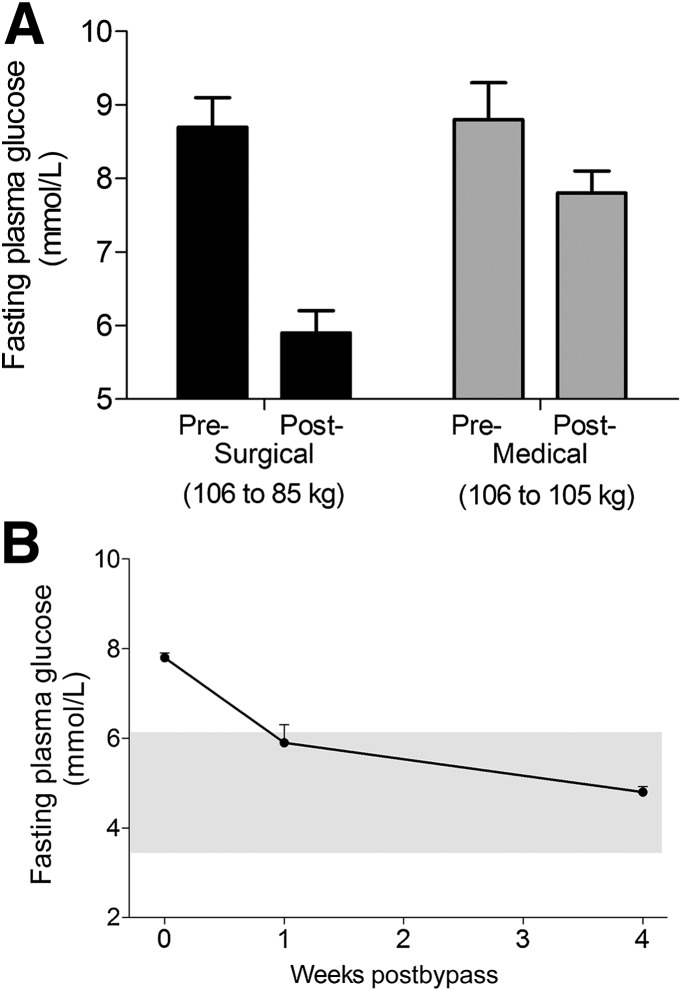
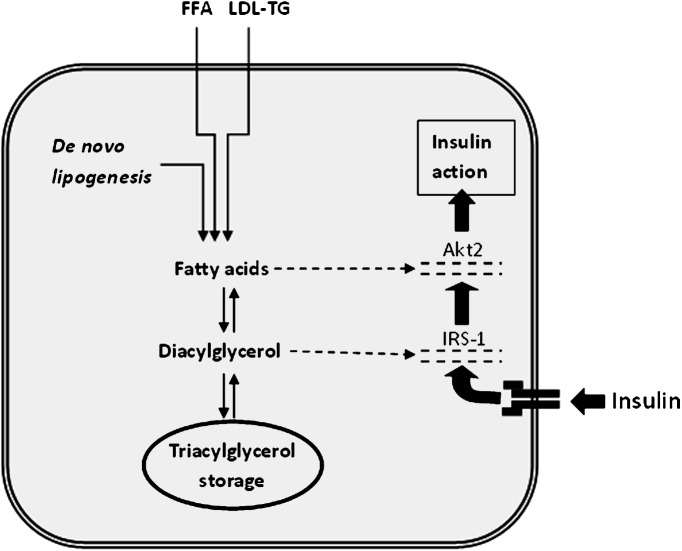
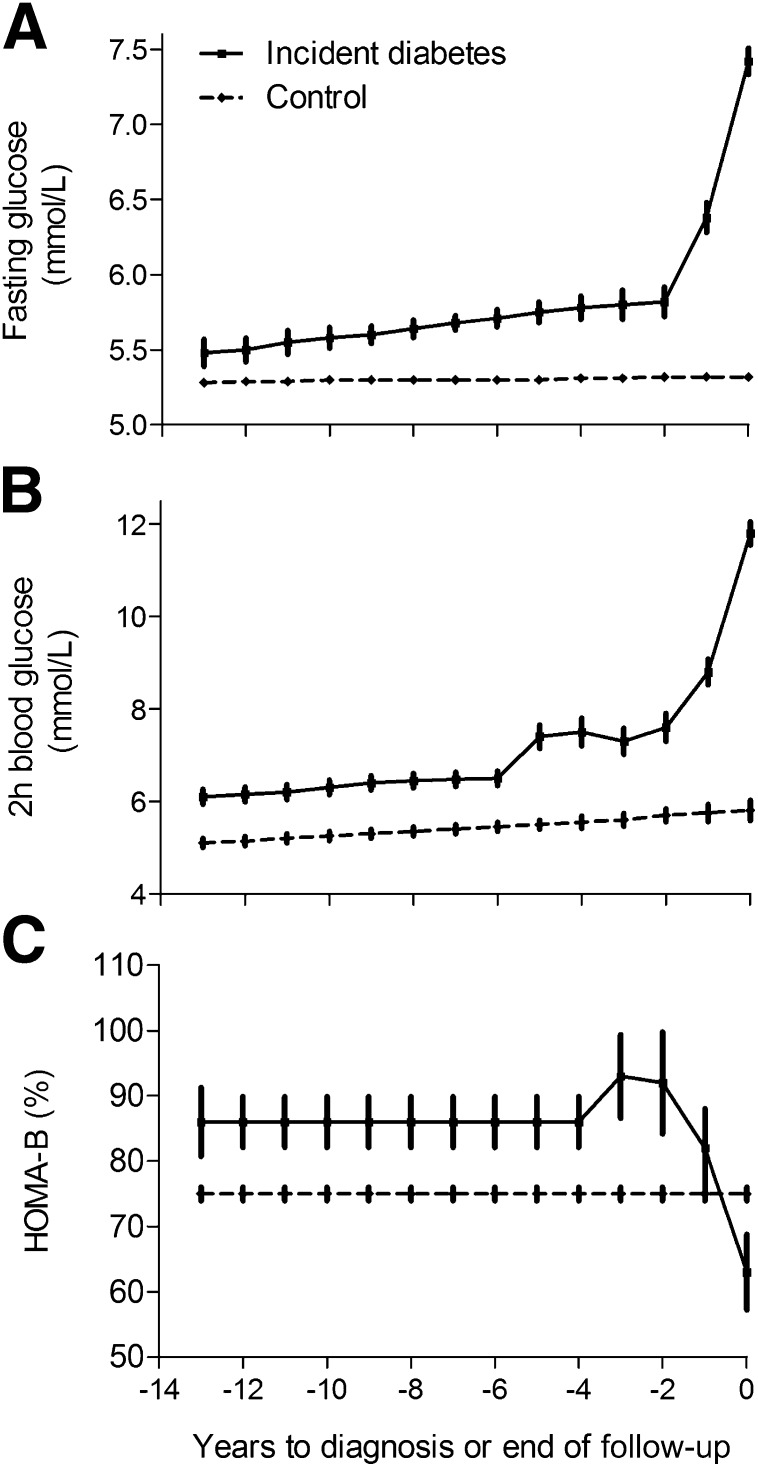
Reversal of type 2 diabetes to normal metabolic control by either bariatric surgery or hypocaloric diet allows for the time sequence of underlying pathophysiologic mechanisms to be observed. In reverse order, the same mechanisms are likely to determine the events leading to the onset of hyperglycemia and permit insight into the etiology of type 2 diabetes. Within 7 days of instituting a substantial negative calorie balance by either dietary intervention or bariatric surgery, fasting plasma glucose levels can normalize. This rapid change relates to a substantial fall in liver fat content and return of normal hepatic insulin sensitivity. Over 8 weeks, first phase and maximal rates of insulin secretion steadily return to normal, and this change is in step with steadily decreasing pancreatic fat content. The difference in time course of these two processes is striking. Recent information on the intracellular effects of excess lipid intermediaries explains the likely biochemical basis, which simplifies both the basic understanding of the condition and the concepts used to determine appropriate management. Recent large, long-duration population studies on time course of plasma glucose and insulin secretion before the diagnosis of diabetes are consistent with this new understanding. Type 2 diabetes has long been regarded as inevitably progressive, requiring increasing numbers of oral hypoglycemic agents and eventually insulin, but it is now certain that the disease process can be halted with restoration of normal carbohydrate and fat metabolism. Type 2 diabetes can be understood as a potentially reversible metabolic state precipitated by the single cause of chronic excess intraorgan fat. Type 2 diabetes has long been known to progress despite glucose-lowering treatment, with 50% of individuals requiring insulin therapy within 10 years (1). This seemingly inexorable deterioration in control has been interpreted to mean that the condition is treatable but not curable. Clinical guidelines recognize …
Overview
The claims and statistics of this paper haven’t been checked yet.
Free: it reads the open-access text and checks the first 5 claims that cite a source we can check. Create a free account to check every claim.
Integrity signals
Registry
Cites
Statistics
Figures



Verification
Claims the paper makes
The claims and statistics of this paper haven’t been checked yet.
Free: it reads the open-access text and checks the first 5 claims that cite a source we can check. Create a free account to check every claim.
Claims other papers make about this one
Each is checked against this paper’s own text: does it say what the citing paper says it does?
The source backs part of the claim, not all of it — or backs it for a different population, condition or comparison.
In the citing paper
“The three approaches show a similar time-course with glycemic control preceding weight loss by weeks or months, suggesting potential overlap of mechanisms (11, 12).”
From Long-Term Effects of a Novel Continuous Remote Care Intervention Including Nutritional Ketosis for the Management of Type 2 Diabetes: A 2-Year Non-randomized Clinical Trial (2019) · cites this paper as [12]
Experimental — accuracy not yet measuredThe source backs part of the claim, not all of it — or backs it for a different population, condition or comparison.
In the citing paper
“In controlled clinical trials, each approach has demonstrated improved glycemic control and CVD risk factors, reduced pharmaceutical dependence, and weight loss.”
From Long-Term Effects of a Novel Continuous Remote Care Intervention Including Nutritional Ketosis for the Management of Type 2 Diabetes: A 2-Year Non-randomized Clinical Trial (2019) · cites this paper as [12]
Experimental — accuracy not yet measuredIn the citing paper
“It has been estimated that 50% of patients require insulin therapy within 10 years of T2D diagnosis.245”
From A review of current trends with type 2 diabetes epidemiology, aetiology, pathogenesis, treatments and future perspectives (2021) · cites this paper as [245]
Self-check
Percentages, sums and reported differences re-computed from the paper’s own numbers.
The self-check needs the paper’s full text.
Citations
Cites
Lifestyle, diabetes, and cardiovascular risk factors 10 years after bariatric surgery
Sjöström, L., Lindroos, A.-K., Peltonen, M., Torgerson, J., Bouchard, C., Carlsson, B., Dahlgren, S., Larsson, B., Narbro, K., Sjöström, C. D., et al. (2004) · New England Journal of Medicine · doi:10.1056/nejmoa035622 · Cited by 4,457
Economic Costs of Diabetes in the U.S. in 2002
American Diabetes Association (2003) · Diabetes Care · doi:10.2337/diacare.26.3.917 · Cited by 4,147
β-Cell Deficit and Increased β-Cell Apoptosis in Humans With Type 2 Diabetes
Butler, A. E., Janson, J., Bonner-Weir, S., Ritzel, R., Rizza, R. A., & Butler, P. C. (2003) · Diabetes · doi:10.2337/diabetes.52.1.102 · Cited by 4,011
Genetic variation in PNPLA3 confers susceptibility to nonalcoholic fatty liver disease
Romeo, S., Kozlitina, J., Xing, C., Pertsemlidis, A., Cox, D., Pennacchio, L. A., Boerwinkle, E., Cohen, J. C., & Hobbs, H. H. (2008) · Nature Genetics · doi:10.1038/ng.257 · Cited by 3,416 · cited 1×
“When a variant of PNPLA3was described as determining increased hepatic fat levels, it appeared that a major factor underlying nonalcoholic fatty liver disease and insulin resistance was identified (55).”
Mechanisms for Insulin Resistance: Common Threads and Missing Links
Samuel, V. T., & Shulman, G. I. (2012) · Cell · doi:10.1016/j.cell.2012.02.017 · Cited by 2,294
Impaired Mitochondrial Activity in the Insulin-Resistant Offspring of Patients with Type 2 Diabetes
Petersen, K. F., Dufour, S., Befroy, D., Garcia, R., & Shulman, G. I. (2004) · New England Journal of Medicine · doi:10.1056/nejmoa031314 · Cited by 2,193 · cited 1×
“Although a defect in mitochondrial function is associated with extremes of insulin resistance in skeletal muscle (30), this does not appear to be relevant to the etiology of type 2 diabetes.”
Colberg, S. R., Sigal, R. J., Fernhall, B., Regensteiner, J. G., Blissmer, B. J., Rubin, R. R., Chasan-Taber, L., Albright, A. L., & Braun, B. (2010) · Diabetes Care · doi:10.2337/dc10-9990 · Cited by 1,955
Long-term weight loss maintenance
Wing, R. R., & Phelan, S. (2005) · The American Journal of Clinical Nutrition · doi:10.1093/ajcn/82.1.222s · Cited by 1,941
A placebo-controlled trial of pioglitazone in subjects with nonalcoholic steatohepatitis
Belfort, R., Harrison, S. A., Brown, K., Darland, C., Finch, J., Hardies, J., Balas, B., Gastaldelli, A., Tio, F., Pulcini, J., et al. (2006) · New England Journal of Medicine · doi:10.1056/nejmoa060326 · Cited by 1,827 · cited 1×
“Hypocaloric diet (42), physical activity (43), or thiazolidinedione use (23,44) each reduces insulin secretion and decreases liver fat content.”
Cited by
Items 301–400 of 487
Peng, Y., Xu, X., Ye, T., & Zhang, Y. (2021) · Advances in Dermatology and Allergology · doi:10.5114/ada.2021.108452 · Cited by 3
Al-Awadi, A. A., Grove, J. I., Taylor, M. A., Valdes, A. M., Vijay, A., Bawden, S., Gowland, P. A., & Aithal, G. P. (2021) · BMJ Open · doi:10.1136/bmjopen-2020-045802 · Cited by 3
Type 2 diabetes, glycaemic traits and upper gastrointestinal cancer risk: a prospective cohort study
Cao, L., Wang, T., Li, H., Hafa, F. E., Zhu, X., Yu, Y., Yan, C., Du, L., Zhu, M., & Jin, G. (2024) · Journal of Epidemiology & Community Health · doi:10.1136/jech-2023-221351 · Cited by 5
IVF exposure induced intergenerational effects on metabolic phenotype in mice
Ban, M., Feng, W., Hou, M., Zhang, Z., & Cui, L. (2024) · Reproductive BioMedicine Online · doi:10.1016/j.rbmo.2024.103992 · Cited by 4
PARN Maintains RNA Stability to Regulate Insulin Maturation and GSIS in Pancreatic β Cells
Xie, X., Chen, X., Wang, C., Sun, L., Yu, W., Lv, Z., Tian, S., Yao, X., Wang, F., Ding, D., et al. (2024) · Advanced Science · doi:10.1002/advs.202407774 · Cited by 4
Conquering diabetes by overcoming psychological barriers and embracing health
Őry, F., Kiss, B. L., Zsido, A. N., & Teleki, S. Á. (2024) · Scientific Reports · doi:10.1038/s41598-024-83837-y · Cited by 6
Associations between cardiometabolic index with kidney stones: evidence from NHANES 2007-2018
Zhong, S., Li, G., Tian, C., Jiang, M., Chen, D., Wang, H., & Diao, P. (2025) · Frontiers in Endocrinology · doi:10.3389/fendo.2025.1485477 · Cited by 3
Orna, J. A. G. (2016) · Medicine - Programa de Formación Médica Continuada Acreditado · doi:10.1016/j.med.2016.09.002 · Cited by 9
Quantification of Insulin Action in Human Subjects
Krentz, A. J., Weyer, C., & Hompesch, M. (2019) · Springer eBooks · doi:10.1007/978-3-030-11748-1_1 · Cited by 6
Research strategies in nutrition in health and disease: The failure of mechanistic research
Temple, N. J. (2023) · Frontiers in Nutrition · doi:10.3389/fnut.2023.1082182 · Cited by 3
Effects of Dietary Lipid Intake on Diabetes
Kadegowda, A. K. G., & Yu, L. (2015) · Elsevier eBooks · doi:10.1016/b978-1-78242-247-1.00006-5 · Cited by 8
Adiposity predicts low cardiorespiratory fitness in individuals with metabolic diseases
Shaw, A., Houghton, D., Hallsworth, K., Jakovljević, D. G., Trenell, M. I., & Cassidy, S. (2018) · Diabetes Research and Clinical Practice · doi:10.1016/j.diabres.2018.10.022 · Cited by 3
Kobylyansky, V. I. (2021) · Problems of Endocrinology · doi:10.14341/probl12566 · Cited by 4
Polhuis, K. C. M. M. (2023) · doi:10.18174/631882 · Cited by 5
Wang, P., Foo, N., Su, C., Leung, N. Y. T., Song, S. W., Seres, G., Sapanel, Y., Hooi, L., Wong, A., Ong, Y. H., et al. (2026) · medRxiv · doi:10.64898/2026.02.10.26345969 · Cited by 3
Román-Pintos, L. M., Villegas-Rivera, G., Cardona-Muñóz, E. G., Rodríguez-Carrizález, A. D., Moreno‐Ulloa, A., Rubin, N., & Miranda‐Díaz, A. G. (2018) · InTech eBooks · doi:10.5772/intechopen.72167 · Cited by 4
Kunyiha, N., Adan, R., Ngugi, R., Odhiambo, J., & Sokwalla, S. (2025) · Current Diabetes Reports · doi:10.1007/s11892-025-01581-7 · Cited by 3
Pang, X., Song, D., Huang, X., Zheng, Y., Sun, L., Meng, H., & Wu, H. (2025) · Molecular Nutrition & Food Research · doi:10.1002/mnfr.70215 · Cited by 2
Outliers: The Good, the Bad and the Ugly
Chen, S., Fan, W., & Jin, R. (2025) · Proceedings of the ACM on Management of Data · doi:10.1145/3749177 · Cited by 3
2D: 4D digit ratio, bilateral asymmetry, and insulin resistance in women with obesity
Yurtsever, C., Vatansever, M., Yurtsever, B. A., & Atasoy, V. (2026) · Early Human Development · doi:10.1016/j.earlhumdev.2026.106518 · Cited by 5
Progress on exercise therapy in type 2 diabetes mellitus with cognitive impairment
Xiang, Y., Zhao, Y., Huang, L., & Zhou, J. (2026) · Frontiers in Sports and Active Living · doi:10.3389/fspor.2026.1742195 · Cited by 3
“As this compensatory mechanism fails, blood glucose levels progressively rise, ultimately leading to the development of overt diabetes (17).”
TyG-WHtR predicts incident type 2 diabetes mellitus in NAFLD: a 12-year prospective cohort study
Chen, N., Li, J., Li, G., & Zhao, F. (2026) · Frontiers in Endocrinology · doi:10.3389/fendo.2026.1805902 · Cited by 2
“Some theories even propose that NAFLD may represent a prediabetic state (14).”
Kim, M.-J., Kang, Y. S., Lee, D.-E., Kim, S., Lim, S. H., & Lee, H.-J. (2021) · Korean Journal of Veterinary Research · doi:10.14405/kjvr.2021.61.e38 · Cited by 2
Deshpande, N., Mamata, A. H., Parmaj, R., Agarwal, S., Sarda, A. L., Bhatt, A., Shilpa, J., & Kapoor, N. (2023) · Clinical Epidemiology and Global Health · doi:10.1016/j.cegh.2023.101397 · Cited by 4
Curovic, V. R., Tavenier, J., Ferreira-Divino, L. F., Poulsen, C., Houlind, M. B., Pedersen, O. B., Urbak, L., Hansen, T. W., Sillesen, H. H., Frimodt‐Møller, M., et al. (2023) · Journal of Diabetes and its Complications · doi:10.1016/j.jdiacomp.2023.108654 · Cited by 2
Modelling remission from overweight type 2 diabetes reveals how altering advice may counter relapse
Sweatman, C. Z. W. H. (2024) · Mathematical Biosciences · doi:10.1016/j.mbs.2024.109180 · Cited by 2
Understanding the interplay between chronic lymphocytic leukemia and type 2 diabetes
Vainer, N., Curovic, V. R., Niemann, C. U., Slager, S. L., & Rotbain, E. C. (2024) · Expert Review of Hematology · doi:10.1080/17474086.2024.2383417 · Cited by 4
Evaluation of Anti-Diabetic Activity of Galinosa parviflora in Diabetic Rats
Dhakad, G. G., Mohale, D., & Chandewar, A. V. (2024) · Research Journal of Pharmacology and Pharmacodynamics · doi:10.52711/2321-5836.2024.00025 · Cited by 3
Song, Y., Wang, M., & Deng, Q. (2025) · BMC Endocrine Disorders · doi:10.1186/s12902-025-01964-7 · Cited by 2
The Use of Very Low Calorie Diets in the Management of Type 2 Diabetes Mellitus
Wyk, H. V., & Daniels, M. E. (2016) · South African Journal of Clinical Nutrition · doi:10.1080/16070658.2016.1216514 · Cited by 3
Diabetes Care to Date: “The Hits Just Keep on Coming!”
Cefalu, W. T. (2013) · Diabetes Care · doi:10.2337/dc13-0906 · Cited by 2
Foley, J. E. (2014) · Medicinal Chemistry · doi:10.4172/2161-0444.1000176 · Cited by 2
Fish and Fish Oil for Cardiovascular Disease in Diabetes
Ward, R. E., & Hintze, K. J. (2016) · Elsevier eBooks · doi:10.1016/b978-0-12-802844-5.00020-8 · Cited by 3
Ernährungstherapie der nichtalkoholischen Fettleber
Worm, N. (2018) · Ernährung & Medizin · doi:10.1055/a-0636-1743 · Cited by 2
Knowledge, Attitude and Practice of Diabetes management among patients with type II Diabetes
Abbas, N., Lotfe, S., Bahgat, M., & Khafagy, M. A. (2022) · International Journal of Medical Arts · doi:10.21608/ijma.2022.98932.1375 · Cited by 3
Bariatric surgery: Is a matter of cutting calories or cutting metabolic regulators?
Belligoli, A., Bettini, S., & Busetto, L. (2018) · Current Opinion in Endocrine and Metabolic Research · doi:10.1016/j.coemr.2018.08.001 · Cited by 2
Joo, J. H., Lee, D. W., Choi, D., & Park, E. (2020) · International Journal of Environmental Research and Public Health · doi:10.3390/ijerph17061945 · Cited by 2
Skuratovskaia, D., Vulf, M. A., Кириенкова, Е. В., Myronyuk, N. I., Затолокин, П. А., & Litvinova, L. S. (2019) · Diabetes Mellitus · doi:10.14341/dm9974 · Cited by 2
Clinical Presentations of Diabetes
Lim, E. L., & Taylor, R. (2024) · Wiley eBooks · doi:10.1002/9781119697473.ch24 · Cited by 2
Self-citationAtabaki, N. N., Coral, D., Pomares‐Millan, H., Smith, K., Behjat, H., Koivula, R. W., Tura, A., Miller, H., Pinnick, K. E., Agudelo, L. Z., et al. (2025) · medRxiv · doi:10.1101/2025.06.02.25328773 · Cited by 2
Evaluation of Uric Acid Level and Glycemic Status in Type 2 Diabetic Patients in Rasht
Yaseri, M., Mortazavi, S. S., & Faraji, N. (2022) · Journal of Guilan University of Medical Sciences · doi:10.32598/jgums.30.4.1786.1 · Cited by 4
Aljudaibi, S. M., Alqhtani, M. A. Z., Tallab, M., Almeshari, A. A., Alqahtani, S. M., Aldhuwayhi, S. D., & Alqahtani, N. A. (2025) · Scientific Reports · doi:10.1038/s41598-025-92869-x · Cited by 1
Swathi, N. L., P, V., Devadarshini, M., Mohammed, A. P., Jothieswari, D., Umar, M., Ali, S. M., Iqbal, J., & Pravallika, P. L. (2025) · Cureus · doi:10.7759/cureus.80890 · Cited by 1
Anyiam, O., & IDRIS, I. R. (2025) · Expert Review of Endocrinology & Metabolism · doi:10.1080/17446651.2025.2527791 · Cited by 1
Lyu, D., Xiao, H., Shao, Z., Li, S., Li, M., Pan, L., Li, Z., & Huang, H. (2025) · Biochemical Pharmacology · doi:10.1016/j.bcp.2025.117132 · Cited by 3
Wang, Y., Chen, Z., He, Z., Qin, H., Wu, K., Zheng, H., Fu, P., Cai, Z., Wu, W., Lan, Y., et al. (2025) · Frontiers in Endocrinology · doi:10.3389/fendo.2025.1610091 · Cited by 3
“Even after dyslipidemia is restored, the risk of T2D remains elevated, possibly due to the irreversible damage caused by lipid-mediated apoptosis to pancreatic b -cells (34, 35).”
Li, C., Tian, J., Feng, X., & Liu, Y. (2025) · Mathematical Methods in the Applied Sciences · doi:10.1002/mma.70125 · Cited by 1
Wu, Y., Qin, H., Huang, Y., Lou, F., Qi, Z., Liu, T., Wang, J., Wu, L., & Peng, X. X. (2025) · Nutrition & Metabolism · doi:10.1186/s12986-025-01052-6 · Cited by 1
Role of Circulating Lipids in Mediating the Diabetogenic Effect of Obesity
Wang, Y., Fang, Y., Charchar, F. J., Drummond, G. R., & Sobey, C. G. (2025) · Biomedicines · doi:10.3390/biomedicines14010011 · Cited by 2
“Moreover, a decline in intracellular triglyceride content in the pancreas was associated with restored insulin secretion, while a similar decline in the liver corresponded with reduced hepatic glucose production and lower fasting plasma glucose [85,86].”
The Diabetic Nose: A Narrative Review of Rhinologic Involvement in Diabetes (1973–2025)
Passàli, G. C., Santantonio, M., Passàli, D., & Passàli, F. M. (2026) · Journal of Clinical Medicine · doi:10.3390/jcm15020472 · Cited by 3
“…and sleep deprivation play important roles in disease onset and progression. https://doi.org/10.3390/jcm15020472 From a mechanistic perspective, T2DM is not a uniform disease entity but a heterogeneous spectrum encompassing variable degrees of β -cell dysfunction and insulin resistance [20,21].”
InfluentialFatty pancreas: Current insights and future perspectives
Okasha, H., Alyouzbaki, A. Z., Tehami, N., & Abdellatef, A. A. (2026) · World Journal of Methodology · doi:10.5662/wjm.v16.i1.109580 · Cited by 1
Izarra, A., Bermúdez-López, M., Valdivielso, J. M., Pamplona, R., Torres, G. F., Mauricio, D., Castro-Boqué, E., Fernández, E., Simó, R., Hernández, C., et al. (2026) · Diabetes Obesity and Metabolism · doi:10.1111/dom.70560 · Cited by 1
Pescari, D., Mihuta, S., Bena, A., Pui, R., Paul, C., & Stoian, D. L. (2026) · Frontiers in Clinical Diabetes and Healthcare · doi:10.3389/fcdhc.2026.1792614 · Cited by 3
Zhu, Q., He, R., Wang, F., Hu, D., & Lou, L. (2026) · Respiratory Medicine · doi:10.1016/j.rmed.2026.108860 · Cited by 2
Yuan, Y., Shou, K.-Y., Wu, S., Zhao, J., Liu, Y., Wang, Y., Luo, H.-S., & Dai, W. (2026) · Frontiers in Pharmacology · doi:10.3389/fphar.2026.1793697 · Cited by 2
“T2DM has emerged as a global health crisis, characterized by insulin resistance (IR) and progressive β -cell dysfunction (Taylor, 2013).”
Preparation of berberine micelles and its anti-skin damage in hyperglycemia mice
Jin, X., Hua, Q., Adu‐Frimpong, M., Li, Q., Wang, Q., Toreniyazov, E., Cao, X., Yu, J., & Xu, X. (2026) · Xenobiotica · doi:10.1080/00498254.2026.2683638 · Cited by 1
“Diabetes (Othman et al. 2022; Deepa et al. 2023; Reitzle et al. 2023) is mostly caused by genetic factors, environmental stimuli, ageing, unhealthy lifestyles and other factors (Taylor 2013).”
Belani, J. D. (2026) · Nutrients · doi:10.3390/nu18152578 · Cited by 1
“Insulin sensitivity, beta-cell function, hepatic glucose regulation [11,25], skeletal muscle glucose uptake [24], adiposity, circadian biology [29], sleep quality, physical activity [33], gut microbiome composition [26], medication use, and other physiological modifiers each influence how nutrients…”
Targeting Prediabetes to Preempt Diabetes
Nair, S., Rao, M., & Miraj, S. S. (2018) · Elsevier eBooks · doi:10.1016/b978-0-12-812019-4.00003-9 · Cited by 1
Multifactorial assessment in patients presenting with fall
Myint, Y., Khin, K. L. S., Khine, M. T., & Win, M. T. (2019) · Clinical Medicine · doi:10.7861/clinmedicine.19-2-s37 · Cited by 1
Cardiometabolic Diseases in the Adolescents, Young Adults, and the Elderly
Rao, G. H. R. (2020) · Springer eBooks · doi:10.1007/978-3-030-54482-9_4 · Cited by 3
Zhyzhneuskaya, S. V., & Taylor, R. (2019) · Endocrinology · doi:10.1007/978-3-319-46933-1_21 · Cited by 3
Self-citationChaofei, D. I. N. G., Xu, L., & ZHANG, W. (2023) · Minerva Pediatrics · doi:10.23736/s2724-5276.23.07179-3 · Cited by 1
Relationship Between Hyperuricemia and Hypertension in Diabetic Patients Undergoing Hemodialysis
Arian, A., Salehiniya, H., Erfani, T., & Raeesi, V. (2024) · Modern Care Journal · doi:10.5812/mcj-143829 · Cited by 1
Plant-Based Diets and Diabetes
Babich, J. S., & Gulati, M. (2024) · Springer eBooks · doi:10.1007/978-3-031-63083-5_24 · Cited by 1
Al-Dwairi, R. A., Altal, O. F., Fares, M., Adi, S., Said, S. A., Shurair, A., Al-Bataineh, R., Aljarrah, I. A., Beiruti, S. A., Sharie, A. H. A., et al. (2024) · Life · doi:10.3390/life14121596 · Cited by 1
Son, J., Shin, S., Kim, J., Kang, M., Lee, D., Kim, J., Kim, C., Choi, S., Jeon, S., Kang, B., et al. (2025) · Journal of Korean Medicine for Obesity Research · doi:10.15429/jkomor.2025.25.1.27 · Cited by 1
Zhang, Y., Shi, R., Jiang, Y., Gao, Y., Wang, J., Li, Y., & Yang, Z. (2025) · Frontiers in Endocrinology · doi:10.3389/fendo.2025.1595475 · Cited by 1
Gedragsverandering door leefstijlbehandeling bij DM2
Pot, G. K., Battjes‐Fries, M. C. E., Patijn, O. N., van der Zijl, N. J., Pijl, H., & Voshol, P. J. (2020) · Huisarts en Wetenschap · doi:10.1007/s12445-020-1013-y · Cited by 1
Zi, Y., Ma, C., Yang, Y., Zhao, L., Liu, Y., & Gao, F. (2023) · Revista Brasileira de Zootecnia · doi:10.37496/rbz5220220088 · Cited by 2
Clinical Presentations of Diabetes
Lim, E. L., & Taylor, R. (2016) · Wiley eBooks · doi:10.1002/9781118924853.ch22 · Cited by 1
Self-citationSite-Specific DNA Methylation in Kcnj11 Promoter Contributes to Type 2 DiabetesPreprint
Zhu, M., Huang, Q., Li, H., Zhao, Y., Guo, H., Wang, T., Liu, X., Huang, Y., Hu, J., Chen, F., et al. (2024) · medRxiv · doi:10.1101/2024.07.13.24310360 · Cited by 1
Hussain, A. T. (2014) · Cited by 1
Hafidh, K., & Abbas, S. (2014) · Ibnosina Journal of Medicine and Biomedical Sciences · doi:10.4103/1947-489x.210383
Challenges in measuring glycaemic index
Hätönen, K. A. (2014) · Helda - University of Helsinki Institutional Repository
Krentz, A. J., Heinemann, L., & Hompesch, M. (2014) · Springer eBooks · doi:10.1007/978-1-4471-4920-0_2
“Bariatric surgery procedures [ 105 ] or voluntary dietary calorie restriction of a suffi cient degree can rapidly lower blood glucose concentrations and improve β-cell function [ 106 ].”
BackgroundPohjoismaisen ruokavalion yhteys lihavuuteen ja sen metabolisiin riskitekijöihin
Kanerva, N. (2014) · Helda - University of Helsinki Institutional Repository
Bowen, M. J. (2015) · University Library - University of Saskatchewan (University of Saskatchewan)
Using genetics to inform new therapeutics for diabetes
Yu, A. C.-S., Li, J., & Chan, T. (2017) · Expert Review of Endocrinology & Metabolism · doi:10.1080/17446651.2017.1323631
Lifestyle and cardio-metabolic health
Cassidy, S. (2016)
Postprandial Metabolic and Appetite Responses Following Whey Protein Supplementation at Breakfast
Allerton, D. M. (2016) · Northumbria Research Link (Northumbria University)
DNA Damage Observed in Unaffected Individuals with Family History of T2DM
Ramesh, N., & Gopalakrishnan, A. V. (2017) · IOP Conference Series Materials Science and Engineering · doi:10.1088/1757-899x/263/2/022037
Mosa, R. (2017) · The University of Queensland · doi:10.14264/uql.2017.998 · Cited by 1
Endocrine Disorders: Integrative Treatments of Hypothyroidism, Diabetes, and Adrenal Dysfunction
Yang, J. (2017) · Oxford University Press eBooks · doi:10.1093/med/9780190466268.003.0014
Robust $H_{\infty}$ Control for Type 1 Diabetes Model: A Switching System Approach
Sun, L., Wang, X., Zhang, X., & Xue, Y. (2018) · Chinese Control Conference (CCC) · doi:10.23919/chicc.2018.8483463
Type 2 Diabetes in Ethnic Minority Groups in Europe
Meeks, K. A. C., & Agyemang, C. O. (2018) · Updates in hypertension and cardiovascular protection · doi:10.1007/978-3-319-93148-7_12 · Cited by 1
Diabetes: learning from the past 25 years and looking to the future
Krentz, A. J. (2018) · Cardiovascular Endocrinology & Metabolism · doi:10.1097/xce.0000000000000161
Ernährungstherapie bei Diabetes: Neue Evidenzen beflügeln die Remissionstherapie
Riedl, M. (2019) · Deutsches Ärzteblatt · doi:10.3238/persdia.2019.05.17.07
Guilt by Association: Can Chemists Lead the Way Out of the Nutritional Advice Wilderness?
Schoffers, E. (2019) · ACS symposium series · doi:10.1021/bk-2019-1314.ch011
An IoT Cloud Model for Diabetes Home-Based Care: A Case Study for Perceived Future Feasibility
Hu, Y. Q., Bai, G., Eriksén, S., & Lundberg, J. (2021) · Studies in fuzziness and soft computing · doi:10.1007/978-3-030-70111-6_5 · Cited by 1
Dapagliflozine can Induce and Maintain Type-2 Diabetes Remission
Younis, M. (2020) · Internal Medicine Open Access
Wolmarans, D. W., Steyn, S. F., & Brand, L. (2020) · South African General Practitioner · doi:10.36303/sagp.2020.3.0024
Glucose control, cardiorespiratory fitness, and dietary composition in healthy men.
Moller, J. C. (2020) · SUNScholar (Stellenbosch University) · Cited by 1
de Andrade, T. U., Moreira, F. S., Cassaro, K. O. D. S., Cruz, M. M., Brasil, G. A., de Lima, E. M., Lenz, D., & Endringer, D. C. (2021) · Ciência & Saúde Coletiva · doi:10.1590/1413-81232021266.06592019
The effect of phytonanotherapy on diabetic rats
Modise, K. (2021) · University of the Western Cape Electronic Theses and Dissertations Repository (University of the Western Cape) · Cited by 1
Atabaki‐Pasdar, N., Pomares‐Millan, H., Koivula, R. W., Tura, A., Brown, A. A., Viñuela, A., Agudelo, L. Z., Coral, D., van Oort, S., Allin, K. H., et al. (2021) · medRxiv · doi:10.1101/2021.08.31.21262709
Genetic Predictors of Type 2 Diabetes in Yakuts
Pavlova, N. I., Diakonova, A., Alekseev, V., Sydykova, L. A., Maksimova, N. E., Rudykh, Z. A., Chertovskikh, Y. V., Sychev, D. A., Владимирович, Д. В., Ивановна, Д. Т., et al. (2021) · International Journal of Biomedicine · doi:10.21103/article11(3)_oa13
Metadata
- Authors
- Taylor, R.
- Affiliations
- Newcastle University (GB)
- Corresponding author
- Taylor, Roy
- ORCID
- Taylor, Roy
- Venue
- Diabetes Care
- Publisher
- American Diabetes Association
- Published
- 2013-03-14
- Volume
- 36
- Issue
- 4
- Pages
- 1047-1055
- ISSN
- 0149-5992 (ISSN-L)
- 1935-5548
- PMC
- PMC3609491
- OpenAlex
- W2051587831
- Cited by
- 485
- References
- 104
- Citations by year
- 2026: 39 · 2025: 63 · 2024: 67 · 2023: 35 · 2022: 35 · 2021: 65 · 2020: 33 · 2019: 28 · 2018: 25 · 2017: 24 · 2016: 26 · 2015: 16 · 2014: 22 · 2013: 4
- FWCI
- 4.01
- Type
- journal article
- Language
- en
- Open access
- hybrid
- doi.org
- Licence
- Locations
- Diabetes Care (publishedVersion, cc-by-nc-nd)
- Europe PMC (PubMed Central) (publishedVersion, cc-by-nc-nd)
- PubMed Central (publishedVersion, cc-by-nc-nd)
- PubMed (publishedVersion)
- Newcastle University ePrints (Newcastle Univesity)
- Topics
- Health Sciences › Medicine › Endocrinology, Diabetes and Metabolism › Pancreatic function and diabetes
- Health Sciences › Medicine › Endocrinology, Diabetes and Metabolism › Diabetes Treatment and Management
- Health Sciences › Medicine › Endocrinology, Diabetes and Metabolism › Diabetes, Cardiovascular Risks, and Lipoproteins
- Keywords
- type 2 diabetes, diabetes remission, bariatric surgery, hypocaloric diet, hepatic insulin sensitivity, liver fat, pancreatic fat content, insulin secretion, disease progression, insulin resistance
- MeSH terms
- Diabetes Mellitus, Type 2, Humans, Insulin Resistance, Bariatric Surgery
About these checks
Registry, retraction, Cites and statistics results are computed, not judged, with one exception: a printed reference that no index lists is read once by a model before it counts as a citation error. Claims are extracted by a model and kept only when their quote appears verbatim in the text; each cited source is then checked, with a model’s help, for whether it says what the claim relies on. Those verdicts can be wrong — read the claim’s quote and the cited source before relying on one.
Statistics and arithmetic are recomputed, not judged.
Confidence bands are shown only for fields calibrated on our annotated test set. None is calibrated yet, so no band is shown.
What counts as a claim ›How we measure confidence ›How we check this ›
Are you an author, or do you see a problem with this page? Request a review
Data sources
Bibliographic data: Semantic Scholar, OpenAlex, Crossref.
Contains information from the Semantic Scholar Academic Graph Datasets, made available under the ODC Attribution License (ODC-BY 1.0).
Semantic Scholar’s data is described in: Kinney, R., et al. (2023). The Semantic Scholar Open Data Platform. arXiv:2301.10140.
