

Type 2 Diabetes
Open accessThe DOI matches its Crossref record; 102 of the 104 references it cites were found in a registry or an index.
Abstract
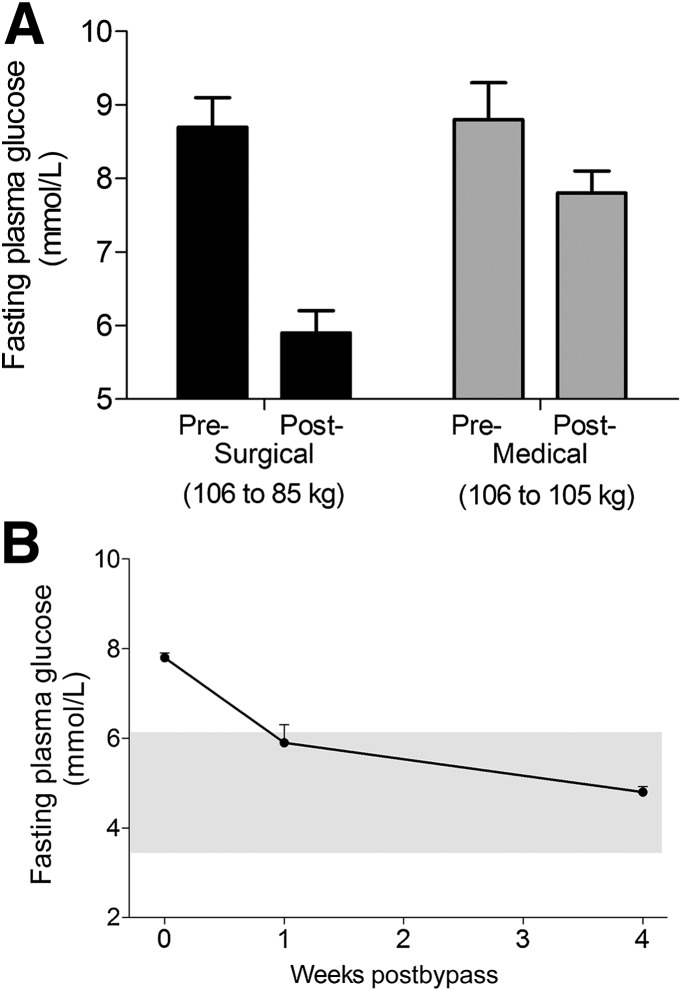
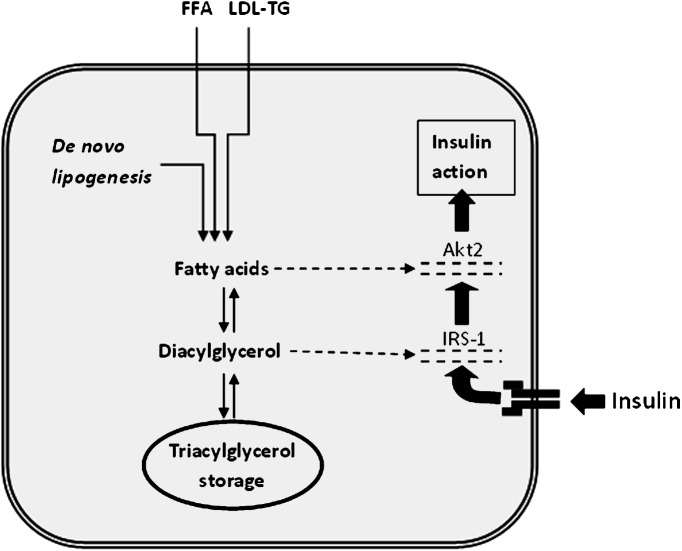
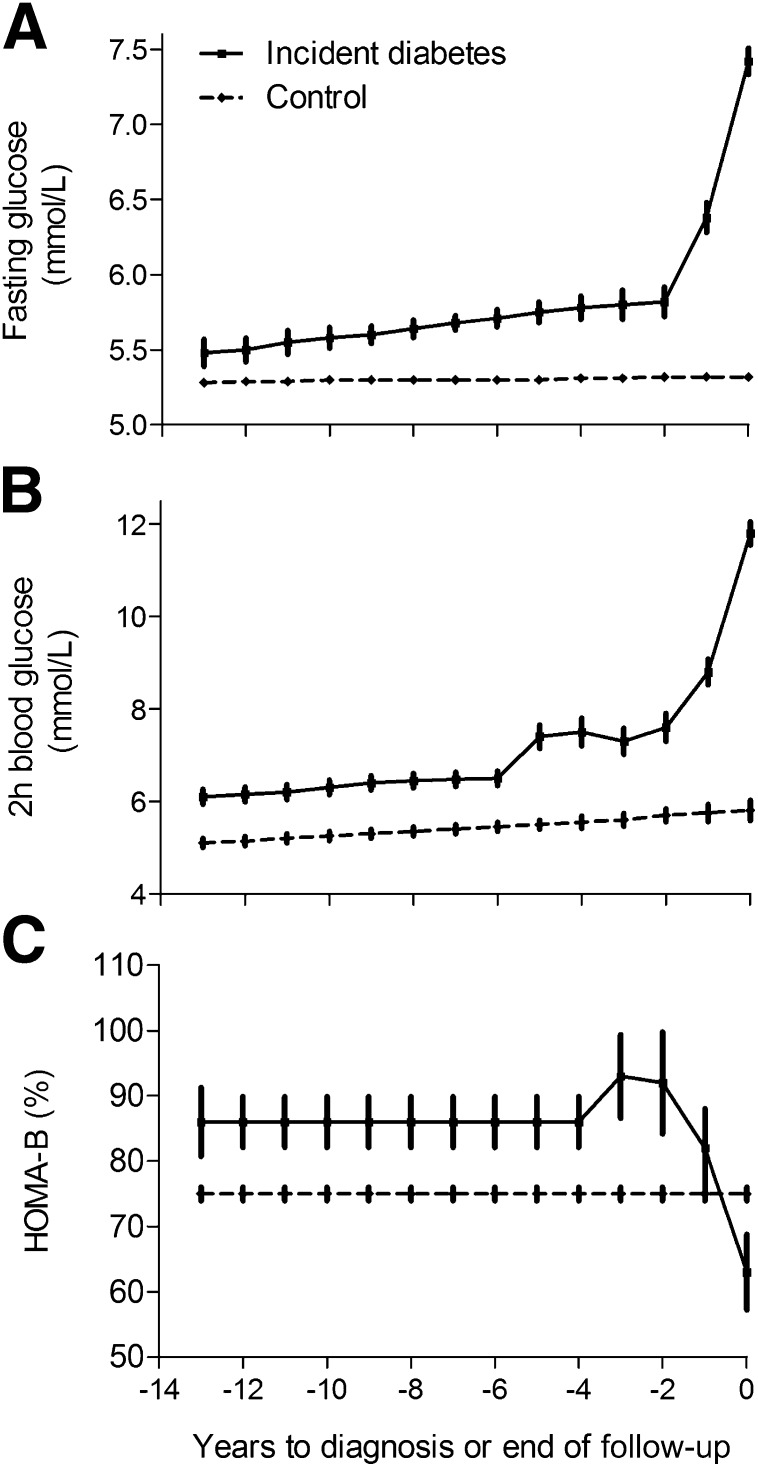
Reversal of type 2 diabetes to normal metabolic control by either bariatric surgery or hypocaloric diet allows for the time sequence of underlying pathophysiologic mechanisms to be observed. In reverse order, the same mechanisms are likely to determine the events leading to the onset of hyperglycemia and permit insight into the etiology of type 2 diabetes. Within 7 days of instituting a substantial negative calorie balance by either dietary intervention or bariatric surgery, fasting plasma glucose levels can normalize. This rapid change relates to a substantial fall in liver fat content and return of normal hepatic insulin sensitivity. Over 8 weeks, first phase and maximal rates of insulin secretion steadily return to normal, and this change is in step with steadily decreasing pancreatic fat content. The difference in time course of these two processes is striking. Recent information on the intracellular effects of excess lipid intermediaries explains the likely biochemical basis, which simplifies both the basic understanding of the condition and the concepts used to determine appropriate management. Recent large, long-duration population studies on time course of plasma glucose and insulin secretion before the diagnosis of diabetes are consistent with this new understanding. Type 2 diabetes has long been regarded as inevitably progressive, requiring increasing numbers of oral hypoglycemic agents and eventually insulin, but it is now certain that the disease process can be halted with restoration of normal carbohydrate and fat metabolism. Type 2 diabetes can be understood as a potentially reversible metabolic state precipitated by the single cause of chronic excess intraorgan fat. Type 2 diabetes has long been known to progress despite glucose-lowering treatment, with 50% of individuals requiring insulin therapy within 10 years (1). This seemingly inexorable deterioration in control has been interpreted to mean that the condition is treatable but not curable. Clinical guidelines recognize …
Overview
The claims and statistics of this paper haven’t been checked yet.
Free: it reads the open-access text and checks the first 5 claims that cite a source we can check. Create a free account to check every claim.
Integrity signals
Registry
Cites
Statistics
Figures



Verification
Claims the paper makes
The claims and statistics of this paper haven’t been checked yet.
Free: it reads the open-access text and checks the first 5 claims that cite a source we can check. Create a free account to check every claim.
Claims other papers make about this one
Each is checked against this paper’s own text: does it say what the citing paper says it does?
The source backs part of the claim, not all of it — or backs it for a different population, condition or comparison.
In the citing paper
“The three approaches show a similar time-course with glycemic control preceding weight loss by weeks or months, suggesting potential overlap of mechanisms (11, 12).”
From Long-Term Effects of a Novel Continuous Remote Care Intervention Including Nutritional Ketosis for the Management of Type 2 Diabetes: A 2-Year Non-randomized Clinical Trial (2019) · cites this paper as [12]
Experimental — accuracy not yet measuredThe source backs part of the claim, not all of it — or backs it for a different population, condition or comparison.
In the citing paper
“In controlled clinical trials, each approach has demonstrated improved glycemic control and CVD risk factors, reduced pharmaceutical dependence, and weight loss.”
From Long-Term Effects of a Novel Continuous Remote Care Intervention Including Nutritional Ketosis for the Management of Type 2 Diabetes: A 2-Year Non-randomized Clinical Trial (2019) · cites this paper as [12]
Experimental — accuracy not yet measuredIn the citing paper
“It has been estimated that 50% of patients require insulin therapy within 10 years of T2D diagnosis.245”
From A review of current trends with type 2 diabetes epidemiology, aetiology, pathogenesis, treatments and future perspectives (2021) · cites this paper as [245]
Self-check
Percentages, sums and reported differences re-computed from the paper’s own numbers.
The self-check needs the paper’s full text.
Citations
Cites
Lifestyle, diabetes, and cardiovascular risk factors 10 years after bariatric surgery
Sjöström, L., Lindroos, A.-K., Peltonen, M., Torgerson, J., Bouchard, C., Carlsson, B., Dahlgren, S., Larsson, B., Narbro, K., Sjöström, C. D., et al. (2004) · New England Journal of Medicine · doi:10.1056/nejmoa035622 · Cited by 4,457
Economic Costs of Diabetes in the U.S. in 2002
American Diabetes Association (2003) · Diabetes Care · doi:10.2337/diacare.26.3.917 · Cited by 4,147
β-Cell Deficit and Increased β-Cell Apoptosis in Humans With Type 2 Diabetes
Butler, A. E., Janson, J., Bonner-Weir, S., Ritzel, R., Rizza, R. A., & Butler, P. C. (2003) · Diabetes · doi:10.2337/diabetes.52.1.102 · Cited by 4,011
Genetic variation in PNPLA3 confers susceptibility to nonalcoholic fatty liver disease
Romeo, S., Kozlitina, J., Xing, C., Pertsemlidis, A., Cox, D., Pennacchio, L. A., Boerwinkle, E., Cohen, J. C., & Hobbs, H. H. (2008) · Nature Genetics · doi:10.1038/ng.257 · Cited by 3,416 · cited 1×
“When a variant of PNPLA3was described as determining increased hepatic fat levels, it appeared that a major factor underlying nonalcoholic fatty liver disease and insulin resistance was identified (55).”
Mechanisms for Insulin Resistance: Common Threads and Missing Links
Samuel, V. T., & Shulman, G. I. (2012) · Cell · doi:10.1016/j.cell.2012.02.017 · Cited by 2,294
Impaired Mitochondrial Activity in the Insulin-Resistant Offspring of Patients with Type 2 Diabetes
Petersen, K. F., Dufour, S., Befroy, D., Garcia, R., & Shulman, G. I. (2004) · New England Journal of Medicine · doi:10.1056/nejmoa031314 · Cited by 2,193 · cited 1×
“Although a defect in mitochondrial function is associated with extremes of insulin resistance in skeletal muscle (30), this does not appear to be relevant to the etiology of type 2 diabetes.”
Colberg, S. R., Sigal, R. J., Fernhall, B., Regensteiner, J. G., Blissmer, B. J., Rubin, R. R., Chasan-Taber, L., Albright, A. L., & Braun, B. (2010) · Diabetes Care · doi:10.2337/dc10-9990 · Cited by 1,955
Long-term weight loss maintenance
Wing, R. R., & Phelan, S. (2005) · The American Journal of Clinical Nutrition · doi:10.1093/ajcn/82.1.222s · Cited by 1,941
A placebo-controlled trial of pioglitazone in subjects with nonalcoholic steatohepatitis
Belfort, R., Harrison, S. A., Brown, K., Darland, C., Finch, J., Hardies, J., Balas, B., Gastaldelli, A., Tio, F., Pulcini, J., et al. (2006) · New England Journal of Medicine · doi:10.1056/nejmoa060326 · Cited by 1,827 · cited 1×
“Hypocaloric diet (42), physical activity (43), or thiazolidinedione use (23,44) each reduces insulin secretion and decreases liver fat content.”
Cited by
Xue, A., Wu, Y., Zhu, Z., Zhang, F., Kemper, K. E., Zheng, Z., Yengo, L., Lloyd-Jones, L. R., Sidorenko, J., Wu, Y., et al. (2018) · Nature Communications · doi:10.1038/s41467-018-04951-w · Cited by 901
Type 2 diabetes mellitus in adults: pathogenesis, prevention and therapy
Lu, X., Xie, Q., Pan, X., Zhang, R., Zhang, X., Peng, G., Zhang, Y., Shen, S., & Tong, N. (2024) · Signal Transduction and Targeted Therapy · doi:10.1038/s41392-024-01951-9 · Cited by 665
Taylor, R., Al-Mrabeh, A., Zhyzhneuskaya, S., Peters, C., Barnes, A. C., Aribisala, B. S., Hollingsworth, K. G., Mathers, J. C., Sattar, N., & Lean, M. E. J. (2018) · Cell Metabolism · doi:10.1016/j.cmet.2018.07.003 · Cited by 450
Self-citationReed, J., Bain, S., & Kanamarlapudi, V. (2021) · Diabetes, Metabolic Syndrome and Obesity: Targets and Therapy · doi:10.2147/dmso.s319895 · Cited by 441
Liu, X., Tan, Z., Huang, Y., Zhao, H., Liu, M., Yu, P., Ma, J., Zhao, Y., Zhu, W., & Wang, J. (2022) · Cardiovascular Diabetology · doi:10.1186/s12933-022-01546-0 · Cited by 409
Athinarayanan, S. J., Adams, R. N., Hallberg, S. J., McKenzie, A. L., Bhanpuri, N. H., Campbell, W. W., Volek, J. S., Phinney, S. D., & McCarter, J. P. (2019) · Frontiers in Endocrinology · doi:10.3389/fendo.2019.00348 · Cited by 324
“The three approaches show a similar time-course with glycemic control preceding weight loss by weeks or months, suggesting potential overlap of mechanisms (11, 12).”
BackgroundWnt signaling pathways in biology and disease: mechanisms and therapeutic advances
Xue, C., Chu, Q., Shi, Q., Zeng, Y., Lu, J., & Li, L. (2025) · Signal Transduction and Targeted Therapy · doi:10.1038/s41392-025-02142-w · Cited by 281
Understanding the mechanisms of reversal of type 2 diabetes
Taylor, R., Al-Mrabeh, A., & Sattar, N. (2019) · The Lancet Diabetes & Endocrinology · doi:10.1016/s2213-8587(19)30076-2 · Cited by 299
Self-citationAmbery, P., Parker, V. E., Stumvoll, M., Posch, M. G., Heise, T., Plum-Moerschel, L., Tsai, L.-F., Robertson, D., Jain, M., Petrone, M., et al. (2018) · The Lancet · doi:10.1016/s0140-6736(18)30726-8 · Cited by 298
Genetic architecture of 11 organ traits derived from abdominal MRI using deep learning
Liu, Y., Basty, N., Whitcher, B., Bell, J. D., Sorokin, E. P., van Bruggen, N., Thomas, E. L., & Cule, M. (2021) · eLife · doi:10.7554/elife.65554 · Cited by 274
“Liver fat was associated with T2D (p=1.4e-34, beta = 0.29).”
BackgroundInfluentialCassidy, S., Thoma, C., Hallsworth, K., Parikh, J., Hollingsworth, K. G., Taylor, R., Jakovljevic, D. G., & Trenell, M. I. (2016) · Diabetologia · doi:10.1007/s00125-015-3741-2 · Cited by 212
Self-citationYip, W., Sequeira, I., Plank, L., & Poppitt, S. (2017) · Nutrients · doi:10.3390/nu9111273 · Cited by 177
Normal weight individuals who develop Type 2 diabetes: the personal fat threshold
Taylor, R., & Holman, R. R. (2015) · Clinical Science · doi:10.1042/cs20140553 · Cited by 190
Self-citationGarlic exosome-like nanoparticles reverse high-fat diet induced obesity via the gut/brain axis
Sundaram, K., Mu, J., Kumar, A., Behera, J., Lei, C., Sriwastva, M. K., Xu, F., Dryden, G. W., Zhang, L., Chen, S., et al. (2022) · Theranostics · doi:10.7150/thno.65427 · Cited by 176
Type 2 Diabetes: The Pathologic Basis of Reversible β-Cell Dysfunction
White, M. G., Shaw, J. A. M., & Taylor, R. (2016) · Diabetes Care · doi:10.2337/dc16-0619 · Cited by 174
Self-citationThe role of triglyceride glucose index in development of Type 2 diabetes mellitus
Low, S., Khoo, K. C. J., Irwan, B., Sum, C. F., Subramaniam, T., Lim, S. C., & Wong, T. K. M. (2018) · Diabetes Research and Clinical Practice · doi:10.1016/j.diabres.2018.06.006 · Cited by 172
Steven (2016) · doi:10.2337/dc15-0750 · Cited by 171
Lu, Y., Chang, C. C., Chou, R., Tsai, Y., Liu, L.-K., Chen, L., Huang, P., & Lin, S. (2021) · Cardiovascular Diabetology · doi:10.1186/s12933-021-01391-7 · Cited by 144
The Diabetes Remission Clinical Trial (DiRECT): protocol for a cluster randomised trial
Leslie, W. S., Ford, I., Sattar, N., Hollingsworth, K. G., Adamson, A., Sniehotta, F. F., McCombie, L., Brosnahan, N., Ross, H., Mathers, J. C., et al. (2016) · BMC Family Practice · doi:10.1186/s12875-016-0406-2 · Cited by 132
Self-citationIncidence of Remission in Adults With Type 2 Diabetes: The Diabetes & Aging Study
Karter, A. J., Nundy, S., Parker, M. M., Moffet, H. H., & Huang, E. S. (2014) · Diabetes Care · doi:10.2337/dc14-0874 · Cited by 132
Li, J.-S., Ji, T., Su, S., Zhu, K. Y., Chen, X.-L., Shang, E., Guo, S., Qian, D., & Duan, J. (2021) · Journal of Ethnopharmacology · doi:10.1016/j.jep.2021.114713 · Cited by 146
Kebede, M. M., Zeeb, H., Peters, M., Heise, T. L., & Pischke, C. R. (2018) · Diabetes Technology & Therapeutics · doi:10.1089/dia.2018.0216 · Cited by 127
“8 However, the likelihood of a remission of the reversed state of the disease is still unclear.”
Effects of intermittent fasting on health markers in those with type 2 diabetes: A pilot study
Arnason, T. G., Bowen, M. W., & Mansell, K. D. (2017) · World Journal of Diabetes · doi:10.4239/wjd.v8.i4.154 · Cited by 126
Nutrition in Patients with Type 2 Diabetes: Present Knowledge and Remaining Challenges
Petroni, M. L., Brodosi, L., Marchignoli, F., Sasdelli, A. S., Caraceni, P., Marchesini, G., & Ravaioli, F. (2021) · Nutrients · doi:10.3390/nu13082748 · Cited by 116
“In both obese and nonobese subjects, higher plasma insulin levels have been associated with a linear increase in the rates of hepatic de novo lipogenesis [30], as supported by the hypoglycaemic effects of glucagon suppression of glucagon-receptor antagonists [31,32].”
BackgroundInsulin-associated weight gain in obese type 2 diabetes mellitus patients: What can be done?
Brown, A., Guess, N., Dornhorst, A., Taheri, S., & Frost, G. (2017) · Diabetes, Obesity and Metabolism · doi:10.1111/dom.13009 · Cited by 113
Benefit of lifestyle-based T2DM prevention is influenced by prediabetes phenotype
Campbell, M. D., Sathish, T., Zimmet, P., Thankappan, K. R., Oldenburg, B. F., Owens, D. R., Shaw, J. E., & Tapp, R. J. (2020) · Nature Reviews Endocrinology · doi:10.1038/s41574-019-0316-1 · Cited by 135
Beta-Cell Mass in Obesity and Type 2 Diabetes, and Its Relation to Pancreas Fat: A Mini-Review
Inaishi, J., & Saisho, Y. (2020) · Nutrients · doi:10.3390/nu12123846 · Cited by 107
“Taylor described vicious cycles between hepatic insulin resistance and beta-cell dysfunction [72].”
BackgroundImpact of non‐alcoholic fatty pancreas disease on glucose metabolism
Yu, T., & Wang, C. (2017) · Journal of Diabetes Investigation · doi:10.1111/jdi.12665 · Cited by 97
The impact of air pollution on the incidence of diabetes and survival among prevalent diabetes cases
Paul, L. A., Burnett, R. T., Kwong, J. C., Hystad, P., van Donkelaar, A., Bai, L., Goldberg, M. S., Lavigne, É., Copes, R., Martin, R. V., et al. (2019) · Environment International · doi:10.1016/j.envint.2019.105333 · Cited by 93
Du, C., Liu, W., Yang, J., Zhao, S.-S., & Liu, H. (2022) · Frontiers in Nutrition · doi:10.3389/fnut.2022.932670 · Cited by 90
“(37) Mice HFD/STZ-induced T2DM mice, SF-Alg gavage SF-Alg increased some benign bacteria, and decreased harmful bacteria.”
BackgroundInfluentialWang, X., Han, M., Zhang, M., Wang, Y., Ren, Y., Yue, T., & Gao, Z. (2020) · LWT · doi:10.1016/j.lwt.2020.110363 · Cited by 85
Understanding the cause of type 2 diabetes
Taylor, R. (2024) · The Lancet Diabetes & Endocrinology · doi:10.1016/s2213-8587(24)00157-8 · Cited by 95
Self-citationCalorie restriction for long-term remission of type 2 diabetes
Taylor, R. (2019) · Clinical Medicine · doi:10.7861/clinmedicine.19-1-37 · Cited by 85
Self-citationBeyond Body Weight-Loss: Dietary Strategies Targeting Intrahepatic Fat in NAFLD
Worm, N. (2020) · Nutrients · doi:10.3390/nu12051316 · Cited by 83
Lifestyle precision medicine: the next generation in type 2 diabetes prevention?
Mutie, P. M., Giordano, G. N., & Franks, P. W. (2017) · BMC Medicine · doi:10.1186/s12916-017-0938-x · Cited by 73
Valabhji, J., Gorton, T., Barron, E., Safazadeh, S., Earnshaw, F., Helm, C., Virr, M., Kernan, J., Crowe, S., Aveyard, P., et al. (2024) · The Lancet Diabetes & Endocrinology · doi:10.1016/s2213-8587(24)00194-3 · Cited by 72
Self-citationComparison of insulin resistance-associated parameters in US adults: a cross-sectional study
Yan, S., Wang, D., & Jia, Y. (2023) · HORMONES · doi:10.1007/s42000-023-00448-4 · Cited by 83
Physical Activity and Sedentary Time: Association with Metabolic Health and Liver Fat
BOWDEN DAVIES, K. A., SPRUNG, V. S., NORMAN, J. A., THOMPSON, A., MITCHELL, K. L., HARROLD, J. A., FINLAYSON, G., GIBBONS, C., WILDING, J. P. H., KEMP, G. J., et al. (2019) · Medicine & Science in Sports & Exercise · doi:10.1249/mss.0000000000001901 · Cited by 69
Metabolic Mechanisms in Obesity and Type 2 Diabetes: Insights from Bariatric/Metabolic Surgery
Cătoi, A. F., Pârvu, A., Mureşan, A., & Busetto, L. (2015) · Obesity Facts · doi:10.1159/000441259 · Cited by 68
Postpartum glucose intolerance: an updated overview
Pastore, I., CHIEFARI, E. D., Vero, R., & Brunetti, A. (2017) · Endocrine · doi:10.1007/s12020-017-1388-0 · Cited by 71
Prediction of Adverse Glycemic Events From Continuous Glucose Monitoring Signal
Gadaleta, M., Facchinetti, A., Grisan, E., & Rossi, M. (2018) · IEEE Journal of Biomedical and Health Informatics · doi:10.1109/jbhi.2018.2823763 · Cited by 77
Gong, R., Luo, G., Wang, M., Ma, L., Sun, S., & Wei, X. (2021) · Endocrine Connections · doi:10.1530/ec-21-0414 · Cited by 73
Effect of a low-calorie diet on restoration of normoglycemia in obese subjects with type 2 diabetes
Unnikrishnan, A., Bhatt, A., Choudhari, P., Mahajan, R., Sayyad, M., Pratyush, D., Hasan, I., Javherani, R., Bothale, M., & Purandare, V. (2017) · Indian Journal of Endocrinology and Metabolism · doi:10.4103/ijem.ijem_206_17 · Cited by 61
Rehackova, L., Arnott, B., Araujo‐Soares, V., Adamson, A. A., Taylor, R., & Sniehotta, F. F. (2016) · Diabetic Medicine · doi:10.1111/dme.13005 · Cited by 60
Self-citationMichalczyk, M. M., Klonek, G., Maszczyk, A., & Zajac, A. (2020) · Nutrients · doi:10.3390/nu12061854 · Cited by 60
Podell, B. K., Ackart, D. F., Richardson, M. A., DiLisio, J. E., Pulford, B. E., & Basaraba, R. J. (2017) · Disease Models & Mechanisms · doi:10.1242/dmm.025593 · Cited by 68
Yang, T., Wang, Y., Cao, X., Peng, Y., Huang, J., Chen, L., Pang, J., Jiang, Z., Qian, S., Liu, Y., et al. (2023) · Phytomedicine · doi:10.1016/j.phymed.2023.154703 · Cited by 63
Priyadarsini, S., McKay, T. B., Sarker‐Nag, A., Allegood, J. C., Chalfant, C. E., Ma, J., & Karamichos, D. (2016) · Experimental Eye Research · doi:10.1016/j.exer.2016.10.010 · Cited by 64
“Type 1 and Type 2 diabetes differ from each other based on their mechanism of development and physiological characteristics, including association to obesity, age of onset, and insulin-insufficiency (Taylor, 2013; Van Belle et al., 2011).”
BackgroundSteven, S., Carey, P. E., Small, P. K., & Taylor, R. (2015) · Diabetic Medicine · doi:10.1111/dme.12567 · Cited by 55
Self-citationProtective Roles of Apigenin Against Cardiometabolic Diseases: A Systematic Review
Xu, Y., Li, X., & Wang, H. (2022) · Frontiers in Nutrition · doi:10.3389/fnut.2022.875826 · Cited by 70
Mooranian, A., Negrulj, R., Arfuso, F., & Al‐Salami, H. (2014) · Artificial Cells Nanomedicine and Biotechnology · doi:10.3109/21691401.2014.934457 · Cited by 55
Bawden, S., Stephenson, M. C., Falcone, Y., Lingaya, M. R., Ciampi, E., Hunter, K., Bligh, H. F. J., Schirra, J. R. J., Taylor, M. A., Morris, P. G., et al. (2016) · Diabetes Obesity and Metabolism · doi:10.1111/dom.12784 · Cited by 63
Characteristics of peripheral blood Gamma-glutamyl transferase in different liver diseases
Xing, M., Gao, M., Li, J., Han, P., Mei, L., & Zhao, L. (2022) · Medicine · doi:10.1097/md.0000000000028443 · Cited by 58
Reversal of type 2 diabetes in youth who adhere to a very-low-energy diet: a pilot study
Gow, M. L., Baur, L. A., Johnson, N. A., Cowell, C. T., & Garnett, S. P. (2016) · Diabetologia · doi:10.1007/s00125-016-4163-5 · Cited by 59
The Diabetes Risk Phenotype of Young Women With Recent Gestational Diabetes
Rottenkolber, M., Ferrari, U., Holland, L., Aertsen, S., Kammer, N. N., Hetterich, H., Fugmann, M., Banning, F., Weise, M., Sacco, V., et al. (2015) · The Journal of Clinical Endocrinology & Metabolism · doi:10.1210/jc.2014-3898 · Cited by 51
Pot, G. K., Battjes-Fries, M. C., Patijn, O. N., Pijl, H., Witkamp, R. F., de Visser, M., van der Zijl, N., de Vries, M., & Voshol, P. J. (2019) · BMJ Nutrition, Prevention & Health · doi:10.1136/bmjnph-2018-000012 · Cited by 51
Low carbohydrate dietary approaches for people with type 2 diabetes-a narrative review
Wheatley, S. D., Deakin, T. A., Arjomandkhah, N. C., Hollinrake, P. B., & Reeves, T. E. (2021) · Frontiers in Nutrition · doi:10.3389/fnut.2021.687658 · Cited by 50
Macauley, M., Smith, F. E., Thelwall, P. E., Hollingsworth, K. G., & Taylor, R. (2015) · Clinical Science · doi:10.1042/cs20140681 · Cited by 50
Self-citationAl-Salami (2013) · Journal of Endocrinology and Diabetes Mellitus · doi:10.12970/2310-9971.2013.01.02.4 · Cited by 53
Glucodensities: A new representation of glucose profiles using distributional data analysis
Matabuena, M., Petersen, A., Vidal, J. C., & Gude, F. (2021) · Statistical Methods in Medical Research · doi:10.1177/0962280221998064 · Cited by 82
Mooranian, A., Negrulj, R., Al‐Salami, H., Morahan, G., & Jamieson, E. L. (2016) · Biotechnology Progress · doi:10.1002/btpr.2223 · Cited by 50
Yang, Z., Wang, D., Li, Y., Zhou, X., Liu, T., Shi, C., Li, R., Zhang, Y., Zhang, J., Yan, J., et al. (2021) · Biomedicine & Pharmacotherapy · doi:10.1016/j.biopha.2021.112495 · Cited by 45
Translating aetiological insight into sustainable management of type 2 diabetes
Taylor, R., & Barnes, A. C. (2017) · Diabetologia · doi:10.1007/s00125-017-4504-z · Cited by 49
Self-citationImpacts of high fat diet on ocular outcomes in rodent models of visual disease
Clarkson-Townsend, D. A., Douglass, A., Singh, A., Allen, R. S., Uwaifo, I. N., & Pardue, M. T. (2021) · Experimental Eye Research · doi:10.1016/j.exer.2021.108440 · Cited by 53
Unwin, D., & Unwin, J. (2014) · Practical Diabetes · doi:10.1002/pdi.1835 · Cited by 44
Mann, L. W., Higgins, D. M., Peters, C. N., Cassidy, S., Hodson, K. K., Coombs, A., Taylor, R., & Hollingsworth, K. G. (2016) · Radiology · doi:10.1148/radiol.2015150320 · Cited by 44
Self-citationKapoor, N., Lotfaliany, M., Sathish, T., Thankappan, K. R., Thomas, N., Furler, J., Oldenburg, B. F., & Tapp, R. J. (2020) · Journal of Nutritional Science · doi:10.1017/jns.2020.8 · Cited by 51
Pan, K., Wu, X., Xu, M., Feng, J., Xu, H., Gan, Y., Wang, C., Deng, Z., Liu, X., Fu, W., et al. (2021) · Eating and Weight Disorders - Studies on Anorexia Bulimia and Obesity · doi:10.1007/s40519-021-01238-w · Cited by 47
Li, H., & Li, C. (2023) · Frontiers in Microbiology · doi:10.3389/fmicb.2023.1184734 · Cited by 51
“It is a metabolic disorder that can be caused by either beta cell dysfunction or insulin resistance (Taylor, 2013).”
BackgroundLacerda, D. C., da Costa, P. C. T., Pontes, P. B., dos Santos, L. A. C., Neto, J. P. R. C., Silva-Luis, C. C., Brito, V. P. D. S., & Alves, J. L. D. B. (2022) · World Journal of Diabetes · doi:10.4239/wjd.v13.i9.717 · Cited by 50
Tian, N., Chen, D., Han, H., Jin, J., & Li, Z. (2024) · Scientific Reports · doi:10.1038/s41598-024-54192-9 · Cited by 47
Al-Mrabeh, A. H. (2021) · Biomedicines · doi:10.3390/biomedicines9020226 · Cited by 46
Recent advances in flexible sweat glucose biosensors
Zhou, W., He, Q., Ye, H., Ye, C., Wu, X., & Chu, J. (2021) · Journal of Physics D: Applied Physics · doi:10.1088/1361-6463/ac14ef · Cited by 40
“Diabetes is a chronic metabolic disease characterized by hyperglycemia [7–11], and the long-term high blood glucose causes various complications [12–14].”
Zhang, S., Zhang, S., Zhang, Y., Wang, H., Chen, Y., & Lü, H. (2024) · Journal of Ethnopharmacology · doi:10.1016/j.jep.2024.117931 · Cited by 52
Reversal and Remission of T2DM – An Update for Practitioners
Shibib, L., Al-Qaisi, M., Ahmed, A., Miras, A. D., Nott, D., Pelling, M., Greenwald, S. E., & Guess, N. D. (2022) · Vascular Health and Risk Management · doi:10.2147/vhrm.s345810 · Cited by 48
Donazar-Ezcurra, M., Lopez-del Burgo, C., Martinez-Gonzalez, M. A., Basterra-Gortari, F. J., de Irala, J., & Bes-Rastrollo, M. (2017) · British Journal of Nutrition · doi:10.1017/s0007114517002537 · Cited by 39
Taylor, R., & Barnes, A. C. (2018) · Diabetic Medicine · doi:10.1111/dme.13851 · Cited by 40
Self-citationAge of onset of diabetes and all-cause mortality
Ang, G. Y. (2020) · World Journal of Diabetes · doi:10.4239/wjd.v11.i4.95 · Cited by 44
Pot, G. K., Battjes‐Fries, M. C. E., Patijn, O. N., van der Zijl, N. J., Pijl, H., & Voshol, P. J. (2020) · BMJ Nutrition Prevention & Health · doi:10.1136/bmjnph-2020-000081 · Cited by 53
Ding, Y., & Wu, Q. (2022) · Cellular Signalling · doi:10.1016/j.cellsig.2022.110564 · Cited by 44
Anyiam, O., Phillips, B., Quinn, K., Wilkinson, D., Smith, K., Atherton, P., & Idris, I. (2024) · Clinical Nutrition · doi:10.1016/j.clnu.2024.06.034 · Cited by 40
Tian, H., Lü, J., He, H., Zhang, L., Dong, Y., Yao, H., Feng, W., & Wang, S. (2016) · Journal of Ethnopharmacology · doi:10.1016/j.jep.2016.05.062 · Cited by 40
Gestational diabetes mellitus and retinal microvasculature
Li, L., Kramer, M. S., Tapp, R. J., Man, R. E. K., Lek, N., Cai, S., Yap, F. K. P., Gluckman, P. D., Tan, K. H., Chong, Y. S., et al. (2017) · BMC Ophthalmology · doi:10.1186/s12886-016-0398-7 · Cited by 39
A new understanding of GHSR1a——independent of ghrelin activation
Xiao, X., Bi, M., Jiao, Q., Chen, X., Du, X., & Jiang, H. F. (2020) · Ageing Research Reviews · doi:10.1016/j.arr.2020.101187 · Cited by 38
Zhu, X., Zhao, L., Chen, J., Lin, C., Lv, F., Hu, S., Cai, X., Zhang, L., & Ji, L. (2021) · Frontiers in Endocrinology · doi:10.3389/fendo.2021.767152 · Cited by 50
Lolok, N., Sumiwi, S. A., Muhtadi, A., Susilawati, Y., Hendriani, R., Ramadhan, D. S. F., Levita, J., & Sahidin, I. (2021) · Journal of Biomolecular Structure and Dynamics · doi:10.1080/07391102.2021.1894981 · Cited by 37
Zhuo, L., Lai, M., Wan, L., Zhang, X., & Chen, R. (2024) · Frontiers in Endocrinology · doi:10.3389/fendo.2024.1446276 · Cited by 43
Gao, H., Ding, L., Liu, R., Zheng, X., Xia, X., Wang, F., Qi, J., Tong, W., & Qiu, Y. (2021) · International Journal of Biological Macromolecules · doi:10.1016/j.ijbiomac.2021.02.217 · Cited by 36
Li, R., Chen, G., Jiao, A., Lu, Y., Guo, Y., Li, S., Wang, C., & Xiang, H. (2021) · Toxics · doi:10.3390/toxics9010011 · Cited by 41
Prashanth, G., Vastrad, B. M., Tengli, A., Vastrad, C. M., & Kotturshetti, I. (2021) · BMC Endocrine Disorders · doi:10.1186/s12902-021-00718-5 · Cited by 40
“Type 2 diabetes mellitus is characterized by insulin de ciency due to pancreatic β-cell inactivation and insulin resistance [2].”
BackgroundThe Role of Glutathione and Its Precursors in Type 2 Diabetes
Tuell, D. S., Ford, G., LOS, E. A., & Stone, W. L. (2024) · Antioxidants · doi:10.3390/antiox13020184 · Cited by 43
“In addition to insulin resistance, obesity (and intraorgan adipose tissue), poor-quality high-calorie diets, and lack of physical exercise are major risk factors for T2D [26].”
InfluentialLiu, Y., Cao, Y., Li, H., Liu, H., Bi, L., Chen, Q., & Peng, R. (2024) · Environment International · doi:10.1016/j.envint.2024.108740 · Cited by 45
AP‐1A Controls Secretory Granule Biogenesis and Trafficking of Membrane Secretory Granule Proteins
Bonnemaison, M. L., Bäck, N., Lin, Y., Bonifacino, J. S., Mains, R. E., & Eipper, B. A. (2014) · Traffic · doi:10.1111/tra.12194 · Cited by 40
Exercise and Type II Diabetes Mellitus: A Brief Guide for Exercise Professionals
Batrakoulis, A., Jamurtas, A. Z., & Fatouros, I. G. (2022) · Strength and conditioning journal · doi:10.1519/ssc.0000000000000731 · Cited by 35
Bynoe, K., Unwin, N. C., Taylor, C. G., Murphy, M. M., Bartholomew, L., Greenidge, A., Abed, M. T., Jeyaseelan, S. M., Cobelli, C., Man, C. D., et al. (2019) · Diabetic Medicine · doi:10.1111/dme.14096 · Cited by 38
Self-citationDietary regulations for microbiota dysbiosis among post-menopausal women with type 2 diabetes
Singh, V., Park, Y.-J., Lee, G., Unno, T., & Shin, J. (2022) · Critical Reviews in Food Science and Nutrition · doi:10.1080/10408398.2022.2076651 · Cited by 38
“Insulin resistance in skeletal muscles is the earliest detectable sign of T2D (Taylor 2013).”
BackgroundMacKay, D., Chan, C. B., Dasgupta, K., Dominy, C., Gagner, M., Jin, S., Kim, J., Little, J. P., MacDonald, B., McInnes, N., et al. (2022) · Canadian Journal of Diabetes · doi:10.1016/j.jcjd.2022.10.004 · Cited by 46
Kang, N., Wu, R., Liao, W., Zhang, C., Liu, X., Mao, Z., Huo, W., Hou, J., Zhang, K., Tian, H., et al. (2022) · The Science of The Total Environment · doi:10.1016/j.scitotenv.2022.160364 · Cited by 34
Pathogenesis and remission of type 2 diabetes: what has the twin cycle hypothesis taught us?
Al-Mrabeh, A. H. (2020) · Cardiovascular Endocrinology & Metabolism · doi:10.1097/xce.0000000000000201 · Cited by 38
Khalaji, A., Behnoush, A. H., Saeedian, B., Khanmohammadi, S., Varniab, Z. S., & Peiman, S. (2023) · Diabetology & Metabolic Syndrome · doi:10.1186/s13098-023-01076-z · Cited by 34
Metadata
- Authors
- Taylor, R.
- Affiliations
- Newcastle University (GB)
- Corresponding author
- Taylor, Roy
- ORCID
- Taylor, Roy
- Venue
- Diabetes Care
- Publisher
- American Diabetes Association
- Published
- 2013-03-14
- Volume
- 36
- Issue
- 4
- Pages
- 1047-1055
- ISSN
- 0149-5992 (ISSN-L)
- 1935-5548
- PMC
- PMC3609491
- OpenAlex
- W2051587831
- Cited by
- 485
- References
- 104
- Citations by year
- 2026: 39 · 2025: 63 · 2024: 67 · 2023: 35 · 2022: 35 · 2021: 65 · 2020: 33 · 2019: 28 · 2018: 25 · 2017: 24 · 2016: 26 · 2015: 16 · 2014: 22 · 2013: 4
- FWCI
- 4.01
- Type
- journal article
- Language
- en
- Open access
- hybrid
- doi.org
- Licence
- Locations
- Diabetes Care (publishedVersion, cc-by-nc-nd)
- Europe PMC (PubMed Central) (publishedVersion, cc-by-nc-nd)
- PubMed Central (publishedVersion, cc-by-nc-nd)
- PubMed (publishedVersion)
- Newcastle University ePrints (Newcastle Univesity)
- Topics
- Health Sciences › Medicine › Endocrinology, Diabetes and Metabolism › Pancreatic function and diabetes
- Health Sciences › Medicine › Endocrinology, Diabetes and Metabolism › Diabetes Treatment and Management
- Health Sciences › Medicine › Endocrinology, Diabetes and Metabolism › Diabetes, Cardiovascular Risks, and Lipoproteins
- Keywords
- type 2 diabetes, diabetes remission, bariatric surgery, hypocaloric diet, hepatic insulin sensitivity, liver fat, pancreatic fat content, insulin secretion, disease progression, insulin resistance
- MeSH terms
- Diabetes Mellitus, Type 2, Humans, Insulin Resistance, Bariatric Surgery
About these checks
Registry, retraction, Cites and statistics results are computed, not judged, with one exception: a printed reference that no index lists is read once by a model before it counts as a citation error. Claims are extracted by a model and kept only when their quote appears verbatim in the text; each cited source is then checked, with a model’s help, for whether it says what the claim relies on. Those verdicts can be wrong — read the claim’s quote and the cited source before relying on one.
Statistics and arithmetic are recomputed, not judged.
Confidence bands are shown only for fields calibrated on our annotated test set. None is calibrated yet, so no band is shown.
What counts as a claim ›How we measure confidence ›How we check this ›
Are you an author, or do you see a problem with this page? Request a review
Data sources
Bibliographic data: Semantic Scholar, OpenAlex, Crossref.
Contains information from the Semantic Scholar Academic Graph Datasets, made available under the ODC Attribution License (ODC-BY 1.0).
Semantic Scholar’s data is described in: Kinney, R., et al. (2023). The Semantic Scholar Open Data Platform. arXiv:2301.10140.
