

Type 2 Diabetes
Open accessThe DOI matches its Crossref record; 102 of the 104 references it cites were found in a registry or an index.
Abstract
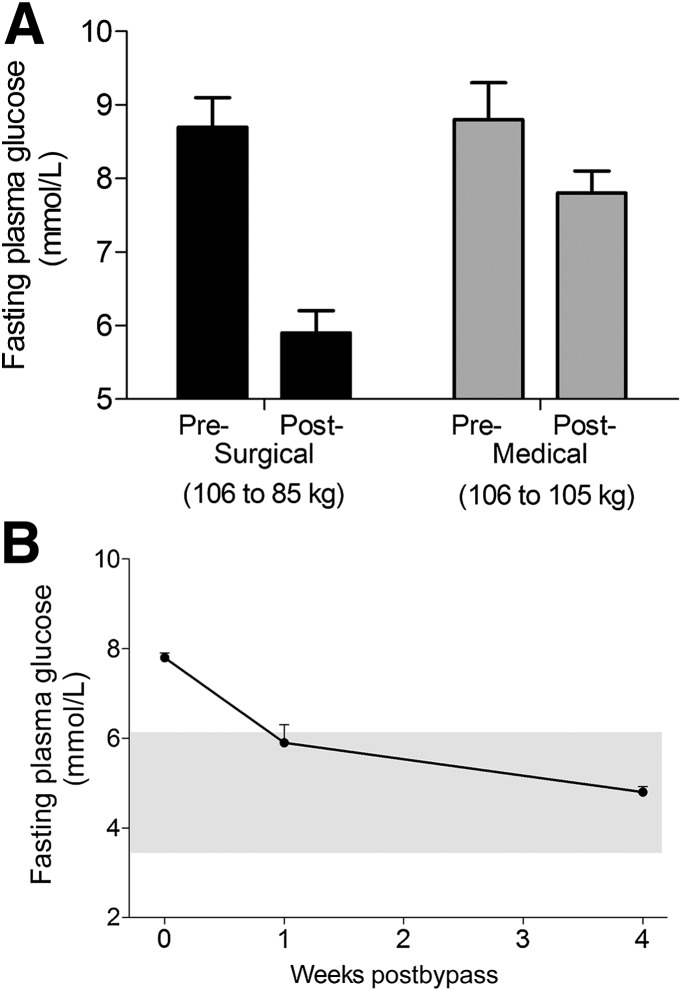
Reversal of type 2 diabetes to normal metabolic control by either bariatric surgery or hypocaloric diet allows for the time sequence of underlying pathophysiologic mechanisms to be observed. In reverse order, the same mechanisms are likely to determine the events leading to the onset of hyperglycemia and permit insight into the etiology of type 2 diabetes. Within 7 days of instituting a substantial negative calorie balance by either dietary intervention or bariatric surgery, fasting plasma glucose levels can normalize. This rapid change relates to a substantial fall in liver fat content and return of normal hepatic insulin sensitivity. Over 8 weeks, first phase and maximal rates of insulin secretion steadily return to normal, and this change is in step with steadily decreasing pancreatic fat content. The difference in time course of these two processes is striking. Recent information on the intracellular effects of excess lipid intermediaries explains the likely biochemical basis, which simplifies both the basic understanding of the condition and the concepts used to determine appropriate management. Recent large, long-duration population studies on time course of plasma glucose and insulin secretion before the diagnosis of diabetes are consistent with this new understanding. Type 2 diabetes has long been regarded as inevitably progressive, requiring increasing numbers of oral hypoglycemic agents and eventually insulin, but it is now certain that the disease process can be halted with restoration of normal carbohydrate and fat metabolism. Type 2 diabetes can be understood as a potentially reversible metabolic state precipitated by the single cause of chronic excess intraorgan fat. Type 2 diabetes has long been known to progress despite glucose-lowering treatment, with 50% of individuals requiring insulin therapy within 10 years (1). This seemingly inexorable deterioration in control has been interpreted to mean that the condition is treatable but not curable. Clinical guidelines recognize …
Overview
The claims and statistics of this paper haven’t been checked yet.
Free: it reads the open-access text and checks the first 5 claims that cite a source we can check. Create a free account to check every claim.
Integrity signals
Registry
Cites
Statistics
Figures



Verification
Claims the paper makes
The claims and statistics of this paper haven’t been checked yet.
Free: it reads the open-access text and checks the first 5 claims that cite a source we can check. Create a free account to check every claim.
Claims other papers make about this one
Each is checked against this paper’s own text: does it say what the citing paper says it does?
The source backs part of the claim, not all of it — or backs it for a different population, condition or comparison.
In the citing paper
“The three approaches show a similar time-course with glycemic control preceding weight loss by weeks or months, suggesting potential overlap of mechanisms (11, 12).”
From Long-Term Effects of a Novel Continuous Remote Care Intervention Including Nutritional Ketosis for the Management of Type 2 Diabetes: A 2-Year Non-randomized Clinical Trial (2019) · cites this paper as [12]
Experimental — accuracy not yet measuredThe source backs part of the claim, not all of it — or backs it for a different population, condition or comparison.
In the citing paper
“In controlled clinical trials, each approach has demonstrated improved glycemic control and CVD risk factors, reduced pharmaceutical dependence, and weight loss.”
From Long-Term Effects of a Novel Continuous Remote Care Intervention Including Nutritional Ketosis for the Management of Type 2 Diabetes: A 2-Year Non-randomized Clinical Trial (2019) · cites this paper as [12]
Experimental — accuracy not yet measuredIn the citing paper
“It has been estimated that 50% of patients require insulin therapy within 10 years of T2D diagnosis.245”
From A review of current trends with type 2 diabetes epidemiology, aetiology, pathogenesis, treatments and future perspectives (2021) · cites this paper as [245]
Self-check
Percentages, sums and reported differences re-computed from the paper’s own numbers.
The self-check needs the paper’s full text.
Citations
Cites
Lifestyle, diabetes, and cardiovascular risk factors 10 years after bariatric surgery
Sjöström, L., Lindroos, A.-K., Peltonen, M., Torgerson, J., Bouchard, C., Carlsson, B., Dahlgren, S., Larsson, B., Narbro, K., Sjöström, C. D., et al. (2004) · New England Journal of Medicine · doi:10.1056/nejmoa035622 · Cited by 4,457
Economic Costs of Diabetes in the U.S. in 2002
American Diabetes Association (2003) · Diabetes Care · doi:10.2337/diacare.26.3.917 · Cited by 4,147
β-Cell Deficit and Increased β-Cell Apoptosis in Humans With Type 2 Diabetes
Butler, A. E., Janson, J., Bonner-Weir, S., Ritzel, R., Rizza, R. A., & Butler, P. C. (2003) · Diabetes · doi:10.2337/diabetes.52.1.102 · Cited by 4,011
Genetic variation in PNPLA3 confers susceptibility to nonalcoholic fatty liver disease
Romeo, S., Kozlitina, J., Xing, C., Pertsemlidis, A., Cox, D., Pennacchio, L. A., Boerwinkle, E., Cohen, J. C., & Hobbs, H. H. (2008) · Nature Genetics · doi:10.1038/ng.257 · Cited by 3,416 · cited 1×
“When a variant of PNPLA3was described as determining increased hepatic fat levels, it appeared that a major factor underlying nonalcoholic fatty liver disease and insulin resistance was identified (55).”
Mechanisms for Insulin Resistance: Common Threads and Missing Links
Samuel, V. T., & Shulman, G. I. (2012) · Cell · doi:10.1016/j.cell.2012.02.017 · Cited by 2,294
Impaired Mitochondrial Activity in the Insulin-Resistant Offspring of Patients with Type 2 Diabetes
Petersen, K. F., Dufour, S., Befroy, D., Garcia, R., & Shulman, G. I. (2004) · New England Journal of Medicine · doi:10.1056/nejmoa031314 · Cited by 2,193 · cited 1×
“Although a defect in mitochondrial function is associated with extremes of insulin resistance in skeletal muscle (30), this does not appear to be relevant to the etiology of type 2 diabetes.”
Colberg, S. R., Sigal, R. J., Fernhall, B., Regensteiner, J. G., Blissmer, B. J., Rubin, R. R., Chasan-Taber, L., Albright, A. L., & Braun, B. (2010) · Diabetes Care · doi:10.2337/dc10-9990 · Cited by 1,955
Long-term weight loss maintenance
Wing, R. R., & Phelan, S. (2005) · The American Journal of Clinical Nutrition · doi:10.1093/ajcn/82.1.222s · Cited by 1,941
A placebo-controlled trial of pioglitazone in subjects with nonalcoholic steatohepatitis
Belfort, R., Harrison, S. A., Brown, K., Darland, C., Finch, J., Hardies, J., Balas, B., Gastaldelli, A., Tio, F., Pulcini, J., et al. (2006) · New England Journal of Medicine · doi:10.1056/nejmoa060326 · Cited by 1,827 · cited 1×
“Hypocaloric diet (42), physical activity (43), or thiazolidinedione use (23,44) each reduces insulin secretion and decreases liver fat content.”
Mechanism of free fatty acid-induced insulin resistance in humans.
Roden, M., Price, T. B., Perseghin, G., Petersen, K. F., Rothman, D. L., Cline, G. W., & Shulman, G. I. (1996) · Journal of Clinical Investigation · doi:10.1172/jci118742 · Cited by 1,539 · cited 1×
“Insulin resistance may be caused by an insulin signaling defect (5), glucose transporter defect (6), or lipotoxicity (7), and b-cell dysfunction is postulated to be caused by amyloid deposition in the islets (8), oxidative stress (9), excess fatty acid (10), or lack of incretin effect (11).”
McGarry, J. D. (2002) · Diabetes · doi:10.2337/diabetes.51.1.7 · Cited by 1,435
Dixon, J. B., O’Brien, P. E., Playfair, J., Chapman, L., Schachter, L. M., Skinner, S., Proietto, J., Bailey, M., & Anderson, M. (2008) · JAMA · doi:10.1001/jama.299.3.316 · Cited by 1,434 · cited 2×
“with long-term remission in 73% of a bariatric surgery group, with weight change itself being the principal determinant of glucose control (13).”
Economic costs of diabetes in the U.S. in 2007
American Diabetes Association (2008) · Diabetes Care · doi:10.2337/dc08-9017 · Cited by 1,323
Lipid-induced insulin resistance: unravelling the mechanism
Samuel, V. T., Petersen, K. F., & Shulman, G. I. (2010) · The Lancet · doi:10.1016/s0140-6736(10)60408-4 · Cited by 1,189 · cited 1×
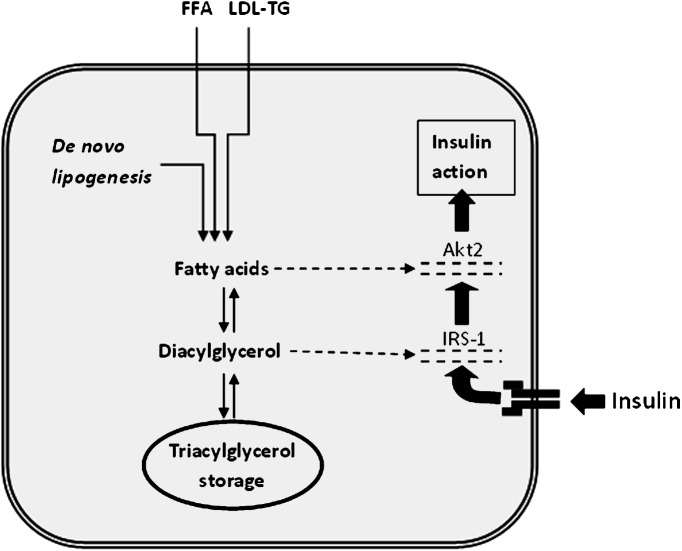
“Excess diacylglycerol has a profound effect on activating protein kinase C epsilon type (PKC ́), which inhibits the signaling pathway from the insulin receptor to insulin receptor substrate 1 (IRS-1), the first postreceptor step in intracellular insulin action (46).”
Brüning, J. C., Michael, M. D., Winnay, J. N., Hayashi, T., Hörsch, D., Accili, D., Goodyear, L. J., & Kahn, C. R. (1998) · Molecular Cell · doi:10.1016/s1097-2765(00)80155-0 · Cited by 1,182
Lim, E. L., Hollingsworth, K. G., Aribisala, B. S., Chen, M. J., Mathers, J. C., & Taylor, R. (2011) · Diabetologia · doi:10.1007/s00125-011-2204-7 · Cited by 1,164 · cited 9×
“Although a causeand-effect relationship between raised intraorgan fat levels and metabolic effect has not yet been proven, the time course data following the dietary intervention study are highly suggestive of a causal link (21).”
InfluentialSelf-citationFatty acid-induced β cell apoptosis: A link between obesity and diabetes
Shimabukuro, M., Zhou, Y.-T., Levi, M., & Unger, R. H. (1998) · Proceedings of the National Academy of Sciences · doi:10.1073/pnas.95.5.2498 · Cited by 1,142
Cusi, K., Maezono, K., Osman, A., Pendergrass, M., Patti, M. E., Pratipanawatr, T., DeFronzo, R. A., Kahn, C. R., & Mandarino, L. J. (2000) · Journal of Clinical Investigation · doi:10.1172/jci7535 · Cited by 1,139
Lipotoxicity in the Pathogenesis of Obesity-Dependent NIDDM: Genetic and Clinical Implications
Unger, R. H. (1995) · Diabetes · doi:10.2337/diab.44.8.863 · Cited by 1,100 · cited 1×
“This concept is far from new (59,60), but the observations of what happens during reversal of diabetes provide a new perspective.”
Targher, G., Bertolini, L., Padovani, R., Rodella, S., Tessari, R., Zenari, L., Day, C., & Arcaro, G. (2007) · Diabetes Care · doi:10.2337/dc06-2247 · Cited by 992
Rubino, F., Forgione, A., Cummings, D. E., Vix, M., Gnuli, D., Mingrone, G., Castagneto, M., & Marescaux, J. (2006) · Annals of Surgery · doi:10.1097/01.sla.0000224726.61448.1b · Cited by 928 · cited 1×
“However, the observation that normalization of glucose in type 2 diabetes occurred within days after bariatric surgery, before substantial weight loss (15), led to the widespread belief that surgery itself brought about specific changes mediated through incretin hormone secretion (16,17).”
Petersen, K. F., Dufour, S., Befroy, D., Lehrke, M., Hendler, R. E., & Shulman, G. I. (2005) · Diabetes · doi:10.2337/diabetes.54.3.603 · Cited by 911 · cited 6×
“This process has been studied in detail during more moderate calorie restriction in type 2 diabetes over 8 weeks (20).”
InfluentialTabák, A. G., Jokela, M., Akbaraly, T. N., Brunner, E. J., Kivimäki, M., & Witte, D. R. (2009) · The Lancet · doi:10.1016/s0140-6736(09)60619-x · Cited by 898
Lee, Y., Hirose, H., Ohneda, M., Johnson, J. H., McGarry, J. D., & Unger, R. H. (1994) · Proceedings of the National Academy of Sciences · doi:10.1073/pnas.91.23.10878 · Cited by 836
Economic Costs of Diabetes in the U.S. in 2007
Leahy, J. L. (2008) · Yearbook of Endocrinology · doi:10.1016/s0084-3741(08)79219-9 · Cited by 781
The role of skeletal muscle insulin resistance in the pathogenesis of the metabolic syndrome
Petersen, K. F., Dufour, S., Savage, D. B., Bilz, S., Solomon, G., Yonemitsu, S., Cline, G. W., Befroy, D., Zemany, L., Kahn, B. B., et al. (2007) · Proceedings of the National Academy of Sciences · doi:10.1073/pnas.0705408104 · Cited by 759
Pancreatic β‐cell mass in European subjects with type 2 diabetes
Rahier, J., Guiot, Y., Goebbels, R. M., Sempoux, C., & Henquin, J. C. (2008) · Diabetes, Obesity and Metabolism · doi:10.1111/j.1463-1326.2008.00969.x · Cited by 756
Overproduction of large VLDL particles is driven by increased liver fat content in man
Adiels, M., Taskinen, M.-R., Packard, C., Caslake, M. J., Soro-Paavonen, A., Westerbacka, J., Vehkavaara, S., Häkkinen, A., Olofsson, S.-O., Yki-Järvinen, H., et al. (2006) · Diabetologia · doi:10.1007/s00125-005-0125-z · Cited by 690 · cited 3×
“This process is further stimulated by elevated plasma glucose levels (85).”
InfluentialGastaldelli, A., Cusi, K., Pettiti, M., Hardies, J., Miyazaki, Y., Berria, R., Buzzigoli, E., Sironi, A. M., Cersosimo, E., Ferrannini, E., et al. (2007) · Gastroenterology · doi:10.1053/j.gastro.2007.04.068 · Cited by 629 · cited 1×
“The close association between liver fat content and hepatic glucose production had previously been established (20,22,23).”
Cellular mechanism of insulin resistance in nonalcoholic fatty liver disease
Kumashiro, N., Erion, D. M., Zhang, D., Kahn, M., Beddow, S. A., Chu, X., Still, C. D., Gerhard, G. S., Han, X., Dziura, J., et al. (2011) · Proceedings of the National Academy of Sciences · doi:10.1073/pnas.1113359108 · Cited by 585 · cited 2×
“4), although no relationship with in vivo insulin resistance could be demonstrated in humans (49).”
Islet Amyloid: A Critical Entity in the Pathogenesis of Type 2 Diabetes
Hull, R. L., Westermark, G. T., Westermark, P., & Kahn, S. E. (2004) · The Journal of Clinical Endocrinology & Metabolism · doi:10.1210/jc.2004-0405 · Cited by 583 · cited 1×
“Insulin resistance may be caused by an insulin signaling defect (5), glucose transporter defect (6), or lipotoxicity (7), and b-cell dysfunction is postulated to be caused by amyloid deposition in the islets (8), oxidative stress (9), excess fatty acid (10), or lack of incretin effect (11).”
Hallsworth, K., Fattakhova, G., Hollingsworth, K. G., Thoma, C., Moore, S., Taylor, R., Day, C. P., & Trenell, M. I. (2011) · Gut · doi:10.1136/gut.2011.242073 · Cited by 529 · cited 1×
“Both aerobic and resistance exercise are effective (95).”
Self-citationSchwarz, J.-M., Linfoot, P., Dare, D., & Aghajanian, K. (2003) · The American Journal of Clinical Nutrition · doi:10.1093/ajcn/77.1.43 · Cited by 496 · cited 2×
“However, because the process of de novo lipogenesis is stimulated by higher insulin levels (38), the scene is set for hepatic fat accumulation.”
Ahrén, B., Gomis, R., Standl, E., Mills, D., & Schweizer, A. (2004) · Diabetes Care · doi:10.2337/diacare.27.12.2874 · Cited by 487 · cited 1×
“Insulin resistance may be caused by an insulin signaling defect (5), glucose transporter defect (6), or lipotoxicity (7), and b-cell dysfunction is postulated to be caused by amyloid deposition in the islets (8), oxidative stress (9), excess fatty acid (10), or lack of incretin effect (11).”
Savage, D. B. (2006) · Journal of Clinical Investigation · doi:10.1172/jci27300 · Cited by 447 · cited 1×
“The molecular specificity of thismechanism has been confirmed by use of antisense oligonucleotide to PKC ́, which prevents hepatic insulin resistance despite raised diacylglycerol levels during high-fat feeding (47).”
Adaptive changes in pancreatic beta cell fractional area and beta cell turnover in human pregnancy
Butler, A. E., Cao-Minh, L., Galasso, R., Rizza, R. A., Corradin, A., Cobelli, C., & Butler, P. C. (2010) · Diabetologia · doi:10.1007/s00125-010-1809-6 · Cited by 435 · cited 1×
“In light of new knowledge about b-cell apoptosis and rates of turnover during adult life, it is conceivable that removal of adverse factors could result in restoration of normalb-cell number, even late in the disease (66,70).”
Ryysy, L., Häkkinen, A. M., Goto, T., Vehkavaara, S., Westerbacka, J., Halavaara, J., & Yki-Järvinen, H. (2000) · Diabetes · doi:10.2337/diabetes.49.5.749 · Cited by 431 · cited 1×
“In insulintreated type 2 diabetes, insulin dose correlates with the extent of fatty liver (35), and in turn, this is associated with insulin sensitivity to suppression of hepatic glucose production (36).”
Pancreatic Fat Content and β-Cell Function in Men With and Without Type 2 Diabetes
Tushuizen, M. E., Bunck, M. C., Pouwels, P. J., Bontemps, S., van Waesberghe, J. H. T., Schindhelm, R. K., Mari, A., Heine, R. J., & Diamant, M. (2007) · Diabetes Care · doi:10.2337/dc07-0326 · Cited by 400
Lipoapoptosis in Beta-cells of Obese Prediabeticfa/fa Rats
Shimabukuro, M., Higa, M., Zhou, Y.-T., Wang, M.-Y., Newgard, C. B., & Unger, R. H. (1998) · Journal of Biological Chemistry · doi:10.1074/jbc.273.49.32487 · Cited by 395 · cited 1×
“The process is likely to be regulated by apoptosis, a mechanism known to be increased by chronic exposure to increased fatty acid metabolites (68).”
Insulin Resistance and Type 2 Diabetes
Taylor, R. (2012) · Diabetes · doi:10.2337/db12-0073 · Cited by 387
Self-citationElevations in Markers of Liver Injury and Risk of Type 2 Diabetes
Hanley, A. J. G., Williams, K., Festa, A., Wagenknecht, L. E., D’Agostino, R. B., Kempf, J., Zinman, B., & Haffner, S. M. (2004) · Diabetes · doi:10.2337/diabetes.53.10.2623 · Cited by 385
Mechanisms of Recovery From Type 2 Diabetes After Malabsorptive Bariatric Surgery
Guidone, C., Manco, M., Valera-Mora, E., Iaconelli, A., Gniuli, D., Mari, A., Nanni, G., Castagneto, M., Calvani, M., & Mingrone, G. (2006) · Diabetes · doi:10.2337/db06-0068 · Cited by 368 · cited 2×
“However, the observation that normalization of glucose in type 2 diabetes occurred within days after bariatric surgery, before substantial weight loss (15), led to the widespread belief that surgery itself brought about specific changes mediated through incretin hormone secretion (16,17).”
Glucose transport and sensing in the maintenance of glucose homeostasis and metabolic harmony
Herman, M. A. (2006) · Journal of Clinical Investigation · doi:10.1172/jci29027 · Cited by 355 · cited 1×
“Insulin resistance may be caused by an insulin signaling defect (5), glucose transporter defect (6), or lipotoxicity (7), and b-cell dysfunction is postulated to be caused by amyloid deposition in the islets (8), oxidative stress (9), excess fatty acid (10), or lack of incretin effect (11).”
Pathogenesis of type 2 diabetes: tracing the reverse route from cure to cause
Taylor, R. (2008) · Diabetologia · doi:10.1007/s00125-008-1116-7 · Cited by 352 · cited 2×
“Corresponding author: Roy Taylor, roy.taylor@ncl.ac.uk.”
Self-citationNAFLD in children: A prospective clinical-pathological study and effect of lifestyle advice
Nobili, V., Marcellini, M., Devito, R., Ciampalini, P., Piemonte, F., Comparcola, D., Sartorelli, M. R., & Angulo, P. (2006) · Hepatology · doi:10.1002/hep.21262 · Cited by 352 · cited 1×
“Although a close relationship exists among raised liver fat levels, insulin resistance, and raised liver enzyme levels (52), high levels of liver fat are not inevitably associated with hepatic insulin resistance.”
Surgical treatment of obesity and its effect on diabetes: 10-y follow-up
Pories, W., MacDonald, K., Morgan, E., Sinha, M., Dohm, G., Swanson, M., Barakat, H., Khazanie, P., Leggett-Frazier, N., Long, S., et al. (1992) · The American Journal of Clinical Nutrition · doi:10.1093/ajcn/55.2.582s · Cited by 345 · cited 1×
“(12) demonstrated that blood glucose levels normalized in obese people with type 2 diabetes undergoing bariatric surgery and that 10 years later, almost 90% remained free of diabetes.”
Metabolic and Behavioral Compensatory Responses to Exercise Interventions: Barriers to Weight Loss
King, N. A., Caudwell, P., Hopkins, M., Byrne, N. M., Colley, R., Hills, A. P., Stubbs, J. R., & Blundell, J. E. (2007) · Obesity · doi:10.1038/oby.2007.164 · Cited by 322 · cited 1×
“However, exercise programs alone produce no weight loss for overweight middle-aged people (94).”
Habitual Physical Activity Is Associated With Intrahepatic Fat Content in Humans
Perseghin, G., Lattuada, G., De Cobelli, F., Ragogna, F., Ntali, G., Esposito, A., Belloni, E., Canu, T., Terruzzi, I., Scifo, P., et al. (2007) · Diabetes Care · doi:10.2337/dc06-2032 · Cited by 320
Colles, S. L., Dixon, J. B., Marks, P., Strauss, B. J., & O’Brien, P. E. (2006) · The American Journal of Clinical Nutrition · doi:10.1093/ajcn/84.2.304 · Cited by 317 · cited 1×
“It is known that under hypocaloric conditions, fat is mobilized first from the liver and other ectopic sites rather than from visceral or subcutaneous fat stores (19).”
Alterations in postprandial hepatic glycogen metabolism in type 2 diabetes.
Krssak, M., Brehm, A., Bernroider, E., Anderwald, C., Nowotny, P., Man, C. D., Cobelli, C., Cline, G. W., Shulman, G. I., Waldhäusl, W., et al. (2004) · Diabetes · doi:10.2337/diabetes.53.12.3048 · Cited by 313 · cited 1×
“(50) compared with the marked impairment in skeletal muscle (51).”
Schrauwen-Hinderling, V. B., Kooi, M. E., Hesselink, M. K. C., Jeneson, J. A. L., Backes, W. H., van Echteld, C. J. A., van Engelshoven, J. M. A., Mensink, M., & Schrauwen, P. (2007) · Diabetologia · doi:10.1007/s00125-006-0475-1 · Cited by 304 · cited 1×
“No defect is present in early type 2 diabetes but rather is directly related to ambient plasma glucose concentration (31).”
Kantartzis, K., Peter, A., Machicao, F., Machann, J., Wagner, S., Königsrainer, I., Königsrainer, A., Schick, F., Fritsche, A., Häring, H.-U., et al. (2009) · Diabetes · doi:10.2337/db09-0279 · Cited by 303 · cited 1×
“However, this relatively rare genetic variant is not associated with hepatic insulin resistance (56).”
The Natural Course of β-Cell Function in Nondiabetic and Diabetic Individuals
Festa, A., Williams, K., D’Agostino, R., Wagenknecht, L. E., & Haffner, S. M. (2006) · Diabetes · doi:10.2337/diabetes.55.04.06.db05-1100 · Cited by 271
Increased lipid availability impairs insulin-stimulated ATP synthesis in human skeletal muscle
Brehm, A., Krssak, M., Schmid, A. I., Nowotny, P., Waldhäusl, W., & Roden, M. (2006) · Diabetes · doi:10.2337/diabetes.55.01.06.db05-1286 · Cited by 239 · cited 1×
“Observed rates of mitochondrial ATP production can be modified by increasing or decreasing plasma fatty acid concentration (32,33).”
Nonalcoholic Fatty Liver Disease Is a Risk Factor for Type 2 Diabetes in Middle-Aged Japanese Men
Shibata, M., Kihara, Y., Taguchi, M., Tashiro, M., & Otsuki, M. (2007) · Diabetes Care · doi:10.2337/dc07-0792 · Cited by 238
Increased intramuscular lipid storage in the insulin-resistant and endurance-trained state
van Loon, L. J. C., & Goodpaster, B. H. (2006) · Pflügers Archiv · doi:10.1007/s00424-005-1509-0 · Cited by 232
Intrahepatic Diacylglycerol Content Is Associated With Hepatic Insulin Resistance in Obese Subjects
Magkos, F., Su, X., Bradley, D., Fabbrini, E., Conte, C., Eagon, J. C., Varela, J. E., Brunt, E. M., Patterson, B. W., & Klein, S. (2012) · Gastroenterology · doi:10.1053/j.gastro.2012.03.003 · Cited by 224 · cited 1×
“In obese humans, intrahepatic diacylglycerol concentration has been shown to correlate with hepatic insulin sensitivity (48,49).”
Sevastianova, K., Santos, A., Kotronen, A., Hakkarainen, A., Makkonen, J., Silander, K., Peltonen, M., Romeo, S., Lundbom, J., Lundbom, N., et al. (2012) · The American Journal of Clinical Nutrition · doi:10.3945/ajcn.112.038695 · Cited by 211 · cited 1×
“Sucrose overfeeding for 3 weeks has been shown to cause a 30% increase in liver fat content (37).”
Fatty acids and glucolipotoxicity in the pathogenesis of Type 2 diabetes
Cnop, M. (2008) · Biochemical Society Transactions · doi:10.1042/bst0360348 · Cited by 208 · cited 2×
“Insulin resistance may be caused by an insulin signaling defect (5), glucose transporter defect (6), or lipotoxicity (7), and b-cell dysfunction is postulated to be caused by amyloid deposition in the islets (8), oxidative stress (9), excess fatty acid (10), or lack of incretin effect (11).”
Abnormal Hepatic Energy Homeostasis in Type 2 Diabetes†
Szendroedi, J., Chmelik, M., Schmid, A. I., Nowotny, P., Brehm, A., Krssak, M., Moser, E., & Roden, M. (2009) · Hepatology · doi:10.1002/hep.23093 · Cited by 204 · cited 1×
“It is possible that a lower ability to oxidize fat within the hepatocyte could be one of several susceptibility factors for the accumulation of liver fat (45).”
Chronological development of elevated aminotransferases in a nonalcoholic population
Suzuki, A., Angulo, P., Lymp, J., St. Sauver, J., Muto, A., Okada, T., & Lindor, K. (2005) · Hepatology · doi:10.1002/hep.20543 · Cited by 197 · cited 1×
“In support of this finding, a temporal progression from weight gain to raised liver enzyme levels and onward to hypertriglyceridemia and then glucose intolerance has been demonstrated (77).”
Rabøl, R., Petersen, K. F., Dufour, S., Flannery, C., & Shulman, G. I. (2011) · Proceedings of the National Academy of Sciences · doi:10.1073/pnas.1110105108 · Cited by 196 · cited 2×
“Increased levels of daily activity bring about decreases in liver fat stores (43), and a single bout of exercise substantially decreases both de novo lipogenesis (39) and plasma VLDL (92).”
Ferrannini, E., & Mingrone, G. (2009) · Diabetes Care · doi:10.2337/dc08-1762 · Cited by 194
Seppala-Lindroos, A. (2002) · Journal of Clinical Endocrinology & Metabolism · doi:10.1210/jc.87.7.3023 · Cited by 168
Mode of onset of type 2 diabetes from normal or impaired glucose tolerance
Ferrannini, E., Nannipieri, M., Williams, K., Gonzales, C., Haffner, S. M., & Stern, M. P. (2004) · Diabetes · doi:10.2337/diabetes.53.1.160 · Cited by 153 · cited 2×
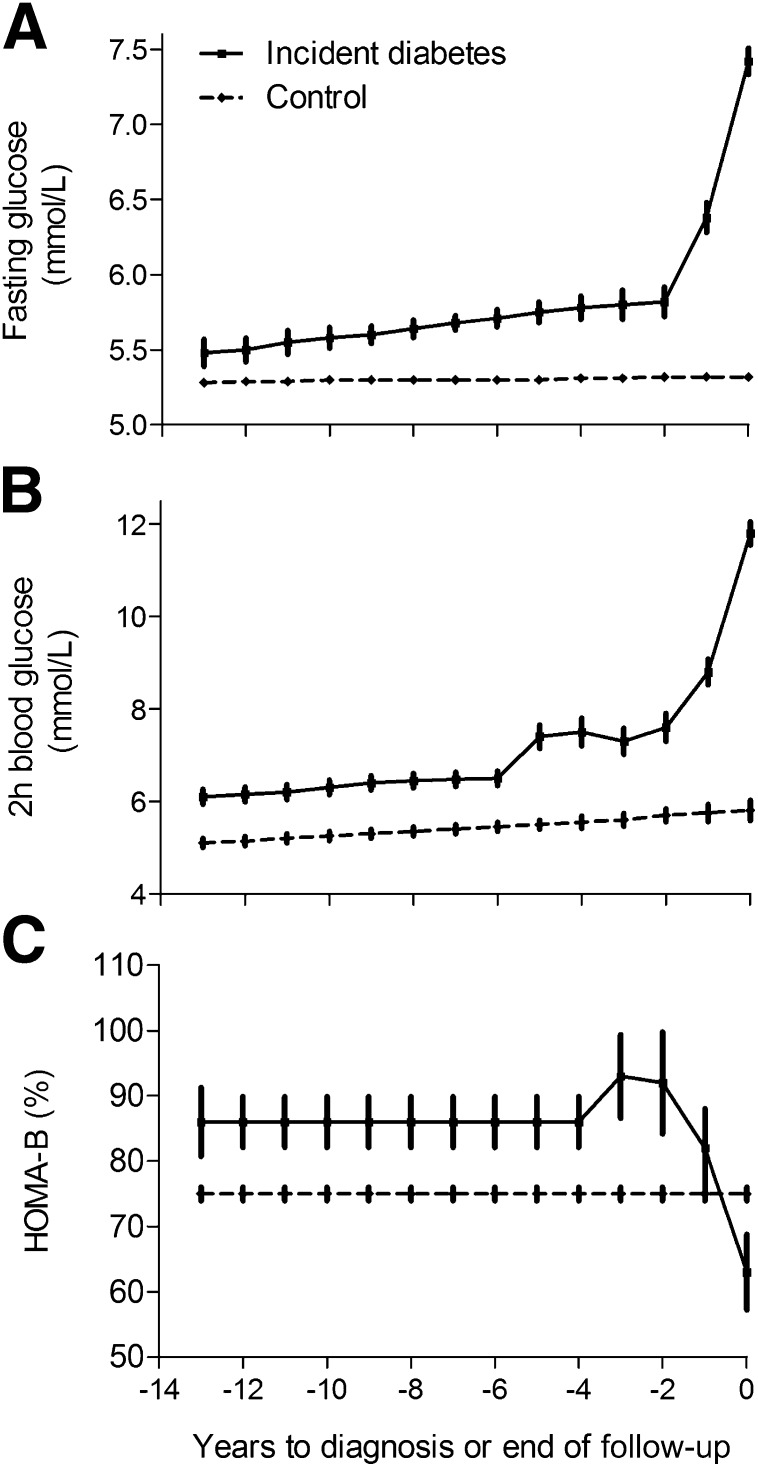
“This observation mirrors those in populations with a high incidence of type 2 diabetes in which transition from hyperinsulinemic normal glucose tolerance to overt diabetes involves a large, rapid rise in glucose levels as a result of a relatively small further loss of acute b-cell competence (3).”
Pancreatic Steatosis and Its Relationship to β-Cell Dysfunction in Humans
Szczepaniak, L. S., Victor, R. G., Mathur, R., Nelson, M. D., Szczepaniak, E. W., Tyer, N. M., Chen, Y. I., Unger, R. H., Bergman, R. N., & Lingvay, I. (2012) · Diabetes Care · doi:10.2337/dc12-0701 · Cited by 142
Juurinen, L., Tiikkainen, M., Häkkinen, A.-M., Hakkarainen, A., & Yki-Järvinen, H. (2007) · American Journal of Physiology-Endocrinology and Metabolism · doi:10.1152/ajpendo.00133.2006 · Cited by 141 · cited 1×
“Initiation of subcutaneous insulin therapy in type 2 diabetes brings about a decrease in portal insulin delivery by suppression of pancreatic insulin secretion and, hence, a decrease in liver fat (41).”
Nobili, V., Marcellini, M., Marchesini, G., Vanni, E., Manco, M., Villani, A., & Bugianesi, E. (2007) · Diabetes Care · doi:10.2337/dc07-0281 · Cited by 139
Giannini, C., Weiss, R., Cali, A. M. G., Bonadonna, R. C., Santoro, N., Pierpont, B. M., Shaw, M. M., & Caprio, S. (2012) · Diabetes · doi:10.2337/db11-1111 · Cited by 137
Lalloyer, F., Vandewalle, B., Percevault, F., Torpier, G., Kerr-Conte, J. A., Oosterveer, M. H., Paumelle, R., Fruchart, J., Kuipers, F., Pattou, F. N., et al. (2006) · Diabetes · doi:10.2337/db06-0016 · Cited by 131
Sattar, N., McConnachie, A., Ford, I., Gaw, A., Cleland, S. J., Forouhi, N. G., McFarlane, P., Shepherd, J., Cobbe, S., & Packard, C. (2007) · Diabetes · doi:10.2337/db06-1256 · Cited by 127
Cali, A. M. G., Man, C. D., Cobelli, C., Dziura, J., Seyal, A., Shaw, M., Allen, K., Chen, S., & Caprio, S. (2009) · Diabetes Care · doi:10.2337/dc08-1274 · Cited by 125
Pancreatic steatosis: harbinger of type 2 diabetes in obese rodents
Lee, Y., Lingvay, I., Szczepaniak, L. S., Ravazzola, M., Orci, L., & Unger, R. H. (2009) · International Journal of Obesity · doi:10.1038/ijo.2009.245 · Cited by 121 · cited 1×
“Fat content in the islets was not directly measured, although it is known that islets take up fat avidly (24) and that islet fat content closely reflects total pancreatic fat content in animal models (25).”
Delahanty, L. M., Pan, Q., Jablonski, K. A., Watson, K. E., McCaffery, J. M., Shuldiner, A., Kahn, S. E., Knowler, W. C., Florez, J. C., Franks, P. W., et al. (2012) · Diabetes Care · doi:10.2337/dc11-1328 · Cited by 116
Petersen, K. F., Dufour, S., Morino, K., Yoo, P. S., Cline, G. W., & Shulman, G. I. (2012) · Proceedings of the National Academy of Sciences · doi:10.1073/pnas.1205675109 · Cited by 114 · cited 2×
“Insulin resistance in muscle is the earliest detectable abnormality of type 2 diabetes (2).”
Ohneda, M., Inman, L. R., & Unger, R. H. (1995) · Diabetologia · doi:10.1007/bf00400091 · Cited by 110 · cited 1×
“It is particularly noteworthy that the onset of diabetes in this genetic model is completely preventable by restriction of food intake (65), illustrating the interaction between genetic susceptibility and environmental factors.”
Noushmehr, H., D’Amico, E., Farilla, L., Hui, H., Wawrowsky, K., Mlynarski, W. M., Doria, A., Abumrad, N. A., & Perfetti, R. (2005) · Diabetes · doi:10.2337/diabetes.54.2.472 · Cited by 102
Rudenski, A. S., Hadden, D. R., Atkinson, A. B., Kennedy, L., Matthews, D. R., Merrett, J. D., Pockaj, B. A., & Turner, R. C. (1988) · Diabetic Medicine · doi:10.1111/j.1464-5491.1988.tb00938.x · Cited by 101 · cited 1×
“The accepted view has been that the b-cell dysfunction of established diabetes progresses inexorably (79,82,83), whereas insulin resistance can be modified at least to some extent.”
Carey, P. E., Halliday, J., Snaar, J. E. M., Morris, P. G., & Taylor, R. (2003) · American Journal of Physiology-Endocrinology and Metabolism · doi:10.1152/ajpendo.00471.2002 · Cited by 94 · cited 1×
“(50) compared with the marked impairment in skeletal muscle (51).”
Self-citationDiakogiannaki, E., Dhayal, S., Childs, C. E., Calder, P. C., Welters, H. J., & Morgan, N. G. (2007) · Journal of Endocrinology · doi:10.1677/joe-07-0082 · Cited by 89 · cited 1×
“b-Cells avidly import fatty acids through the CD36 transporter (24,61) and respond to increased fatty acid supply by storing the excess as triacylglycerol (62).”
Perseghin, G., Lattuada, G., COBELLI, F. D., Esposito, A., Costantino, F., Canu, T., Scifo, P., Taddeo, F. D., Maffi, P., Secchi, A., et al. (2005) · Diabetologia · doi:10.1007/s00125-005-0014-5 · Cited by 82 · cited 1×
“Conversely, in type 1 diabetes the relatively low insulin concentration in the portal vein (as a consequence of insulin injection into subcutaneous tissue) is associated with subnormal liver fat content (40).”
Balasubramanian, R., Gerrard, J., Man, C. D., Firbank, M., Lane, A. P., English, P. T., Cobelli, C., & Taylor, R. (2008) · Diabetes · doi:10.2337/db07-1828 · Cited by 82
Self-citationPascoe, J. L., Hollern, D. A., Stamateris, R. E., Abbasi, M., Romano, L. C., Zou, B., O'Donnell, C. P., García-Ocaña, A., & Alonso, L. C. (2012) · Diabetes · doi:10.2337/db11-0991 · Cited by 78
Population response to information on reversibility of Type 2 diabetes
Steven, S., Lim, E. L., & Taylor, R. (2013) · Diabetic Medicine · doi:10.1111/dme.12116 · Cited by 75 · cited 1×
“In individuals strongly motivated to regain normal health, substantial weight loss is entirely possible by decreasing food consumption (88).”
Self-citationMaintenance of β-Cell Maturity and Plasticity in the Adult Pancreas
Szabat, M., Lynn, F. C., Hoffman, B. G., Kieffer, T. J., Allan, D. W., & Johnson, J. D. (2012) · Diabetes · doi:10.2337/db11-1361 · Cited by 68
Savage, D. B., Zhai, L., Balasubramanian, R., Choi, C. S., Snaar, J. E. M., McGuire, A. C., Wou, S.-E., Medina‐Gómez, G., Kim, S., Bock, C. B., et al. (2008) · PLoS Medicine · doi:10.1371/journal.pmed.0050027 · Cited by 67 · cited 1×
“Humans who have the PPP1R3A genetic variant of muscle glycogen synthase cannot store glycogen in muscle after meals but are not necessarily hyperglycemic (28).”
Self-citationLiu, L., Shi, X., Choi, C. S., Shulman, G. I., Klaus, K., Nair, K. S., Schwartz, G. J., Zhang, Y., Goldberg, I. J., & Yu, Y.-H. (2009) · Diabetes · doi:10.2337/db08-1096 · Cited by 66 · cited 1×
“This relationship is also seen in muscle of mice overexpressing the enzyme DGAT-1, which rapidly esterifies diacylglycerol to metabolically inert triacylglycerol (54).”
Effects of exercise on VLDL-triglyceride oxidation and turnover
Sondergaard, E., Rahbek, I., Sørensen, L. P., Christiansen, J. S., Gormsen, L. C., Jensen, M. D., & Nielsen, S. (2011) · American Journal of Physiology-Endocrinology and Metabolism · doi:10.1152/ajpendo.00031.2011 · Cited by 61
β-Cell Function in Severely Obese Type 2 Diabetic Patients
Camastra, S., Manco, M., Mari, A., Greco, A. V., Frascerra, S., Mingrone, G., & Ferrannini, E. (2007) · Diabetes Care · doi:10.2337/dc06-1845 · Cited by 51
Roma, L. P., Pascal, S. M., Duprez, J., & Jonas, J. (2012) · Diabetologia · doi:10.1007/s00125-012-2581-6 · Cited by 37
Postprandial Insulin Secretion After Gastric Bypass Surgery
Holst, J. J. (2011) · Diabetes · doi:10.2337/db11-0798 · Cited by 35
Zhou, Y. P., Priestman, D. A., Randle, P. J., & Grill, V. (1996) · American Journal of Physiology-Endocrinology and Metabolism · doi:10.1152/ajpendo.1996.270.6.e988 · Cited by 33 · cited 1×
“Increased fatty acid availability inhibits both pyruvate cycling, which is normally increased during an acute increase in glucose availability, and pyruvate dehydrogenase activity, the major rate-limiting enzyme of glucose oxidation (63).”
Dietary management of maturity-onset diabetes.
Wilson, E. A., Hadden, D. R., Merrett, J. D., Montgomery, D. A. D., & Weaver, J. A. (1980) · BMJ · doi:10.1136/bmj.280.6228.1367 · Cited by 32
Reaven, G. M., Doberne, L., & Greenfield, M. S. (1982) · Diabetes · doi:10.2337/diab.31.5.382 · Cited by 32
Lim, E. L., Hollingsworth, K. G., Smith, F. E., Thelwall, P. E., & Taylor, R. (2011) · Clinical Science · doi:10.1042/cs20100611 · Cited by 28 · cited 1×
“Observed rates of mitochondrial ATP production can be modified by increasing or decreasing plasma fatty acid concentration (32,33).”
Self-citationLim, E. L., Hollingsworth, K. G., Thelwall, P. E., & Taylor, R. (2010) · NMR in Biomedicine · doi:10.1002/nbm.1519 · Cited by 24 · cited 1×
“Additionally, the onset of insulin stimulation of mitochondrial ATP synthesis is slow, gradually increasing over 2 h, and quite distinct from the acute onset of insulin’s metabolic effects (34).”
Self-citationInfluence of the World War II Food Shortage on the Incidence of Diabetes Mellitus in Japan
Gotō, Y., Nakayama, Y., & Yagi, T. (1958) · Diabetes · doi:10.2337/diab.7.2.133 · Cited by 24 · cited 1×
“It must be noted that involuntary food shortage, such as a result of war, results in a sharp fall in type 2 diabetes prevalence (90,91).”
Gibney, E. R., Murgatroyd, P. R., Wright, A., Jebb, S. A., & Elia, M. (2003) · International Journal of Obesity · doi:10.1038/sj.ijo.0802302 · Cited by 17 · cited 1×
“4 MJ/day (3,200 kcal/day) for weight maintenance (18).”
Kulenović, I. (1996) · European Journal of Public Health · doi:10.1093/eurpub/6.4.252 · Cited by 13
Dietary reversal of Type 2 diabetes motivated by research knowledge
Steven, S., Lim, E. L., & Taylor, R. (2010) · Diabetic Medicine · doi:10.1111/j.1464-5491.2010.02992.x · Cited by 9
Self-citationUKPDS 26: sulphonylurea failure in non-insulin-dependent diabetic patients over six years
UK Prospective Diabetes Study (UKPDS) Group, Matthews, D. R., Cull, C. A., Stratton, I. M., Holman, R. R., & Turner, R. C. (1998) · Diabetic Medicine · doi:10.1002/(sici)1096-9136(199804)15:4
Cited by
Xue, A., Wu, Y., Zhu, Z., Zhang, F., Kemper, K. E., Zheng, Z., Yengo, L., Lloyd-Jones, L. R., Sidorenko, J., Wu, Y., et al. (2018) · Nature Communications · doi:10.1038/s41467-018-04951-w · Cited by 901
Type 2 diabetes mellitus in adults: pathogenesis, prevention and therapy
Lu, X., Xie, Q., Pan, X., Zhang, R., Zhang, X., Peng, G., Zhang, Y., Shen, S., & Tong, N. (2024) · Signal Transduction and Targeted Therapy · doi:10.1038/s41392-024-01951-9 · Cited by 665
Taylor, R., Al-Mrabeh, A., Zhyzhneuskaya, S., Peters, C., Barnes, A. C., Aribisala, B. S., Hollingsworth, K. G., Mathers, J. C., Sattar, N., & Lean, M. E. J. (2018) · Cell Metabolism · doi:10.1016/j.cmet.2018.07.003 · Cited by 450
Self-citationReed, J., Bain, S., & Kanamarlapudi, V. (2021) · Diabetes, Metabolic Syndrome and Obesity: Targets and Therapy · doi:10.2147/dmso.s319895 · Cited by 441
Liu, X., Tan, Z., Huang, Y., Zhao, H., Liu, M., Yu, P., Ma, J., Zhao, Y., Zhu, W., & Wang, J. (2022) · Cardiovascular Diabetology · doi:10.1186/s12933-022-01546-0 · Cited by 409
Metadata
- Authors
- Taylor, R.
- Affiliations
- Newcastle University (GB)
- Corresponding author
- Taylor, Roy
- ORCID
- Taylor, Roy
- Venue
- Diabetes Care
- Publisher
- American Diabetes Association
- Published
- 2013-03-14
- Volume
- 36
- Issue
- 4
- Pages
- 1047-1055
- ISSN
- 0149-5992 (ISSN-L)
- 1935-5548
- PMC
- PMC3609491
- OpenAlex
- W2051587831
- Cited by
- 485
- References
- 104
- Citations by year
- 2026: 39 · 2025: 63 · 2024: 67 · 2023: 35 · 2022: 35 · 2021: 65 · 2020: 33 · 2019: 28 · 2018: 25 · 2017: 24 · 2016: 26 · 2015: 16 · 2014: 22 · 2013: 4
- FWCI
- 4.01
- Type
- journal article
- Language
- en
- Open access
- hybrid
- doi.org
- Licence
- Locations
- Diabetes Care (publishedVersion, cc-by-nc-nd)
- Europe PMC (PubMed Central) (publishedVersion, cc-by-nc-nd)
- PubMed Central (publishedVersion, cc-by-nc-nd)
- PubMed (publishedVersion)
- Newcastle University ePrints (Newcastle Univesity)
- Topics
- Health Sciences › Medicine › Endocrinology, Diabetes and Metabolism › Pancreatic function and diabetes
- Health Sciences › Medicine › Endocrinology, Diabetes and Metabolism › Diabetes Treatment and Management
- Health Sciences › Medicine › Endocrinology, Diabetes and Metabolism › Diabetes, Cardiovascular Risks, and Lipoproteins
- Keywords
- type 2 diabetes, diabetes remission, bariatric surgery, hypocaloric diet, hepatic insulin sensitivity, liver fat, pancreatic fat content, insulin secretion, disease progression, insulin resistance
- MeSH terms
- Diabetes Mellitus, Type 2, Humans, Insulin Resistance, Bariatric Surgery
About these checks
Registry, retraction, Cites and statistics results are computed, not judged, with one exception: a printed reference that no index lists is read once by a model before it counts as a citation error. Claims are extracted by a model and kept only when their quote appears verbatim in the text; each cited source is then checked, with a model’s help, for whether it says what the claim relies on. Those verdicts can be wrong — read the claim’s quote and the cited source before relying on one.
Statistics and arithmetic are recomputed, not judged.
Confidence bands are shown only for fields calibrated on our annotated test set. None is calibrated yet, so no band is shown.
What counts as a claim ›How we measure confidence ›How we check this ›
Are you an author, or do you see a problem with this page? Request a review
Data sources
Bibliographic data: Semantic Scholar, OpenAlex, Crossref.
Contains information from the Semantic Scholar Academic Graph Datasets, made available under the ODC Attribution License (ODC-BY 1.0).
Semantic Scholar’s data is described in: Kinney, R., et al. (2023). The Semantic Scholar Open Data Platform. arXiv:2301.10140.
