

The Colletotrichum boninense species complex
Open accessThe DOI matches its Crossref record; 82 of the 84 references it cites were found in a registry or an index, and 1 are not checked yet.
Abstract
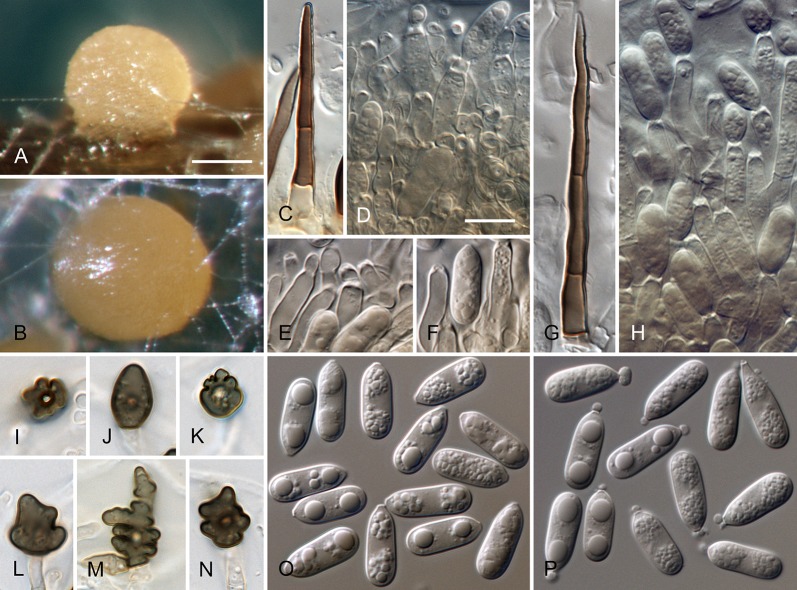
Although only recently described, Colletotrichum boninense is well established in literature as an anthracnose pathogen or endophyte of a diverse range of host plants worldwide. It is especially prominent on members of Amaryllidaceae, Orchidaceae, Proteaceae and Solanaceae. Reports from literature and preliminary studies using ITS sequence data indicated that C. boninense represents a species complex. A multilocus molecular phylogenetic analysis (ITS, ACT, TUB2, CHS-1, GAPDH, HIS3, CAL) of 86 strains previously identified as C. boninense and other related strains revealed 18 clades. These clades are recognised here as separate species, including C. boninense s. str., C. hippeastri, C. karstii and 12 previously undescribed species, C. annellatum, C. beeveri, C. brassicicola, C. brasiliense, C. colombiense, C. constrictum, C. cymbidiicola, C. dacrycarpi, C. novae-zelandiae, C. oncidii, C. parsonsiae and C. torulosum. Seven of the new species are only known from New Zealand, perhaps reflecting a sampling bias. The new combination C. phyllanthi was made, and C. dracaenae Petch was epitypified and the name replaced with C. petchii. Typical for species of the C. boninense species complex are the conidiogenous cells with rather prominent periclinal thickening that also sometimes extend to form a new conidiogenous locus or annellations as well as conidia that have a prominent basal scar. Many species in the C. boninense complex form teleomorphs in culture. TAXONOMIC NOVELTIES: New combination - Colletotrichum phyllanthi (H. Surendranath Pai) Damm, P.F. Cannon & Crous. Name replacement - C. petchii Damm, P.F. Cannon & Crous. New species - C. annellatum Damm, P.F. Cannon & Crous, C. beeveri Damm, P.F. Cannon, Crous, P.R. Johnst. & B. Weir, C. brassicicola Damm, P.F. Cannon & Crous, C. brasiliense Damm, P.F. Cannon, Crous & Massola, C. colombiense Damm, P.F. Cannon, Crous, C. constrictum Damm, P.F. Cannon, Crous, P.R. Johnst. & B. Weir, C. cymbidiicola Damm, P.F. Cannon, Crous, P.R. Johnst. & B. Weir, C. dacrycarpi Damm, P.F. Cannon, Crous, P.R. Johnst. & B. Weir, C. novae-zelandiae Damm, P.F. Cannon, Crous, P.R. Johnst. & B. Weir, C. oncidii Damm, P.F. Cannon & Crous, C. parsonsiae Damm, P.F. Cannon, Crous, P.R. Johnst. & B. Weir, C. torulosum Damm, P.F. Cannon, Crous, P.R. Johnst. & B. Weir. Typifications: Epitypifications - C. dracaenae Petch.
Overview
The claims and statistics of this paper haven’t been checked yet.
Free: it reads the open-access text and checks the first 5 claims that cite a source we can check. Create a free account to check every claim.
Integrity signals
Registry
Cites
Statistics
Figures
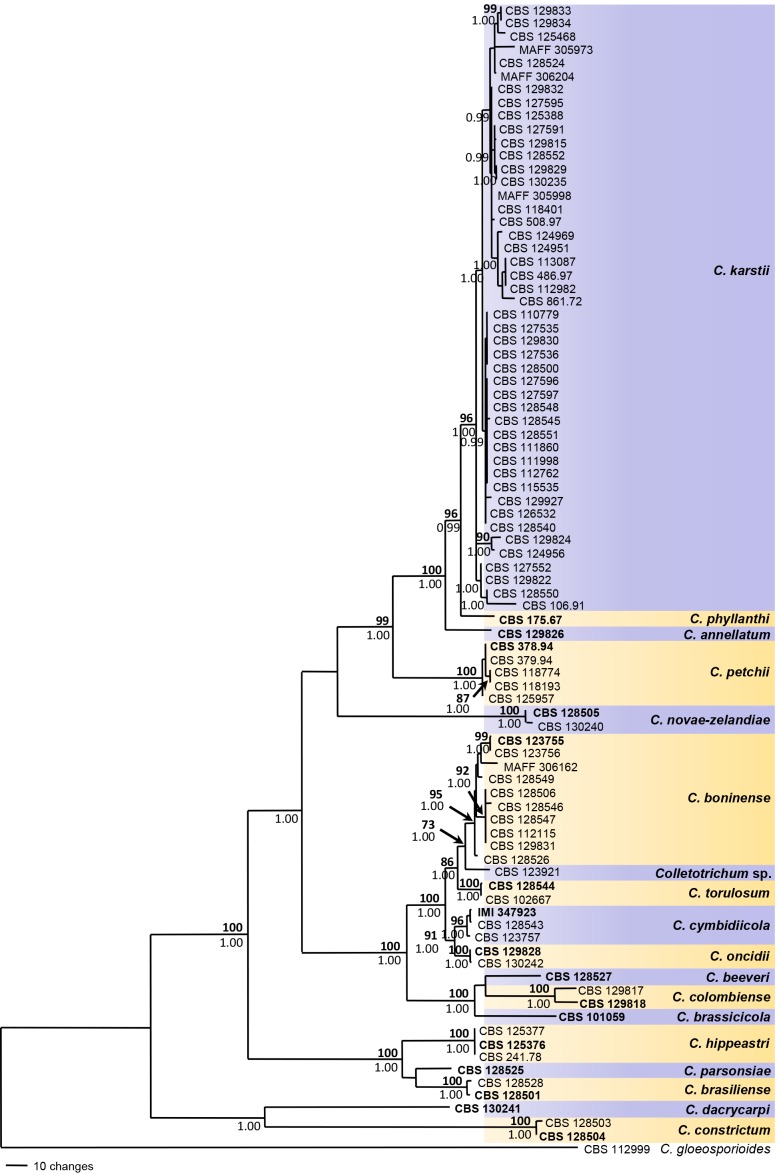
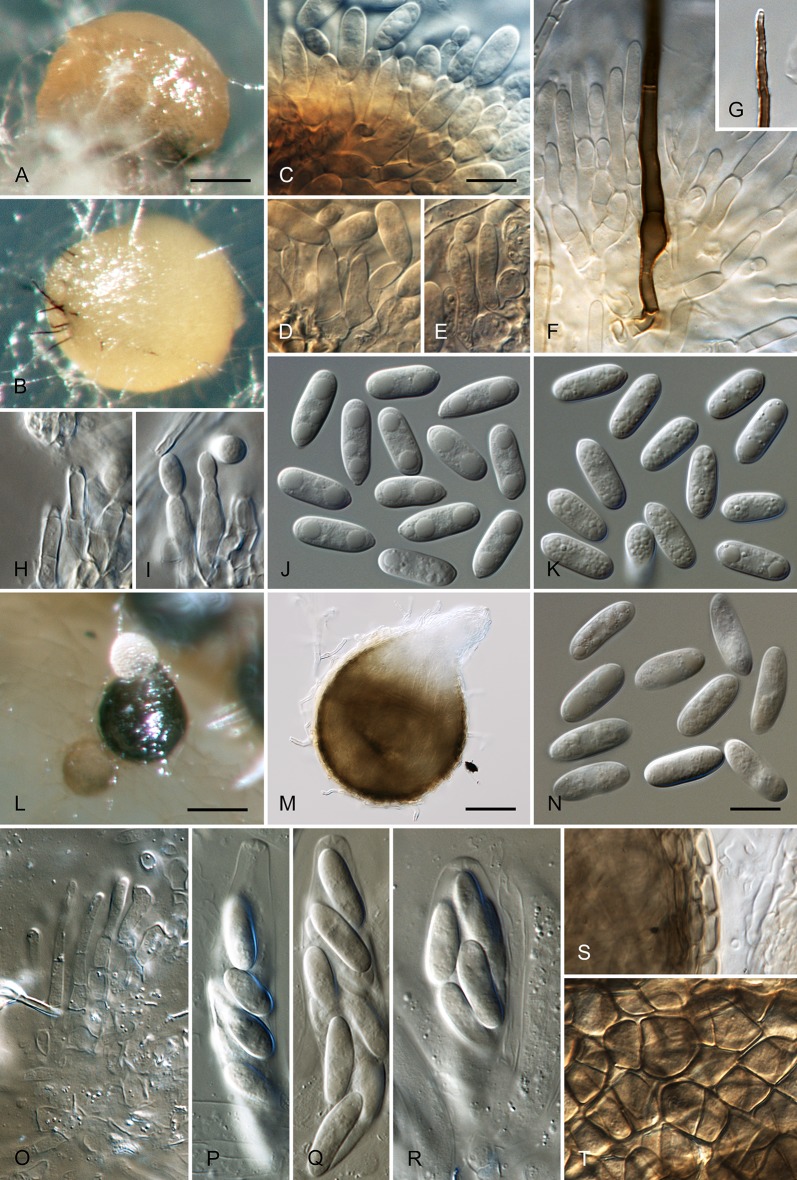
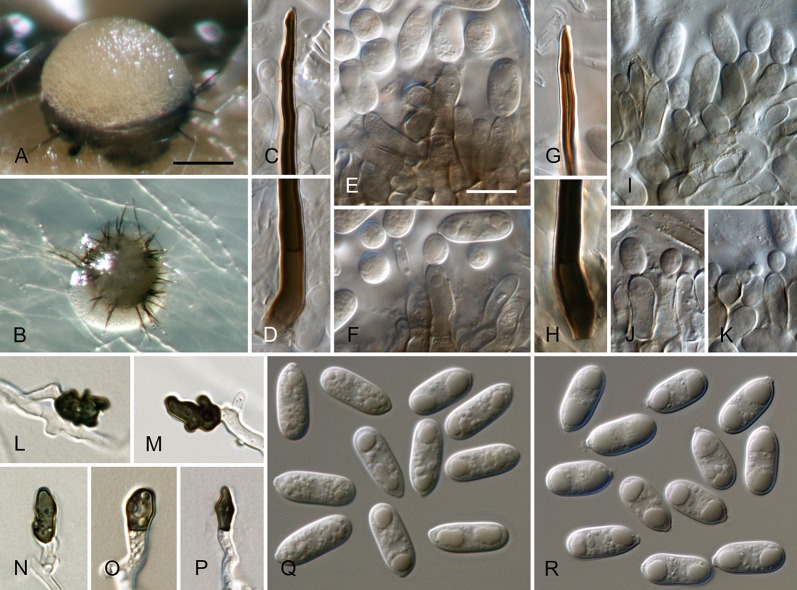
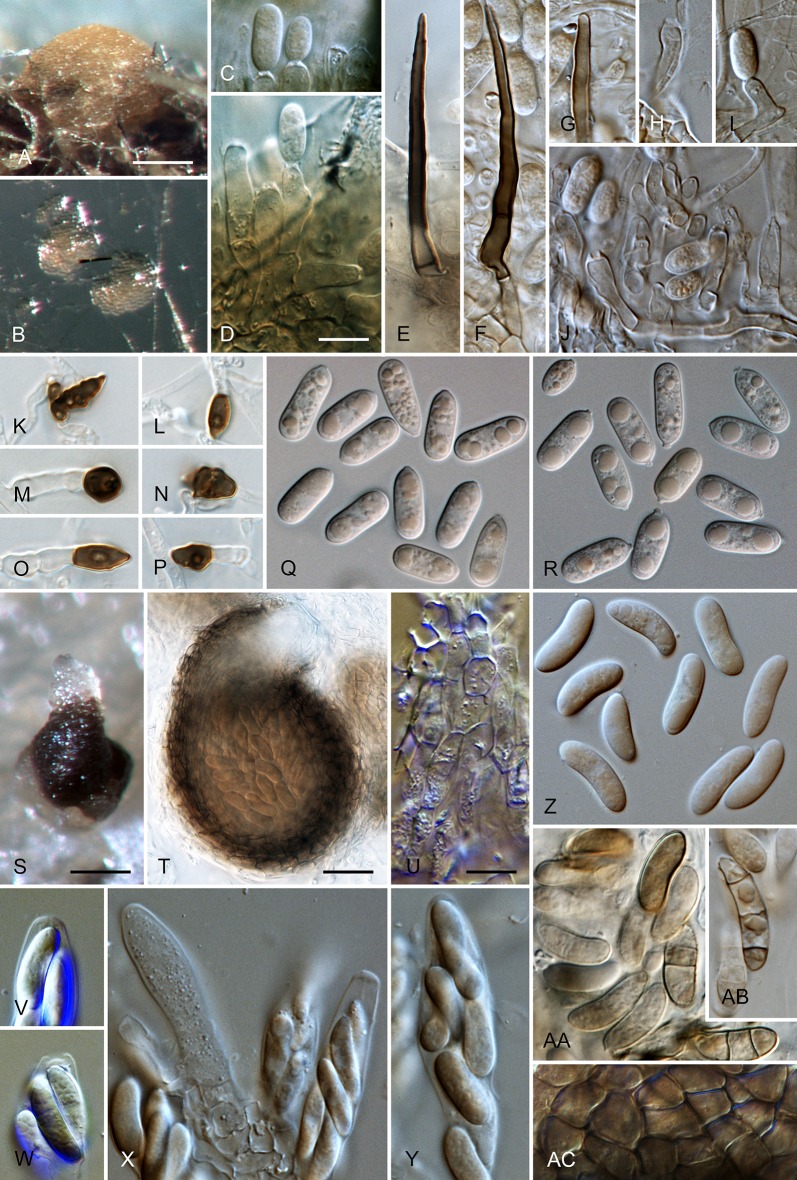
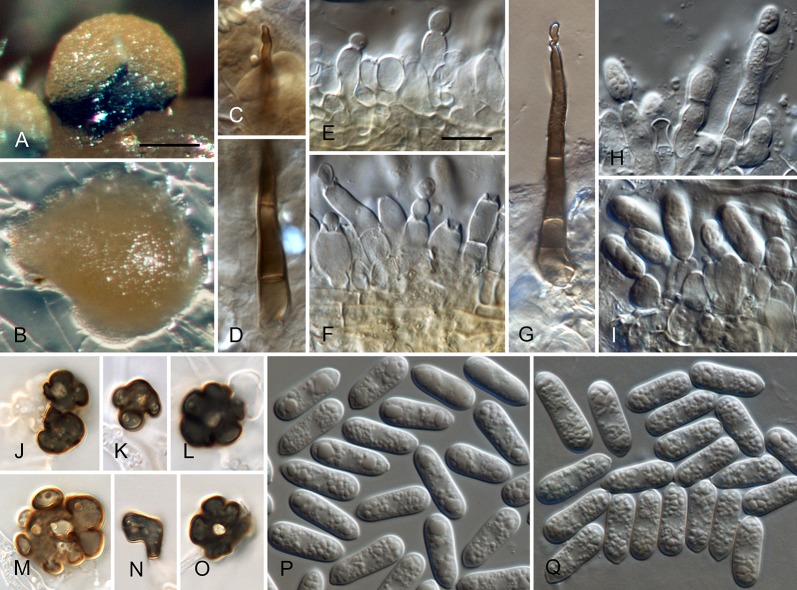
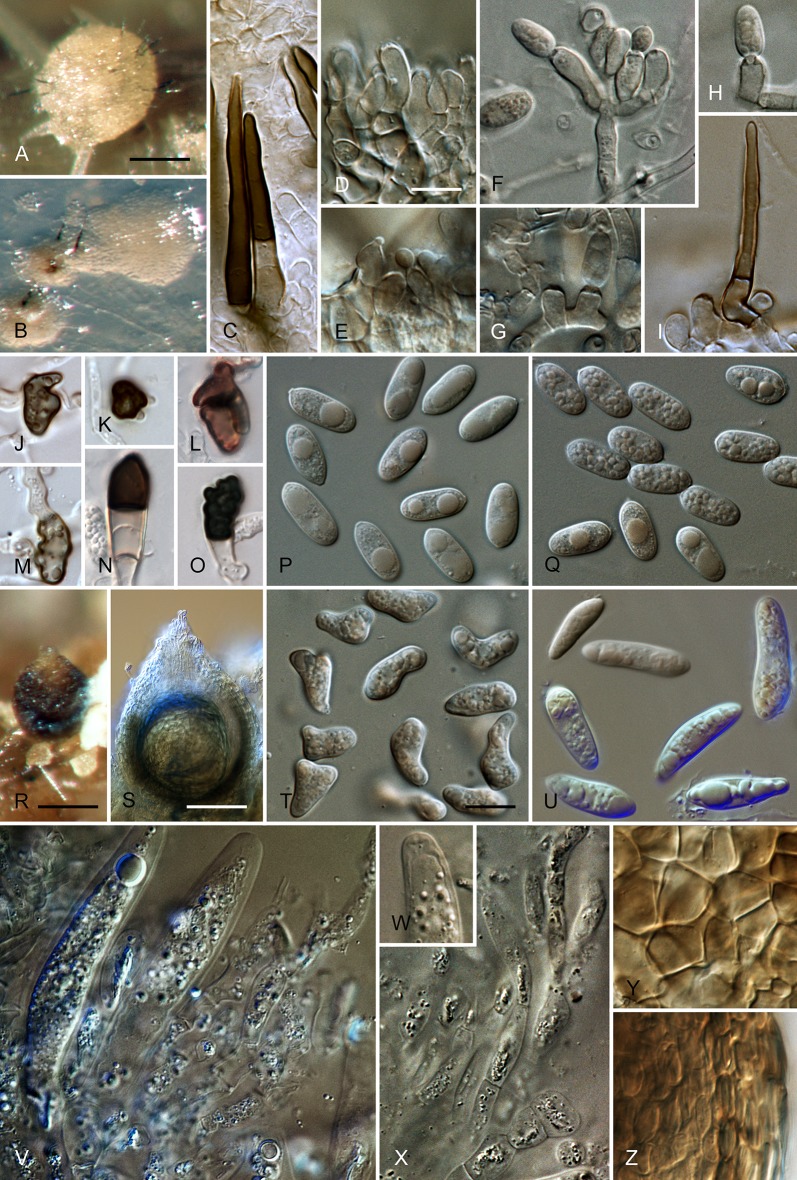
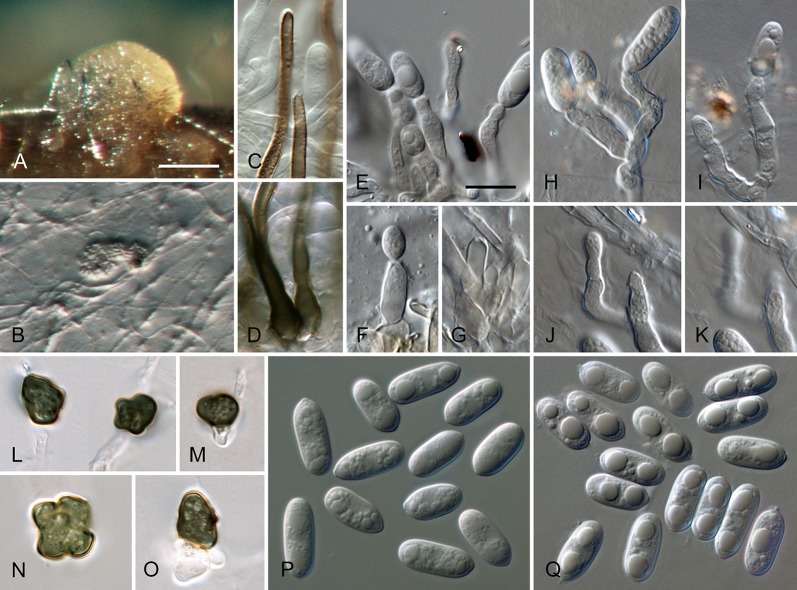
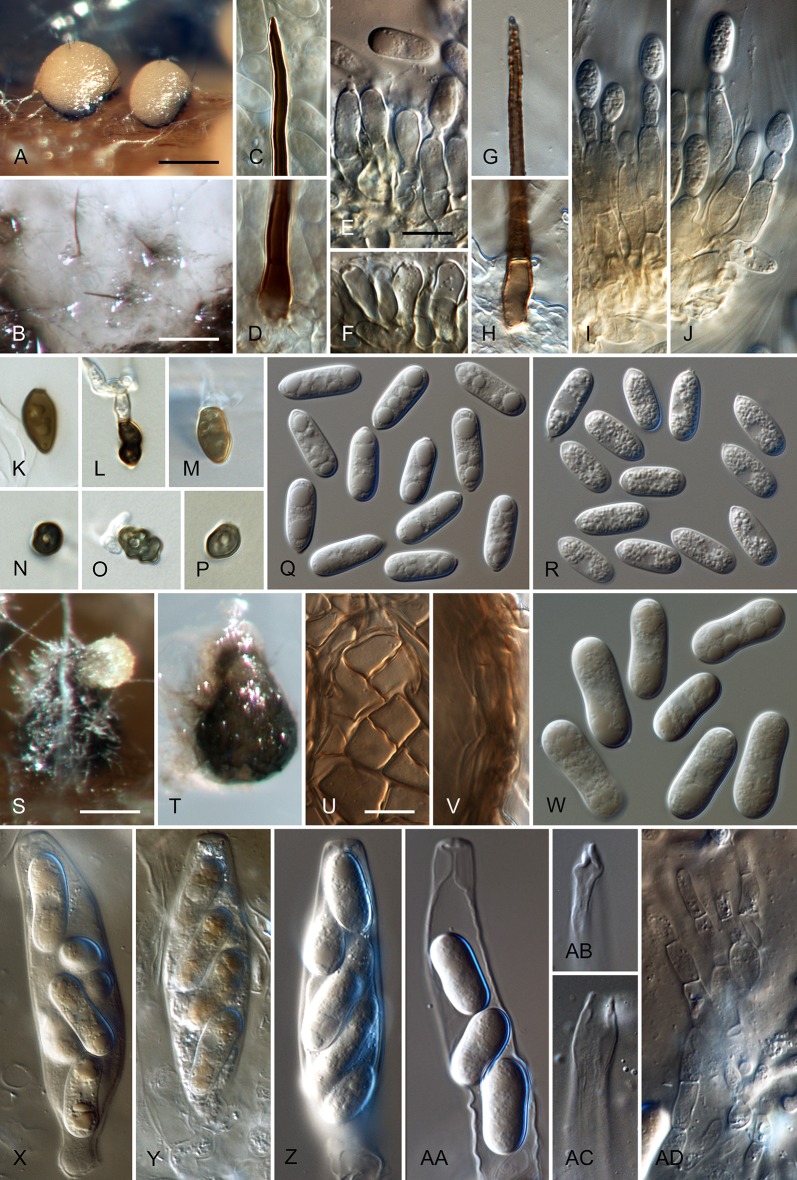
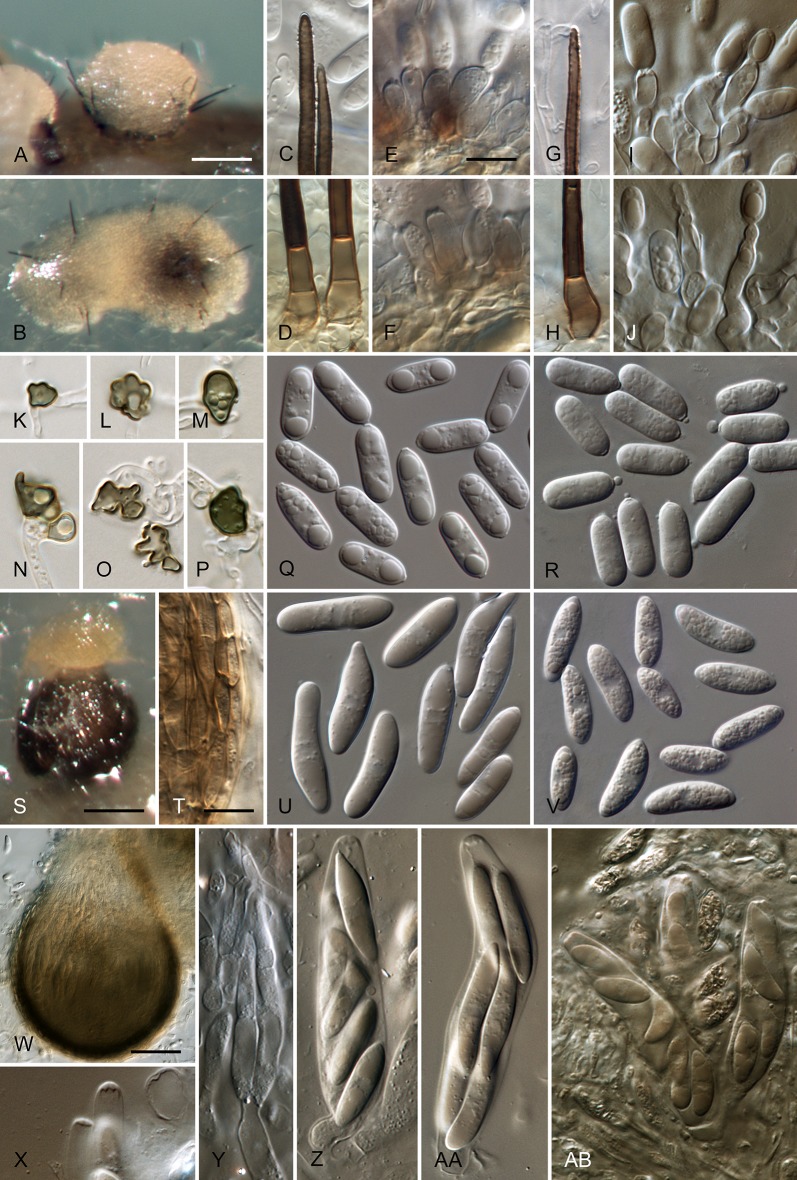
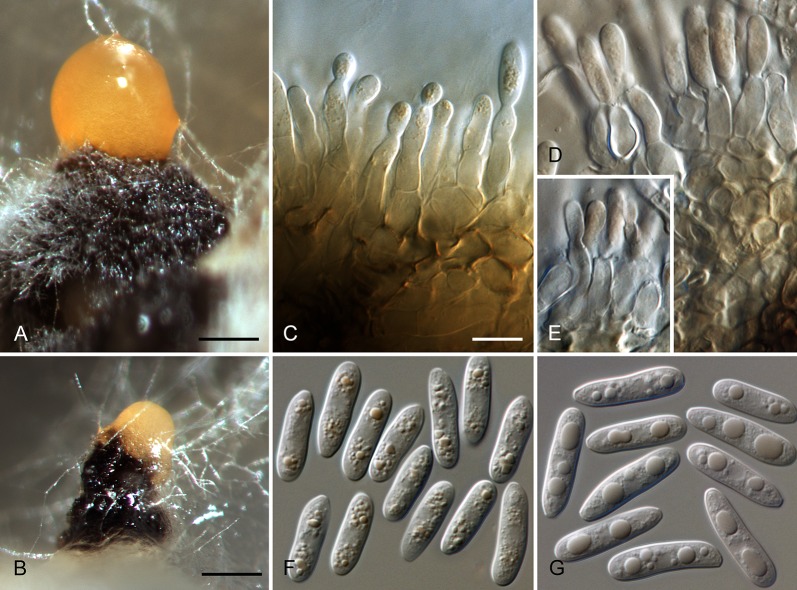
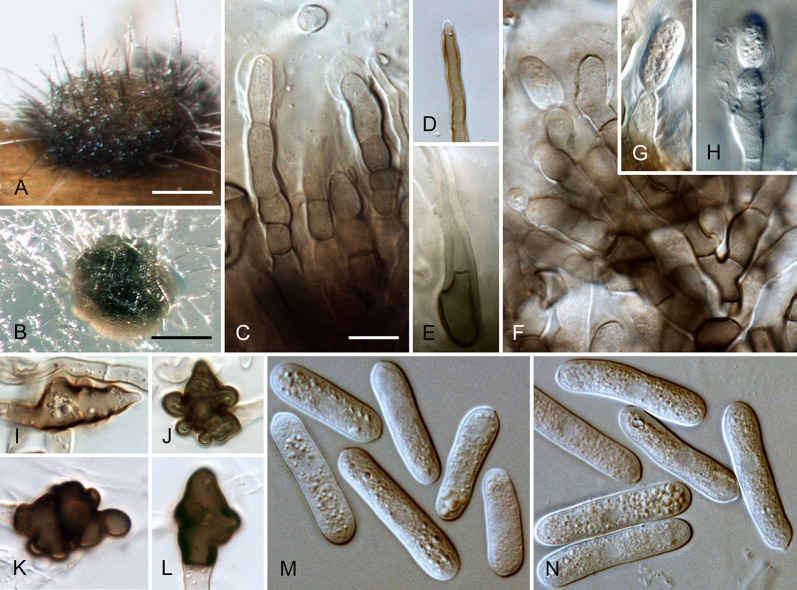
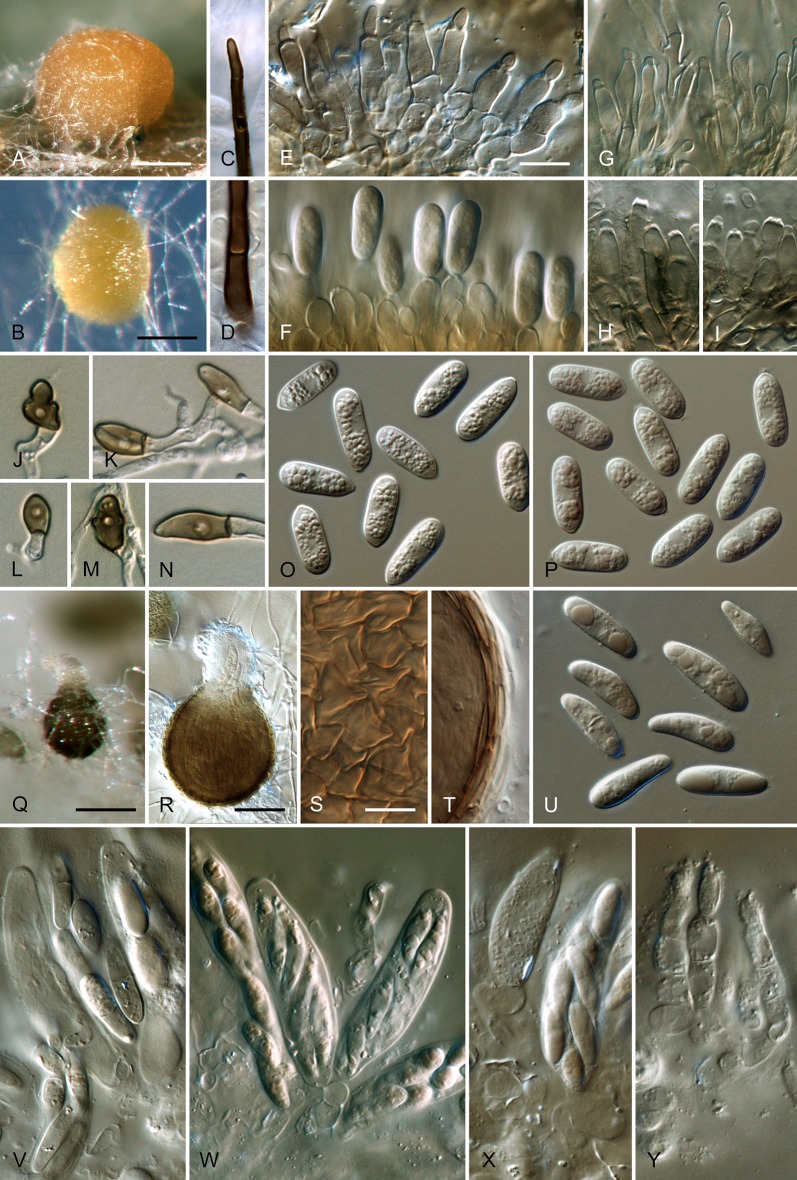
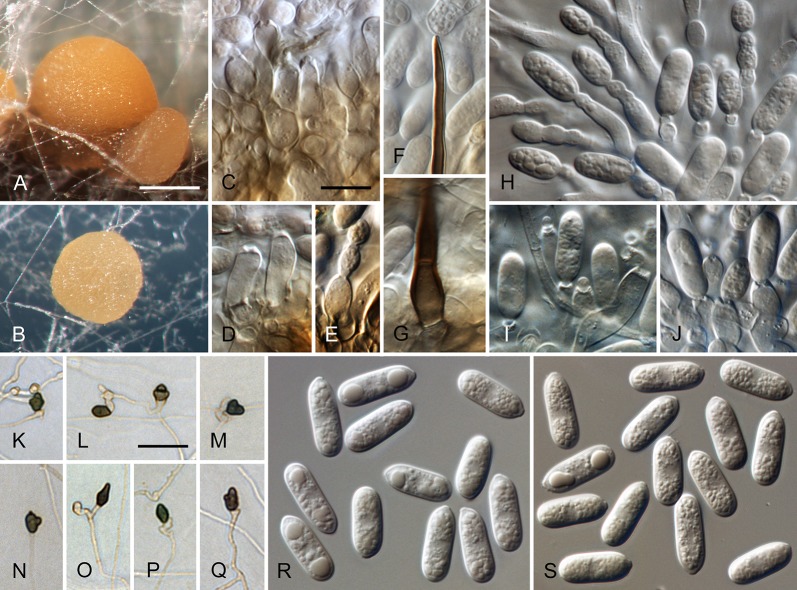
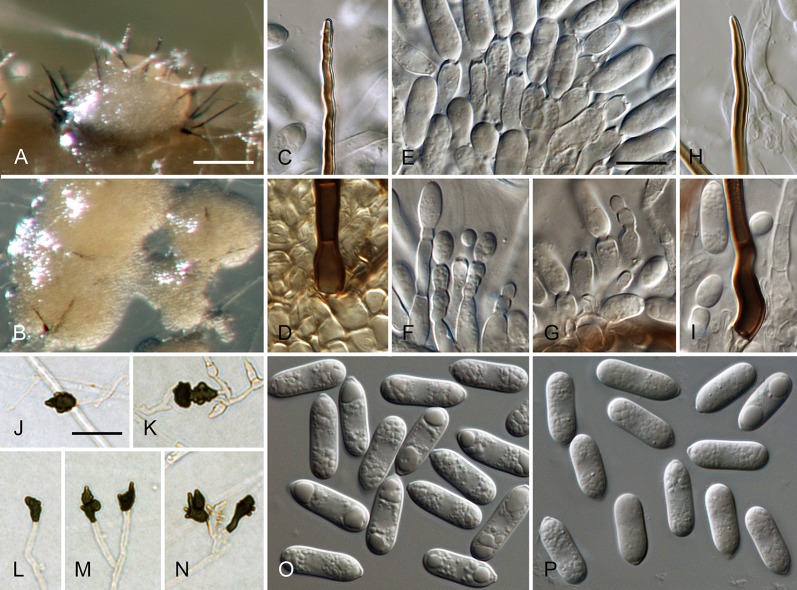
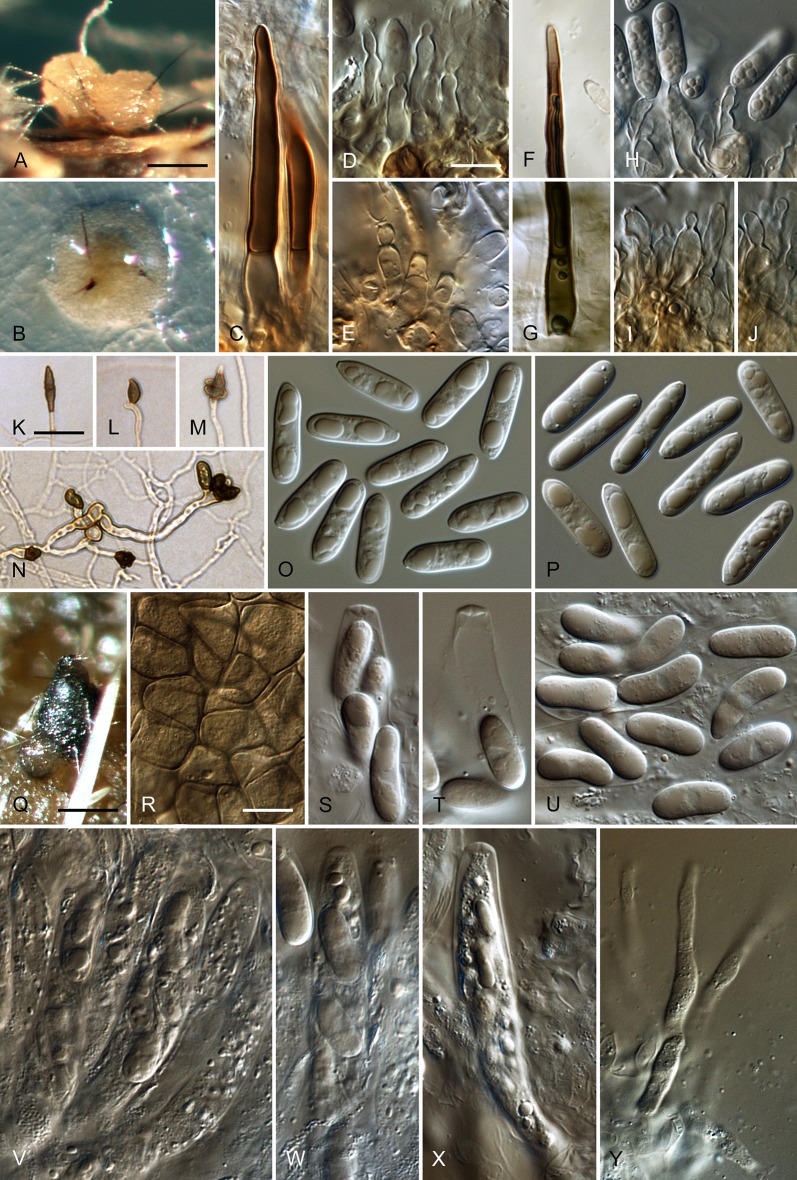
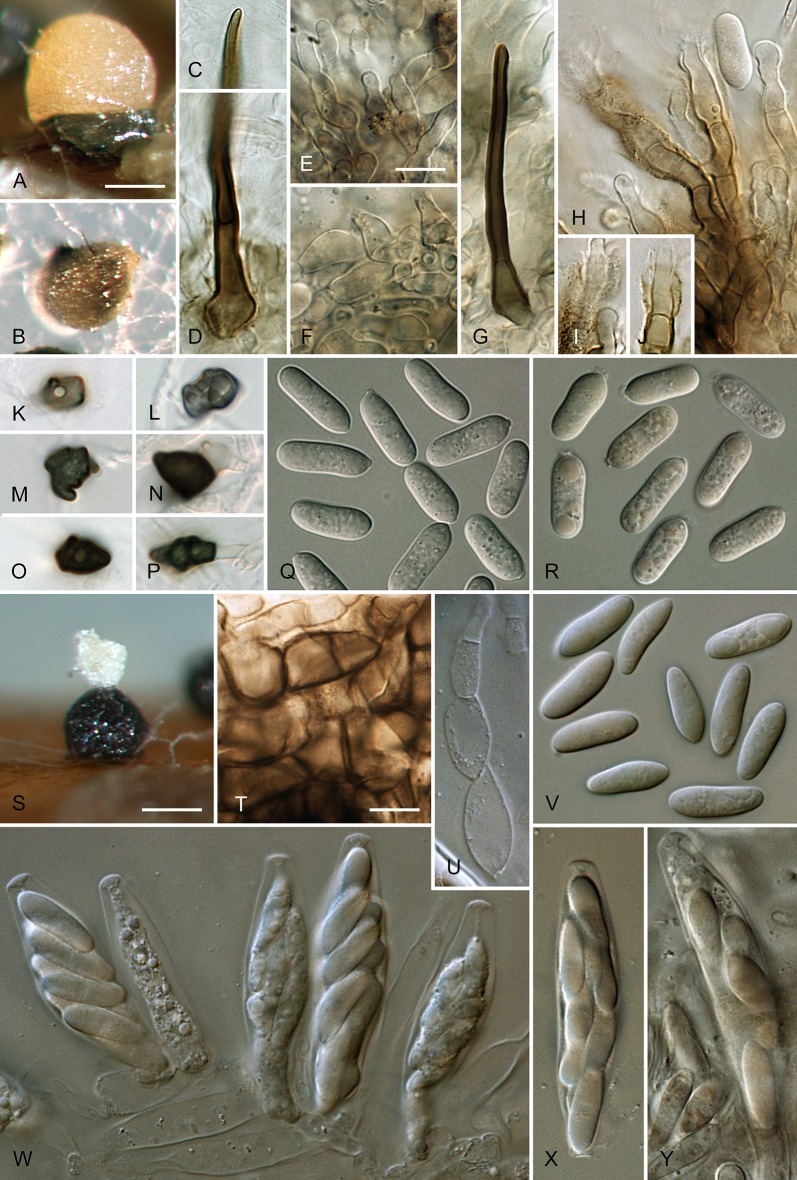
Verification
Claims the paper makes
The claims and statistics of this paper haven’t been checked yet.
Free: it reads the open-access text and checks the first 5 claims that cite a source we can check. Create a free account to check every claim.
Claims other papers make about this one
Each is checked against this paper’s own text: does it say what the citing paper says it does?
The cited source says what the claim attributes to it.
In the citing paper
“Colleotrichum karstii was first reported from orchids and was also known from some other hosts such as Carica papaya11, Citrus sp.11, and M. indica11,17. Colletotrichum karstii has been found on mango and avocado fruit17,33, and it has been placed in the C. boninense species complex11.”
From Colletotrichum species associated with mango in southern China (2019) · cites this paper as [11]
The check wasn’t confident either way, so it gives no verdict — never disputed.
In the citing paper
“This taxon is closely related to C. parsoniae and can be differentiated by its appresorial and ascospore shapes (Damm et al. 2012).”
From Colletotrichum: lifestyles, biology, morpho-species, species complexes and accepted species (2021) · cites this paper as Damm et al. 2012
Experimental — accuracy not yet measured
Self-check
Percentages, sums and reported differences re-computed from the paper’s own numbers.
The self-check needs the paper’s full text.
Citations
Cites
Amplification and direct sequencing of fungal ribosomal RNA genes for phylogenetics
White, T. J., Bruns, T., Lee, S., & Taylor, J. (1990) · PCR Protocols · doi:10.1016/b978-0-12-372180-8.50042-1 · Cited by 36,648 · cited 3×
“8S nuclear ribosomal gene with the two flanking internal transcribed spacers (ITS), a 200-bp intron of the glyceraldehyde-3-phosphate dehydrogenase (GAPDH), and partial sequences of the actin (ACT), chitin synthase 1 (CHS-1), betatubulin (TUB2), histone3 (HIS3) and calmodulin (CAL) genes were amplified and sequenced u…”
MethodMrBayes 3: Bayesian phylogenetic inference under mixed models
Ronquist, F., & Huelsenbeck, J. P. (2003) · Bioinformatics · doi:10.1093/bioinformatics/btg180 · Cited by 29,077
PCR protocols — A guide to methods and applications
U.G. (1990) · Trends in Biochemical Sciences · doi:10.1016/0968-0004(90)90252-7 · Cited by 11,702
GARDES, M., & BRUNS, T. D. (1993) · Molecular Ecology · doi:10.1111/j.1365-294x.1993.tb00005.x · Cited by 10,480
Glass, N. L., & Donaldson, G. C. (1995) · Applied and Environmental Microbiology · doi:10.1128/aem.61.4.1323-1330.1995 · Cited by 4,755
A method for designing primer sets for speciation studies in filamentous ascomycetes
Carbone, I., & Kohn, L. M. (1999) · Mycologia · doi:10.1080/00275514.1999.12061051 · Cited by 4,217
An Empirical Test of Bootstrapping as a Method for Assessing Confidence in Phylogenetic Analysis
Hillis, D. M., & Bull, J. J. (1993) · Systematic Biology · doi:10.1093/sysbio/42.2.182 · Cited by 3,631
An Empirical Test of Bootstrapping as a Method for Assessing Confidence in Phylogenetic Analysis
Hillis, D. M., & Bull, J. J. (1993) · Systematic Biology · doi:10.2307/2992540 · Cited by 3,423
O'Donnell, K., & Cigelnik, E. (1997) · Molecular Phylogenetics and Evolution · doi:10.1006/mpev.1996.0376 · Cited by 2,397
A Method for Designing Primer Sets for Speciation Studies in Filamentous Ascomycetes
Carbone, I., & Kohn, L. M. (1999) · Mycologia · doi:10.2307/3761358 · Cited by 2,061
Rayner, R. W. (1970) · Medical Entomology and Zoology · Cited by 1,693
The Colletotrichum gloeosporioides species complex
Weir, B. S., Johnston, P. R., & Damm, U. (2012) · Studies in Mycology · doi:10.3114/sim0011 · Cited by 1,646
Self-citationColletotrichum – current status and future directions
Cannon, P. F., Damm, U., Johnston, P. R., & Weir, B. S. (2012) · Studies in Mycology · doi:10.3114/sim0014 · Cited by 1,105 · cited 1×
“Colletotrichum higginsianum (O’Connell et al. 2004) is part of the C. destructivum complex (Cannon et al. 2012, this issue) and has longer conidia that tend to be inaequilateral.”
BackgroundSelf-citationThe Coelomycetes. Fungi imperfecti with pycnidia, acervuli and stromata.
Sutton, B. C. (1980) · Commonwealth Mycological Institute eBooks · Cited by 1,080
The Colletotrichum acutatum species complex
Damm, U., Cannon, P. F., Woudenberg, J. H. C., & Crous, P. W. (2012) · Studies in Mycology · doi:10.3114/sim0010 · Cited by 979 · cited 1×
“Most Colletotrichum isolates derived from Hevea plants have been found to belong to the C. gloeosporioides and C. acutatum species complexes (Jayasinghe et al. 1997, Saha et al. 2002, Gazis & Chaverri 2010, Gazis et al. 2011, Damm et al. 2012, this issue).”
BackgroundSelf-citationMycoBank: an online initiative to launch mycology into the 21st century
Crous, P. W., Gams, W., Stalpers, J. A., Robert, V., & Stegehuis, G. (2004) · Studies in Mycology · Cited by 858
Self-citationSutton, B. (1980) · CABI eBooks · doi:10.1079/9780851984469.0000 · Cited by 611
de Hoog, G. S., & van den Ende, A. H. G. G. (1998) · Mycoses · doi:10.1111/j.1439-0507.1998.tb00321.x · Cited by 574
(1992) · Cited by 479
Nirenberg, H. I. (1976) · Federal Research Centre for Cultivated Plants (Julius Kühn-Institut) · doi:10.5073/20210624-085725 · Cited by 429
Colletotrichum - names in current use
Hyde, K. D., Cai, L., Cannon, P. F., Crouch, J. A., Crous, P. W., Damm, U., Goodwin, P. H., Chen, H., Johnston, P. R., Jones, E. B. G., et al. (2009) · Fungal Diversity · Cited by 420
Self-citation(2009) · KNAW research portal (Royal Academy of Art and Sciences (KNAW)) · Cited by 383
Self-citationDiversity of fungal endophytes in leaves and stems of wild rubber trees (Hevea brasiliensis) in Peru
Gazis, R., & Chaverri, P. (2010) · Fungal Ecology · doi:10.1016/j.funeco.2009.12.001 · Cited by 324
Multiple Didymella teleomorphs are linked to the Phoma clematidina morphotype
Woudenberg, J. H. C., Aveskamp, M. M., de Gruyter, J., Spiers, A. G., & Crous, P. W. (2009) · Persoonia - Molecular Phylogeny and Evolution of Fungi · doi:10.3767/003158509x427808 · Cited by 324
Self-citationCalonectria species and their Cylindrocladium anamorphs : species with sphaeropedunculate vesicles
Crous, P. W., Groenewald, J. Z., Risède, J., Simoneau, P., & Hywel‐Jones, N. L. (2004) · KNAW research portal (Royal Academy of Art and Sciences (KNAW)) · Cited by 323
Self-citationRojas, E. I., Rehner, S. A., Samuels, G. J., Van Bael, S. A., Herre, E. A., Cannon, P., Chen, R., Pang, J., Wang, R., Zhang, Y., et al. (2010) · Mycologia · doi:10.3852/09-244 · Cited by 291
Self-citationMethods of Genome Analysis in Plants
Jauhar, P. P. (1996) · Cited by 283
Guerber, J. C., Liu, B., Correll, J. C., & Johnston, P. R. (2003) · Mycologia · doi:10.1080/15572536.2004.11833047 · Cited by 265 · cited 4×
“The 5.8S nuclear ribosomal gene with the two flanking internal transcribed spacers (ITS), a 200-bp intron of the glyceraldehyde-3-phosphate dehydrogenase (GAPDH), and partial sequences of the actin (ACT), chitin synthase 1 (CHS-1), betatubulin (TUB2), histone3 (HIS3) and calmodulin (CAL) genes were amplified and seque…”
BackgroundInfluentialSelf-citationFungal endophyte diversity in coffee plants from Colombia, Hawai'i, Mexico and Puerto Rico
Vega, F. E., Simpkins, A., Aime, M. C., Posada, F., Peterson, S. W., Rehner, S. A., Infante, F., Castillo, A., & Arnold, A. E. (2010) · Fungal Ecology · doi:10.1016/j.funeco.2009.07.002 · Cited by 233
Calonectria species and their Cylindrocladium anamorphs: species with clavate vesicles
Crous, P. W., Groenewald, J. Z., Risède, J.-M., Simoneau, P., & Hyde, K. D. (2006) · Studies in Mycology · doi:10.3114/sim.55.1.213 · Cited by 226
Self-citationO'Connell, R., Herbert, C., Sreenivasaprasad, S., Khatib, M., Esquerré-Tugayé, M.-T., & Dumas, B. (2004) · Molecular Plant-Microbe Interactions® · doi:10.1094/mpmi.2004.17.3.272 · Cited by 221
GAZIS, R., REHNER, S., & CHAVERRI, P. (2011) · Molecular Ecology · doi:10.1111/j.1365-294x.2011.05110.x · Cited by 219
Damm, U., Crous, P. W., & Fourie, P. H. (2007) · Mycologia · doi:10.1080/15572536.2007.11832531 · Cited by 215
Self-citation(2005) · Fungal Diversity · Cited by 197
Relationships among Colletotrichum isolates from fruit-rots assessed using rDNA sequences
Johnston, P. R., & Jones, D. (1997) · Mycologia · doi:10.1080/00275514.1997.12026801 · Cited by 194
Self-citationNovel Phaeoacremonium species associated with necrotic wood of Prunus trees
Damm, U., Mostert, L., Crous, P. W., & Fourie, P. H. (2008) · Persoonia - Molecular Phylogeny and Evolution of Fungi · doi:10.3767/003158508x324227 · Cited by 159
Self-citationThe typification of Colletotrichum gloeosporioides
Cannon, P. F., Buddie, A. G., & Bridge, P. D. (2008) · Mycotaxon · doi:10.5962/p.414380 · Cited by 157
Self-citationDie Gattungen der amerosporen Pyrenomyceten
von Arx, J. A., & Müller, E. (1954) · E-Periodica · doi:10.5169/seals-821061 · Cited by 151
Host index of plant diseases in Queensland.
Simmonds, J. (1966) · Cited by 135
Afanador-Kafuri, L., Minz, D., Maymon, M., & Freeman, S. (2003) · Phytopathology® · doi:10.1094/phyto.2003.93.5.579 · Cited by 134
Die Gattungen der amerosporen Pyrenomyceten
Luttrell, E. S., von Arx, J. A., & Müller, E. (1955) · Mycologia · doi:10.2307/3755769 · Cited by 130
A revision of the fungi classified as Gloeosporium
Arx, V. (1970) · Medical Entomology and Zoology · Cited by 119
Colletotrichum Species on Orchidaceae in Southwest China
Youlian, Y., Cai, L., Yu, Z., Liu, Z., & Hyde, K. D. (2011) · Cryptogamie, Mycologie · doi:10.7872/crym.v32.iss3.2011.229 · Cited by 119
Crouch, J. A., Clarke, B. B., White, J. F., & Hillman, B. I. (2009) · Mycologia · doi:10.3852/08-230 · Cited by 113
Lü, G., Cannon, P. F., Reid, A. P., & Simmons, C. M. (2004) · Mycological Research · doi:10.1017/s0953756203008906 · Cited by 112
Self-citationDescriptive catalogue of the Formosan fungi
Sawada, K. (1927) · Cited by 104
Relationships among Colletotrichum Isolates from Fruit-Rots Assessed Using rDNA Sequences
Johnston, P. R., & Jones, D. (1997) · Mycologia · doi:10.2307/3761036 · Cited by 102
Self-citationGrouping of Colletotrichum Species in Japan Based on rDNA Sequences
MORIWAKI, J., TSUKIBOSHI, T., & SATO, T. (2002) · Journal of General Plant Pathology · doi:10.1007/pl00013096 · Cited by 95
Species of Colletotrichum on Agavaceae
Farr, D. F., Aime, M. C., Rossman, A. Y., & Palm, M. E. (2006) · Mycological Research · doi:10.1016/j.mycres.2006.09.001 · Cited by 95 · cited 10×
“2003), some in Farr et al. (2006) and all those in Lubbe et al.”
BackgroundResultInfluentialCharacterization of Colletotrichum species associated with diseases of Proteaceae
Lubbe, C. M., Denman, S., Cannon, P. F., Groenewald, J. Z. (., Lamprecht, S. C., & Crous, P. W. (2004) · Mycologia · doi:10.1080/15572536.2005.11832877 · Cited by 88
Self-citationMorphological and molecular characterization of Colletotrichum boninense sp. nov. from Japan
Moriwaki, J., Sato, T., & Tsukiboshi, T. (2003) · Mycoscience · doi:10.1007/s10267-002-0079-7 · Cited by 85 · cited 8×
“The L/W ratio of conidia of C. boninense s. str. and C. karstii (included in C. boninense by Moriwaki et al. 2003) are variable, ranging from 2.1 to 2.8 depending on isolate (and medium), while conidia of C. gloeosporioides have a L/W ratio of 2.6 to 3.0 (Cannon et al. 2008, Weir et al. 2012).”
BackgroundResultInfluentialMarcelino, J., Giordano, R., Gouli, S., Gouli, V., Parker, B. L., Skinner, M., TeBeest, D., & Cesnik, R. (2008) · Mycologia · doi:10.3852/07-174r · Cited by 81
Diversity and distribution of fungal foliar endophytes in New Zealand Podocarpaceae
Joshee, S., Paulus, B. C., Park, D., & Johnston, P. R. (2009) · Mycological Research · doi:10.1016/j.mycres.2009.06.004 · Cited by 80
Self-citationCharacterization of Glomerella acutata , the teleomorph of Colletotrichum acutatum
Guerber, J. C., & Correll, J. C. (2001) · Mycologia · doi:10.1080/00275514.2001.12063151 · Cited by 79
Identification of Colletotrichum species associated with anthracnose disease of coffee in Vietnam
Nguyen, P. T. H., Pettersson, O. V., Olsson, P., & Liljeroth, E. (2009) · European Journal of Plant Pathology · doi:10.1007/s10658-009-9573-5 · Cited by 72
Silva‐Rojas, H. V., & Ávila‐Quezada, G. D. (2011) · Plant Pathology · doi:10.1111/j.1365-3059.2011.02452.x · Cited by 65
Glomerella truncata sp. nov., the teleomorph of Colletotrichum truncatum
Armstrong-Cho, C., & Banniza, S. (2006) · Mycological Research · doi:10.1016/j.mycres.2006.06.002 · Cited by 61
Yuan, Z., Su, Z.-Z., Mao, L., Peng, Y.-Q., Yang, G.-M., Lin, F., & Zhang, C. (2011) · The Journal of Microbiology · doi:10.1007/s12275-011-0213-3 · Cited by 53
Saha, T., Kumar, A., Ravindran, M., Jacob, C. K., Roy, B., & Nazeer, M. A. (2002) · Mycological Research · doi:10.1017/s0953756201005342 · Cited by 47
Characterization of Glomerella acutata, the Teleomorph of Colletotrichum acutatum
Guerber, J. C., & Correll, J. C. (2001) · Mycologia · doi:10.2307/3761619 · Cited by 45
Heterothallic mating observed between Mexican isolates of Glomerella lindemuthiana
Rodriguez-Guerra, R., Ramirez-Rueda, M.-T., Cabral-Enciso, M., Garcia-Serrano, M., Lira-Maldonado, Z., Guevara-Gonzalez, R. G., Gonzalez-Chavira, M., & Simpson, J. (2005) · Mycologia · doi:10.3852/mycologia.97.4.793 · Cited by 42
Liu, B., Wasilwa, L. A., Morelock, T. E., O’Neill, N. R., & Correll, J. C. (2007) · Phytopathology · doi:10.1094/phyto-97-10-1305 · Cited by 41
McKay, S. F., Freeman, S., Minz, D., Maymon, M., Sedgley, M., Collins, G. C., & Scott, E. S. (2009) · Phytopathology · doi:10.1094/phyto-99-8-0985 · Cited by 41
First Report of Colletotrichum boninense Causing Anthracnose on Pepper in Brazil
Tozze, H. J., Júnior, N. S. M., Câmara, M. P. S., Giória, R., Suzuki, O., Brunelli, K. R., Braga, R. S., & Kobori, R. F. (2008) · Plant Disease · doi:10.1094/pdis-93-1-0106a · Cited by 39
Colletotrichum acutatum is the main cause of Colletotrichum leaf disease of rubber in Sri Lanka
Jayasinghe, C. K., Fernando, T. H. P. S., & Priyanka, U. M. S. (1997) · Mycopathologia · doi:10.1023/a:1006850119146 · Cited by 38
Biodiversity survey of coelomycetes in Burma.
Thaung, M. M. (2008) · Cited by 35
Taxonomy of fruitrotting fungal pathogens whats really out there
Johnston, P. R., Pennycook, S. R., & Manning, M. A. (2005) · New Zealand Plant Protection · doi:10.30843/nzpp.2005.58.4252 · Cited by 35
Self-citationStevens, F. L. (1925) · The Museum eBooks · doi:10.5962/bhl.title.58561 · Cited by 34
Fungi argentini novi vel critici
Spegazzini, C. (2023) · El Servicio de Difusión de la Creación Intelectual (National University of La Plata) · Cited by 32
Molecular and morphological markers for rapid distinction between 2 Colletotrichum species
Pileggi, S. A. V., Maciel, S. F. V. D. O., Waculicz‐Andrade, C. E., Vicente, V. A., Dalzoto, P. D. R., da Cruz, G. K., Gabardo, J., Júnior, N. S. M., Tozze, H. J., Pileggi, M., et al. (2009) · Canadian Journal of Microbiology · doi:10.1139/w09-059 · Cited by 28
Júnior, H. J. T., Fischer, I. H., Câmara, M. P. S., & Júnior, N. S. M. (2010) · Australasian Plant Disease Notes · doi:10.1071/dn10025 · Cited by 28
Additions to Ceylon fungi, III.
Petch, T. (1925) · Cited by 26
Ontogeny of the ascoma of Glomerella cingulata
Uecker, F. A. (1994) · Mycologia · doi:10.1080/00275514.1994.12026376 · Cited by 23
The air spora of an orchid greenhouse
Magyar, D., Eszéki, E. R., Oros, G., Szécsi, Á., Kredics, L., Hatvani, L., & Körmöczi, P. (2010) · Aerobiologia · doi:10.1007/s10453-010-9182-y · Cited by 20
First Report of Colletotrichum boninense Causing Anthracnose on Pepper in China
Diao, Y., Fan, J. R., Wang, Z. W., & Liu, X. (2012) · Plant Disease · doi:10.1094/pdis-04-12-0403-pdn · Cited by 19
Pathogenicity ofColletotrichumspecies toProteacultivars
Lubbe, C. M., Denman, S., Lamprecht, S. C., & Crous, P. W. (2006) · Australasian Plant Pathology · doi:10.1071/ap05097 · Cited by 18
Self-citationTarnowski, T. L. B., & Ploetz, R. C. (2010) · Plant Disease · doi:10.1094/pdis-94-6-0786c · Cited by 17
Characterization of Colletotrichum Species Associated with Diseases of Proteaceae
Lubbe, C. M., Denman, S., Cannon, P. F., et al. (2004) · Mycologia · doi:10.2307/3762144 · Cited by 16
Self-citationOntogeny of the Ascoma of Glomerella cingulata
Uecker, F. A. (1994) · Mycologia · doi:10.2307/3760721 · Cited by 14
First report of leaf anthracnose caused by Colletotrichum boninense on spindle trees
Lee, H.-J., Park, J. Y., & Jung, H.-J. (2005) · Plant Pathology · doi:10.1111/j.1365-3059.2005.01130.x · Cited by 13
Lee, H.-B., Park, J. Y., & Jung, H. S. (2005) · The Plant Pathology Journal · doi:10.5423/ppj.2005.21.1.027 · Cited by 9
Life cycle of Colletotrichum heveae inciting spot anthracnose of phyllanthus acidus
Pai, H. S. (1970) · Mycopathologia · doi:10.1007/bf02051827 · Cited by 6
Fungi caucasici novi vel minus cogniti
Siemaszko, W. (2017) · Acta Societatis Botanicorum Poloniae · doi:10.5586/asbp.1923.003 · Cited by 5
Research works printed but not linked: 10
- Allescher A (1902). Rabenhorst’s Kryptogamen-Flora. Pilze - Fungi Imperfecti vol. 1(7): 385– 704 Edn 2
- Arx JA von (1957). Die Arten der Gattung Colletotrichum Cda. Phytopathologische Zeitschrift 29: 413– 468
- Di Lenna P Montecchio L (1995). Gravi danni da antracnosi (Colletotrichum gloeosporioides) su colture di Dracaena deremensis in serra. Informatore Fitopatologico 4: 24– 26
- Pai HS (1966). A new anthracnose disease of Phyllanthus acidus from India. Plant Disease Reporter 50: 313– 314
- Petch T (1906). Descriptions of new Ceylon fungi. Annals of the Royal Botanical Gardens Peradeniya 3(1): 1– 10
- Rambaut A (2002). Sequence Alignment Editor. Version 2.0. University of Oxford, Oxford
- Saccardo PA (1895). Sylloge Fungorum vol. 11 Padova, Italy
- Saccardo PA Trotter A (1913). Sylloge Fungorum vol. 22 Padova, Italy
- Simmonds JH (1968). Type specimens of Colletotrichum gloeosporioides var. minor and Colletotrichum acutatum. Queensland Journal of Agricultural and Animal Science 25: 178A
- Yang YL Liu ZY Cai L Hyde KD Yu ZN McKenzie EHC (2009). Colletotrichum anthracnose of Amaryllidaceae. Fungal Diversity 39: 123– 146
Cited by
The Colletotrichum gloeosporioides species complex
Weir, B. S., Johnston, P. R., & Damm, U. (2012) · Studies in Mycology · doi:10.3114/sim0011 · Cited by 1,646
Self-citationColletotrichum – current status and future directions
Cannon, P. F., Damm, U., Johnston, P. R., & Weir, B. S. (2012) · Studies in Mycology · doi:10.3114/sim0014 · Cited by 1,105
“…) was described from flower stalks and bracts of the arctic-alpine species Salix reticulata , an unexpected habitat for a species of Glomerella , but its phylogenetic position has been reassessed (Damm et al. 2012a), and confirmed as a synonym of C. salicis , a member of the C. acutatum clade.”
BackgroundMethodSelf-citationThe Colletotrichum acutatum species complex
Damm, U., Cannon, P. F., Woudenberg, J. H. C., & Crous, P. W. (2012) · Studies in Mycology · doi:10.3114/sim0010 · Cited by 979
“Based on the ITS sequences they generated, the isolates from guava and strawberry from Brazil belong to the same major clade as C. guajavae; the ITS sequence is in fact identical to that of C. guajavae, but also the same as a number of other species in this complex, making an identification to species level impossible…”
BackgroundInfluentialSelf-citationDiaporthe: a genus of endophytic, saprobic and plant pathogenic fungi
Gomes, R. R., Glienke, C., Videira, S. I. R., Lombard, L., Groenewald, J. Z., & Crous, P. W. (2013) · Persoonia - Molecular Phylogeny and Evolution of Fungi · doi:10.3767/003158513x666844 · Cited by 680
Self-citationMaharachchikumbura, S. S. N., Hyde, K. D., Groenewald, J. Z., Xu, J., & Crous, P. W. (2014) · Studies in Mycology · doi:10.1016/j.simyco.2014.09.005 · Cited by 551
Self-citation
Metadata
- Authors
- Damm, U., Cannon, P. F., Woudenberg, J. H. C., Johnston, P. R., Weir, B. S., Tan, Y. P., Shivas, R. G., & Crous, P. W.
- Affiliations
- Westerdijk Fungal Biodiversity Institute (NL)
- Royal Botanic Gardens, Kew (GB)
- Manaaki Whenua – Landcare Research (NZ)
- Utrecht University (NL)
- Corresponding author
- Damm, U.
- Venue
- Studies in Mycology
- Published
- 2012-09
- Volume
- 73
- Issue
- 1
- Pages
- 1-36
- ISSN
- 0166-0616 (ISSN-L)
- PMC
- PMC3458415
- OpenAlex
- W2045620887
- Cited by
- 485
- References
- 84
- Citations by year
- 2026: 21 · 2025: 37 · 2024: 39 · 2023: 47 · 2022: 88 · 2021: 41 · 2020: 34 · 2019: 32 · 2018: 24 · 2017: 25 · 2016: 29 · 2015: 21 · 2014: 22 · 2013: 17 · 2012: 8
- FWCI
- 10.31
- Type
- journal article
- Language
- en
- Open access
- hybrid
- doi.org
- Licence
- cc-by-nc-nd
- www.elsevier.com/tdm/userlicense/1.0/ (tdm)
- creativecommons.org/licenses/by-nc-nd/3.0/ (vor, 633 d)
- Locations
- Studies in Mycology (publishedVersion, cc-by-nc-nd)
- Europe PMC (PubMed Central) (publishedVersion, cc-by-nc-nd)
- PubMed Central (publishedVersion, cc-by-nc-nd)
- PubMed (publishedVersion)
- KNAW research portal (Royal Academy of Art and Sciences (KNAW)) (publishedVersion, other-oa)
- University of Southern Queensland ePrints (University of Southern Queensland) (acceptedVersion)
- Queensland Department of Agriculture and Fisheries archive of scientific and research publications (Queensland Department of Agriculture and Fisheries) (acceptedVersion)
- Socio-Environmental Systems Modeling (acceptedVersion)
- Data Archiving and Networked Services (DANS) (submittedVersion)
- Queensland Department of Agriculture and Fisheries archive of scientific and research publications (Queensland Department of Agriculture and Fisheries) (submittedVersion)
- Data Archiving and Networked Services (DANS) (submittedVersion, other-oa)
- Topics
- Life Sciences › Agricultural and Biological Sciences › Plant Science › Plant Pathogens and Fungal Diseases
- Life Sciences › Immunology and Microbiology › Microbiology › Yeasts and Rust Fungi Studies
- Life Sciences › Agricultural and Biological Sciences › Ecology, Evolution, Behavior and Systematics › Plant and Fungal Species Descriptions
- Keywords
- Colletotrichum, anthracnose, fungal taxonomy, new species, new combination, Colletotrichum karstii, conidiogenous cells, teleomorph
About these checks
Registry, retraction, Cites and statistics results are computed, not judged, with one exception: a printed reference that no index lists is read once by a model before it counts as a citation error. Claims are extracted by a model and kept only when their quote appears verbatim in the text; each cited source is then checked, with a model’s help, for whether it says what the claim relies on. Those verdicts can be wrong — read the claim’s quote and the cited source before relying on one.
Statistics and arithmetic are recomputed, not judged.
Confidence bands are shown only for fields calibrated on our annotated test set. None is calibrated yet, so no band is shown.
What counts as a claim ›How we measure confidence ›How we check this ›
Are you an author, or do you see a problem with this page? Request a review
Data sources
Bibliographic data: Semantic Scholar, OpenAlex, Crossref.
Contains information from the Semantic Scholar Academic Graph Datasets, made available under the ODC Attribution License (ODC-BY 1.0).
Semantic Scholar’s data is described in: Kinney, R., et al. (2023). The Semantic Scholar Open Data Platform. arXiv:2301.10140.
