

The Colletotrichum boninense species complex
Open accessThe DOI matches its Crossref record; 82 of the 84 references it cites were found in a registry or an index, and 1 are not checked yet.
Abstract
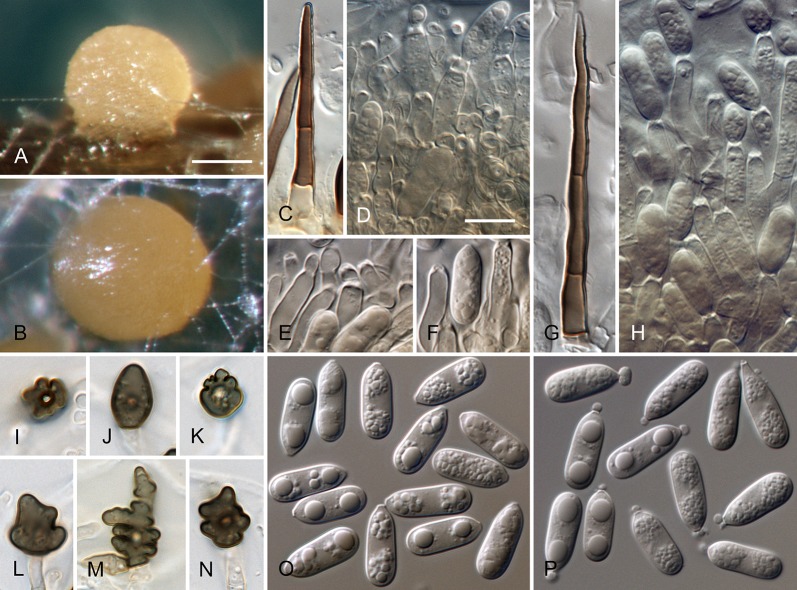
Although only recently described, Colletotrichum boninense is well established in literature as an anthracnose pathogen or endophyte of a diverse range of host plants worldwide. It is especially prominent on members of Amaryllidaceae, Orchidaceae, Proteaceae and Solanaceae. Reports from literature and preliminary studies using ITS sequence data indicated that C. boninense represents a species complex. A multilocus molecular phylogenetic analysis (ITS, ACT, TUB2, CHS-1, GAPDH, HIS3, CAL) of 86 strains previously identified as C. boninense and other related strains revealed 18 clades. These clades are recognised here as separate species, including C. boninense s. str., C. hippeastri, C. karstii and 12 previously undescribed species, C. annellatum, C. beeveri, C. brassicicola, C. brasiliense, C. colombiense, C. constrictum, C. cymbidiicola, C. dacrycarpi, C. novae-zelandiae, C. oncidii, C. parsonsiae and C. torulosum. Seven of the new species are only known from New Zealand, perhaps reflecting a sampling bias. The new combination C. phyllanthi was made, and C. dracaenae Petch was epitypified and the name replaced with C. petchii. Typical for species of the C. boninense species complex are the conidiogenous cells with rather prominent periclinal thickening that also sometimes extend to form a new conidiogenous locus or annellations as well as conidia that have a prominent basal scar. Many species in the C. boninense complex form teleomorphs in culture. TAXONOMIC NOVELTIES: New combination - Colletotrichum phyllanthi (H. Surendranath Pai) Damm, P.F. Cannon & Crous. Name replacement - C. petchii Damm, P.F. Cannon & Crous. New species - C. annellatum Damm, P.F. Cannon & Crous, C. beeveri Damm, P.F. Cannon, Crous, P.R. Johnst. & B. Weir, C. brassicicola Damm, P.F. Cannon & Crous, C. brasiliense Damm, P.F. Cannon, Crous & Massola, C. colombiense Damm, P.F. Cannon, Crous, C. constrictum Damm, P.F. Cannon, Crous, P.R. Johnst. & B. Weir, C. cymbidiicola Damm, P.F. Cannon, Crous, P.R. Johnst. & B. Weir, C. dacrycarpi Damm, P.F. Cannon, Crous, P.R. Johnst. & B. Weir, C. novae-zelandiae Damm, P.F. Cannon, Crous, P.R. Johnst. & B. Weir, C. oncidii Damm, P.F. Cannon & Crous, C. parsonsiae Damm, P.F. Cannon, Crous, P.R. Johnst. & B. Weir, C. torulosum Damm, P.F. Cannon, Crous, P.R. Johnst. & B. Weir. Typifications: Epitypifications - C. dracaenae Petch.
Overview
The claims and statistics of this paper haven’t been checked yet.
Free: it reads the open-access text and checks the first 5 claims that cite a source we can check. Create a free account to check every claim.
Integrity signals
Registry
Cites
Statistics
Figures
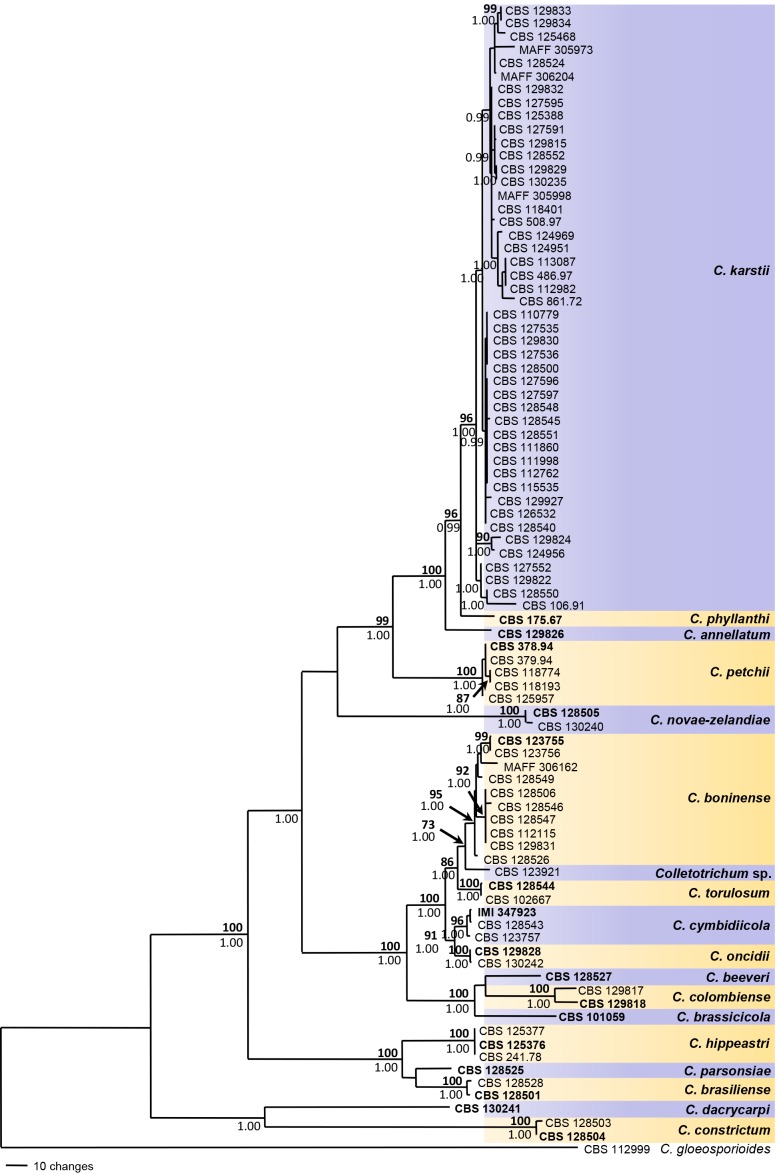
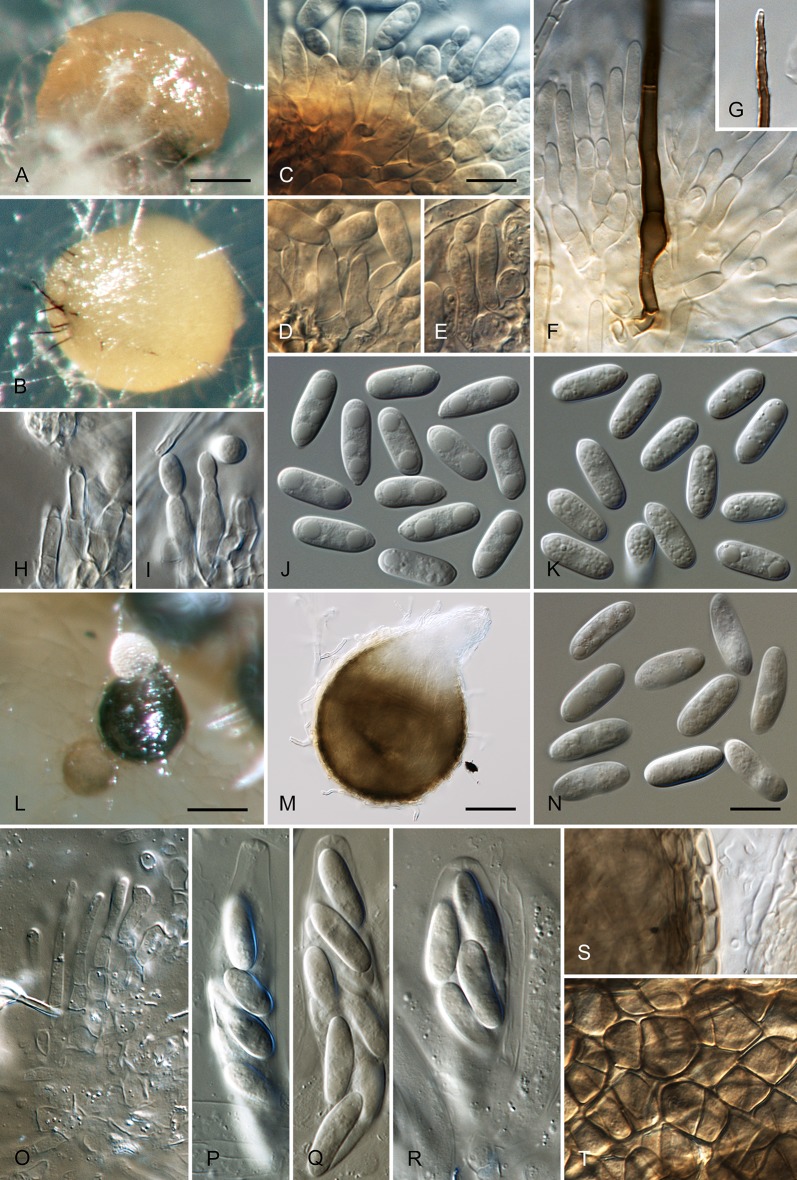
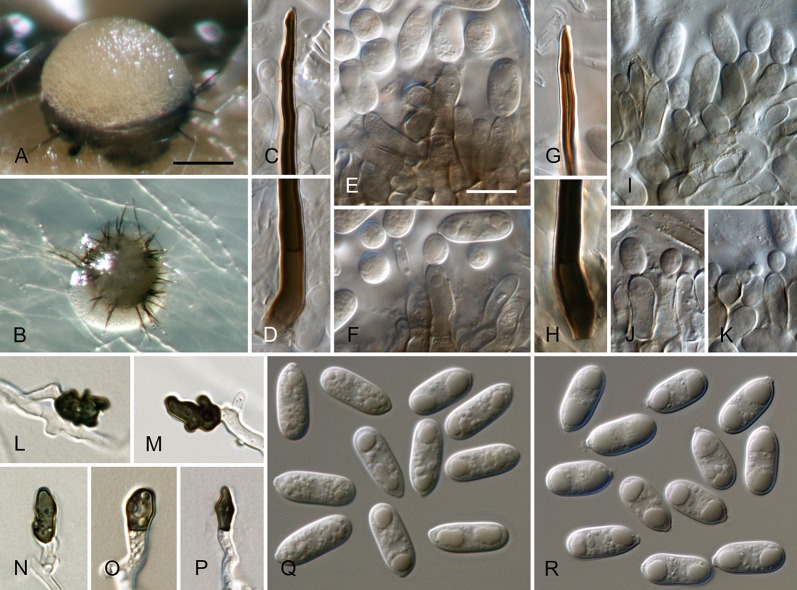
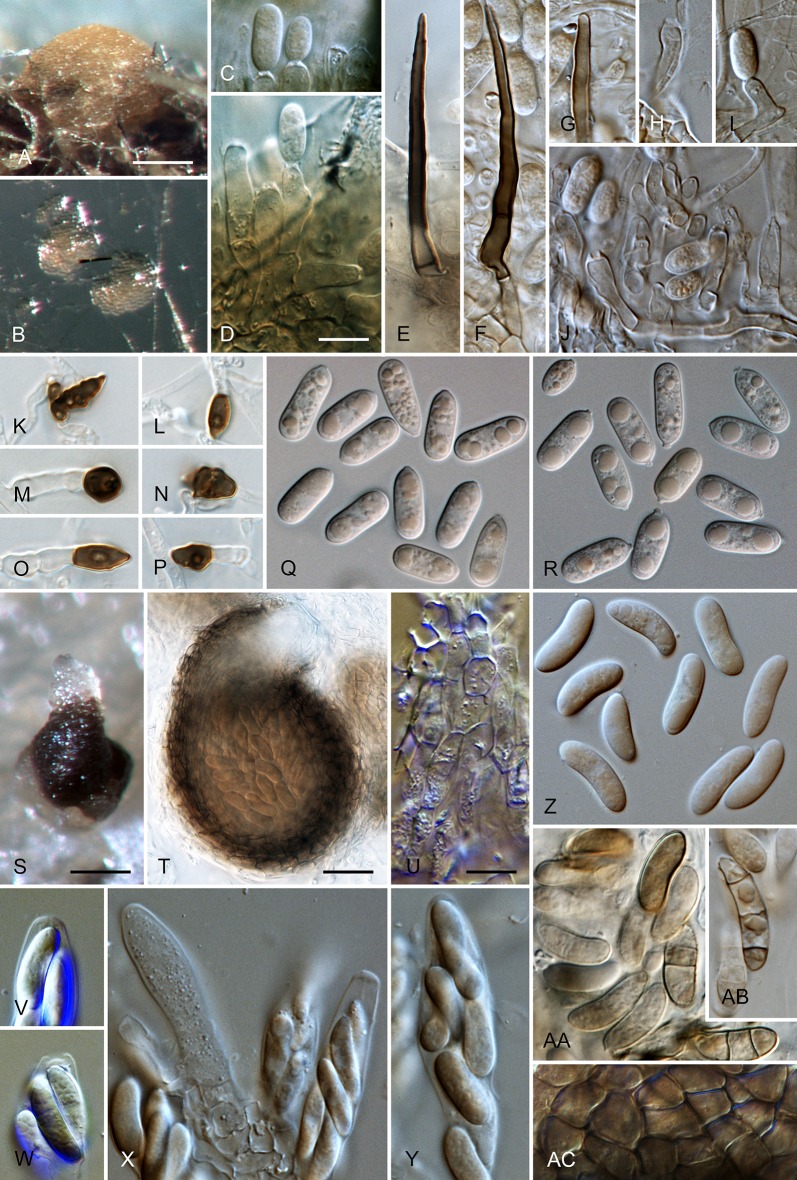
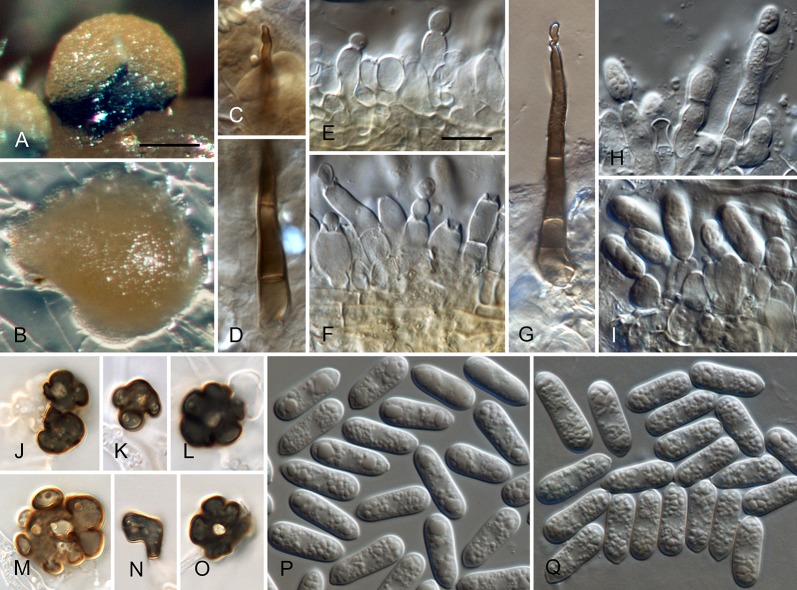
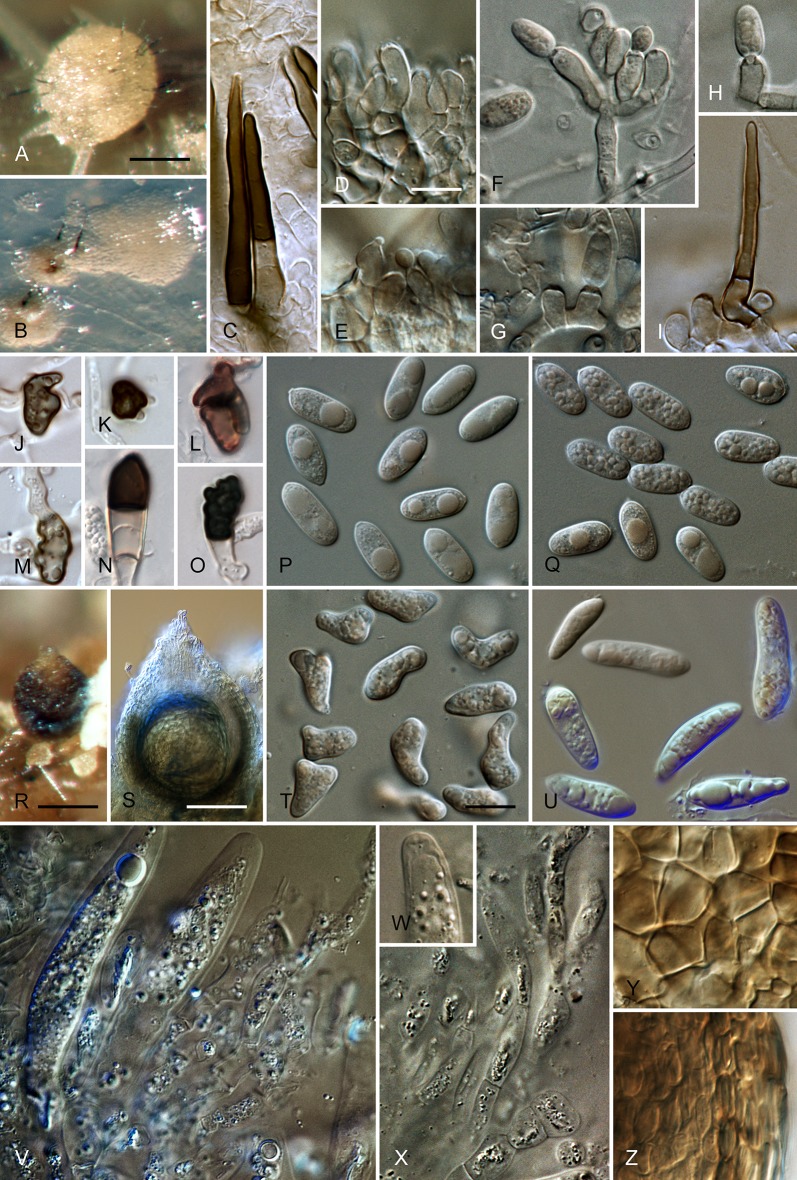
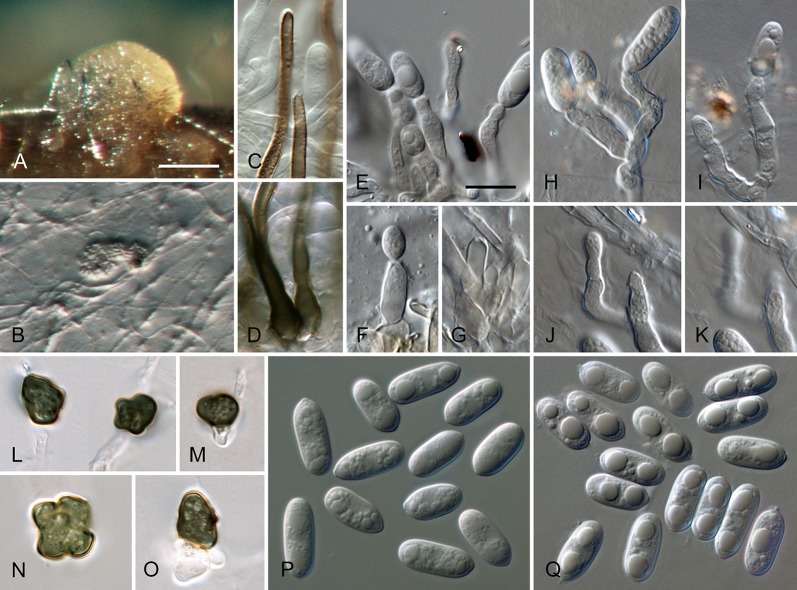
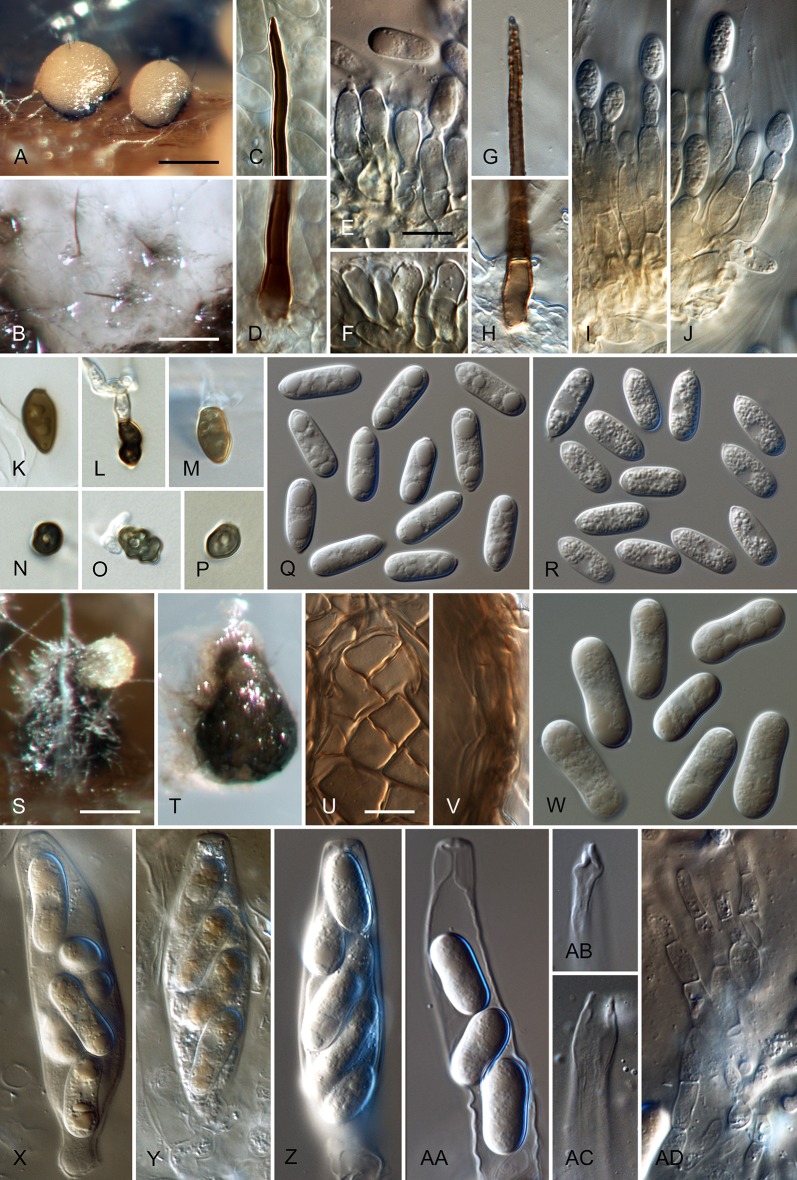
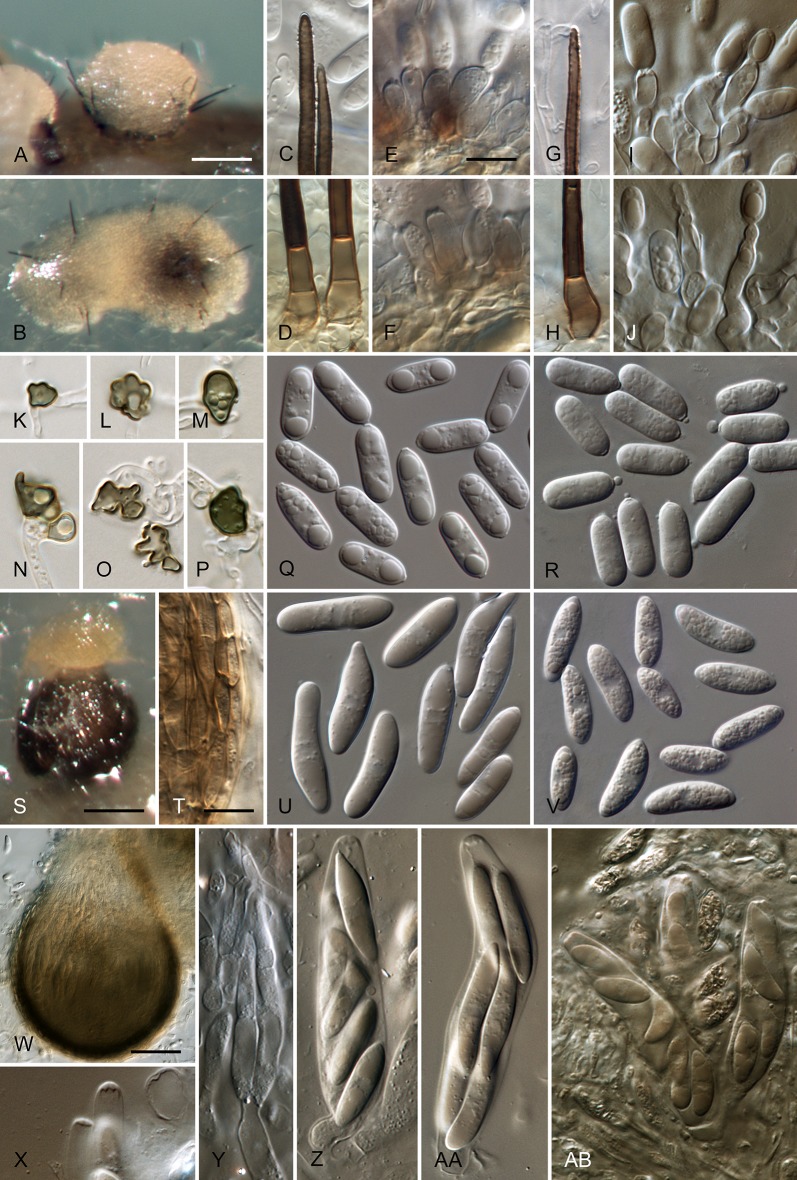
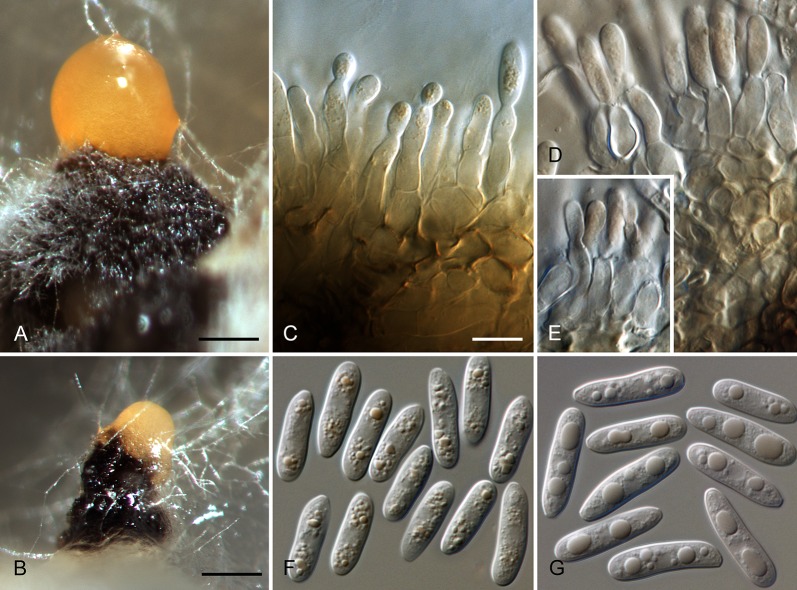
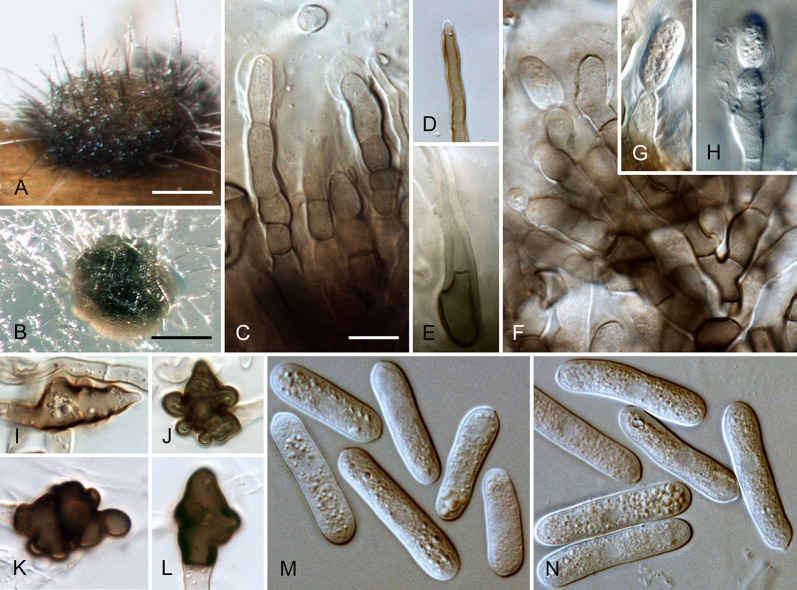
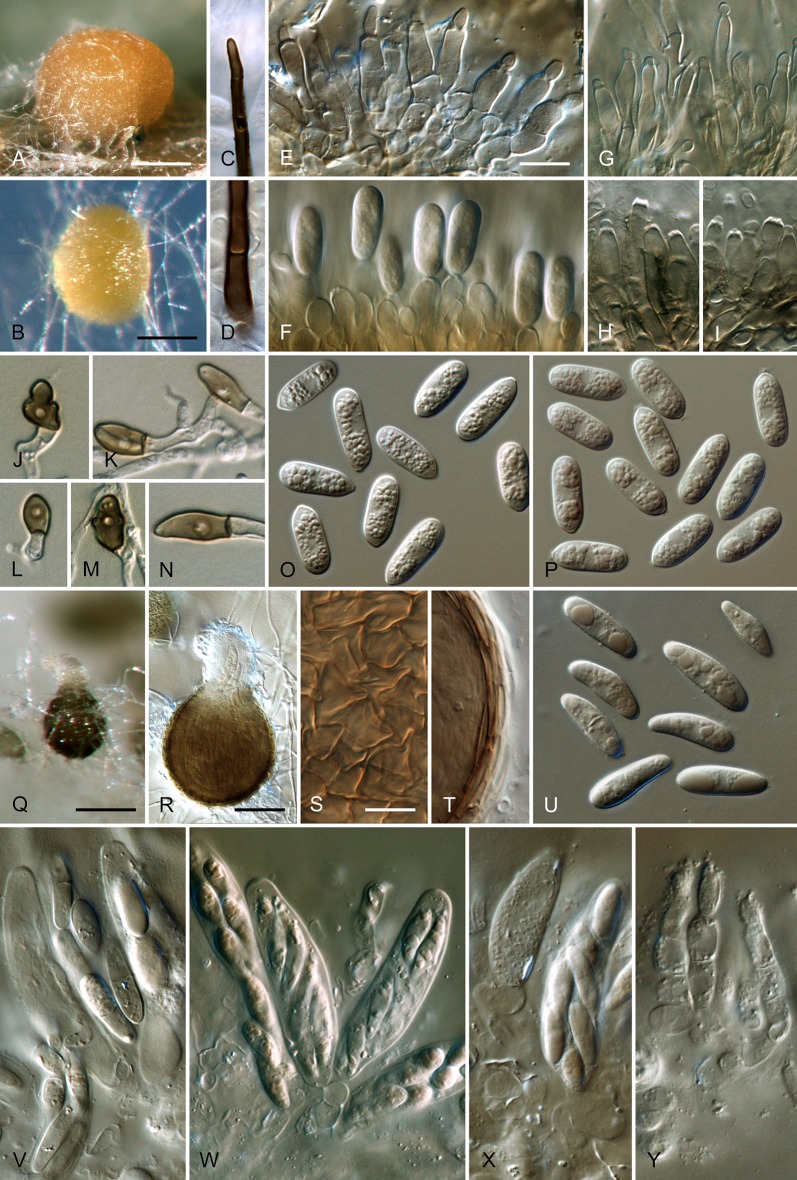
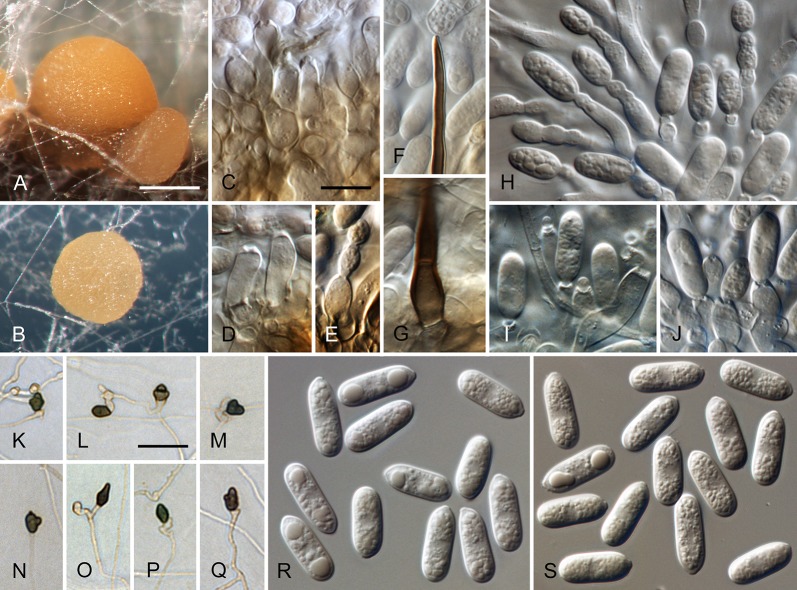
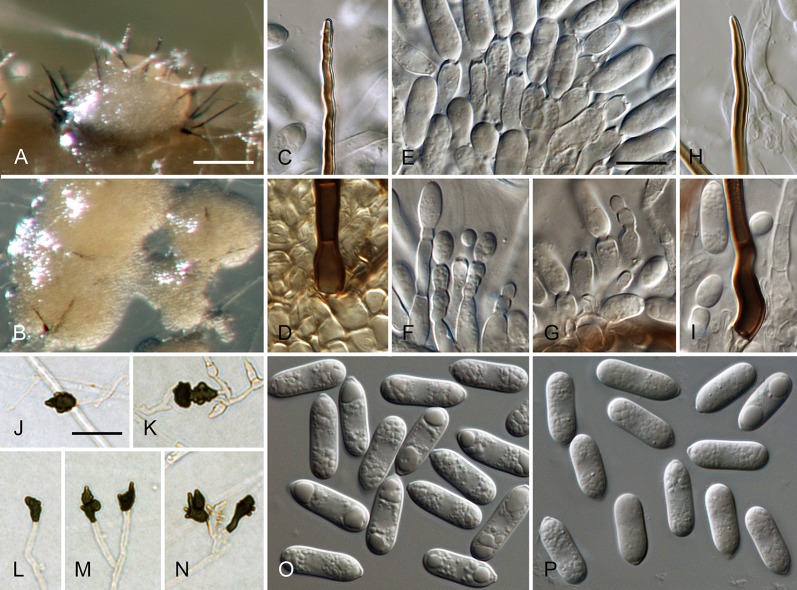
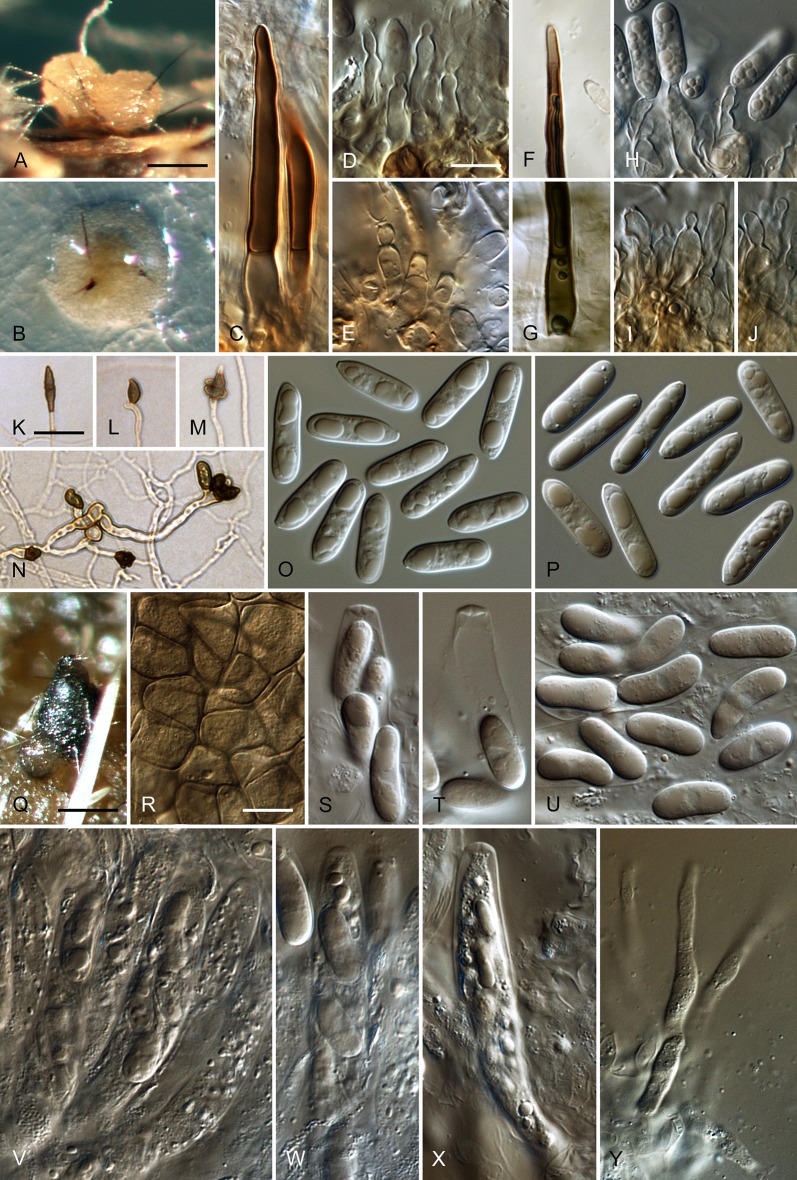
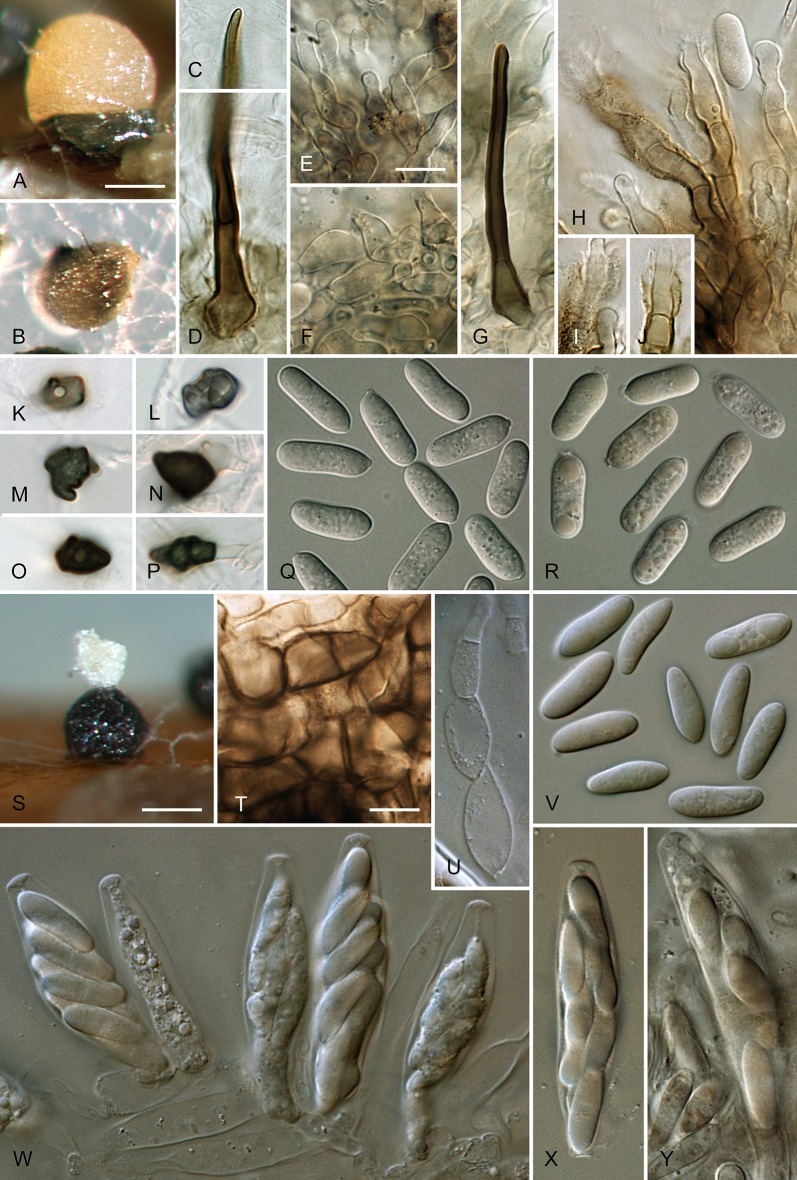
Verification
Claims the paper makes
The claims and statistics of this paper haven’t been checked yet.
Free: it reads the open-access text and checks the first 5 claims that cite a source we can check. Create a free account to check every claim.
Claims other papers make about this one
Each is checked against this paper’s own text: does it say what the citing paper says it does?
The cited source says what the claim attributes to it.
In the citing paper
“Colleotrichum karstii was first reported from orchids and was also known from some other hosts such as Carica papaya11, Citrus sp.11, and M. indica11,17. Colletotrichum karstii has been found on mango and avocado fruit17,33, and it has been placed in the C. boninense species complex11.”
From Colletotrichum species associated with mango in southern China (2019) · cites this paper as [11]
The check wasn’t confident either way, so it gives no verdict — never disputed.
In the citing paper
“This taxon is closely related to C. parsoniae and can be differentiated by its appresorial and ascospore shapes (Damm et al. 2012).”
From Colletotrichum: lifestyles, biology, morpho-species, species complexes and accepted species (2021) · cites this paper as Damm et al. 2012
Experimental — accuracy not yet measured
Self-check
Percentages, sums and reported differences re-computed from the paper’s own numbers.
The self-check needs the paper’s full text.
Citations
Cites
Amplification and direct sequencing of fungal ribosomal RNA genes for phylogenetics
White, T. J., Bruns, T., Lee, S., & Taylor, J. (1990) · PCR Protocols · doi:10.1016/b978-0-12-372180-8.50042-1 · Cited by 36,648 · cited 3×
“8S nuclear ribosomal gene with the two flanking internal transcribed spacers (ITS), a 200-bp intron of the glyceraldehyde-3-phosphate dehydrogenase (GAPDH), and partial sequences of the actin (ACT), chitin synthase 1 (CHS-1), betatubulin (TUB2), histone3 (HIS3) and calmodulin (CAL) genes were amplified and sequenced u…”
MethodMrBayes 3: Bayesian phylogenetic inference under mixed models
Ronquist, F., & Huelsenbeck, J. P. (2003) · Bioinformatics · doi:10.1093/bioinformatics/btg180 · Cited by 29,077
PCR protocols — A guide to methods and applications
U.G. (1990) · Trends in Biochemical Sciences · doi:10.1016/0968-0004(90)90252-7 · Cited by 11,702
GARDES, M., & BRUNS, T. D. (1993) · Molecular Ecology · doi:10.1111/j.1365-294x.1993.tb00005.x · Cited by 10,480
Glass, N. L., & Donaldson, G. C. (1995) · Applied and Environmental Microbiology · doi:10.1128/aem.61.4.1323-1330.1995 · Cited by 4,755
A method for designing primer sets for speciation studies in filamentous ascomycetes
Carbone, I., & Kohn, L. M. (1999) · Mycologia · doi:10.1080/00275514.1999.12061051 · Cited by 4,217
An Empirical Test of Bootstrapping as a Method for Assessing Confidence in Phylogenetic Analysis
Hillis, D. M., & Bull, J. J. (1993) · Systematic Biology · doi:10.1093/sysbio/42.2.182 · Cited by 3,631
An Empirical Test of Bootstrapping as a Method for Assessing Confidence in Phylogenetic Analysis
Hillis, D. M., & Bull, J. J. (1993) · Systematic Biology · doi:10.2307/2992540 · Cited by 3,423
O'Donnell, K., & Cigelnik, E. (1997) · Molecular Phylogenetics and Evolution · doi:10.1006/mpev.1996.0376 · Cited by 2,397
A Method for Designing Primer Sets for Speciation Studies in Filamentous Ascomycetes
Carbone, I., & Kohn, L. M. (1999) · Mycologia · doi:10.2307/3761358 · Cited by 2,061
Research works printed but not linked: 10
- Allescher A (1902). Rabenhorst’s Kryptogamen-Flora. Pilze - Fungi Imperfecti vol. 1(7): 385– 704 Edn 2
- Arx JA von (1957). Die Arten der Gattung Colletotrichum Cda. Phytopathologische Zeitschrift 29: 413– 468
- Di Lenna P Montecchio L (1995). Gravi danni da antracnosi (Colletotrichum gloeosporioides) su colture di Dracaena deremensis in serra. Informatore Fitopatologico 4: 24– 26
- Pai HS (1966). A new anthracnose disease of Phyllanthus acidus from India. Plant Disease Reporter 50: 313– 314
- Petch T (1906). Descriptions of new Ceylon fungi. Annals of the Royal Botanical Gardens Peradeniya 3(1): 1– 10
- Rambaut A (2002). Sequence Alignment Editor. Version 2.0. University of Oxford, Oxford
- Saccardo PA (1895). Sylloge Fungorum vol. 11 Padova, Italy
- Saccardo PA Trotter A (1913). Sylloge Fungorum vol. 22 Padova, Italy
- Simmonds JH (1968). Type specimens of Colletotrichum gloeosporioides var. minor and Colletotrichum acutatum. Queensland Journal of Agricultural and Animal Science 25: 178A
- Yang YL Liu ZY Cai L Hyde KD Yu ZN McKenzie EHC (2009). Colletotrichum anthracnose of Amaryllidaceae. Fungal Diversity 39: 123– 146
Cited by
The Colletotrichum gloeosporioides species complex
Weir, B. S., Johnston, P. R., & Damm, U. (2012) · Studies in Mycology · doi:10.3114/sim0011 · Cited by 1,646
Self-citationColletotrichum – current status and future directions
Cannon, P. F., Damm, U., Johnston, P. R., & Weir, B. S. (2012) · Studies in Mycology · doi:10.3114/sim0014 · Cited by 1,105
“…) was described from flower stalks and bracts of the arctic-alpine species Salix reticulata , an unexpected habitat for a species of Glomerella , but its phylogenetic position has been reassessed (Damm et al. 2012a), and confirmed as a synonym of C. salicis , a member of the C. acutatum clade.”
BackgroundMethodSelf-citationThe Colletotrichum acutatum species complex
Damm, U., Cannon, P. F., Woudenberg, J. H. C., & Crous, P. W. (2012) · Studies in Mycology · doi:10.3114/sim0010 · Cited by 979
“Based on the ITS sequences they generated, the isolates from guava and strawberry from Brazil belong to the same major clade as C. guajavae; the ITS sequence is in fact identical to that of C. guajavae, but also the same as a number of other species in this complex, making an identification to species level impossible…”
BackgroundInfluentialSelf-citationDiaporthe: a genus of endophytic, saprobic and plant pathogenic fungi
Gomes, R. R., Glienke, C., Videira, S. I. R., Lombard, L., Groenewald, J. Z., & Crous, P. W. (2013) · Persoonia - Molecular Phylogeny and Evolution of Fungi · doi:10.3767/003158513x666844 · Cited by 680
Self-citationMaharachchikumbura, S. S. N., Hyde, K. D., Groenewald, J. Z., Xu, J., & Crous, P. W. (2014) · Studies in Mycology · doi:10.1016/j.simyco.2014.09.005 · Cited by 551
Self-citationGenera of phytopathogenic fungi: GOPHY 1
Marin-Felix, Y., Groenewald, J. Z., Cai, L., Chen, Q., Marincowitz, S., Barnes, I., Bensch, K., Braun, U., Camporesi, E., Damm, U., et al. (2017) · Studies in Mycology · doi:10.1016/j.simyco.2017.04.002 · Cited by 436
Self-citationOne stop shop: backbones trees for important phytopathogenic genera: I (2014)
Hyde, K. D., Nilsson, R. H., Alias, S. A., Ariyawansa, H. A., Blair, J. E., Cai, L., de Cock, A. W. A. M., Dissanayake, A. J., Glockling, S. L., Goonasekara, I. D., et al. (2014) · Fungal Diversity · doi:10.1007/s13225-014-0298-1 · Cited by 379
Self-citationTowards a natural classification and backbone tree for Sordariomycetes
Maharachchikumbura, S. S. N., Hyde, K. D., Jones, E. B. G., McKenzie, E. H. C., Huang, S.-K., Abdel-Wahab, M. A., Daranagama, D. A., Dayarathne, M., D’souza, M. J., Goonasekara, I. D., et al. (2015) · Fungal Diversity · doi:10.1007/s13225-015-0331-z · Cited by 376
Notes on currently accepted species of Colletotrichum
Jayawardena, R. (2016) · Mycosphere · doi:10.5943/mycosphere/si/2c/9 · Cited by 363
Wijayawardene, N. N., Hyde, K. D., Rajeshkumar, K. C., Hawksworth, D. L., Madrid, H., Kirk, P. M., Braun, U., Singh, R. V., Crous, P. W., Kukwa, M., et al. (2017) · Fungal Diversity · doi:10.1007/s13225-017-0386-0 · Cited by 331
Self-citationLife styles of Colletotrichum species and implications for plant biosecurity
De Silva, D. D., Crous, P. W., Ades, P. K., Hyde, K. D., & Taylor, P. W. J. (2017) · Fungal Biology Reviews · doi:10.1016/j.fbr.2017.05.001 · Cited by 328
Self-citationTowards a natural classification of Botryosphaeriales
Liu, J.-K., Phookamsak, R., Doilom, M., Wikee, S., Li, Y.-M., Ariyawansha, H., Boonmee, S., Chomnunti, P., Dai, D.-Q., Bhat, J. D., et al. (2012) · Fungal Diversity · doi:10.1007/s13225-012-0207-4 · Cited by 287
Colletotrichum species and complexes: geographic distribution, host range and conservation status
Talhinhas, P., & Baroncelli, R. (2021) · Fungal Diversity · doi:10.1007/s13225-021-00491-9 · Cited by 280
The Colletotrichum dracaenophilum , C. magnum and C. orchidearum species complexes
Damm, U., Sato, T., Alizadeh, A., Groenewald, J. Z., & Crous, P. W. (2019) · Studies in Mycology · doi:10.1016/j.simyco.2018.04.001 · Cited by 274
Self-citationA multi-locus phylogenetic evaluation of Diaporthe (Phomopsis)
Udayanga, D., Liu, X., Crous, P. W., McKenzie, E. H. C., Chukeatirote, E., & Hyde, K. D. (2012) · Fungal Diversity · doi:10.1007/s13225-012-0190-9 · Cited by 257
Self-citationFungal Planet description sheets: 320–370
Crous, P. W., Wingfield, M. J., Guarro, J., Hernández-Restrepo, M., Sutton, D. A., Acharya, K., Barber, P. A., Boekhout, T., Dimitrov, R. A., Dueñas, M., et al. (2015) · Persoonia - Molecular Phylogeny and Evolution of Fungi · doi:10.3767/003158515x688433 · Cited by 255
Self-citationUpdating species diversity of Colletotrichum, with a phylogenomic overview
Liu, F., Ma, Z. Y., Hou, L. W., Diao, Y. Z., Wu, W. P., Damm, U., Song, S., & Cai, L. (2022) · Studies in Mycology · doi:10.3114/sim.2022.101.01 · Cited by 244
Self-citationFungal Planet description sheets: 154–213
Crous, P. W., Wingfield, M. J., Guarro, J., Cheewangkoon, R., van der Bank, M., Swart, W. J., Stchigel, A. M., Cano-Lira, J. F., Roux, J., Madrid, H., et al. (2013) · Persoonia - Molecular Phylogeny and Evolution of Fungi · doi:10.3767/003158513x675925 · Cited by 243
Self-citationLiu, F., Weir, B. S., Damm, U., Crous, P. W., Wang, Y., Liu, B., Wang, M., Zhang, M., & Cai, L. (2015) · Persoonia - Molecular Phylogeny and Evolution of Fungi · doi:10.3767/003158515x687597 · Cited by 239
Self-citationFungal Planet description sheets: 716–784
Crous, P. W., Wingfield, M. J., Burgess, T. I., Hardy, G. E. S. J., Gené, J., Guarro, J., Baseia, I. G., García, D., Gusmão, L. F. P., Souza-Motta, C. M., et al. (2018) · Persoonia - Molecular Phylogeny and Evolution of Fungi · doi:10.3767/persoonia.2018.40.10 · Cited by 230
Self-citationThe Colletotrichum destructivum species complex - hemibiotrophic pathogens of forage and field crops
Damm, U., O'Connell, R. J., Groenewald, J. Z., & Crous, P. W. (2014) · Studies in Mycology · doi:10.1016/j.simyco.2014.09.003 · Cited by 227
“boninense species complex (Damm et al. 2012) but not elsewhere in the C.”
BackgroundSelf-citationFungal Planet description sheets: 868–950
Crous, P. W., Carnegie, A. J., Wingfield, M. J., Sharma, R., Mughini, G., Noordeloos, M. E., Santini, A., Shouche, Y. S., Bezerra, J. D. P., Dima, B., et al. (2019) · Persoonia - Molecular Phylogeny and Evolution of Fungi · doi:10.3767/persoonia.2019.42.11 · Cited by 227
“…C. hippeastri (CBS 125376; Vu et al. 2019) using LSU, 96 % with C. camelliae-japonicae and C. annellatum (LC6416 and CBS 129826; Hou et al. 2016, Damm et al. 2012) using act, 97 % with C. annellatum (CBS 129826; Damm et al. 2012) using tub2 and 90 % with C. petchii (CBS 378.94; Damm et al.…”
BackgroundMethodInfluentialSelf-citationFive Colletotrichum species are responsible for mango anthracnose in northeastern Brazil
Lima, N. B., de A. Batista, M. V., De Morais, M. A., Barbosa, M. A. G., Michereff, S. J., Hyde, K. D., & Câmara, M. P. S. (2013) · Fungal Diversity · doi:10.1007/s13225-013-0237-6 · Cited by 224
Jayasiri, S. (2019) · Mycosphere · doi:10.5943/mycosphere/10/1/1 · Cited by 218
Fungal Planet description sheets: 1182–1283
Crous, P. W., Cowan, D. A., Maggs‐Kölling, G., Yılmaz, N., Thangavel, R., Wingfield, M. J., Noordeloos, M. E., Dima, B., Brandrud, T. E., Jansen, G. M., et al. (2021) · Persoonia - Molecular Phylogeny and Evolution of Fungi · doi:10.3767/persoonia.2021.46.11 · Cited by 217
Self-citationChilli Anthracnose: The Epidemiology and Management
Saxena, A., Raghuwanshi, R., Gupta, V. K., & Singh, H. B. (2016) · Frontiers in Microbiology · doi:10.3389/fmicb.2016.01527 · Cited by 213
Colletotrichum: lifestyles, biology, morpho-species, species complexes and accepted species
Jayawardena, R. (2021) · Mycosphere · doi:10.5943/mycosphere/12/1/7 · Cited by 208
Thailand’s amazing diversity: up to 96% of fungi in northern Thailand may be novel
Hyde, K. D., Norphanphoun, C., Chen, J., Dissanayake, A. J., Doilom, M., Hongsanan, S., Jayawardena, R. S., Jeewon, R., Perera, R. H., Thongbai, B., et al. (2018) · Fungal Diversity · doi:10.1007/s13225-018-0415-7 · Cited by 204
Colletotrichum species causing anthracnose disease of chili in China
Diao, Y.-Z., Zhang, C., Liu, F., Wang, W.-Z., Liu, L., Cai, L., & Liu, X.-L. (2017) · Persoonia - Molecular Phylogeny and Evolution of Fungi · doi:10.3767/003158517x692788 · Cited by 201
“Colletotrichum acutatum is a commonly reported species, and causes anthracnose on numerous plants worldwide (Damm et al. 2012a).”
Taxonomy and phylogeny of dematiaceous coelomycetes
Wijayawardene, N. N., Hyde, K. D., Wanasinghe, D. N., Papizadeh, M., Goonasekara, I. D., Camporesi, E., Bhat, D. J., McKenzie, E. H. C., Phillips, A. J. L., Diederich, P., et al. (2016) · Fungal Diversity · doi:10.1007/s13225-016-0360-2 · Cited by 196
Jayawardena, R. S., Hyde, K. D., Wang, S., Sun, Y.-R., Suwannarach, N., Sysouphanthong, P., Abdel‐Wahab, M. A., Abdel-Aziz, F. A., Abeywickrama, P. D., de Abreu, V. P., et al. (2022) · Fungal Diversity · doi:10.1007/s13225-022-00513-0 · Cited by 194
Self-citationde Silva, D. D., Groenewald, J. Z., Crous, P. W., Ades, P. K., Nasruddin, A., Mongkolporn, O., & Taylor, P. W. J. (2019) · IMA Fungus · doi:10.1186/s43008-019-0001-y · Cited by 186
“Notes: The majority of isolates identified as C. scovillei had similar spore shape and spore sizes, compared to the type specimen (10.5–)12.5–15(− 16.5) × (3–)3.5– 4(− 4.5) μm, described by Damm et al. (2012a, 2012b).”
BackgroundMethodInfluentialSelf-citationBaroncelli, R., Amby, D. B., Zapparata, A., Sarrocco, S., Vannacci, G., Le Floch, G., Harrison, R. J., Holub, E., Sukno, S. A., Sreenivasaprasad, S., et al. (2016) · BMC Genomics · doi:10.1186/s12864-016-2917-6 · Cited by 179
Optimal markers for the identification of Colletotrichum species
Vieira, W. A. D. S., Bezerra, P. A., da Silva, A. C., Veloso, J. S., Câmara, M. P. S., & Doyle, V. P. (2019) · Molecular Phylogenetics and Evolution · doi:10.1016/j.ympev.2019.106694 · Cited by 179
Zakaria, L. (2021) · Agriculture · doi:10.3390/agriculture11040297 · Cited by 178
Wang, Y.-C., Hao, X.-Y., Wang, L., Xiao, B., Wang, X.-C., & Yang, Y.-J. (2016) · Scientific Reports · doi:10.1038/srep35287 · Cited by 177
What is a species in fungal plant pathogens?
Jayawardena, R. S., Hyde, K. D., de Farias, A. R. G., Bhunjun, C. S., Ferdinandez, H. S., Manamgoda, D. S., Udayanga, D., Herath, I. S., Thambugala, K. M., Manawasinghe, I. S., et al. (2021) · Fungal Diversity · doi:10.1007/s13225-021-00484-8 · Cited by 176
Colletotrichum species associated with anthracnose of Pyrus spp. in China
Fu, M., Crous, P. W., Bai, Q., Zhang, P. F., Xiang, J., Guo, Y. S., Zhao, F. F., Yang, M. M., Hong, N., Xu, W. X., et al. (2019) · Persoonia - Molecular Phylogeny and Evolution of Fungi · doi:10.3767/persoonia.2019.42.01 · Cited by 175
Self-citationTennakoon, D. S., Kuo, C.-H., Maharachchikumbura, S. S. N., Thambugala, K. M., Gentekaki, E., Phillips, A. J. L., Bhat, D. J., Wanasinghe, D. N., SILVA, N. I. D., Promputtha, I., et al. (2021) · Fungal Diversity · doi:10.1007/s13225-021-00474-w · Cited by 174
Colletotrichum species associated with cultivated citrus in China
Huang, F., Chen, G. Q., Hou, X., Fu, Y. S., Cai, L., Hyde, K. D., & Li, H. Y. (2013) · Fungal Diversity · doi:10.1007/s13225-013-0232-y · Cited by 171
Phyllosticta capitalensis, a widespread endophyte of plants
Wikee, S., Lombard, L., Crous, P. W., Nakashima, C., Motohashi, K., Chukeatirote, E., Alias, S. A., McKenzie, E. H. C., & Hyde, K. D. (2013) · Fungal Diversity · doi:10.1007/s13225-013-0235-8 · Cited by 167
Self-citationIdentifying and Naming Plant-Pathogenic Fungi: Past, Present, and Future
Crous, P. W., Hawksworth, D. L., & Wingfield, M. J. (2015) · Annual Review of Phytopathology · doi:10.1146/annurev-phyto-080614-120245 · Cited by 165
“…phytopathogenic fungi, such as Alternaria (115), Bipolaris (56), Botryosphaeria (73, 93 A cce p r PCR , Ceratocystis (26), Colletotrichum (14, 24, 25), Phyllosticta (112), Pyricularia (52), and Teratosphaeria (74), to name but a few. hybridization events, horizontal gene transfer The application…”
Self-citationAbdelfattah, A., Nicosia, M. G. L. D., Cacciola, S. O., Droby, S., & Schena, L. (2015) · PLoS ONE · doi:10.1371/journal.pone.0131069 · Cited by 165
da Silva, L. L., Moreno, H. L. A., Correia, H. L. N., Santana, M. F., & de Queiroz, M. V. (2020) · Applied Microbiology and Biotechnology · doi:10.1007/s00253-020-10363-y · Cited by 162
Investigating species boundaries in Colletotrichum
Bhunjun, C. S., Phukhamsakda, C., Jayawardena, R. S., Jeewon, R., Promputtha, I., & Hyde, K. D. (2021) · Fungal Diversity · doi:10.1007/s13225-021-00471-z · Cited by 153
Sharma, G., Maymon, M., & Freeman, S. (2017) · Scientific Reports · doi:10.1038/s41598-017-15946-w · Cited by 152
Epitypification and neotypification: guidelines with appropriate and inappropriate examples
Ariyawansa, H. A., Hawksworth, D. L., Hyde, K. D., Jones, E. B. G., Maharachchikumbura, S. S. N., Manamgoda, D. S., Thambugala, K. M., Udayanga, D., Camporesi, E., Daranagama, A., et al. (2014) · Fungal Diversity · doi:10.1007/s13225-014-0315-4 · Cited by 151
Self-citationThe Colletotrichum orbiculare species complex: Important pathogens of field crops and weeds
Damm, U., Cannon, P. F., Liu, F., Barreto, R. W., Guatimosim, E., & Crous, P. W. (2013) · Fungal Diversity · doi:10.1007/s13225-013-0255-4 · Cited by 150
Self-citationWhat are the common anthracnose pathogens of tropical fruits?
Udayanga, D., Manamgoda, D. S., Liu, X., Chukeatirote, E., & Hyde, K. D. (2013) · Fungal Diversity · doi:10.1007/s13225-013-0257-2 · Cited by 147
Taxonomy and phylogeny of hyaline-spored coelomycetes
Li, W., McKenzie, E. H. C., Liu, J., Bhat, D. J., Dai, D.-Q., Camporesi, E., Tian, Q., Maharachchikumbura, S. S. N., Luo, Z.-L., Shang, Q.-J., et al. (2020) · Fungal Diversity · doi:10.1007/s13225-020-00440-y · Cited by 147
Endophytic species of Colletotrichum associated with mango in northeastern Brazil
Vieira, W. A. S., Michereff, S. J., de Morais, M. A., Hyde, K. D., & Câmara, M. P. S. (2014) · Fungal Diversity · doi:10.1007/s13225-014-0293-6 · Cited by 143
Velho, A. C., Alaniz, S., Casanova, L., Mondino, P., & Stadnik, M. J. (2015) · Fungal Biology · doi:10.1016/j.funbio.2014.12.009 · Cited by 142
Jayawardena, R. S., Hyde, K. D., Jeewon, R., Ghobad‐Nejhad, M., Wanasinghe, D. N., Liu, N.-G., Phillips, A. J. L., Oliveira-Filho, J. R. C., da Silva, G. A., Gibertoni, T. B., et al. (2019) · Fungal Diversity · doi:10.1007/s13225-019-00418-5 · Cited by 141
Self-citationSoybean anthracnose caused by Colletotrichum species: Current status and future prospects
Boufleur, T. R., Ciampi‐Guillardi, M., Tikami, Í., Rogério, F., Thon, M. R., Sukno, S. A., Júnior, N. S. M., & Baroncelli, R. (2021) · Molecular Plant Pathology · doi:10.1111/mpp.13036 · Cited by 138
High species diversity in Colletotrichum associated with citrus diseases in Europe
Guarnaccia, V., Groenewald, J. Z., Polizzi, G., & Crous, P. W. (2017) · Persoonia - Molecular Phylogeny and Evolution of Fungi · doi:10.3767/persoonia.2017.39.02 · Cited by 134
Self-citationGreen and brown bridges between weeds and crops reveal novel Diaporthe species in Australia
Thompson, S., Tan, Y. P., Shivas, R. G., Neate, S. M., Morin, L., Bissett, A. B., & Aitken, E. A. B. (2015) · Persoonia - Molecular Phylogeny and Evolution of Fungi · doi:10.3767/003158515x687506 · Cited by 131
Self-citationTalhinhas, P. (2023) · Mycosphere · doi:10.5943/mycosphere/14/si2/4 · Cited by 124
Jayawardena, R. S., Hyde, K. D., Chen, Y. J., Papp, V., Palla, B., Papp, D., Bhunjun, C. S., Hurdeal, V. G., Senwanna, C., Manawasinghe, I. S., et al. (2020) · Fungal Diversity · doi:10.1007/s13225-020-00460-8 · Cited by 122
Resolving the Colletotrichum siamense species complex using ApMat marker
Sharma, G., Pinnaka, A. K., & Shenoy, B. D. (2015) · Fungal Diversity · doi:10.1007/s13225-014-0312-7 · Cited by 120
Crous, P. W., Wingfield, M. J., Cheewangkoon, R., Carnegie, A. J., Burgess, T. I., Summerell, B. A., Edwards, J., Taylor, P. W. J., & Groenewald, J. Z. (2019) · Studies in Mycology · doi:10.1016/j.simyco.2019.08.001 · Cited by 118
Self-citationThe Colletotrichum gigasporum species complex
Liu, F., Cai, L., Crous, P. W., & Damm, U. (2014) · Persoonia - Molecular Phylogeny and Evolution of Fungi · doi:10.3767/003158514x684447 · Cited by 116
Self-citationSchena, L., Mosca, S., Cacciola, S. O., Faedda, R., Sanzani, S. M., Agosteo, G. E., Sergeeva, V., & Magnano di San Lio, G. (2014) · Plant Pathology · doi:10.1111/ppa.12110 · Cited by 114
Colletotrichum species associated with mango in southern China
Li, Q., Bu, J., Shu, J., Yu, Z., Tang, L., Huang, S., Guo, T., Mo, J., Luo, S., Solangi, G. S., et al. (2019) · Scientific Reports · doi:10.1038/s41598-019-54809-4 · Cited by 109
Colletotrichum Species Causing Anthracnose of Citrus in Australia
Wang, W., de Silva, D. D., Moslemi, A., Edwards, J., Ades, P. K., Crous, P. W., & Taylor, P. W. J. (2021) · Journal of Fungi · doi:10.3390/jof7010047 · Cited by 109
Self-citationChung, P.-C., Wu, H., Wang, Y., Ariyawansa, H. A., Hu, H.-P., Hung, T., Tzean, S. S., & Chung, C. (2020) · Scientific Reports · doi:10.1038/s41598-020-70878-2 · Cited by 107
Colletotrichum Species Causing Anthracnose of Rubber Trees in China
Liu, X., Li, B., Cai, J., Zheng, X., Feng, Y., & Guixiu, H. (2018) · Scientific Reports · doi:10.1038/s41598-018-28166-7 · Cited by 107
Distribution and Pathogenicity of Colletotrichum Species Associated With Mango Anthracnose in Mexico
Tovar-Pedraza, J. M., Mora-Aguilera, J. A., Nava-Díaz, C., Lima, N. B., Michereff, S. J., Sandoval-Islas, J. S., Câmara, M. P. S., Téliz-Ortiz, D., & Leyva-Mir, S. G. (2020) · Plant Disease · doi:10.1094/pdis-01-19-0178-re · Cited by 105
Fungal endophyte diversity and community patterns in healthy and yellowing leaves of Citrus limon
Douanla‐Meli, C., Langer, E. J., & Talontsi, F. M. (2013) · Fungal ecology · doi:10.1016/j.funeco.2013.01.004 · Cited by 104
Han, Y., Zeng, X. G., Xiang, F., Ren, L., Chen, F., & Gu, Y. C. (2015) · Plant Disease · doi:10.1094/pdis-09-15-1016-re · Cited by 100
Colletotrichum gloeosporioides (Anthracnose)
Siddiqui, Y., & Ali, A. (2014) · Elsevier eBooks · doi:10.1016/b978-0-12-411552-1.00011-9 · Cited by 98
Tao, G., Liu, Z.-Y., Liu, F., Gao, Y.-H., & Cai, L. (2013) · Fungal Diversity · doi:10.1007/s13225-013-0254-5 · Cited by 98
The Genomics of Colletotrichum
Crouch, J. A., O’Connell, R. J., Gan, P., Buiate, E. A. S., Jiménez, M. F. T., Beirn, L. A., Shirasu, K., & Vaillancourt, L. J. (2014) · Springer eBooks · doi:10.1007/978-3-662-44053-7_3 · Cited by 97
Colletotrichum fructicola and C. siamense are involved in chilli anthracnose in India
Sharma, G., & Shenoy, B. D. (2014) · Archives Of Phytopathology And Plant Protection · doi:10.1080/03235408.2013.833749 · Cited by 96
Phylogenetic revision of Camarosporium ( Pleosporineae , Dothideomycetes ) and allied genera
Wanasinghe, D. N., Hyde, K. D., Jeewon, R., Crous, P. W., Wijayawardene, N. N., Jones, E. B. G., Bhat, D. J., Phillips, A. J. L., Groenewald, J. Z., Dayarathne, M. C., et al. (2017) · Studies in Mycology · doi:10.1016/j.simyco.2017.08.001 · Cited by 96
Self-citationColletotrichum species in Australia
Shivas, R. G., Tan, Y. P., Edwards, J., Dinh, Q., Maxwell, A., Andjic, V., Liberato, J. R., Anderson, C., Beasley, D. R., Bransgrove, K., et al. (2016) · Australasian Plant Pathology · doi:10.1007/s13313-016-0443-2 · Cited by 90
Self-citationWhat are the 100 most cited fungal genera?
Bhunjun, C. S., Chen, Y. J., Phukhamsakda, C., Boekhout, T., Groenewald, J. Z., McKenzi, E. H. C., Francisco, E. C., Frisvad, J. C., Groenewald, M., Hurdeal, V. G., et al. (2024) · Studies in Mycology · doi:10.3114/sim.2024.108.01 · Cited by 88
Self-citationLiu, F., Damm, U., Cai, L., & Crous, P. W. (2013) · Fungal Diversity · doi:10.1007/s13225-013-0249-2 · Cited by 87
Self-citationFungal Planet description sheets: 1436–1477
Tan, Y. P., Bishop-Hurley, S. L., Shivas, R. G., Cowan, D. A., Maggs‐Kölling, G., Maharachchikumbura, S. S. N., Pinruan, U., Bransgrove, K., Lastra, S. D. L. P., Larsson, E., et al. (2022) · Persoonia - Molecular Phylogeny and Evolution of Fungi · doi:10.3767/persoonia.2022.49.08 · Cited by 87
Self-citationVieira, W. A. S., Lima, W. G., Nascimento, E. S., Michereff, S. J., Câmara, M. P. S., & Doyle, V. P. (2017) · Mycologia · doi:10.1080/00275514.2017.1418577 · Cited by 83
Chilli anthracnose (Colletotrichum spp.) disease and its management approach
Oo, M. M., & Oh, S. (2016) · Korean Journal of Agricultural Science · doi:10.7744/kjoas.20160018 · Cited by 84
He, L., Li, X., Gao, Y., Li, B., Mu, W., & Liu, F. (2018) · Plant Disease · doi:10.1094/pdis-04-18-0597-re · Cited by 80
Hu, M., Grabke, A., & Schnabel, G. (2015) · Plant Disease · doi:10.1094/pdis-10-14-1076-re · Cited by 77
Oo, M. M., Lim, G., Jang, H. A., & Oh, S. (2017) · Mycobiology · doi:10.5941/myco.2017.45.3.184 · Cited by 76
Endophytic Colletotrichum species from Dendrobium spp. in China and Northern Thailand
Ma, X., Nontachaiyapoom, S., Jayawardena, R. S., Yde, K. D., Gentekaki, E., Zhou, S., Qian, Y., Wen, T., & Kang, J. (2018) · MycoKeys · doi:10.3897/mycokeys.43.25081 · Cited by 75
Colletotrichum acutatum and C. gloeosporioides Species Complexes Associated with Apple in Brazil
Moreira, R. R., Peres, N. A., & Mio, L. L. M. D. (2018) · Plant Disease · doi:10.1094/pdis-07-18-1187-re · Cited by 75
Forecasting the number of species of asexually reproducing fungi (Ascomycota and Basidiomycota)
Wijayawardene, N. N., Phillips, A. J. L., Pereira, D. S., Dai, D.-Q., Aptroot, A., Monteiro, J. S., Druzhinina, I. S., Cai, F. M., Fan, X., Selbmann, L., et al. (2022) · Fungal Diversity · doi:10.1007/s13225-022-00500-5 · Cited by 74
Aiello, D., Carrieri, R., Guarnaccia, V., Vitale, A., Lahoz, E., & Polizzi, G. (2014) · Journal of Phytopathology · doi:10.1111/jph.12299 · Cited by 73
Hassan, O., Jeon, J. Y., Chang, T., Shin, J. S., Oh, N. K., & Lee, Y.-S. (2017) · Plant Disease · doi:10.1094/pdis-10-17-1564-re · Cited by 70
Colletotrichum species causing anthracnose on avocado fruit in Mexico: Current status
Fuentes‐Aragón, D., Silva‐Rojas, H. V., Guarnaccia, V., Mora-Aguilera, J. A., Ocampo, S. A., Bautista‐Martínez, N., & Téliz‐Ortíz, D. (2020) · Plant Pathology · doi:10.1111/ppa.13234 · Cited by 70
Hosseini, B., Voegele, R. T., & Link, T. I. (2023) · Journal of Fungi · doi:10.3390/jof9050587 · Cited by 70
Diversity of Colletotrichum Species Causing Apple Bitter Rot and Glomerella Leaf Spot in China
Chen, Y., Fu, D., Wang, W., Gleason, M. L., Zhang, R., Liang, X., & Sun, G. (2022) · Journal of Fungi · doi:10.3390/jof8070740 · Cited by 69
Novel primers improve species delimitation in Cercospora
Bakhshi, M., Arzanlou, M., Babai‐Ahari, A., Groenewald, J. Z., & Crous, P. W. (2018) · IMA Fungus · doi:10.5598/imafungus.2018.09.02.06 · Cited by 69
Self-citationMolecular Analysis of Colletotrichum Species in the Carposphere and Phyllosphere of Olive
Mosca, S., Nicosia, M. G. L. D., Cacciola, S. O., & Schena, L. (2014) · PLoS ONE · doi:10.1371/journal.pone.0114031 · Cited by 68
Fungal numbers: global needs for a realistic assessment
Hyde, K. D., Saleh, A., Aumentado, H. D., Boekhout, T., Bera, I., Khyaju, S., Bhunjun, C. S., Chethana, K. W. T., Phukhamsakda, C., Doilom, M., et al. (2024) · Fungal Diversity · doi:10.1007/s13225-024-00545-8 · Cited by 67
Unraveling Colletotrichum species associated with Glomerella leaf spot of apple
Velho, A. C., Stadnik, M. J., & Wallhead, M. (2018) · Tropical Plant Pathology · doi:10.1007/s40858-018-0261-x · Cited by 66
Veloso, J. S., Câmara, M. P. S., Lima, W. G., Michereff, S. J., & Doyle, V. P. (2018) · Fungal Biology · doi:10.1016/j.funbio.2018.03.005 · Cited by 65
Guo, Z., Luo, C., Wu, H.-J., Peng, B., Kang, B., Liu, L.-M., Zhang, M., & Gu, Q. (2022) · Journal of Fungi · doi:10.3390/jof8080790 · Cited by 64
Ramos, A. P., Talhinhas, P., Sreenivasaprasad, S., & Oliveira, H. (2016) · Phytoparasitica · doi:10.1007/s12600-016-0537-y · Cited by 63
Twig and Shoot Dieback of Citrus, a New Disease Caused by Colletotrichum Species
Riolo, M., Aloi, F., Pane, A., Cara, M., & Cacciola, S. O. (2021) · Cells · doi:10.3390/cells10020449 · Cited by 63
Circumscription of the anthracnose pathogens Colletotrichum lindemuthianum and C. nigrum
Liu, F., Cai, L., Crous, P. W., & Damm, U. (2013) · Mycologia · doi:10.3852/12-315 · Cited by 62
Self-citation
Metadata
- Authors
- Damm, U., Cannon, P. F., Woudenberg, J. H. C., Johnston, P. R., Weir, B. S., Tan, Y. P., Shivas, R. G., & Crous, P. W.
- Affiliations
- Westerdijk Fungal Biodiversity Institute (NL)
- Royal Botanic Gardens, Kew (GB)
- Manaaki Whenua – Landcare Research (NZ)
- Utrecht University (NL)
- Corresponding author
- Damm, U.
- Venue
- Studies in Mycology
- Published
- 2012-09
- Volume
- 73
- Issue
- 1
- Pages
- 1-36
- ISSN
- 0166-0616 (ISSN-L)
- PMC
- PMC3458415
- OpenAlex
- W2045620887
- Cited by
- 485
- References
- 84
- Citations by year
- 2026: 21 · 2025: 37 · 2024: 39 · 2023: 47 · 2022: 88 · 2021: 41 · 2020: 34 · 2019: 32 · 2018: 24 · 2017: 25 · 2016: 29 · 2015: 21 · 2014: 22 · 2013: 17 · 2012: 8
- FWCI
- 10.31
- Type
- journal article
- Language
- en
- Open access
- hybrid
- doi.org
- Licence
- cc-by-nc-nd
- www.elsevier.com/tdm/userlicense/1.0/ (tdm)
- creativecommons.org/licenses/by-nc-nd/3.0/ (vor, 633 d)
- Locations
- Studies in Mycology (publishedVersion, cc-by-nc-nd)
- Europe PMC (PubMed Central) (publishedVersion, cc-by-nc-nd)
- PubMed Central (publishedVersion, cc-by-nc-nd)
- PubMed (publishedVersion)
- KNAW research portal (Royal Academy of Art and Sciences (KNAW)) (publishedVersion, other-oa)
- University of Southern Queensland ePrints (University of Southern Queensland) (acceptedVersion)
- Queensland Department of Agriculture and Fisheries archive of scientific and research publications (Queensland Department of Agriculture and Fisheries) (acceptedVersion)
- Socio-Environmental Systems Modeling (acceptedVersion)
- Data Archiving and Networked Services (DANS) (submittedVersion)
- Queensland Department of Agriculture and Fisheries archive of scientific and research publications (Queensland Department of Agriculture and Fisheries) (submittedVersion)
- Data Archiving and Networked Services (DANS) (submittedVersion, other-oa)
- Topics
- Life Sciences › Agricultural and Biological Sciences › Plant Science › Plant Pathogens and Fungal Diseases
- Life Sciences › Immunology and Microbiology › Microbiology › Yeasts and Rust Fungi Studies
- Life Sciences › Agricultural and Biological Sciences › Ecology, Evolution, Behavior and Systematics › Plant and Fungal Species Descriptions
- Keywords
- Colletotrichum, anthracnose, fungal taxonomy, new species, new combination, Colletotrichum karstii, conidiogenous cells, teleomorph
About these checks
Registry, retraction, Cites and statistics results are computed, not judged, with one exception: a printed reference that no index lists is read once by a model before it counts as a citation error. Claims are extracted by a model and kept only when their quote appears verbatim in the text; each cited source is then checked, with a model’s help, for whether it says what the claim relies on. Those verdicts can be wrong — read the claim’s quote and the cited source before relying on one.
Statistics and arithmetic are recomputed, not judged.
Confidence bands are shown only for fields calibrated on our annotated test set. None is calibrated yet, so no band is shown.
What counts as a claim ›How we measure confidence ›How we check this ›
Are you an author, or do you see a problem with this page? Request a review
Data sources
Bibliographic data: Semantic Scholar, OpenAlex, Crossref.
Contains information from the Semantic Scholar Academic Graph Datasets, made available under the ODC Attribution License (ODC-BY 1.0).
Semantic Scholar’s data is described in: Kinney, R., et al. (2023). The Semantic Scholar Open Data Platform. arXiv:2301.10140.
